The recent violent protests in Ladakh have captured national attention, not just for the unrest itself but for the broader questions they raise about development, governance, and strategic security. What may appear as a local agitation for greater autonomy and protections is, on closer inspection, part of a complex interplay of political, environmental, and geopolitical factors that demand careful analysis.
The Protest and Its Roots
The immediate trigger for the protests is a demand to include Ladakh under the Sixth Schedule of the Indian Constitution, which would grant the Union Territory greater autonomy over local governance, taxation, and judicial powers. Protesters argue that such powers are necessary to preserve the region’s unique culture, language, and fragile environment.
Many observers, however, question the choice of the Sixth Schedule rather than the Fifth Schedule. The Fifth Schedule applies to most tribal areas in Central and Southern India and allows local councils to advise on development planning in coordination with the state governor. The Sixth Schedule, which currently covers tribal regions in the Northeast, provides far greater powers, including the ability to execute development projects independently, collect taxes, and manage judicial functions. Granting Sixth Schedule status to Ladakh would thus represent a significant legal and constitutional shift, requiring an amendment.
This legal nuance is critical. Critics argue that if implemented, Sixth Schedule powers could slow down critical infrastructure projects in the region, such as highways, tunnels, and airstrips—projects vital for both local development and national security in this border-sensitive area.
Selective Protest: Who Is Involved?
It is important to note that not all residents of Ladakh are participating in or supporting these protests. Analysts have described the movement as driven by a select group of activists (you know who they are) who have used environmental and cultural concerns to amplify their visibility. These activists claim that India’s development projects are harming Ladakh’s delicate ecology. Yet, similar or even larger-scale projects by China in neighboring regions such as Aksai Chin, Western Tibet, and Xinjiang have not provoked comparable protests.
Over the past few years, China has developed extensive infrastructure in these areas, including strategic highways, airstrips, and military bases, releasing millions of tons of carbon dioxide into the environment in the process. Local observers note the irony: while Chinese development was largely ignored, Indian development in the same ecologically sensitive region is being framed as environmentally destructive. Was the environment not fragile then?
A Strategic Laboratory?
Some analysts have described Ladakh as a “laboratory” for protest tactics. Observers note parallels with developments in Nepal, where protests were reportedly organized under the guise of legal or judicial issues to engineer a regime change. In Ladakh, the protests are framed as environmental and cultural advocacy, but they may serve broader strategic objectives, including testing protest methodologies that could later be applied elsewhere in India.
These tactics include:
Street protests – visibly mobilizing citizens on emotive issues like language, culture, and ecology.
Media campaigns – amplifying narratives of ecological damage and the insensitivity of the government.
Intellectual framing – engaging think tanks, podcasts, and debates to sustain the narrative at a national level.
The careful orchestration of these campaigns suggests that the unrest is not entirely spontaneous but part of a wider, planned strategy.
Geopolitical Dimensions
The protests also have significant geopolitical implications. Analysts point to the role of China’s United Front Work Department, a specialized branch of its Ministry of State Security tasked with shaping foreign narratives and obstructing strategic projects abroad.
According to experts, the department employs a two-pronged approach:
Aggressive media posture – using public statements, renaming of places, and symbolic gestures to influence perceptions. For example, China has repeatedly claimed Arunachal Pradesh as part of South Tibet in international discourse.
Obstructionist campaigns – framing Indian development projects in Ladakh and Kashmir as environmentally destructive, thereby creating delays or resistance at local and national levels.
This strategy aligns with China’s broader objective of maintaining a strategic edge in the Himalayan region by slowing India’s infrastructure parity, particularly in border-sensitive areas.
Development vs Ecology
The protests spotlight a deeper tension between development and ecological concerns. ‘Activists’ like Sonam Wangchuk argue that India’s projects in Ladakh threaten fragile ecosystems and tribal cultures. Yet environmental arguments are selectively applied, as similar large-scale Chinese projects in the region received little to no pushback.
Experts note that climate change and environmental degradation are global commons problems. Industrialization in other parts of the world has contributed far more to atmospheric carbon dioxide than localized development in India. Despite this, India’s projects in Ladakh are criticized, demonstrating the selective framing used in the protest narrative.
Political Implications
Domestically, the protests intersect with ongoing political struggles. Analysts note that the Congress party and certain local actors may be using the unrest to challenge the ruling BJP, weaken public perception of Prime Minister Narendra Modi, and create a broader narrative of governmental insensitivity. We already saw that despite the mob being of an older age group, Congress and supporting handles on social media called it “Gen Z protest” after Wangchuk blamed them for the arson and violence.
While the majority of Ladakh’s population is not involved, a small, vocal ‘activist’ group has been able to attract significant attention, making use of national media and social media platforms.
The Ladakh protests can thus be seen as part of a larger pattern: attempts to create street-level unrest, amplify grievances via media, and frame the narrative in ways that slow down government initiatives. This pattern has parallels with previous campaigns, including protests around the Citizenship Amendment Act (CAA) and other socio-political movements in India.
This comes exactly a week after Rahul Gandhi called on the youth, students, and Gen Z to “save the Constitution, protect democracy, and stop vote theft,” effectively encouraging them to mobilize politically against the government. By framing the youth as defenders of democracy, he positions them to take direct action, which can be interpreted as instigating unrest. His remarks echo regional examples like Nepal, where youth-led movements spiraled into protests and chaos, suggesting a potential blueprint for similar disruption in India. Critics argue that his message is less about safeguarding democracy and more about stirring dissent among young people against the current government, with Rahul himself cast as a guiding figure.
Looking Ahead
While the immediate unrest may have calmed, observers warn that the real work of shaping narratives is only beginning. Intellectual discourse, media debates, and online campaigns are expected to continue framing India’s development as ecologically insensitive, potentially creating long-term obstacles for projects in Ladakh and similar regions.
The protests highlight the need for citizens, policymakers, and analysts to critically assess the motivations behind movements. Not every demonstration is purely local; some may be influenced by broader political or geopolitical agendas. Understanding these layers is crucial, especially in regions like Ladakh, which are simultaneously ecologically fragile, strategically vital, and historically marginalized.
Subscribe to our channels on Telegram, WhatsApp, and Instagram and get the best stories of the day delivered to you personally.
Leh continues to remain under curfew for the fourth consecutive day following large-scale violence on September 24 that left four people dead, and many others injured. Ladakh Director General of Police (DGP) SD Singh Jamwal confirmed the toll on Saturday and said that strict restrictions remained in place across the Union Territory.
Addressing a press conference, Jamwal said the detention of climate activist Sonam Wangchuk under the National Security Act (NSA) was necessary to restore peace. He alleged that Wangchuk and other activists attempted to derail talks between Ladakh groups and the Centre on statehood and Sixth Schedule demands. He further said that Wangchuk’s alleged links with Pakistan had emerged during investigations and were under probe.
September 24 Violence
According to the DGP, nearly 7,000 people pelted stones at buildings, police, and paramilitary forces during the protests in Leh. He said CRPF personnel were “mercilessly beaten,” with one still critical. He added that three women personnel were inside a building when rioters attempted to set it on fire, but they narrowly escaped.
Jamwal described the incident as unprecedented in Ladakh’s history. He said his own vehicle was attacked and he sustained minor injuries. He added that 80 security personnel, including 17 CRPF and 15 Ladakh police, were injured in the violence. He said 70–80 civilians were also injured, including seven who were critically hurt. One girl was airlifted to Delhi for treatment.
Jamwal said firing took place in self-defence, which resulted in four deaths. He noted that three Nepali nationals were among those who sustained bullet injuries.
Allegations Against Sonam Wangchuk
The DGP alleged that Wangchuk had a history of instigation, citing references to movements in Nepal, Bangladesh, and the Arab Spring. He said that Wangchuk had made provocative speeches and statements that attempted to derail the Centre’s discussions with the Leh Apex Body and Kargil Democratic Alliance (KDA). He said FIRs had been registered in connection with the speeches.
Jamwal claimed that possible violations of the Foreign Contribution (Regulation) Act (FCRA), 2010, were being investigated. He said agencies were also probing Wangchuk’s alleged visits to Pakistan and potential foreign funding links.
The DGP said a Pakistan Intelligence Operative (PIO), who was allegedly “reporting” on Wangchuk, had been arrested with incriminating material. He said the PIO had been “in touch” with Wangchuk and was sending reports across the border.
We also arrested a Pakistan PIO (Pakistan Intelligence Officer) in the recent past who was in touch with Sonam Wangchuk and reporting back across. We have a record of this –
Jamwal confirmed that 44 people had been arrested so far, including five to six individuals described as “ringleaders.” He said that police had prior intelligence of possible disturbances, which led to security deployments.
He said that despite the unrest, security forces exercised restraint. He noted that while the forces were entitled to use firearms in self-defence, they worked to control the situation without escalation.
Wangchuk’s Arrest
Major clashes on September 24 saw protesters torch police vehicles and attack the BJP office in Leh. Following the unrest, prohibitory orders banning assembly of more than five people were imposed in major towns, including Kargil.
The police later arrested Wangchuk on Friday. He was taken into custody by a team led by DGP Jamwal and lodged in a jail in Rajasthan’s Jodhpur under NSA provisions.
The Ladakh administration issued a statement late Friday night, saying Wangchuk’s detention was important to restore normalcy in Leh and to prevent him from further acting in a manner prejudicial to public order.
Jamwal said Ladakh police would not spare anyone attempting to destabilise peace. He expressed confidence that Ladakh would overcome the crisis and hold peace.
The peaceful Himalayan land of Ladakh turned into a war zone with self-proclaimed ‘climate activist’ Sonam Wangchuk being in the thick of the action.
Like every time, Wangchuk began his “hunger strike” on 10 September 2025 demanding Sixth Schedule status and statehood for Ladakh. Every single day he would post a video, sometimes mock the Central Government and make weird claims.
Last heard in 2024, he was heard to be “fasting unto death”. Then a few days later, he and his supporters decided to embark on a march to Delhi, to urge the central government to reopen discussions regarding their demands. Wangchuk’s demand has been to include Ladakh in the Sixth Schedule of the Constitution, which is meant to grant greater autonomy and protect specific tribal regions, currently applicable to only tribal areas in the four northeastern states of Assam, Meghalaya, Tripura, and Mizoram. This inclusion is said to be essential for better resource management in the area. However, Wangchuk’s track record and his affiliations suggest that he is placing the demand for sinister motives – to prevent development from reaching the strategic location of Ladakh.
On 24 September 2025, a mob incited by Wangchuk ran amok and the protests turned violent. There are allegations of a Congress hand in escalating the violence. But the MHA released a statement pinning the blame on Wangchuk for making incendiary statements. He later laid the blame on “Gen Z” protestors and their anger against the government. But the truth is this anarchist incited a mob with provocative speeches asking people to protest like in Bangladesh, Nepal, Sri Lanka. This lays bare the agenda behind Sonam Wangchuk and the forces behind him.
So, how did Sonam Wangchuk shot to prominence and who is he working for? Let’s take a look.
Who Is Sonam Wangchuk?
Is he the character portrayed by Aamir Khan in the film 3 Idiots? Or is he someone else?
Born in 1966 in Ladakh, Sonam Wangchuk hails from a politically influential family. His father, Sonam Wangyal, was a Congress leader and minister in the J&K government. Far from the humble beginnings depicted in media portrayals or films like 3 Idiots, Wangchuk grew up with access to political networks and resources.
In 1988, Wangchuk founded SECMOL (Students Educational and Cultural Movement of Ladakh) to provide alternative educational opportunities for the region’s youth. In 1995, he launched Operation New Hope, an educational initiative aimed at improving learning outcomes in Ladakh.
From June 1993 until 2005, Wangchuk also founded and served as editor of Ladakh’s only print magazine, Ladags Melong, which provided a voice for Ladakh’s issues.
But he was just getting started. Over the years, he would go on to work in the field of sustainable development which becomes a facade for his political ambitions.
Got Money From Dan Church Aid
His early projects were heavily funded by foreign organizations, including the Ford Foundation, Tata Trust, Dan Church Aid, and Karuna Trust. Questions about the motives of such foreign support have often been raised, particularly regarding Dan Church Aid, which is linked to George Soros’ Open Society Foundation and USAID.
SEMCOL Donors
The funding via Dan Church Aid is pretty suspicious. The Danish NGO claims to support the poorest.
Dan Church Aid is said to be a member of ACT Alliance, which “is composed of more than 140 faith-based member organisations working in long-term development, advocacy and humanitarian assistance.” While they may claim to not indulge in missionary work, we know what is the ultimate motive of such Christian organizations.
Dan Church Aid is said to receive funds from George Soros’ Open Society Foundation and USAID.
In 2023, the Karnataka High Court ruled that mere permanent registration under the Foreign Contribution (Regulation) Act (FCRA), 2010, does not automatically entitle an NGO to receive or utilize foreign funds without clearance from the Ministry of Home Affairs (MHA). This decision arose from a petition by Bengaluru’s MANSA Centre for Development and Social Action, which sought release of Rs 29.12 lakh received from Denmark-based NGO ‘Dan Church Aid’. The bank had frozen the funds following MHA instructions, as Dan Church Aid was under the “Prior Reference/Permission Category” due to field and security inputs. The court upheld that crediting such funds requires explicit MHA clearance, regardless of FCRA registration.
👉 Sonam Wangchuk terms Dan Church Aid, a ‘reputed organisation’
👉 Dan Church Aid is funded by George Soros
👉 Alleges MHA leaking his NGO’s details@Yashfacts28 Educates Phunsukh Wangdu pic.twitter.com/bg3yiznALl
Who Is Sonam Wangchuk’s Wife? Rebecca Or Gitanjali?
The Rebecca Episode And The Exponential Growth Of His Career Graph
In the late 80s or early 90s, he met an American lady named Rebecca Norman and they got married in 1996. We don’t know why this story of Rebecca Norman has been completely erased by the media. Only The Week has a story that mentions his marraige to Rebecca Norman. We do not know if they remain married today. But after meeting Rebecca, Sonam’s life changed completely.
Rebecca earned her bachelor’s in International Studies degree at the School for International Training (SIT) and a master’s in Education from Harvard University. SIT, is a private non-profit regionally accredited institution headquartered in Brattleboro, US. It has a close connection with the State Department.
SIT is funded by the Ford Foundation, the George Soros Open Source Foundation, and the B&MG Foundation. Additionally, Rebecca is a close supporter of Biden also and a huge critic of Donald Trump.
After marrying Rebecca, Sonam suddenly started getting huge support from foreign organizations. In 2002, he received the Ashoka fellowship which is funded by the Skoll Foundation, Schwab Foundation, and Rockefeller Foundation.
In 2004, Manmohan Singh became the Prime Minister of India. Sonam always received special patronage from the Congress party. He was appointed to the Drafting Committee of Ladakh Hill Council Vision Document Ladakh 2025 and entrusted with the formulation of the policy on Education and Tourism in 2004.
The document was formally launched by Manmohan Singh in 2005. In 2005, Wangchuk was appointed as a member of the National Governing Council for Elementary Education in the Ministry of HRD in Manmohan Singh Govt.
From 2007 to 2010, Wangchuk worked as an education advisor for Mellemfolkeligt Samvirk, a Danish NGO working to support the Ministry of Education for education reforms. He received a lot of patronage from the puppet Manmohan Singh government (Sonia Gandhi government). In 2008, Congress signed a secret MoU with China.
China’s popular Hero Amir Khan’s movie 3 Idiots gets released. That film was based on Chetan Bhagat’s novel Five Point Someone. But after some time, one section of the media suddenly started to link this movie with Sonam Wangchuk. The truth is that there is no connection between 3 idiots and Sonam.
Parallel to his education initiatives, Wangchuk turned towards activism, founding the New Ladakh Movement in 2013, which focused on securing Sixth Schedule protections for Ladakh.
Sonam’s best time starts in 2016. In 2016, he received the International Fred M. Packard Award, awarded by the Switzerland-based International Union for Conservation of Nature. This award is funded by Rockefeller, Pew, Packard Foundation, etc. In 2017, he received the TN Khoshoo Memorial Award which is again funded by the Ford Foundation.
Sonam is associated with an NGO LEAD India which is again funded by … no prizes for guessing…. Ford Foundation!
In 2018, he receives the Magsaysay Award which was established by Rockefeller Brothers Fund and Ford Foundation of USA, both have deep links with the CIA. The CIA channels funds through the Ford Foundation as part of its efforts to influence politics and policies in other countries. Magsaysay Award is especially given to CIA assets – Bangladesh’s Muhammad Yunus for example. And in 2020 both Yunus and Wangchuk met in 2020 at the British High Commission in Dhaka.
Sonam is also associated with the International Association for Ladakh Studies which published a four-volume book on Ladakh culture. This project was funded by the Ford Foundation, and it seems there is a special connection between Sonam, the CIA’s Ford Foundation, and Congress. Earlier he supported the repeal of Article 370 but later he became unhappy with the repeal of Article 370. Pakistan used his statement against India.
He calls himself a climate activist and education reformist. Wangchuk became known for pioneering low-cost mud houses that maintained a steady 15°C even in harsh -15°C winter conditions. He also designed artificial ice stupas – cone-shaped glaciers storing winter water for release during late spring, when farmers needed irrigation most. However, his ice stupa initiative faced opposition from farmers, who alleged that water meant for agriculture was being diverted to build the structures.
This Ice Stupas project was appreciated by Western media, but his own villagers raised doubt about it.
HIAL And Gitanjali
In 2015, Wangchuk launched the Himalayan Institute of Alternatives, Ladakh (HIAL), with the goal of creating a sustainable university dedicated to Himalayan ecology and technology.
In May 2017, Gitanjali—who, according to publicly available information, is now his wife—joined Sonam Wangchuk’s Himalayan Institute of Alternatives, Ladakh (HIAL), relocating to Ladakh to support its establishment.
In 2018, the Ladakh administration allotted 54 hectares of land in Phyang for HIAL. The terms required a ₹14 crore lease premium to be paid within a year and construction to be completed within two.
But progress stalled. No major construction was undertaken, the institution failed to obtain UGC/AICTE recognition (making potential degrees invalid), and dues escalated to ₹37 crore by 2025 due to penalties. Allegations surfaced of council approval violations and land misuse.
On August 21, 2025, the Ladakh Autonomous Hill Development Council canceled HIAL’s land allotment, citing non-payment and regulatory failures. The institute produced no recognized graduates, leading many to deem it a failure.
Changes Avatar To Social Media ‘Activist’
In 2020, following the India-China clashes in Galwan Valley, he tried to capitalise on the situation and grab attention of Indians by appealing them to boycott Chinese goods, popularizing the slogan: “Cheen ko jawaab… Sena degi bullet se, nagrik dengey wallet se.”
In March 2024, he launched a 21-day hunger strike in freezing temperatures, calling on the government to safeguard Ladakh’s environment and tribal culture. Thousands joined in solidarity through fasting and demonstrations.
Later in September 2024, he began the “Delhi Chalo Padyatra”, a march from Leh to the capital to push the Centre to resume talks on Ladakh’s future. He was briefly stopped at Singur border (as mentioned above) but released on 2 October 2024.
Currently, he is demanding to add Ladakh to the 6th schedule of the constitution which is not possible because the 6th schedule is only for Northeast states. His other demand is to stop construction activity by the Indian Army in Ladakh because it may hurt the climate of Ladakh.
Now this is his background.
The Pakistan Connection
In February 2025, we heard about Wangchuk attending a conference in Pakistan.
Sonam Wangchuk participated in the ‘Breathe Pakistan’ climate conference in Islamabad, an event organized by Dawn Media to raise awareness about environmental challenges.
Fake “Environmentalist” Wangchuk is in #Pakistan to attend global climate conference —part of Dawn Media’s ‘Breathe Pakistan’ intiative, reportedly with funds from QUILL FOUNDATION of TEESTA SETALVAD.
Says people should stay in Cities LEAVING Mountains ALONE!
During the panel discussion on “Glacial Melt: A Sustainable Strategy for the Water Towers of South Asia,” Wangchuk reportedly stressed the need for urban populations to adopt simpler lifestyles in order to protect mountain ecosystems. He stated that people in cities should reduce their consumption levels so that those living in mountainous regions could sustain themselves without excessive environmental stress.
He also praised Pakistani media outlet, Dawn Media for taking the lead in addressing climate change and expressed hope that other media organizations, including those in India, would assume similar responsibilities. He said, “In Pakistan, I see Dawn Media is taking that responsibility as a champion of environment. I wish all countries and, in my country, and media house really take this responsibility like here.”
With Sonam arrested under National Security Act, Ladakh’s Director General of Police SD Singh Jamwal said that they’re now probing possible Pakistan link based on his alleged interactions with Islamabad-based officials.
A Pakistan Intelligence Official allegedly in touch with Sonam Wangchuk and was reporting back across the border. Officials say that there is a record of this. This Pakistani spy has also been arrested and investigation is underway.
Anti-Hindu Statement Made By Wangchuk
Let’s now take a look at some of his infamous statements that will show you where his allegiances lie.
In March 2024, he abused Lord Ram and Goddess Sita during an interview with NDTV. While criticizing the Modi government for not fulfilling its promise to include Ladakh in the Sixth Schedule, he compared the government’s actions to Lord Ram rescuing Sita from Ravan but then selling her in the open market. He said, “I see it in the way that they [Central government] turned out to be such Ram who freed Sita from Raavan but didn’t take her home rather they put her on sale in an open market. So like this, they have left Ladakh open for industrialists and mining lobbies without any protection [from the government],”
He claimed that while Ladakh was freed from one problem, it was left vulnerable to industrialists and mining lobbies without government protection. His remarks drew widespread condemnation on social media for being derogatory toward Hindu deities.
Why Sonam Wangchuk Wants Ladakh To Be Included In Sixth Schedule?
The Sixth Schedule, currently applicable to select regions in the northeastern states, grants special autonomous powers to local governing bodies.
This means that if the Modi government wants to initiate any project in Ladakh, it would require approvals from these local authorities.
It is noteworthy that all this activism has been deliberately kept active in Ladakh’s political movements, which some believe obstruct India’s ability to tap the region’s rich mineral resources including copper, lead, zinc, gold, borax, sulphur, limestone, rubies, and ultra-pure silica sand (crucial for semiconductors).
In other words, if the government intends to expand border infrastructure along the LAC, figures like Sonam Wangchuk could use these bodies to place roadblocks under the guise of environmental protection.
Now you know what the real agenda of Sonam Wangchuk is – to stall development in border areas and keep India’s sensitive and strategic regions vulnerable to external threats.
Subscribe to our channels on Telegram, WhatsApp, and Instagram and get the best stories of the day delivered to you personally.
On 27 September 2025, S.M. Nasar, DMK Minister for Minorities Welfare and Non-Resident Tamils Welfare, stated that the Waqf Board in Tamil Nadu would not undergo reconstitution until the Supreme Court delivers its final judgment on the legal petitions challenging the Waqf (Amendment) Act, 2025.
In an official statement, Nasar explained that the DMK, along with several other parties, had filed a petition in the Supreme Court opposing the amended Act. Following this, the court issued an interim order on 15 September, which temporarily suspended specific provisions of the amendment while allowing the rest of the Act to remain operative.
He further clarified that the Tamil Nadu government would not proceed with reconstituting the Waqf Board under the new provisions, which he criticized as being pushed through hastily by the central government, until the Supreme Court issues a conclusive ruling on the matter.
Supreme Court Upholds Waqf (Amendment) Act, 2025, Stays Specific Clauses
On 15 September 2025, the Supreme Court refused to halt the overall implementation of the Waqf (Amendment) Act, 2025, including the requirement that individuals and institutions register Waqf properties they use. However, the Court intervened on specific controversial clauses, putting them on hold until state governments finalize their respective rules.
A bench led by Chief Justice B.R. Gavai and Justice A.G. Masih observed that, after thoroughly examining the legal trajectory of Waqf legislation from its inception in 1923 to its current iteration there was no legal basis to suspend the entire Act. Nonetheless, the judges acknowledged that certain provisions warranted temporary protection due to potential misuse.
One such provision is Section 3(1)(r), which requires that only individuals who have practiced Islam for a minimum of five years are eligible to establish a Waqf. The Court noted that, without a defined process to verify this requirement, its enforcement could lead to arbitrary decisions. The clause has therefore been suspended until proper state-level mechanisms are put in place.
Another clause placed under judicial scrutiny relates to state-appointed officers being authorized to report if a Waqf property encroaches on government land. The Court flagged this as a serious overreach, warning that allowing executive officers to unilaterally determine property rights undermines the constitutional separation of powers. It ruled that no land rights or third-party claims can be enforced unless established through a valid legal process.
While the Court allowed the provision enabling non-Muslims to be appointed to Waqf Boards, it clarified the cap: no more than four non-Muslims in a 20-member board, and a maximum of three in an 11-member board.
Rampant Waqf Land Grab Claims in TN
The sudden wave of Waqf land claims came as a shock to many villagers across Tamil Nadu, who unexpectedly found themselves unable to sell or transfer ownership of their own land to family members all due to broad and sweeping assertions made under the earlier version of the Waqf Act. While recent amendments have aimed to curb the arbitrary powers of Waqf Boards, the burden on ordinary citizens hasn’t eased entirely.
The latest flashpoint emerged from Virudhachalam, where a villager was reportedly blocked from transferring his land to his son. The incident reignited public concern and drew attention to a series of similar cases unfolding across the state.
Recent Instances Of Waqf Land Grabs
Mangalampettai, Virudhachalam
Villagers gathered in protest outside the Mangalampet sub-registrar’s office after officials refused to process a land transfer, claiming the plot belonged to the Tamil Nadu Waqf Board. The issue arose when Periyasamy, a resident of M. Akaram village, attempted to register land in his son Karthikeyan’s name. The protest, backed by Hindu Munnani and BJP representatives, was eventually resolved after talks with local authorities.
Kattukollai, Vellore
In April 2025, around 150 families received notices stating that their land now belonged to a dargah. The notice, issued by one Syed Ali Sultan Shah, demanded they vacate or pay tax to the religious institution, triggering widespread unrest.
Thiruchendurai, Trichy
In September 2022, the Tamil Nadu Waqf Board claimed ownership of the entire Thiruchendurai village in Tiruchirapalli, including temple lands, sparking significant concern among residents. This claim emerged when local farmer Rajagopal was required to obtain a No Objection Certificate from the Waqf Board to register his land sale, despite having proper revenue documents. The claim was recently debated in parliament, including over the 1,500-year-old Manendiyavalli Sametha Chandrasekhara Swamy temple. The Tamil Nadu Registration Department has acknowledged issues with encroachments and disputed properties but struggled to justify the Waqf Board’s claims over temple lands.
Tamil Nadu Waqf Board President Abdul Rahman announced that many Hindu temples are present on Waqf properties, including the 1000-years-old Peyazhwar Temple, on land allegedly owned by the Kutchery Road Mosque.
Balasamudram, Dindigul
In a striking parallel to the Thiruchendurai village land dispute, another property conflict involving the Tamil Nadu Waqf Board has come to light, this time in the Balasamudram Municipality of Dindigul district. With claims dating back to 2020, the Waqf Board asserts ownership over the entire municipality, leaving around 10,000 residents in limbo. Unable to sell their ancestral properties due to unresolved legalities, the community’s frustration culminated in a petition to local authorities in May 2023.
Anganakaundan Puthur, Erode
In 2023, the Tamil Nadu Waqf Board asserted ownership over land allocated to 73 Scheduled Caste families in Anganakaundan Puthur, Erode District. The Tamil Nadu government provided this land in 1980 after a flood, and since then, it has been their home for 40 years. The Waqf Board’s claim has caused significant challenges, including transferring land titles, registering deeds, and obtaining loans.
Veppur Village, Ranipet
In January 2023, the DMK government wrongly reclassified 57 acres of agricultural land in Veppur village, Ranipet District, as Waqf Board property. This land, which Hindu families had farmed for decades, was abruptly claimed by the Waqf Board without proper notice or due process, causing considerable distress among the affected farmers.
Min Nagar, Kanchipuram
In January 2025, residents of Min Nagar in Kanchipuram district faced challenges after the Tamil Nadu Waqf Board claimed 2.43 acres of land they’ve lived on for over 40 years. The Kanchipuram Registrar’s Office confirmed the claim, hindering property registrations. The land was purchased in 1982 by employees of the Kanchipuram Electric City Office.
While amendments to the Waqf Act have tried to introduce checks, unresolved disputes continue to impact thousands across Tamil Nadu. Many of these claims date back decades or lack transparency, leaving ordinary citizens entangled in legal and administrative deadlock. As protests grow and more cases surface, pressure is mounting on both state and central authorities to review and address these recurring land conflicts with urgency and fairness.
The tone-deaf extravagance peaked with television host Dhivyadharshini (DD), whose performance bordering on parody has become the butt of jokes on social media, with netizens trolling her for overacting and cringe-worthy antics at the DMK propaganda event “Kalviyil Sirantha Tamil Nadu” held in Chennai on 25 September 2025.
In a cringe-inducing segment, DD gushed over the quality of sambar served as part of the Chief Minister’s Morning Breakfast Scheme, like it was a food from Tamil Nadu’s popular restaurant chain. Her exaggerated delight complete with dramatic expressions and staged spoonfuls of sambar offered to ministers seemed especially hollow when contrasted with frequent reports of poor food quality in government schools.
One cook who spoke at the event claimed, “I’m the cook at the school. All three of my kids study there. For Pongal items, at home, we only use whatever vegetables we have. But at the school, it’s not like that. The government gives me all the supplies, so I can cook everything properly without any shortages. You’d like to taste it?”
Responding enthusiastically, Dhivyadharshini exclaimed, “Is there any? Please give me some, ma’am. Oh my! I never expected to get such a delicious sambar at this event. Come, ma’am. Let’s try it. Come here. Come to the center. So, is the sambar good? I hope I don’t faint. How is this morning breakfast sambar?”
Some of the students chimed in with excitement, saying, “It will be super.” To that, Dhivyadharshini reacted, “One is saying it will be like wedding sambar!” At this point, another woman interjected to add, “We serve sambar five days a week at the school.”
Dhivyadharshini appeared surprised and asked, “What? do you make sambar five days a week at the school?”
The woman replied, “We serve sambar five days a week at the school. We make it for every dish. We have to make sambar for the children. At home, we might only make it once, but at school, we make it every day.” Another woman joined in to say, “Even those who used to dislike sambar have started eating it with great fondness. We make sambar all five days, and they never get tired of it, ma’am.”
Overwhelmed with joy, Dhivyadharshini said, “Ma’am, you’ve said so much, I have to taste this sambar,” and then made an overly dramatic expression of delight while eating it, adding, “Oh my goodness! The sambar is genuinely amazing! Ma’am, keep this hand that you used to cook, ma’am. This is for you (kissed), and this is for our CM. Sir, if you make a sambar like this, I’ll go back to primary school and study again. It’s that good. Is there any guest who would like to taste it? The Minister is here. Sir, would you like to taste it? We’re down here, would you like to come up? Please come up, sir. Mathiventhan is our honorable minister. Come, sir. Please try it. It would make you happy to try it. Yes, sir, for now, the sambar is all…”
It was an awkward spectacle sentimentality without substance. When the minister sampled the food, he simply said, “Super, oh super!” to which Dhivyadharshini playfully added, “We give him one spoon, but the minister is eating two spoons. Thank you sir.”
பொங்கல் யாருக்கு பிடிக்கும் என தொகுப்பாளினி கேள்வி கேட்டதும் சட்டென கீழிருந்து கையை தூக்கிய சிவகுமார்.. மேடையில் வந்து காலை உணவு திட்டத்தில் வழங்கப்படும் சாம்பாரை சுவைத்த அமைச்சர்… "கல்வியில் சிறந்த தமிழ்நாடு" விழாவில் சுவாரஸ்யம்#Chennai | #BreakfastScheme | #MKStalinpic.twitter.com/SRNDVwoVwN
Despite the staged excitement, such moments only served to expose the theatrical nature of the event. With consistent reports of poor food quality including viral videos of students finding insects and lizards in their meals this media-driven PR spectacle felt disconnected from the actual conditions on the ground.
This did not sit well with netizens, who trolled her relentlessly. Some of the memes and trolls are shown below.
Anchoring சூப்பர் ஸ்டார் DD அக்கா😂 @DhivyaDharshini அக்கா உங்கள் மீது நல்ல மரியாதை இருக்கிறது உண்மை தன்மையை,ஏழை எளிய மாணவர்களின் கஷ்டத்தை அறிந்து விட்டு அதன்பிறகு இப்படி பேசுங்கள் 😓😓
நல்ல நோக்கம் கொண்ட கல்வி விழாவை நீர்த்து போக செய்த DD யின் கூடுதல் performance . தமிழக மக்களின் பேசுபொருளாக மாறி இருக்கிறது இந்த காணொளி . pic.twitter.com/hNQyVpKZ1m
DD எல்லாம் நூறு ரூபாய்க்கு நடிக்க சொன்னா லட்ச ரூபாய்க்கு நடிக்கும் என்றுஊர் உலகத்துக்கே தெருஞ்சிடும்…. அவங்கள போய் கூப்பிட்டு வந்து இருக்கீங்களே🤦 https://t.co/iYeJatobBw
The DMK government’s latest showpiece event, ‘Kalviyil Sirantha Tamil Nadu’ (Tamil Nadu That Excels In Education), held on 25 September 2025 in Chennai, has drawn widespread criticism for being less a platform for serious educational discourse and more a carefully curated propaganda exercise in the run-up to the 2026 Assembly elections. What was billed as a celebration of Tamil Nadu’s educational achievements quickly devolved into a stage-managed spectacle featuring film celebrities showering excessive praise on the Chief Minister and parroting Dravidian ideological soundbites without a single academic, educator, or policy expert given a voice.
Even in what was supposed to be an educational program, Dravidianist elements couldn’t resist injecting their usual dose of anti-Brahmin vitriol. Director Thiagarajan Kumararaja, for example, used his platform not to assess the state’s educational progress, but to regurgitate tired Aryan-vs-Dravidian tropes, dredging up ancient mythology and caste grievances to push a divisive narrative. His speech focused almost entirely on alleged Brahminical oppression, turning the event into yet another opportunity to weaponize history against a single community.
Kumararaja went further, insinuating that central government policies are covertly designed to suppress the social mobility of marginalized communities. His remarks lumped together mythological figures like Dronacharya and Kripacharya with real-life statesman C. Rajagopalachari, branding them all as part of an unbroken chain of Brahminical gatekeeping. He then lauded the DMK as liberators, holding up populist schemes like free bicycles and laptops as revolutionary acts of social justice.
While such rhetoric may please the DMK’s hardcore ideological base, it ultimately trivializes the complex and nuanced challenges facing education today. By reducing everything to a binary of “oppressors vs. the oppressed,” the event foreclosed any meaningful discussion on policy reform, curriculum development, or systemic improvement. What could have been a platform for educational innovation instead became just another echo chamber for political self-congratulation.
The Sangam Era Poem and Education
Director Kumara Raja Thiagarajan begins by quoting a Purananuru poem (Puram 183) by the Sangam-era Pandya king Aariyappadai Kadantha Nedunjeliyan.
The key lines of the poem (last two lines), “Keelpal oruvan karpin, merpal oruvanum avan kan padume,” translate to, “If a person from a lower-status group acquires knowledge, even a person from a higher-status group will seek him out.”
Contrary to Kumara Raja’s Dravidian-lens interpretation, this poem clearly shows that during the Sangam era, all four so-called social statuses (varnas) had access to education, and learned individuals were respected regardless of their social background. This directly contradicts current political rhetoric suggesting that education was historically denied to certain groups in ancient times.
Instead, this suggests that the widespread loss of access to education occurred much later presumably during the last 1,000 years, coinciding with the Mughal invasions and British colonial rule. This stands in opposition to the claims made by Dravidian ideologues like E.V. Ramasamy (Periyar) and Bishop Robert Caldwell.
Dravidian Education vs. ‘Aryan’ Education
Thiagarajan then introduces a divisive narrative, contrasting “Dravidian Education” with “Aryan Education,” and accuses ancient Acharyas of denying education to the masses following in the footsteps of ideologues who promote blatant anti-Brahmin sentiment. He cites mythological figures like Dronacharya, Kripacharya, and even former Chief Minister of Tamil Nadu Rajaji (C. Rajagopalachari), accusing them of obstructing public education.
However, these claims are not only baseless but historically flawed.
For example, Kumararaja claims that Guru Dronacharya demanded Ekalavya’s thumb as Guru Dakshina because he was a Brahmin and that this act was to restrict others from learning. But in reality, Dronacharya was teaching Kshatriyas (the Pandavas and Kauravas), not Brahmins. His controversial action, whether right or wrong, was done in favor of the Kshatriyas not the Brahmins undermining the narrative of a Brahmin-led conspiracy to hoard knowledge.
Kumararaja further attacks Rajaji for introducing a skill-based education model in 1953, which the DMK labeled “Kula Kalvi Thittam” (Hereditary Education Scheme), forcing his resignation in 1954. But if the DMK truly opposed Rajaji, why did they later form an alliance with his Swatantra Party in the 1967 elections and win? This reveals a blatant inconsistency in their political stance criticizing when it suits them and partnering when it benefits them.
Moreover, Kumararaja conveniently ignores hereditary politics. He doesn’t seem to object when the same “hereditary system” is followed in political dynasties by birth, such as the Nehru-Gandhi family nationally, or the Karunanidhi family in Tamil Nadu M.K. Stalin, Udhayanidhi, and others.
Despite virtue signaling against caste oppression, Kumararaja never raised his voice during any of the caste-related killings that occurred in Tamil Nadu perhaps he was too busy with film shoots. A classic example of the DMK’s idea of “social justice” and a casteless society is from 2020, when DMK MP Dayanidhi Maran, addressing journalists after a meeting with Chief Secretary K. Shanmugam, said, “Are we third-rate citizens? Oppressed?” using the Tamil term ‘thazthapatavaragala’ to describe themselves as “oppressed.”
Again, in July 2024, senior DMK leader and Organizing Secretary R.S. Bharathi allegedly made a derogatory remark, “If it was not for the alms of the Dravidian movement and communal GO, so many doctors and engineers wouldn’t exist today. When I studied BA, only one person in the town had a degree. Now, everyone has one even a dog gets a BA degree. The Dravidian movement is responsible for this development.”
Is this the quality of education and mindset taught under Dravidian ideology? That’s a question left for Director Kumara Raja to answer.
National Education Policy (NEP) Criticism
While Kumararaja criticizes the NEP and promotes the Dravidian agenda on stage, ironically, a student delivered a fluent speech in Japanese and the audience applauded. The NEP also encourages the study of any third language, Indian, yet the DMK opposes this.
However, Tamil Nadu government schools already teach Japanese, Urdu, Telugu, Malayalam, and French while rejecting a formal three-language policy. Where is the consistency in this argument? Is it that they don’t want students from marginalized backgrounds to enjoy elite benefits like language education?
It seems the DMK prefers a spectacle film stars in the front row, while educated officers and retired judges are pushed to the second seat.
Director Thiagarajan Kumararaja’s Full Speech
Speaking at the event Director Thiagarajan Kumararaja said, “A Pandyan king wrote a poem about education 2,000 years ago. Mr. Balakrishnan has spoken about it in many places. The last four lines are very important, “Vetrumai porunthiya naarpaal ullum, Keelpal oruvan karpin melpal oruvanum avan kan padume.” (Even among the four castes, if a person from a lower caste learns, a person from a higher caste will seek him out)
Education has two qualities. One quality is what he is talking about now, if a person from a lower class gets an education, it will force a person from a higher class to respect and associate with them. This is the first reason. The second thing… What does education do is… mentioned in a song from the book Viveka Chintamani, “It cannot be taken by flood, nor burned by fire, nor taken by kings. It will not decrease when given.”
Why do we study? We study to get a good job, earn money, and take care of our family, parents, and children. If I give away one crore rupees to someone, they can live happily, but I will no longer have that one crore. But with education, when we earn money, the knowledge keeps me wise and also makes the receiver wise. The knowledge I have reaches them and makes them my equal or elevates me to their level. This is why from ancient times until now, people have been prevented from getting an education. This is a very, very important point. We must think about why we, who were so educated, lost our education in the middle.
There are two ideologies regarding education. One is the Dravidian ideology that everyone should be educated, and everyone should be intelligent. From the time of the Pandyan Neduncheliyan to the Bharathiyar in the last century, he also said, “Even though you build a thousand inns and a thousand temples…” and at the end of it he said that a greater virtue, a crore times greater, is to provide education to a poor person. Such a virtuous act is providing education. Now, what happened with the Aryan ideology? A boy who wanted to learn went to a teacher and asked to be taught, but he was asked what caste he belonged to and was refused. But when he taught himself archery and stood before him, the teacher took his thumb. When Karna wanted to learn from him, he asked Karna what caste he was and sent him away. When Karna asked Kripacharya, he lied and said he was from a high-class family to learn from him, but when Kripacharya found out he wasn’t, he cursed him, saying all the knowledge he learned would leave him one day, and he took it away from him.
From Dronacharya and Kripacharya to Rajagopalachariar, they have been preventing us from getting an education. But against this ideology, which says there should not be equality, a party and an ideology that says there should be social justice and equality is in power, and they are putting in place as many schemes as possible to make sure everyone gets an education. They provide morning meals, and there are programs like Naan Mudhalvan and Tamil Pudhalvan. They have a series of schemes to make sure everyone gets an education. They even provide laptops and bicycles to people for free. They want you to get an education and rise up. To prevent this, just as they asked for the thumb and cursed Karna with amnesia, they have now brought in a new education policy to stop you from studying. And because we said we would not accept this, they are refusing to give us the 2150 crores that are rightfully ours.
Now, when a party that we disagree with politically is in power at the union, the Chief Minister has worked hard to save the people of Tamil Nadu, like someone who has been thrown into water with their hands and legs tied yet still manages to swim and save others. I express my heartfelt thanks to this Chief Minister. Thank you.”
Subscribe to our channels on Telegram, WhatsApp, and Instagram and get the best stories of the day delivered to you personally.
A review of international media coverage following the violent protests in Leh, Ladakh, on 24 September 2025, has identified a pattern of reporting that appears to justify the unrest. The protests, which resulted in four fatalities and numerous injuries after clashes between demonstrators and police, were covered by numerous global outlets.
In this report, we take a look at ten international media articles published on 24 and 25 September 2025 that consistently framed the events with a bias against the Indian government, portrayed protesters sympathetically, and included contextual details critics deem irrelevant or inflammatory.
#1 Al Jazeera Article Casts Police as ‘Culprits’
On 24 September 2025, an Al Jazeera article was accused of explicitly casting police as the main aggressors, detailing their use of tear gas and batons. It highlighted accusations that the government had not addressed local concerns. By reiterating the region’s religious demographics and direct rule from New Delhi, the report wove together themes of political neglect and state violence. This framing placed the onus for the clash on the authorities, thereby justifying the protesters’ stance and actions as a response to provocation.
#2 DW Highlights ‘Loss of Autonomy’
On 24 September 2025, DW’s coverage described the 2019 reorganization of Ladakh primarily as a “loss of autonomy,” a framing critics argue overlooks the constitutional and legal context. The article included demographic breakdowns of the region’s Muslim and Buddhist populations, details questioned as irrelevant to the immediate report on the violence. By defining the event as a “clash” and anchoring it to the perceived loss of political status, the report was accused of establishing a pretext that implicitly justified the protesters’ actions as an inevitable response to governmental overreach.
#3 Washington Post Blames Environmental, Political Factors
On 25 September 2025, The Washington Post article attempted to portray the violence as a “natural outcome” of local frustrations, both political and environmental. It mentioned protester stone-pelting only after describing police intervention. The report highlighted the region’s religious demographics and introduced claims that militarization since the 2020 China standoff worsened pollution and glacier melt. By blending these issues with the political discontent, the article was accused of constructing a multi-faceted justification for the unrest, framing it as an ecological and political rebellion rather than a violent clash.
#4 Reuters Emphasizes ‘Direct Rule’ from Delhi
On 25 September 2025, Reuters reported that the “Buddhist-Muslim enclave… lost its autonomy in 2019,” to be placed under “direct administration of New Delhi.” It prominently featured a quote from a protest leader stating that past demonstrations had been peaceful and questioning “who gave the orders to shoot.” This framing was seen as portraying the central government as an oppressive force and the protesters as historically reasonable, thereby suggesting that the government’s actions were the primary catalyst for the escalation into violence.
#5 ABC News Echoes WaPo’s Narrative
On 25 September 2025, ABC News published an article identical to The Washington Post’s, replicating its framing of the events. It described the fatalities as “killings” and reported on strike calls in Kargil “against Wednesday’s killings.” This duplication amplified a narrative that presented the violence as a direct and understandable reaction to state actions, with language (“killings”) that implied culpability on the part of authorities, thereby justifying the protestors’ anger and subsequent actions in the eyes of the reader.
#6 BBC Focuses on Job Quotas and ‘Imposed’ Rule
On 25 September 2025, the BBC’s coverage used the term “imposing direct rule” to describe the 2019 changes. It framed the protestors’ demands around pragmatic concerns like “job and land quotas,” suggesting economic disenfranchisement as the core issue. By focusing on these socio-economic grievances and the top-down nature of governance, the report implicitly argued that the violence was a desperate measure by communities fighting for their economic future under a system they perceive as unfairly imposed, providing a rationale for the escalation.
#7 NBC News Sympathizes with Activists, Accuses Police Force
On 25 September 2025, NBC News reported that protesters threw stones only after police tried to stop their march. It sympathetically described activist Sonam Wangchuk as a “top climate activist” and detailed police use of bullets, tear gas, and batons. This portrayal was accused of minimizing protester violence while emphasizing state aggression, creating a narrative of a peaceful movement met with disproportionate force. This framing serves to justify the protesters’ actions as a defensive response to state-initiated violence.
#8 The New York Times Points to ‘Spilled Over’ Anger
On 25 September 2025, The New York Times article stated that protesters’ “anger spilled over into deadly protests after two hunger strikers were hospitalized.” This language suggests the violence was an inevitable, almost organic, outcome of escalating emotions rather than a deliberate act. The description of Ladakh being under “tight central government control” further contextualized the unrest as a pushback against an authoritarian setup, providing a political justification for the violent expression of dissent.
#9 AP News Suggests ‘Joy Gave Way to Fear’
On 24 September 2025, an AP News report stated that while Ladakh residents initially welcomed the 2019 changes, “joy soon gave way to fears of land grabs” and ecological damage. Like other reports, it mentioned stone-pelting as a reaction to police intervention and described police actions aggressively. This narrative arc of initial hope turning to betrayal was seen as a powerful literary device to rationalize the subsequent anger and violence, framing it as a deeply felt reaction to broken trust and perceived threats to the region’s future.
#10 Al Jazeera Frames Unrest as ‘Gen-Z Movement’
In a 25 September 2025 article, that Al Jazeera titled as “’Bloodiest day’: How Gen-Z protest wave hit India’s Ladakh”, theycharacterized the violence as a youth-led movement born from frustration over “fake promises.” This came after a 24 September 2025 article which tried to frame police as culprits. The second report emphasized the 2019 constitutional change as a “loss of statehood” leading to rule by “bureaucrats.” By quoting protest leaders calling for peace after the fact and framing the event within a global narrative of youth activism, the article was seen as providing a sympathetic rationale for the violent outburst, shifting focus from the acts of violence to the grievances prompting them.
Subscribe to our channels on Telegram, WhatsApp, and Instagram and get the best stories of the day delivered to you personally.
Kerala has been in the news lately for quite a few things – be it the Global Ayyappa Summit or the missing gold sheets that were taken from the Sabarimala temple without permission to Chennai.
In this report, we will take a look at 14 major incidents from 2019 to 2025 which shows persistent and systematic interference by the Kerala government in the administration and traditions of Hindu temples across the state. Despite repeated demands from devotees and Hindu groups for greater autonomy, the government has defended its control, claiming it is necessary for temple revival.
#1 CM Pinarayi Vijayan Rejects Devotee Administration Handover
In September 2025, at the Global Ayyappa Summit in Pamba, Chief Minister Pinarayi Vijayan firmly rejected demands to return temple administration to devotees. Defending the current system, he stated that government control via the Devaswom Boards was essential for reviving temples. This stance was seen by critics as a direct dismissal of long-standing calls from the Hindu community for autonomy, reinforcing the perception that temples are kept under political control for non-religious purposes.
#2 Sabarimala Gold Scandal Probe Stalled
In September 2025, the Travancore Devaswom Board faced fresh outrage over allegations of missing temple gold. Ornaments sent for remodelling in 2022 were reportedly returned lighter, with claims that up to 90 kg of gold was unaccounted for. Critics allege that the Crime Branch investigation, under the Chief Minister’s purview, has been deliberately stalled, pointing to a potential political cover-up. Devotees accused the CPI(M)-controlled board of misusing Sabarimala’s substantial annual income and turning faith into a business.
#3 Communist Govt Conducts ‘Global Ayyappa Sangamam’, Draws Flak
In September 2025, the CPI(M)-led government organized a ₹4 crore Global Ayyappa Sangamam event through the Devaswom Board. While projected as a global pilgrimage meet, opposition parties labelled it an election gimmick to regain Hindu voter support after the contentious 2018 Sabarimala issue. The event was boycotted by the Pandalam royal family, with critics asserting that the government was once again using faith as a political tool rather than focusing on genuine devotional aspects.
#4 Accusations of Commercializing Ayyappa Sangam
Again, in September 2025, the Bharatheeya Vichara Kendram strongly criticized the Kerala government for allegedly using the Ayyappa Sangam event for political and commercial gains instead of fostering devotion. The group accused the state of mismanaging Sabarimala affairs, lacking transparency in temple finances, and interfering in religious traditions. They warned that such actions were undermining the sanctity of the holy site, transforming it into a commercial hub for non-devotional purposes.
#5 Ban on Political Flags in Temple Premises
In September 2025, the Kerala government’s Devaswom Department issued an order prohibiting political flags, pictures, and publicity materials inside all temple compounds under its control. While presented as a regulatory measure, the move was interpreted by many as direct government intrusion into temple management. Critics argued that it reinforced state control over sacred spaces, limiting the expression of devotees and traditional practices associated with temple festivals.
#6 Devotee Backlash Over Global Ayyappa Event
In September 2025, the government’s plan to host a “Global Ayyappa Sangamam” was met with significant criticism from devotees and Hindu groups, who perceived it as political interference. In protest, the Sabarimala Karma Samithi announced a parallel “Sabarimala Samrakshana Sangamam” in Pandalam to defend the temple’s customs. This opposition highlighted a deep-seated mistrust, with devotees arguing that the state was dividing worshippers and undermining the temple’s spiritual autonomy for political spectacle.
#7 Push to Open Padmanabhaswamy Temple Vault-B
In August 2025, during a governing body meeting for the Sree Padmanabhaswamy Temple, the Kerala government’s representative pressed for a decision to open the sacred Vault-B. This move was opposed by the Travancore royal family and the temple’s tantri (head priest), who consider the vault inviolable. Devotees saw the government’s push as a severe disregard for centuries-old traditions and the sentiments of millions, representing unwarranted state interference in one of India’s most revered temples.
#8 CPI(M) Party Songs Played at Temple Festival
In March 2025, a controversy erupted at the Kadakkal Devi Temple in Kollam when songs associated with the CPI(M)’s youth wing, DYFI, were played during a musical program at the Thiruvathira festival. The presence of party symbols sparked accusations of politicizing a religious event. While the festival committee claimed the songs were audience requests, the Travancore Devaswom Board sought a report, and opposition leaders condemned the incident as an “arrogant misuse of power.”
#9 Restrictions on Sabarimala Pilgrim Numbers
In October 2024, the Kerala government’s decision to limit daily pilgrim entry to Sabarimala to 80,000 and mandate an online queue system triggered widespread protests. Devotees argued that these restrictions unfairly impacted those traveling long distances and represented excessive government control over temple access. The move was perceived as unnecessary interference that disrupted the traditional practice of free darshan (holy viewing), further straining the relationship between the administration and the worshipping community.
#10 Police Demand Removal of Saffron Buntings
In February 2023, at the Vellayani Bhadrakali Temple in Thiruvananthapuram, Kerala Police officials ordered the temple committee to remove traditional saffron buntings ahead of the triennial Kaliyootu Mahotsavam, citing vague law-and-order concerns. The verbal demand, made without a written order, was met with resistance from devotees who viewed it as an assault on their age-old customs. The incident was seen as another example of authorities harassing temples and interfering in their religious expressions.
#11 Forcible Takeover of Mattannur Temple
In October 2021, the CPI(M)-controlled Malabar Devaswom Board forcibly took over the Mattannur Mahadeva Temple in Kannur amidst protests, including attempts at self-immolation by devotees. Officials broke the temple lock, citing a court order that deemed the temple government property. The Board President’s statement that temples are “public” while churches and mosques are “private” sparked accusations of discriminatory treatment of Hindu religious institutions, with many labelling the takeover as politically motivated interference.
#12 Court Rules Temple Donation to CMDRF Illegal
In December 2020, the Kerala High Court struck down the Guruvayur Devaswom Committee’s decision to divert ₹5 crore from temple funds to the Chief Minister’s Distress Relief Fund (CMDRF). The court ruled that the temple’s wealth belongs solely to the deity and cannot be used for government purposes. The judgment was a significant indictment of the state’s attempts to misuse temple funds, highlighting a pattern of diverting religious donations for secular government projects.
#13 Widespread Allegations of Corruption in Devaswoms
In November 2019, a report highlighted allegations of systemic corruption, political misuse, and mismanagement against the Devaswom Boards that control over 3,000 temples in Kerala. Accusations included financial theft, sex scandals, and the appointment of non-Hindus to management roles. Critics argued that temple funds were being diverted to non-religious projects, sidelining devotees and priests, and causing lasting damage to the sanctity and financial health of these institutions under political control.
#14 Government’s Firm Stance on Sabarimala Entry
In August 2019, Chief Minister Pinarayi Vijayan reaffirmed his government’s commitment to enforcing the Supreme Court’s order allowing women of all ages to enter the Sabarimala temple, despite massive protests. The LDF government’s stance was widely perceived as insensitive interference in core temple traditions, leading to widespread unrest. The incident became a major political flashpoint and was cited as a key factor in the ruling party’s poor performance in the subsequent parliamentary elections.
Subscribe to our channels on Telegram, WhatsApp, and Instagram and get the best stories of the day delivered to you personally.
Director Premkumar has launched a stringent critique against a section of film reviewers, whom he holds responsible for creating a toxic environment that hinders the success of Tamil films, specifically citing the reception of his own film, Meiyazhagan.
The same director justified showing portraits of EV Ramasamy Naicker (hailed as ‘Periyar’ by his followers) and Hindu God Murugan in the same frame, saying that Tamil people celebrate EVR as much as Murugan.
“Tamil people are like that. As much as we go to a Murugan Temple, we celebrate Periyar too. He is literally like a clan deity for us. Because if he had not fought, I’m not sure if we would’ve got this much rights. A few were there before and after, but the impact that he gave is almost in our genes. Even to this generation, he’s relevant as youngsters proudly wear t-shirts that say ‘I’m Periyar’s grandson’. We should venerate him.“, the Dravidianist director said.
In a recent conversation with critic Baradwaj Rangan, Premkumar delineated between genuine cinephiles and what he termed “mainstream reviewers,” accusing the latter of incompetence, personal agendas, and damaging negativity.
The Core Accusation: Reviewers as a “Bottleneck”
Premkumar’s central argument is that reviewers have become a significant obstruction between a film and its audience, more damaging than traditional threats like piracy. He asserts that while audiences on OTT platforms watch films “objectively and with taste and interest,” the theatrical experience is spoiled by these intermediaries.
“Their only aim is to say something or the other to bring down the film. They have other agenda also,” he stated. He expressed his frustration at having to “escape the bottleneck that they create” for a film to find its audience, which often only happens after its OTT release.
On ‘Targeting’ Meiyazhagan and Tamil Industry Bias
Premkumar provided a specific example of this bias with the response to his Tamil film, Meiyazhagan. He revealed that several reviewers criticized the film not on its cinematic merits, but for not being made in Malayalam, a sentiment he found deeply disheartening.
“What they said is that you should have made it (Meiyazhagan) in Malayalam. People here celebrate films from other states. Many people scolded me for making it a Tamil film. I felt very sad,” he said. This, to him, highlighted a parochial bias where Tamil reviewers are quicker to celebrate content from other industries while undermining local productions. He perceives this as a major reason for the underperformance of certain Tamil films, which might find appreciation elsewhere.
Questioning Reviewer Credibility and Motives
Premkumar questioned the qualifications and motives of these critics, suggesting that their negativity stems from personal failure. “Maybe these people tried to get into cinema and couldn’t flourish there and came here, so is that causing a problem? Or whether they are arrogant about deciding the ‘weight of the cinema’?”
He dismissed the argument that reviewers speak from a “layman’s perspective” as “wrong,” retorting, “Who are you to decide? Leave it to the audience.” He illustrated his point with examples of what he considers absurd critiques, such as a reviewer questioning the ease of nurturing a parrot depicted in a film. “They said in the review that raising a parrot caused someone to vacate their home!”
A Culture of “Legalized Negativity”
The director described the tone of such reviews as “very uncivilized” and derogatory, citing a review for his highly acclaimed film 96 that attacked a senior director. He labeled this pervasive attitude a “mental illness.”
“Negativity has been legalized inside them. That has become a way of life for them. You can’t even talk to them, they will answer you with the same negativity,” he argued. He also criticized the common practice of labeling films a “one-time watch,” asking, “They say you can watch it once, how can you say that? How do you decide?”
Premkumar ended with a warning about the long-term consequences of this environment. He contrasted the supportive ecosystems of the Malayalam and Telugu industries with the scattered and negative atmosphere in Tamil cinema.
“Many people have started making films in other languages, leaving Tamil – they are not able to handle this negativity,” he said, indicating a brain drain of talent. He placed the ultimate responsibility on the audience, whom he feels are being misled. “If you keep betraying us, how will we make good films? You won’t get; you don’t deserve it.”
He concluded with an analogy, comparing the late appreciation for films to a village saying: “you didnt give a glass of water to them when they were alive but now come to give milk (ritual) dead. The audience has to be responsible; they don’t have any other go.” For Premkumar, the damage is done when the film is in theaters, and late praise on OTT is a hollow victory.
Subscribe to our channels on Telegram, WhatsApp, and Instagram and get the best stories of the day delivered to you personally.
The DMK government’s latest showpiece event, ‘Kalviyil Sirantha Tamil Nadu’ (Tamil Nadu That Excels In Education), held on 25 September 2025 in Chennai, has come under widespread criticism for functioning less as a serious policy discussion on education and more as a glorified publicity campaign ahead of the 2026 Assembly elections. What was ostensibly an event to highlight educational progress in the state instead turned into a stage-managed performance dominated by film personalities singing lavish praise on the Chief Minister and promoting Dravidian ideological talking points with not a single academic, educator, or policy expert in sight.
While the event was positioned as a celebration of schemes like the Chief Minister’s Breakfast Scheme, Naan Mudhalvan, and Pudhumai Penn–Tamil Pudhalvan, the reality was far removed from genuine discourse. The lineup featured actors and directors such as DMK stooge filmmaker Vetrimaaran, Hate-Peddling Dravidianist director TJ Gnanavel, Sivakarthikeyan, Mysskin, and Thiagarajan Kumararaja, alongside Education Minister Anbil Mahesh, Deputy CM Udhayanidhi Stalin, and Telangana CM Revanth Reddy. The event was less about policy, and more about theatrics.
Performative Praise And Manufactured Sentiment
The tone-deaf extravagance peaked with television host Dhivyadharshini (DD), whose performance bordered on parody. In a cringe-inducing segment, DD gushed over the quality of sambar served as part of the Breakfast Scheme, like it was a food from Tamil Nadu’s popular restaurant chain. Her exaggerated delight complete with dramatic expressions and staged spoonfuls of sambar offered to ministers seemed especially hollow when contrasted with frequent reports of poor food quality in government schools.
One cook who spoke at the event claimed, “I’m the cook at the school. All three of my kids study there. For Pongal items, at home, we only use whatever vegetables we have. But at the school, it’s not like that. The government gives me all the supplies, so I can cook everything properly without any shortages. You’d like to taste it?”
Responding enthusiastically, Dhivyadharshini exclaimed, “Is there any? Please give me some, ma’am. Oh my! I never expected to get such a delicious sambar at this event. Come, ma’am. Let’s try it. Come here. Come to the center. So, is the sambar good? I hope I don’t faint. How is this morning breakfast sambar?”
Some of the students chimed in with excitement, saying, “It will be super.” To that, Dhivyadharshini reacted, “One is saying it will be like wedding sambar!” At this point, another woman interjected to add, “We serve sambar five days a week at the school.”
Dhivyadharshini appeared surprised and asked, “What? do you make sambar five days a week at the school?”
The woman replied, “We serve sambar five days a week at the school. We make it for every dish. We have to make sambar for the children. At home, we might only make it once, but at school, we make it every day.” Another woman joined in to say, “Even those who used to dislike sambar have started eating it with great fondness. We make sambar all five days, and they never get tired of it, ma’am.”
Overwhelmed with joy, Dhivyadharshini said, “Ma’am, you’ve said so much, I have to taste this sambar,” and then made an overly dramatic expression of delight while eating it, adding, “Oh my goodness! The sambar is genuinely amazing! Ma’am, keep this hand that you used to cook, ma’am. This is for you (kissed), and this is for our CM. Sir, if you make a sambar like this, I’ll go back to primary school and study again. It’s that good. Is there any guest who would like to taste it? The Minister is here. Sir, would you like to taste it? We’re down here, would you like to come up? Please come up, sir. Mathiventhan is our honorable minister. Come, sir. Please try it. It would make you happy to try it. Yes, sir, for now, the sambar is all…”
It was an awkward spectacle sentimentality without substance. When the minister sampled the food, he simply said, “Super, oh super!” to which Dhivyadharshini playfully added, “We give him one spoon, but the minister is eating two spoons. Thank you sir.”
Despite the staged excitement, such moments only served to expose the theatrical nature of the event. With consistent reports of poor food quality including viral videos of students finding insects and lizards in their meals this media-driven PR spectacle felt disconnected from the actual conditions on the ground.
Star Power, But No Substance
The presence of film directors only reinforced the event’s PR-heavy agenda. C. Prem Kumar, for instance, quoted proverbs about learning and praised the CM’s call to “just study,” drawing comparisons between studying and self-respect.
Mediocre film ‘Meiyazhagan’ Director C Prem Kumar said, “I feel proud and I want to express my thanks. When we were of studying age, there was a proverb that was often recited, ‘Karkai Nandrē, Karkai Nandrē, Pichchai Puginum Karkai Nandrē’ (Learning is good, learning is good, learning is good even if one has to beg for it). They used to say that one must study, even if it means begging, because Tamil Nadu is a state renowned not just for rationalism but also for its literacy and educational heritage. So, we view education with such high regard it’s almost equal to self-respect. But today, we saw a message from our Chief Minister, Mr. Stalin Sir, in a video. He said, ‘Study, study, study. Just focus on your studies. I will take care of everything else.’ When anyone says words like these, we feel very encouraged. When the Chief Minister of our state says it, the importance of it is deeply understood. They are making all the necessary arrangements for this. Studying will be the only duty of the students. I am very proud of this, and thank you very much for giving me this opportunity.”
Another Dravidianist propaganda filmmaker TJ Gnanavel, known for peddling hate against Vanniyars and Brahmins in Jai Bhim, praised that the state’s education policies would have generational impact comparing the Breakfast Scheme to Kamarajar’s historic Midday Meal Schemes
He said, “Education is a matter with a very long-term vision. No one other than the government can provide it to the common people. Regardless of the era, if education is to fully reach the poor and downtrodden, it can only be accomplished by the government.
No matter what private organizations or private institutions do, the scale at which a government effort reaches the people is unmatched by anyone else. In that sense, a matter of great pride is that we can say it is Tamil Nadu that has sufficient and complete awareness about education, not just in South India, but across India itself. It has a half-century history. This didn’t happen easily. But today, the importance of education, starting from the time of Kamarajar up until the current period of our Chief Minister, has consistently been a key priority for all chief ministers. The Breakfast Scheme, the Naan Mudhalvan Scheme, the Pudhumai Penn Scheme, all these current programs are not just schemes; they are powerful programs capable of moving the next generation toward a beautiful and bright future.
Specifically, I truly believe that the Breakfast Scheme, similar to how Kamarajar’s Midday Meal Scheme brought about a huge change in education, will bring about a similar transformation. Why? Because the full impact of this scheme will only be understood ten years from now. It is not for today; it has been initiated today. When we look back at this scheme 10 to 15 years from now, I believe a similar phenomenon will occur with the Breakfast Scheme, just as people today say, ‘I was educated because of the Midday Meal Scheme started by Kamarajar.’ My heartfelt congratulations to the Tamil Nadu government for always taking the lead on good initiatives concerning education.”
DMK stooge Vetrimaaran as usual peddled his rhetoric against the Centre saying there is a systemic attempt to snatch education from people’s hands and sang paeans to the DMK government for resisting the same systematically.
“There are people who are working for us to not reach there. But we’ll go there and the attempt to do it is very grateful. We’ve to be thankful to (DMK govt) like the students….“, Vetrimaaran kept yapping.
But the most politically charged remarks came from Director Thiagarajan Kumararaja, who used his platform not to evaluate educational progress, but to advance an Aryan-Dravidian conflict narrative, drawing from ancient myths and caste-based grievances to paint a picture of historical educational suppression.
He also suggesting that central government policies are designed to prevent social mobility among the marginalized. His speech was a sweeping generalization, lumping everyone from Dronacharya and Kripacharya to Rajagopalachari into a lineage of Brahminical gatekeepers of education. He praised the DMK government as liberators, arguing that every scheme from bicycles to laptops was proof of their commitment to upliftment. While such rhetoric may appeal to the DMK’s ideological base, it reduces the complex issue of education to a binary us-versus-them framework, leaving no room for critical engagement or policy debate.
He said, “A Pandyan king wrote a poem about education 2,000 years ago. Mr. Balakrishnan has spoken about it in many places. The last four lines are very important, “Vetrumai porunthiya naarpaal ullum, Keelpal oruvan karpin melpal oruvanum avan kan padume.” (Even among the four castes, if a person from a lower caste learns, a person from a higher caste will seek him out)
Education has two qualities. One quality is what he is talking about now, if a person from a lower class gets an education, it will force a person from a higher class to respect and associate with them. This is the first reason. The second thing… What does education do is… mentioned in a song from the book Viveka Chintamani, “It cannot be taken by flood, nor burned by fire, nor taken by kings. It will not decrease when given.”
Why do we study? We study to get a good job, earn money, and take care of our family, parents, and children. If I give away one crore rupees to someone, they can live happily, but I will no longer have that one crore. But with education, when we earn money, the knowledge keeps me wise and also makes the receiver wise. The knowledge I have reaches them and makes them my equal or elevates me to their level. This is why from ancient times until now, people have been prevented from getting an education. This is a very, very important point. We must think about why we, who were so educated, lost our education in the middle.
There are two ideologies regarding education. One is the Dravidian ideology that everyone should be educated, and everyone should be intelligent. From the time of the Pandyan Neduncheliyan to the Bharathiyar in the last century, he also said, “Even though you build a thousand inns and a thousand temples…” and at the end of it he said that a greater virtue, a crore times greater, is to provide education to a poor person. Such a virtuous act is providing education. Now, what happened with the Aryan ideology? A boy who wanted to learn went to a teacher and asked to be taught, but he was asked what caste he belonged to and was refused. But when he taught himself archery and stood before him, the teacher took his thumb. When Karna wanted to learn from him, he asked Karna what caste he was and sent him away. When Karna asked Kripacharya, he lied and said he was from a high-class family to learn from him, but when Kripacharya found out he wasn’t, he cursed him, saying all the knowledge he learned would leave him one day, and he took it away from him.
From Dronacharya and Kripacharya to Rajagopalachariar, they have been preventing us from getting an education. But against this ideology, which says there should not be equality, a party and an ideology that says there should be social justice and equality is in power, and they are putting in place as many schemes as possible to make sure everyone gets an education. They provide morning meals, and there are programs like Naan Mudhalvan and Tamil Pudhalvan. They have a series of schemes to make sure everyone gets an education. They even provide laptops and bicycles to people for free. They want you to get an education and rise up. To prevent this, just as they asked for the thumb and cursed Karna with amnesia, they have now brought in a new education policy to stop you from studying. And because we said we would not accept this, they are refusing to give us the 2150 crores that are rightfully ours.
Now, when a party that we disagree with politically is in power at the union, the Chief Minister has worked hard to save the people of Tamil Nadu, like someone who has been thrown into water with their hands and legs tied yet still manages to swim and save others. I express my heartfelt thanks to this Chief Minister. Thank you.”
A Political Campaign in the Garb of Governance?
With film stars and celebrity hosts stealing the spotlight, poor children and teachers stood as mere props to milk their tragedy and emotions which was misconstrued for the DMK’s ideological posturing.
What remained was a shameless love-fest for the DMK’s first family, scripted and choreographed to perfection.
The fawning, the theatrics, and the shameless propaganda would give even North Korea a run for their money in staging over-the-top spectacles of blind devotion.
Subscribe to our channels on Telegram, WhatsApp, and Instagram and get the best stories of the day delivered to you personally.

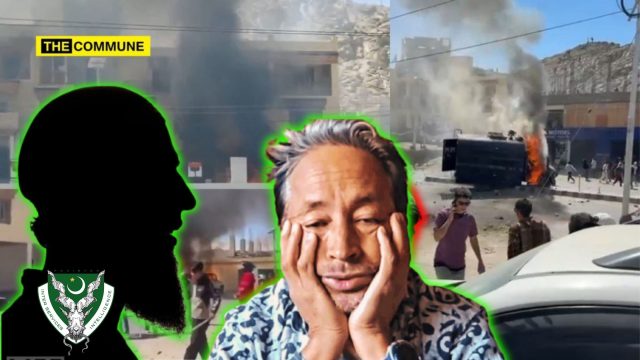
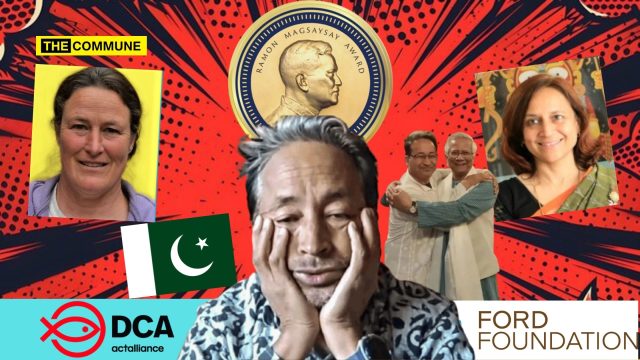
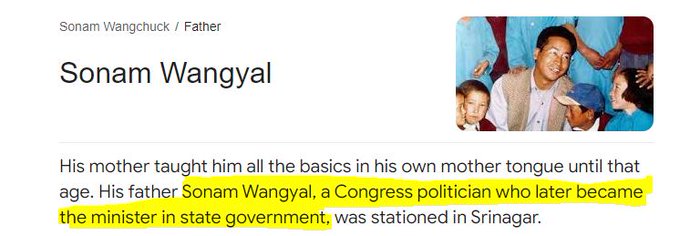
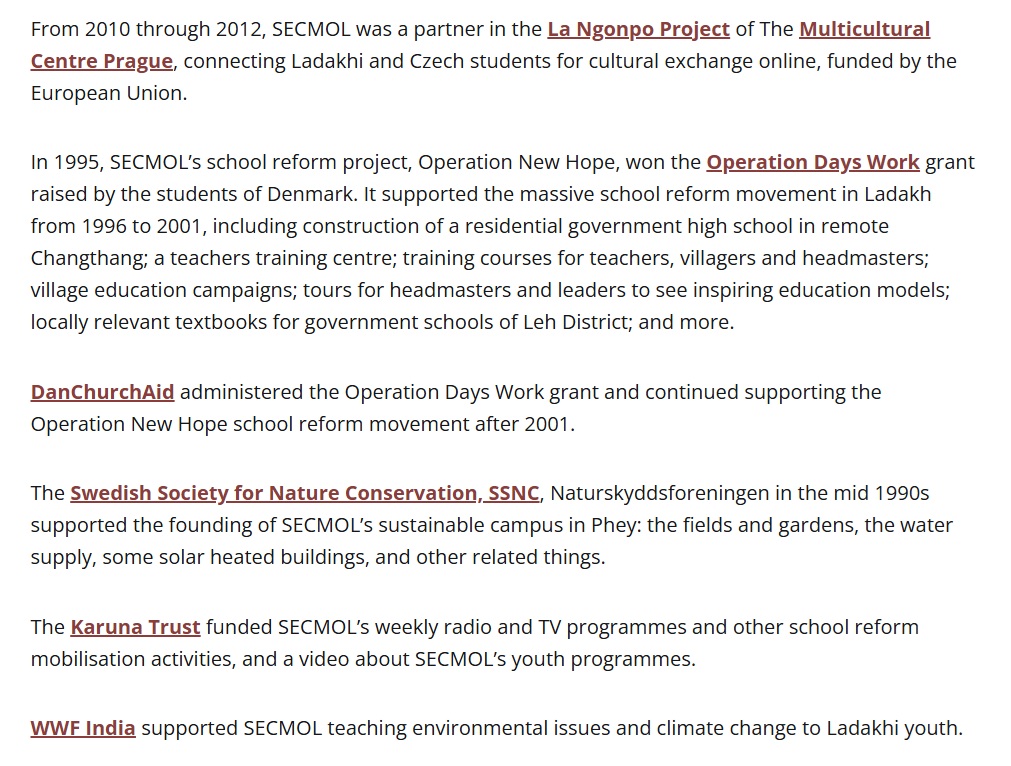
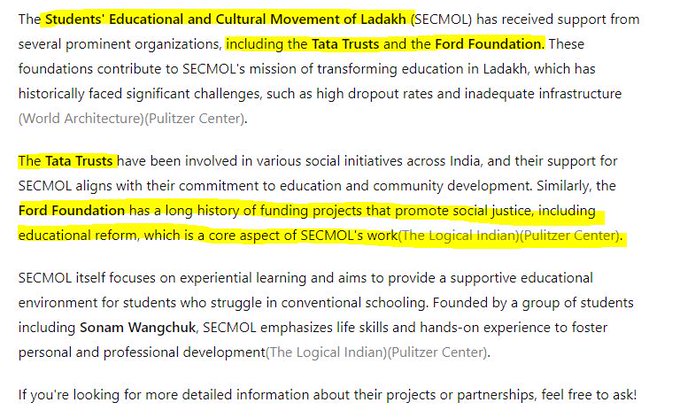
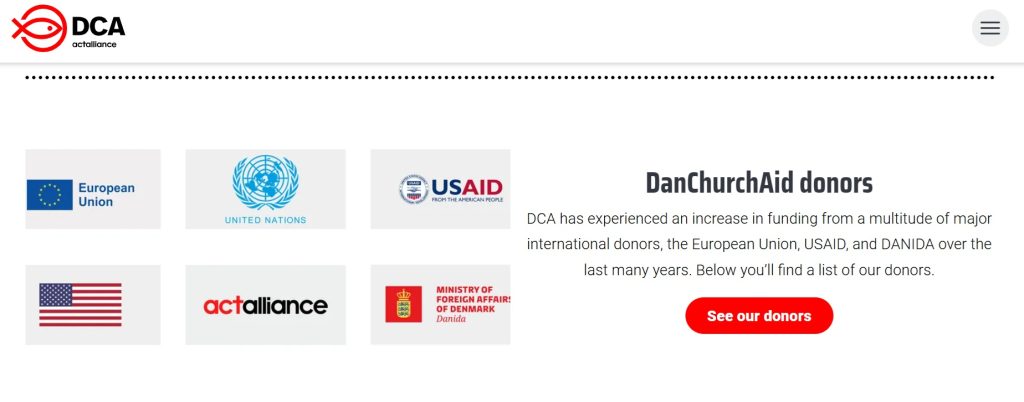
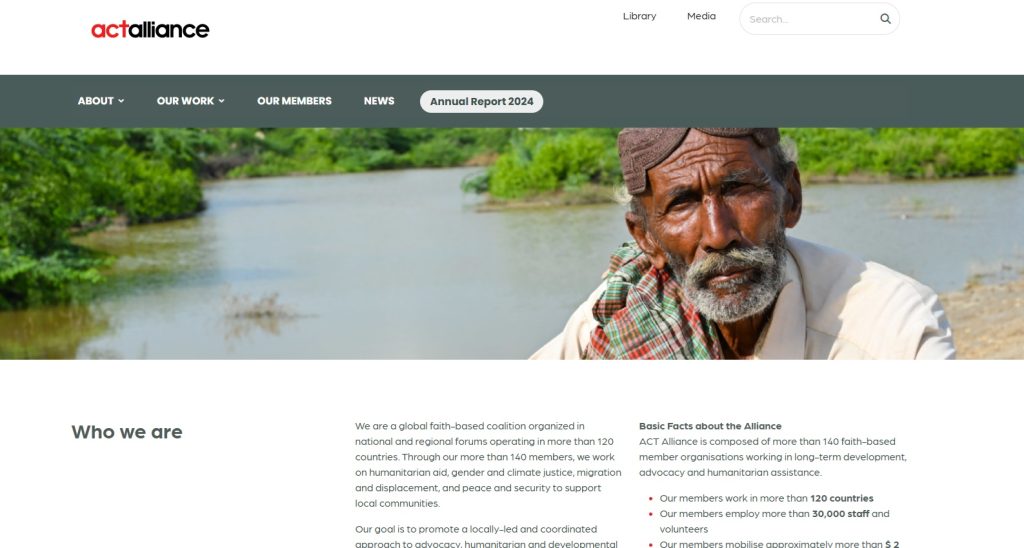
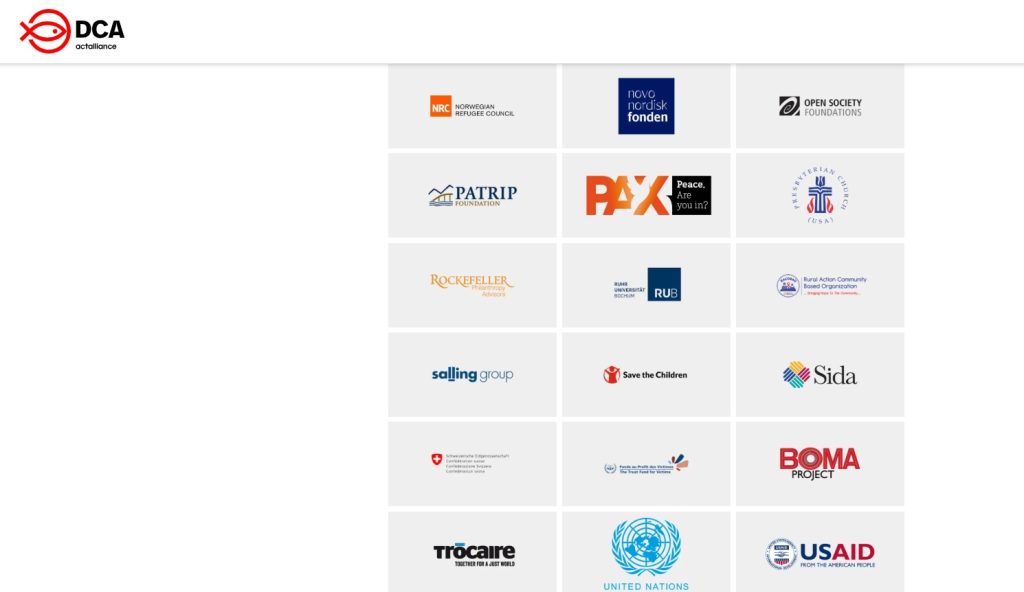
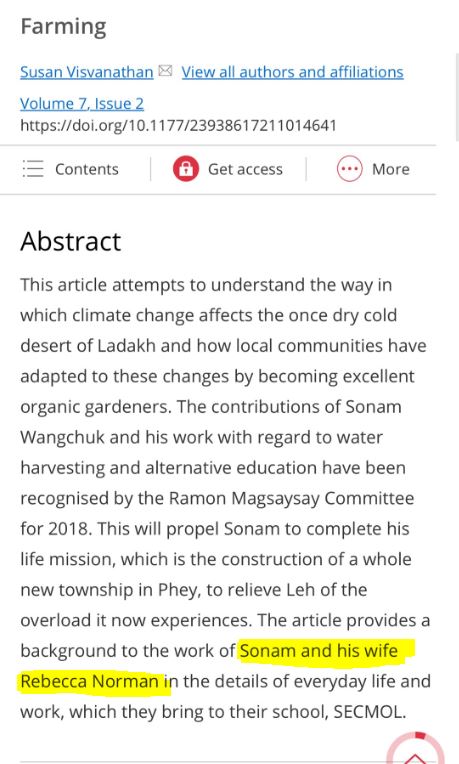
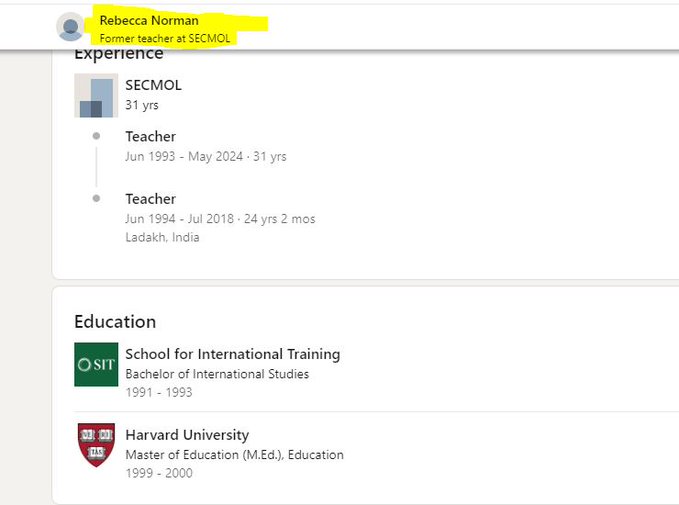
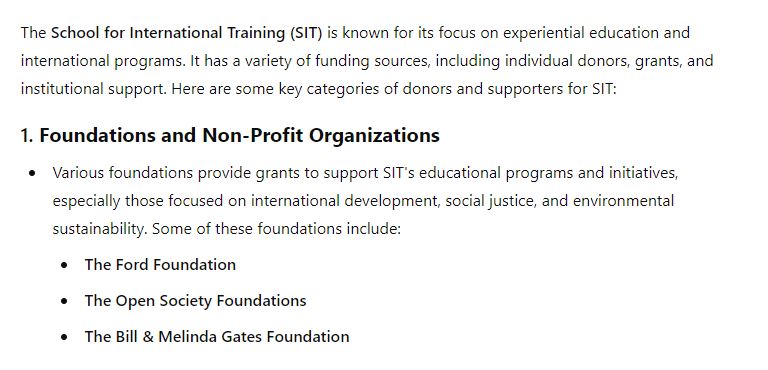
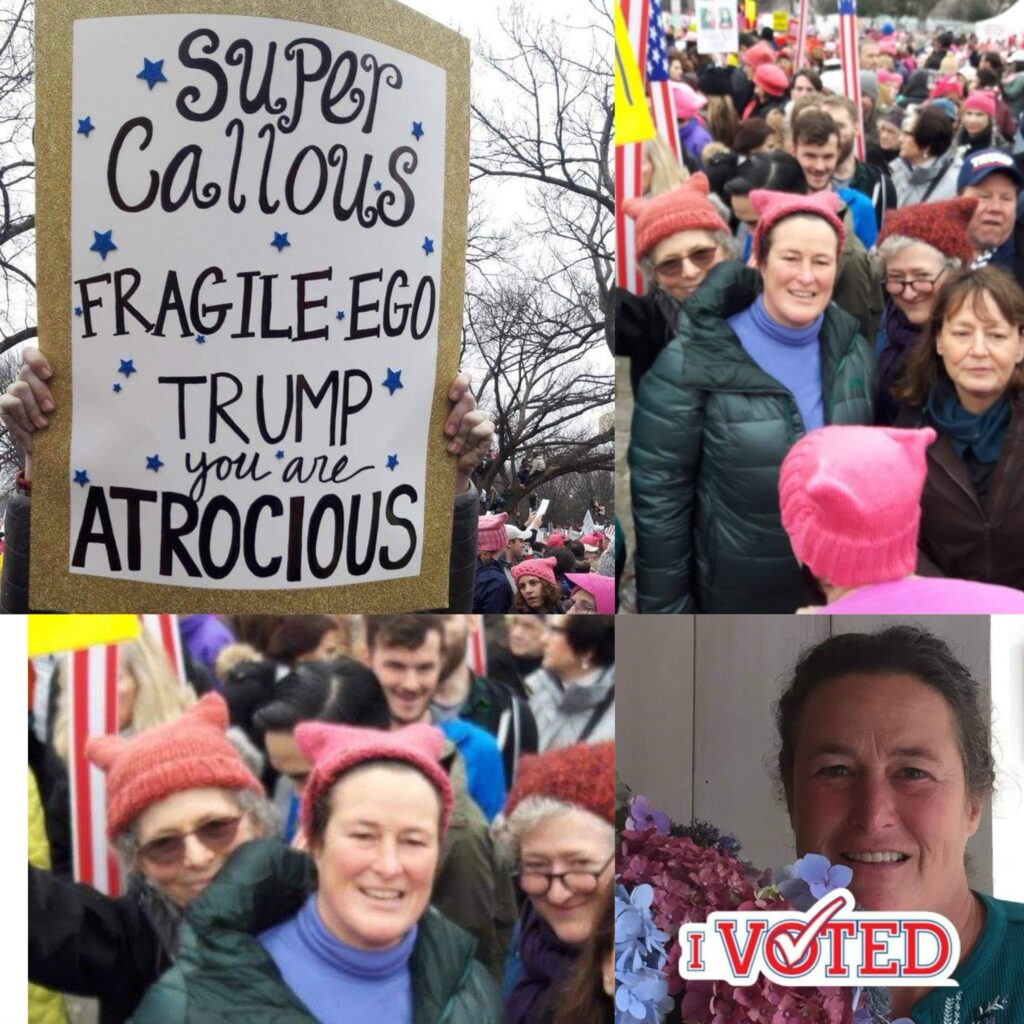
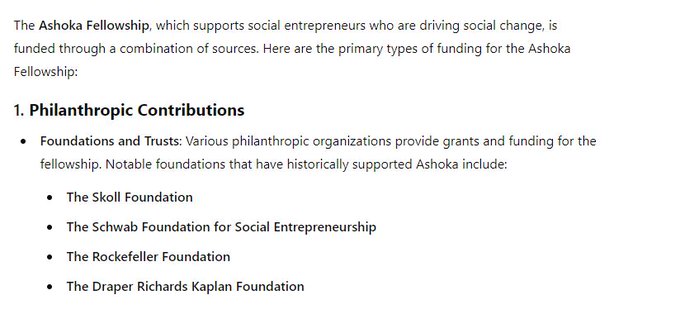
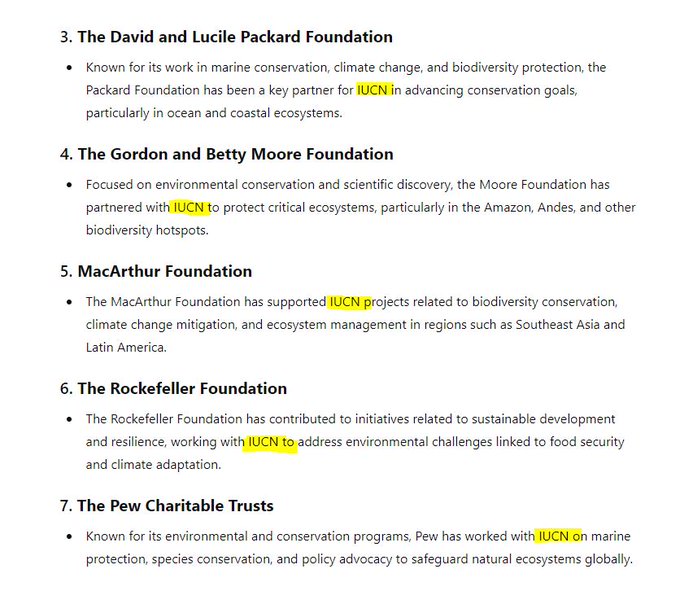 In 2017, he received the TN Khoshoo Memorial Award which is again funded by the Ford Foundation.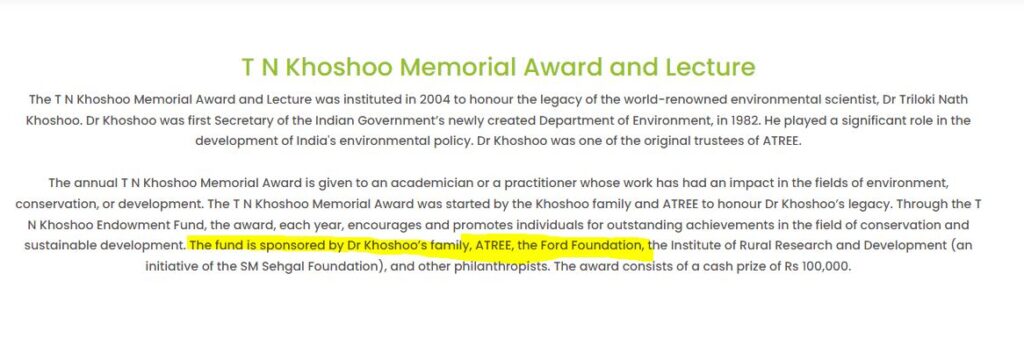
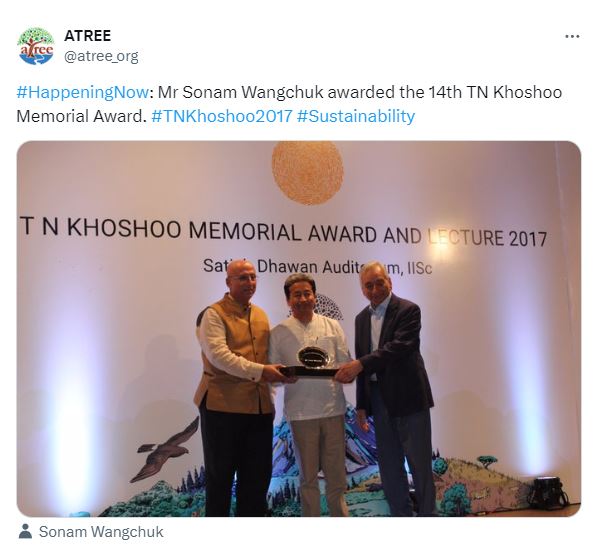 Sonam is associated with an NGO LEAD India which is again funded by … no prizes for guessing…. Ford Foundation!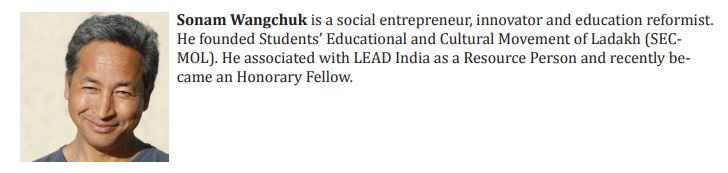
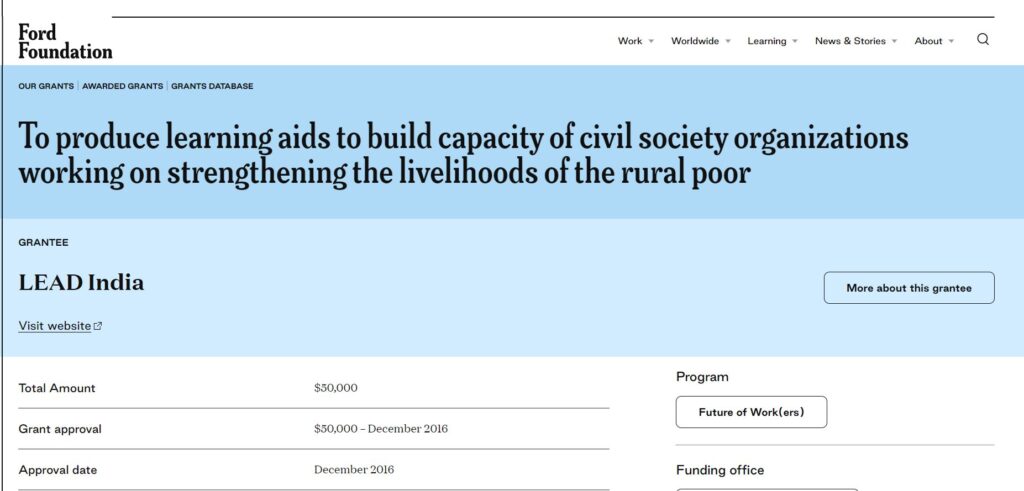
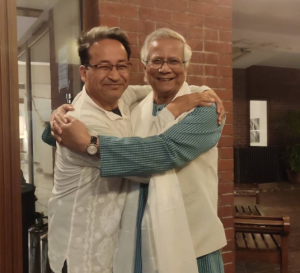
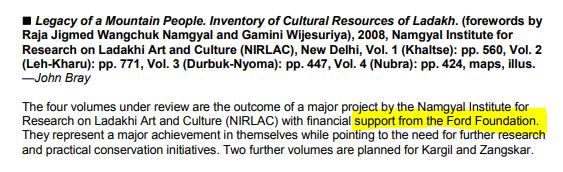
 Earlier he supported the repeal of Article 370 but later he became unhappy with the repeal of Article 370. Pakistan used his statement against India.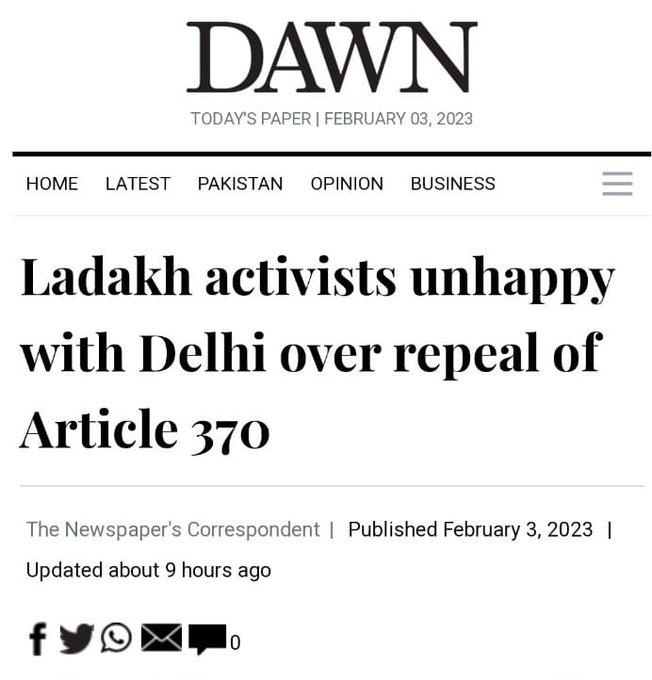
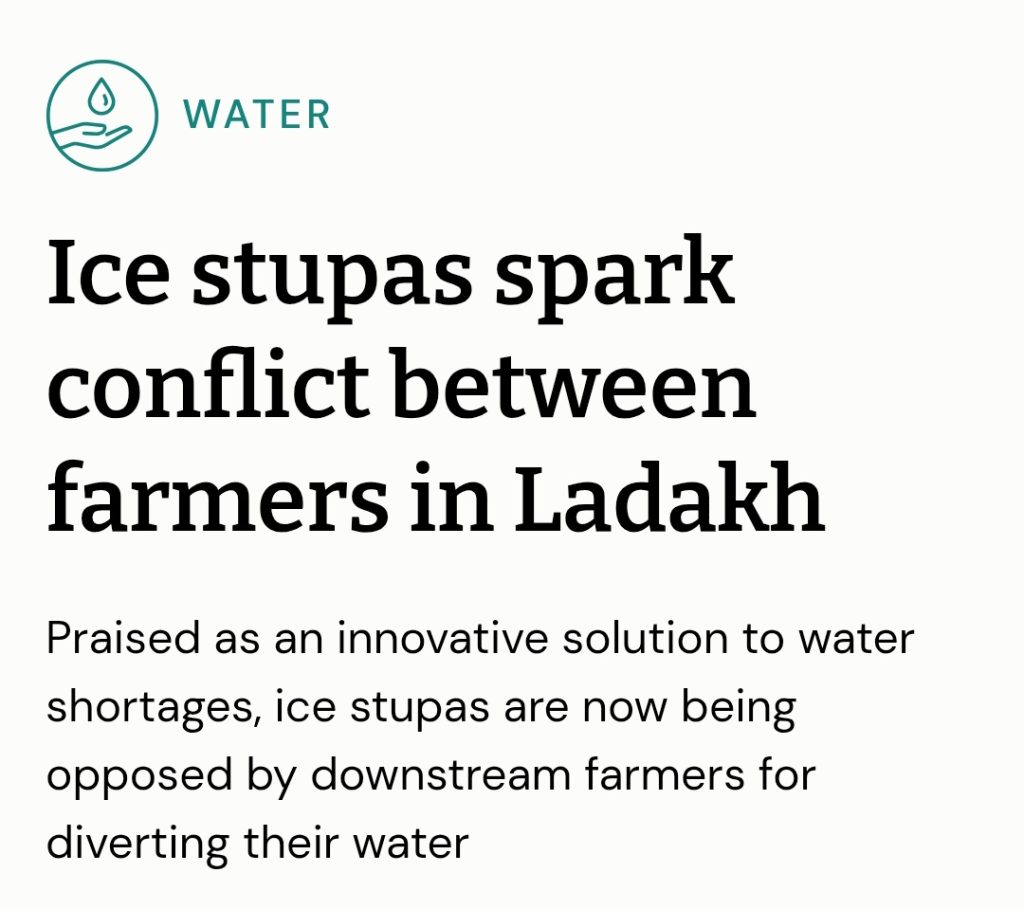
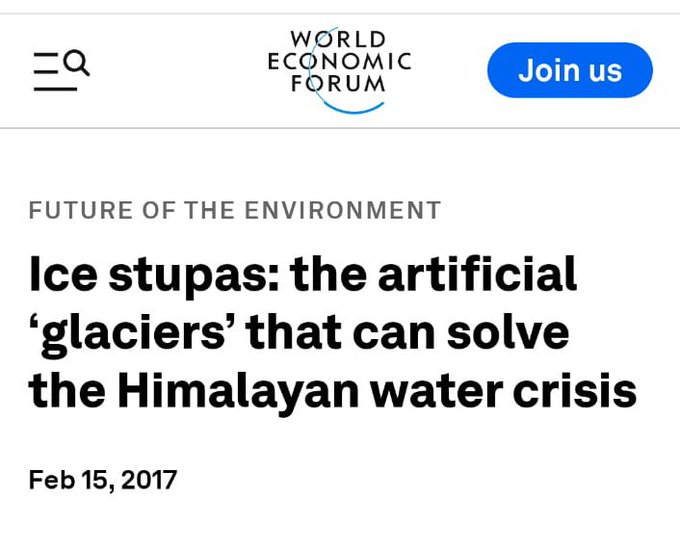
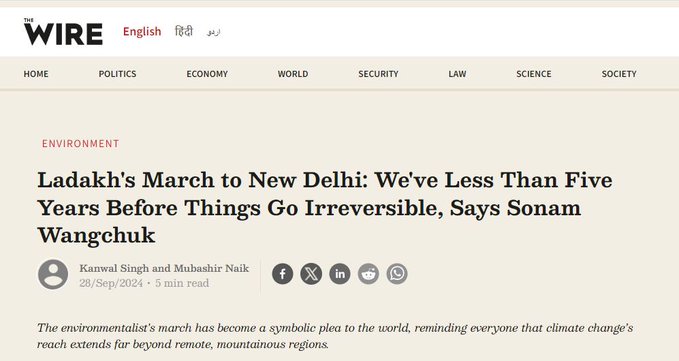
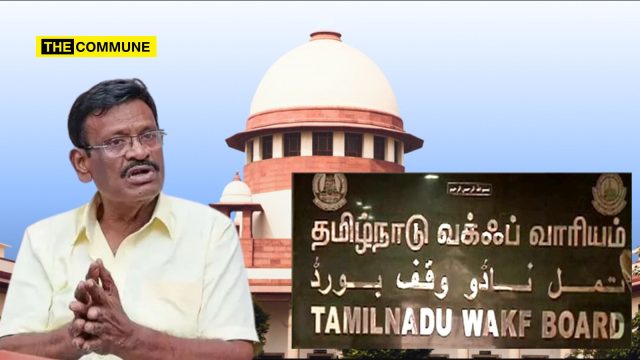

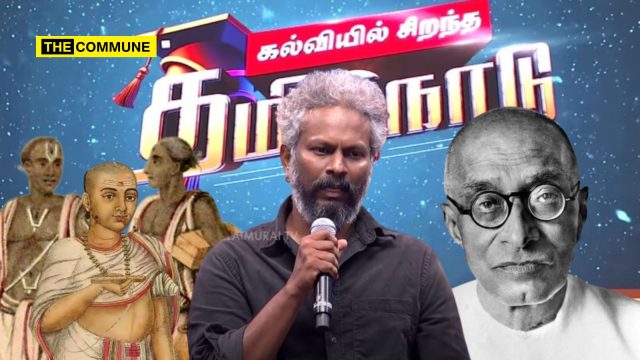
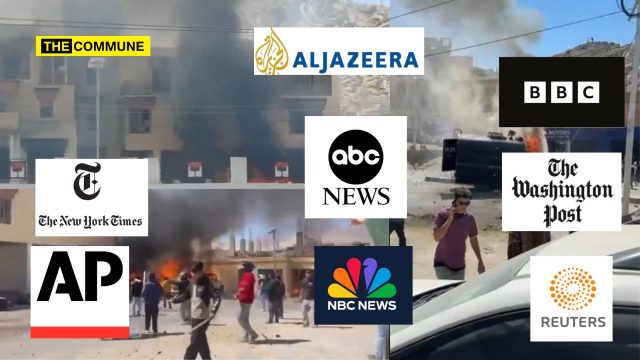
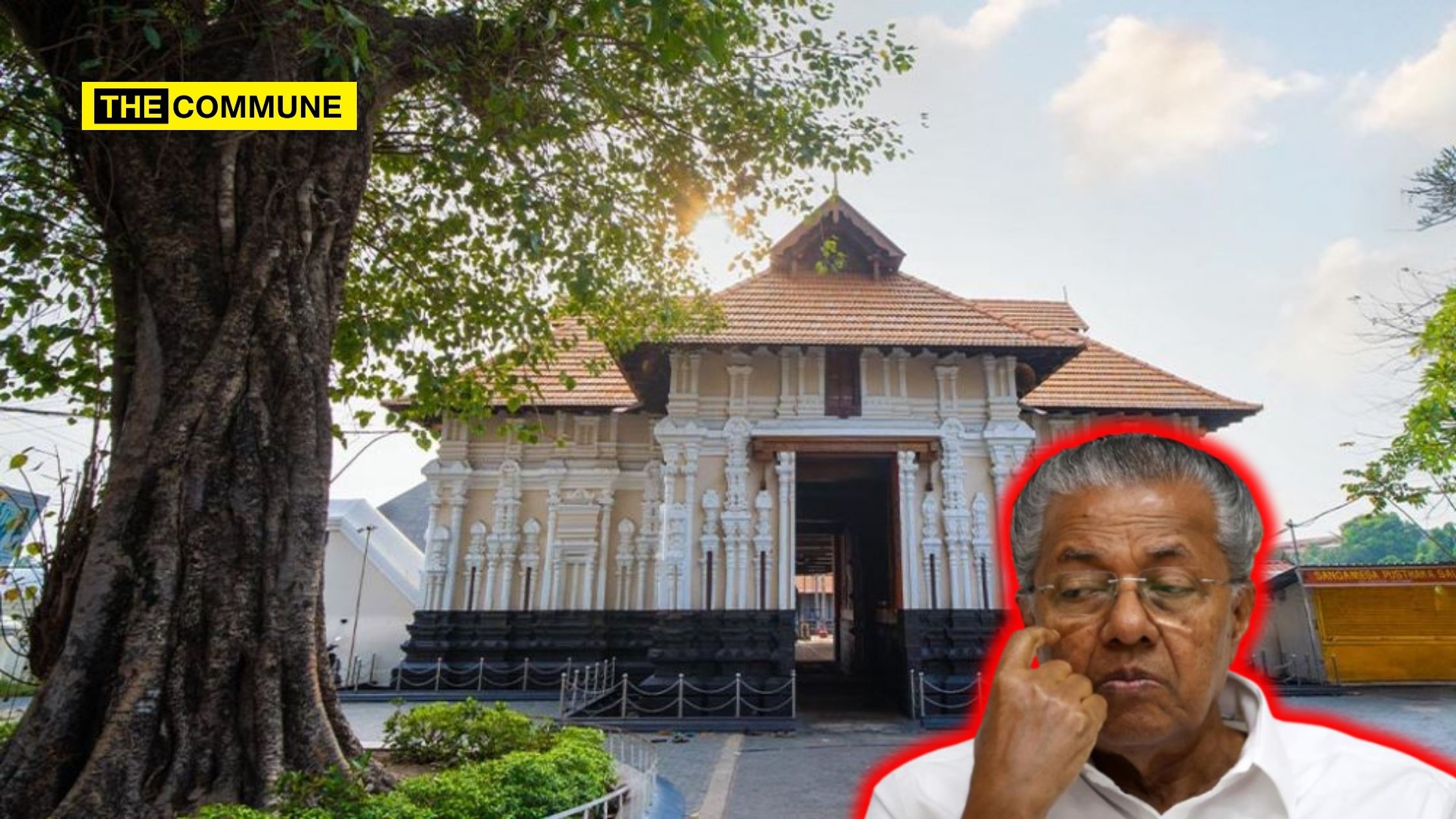
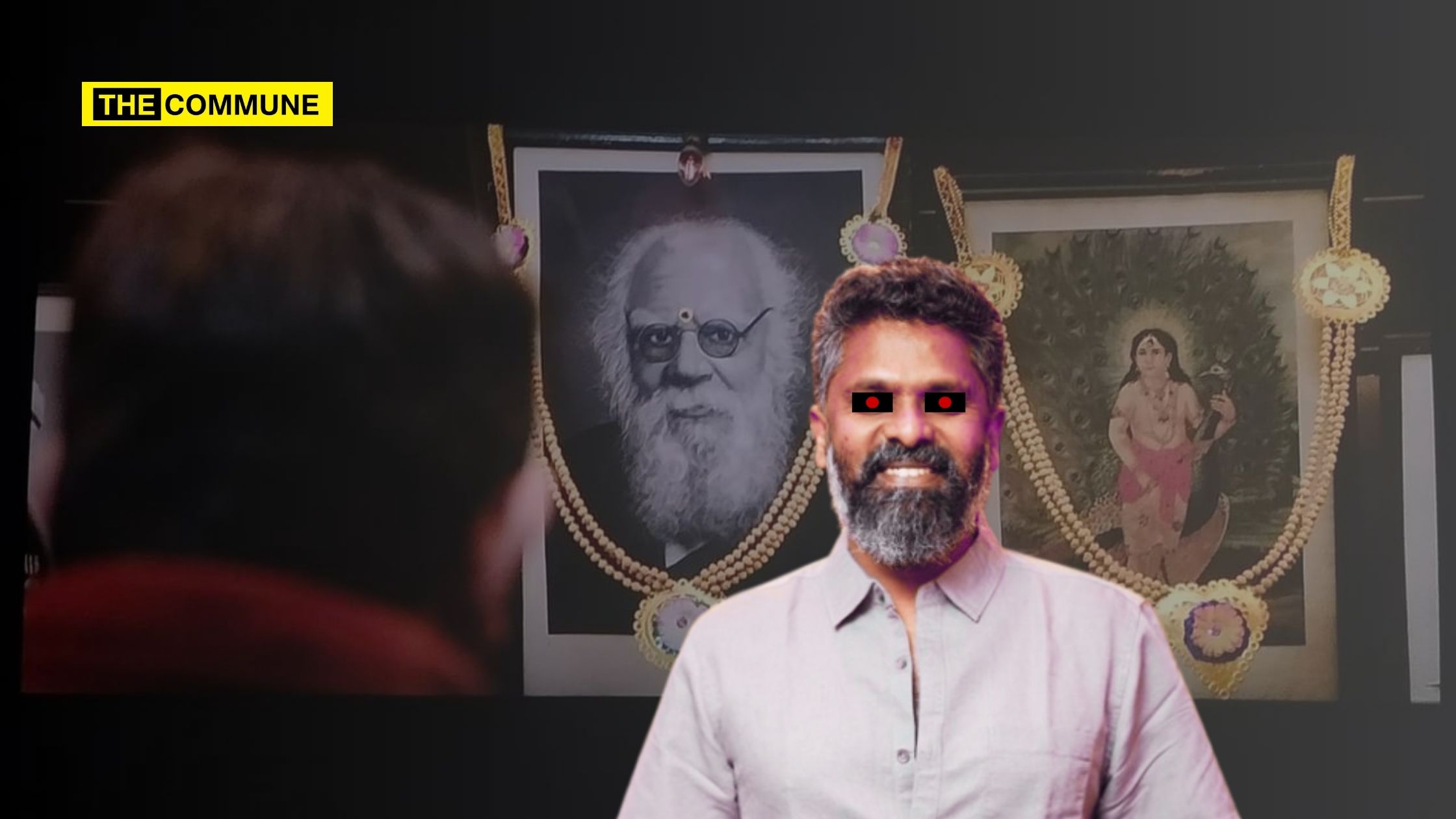
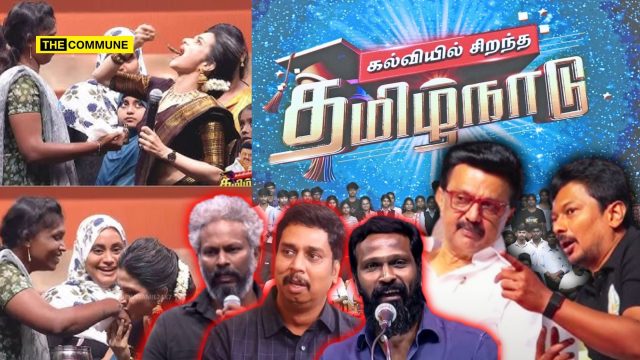

Unpacking The Politics And Geopolitics Behind The Leh Violence Spearheaded By Sonam Wangchuk
The recent violent protests in Ladakh have captured national attention, not just for the unrest itself but for the broader questions they raise about development, governance, and strategic security. What may appear as a local agitation for greater autonomy and protections is, on closer inspection, part of a complex interplay of political, environmental, and geopolitical factors that demand careful analysis.
The Protest and Its Roots
The immediate trigger for the protests is a demand to include Ladakh under the Sixth Schedule of the Indian Constitution, which would grant the Union Territory greater autonomy over local governance, taxation, and judicial powers. Protesters argue that such powers are necessary to preserve the region’s unique culture, language, and fragile environment.
Many observers, however, question the choice of the Sixth Schedule rather than the Fifth Schedule. The Fifth Schedule applies to most tribal areas in Central and Southern India and allows local councils to advise on development planning in coordination with the state governor. The Sixth Schedule, which currently covers tribal regions in the Northeast, provides far greater powers, including the ability to execute development projects independently, collect taxes, and manage judicial functions. Granting Sixth Schedule status to Ladakh would thus represent a significant legal and constitutional shift, requiring an amendment.
This legal nuance is critical. Critics argue that if implemented, Sixth Schedule powers could slow down critical infrastructure projects in the region, such as highways, tunnels, and airstrips—projects vital for both local development and national security in this border-sensitive area.
Selective Protest: Who Is Involved?
It is important to note that not all residents of Ladakh are participating in or supporting these protests. Analysts have described the movement as driven by a select group of activists (you know who they are) who have used environmental and cultural concerns to amplify their visibility. These activists claim that India’s development projects are harming Ladakh’s delicate ecology. Yet, similar or even larger-scale projects by China in neighboring regions such as Aksai Chin, Western Tibet, and Xinjiang have not provoked comparable protests.
Over the past few years, China has developed extensive infrastructure in these areas, including strategic highways, airstrips, and military bases, releasing millions of tons of carbon dioxide into the environment in the process. Local observers note the irony: while Chinese development was largely ignored, Indian development in the same ecologically sensitive region is being framed as environmentally destructive. Was the environment not fragile then?
A Strategic Laboratory?
Some analysts have described Ladakh as a “laboratory” for protest tactics. Observers note parallels with developments in Nepal, where protests were reportedly organized under the guise of legal or judicial issues to engineer a regime change. In Ladakh, the protests are framed as environmental and cultural advocacy, but they may serve broader strategic objectives, including testing protest methodologies that could later be applied elsewhere in India.
These tactics include:
The careful orchestration of these campaigns suggests that the unrest is not entirely spontaneous but part of a wider, planned strategy.
Geopolitical Dimensions
The protests also have significant geopolitical implications. Analysts point to the role of China’s United Front Work Department, a specialized branch of its Ministry of State Security tasked with shaping foreign narratives and obstructing strategic projects abroad.
According to experts, the department employs a two-pronged approach:
Aggressive media posture – using public statements, renaming of places, and symbolic gestures to influence perceptions. For example, China has repeatedly claimed Arunachal Pradesh as part of South Tibet in international discourse.
Obstructionist campaigns – framing Indian development projects in Ladakh and Kashmir as environmentally destructive, thereby creating delays or resistance at local and national levels.
This strategy aligns with China’s broader objective of maintaining a strategic edge in the Himalayan region by slowing India’s infrastructure parity, particularly in border-sensitive areas.
Development vs Ecology
The protests spotlight a deeper tension between development and ecological concerns. ‘Activists’ like Sonam Wangchuk argue that India’s projects in Ladakh threaten fragile ecosystems and tribal cultures. Yet environmental arguments are selectively applied, as similar large-scale Chinese projects in the region received little to no pushback.
Experts note that climate change and environmental degradation are global commons problems. Industrialization in other parts of the world has contributed far more to atmospheric carbon dioxide than localized development in India. Despite this, India’s projects in Ladakh are criticized, demonstrating the selective framing used in the protest narrative.
Political Implications
Domestically, the protests intersect with ongoing political struggles. Analysts note that the Congress party and certain local actors may be using the unrest to challenge the ruling BJP, weaken public perception of Prime Minister Narendra Modi, and create a broader narrative of governmental insensitivity. We already saw that despite the mob being of an older age group, Congress and supporting handles on social media called it “Gen Z protest” after Wangchuk blamed them for the arson and violence.
While the majority of Ladakh’s population is not involved, a small, vocal ‘activist’ group has been able to attract significant attention, making use of national media and social media platforms.
The Ladakh protests can thus be seen as part of a larger pattern: attempts to create street-level unrest, amplify grievances via media, and frame the narrative in ways that slow down government initiatives. This pattern has parallels with previous campaigns, including protests around the Citizenship Amendment Act (CAA) and other socio-political movements in India.
This comes exactly a week after Rahul Gandhi called on the youth, students, and Gen Z to “save the Constitution, protect democracy, and stop vote theft,” effectively encouraging them to mobilize politically against the government. By framing the youth as defenders of democracy, he positions them to take direct action, which can be interpreted as instigating unrest. His remarks echo regional examples like Nepal, where youth-led movements spiraled into protests and chaos, suggesting a potential blueprint for similar disruption in India. Critics argue that his message is less about safeguarding democracy and more about stirring dissent among young people against the current government, with Rahul himself cast as a guiding figure.
Looking Ahead
While the immediate unrest may have calmed, observers warn that the real work of shaping narratives is only beginning. Intellectual discourse, media debates, and online campaigns are expected to continue framing India’s development as ecologically insensitive, potentially creating long-term obstacles for projects in Ladakh and similar regions.
The protests highlight the need for citizens, policymakers, and analysts to critically assess the motivations behind movements. Not every demonstration is purely local; some may be influenced by broader political or geopolitical agendas. Understanding these layers is crucial, especially in regions like Ladakh, which are simultaneously ecologically fragile, strategically vital, and historically marginalized.
Subscribe to our channels on Telegram, WhatsApp, and Instagram and get the best stories of the day delivered to you personally.