Home Blog Page 883

TTD Files Complaint Against AR Dairy For Allegedly Supplying Adulterated Ghee

TTD Files Complaint Against AR Dairy For Allegedly Supplying Adulterated Ghee

The Tirumala Tirupati Devasthanams (TTD), the governing body of the revered Lord Venkateswara temple in Tirumala, has lodged a formal complaint against Tamil Nadu-based AR Dairy Foods Pvt Ltd, accusing the company of supplying adulterated ghee used in temple rituals, including the preparation of the famous laddu prasadam. The complaint was filed by TTD’s procurement general manager, Murali Krishna, at the Tirupati East police station.

Tirupati district Superintendent of Police, L. Subbarayudu, confirmed the complaint, stating that AR Dairy is accused of violating TTD’s stringent quality standards. Initial lab tests reportedly found foreign fats, including animal fat and lard, in the ghee supplied by AR Dairy. The case has been registered under multiple legal provisions and may be handed over to the Special Investigation Team (SIT), formed by the Andhra Pradesh government to investigate similar cases.

Earlier, TTD Executive Officer, J. Shyamala Rao, revealed in a press briefing that lab tests conducted on samples of the ghee supplied by AR Dairy indicated the presence of foreign fats such as soybean, sunflower, palm kernel fat, or even lard and beef tallow. An S-value analysis of the ghee samples conducted by the NDDB CALF lab in Anand revealed significant deviations from the acceptable range for pure milk fat, which should be between 98.05 and 104.32. The tested samples showed values ranging from 23.22 to 116, indicating possible adulteration.

Despite these findings, AR Dairy Foods has denied the allegations, asserting that all their products have passed quality checks. The company stated that they supplied ghee to TTD only during June and July and maintained compliance with all required standards.

According to TTD, five companies—Premier Agri Foods, Kriparam Dairy, Vaishnavi, Sri Parag Milk, and AR Dairy—supplied ghee for temple use, with prices ranging from ₹320 to ₹411 per kilogram. Four ghee tankers from AR Dairy were found to be substandard.

The Chandrababu Naidu government established a Special Investigation Team (SIT), led by Guntur Range DIG Sarvasresta Tripathi, to investigate the case and provide a detailed report. TTD officials have warned of criminal proceedings if the allegations are proven.

In response to the ghee shortage caused by the rejection of AR Dairy’s supplies, the TTD placed an order for 10 lakh kilograms of ghee with the Karnataka Milk Federation (KMF). Tankers carrying Nandini ghee from KMF have already arrived at Tirumala to meet the temple’s ghee requirements.

The investigation continues, and TTD has reiterated its commitment to maintaining strict quality control for all products used in temple services and prasadam preparation.

(With inputs from ABPLive)

Subscribe to our channels on TelegramWhatsApp, and Instagram and get the best stories of the day delivered to you personally.
Dravidian Model: Chennai Corporation Diverts Sanitary Workers & Staff Nurses From PHCs To Work At IAS Officers’ Homes

Dravidian Model: Chennai Corporation Diverts Sanitary Workers & Staff Nurses From PHCs To Work At IAS Officers' Homes dump yard gcc sanitation workers waste

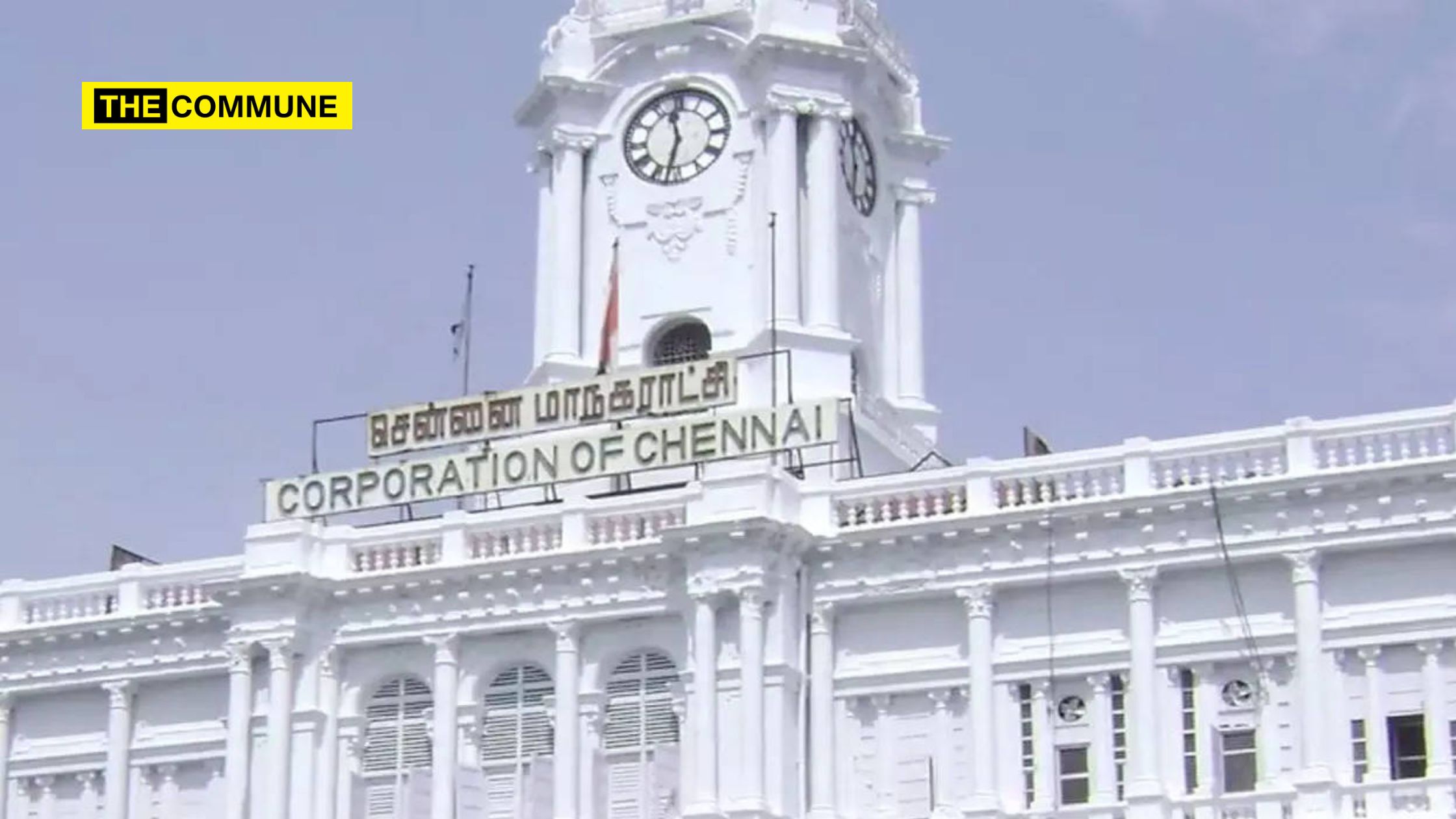
The Greater Chennai Corporation (GCC) recently instructed 29 sanitary workers and staff nurses from 13 understaffed Urban Primary Health Centres (UPHCs) to work at the homes of two senior IAS officers rather than perform their regular duties. The officers include a Principal Secretary, a former GCC Commissioner, and another senior official who has served in four state government departments.

The New Indian Express (TNIE) verified that at least one worker reported to the Principal Secretary’s residence in Anna Nagar, where workers and nurses were asked to provide care for an elderly woman. GCC officials prepared unsigned rosters for the staff, listing shifts until the end of October, which TNIE reviewed. A WhatsApp group was also created to coordinate the sanitary workers and staff nurses.

Several workers confirmed to TNIE that they had been instructed to care for the senior citizen, which involved bathing and washing clothes. However, they expressed concerns over safety, disapproval from family members, and extended hours, such as working from 8 PM to 8 AM. No additional pay was promised for this work.

Despite resistance from the staff, some were reportedly pressured to report for duty and were offered transportation. The absence of these workers from UPHCs, already short-staffed, would likely impact public health services.

Many workers were shocked by the assignment. One worker, a single woman, expressed fear over working overnight in an unfamiliar house, while others said performing personal duties at officers’ homes was not part of their job. Several also worried about how this would affect their family responsibilities.

When questioned, City Health Officer M Jagadeesan dismissed the rosters as unofficial due to the lack of signatures but later promised to investigate. Other senior GCC officials and the Principal Secretary did not respond to queries by news reporters, and Municipal Administration Minister KN Nehru, when contacted, declined to comment, citing illness.

Subscribe to our TelegramWhatsApp, and Instagram channels and get the best stories of the day delivered to you personally.
Madurai Tops List For Caste-Related Atrocities In Tamil Nadu

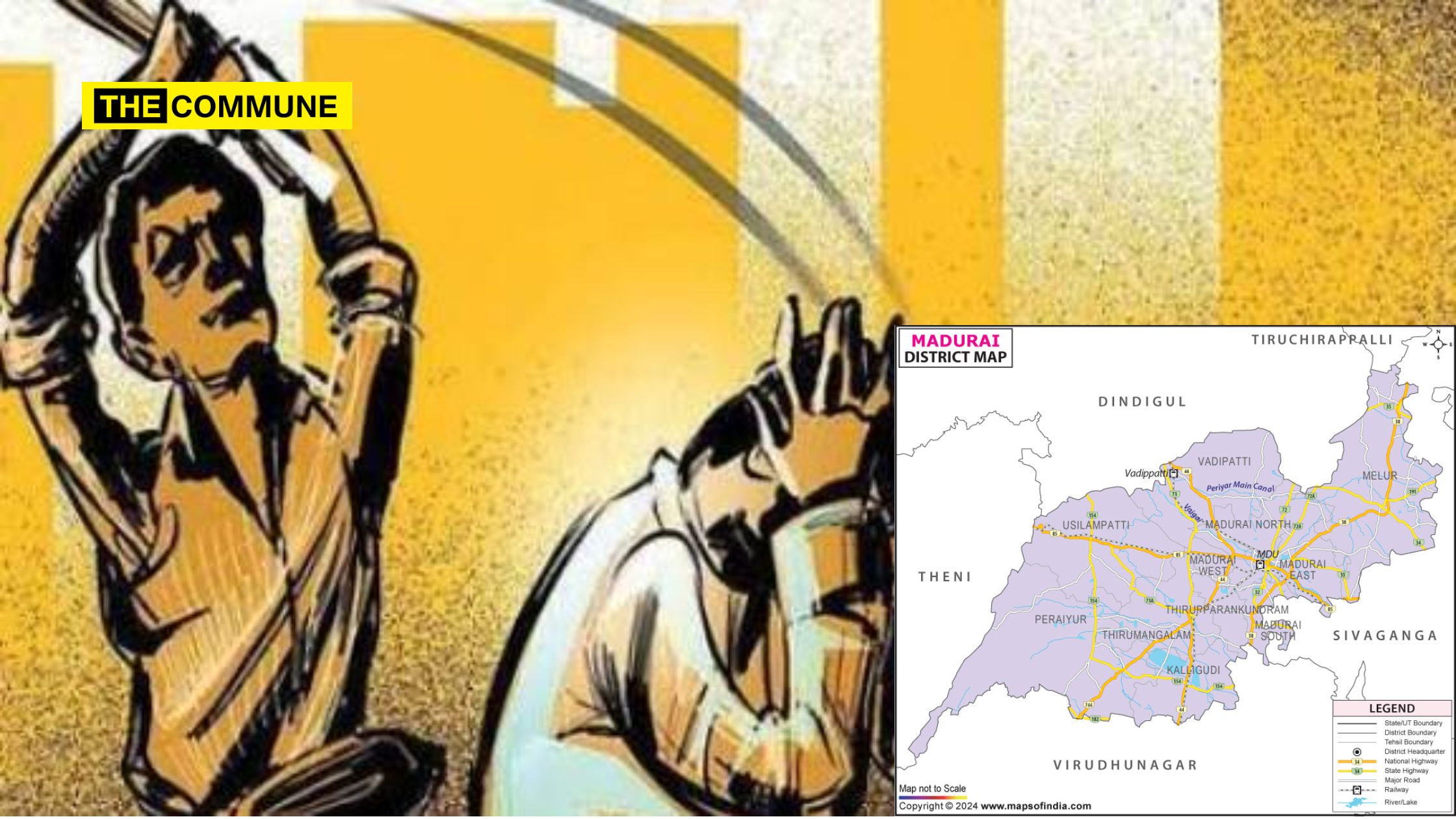
Madurai has emerged as the leading district in Tamil Nadu for caste-related atrocities, ranking first among the top 10 districts where such incidents are most common, according to the Police Social Justice Human Rights Division. Of the 394 villages across Tamil Nadu identified as prone to caste-based violence, 171 are located in the southern districts.

A report by the Police Social Justice Human Rights Wing, updated until March this year, highlights that 394 villages in Tamil Nadu are vulnerable to caste-related atrocities.

Madurai tops the list with 45 villages, followed by Tirunelveli with 29 villages, Trichy with 24, Thanjavur with 22, and Theni with 20. Despite holding 335 awareness meetings in the affected districts, especially in Madurai, efforts to curb caste atrocities have not been fully successful.

Karthik, a social activist from Madurai, who accessed the data through the Right to Information (RTI) Act, told reporters that last year saw more awareness meetings than in the previous three years. However, he noted that transforming these villages into socially harmonious communities remains a significant challenge.

To address this issue, Karthik suggested that the Adi Dravidian Tribal Welfare Department, the Police Social Justice Human Rights Division, and the Social Welfare Department collaborate to conduct awareness campaigns in more villages where caste atrocities are prevalent. He also recommended creating ‘role model’ villages that promote reconciliation and offering incentives to encourage peaceful coexistence in the identified 394 villages.

(With inputs from Dinamalar)

Subscribe to our channels on TelegramWhatsApp, and Instagram and get the best stories of the day delivered to you personally.
Tiruchendur Temple Faces Backlash Over ₹1,000 Quick Darshan Fee For Kanda Shashti Festival, Some Reports Say Order Withdrawn

Tiruchendur Temple Faces Backlash Over ₹1,000 Quick Darshan Fee

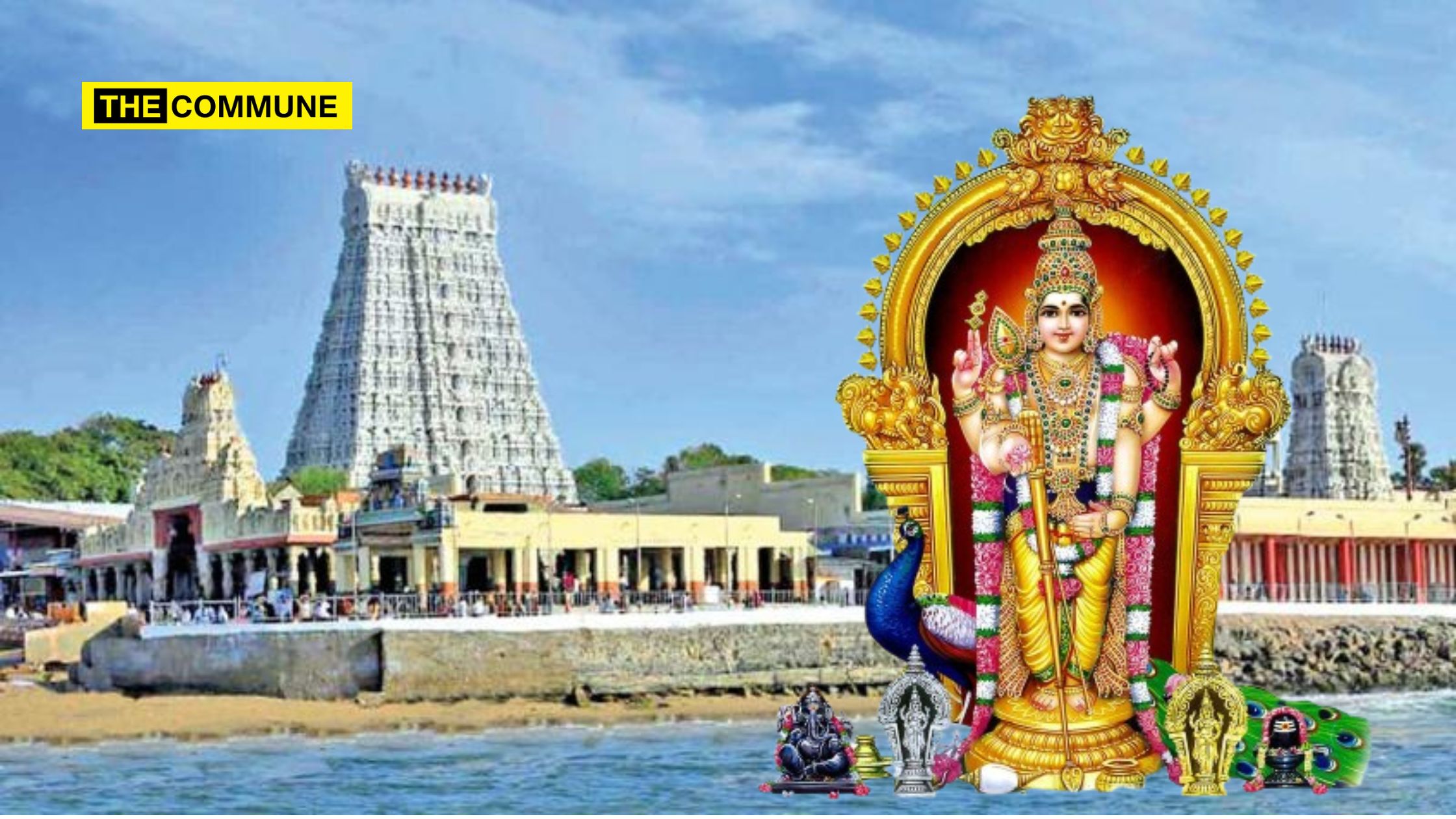
The Subramania Swamy Temple in Tiruchendur, one of the six sacred abodes (*Arupadai Veedu*) of Lord Murugan, is drawing criticism from devotees after the temple administration announced a ₹1,000 fee for quick darshan during the upcoming Kanda Shashti festival. This annual festival, one of the most significant for the temple, will be celebrated for eight days from 2 November to 9 November 2024, attracting thousands of devotees from Tamil Nadu, other states, and even abroad.

The Kanda Shashti festival commemorates Lord Murugan’s victory over the demon Surapadman, with the highlight being the Surasamharam, a dramatic reenactment held on the beach, which will take place on 7 November 2024. Devotees typically observe fasts and stay at the temple for the entire six days of the festival.

Quick Darshan Fee Controversy

In anticipation of large crowds and long queues, the temple administration announced that a ₹1,000 fee for quick darshan would be charged, similar to last year’s arrangement. This fee would apply for the full eight days of the festival. The decision aimed to ease the congestion in the fee-free and ₹100 darshan queues, particularly for those fasting for Kanda Shashti.

However, devotees met the move with outrage, who accused the temple of undermining the principle that all are equal before God. Critics pointed out that, despite the temple’s significant income, basic facilities for worshippers remain lacking. One devotee remarked, The temple earns Rs.3 crore per month, yet less than 10% is spent on improving temple facilities. The introduction of these fees only serves to prevent larger numbers of devotees from attending.”

In response to the public outcry, ETV Bharat reported that the temple administration swiftly withdrew the ₹1,000 quick darshan fee, stating that they would accept suggestions and objections from the public before making a final decision.

The Tiruchendur Murugan Temple is the second of Lord Murugan’s six sacred abodes, located on the coast of Thoothukudi district. Apart from Kanda Shashti, the temple also celebrates major festivals like Thaipusam, Panguni Uttaram, and Vaikasi Visagam, drawing devotees from across India and abroad.

Kanda Shashti, the most prominent festival, takes place every year starting from the day after the new moon in the Tamil month of Aippasi. Lakhs of devotees attend the festival, which includes special rituals and Yagasala Pujas beginning on 2 November 2024.

In 2023, there were media reports on steep increases in darshan fees, with Abhishekam Darshan rising from ₹500 to ₹3000 and Vishwarupa Darshan from ₹100 to ₹2000. Quick Darshan fees also surged from ₹100 to ₹1000. However, HR&CE officials clarified that a 2017 government order authorized these increases during Kanda Sashti.

The controversy over the quick darshan fee has cast a shadow over this year’s Kanda Shashti festival. As the temple management continues to handle objections, many devotees are awaiting clarity on the administration’s final stance regarding the darshan fees.

Subscribe to our channels on TelegramWhatsApp, and Instagram and get the best stories of the day delivered to you personally.
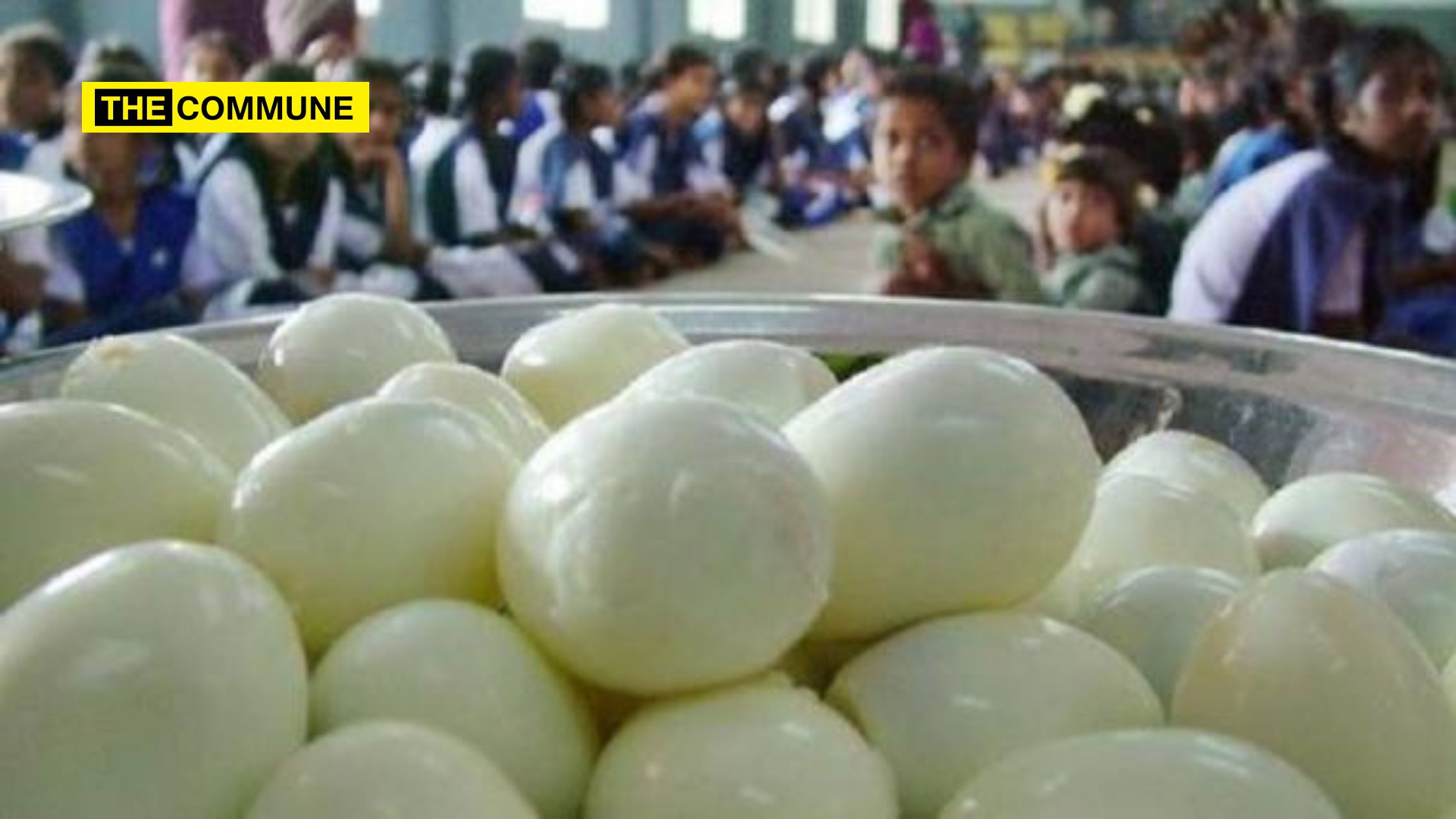
Dravidian Model Egg Procurement Scandal: ₹301 Crore Embezzled Over Three Years

Dravidian Model Egg Procurement Scandal:

A massive egg procurement scam involving ₹301 crores has surfaced in Tamil Nadu, where allegations of corruption, underweight, and rotten eggs supplied to government and government-aided schools have raised serious concerns. This scandal, which has lasted over three years, stems from the nutritional egg program initiated by the Tamil Nadu Department of School Education, which supplies one boiled egg daily to students from Class 1 to Class 10. The Social Welfare Department manages the programme, which has come under scrutiny due to irregularities in the procurement process.

Egg Procurement Tender Worth ₹700 Crores

The supply of eggs to Tamil Nadu schools is conducted through an annual tender issued by the Social Welfare Department. The tender, valued at approximately ₹700 crores, has reportedly been monopolized by a few companies over the years, leading to severe allegations of malpractice. According to sources, the tender for 2024, floated in November 2023, was valued at ₹732 crores and involved the procurement of 126.2 crore eggs—32.24 crore more than the actual requirement, resulting in a loss of 187 crore rupees to the government.

Weight Loss And Rotten Eggs

Concerns about the quality of the eggs provided under this scheme are widespread. Eggs provided to students weigh less than 45 grams, fall below the market standard of 45-55 grams, and are purchased at prices higher than the market rate. Additionally, there have been instances of rotten eggs being supplied to schools. For instance, in December 2023, Erode Thamaraipallam Anganwadi Center reported receiving rotten eggs, and similar complaints have been filed in other districts such as Sivagangai and Virudhunagar.

Despite these complaints, no decisive action has been taken against the Social Welfare Department or the suppliers involved, leading to suspicions of rampant corruption within the procurement process.

RTI Revelations And Price Discrepancies

Yuvraj, an activist from Pollachi, obtained critical information regarding the egg procurement process through the Right to Information (RTI) Act. He pointed out significant price discrepancies between the market rate and the prices at which the government procured the eggs. For the 2022 tender, the government purchased eggs at ₹5.24 per egg in Zone 1, ₹5.23 in Zones 2 and 3, and ₹5.26 in Zone 4, despite the retail price being ₹4.38. This resulted in a loss of ₹96.80 crores over 220 working days.

For the 2023 tender, the government purchased eggs at ₹4.76 per egg while the market rate was ₹4.10, causing a further loss of ₹72.60 crores rupees. The 2024 tender, finalized in October 2023, saw eggs being purchased at ₹5.80 per egg, despite the market price being ₹4.60, leading to another ₹132 crores being embezzled.

Monopoly And Alleged Corruption

The companies responsible for the procurement, including Natural Food Commercials Pvt Ltd, Kisan Economics Pvt Ltd, and Gayathri Poultry Farm, have repeatedly won tenders. These firms are reportedly linked to Christie & Co., a company accused of corruption during the previous ADMK regime. Allegations suggest that despite promises made by Chief Minister M.K. Stalin during the 2021 assembly elections to investigate the egg procurement scandal, no substantial action has been taken.

Social activist Chandran from Namakkal Rasipuram criticized the role of the National Egg Coordination Committee (NEC), which sets the egg prices. He argued that this process has allowed for manipulation in the pricing and procurement process. In 2017, the Competition Commission of India intervened, acknowledging issues in the egg price-fixing process, but efforts to bring the case to the Supreme Court were unsuccessful.

Claims of Transparency from the Social Welfare Department

In response to the growing outcry, Social Welfare Minister Geetha Jeevan defended the department’s actions, claiming that all tenders were conducted transparently and that efforts were made to avoid monopolies. She also noted that companies supplying underweight eggs would be barred from future tenders. However, critics argue that Christie & Co.’s subsidiaries continue to win major contracts, leading to concerns about continued corruption.

Minister Jeevan further claimed that procuring additional eggs was based on previous requirements and that measures were taken to diversify the companies involved in the tender process. However, these explanations have done little to assuage public concerns about the scale of the fraud.

Escalating Prices As Tender Approaches

As the 2025 tender is set to open, the price of eggs has already begun rising. In September 2023, the price of eggs increased from ₹4.70 to ₹5.05 in anticipation of the upcoming tender. Activists warn that the price could go up to ₹6 per egg as the tender date approaches, further exacerbating the financial burden on the government and raising the spectre of additional corruption.

The Tamil Nadu egg procurement scandal has highlighted widespread corruption, with over ₹301 crore rupees embezzled over the last three years. Allegations of underweight and rotten eggs being supplied to schools have raised serious concerns about the welfare of children dependent on this nutrition program. As activists call for greater accountability, all eyes are on the government to see whether Chief Minister Stalin will take decisive action to investigate and address these deep-rooted issues in the procurement process.

Subscribe to our TelegramWhatsApp, and Instagram channels and get the best stories of the day delivered to you personally.
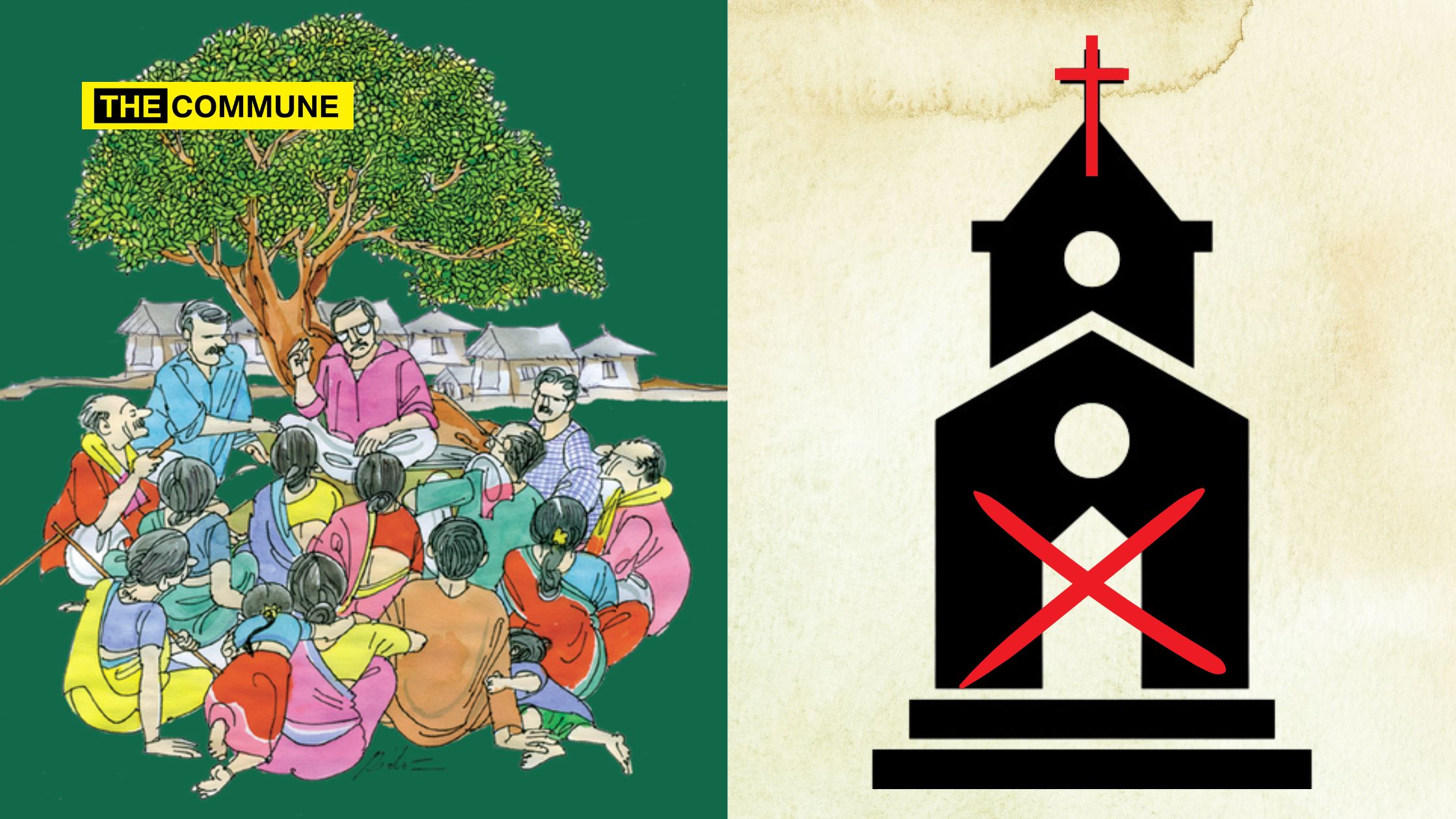
Villagers Of Yadgarpally Successfully Halt Illegal Church Construction After Three-Year Struggle

Villagers Of Yadgarpally Successfully Halt Illegal Church Construction After Three-Year Struggle

In a significant victory for the residents of Yadgarpally village, located in Telangana’s Rangareddy district, a three-year battle against the unauthorized establishment of a church has come to a successful conclusion. The conflict began in 2021 when Pastor Isreal Naik, a non-local, purchased land in the village with no Christian residents and erected a small shed for church-related activities. Despite the villagers’ repeated objections over noise pollution and the absence of local Christian communities, Naik continued his operations, forcing the locals to seek police intervention. The authorities advised the pastor to secure official permission for the construction of a permanent church.

In response, Pastor Naik applied to the Gram Panchayat for approval. The villagers, alarmed by this, submitted a petition signed by all residents, opposing the construction on the grounds that it would not serve the village’s population. In October 2021, a special Gram Sabha convened and unanimously passed a resolution against the church’s establishment, leading the Gram Panchayat to halt the application process.

Pastor Naik escalated the issue to the District Collector and later filed a writ petition in the High Court, seeking a directive to compel district authorities to approve the construction. Surprisingly, reports submitted to the District Collector by the Panchayat, Revenue, and Intelligence departments recommended approval, overlooking the villagers’ strong opposition.

In 2023, unaware of the ongoing resistance, the High Court directed the District Collector to expedite the decision based on existing regulations. Concerned about potential administrative bias, the villagers intensified their efforts, resubmitting copies of the Gram Sabha resolution and other relevant objections to the District Collector. They also signaled their readiness to pursue legal action if necessary.

Faced with the prospect of a legal challenge, the officials eventually rejected Pastor Naik’s application, citing the lack of a No Objection Certificate (NOC) from the villagers. The Legal Rights Protection Forum (LRPF), a legal advocacy group that supported the villagers, praised the community’s perseverance and legal acumen in preventing the unauthorized construction. LRPF hailed the outcome as a triumph for local governance and the preservation of the village’s cultural integrity.

A.S. Santosh, working president of LRPF, commented on the broader implications of the case, noting that illegal church constructions often exploit rural communities. The Yadgarpally victory demonstrates the importance of Gram Sabha resolutions in protecting village interests against external forces, he said to Organiser. LRPF encouraged other villages facing similar challenges to follow Yadgarpally’s example.

The Yadgarpally case highlights a larger issue in rural India, where external religious organizations, sometimes with foreign backing, attempt to bypass local governance and impose their presence. The residents’ success serves as a powerful reminder that informed local governance and community unity can protect rural areas’ cultural identity and integrity.

(With inputs from AriseBharat)

Subscribe to our channels on TelegramWhatsApp, and Instagram and get the best stories of the day delivered to you personally.
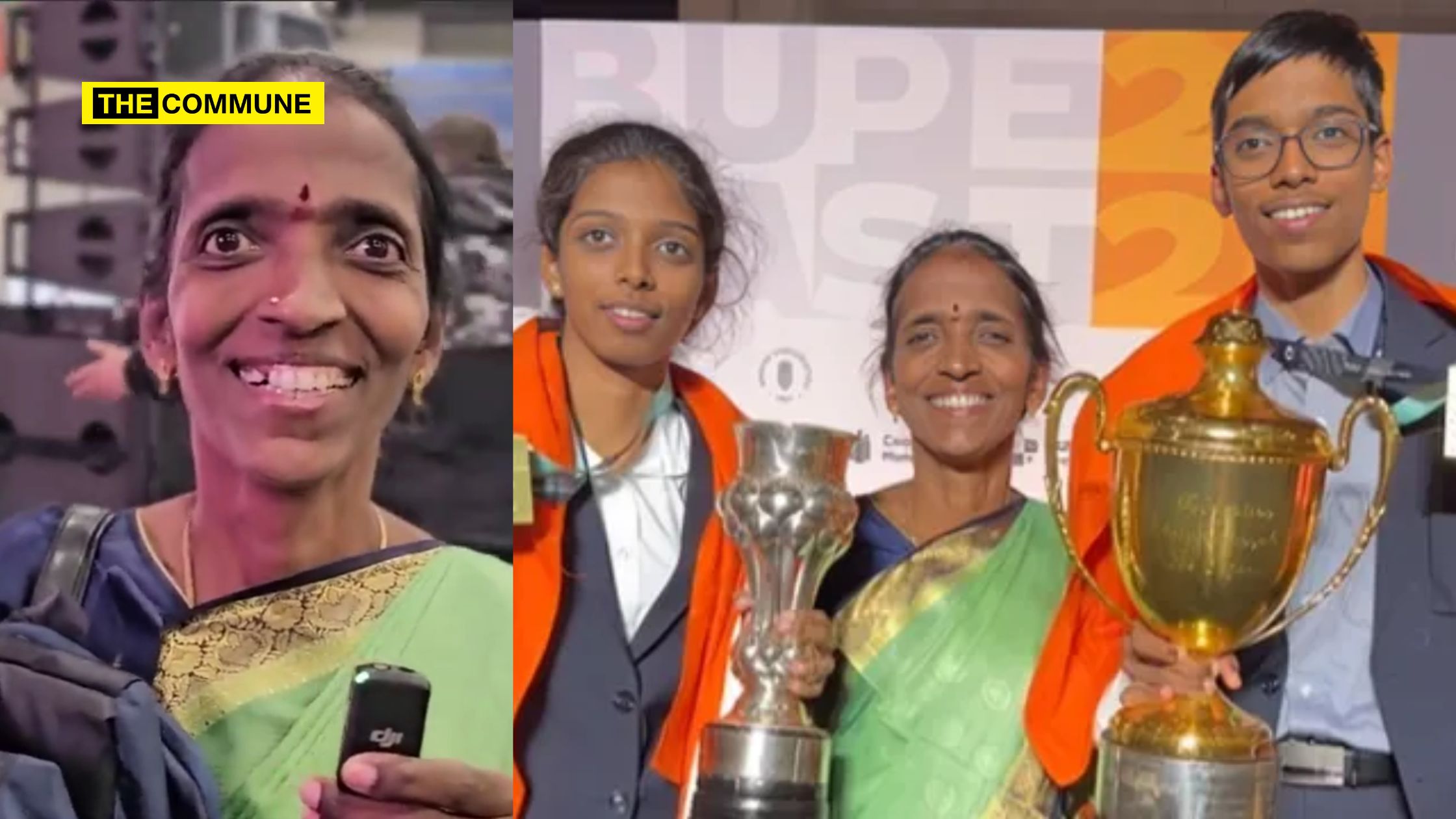
“No Celebration, Going To Temple”: Mother Of Chess Grandmasters Praggnanandhaa And Vaishali After Her Children Win Gold In Chess Olympiad

Mother Of Chess Grandmasters Praggnanandhaa And Vaishali

Nagalakshmi, the proud mother of R Praggnanandhaa and R Vaishali, shared her joy as her children helped India secure double gold at the 45th Chess Olympiad. While Indians celebrated their victory, the mother chose a simple temple visit to mark the success over a grand celebration, making a humble religious statement amidst the backdrop of rising derision of Hindu practices by Dravidianists in Tamil Nadu.

Praggnanandhaa & Vaishali Made Chess History

India made chess history on Sunday (22 September 2024) when both its men’s and women’s teams secured their first-ever gold medals at the 45th Chess Olympiad. The men’s team triumphed over Slovenia, with D Gukesh, Arjun Erigaisi, and R Praggnanandhaa winning their matches in the decisive 11th round. The women’s team clinched the title by defeating Azerbaijan 3.5-0.5.

This achievement brought double celebration for the family of R Praggnanandhaa and R Vaishali, as both siblings were part of the gold-winning teams in this prestigious biennial chess competition. While Grandmaster Praggnanandhaa played a crucial role in the men’s victory, his sister Vaishali contributed significantly to the women’s success.

A Humble Mother – Nagalakshmi

But it’s not just Praggnanandhaa and his sister who have won hearts with their victory. Their proud mother Nagalakshmi, who is often admired for her simplicity and quiet strength, is an epitome of humility. Her calm and composed presence at chess tournaments, where she is frequently spotted accompanying her children, speaks volumes about her dedication to their success.

Speaking about her children’s victory she said that she was feeling very happy and was at a loss of words.

Nagalakshmi’s simplicity is not just in her appearance but also in her approach to life. Despite the international fame her children have gained, she remains grounded. When asked how she would celebrate she said “No celebration but going to temple.”

Her statement holds even more sweet significance given how Dravidiainsts in Tamil Nadu often derogate Hindu faith and deride going to temples.

Subscribe to our channels on TelegramWhatsApp, and Instagram and get the best stories of the day delivered to you personally.
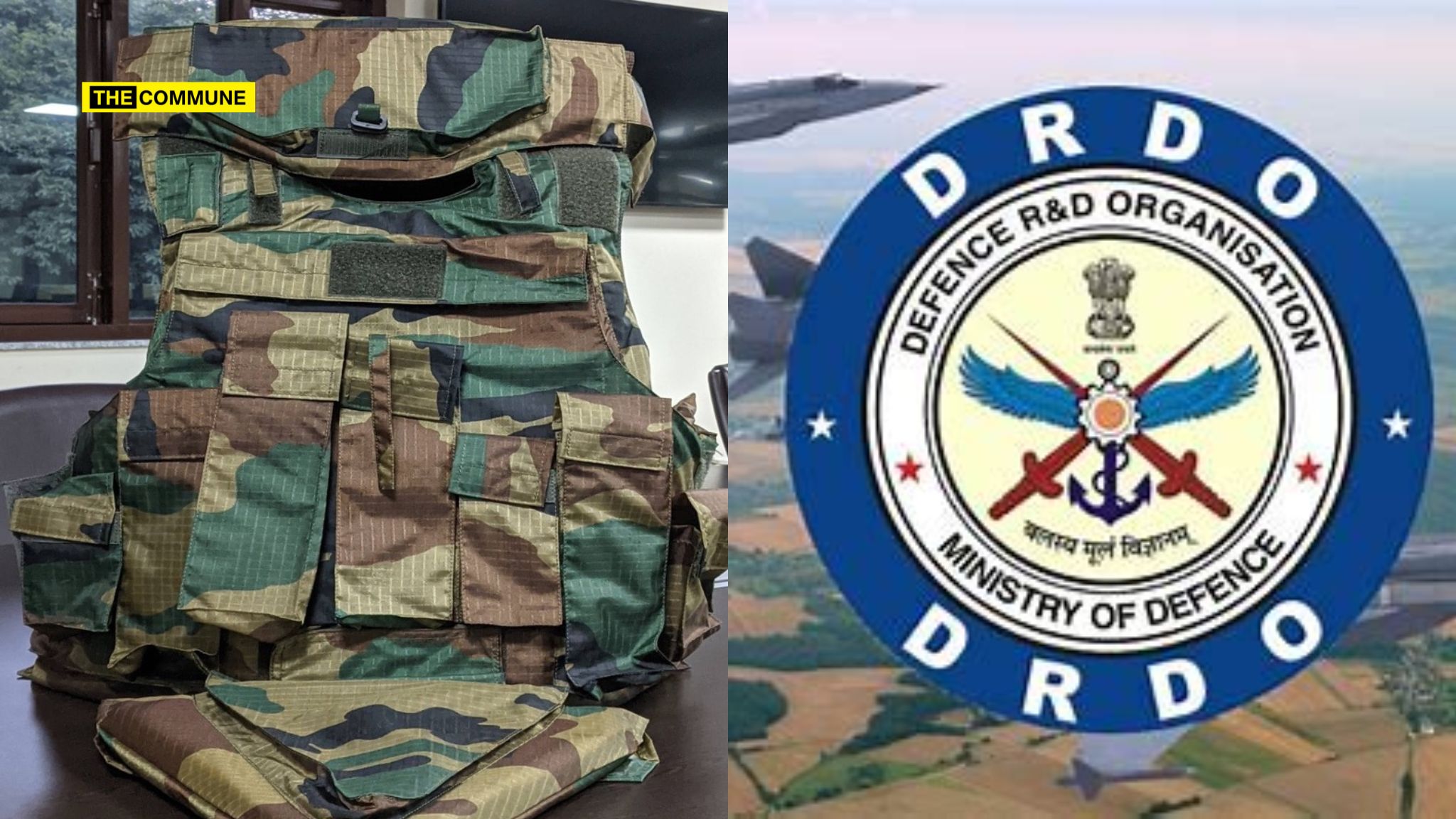
DRDO Develops Indigenous ABHED Bulletproof Jackets

DRDO Develops Indigenous ‘ABHED’ Bulletproof Jackets

The Ministry of Defence on Wednesday said the DRDO developed the Indigenous Advanced Ballistics for High Energy Defeat (ABHED) bulletproof jackets. The jackets were produced at the DRDO Industry Academia Centre of Excellence (DIA-CoE) at the Indian Institute of Technology (IIT) in Delhi.

“This is an indigenous product and the jackets have been created from polymers and indigenous boron carbide ceramic material. The design configuration is based on characterisation of various materials at high strain rate followed by appropriate modelling and simulation in collaboration with DRDO,” the ministry said. It added that the armour plates for the ABHED jackets have passed all necessary research and development (R&D) trials as per the protocols.

“The jackets meet the highest threat level and are lighter than the maximum weight limits stipulated in respective General Staff Qualitative Requirement of the Indian Army. With a minimum possible weight of 8.2 kgs and 9.5 kgs for different BIS Levels, these modular-design jackets having front and rear armours provide 360-degree protection,” the ministry said. It added that based on the selection-criteria matrix, some Indian industries were shortlisted for the Transfer of Technology and handholding. “The government is ready to transfer the technology to three industries,” the ministry informed. Secretary of the Department of Defence R&D and Chairman DRDO Samir V Kamat said that the lightweight bulletproof jacket exemplifies the effective ecosystem of successful defence R&D by DRDO, academia and the industry.

The DIA-CoE was formed by modifying the Joint Advanced Technology Center of DRDO at IIT Delhi in 2022 to involve Industry and Academia in defence R&D. It has been actively pursuing various projects on advanced technologies, involving DRDO scientists, academic researchers and industry partners, official added.

–IANS

Subscribe to our TelegramWhatsApp, and Instagram channels and get the best stories of the day delivered to you personally.
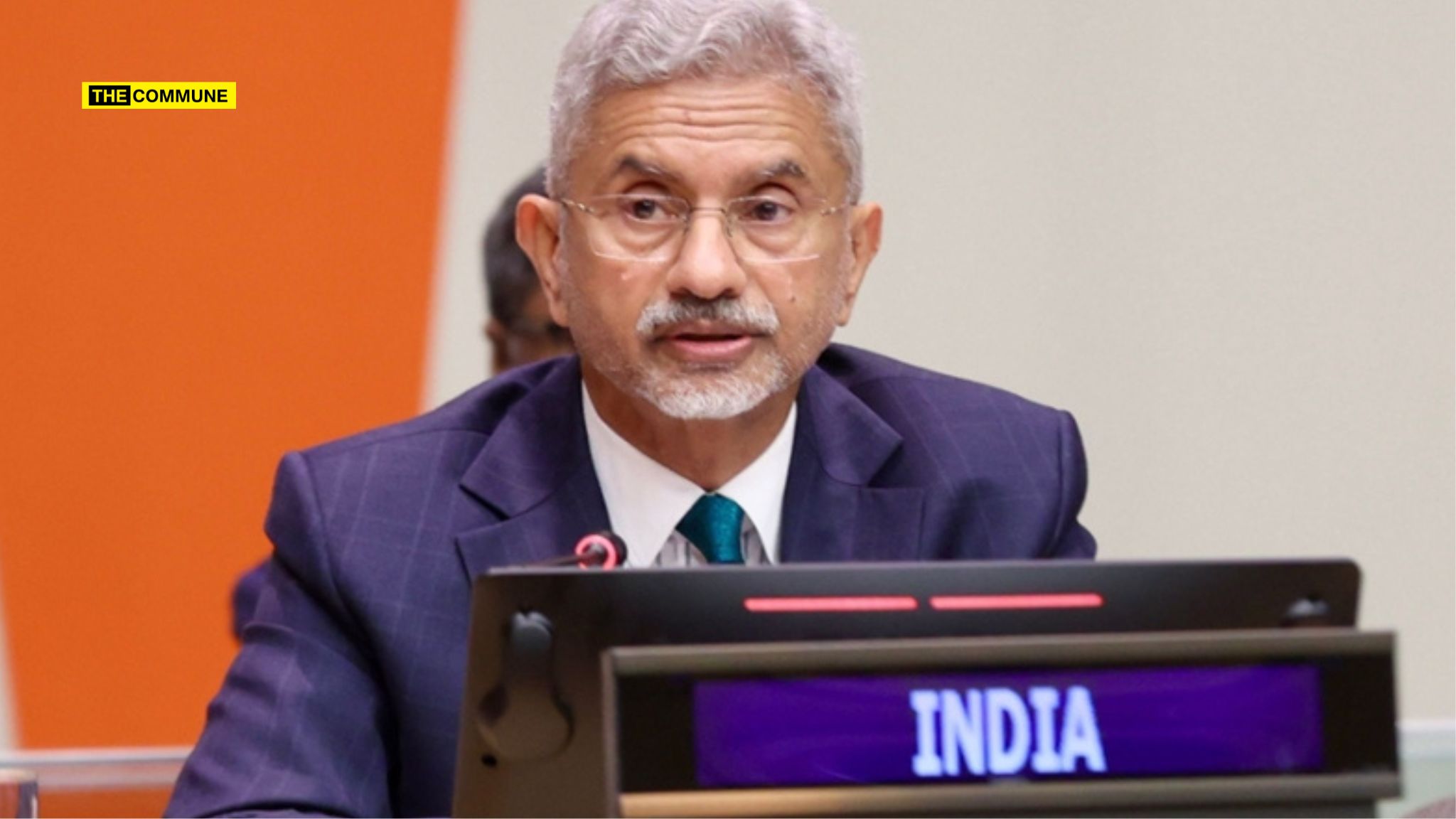
Reforms Of International Financial, Political Structures Including UNSC Needed Urgently: EAM Jaishankar

Reform Of International Financial, Political Structures Including UNSC Needed Urgently: EAM Jaishankar

On Wednesday, India called for urgent reforms of the international decision-making structures, especially the Security Council, to give the Global South its due representation. Speaking at the Foreign Ministers’ meeting of the G20, Indian External Affairs Minister S Jaishankar said reforming the UN to ensure it was representative, credible, and effective was imperative and urgent.

EAM Jaishankar said the reforms should include expanding permanent and elected Security Council seats. The ministers of the G20, the group of major developed and emerging countries, met on the sidelines of the UN General Assembly’s high-level meeting. In a speech that dealt at length with the international financial and development organisations, Jaishankar said it was imperative to bring reforms to make the global economic architecture more “robust, expansive, and effective”.

In this context, he mentioned India’s efforts when it was the chair of the G20 to reform multilateral development banks (MDBs) to meet the aspirations of the developing world. During its presidency of the G20, India set up a panel of international economic experts to recommend reforms to the MDBs and their suggestions were adopted by the G20. The panel’s recommendations included raising capital, tripling 2030 lending for sustainable development by streamlining procedures, and encouraging more risk-taking in funding programmes. Jaishankar aimed at the World Trade Organisation (WTO), calling for its comprehensive reform to ensure a rules-based, non-discriminatory and fair multilateral trading system.

Before the meeting, he also briefly talked with WTO Director-General Ngozi Okonjo-Iweala. He said that protectionism and market-distorting practices of the international trading system worked against developing countries. Secretary-General Antonio Guterres said the G20 countries should be strongly engaged in reforming the UN and making “the Security Council truly representative by addressing the under-representation of Africa, Asia-Pacific, Latin America and the Caribbean”. The External Affairs Minister stressed the role of the G20 in promoting reforms in all areas of the international structures. The G20, the UN and the so-called Bretton Woods institutions – which include the International Monetary Fund and the World Bank – are trying to deal with “some of the most important challenges of our time: inequality, financing for development, the climate crisis, the impact of new technologies”, he said.

“In all these areas, progress is slipping out of reach as our world becomes more unsustainable, unequal, and unpredictable,” S. Jaishankar said. “I look to all G20 countries to push for deep reforms so that global financial institutions reflect today’s world and respond to today’s challenges,” he said.

The External Affairs Minister also said: “We need ambitious reforms of the international financial architecture to make it fully representative of today’s global economy, so it can provide strong support to implement the Sustainable Development Goals.”

On fighting climate change, S. Jaishankar noted that clean energy investments have increased in India and China but have remained low in other emerging and developing economies since 2015. “The energy transition must be based on justice and equity so that all countries benefit,” Jaishankar said.

–IANS

Subscribe to our TelegramWhatsApp, and Instagram channels and get the best stories of the day delivered to you personally.
Telangana: BRS Slams Congress Govt For Demolishing Houses Of Poor

BRS Slams Congress Govt For Demolishing Houses Of Poor

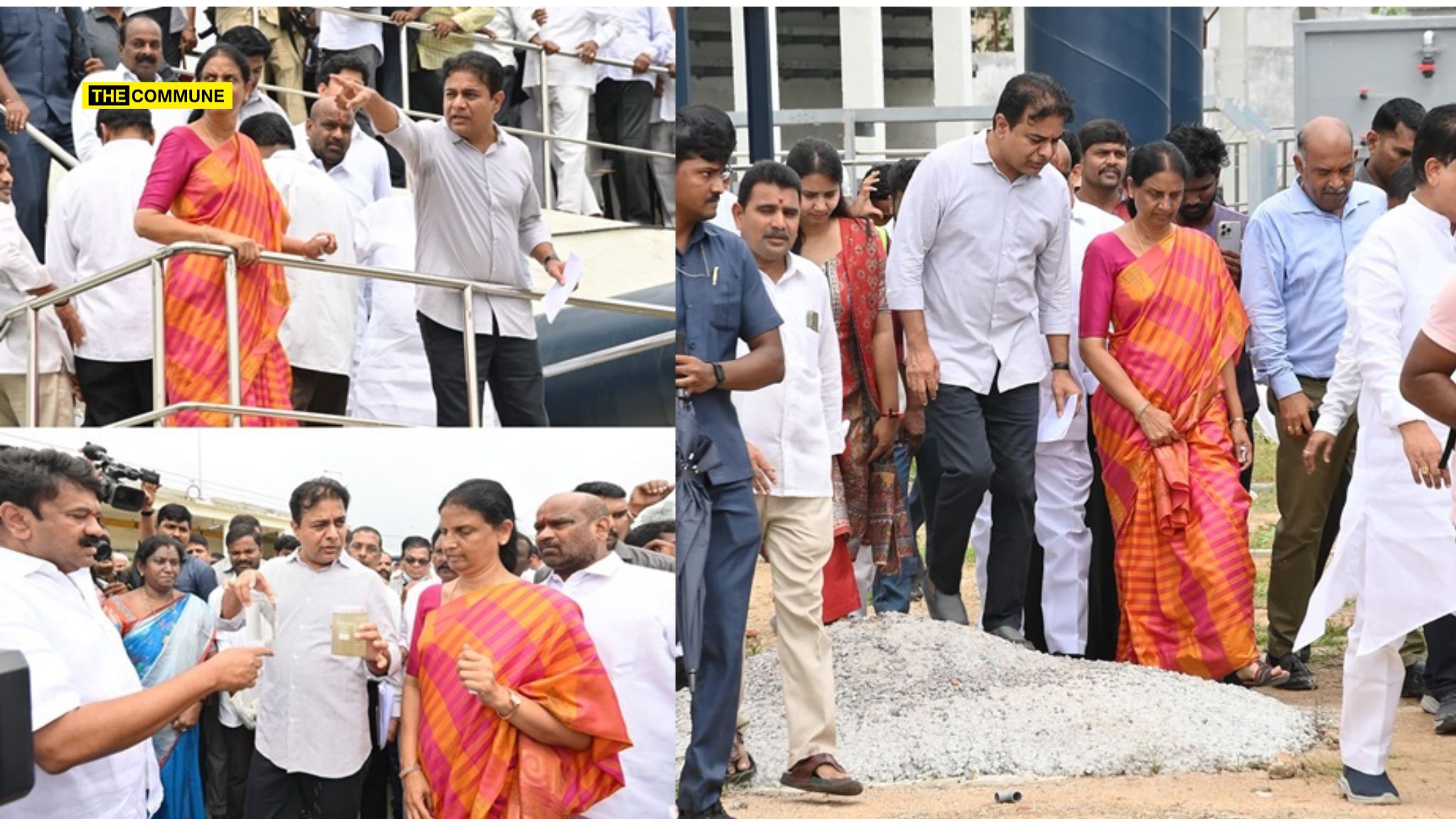
Bharat Rashtra Samithi (BRS) working president K.T. Rama Rao on Wednesday slammed the Congress government in Telangana for selective action against the poor while turning a blind eye to the rich and influential in the demolition of unauthorized structures in Greater Hyderabad.

He accused the government of creating unnecessary drama under the guise of HYDRAA (Hyderabad Disaster Response and Asset Protection Agency). The BRS head condemned the selective actions against the poor. “There cannot be one law for the powerful and another for the poor. We will not stay silent,” he stated during an interaction with media persons following a visit to the city’s Sewage Treatment Plants (STPs). KTR, as the former minister is popularly known, accused the government of practising double standards. “If you have the courage, take action against those who issued permissions and the builders who violated the rules,” he said.

Rao blamed the previous Congress governments in united Andhra Pradesh for encroachments and faulty permissions in the city. The BRS leader expressed outrage over the demolition of homes of the poor.

“A seven-year-old girl named Vedashree wasn’t even given time to collect her books before her house was bulldozed. Pregnant women and small shop owners were also victims of these heartless actions,” KTR said. He assured that the BRS legal team would provide full support to the victims of the ‘HYDRAA’ demolitions. “Contact Telangana Bhavan or reach out to your local BRS MLAs. We will fight for justice,” KTR promised.

KTR demanded strict action against those who had issued illegal building permits, particularly in buffer zones. “If a building was constructed in violation of regulations, why are the poor paying the price? Hold the officials and builders accountable,” he demanded. He urged the Chief Minister to prove his integrity by demolishing illegal properties belonging to ministers and influential individuals, including his own family’s houses, if found in buffer zones. KTR also raised concerns about alleged attempts to award a contract related to the Musi River project to a blacklisted company from Pakistan. “We are watching the corrupt intentions behind the Musi project. At the right time, we will expose the truth,” he warned.

He said ministers gave varying figures ranging from Rs.50,000 crore to Rs1,50,000 crore as the estimated project cost. He announced that if the oppressive actions against the underprivileged continue, BRS would stand as a shield for the victims. “We will block the bulldozers if necessary,” he asserted. KTR called for the judiciary to take suo moto cognizance of the government’s attempts to sideline justice and suppress the voices of the vulnerable. KTR contrasted the current government’s actions with the BRS government’s work during its tenure. “We constructed homes for the poor and initiated numerous projects for Hyderabad’s development. Because of the Former CM KCR’s leadership, Hyderabad is set to become the first South Asian city to achieve 100 per cent wastewater treatment,” he added, citing the construction of 31 STPs across the city.

–IANS

Subscribe to our  TelegramWhatsApp, and Instagram channels and get the best stories of the day delivered to you personally.