Home Blog Page 699

Karnataka BJP Slams Siddaramaiah Over Contract Muslim reservation

Karnataka BJP on Tuesday slammed Chief Minister Siddaramaiah over allegedly providing reservation in contracts for Muslims. “Do you have any sense of integrity or ethics,” said Karnataka Leader of the Opposition (LoP) R Ashoka, adding, “Chief Minister Siddaramaiah, you openly deny that there is any proposal before the government to reserve contracts for Muslims as if striking a blow at the truth. What can we say about your blatant dishonesty.”

The Karnataka BJP leader added that Siddaramaiah’s political secretary, Naseer Ahmed, along with Minister for Waqf and Tourism Zameer Ahmed Khan and other Muslim MLAs, sent him a letter on August 24, 2024, requesting a 4 per cent reservation for Muslims in contract works.

On the same day, you instructed the Finance Department to review and submit this proposal. Additionally, you approved an amendment to the KTPP Act regarding this matter. Despite all these letters and approvals, you lie, claiming there’s no proposal for Muslim reservation in contracts before the government. Do you have any sense of integrity or ethics,” he said.

Reports of an alleged proposal to provide reservation in the allotment of contracts by the Karnataka government to Muslims have stirred controversy ahead of the by-polls to three Assembly segments. However, the news has been denied by the Chief Minister’s Office. Reacting to the reports, the CMO clarified on Tuesday that there was no proposal before the government to provide reservations for Muslims in allotment of contracts and termed it as false news.

There has indeed been a request for reservations in allotment of contracts, but it has been clarified that there is currently no such proposal before the government,” the CMO stated.

Sources claimed that Chief Minister Siddaramaiah has consented to a 4 percent reservation for Muslims in government contracts under Category 2B in constructions of not more than Rs 1 crore. Sources said that the state government is preparing to amend the Karnataka Transparency in Public Procurement Act to facilitate the reservation for Muslims.

–IANS

Subscribe to our TelegramWhatsApp, and Instagram channels and get the best stories of the day delivered to you personally.
India At Take-Off Stage Of Development With Young Population, Robust Infra Growth: Mark Mobius

India At Take-Off Stage Of Development With Young Population, Robust Infra Growth: Mark Mobius.

India is now at the take-off stage of development where the young demographic with higher productivity, digitisation of the economy, and a robust infrastructure growth will help the country become a major global economy in the years to come, Mark Mobius, of Mobius EM Opportunities Fund, said on Tuesday.

India remains the world’s fastest-growing economy with investment and private consumption driving growth. The IMF retained India’s gross domestic product (GDP) growth forecasts at a robust 7 per cent and 6.5 per cent for FY25 and FY26, respectively. Mobius told IANS that Prime Minister Narendra Modi’s ‘Digital India’ and ‘Make in India’ programmes continue to maintain the momentum. “India also has to accelerate infrastructure spending and development, along with keeping regulations that benefit productivity and further getting rid of excess bureaucracy,” the ace investor stressed.

The growth story remains intact as its fundamental drivers – consumption and investment demand – are gaining momentum. The RBI has forecast that the country is likely to see real GDP growth at 7.2 per cent for FY 2024-25. Prospects of private consumption, the mainstay of aggregate demand, look bright on the back of improved agricultural outlook and rural demand. According to Mobius, the stock market reflects the pickup in the economy and the growth of the economy. “There will be periods when the stock market corrects downwards but this will be temporary. The general bullish trajectory is in place.”

According to him, consumers with per capita incomes are moving up and aspirations are rising. “The consumer market will be very, very important going forward. You have to align it with what’s happening in the US, or what has happened in the US. You can see the consumer market is huge and drives the economy to a great extent. This is the same case with India,” Mobius told IANS.

According to the RBI, domestic growth has sustained its momentum, with private consumption and investment growing in tandem. Rural consumption spending is rebounding due to moderating inflation, specifically in food. Mobius said that going forward, there will be greater urbanisation in India, which means much more consumption than what we’ve seen in rural areas. “The high growth rate, over 7 per cent in real terms, and growing per capita income, puts India on an incredible path to greater prosperity and, probably becoming the largest economy in the world,” Mobius told IANS.

–IANS

Subscribe to our channels on TelegramWhatsApp, and Instagram and get the best stories of the day delivered to you personally.
Union Minister Kumaraswamy Spotlights ‘Revolutionary Changes’ In India’s Health Sector

Union Minister Kumaraswamy Spotlights ‘Revolutionary Changes' In India's Health Sector.

Union Minister H D Kumaraswamy hailed Prime Minister Narendra Modi’s leadership for revolutionizing India’s healthcare sector during a conference at Rajarajeshwari Medical College. Emphasizing affordable and quality healthcare for all, Kumaraswamy highlighted transformative initiatives like Ayushman Bharat, which provides health coverage to 50 crore Indians, and other schemes that have strengthened the nation’s healthcare infrastructure. He urged new medical graduates to serve with dedication, underlining their vital role in safeguarding the nation’s health and well-being.

“Quality healthcare is now available to the common man at affordable rates and this is made possible by Prime Minister Narendra Modi’s social concern and vision,” Union Minister Kumaraswamy emphasised. “Our country’s healthcare system has grown robustly under Prime Minister Narendra Modi’s leadership, serving as a backbone to the country’s economic and social progress. Every citizen now has access to high-quality medical care,” the minister highlighted. Many improvements have been implemented in the healthcare sector over the past ten years, including the Ayushman Bharat Scheme, the world’s largest health coverage initiative, covering 50 crore people, Kumaraswamy stated.

“It is a global record,” he added. Ayushman Bharat is a National Health Protection Scheme, which will cover over 10 crore poor and vulnerable families (approximately 50 crore beneficiaries) providing coverage up to 5 lakh rupees per family per year for secondary and tertiary care hospitalisation. Other programmes such as the Pradhan Mantri Jan Arogya Yojana, Prime Minister Atmanirbhar Swasth Bharat Yojana, Digital Health Mission, Mission Indradhanush, and the establishment of Jan Aushadhi centres have also been launched under Prime Minister Narendra Modi’s government, he stated.

Union Minister Kumaraswamy stressed the importance of the medical field stating, “Doctors protect not only the health of individuals but the health of the entire nation.” He urged the fresh medical graduates to dedicate themselves to social service and work as exemplary doctors. The Union Minister presented convocation certificates to the graduates, wishing them a bright future. Rajarajeshwari Medical College’s Founder Chancellor Dr A.C. Shanmugam, President Arun Kumar, Dean Dr Sathyamoorthy and Executive Director Dr S. Vijayanand were present at the event.

–IANS

Subscribe to our channels on TelegramWhatsApp, and Instagram and get the best stories of the day delivered to you personally.
MVA Most Unstable Vehicle With No Wheels Or Brakes: PM Modi

MVA Most Unstable Vehicle With No Wheels Or Brakes: PM Modi

Prime Minister Narendra Modi on Tuesday took a swipe at the Maha Vikas Aghadi (MVA), saying that it is riding in a vehicle with no wheels or brakes and are fighting with each other to drive it. Terming the MVA as the most unstable vehicle, the Prime Minister claimed that the MahaYuti on the other hand is in a position to provide a stable government for the next five years with a sole goal of development.

He further added that only a stable government can make long-term policies. “You have to remember that the vehicle these Maha Aghadi people are travelling in is a vehicle which has neither wheels nor brakes and there is a fight as to who will drive it. Aghadi is the most unstable vehicle, these people waste their time fighting among themselves. Maharashtra needs a MahaYuti government for the next five years which is stable and whose sole aim is the development of Maharashtra. Only a stable government will be able to make long-term policies for Maharashtra,” said PM Modi at the poll rally for the BJP and MahaYuti nominees in Solapur. The Prime Minister said right now there is a stampede in Aghadi, adding, that there is a tug-of-war going on in Aghadi for the post of Chief Minister.

“One party remains busy the whole day in declaring its leader as the Chief Minister. Other parties and Congress remain busy in rejecting it. Such parties can never form a stable government in Maharashtra,” the Prime Minister said. He also targeted the Congress, saying that although the grand old party ruled the country for decades its thinking is to maintain the problems and keep people entangled in such problems. “For decades, Congress governed the country but left many issues unresolved. They kept people preoccupied with various problems, which has become their typical work culture. As a result of this approach, the farmers in Maharashtra have suffered for many years,” the Prime Minister said. He added that in this region, Congress and its allies failed to address irrigation issues effectively. “In contrast, we have focused on resolving these problems. Thanks to our efforts, the water table in several villages in Solapur is now rising,” the Prime Minister said.

He also informed that Congress wants to end the rights given to the poor and deprived people of the country. “The prince has gone abroad and openly talked about ending the reservation. Congress’s desire to end reservation is not new. There was a time when Congress used to openly give big advertisements in newspapers against the reservation. Today, is the age of the internet now those anti-reservation statements of Congress are available on the internet and social media,” he said. He told the people gathered at the rally that Congress is troubled by MahaYuti’s unity which is why they want to make one caste fight against another caste. “Will you allow this conspiracy of Congress to succeed? We have to remain united to foil the dangerous plans of Congress. Therefore my request to you is – if we are united, we are safe,” said the Prime Minister. He said that when the MahaYuti government, which believes in the “faith” and “culture” of Maharashtra, works, the people of Solapur have seen what kind of results come. “The people of Solapur had been demanding development for decades, the projects that were pending for decades, have been completed by the MahaYuti government,” PM Modi claimed.

The Prime Minister said that the MahaYuti government waived off the electricity bills of farmers, adding that the government’s effort is that farmers do not have to pay electricity bills. “That is why we are engaged in providing solar energy to every farm,” he said. The Prime Minister said that when Congress was in power, only 2 to 3 per cent of ethanol was blended into petrol, adding that after the BJP came to power in 2014, the government decided to increase the ethanol blending. “It has increased to 15 per cent now. I’m targeting ethanol-blending of 20 per cent. The farmers have received Rs 80,000 crore due to ethanol, and the sugarcane farmers were the biggest beneficiaries of it,” he said.

The Prime Minister also informed that the government is working by keeping women at the centre of all public welfare schemes. “Today, the houses being built under the PM Awas Yojana are being built in the name of women. The biggest beneficiaries of the Mudra Scheme are our mothers and sisters. We are engaged in the mission of making three crore sisters Lakhpati Didi,” he said. The Prime Minister said that this change has been possible due to the work of the BJP at the Centre and the MahaYuti government in Maharashtra. “Today we are moving towards building a developed India from a developed Maharashtra. That’s why I say: ‘BJP-MahaYuti ahe, tar gati ahe. Maharashtrachi pragati ahe’,” said the Prime Minister.

–IANS

Subscribe to our channels on TelegramWhatsApp, and Instagram and get the best stories of the day delivered to you personally.
‘Adaptive Defence’ Not Strategic Choice, But Necessity: Defence Minister Rajnath Singh

'Adaptive Defence’ Not Strategic Choice, But Necessity: Defence Minister Rajnath Singh

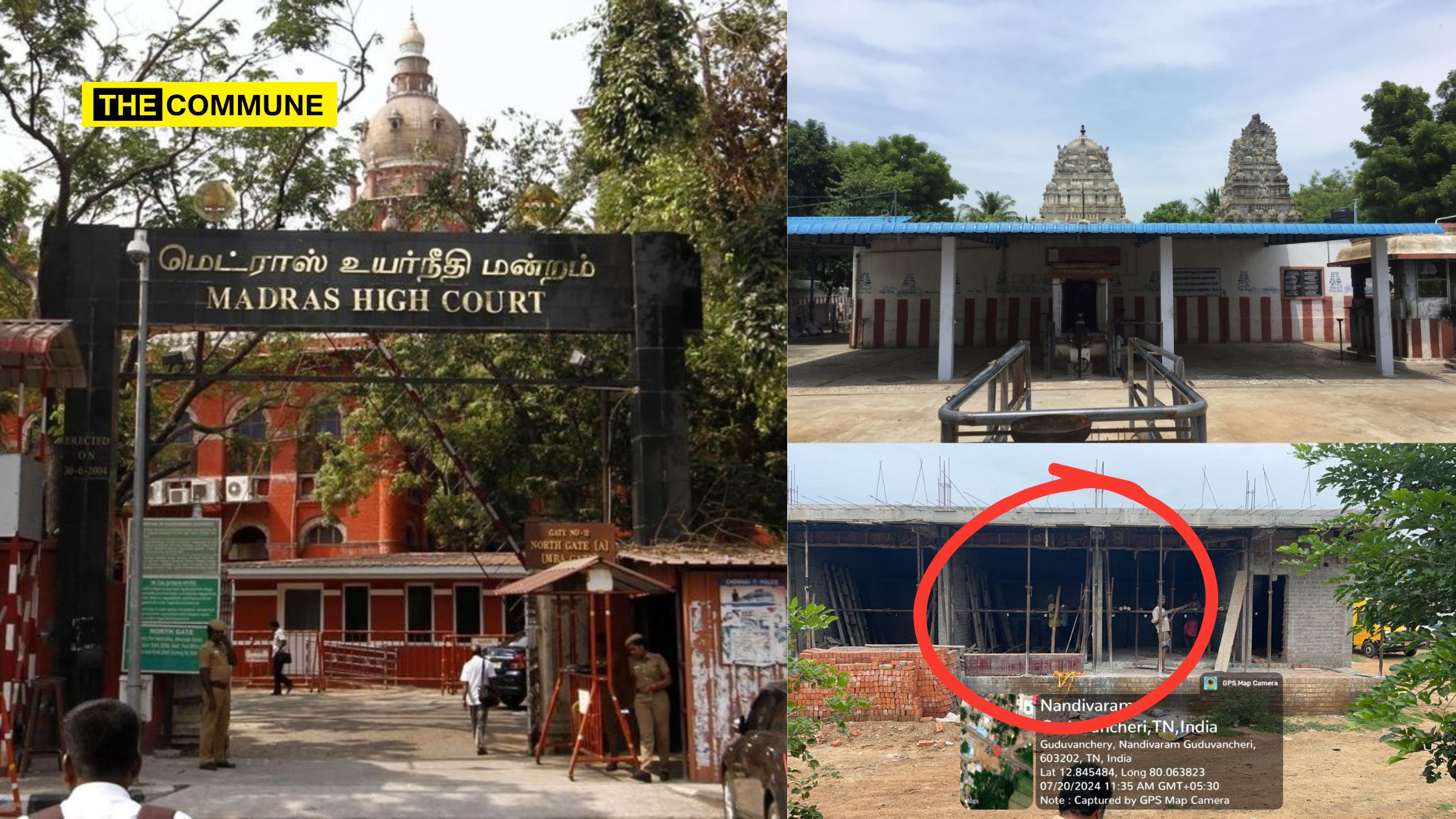
Defence Minister Rajnath Singh on Tuesday voiced concerns to create an ‘Adaptive Defence’ in the country, saying that it is not a strategic choice but a necessity for the nation’s defence. “‘Adaptive Defence’ is not merely a strategic choice but a necessity. As the new threats have evolved, we must also evolve our defence systems and strategies. We should be prepared for all future contingencies. It is more than just protecting our borders, it is about securing our future,” said the Defence Minister while addressing the Delhi Defence Dialogue (DDD) in New Delhi.

He added that the ‘Adaptive Defence’ is not merely responding to what has happened but anticipating what could happen, and preparing for it proactively. “In essence, it involves cultivating a mindset and capability to adapt, innovate and thrive, even in the face of unpredictable and evolving circumstances. Situational awareness, flexibility at strategic and tactical levels, resilience, agility, and integration with futuristic technologies are the keys to understanding and creating ‘Adaptive Defence’. It must be the mantra of our strategic formulations and operational responses,’ said the Defence Minister. He also threw light on the diverse range of security challenges faced by India, from traditional border-related threats to unconventional issues such as terrorism, cyber-attacks, and hybrid warfare. He asserted that the government recognised the need for an ‘Adaptive Defence’ strategy in a changing geopolitical and technological scenario, and has taken several initiatives to build a robust and self-reliant ecosystem. He said that the traditional notions of war are being reshaped by emerging technologies and evolving strategic partnerships, with new perspectives, doctrines and concepts of operations emerging within the Armed Forces in keeping with the changing nature of threats and challenges.

He termed the present age as Grey Zone and Hybrid warfare where traditional ways to defend have been challenged. “India is aiming to become a drone hub of the world. Several initiatives have been taken in this regard. This would not only help the Indian economy but also significantly contribute to our Make in India and the Aatmanirbhar Bharat programme,” the Defence Minister said. He added that the current geopolitical dynamics and cross-border issues make a collaborative approach to defence essential, adding that the ambiguities of cyberspace, AI and the vast potential of quantum and nanotechnologies further demand collaboration and sharing of knowledge, perspectives, information and strategies, if possible. He said that the government recognised the need for an adaptive defence strategy in a changing geopolitical and technological scenario, and has taken several initiatives to build a robust and self-reliant ecosystem.

“It includes establishing the institution of the Chief of Defence Staff, promoting jointness among the three Services, improvising the training curriculum and forging new defence partnerships around the world,” he said. The Defence Minister also expressed confidence that by bringing together policymakers, military experts and scholars, the Delhi Defence Dialogue will generate innovative ideas and collaborative strategies to enhance the country’s defence posture. He termed it a vital initiative that aspires to strengthen the strategic vision emphasising a comprehensive approach and facilitating informed discussions that contribute to national, regional and global security.

–IANS

Subscribe to our channels on TelegramWhatsApp, and Instagram and get the best stories of the day delivered to you personally.
Govt’s Biofuel Drive Has Saved ₹91,000 Crore In Oil Import Bills: Hardeep Puri

Govt’s Biofuel Drive Has Saved ₹91,000 Crore In Oil Import Bills: Hardeep Puri

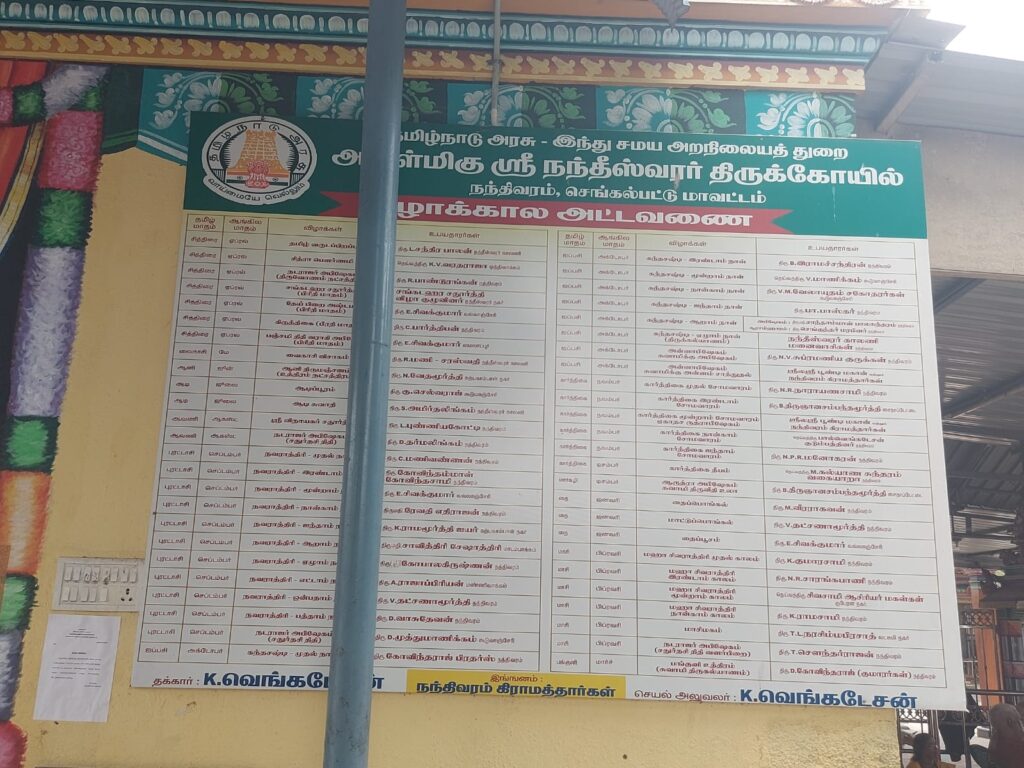
Petroleum Minister Hardeep Singh Puri said on Tuesday that India’s current biofuel blending rate has reached 16.9 per cent, putting the country on track to reach the 20 per cent target set for 2025-26. “As a result of the Govt. of India’s biofuel initiatives, we have saved ₹91,000 crore in import bills parallelly giving a much-needed boost to the agriculture sector,” he added.

Minister Puri also said that India ranks second globally in biofuel blending, underscoring its leading position in sustainable fuel practices. The minister was speaking at the inauguration of the Energy Technology Meet (ETM) 2024, organised by the Centre for High Technology (CHT) and co-hosted by Indian Oil Corporation Ltd. The three-day event from November 12-14 commenced here, bringing together industry experts, researchers, policymakers, and innovators under the theme ‘Green Energy Horizons: Advancing Sustainable Refining and Petrochemicals’. It highlights India’s commitment to sustainable energy innovations and the transition towards greener energy solutions. Referring to International Energy Agency (IEA) figures, the minister said that the nation’s energy needs are expected to grow by 2.5 times by 2047.

Additionally, India is expected to account for 25 per cent of the overall global growth in energy demand in the next two decades. Puri lauded the Oil Marketing Companies (OMCs) and private energy companies for their proactive approach in achieving net-zero targets. He also affirmed the readiness of the industry to support the Prime Minister’s vision of a ‘Viksit Bharat’ through advancements in ethanol, hydrogen, and biofuels. Further, emphasising India’s refining sector, Puri said, “India has the capability to process over 250 types of crude oil, with refining capacity anticipated to grow from the current 258 MMTPA to 310 MMTPA.” India’s refining expansion, coupled with petrochemical integration, positions India well on its way towards a flexible, efficient energy transition. Addressing the role of digital innovation, the Minister referred to the BCG report forecasting India’s Artificial Intelligence market to reach $70 billion by 2027, underscoring digitalisation’s potential to drive efficiency in energy operations.

V Satish Kumar, Chairman &Director (Marketing), IndianOil, in his address said, “The future of the energy industry hinges on integrating green energy solutions into refining processes. Through cutting-edge technologies and resource optimisation, we can build a resilient and environmentally responsible industry. ETM-2024 opens rich opportunities for our refining and petrochemicals sector, that can play a significant role in catalysing the nation’s aspirations.” Over 1300 delegates from India and abroad including domain experts, academia, licensors, R&D scientists, and other professionals from the Hydrocarbon sector are participating in this 3-day event.

ETM 2024 will feature technical sessions on renewable integration, hydrogen production, waste-to-energy innovation, and strategies for carbon neutrality. An exhibition area will showcase cutting-edge products and technologies from industry leaders, startups, and research institutions. The event fosters collaborative opportunities, encouraging academia-industry partnerships, skill-building, and joint R&D efforts to advance India’s sustainable energy future.

–IANS

Subscribe to our channels on TelegramWhatsApp, and Instagram and get the best stories of the day delivered to you personally.
Dravidianist Separatist Sympathizer Thirumurugan Gandhi Says Major Mukund Varadarajan Who Gunned Down Terrorist Altaf Baba Must Be Tried For War Crime

Dravidianist Separatist Sympathizer Thirumurugan Gandhi Says Major Mukund Varadarajan Who Gunned Down Terrorist Altaf Baba Must Be Tried For War Crime.

Dravidianist separatist Thirumurugan Gandhi launches a tirade against the martyred Major Mukund Varadarajan that crosses all bounds of respect. After baselessly condemning the Amaran biopic for portraying Indian Army chants, Gandhi is now slandering Major Varadarajan himself—labelling him a “war criminal.”

Amaran Controversy

The controversy around Amaran, the biopic of martyred Major Mukund Varadarajan, does not seem to die, with Dravidianist separatist and terror sympathiser Thirumurugan Gandhi labelling the martyr a “war criminal.”.

After making unfounded allegations against Amaran, in which he objected to the portrayal of Indian Army soldiers shouting “Jai Bajrangbali,” he failed to realize that this is the battle cry of the Rashtriya Rifles and the Rajput Regiment military units of the Indian Army. He further claimed that the film allegedly depicted the entire Kashmiri population as enemies, calling it a “one-sided” narrative that undermines the rights of the people of Kashmir.


Gandhi said to the press, “In the film, he (Mukund) catches a Kashmir terrorist before interval. He gets beaten up and then the hero kills the injured person. This is an encounter. It is called Summary Execution. This comes under war crimes. If the director says that this happened in reality and Mukund Varadarajan did it, that means there must be a case filed against Mukund Varadarajan at the international level and he must be tried for war crime. I don’t know whether the director intended to show Mukund Varadarajan as a war criminal or if he was really one. How can you shoot someone who is lying down injured without any weapons in hand? You can kill an army, a terrorist, a rowdy, a mafia, an enemy or a villain. How can a hero kill an injured person? Army cannot kill an unarmed person, it must only arrest them and produce them in court, an investigation must be done. If he had made a mistake or murdered someone, he has to be punished”.

Subscribe to our channels on TelegramWhatsApp, and Instagram and get the best stories of the day delivered to you personally.
NIA Interrogates Three Key Suspects In Coimbatore Car Bomb Blast Case 2022

Three individuals, implicated in the 2022 Coimbatore car bomb blast, were transported from Puzhal prison in Chennai to the temporary office of the National Investigation Agency (NIA) in Coimbatore on 11 November 2024, for questioning.

The accused—Abu Hanifa of Podanur, Saran Mariappan of Selvapuram, and Pawas Rahman of GM Nagar—arrived at the NIA office located within the Police Recruit School (PRS) complex, after the special NIA court in Poonamallee, Chennai, granted the agency six days of custody for further investigation.

Following their interrogation, the three suspects were placed under heavy police guard at the Race Course police station on Monday night. The NIA will continue questioning the trio until 14 November 2024 and may take them to various locations around the city on Tuesday to collect additional evidence.

To date, 17 individuals have been arrested in connection with the case. The primary suspect, Jamesha Mubeen, a 29-year-old IS (Islamic State) operative, acted as the suicide bomber in the Coimbatore attack and died in the explosion.

In this regard, one of the arrested suspects reportedly confessed, stating, “Jamesha Mubeen, who died in the Coimbatore car bomb blast, trained us in bomb-making and recruited us as suicide bombers.”

The attack took place on 23 October 2022, when Jamesha Mubeen detonated a car bomb outside the Kottai Easwaran Temple in Ukkadam, Coimbatore. The NIA subsequently arrested 18 of Mubeen’s associates, who were all detained in Puzhal Jail, Chennai.

During his testimony, Abu Hanifa revealed that in 2019, he and the others were part of an operation led by ISI terrorist Zahran Hashim in Sri Lanka. Hashim was responsible for the devastating Easter Sunday bombings that targeted churches and hotels, killing over 250 people. Hanifa stated that Jamesha Mubeen had taken charge of the Tamil Nadu branch of the IS group after Hashim’s death and had brought the group to Chennai for training.

Hanifa further testified that Mubeen aimed to become a prominent figure within the IS network, with plans to demolish Hindu temples, assassinate Hindu leaders, and target foreign embassies. He and his fellow suspects were reportedly trained in terrorism and bomb-making at Arabic colleges in Kerala and Coimbatore. According to Hanifa, Mubeen’s goal was to establish Muslim rule across India, teaching them to sacrifice their lives in pursuit of this mission. Their initial plan, he revealed, was to attack the Fort Easwaran Temple as a precursor to further operations.

This ongoing investigation highlights the extent of the radicalization efforts and the elaborate planning behind the Coimbatore attack.

(With inputs from Dinamalar)

Subscribe to our channels on TelegramWhatsApp, and Instagram and get the best stories of the day delivered to you personally.
Chennai Court Sentences Abdullah Alias ‘Saravana Kumar’ To 5 Years Jail For Promoting Islamic State, Dravidianist Media Tries To Hide Original Identity Of ISIS Sympathizer

Chennai Court Sentences Abdullah Alias 'Saravana Kumar' To 5 Years Jail For Promoting Islamic State, Dravidianist Media Tries To Hide Original Identity Of ISIS Sympathizer.

The Special Court handling NIA cases in Poonamallee, Chennai, has sentenced Abdullah alias Saravana Kumar to five years in prison and imposed a fine of 10,000. The 31-year-old Abdullah alias Saravana Kumar from Madurai was convicted for his involvement in promoting radical ideologies and supporting the establishment of an Islamic State in Tamil Nadu.

Abdullah was arrested by the National Investigation Agency (NIA) in 2021 as part of the ISIS-Madurai Hizb-ut-Tahrir module investigation. He was accused of spreading ISIS ideology on social media, inciting people against India, and advocating for the creation of a Khilafat (Islamic state). The NIA stated that Abdullah sought foreign support to form an army for establishing an Islamic State in Tamil Nadu through jihad.

Originally, Abdullah was charged by Madurai city’s Teppakulam police in April 2021 for his controversial social media posts supporting violence against India. He was booked under various sections of the Indian Penal Code, including charges of attempting to wage war against the government and promoting religious enmity, as well as under the Unlawful Activities (Prevention) Act (UAPA) for his links to terrorism.

The NIA took over the investigation in May 2021, conducting searches at Abdullah’s residence. The agency found that Abdullah was a “highly radicalized” member of Hizb-ut-Tahrir, a banned extremist group, and had intentionally aligned himself with ISIS recruiters to support the group’s activities. The NIA’s investigation revealed that he used his Facebook account to post content that incited people to establish a Khilafat and undermined India’s sovereignty.

The NIA filed a charge sheet in the Special Court in Chennai, detailing his “incendiary” social media activity. The agency has been closely monitoring and investigating social media posts linked to terrorism in Tamil Nadu, and earlier this year, they conducted searches related to another suspect, Mohammad Iqbal alias Senthil Kumar, who was also accused of advocating extremist ideologies linked to ISIS and Hizb-ut-Tahrir.

Dravidianist Media Repeatedly Refers To Convict By Hindu Alias

News outlets like Puthiya Thalaimurai and some others like Dinakaran in Tamil Nadu are seen to mention the convict by the Hindu name repeatedly and did not address him by his other name – Abdullah. While they may have mentioned once in the article, the alias is not used as many times as compared to the Hindu name.

Critics argue that such reporting practices will contribute to a broader trend of selectively highlighting names based on religious or cultural associations, especially if the individual belongs to a minority community. This approach, critics say, goes on to foster implicit biases and obscure accountability, as it downplays the backgrounds of individuals involved in criminal activity. These practices raise questions about media integrity and objectivity, especially in a multi-religious society, where impartiality in news reporting is essential to avoid reinforcing harmful stereotypes or biases.

Subscribe to our channels on TelegramWhatsApp, and Instagram and get the best stories of the day delivered to you personally.
Chennai Police Net Nigerian Drug Dealer; ₹80L Thai Cannabis Seized In Separate Case

Chennai Police Net Nigerian Drug Dealer; ₹80L Thai Cannabis Seized In Separate Case.

The Chennai Police Department has apprehended William Joseph, a Nigerian national in Bengaluru, for allegedly selling methamphetamine in Chennai. Following his arrest, Joseph was taken to Teynampet police station for further interrogation as authorities continued their investigation into the drug trafficking operation.

This arrest comes close on the heels of another drug-related arrest in Bengaluru last month. In October 2024, the anti-narcotics wing of the Bengaluru Central Crime Branch (CCB) arrested Chikdum Livonas, a 32-year-old Nigerian national, in a major drug bust. The CCB seized MDMA crystals weighing 1.03 kg, valued at Rs 1.5 crore, from Livonas in the Adugodi region of south Bengaluru. According to Bengaluru police officials, Livonas was caught distributing MDMA crystals to college students and software professionals while operating on a two-wheeler.

Ganja Seized

In another startling news, police at Chennai airport seized 1.5 kg of high-quality cannabis worth approximately ₹80 lakh, intended for sale among college students and IT workers. Acting on information about drug smuggling from Thailand to Chennai via Delhi, Chennai’s Narcotics Control Special Police monitored passengers arriving from Delhi on 12 November 2024. Mohammad Farooq (30) from Mannadi, Chennai, who arrived on an Indigo Airlines flight, was questioned, leading to the discovery of a concealed parcel of high-grade cannabis in his belongings.

During the investigation, Farooq revealed that two associates from Chennai had sent him to Thailand to acquire the drugs and instructed him to return via Delhi to avoid detection. Upon examining Farooq’s phone records, the police identified and contacted two individuals in Chennai suspected of involvement. Using Farooq’s contact, officers arranged a meeting at Chennai airport and arrested the two individuals upon arrival.

The Special Police found that this expensive, highly intoxicating cannabis was being smuggled specifically to target college students and IT professionals. Following their arrests, the three individuals were taken to the Chennai Metropolitan Police Commissioner’s Office for further interrogation as part of an ongoing investigation.

Subscribe to our channels on TelegramWhatsApp, and Instagram and get the best stories of the day delivered to you personally.