Home Blog Page 687

Tamil Nadu SC Family Denied Electricity For 9 Years Due To Caste-Based Discrimination

Tamil Nadu SC Family Denied Electricity For 9 Years Due To Caste-Based Discrimination

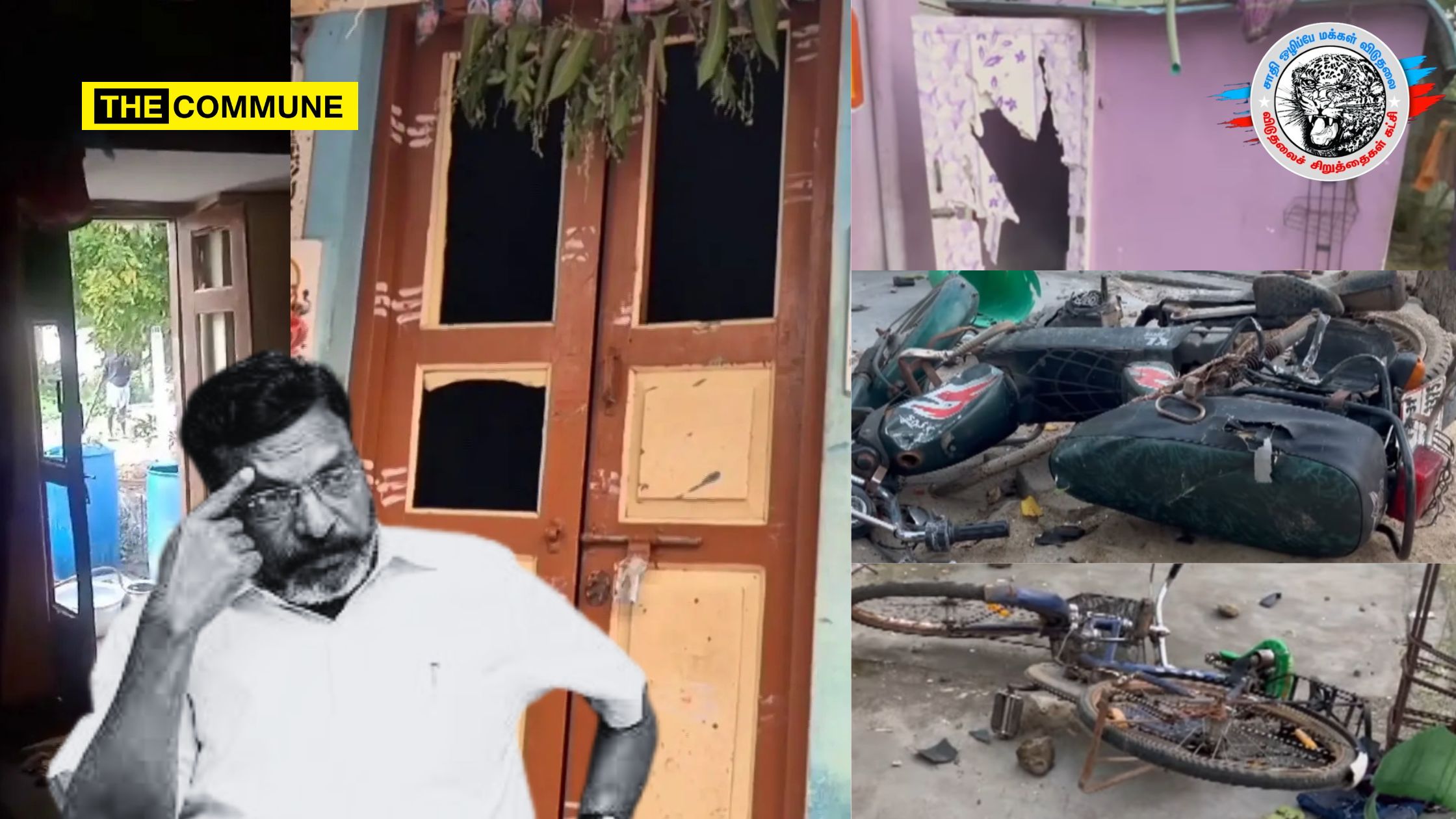
A Scheduled Caste (SC) family in Pudupatti, Melur taluk, has been struggling to secure an electricity connection for their home for the past nine years due to objections raised by their neighbours who belong to a dominant community. The issue revolves around installing an electricity pole on a shared pathway, which the neighbours have allegedly blocked by erecting a fence.

K Meenakshi (30), a daily wage labourer, shared her ordeal, explaining that she and her husband, Kumar, had purchased a plot of land in Pudupatti, Attakudi panchayat, and built a modest house with a tiled roof. However, when they applied for an electricity connection, their neighbours raised objections, claiming ownership of the land around their house and preventing the installation of the required electricity pole.

“We initially stayed silent, but when our elder son struggled to study at night without electricity, we decided to apply for a connection from TANGEDCO,” Meenakshi explained to TNIE. “An official team from the Melur subdivision of Madurai zone inspected our house and the area, but shortly after, our neighbours erected a fence blocking the entrance pathway.”

The Free Legal Aid of Madurai District Court organized a mediation session to resolve the matter. Meenakshi’s brother, K Durai, mentioned that the dominant community members were advised during the meeting to provide space for installing the electricity pole. However, the neighbours have yet to comply with this recommendation.

A TANGEDCO official from the Madurai division confirmed the issue, stating, We are prepared to install the pole, but the neighbours are objecting, claiming ownership of the land surrounding the house. After our inspection, the neighbours fenced off the area and accused us of trespassing on their property.”

In response to a petition submitted by the family, an official from the Madurai district administration said that local revenue officials in Melur Taluk were instructed to investigate the matter. “During a field visit by a village assistant, it was confirmed that Kumar and Meenakshi had purchased the land in 2015 (Document no. 4432/2015), and their ownership was verified as legitimate,” the official said. “The land document clearly indicates that the common pathway is located on the southern end. We are still unsure why the neighbours are objecting to the installation of the electricity pole, but an inquiry is underway.”

The SC family’s struggle for basic utilities continues as they await a resolution to their ongoing issue with the electricity connection.

(With inputs from TNIE)

Subscribe to our TelegramWhatsApp, and Instagram channels and get the best stories of the day delivered to you personally.

MK Stalin’s Son-In-Law All Set To Become Elon Musk Of Tamil Nadu As He Launches His Own Space Venture ‘Vaanam’

MK Stalin's Son-In-Law All Set To Become Elon Musk Of Tamil Nadu As He Launches His Own Space Venture 'Vaanam'

In an ambitious bid that perhaps left even Elon Musk questioning his life choices, Tamil Nadu’s first son-in-law, Sabareesan Vedamurthy, has decided to shoot for the stars – quite literally. Not content with merely mastering the art of political orbit-shifting in his father-in-law MK Stalin’s government, our homegrown space enthusiast has now set his sights on actual orbits with ‘Vaanam,’ India’s first private space tech accelerator.

While the venture is technically launched by Sabareesan’s brother, Hariharan Vedamurthy and Sameer Bharat Ram (probably to maintain plausible deniability), everyone knows who’s really reaching for the stars here. After all, why settle for controlling just Tamil Nadu’s political space when you can dominate the actual space? Sources say Sabareesan was inspired to enter the space sector after realizing that managing ground-level politics wasn’t challenging enough – apparently, rocket science seems easier than explaining DMK’s family politics. Move over, SpaceX, Tamil Nadu’s own political astronaut, is ready to show the world how Dravidian mathematics can revolutionize orbital calculations!

Sabareesan, fresh off his political family connections, is looking to disrupt the Indian space ecosystem and become the Elon Musk of Tamil Nadu. With the backing of Padma Bhushan Nambi Narayanan, former ISRO scientist, Vaanam has a solid foundation in mentorship.

However, one can’t help but wonder if this new venture will soon rival SpaceX and make its own mark on the global space race or simply add another ambitious story to the ever-growing list of ‘innovative’ startups.

At the launch event, held in the heart of Chennai, industrialist Ravi Mariwala and actor-director R. Madhavan also joined the ranks, adding a dash of star power to the accelerator’s credibility. Tamil Nadu Industries Minister TRB Rajaa officiated the event, while Nambi Narayanan graced the occasion with his presence. But the real question is: Will Sabareesan’s space journey go as smoothly as his family’s rise to power, or will the skies be a little more turbulent?

Space Tech With A Side Of Politics

The Vaanam accelerator is designed to “transform” the Indian space startup landscape, providing commercial expertise and specialized tools to new ventures. The goal is to help early-stage space startups achieve product-market fit and scale up. According to Vedamurthy, the accelerator aims to fill the “whitespace” left by the government’s efforts to commercialize space technology. Given the political pedigree of the accelerator’s investors, we can expect the launch of Vaanam to go from zero to 100 faster than you can say “rocket science.”

A ‘Propellant’ Vision For Tamil Nadu

But it’s not just about startups. Vaanam is set to play a key role in Tamil Nadu’s broader space strategy, which includes the creation of a propellant park in Thoothukudi. The project, part of a ₹950 crore investment for India’s second rocket launchpad, positions Tamil Nadu as the emerging space tech hub of India. This ₹950 crore Thoothukudi propellant park project conveniently fits into this cosmic vision. After all, who needs Mars when you have Thoothukudi? Unlike Musk’s grand plans for Mars colonization, Sabareesan’s space ambitions seem more grounded – literally and figuratively.

Now, naturally, this is something that both Sabareesan and his political father-in-law are enthusiastic about—because what’s better than controlling both the political space and the literal space above our heads?

The big question remains: Can Vaanam overcome the complexities of space exploration without facing the same bureaucratic delays that often plague other ambitious government-backed projects?

Spreading Space Fever To Schools

Vaanam’s educational outreach involves the creation of Space Clubs in schools and colleges. This initiative aims to inspire the next generation of space enthusiasts, making young people feel they too can aim for the stars—after all, if the Chief Minister’s son-in-law can shoot for the moon, why can’t they?

Is Vaanam The Future of Space?

Vaanam seems to have made Elon Musk look up in the sky with awe. According to highly placed sources, he is worried that Vaanam may pose tough competition to his SpaceX and is said to be closely following the latest development in the Dravidian land. “This wouldn’t have been possible if not for Periyar“, Elon Musk supposedly told the highly placed sources with him as he watched the launch on Kalaignar TV from his SpaceX headquarters in California.

Competitors are watching closely as Tamil Nadu prepares to transform from the land of Dravidian politics to the launch pad of Dravidian space ambitions. Some suggest that the next election manifesto might include promises of free space travel for all Tamil Nadu residents.

As Chennai watches this celestial spectacle unfold, one can’t help but wonder if this is just another case of political gravity at work. But hey, at least someone in Tamil Nadu politics is finally shooting for the moon – literally!

Disclaimer: For those worried about fact-checking, please note that while the actual Vaanam Space Tech Accelerator is a legitimate and commendable initiative founded by entrepreneurs Hariharan Vedamurthy and Sameer Bharat Ram, our satirical spacecraft may have veered slightly off course. Any resemblance to actual space programs is purely coincidental and probably not rocket science.

Subscribe to our channels on TelegramWhatsApp, and Instagram and get the best stories of the day delivered to you personally.
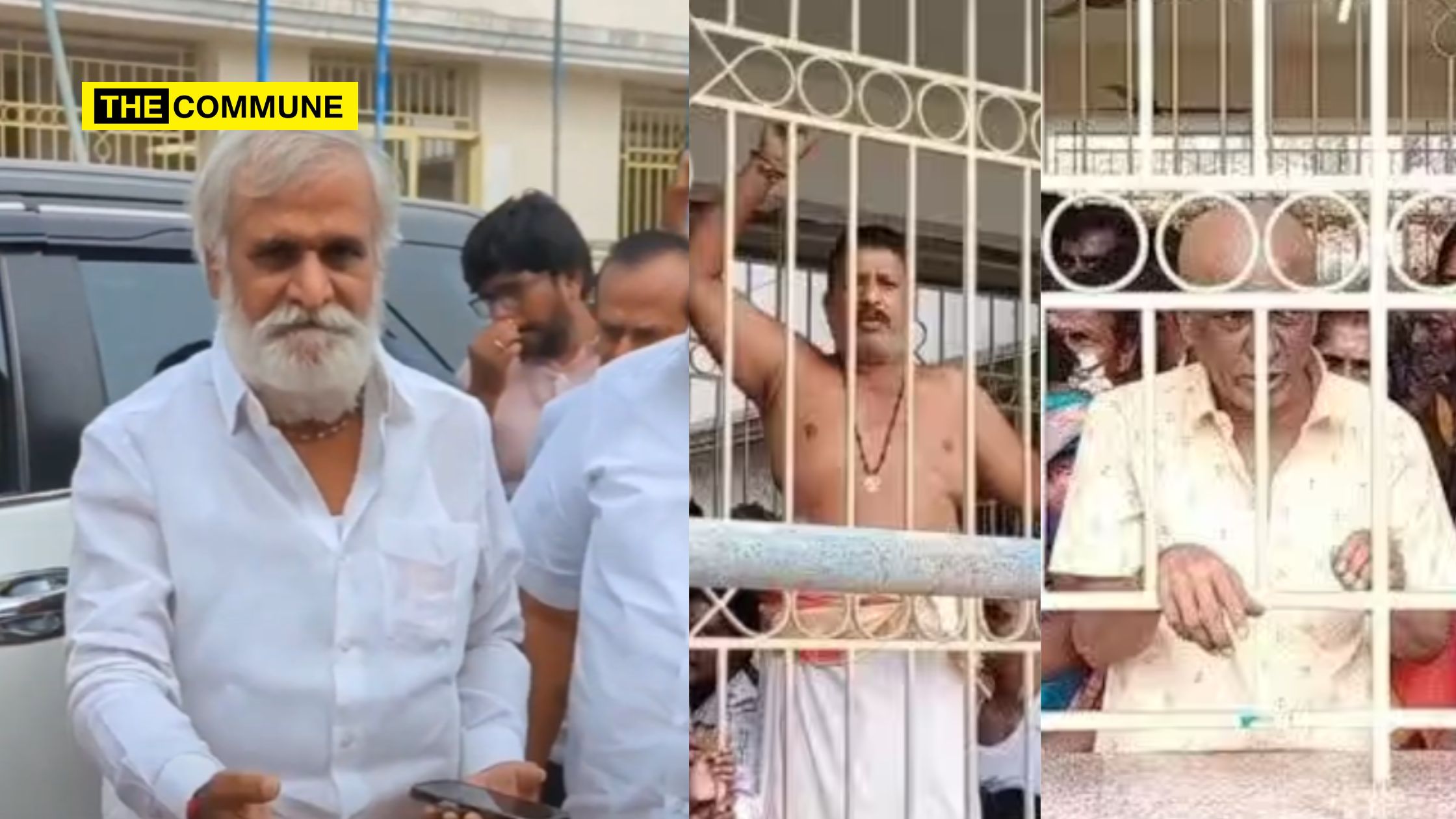
The Sabarmati Report: A Bold Film That Exposes The Hidden Truth And Media Manipulation Behind Godhra Train Carnage

The Sabarmati Report: A Bold Film That Exposes The Hidden Truth And Media Manipulation Behind Godhra Train Carnage.

Imagine a scenario of the Indian cricket team chasing a tricky target of 200 runs in 50 overs, and those who have seen Dravid and Sehwag’s batting styles know how both would approach the game – eventually both are match winners but the style and attitude make them distinct. Wonder why I am talking about a cricket match in a movie review, read on till the end to find out why.

I might have been in my teens when the Godhra horror happened, and maybe I do not have a very clear picture of what happened (Though I have a vague memory of the overview of what happened and why) so I was genuinely interested to see what’s been told in the movie, The Sabarmati Report.

I will start from the end – the lead actor makes a statement – can anyone tell at least 3 names of those who died in the attack and burning of the train? To be honest, unfortunately, I would say 99% of our people won’t know the names, that’s the tone of the movie – how the biased and sold-out media at that time suppressed the truth of the horror, the film shows how media confused and kept the public ignorant of the truth by creating 2 false narratives blaming the passengers.

It is not clear who the film portrayed as the media mogul – maybe NDTV or India Today, it is not clear.

The makers have also tried to make sure the suspense, thrills, punch lines, and twists are present at all possible junctures to keep the audience hooked and they succeed to a larger extent in this effort.

The movie starts with a court scene where a Hindi journalist is under trial in a defamation suit filed against him by a media house. The story unravels and revolves around this Hindi-speaking journalist, very maturely and nicely played by Vikrant Massey. In fact, he shines through the film.

The movie doesn’t hold back when it wants to convey how media houses were used by politicians back then to spread news of their choice, themedia legendin this movie is shown to define what’s news. News is the truth that you want to tell to the publicIf they want the public to believe a particulartruth,then that becomes news. Their journey from a one-room studio to a large empire is often built by being hand in glove with the ruling government.

The Sabarmati Express Arson

The film very graphically depicts the Godhra horror where Coaches S6 and S7 of Sabarmati Express are burnt down when on their way from Ayodhya to Ahmedabad with 200+ karsevaks in 2002. This is also interspersed with actual footage. When the star reporter goes to ground zero, she notices something else which points to sabotage, but she is directed by her boss to twist the truth and portray it as an accident. The Hindi journalist Samar Kumar however is unable to digest hisheroshowing an opposite picture of it. When he tries to push the truth to his bosses he loses his job, gets jailed, gets blacklisted by other media houses, and becomes a drunkard while the channel grows to become a very big name in the industry.

About 5 years later, there comes the newbie journalist Amrutha, played by a composed Rashi Khanna, who is given the task of creating a report on the 5th anniversary of the Sabarmati train burning. Being a newbie, she gets her hands on the truth and joins hands with Samar to expose the truth to the world.

The film’s plot is framed as an investigative journalism narrative that appeals to the audience. There are some scenes where the movie clearly exposes how the particular community celebrated India losing a cricket match with Pakistan back then and how that’s changing now. Some other major pluses of this film include – showing the perpetrators as the ones from thethey who shall not be namedcommunity – which is the truth is commendable.

In toto, this is a fairly neatly written, crisp, and suspense-filled screenplay, with balanced acting displayed by the actors. Yes, there are a few scenes in the film that showHindu-Muslim bhaichaarabut we can overlook it for exposing the unspoken truth – the Sabarmati train burning. The film also shows a woman Chief minister in 2002, it is not clear why they chose to do so. 

Now coming to why the analogy of cricket that too Dravid and Sehwag I used in the beginning – there are different ways to win a match, some go for a swashbuckling, no-holds-barred approach, while others take it slow, watchful, and composed, striking only when the goal is near. Similarly, this movie knows exactly what it wants to deliver to its audience.

When it comes to horror, the film adopts a slight balancing act, which works for me as long as the storytelling remains intact without distortion. For instance, it depicts a chawl with a dominant community celebrating India’s victory against Pakistan. In another scene, a woman named Mehrunnisa leads journalists to confront the main perpetrator, saying, Just because some people make mistakes, I don’t want my entire community to be blamed. I want to clean up the mess in my place first.These moments are not just balancing acts but genuine attempts to address and unite the discontent within that community. So now you can see the filmmakers’ approach and style—was it Dravid’s calculated formula for victory or Sehwag’s bold and aggressive path to success?

The climax delivers a powerful punch, recreating the tragedy with remarkable sensitivity, accompanied by bhajans in the background. The close-up of Ram Lalla and the Ayodhya temple evokes deep emotions, leaving the audience teary-eyed as it pays tribute to the 59 forgotten victims. The film also references the Hindi language’s pride and the vision of Bharat’s resurgence. 

However, there are some drawbacks. The movie lacks English subtitles, and it’s unclear whether it will be dubbed into regional languages. Even if it is, questions remain about whether the ecosystem will allow it to be widely screened.

NKR Iyer is a techie and a political analyst.

Subscribe to our channels on TelegramWhatsApp, and Instagram and get the best stories of the day delivered to you personally.
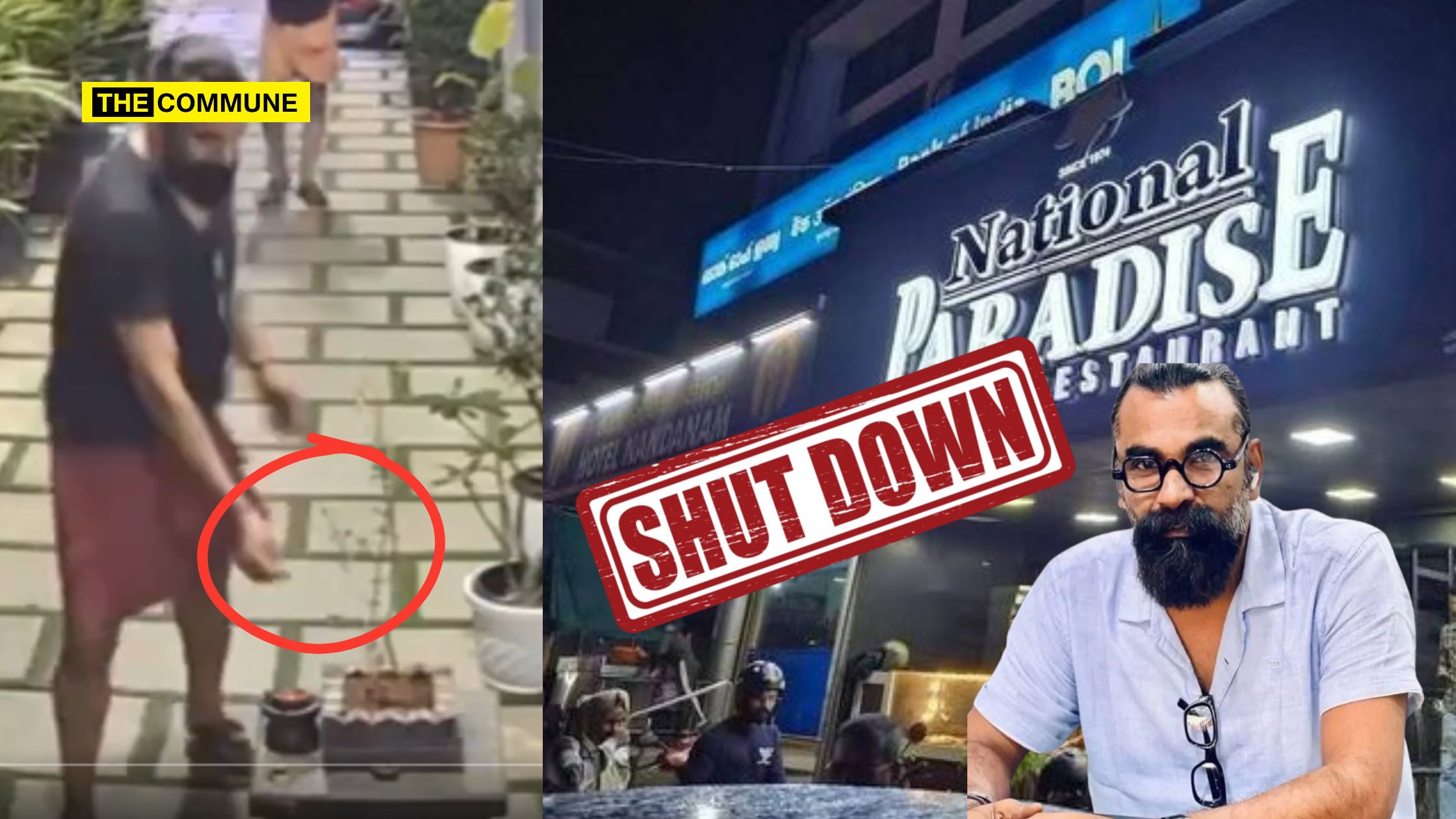
How DMK Government And Dravidianist Media Is Grabbing News Cycle To Deflect From Real Issues

How DMK Government And Dravidianist Media Is Grabbing News Cycle To Deflect From Real Issues

Tamil Nadu CM and DMK chief MK Stalin hailed fearless journalism as a pillar of democracy, but the state media seems increasingly compromised, prioritizing trivial issues over serious concerns. While scandals involving DMK-linked figures involve serious charges such as corruption and drug trafficking allegations, the media remains fixated on celebrity feuds and sensationalism, raising questions about its role in holding power to account.

On National Press Day, 16 November 2024, CM Stalin took to his official X account to emphasize the importance of fearless journalism. He expressed, “On this #NationalPressDay, we honour the relentless efforts of journalists who uphold truth and accountability. In an era of rising intolerance, their courage remains democracy’s last line of defence. Journalism must thrive, unshackled by fear or favour. Let us stand firm to protect the voices that safeguard our democracy.

However, while the Chief Minister called for brave and independent journalism, the reality on the ground raises a significant question: does the media in Tamil Nadu report the truth, or is it compromised? Serious issues are unfolding across the state, but the Dravidianist media seems more focused on shielding its political masters in the DMK from criticism.

Rather than highlighting pressing concerns, the media appears to be diverting attention to trivial matters and sensationalizing them. Current, critical issues are being deliberately downplayed, while less significant stories are given undue prominence—raising doubts about the true role of media in holding power to account.

  1. The Enforcement Directorate (ED) recently raided the home of Lottery Martin and confiscated ₹8.8 crore in cash. Martin, known for his significant political donations, had previously donated ₹1,368 crore in electoral bonds. Of this amount, 77% came from his company, which contributed primarily to the DMK.
  2. The Enforcement Directorate (ED) has filed a prosecution complaint against former DMK NRI Wing chief Jaffer Sadiq, accusing him of running an international drug trafficking ring. The ED has also attached 21 of his businesses across Tamil Nadu, which were allegedly used to launder black money through various channels, including financing films with illicit funds. Sadiq’s buddy, Dravidianist director and actor Ameer Sulthan, is also implicated in these activities.
  3. Three days ago, the AIADMK IT wing lodged a complaint with the DVAC, accusing Minister Senthil Balaji of a ₹397 crore corruption scandal. Balaji, who was jailed for over a year in an money laundering linked to cash-for-jobs scam case, was recently granted bail and resumed his ministerial role in the reshuffled cabinet.
  4. In contrast to the arrest of actress Kasthuri Shankar, who was taken from her home in Hyderabad, Minister Senthil Balaji’s brother, despite being sought by the High Court, remains on the run with no progress in his arrest. Meanwhile, controversial YouTuber Mohammed Irfan, who has a history of violating state laws, and Dravidianist journalist Mukhthar, known for producing content that abuses, shames, and insults the dignity of women, continue to roam free.

Instead of focusing on the pressing issues facing the state, Dravidian media has been preoccupied with trivial matters like the arrest of actress Kasthuri Shankar, portraying it as if she were in hiding, or obsessing over the release of the latest Dravidianist actor Suriya’s film ‘Kanguva’, despite it receiving harsh criticism from audiences. The media also gave excessive attention to comments made by Suriya’s wife, who blamed the film’s poor performance on audience criticism. Additionally, there was much focus on a public spat between actor Dhanush and actress Nayanthara over the rights to movie clips, with both accusing each other of immoral behavior in real life.

What was truly shocking was a private news channel dedicating a prime-time debate to the Dhanush-Nayanthara feud—an example of how today’s media in the state has descended to new lows.

Political critics suggest that the media’s deliberate focus on trivial issues is a result of its alignment, either directly or indirectly, with the ruling DMK party. This comes at a time when the DMK is facing severe criticism for its deteriorating law and order situation. For example, a theater in Tirunelveli was recently attacked with three petrol bombs for screening a movie that depicted the life of an army officer and promoted nationalism.

Additionally, the DMK’s allies have started voicing their discontent, especially after Udhayanidhi Stalin, the DMK scion, was promoted to the position of Deputy Chief Minister. These allies, who have long been working with the DMK since as a opposition party, now find themselves sidelined and excluded from meaningful power within the administration.

Subscribe to our channels on TelegramWhatsApp, and Instagram and get the best stories of the day delivered to you personally.

Dravidian Model Healthcare: Tirupattur Govt Hospital Gives Body Of Dead Child In A Big Shopper Bag, Few Other Instances That Exposes Plight Of Govt

Dravidian Model Healthcare: Tirupattur Govt Hospital Gives Body Of Dead Child In A Big Shopper Bag, Few Other Instances That Exposes Plight Of Govt

Another tragic incident occurred at Tirupattur Government Hospital, where a newborn baby, just four days old, passed away despite appearing healthy. The child’s grandfather, overcome with grief, blamed the hospital’s negligence for the sudden death and cried out in anguish, causing a stir within the hospital complex.

Thangaraj, a resident of Parandapalli near Tirupattur, had married Ramya, who is from the Uthangarai  area. During Ramya’s pregnancy, she was admitted to Uthangarai Hospital, where she gave birth to a baby boy. However, the newborn’s condition quickly became critical, and after only a day, he was transferred to Tirupattur Government Hospital for further treatment.

For the past five days, the infant had been receiving intensive care at the hospital’s infant Ward. Despite the doctors’ best efforts, the child tragically passed away on the evening of 17 November.

When the family learned of the child’s death, they were devastated, and the child’s grandfather, Suresh, expressed his grief and confusion, crying out, “They said the child was fine for five days. How could he suddenly die?”He also lamented that hospital nurses were demanding 200 and 500 rupees to allow family members to enter and see the baby. He claimed they were not allowed to check on the child’s condition and were told to wait, with staff saying the doctors had not yet arrived to assess the situation.

According to the doctors at Tirupattur Government Hospital, the child had been admitted in a critical state due to a serious brain condition. The medical team had closely monitored his condition and provided all possible treatment. However, despite their efforts, the infant passed away in the morning.

A relative of the family voiced further concerns, stating, “The body of the deceased child should have been handed over to the parents in a respectful manner. Instead, the hospital administration gave the body in a bag, which added to our distress.”

Stillborn Baby’s Body Is Handed Over In Cardboard Box At Kilpauk Hospital

A similar tragedy unfolded in December 2023, during the devastating Chennai floods, when a 20-year-old woman named Sowmya delivered a stillborn baby at home on December 6. Due to the severe flooding in their Pulianthope neighborhood, the family was unable to reach a hospital.

Despite frantic efforts to secure an ambulance, the flooded streets made transportation impossible. The family’s agony continued after the stillbirth, as they lacked the means to sever the umbilical cord. In a desperate move, compassionate neighbors used a cycle rickshaw to transport Sowmya and her baby to G3 Hospital. However, upon arrival, they found the hospital gates locked and the staff unresponsive.

Seeking assistance elsewhere, they took the mother and child to Muthu Hospital, where treatment was reluctantly provided only after police intervention.

The family’s suffering deepened when, on December 10, the grief-stricken father, Masood, a daily wage worker, arrived at Kilpauk Medical College and Hospital (KMC) to claim the body of his stillborn daughter. To his horror, the hospital staff handed over the baby’s body in a cardboard box. Masood also alleged that the hospital demanded a bribe of ₹2,500 for the cremation—a fee he could not afford.

Meanwhile, Sowmya remained hospitalized and was receiving treatment. The baby’s body was initially transferred to the mortuary after a pediatrician’s examination, but when the body was eventually handed over to Masood, it was done so without any proper shrouding, exposing a serious lapse in the hospital’s procedures.

In the wake of this disturbing incident, a staff member at Chennai’s Government Kilpauk Medical College Hospital was suspended following a police inquiry.

Footballer Priya R. Who Came For Knee Surgery Dies from Multiple Organ Failure Due To Medical Negligence

Priya R., a 17-year-old footballer from Chennai, tragically died in November 2023 due to multiple organ failure following a botched knee surgery. Priya, a student at Ranimary College, had been a competitive football player since childhood.

In early November, she injured her right leg during practice, and a subsequent diagnosis revealed a ligament tear. She underwent surgery at Perambur Periyar Nagar Government Suburban Hospital on November 7. However, despite the surgery, Priya’s condition worsened, and she was transferred to Rajiv Gandhi Government Hospital, where doctors discovered that improper bandaging had restricted blood flow to her leg, causing severe tissue damage. To save her life, amputation was performed, but her condition continued to deteriorate, and she died from organ failure shortly after.

Following her death, two orthopedic doctors were suspended for medical negligence, and an FIR was filed against them. The Tamil Nadu BJP chief called for further action, including suspending the doctors and providing compensation. The DMK government announced a ₹10 lakh compensation for Priya’s family.

Subscribe to our channels on TelegramWhatsApp, and Instagram and get the best stories of the day delivered to you personally.
Average Grievance Redressal Time Reduced To 13 Days From 30 Days: Centre

Average Grievance Redressal Time Reduced To 13 Days From 30 Days: Centre

The Centre on Monday said it has cut the average grievance redressal time to 13 days from 30 days, which will soon be reduced further. Union Minister of State (Independent Charge) for Personnel, Public Grievances and Pensions, Dr Jitendra Singh, underscored this achievement as a testament to the government’s commitment to responsive and citizen-centric governance under Prime Minister Narendra Modi’s leadership. “For 28 consecutive months, central secretariats have resolved over 100,000 grievances each month,” Dr Singh said, adding that such benchmarks underscore the system’s effectiveness.

The minister also announced the introduction of next-generation technology powered by AI and ML to modernise the grievance redressal system further. He noted that the centralised public grievance redress and monitoring system (CPGRAMS), launched in 2007, has undergone 10-step reforms that have revolutionised grievance management. These advancements have led to over 116,000 grievances being registered in October 2024 alone, with pending grievances reduced to 53,897 in central secretariats, he informed.

Minister Singh emphasised the strategic significance of public grievances as a direct reflection of citizens’ feedback on government services and policies. He reiterated the government’s commitment to promptly leveraging technology-driven solutions to address these issues. The minister reaffirmed the government’s mission of proactive governance, noting that the evolving grievance redressal system is central to delivering a seamless and inclusive public service experience. The government also launched a Grievance Redressal Assessment and Index (GRAI) 2023 to present organisation-wise comparative pictures and provide valuable insights about strengths and areas of improvement regarding the grievance redressal mechanism.

As part of GRAI, ministries and departments are grouped in three groups based on the number of grievances registered in the calendar year 2023. The GRAI 2023 report presents a clear road map with an advisory for the Ministries and Departments to leverage CPGRAMS and its features like IGMS 2.0, TreeDashboard, etc., to enhance grievance redressal. The road map for improvement emphasises integrating advanced technologies like AI and ML for data analysis, predictive analytics and preventive measures while revising ATR formats for better reporting.

–IANS

Subscribe to our channels on TelegramWhatsApp, and Instagram and get the best stories of the day delivered to you personally.
Baku Climate Talks: India Part Of US-UAE Co-Led $29.2Bn Fund For Climate-Smart Agriculture

Baku Climate Talks: India Part Of US-UAE Co-Led $29.2Bn Fund For Climate-Smart Agriculture

The Agriculture Innovation Mission for Climate (AIM for Climate), the largest global coalition at the intersection of food security and climate change, spearheaded by the UAE and the US, on Monday announced nearly double the investments, partners, and Innovation Sprints in transformative climate-smart agriculture and food systems’ innovation.

The announcements were made at the 29th United Nations Climate Change Conference (COP 29), hosted in Baku in Azerbaijan under the theme ‘In Solidarity for a Green World.’ The investment increase comprises $16.7 billion from 56 government partners, including India, and $12.5 billion from the accelerated investments of 129 Innovation Sprint Partners, driving change in climate-smart agriculture and food systems. AIM for Climate partners turn ambition into action, driving climate-smart agriculture and food systems innovation to tackle the climate crisis, build resilience, and deliver co-benefits for people and the planet. Building on a record year at COP28, investments have surged from $17 billion to an unprecedented $29.2 billion, over a 2020 baseline. The addition of 52 new Innovation Sprints, bringing the total to 129, further underscores AIM for Climate’s transformative impact. With AIM for Climate expanding from 600 to over 800 partners worldwide, the initiative reflects the urgency and strength of its mission.

The growing number of high-impact, private-sector, and public-private partnership-led projects deliver solutions to today’s climate and food challenges. Aligned with COP 29’s priorities of climate finance, emission reduction, and developing adaptive solutions for climate-related loss and damage, these initiatives focus on one or more of AIM for Climate’s focal areas: smallholder farmers in low and middle-income countries; emerging technologies; agroecological research; and methane reduction.

AIM for Climate’s India impact is substantial, with $500 million alone being directed toward climate-smart agriculture and food systems innovation in India. These investments demonstrate AIM for Climate’s commitment to supporting climate resilience and food security in India and beyond. AIM for Climate Innovation Sprint Partners in India Varaha’s initiative aims to deliver $500 million in benefits to smallholder farmers in developing countries by 2025. By integrating farmers into the global carbon market, Varaha supports sustainable agriculture, improves livelihoods, and plans to remove 18 million tonnes of CO2 across four million acres.

Using remote sensing, Machine Learning, and biogeochemical models, Varaha promotes regenerative agriculture, agroforestry, and nature-based solutions, advancing India’s climate resilience and carbon sequestration. Phyla sprint scales ecosystem restoration through climate-resilient agroforestry, with a focus on establishing pongamia and biodiverse agroforestry systems across Sub-Saharan Africa and India. The initiative will regenerate degraded lands while producing feedstock for biofuel, plant-based proteins, and sustainable food and fiber crops.

Phyla aims to catalyse $400 million in new investments through strategic collaborations, fostering a regenerative finance model that unites food security with energy sustainability. As AIM for Climate approaches sunset in 2025, its partners are urged to build on achievements by institutionalising progress for a resilient, food-secure future.

–IANS

Subscribe to our channels on TelegramWhatsApp, and Instagram and get the best stories of the day delivered to you personally.
Vijay’s TVK Denies Any Alliance With AIADMK, To Contest Solo In 2026

Vijay’s TVK Denies Any Alliance With AIADMK, To Contest Solo In 2026

Vijay’s recently-formed party, the Tamilaga Vettri Kazhagam (TVK), refuted media reports suggesting a possible alliance with Tamil Nadu’s principal opposition party, the AIADMK, for the next Assembly elections. In a statement, TVK General Secretary N. Anand termed the reports as baseless speculation and stressed that his party is committed to contesting the 2026 Assembly elections independently.

A potential alliance with the AIADMK gained traction after Vijay, in his first public rally at Vikkaravandi in Villupuram, declared that the ruling DMK was the TVK’s political adversary, while the BJP was its ideological opponent. Anand, who is also a former MLA from Puducherry, said: “With the intention of hindering the rise of TVK, a major Tamil daily has published completely untrue information about an alliance between the Tamilaga Vettri Kazhagam and the AIADMK, based on baseless claims. This news is completely false, without evidence or foundation.” He urged the public to disregard such reports, reiterating that the TVK is preparing to secure a decisive victory in the 2026 elections. “The political path of the Tamilaga Vettri Kazhagam is for the pure benefit of Tamil people. The aim of TVK is to follow the ideology proposed by our leader, achieve massive victory through people’s support, and form a good government for the people,” Anand added.

At the inaugural rally of the TVK on October 27 in Villupuram, Vijay outlined the party’s ideology, which “combines Dravidian ideals with Tamil nationalism”. The party emphasises equality, social justice, and secularism. Speculation about a possible alliance with AIADMK had also been fueled by reports that Vijay held discussions with AIADMK leaders, allegedly seeking the Deputy Chief Minister’s post and 60 seats in the 2026 elections. The TVK In its executive council meeting held at the party headquarters in Chennai, passed 29 unanimous resolutions. The party said that it was opposed to BJP’s “One Nation, One Election” proposal. It also criticised the DMK for delaying the state-wide caste-based census and also for the abolition of NEET and a return to state-controlled admissions. Calling for a revert to the monthly electricity billing system, Vijay has urged TVK cadres to counter criticisms constructively and respectfully, even on social media.

–IANS

Subscribe to our channels on TelegramWhatsApp, and Instagram and get the best stories of the day delivered to you personally.

Bihar: Religious Conversion In East Champaran Sparks Controversy

Proselytisation haryana madhya pradesh children attempting to convert christianity sultanpur forced conversion missionary

An alleged religious conversion in Sihra Panchayat in Bihar’s East Champaran district has sparked controversy and raised concerns among the local population. The locals claim that Christian missionaries are allegedly targeting Dalits and marginalised communities for conversion under the guise of prayers and educational initiatives. They alleged that a Christian missionary school has been established, with activities allegedly focusing on influencing Dalits and economically weaker sections of the community across dozens of villages including Madhuban, Chaita, Katas, Majhar, Bahuara, Rajepur, Tetaria of the subdivision in the subdivision.

They also claimed that individuals are being persuaded under the pretext of prayers and gatherings, particularly on Sundays. Women and children are reportedly transported to a local church in tempos, a practice that has recently increased in frequency. The involvement of Upendra Yadav, a local doctor who converted to Christianity, is also facing allegations of having donated land to a church and facilitated conversions among his family and others. The locals claim that approximately 20-25 people from Sihra Panchayat and over 500 individuals in the Pakadidayal subdivision have converted to Christianity. “The missionaries target Dalit and backward women by offering inducements, taking advantage of the socio-economic vulnerabilities of these communities,” said Chandan Kumar, a villager.

Ganesha Ram from Etawa village in Sirha Panchayat recently reconverted to Hinduism after previously embracing Christianity. He stated that his decision to leave Christianity and return to Hinduism was influenced by his family’s insistence and his own choice. Arvind Kumar, the Sub-Divisional Officer (SDO) of Pakadidayal told IANS that a police team had been dispatched to investigate the matter. “Any cases of conversion in the area would be dealt with strictly, and appropriate action would be taken against those involved,” he said.

Religious conversions have been a recurring issue in Bihar, with several similar incidents reported over time. One recent case in Buxar involved allegations of Hindu women being converted to Christianity, reportedly marked by the symbolic act of washing off their vermilion in the Ganges River.

–IANS

Subscribe to our channels on TelegramWhatsApp, and Instagram and get the best stories of the day delivered to you personally.
DBT-BRIC Launches Initiative To Harness India’s Microbial Potential

DBT-BRIC Launches Initiative To Harness India's Microbial Potential

The Department of Biotechnology (DBT) and Biotechnology Research and Innovation Council (BRIC) have launched the ‘One Day One Genome’ initiative to showcase the enormous microbial potential of India, the Ministry of Science & Technology said on Monday.

The ‘One Day One Genome’ initiative aims to highlight the unique bacterial species found in the country. It was launched by Amitabh Kant, India’s G-20 Sherpa and Former CEO Niti Aayog on the first foundation day of BRIC held at the National Institute of Immunology (NII), New Delhi. “The initiative also emphasises the critical roles of bacterial species in the environment, agriculture, and human health,” said the Ministry. In agriculture, they help in nutrient cycling, nitrogen fixation, maintaining soil fertility, controlling pests and weeds, and stress responses. However, in the human body, they aid in digestion, immunity, and even mental health.

While pathogenic microorganisms cause all infectious diseases, non-pathogenic microorganisms are indispensable for our defence against infectious diseases. “Genome sequencing will allow the visualisation of the hidden potential of the microbial world to the community at large. Sequencing data can be analysed to identify the genome-encoded capacities for various important enzymes, antimicrobial resistance, bio-active compounds, etc.,” the Ministry said. “Research in this field will lead to the benefit of better protection and management of our environment, development in agriculture, and improvement in human health,” it added. The novel initiative is coordinated by the Biotechnology Research and Innovation Council-National Institute of Biomedical Genomics (BRIC-NIBMG) an institute of the Department of Biotechnology. Using genome sequencing, the researchers will bring out “a fully annotated bacteriological genome isolated in the country”.

The freely available data will be complemented with a detailed graphical summary, infographics, and genome assembly/annotation details. “The documents will give an idea about the scientific and industrial use of these microbes,” the ministry said, noting that as a result, the “microbial genomics data will become more accessible to the general public, scientific researchers”. This will help stimulate discussions and innovations that will directly benefit the entire community and ecosystem.

–IANS

Subscribe to our channels on TelegramWhatsApp, and Instagram and get the best stories of the day delivered to you personally.