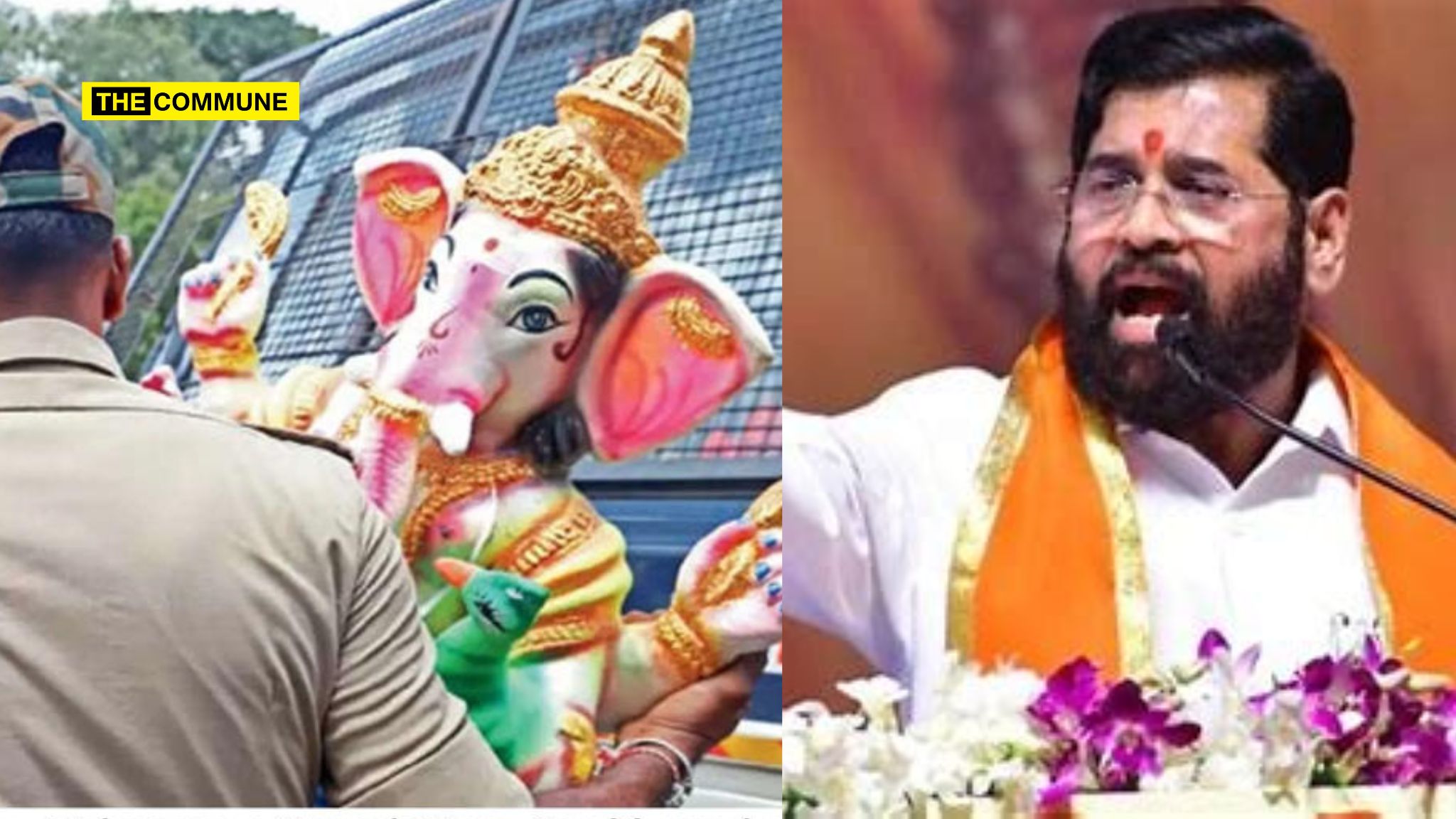
Maharashtra Chief Minister Eknath Shinde on Saturday lashed out at the Congress government in Karnataka after the police in the neighbouring state’s Mandya town held back an idol of Ganpati during the procession and kept it in the police station.
He said that those doing politics over the collapse of the Chhatrapati Shivaji Maharaj’s statue at Rajkot Fort in Malvan were responsible for “creating hurdles” during Ganpati festival celebrations in Karnataka. Shinde spoke about the Mandya incident at a rally in Dharashiv in the Marathwada region. The rally promoted the state government’s flagship Mukhyamantri Majhi Ladki Bahin Yojana.
Referring to the image of Ganpati idol that went viral on social media after being held back by Mandya Police as the procession was attacked by miscreants, sparking outrage against the Congress government, the Maharashtra Chief Minister said: “People doing politics in the name of Chhatrapati Shivaji Maharaj are responsible for stopping Ganapati festival celebrations in Karnataka… the Congress government arrested Ganpati Bappa in Karnataka.”
The Karnataka Police are yet to verify the claims regarding the holding back of the Ganpati idol. “You (referring to Congress) do this with Lord Ganesha in Ganeshotsav. Where will you pay for this sin? After the fall of the Chhatrapati Shivaji Maharaj’s statue in Sindhudurg district, the opposition played politics on this issue. However, the Ganapati idol was arrested in Karnataka,” Shinde further said, criticising the Siddaramaiah-led Karnataka government. The Maharashtra Chief Minister also criticised Leader of Opposition Rahul Gandhi’s statement on the reservation. “My sisters will now do the work of sending these Congressmen home.”
Meanwhile, Shinde strongly defended the MahaYuti government’s decision to implement the Ladki Bahin scheme and other welfare and development schemes for women, youth, farmers, and other sections. He reiterated that the MahaYuti government if voted to power in the upcoming Assembly polls, will increase the current monthly financial aid of Rs 1,500 — provided to the eligible women beneficiaries — to Rs 3,000. “The Mukhyamantri Majhi Ladki Bahin Yojana will not be discontinued. The government will increase financial assistance and make the sisters millionaires. If women are strong, then the country is strong. Women’s development is the country’s development,” the Maharashtra CM said.
–IANS
Subscribe to our channels onTelegram, WhatsApp, and Instagram and get the best stories of the day delivered to you personally.
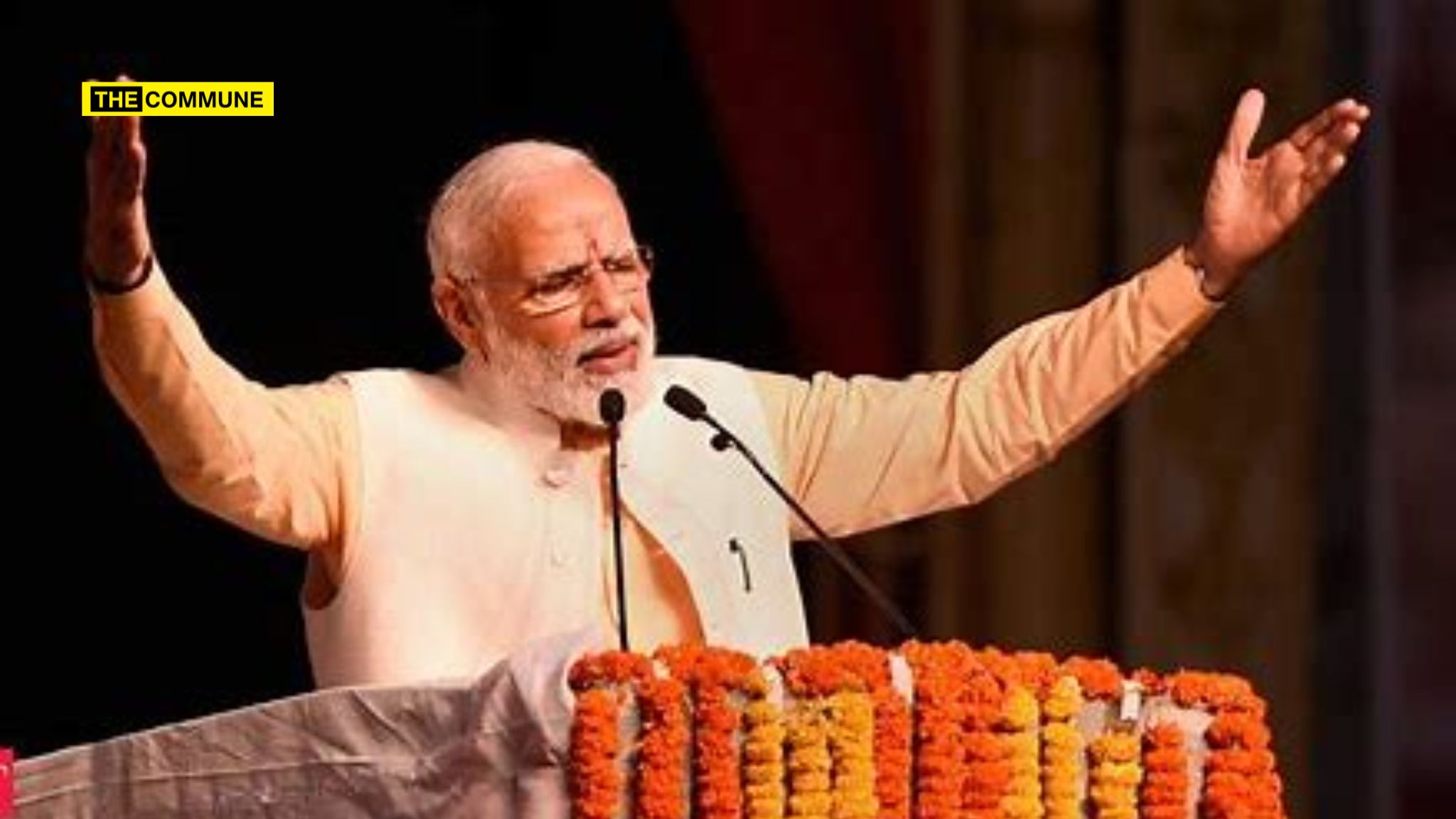
Eyeing to woo non-Jat and Other Backward Class (OBC) votes in poll-bound Haryana, Prime Minister Narendra Modi on Saturday lavishly praised Chief Minister Nayab Singh Saini, saying he has become immensely popular despite his short stint as he dedicates all his time to the state, while also emphasising that was his guarantee that reservations for the Dalits, OBCs and tribals would remain as long as he was alive.
“Nayab Singh Saini became popular in Haryana in such a short time. Coming from a backward class, Nayab Singh Saini became CM. Whenever I hear praises of Nayab Singh Saini, it fills my heart with pride,” PM Modi said at a public meeting in the historical city of Kurukshetra, the party’s first major public meeting ahead of the October 5 Assembly elections. Giving his development guarantees by calling them Modi Guarantees, the Prime Minister said in the last few years, Haryana has reached among the country’s top states in terms of investment and income.
“I am proud of this. We have seen the period of the Congress government when the development money was limited to only one district. Every child of Haryana knows in whose pockets that money went. The BJP has connected the whole of Haryana with the development,” the Prime Minister said. He also claimed that the Congress wanted to remove certain provisions such as reservations. Praising the brief stint of the incumbent Haryana Chief Minister, PM Modi said Saini dedicated all 24 hours to the state. In March, just ahead of the Lok Sabha polls, the BJP had replaced Manohar Lal Khattar, a Punjabi face, with OBC leader Saini as the Chief Minister after snapping its ties with its major ally, Dushyant Chautala-led Jannayak Janta Party (JJP).
Khattar had been the Chief Minister for two consecutive terms since 2014. Political observers said the support of the Jats is largely divided among the Congress, the Jannayak Janta Party (JJP) and the Indian National Lok Dal, by projecting Saini as the chief ministerial face, the BJP is eyeing to win over the non-Jat and Dalit votes. The Sainis, the community the Chief Minister belongs to, are close to eight per cent of state’s population, whereas the OBC population is significant at 28 per cent.
PM Modi, who arrived in Haryana after addressing a poll rally in Jammu’s Doda, where he had ripped through the Congress, renewed his attack on the opposition party. Claiming no other party more deceitful than the Congress, which had cheated the people on the reservation, the Prime Minister said: “The Congress family has always harboured animosity towards B.R. Ambedkar and vehemently opposed reservations. This family has consistently disrespected Dalits, OBCs, and tribals. When (Pandit Jawaharlal) Nehru was Prime Minister, he opposed reservations, stating that if those with reservations were to get jobs, the quality of government services would deteriorate.”
Slamming the Congress government in the neighbouring Himachal Pradesh, he said: “Two years ago, the Congress government was formed there. But what is the situation there today? No citizen of Himachal is happy today. In Himachal, the Congress has made everything expensive, including electricity, water, petrol and diesel. Cheating the public is the work of the Congress. The free treatment scheme that the BJP had started earlier in Himachal and the scheme for providing bank help to youth, all such schemes have now collapsed there.”
He said his party had introduced the Ayushman Bharat scheme for all senior citizens above the age of 70, which gives free healthcare of up to Rs 5 lakh. PM Modi launched the party’s campaign to retain the helm in the state for the third straight term. 23 candidates were present at the Prime Minister’s public meeting, which the BJP believes is a platform to showcase strength and unity. The 23 Assembly seats fall in districts on the GT Road belt, comprising Panchkula, Ambala, Kurukshetra, Karnal, and Panipat and parts of Yamunanagar, Sonipat, and Kaithal. In the 2019 Assembly polls, Congress wrested 14 seats from the BJP, mostly falling along this belt, which is considered the BJP stronghold.
In the 2019 Assembly elections, the BJP won 40 seats, well below the 75-plus target, and was six short of a majority in the 90-member Assembly. It then announced an alliance with the Jannayak Janta Party (JJP) led by Dushyant Chautala, great-grandson of former Deputy Prime Minister Devi Lal.
The Congress won 31 seats, while the less-than-year-old JJP, which broke away from the state’s once major regional party Indian National Lok Dal (INLD) owing to family disputes, won 10 seats. Seven Independents and one each of the INLD and the Haryana Lokhit Party had also won. In the 2014 Assembly polls, BJP had won 47 seats and formed the government in the state for the first time.
–IANS
Subscribe to our channels onTelegram, WhatsApp, and Instagram and get the best stories of the day delivered to you personally.
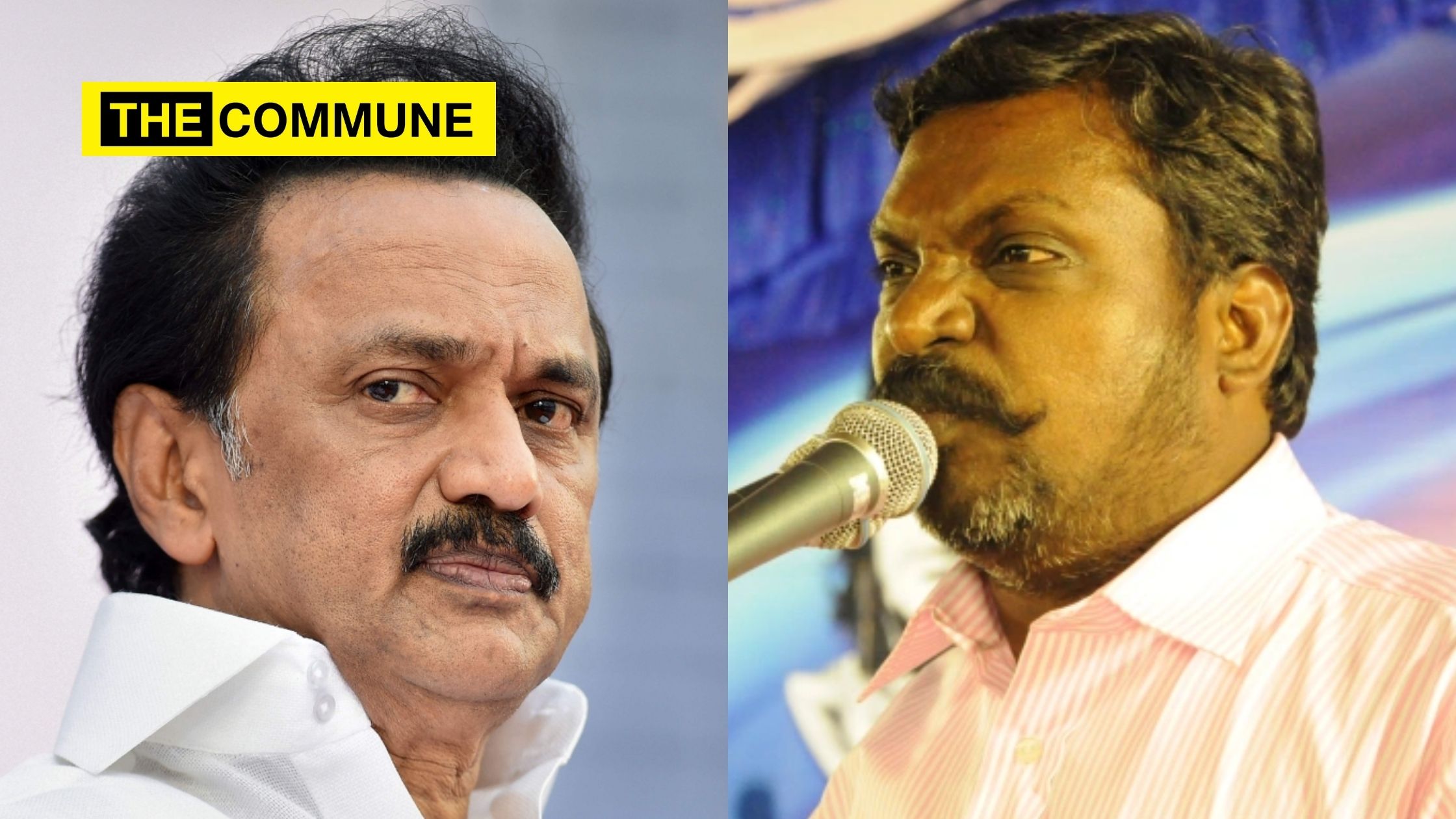
Viduthalai Chiruthaigal Katchi (VCK) sparked controversy by inviting the opposition AIADMK to join the party’s protest for a total ban on alcohol. Now, their chief Thirumavalavan has stirred the pot further within his DMK-led alliance by sharing a video of an old speech in which he demands seat sharing in the cabinet.
The VCK-DMK alliance, which has been united for seven years in their fight against sectarian forces, began with a flourish on 5 September 2017, at the ‘Murasoli Festival‘ in Kottivakam. However, this partnership is now showing signs of strain. VCK has faced ongoing criticism for not speaking out against the ruling party’s alleged atrocities against SC/ST communities, a situation exacerbated within their alliance.
Recently, tensions have escalated as VCK invited the opposition AIADMK to join their protest for a total ban on alcohol, suggesting potential future alliance shift. Adding fuel to the fire, Thirumavalavan has posted an old speech calling for seat sharing in the cabinet, further straining the alliance.
On 14 September 2024, Thirumavalavan posted a video on his official X account that quickly went viral. In the video, he stated, “You should not speak out against it, should not protest, should not get high in education, should not aspire to hold a high position, and should not demand a share in the administration and power,” then continued, “Whether anyone has raised the voice of a coalition government in Tamil Nadu before or not. The party that raised the voice for a coalition government in 2016 is Viduthalai Chiruthaigal Katchi. Cabinet should be shared, not merely seat share but we need power share. I don’t know the history whether previous organization has discussed about it… Power sharing is different from seat sharing. To ask for a seat in the cabinet is power sharing, and to participate in the coalition is ‘seat sharing’. Some 4 or 5 seats will be allocated in that, too, power comes individually. Power sharing means that I also want to share in the power.”
Thirumavalavan then explained that VCK’s slogan, “Share in governance, share in power,” was introduced in 1999 when he first entered electoral politics. He recalled that when he first garlanded Ambedkar’s statue in Neyveli, his guiding principle was “Democracy for all, power to the common people.” He emphasized that power does not belong to any one individual. To truly understand their movement and its courage to speak openly about these principles, one must be aware of its history. He urged people not to simply engage in superficial social media discussions but to appreciate the deeper context of their message.
The post quickly went viral as it was perceived as a direct and transparent critique aimed at the DMK. After gaining significant attention, the post was deleted. When media personnel inquired about the post and later deletion, VCK chief Thirumavalavan dismissed the issue, suggesting that the post was likely made by an admin and reiterating that the message had long been a part of his party’s discourse.
"வீடியோவை அட்மின் பதிவிட்டிருப்பார்; அது நாங்க ரொம்ப நாளா சொல்லிட்டு இருக்க கருத்துதான்"
Further, reports indicate that the VCK’s inaugural flagpole, erected in the Pudhur area of Madurai, was removed by the police. Authorities cited the lack of permission for erecting a large flagpole as the reason for its removal, as VCK cadres had proceeded with the installation despite this. Many suggest that this action might be a response from the ruling DMK to VCK’s recent activities.
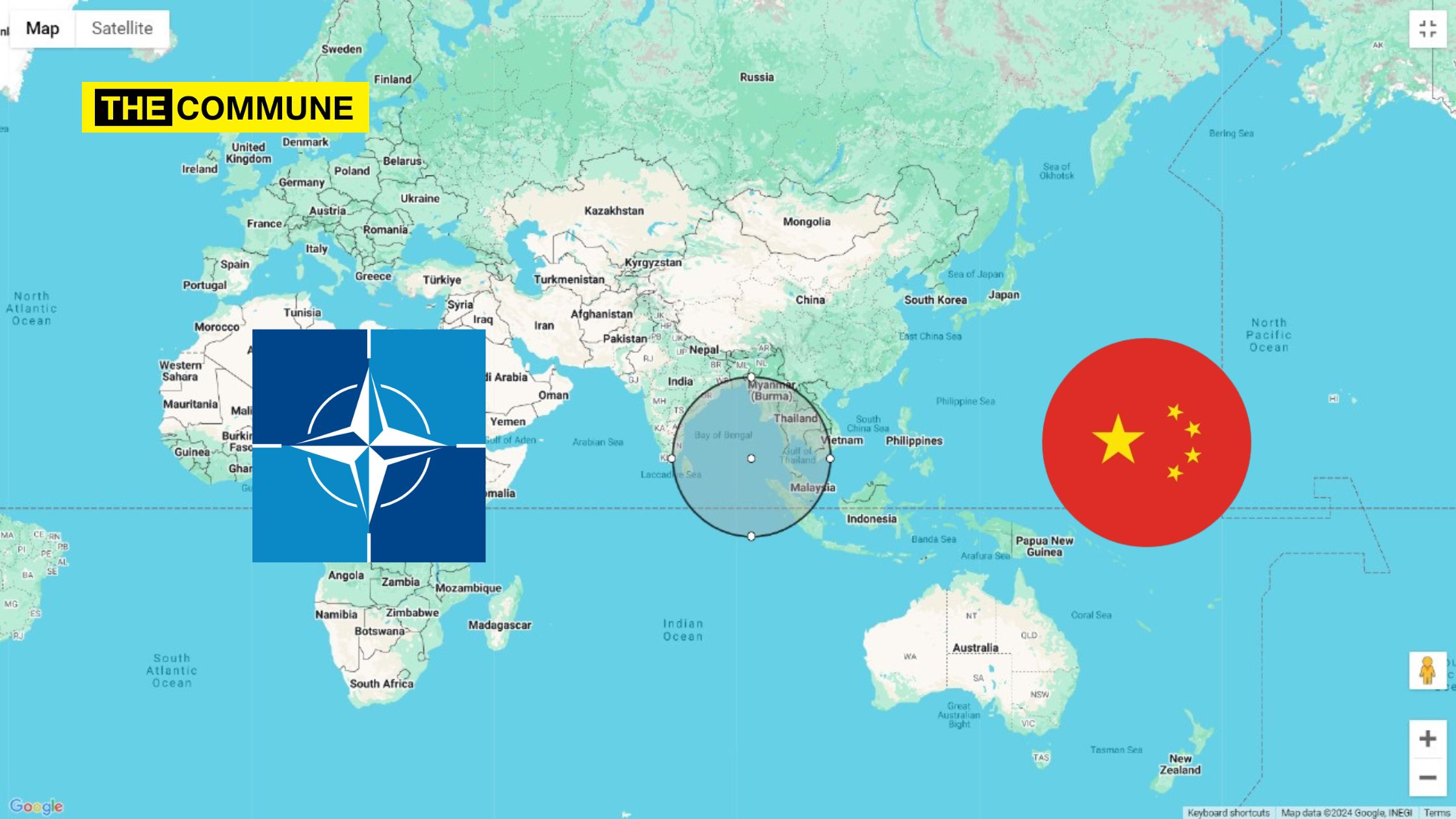
Car Nicobar, part of India’s Andaman and Nicobar Islands, occupies a critical geostrategic location in the Bay of Bengal. Situated at the heart of the Indo-Pacific, this island lies within a 1000-mile radius of several ASEAN countries, including Myanmar, Thailand, Indonesia, and Malaysia. It is near vital sea lines of communication (SLOCs), such as the Strait of Malacca.
As the region becomes the focal point of global geopolitical competition, particularly between China and NATO-aligned powers, India’s development of a port and airbase in Car Nicobar presents a unique opportunity to balance these external influences. This article delves into how this development would help India navigate the complexities of balancing NATO and Chinese influence while strengthening its strategic, economic, and military capabilities.
Geostrategic Significance In The Indo-Pacific
The Indo-Pacific region has emerged as a critical arena for global powers, with China expanding its presence through its Belt and Road Initiative (BRI) and growing naval activity, while NATO seeks to deepen partnerships with regional actors like Japan, South Korea, and Australia. Car Nicobar, located at the crossroads of important maritime routes, provides India with a crucial vantage point.
Strategic Location: Car Nicobar’s proximity to the Strait of Malacca, one of the world’s most important chokepoints, positions India to monitor and protect critical shipping lanes that carry a significant portion of global trade.
Extended Influence: Within a 1000-mile radius, India gains access to a wide swath of the Bay of Bengal and much of Southeast Asia, enhancing its ability to project power and safeguard its maritime interests in the region.
Balancing Chinese Influence
China’s increasing influence in the Indian Ocean and its “string of pearls” strategy—developing ports and military bases from the South China Sea to the Arabian Sea—has raised concerns for India’s strategic autonomy. China’s Hambantota Port in Sri Lanka, its Gwadar Port in Pakistan, and its naval base in Djibouti exemplify its growing footprint in the region.
Countering China’s Maritime Expansion: A naval port and airbase in Car Nicobar would enable India to counter Chinese naval activities and ensure that its own maritime borders and the Bay of Bengal remain secure. India could more effectively monitor Chinese military and commercial movements, particularly as they approach Southeast Asia and the Indian Ocean.
Surveillance and Intelligence: Car Nicobar’s airbase would serve as a critical point for maritime surveillance. Using drones, radar systems, and other intelligence assets, India could track Chinese naval deployments and ensure that its shipping routes remain free from external control.
Deterring Chinese Influence in ASEAN: China’s aggressive posturing in the South China Sea and its growing economic influence in Southeast Asia has caused concern among ASEAN nations. By establishing a strong military and economic presence in Car Nicobar, India could reassure its Southeast Asian neighbors that it is a reliable partner capable of balancing Chinese dominance in the region.
Balancing NATO Influence
While NATO has traditionally been an Atlantic-focused alliance, its recent moves in the Indo-Pacific indicate a growing interest in the region. NATO’s increasing cooperation with Indo-Pacific partners like Japan, South Korea, and Australia, as well as its military exercises in the region, suggests a desire to assert influence far beyond its traditional theater of operations. For India, this presents both opportunities and challenges.
Strategic Autonomy: While India shares concerns with NATO about Chinese expansion, it must maintain its own strategic autonomy. A robust military presence in Car Nicobar would allow India to pursue independent foreign policy goals, ensuring that it does not become overly dependent on NATO-aligned nations for security.
Regional Power Balance: India’s development of a port and airbase in Car Nicobar would enable it to engage with NATO powers on its own terms, acting as a stabilizing force in the region without compromising its strategic neutrality. This would allow India to balance relations with both NATO and non-aligned ASEAN countries.
Engagement without Alignment: Car Nicobar could serve as a base for joint military exercises and multilateral cooperation with NATO allies, such as the U.S., Japan, and Australia while ensuring that these engagements are conducted within a framework that respects India’s independent foreign policy.
Economic And Trade Advantages
Beyond military and strategic considerations, the development of a port and airbase in Car Nicobar would have significant economic benefits, particularly in terms of trade and connectivity with ASEAN nations. These Southeast Asian nations represent some of the world’s fastest-growing economies, and deeper trade ties with them would benefit India’s economy.
Enhanced Trade Routes: The port in Car Nicobar could become a hub for maritime trade, offering shorter and more efficient shipping routes to Southeast Asian countries like Myanmar, Thailand, and Indonesia. This would boost economic integration between India and ASEAN, a key objective of India’s “Act East” policy.
Boosting Economic Independence: While NATO countries and China are major trading partners for India, expanding trade with ASEAN provides an opportunity to diversify India’s economic partnerships, reducing reliance on any single bloc. This diversification would strengthen India’s economic resilience in an increasingly multipolar world.
Improved Maritime And Border Security
The Indian Ocean is rife with security challenges, including piracy, illegal fishing, and trafficking. Car Nicobar’s location allows India to enhance its maritime security and safeguard its borders in the eastern sector of the Indian Ocean.
Maritime Domain Awareness: A naval port in Car Nicobar would significantly enhance India’s maritime domain awareness, allowing it to monitor shipping lanes, respond to illegal activities, and ensure the safe passage of vessels through the Bay of Bengal.
Collaborative Maritime Security: India could engage in maritime security collaborations with ASEAN nations, positioning itself as a leader in regional security while simultaneously balancing the influence of external powers like NATO and China.
Military Preparedness And Strategic Deterrence
A fully operational airbase in Car Nicobar would significantly improve India’s military preparedness in the region, providing the capacity for rapid response and deterrence against potential threats. This would be crucial in balancing the growing influence of both China and NATO.
Air Power and Rapid Deployment: Car Nicobar’s airbase could host fighter jets, drones, and maritime patrol aircraft, enabling India to rapidly deploy forces in response to any maritime threat. The island’s strategic location ensures that India can project air power across much of Southeast Asia, deterring hostile actions by external powers.
Strategic Deterrence: The very presence of an Indian military installation in Car Nicobar would act as a strategic deterrent to both China and NATO, signaling that India is fully prepared to defend its interests and maritime borders.
Regional Cooperation And Humanitarian Assistance
Beyond military and economic considerations, Car Nicobar’s development also offers India opportunities to enhance regional cooperation, particularly with ASEAN and Indian Ocean nations.
Joint Exercises with ASEAN: India could invite ASEAN nations to participate in joint naval and air exercises from Car Nicobar, building stronger security ties while balancing the influence of NATO and China.
Humanitarian Aid and Disaster Relief (HADR): Car Nicobar is well-positioned to serve as a base for humanitarian missions, particularly given the frequency of natural disasters in the Bay of Bengal. This would enhance India’s soft power, demonstrating its leadership in regional disaster response while maintaining a balance between external powers.
Boost To Local Economy & Infrastructure
The development of a port and airbase would also have positive local impacts on the Nicobar Islands. It would spur economic growth and infrastructure development in the region.
Job Creation: Construction and ongoing operation of the port and airbase would create employment opportunities for local residents, contributing to the socio-economic upliftment of the Nicobar Islands.
Sustainable Development: Given the natural beauty and biodiversity of the Nicobar Islands, the development of infrastructure could be done in a way that promotes eco-tourism, further diversifying the local economy while ensuring environmental sustainability.The development of a port and airbase in Car Nicobar offers India multiple advantages, both in terms of countering Chinese influence and balancing NATO’s expanding role in the Indo-Pacific. Situated within a 1000-mile radius of critical ASEAN countries and key maritime routes, Car Nicobar offers India a unique opportunity to assert its influence in the region.
By strengthening its military presence, enhancing maritime security, and expanding economic ties with Southeast Asia, India can maintain its strategic autonomy while navigating the complex geopolitical landscape of the Indo-Pacific. This development will better position India to balance external influences and emerge as a leading power in the region.
Ganesh Kumar is a geo-political analyst.
Subscribe to our channels onTelegram, WhatsApp, and Instagram and get the best stories of the day delivered to you personally.
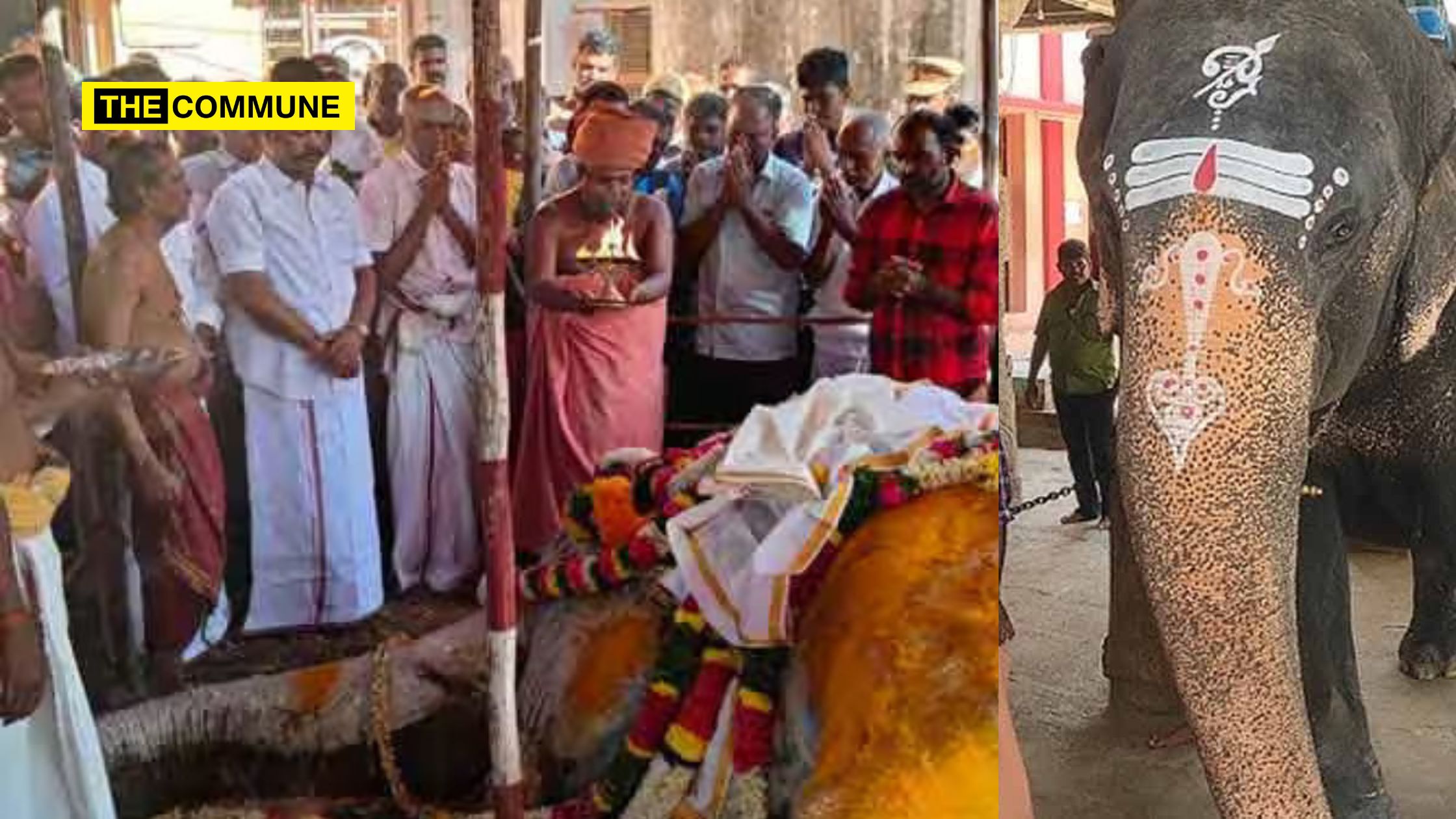
In the past 50 years, we have never encountered an incident in which a temple elephant passed away after sustaining injuries in a fire. But this happened to Subbulakshmi, the elephant of the Kunnakudi Shanmughanathar temple in Karaikudi.
Subbulakshmi, an elephant who had been a cherished resident of the Kunnakudi Shanmughanathar temple in Karaikudi for over 30 years, tragically passed away due to injuries sustained in a fire.
The elephant was donated to the temple in 1971. Subbulakshmi has been an indispensable part of the temple, even becoming a family member of the people living in the locality.
The Elephant Mandapam, situated near the temple’s stairway, had a palm leaf roof covering its tin sheet-covered structure, which shielded the elephant from the sun. On the night of 12 September 2024, a fire broke out in this makeshift shed due to an electrical malfunction.
In an attempt to escape the blaze, Subbulakshmi managed to exit the hall on her own. The staff and visitors noticed the injured elephant and promptly alerted the temple administration. Police, forest officials, and veterinarians across Tamil Nadu arrived to provide urgent care. Despite their best efforts, Subbulakshmi succumbed to her injuries.
The Temple
The temple belongs to Kunnakudi Adheenam. Most temples in TN are under the purview of the Hindu Religious & Charitable Endowments (HR&CE) department, but a few come under Adheenams as well. However, the HR&CE department supervises them, so we can call them temples under the HR&CE purview itself. The reason for the fire is being investigated, but it is alleged that there could have been a short circuit that led to the thatched roof catching fire, leading to the mishap.
A few years ago, the Manakkula Vinayagar temple elephant passed away after collapsing on the road. This was covered in the media. However, the death of Subbulakshmi seems not to have reached the masses as much.
Comparison between news reporting of other animal-related incidents
Instances of dogs biting children or cows/cattle attacking people on the road are being replayed over and over again on television news channels. However, the death of Subbulakshmi did not garner the attention of news media in Tamil Nadu.
The disdain exhibited by the HR&CE department and the administrative corruption of the Kunnakudi Adheenam are said to be the main reasons behind the gruesome death of a dear temple elephant.
Who Killed Subbulakshmi?
The income generated through donations from the public/devotees is quite a sizeable amount. Yet it is alleged that it is not being put to proper use. Notably, the Kunnakudi Adheenam praises the Dravidian model of governance of the DMK on various platforms.
Critics blame the Adheenam and the HR&CE equally for the untimely death of Subbulakshmi. The fact that the elephant was tied with chains and this was a factor in her being unable to escape the fire is reason enough to blame the authorities of the temple and government department.
Following this incident, questions arise about how the elephant was kept within a metal shed with chains. It is common sense to know that if the thatched roof caught fire, it would be impossible for the elephant to escape, let alone survive.
Silence Of Animal Activists
The deafening silence of the so-called animal activists who spring up when stray dogs are mistreated is telling. Critics argue that this is because of the ruling state government.
The same activists went overboard in blaming the Isha Foundation and Sadhguru Jaggi Vasudev for the organization’s presence in the alleged elephant corridor.
The Isha Foundation in Tamil Nadu has consistently faced attacks from Dravidianists and Periyarists, who view the foundation as a threat to their pseudo-atheism, which opposes only Hinduism. Their ongoing mission is to tarnish the Isha Foundation’s reputation. The Isha Foundation itself clarified in the affidavits submitted by the Tamil Nadu Forest Department to the National Green Tribunal’s Southern Zone, Chennai, that there is no mention that Isha is situated within an elephant corridor.
HR&CE is alleged to be using donations made to temples in the state to build wedding halls, buy cars for the EO, and so on. The department is not considering or even discussing the basic necessities of temple fauna. Safety is not even a consideration for humans or children in schools; it would surely be a far cry for mute animals. Critics argue that the respect and love political figures give their pets at home is not even a portion given to the temple elephants.
Critics call for Kunnakudi Ponnambala Adigalar’s removal from his position and HR&CE minister Sekar Babu’s resignation. They also call for a protective shelter for temple elephants and necessary safety measures for such animals in such conditions.
Subscribe to our Telegram, WhatsApp, and Instagram channels and get the best stories of the day delivered instantly.
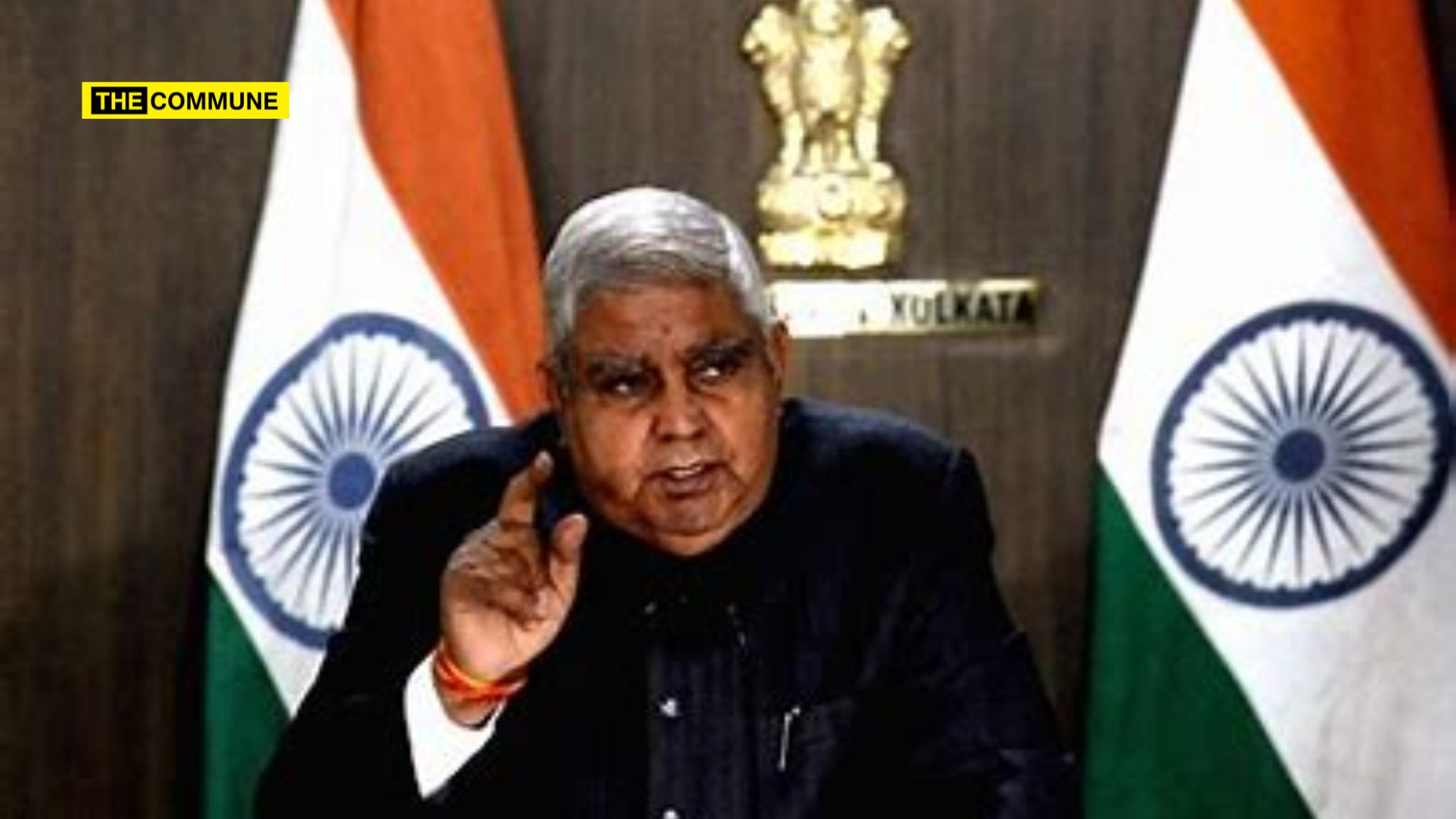
Vice President Jagdeep Dhankhar on Friday expressed concern over certain individuals who, despite taking an oath to uphold the Constitution, are distressing the nation and compromising nationalism.
He termed this as “despicable, condemnable, reprehensible anti-national conduct”.
“Under no circumstances can we promote the interests of our enemies. The world laughs at us when a person in a Constitutional position engages in behaviour abroad that disregards their oath to the Constitution, neglects national interest, and undermines the dignity of our institutions,” VP Dhankhar added.
Addressing a gathering at the Central University of Rajasthan in Ajmer on Friday, Dhankhar said: “Can we even imagine undertaking actions that do not align with appropriate conduct for our nation, actions that do not promote our nationalism?” He emphasised the need to focus on fulfilling national aspirations rather than working towards the ambitions of our adversaries.
“History has never forgiven those who acted against the interests of their country,” he added
Reminding citizens that every Indian stepping beyond the country’s borders is an ambassador for our culture and nationalism, the Vice-President cited the exemplary leadership of Atal Bihari Vajpayee, former Prime Minister of India. He noted that Vajpayee, the opposition leader under then Prime Minister Narasimha Rao, effectively represented India’s interests in sensitive international issues on global platforms.
“Ideologies will differ, views will differ, and attitudes toward governance will vary. But one thing must remain constant: the nation is supreme. We cannot suppress national sentiment. When the nation faces challenges, we stand united. Regardless of our colour, religion, caste, culture, or education, we are united, and we are one,” the Vice President underlined. He appealed to citizens to focus on fundamental duties and abide by the Constitution, respecting its ideals and institutions.
Highlighting the significance of the new National Education Policy (NEP) introduced after three decades, Dhankhar urged States that have not adopted the NEP to do so. He emphasised that the NEP is not associated with any political party but is a national initiative that is a significant game changer for the country. “The evolution of the National Education Policy has occurred after getting inputs from stakeholders, running into thousands. It is distancing from degree education and making education relevant to boys and girls, aligned with their aptitude and attitude. It is a big change,” he elaborated.
–IANS
Subscribe to our Telegram, WhatsApp, and Instagram channels and get the best stories of the day delivered instantly.
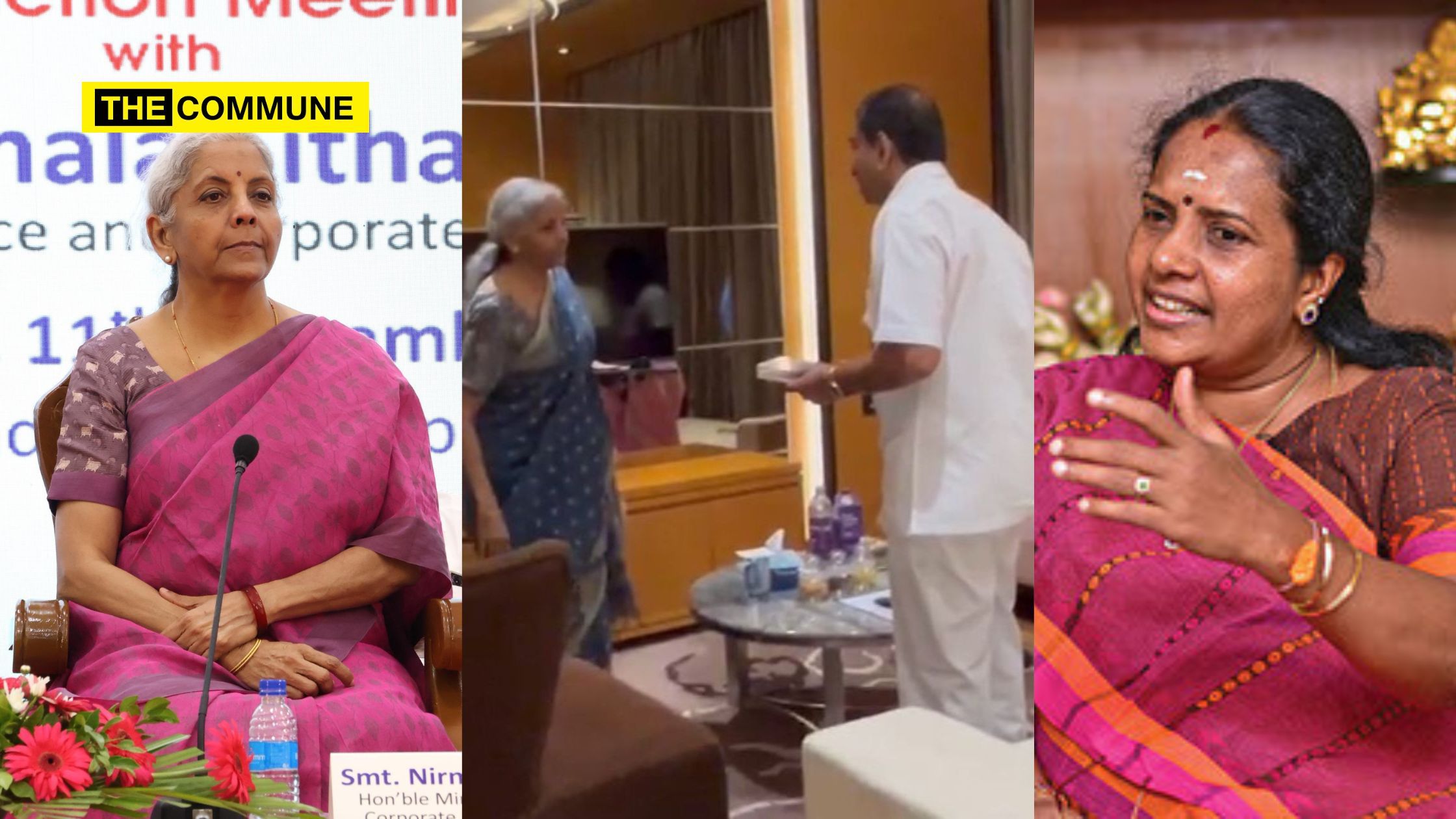
BJP’s National President for the Mahila Morcha and MLA for Coimbatore South, Vanathi Srinivasan, has denied the DMK’s false narrative that she coerced the owner of Sri Annapoorna restaurant, Srinivasan into apologizing to the Finance Minister. Srinivasan clarified that, during a phone call on 12 September 2024, it was the restaurant owner who expressed his regret over his remarks and wished to apologize to the Finance Minister. Subsequently, Srinivasan facilitated a meeting between them.
In this regard, on 13 September 2024, Vanathi Srinivasan addressed the issue at a press conference. She clarified that she did not pressure the hotelier into apologizing. Srinivasan explained that during a phone call on Thursday, the restaurant owner expressed regret for his remarks and wished to apologize to the Finance Minister. She then arranged a meeting between them at his request.
Vanathi Srinivasan explained that the conference was carefully planned to benefit the people of Coimbatore by allowing them to interact directly with the Union Finance Minister and address any issues they were facing. Three dedicated desks were set up to tackle GST-related concerns, and private individuals, farmers, coir manufacturers, and other stakeholders were invited to participate, all to promote business growth.
Addressing the controversy surrounding comments by the owner of Sri Annapoorna restaurant about her, Vanathi Srinivasan mentioned that she could have countered his remarks, including private and inaccurate statements about food habits. However, she chose to remain silent out of a commitment to maintaining decency in public discourse.
Vanathi Srinivasan said, “I didn’t react immediately there. I could have asked, ‘How often have I visited your shop? Have I ever come and fought with you? How many times have I come and eaten Jilebi?’ You claimed I had eaten jalebi, but I’ve never had it before. I could have asked all this at that stage, but I didn’t want to because it was a public forum. We came from there and chose to uphold respect and moral grounds. “
Vanathi Srinivasan explained that the following morning, the restaurant owner Srinivasan continued to call her, expressing regret and requesting a personal meeting with the Union Finance Minister to apologize. Despite the Minister’s busy schedule, the owner was eventually able to meet with her. During the meeting, he acknowledged his mistakes and noted that social media misrepresented his comments.
Finance Minister Nirmala Sitharaman then addressed the issue, explaining how the owner’s remarks, which targeted the private food habits of his customer and a women MLA, could negatively impact the hotel’s reputation and his own. Following this, the Sri Annapoorna hotel owner also apologised to Vanathi Srinivasan.
Party functionaries at the scene recorded the events and felt insulted when Srinivasan, chairman of Sri Annapoorna Hotel, publicly disparaged their party’s MLA. They were distraught when he released the video on social media.
Vanathi Srinivasan also questioned, “If there was a male minister and male MLA on the same stage, do you think this kind of speech would have been made?”
Vanathi Srinivasan expressed sadness that only female politicians seem to face such questioning, with the assumption that being women makes it acceptable in society. She lamented that this issue persists despite their positions and contributions. She further criticized the DMK for promoting narratives driven by caste and other divisive factors.
This clarification comes after Srinivasan, the chairman of Sri Annapoorna Hotel, humorously highlighted inconsistencies in GST rates during a meeting with the Finance Minister and various entrepreneurs in Coimbatore. She noted the oddities in GST rates of 5% on sweets, 12% on savory items, and 18% on cream-filled buns, while buns themselves are tax-free, leading to laughter from the audience.
Srinivasan argued for a uniform GST rate on food items, particularly in Tamil Nadu, where sweet and savory foods are often consumed together. In response, Union Finance Minister Nirmala Sitharaman assured that the government is working on simplifying GST and addressing such concerns, promising to discuss the issue with the GST Council.
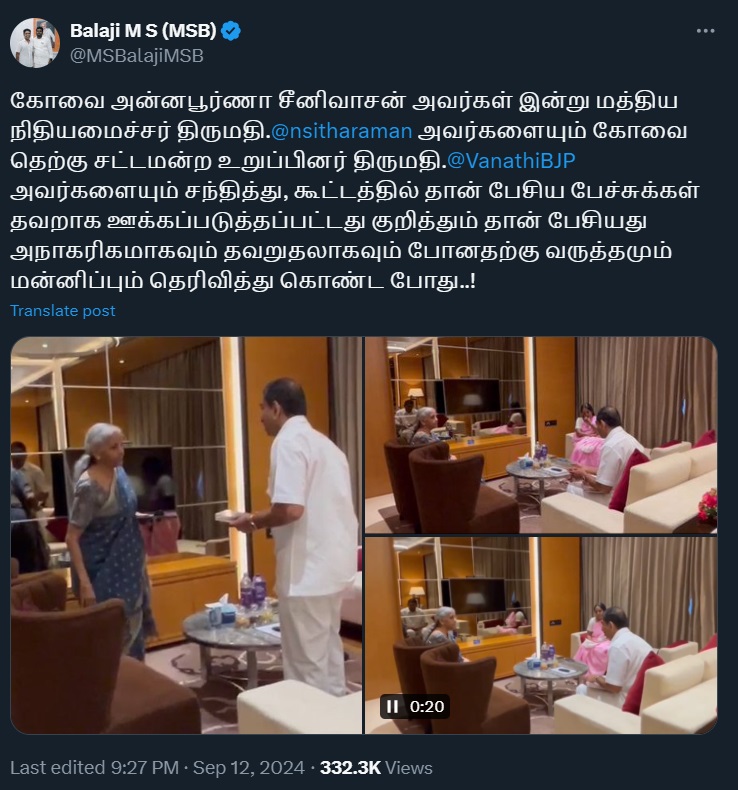
The Sri Annapoorna restaurant owner’s comedic remarks about BJP MLA Vanathi Srinivasan went viral on social media. While many found his anecdotes amusing, the Tamil Nadu BJP’s reaction was less favourable. The party’s Social Media Cell State Convenor posted a video on the evening of 12 September 2024, showing the entrepreneur apologizing to the Finance Minister in the presence of Srinivasan.
The post claimed the entrepreneur regretted his comments, describing his speech as “indecent and wrong.” This move was poorly received by the party’s supporters in Tamil Nadu, who criticized the optics of the situation and perceived it as if the entrepreneur was coerced into apologizing.
On 13 September 2024, Tamil Nadu BJP President K. Annamalai issued an apology on behalf of his party following the viral video of Sri Annapoorna hotel owner Srinivasan apologizing to Union Finance Minister Nirmala Sitharaman.
Subscribe to ourTelegram, WhatsApp, and Instagram channels and get the best stories of the day delivered to you personally.
The Madras High Court expressed frustration with the Tamil Nadu government’s failure to uncover the motive behind the sexual harassment of girl students at a fake NCC camp in Krishnagiri, as well as the background of the accused individuals.
During a hearing of a PIL filed by advocate AP Suryaprakasam, which sought a CBI investigation into the case, the division bench of Acting Chief Justice D. Krishnakumar and Justice P.B. Balaji questioned whether the investigation is proceeding as the State claims.
After speaking with students and parents, the Krishnagiri district legal services authority submitted a report, as directed by the Court. Upon reviewing the report, the bench was alarmed to find that some victims and their families wished to remove their children from the school due to the incident. According to the report, one of the sexual assault victims has requested to relocate far from the district and seeks support for her future.
The court questioned the State on why investigators had not uncovered the background of the accused, Sivaraman, or the methods he used to organize the fake NCC camp at various schools and identify any other individuals involved. The investigation officer reported that they had arrested an accused named Karunakaran and questioned another suspect, Bhuvan, who was believed to be a key figure in orchestrating the fake camp. Karunakaran, 32, a former member of Naam Tamilar Katchi (NTK), had destroyed a computer hard disk and other crucial evidence after Sivaraman’s arrest. He was taken into custody last week.
Reviewing the report, the bench noted that Sivaraman had brandished two pistols during the camp and threatened the boys to prevent them from speaking about the incident. The bench directed the investigation team to explore these issues further.
Additionally, the bench requested clarification on the cause of Sivaraman’s death, as his father has expressed concerns. Advocate General (AG) P.S. Raman indicated that an additional report would be provided at the next hearing. Petitioner Suryaparakasam also requested that the Court direct the provision of ex gratia payments to the victims.
Additional Advocate General (AAG) J. Ravindran reported that interim compensation had already been given to the victims and assured that final compensation would be distributed as soon as possible. After reviewing all the submissions, the bench emphasized the need for careful handling of the investigation due to its significance and scheduled the next hearing for 19 September 2024.
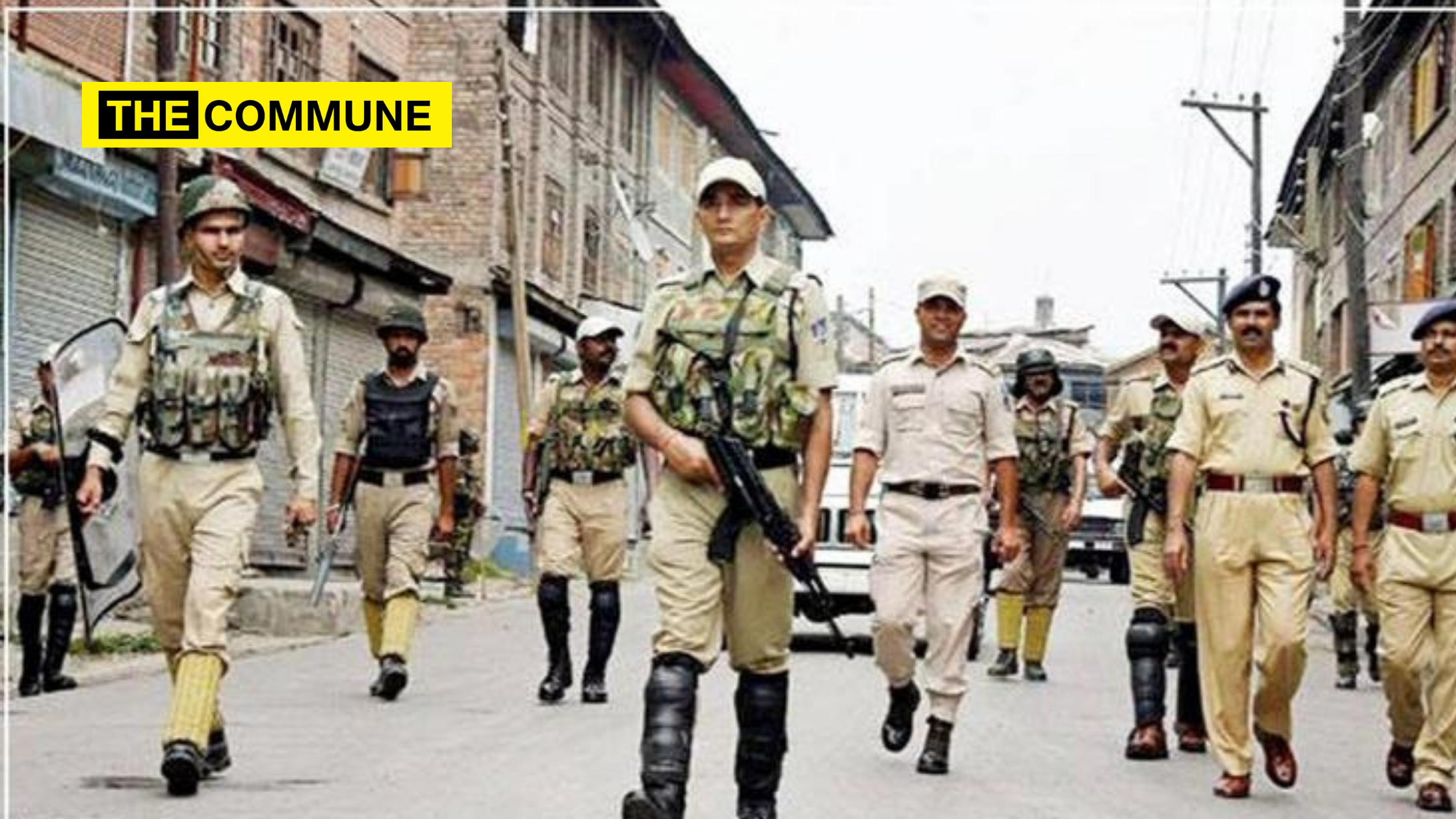
A gunfight started on Friday between the security forces and terrorists in Chattru village of J&K’s Kishtwar district.
“A joint team of security forces including the army and J&K police started a CASO (Cordon & Search Operation) in Chattru village. As the joint team of security forces came closer to the hiding terrorists, they fired triggering an encounter. Further details are awaited,” an official said.
Eight Assembly segments in the Chenab valley region, including Doda, Kishtwar, and Ramban districts, and 16 seats in the south Kashmir districts of Anantnag, Pulwama, Shopian, and Kulgam, will go to polls in the first phase on September 18.
Jammu, Kathua, and Samba districts will vote in the second and third phases of J&K elections on September 25 and October 1.
Hilly districts of Poonch, Rajouri, Doda, Kathua, Reasi and Udhampur in the Jammu division have witnessed terrorist ambush attacks against the army, security forces and civilians during the last two months.
After reports that a group of hardcore foreign terrorists, believed to be 40 to 50 in number, are responsible for these attacks, the army deployed over 4,000 trained soldiers drawn from the elite Para commandos and those trained in mountain warfare inside the densely forested areas of those districts.
Terrorists used the element of surprise to carry out ambush attacks and then disappear into the forests of these hilly areas.
The deployment of the army and the CRPF together with the strengthening of the village defence committees (VDCs) managed by local residents, has deprived the terrorists of using the element of surprise to carry out such attacks.
After the security forces started aggressively going after the terrorists both in the Jammu division and the Kashmir Valley, the terrorists are now increasingly being engaged in exchange of firing with the security forces.
“They either get killed during such encounters are remain on the run. This prevents them from surprising the security forces by carrying out sly attacks”, a senior police officer said.
–IANS
Subscribe to our Telegram, WhatsApp, and Instagram channels and instantly get the day’s best stories.
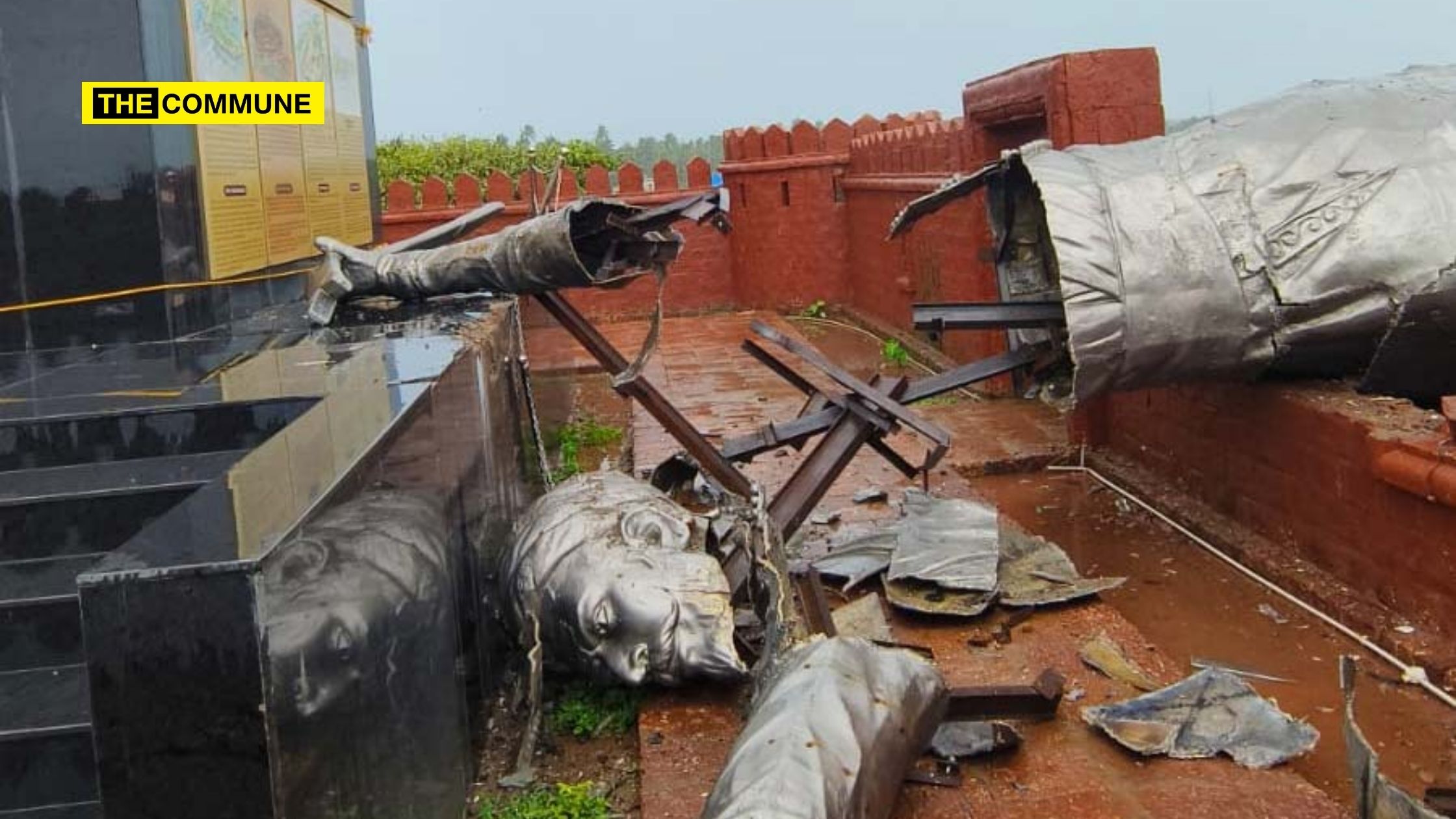
A court in Malavan on Friday extended the judicial custody of the two prime accused—sculptor Jaydeep Apte and structural consultant Chetan Patil—until September 24 in the case pertaining to the collapse of the Chhatrapati Shivaji Maharaj statue at Rajkot Fort on August 26.
Advocate Ganesh Sovani, who represents the sculptor, said the police presented Apte and Patil amid tight security in the court after their police custody ended on Friday.
The 40-foot-tall statue of Chhatrapati Shivaji Maharaj, constructed by Apte, crashed on August 26, ostensibly due to bad weather. This sparked national outrage that culminated in Prime Minister Narendra Modi’s apology.
Both Apte and Patil went absconding after the collapse.
While Patil was arrested in Kolhapur on August 30, Apte surrendered before Thane Police late on September 4, and was brought to Malvan town in Sindhudurg to face the law.
Hours after the collapse on August 26, the Malvan Police lodged a case in the matter, invoking Bharatiya Nayaya Sanhita Sections 109, 110, 125, 318 and 3(5) on attempt to murder, culpable homicide not amounting to murder, conspiracy, cheating, etc.
Advocate Sovani, who has termed the charges ridiculous, illogical, wrong, and without application of mind, told IANS that he plans to challenge these stringent sections, as the police have alleged no injuries to anybody, including tourists.
Meanwhile, Patil is contemplating moving a bail application in the matter, though his lawyer was unavailable for comment.
The 28-foot-tall statue, mounted on a 12-foot-high pedestal in the seaside fort, was inaugurated by Prime Minister Narendra Modi on December 4, 2023, coinciding with Navy Day celebrations.
Unfortunately, the stature tumbled in barely eight months, leading to shock, sadness, anger and disappointment among the people, and blame games in the political arena.
-IANS
Subscribe to ourTelegram, WhatsApp, and Instagram channels and get the best stories of the day delivered to you personally.