Home Blog Page 581

Gujarat Shows How It’s Done: World-Class Management Of Coldplay’s 2.5 Lakh Attendee Concert Is A Tight Slap To The Likes Of Diljit Dosanjh & Dravida Model Simps Like AR Rahman

Gujarat: Coldplay’s concert set a global benchmark with flawless management, unlike AR Rahman’s fiasco and Diljit’s complaints.

Coldplay’s recent performances in India, particularly their Ahmedabad concert on January 26th at the Narendra Modi Stadium, have proven to be a masterclass in event management. With over 2.5 lakh attendees, including 1.7 lakh visitors traveling from outside Gujarat, the British rock band’s Music of the Spheres world tour showcased India as a capable host for world-class events. Attendees praised the seamless experience, highlighting hassle-free roads, warm welcomes, and exceptional hospitality from autos to cabs, restaurants to street vendors, and hotels. Remarkably, not a single complaint about misbehavior, traffic issues, or mismanagement was reported over the two-day event.

In stark contrast, Diljit Dosanjh’s recent remarks about India’s inadequate concert infrastructure and AR Rahman’s disastrous Chennai show have come under scrutiny, fueling debate on the real challenges of live events in the country.

Coldplay’s Seamless Execution

The Ahmedabad concert, declared by Coldplay as theirbiggest-ever concert,featured dazzling lights, LED wristbands, and a meticulously designed stage. Chris Martin won hearts by addressing the crowd in Gujarati, saying, Tame logo aaje bada sundar laago cho. Hu tamare shahar ma aavyo chu. Kem cho, Ahmedabad? (You all look beautiful today. I’ve come to your city. How are you, Ahmedabad?).

The event’s execution was exemplary, with 3,800 police personnel and specialized National Security Guard contingents ensuring safety. Over 400 CCTV cameras provided 24/7 surveillance, and visitors enjoyed hassle-free experiences with smooth transportation, top-notch hospitality, and well-managed logistics.

Anand Mahindra shared aerial visuals of the packed stadium on social media, calling it a moment wherethe world discovered that India is the new frontier of live entertainment.Netizens echoed his sentiment, praising India’s capacity to host such large-scale events.

https://twitter.com/anandmahindra/status/1883441913040339193

A Tight Slap To Diljit Dosanjh

Diljit Dosanjh had paused his December 14th Dil-Luminati concert in Chandigarh to criticize India’s infrastructure for live events, stating, “We don’t have the proper infrastructure for live shows here. Until then, I won’t be doing shows in India.” His comments have since drawn backlash, especially as Coldplay delivered an incident-free experience for one of the largest crowds ever hosted in India.

AR Rahman’s Chennai Concert: The Father Of All Fiascos

The stark contrast between Coldplay’s seamless Ahmedabad show and AR Rahman’s chaotic Marakkuma Nenjam concert in Chennai further underscores the importance of professional event management. Rahman’s concert on 10 September 2023, was marred by overcrowding, mismanagement, and safety lapses. Fans faced hours-long traffic jams, insufficient parking, and chaotic crowd management despite holding expensive tickets. Many were even reportedly being denied entry.

Several fans recounted harrowing experiences, including stampedes, children separated from parents, women molested in the crowd, and a lack of basic amenities. Many left the venue fearing for their safety, with some even fainting due to suffocation. Fans described being stranded for hours, unable to enter the overcrowded venue, and feared for their safety as reports of stampedes, missing children, and molestation emerged.

The organizers, ACTC Events, issued a tepid apology, while Rahman faced criticism for his silence. Fans demanded refunds and accused the event of being ascam,citing a similar fiasco during his Coimbatore concert. This stands in stark contrast to Coldplay’s meticulous planning and execution, which ensured a safe and enjoyable experience for fans.

Coldplay’s concerts have proven that India is not only ready for world-class live entertainment but is also capable of hosting events that rival global standards. Artists like Diljit Dosanjh and AR Rahman may want to revisit their strategies and event partners, as the success of Coldplay’s Music of the Spheres tour serves as a shining example of what’s possible with proper planning and professionalism.

India is no longer just a market for live entertainment; it is the new frontier—one that demands and deserves excellence.

Subscribe to our channels on Telegram, WhatsApp, and Instagram and get the best stories of the day delivered to you personally.

Actor Ajith Kumar Awarded Padma Bhushan By Govt Of India

Actor Ajith Kumar Awarded Padma Bhushan By Govt Of India

Tamil actor Ajith Kumar, Telugu actor Nandamuri Balakrishna, and Kannada actor Anant Nag have been honored with the Padma Bhushan, India’s third-highest civilian award. The recipients of the Padma Awards 2025 were revealed on January 25, in anticipation of Republic Day.

Ajith Kumar, often referred to as “Thala” by his fans, is a prominent Tamil film actor known for his versatile performances and massive fan following. He made his acting debut in 1992 and has since starred in over 60 films across various genres, becoming one of the leading actors in the Tamil film industry. Known for his action-packed roles and charismatic screen presence, Ajith has gained a reputation as a bankable star.

Apart from his acting career, Ajith is also a passionate motorsport enthusiast and has participated in several international racing events. He is widely admired for his down-to-earth personality and dedication to his craft, often maintaining a low-key public profile despite his stardom. Over the years, Ajith has received numerous accolades for his contributions to Tamil cinema, including several Filmfare Awards and state honors. His recent work continues to attract large audiences, cementing his position as one of the most influential figures in Tamil cinema.

Subscribe to our channels on TelegramWhatsApp, and Instagram and get the best stories of the day delivered to you personally.
TN BJP President Annamalai Criticizes DMK Government For Neglecting Basic Water Amenities In Villupuram Gov School, Demands Immediate Action

TN BJP President Annamalai Criticizes DMK Government For Neglecting Basic Water Amenities In Villupuram Gov School, Demands Immediate Action

Tamil Nadu BJP President Annamalai has criticized the DMK government for failing to maintain basic amenities, specifically the drinking water supply at the Perangiyur Gram Panchayat Government High School in Villupuram. He pointed out that the water has become contaminated, forcing students to dig springs by the nearby riverbank to access clean water.

In a post on his official social media account, Annamalai raised concerns about the deteriorating conditions at the school, highlighting that the drinking water tank has been left uncleaned for a long period. As a result, students are left with no choice but to seek water from an alternative source.

Annamalai further criticized the DMK government for neglecting the education sector over the past four years, alleging that it has been more focused on advertisements than on improving government schools. He expressed his frustration that the Tamil Nadu government appears to be indifferent to the conditions at schools, especially those serving underprivileged students.

He also directed his criticism at the School Education Minister, accusing them of contributing to the deterioration of government schools by allowing buildings to fall into disrepair and failing to provide basic facilities like drinking water, toilets, and boundary walls. Meanwhile, Annamalai alleged that the DMK government is prioritizing the interests of private schools over those of government institutions.

Annamalai called for immediate action to improve the infrastructure and basic amenities at government schools across Tamil Nadu. He warned that if the DMK government fails to take action, the BJP will launch a movement to ensure that basic facilities are provided to government schools throughout the state.

He remarked, “In the Government High School at Perangiyur, Villupuram district, the water tank has become contaminated because it hasn’t been cleaned, forcing students to dig a spring by the nearby riverbank to get drinking water. For the past four years, the DMK government, which seems to be ruling on the basis of mere advertisements, has completely neglected the school education sector. The Tamil Nadu government does not have the slightest concern for government schools, where students from poor and disadvantaged backgrounds study. The School Education Minister is completely destroying government schools, with dilapidated buildings, schools that lack of basic facilities such as drinking water, toilets, and perimeter walls meanwhile helping the private schools run by the DMK. Where is all the money allocated to the education sector going? I urge the DMK government to immediately address the infrastructure and basic facility needs of government schools across Tamil Nadu. If not, on behalf of @BJP4Tamilnadu, I want to make it clear that we will take this issue forward as a movement and work to provide essential facilities to government schools across the state.”


Subscribe to our channels on TelegramWhatsApp, and Instagram and get the best stories of the day delivered to you personally.
“Komiyam Is Considered Sacred By Hindus, Captain And I Have Sprinkled On Our Heads”: DMDK Leader Premalatha Vijayakanth’s Rebuttal To Dravidian Stockists Dissing IIT-M Director’s Cow Urine Remarks

Premalatha Vijayakanth said consuming cow urine (komiyam) is rooted in personal Hindu beliefs and not subject to policing.

Premalatha Vijayakanth, the General Secretary of Desiya Murpokku Dravida Kazhagam, stated that cow urine (gaumutra) or Komiyam holds significant religious value for Hindus, whether or not to consume it is a personal belief, and no one has the right to interfere or impose moral policing on this matter. This comment comes at the backdrop of hypocrisy of Dravidianists, who advocate for the right to consume beef as a personal choice, yet are now ridiculing and targeting IIT Madras Director Professor Veezhinathan Kamakoti for his comments on the medicinal properties of cow urine.

Speaking to the press in Pudukkottai District, Premalatha Vijayakanth addressed the recent debate over komiyam, saying, “There was a big argument about komiyam two days ago. I don’t know if you forgot to ask or not, but I will clarify it myself. One group says it’s healthy to consume komiyam, while another group was discussing against it, advising not to drink it. Here’s my opinion: komiyam is considered sacred by everyone, especially by Hindus, and this is well-known. If you like it, drink it; if you don’t, then don’t. No one can make a fuss about what someone should eat, drink, or worship a particular god. There’s nothing wrong with it, as they find it acceptable for themselves, and there’s no ban on it. Hindus sprinkle komiyam on their heads, and Captain and I have done that too; we also raise cows at home. Whether one drinks it or not is a matter of personal faith and a individual rights, it is decided by them and no one can interfere or impose their opinions. Some say there are medical benefits, while others claim there are bacteria harmful to humans. So, as I see it, there are two different opinions on the matter.”

She then went on to say, “Former Prime Minister Morarji Desai once stated that a person can drink their own urine. Whether it’s right or wrong, that’s a matter of personal belief. And it’s not just him; I’ve heard similar stories in villages where urine is used for treating eye infections, mouth allergies, and so on.”

She then questioned, “Now, do you accept all of this? Is it something we should welcome? This is also an individual’s personal preference, and no one can force their views on another.” She concluded by adding that, just like Morarji Desai’s belief, the decision to consume komiyam or not is a personal choice and preference for each individual.


Subscribe to our channels on TelegramWhatsApp, and Instagram and get the best stories of the day delivered to you personally.
It’s Tragic That Centre Has Cancelled Tungsten Mining In Madurai, It’s Even More Tragic That TN BJP Is Taking Credit For It

Tungsten mining in Madurai was scrapped due to protests, political grandstanding, and lack of public engagement.

After the closure of a copper smelting plant few years ago, the state of Tamil Nadu has now also halted plans for the establishment of a tungsten mining project in Madurai.

What could have been a big opportunity for industry-driven development in the long-neglected southern part of the state, which has been yearning for industrial growth, has once again been deprived of development.

Unbecoming Of A Development-Oriented Party

The romanticization of agriculture through pop culture, along with vested interests using farmers as props for protests, has led to a distorted narrative that overlooks the real challenges faced by the farming community and hinders meaningful policy-driven solutions.

In the past, any attempts to shut down the extraction of crucial minerals or metals would have faced strong opposition from communist groups in the states, often citing environmental degradation and stirring public emotions by warning of polluted river waters and other negative consequences. It is understandable if the DMK and Dravidianist parties oppose a development project for their politics. Afterall, their post-2014 anti-development politics doesn’t arise from genuine concern for the people or environment but is driven purely by an obsessive hatred for one man – Modi.

But it is a tragedy that the Central Government was compelled to cancel the Tungsten Mining project in the wake of protests and political grandstanding.

What is even more tragic and shameful is the Tamil Nadu BJP’s enthusiastic chest-thumping, eagerly taking credit for the closure. It is unbecoming of a nationalistic, development-oriented party like the BJP to take pride in playing a role in preventing an industry from being established.

Mineral exploration and extraction are vital economic drivers for any country. Take the Gulf nations, for example—despite experts predicting that their crude oil reserves will last for another century, they continue to extract and capitalize on it, using the revenue to support various aspects of their economies. In contrast, here, we are witnessing a missed opportunity to harness our natural resources for national benefit. China is already heavily investing in sourcing rare-earth minerals required for the semiconductor and electric vehicle industry and India is already way behind thanks to our democracy.

Yes, there could be a valid grouse amongst the people of the Arittapatti and Nayakkarpatti villages. Yes, there are heritage sites in the surrounding region which must be protected. Yes, there could be concerns about the ecological impact. But development and economic progress comes at a small cost of the environment. The investing company should be made responsible for CSR activities to protect the environment and heritage of the sites. No company is insane to demolish an ancient protected heritage site to put its factory.

Annamalai himself had spoken about the importance of the tungsten mining project. What changed later? We don’t know.

Probably, the intelligence agencies sensed another Sterlite protest type situation. That raises several important questions: Have no lessons been learned from that episode? What prevents the Centre from conducting thorough due diligence? Why aren’t intelligence agencies monitoring potential troublemakers? And what stops the BJP state unit from engaging with the public, educating them, and garnering their support? What stops them from working on a consensus among political parties to put national interest over political interest?

Why Tungsten Matters?

Tungsten, also known as ‘wolfram,’ is a dense, lustrous, grayish-white metal with a high melting point of 3,422°C, the highest of all metals. Its brittleness makes it challenging to work with, but its strategic importance cannot be overstated. Tungsten is essential for various industrial applications and is crucial for the economic development of any country. It does not occur naturally in its pure form but is found in minerals like scheelite (calcium tungstate, CaWO4) and wolframite, which are primarily hydrothermal in origin.

Tungsten is highly valued for its unique properties, including resistance to corrosion, good thermal and electrical conductivity, and a low coefficient of expansion. It is elastic, ductile, and boasts high tensile strength, making it ideal for applications such as light bulb filaments, vacuum tubes, and electrical furnace heating elements. Its high electron emissivity, thermal stability, and chemical resistance make it critical for thermo-emission applications.

In steel production, small amounts of tungsten are added to enhance hardness, and it is widely used in military applications, such as making armor-piercing ammunition. Tungsten carbide, one of the hardest synthetic materials, is used in industries like mining, construction, metalworking, and oil drilling. Other applications include use in dyes, pigments, ceramics, and as a substitute for lead in bullets and shot.

This valuable metal is also used in strategic industries like aerospace, defense, semiconductors. Tungsten is used in projectiles, armor-piercing shells, missiles, and aircraft components due to its high density and heat resistance. Tungsten alloys are used in nuclear reactors, power plants, and renewable energy technologies like wind turbines.

Many countries stockpile tungsten to ensure a steady supply, given its limited global production and the geopolitical risks associated with its mining and trade. With advancements in space exploration, electronics, nuclear, robotics, and medical technology, tungsten’s importance is only expected to grow, further cementing its status as a strategic resource.

The Domestic Supply Of Tungsten

India currently meets its domestic tungsten requirements mainly through imports, as there is no significant local production. A significant portion of tungsten is recovered through recycling, especially from alloys and waste. The Ministry of Mines highlights that tungsten’s primary uses include ferro-tungsten production for special and alloy steels, as well as military applications. Ferrotungsten contains between 25% and 75% tungsten, and tungsten carbide is crucial in manufacturing cutting tools and wear-resistant materials.

Tungsten’s importance extends to its role in high-temperature applications, such as heating elements, and its ability to act as a radiation shield, in ornaments, superalloys, and in the chemical and electronics industries. Its alloyed forms are used in numerous sectors, including electronics, aerospace, and defense.

China Sits On A Pile While India Imports

China holds a dominant position in the global tungsten market, producing over 80% of the world’s tungsten. The country’s reserves account for more than half of the global total. In 2019, world tungsten production increased by 12%, with China leading the charge, followed by other countries like Vietnam, Russia, and several European nations.

The global tungsten market is growing due to its applications across multiple sectors such as automotive, industrial engineering, energy, and aviation. Tungsten carbide remains the largest application segment, primarily used in cutting, drilling, and boring tools. The mill products segment, including tungsten electrodes, filaments, and wires, is also significant, driven by demand from the electronics industry.

In India, the full demand for tungsten is met by imports and recycling, and there is potential to tap into local resources. For example, the tailing dumps in Kolar, which contain high amounts of tungsten, could be a priority for extraction to meet domestic needs.

While China continues to dominate the tungsten market, it has also imposed regulations, including export quotas and restrictions on mining, which impacts global availability. Recycling remains a vital source of tungsten, as the material is highly valuable and can be reused in various industries. In the wake of the COVID-19 pandemic, global tungsten consumption saw a decline, especially in automotive and aerospace sectors, which are major consumers of the metal.

Looking ahead, the tungsten market is expected to face challenges, particularly from the ongoing US-China trade tensions, which could affect production and distribution. However, opportunities remain in industries such as semiconductors, consumer electronics, and superalloys. As new mines in China and Russia approach their end of life, new projects are needed to ensure adequate supply in the future.

How The Madurai Tungsten Issue Unfolded 

The Geological Survey of India (GSI) handed over the Geological Memorandum (GM) for tungsten deposits in Madurai to the Tamil Nadu government on September 14, 2021, granting them authority to auction minerals. However, the 2023 amendment to the Mines and Minerals Act shifted auction rights for critical minerals like tungsten to the Central Government.

After the amendment, the Ministry of Mines informed Tamil Nadu on September 15, 2023, about the upcoming auction of critical mineral blocks, including the Nayakkarpatti Tungsten Block. In response, the Tamil Nadu Water Resources Minister sent a letter on October 3, 2023, opposing the amendment and requesting that states retain auction rights for critical minerals. However, Tamil Nadu had not conducted any mineral auctions during the period from 2021 to 2023, when it had the authority, nor in the previous nine years under the auction framework.

On December 6, 2023, the Ministry of Mines requested details about three critical mineral blocks, including Nayakkarpatti, for auction. Tamil Nadu’s Commissioner of Geology and Mining provided the required information on February 8, 2024, acknowledging the presence of a biodiversity heritage site covering around 10% of the Nayakkarpatti block but did not oppose the auction.

The Nayakkarpatti Tungsten Block, spanning 20.16 sq. km, was offered for auction as a Composite License (CL) in February 2024. After an unsuccessful first attempt, the block was re-notified in June 2024. Hindustan Zinc Ltd. was declared the preferred bidder in November 2024. Despite biodiversity concerns, Tamil Nadu did not raise formal objections during multiple auction-related discussions between February and November 2024.

In November 2024, the Union Ministry of Mines granted mining rights to Hindustan Zinc Limited, a subsidiary of Vedanta Limited, for the Nayakkarpatti block in Melur taluk, Madurai district. This decision was met with substantial opposition from local communities, environmental activists, and the Tamil Nadu state government.

A Composite License involves a two-stage process: initial exploration and delineation of mineral zones, followed by obtaining environmental and government clearances to transition into mining. Sensitive areas, such as biodiversity heritage sites, are generally excluded during this clearance phase—a process overseen by the state government.

The Ministry of Mines’ role is limited to auctioning critical minerals to drive economic growth. Subsequent responsibilities, such as issuing Letters of Intent (LOI) and granting mining leases, remain with the state government. Revenue from mineral production directly benefits the state.

On January 7, 2025, thousands of villagers and farmers from approximately 40 villages, including Melur, organized a large-scale protest.

In response to the public outcry, Tamil Nadu Chief Minister M.K. Stalin urged the Union government to cancel the mining rights, emphasizing the need to protect the area’s ecological and cultural heritage.

Subsequently, the Union Ministry of Mines announced the cancellation of the tungsten mining license in Madurai, acknowledging the widespread protests and concerns raised by various stakeholders.

Yet Another Ploy Against Vedanta By Vested Interests?

Until 2018, India was a net exporter of copper, with refined copper exports reaching 378,555 tonnes in 2017-18. However, this dropped sharply to just 47,917 tonnes in 2018-19. In response to a question from Majeed Memon of the NCP, Commerce and Industry Minister Piyush Goyal explained in the Rajya Sabha that the closure of the Sterlite Copper Smelter plant in May 2018 led to a decline in both domestic production and exports. Sterlite, with a capacity of 400,000 tonnes per year, accounted for 40% of India’s total copper production.

In contrast, Pakistan’s copper exports to China surged significantly, from USD 35 million in 2017 to USD 308.17 million in 2019, according to the United Nations COMTRADE database. Some reports even cited a 400% increase, estimating exports at USD 550 million in 2019. While the figures vary, the overall trend indicates a remarkable rise in copper exports from Pakistan to China.

This comparison isn’t intended to suggest that China or Pakistan caused the closure of Sterlite, but it highlights how a social unrest against Vedanta’s Sterlite was leveraged by these two countries to boost their own copper exports.

In the case of tungsten, Hindustan Zinc, a subsidiary of Vedanta Limited, having emerged as the preferred bidder once again faces setback in establishing in unlocking the potential of India’s tungsten resources. The project’s future remains uncertain due to political opposition and environmental concerns, which have led to delays and calls for further review. Could this again be a doing of the DMK and vested interests? We don’t know.

The Least TN BJP Can Do – Not Ape The Dravidian Parties

Tungsten is a critical resource with numerous industrial applications, and its strategic importance will continue to grow as demand for advanced materials increases. With global supply largely dependent on China, countries like India must explore domestic mining and recycling initiatives to reduce dependence on imports. Sustainable use of tungsten and investment in new mining projects will be crucial for meeting future demand and securing this vital metal for technological and economic advancement.

Unlike regional parties like the DMK and communists, who often rely on short-term electoral gains, national parties should focus on instilling hope and highlighting the long-term benefits of crucial projects for the nation’s growth.

The current opposition to tungsten in Madurai is nothing when compared to what the Gujarat Government faced for the Sardar Sarovar Dam Project when Narendra Modi was Chief Minister. The BJP government there did not succumb to the pressure tactics of the vested interests. Today, the people living in the arid parts of Gujarat enjoy the benefits of the project and the likes of Medha Patkar have been made to suck their thumbs.

India is not an authoritarian country like China, where decisions are made top-down; where, the land belongs to the states and can be used as they see fit. However, the right approach would be to take precautionary measures, do a sensitization campaign, ensure proper rehabilitation, assurance of jobs to the displaced locals. Having failed to take confidence-building measures in favour of the project, the least that the Tamil Nadu BJP can do is not go around taking credit for shutting the doors of development to the parched people of south Tamil Nadu.

Kaushik is a political writer.

Subscribe to our channels on TelegramWhatsApp, and Instagram and get the best stories of the day delivered to you personally.
CB-CID Status Report On Vengaivayal Case: Residents, AIADMK, BJP And DMK Allies CPI(M), VCK, Congress Call For CBI Probe

After two years, TN charged three individuals in the Vengaivayal case, but residents and parties demanded a CBI probe over doubts.

After a two-year investigation into the Vengaivayal case, where an overhead drinking water tank was intentionally contaminated with human faeces in a Scheduled Caste village in Pudukkottai district, the Tamil Nadu government informed the Madras High Court on 24 January 2025, that three individuals were involved in the incident. The government revealed that Sudarsan, Muthukrishnan, and Muraliraja, all from the Vengaivayal area, were linked to the crime. However, this revelation has not satisfied local residents, opposition parties, or even the ruling DMK allies, all calling for a CBI investigation amid suspicions surrounding the case.

A charge sheet was filed against the accused, alleging that Muraliraja spread false information, while Sudarsan and Muthukrishnan climbed onto the overhead tank and deliberately contaminated the water with human feces. Reports suggest the act was motivated by revenge against the husband of the Muttukadu panchayat president. The incident, which occurred on 26 December 2022, shocked the village, as human waste was discovered in the overhead water tank supplying water to Scheduled Caste residents.

Initially, a Special Investigation Team (SIT) was formed to probe the case, and it was later transferred to the CB-CID in 2023.

After the charge sheet was filed in the Madras High Court, VCK chief Thol Thirumavalavan, an ally of the ruling DMK, urged the court not to accept the charge sheet and called for a CBI investigation into the sensitive case. Communist Party of India (Marxist) state secretary P. Shanmugam echoed Thirumavalavan’s demands, urging the DMK government to hand the case over to the central agency to uncover the “real culprits.

Thirumavalavan expressed his shock at the police’s final report, which implicated three Dalits as the perpetrators, and accused the authorities of attempting to protect the true offenders. He further argued that the case should be transferred to the CBI to ensure a thorough investigation into the incident.

Another ally of the ruling DMK, the CPI(M) state secretary P. Shanmugam also criticized the charge sheet filed by the CB-CID, claiming that it suggested the mixing of human waste in the water tank was an act of revenge by the three accused, aimed at framing another individual. He found this explanation unacceptable, stating that after two years, the police seemed intent on closing the case and were wrongly framing the victims. “This is an inappropriate approach,” he said.

Another ally of the DMK, Tamil Nadu Congress Committee Chief Selvaperunthagai, has criticized the report, stating, “The individuals who filed the complaint in the Vengaivayal case have been made criminals. This case should be thoroughly investigated and re-examined to ensure that there are no doubts left for anyone.”

Former Fisheries Minister and Senior AIADMK leader D. Jayakumar also demanded a CBI probe, pointing out that both the VCK and CPM lacked confidence in the police under the DMK-led government and called for a central investigation to identify the real culprits.

Despite the mounting calls for a broader investigation, the ruling DMK government has sought to suppress the probe, with the Tamil Nadu government urging the public to avoid spreading false information about the Vengaivayal case. The government clarified that the crime was committed by three individuals due to personal enmity.

What Do Residents Say On CB-CID Status Report?

The CB-CID’s status report on the Vengaivayal case has sparked mixed reactions from the residents of Vengaivayal and Eraiyur villages in Pudukkottai district. The report names Murali Raja, Sudarshan, and Muthukrishnan, all of whom are from Vengaivayal and belong to the Scheduled Caste, as the main accused in the case where human feces were deliberately dumped into an overhead water tank that supplied water to Scheduled Caste families. The report claims the motive behind the incident was personal animosity towards Muthaiya, a former president of the Muthukadu panchayat and the spouse of the current president, Padma.

In Vengaivayal, a village predominantly inhabited by Scheduled Caste residents, the findings have been met with grief and disbelief. K.R. Murugan, an auto-rickshaw driver in the village, expressed his shock, saying, “For two years, we have lived in distress, waiting for justice. This report is not only unfair but also shocking. It’s heartless and unreasonable to accuse people from our own community of contaminating the water that serves our families. We are the victims in this case.” Murugan further mentioned that the villagers are consulting with local leaders and organizations that have supported them thus far to determine their next steps in response to the report.

On the other hand, residents of Eraiyur, a neighboring village predominantly inhabited by caste Hindus, have expressed relief at the findings. M. Adaikkappan, a local resident, said, “We trusted the state government’s investigation, and we are pleased with the status report. It seems that the right people have been identified as the culprits. Our village can now breathe a sigh of relief.”

However, despite the filing of the report, issues of caste discrimination remain unresolved in the area. Two cases from Eraiyur — one concerning the alleged use of a two-tumbler system and another involving the denial of temple entry to Dalits — are still pending trial. In one case, Mookaiya, a shop owner from the caste Hindu community, was booked for practicing the two-tumbler system. In the other case, Singammal, a woman, was booked for allegedly insulting Scheduled Caste residents while “in a trance” during an event when the Collector facilitated their entry to the temple. Both individuals were arrested but later released on bail. To protest the CB-CID’s status report, members of the VCK district unit plan to hold a demonstration in Pudukkottai on 25 January 2025.

Subscribe to our channels on TelegramWhatsApp, and Instagram and get the best stories of the day delivered to you personally.
“It’s Getting To Be A Bit Too Much, Nobody Wants That”: Gautham Vasudev Menon On The Surge Of Caste-Based Movies In Tamil Cinema

Gautham Menon questioned the necessity of said caste-based films, asserting they lack relevance in modern times.

Director and actor Gautham Vasudev Menon, whose latest film Dominic and the Ladies’ Purse is currently in theatres, recently shared his thoughts on the rising trend of caste-based “oppressed, depressed, suppressed” films that sow division among people.

In a recent interview to ‘Neeya Naana’ fame Gobinath, the filmmaker questioned the necessity of such films in today’s context, asserting that these stories lack relevance in the present day, which is why filmmakers often choose to set them in a bygone era.

“I don’t want to name the films and make it sound like I’m just sitting and saying something. But the division among the people, in terms of caste and such things, creating stories and movies around such themes, despite knowing they no longer reflect the current reality, and setting them in the 80s and 90s, is not something I resonate with. It’s getting to be a bit too much. These are not the stories that we’re looking for. I don’t think those stories need to be told anymore. It’s not necessary I feel. Since you can’t set such stories in the present context, you resort to setting it in a bygone era – saying this happened in 80s, this happened in 90s. You can’t tell a similar story in today’s context with the same effect. Nobody wants that.”, Gautham said.

Gautham’s comments are seen as a jibe against the the likes of Dravidianist filmmakers like Pa. Ranjith and Vetrimaaran who often resort to making caste-based “oppressed, depressed, suppressed” films that pits one caste against another.

Incidentally, Gautham had starred in Vetrimaaran’s film Viduthalai Part 2 which is peddles the same propaganda.

Subscribe to our channels on TelegramWhatsApp, and Instagram and get the best stories of the day delivered to you personally.
Protest Erupts After Leftist-Dravidian Director Karu Palaniappan Repeats Debunked Claim About RSS And Gandhi’s Assassination At Tiruppur Book Festival

Leftist film director Karu Palaniappan falsely claimed that Gandhi was assassinated by an RSS member at an event.

Despite numerous debunking and even the Supreme Court rebuke forcing an apology from political figures like Congress scion Rahul Gandhi for spreading the false claim that “An RSS member killed Gandhi,” some leftist Dravidianists continue to perpetuate this misinformation. Jumping on this bandwagon is leftist film director Karu Palaniappan, known for promoting Dravidianist ideologies through fabricated narratives, repeating this discredited claim of RSS involvement in the assassination of Gandhi at a book festival in Tiruppur.

Palaniappan, who attended the event as a special guest, asserted that EV Ramasamy Naicker wanted India to be effectively renamed “Gandhi Nadu” after an RSS member assassinated Gandhi. His comments sparked strong protests, particularly from Tiruppur RSS leader Mohana Sundaram, which led to a scuffle at the event. The altercation intensified as Hindu organizations, including RSS, Hindu Munnani, and the BJP, gathered to demand action after the alleged attack on Sundaram. The incident disrupted the book festival, which is part of a larger initiative to promote reading across districts, and attracted a large crowd at the Velan Hotel complex in Tiruppur, where the event is taking place until 2 February 2025.

The tension escalated further as the opposing groups clashed, leading to a dharna organized by the protesting Hindu groups. Prominent figures such as Kadeswara Subramaniam from Hindu Munnani and Senthil Vel, district BJP president, joined the protests, calling for the arrest of those responsible for the attack on Sundaram. Despite police efforts to calm the situation, the dispute remained unresolved, and a formal complaint has been filed, with investigations currently underway.

This is not the first time Dravidianists and Leftists like Palaniappan have falsely claimed that an RSS member assassinated Gandhi. In the past, leaders such as VCK chief Thirumavalavan and deputy general secretary Vanni Arasu have spread the same baseless narrative, particularly during times when Hindu groups were gaining prominence or when the image of Dravidian icon E.V. Ramasamy Naicker was under scrutiny. These statements are often used strategically by Dravidianists and Periyarists to provoke Hindu activists by spreading controversial and false narratives, with the intent of stoking tensions and later portraying them as instigators of violence.

Gandhi’s Assassination Conspiracy

There is clear evidence of a systematic campaign to malign the RSS regarding Mahatma Gandhi’s assassination, despite no legal evidence connecting the organization to the crime. The RSS opposed the anarchist tactics of Nathuram Godse and Narayan Apte, the assassins of Gandhi, as well as their followers. Despite the court’s acquittal of Vinayak Damodar Savarkar in the case, the narrative pushed by certain groups continues to link him to the assassination conspiracy falsely. Congress, Leftists, and Dravidianists have persisted in wrongly accusing the RSS of involvement in a crime its members had no part in.

Before the Partition, Nathuram Godse, a member of the Hindu Mahasabha, was highly critical of Savarkar and other senior leaders like Dr. Syama Prasad Mukherjee, B.S. Munje, and L.N. Bhopatkar. He opposed their passive stance on Gandhi and the Congress, focusing more on internal conflicts within the Hindu Mahasabha than any conspiracy.

While Nathuram Godse was responsible for assassinating Gandhi on 30 January 1948, there is no credible evidence linking the RSS to the crime. Godse shot Gandhi three times at close range. Despite repeated, misleading claims that would be worthy of Joseph Goebbels’ propaganda tactics, no evidence has been presented to connect the RSS as an organization to the assassination.

Goebbels famously said, “Propaganda works best when those being manipulated are confident they are acting on their own free will.” This is exactly the type of manipulation used against the RSS in the aftermath of Gandhi’s assassination to distort public perception.

A similar narrative was propagated by Congress leader Rahul Gandhi, who later apologized in the Supreme Court, clarifying that he had never accused the RSS as an institution for Gandhi’s assassination. In 2014, Rahul Gandhi reiterated his position in the Bombay High Court, stating he had only referred to individuals associated with the RSS, not the organization.

In his affidavit, Rahul Gandhi explained his remarks, saying that while the philosophy of those associated with the RSS was destructive, he had never blamed the organization itself for the assassination. He also clarified his comments about Sardar Vallabhbhai Patel, stating that Patel had been critical of the RSS.

In his statement to the Supreme Court, Rahul Gandhi explained that the RSS’s actions had consistently pursued a majoritarian agenda. Still, he did not accuse the institution of being directly responsible for the assassination. His statement led to the court asking RSS activist Rajesh Kunte if he was satisfied with Gandhi’s clarification. Kunte, the complainant, indicated that he was satisfied, and the matter was set to conclude.

(With Inputs From One India Tamil)

Subscribe to our channels on TelegramWhatsApp, and Instagram and get the best stories of the day delivered to you personally.
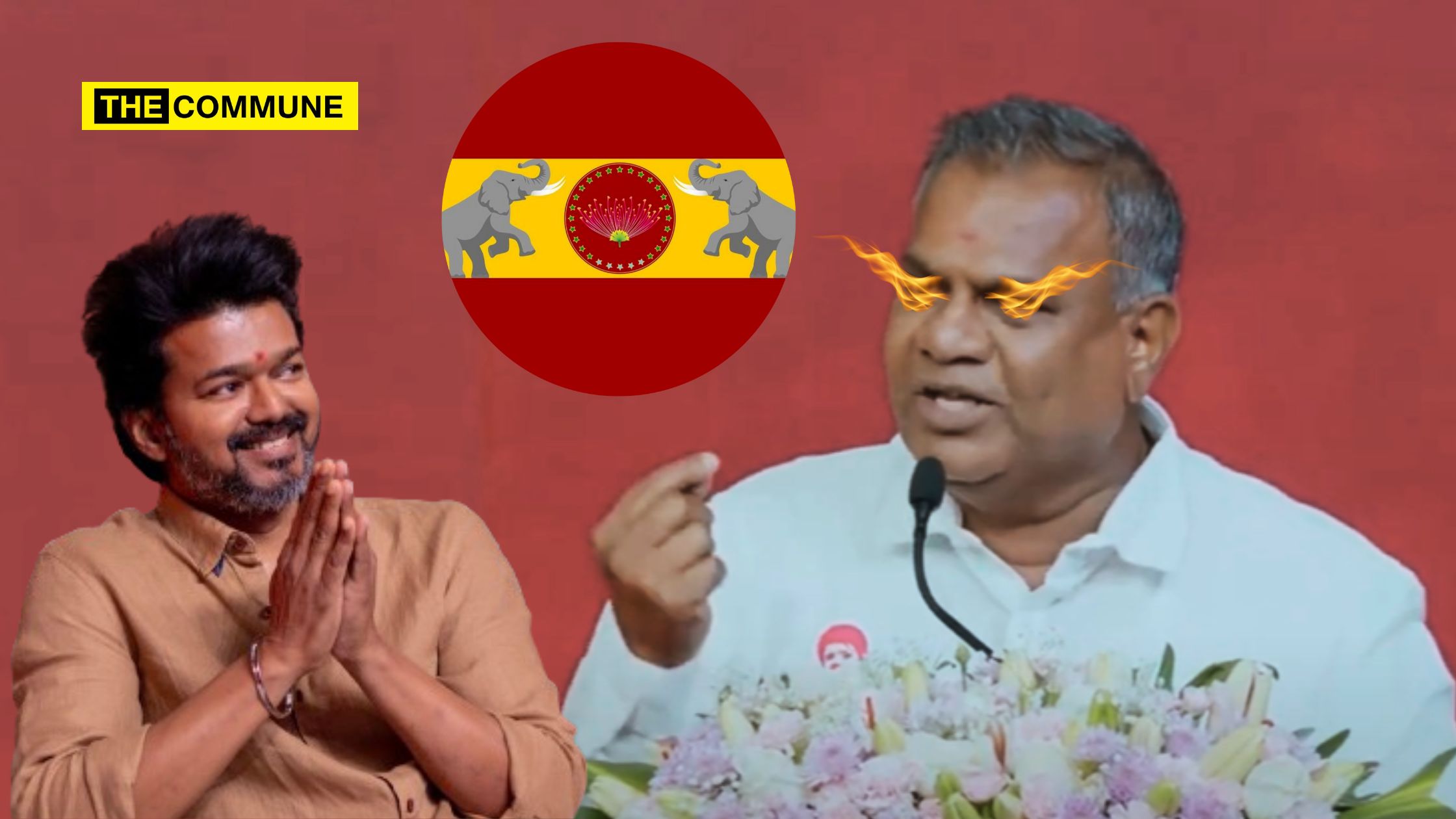
Dravidian Model: DMK Govt’s Police Bans Madurai Adheenam Pontiff From Visiting Kasi Viswanathar Temple Atop Thiruparankundram Hill, Had Earlier Allowed Islamists To Have Non-Veg Biryani At Foothill

DMK govt banned Madurai Adheenam pontiff from going to the Kasi Viswanathar Temple on Thiruparankundram Hill.

In a shocking development the DMK government in Tamil Nadu has banned Madurai Adheenam pontiff Sri La Sri Harihara Sri Gnanasambanda Desika Swamigal from going to the Kasi Viswanathar Temple that is located on top of the Thiruparankundram Hill.

Thiruparankundram Hill, a site of immense religious and historical significance, has become a focal point of controversy and sacrilege.

Islamist groups have been demanding to perform ‘qurbani’ – the ritual sacrifice of goats and roosters – at the dargah located on the temple hill, when the entire hill belongs to the Thiruparankundram Murugan Temple.

Manapparai DMK MLA Abdul Samad has been accused of illegally conducting a survey around the temple and conspiring to take control of the hill with the help of SDPI (the political arm of the banned terror outfit Popular Front of India).

Further exacerbating the situation, ‘unidentified miscreants’ have defaced the ancient Jain caves on the hill by painting them green, an act seen as deliberate vandalism against a heritage site of immense cultural and spiritual value. These incidents have sparked strong condemnation from various quarters, highlighting the need to protect the sanctity and heritage of this sacred hill.

Adding fuel to the fire, DMK-ally IUML MP Navas Kani who is also the chairman of the Tamil Nadu Waqf Board went with his supporters who had non-vegetarian biryani at the foothill of the temple hill drawing widespread outrage for violating the sanctity of the site. In a video that was shared on social media, he can be seen intimidating police officials to allow them to have the non-vegetarian biryani that they have brought with them.

On the other hand, the Tamil Nadu police has banned the pontiff of Madurai Adheenam from visiting the Kasi Viswanathar Temple that is located on top of the Thiruparankundram hill.

Subscribe to our channels on TelegramWhatsApp, and Instagram and get the best stories of the day delivered to you personally.
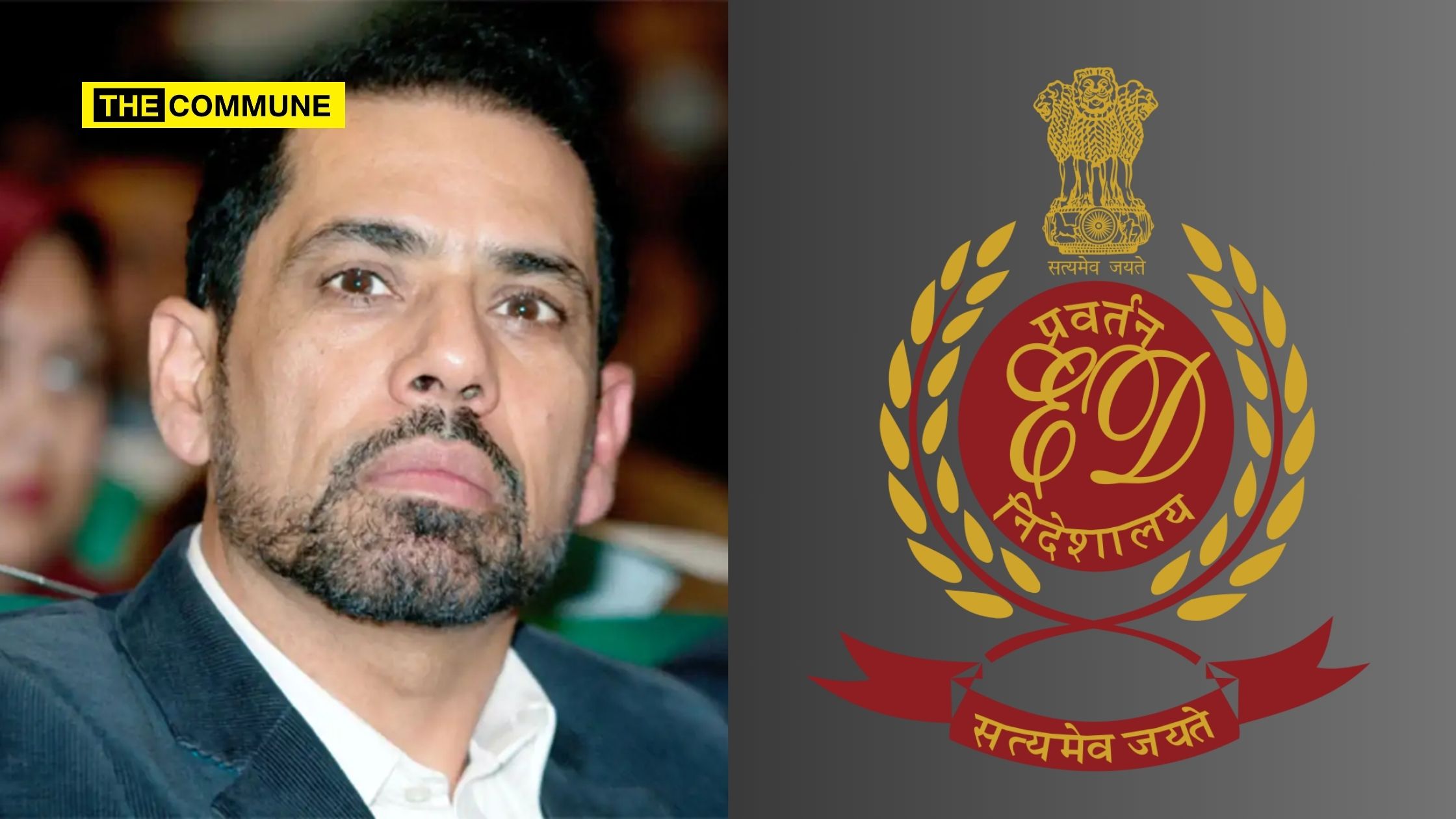
“If He Seeks Vote, Even The Brahmins In His Street Won’t Vote For You,” NTK Chief Seeman Roasts DMK And S Ve Shekher In One Go

Seeman slammed DMK for appeasing S Ve Shekher to secure Brahmin votes, while ignoring the contributions of Tamil Brahmin scholars.

Amid Chief Minister MK Stalin’s recent announcement on 20 January 2025, to name a street in Mylapore after actor S Ve Shekher’s father, SV Venkataraman, Naam Tamilar Katchi (NTK) leader Seeman has criticized the DMK’s strategy of relying on S Ve Shekher to secure Brahmin community votes. He mocked the move, questioning why, with so many Tamil scholars from the Brahmin community who have contributed greatly to preserving Tamil literature, there is a need to honor S Ve Shekher’s father. Seeman further ridiculed the decision, sarcastically remarking, “If he asks for votes, even the Brahmins in his street won’t vote for you.

NTK leader Seeman’s criticism comes from Chief Minister MK Stalin’s remarks at an event celebrating the 7,000th performance by S Ve Shekher’s theatre group, ‘Natakapriya.’ At the event, Stalin announced that a proposal to name a street in Mylapore after Shekher’s father, SV Venkataraman, would be introduced at an upcoming Greater Chennai Corporation council meeting. Stalin praised Shekher’s dedication to theatre and his long-standing ties with former Chief Minister M Karunanidhi.

Stalin also remarked that after watching some scenes from Shekher’s drama, it felt like “Shekher alone is enough to secure the DMK’s victory in the 2026 Assembly elections.” He promised to honor Shekher’s request, while also hinting at a request of his own. However, the Chief Minister did not specify what that request was. Later, Shekher told reporters that he would campaign for the DMK in the 2026 elections if Stalin established a Brahmin Welfare Board to support underprivileged Brahmins.

The NTK leader took aim at Stalin’s announcement, suggesting that the move was more about political gain than a genuine concern for the Tamil community. Seeman criticized the DMK for using Shekher as a tool to secure Brahmin votes, while many Tamil Brahmin scholars who have contributed to Tamil literature have been overlooked.

Speaking at a press meeting in Coimbatore, Seeman sharply criticized the decision, saying, “What are you talking about? After being slammed, they are now circling behind S Ve Shekher. Why name a street after S Ve Shekher’s father? Why not honor (someone like) our Tamil grandfather U. V. Swaminatha Iyer, who preserved and documented Tamil literature? Or Pure Tamil Movemnet (leader) Maraimalai Adigal’s guru, the great Parithimar Kalaignar, who changed his name from Suryanarayana Sastri—why not name it after him? Why can’t you name it after our great-grandfather Bharathiyar, who revolutionized Tamil literature. Why S Ve Shekher’s dad? What did you say— ‘I have fulfilled your request, now you must fulfill mine’? Is this all just about seeking votes in the election? If he asks for votes, even the Brahmins in his street won’t vote for you.”

Seeman further mocked, “What kind of intelligence do you have? First, change the officials with good ones and provide a better survey.”

Subscribe to our channels on TelegramWhatsApp, and Instagram and get the best stories of the day delivered to you personally.