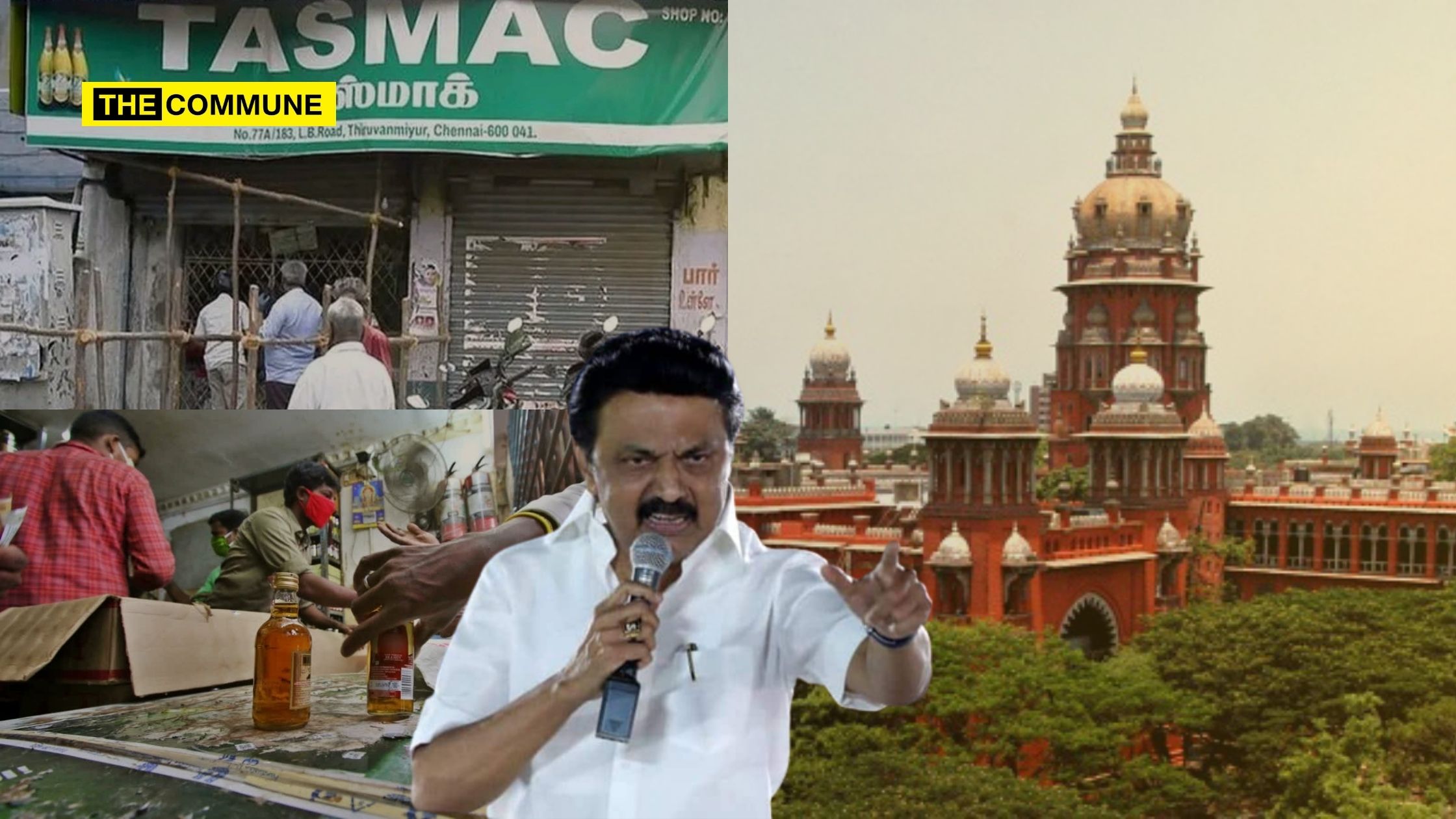
In Chennai, a traffic police officer was arrested after an investigation into a missing girl complaint revealed he had allegedly sexually assaulted a 13-year-old girl. The inquiry began when the girl’s mother reported her missing on January 25 to the Mylapore All Women Police Station (AWPS).
Using mobile phone tracking, the police traced the girl to Cuddalore, where she was found with her 16-year-old boyfriend. The boyfriend was arrested on allegations of raping the girl under the false promise of marriage.
Further investigation revealed that the girl had initially sought refuge at her boyfriend’s mother’s house in Mylapore, where she was instructed to sleep in a place of worship since the house was not available. While sleeping on the pavement because the place of worship was closed, she was approached by traffic policeman Raman, who is also employed as a driver for a traffic inspector.
Raman, under the guise of taking her home, allegedly assaulted her in his vehicle before taking her to a police booth near Foreshore Estate, where he assaulted her again. The girl’s cries made him flee the scene, allowing her to return home.
However, fearing an arranged marriage, she ran away again with her boyfriend to his relative’s house in Cuddalore, where she was allegedly raped once more.
The Mylapore AWPS arrested the policeman Raman, the boyfriend, and his mother, charging them under various sections of the Protection of Children from Sexual Offences (POCSO) Act.
Subscribe to our channels on Telegram, WhatsApp, and Instagram and get the best stories of the day delivered to you personally.
The Union Budget 2025-26 has ushered in a new era of financial freedom for India’s middle class, particularly for salaried professionals and young earners. By significantly reducing tax burdens, the budget provides greater flexibility in savings, investments, and wealth creation, empowering individuals to take charge of their financial future like never before.
Middle-Class Families: More Freedom, Less Tax Burden
For double-income families, the tax relief is particularly transformative. A salaried couple earning ₹1 lakh each per month pays zero tax, while a couple earning ₹2 lakh per month each (₹48 lakh annually) pays just ₹5.63 lakh in taxes, at an effective tax rate of only 12%. This substantial reduction in tax liabilities allows middle-class families to allocate more towards investments, home ownership, and financial security.
This budget grants progressive, aspirational families the freedom to chart their financial journey without excessive government intervention. It offers a real opportunity for individuals to achieve early financial independence and retire early (F.I.R.E.), an aspiration for many young professionals.
Youngsters Are The ‘Lucky Bhaskars’
If you’re just starting your career, this is the best time to be earning in India. Young professionals stay out of the tax net in the early years of their career, which means more savings to build a home corpus or make smart investments early on.
Previously, the government forced people to invest in PPF, NSC, ELSS, or other prescribed options to get tax benefits. Now, that era of forced saving is over. You get to decide where, when, and how to invest. With the right choices, this could mean higher returns, better compounding, and real wealth creation.
The catch? You’re now fully responsible for your financial future. With more choices come more responsibility, and it’s up to each individual to balance spending and saving wisely.
The ₹1 Lakh Salary Benchmark: A New Financial Milestone
A ₹1 lakh monthly salary is set to become the new financial benchmark for salaried professionals. More importantly, getting there without falling into the tax net is a huge win.
This is a mental shift in personal finance. People will start thinking differently about salaries, savings, and investments. Smart money will seek growth, and aspirational thinking will drive behavior. Instead of scrambling to save taxes, people will focus on building long-term wealth.
This move nudges people in the right direction—toward better financial discipline and smarter money management.
Balancing Growth, Revenue, And Stability
The Finance Minister had a tough job post-COVID:
~ Reviving economic growth
~ Keeping government finances on track
~ Building infrastructure
~ Boosting MSMEs
~ Ensuring financial stability
~ Keeping borrowing under control
Balancing all these priorities while cutting taxes isn’t easy. But this budget proves that it can be done. India is now in a position to sustain high growth while keeping the middle class financially empowered.
The tax relief for the middle class is long overdue. But timing matters. If done too early, it could have hurt economic recovery. If delayed further, it would have felt like a betrayal. This budget gets the timing just right—it rewards the middle class for their resilience at a time when India is on a strong growth trajectory.
Right Move, Right Time
Over the years, many Finance Ministers have been “popular” but reckless, making decisions for personal recognition rather than long-term stability. This time, the FM has chosen prudence over populism, and history will judge this decision favorably.
The 2025-26 budget is not just about tax cuts—it’s about trusting people with their own money, giving them financial freedom, and making them accountable for their future. For India’s middle class, this is a real turning point.
Shyam Sekhar is an investment professional and fund manager.
Subscribe to our channels on Telegram, WhatsApp, and Instagram and get the best stories of the day delivered to you personally.
In 2024, Kollywood faced a significant setback, with many films underperforming at the box office. Out of the 241 films released that year, only around 18 were successful, while a staggering 223 failed to make a mark. The industry, which has been home to iconic filmmakers, actors, and unforgettable films, experienced its share of disappointments last year.
Despite a few notable successes such as Amaran, Maharaja, and Meiyazhagan, which won both critical acclaim and solid box office returns, Kollywood struggled overall. Reports indicate that Tamil film producers collectively spent nearly ₹3,000 crore on film production in 2024, but suffered a loss of around ₹1,000 crore.
The major issue lay in the large number of high-budget films that failed to live up to expectations. Big names like Suriya, Kamal Haasan, and Rajinikanth, whose films are usually anticipated by huge audiences, unfortunately delivered box-office disappointments. For example, Suriya’s much-anticipated pan-Indian film Kanguva, with a ₹350 crore budget, was expected to rake in ₹1,000 crore but only managed ₹106 crore, despite its hyped music and star-studded cast.
Shankar’s long-awaited sequel Indian 2, with a budget of ₹250 crore, similarly underperformed, grossing only ₹150 crore. Rajinikanth’s collaboration with Amitabh Bachchan in Vettaiyan also fell flat, despite a stellar ensemble cast and a 33-year wait for the film.
Interestingly, while big-budget films faltered, smaller films like Garudan, Lubber Pandhu, DeMonte Colony 2, and Vaazhai fared much better at the box office. This shift reflects a change in audience preferences, as Tamil viewers, traditionally enamored with star power, now seem to prioritize compelling stories over famous faces.
Further reinforcing this trend, Shankar’s Game Changers Tamil version, which starred big names, earned only ₹10 crore, while smaller films like Madha Gaja Raja and Kudumbasthan grossed more than ₹70 crore and ₹10 crore, respectively, in January 2025.
This shift in audience behavior suggests that compelling narratives are now taking precedence in Tamil cinema. As 2025 rolls in, several major Tamil films like Ajith Kumar’s Vidaamuyarchi, Rajinikanth’s Coolie, Kamal Haasan’s Thug Life, and Suriya’s Retro are expected to hit the box office, with hopes high for a better year.
Overall, 2024 was a tough year for Tamil cinema, but the industry is optimistic that it will bounce back in 2025, delivering better films and rekindling audience interest.
Tamilaga Vettri Kazhagam (TVK), which is seen as a mere offshoot of the DMK, has begun to attract those who previously peddled narratives for the DMK during the AIADMK’s rule. In this context, part-time politician and TVK chief Vijay has appointed YouTuber A Rajmohan as the party’s propaganda secretary. Rajmohan, known for his WhatsApp University-style approach, is a prime example of someone who pushes specific narratives with his somewhat basic Tamil diction. Despite the lack of nuance in his propaganda, the party has announced that new office-bearers are being appointed to strengthen its organizational framework and prepare for a more robust election campaign.
How He Started
Rajmohan rose to fame after winning the Tamil Pechu Engal Moochu reality show on Star Vijay in 2008-09, but his success has largely been built on superficial rhetoric rather than substance. Though he gained attention for his Tamil oratory skills, he has since positioned himself as a self-styled Dravidian propagandist, aligning with DMK’s ideological narratives rather than objective discourse.
As the channel director of Put Chutney, he used political satire as a tool for biased storytelling, often pushing one-sided Dravidianist DMK’s narratives on issues like Sabarimala, Pollachi issue, and propaganda against the then Chief Minister Edappadi K. Palaniswami. His coverage of the 2018 Tamil Nadu-Karnataka Kaveri water dispute was a classic example of oversimplification and blame-shifting, catering to the DMK’s political narratives
During the COVID-19 pandemic, he rebranded himself as an activist, launching a YouTube channel supposedly for students, but it ultimately became another platform for his ideological preaching rather than genuine educational support.
YouTuber Rajmohan was previously seen spreading anti-establishment rhetoric against several initiatives introduced by the Narendra Modi-led Central Government in crucial sectors like infrastructure, education, and others. The country was already losing opportunities for job creation and new business ventures due to outdated, restrictive laws that were not conducive to a business-friendly environment. The lack of robust infrastructure led global companies to shift operations to countries like China, Vietnam, and Bangladesh. During this time, the Modi-led government targeted these redundant laws, aiming to remove barriers that were impeding benefits to ordinary citizens, whether in agriculture (the backbone of the country), education, or infrastructure.
However, despite these efforts, Dravidianists consistently opposed these reforms, pushing their own narratives without fully understanding the facts. And Rajmohan was one such Dravidianist.
Anti-Development Propaganda
EIA 2020
On 12 March 2020, the Ministry of Environment, Forest and Climate Change released the draft Environmental Impact Assessment Notification 2020 (EIA 2020) for public comments, aiming to replace the existing EIA 2006. The Ministry invited suggestions and objections to the draft by 11 August, after which it would be finalized. During this period, a wave of opposition emerged, with various propagandists voicing concerns about the draft. While the changes were primarily intended to attract investment for exploring untapped natural resources, one notable critic was YouTuber Rajmohan, who claimed that the new guidelines would lead to rampant destruction of the environment and natural resources. Ironically, he advocates for enjoying the luxuries of modern life, which often rely on the very resources he criticizes.
The central government’s intent behind the changes was to curb the influence of communist and so-called environmentalists who, with ulterior motives, oppose businesses and projects before they even begin, often launching strategic protests to disrupt economic growth. A prime example is the case of the Sterlite Copper plant in Thoothukudi, which faced severe opposition for alleged environmental degradation. However, scientific assessments showed no environmental harm caused by the plant, and it was shut down in 2018. More recently, protests erupted against a proposed tungsten mining project in Madurai after Hindustan Zinc Limited won the auction, despite no prior controversies surrounding the project.
The primary aim of the EIA 2020 was to tackle such opposition and promote economic growth. However, figures like Rajmohan continue to spread narratives that hinder progress, all while enjoying the comforts of modern life without acknowledging the exploitation of natural resources required to sustain these conveniences.
8 Lane Expressway Project
Similar to his opposition to the EIA 2020, Rajmohan also voiced strong opposition to the Chennai-Salem Expressway, an ambitious eight-lane, access-controlled greenfield expressway project. In his video, he questioned, “They are saying that we can go fast, so fast and very fast, but by going that fast, where are we going? Who are we destroying?” His rhetoric, while catchy, fails to address the broader economic context.
What Rajmohan and other propagandists fail to understand is that countries like India, with a large population and a growing skilled labor force, need substantial investments to make these resources valuable. Without attracting foreign investments and business, these resources remain underutilized. Investors primarily look for reliable infrastructure, skilled labor, and favorable business conditions. When these elements are in place, they bring in investments that create businesses, which in turn create jobs and utilize the country’s human resources.
Investors often rely on the Logistics Performance Index (LPI), which assesses the efficiency of a country’s logistics infrastructure. A nation’s ability to provide seamless connectivity via rail, road, and air is crucial in attracting such investments. Yet, despite understanding all this, Rajmohan and his supporters opposed the eight-lane expressway, citing environmental concerns, without fully appreciating the broader economic benefits.
Meanwhile, other states like Maharashtra and Gujarat have moved forward with similar projects, reaping the benefits of improved infrastructure. Ironically, the same individuals who opposed these projects are now quick to praise foreign countries for their progress, blaming the government for India’s lack of similar growth.
Anti-NEET Propaganda
Similar to the DMK’s opposition to the NEET medical entrance exam, which gained momentum after the tragic suicides of students like Anitha and Subashree, the resistance to the exam began in 2017. Initially, the central government allowed time for students to adapt to the new system before making it compulsory. Critics, including the DMK, argued that Tamil-medium government school students would be at a disadvantage. However, the central government responded by introducing Tamil-language questions and addressing other concerns step by step. Despite these efforts, medical college lobbies, which were profiting from the previous system, resisted NEET, using toolkits to rally against the exam. Rajmohan, among others, was vocal in highlighting student suicides and advocating for a ban on NEET, rather than focusing on how to help students adapt to it.
However, in contrast to the initial propaganda, NEET has now gained widespread acceptance among both parents and students. Many government school students are excelling in the exam through their hard work, appreciating how it has provided them a fair opportunity to pursue medical studies without the old, money-driven practices of medical lobbies that once sold seats, even to capable students, for a price.
Sympathizing With Terrorists Who Killed Indian Prime Minister
Rajmohan was among the Dravidianists who advocated for the release of Perarivalan, who had been convicted by the special TADA court in 1991 for supplying two 9-volt batteries used in the bomb that killed former Prime Minister Rajiv Gandhi. The assassination, carried out by an LTTE (Liberation Tigers of Tamil Eelam) suicide bomber during an election rally in Sriperumbudur, Chennai, shocked the nation. In his video, Rajmohan argued that Perarivalan was innocent and should be released due to his health issues. He portrayed him as a man who merely assisted with the battery supply and had an ailing mother, using a sentimental appeal for his release. However, the true story was much more complex, and a wide range of people voiced their opposition to his release, including Anusuya Daisy Ernest, a retired police officer who was in charge of security the night Rajiv Gandhi was assassinated.
Anusuya strongly criticized those celebrating Perarivalan’s release, describing him as a convicted murderer, terrorist, and “blood-thirsty” individual. In a telephonic interview with Zee News Tamil, she questioned why so many people were supporting him, pointing out that he had killed the Prime Minister and caused the deaths of nine police officers and others. Anusuya, who herself had been severely injured in the bombing, with shrapnel still lodged in her body, condemned Perarivalan’s actions, calling him a “bloody terrorist” and a “blood-thirsty murderer.” She emphasized that Perarivalan’s release should not be mistaken for an act of mercy, stating that life imprisonment meant serving time for life. She further criticized the media for giving him excessive attention and feared that his release would encourage other terrorists and criminals to demand their own freedom.
Anusuya Daisy also raised concerns that the release of someone convicted for such a serious crime could lead to a dangerous precedent, asking why those convicted for other bombings, such as the Coimbatore bombings, were still in prison and questioning why Perarivalan, simply because he had killed a Prime Minister, was considered a “VIP convict.” But this two-bit Dravidian propagandist who claims to stand on the side of victims never spoke for real victims like Anusuya and many others who lost their lives in the tragic bomb blast that killed an Indian Prime Minister.
Peddling Propaganda Against Sterlite
Rajmohan peddled DMK’s propaganda against Sterlite Copper factory saying, “Copper for you, Cancer for us?“. He made insinuations about Sterlite’s corporate social responsibility work asking whether the government is ruling the state or Sterlite.
He also parroted the same points of controversial Christian missionary-funded leftist ‘activist’ Nityanand Jayaraman.
TVK chief Vijay has once again proved that his party is nothing but a glossier DMK. If DMK had appointed a beautician YouTuber like Padma Priya as its IT Wing Deputy Secretary, TVK has appointed someone of the same league as its propaganda secretary.
Subscribe to our channels on Telegram, WhatsApp, and Instagram and get the best stories of the day delivered to you personally.
In a major move to ease the tax burden on middle-class taxpayers, Finance Minister Nirmala Sitharaman on Saturday announced fresh tax slabs under the New Tax regime in the Union Budget 2025-26. The new tax slabs aim to provide relief to individuals earning up to Rs 12 lakh annually and the exemption limit is Rs 12.75 lakh for salaried individuals (including standard deductions).
Finance Minister Sitharaman said that after the changes made under the new tax regime, there will be a saving of Rs 80,000 on an income of Rs 12 lakh, Rs 70,000 on an income of Rs 18 lakh, and Rs 1,10,000 on an income of Rs 25 lakh.
Under the new tax slabs announced in the Budget, there is no tax on annual incomes up to Rs 4 lakh. For income between Rs 4 lakh and Rs 8 lakh, the tax rate will be 5 per cent, while incomes between Rs 8 lakh and Rs 12 lakh will be taxed at 10 per cent.
For higher income brackets, the tax rates will increase progressively, with 15 per cent for Rs 12 lakh to Rs 16 lakh, 20 per cent for Rs 16 lakh to Rs 20 lakh, 25 per cent for Rs 20 lakh to Rs 24 lakh, and 30 per cent for incomes above Rs 24 lakh. In addition to the revised tax slabs, Finance Minister Sitharaman also announced an increase in the tax rebate available under Section 87A.
This means that individuals with a net taxable income of up to Rs 12 lakh will not be required to pay any income tax. However, if your annual income is exactly Rs 12 lakh, you will still pay tax according to the applicable slab rates but will benefit from the rebate, reducing your final tax liability.
In simpler terms, if you’re a salaried individual or earn other types of “regular income” up to Rs 12 lakh, you will not have to pay any tax due to both the enhanced rebate and the revised tax slabs. However, income from capital gains will not be eligible for the rebate and will be taxed separately under different rules.
The new tax regime will come into effect from the new financial year 2025-26, starting on April 1, 2025, provided the proposals are approved by Parliament.
In the current structure, individuals earning up to Rs 3 lakh will pay no tax, and tax rates increase incrementally as income rises. However, under the old tax regime, the basic exemption limit was Rs 2.5 lakh, and individuals had access to a range of deductions.
For income between Rs 2.5 lakh and Rs 5 lakh, a 5 per cent tax rate was applied, while incomes between Rs 5 lakh and Rs 10 lakh were taxed at 20 per cent. For earnings above Rs 10 lakh, a 30 per cent tax rate applies.
–IANS
Subscribe to our channels on Telegram, WhatsApp, and Instagram and get the best stories of the day delivered to you personally.
Union Finance Minister Nirmala Sitharaman’s proposal to raise the minimum tax slab to Rs 12 lakh from Rs 7 lakh in the new regime in addition to Rs 75,000 of the standard deduction for salaried taxpayers will boost both expenditure and savings among the middle-class section of the Indian population, feel economists.
Former chief economic advisor to the Union government, Ashok Kumar Lahiri, told IANS, that the proposal will have more surplus money in the hands of the middle-class taxpayers which will prompt them to spend more which again will boost market demand and benefit the overall economy of the country.
“At the same time, it will be wrong to think that the money will only boost expenditure and discourage savings. Rather, this proposal will also give scope for the middle-class taxpayers to save more besides spending more. To sum up, the proposal will accelerate spending and savings simultaneously,” said Lahiri, currently a BJP legislator in the West Bengal Assembly.
Economist Probir Kumar Mukhopadhyay feels that the new tax proposal has rightly focussed on demand generation after focussing on the supply side so far. “The focus on the supply side can never be effective unless there is an equal focus on the demand side. It is true that what percentage of the excess money in hand will be spent and how much will be saved will depend on the choice of the individual taxpayers. But generally, the tendency of the middle-class taxpayers is reflected in maintaining a balanced expenditure to savings ratio,” Mukhopadhyay said.
Economists also feel that equally welcome proposals were the rationalisation of tax deductions at source (TDS) for senior citizens which was doubled from Rs 50,000 to Rs 1,00,000. According to them, since the senior citizens are heavily dependent on income from interest, the decision will surely bring cheer for them. “In a sense, this budget after a long time is truly middle-class friendly,” said Mukhopadhyay.
–IANS
Subscribe to our channels on Telegram, WhatsApp, and Instagram and get the best stories of the day delivered to you personally.
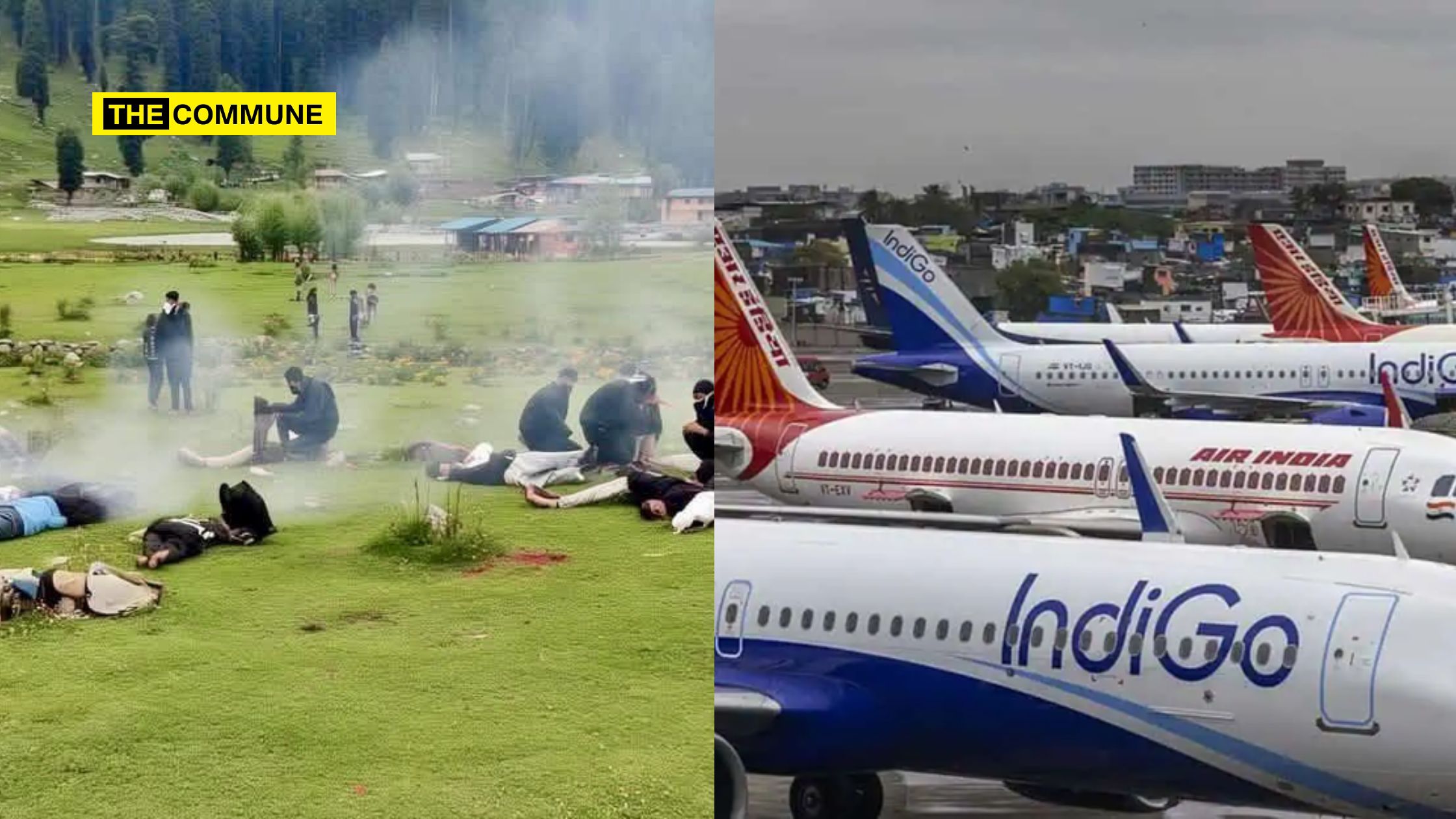
Union Finance Minister Nirmala Sitharaman on Saturday announced the launch of a modified UDAN (Uday Desh Ka Aam Nagrik) scheme, as part of her Budget 2025-26 proposals, to enhance regional connectivity to 120 new destinations and carry 4 crore passengers in the next 10 years.
This scheme will also support helipads and smaller airports in hilly, aspirational, and North East region districts, the Finance Minister said. Praising the Regional Connectivity Scheme UDAN, she said in her speech that UDAN has enabled 1.5 crore middle-class people to meet their aspirations for speedier travel.
The scheme has connected 88 airports and operationalised 619 routes. Inspired by that success, She also informed the house that the government will facilitate the upgradation of infrastructure and warehousing for air cargo including high-value perishable horticulture produce. Cargo screening and customs protocols will also be streamlined and made user-friendly.
Giving infrastructure a fillip to Bihar, the Union Finance Minister proposed that the Greenfield airports will be facilitated in Bihar to meet the future needs of the state. These will be in addition to the expansion of the capacity of Patna airport and a brownfield airport at Bihta. Financial support will also be provided for the Western Koshi Canal ERM Project benefitting a large number of farmers cultivating over 50,000 hectares of land in the Mithilanchal region of Bihar.
The civil aviation sector has emerged as one of the fastest-growing sectors in the country and plays a critical role in economic growth and job creation. There has been a rapid expansion in airports, airline fleets have grown, and cargo operations have surged, all verticals related to civil aviation have pushed boundaries.
India has now become the third-largest domestic aviation hub in the whole world a senior official said. India’s domestic air passenger traffic rose by 6.12 per cent to 16.13 crore in 2024 from 15.2 crore in the previous year, according to the latest data compiled by the Directorate General of Civil Aviation (DGCA).
The country’s commercial airlines also flew more than 1.49 crore passengers on domestic routes in December 2024, which represents an increase of 8.19 per cent compared to the corresponding figure of 1.38 crore for December 2023.
–IANS
Subscribe to our channels on Telegram, WhatsApp, and Instagram and get the best stories of the day delivered to you personally.
Aligning with India’s broader vision to become a global artificial intelligence (AI) hub, Finance Minister Nirmala Sitharaman on Saturday announced the creation of three Centres of Excellence (CoEs) in AI for education. The initiative, with a budget allocation of Rs 500 crore, aims to strengthen AI research and its use in the education system in the country.
These new AI Centres of Excellence will work on advanced research, the development of AI learning tools, and foster collaboration between educational institutions and industries. The goal is to equip students with the skills they need to thrive in the future. “AI is transforming industries worldwide, and India needs to lead in both AI research and its practical applications,” FM Sitharaman said while presenting the Union Budget in Parliament.
She added that these Centres of Excellence will act as innovation hubs and will help in developing AI solutions that can be used in education. The CoEs will collaborate with top educational institutions, research organisations, and private sector players to develop AI models for various educational needs.
This includes creating personalised learning tools, automated assessments, and AI-based tutoring systems that can enhance the learning experience for students. The country is likely to launch its own safe and secure indigenous artificial intelligence (AI) model within six months at an affordable cost. The Indian AI model is a timely step as India is a trusted nation and, therefore, it will help the country emerge as a more reliable technological powerhouse of ethical AI solutions in the days to come.
Backed by a high-end common computing facility, the IndiaAI mission is now closer to customising indigenous AI solutions for the domestic context using Indian languages. In addition to the AI centres, the government has announced plans to expand infrastructure at five IITs that were established after 2014. This expansion will add academic and hostel facilities, allowing for the accommodation of 6,500 more students. The IITs benefiting from this expansion include IIT Bhilai, IIT Dharwad, IIT Goa, IIT Jammu, and IIT Tirupati.
–IANS
Subscribe to our channels on Telegram, WhatsApp, and Instagram and get the best stories of the day delivered to you personally.
BJP Tamil Nadu President K. Annamalai has launched a scathing attack on the DMK government, accusing it of bureaucratic negligence, police misuse, and failure to handle illegal immigration.
In a strongly worded statement, Annamalai criticized the ruling DMK, calling it a “Drama Model Government” that is clueless, lethargic, and preoccupied with suppressing opposition voices instead of maintaining law and order. He alleged that the state police force is being misused to intimidate social media critics, arrest elderly women over minor protests, and silence journalists, while criminals roam freely.
Annamalai also raised serious concerns about the disappearance of over 75 illegal Bangladeshi immigrants who were previously out on bail and meant to be housed in Trichy’s special camp before trial or deportation. These individuals were among approximately 175 foreign nationals apprehended for illegal stay and travel without valid documents.
According to him, the DMK government has no clue about their whereabouts, raising questions about security lapses and negligence.
He further warned that terror outfits like Al-Qaeda, operating from Bangladesh, have been attempting to destabilize India by infiltrating illegal immigrants, yet the state government has failed to take necessary precautions.
Annamalai pointed out that despite intelligence inputs from the Central Government, which recently led to the arrest of over 30 illegal Bangladeshi nationals in Tiruppur, the DMK government has not taken effective measures to secure the state. He demanded to know whether the arrested individuals would be lodged in the Trichy special camp or allowed to disappear like the others.
The BJP leader has called on the Tamil Nadu government to clarify its stance on identifying and apprehending the missing illegal immigrants. He accused the DMK of failing to uphold law and order and prioritizing political vendettas over public safety.
The Drama Model DMK Government is clueless, lethargic, and a symbol of bureaucratic negligence. The entire police force under this Government in TN is devoted to intimidating social media functionaries of opposition parties, journalists, forming teams to arrest elderly women who… pic.twitter.com/7SmAxb28TT
Following calls from the INTUC, Namakkal Lorry Owners’ Association, and Namakkal Trailer Owners’ Association, the Thoothukudi Contractors’ Association has now urged for the reopening of the Sterlite Vedanta copper smelting plant, which was shut down in 2018.
In a statement, they highlighted that the plant’s closure led to the loss of 20,000 jobs and severely impacted 400 small and medium-sized enterprises (SMEs), with income levels dropping by 40%. They have called on the government to issue a Government Order and reopen the plant. Just a month ago, employees had also voiced their demand for its reopening.
Previously, on 6 January 2024, the Namakkal Lorry Owners’ Association and Namakkal Trailer Owners’ Association organized a protest to highlight the severe economic impacts faced by the freight and logistics sector due to the closure of the Sterlite Copper plant in Thoothukudi. The truck community in Namakkal had been vital to the plant’s operations, supplying trucks and trailers during its years of activity. The plant was shut down in 2018 after sustained protests from local residents, concerned about pollution and its harmful health effects on the surrounding areas.
The closure of the copper smelting plant has had far-reaching effects on the local economy, with the transport sector and the livelihoods of thousands of families suffering. Around 6,500 trucks were linked to the plant’s operations, and more than 600 lorry owners have been forced to shift to driving, exacerbating unemployment. The shutdown has caused a daily economic loss of over ₹10 crore, leading to financial instability and increased debt for many families. The protest, with 500 participants, highlighted the struggles of workers, business owners, and their families who are facing dwindling opportunities and rising operating costs. The demonstrators called for the reopening of the plant under strict environmental supervision, suggesting that advanced emission control technologies be implemented to minimize environmental damage.
Similarly, on 20 December 2024, the Indian National Trade Union Congress (INTUC) held a protest in Chidambaranagar, urging the state government to reopen the Sterlite Copper plant and create more employment opportunities in the region. Over 500 people participated in the demonstration, with INTUC Working President Kathirvel leading the call for the plant’s reopening. Protesters demanded special legislation to allow the facility’s revival, which was shut down following Supreme Court orders.
Kathirvel, who also serves as the General Secretary of the National Harbour Workers’ Union and a trustee of the VOC Port Trust, emphasized that the closure of Sterlite Copper and other industries had harmed Thoothukudi’s socio-economic development and employment prospects. He pointed out that automation at VOC Port had displaced 7,000 manual laborers, while the reduction in salt pan areas had affected women’s employment. He also warned that the plant’s permanent closure would result in India becoming a net importer of copper after 18 years and cause significant job losses, including 3,000 truck drivers and 4,000 daily wage laborers. Kathirvel supported MP Kanimozhi’s appeal for new industries in the region, including semiconductor manufacturing units, but urged the government to reconsider reopening the copper plant to boost local economic recovery.
Impact Of Sterlite Copper Plant Closure On Indian Economy
The closure of the Sterlite Copper plant in Thoothukudi, Tamil Nadu, in May 2018 has had significant economic ramifications, with estimates indicating a loss of over ₹14,000 crore to the Indian economy. According to a report by Consumer Unity & Trust Society (CUTS) International, this figure, which translates to nearly $2 billion, reflects the cumulative losses experienced by various stakeholders, including the government, state, ports, and investors. The loss amounts to approximately 0.72% of Tamil Nadu’s State Gross Domestic Product (SGDP) for the four-year period of the plant’s closure.
The closure did not only affect the company, Sterlite Copper, which reportedly faced a loss of ₹4,777 crore, but also had widespread consequences for the Indian economy. While the precise distribution of the company’s losses is unclear, the closure has also resulted in substantial revenue losses for both central and state governments, particularly in terms of taxes and duties. A separate report commissioned by NITI Aayog examined the broader economic impact, which included significant reductions in tax revenue.
Impact On Copper Production And India’s Trade Balance
Before its closure, Sterlite Copper was responsible for producing 40% of India’s copper. The plant’s shutdown marked a significant shift in India’s copper trade balance, turning the country from a net exporter to a net importer of copper. The closure has had a profound effect on the country’s ability to meet domestic copper demand, with India’s copper exports plummeting by 70% following the plant’s closure. Notably, India, which had been one of the top five copper exporters globally, saw its exports drop dramatically from 378,000 tonnes in 2017–2018 to just 48,000 tonnes in 2018–2019.
China’s Gain And Challenge To India’s Atmanirbhar Bharat
China, a major global player in copper production, emerged as one of the biggest beneficiaries of India’s copper shortage, with its copper exports to India doubling. This shift has been detrimental to India’s Atmanirbhar Bharat initiative, as copper is critical for industries ranging from electricals to automotive manufacturing. With copper demand set to rise due to the growing electric vehicle (EV) market, renewable energy push, and rapid urbanization, India faces significant challenges in meeting its future copper needs.
Rising Copper Demand And India’s Future Needs
As per estimates, copper demand in India is expected to grow by over 9.3% annually, reaching around 2.5–3.5 million metric tons by 2030. This demand will be driven by industries such as renewable energy, electric vehicles, and power grid expansion. For instance, electric vehicles (EVs) require substantial quantities of copper, with each EV car using approximately 83 kg of copper, and EV buses requiring 224 kg. As India aims to achieve 30% EV penetration by 2030, the demand for copper will soar. Additionally, with the government’s focus on increasing solar and wind energy capacity, copper’s role in energy production and transmission will be crucial.
The Shift In Investment: India To Saudi Arabia
The prolonged closure of the Sterlite Copper plant has led Vedanta, the parent company, to reconsider its investment strategy. With repeated denials for reopening the plant, Vedanta has decided to invest in copper projects abroad, particularly in Saudi Arabia. The company has signed a memorandum of understanding (MoU) to invest $2 billion in establishing copper smelting and refining facilities in the country. This shift represents a significant blow to Thoothukudi’s economy and India’s industrial prospects, as Vedanta’s investment in Saudi Arabia is expected to contribute $19 billion to Saudi Arabia’s GDP.
Allegations Of Foreign Influence On Protests
The protests leading to the closure of the Sterlite Copper plant have raised questions about foreign involvement. Allegations have been made that foreign-funded entities, including Chinese companies with vested economic interests in India’s copper imports, played a role in inciting protests against the plant. These protests were reportedly supported by NGOs and other groups that violated the Foreign Contribution Regulation Act (FCRA) by accepting foreign funds, even after their FCRA registrations were canceled. This has further complicated the issue, as it suggests that external influences may have contributed to the economic damage caused by the plant’s shutdown.
Locals are now protesting to reopen Sterlite Copper plant due to job loss
Close to 50,000 people lost their Job after closure of the plant in 2018
India suffered 2 billion revenue loss and become depended on China for copper import for Electric Vehicle and other Green Energy… pic.twitter.com/SbHTjuJDEL
Similar to protests seen in other parts of the world, such as the Carmichael coal mine in Australia, opposition to the Sterlite plant was driven by ‘environmental’ concerns. However, the lack of swift resolution by state and national bodies resulted in economic losses for India. The closure of Sterlite Copper, which had been an important part of Thoothukudi’s industrial ecosystem, is seen as a case of missed opportunities for balanced decision-making.
The closure of the Sterlite Copper plant has had far-reaching economic consequences for India, both in terms of lost employment opportunities and reduced copper production. As the country struggles to meet rising copper demand, the closure has shifted the balance of trade, with China and other countries reaping the benefits. Moving forward, India must prioritize the revival of its copper industry to ensure it remains competitive in the global market and meets its growing demand for this essential metal.
Subscribe to our channels on Telegram, WhatsApp, and Instagram and get the best stories of the day delivered to you personally.