Home Blog Page 54

Make-up Artist & Distortionist Ruchika Sharma Claims ‘Brahmins Benefited From Exploitative Devadasi System’; Temple Records Tell A Different Story
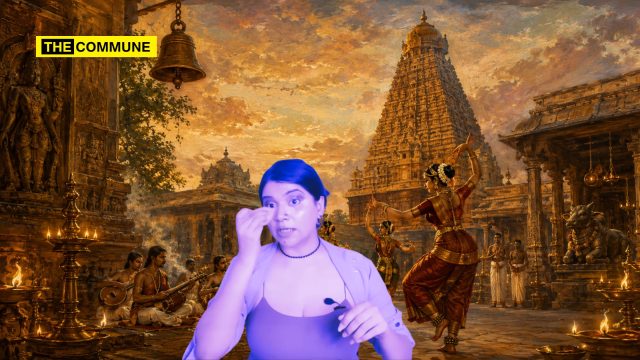
Make-up Artist & Distortionist Ruchika Sharma Claims 'Brahmins Benefited From Exploitative Devadasi System'; Temple Records Tell A Different Story

A social media post by make-up Artist & distortionist Ruchika Sharma, who makes ridiculous comments on historical subjects online, sparked criticism after she made sweeping claims about Brahmins and the Devadasi system during the Chola period without presenting inscriptional evidence to substantiate the allegations.

In the now-circulating post shared on X, Sharma claimed that “Brahmins lived most comfortably in most of Indian history” and alleged that rulers “from Ashoka to Aurangzeb” patronised Brahmins through tax-free land grants. Citing historian RS Sharma, she further claimed that under the Guptas, Brahmins were allegedly “free to exploit the peasant on his Agrahara, evict them at will, and charge a number of extra cesses.”

She also alleged that “Brahmins were the benefactors of the deeply dehumanizing Devadasi system, especially under the Cholas,” calling the system “sexually exploitative” and accusing Brahmins of living “a lavish life of doing nothing but having everything.”
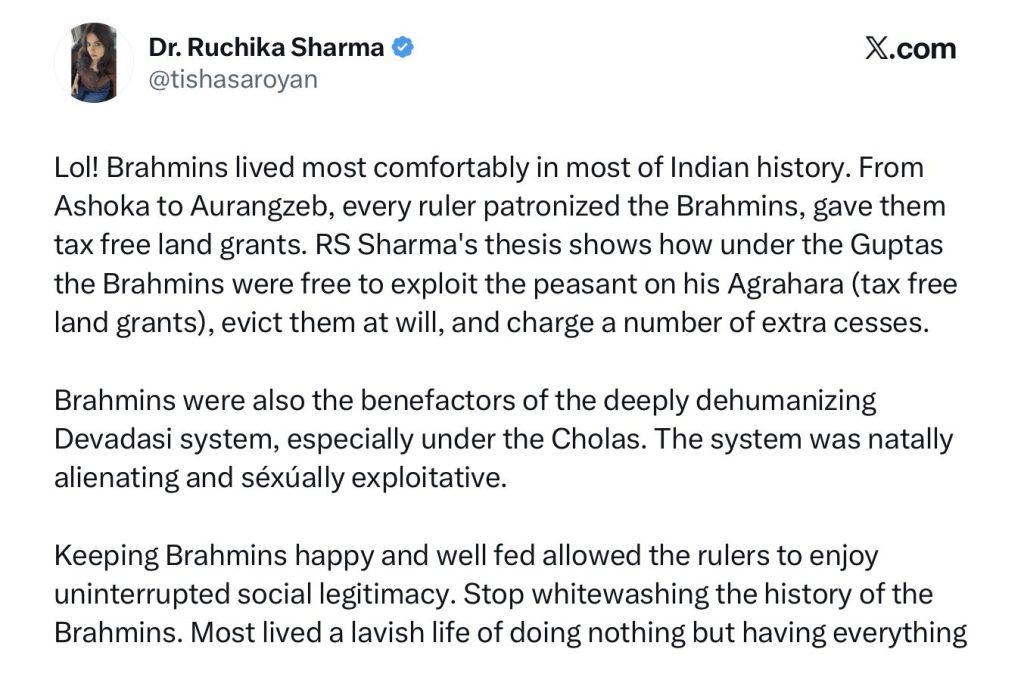
The remarks triggered a strong response online, with several users accusing Sharma of spreading historically inaccurate claims regarding the Devadasi system during the Chola era.

There is “zero evidence” supporting the allegation that the Devadasi institution under the Cholas was a “dehumanising” system controlled by Brahmins. There are multiple Chola-period inscriptions which refer to temple dancers as “Devar Adiyars”, servants of the deity, occupying recognised and respected institutional roles within temple society.

The Devadasis or Devaradiyars attached to temples during the Chola period primarily functioned as dancers, musicians and ritual functionaries serving the temple establishment, with inscriptions referring to them with dignity and formal institutional recognition.

The Rudra Kanyas, as they were called in Agamic traditions, underwent formal Diksha before entering temple service. The Kamika Agama describes the initiation procedures connected with them, including ritual worship associated with the kol (staff/stick). Due to this association, they were also referred to as Dandini, while the Tamil usage employed the term Koli, and the head of the dancers bore the title Thalaikoli.

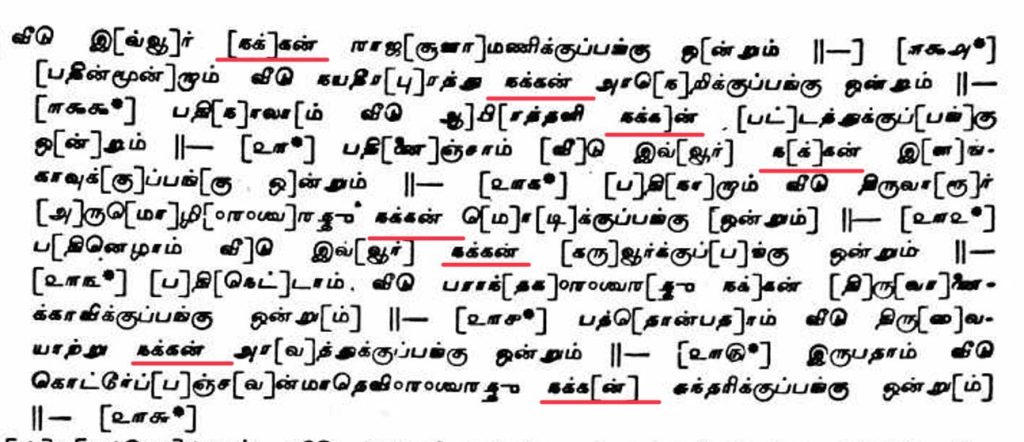
Many women attached to Chola temples carried the prefix “Nakkan” in inscriptions. The famous Thalichery inscription of Rajaraja Chola I at the Brihadisvara Temple records the appointment of around 400 temple dancers to the temple establishment. Many among them carried the prefix “Nakkan,” which is evidence of institutional organisation and formal integration into temple administration. All of them were provided accommodation and remuneration for their services.
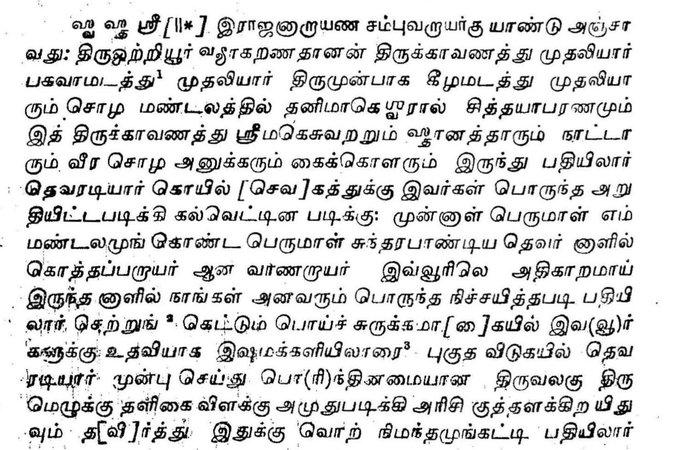
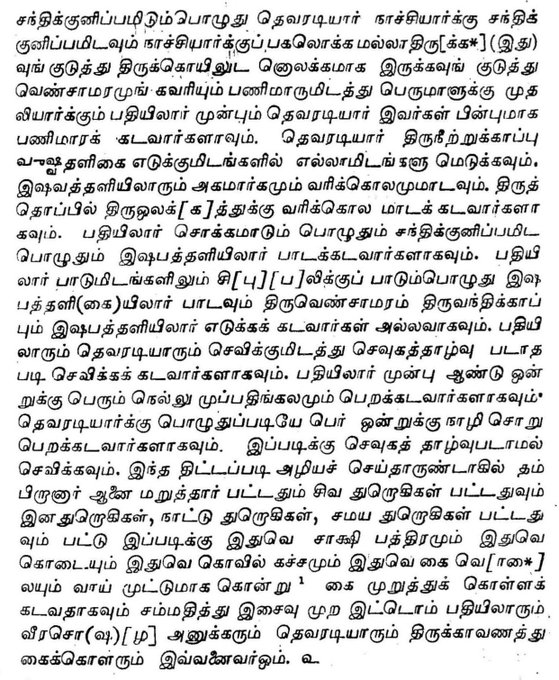
Another inscription from the Thiruvorriyur temple belonging to the Raja Narayana Sambuvaraya period indicates that there were three categories of Devaradiyars performing distinct duties within the temple.

According to the inscription, the Pathiyilars performed ‘Sokkam’, described as Suththa Nruthyam in Tamil, while the Rishabha Taliyalars provided vocal support and also performed ‘Agamarkam’ and ‘Varikkolam’ dances. The third category of Devaradiyars performed ‘Sandikkunippam,’ a dance form conducted within the shrine of the goddess. The inscription also documents additional responsibilities carried out by them, including ‘Tiruvalagu’ (sweeping), ‘Tirumezhuku’ (cleaning with cow dung), ‘Taligaivilakku’ (cleaning utensils) and rice cleaning duties.
Multiple inscriptions record donations made by Devaradiyars themselves to temples. One inscription at Thiruvalanjuzhi reportedly records a Devaradiyar named ‘Atkondan Thevu’ granting donations for Nithya Pooja, while another inscription at Thiruvakkarai refers to a land donation made by a Devaradiyar named ‘Seerazhvi.’

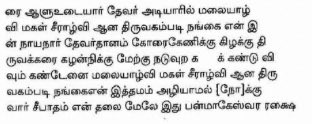
Additionally, there are inscriptions suggesting that some Brahmins themselves became Devadasis and performed temple service. One inscription refers to a “Devaradiyal of Tillai Piran Bhattar Nambimar, who was Sentiyan Mangaiyarkarasi,” identifying her as belonging to a Brahmin lineage while also recording the gifts she made.
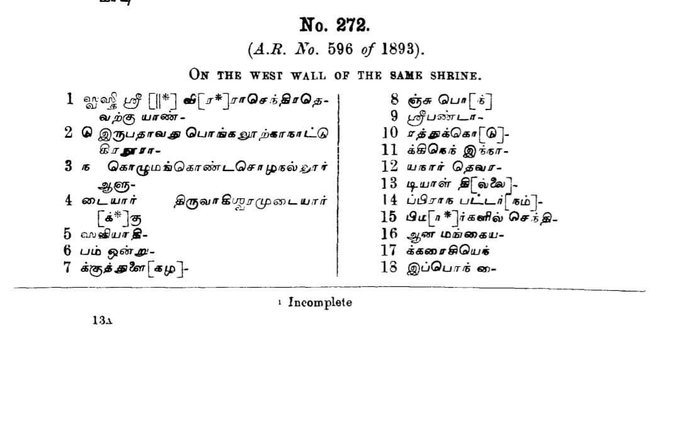
Based on these inscriptions, it is quite clear that portraying Brahmins as the architects of a “dehumanising” Devadasi system during the Chola period lacks evidentiary basis and ignores inscriptional records which, according to them, demonstrate that Devaradiyars held recognised, organised and respected positions within temple institutions during that era.

(This article is based on an X Thread By Author/Historian TS Krishnan)

Subscribe to our channels on WhatsAppTelegram, Instagram and YouTube to get the best stories of the day delivered to you personally.
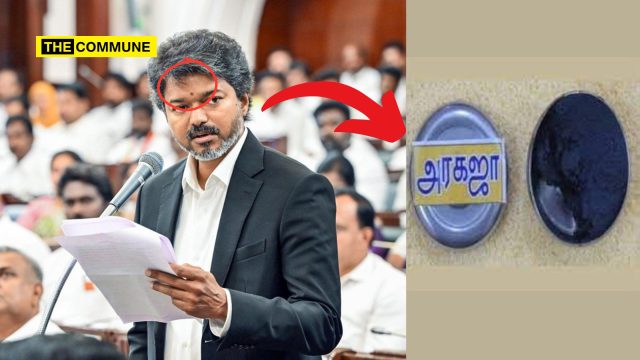
Joseph Vijay Wearing Aragaja Tilak To Ward Off Evil Eye And Negative Energy

Joseph Vijay Wearing Aragaja Tilak?

Tamilaga Vettri Kazhagam (TVK) chief and TN CM Joseph Vijay has sparked discussion after appearing in public wearing a dark-coloured tilak on his forehead along with his now-familiar formal “coat suit” attire following his emergence as a major political figure in Tamil Nadu.

According to TVK functionaries, the mark applied on Vijay’s forehead is an “Aragaja” tilak, traditionally prepared using aromatic substances such as punugu, javvadhu, pachai karpooram (green camphor) and vetiver roots, as reported in Dinamalar.

The Aragaja tilak is commonly used as part of temple rituals and abhishekam offerings in several Hindu traditions. Many devotees believe that applying the tilak on the forehead helps ward off evil eye, negative energy and harmful influences.

Against this backdrop, Vijay’s decision to sport the Aragaja tilak has become a talking point in Tamil Nadu political and social circles, with supporters and observers closely discussing its cultural and symbolic significance.


View this post on Instagram


A post shared by Chanakyaa (@chanakyaa_tv)

Subscribe to our channels on WhatsAppTelegram, Instagram and YouTube to get the best stories of the day delivered to you personally.
Viral Video Claimed T Nagar TASMAC Outlet Near A School Was Shut After Vijay’s Order, But Ground Reality Differs

Viral Video Claimed T Nagar TASMAC Outlet Near A School Was Shut After Vijay's Order, But Ground Reality Differs

Newly sworn-in Tamil Nadu Chief Minister Joseph Vijay ordered the closure of 717 state-run TASMAC liquor outlets located near schools, places of worship and bus stands, marking the first major administrative decision of his government since assuming office earlier this week.

According to an official press release issued by the Tamil Nadu government on Tuesday, the affected outlets were identified as TASMAC retail shops operating within 500 metres of educational institutions, temples, churches, mosques and bus stands across the state. Authorities have been directed to complete the closure process within two weeks.

However, even as the announcement drew praise from sections of the public, confusion and political controversy emerged over claims that several shops had already been shut down.

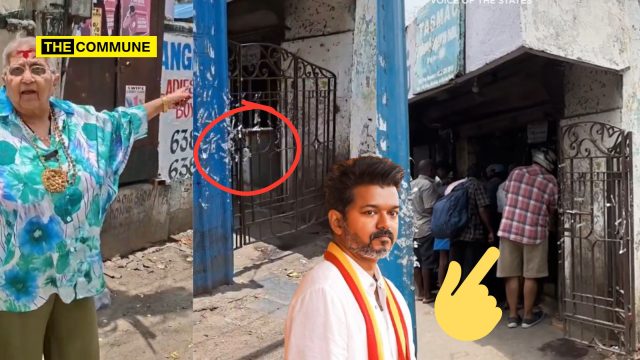
A video circulated widely on social media showed the founder of Shrine Velankanni School in Chennai’s T Nagar, thanking the new government and claiming that a TASMAC outlet located a few buildings away from the school had finally been closed after nearly four decades of complaints.

“In this place, there has been this TASMAC shop for almost 40 years. Now they have locked it. Many thanks to the Chief Minister of Tamil Nadu,” she said in the video while pointing towards the liquor outlet and the nearby school campus.

She further stated that women and schoolchildren had suffered for years because of the outlet’s presence in the locality.

“My children, many children, used to go through this street. After 6 p.m., women could not walk here. Many people would be lying drunk on the roads,” she said, adding that successive governments had failed to act despite repeated appeals.

The video was subsequently amplified by several TVK supporters online as evidence of the new administration’s swift action against TASMAC outlets.

However, another video recorded on Wednesday (13 May 2026) afternoon challenged those claims, showing the same TASMAC outlet on Dhandapani Street in T Nagar continuing to function normally with customers purchasing liquor.

A local later shared a video alleging that false claims were being spread online regarding the shop’s closure.

“They have posted a video saying this wine shop has been closed. The wine shop is open. I am a resident of T Nagar from the same constituency. Where have they closed it?” a commuter said.

Employees at the outlet reportedly stated that they had not yet received any official closure notice from authorities.

India Today reported shared the status of the said TASMAC outlet stating that as of 12:10 PM on 14 May 2026, the shop was still operational and has not been closed. Officials were reportedly given two weeks to shut down all 700+ TASMAC shops.

Subscribe to our channels on WhatsAppTelegram, Instagram and YouTube to get the best stories of the day delivered to you personally.
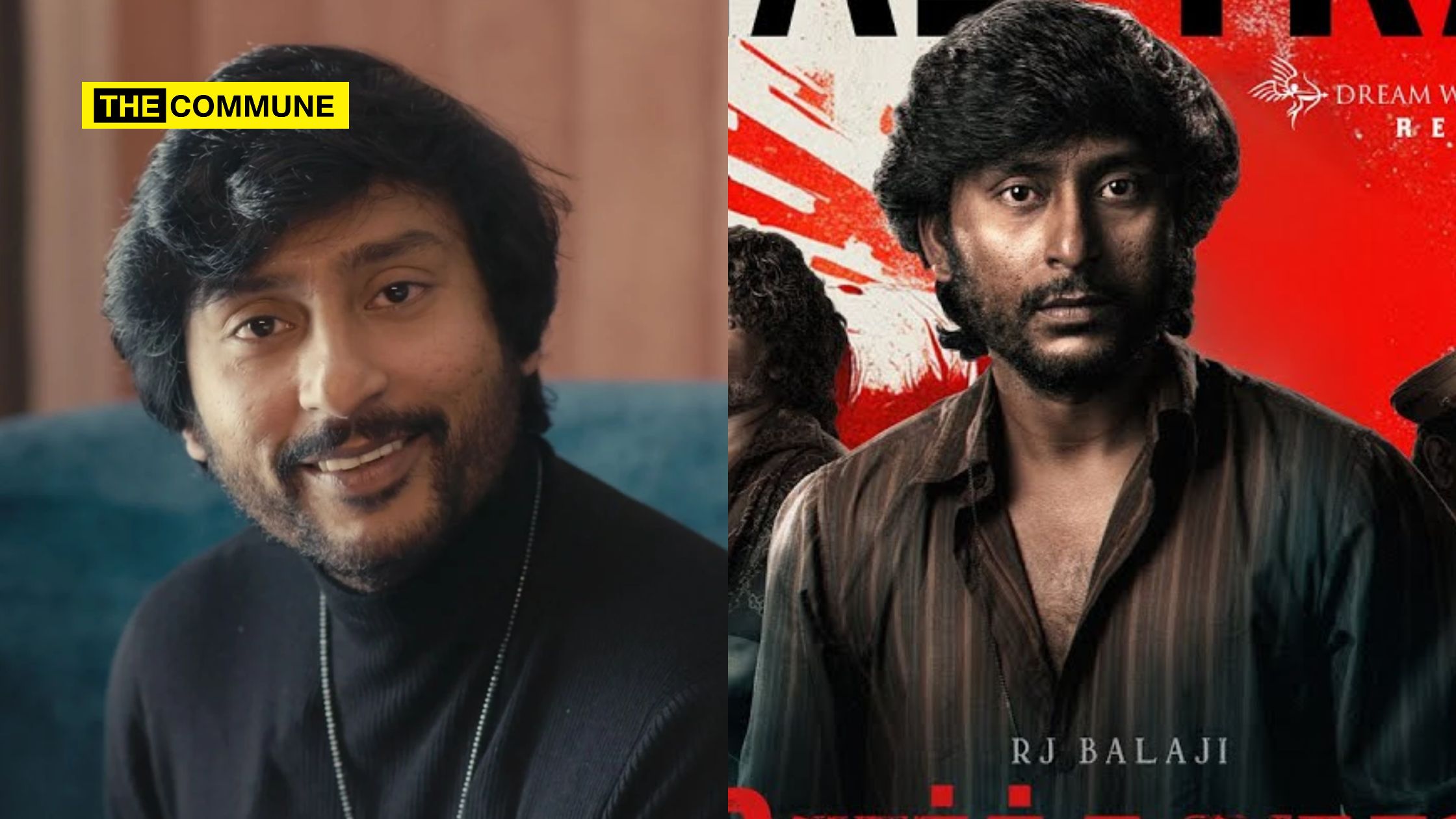
RJ Balaji Who Made A Career Out Of Trolling Films Wants People To ‘Stop Being Judgemental’ About His Latest Film Karuppu

RJ Balaji Who Made A Career Out Of Trolling Films And Supported Politically Motivated Protests Wants Political Netizens To Not Roast Films, Fears Being 'Branded' For Showing Indian Flag

For years, RJ Balaji built his career by mocking, ridiculing and intellectually posturing over commercial cinema. He positioned himself as the “smart observer” above the masses, sneering at films, fan culture and larger-than-life entertainers while cultivating an audience that enjoyed looking down upon mainstream cinema. But today, with his own directorial film Karuppu hitting theatres (albeit delayed), the same RJ Balaji suddenly wants audiences to “stop being judgmental” and treat films as “mere entertainment.” The hypocrisy is impossible to ignore.

The Man Who Built a Brand on Mockery

Five years ago, RJ Balaji used a major public platform to mock Telugu cinema and caricature its style, humour and mass appeal in order to score laughs and applause. The message was clear: Telugu commercial films were supposedly loud, exaggerated and intellectually inferior. That brand of smug elitism became part of his identity. Yet today, the same man is aggressively promoting his films in Telugu markets and seeking acceptance from the very audience culture he once looked down upon.

The irony writes itself, but let’s write it anyway.

Two Speeches, One Weekend, Zero Self-Awareness

On 11 May 2026, at the Telugu trailer launch of Veera Bhadrudu, Balaji stood in Hyderabad and stated that the film was “not made for people on social media.” He dismissed critics preemptively, framing the film as a pure theatrical mass entertainer bringing back the vintage Suriya of Ayan and Singam days. In other words: don’t think, just feel.

Days later as his own directorial Karuppu is waiting to be released, what was his message to audiences? Please “stop being judgmental.” Treat movies as “mere entertainment.” Karuppu, he said, is made for people who genuinely celebrate cinema inside theatres and experience films emotionally.

The man held up the exact shield he spent years smashing within days.

This isn’t the first time he said this. He seems to be repeating this plea every time his film releases.

Where Was This Wisdom During Animal?

When Sandeep Reddy Vanga’s Animal released, Balaji was among the loudest voices framing it as culturally dangerous, morally regressive, and unworthy of celebration. Not a whisper then about “letting audiences enjoy what they enjoy.” Not a single sentence about the arrogance of social media gatekeeping.

Animal was a mass entertainer made for theatrical experience, loved by millions inside cinema halls, and enjoyed by its audience. By every standard Balaji is now asking the audience to apply to Karuppu and Veera Bhadrudu, Animal deserved exactly the same charity. He gave it none.

The pattern is unmistakable: judgment is a tool when it serves his brand, and wisdom is a costume when it serves his box office.

A Telugu Release Without a Telugu Apology

Perhaps the most brazen detail in this entire saga is geography. The man who ridiculed Telugu cinema’s sensibilities is releasing films in Telugu, launching trailers in Hyderabad, and courting the very audience he once treated as a punchline. No acknowledgment. No reckoning. Not even the performative two-line tweet that passes for accountability in this industry.

He doesn’t owe Telugu audiences a masterclass in humility. He owes them something far simpler – an apology.

The Selective Empathy of RJ Balaji

On the morning of Karuppu’s release (14 May 2026), the shows collapsed in real time. A major financial settlement issue between the production side and financiers forced last-minute cancellations of morning and noon shows, throwing fans across cities into confusion and anger. Bookings were scrapped, screens went dark, and social media was flooded with frustrated posts from people who had travelled, taken leave, or rearranged their day to catch the first shows.

In response, RJ Balaji released an emotional Instagram video.
Tearful and visibly shaken, he apologised to fans, admitted “it shouldn’t have happened”, and said audiences shouldn’t have to experience “stress” just to watch a film meant to help them forget life’s problems. He promised the issues would be resolved by evening and expressed hope that the film would finally make it to theatres for later shows worldwide.

The empathy for the audience in that video is real. He acknowledges travel, effort, expectation, and the emotional reality of being a fan who just wants to sit in a theatre and enjoy a movie. But that is precisely what makes his earlier posture so jarring: at the Hyderabad pre-release event, he declared that Karuppu “is not made for people on social media, it is made for those who celebrate cinema and not for those who dissect films,” implicitly dismissing the same online audience that now became his lifeline and pressure point when the release imploded.

When it was Animal, he could stand at a distance and say he “felt bad” that people enjoyed such films, condemning the audience’s taste without even watching the movie himself. When it is his film, he suddenly discovers nuance: he asks people not to come with preconceived notions, to watch with an open mind, to enjoy first and then critique later. When others make mass films, audience enjoyment is a sickness to be diagnosed; when he makes one, audience enjoyment is a sacred emotional bond that must be protected at all costs.

The crisis morning of Karuppu shows something important: RJ Balaji understands perfectly well what cinema means to people, how deeply they feel about shows, screens, and heroes. That makes his years of moral grandstanding and social-media sneering feel less like conviction and more like convenience.

The Real Damage

This isn’t just about one director’s inconsistency. Balaji was influential. His commentary shaped how a generation of young Tamil viewers related to pan-Indian cinema, dismissively, superiorly, with a readymade vocabulary of condescension. That cultural damage doesn’t disappear because he’s now personally invested in box office collections.

You don’t get to spend years telling audiences how to watch films, mock the ones that don’t meet your shifting standards, and then turn around and beg those same audiences to switch off their brains for your movie.

Convenience is not wisdom. Silence is not accountability.

Subscribe to our channels on WhatsAppTelegram, Instagram and YouTube to get the best stories of the day delivered to you personally.
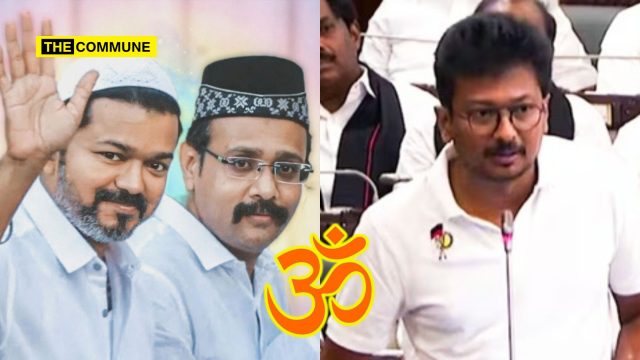
After Getting Votes Of Hindus Claiming To Be ‘Secular’, Joseph Vijay Allows Attack On Sanatana Dharma Go Unchallenged

TVK chief and now Tamil Nadu CM Joseph Vijay carefully cultivated an image that appealed to large sections of voters in Tamil Nadu – this includes the majority Hindu population as well. He projected himself as “secular,” above divisive politics, respectful of all faiths, and different from the openly anti-Hindu rhetoric often associated with sections of the Dravidian political ecosystem. Many Hindus, especially younger voters disillusioned with both the DMK and AIADMK, bought into that image. They saw Vijay as an icon rather than an ideological activist.

Vijay ran on a platform of “inclusivity for all communities.” He positioned TVK as the antidote to both the DMK’s identity politics and the BJP’s communal mobilisation. Tamil Nadu’s Hindu voters, who constitute over 87% of the state’s population, gave him a historic mandate: 108 seats in TVK’s debut election. They were told this was a new politics. But he betrayed the majority Hindus.

The political betrayal did not announce itself. It arrived quietly, dressed in the language of secularism, civility, and governance. Joseph Vijay’s silence on May 12 as Udhayanidhi Stalin stood in the Tamil Nadu Assembly and called for the eradication of Sanatana Dharma, again, in a hall Vijay now leads as Chief Minister, was exactly that kind of betrayal.

Present in the Hall, Absent in Conscience

The critical detail is not just that Udhayanidhi made the remark. It is that he made it in Vijay’s presence and Vijay did nothing. He did not intervene. He did not rebuke. He was reportedly seen smiling as Udhayanidhi quipped that “DMK is the senior batch in governance and we are ready to teach you.” The Chief Minister of Tamil Nadu sat through a call for the abolition of a faith practised by the overwhelming majority of his electorate and offered the hall his smile.

Vijay could have asked the Speaker to expunge the remarks. He did not. Worse, a TVK MLA went further and echoed the same rhetoric, declaring: ‘We also have Periyar, Ambedkar and we’ve entered the field to eradicate Sanatana.’

Udhayanidhi Stalin did not merely criticise caste discrimination. He once again declared that “Sanatana Dharma, which divides people, must certainly be abolished.” This was not a stray remark. It was a deliberate reiteration of his infamous 2023 statement comparing Sanatana Dharma to diseases like dengue and malaria that needed eradication. That earlier statement triggered nationwide outrage, multiple legal challenges, and even a Madras High Court observation in 2026 describing the remark as hate speech against Hindus.

Yet when the slogan returned inside the Tamil Nadu Assembly itself, what followed was remarkable not only for who supported it, but for who chose silence.

Vijay neither condemned Udhayanidhi nor his own party MLA for making those hurtful remarks. This, despite it becoming a national issue once again.

The Limits of Vijay’s ‘Secular’ Balancing Act

This silence matters because Vijay is no longer merely a film star. He is the face of a political party that asked for the trust of millions of Tamil voters, a substantial majority of whom are Hindus. He is the Chief Minister of a state that is a majority Hindu state. A party leader can hide behind ambiguity. A Chief Minister cannot. He cannot indefinitely survive on carefully managed ambiguity while every major ideological confrontation in Tamil Nadu passes by unanswered.

The larger issue is not whether Vijay personally supports Sanatana Dharma. The issue is whether he is willing to politically defend Hindu civilisational identity when it is openly targeted in public discourse, given the fact that he himself is a believer and was on a temple run following the April 23 elections.

Tamil Nadu’s Hindus were told they were getting a new politics. What they appear to have gotten is the old politics, with better branding and a Chief Minister who smiles through the controversy and looks away.

Subscribe to our channels on WhatsAppTelegram, Instagram and YouTube to get the best stories of the day delivered to you personally.
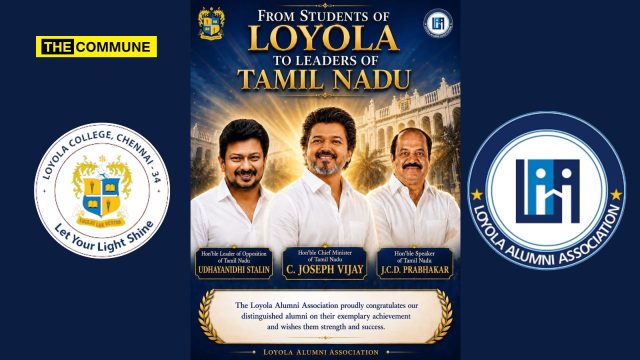
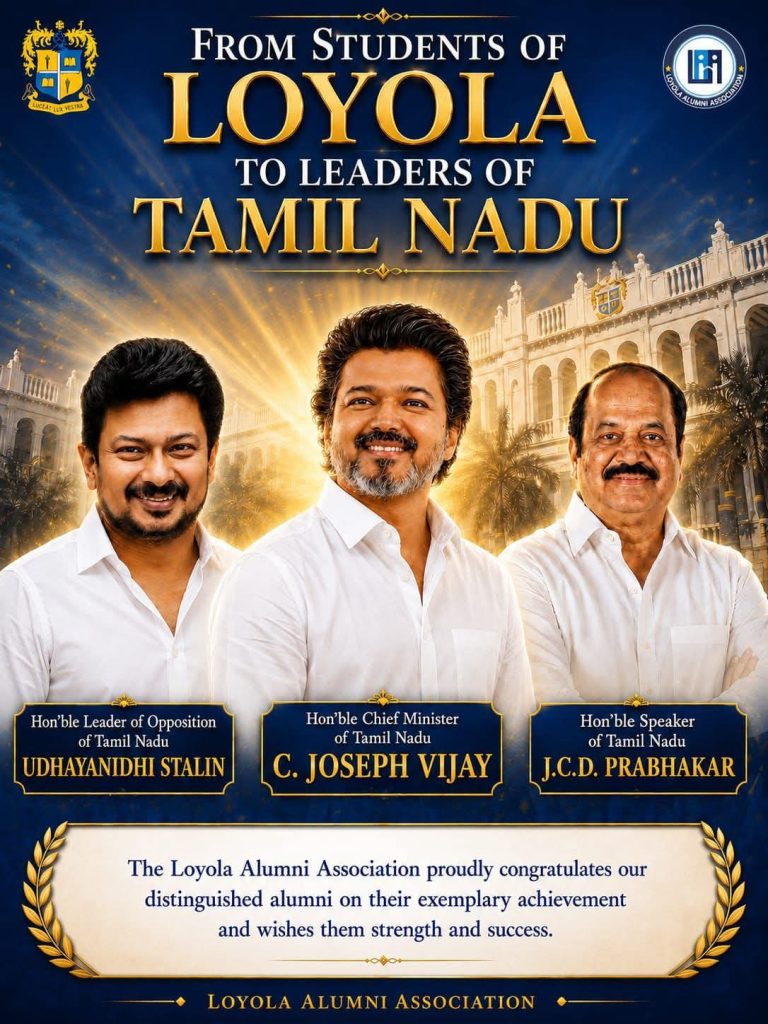
Loyola Alumni Association Slammed For Claiming CM Vijay As “Distinguished Alumnus” Despite Him Never Completing His Degree

A social media post by R. Joseph D’ Kennedy, Indian Representative of ECA Global (Ending Clergy Abuse) and a Loyola College alumnus himself, has called out the Loyola Alumni Association for what he describes as a “shameless PR stunt”, claiming Chief Minister C. Joseph Vijay as a “distinguished alumnus” of the institution, when Vijay never completed his degree there.

The post was prompted by a widely circulated poster put out by the Loyola Alumni Association following the 2026 Tamil Nadu Assembly election results. The poster, titled “From Students of Loyola to Leaders of Tamil Nadu,” features Chief Minister Vijay, Leader of Opposition Udhayanidhi Stalin, and Assembly Speaker J.C.D. Prabhakar – all three identified as Loyola alumni.

The problem, as Kennedy points out, is straightforward: Vijay enrolled in the Bachelor of Visual Communication programme at Loyola College but left early, without completing his degree, to pursue acting. He debuted as a lead hero at the age of 18 and never returned to finish his studies.

“Vijay leaving Loyola to chase his dreams — that’s entirely his story to own,” Kennedy wrote. “But Loyola claiming him as their ‘distinguished alumnus’ is nothing but stealing credit for a journey they had absolutely no part in.”

The Bootlicking That Came Before

Kennedy’s criticism goes beyond the poster. He draws pointed attention to Loyola’s Jesuit administration’s track record of political alignment with the outgoing DMK government – and the speed with which it has now repositioned itself with the new establishment.

At the centre of his critique is Fr. C. Joe Arun SJ, Director of the Loyola Institute of Business Administration (LIBA) and Former Chairman of the Tamil Nadu State Minorities Commission – a post to which he was appointed by the DMK government. At a Christmas rally in Tirunelveli in December 2025, Fr. Joe Arun made an explicit electoral appeal for Christians and Muslims to vote DMK in the 2026 elections, concluding with the words: “Just as God is with us, we too are with him. Just as Jesus is with us, he too is with us” – drawing a direct parallel between Chief Minister MK Stalin and Jesus Christ.

The statement, reported by The Commune at the time, drew widespread criticism for its conflation of religious authority with electoral mobilisation. That it was made by a Jesuit priest holding a government-appointed position made it all the more significant.
“This is the same Jesuit institution that was bootlicking the DMK government right up to election day,” Kennedy wrote, “and has now wasted no time repositioning themselves with the new establishment. Pure political weather-watching.”

A Ranking In Freefall

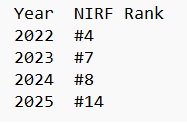
Adding to the critique is Loyola’s own academic performance record. The National Institutional Ranking Framework (NIRF), the Government of India’s official college ranking system, shows a sustained decline over the past three years:

A drop of ten places in three years – from one of India’s top five colleges to outside the top ten.

“When your academic credibility is in free fall, you parade someone else’s success story for desperate PR,” Kennedy noted.

A Caution To TVK

Kennedy’s post also carries a direct warning to the Tamilaga Vettri Kazhagam and the new Chief Minister.

“Institutional church doesn’t do loyalty — it does opportunism,” he wrote. “They used DMK. They’ll use you too. Stay alert.”

The warning comes from a place of institutional familiarity. Kennedy, who completed his degree at Loyola College, has been at the forefront of accountability efforts targeting the institution’s Jesuit administration – filing complaints with the NHRC, UGC, and the Superior General of the Jesuits in Rome over issues ranging from unauthorised foreign MoUs to electoral partisanship.
“PS: I say this as a proud Loyola alumnus — one who actually completed his degree,” he signed off.

Subscribe to our channels on WhatsAppTelegram, Instagram and YouTube to get the best stories of the day delivered to you personally.
DMK Stooge Actor Sathyaraj Praises Udhayanidhi Stalin’s ‘Eradicate Sanatana Dharma’ Speech, Calls It ‘Gethu’

DMK Stooge Actor Sathyaraj Praises Udhayanidhi Stalin’s ‘Eradicate Sanatana Dharma’ Speech, Calls It ‘Gethu’

A day after DMK scion and Leader of the Opposition Udhayanidhi Stalin reignited national controversy by calling for the abolition of Sanatana Dharma on the floor of the Tamil Nadu Assembly, veteran actor and known DMK stooge Sathyaraj released a video message praising the remarks, describing Udhayanidhi’s delivery as “gethu” (swagger) and signing off with “Hats off, Uday.”

The Assembly Remarks

On 12 May 2026, delivering his maiden speech as Leader of the Opposition in the Tamil Nadu Legislative Assembly, Udhayanidhi Stalin stated: “Sanatana Dharma, which divides people, must certainly be abolished.” The remark was a deliberate reiteration of his September 2023 statement, which had drawn nationwide outrage, triggered multiple court cases from pro-Hindu organisations, and was subsequently declared hate speech against the Hindu community by the Madras High Court in January 2026. Despite the legal history of the remark, Udhayanidhi chose to repeat it in the very first speech of his tenure as LoP.

Sathyaraj’s Video Statement

In a video that quickly went viral, Sathyaraj addressed Udhayanidhi directly, saying: “My dear brother, I heard the maiden speech of self-respecting Udhayanidhi Stalin as LoP. He remained unfailing in his duty, unwavering in his dignity, and unyielding in his discipline.”

Sathyaraj specifically singled out the Sanatana remark for praise: “Sanathanam, who divides the people, must certainly be eradicated. His swagger (gethu), to use a term that only Gen Z and the ‘2K kids’ would truly grasp, was on full display when he asserted that the divisive force of caste must be unequivocally eradicated.”

He further framed the call to abolish Sanatana Dharma as synonymous with social justice: “The call to abolish Sanatanam encompasses the imperative to uphold social justice.” Sathyaraj then invoked a song from actor-politician MGR to draw a parallel with Udhayanidhi’s defiance: “Even if a thousand hands rise to obscure it, the Sun never fades from view; Even if decrees are issued to restrain them, the waves never cease their motion.”

Subscribe to our channels on WhatsAppTelegram, Instagram and YouTube to get the best stories of the day delivered to you personally.
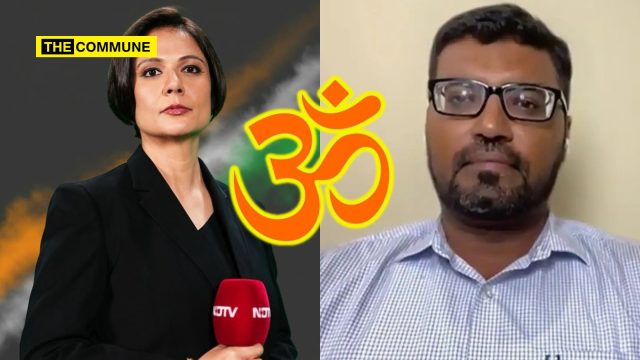
“Brahminical Patriarchy, Varnashrama Dharma, Caste Hierarchy”: DMK Supporter Goes On A Rant As NDTV Anchor Padmaja Joshi Grills Him On Udhayanidhi Stalin’s “Eradicata Sanatana Dharma” Remarks

On 12 May 2026, Udhayanidhi Stalin, making his maiden speech as Leader of the Opposition in the Tamil Nadu Legislative Assembly, repeated a now-familiar line: “Sanatana Dharma, which divides people, must certainly be abolished.” It was a deliberate echo of his 2023 remarks, when he had compared Sanatan Dharma to dengue and malaria and called for its outright eradication. The repetition was a statement of ideological identity.

That evening, NDTV’s The Buck Stops Here, anchored by Padmaja Joshi, brought in DMK-aligned political analyst Hareesh Mohamed Ibrahim to defend the remark. What followed was about 7 minutes of evasion, slogan shouting, deflection and ideological jargon, but not a single source.

When asked directly by Padmaja Joshi why there was a need to once again call for the eradication of Sanatana Dharma during his debut speech as Leader of Opposition, Hareesh Mohamed Ibrahim attempted to defend the remarks by claiming that Sanatana Dharma represented “divisiveness with caste hierarchy” and “Varnashrama Dharma.”

But when Joshi repeatedly asked him to quote a source, any source, where Sanatana Dharma itself was defined as caste hierarchy, he simply could not answer.

The debate reached a telling moment when Ibrahim accused Joshi, a Hindu woman anchoring a national news programme, of conducting a one-sided interview and told her she needed to “first learn” how to conduct a debate. Joshi’s response was sharp:

“I will be damned if I take instructions from anyone who makes statements without quoting a single source, is defending a statement asking for the eradication of an entire religion and then decides to play victim by saying ‘we have withstood threats.’ You are the ones threatening.”

When Ibrahim ran out of road on the sourcing question, he pivoted. He argued that “Brahmanical patriarchy” still dominates every institution in India, including the Supreme Court, because its judges disproportionately come from one community that “hails from the head.” Joshi noted the irony immediately: “It’s so amusing; whenever you don’t have an answer, these same big words. You have gone around the world in the last 180 seconds, but you haven’t answered my question.”

Ibrahim’s response, “I can’t answer”, was the most honest thing said in the exchange. Joshi was withering: “Right now I am being subjected to Brahmanical patriarchy and patronization because you refuse to answer my one simple straightforward question.”

A Muslim man invoking “Brahmanical patriarchy” to deflect a Hindu woman’s demand for a source citation – the debate had, at that point, illustrated its own thesis.

That moment perfectly captured what the DMK ecosystem has increasingly become: an ideological structure where Hindu traditions can be endlessly demonised, caricatured and attacked in the name of “social justice,” while even basic questions demanding evidence are treated as oppression.

Padmaja Joshi’s question was not complicated. She did not ask for a philosophical dissertation. She asked for one source. One text. One citation. One authority that explicitly defines “Sanatana Dharma” as equivalent to caste hierarchy.

No answer came.

Instead, Hareesh Mohamed Ibrahim repeatedly shifted the discussion toward “Brahmins from the head,” “Shudras from the feet,” the judiciary, patriarchy, and broad social grievances. But even after multiple opportunities, he failed to establish the central claim underpinning the DMK’s rhetoric that Sanatana Dharma itself is nothing more than caste oppression.

Because what Udhayanidhi Stalin said was not a criticism of caste discrimination alone. He did not say “eradicate caste hierarchy.” He said, “eradicate Sanatana Dharma.” There is a vast difference between criticising social evils and calling for the eradication of a civilisational faith tradition followed by millions.

And this is precisely where the DMK ecosystem repeatedly reveals its selective standards.

Throughout the debate, Padmaja Joshi pointedly asked whether Udhayanidhi Stalin had ever called for the eradication of any other religion or “Dharma” because of hierarchies or discrimination within them. Hareesh Mohamed Ibrahim could not provide a single example.

That silence was revealing.

The DMK and its ideological defenders routinely present themselves as fearless critics of oppression everywhere. But in practice, their aggression appears overwhelmingly directed at Hindu traditions, Hindu symbols and Hindu religious identity. The same language, tone and rhetoric is almost never applied toward other religions with similar intensity.

What made the exchange particularly striking was the inversion at play. A Hindu woman anchor asking for evidence was framed as embodying “Brahmanical patriarchy,” while a male political panellist refusing to answer basic questions positioned himself as the victim.

Within sections of the Dravidian ideological framework, terms like “Brahmanical patriarchy” are often deployed less as analytical concepts and more as rhetorical weapons – labels used to delegitimise dissent, shut down questioning and morally corner opponents without engaging substantively with the argument being raised.

The NDTV exchange inadvertently exposed how fragile the intellectual foundation behind the “eradicate Sanatana Dharma” slogan actually is. Once pressed for textual basis, definitional clarity or philosophical grounding, the argument collapsed into emotional rhetoric and ideological catchphrases.

And that is perhaps the most significant takeaway from the debate.

For years, the DMK ecosystem has attempted to frame attacks on Sanatana Dharma as merely progressive anti-caste activism. But the moment someone calmly asks for sources, definitions and consistency, the conversation rapidly shifts from evidence to intimidation, from scholarship to slogans, and from debate to accusation.

Subscribe to our channels on WhatsAppTelegram, Instagram and YouTube to get the best stories of the day delivered to you personally.
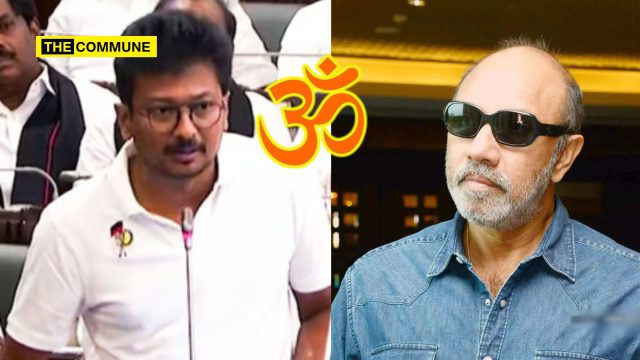
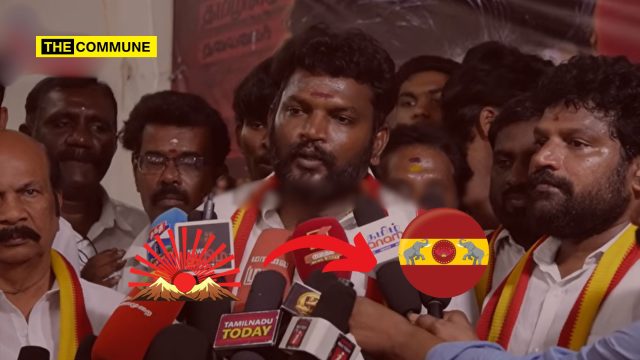
500 DMK Cadres Join TVK In Kolathur, Leaders Claim ‘Beginning of Bigger Shift’

500 DMK Cadres Join TVK In Kolathur, Leaders Claim ‘Beginning of Bigger Shift’

A fresh political stir unfolded in Chennai’s Kolathur constituency after more than 500 DMK functionaries, led by local youth wing functionary Dileep, joined the Tamilaga Vettri Kazhagam (TVK) in the presence of party district secretary MTC Thaniga. During the event, the defectors accused the DMK of internal issues and claimed that many more cadres were preparing to leave the ruling party in the coming days.

Speaking at the gathering, Dileep said he had worked “sincerely and with commitment” in the DMK but had become disillusioned with “local politics.” He clarified that he had no grievance against the party leadership but decided to join TVK under the leadership of actor-turned-politician Vijay. He claimed that he could bring in even more supporters from Kolathur in the future and promised to work “100 percent” for TVK.

The speakers at the event repeatedly asserted that the current influx was only the “beginning,” claiming that more DMK members were continuing to contact them expressing interest in joining TVK. They also alleged that future induction programmes would be held on a much larger scale in the coming weeks.

Responding to criticism and videos circulating online showing emotional reactions from some cadres in Kolathur, the speakers dismissed the backlash and said political shifts were inevitable. One of the speakers remarked that “if good is done, good will happen,” comparing politics to sowing seeds in farming, and argued that the public would ultimately judge political parties based on their actions.

The event also featured praise for TVK leader Vijay, with speakers highlighting his statements against extravagance in political functions and public inconvenience. They said the meeting had been organised inside a hall in line with party instructions to avoid causing traffic disruptions on roads.

During the programme, the speakers also attacked remarks allegedly made by Deputy Chief Minister Udhayanidhi Stalin regarding “horse-trading” fears in politics. Rejecting the allegation, one speaker questioned why a party with a clear majority would fear defections, and claimed that several alliance parties, including Left parties and the Indian Union Muslim League, were already backing the ruling alliance. The speaker further alleged that accusations of horse-trading were baseless attempts to tarnish TVK’s growth.

The speakers further described both the DMK and AIADMK as “corrupt parties” and claimed that TVK was increasingly attracting younger voters and cadres. They argued that youth participation in the party would continue to grow in the coming years and asserted that as long as TVK chief Vijay remained in politics, “he will become Chief Minister.”

Subscribe to our channels on WhatsAppTelegram, Instagram and YouTube to get the best stories of the day delivered to you personally.
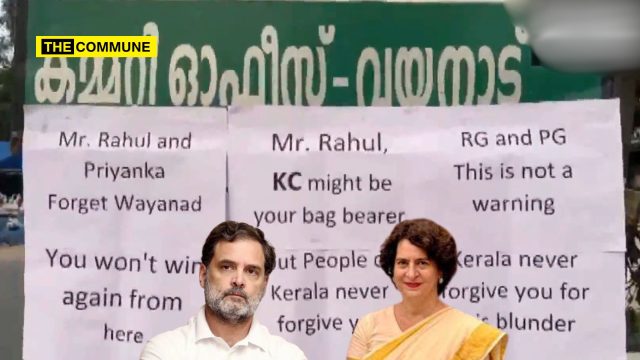
‘Forget Wayanad’: Posters Targeting Rahul, Priyanka Gandhi Crop Up Amid Kerala CM Power Struggle

‘Forget Wayanad’: Posters Targeting Rahul, Priyanka Gandhi Crop Up Amid Kerala CM Power Struggle

As the suspense over the selection of Kerala’s next Chief Minister continued, with the Congress leadership still unable to arrive at a final decision even ten days after the Assembly election results were declared, posters targeting Congress leaders Rahul Gandhi and Priyanka Gandhi Vadra surfaced in Wayanad and Kozhikode districts, exposing growing tensions within sections of the party rank and file. This comes amid the ongoing power struggle within the United Democratic Front (UDF), as reported in Times of India.

The posters appeared on the name board of Rajiv Bhavan, the District Congress Committee (DCC) office in Kalpetta, as well as near Priyanka Gandhi’s MP office at North Karassery in the Thiruvambady Assembly constituency of Kozhikode district.

Printed in English, the anonymous posters carried sharp warnings directed at the Gandhi siblings. One poster read, “Mr Rahul and Priyanka forget Wayanad. You won’t win again from here.” Another stated, “RG and PG, this is not a warning, Kerala never forgive you for this blunder.” A third poster directly targeted Congress general secretary K. C. Venugopal, saying, “Mr Rahul, KC might be your bag bearer but people of Kerala never forgive you.”

Residents and party workers noticed the posters on Wednesday (13 May 2026) morning. It is believed that unidentified persons pasted them during the night hours on Tuesday (12 May 2026). Similar posters appearing nearly 50 kilometres apart in Kalpetta and Karassery triggered speculation that the same group or individuals were behind both incidents.

Following the controversy, the District Congress Committee leadership intervened and removed the posters from both locations. Party leaders reportedly obtained CCTV footage showing the person who pasted the posters and initiated an internal enquiry to determine whether any Congress workers were involved in the incident.

DCC leaders said such actions would not be tolerated and warned that strict disciplinary action would be taken if any party member was found responsible for putting up the posters.

The latest episode comes amid intensifying factional tensions within the Congress over the choice of Chief Minister following the UDF’s decisive victory in the Kerala Assembly elections. Internal differences have reportedly sharpened between supporters of opposition leader V. D. Satheesan and those backing K C Venugopal for the top post.

Last week, protests were staged by local Congress workers at North Karassery against attempts to project Venugopal as Chief Minister instead of Satheesan, who had led the UDF campaign and played a central role in the alliance securing victory in 102 Assembly seats.

Satheesan had earlier staked his political future on the election outcome, publicly declaring that he would quit politics if the UDF failed to cross the 100-seat mark in the Assembly election.

The ongoing flex and poster war within the Congress has also taken a curious political turn after a CPM worker was found allegedly putting up a flex board supporting Venugopal in Thrissur district earlier this week.

At Vadanappally in Thrissur on Monday, a flex board carrying the slogan “Let KC Lead” along with Venugopal’s photograph appeared in public and was attributed to a group calling itself the “Save Congress” faction.

However, CCTV footage later showed that the flex board had allegedly been installed by A Mohammed, a local committee member of the CPI(M). The incident gained widespread attention after the CCTV visuals surfaced publicly, raising further questions over the political messaging and internal power struggle unfolding within the Congress camp even after the UDF’s electoral victory.

Subscribe to our channels on WhatsAppTelegram, Instagram and YouTube to get the best stories of the day delivered to you personally.