Home Blog Page 26

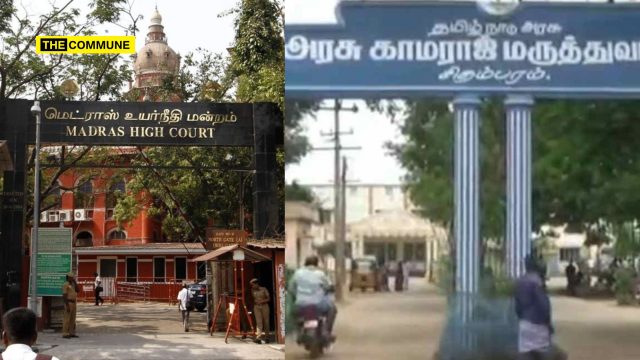
Madras High Court Slams Officials For Delay In Clearing Encroachments On Chidambaram Kamaraj Govt Hospital Land

Madras High Court Pulls Up Authorities For Allowing Encroachments On Kamaraj Govt Hospital Land; Orders Collector, CMO, Municipality Chief To Appear

The Madras High Court’s First Division Bench on Tuesday, 18 November 2025, came down heavily on district and municipal authorities for failing to remove long-standing encroachments on land belonging to the Kamaraj Government General Hospital in Chidambaram, despite repeated directions.

The Bench of Chief Justice Manindra Mohan Shrivastava and Justice G. Arul Murugan was hearing WP No. 14027 of 2024, a petition filed by Subramanian, a senior citizen from Pallipadai, seeking removal of illegal constructions on Survey Nos. TS 1123 and 1124/1 and restoration of the land to the hospital for expansion of critical medical facilities.

In compliance with the court’s previous order, District Collector Sibi Adhithya Senthil Kumar, the Chief Medical Officer of Kamaraj Government Hospital, and the Chidambaram Municipality Commissioner appeared in person. Petitioner’s counsel B Jagannath, counsel for the Municipality P. Srinivas, and Additional Advocate General Suresh, assisted by the Government Pleader, represented the revenue officials including the Tahsildar.

Status reports were submitted by both the Municipality Commissioner and the District Collector. The Bench questioned why the authorities had not removed the encroachments despite identifying 56 occupants, and why two departments continued to dispute ownership of the same hospital land. It further asked what concrete action had followed the identification of the encroachers.

The Chief Medical Officer stated before the court that the land unquestionably belonged to the hospital and that once cleared, an additional block including ICU facilities for poor patients, would be constructed. He said he had already written to the Tahsildar and Municipality requesting eviction of the illegal occupants.

The District Collector informed the court that a review meeting had been held with revenue officials and the Tahsildar, and that it was decided to remove all encroachments “as early as possible” in accordance with law.

AAG Suresh submitted that Section 7 notices under the Tamil Nadu Land Encroachment Act, 1905 had been issued to all 56 encroachers, whose names and details were listed in the status report. He assured the court that eviction proceedings would be carried out after receiving replies to the notices.

The Bench recorded these submissions but expressed its displeasure at the prolonged inaction and observed that such encroachments on government hospital land “cannot be tolerated”, especially when they obstruct essential infrastructure.

The court directed the Tahsildar of Chidambaram Taluk to take immediate steps to remove the encroachments after considering any replies from the occupants and to complete the entire process within six weeks. A compliance/status report must be filed before the next hearing.

The matter was adjourned for six weeks.

Subscribe to our channels on WhatsAppTelegram, Instagram and YouTube to get the best stories of the day delivered to you personally.

Hit Job On Dhanush Ahead Of Tere Ishk Mein Release? Actress’s Allegations Raise Eyebrows

Actor Dhanush, who has been gearing up for the release of his much-anticipated film Tere Ishk Mein, has suddenly found himself at the centre of a new controversy; one that many fans and followers are calling a well-timed “hit job”. The latest uproar stems from an interview given by television actress Manya Anand, whose claims surfaced just weeks before the film’s promotional cycle peaks.

In her interview with Cineulagam, Manya alleged that she received “adjustment” requests from individuals who introduced themselves as members of Dhanush’s team. She claimed a man named Shreyas first contacted her, asking whether she was ready for a role in a Dhanush film, and later added that there “must be a commitment with the hero”. Manya says she refused outright. She further alleged that another person claiming to be a manager from Dhanush’s side approached her days later with a similar offer, though she maintains she never saw any script.

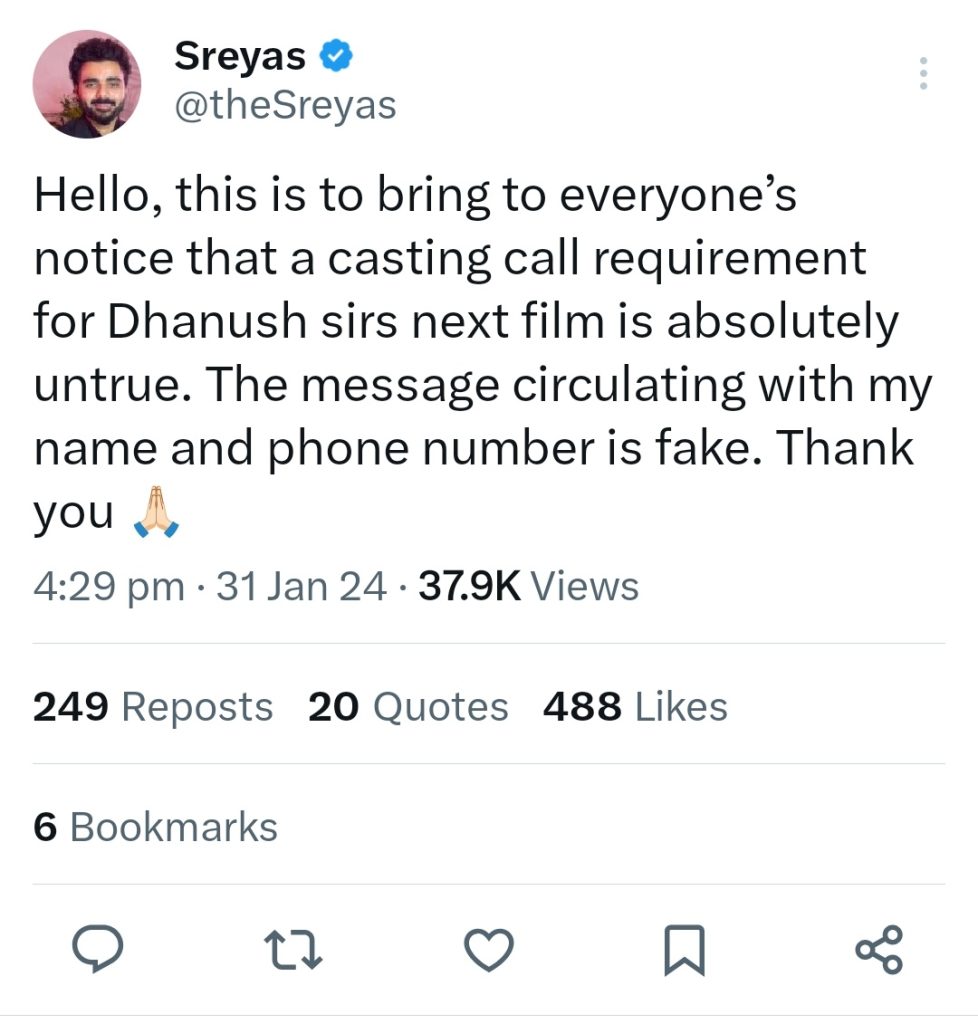
Her remarks immediately went viral, triggering a fresh wave of speculation. However, many online users quickly pointed to a crucial fact: Dhanush’s real manager Shreyas had already issued a public warning months ago, stating that fraudsters were impersonating him to approach actresses and extract favours.

Fans argue that Manya may have been targeted by such impersonators and that dragging Dhanush’s name, without verification, is irresponsible.

Several social-media commentators also noted the timing of the controversy. With Tere Ishk Mein heading into its release phase, they allege that the sudden revival of unverified allegations appears to be part of a patterned smear campaign aimed at undercutting Dhanush’s public image before a major film launch.

While Manya maintains she simply shared her experience, supporters of the actor insist the controversy reflects a broader trend of orchestrated “hit jobs” on high-profile actors at strategic moments. Dhanush’s team has not issued an official response at the moment regarding these allegations, but fans argue that the resurfacing of impersonation scams and the quick leap to blame the actor deserves scrutiny in itself.

(Source: Times of India)

Subscribe to our channels on WhatsAppTelegram, Instagram and YouTube to get the best stories of the day delivered to you personally. 

“Suicide Bombing A Misunderstood Concept, It Is A Martyrdom Operation”, Says Delhi Blast Bomber Umar-un-Nabi In Undated Video

A week after the November 10 car blast near Delhi’s Red Fort killed 13 people and injured several others, an undated self-recorded video of the bomber, Dr Umar Mohammad alias Umar-un-Nabi, has emerged. The footage offers the first direct insight into the mindset of the key accused, who is believed to have driven the explosive-laden vehicle.

In the video, Umar is heard discussing what he calls “martyrdom operations”, a term often used by terror groups to describe suicide attacks. Speaking in English with a noticeable accent, Umar says: “One of the very misunderstood concepts is the concept of what has been labelled as suicide bombing. It is a martyrdom operation… known in Islam. Now, there are multiple contradictions; there are multiple arguments that have been brought against it”. He further claims that a “martyrdom” operation is one in which a person assumes he will die at a particular time and place, and adds, “Don’t fear death.”

Investigators say suicide is explicitly forbidden in Islam and view Umar’s statements as an attempt to justify suicide bombing as religiously sanctioned “martyrdom”.

Calm, Composed, and Radically Indoctrinated

Officials examining the footage say Umar appears articulate, calm, and fully convinced of his extremist beliefs. The video, they say, reflects complete ideological radicalisation and offers a glimpse into the growing trend of educated and professionally qualified individuals joining terror networks.

The NIA believes the video also indicates that the Delhi car blast was not accidental, as some early speculation suggested. Instead, investigators say it points to a carefully planned and deliberate attack carried out by a radicalised operative.

Part of a Larger “White-Collar” Terror Network

The Delhi blast investigation has widened considerably in recent days. Security agencies have uncovered what they call a “white-collar terror ecosystem” involving doctors and academically qualified individuals linked to Al-Falah University in Faridabad.

Earlier this month, police recovered nearly 3,000 kg of explosives across multiple states during coordinated raids connected to the module.

According to Jammu and Kashmir Police, the network is tied to Pakistan-backed groups such as Jaish-e-Mohammed (JeM) and Ansar Ghazwat-ul-Hind (AGH), and has links extending across states and international borders.

In a statement, J&K Police said investigations revealed that radicalised professionals and students were working in contact with foreign handlers, encrypted digital platforms were being used for indoctrination, fundraising, coordination, and logistics; funds were routed through academic and professional circles under the guise of charitable causes.

The emergence of Umar’s video has strengthened investigators’ assessment that the Delhi blast was the result of extensive planning by a highly educated, well-networked group of professionals operating within a larger transnational terror framework.

Authorities continue to analyse the digital evidence recovered from the accused as the probe expands across multiple states.

(Source: NDTV)

Subscribe to our channels on WhatsAppTelegram, Instagram and YouTube to get the best stories of the day delivered to you personally. 

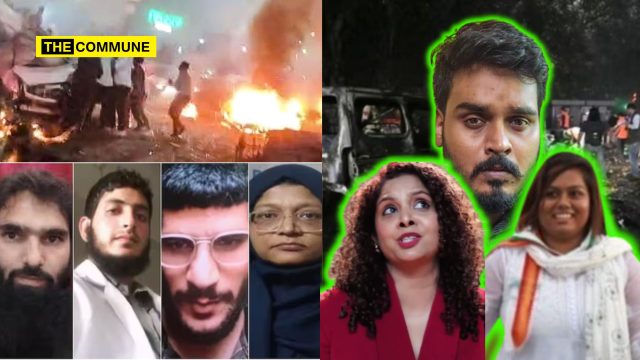
Delhi Red Fort Car Blast: Leftists And Congressis Spread Blatant Fake News, Confusing Actual Terror Accused With Those Questioned And Released

Leftists & Congressis Spread False Claims, Vilify Authorities & Reporters After NIA Releases Four In Delhi Blast Probe; Get Schooled By Netizens

A day after the National Investigation Agency (NIA) released four individuals detained in Haryana’s Nuh in connection with the November 10 Delhi car blast, several political activists, commentators, and social-media influencers sparked confusion by circulating incorrect information about who had actually been released.

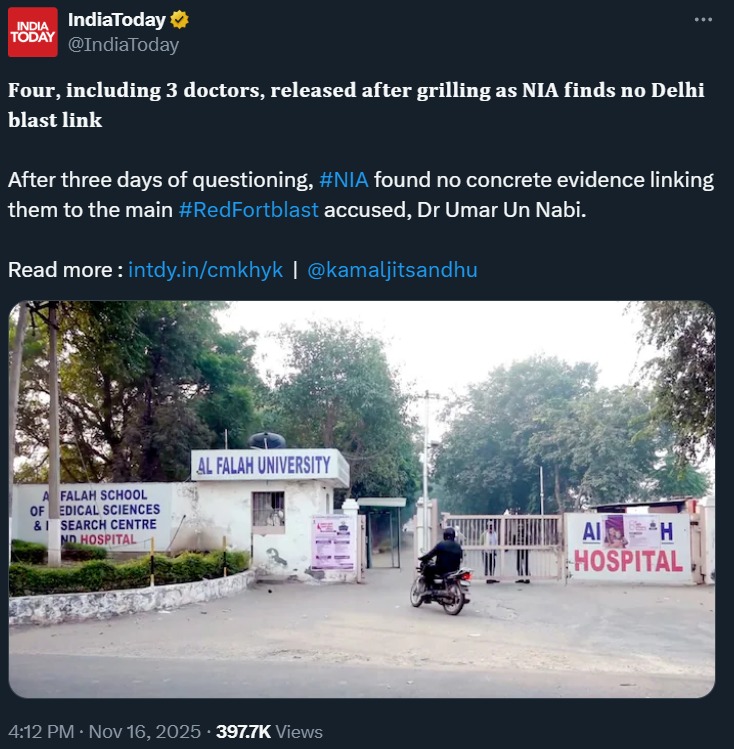
On 16 November 2025, as reported in India Today, NIA confirmed that Dr Rehan, Dr Mohammad, Dr Mustaqeem, and fertiliser dealer Dinesh Singla were released after three days of questioning, with investigators finding no evidence, digital trail, or substantive link connecting them to the main accused, Dr Umar Un Nabi. All four were earlier associated with Al-Falah University or had professional contact with Umar.

The blast killed 13 people and injured several others. Investigators have since uncovered what they describe as a “white-coat terror module”, operated by highly educated professionals linked to Al-Falah University, with nearly 3,000 kg of explosives seized in multi-state raids.

The key accused, Dr Muzammil Ganaie, Dr Shaheen Shahid, and Dr Adil Rather remain under arrest; Dr Umar Nabi was confirmed to be the one sitting in the car that exploded. These individuals were the ones from whom explosives were recovered and who are alleged to have spent two years planning large-scale attacks across multiple cities.

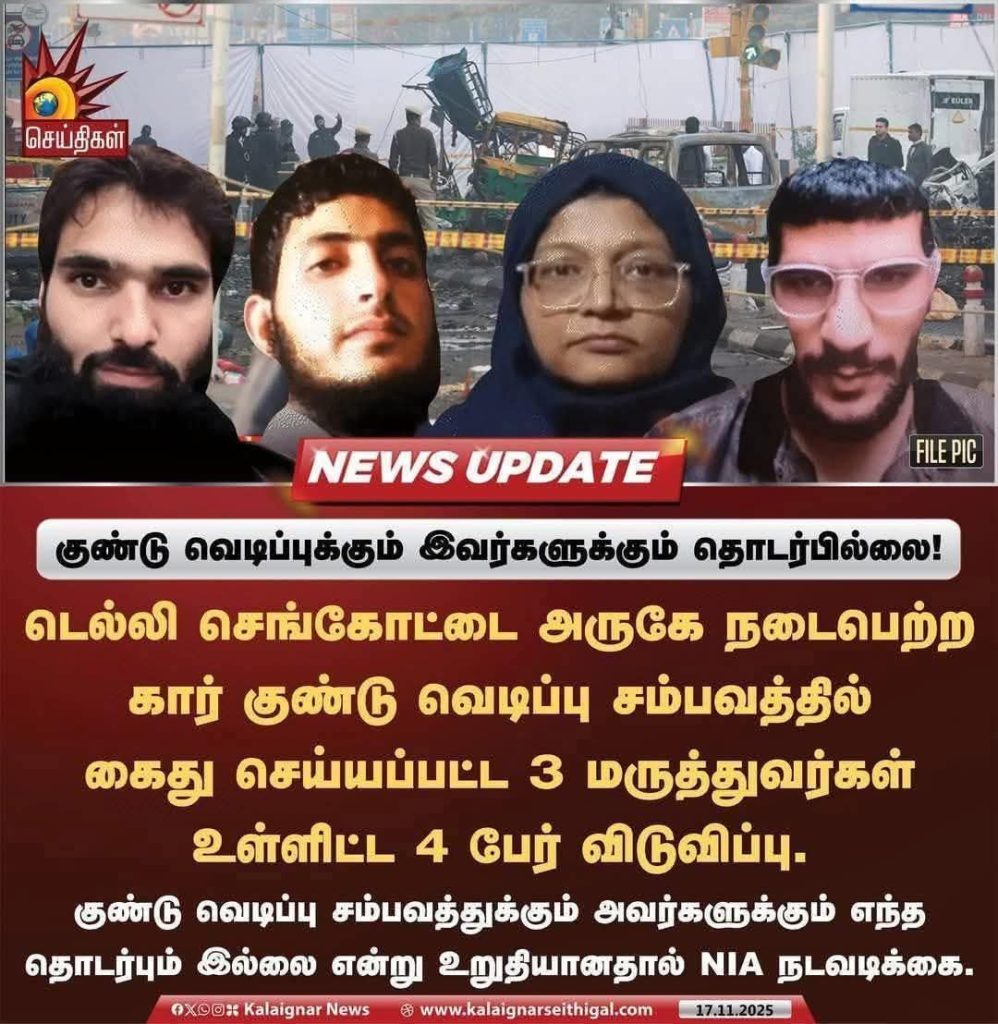
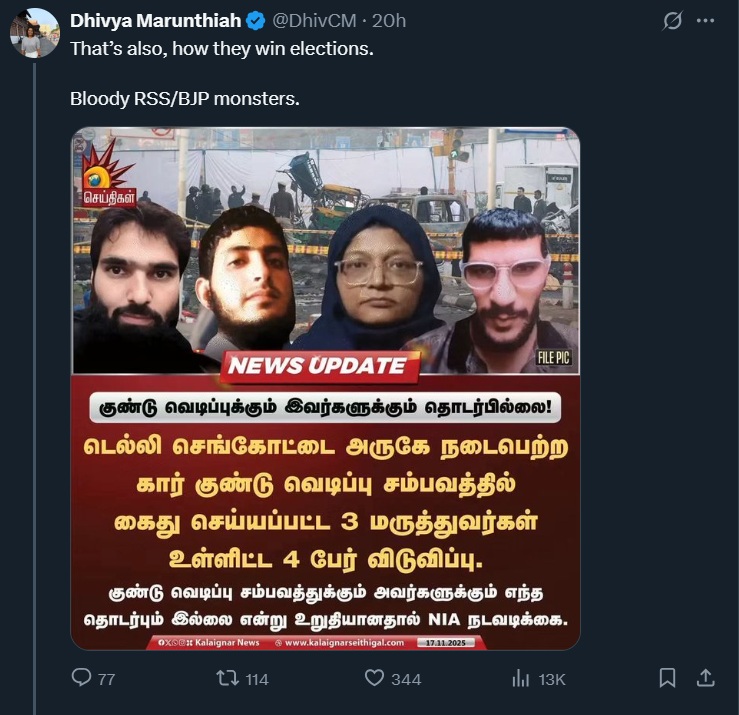
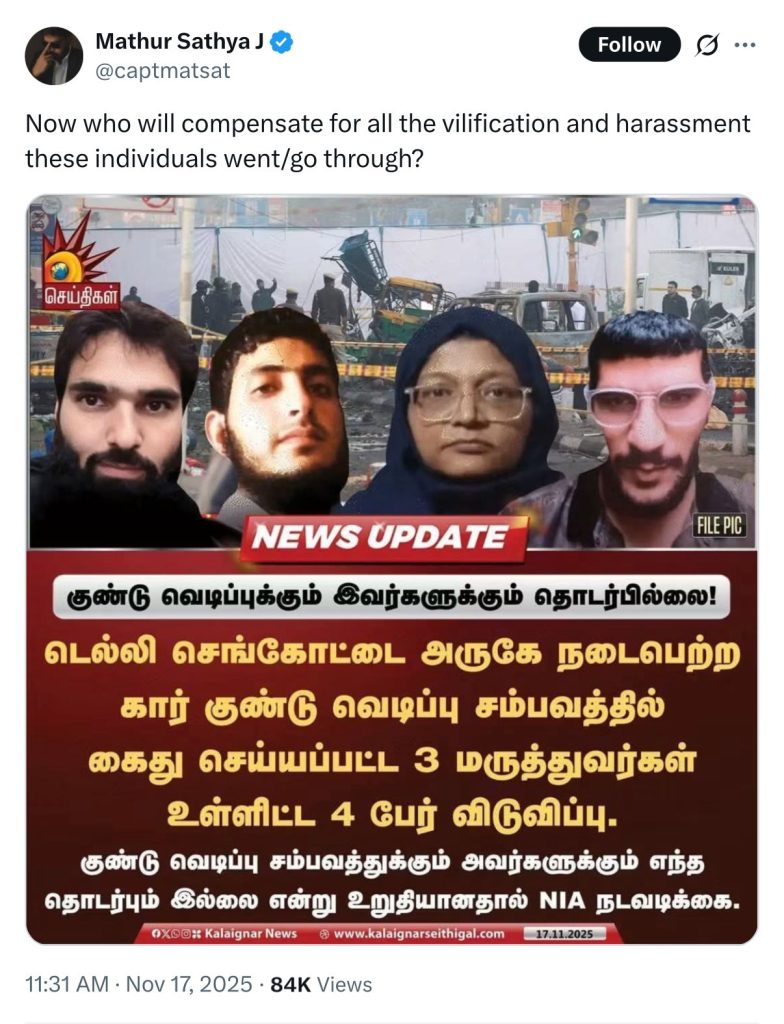
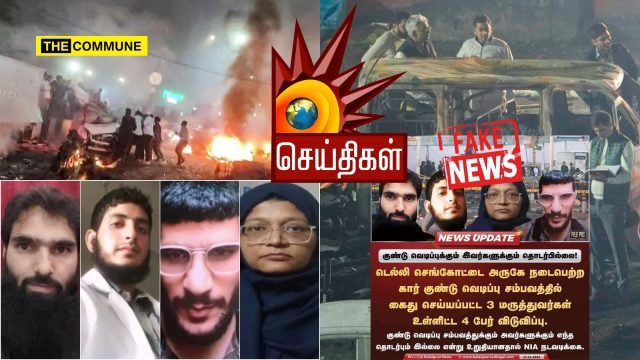
However, this nuanced update was distorted by a misleading report from the DMK-affiliated Kalaignar News, which published a newscard featuring the photographs of the actual, hardcore terrorists – Dr Umar Nabi, Dr Shaheen Shahid, Dr Muzammil Ganaie, and Dr Adil Rather with a claim (without naming them) that they had been released. The outlet later quietly deleted the post after its falsehood was exposed.

Most news outlets reported without naming any terrorist or using their images. For example, an India Today report was as below. They just wrote, “𝐅𝐨𝐮𝐫, 𝐢𝐧𝐜𝐥𝐮𝐝𝐢𝐧𝐠 𝟑 𝐝𝐨𝐜𝐭𝐨𝐫𝐬, 𝐫𝐞𝐥𝐞𝐚𝐬𝐞𝐝 𝐚𝐟𝐭𝐞𝐫 𝐠𝐫𝐢𝐥𝐥𝐢𝐧𝐠 𝐚𝐬 𝐍𝐈𝐀 𝐟𝐢𝐧𝐝𝐬 𝐧𝐨 𝐃𝐞𝐥𝐡𝐢 𝐛𝐥𝐚𝐬𝐭 𝐥𝐢𝐧𝐤. After three days of questioning, #NIA found no concrete evidence linking them to the main #RedFortblast accused, Dr Umar Un Nabi.”

Misinformation Goes Viral

This fabricated narrative was swiftly amplified by several high-profile accounts, who used it to level allegations of vilification against the government and media.

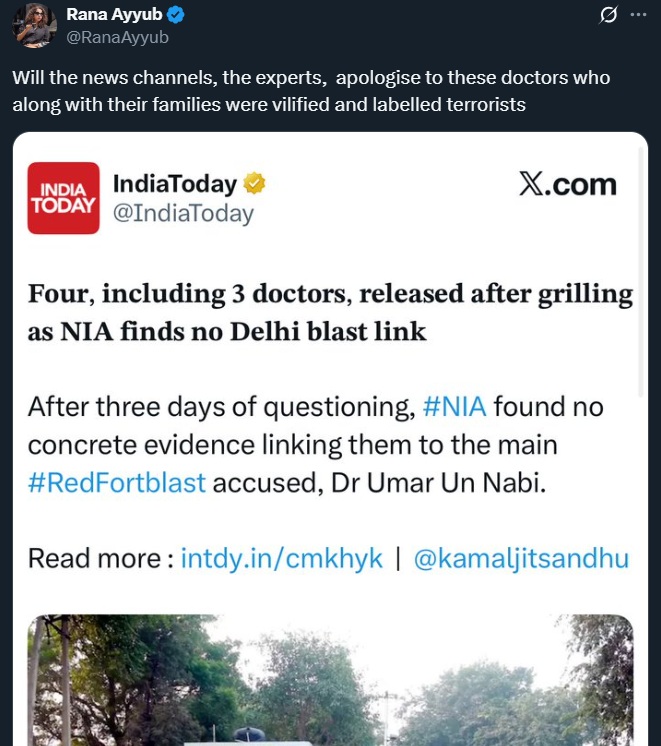
Rana Ayyub, a journalist, was among the first to cry victimhood, posting on X. Sharing the India Today post, she wrote, “Will the news channels, the experts, apologize to these doctors who along with their families were vilified and labelled terrorists.”

Her post implied a systemic failure in the probe but referred to the wrong set of individuals.

Dhivya Marunthiah, State Vice-President of the Tamil Nadu Congress Committee (TNCC), shared the deleted and demonstrably false Kalaignar News card on her X handle. She captioned it, “That’s also, how they win elections. Bloody RSS/BJP monsters,” thereby basing a severe political accusation on entirely incorrect information.

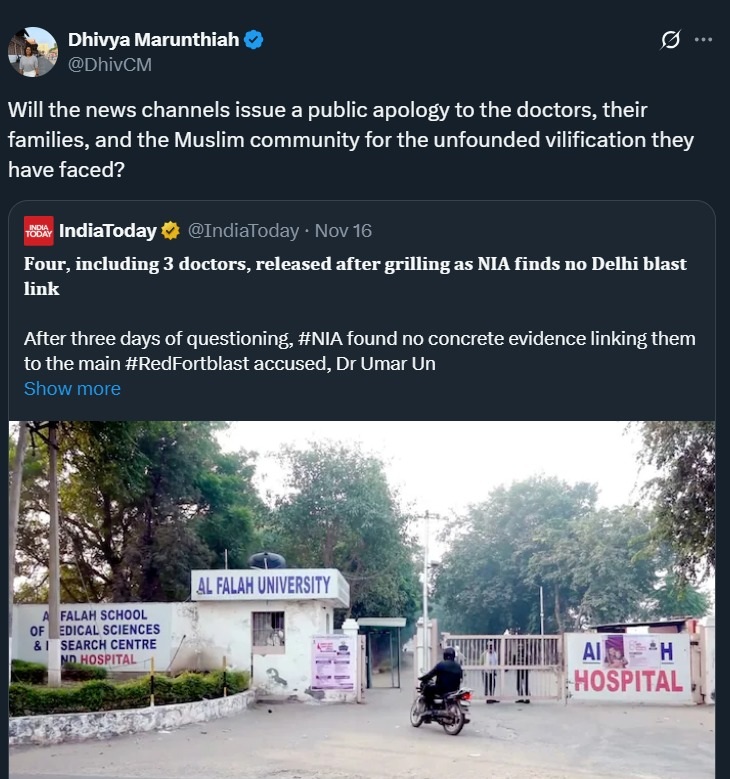
Dhivya also quoted the India Today post echoing Rana Ayyub’s narrative, and said, “Will the news channels issue a public apology to the doctors, their families, and the Muslim community for the unfounded vilification they have faced?”

Mathur Sathya, a member of Communist Party of India (CPI), ISCUF – South Chennai and also featured by leftist portal The News Minute, shared the misleading Kalaignar card, asking, “Now who will compensate for the vilification and harassment these individuals went/go through?”

He later deleted the post after being schooled by netizens

Netizens School Commentators on Basic Facts

The posts triggered a swift and sharp backlash from netizens, who fact-checked the commentators in real-time. Users pointed out the critical and basic distinction that the released doctors (Drs Rehan, Mohammad, Mustaqeem) were minor detainees questioned and cleared, while the individuals featured in the Kalaignar News card (Drs Nabi, Shahid, Ganaie, Rather) are the primary accused in the terror module.

Investigators maintain that the primary conspiracy was led by Dr Umar, who allegedly triggered the blast prematurely after fears that the module had been compromised. The probe has now expanded across multiple states after leads from mobile devices and CCTV footage.

This group is alleged to have planned a conspiracy for over two years, used encrypted apps for coordination, and was in possession of a massive cache of nearly 3,000 kg of explosives. They remain in custody as the core of the NIA’s investigation into the blast that killed 15 people.

Subscribe to our channels on WhatsAppTelegram, Instagram and YouTube to get the best stories of the day delivered to you personally. 

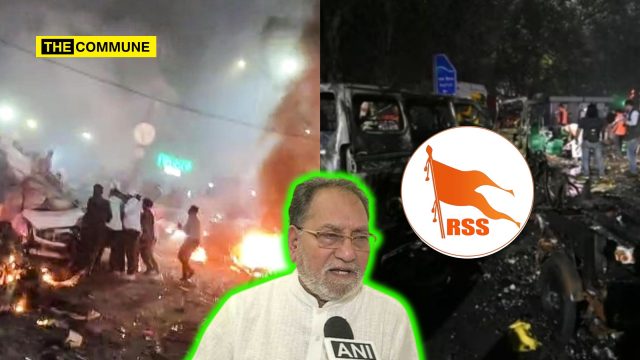
“Injustice In Kashmir Will Have Consequences, Probe The Role Of RSS”, Says Congress Leader Husain Dalwai On Delhi Blast

“Injustice In Kashmir Will Have Consequences, Probe The Role Of RSS”, Says Congress Leader Husain Dalwai On Delhi Blast

Days after PDP chief Mehbooba Mufti stirred controversy with her comments on the Red Fort car blast, Congress leader Husain Dalwai has triggered another political storm by suggesting that the November 10 explosion may have been a consequence of “injustice” in Jammu and Kashmir. The blast, which took place at a red signal near the Red Fort, killed 15 people and injured more than 20.

Speaking to reporters, Dalwai said, “Why do bomb blasts happen regularly after elections? This too should be investigated. Secondly, the kind of injustice happening in Kashmir will also have consequences; this must be acknowledged. P Chidambaram was the country’s Home Minister; he is very knowledgeable and well-educated, not like Amit Shah. He is a reputed lawyer himself. So, when he says there may be internal factors involved—internal terrorism—this should be investigated.” The remarks came just ahead of the Bihar Assembly election results, prompting sharp responses from the ruling BJP.

Dalwai further questioned whether the government would examine the possible role of the Rashtriya Swayamsevak Sangh (RSS), stating, “The way the RSS functions, I want to ask if the government will probe into the role of the RSS.”

Chidambaram’s Post Raises Debate on Radicalisation

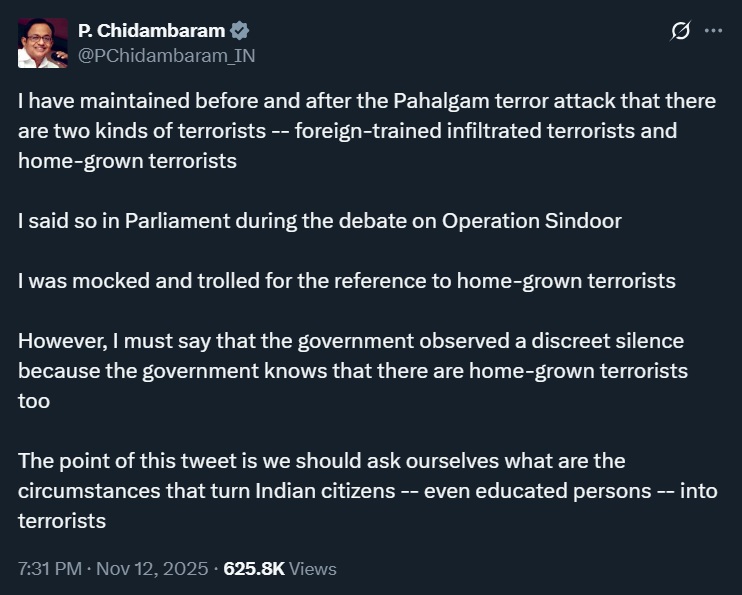
Chidambaram had recently posted on X questioning what circumstances lead Indian citizens, including educated persons, to turn towards terrorism.

His post read: “I have maintained before and after the Pahalgam terror attack that there are two kinds of terrorists — foreign-trained infiltrated terrorists and home-grown terrorists. I said so in Parliament during the debate on Operation Sindoor. I was mocked and trolled for the reference to home-grown terrorists.”

He added, “However, I must say that the government observed a discreet silence because the government knows that there are home-grown terrorists too. The point of this tweet is we should ask ourselves what the circumstances are that turn Indian citizens — even educated persons — into terrorists.”

Mehbooba Mufti’s Earlier Remarks Also Triggered Outrage

On Sunday, PDP chief Mehbooba Mufti criticised the Centre over the security crackdown following the blast, saying:
“You told the world that everything is alright in Kashmir, but the troubles of Kashmir echoed right in front of the Red Fort.”

Her comment drew strong reactions from the BJP, which accused her of justifying terrorism.

The Red Fort blast on November 10 occurred when a car halted at a traffic signal on a busy road. The incident has since triggered a multi-state investigation, with security agencies probing a wider terror network.

(Source: NDTV)

Subscribe to our channels on WhatsAppTelegram, Instagram and YouTube to get the best stories of the day delivered to you personally. 

Andhra Pradesh: Bishop Of Eluru Diocese And Aides Booked For Alleged ₹7.5 Crore Financial Fraud

Andhra Pradesh: Bishop of Eluru Diocese, Aides Booked For Alleged ₹7.5 Crore Trust Fraud

The Old Guntur Police have registered a criminal case against Bishop Jayarao Polimera of the Roman Catholic Diocese of Eluru and several others, following allegations of large-scale fund diversion and administrative interference in the Prema Seva Charitable Trust, based in Gowripatnam, West Godavari district. The FIR, dated 15 November 2025, invokes Section 420 IPC read with Section 34, as the alleged offences occurred before the introduction of the Bharatiya Nyaya Sanhita.

The case was initiated on the basis of a detailed complaint filed by Guntur-based social worker and RTI activist Potumeraka Lakshmi Durga (40). In her complaint, she accused the Bishop and his associates of misusing religious authority, disrupting the Trust’s long-running free-meal (Nithyannadanam) programme, and diverting public donations meant for serving pilgrims and the poor.

Allegations of Misuse of Funds and Interference

According to the complainant, the Trust, holding FCRA licence No. 010180182, has been providing free meals to thousands of pilgrims for decades and has received nearly ₹7.5 crore in donations, including contributions mobilised from Hindu donors. She alleged that after Bishop Jayarao assumed charge of the Eluru Diocese, he and his aides began interfering in the Trust’s operations, despite having no official role in its administration.

The complaint names Father Raju, Moses, Dhara Ravi, Father John Peter, and contractor Nageshwar Rao among those allegedly involved in diverting donations, withholding meals from visiting pilgrims, and collecting cash from devotees without issuing receipts. These unrecorded collections were allegedly split among the individuals involved, with a portion purportedly routed to the Bishop.

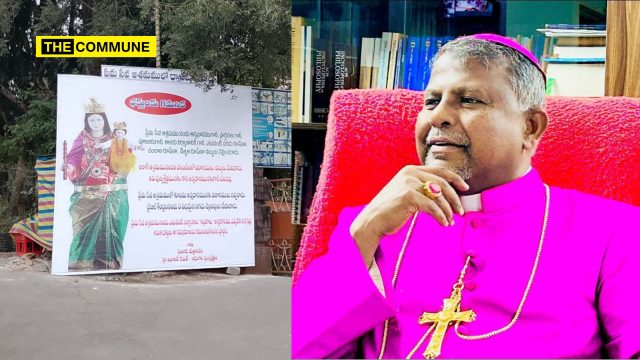
The complainant further claimed that banners were displayed within the Trust premises advising pilgrims not to donate, stating that contributions would be misused. She alleged that announcements were also made on loudspeakers, creating widespread suspicion about the handling of funds.

₹31 Lakh Transfer at Centre of Complaint

One of the key allegations concerns the transfer of ₹31 lakh on 2 May 2025, from the Trust’s bank account to the Diocese’s account through a cheque reportedly signed by an unauthorised person. While the amount was said to have been returned to the Trust after bank officials realised the legal and procedural issues involved, the complainant alleged that the Bishop had influenced bank authorities to avoid consequences.

She characterised the episode as a “clear case of criminal breach of trust” and sought action against all those involved, including the bank manager. She also demanded restoration of the Annadanam programme in accordance with the Trust’s bylaws and donor intent.

Zero FIR Registered; Case Transferred for Investigation

Old Guntur Police registered the complaint as a Zero FIR and transferred it to Devarapally Police Station in West Godavari district, the jurisdiction in which the Trust operates, for a full investigation.

LRPF Files Separate Complaint With Bank Over Alleged Fraudulent Transfer

In a parallel development, the Legal Rights Protection Forum (LRPF) filed a separate complaint with the Nodal Officer of South Indian Bank, seeking a probe into what it described as an unauthorised and fraudulent transfer of ₹31 lakh from the Trust to the Eluru Diocese.

LRPF alleged that the cheque used (No. 1005922) carried the signature of an individual not recognised as an authorised signatory by the bank’s records. The organisation stated that the transaction violated banking due-diligence norms, including:

  • RBI Master Direction on KYC (2015-16)
  • RBI Master Circular on Customer Service (2015-16)
  • RBI Internal Control and Anti-Fraud Guidelines

The complaint contended that processing a high-value cheque without proper verification constitutes a breach of Sections 46 and 47A of the Banking Regulation Act, 1949, which place accountability on bank officials for regulatory lapses.

LRPF argued that the incident also qualifies as a case of “deficiency in service” and “unfair banking practice” under the RBI Integrated Ombudsman Scheme, 2021, and requested immediate action, including an internal inquiry by the bank.

(Source: Arise Bharat)

Subscribe to our channels on WhatsAppTelegram, Instagram and YouTube to get the best stories of the day delivered to you personally. 

DMK Mouthpiece And Congress Supporters Kalaignar News Tries To Whitewash Terrorists Arrested In Delhi Blast Case

In yet another attempt to distort the facts of the high-profile Delhi Red Fort metro station blast investigation, the DMK’s mouthpiece, Kalaignar News, has been caught peddling false narratives and attempting to whitewash the crimes of the apprehended terrorists. The outlet published a blatantly misleading report that was later quietly deleted after its lies were exposed.

The controversy stems from the ongoing probe by the National Investigation Agency (NIA) into the November 10 Delhi blast, which killed 13 people. As the investigation deepens into what officials term a ‘white-collar terror network,’ several arrests have been made, including multiple doctors allegedly linked to the key suspect, Dr Umar Un Nabi.

The Facts: Release of Detainees vs. Arrest of Key Accused

In recent days, the NIA detained several individuals in Haryana’s Nuh region for questioning. After a thorough interrogation, four of them, Dr Rehan, Dr Mohammad, Dr Mustaqeem, and a fertiliser dealer were released due to a lack of concrete evidence or digital footprints connecting them to the main conspiracy.

However, the core members of the terror module remain in custody. This includes the key orchestrator, Dr Umar Un Nabi, who was identified through DNA evidence as the driver of the explosive-laden vehicle. His associates, Dr Shaheen Shahid, Dr Muzammil Ganaie, and Dr Adil Ahmad Rather, were found to be in possession of a massive cache of nearly 3,000 kg of explosives. Investigators have revealed that this group had been planning the conspiracy for over two years, using encrypted apps to coordinate.

Kalaignar News’s Deceptive Whitewashing Campaign

Ignoring this clear distinction, Kalaignar News attempted to mislead the public by publishing a news card featuring the photographs of the actual, hardcore terrorists – Umar Nabi, Shaheen Shahid, Adil Ahmed Rather, and Muzzamil Ganaie and falsely claiming that “everyone was released.”

The intent was to create a false equivalence and suggest that the NIA had arrested and then let off the primary accused, thereby undermining the credibility of the anti-terror operation and whitewashing the grave charges against the actual perpetrators.

When this fabrication was exposed, the outlet silently deleted the post, a typical tactic after being caught spreading disinformation.

(Source: India Today)

Subscribe to our channels on WhatsAppTelegram, Instagram and YouTube to get the best stories of the day delivered to you personally. 

600 Omni Buses Halt Services To Other States After Heavy Penalties Imposed By Kerala Communist Govt

600 Omni Buses Halt Services to Other States After Heavy Penalties Imposed By Kerala Communist Govt

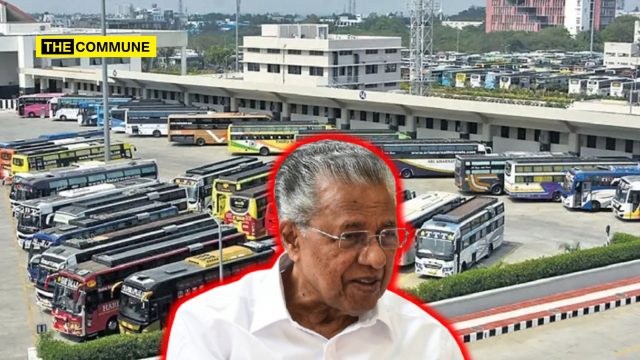
Services of around 600 omni buses operating from Tamil Nadu to other states have been suspended after the Kerala Transport Department imposed penalties amounting to nearly ₹70 lakh on vehicles entering the state earlier this month.

According to the Omni Bus Owners’ Association, all member-operators have stopped interstate services in protest, and discussions to resolve the issue have not yet made progress. The association said the penalties have made it unviable for operators to continue running services to states such as Kerala and Karnataka.

The association added that the strike, which has continued for seven days, has resulted in losses of about ₹22 crore and has affected more than 20,000 workers dependent on the sector. They appealed to the Tamil Nadu Chief Minister to take up the matter with the Kerala and Karnataka governments and seek exemption from road taxes for omni buses.

Until a resolution is reached, the association said the 600 interstate omni buses will remain off the roads.

(Source: Dinakaran)

Subscribe to our channels on WhatsAppTelegram, Instagram and YouTube to get the best stories of the day delivered to you personally. 

Vaniyambadi Madrasa Teacher Caught On Camera Assaulting Students, Dismissed; BJP TN Chief Nainar Nagenthran Slams Child Abuse In Such Schools

Vaniyambadi Madrasa Teacher Caught On Camera Assaulting Students, Dismissed; BJP TN Chief Nainar Nagenthran Slams Child Abuse In Religious Schools

A madrasa functioning inside the Basheerabad Mosque in Vaniyambadi, Tirupattur district, has dismissed a teacher after CCTV footage surfaced showing him physically assaulting students.

The institution, which provides Islamic education to around 60 boys and girls with the help of four teachers, had already received multiple complaints from parents about the behaviour of one teacher, identified as Sohaeb. According to parents and staff, he was known for frequently scolding and physically punishing children despite repeated warnings from the madrasa and mosque administration.

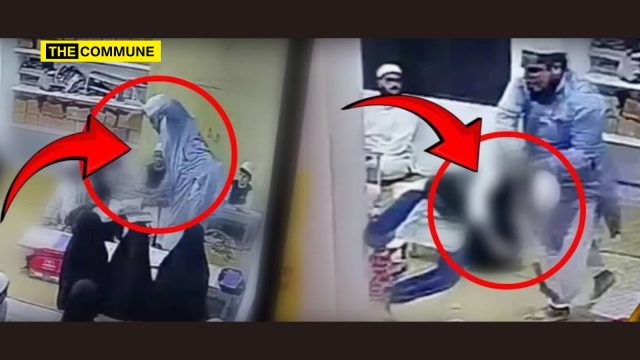
Recently, during a class, he reprimanded a group of students for not studying well. He was then seen in CCTV recordings hitting one student and sending him home. In another instance captured on camera, he lifted a student with both hands and threw him to the ground, causing the child to cry. Portions of this footage were leaked and rapidly circulated on social media.

Following the public circulation of the videos, the madrasa administration removed Sohaeb from his post. Authorities at the mosque said the dismissal was carried out immediately after confirming the incidents shown in the CCTV recordings.

Tamil Nadu Bharatiya Janata Party chief Nainar Nagenthran condemned this heinous act and wrote on his X handle, “Who gave religious teachers the right to torment children? A shocking video has emerged from Vaniyambadi in Tirupattur district, showing a madrasa schoolteacher brutally beating and throwing students. After watching the video, it raises painful questions: “What mistake could have justified a young student being thrown like that? Who gave the teacher the right to hit and mistreat small children who came for religious education? How many more of our children are suffering abuse like this in religious schools?” Countless such questions trouble the mind.

As the self-proclaimed protector of secularism and the “Appa” (father) of Tamil Nadu’s children, Chief Minister Thiru. @mkstalin, I urge that immediate action be taken against the madrasa schoolteacher involved in violence against children.”

Subscribe to our channels on WhatsApp, Telegram, Instagram and YouTube to get the best stories of the day delivered to you personally. 

Justice Delayed, Justice Denied: Inside 20 Acquittals That Exposed India’s Investigative Collapse

On 11 November 2025, the Supreme Court acquitted Surendra Koli, who had previously been convicted in multiple cases arising from the 2005–06 Nithari killings in Noida, which involved the rape and murder of several children.

Between 2010 and 2025, the Indian judiciary delivered a series of landmark acquittals that exposed profound flaws in the country’s investigative and prosecutorial systems. From terror attacks to serial killings, these verdicts overturned convictions, often after decades of imprisonment citing coerced confessions, fabricated evidence, and shoddy police work.

This report details 20 major cases where the pursuit of justice was compromised, highlighting a systemic crisis where the innocent were punished while the real culprits may have escaped.

#1 Nithari Killings Acquittal (2025)

On 11 November 2025, the Supreme Court acquitted Surendra Koli in the final pending case related to the 2005–06 Nithari killings in Noida. The three-judge bench of Chief Justice B.R. Gavai, Justice Surya Kant and Justice Vikram Nath allowed Koli’s curative petition, setting aside his conviction for the rape and murder of a teenage girl. The Court held that the evidence used in this case was identical to that in 12 earlier Nithari cases where Koli had already been acquitted. His confession was deemed coerced, the recoveries unreliable, and no independent evidence remained to justify sustaining the conviction.

#2 Rampur CRPF Camp Attack (2025)

On October 30, 2025, the Allahabad High Court acquitted five men earlier convicted in the 2007–08 Rampur CRPF camp terror attack, citing major investigative lapses and failure to establish guilt beyond reasonable doubt. The 1 January 2008 attack involved terrorists opening fire with AK-47 rifles and grenades, killing seven CRPF personnel and one civilian. A Rampur trial court had previously sentenced the accused to 10 years under the Arms Act for possession of AK-47 rifles. The High Court bench of Justices Siddhartha Varma and Ram Manohar Narayan Mishra overturned the convictions, ruling that the evidence was insufficient to sustain them.

#3 Jagtar Singh Tara UAPA Case (2025)

On 29 October 2025, a Jalandhar Sessions Court acquitted Jagtar Singh Tara in a 16-year-old case filed under the Unlawful Activities (Prevention) Act and the Arms Act. The case, heard by Judge Rajeev K. Beri, alleged Tara’s association with Babbar Khalsa International and involvement in a terror conspiracy. The court ruled that the prosecution failed to prove he was a member of the organisation or that it operated as a terrorist group in this context. It also found no evidence of conspiracy, fund trail or recovery of incriminating material from Tara, leading to his complete acquittal.

#4 25-Year Orissa Murder Case (2025)

On 10 October 2025, the Orissa High Court acquitted Lokanath Behera in the 2000 Kendrapara murder case, overturning a life sentence that had stood for nearly 25 years. A bench of Justice Sashikanta Mishra and Justice Murahari Sri Raman reviewed the earlier conviction, which was based solely on circumstantial evidence linking Behera to the killing of Narayan Behera. The Court found major inconsistencies in the prosecution’s narrative and ruled that the evidence failed to meet the standard required for sustaining a conviction. With no direct proof and significant gaps in the case, the High Court set aside the verdict and acquitted him.

#5 Chennai Girl Rape-Murder (2025)

On 9 October 2025, the Supreme Court of India acquitted S. Dashwanth, who had been on death row for the 2017 rape and murder of a seven-year-old girl in Chennai. A bench of Justices Vikram Nath, Sanjay Karol and Sandeep Mehta overturned the death sentence imposed by the trial court and later upheld by the Madras High Court. The Court ruled that the prosecution failed to establish guilt beyond reasonable doubt. It noted serious flaws in the investigation, including reliance on fabricated CCTV footage and weak forensic evidence. With the prosecution’s case deemed unreliable, the Supreme Court set aside the conviction and acquitted Dashwanth.

#6 Mahe Double Murder (2025)

On 9 October 2025, the Thalassery Additional Sessions Court acquitted all 16 CPI(M) workers accused in the 2010 Mahe double murder case. Judge Ruby K. Jose delivered the verdict in the case involving the killing of RSS workers Vijith (28) and Shinoj (30), who were attacked with a bomb and then hacked to death on the Kallai–Peringadi Road in New Mahe on May 28, 2010. The court held that the prosecution failed to prove the charges despite examining 44 witnesses and presenting 63 exhibits and 140 documents. Two of the accused had died during the prolonged trial.

#7 Chhattisgarh Double Murder (2025)

On 7 August 2025, the Chhattisgarh High Court acquitted a 25-year-old man convicted of murdering his father and grandmother in April 2021. A Dhamtari Sessions Court had sentenced him to life imprisonment in February 2024 under IPC Sections 302 and 323. A bench of Chief Justice Ramesh Sinha and Justice Bibhu Datta Guru set aside the conviction, ruling that the accused was legally insane at the time of the offence. Citing Section 84 IPC (now Section 22 BNS), the court held that he could not comprehend the nature or wrongfulness of his actions and that the prosecution failed to investigate his mental condition adequately.

#8 2006 Mumbai Train Blasts (2025)

On 21 July 2025, the Bombay High Court acquitted all 12 men convicted in the 2006 Mumbai train blasts, which killed 189 people and injured over 800. A Special MCOCA Court had earlier sentenced five of them to death and seven to life imprisonment in 2015. A division bench of Justices Anil Kilor and Shyam Chandak ruled that the prosecution had “utterly failed” to prove its case. The court found serious flaws in the Maharashtra ATS investigation, citing unreliable witness testimonies, unverified confessions, and no credible evidence linking the accused to the planting or execution of the bombs.

#9 Kapurthala Family Murder (2025)

On 16 July 2025, the Supreme Court acquitted Baljinder Kumar, who had spent over 11 years on death row for the 2013 murders of his wife, two toddlers and sister-in-law in Kapurthala, Punjab. A trial court and the Punjab & Haryana High Court had both sentenced him to death over the alleged ₹35,000 dispute. A bench of Justices Vikram Nath, Sanjay Karol and Sandeep Mehta set aside the conviction, ruling that the prosecution failed to prove guilt beyond reasonable doubt. The Court cited major contradictions in witness statements, serious investigative lapses and insufficient evidence, declaring the accused “not guilty.”

#10 43-Year-Old Murder Case (2025)

On 10 June 2025, the Supreme Court acquitted two men convicted in a 43-year-old murder case from Uttar Pradesh. The case dated back to 1981, when a man was shot dead and the accused were charged under IPC Sections 302 and 307. A trial court had sentenced both to life imprisonment. A bench of Justices Abhay S. Oka and Augustine George Masih set aside the convictions, ruling that the prosecution’s case suffered from serious investigative lapses and suppression of key evidence. Finding the trial unsafe to sustain and the proof insufficient, the Court acquitted both men after more than four decades.

#11 Karnataka Murder Case Reversal (2025)

On 9 May 2025, the Supreme Court acquitted six men in a 14-year-old Karnataka murder case, overturning a High Court order that had earlier convicted them for the 2011 killing. The trial court had originally acquitted the accused due to lack of evidence, but the Karnataka High Court reversed the verdict and imposed convictions under Sections 302 and 120-B IPC. A bench of Justices Sudhanshu Dhulia and K. Vinod Chandran ruled that the prosecution failed to prove motive or conspiracy. Of the 87 witnesses examined, 71 turned hostile, including key eyewitnesses, prompting the Court to reinstate the original acquittal.

#12 36-Year-Old Murder Case (2025)

On 1 March 2025, the Supreme Court acquitted the accused in a 36-year-old Rajasthan murder case, setting aside a conviction that had been upheld by the High Court since 2003. The case, dating back to the late 1980s, had resulted in a trial court conviction that the Rajasthan High Court affirmed. A bench of Justices Pankaj Mithal and Ujjal Bhuyan overturned the verdict, holding that the prosecution failed to establish guilt beyond reasonable doubt. The Court found that the evidence on record was neither credible nor legally sufficient to link the accused to the crime and therefore ordered their acquittal.

#13 2009 Rape-Murder Case (2025)

On 8 April 2025, the Supreme Court acquitted a man in the 2009 rape-murder case of a 10-year-old Dalit girl, ruling that his earlier convictions were unsustainable. The tubewell operator had been sentenced to death by a trial court in 2012, a punishment later reduced to life imprisonment by the Allahabad High Court in 2022. A bench of Justices A.S. Oka, Ahsanuddin Amanullah and A.G. Masih found that the accused had not been provided proper legal assistance during trial, violating his right to a fair defence. Citing this fundamental lapse, the Court set aside all previous convictions and acquitted him.

#14 1985 Bihar Murder Case (2024)

On 25 September 2024, the Supreme Court acquitted seven people accused in a 1985 abduction and murder case from Simaltalla, Bihar. The case involved the kidnapping and killing of a woman named Neelam, allegedly linked to a property dispute. A trial court convicted the accused in 1992, and the Patna High Court upheld the verdict in 2015. A bench of Justices Bela M. Trivedi and Satish Chandra Sharma set aside both judgments, ruling that the prosecution failed to prove guilt beyond reasonable doubt. The Court held that the circumstantial evidence was weak and unreliable, restoring full acquittal to all seven.

#15 RTI Activist Murder (2022)

On 11 November 2022, the Karnataka High Court acquitted all 12 people convicted in the 2012 murder of RTI activist and Maha Prachanda editor Lingaraju, who was attacked by armed assailants on November 20, 2012. A trial court had found the accused guilty in October 2020 and sentenced them to life imprisonment. However, a division bench of Justices K. Somashekar and T.G. Shivashankare Gowda set aside the convictions, ruling that the prosecution failed to present corroborative evidence. The Court noted inconsistencies in witness testimonies and held that the evidence on record was insufficient to uphold the life sentences.

#16 Chhawla Rape-Murder Case (2022)

On 7 November 2022, the Supreme Court of India acquitted all three men convicted in the 2012 Chhawla rape-murder case. The 19-year-old victim had been abducted from Delhi’s Chhawla area, gang-raped and brutally murdered, with her body later found in Rewari, Haryana. A trial court had awarded the death penalty in 2014, calling it a “rarest of rare” case, and the Delhi High Court upheld the conviction. A bench of Chief Justice U.U. Lalit and Justices S. Ravindra Bhat and Bela M. Trivedi overturned the verdicts, ruling that the prosecution failed to establish guilt beyond reasonable doubt, warranting full acquittal.

#17 1993 Surat Bomb Blasts (2014)

On 18 July 2014, the Supreme Court of India acquitted all 11 men convicted in the 1993 Surat bomb blast cases. The blasts—one on January 21 that killed a young girl and injured 11 people, and another the next day at Surat railway station injuring around 38—had led a TADA court to sentence five accused, including former Congress minister Mohammad Surti, to 20 years in prison, with the others receiving 10-year terms. Justice T.S. Thakur set aside all convictions, ruling that the prosecution’s case suffered from major procedural lapses and lacked sufficient evidence to sustain the charges.

#18 Akshardham Temple Attack (2014)

On 16 May 2014, the Supreme Court acquitted all six men convicted in the 2002 Akshardham Temple terror attack in Gandhinagar, which killed 32 people. A POTA court had earlier sentenced three of them to death and the others to life imprisonment. A bench of Justices A.K. Patnaik and V. Gopala Gowda overturned the convictions, sharply criticising the Gujarat Police for a deeply flawed investigation. The Court held that instead of identifying the real perpetrators, investigators had arrested innocent individuals and built a case on unreliable evidence. All six were ordered to be released unless required in any other matter.

#19 Laxmanpur-Bathe Massacre (2013)

On 9 October 2013, the Patna High Court acquitted all 26 men convicted in the 1997 Laxmanpur-Bathe massacre, in which 58 Dalits — including 27 women and 10 children — were brutally killed by members of the Ranvir Sena in Jehanabad district. A trial court in 2010 had sentenced 16 of the accused to death and 10 to life imprisonment. However, a bench of Justices V.N. Sinha and A.K. Lal set aside all convictions, ruling that the prosecution had failed to provide credible evidence to establish the guilt of the accused beyond reasonable doubt.

#20 26/11 Mumbai Attacks Co-accused (2010)

On 3 May 2010, a special Mumbai court acquitted Fahim Ansari and Sabahuddin Shaikh—two Indians accused of assisting the 26/11 Mumbai attackers by surveying targets and supplying maps to Pakistan-based handlers. Judge M.L. Tahaliyani ruled that the prosecution had failed to produce credible or reliable evidence linking them to the conspiracy. The court criticised the investigative claims as weak and unsubstantiated, noting inconsistencies and lack of proof. While Ajmal Kasab was convicted, all charges against Ansari and Shaikh were dismissed, marking a significant setback for the prosecution’s case against the alleged Indian links to the 2008 terror attacks.

Subscribe to our channels on WhatsApp, Telegram, Instagram and YouTube to get the best stories of the day delivered to you personally.