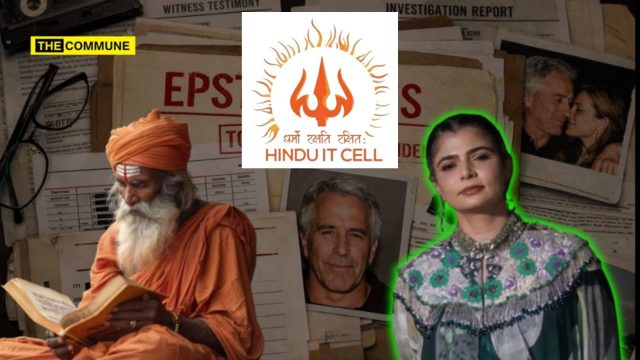
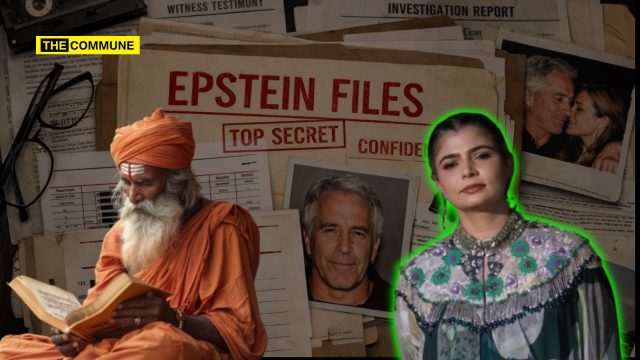
As the Epstein files kept coming out, ultra-woke feminist singer Chinmayi chose to make use of the opportunity to once again show how much she loathed herself, especially for being a Hindu.
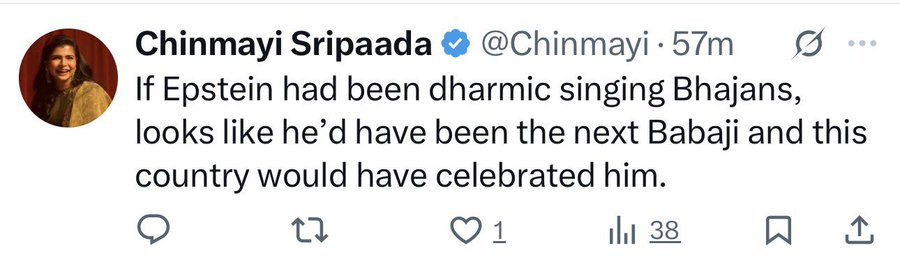
In a post on her X handle, she wrote, “If Epstein had been dharmic singing Bhajans, looks like he’d have been the next Babaji and this country would have celebrated him.”
She will get ample opportunity to satisfy her desperation (to stay relevant) in courts and prison.
We are taking this up. pic.twitter.com/f1fafKK5c5
According to the complaint acknowledgement shared publicly, the matter has been registered under the category of “Online and Social Media Related Crime”, with the sub-category listed as “Provocative Speech for unlawful acts.” The complaint was filed on 2 February 2026 and includes screenshots of the post as supporting evidence.
In the complaint submitted to the authorities, the complainant stated that the tweet was “extremely insulting to Hindu dharma” and alleged that Chinmayi had deliberately compared Hindu devotional singers and religious figures to a convicted sex offender, thereby promoting hatred and religious insult. The complainant sought immediate intervention and action, describing the post as a case of purposeful insult to a religious community.
Members of the Hindu IT Cell have stated that they have invoked provisions under the Bharatiya Nyaya Sanhita (BNS), citing Sections 299 and 302, which deal with deliberate and malicious acts intended to outrage religious feelings and promote enmity.
The Hindu IT Cell also tagged Maharashtra Chief Minister Devendra Fadnavis and Deputy Chief Minister Eknath Shinde, urging the state machinery to take cognisance of what they described as a pattern of repeated provocation under the guise of “progressive commentary.”
Subscribe to our channels on Telegram, WhatsApp, and Instagram and get the best stories of the day delivered to you personally.
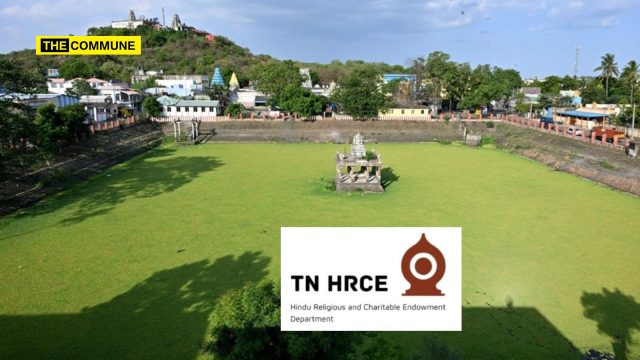
The Madras High Court has directed the Hindu Religious and Charitable Endowments (HR&CE) Department to file a status report within two weeks on the steps taken to rejuvenate and restore the Manikarnika temple tank at the Arulmighu Ranganatha Temple, a prominent Vaishnavite Divyadesam located on the outskirts of Chennai.
The direction was issued while hearing Writ Petition No. 2104 of 2026, filed by P Bhaskar, a devotee, seeking a writ of mandamus to compel the authorities to immediately take steps to rejuvenate, restore, protect and preserve the historic temple tank. The petition was based on reports published in The Hindu on 2 June 2025 and 28 November 2025, as well as a representation submitted by the petitioner on 4 December 2025.
The matter came up for admission before the First Division Bench of the High Court. Advocate B Jagannath appeared for the petitioner, while Additional Government Pleader Karthikeyan represented the HR&CE Department on behalf of Special Government Pleader Arun Natrajan. Senior Advocate AK Sriram appeared for the Thiruneermalai temple. Temple officials were also present in court.
Counsel for the petitioner submitted that the Manikarnika tank holds deep religious significance for Vaishnavite devotees and forms an integral part of the Divyadesam temple. He contended that despite its importance, the tank was in a severely dilapidated and neglected condition, as highlighted in the newspaper reports, and that no effective remedial measures had been taken so far, necessitating judicial intervention.
Opposing the plea, senior counsel appearing for the respondents informed the court that a decision had already been taken in the last week of December 2025 to commence cleaning and rejuvenation works. He submitted that a philanthropist devotee, Ashokan, had come forward to bear the entire cost of the renovation and cleaning works, amounting to approximately ₹65 lakh. He further stated that the works had commenced after the Pongal festival and would be completed within a reasonable timeframe.
After hearing both sides, the Division Bench directed the HR&CE Department and other respondents to submit a status report within two weeks detailing the progress of the restoration works.
Earlier, the HR&CE Department had also informed the court that renovation works at the temple tank were underway at an estimated cost of ₹65 lakh and sought time for completion of the works.
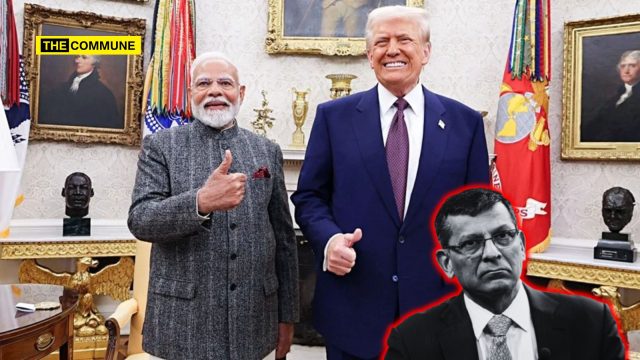
The United States has agreed to sharply reduce tariffs on Indian goods to 18% from the earlier 50%, following a trade understanding announced by US President Donald Trump after a phone conversation with Prime Minister Narendra Modi.
Trump announced the agreement on social media, stating that India would scale back purchases of Russian oil and lower trade and non-trade barriers, while increasing imports of American energy and other products. Modi welcomed the development, stating that reduced tariffs on Indian goods would benefit both economies and deepen cooperation between the world’s two largest democracies.
Prime Minister Modi also posted on his X handle stating, “Wonderful to speak with my dear friend President Trump today. Delighted that Made in India products will now have a reduced tariff of 18%. Big thanks to President Trump on behalf of the 1.4 billion people of India for this wonderful announcement. When two large economies and the world’s largest democracies work together, it benefits our people and unlocks immense opportunities for mutually beneficial cooperation. President Trump’s leadership is vital for global peace, stability, and prosperity. India fully supports his efforts for peace. I look forward to working closely with him to take our partnership to unprecedented heights.”
Wonderful to speak with my dear friend President Trump today. Delighted that Made in India products will now have a reduced tariff of 18%. Big thanks to President Trump on behalf of the 1.4 billion people of India for this wonderful announcement.
With the revised rate, India now faces one of the lowest tariff regimes among major Asian economies trading with the US. Countries such as Pakistan, Bangladesh, Vietnam, Malaysia and Thailand continue to face tariffs ranging from 19-20%, while China remains subject to duties as high as 37%. Several countries, including Brazil and South Africa, continue to face even steeper tariffs.
The announcement comes months after comments by former Reserve Bank of India Governor Raghuram Rajan sparked debate online.
In November 2025, at a discussion conducted by The Chicago Council on Global Affairs, Raghuram Rajan reignited debate over India’s trade relationship and trust deficit with the United States, citing the sharp disparity in tariffs imposed by Washington on Indian and Pakistani goods.
Referring to the US decision to levy a 50% tariff on Indian goods while imposing only a 19% tariff on Pakistan, Rajan questioned the nature of the much-publicised personal rapport between Prime Minister Narendra Modi and former US President Donald Trump. “Where is the friendship between Modi and Trump?” he asked.
Rajan said the tariff decision amounted to a betrayal of India’s faith in the US partnership, describing it as “a slap in the face for Modi.” He cautioned that the United States “cannot be trusted,” drawing a historical parallel to the Nixon administration’s support for Pakistan during the 1971 India–Pakistan war.
Highlighting the domestic impact of the tariff regime, Rajan said India’s small and medium enterprises were bearing the brunt of the decision. He argued that smaller firms were unable to survive in a trade environment where large multinational corporations such as Apple received waivers and exemptions.
According to Rajan, the issue extended beyond trade policy to a deeper question of trust between the two countries. He said the sense of disappointment was not limited to economic considerations but reflected broader concerns about the reliability of strategic partnerships.
Once again he made similar comments when he spoke at an academic event in Zurich in December 2025. Rajan had suggested that the Trump administration’s earlier decision to impose a 50% tariff on Indian goods was not primarily linked to India’s purchase of Russian oil.
“Russian oil wasn’t the issue… I think the central issue was more personalities, especially a personality in the White House and how they treated certain comments made by India after Trump claimed credit for stopping a conflict between India and Pakistan… Pakistan played it right…said that it was all because of Trump,” Rajan said, referring to the military standoff between India and Pakistan following the Pahalgam terror attack and India’s subsequent Operation Sindoor.
India had launched Operation Sindoor targeting terror infrastructure in Pakistan, leading to a brief military confrontation before hostilities subsided.
“India tried to argue that the two countries had reached an agreement without Trump … the truth is probably somewhere in between … But the net effect was that India got 50% tariffs, and Pakistan got 19%. I understand that there was some comment about how your leader in Switzerland tried to explain the tariffs to Trump and that didn’t go well… so we don’t know what really happened between India and the US, but hopefully in the longer run sanity prevails on all sides and we all reach reasonable deals,” Rajan said.
He reiterated the point later in the same discussion, stating: “I don’t think that that was the central issue. I think the central issue was more personalities. And uh especially a personality in the White House and how they treated certain comments uh made by India after uh you know, um Mr. Trump claimed credit for stopping a conflict between India and Pakistan. Pakistan played it the right way, said that it was all because of Mr. Trump. India tried to argue that the two countries had reached an agreement without Mr. Trump. Uh the truth is probably somewhere in between, but uh you know, uh net effect was India got uh 50 tariffs, Pakistan got 19.”
🚨 REPORTER : India got 50% tariffs for buying Russian oil.
RAGHURAM RAJAN : “Russian oil wasn’t the issue. Pakistan credited Trump for the ceasefire, India didn’t. Pakistan has a 19% tariff, India 50%”
According to a Reuters report, the US decision involves rescinding an additional 25% punitive duty imposed earlier over India’s Russian oil imports, which had been levied on top of a reciprocal tariff. However, key aspects of the agreement remain unclear, including timelines, enforcement mechanisms, and the scope of India’s commitments on energy purchases and market access.
Subscribe to our channels on WhatsApp, Telegram,Instagram and YouTube to get the best stories of the day delivered to you personally.
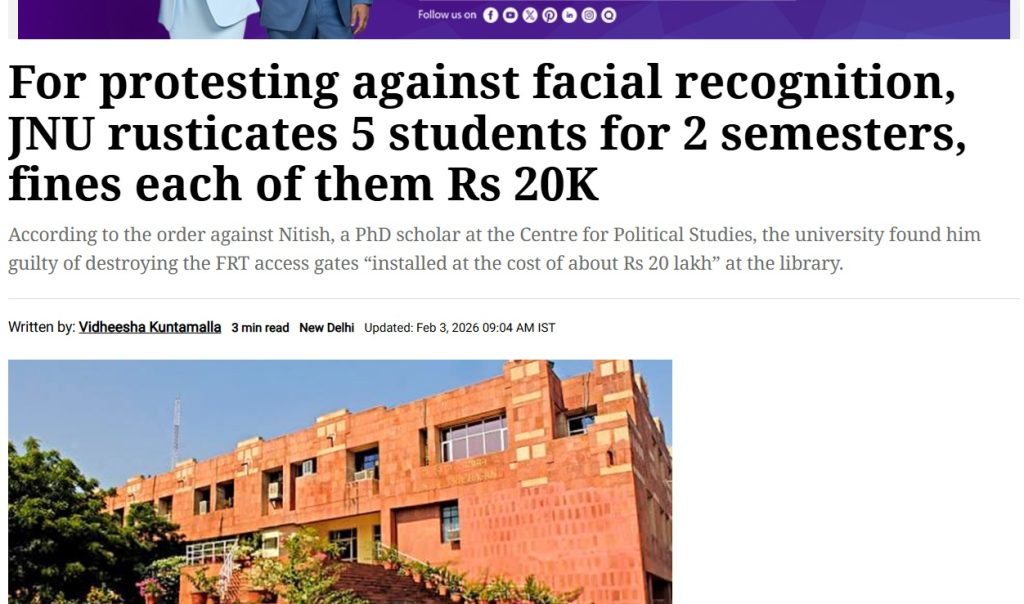
The Indian Express’ latest dispatch on JNU’s rustication of five PhD students, including former JNUSU president Nitish Kumar and current office-bearers Aditi Mishra, Gopika Babu, Sunil Yadav, and Danish Ali, reads like a press release from the vandals themselves, glossing over premeditated destruction of ₹20 lakh taxpayer-funded Facial Recognition Technology (FRT) gates at the Dr B R Ambedkar Central Library.
On 21 November 2025, these students didn’t just “protest”, they premeditatedly armed themselves with scissors, cut wires, uprooted panels, smashed cameras, and intimidated security guards, injuring two female staffers in the process.
Nitish Kumar led the charge by climbing furniture to dismantle the system;
Gopika Babu stood triumphantly on the wreckage delivering a provocative speech justifying it;
Aditi Mishra snipped wires despite pleas to stop.
JNU’s Chief Proctor rightly invoked Statute 32(5) for violence, coercion, and property damage, rusticating them for two semesters (Winter and Monsoon 2026), banning campus access, and fining each ₹20,000, yet Indian Express frames this accountability as mere administrative drama. Look at the title – it already gives the perception that accused is actually innocent.
While other media reports detail the premeditation, injuries, and costs head-on, Indian Express buries the act of violence and vandalism by “reporting the order” alone. The tone of Indian Express article is one of detached, ‘just-the-facts neutrality’ that borders on complicity. It meticulously details the university’s order and less on the students’ actions, but the framing lacks the moral outrage such an incident demands. Where is the foregrounding of the taxpayer’s betrayal? Where is the condemnation of the sheer arrogance that turns a library, a temple of learning, into a stage for wanton destruction?
For too long, a section of our elite institutions has nurtured a culture where such thuggery disguised as ‘protest’ has been romanticized, where accountability is seen as persecution, and where the destruction of public assets is reported as just another “incident” in campus politics.
What Indian Express has done is – elevate “protests” over public property, shielding left-leaning activists from scrutiny while decrying “fascism” elsewhere.
₹20 lakh down the drain but Indian Express is more concerned about the “rustication”. These JNU “leaders,” funded by the same taxpayers they disdain, prioritize anti-surveillance rage over library access for peers. IE’s kid-gloves treatment insults every citizen paying for this elite entitlement.
JNU’s action restores order; media like Indian Express perpetuates chaos by normalizing vandalism as virtue.
Subscribe to our channels on WhatsApp, Telegram,Instagram and YouTube to get the best stories of the day delivered to you personally.
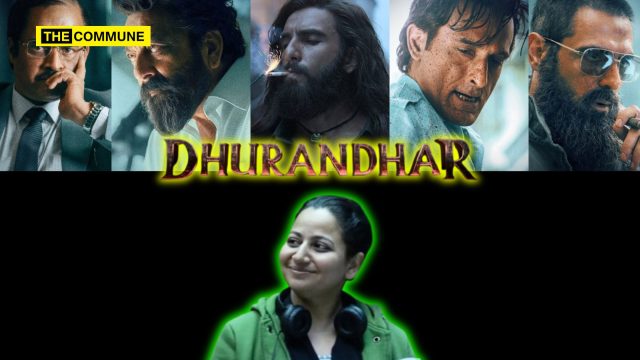
It’s almost amusing how a section of Bollywood can’t resist clutching their pearls every time a film dares to celebrate India’s national security establishment. Shazia Iqbal, the filmmaker who made a mess out of Periyerum Perumal through her Dhadak 2, has now decided to label Dhurandhar a “sinister” film that “incites hate and violence.”
Image Source: Times of India
Her Instagram sermon (without naming the film) is the latest reminder of how easy it has become for the privileged “woke” club to equate patriotism with bigotry and national pride with propaganda.
For starters, Dhurandhar isn’t a film about hate, it’s a film about resolve. About the price India pays to defend its sovereignty against cross-border terrorism. When a movie portrays Indian spies dismantling terror outfits, it isn’t “inciting violence”; it’s reflecting the reality of what countless men and women in uniform face daily. But for filmmakers like Iqbal, who romanticize rebellion and victimhood, such portrayal is apparently too “sinister” to digest.
The same industry circles that cheered Raazi, Haider, or Mulk for their “nuance” suddenly brand Dhurandhar as hateful when the narrative doesn’t centre guilt on India. The hypocrisy couldn’t be starker.
Iqbal’s statement that the film has “inciting hate in its DNA” reveals more about her prejudices than about the movie. If showing terrorism for what it is, brutal, ideological, and anti-human, offends her, perhaps the problem lies in her empathy for the wrong side of the border. It’s not “sinister” to portray Pakistan’s role in cross-border attacks. It’s factual.
And for someone who complains of “blatant apathy towards minorities,” perhaps she should ask why her own Dhadak 2, despite all the online moral posturing, failed to connect with audiences who are frankly tired of being schooled on identity and caste related propaganda masked as cinema.
In addition to Dhurandhar, Shazia also took aim at the teaser of Vipul Shah’s upcoming film The Kerala Story 2, the sequel to his 2023 blockbuster. Her Instagram story that said, “And then there is Kerala Story 2 teaser,” – she shared this Instagram Story with the audio of AR Rahman’s iconic patriotic track “Ye Jo Des Hai Tera” from Ashutosh Gowariker’s 2004 coming-of-age classic Swades, starring Shah Rukh Khan. She also reposted a discussion highlighting how social media’s spread of misinformation and prejudice poses a grave threat in today’s world—one that she suggested could be a more dangerous form of propaganda than even Nazi Germany.
All this only reinforces how allergic the “independent filmmaker” ecosystem is to narratives that question radicalization or expose religious extremism. The default response is censorship by shaming, calling it “propaganda,” “hate,” or “dangerous.”
But audiences have moved beyond that filter. The record-breaking success of Dhurandhar, domestically and globally, proves that Indians want stories that respect their intelligence and their patriotism. They don’t see everything through the religion-caste binary that Bollywood’s elite cannot seem to move beyond.
Films like Dhurandhar resonate because they mirror the country’s spirit: proud, assertive, and unwilling to apologize for defending itself. The louder the “intolerance” cry from the woke class, the clearer it becomes that these stories are striking the right nerve.
In the end, Shazia Iqbal’s rant is about control. The gatekeepers of “liberal art” can’t stand the fact that audiences are rewarding unapologetically Indian narratives over ideological sermons.
So, if Dhurandhar seems “sinister” to that clique, maybe it’s because, for once, truth on screen isn’t bending to their script.
A major disruption unfolded in the Lok Sabha during the Budget Session on Monday after Leader of Opposition Rahul Gandhi attempted to quote from an article based on an unpublished memoir by former Army Chief MM Naravane, prompting strong objections from the Treasury benches and repeated interventions by senior ministers and the Speaker.
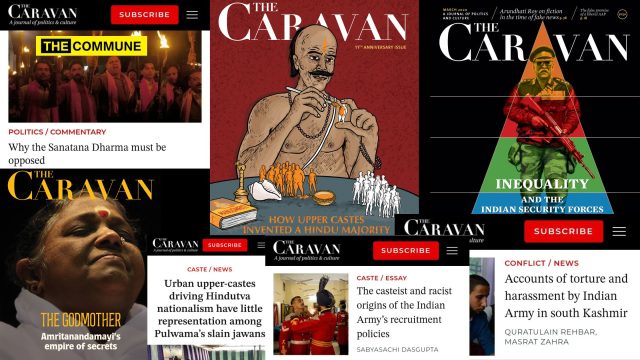
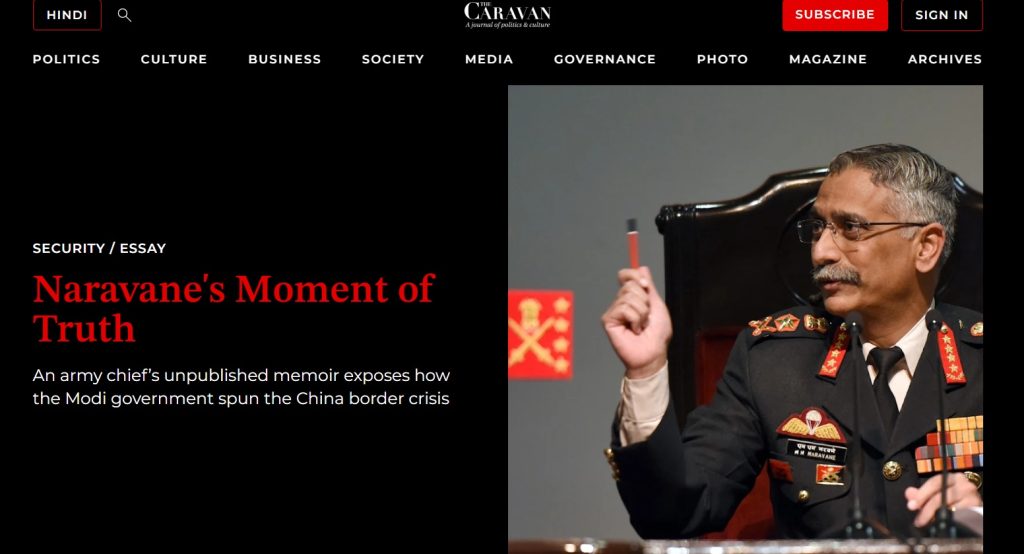
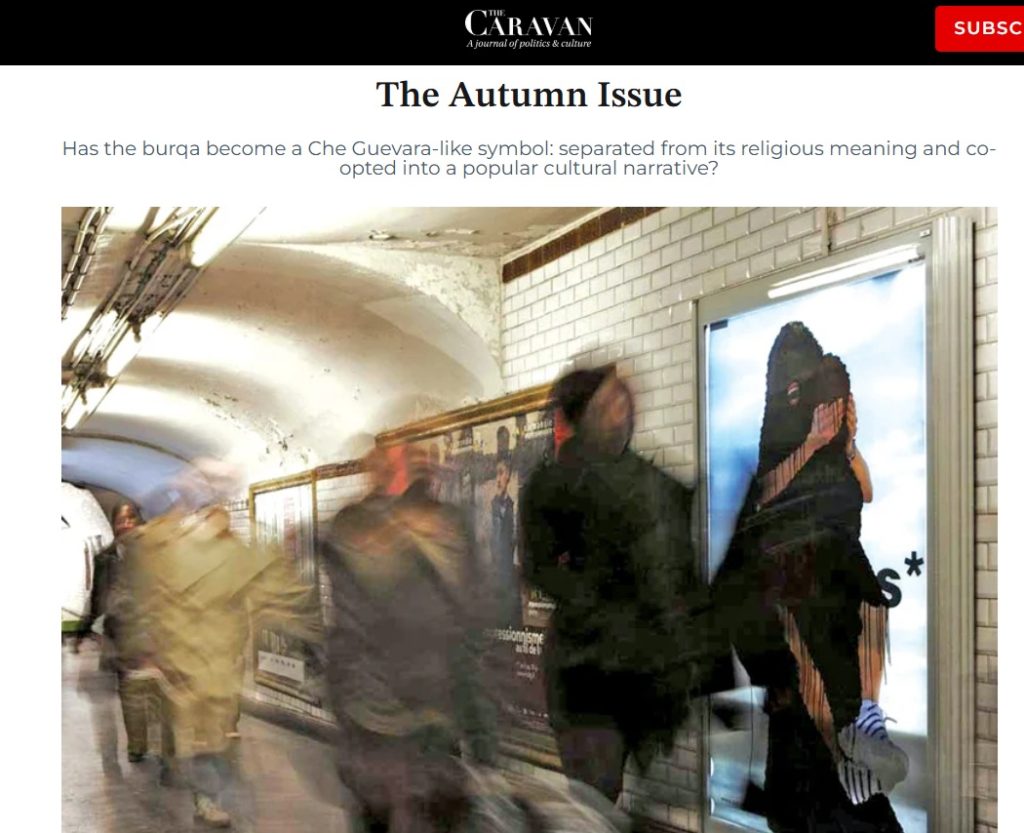
Rahul Gandhi began his speech by holding up a Caravan magazine article that discussed excerpts from Naravane’s unreleased memoir, Four Stars of Destiny, which reportedly contains details about the 2020 India–China military stand-off in eastern Ladakh.
As Gandhi began referring to the contents of the article, Defence Minister Rajnath Singh immediately objected, stating that quoting from an unpublished book was against parliamentary rules.
“I want that LoP, Lok Sabha (Rahul Gandhi), should present before the House the book he is quoting from, because the book he is referring to has not been published,” Rajnath Singh said. He added, “I can say with confidence, the book has not been published.”
The eastern Ladakh standoff began on 5 May 2020, after violent clashes between Indian and Chinese troops near Pangong Lake. Naravane’s memoir reportedly discusses this period, and an essay based on the book’s typescript was published by The Caravan magazine.
Rahul Gandhi repeatedly attempted to continue referring to the article, including using the phrase “Chinese tanks,” which drew further objections from BJP members. Home Minister Amit Shah intervened, asking, “When the book has not even been published, how can he quote from it?”
Parliamentary Affairs Minister Kiren Rijiju went a step further, suggesting disciplinary action. “We should also discuss what should be done with a member who doesn’t obey the Speaker’s ruling in Lok Sabha,” he said.
Speaker Om Birla upheld the government’s objections, citing rules and conventions of the House. “Rules and conventions, too, say newspaper clippings, books, other such things that are not authentic cannot be cited in the House,” Birla said, directing Rahul Gandhi to continue his speech without referring to the article. Birla later added that even if a book is published, quoting from books unrelated to House proceedings is not permitted.
Support for Rahul Gandhi came from Samajwadi Party chief Akhilesh Yadav, who said, “The matter relating to China is very sensitive. LoP, Lok Sabha should be allowed to speak.”
As the exchange escalated, Rahul Gandhi questioned the government’s resistance. “What does it contain which is scaring them so much? If they are not scared, I should be allowed to read on,” he said. He insisted that the article and excerpts he was citing were “100% authentic” and claimed he was compelled to raise the issue after BJP MP Tejasvi Surya questioned the Congress party’s patriotism.
At one point, after being repeatedly stopped from mentioning China, Rahul Gandhi attempted to rephrase his remarks, saying, “Some country’s tanks were approaching…”. When interrupted again, he asked the Speaker, “You tell me, sir, what I should speak!” Birla responded sharply, “I am not your adviser! You should follow the rules. You are Leader of the Opposition. The country can decide if you are maintaining the dignity of the position.”
Rajnath Singh accused Gandhi of attempting to mislead the House. “This is an effort to mislead the House,” the Defence Minister said.
Rahul Gandhi:
“This clipping is from Gen. M. M. Naravane’s book.”
Amit Shah:
“The source of this clipping is demanded to be named here, on the floor of the House.”
Rahul Gandhi: Stumped !!
Khangressi : Err….actually he is quoting from a magazine….
Showdown in Parliament: Rahul Gandhi interrupted by Rajnath Singh as Gandhi tries to quote article on former Army Chief Naravane’s unpublished memoir on the 2020 Galwan crisis with China pic.twitter.com/xysd57rWrw
As BJP and Opposition members raised slogans and counter-slogans, Birla instructed Gandhi to confine his remarks to the President’s address, noting that it contained no reference to India–China relations. When the disorder continued even as the Speaker called the next speaker, the House was adjourned till 3 pm.
Status of Naravane’s Book
Four Stars of Destiny, General Naravane’s memoir detailing his tenure as Army Chief, including the Galwan clash, the Ladakh standoff, and the Agnipath scheme, remains unpublished as of February 2026. The book has reportedly been under review by the Ministry of Defence for over a year due to sensitive references to China and policy decisions related to national security.
The memoir was initially expected to be released in April 2024, but publication was delayed. Pre-orders reportedly listed earlier were later cancelled. In late 2025, Naravane had remarked that securing the necessary clearances was the publisher’s responsibility, describing the book as “maturing like aged wine.”
The book has never been made available for sale in physical or digital form. Excerpts that appeared in The Caravan magazine are believed to have originated from leaked typescripts, and these excerpts became the focal point of the confrontation in the Lok Sabha.
Not The First Time – Caravan Is Rabidly Anti-India/Anti-Hindu
This is not the first time that Caravan magazine has indulged in propaganda peddling or pushing fake news. Here is a list:
The Caravan magazine is a rabid anti-Hindu and anti-India magazine. The far-left rag has repeatedly indulged in biased reporting, plagiarism, and promoting misleading narratives, particularly against Hindus and Indian authorities.
Targeting Nambi Narayanan Following Film Rocketry: The Nambi Effect’s Success
Following the success of the film Rocketry: The Nambi Effect, The Caravan resurfaced its November 2020 article on ISRO scientist S. Nambi Narayanan, reviving baseless espionage allegations despite his full vindication by the CBI, Supreme Court, and National Human Rights Commission. The magazine questioned the integrity of the CBI probe, implied former Prime Minister P.V. Narasimha Rao obstructed it, and cast doubt on Narayanan’s professional competence, ignoring Supreme Court-appointed committee reports and FIRs against 18 Kerala police officers for framing him.
Accused Of Plagiarism
In March 2023, The Caravan was accused of plagiarizing artwork from Netherlands-based artist Ghostly_t for its cover attacking External Affairs Minister Dr S. Jaishankar, which criticized him for opposing George Soros’ alleged interference in India. Initially unresponsive, the magazine later admitted the plagiarism, claiming it had hired freelance artist Samyak Prajapati and was unaware of the copied work, subsequently crediting the original artist.
Nuh Violence Lies
In August 2023, the rag published a report on Nuh violence in Haryana, portraying Muslims as victims and largely blaming Hindus, particularly Bajrang Dal and VHP activists. The article selectively cited sources and old videos while omitting evidence of rioters attacking temples, police, home guards, and devotees, including the murder of Abhishek and other victims.
Downplayed Anti-Hindu Violence In Bangladesh
Additionally, in 2024 contributing editor Salil Tripathi downplayed anti-Hindu violence in Bangladesh. He framed attacks on temples, shops, and religious processions as matters only for Bangladeshis, diverted attention with images of Muslims “protecting” temples, and ignored widespread persecution, forced resignations, idol vandalism, and coercion under Jamaat-e-Islami. The Caravan consistently skews narratives, minimizes violence against Hindus, and amplifies leftist propaganda.
The Caravan Publishes ‘Casteist’ Article, Invites Complaint From Dalit Group
In 2020, the Dalit Positive Movement filed a complaint against The Caravan for publishing what it termed casteist and misleading content that demeaned Hindu faith and Dalit communities. The complaint objected to claims suggesting Dalits consider Mahishasur an ancestor and find Durga Puja offensive. Many Dalits criticised the portrayal as defamatory and a distortion of Hindu scriptures, with the article’s comments section reflecting widespread condemnation.
Caravan Revives Anti-Ramayana Narrative During Deepawali
During Deepawali celebrations in 2022, The Caravan republished content critical of Hindu beliefs, targeting the Ramayana. An article by Ushakiran Atram claimed Ravana was a Gond king “appropriated” by Aryans, relying on the widely disputed Aryan invasion theory. The piece further portrayed Ram and Lakshman as perpetrators of violence against Surpanakha, framing the episode through a feminist lens while ignoring its narrative context. The magazine also amplified commentary suggesting the Ramayana is inherently male-centric and dismissive of women’s experiences. Critics argue the article selectively uses linguistics and folklore while disregarding inscriptions, oral traditions and textual evidence that contradict its claims.
Peddled Lies About NSA Doval’s Son
A January 2019 Caravan article titled “The D-Companies” claimed that Vivek Doval, the son of National Security Advisor Ajit Doval, ran a Cayman Islands–based hedge fund, GNY Asia, which was registered shortly after the 2016 demonetisation exercise. This was further peddled by Congress leader Jairam Ramesh who had to apologise for the defamatory remarks following a case filing.
Published Hitjob On Veteran Carnatic Musician MS Subbulakshmi
Dravidianist supporter Carnatic singer TM Krishna wrote a hitjob piece on the revered carnatic singer Bharat Ratna MS Subbulakshmi for rabidly leftist rag The Caravan. This piece reeked of the typical the leftist-Dravidianist narrative, scrutinizing a revered figure’s private life based on hearsay by repeating her Devadasi origin and her alleged “Brahminization” for social acceptance, which is a derogatory attack on both MS Amma and her heritage. The hitjob followed the standard leftist template by invoking phrases and concepts such as patriarchy, feminism, and overdrive of “Brahminical superiority”, suggesting an agenda-driven approach
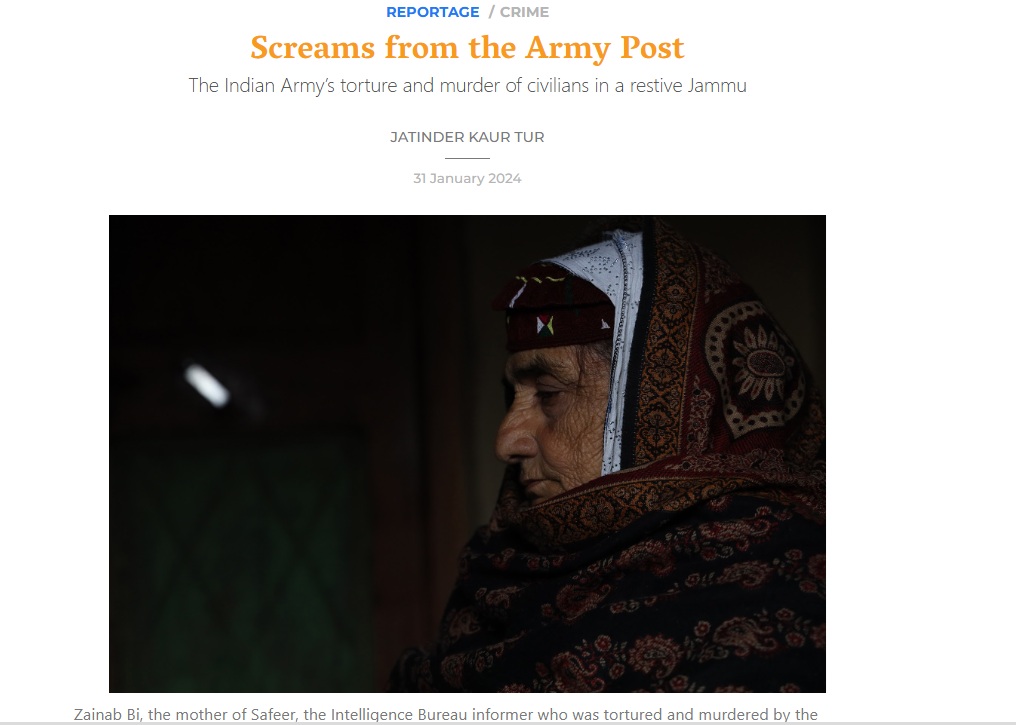
Published Article Alleging “Indian Army Torturing & Killing” Civilians in J&K
In 2024, Caravan published an article alleging that the Indian Army tortured and killed civilians.
Archived link of Caravan article
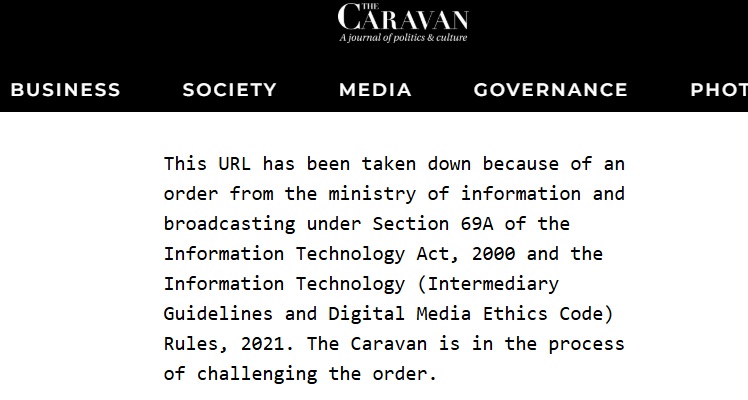
The article used terminology that mirrored Islamabad’s lexicon. The article was later taken down after government action.
Caravan Amplifies UN Narrative Against India’s Counter-Terror Operations
Following the Pahalgam terror attack, The Caravan magazine cited a joint statement by UN Special Rapporteurs to validate its earlier reporting that accused Indian security forces of human rights violations in Jammu and Kashmir. In a June article, The Caravan alleged custodial killings, arbitrary detentions and demolitions, portraying counter-terror actions as collective punishment against Muslims. It humanised terror-linked individuals while downplaying their links to outfits like Hizbul Mujahideen. Despite evidence-based arrests and targeted demolitions of proven terrorists’ homes, The Caravan framed standard counter-terrorism measures as state excesses, reinforcing a narrative of Muslim victimhood and maligning Indian security forces.
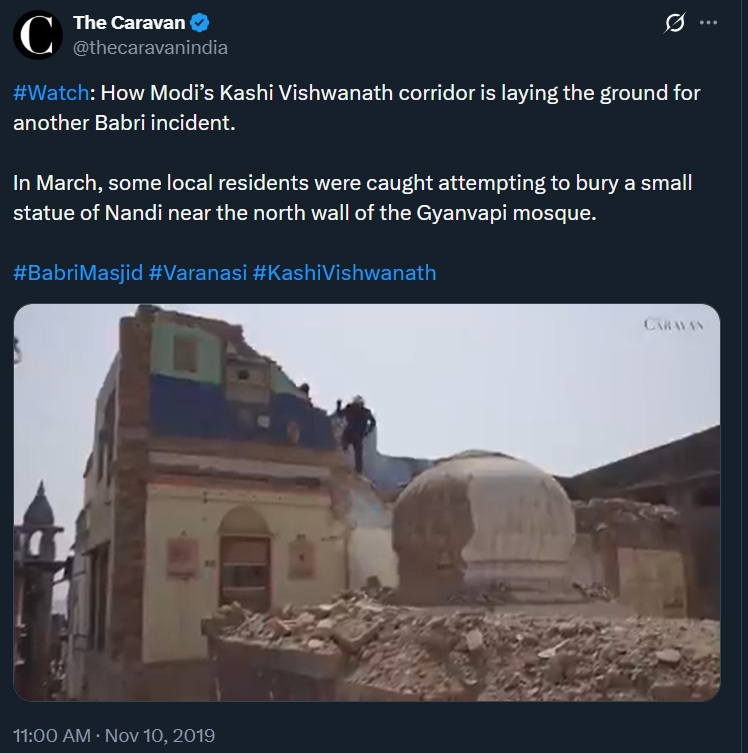
Caravan Pushes ‘Another Babri’ Narrative Over Kashi Corridor
After the Supreme Court’s Ram Janmabhoomi verdict in 2019, The Caravan published an article and video alleging that the Kashi Vishwanath Corridor project was laying the groundwork for a “Babri-like” demolition of the Gyanvapi mosque. In its April piece, the magazine claimed that attempts to bury a Nandi idol near the mosque were meant to “indicate Hindu historicity” and drew parallels with events preceding the Babri demolition.
The report suggested Hindus were manufacturing evidence, despite well-documented historical records and visible remnants showing the mosque was built over a demolished Kashi Vishwanath temple.
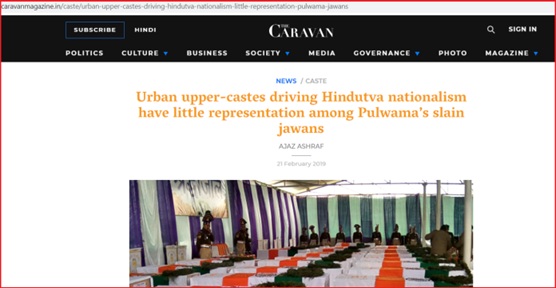
Published Article Detailing Castes Of Pulwama Martyrs
Following the Pulwama terror attack that killed 40 CRPF personnel, The Caravan published an article that divided the fallen soldiers along caste lines.
Image Source: OpIndia
At a time when the country was united in grief and anger, the magazine chose to focus not on the sacrifice of the jawans but on identifying their caste backgrounds. The report involved contacting grieving families to ask about caste, turning a national tragedy into a tool for social division. The article drew widespread outrage for its insensitivity, with critics calling it a shameful attempt to fracture unity and politicise martyrdom in the aftermath of terrorism.
Caravan Claims Govt Sidestepped Experts on Lockdown, ICMR Pushes Back
In 2020, The Caravan claimed that the Modi government extended the nationwide COVID-19 lockdown and approved private laboratory testing without consulting the ICMR-appointed COVID-19 Task Force.
Image Source: OpIndia
In its article, the magazine cited unnamed task force members to allege that the panel had not met before the decision and was kept out of the loop. The report suggested that key public health measures were taken without expert input. The Indian Council of Medical Research later rejected these claims, stating that the task force met frequently and was involved in all major COVID-19 decisions.
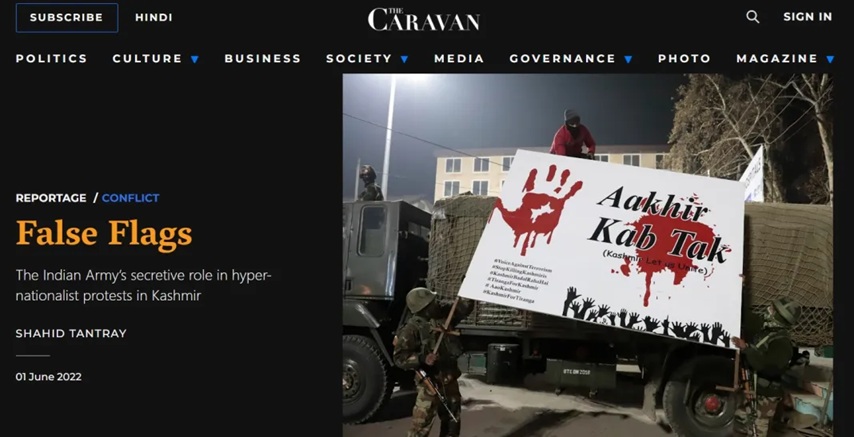
Caravan Article Names Individuals, Alleges Army Role in ‘Staged’ Protests
In 2022, The Caravan published an article titled “False Flags: The Indian Army’s secretive role in hyper-nationalist protests in Kashmir”, claiming that the Indian Army was using local “power brokers” to stage nationalist protests in the Valley to influence public perception and media narratives.
Image Source: OpIndia
The report named serving and retired officials, BJP-linked figures and journalists, alleging their involvement in these activities. Following complaints from those named, who said the article endangered their lives by effectively giving targets to terror groups, Srinagar Police later initiated a probe into the report and its author.
Romanticising the UPA, Demonising Modi and the BJP
The Caravan’s ideological bias is most visible in its contrasting treatment of the UPA and the BJP. While the UPA era was widely acknowledged—even by neutral observers—as corrupt, dysfunctional and policy-paralysed, Caravan writers went out of their way to sanitise and romanticise it. Shiv Vishvanathan famously described the UPA as “legendary,” portraying it as a benevolent social experiment that merely failed due to political compulsions and unruly allies. Corruption scandals were reframed as unfortunate side-effects rather than systemic rot.
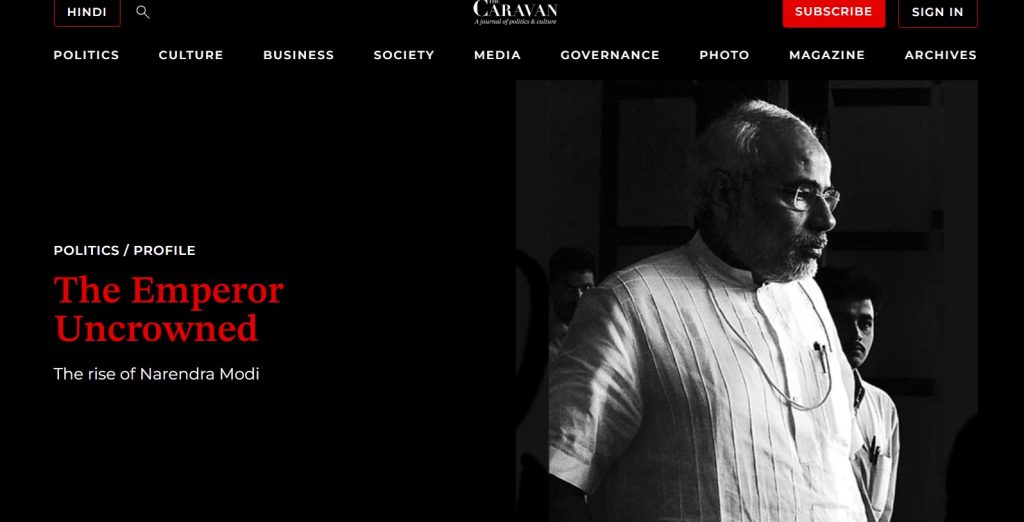
In contrast, Narendra Modi and the BJP were subjected to relentless hostility long before 2014. Vinod K Jose’s sprawling hit-piece, The Emperor Uncrowned, recycled every familiar secular trope, denying Gujarat’s development, exaggerating malnutrition data, and insinuating culpability in riots, while downplaying the Godhra massacre of Hindus.
This asymmetry reveals not journalism, but ideological allegiance.
Kashmir: Separatism, Fantasy, and Demonising the Indian Army
On Kashmir, The Caravan’s editorial line consistently mirrors separatist talking points. The magazine platforms writers who describe Kashmir as an “occupied” or “disputed” territory while ignoring Pakistan’s role and the ethnic cleansing of Kashmiri Pandits. Contributors like Basharat Peer, Mehboob Jelani and Wazahat Ahmed portray Islamic terrorists as “disillusioned militants” and frame stone-pelting mobs as peaceful protesters.
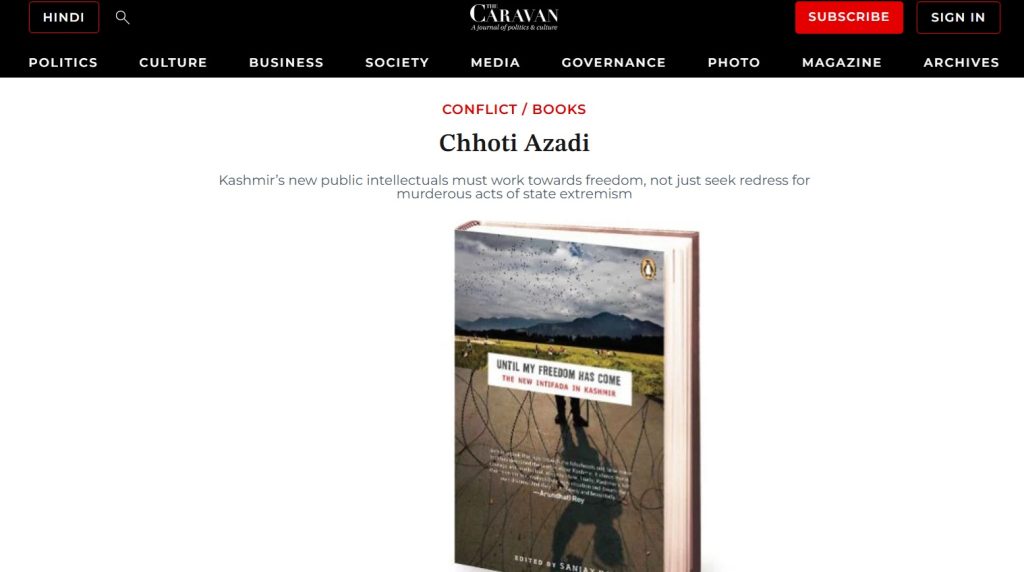
The most extreme example is Sanjay Kak’s 2013 article alleging cannibalism and mass sexual violence by Hindu soldiers, claims so absurd that even Kak admits they are apocryphal, yet treats them as moral truth.
This grotesque caricaturing of the Indian Army, combined with total silence on jihadist brutality or Pakistani abuses, exposes Caravan’s Kashmir coverage as ideological fiction, not reportage.
The Caravan’s treatment of the 2002 Gujarat violence follows a rigid script: Hindus are aggressors, Muslims are passive victims, and the BJP state machinery is criminally complicit. Articles routinely describe the violence as “one-sided,” omitting or minimising the Godhra train burning in which Hindu pilgrims were burned alive. Writers like Aakar Patel openly suggest state-sponsored conspiracy while dismissing Islamist violence as either provoked or irrelevant.
By reframing Godhra as accidental or suspicious, and portraying Hindu response as uniquely barbaric, Caravan erases context and moral complexity. This selective outrage is not accidental—it fits a larger narrative where Hindu suffering is disposable, while Muslim victimhood is absolute and unquestionable.
Ayodhya and Ram Janmabhoomi: Whitewashing Temple Destruction
On Ayodhya, The Caravan adheres strictly to secularist orthodoxy while ignoring decades of archaeological, textual and historical scholarship. Writers like Christophe Jaffrelot frame the Ram Janmabhoomi movement as majoritarian vandalism, carefully sidestepping evidence of temple destruction and Islamic iconoclasm.
Notably, Caravan avoids engaging with the works of Koenraad Elst or later Meenakshi Jain, whose research dismantles the “myth” narrative around Ayodhya. Instead, it amplifies voices hostile to Hindu claims while portraying organisations like the RSS and VHP as inherently violent. This selective scholarship betrays an agenda: delegitimising Hindu civilisational memory while shielding Islamic conquest from scrutiny.
Hinduphobia Disguised as ‘Rationalism’ and ‘Science’
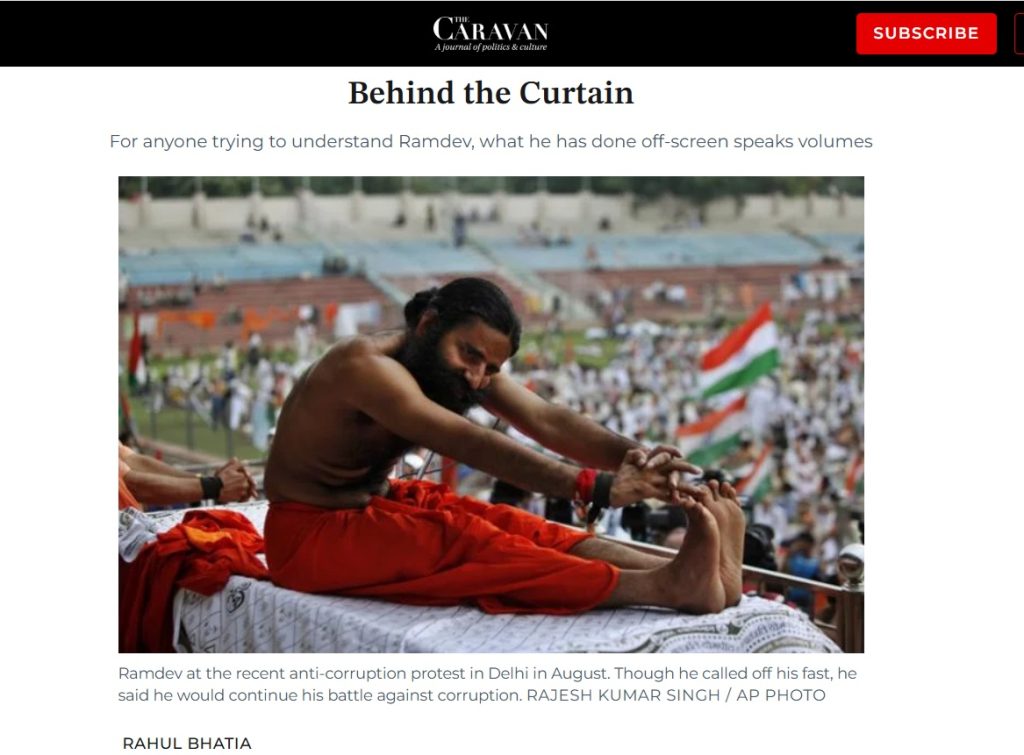
The Caravan routinely frames Hindu practices as irrational, regressive or pseudo-scientific while extending cultural relativism to other faiths. Rahul Bhatia’s attack on Baba Ramdev ridicules yoga and Ayurveda as “abdication of science,” ignoring global medical acceptance and UN recognition of yoga.
Strikingly, this scepticism never extends to Islamic clerics, madrassas or regressive fatwas. The magazine does not question the scientific or ethical implications of religious extremism elsewhere. Rationalism is selectively deployed, only against Hindu traditions. This asymmetry reveals Hinduphobia masquerading as intellectual critique.
Beef Politics: Cultural Mockery and Selective ‘Freedom’
The Caravan’s obsession with promoting beef consumption is less about food freedom and more about mocking Hindu sensibilities. Writers repeatedly claim that “all Indians eat beef,” cherry-picking obscure anecdotes while ignoring overwhelming cultural taboos. Vinod K. Jose’s articles demean Hindu care for cows while recycling discredited claims about beef-eating in the Vedas.
Yet, this supposed commitment to food freedom never challenges Islamic dietary taboos. Caravan never urges Muslims to eat pork or critiques clerical bans on “haram” foods. Freedom, ecology, and nutrition matter only when Hindu beliefs are in question. The message is clear: Hindu practices are fair game for ridicule; others are protected.
Complementing its Hinduphobia is The Caravan’s consistent Islamophilia. The magazine portrays the burqa as a symbol of feminist resistance, justifies madrassa education while ignoring radicalisation, and sanitises Islamist violence through euphemisms. Crimes committed in the name of Islam are contextualised, explained away, or reframed as reactions to state oppression.
Meanwhile, Sanskrit institutions are labelled “majoritarian,” and Hindu cultural assertion is framed as fascistic. Riot narratives consistently depict Hindus as aggressors and Muslims as victims, even when evidence suggests otherwise. This ideological imbalance completes the picture: The Caravan is not merely anti-Hindu, but actively apologetic toward Islamist structures.
The latest Lok Sabha disruption over an unpublished memoir once again places The Caravan at the centre of controversy, not merely as a passive source but as an active trigger for political confrontation. Over the years, the magazine has repeatedly published reports that critics say rely on leaks, anonymous claims, selective framing and ideologically driven narratives, often targeting Indian institutions, security forces and Hindu society. From Pulwama to Kashmir, COVID governance to temple heritage, a consistent pattern emerges – provocative claims first, rebuttals and damage control later.
Subscribe to our channels on WhatsApp, Telegram,Instagram and YouTube to get the best stories of the day delivered to you personally.
In the aftermath of the Epstein files (documents that expose a sprawling, elite, Western ecosystem that enabled one of the most grotesque sex-trafficking rings of our time), ultra-woke feminist Chinmayi Sripaada chose an oddly familiar target. Not the billionaires, the institutions, or the liberal salons that shielded Epstein for decades but Hindu bhajans, “dharmic” practice, and the caricature of a Babaji.
Her post’s implication was unmistakable: had Epstein worn a saffron costume and sung bhajans, “this country” would have celebrated him. She didn’t argue, she sneered. A sneer that collapses a civilisational faith into a cheap gag and paints Hindus as credulous worshippers eager to sanctify monsters.
Targeting Symbols, Not Systems
If the concern were genuinely about abuse and impunity, Epstein offers a brutal case study in how Western power networks—finance, politics, royalty, media—protect predators. That story demands courage because it names power. Instead, the post detours to Hindu symbols, as if devotion itself were the crime scene.
That move does three things at once:
Equates Hindu devotional culture with predation, turning “Babaji” into a default slur.
Smears Hindus collectively, suggesting a nation would cheer an Epstein if he merely performed religiosity.
Signals disdain for the sacred, implying bhajans are costumes for criminals rather than expressions of a serious ethical tradition.
Accountability doesn’t require civilisational insult. This did.
Selective Courage, Familiar Targets
Notice the pattern that repeats whenever global scandals erupt:
The crime is Western, elite, and institutional.
The punchline lands on Hindu practice – safe, fashionable, and consequence-free.
That isn’t “speaking truth to power.” It’s punching down at a majority faith that has become an acceptable object of mockery in certain cultural circles. Real courage would interrogate the universities, charities, political patrons, and media ecosystems that normalized Epstein. Mocking bhajans is easier.
From Critique To Self-Disgust
Hindus don’t owe blind loyalty to abusive godmen. Many have exposed, protested, litigated, and reformed precisely because dharma demands ethical accountability. But there’s a line between calling out specific offenders and treating everything “inherently Hindu” as inherently suspect.
The post crossed that line. It wasn’t about a criminal. It was about displaying distance from one’s own civilisational roots – a reflex to perform sophistication by sneering at the sacred, to prove you’re not “one of those” bhajan-singing masses.
You Can Fight Abuse Without Spitting on Your Roots
Demand investigations. Name perpetrators. Dismantle cover-ups – religious and secular. Do all of that without telling a billion Hindus that their devotion belongs in the same sentence as a child-trafficking ring.
When a Western predator is exposed and your first instinct is to mock Hindu symbols, the question answers itself: who is the target, really? It isn’t Epstein. It’s Hinduism.
And that’s not moral clarity. That’s self-loathing dressed up as progressivism.
Subscribe to our channels on WhatsApp, Telegram,Instagram and YouTube to get the best stories of the day delivered to you personally.
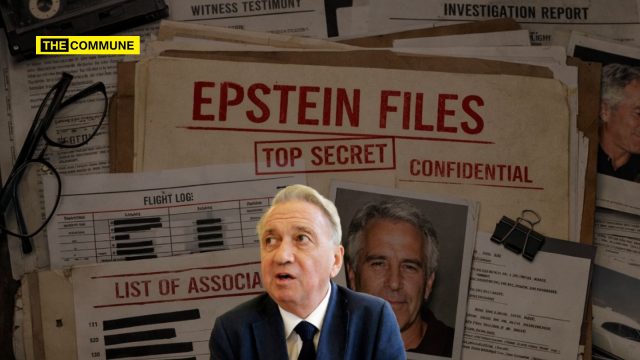
A fresh tranche of documents released by the United States Department of Justice (DOJ) in connection with the Jeffrey Epstein investigation has revealed derogatory remarks about Indians in private email exchanges linked to the disgraced financier.
Among the approximately three million pages made public is an email dated 25 December 2015, reportedly sent by Norwegian diplomat Terje Rød-Larsen to Epstein. According to the document, Rød-Larsen responded to an email forwarded by Epstein, originally from Indian politician Hardeep Singh Puri, with a remark that read: “Have you heard the saying: when you meet an Indian and a snake, kill the Indian first!”
“Snake or Indian, Kill Indian First”: Epstein Files Reveal Anti-India Hatred Among Global “Elites”
The Epstein files have revealed horrifying details and shocking allegations, ranging from pedophilia and harm to minors to cannibalism and tales of physical and sexual abuse.… pic.twitter.com/LzK5Dw7mHJ
The email has triggered widespread outrage on social media, with several users condemning the language as openly racist and dehumanising. Screenshots of the document have circulated widely, drawing renewed scrutiny of the attitudes expressed in Epstein’s private correspondence network.
Terje Rød-Larsen is a former Norwegian diplomat who served as president of the International Peace Institute and as a United Nations envoy. He resigned from his post at the institute in 2020 after his association with Epstein became public.
In addition to the 2015 email, another document from May 2010, sent by an individual whose name has been redacted, also contains a disparaging reference to Indians, complaining about Pattaya having “streets full of Indians.” The context of the email and the identity of the sender remain unclear due to redactions in the released files.
Jeffrey Epstein, a financier with extensive global connections, first came under investigation in 2005 following allegations of sexual abuse involving minors. He was charged in 2006 and later faced multiple federal charges before his death in custody in 2019.
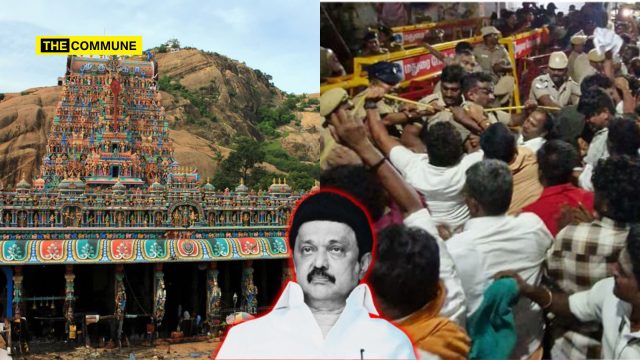
The District Collector of Madurai informed the Madras High Court on Monday (2 February 2026) that the prohibitory order issued under Section 144 of the Code of Criminal Procedure with respect to lighting a lamp atop the Thirupparankundram Hills was not intended to prevent the implementation of court directions but was passed to ensure that “no law-and-order situation” arose.
The submission was made before Justice GR Swaminathan, who was hearing a contempt petition initiated by the court over alleged non-compliance with an earlier order directing the lighting of Karthigai Deepam at the Deepathoon (stone pillar) atop the Thirupparankundram Hills.
During the hearing, the District Collector, the Commissioner of Police, and the Deputy Commissioner of Police tendered unconditional apologies and requested that the contempt proceedings be dropped.
It may be noted that on December 1, the single judge had directed the management of Arulmighu Subramaniya Swamy Temple to light the lamp at 6 PM on December 3. Alleging that no arrangements had been made to comply with this direction, the petitioner-devotee moved a contempt petition on December 3.
The court thereafter permitted the petitioner, along with ten others, to light the lamp themselves and directed the Central Industrial Security Force to provide protection to the petitioners.
However, when the devotees went to the site to light the lamp, they were restricted by the authorities. The District Collector imposed a prohibitory order under Section 144, and the Commissioner of Police, citing the prohibitory order, refused permission for the lighting of the lamp. The prohibitory order was later quashed by the single judge.
Earlier, the court had summoned senior police and revenue officials and issued notice to the State, observing that the directions of the court had allegedly been disregarded on the ground of policing and public safety concerns arising from large gatherings.
On 17 December 2025, the court directed the Chief Secretary to file detailed affidavits, taking a responsible stand and explaining the reasons for non-compliance with the court’s order.
In a previous hearing, the court observed that three types of contempt were involved in the case. The first was the disobedience of the initial court order. The second was the issuance of the prohibitory order under Section 144 CrPC. The third, according to the court, was that even after the prohibitory order had been quashed, the officers had continued to resist the implementation of the court’s direction.
Criticising the conduct of the officers, Justice Swaminathan had earlier stated that he could not forgive the District Collector for issuing a prohibitory order that frustrated the court’s direction, and for resisting implementation even after the order was quashed. The court also observed that, until then, the officers had not shown any remorse.
When the matter was taken up on Monday (2 February 2026), affidavits were filed by the District Collector, the Commissioner of Police, and the Deputy Commissioner of Police, stating that there was no wilful disobedience of the court’s order.
The court was informed that while the court had permitted only the Executive Officers of the temple to light the lamp, devotees had started gathering in large numbers, leading to the situation going out of control. According to the officers, the prohibitory order was passed only to prevent a possible law and order situation.
Senior advocate V. Giri, appearing for the officers, submitted: “Persons who have not been given such right started gathering in thousands and wanted to do it (light lamp). Maybe to accompany the Executive Officer. Then situation started getting out of hand…It’s easier to now say that the situation could have been handled better. But at that point of time, the crowd had to be controlled otherwise things wouldn’t have worked out. At that time, only a prohibitory order could have ensured implementation of court order.”
The court, however, orally expressed concern over the manner in which the Commissioner of Police had allegedly responded while preventing persons from climbing the hill to light the lamp. Referring to a recent magazine article, the court said that the officer was quoted as saying he was “ready to face the consequence”.
In response, Giri, along with Additional Advocate General J. Ravindran and Additional Advocate General Veera Kathiravan, submitted that if any officer had made such a statement, the court could directly question the officer present in court to ascertain whether the statement had been made and in what context.
After hearing the submissions, the court stated that while it was convinced with respect to the explanations offered by the other officers, it continued to have concerns regarding the conduct of the District Collector in issuing the prohibitory order despite the court’s directions.
Giri then requested the court to grant additional time to enable the District Collector to file an additional affidavit explaining his position.
After hearing the matter at length, the court adjourned the case to 2 March 2026 and dispensed with the personal appearance of all officers except the District Collector.
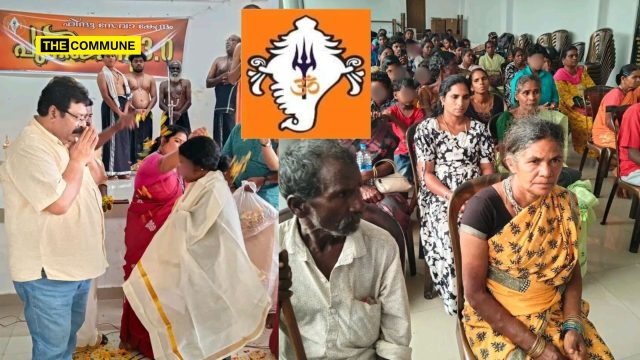
At the Punarjani 3.0 programme, jointly organised by Hindu Seva Kendra and Kerala Adivasi Samrakshana Samiti, as many as 60 tribal families who had earlier converted to Christianity formally returned to Hindu Dharma.
The event was held amid the participation of community elders, organisers, and well-wishers, with organisers stating that the return was undertaken voluntarily and with dignity and self-respect. The families, belonging to various tribal communities, reaffirmed their cultural and spiritual roots through traditional rites conducted as part of the programme.
According to the organisers, Punarjani, meaning “rebirth” or “renewal”, is an initiative aimed at facilitating the reconnection of tribal communities with their ancestral faith, customs, and cultural practices. They emphasised that the programme focuses on restoring identity and continuity with indigenous traditions rather than coercion or inducement.
Similar programmes had been conducted earlier as part of ongoing outreach efforts among tribal communities in Kerala.
Ghar Vapsi returns… 🔥
At Punarjani 3.0, jointly organised by Hindu Seva Kendra and Kerala Adivasi Samrakshana Samiti, 60 converted Christian tribal families returned to their roots and embraced Hindu Dharma with dignity and self respect.