Home Blog Page 1621

First ever ‘Second Gentleman’ Douglas Emhoff gets a Twitter account

Kamala Harris became the first-ever woman to be elected as the Vice President of the United States. This makes Douglas Emhoff, her husband, the first-ever Second Gentleman.

In response to this new shift in gender dynamics, Twitter welcomed this new change with a new account under the username @SecondGentleman. Ever since Twitter was launched, all the institutional White House accounts were present on Twitter for the heads of the State. There has only ever been a ‘Second Lady’ account since there has been no elected vice president who has been female or belonging to any other gender.

This news was shared by President-elect Joe Biden on his personal Twitter account. He shared the news of Emhoff’s new social media presence with a post from his own account @PresElectBiden, which will become @POTUS on inauguration day.

Emhoff has yet to post on his new account, though perhaps he too is waiting to officially assume the title before he takes on the internet persona. “This concept of access to justice is something that I want to bring to the fore in that role. But I’ll also add, look at where we are right now. It’s gonna be a lot of work for President Biden, Vice President Harris, First Lady Jill Biden and whatever-my-title-will-be Douglas Emhoff,” he said ahead of the 2020 election according to Politico.

Gurugram ends manual scavenging with immediate effect

Feature Image Credits: PIB

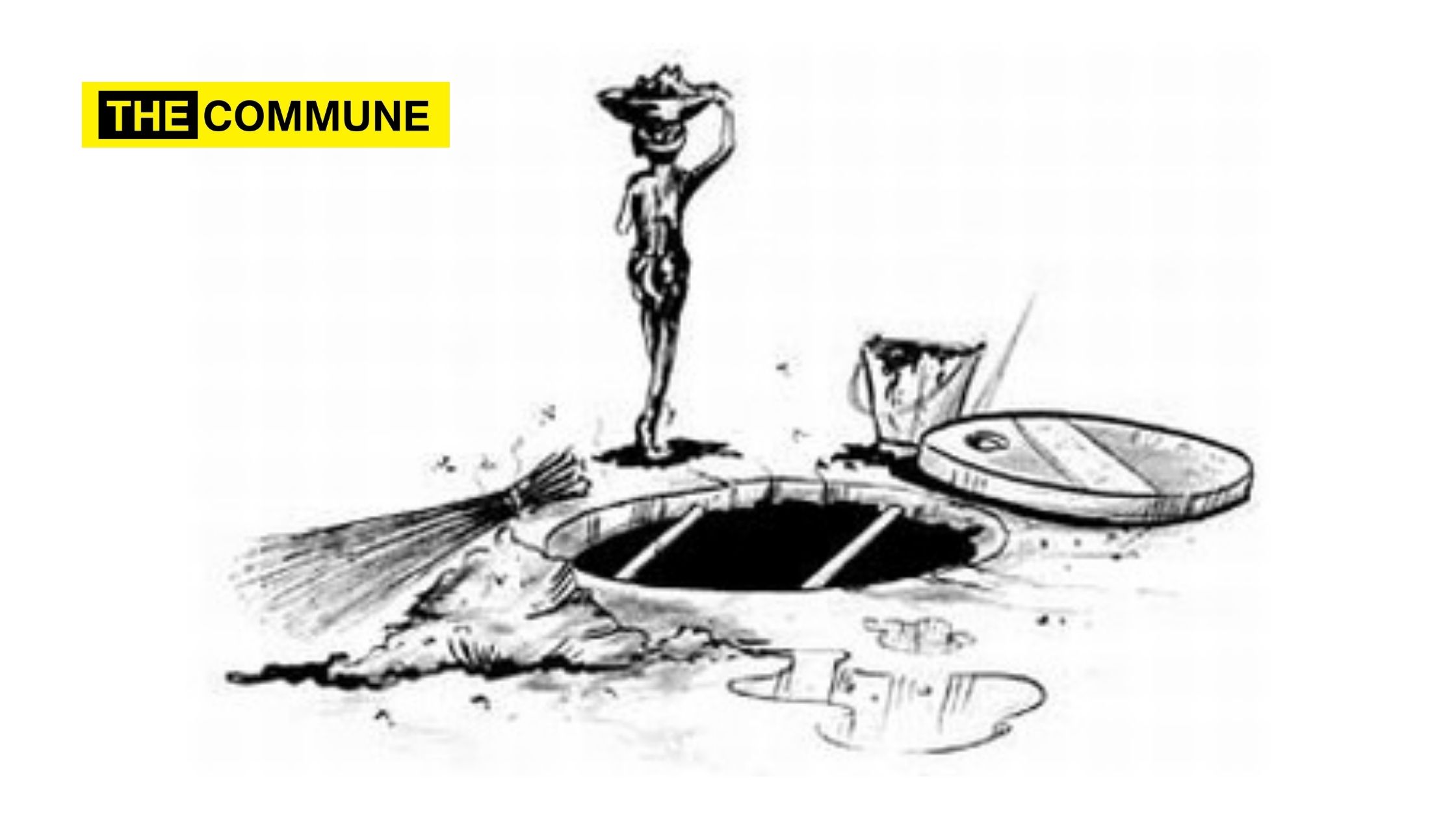
The Municipal Corporation of Gurugram (MCG) has been issued an order to end manual scavenging with immediate effect. This was issued by Yogita Swaroop, joint secretary, ministry of social justice and empowerment, during a loan fair event organised by the MCG. The loan fair was organised under the Safai Mitra Challenge and Swachhta Udyami Yojana launched by the union housing and urban affairs ministry.

This has been issued as a reaction to several pleas that have been sent to the MCG regarding the perils that come with manual scavenging. Over 11 people have died since 2017 due to this uncivil practice.

This issue is particularly concerning because of the fact that the civic body decides to use manual labour for this purpose despite having machinery that could fulfil the same purpose. It has two robots, two super-suction machines, two jetting machines, and nearly 20 suction tankers to do the scavenging, and yet employs its unskilled labourers for this purpose, which is highly demeaning, in addition to posing a high occupational hazard for those that indulge in this practice.

MCG officials also announced that entrepreneurs can obtain loans ranging from 5 lakh to 15 lakh at a 4% interest for a period of 10 years to procure necessary machinery to clean tanks and sewerage lines under the Central government’s sanitation scheme. “Financial assistance is being provided by the Central government for arranging mechanised sanitation equipment under the Swachhta Udyami Yojana to eliminate the practice of manual scavenging. The objective of the government is to protect people and raise their standard of living. The government aims to fully mechanise 100 urban local bodies in this matter. Training will also be provided by the government to sanitation workers regarding the operation of the machines. During the training, a one-time amount of 1,500 stipends will also be given,” Swaroop was quoted saying in the Hindustan Times.

Indian teen from UAE helps recycle 25 tonnes of e-waste

Feature Image Credits: Gulf News

Riva Tulpule, a 15-year old Indian teenager who is living in the UAE with her parents has helped recycle over 25 tonnes of e-waste by means of her campaign ‘WeCareDXB’. This campaign enlists volunteers like students, professionals, the general public to collect the items for recycling e-waste. She then got in touch with a Dubai based e-recycler called ‘EnviroServe’ to hand over the collected items.

She got the idea to start the campaign while clearing out drawers filled with broken devices in 2016, the Gulf News reported. “I had asked my mom why we can’t we just dispose of the items we don’t need. She told me they need to be tacked in a special way but we were not sure exactly how to go about it. So that made me curious and I decided to do some research into it, which led me to this cause,” Tulpule was quoted as saying by the report.

She added, saying that many people simply dump old devices and appliances in the general waste as they are not aware of the options for recycling them.

Recently, the 15-year-old held her latest collection round, rallying friends and the wider community to drop off over 2,000 broken laptops, tabs, mobile phones, printers, keyboards, and other items at a villa next door to her where is enough holding space.

Acres of temple land near Salem being sold illegally through fake patta

Feature Image Credits: Just Dial

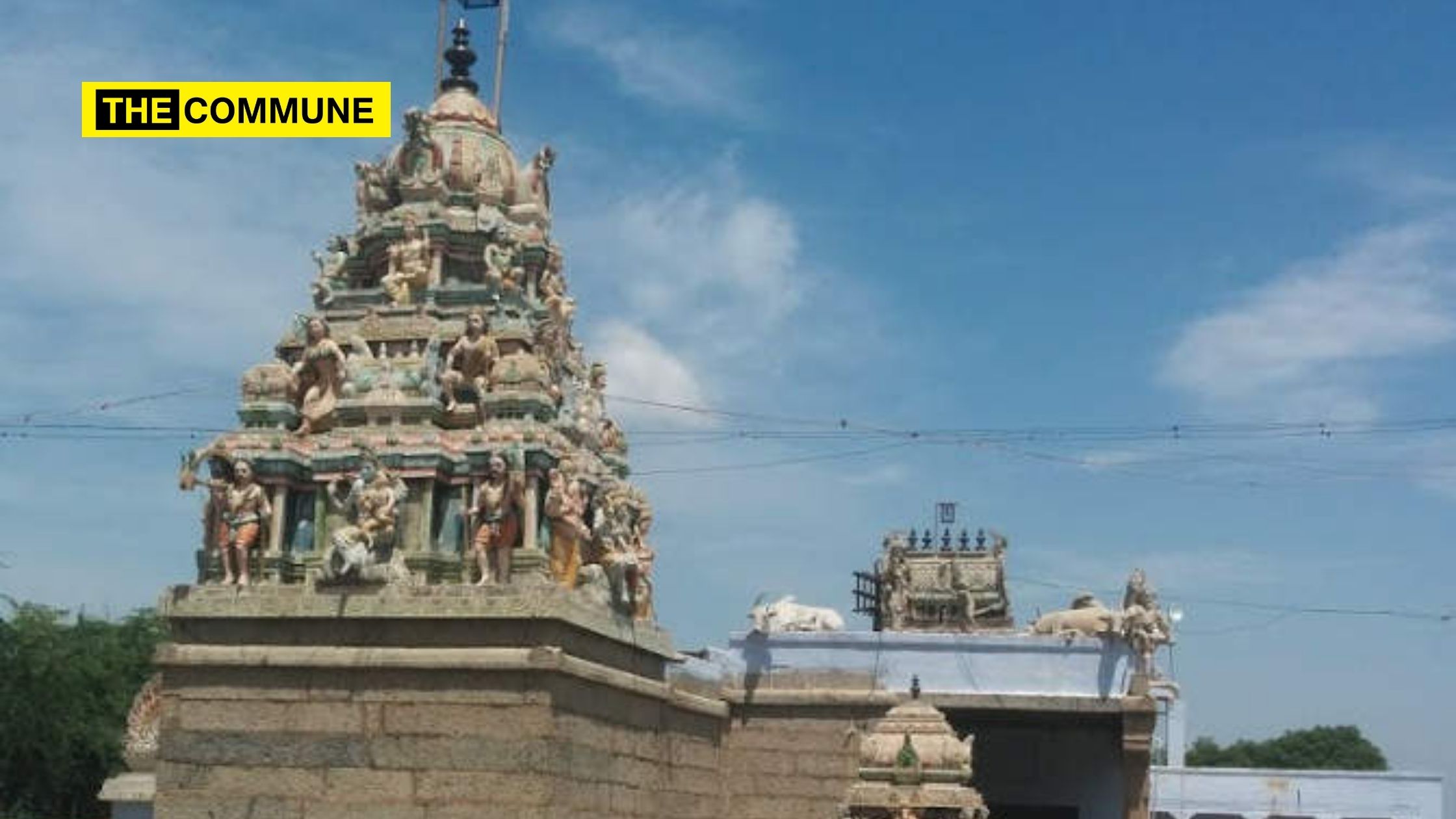
Radhakrishnan, the founder of Tamil Nadu Thiruthondar Sabai, has warned that a land grabbing mafia group is trying to sell land belonging to a temple near Salem using fake patta.

The Tamil Nadu Thiruthondar Sabai is an organization involved in reclaiming encroached temple lands by bringing to light the irregularities happening in temples controlled by Tamil Nadu Hindu Religious & Charitable Endowments department to the government and the courts.

Radhakrishnan, the temple activist leading the organization found that the place surrounding the Kanjamalai Siththar Kovil Murugan Temple were littered with filth. He found that the temple did not have adequate facilities like dress-changing rooms for women devotees’ visiting to take a dip in the temple tank. He also found that the temple authorities had given away the buckets and mugs  to be used for bathing to the cooks.

At that time, he came to know that temple land belonging to the temple were being encroached. It was revealed that some people were trying to sell the lands belonging to the temple by using bogus pattas.

Radhakrishnan had gone to meet the government officials to retrieve the temple land belonging to the Siddeswaraswami Temple in Salem that has been encroached by land sharks and also to bring to the attention of authorities other grievances. He requested for taking appropriate action to prevent the temple property from being swindled.

The Government of Tamil Nadu had earlier announced that the encroachments on the temple lands would be regularized and pattas would be given to the occupants. But many Hindu organizations and social activists have been opposing this. They point out that the government’s move is paving way for land sharks grab these lands.

(With inputs from Kathir News)

Indian Railways goes ‘Vocal For Local’, buys khadi goods worth ₹49 cr in May-Dec 2020

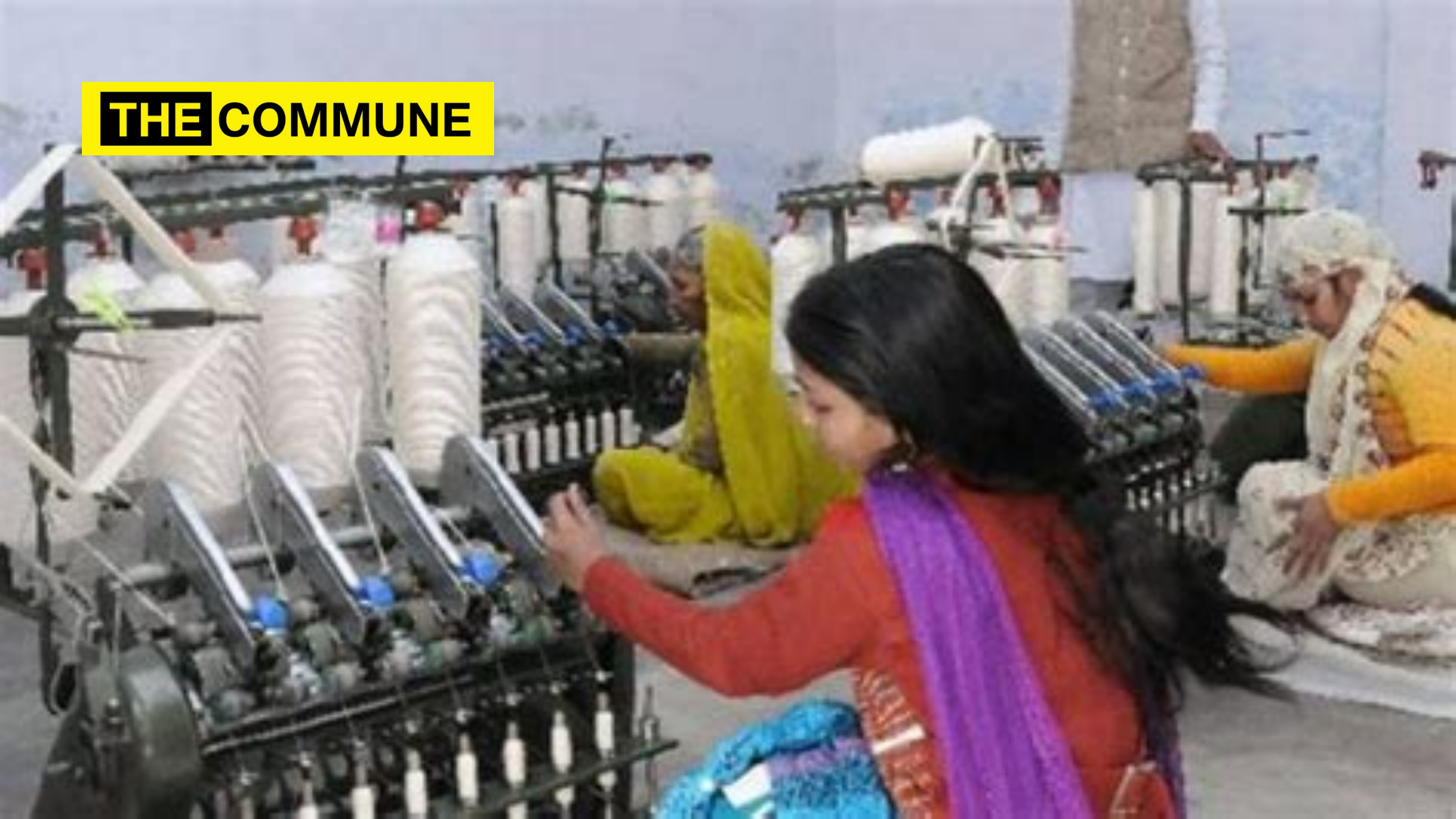
Khadi activities got a major push in the year 2020 – a year that largely remained affected due to the Covid-19 lockdown – thanks to a huge purchase order worth ₹48.90 crore from the Indian Railways. While the railways purchased Khadi goods worth ₹8.48 crore in December 2020 alone, it substantially created employment and income for Khadi artisans during the testing times of Covid-19.

The purchase orders from Indian Railways directly benefited artisans registered with 82 Khadi Institutions across India. These artisans are engaged in the production of sheeting cloth, towels, bedsheets, flag banners, sponge-clothes, Dosuti Cotton Khadi, bunting clothes etc.

In the period from May 2020 to December 2020 (till December 21), Indian Railways procured Khadi material worth ₹48.90 crore, which kept Khadi activities going during the pandemic. Interestingly, Indian Railways purchased goods worth ₹19.80 crore from Khadi institutions in the months of May and June despite the economy having taken a severe hit due to the lockdown. Subsequently, the railways procured Khadi goods worth ₹7.42 crore in July and August, whereas it purchased Khadi products worth ₹13.01 crore in the months of October and November.

Khadi and Village Industries Commission (KVIC) Chairman Vinai Kumar Saxena thanked the Railway Minister Piyush Goyal for supporting Khadi artisans by placing large orders with the KVIC. “During the pandemic, KVIC faced the biggest challenge of sustaining employment and livelihood of the artisans. While KVIC engaged its artisans in making Khadi masks during the pandemic, it simultaneously received bulk orders from the railways too that kept Khadi’s spinning wheel on the move. This meant additional employment and income for the artisans which helped them overcome the financial distress and support the country’s economy,” Saxena said.

Apart from supporting Khadi through direct purchases, Indian Railways has also implemented policy decisions to strengthen Khadi artisans. In one such move, the Railways has designated 400 railway stations where only earthenware is used for selling food and beverages to passengers, thus giving a major employment and earnings boost to the potters trained by KVIC under the Kumhar Sashaktikaran Yojana. The Ministry of Railways is in the process of notifying another 100 railway stations as “Plastic-free Stations”.

(Published from PIB)

UP cops arrest Muslim man in Karnataka on charges of abduction and forceful conversion

Uttar Pradesh police on January 15 arrested a Muslim man from Karnataka for allegedly abducting a Hindu girl with the intention of forcefully converting her to Islam. The girl is from Uttar Pradesh’s Gorakhpur, while the accused has been identified as 21-year old Mehboob, a resident of Vijayapura district in Karnataka.

Station House Officer (SHO), Chiluatal police station, Neeraj Kumar Rai said that the girl’s father, a retired Army man, had filed a missing report on January 5 after she did not return home from college. He said that on examining the call records the girl’s phone, it was revealed that she used to make frequent calls to a man mentioned as Mehboob on the Truecaller app. According to the app, Mehboob’s location was in Karnataka. A case was then lodged against the accused on January 11. The case was lodged under sections 366 (kidnapping, abduction or inducing woman to compel her into marriage ) and 363 (kidnapping) of the Indian Penal Code, besides the newly promulgated anti-conversion law of the Uttar Pradesh government. Subsequently, a three-member police team was sent to Karnataka to locate the accused and the girl.

According to the girl’s father, the accused had befriended befriended his daughter through social media last year and had lured her on the pretext of finding her a job. Indi Rural Police, Vijayapura, Karnataka and their counterparts at the Chiluatal police station, Uttar Pradesh arrested the accused near Indi Railway Station when he came to meet his father, who is a porter at the railway station. The accused’s father denied knowledge of his son’s doings.

Indu Makkal Katchi promises to reform HR&CE, says ‘we are not here to rule TN but free Hindu temples’

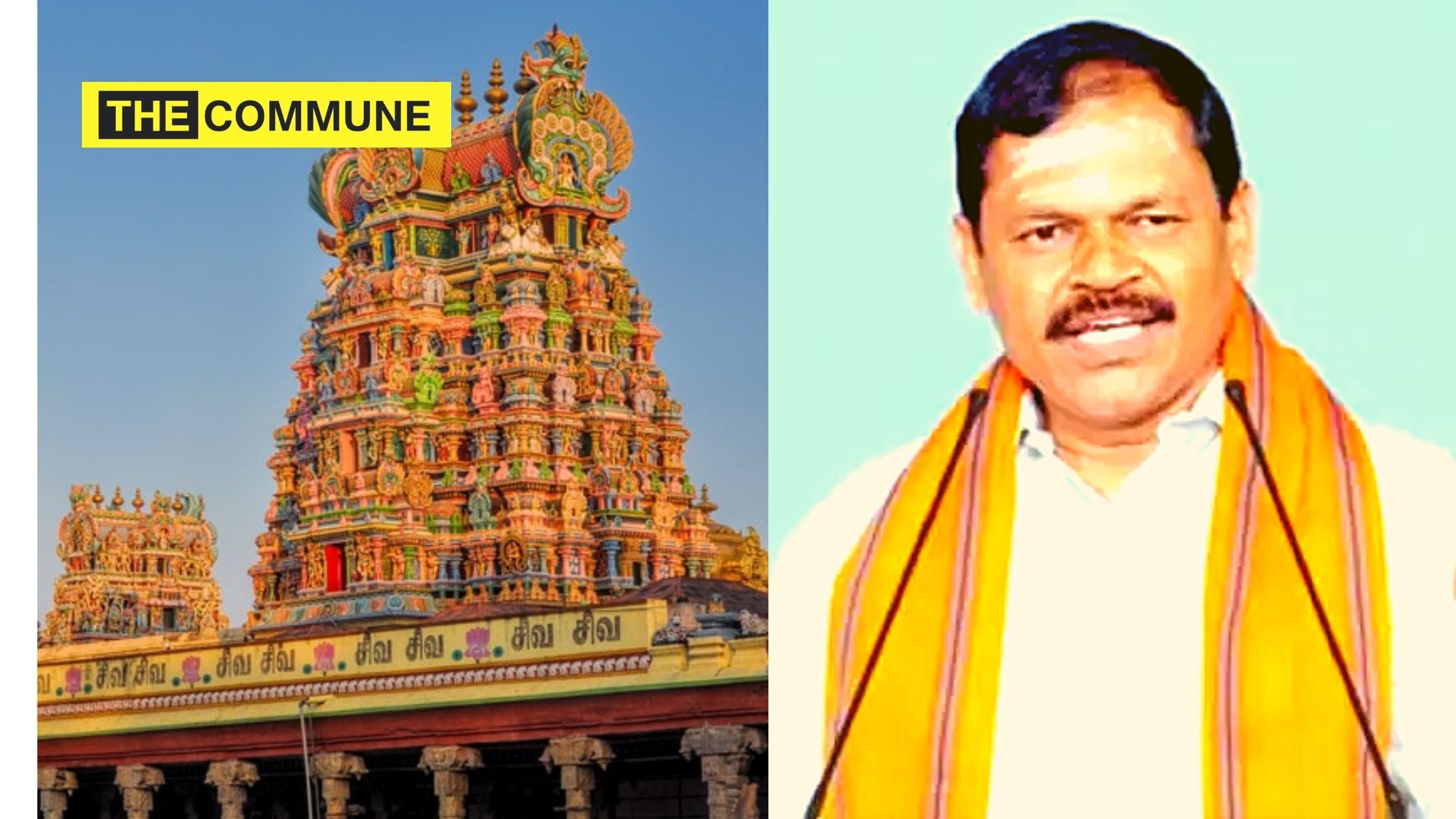
In a series of tweets, the Indu Makkal Katchi (IMK) has said that their political mission is not to rule Tamil Nadu but to bring about reforms in the Tamil Nadu Hindu Religious and Charitable Endowments (HR&CE) department and free temples from state control.

Acknowledging the fact that it is easier said than done, IMK has proposed to scrap the extraordinary powers vested with the department if they get hold of the Ministry.

It noted that the HR&CE has quasi-judicial powers like a District Magistrate and added that it paved way for arbitrary change of rules, trustees and conducting festivals at their convenience, with complete disregard for the Agamas and other traditions mandated by various Hindu spiritual texts. It said that it was because of this judicial power that no HR&CE employee accused of corruption has been punished so far.

Speaking to The Commune, IMK spokesperson Sathya Narayanan said 20% of the problem would be solved if this judicial power is taken away from the HR&CE department and given to the courts.

“If you file a complaint against encroachments of temple lands, the entire decision will be legally taken by HRCE. They write a report, mimicking, as Revenue Department, Police Department, etc. There is no way a powerless Hindu can fight this injustice. That is why we want to get hold of power of this Ministry and our focus is only this Ministry. Nothing else.”, Sathya Narayanan said.

Sathya also pointed out the department warrants various other reforms to be carried out. “So far, only internal audits are carried out which is submitted as a report to the Commissioner. A compulsory external audit mechanism from two independent bodies has to be put in place.”, Sathya said.

“In 1974 a major temple called out for donating 2 sovereigns of gold to the temple. Hundreds of devotees donated. The audit for this scheme was done in 2011, after close to four decades. That audit too concluded with no proper data as 50% of the staff either retired or were dead.”, Sathya noted.

He also said that there needs to be clear demarcation over which the department has powers adding that taking care of the welfare of the cows in goshalas and temple elephants were the duty of the animal husbandry department and forest department respectively.

“This is the start. By doing these reforms, we can get HR&CE from an administrative role to only a supervisor role which will enable devotees to have greater clarity administration of temples. This is how we can gradually relieve temples from state control.”, Sathya said.

He said that for the IMK to get the Ministry they would need to win in at least 25 seats to bargain, if they were to go alone.

“But if the AIADMK-BJP accommodates us, these changes would be easy to bring about.” Sathya said.

Bolivia to procure five million vaccine doses from Serum Institute of India

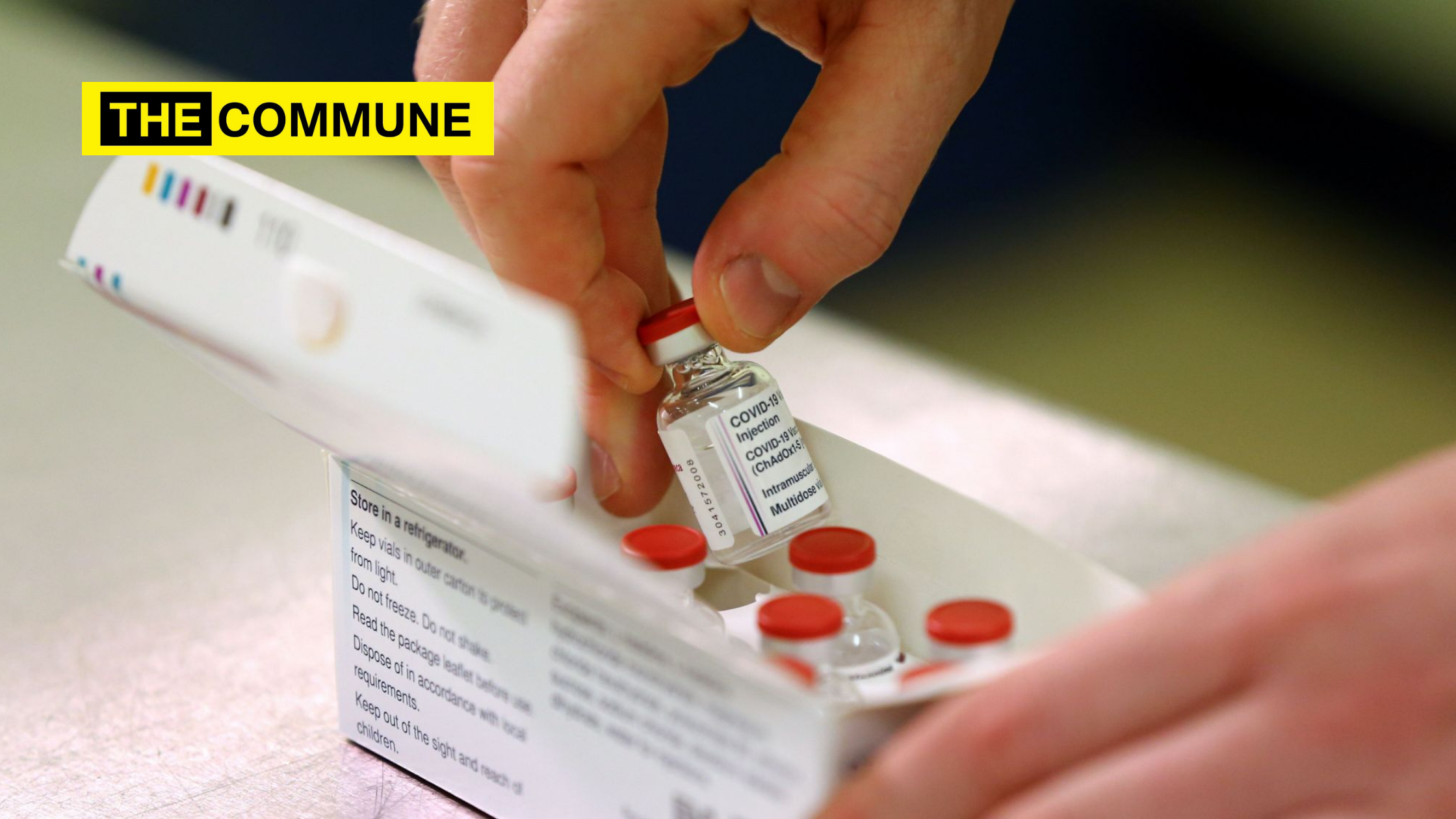
The Bolivian government on January 13 said that it had signed a contract with the Serum Institute of India (SII) for the supply of 5 million doses of AstraZeneca’s COVID-19 vaccine.

Last week, Brazilian President Jair Bolsanaro had written to Prime Minister Narendra Modi, asking for a shipment of 2 million vaccine doses to be expedited.

Bolivia’s President Luis Arce said that with this deal signed with SII and another recent deal to buy 5.2 million Sputnik V vaccine doses from Russia, Bolivia now expects to be able to inoculate all of its vaccinable population. Both the AstraZeneca and the Sputnik V vaccines require two doses to be given, meaning they would be used to inoculate a total of 5.1 million people from Bolivia’s 11.51 million-strong population.

President Arce further said that the first million AstraZeneca doses would arrive in Bolivia in April. The first 6,000 Sputnik doses are expected to arrive at the end of January.

The landlocked South American country has also signed an agreement through the WHO-backed global COVAX initiative, as it seeks to ensure equitable distribution of vaccines, to receive a further 3.6 million doses of a range of vaccines.

Bolivia has endured periods of political and social disruption as the contested elections in 2019 saw longtime president Evo Morales leave office. The country has struggled to secure bilateral vaccine supply deals.

This week, Bolivia also took delivery of 650,000 of a promised 1.6 million shipment of COVID-19 tests from South Korea. The nasal antigen tests will allow Bolivia to roll out widespread testing for the disease for the first time since the pandemic broke out, potentially resulting in a spike in reported infection numbers.

Vaccination campaign of this scale is unprecedented in the history of mankind: PM

modi CERAWeek award

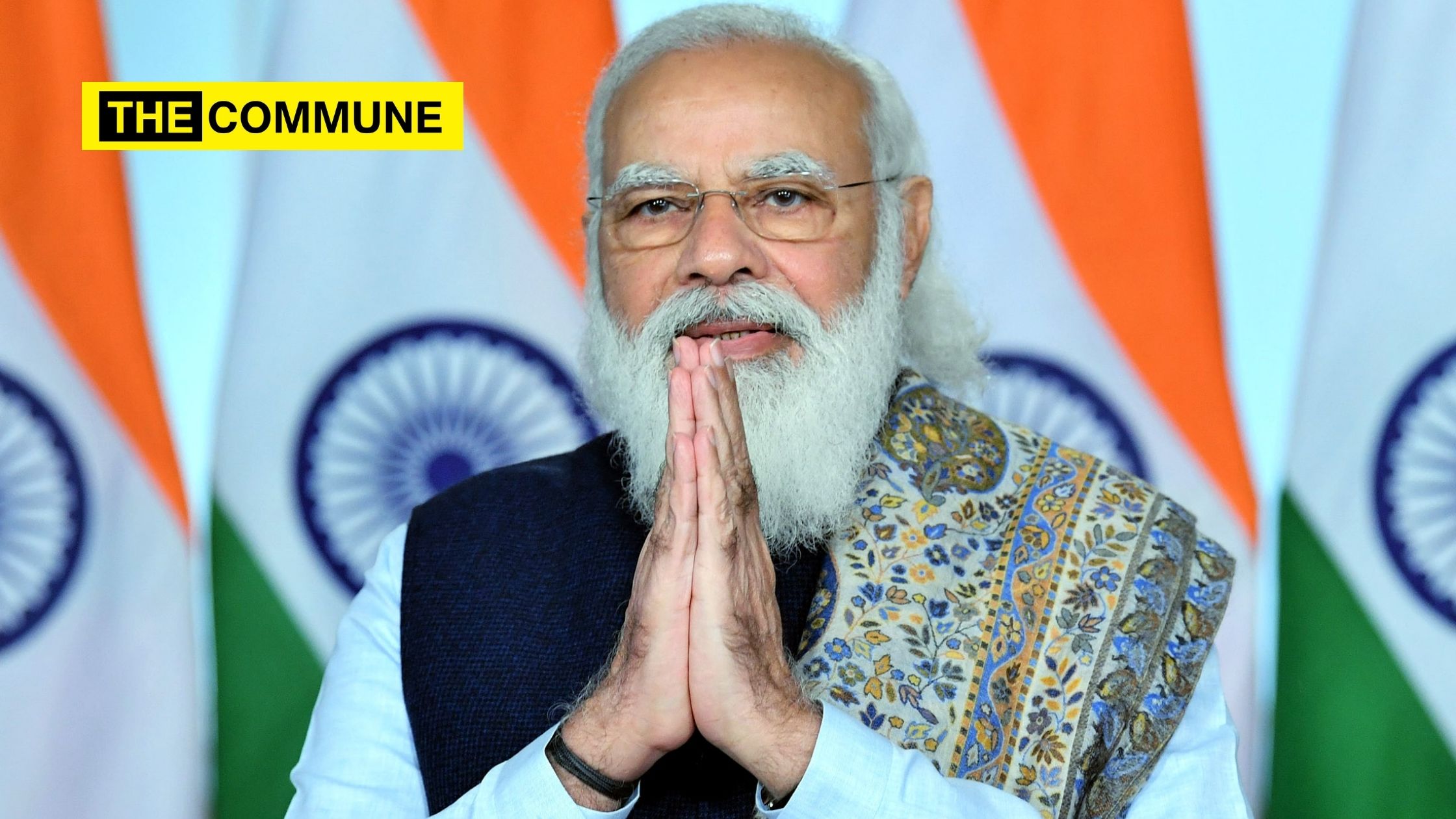
Prime Minister Narendra Modi on Saturday (January 16) launched the pan India rollout of COVID-19 vaccination drive via video conferencing.

This is the world’s largest vaccination program covering the entire length and breadth of the country.

The Prime Minister put the unprecedented scale of the vaccination drive in perspective by informing that, in the first round itself, 3 crore people, which is more than population of at least 100 countries of the world, are being vaccinated.

He said that this needs to be taken up to 30 crores in the second round when elderly and people with serious co-morbidities will be vaccinated. He said that there are only three countries- India, USA and China, who have the population of more than 30 crore.

This scale of vaccination campaign has never been attempted in history and this shows India’s capability, PM Modi Said.

The Prime Minister asked people stay away from rumours and propaganda as these made-in-India vaccines have been approved for emergency use only after the scientists and experts were fully convinced about their safety and efficacy.  Indian vaccine scientists, medical system, Indian process and institutional mechanism in this regard is trusted globally and this trust is earned with a consistent track record. The Prime Minister pointed out that 60% of children world over receive life-saving vaccines which are made-in-India and pass through stringent Indian scientific tests.

The Prime Minister said this trust on Indian vaccine expertise and Indian vaccine scientists is going to be further strengthened by made-in-India Corona vaccine. Indian vaccines are not only much cheaper than the foreign vaccines but they are much easier to administer too. Some of the foreign vaccines, the Prime Minister pointed out, are priced upto five thousand rupees per dose and have to be stored in minus 70 degree temperature. Whereas, Indian vaccines are based on technology which has been tried and tested for many years in India.

With regard to storage to transportation these vaccines are suitable for India conditions and the will help us in securing a decisive victory in our fight against Corona, said the Prime Minister.

PM Modi termed the Indian response to corona as one of self-confidence and self-reliance. He noted a determination of not to let the confidence weaken in every Indian. He recalled the journey from one Corona lab to the strong network of 2300 labs; from dependence to self-sufficiency to exporting  capacity in masks, PPE and ventilators. He called upon people to show the same sense of self-confidence and self-reliance during the phase of vaccination drive.

(Published from PIB)

Poverty stricken class 12 girl from TN helps build toilets for 126 households in her village

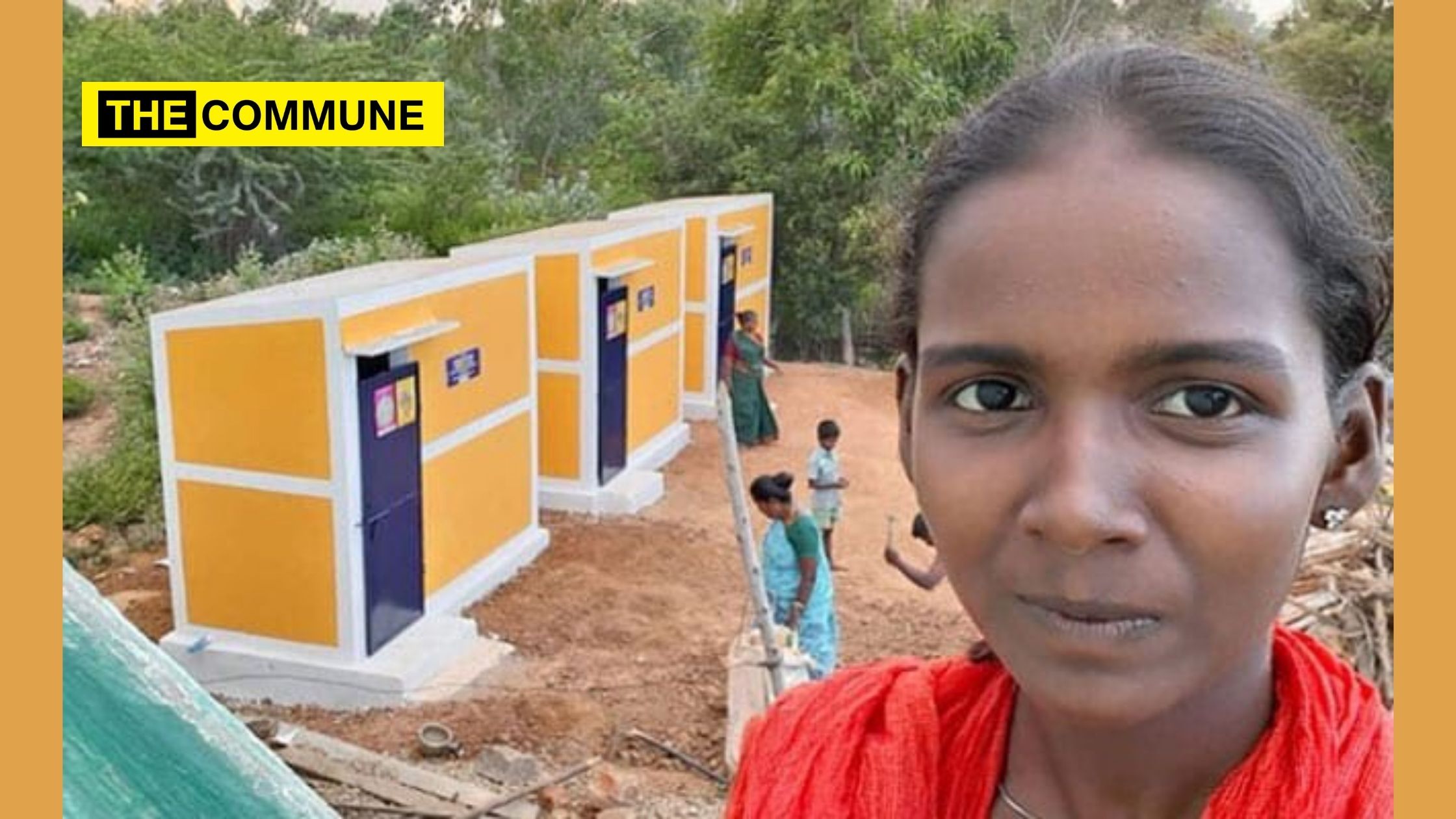
Jayalakshmi, a class 12 student studying at the Adhanakottai government high school has been instrumental in building toilets for 126 households in her village.

Adhanakottai is a sultry village located in the Pudukottai district of Tamil Nadu. Born into a family struck by extreme poverty, Jayalakshmi has braved the odds in her life and remains an inspiration for the children of her village.

Living in a dilapidated house with her mentally ill mother and a younger brother, Jayalakshmi is the sole bread winner of the family. She earns by taking tuitions for the kids in the neighbourhood and selling cashews. Her father who deserted when Jayalakshmi was young, sends some money once in a while.

Her moment came when last year, she got selected to visit National Aeronautics and Space Administration (NASA) after she cleared a competition held by by Go4Guru. She came to know of the competition when she stumbled upon a newspaper while playing carrom board with her friends. The newspaper had the story of Dhaanya Thasnem, who won a chance to go to NASA in 2018. Fascinated by it, she registered for the exam and managed to clear it. When she made news for her feat, ISRO chairman K. Sivan too arranged for her to visit ISRO.

But, arranging funds for her trip to NASA with her meagre earnings was a problem. That is when the district administration, her school teachers, and several other private organizations pitched in to help.

One such organization named ‘Gramalaya’ had come forward to help fund Jayalakshmi’s trip to NASA. But, Jayalakshmi’s response took them all by surprise. She told them that she had already received the required funds for her trip and was not in need of money. However, she added that the women folks of her village were struggling without proper toilet and sanitation and asked the organization if it would be possible for them to build toilets in her village instead giving the money to her.

latest tamil news
Image Credits: Dinamalar

The team then surveyed the houses in Adhanakottai that were in need of toilets following which 126 toilets were constructed at a cost of ₹20,000 each. Today, the women of Adanakottai who hitherto had to walk 2 kms to relieve themselves use the toilets, thanks to Jayalakshmi. She has now become a kid to look up to in her area and serves as an inspiration to many others of her age group.

Jayalakshmi is inspired by Dr. A.P.J. Abdul Kalam and is intrigued by space science. She hopes to make it as an IAS officer in the future.

(With inputs from Dinamalar and The New Indian Express)