Home Blog Page 1394

Cabinet approves Deep Ocean Mission

The Cabinet Committee on Economic Affairs chaired by Prime Minister Shri Narendra Modi, has approved the proposal of Ministry of Earth Sciences (MoES) on “Deep Ocean Mission”, with a view to explore deep ocean for resources and develop deep sea technologies for sustainable use of ocean resources.

The estimated cost of the Missionwill be Rs. 4077 crore for a period of 5 years to be implemented in a phase-wise manner. The estimated cost for the first phase for the 3 years (2021-2024) would be Rs.2823.4 crore. Deep Ocean Mission with be a mission mode project to support the Blue Economy Initiatives of the Government of India. Ministry of Earth Sciences (MoES) will be the nodal Ministry implementing this multi-institutional ambitious mission.

The Deep Ocean Mission consists of the following six major components:

  1. Development of Technologies for Deep Sea Mining, and Manned Submersible: A manned submersible will be developed to carry three people to a depth of 6000 metres in the ocean with suite of scientific sensors and tools. Only a very few countries have acquired this capability. An Integrated Mining System will be also developed for mining Polymetallic Nodules from 6000 m depth in the central Indian Ocean. The exploration studies of minerals will pave way for the commercial exploitation in the near future, as and when commercial exploitation code is evolved by the International Seabed Authority, an UN organization. This component will help the Blue Economy priority area of exploring and harnessing of deep sea minerals and energy.


  1. Development of Ocean Climate Change Advisory Services: A suite of observations and models will be developed to understand and provide future projections of important climate variables on seasonal to decadal time scales under this proof of concept component. This component will support the Blue Economy priority area of coastal tourism.


  1. Technological innovations for exploration and conservation of deep-sea biodiversity: Bio-prospecting of deep sea flora and fauna including microbes and studies on sustainable utilization of deep sea bio-resources will be the main focus. This component will support the Blue Economy priority area of Marine Fisheries and allied services.


  1. Deep Ocean Survey and Exploration: The primary objective of this component is to explore and identify potential sites of multi-metal Hydrothermal Sulphides mineralization along the Indian Ocean mid-oceanic ridges. This component will additionally support the Blue Economy priority area of deep sea exploration of ocean resources.


  1. Energy and freshwater from the Ocean: Studies and detailed engineering design for offshore Ocean Thermal Energy Conversion (OTEC) powered desalination plant are envisaged in this proof of concept proposal. This component will support the Blue Economy priority area of off-shore energy development.


  1. Advanced Marine Station for Ocean Biology. This component is aimed as development of human capacity and enterprise in ocean biology and engineering. This component will translate research into industrial application and product development through on-site business incubator facilities. This component will support the Blue Economy priority area of Marine Biology, Blue trade and Blue manufacturing.

The technologies required for deep sea mining have strategic implications and are not commercially available. Hence, attempts will be made to indigenise technologies by collaborating with leading institutes and private industries. A research vessel for deep ocean exploration would be built in an Indian shipyard which would create employment opportunities. This mission is also directed towards capacity development in Marine Biology, which will provide job opportunities in Indian industries. In addition, design, development and fabrication of specialised equipment, ships and setting up of required infrastructure are expected to spur the growth of the Indian industry, especially the MSME and Start-ups.

Oceans, which cover 70 per cent of the globe, remain a key part of our life. About 95 percent of Deep Ocean remains unexplored. For India, with its three sides surrounded by the oceans and around 30 per cent of the country’s population living in coastal areas, ocean is a major economic factor supporting fisheries and aquaculture, tourism, livelihoods and blue trade. Oceans are also storehouse of food, energy, minerals, medicines, modulator of weather and climate and underpin life on Earth. Considering importance of the oceans on sustainability, the United Nations (UN) has declared the decade, 2021-2030 as the Decade of Ocean Science for Sustainable Development. India has a unique maritime position. Its 7517 km long coastline is home to nine coastal states and 1382 islands. The Government of India’s Vision of New India by 2030 enunciated in February 2019 highlighted the Blue Economy as one of the ten core dimensions of growth.

Published from PIB

Click here to subscribe to The Commune on Telegram and get the best stories of the day delivered to you personally.
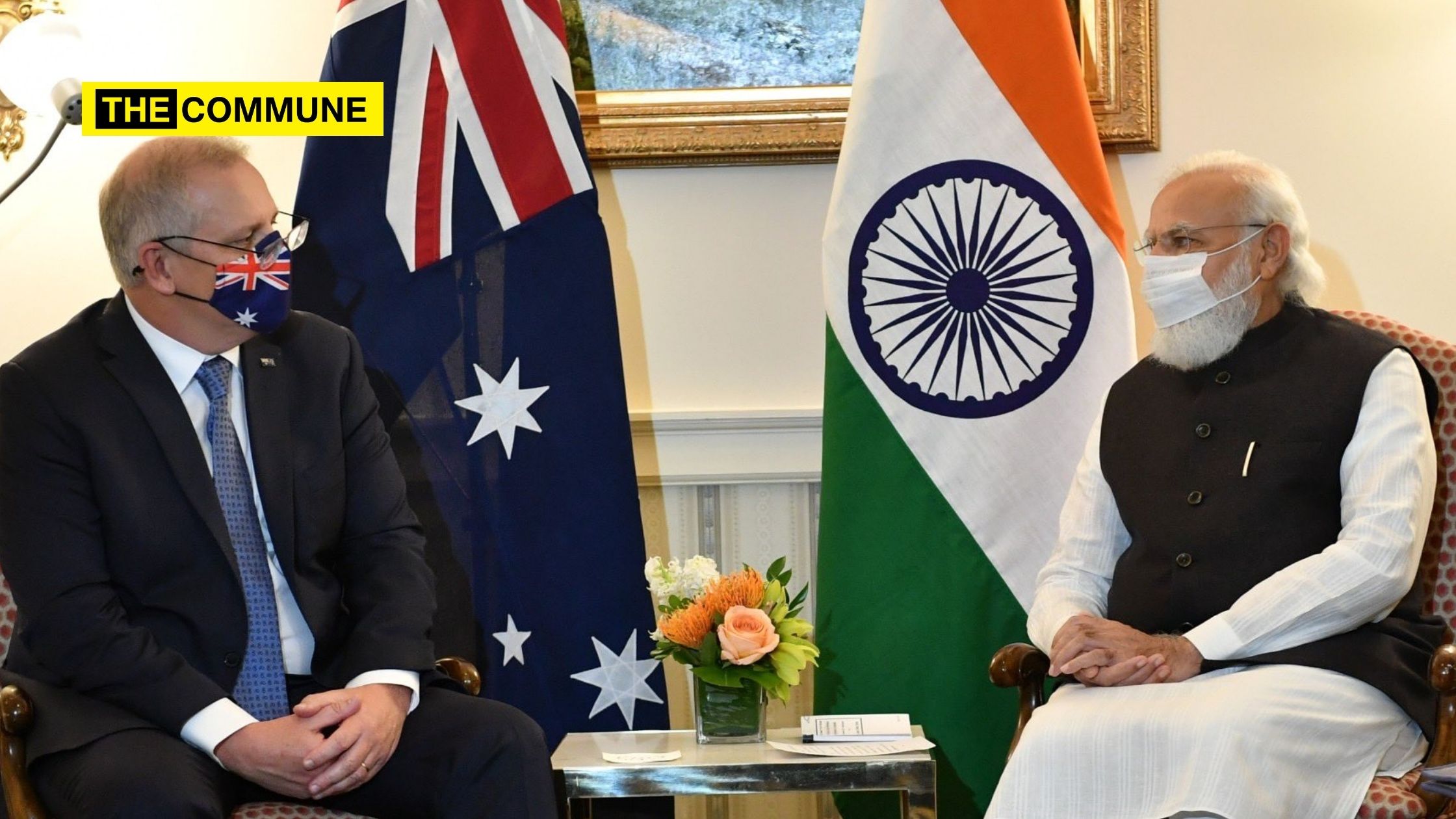

 

Couple from TN wins hearts after donating ₹37 lakh from their wedding fund for COVID relief

A couple from Tirupur in Tamilnadu have won hearts after they donated ₹37 lakh from their wedding fund for COVID relief. Anu and Arul Pranesh from Tirupur had originally estimated their wedding budget at a whopping ₹50 lakh. But, on June 14, they decided to get married on a ₹13 lakh budget.

This decision was not just influenced by their philanthropic nature, but also by the fact that a lot of the wedding guests were apprehensive to attend because of the COVID restrictions and fear of infections.

Noticing these discrepancies, Arul Pranesh, who runs his family business of selling plastic products, had conferred with his bride-to-be. They had then decided that this would be the right decision, and reduced their wedding budget. “Even the wedding hall owner returned our rental advance,” he recalled. “However, as the family elders decided not to postpone the wedding, we got married at the Vattamalai Angalamman temple with minimal attendance after taking permission from local authorities.”

It is to be noted that their family is a member of the Rotary Club of Tirupur and regularly engage in philanthropic activities and give out donations for various charities.

Click here to subscribe to The Commune on Telegram and get the best stories of the day delivered to you personally.
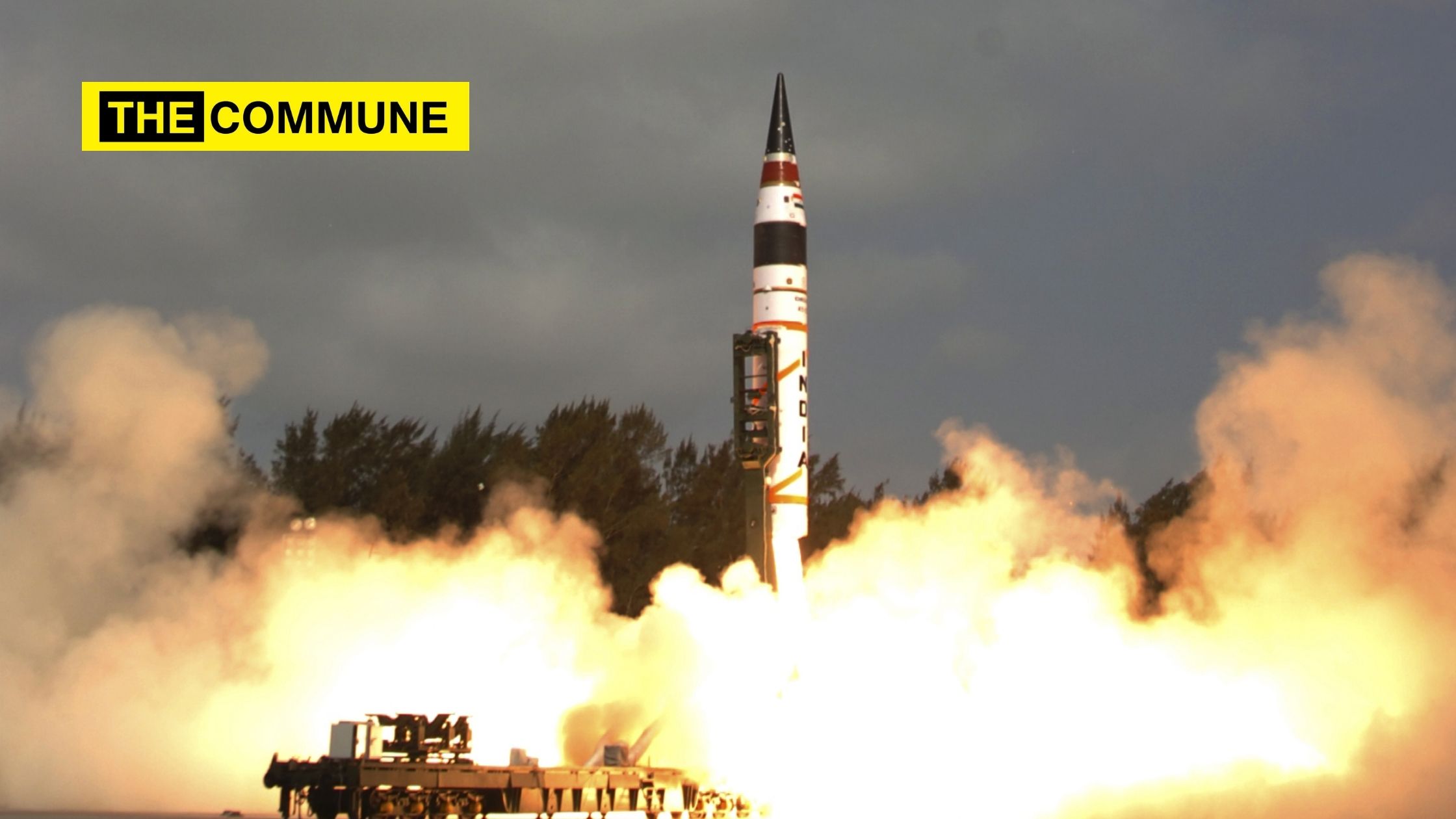
Miscreants encroach Sevilimedu Mariamman temple land in Kanchipuram

Devotees and residents around the Mariamman temple in Kanchipuram have expressed dissatisfaction over the temple’s land being encroached upon by encroachers and the Tahsildhar’s inaction on complaints received.

A complaint was filed with the Tahsildhar on April 13, alleging encroachment on land belonging to the Mariamman temple in the Sevilimedu area of ​​Kanchipuram district.

According to the complaint letter, despite warnings from nearby residents, an individual constructed a house on 2160 square feet of temple land. It further stated that the encroached site was where the villagers and devotees used to celebrate the annual temple festival.

The villagers, however, complained that the Tahsildhar, who received the complaint, had taken no action, resulting in increased encroachment of temple lands.  The people in the area have also accused the Tahsildhar of failing to act on any petition submitted on their behalf in the Tahsildar’s office.

It is worth noting that the Chennai High Court recently stated that the temple lands should be protected and that immediate action should be taken on complaints related to the temple property encroachment.

(with inputs from Kathir news)

Click here to subscribe to The Commune on Telegram and get the best stories of the day delivered to you personally.

NIA files chargesheet against suspected ISIS operative in Chennai

A suspected ISIS operative from Kerala was charge-sheeted by the National Investigation Agency (NIA) before the NIA Special Court in Poonamallee, Chennai.

According to the NIA, the case was initially filed by the ‘Q’ Branch CID, Chennai City Police Station against Syed Ali, 31, a resident of Kerala’s Thiruvananthapuram district, in connection with the arrest of a group of people who conspired in Salem and Chennai to fraudulently activate Airtel and Vodafone SIM cards using multiple identity documents without the knowledge or consent of the people involved.

Upon investigation, it was found that the accused had utilized the SIM cards for terrorist operations. On January 21, the NIA re-registered the case and took over the investigation. An investigation by NIA found that these SIM cards were given to ISIS terrorists Liyakath Ali and Khaja Moideen.

On Tuesday, NIA charged Syed Ali under sections 120B, 471, and 201 of the Indian Penal Code (IPC), sections 18, 38, and 39 of Unlawful Activities (Prevention) Act 1967, and Sections 4 and 5 of Explosive Substances Act, 1908.

NIA added, “Syed Ali had assisted Khaja Moideen in using the dark web, encrypted communication to communicate with a foreign-based handler and had also participated in conspiracy meetings and arranged safe hide-outs. In order to further this conspiracy, he had also procured explosive materials and gadgets to experiment with IEDs.”

The case is currently being investigated further.

(with inputs from Kathir news)

Click here to subscribe to The Commune on Telegram and get the best stories of the day delivered to you personally.

99 million year old ‘lizard-like’ dinosaur fossil discovered

Two fossils dating back about 99 million years have been found in Myanmar. Scientists have predicted that it could be a new species of “lizard-like dinosaur” that has not been found before.

These fossils have been named Ocludentavis naga (O. naga), after the people of Nagaland as they are a new species. These belong to the genus Oculutentavis goungre, i.e., a species previously thought to be the smallest bird or dinosaur.

In these two new models, scientists have discovered distinct physical features like the teeth attached to the jawbones and the soft tissues preserved in the amber, which was unlike other fossils.

After examining the data, these palaeontologists discovered that it contained mysterious animal-like scales. The teeth were directly attached to the jaw bone. Usually, the teeth of dinosaurs are attached to a socket, not to the jaw bone. This revealed that these fossils did not fully reflect the dinosaur species. The researchers also found that its eye structure and lizard-like shoulder bones and hockey stick-shaped skull were similar to those of reptiles with teeth attached to the jawbone.

Following this, they identified that this may be a new type of lizard species. In a statement, Arnold Pollat, and Michael Crusafont, who are leading researchers at the Spanish Institute of Cadillac de Palaeontology, said, “This fossil initially confused all researchers because it did not resemble the existing species of lizards.

“We concluded that the two specimens found belonged to Ocludentavis, but that many of the differences in them resemble a different species,” Pollat added. This latest research was published in the journal Current Biology on June 14th.

The team of scientists also found that the two samples began to decompose when taken safely. Reading about this fossil collection purchased by the gemologist Adolf Beretti in Myanmar revealed that this model was first noticed by ancient researchers. The Florida Museum of Natural History reported that the fossil was sold following ethical guidelines set by the Society for Vertebrate Palaeontology, as amber mining and sales in Myanmar have been linked to human rights abuses in the country.

Click here to subscribe to The Commune on Telegram and get the best stories of the day delivered to you personally.
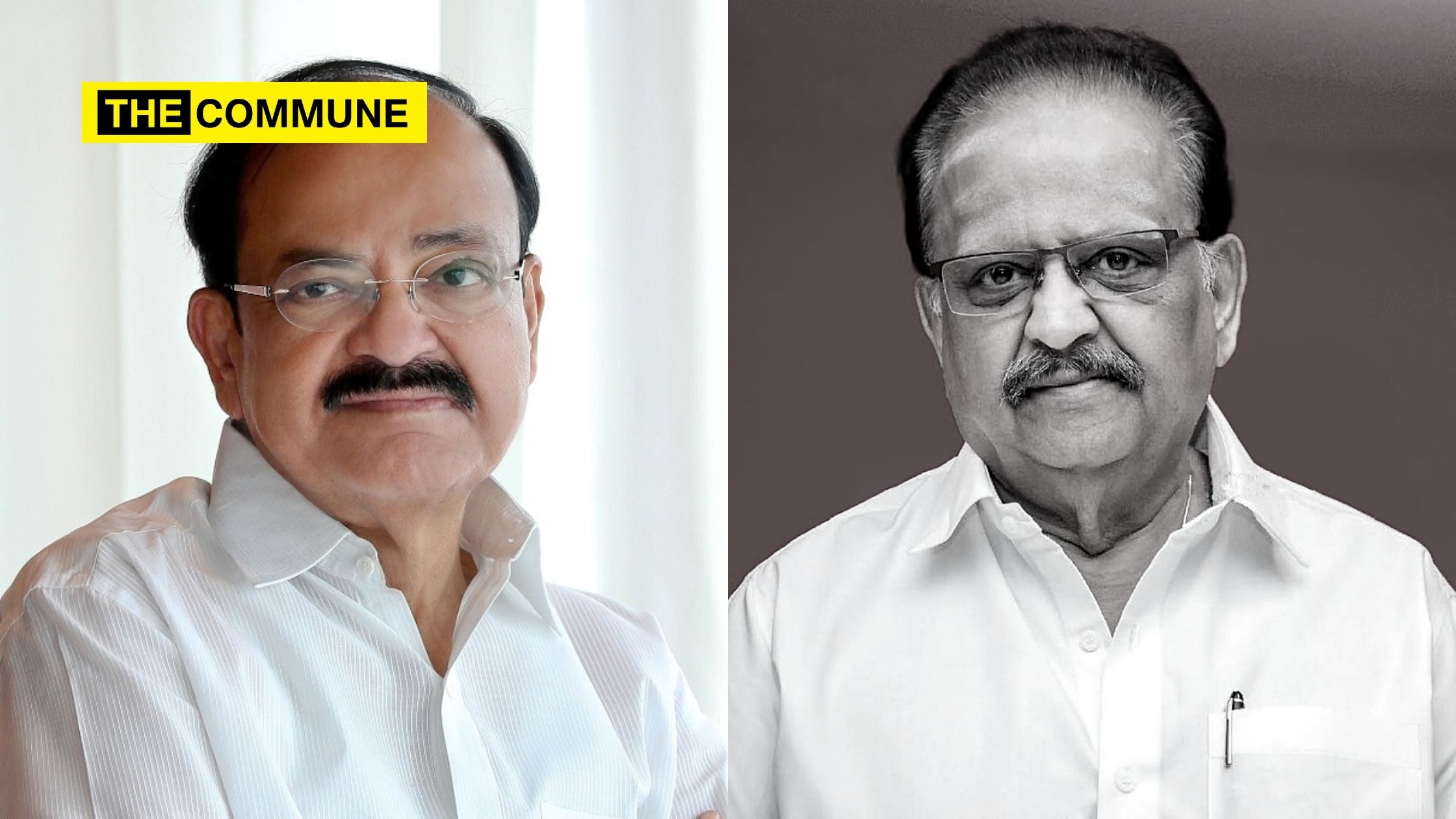
Centre quadruples funding for Jal Jeevan Mission in Tamil Nadu

The central government’s allocation to Tamil Nadu under its flagship initiative, the Jal Jeevan Mission, which aims to provide safe drinking water to all households, has jumped by more than 300 percent, from Rs 922 crore previous fiscal year to ₹ 3691.2 crores this fiscal year.

The mission, launched by Prime Minister Narendra Modi in 2019, aims at providing tap water to every household by 2024. Ministry of Jal Shakti has released ₹ 614.35 crores to the State as the first tranche.

Union Minister, Jal Shakti, Shri Gajendra Singh Shekhawat while approving this four-fold increase in the allocation has assured full assistance to the State for making provision of tap water supply in every rural home by 2024.

In a letter to Tamil Nadu chief minister M K Stalin, Union Jal Shakthi minister Gajendra Singh Shekhawat stated, “As of now, 88.8 lakh homes in Tamil Nadu are to be provided tap water connections.” He also expressed concern over the pace at which the work is progressing.

He further said that out of the ₹ 921.99 crores Central funding allotted to Tamil Nadu for 2020-21, the state utilized just ₹ 544.51 crores and surrendered ₹ 377.48 crores earmarked for rural tap water supply.

He also expressed his optimism that the increased funding will allow the state to complete other planned initiatives under the Jal Jeevan Mission, such as providing tap water to every home in rural regions.

He reiterated the emphasis given by the Prime Minister, Shri Narendra Modi to provide tap water on priority to all households in water-scarce areas, quality-affected villages, Aspirational districts, SC/ST majority villages, and Saansad Adarsh Gram Yojna (SAGY) villages of Tamil Nadu. The State has been urged to cover all households in these villages/ areas in 2021-22 on a priority.

Click here to subscribe to The Commune on Telegram and get the best stories of the day delivered to you personally.

India calls for unimpeded freedom of navigation in South China Sea during ASEAN summit

With the world’s leading economic powers putting pressure on China, India has now put its weight around the freedom of navigation, overflight, and unimpeded commerce in international waterways, particularly the South China Sea.

Defence Minister Rajnath Singh said on Wednesday (June 16) said that India faces maritime security challenges  hinting at China’s expansionist policy in the Indo-Pacific region.

Singh was making his address at the eighth meeting of Defence Ministers from the Association of Southeast Asian Nations (ASEAN) when he said, “The sea lanes of communication are critical for peace, stability, prosperity and development of the Indo-Pacific region. In this regard, developments in the South China Sea have attracted attention in the region and beyond,”.

“India hopes that the Code of Conduct negotiations will lead to outcomes that are in keeping with international law, including the United Nations Convention on the Law of the Sea (UNCLOS) and do not prejudice the legitimate rights and interests of nations that are not a party to these discussions,” he said.

Rajnath Singh was very clear about China’s unabated expansion and the escalating territorial conflict in the South China Sea which has threatened the territorial rights in the waters with Brunei, Indonesia, Malaysia, Philippines, Taiwan, and Vietnam.

India believes in a free, open and inclusive order in the Indo-Pacific, based upon respect for sovereignty and territorial integrity of nations which is now being openly challenged by China that thinks it has the rights and has also failed to adhere to international rules and laws.

“India has strengthened its cooperative engagements in the Indo-Pacific based on converging visions and values for promotion of peace, stability, and prosperity in the region,” the minister said.

The defence ministers had gathered for an online meeting hosted by Brunei, this year’s ASEAN chair.

Since Narendra Modi became Prime Minister of India in 2014, India has developed a strong policy to have closer ties with its neighbours and the ‘Act East Policy’ has now become a cornerstone of its foreign policy.

India wants to promote economic cooperation, cultural ties and develop strategic relationships with countries in the Indo-Pacific region through engagement at bilateral, regional and multilateral levels.

Singh also spoke about the threats of terrorism and radicalization to peace and security in the world and said India has global concerns about terrorism as the networking amongst terrorists is reaching alarming proportions.

He added that only through collective cooperation can nations counter, terror organizations, identify the perpetrators identified and held accountable, and the time has come to take strong measures against anyone who supports, encourage, support, and finance terrorism by providing sanctuary to terrorists.

“As a member of the Financial Action Task Force (FATF), India remains committed to combat financing of terrorism,” the minister said.

Click here to subscribe to The Commune on Telegram and get the best stories of the day delivered to you personally.

FATF monitoring Pakistan’s implementation of 27-point action plan

Feature Image Credits: Hindustan Times

The Paris-based Financial Action Task Force (FATF), the global watchdog for money laundering and terror financing, has prepared a preliminary report on Pakistan’s progress on the implementation of the 27-point action plan.

The FATF will now present its findings in the next plenary meeting from June 21 under the supervision of the International Cooperation Review Group (ICRG), which includes the US, the UK, France, China, and India according to a media report.

Pakistan is on the FATF’s ‘grey list’ for a long time and only due to the support it has received from China, it has remained out of the blacklist.

Pakistan has been doing the bare minimum in recent months to avoid being added to a list of countries deemed non-compliant with anti-money laundering and terrorist financing and if it is put on the blacklist it will further hurt its economy.

According to the sources, Pakistan has implemented 26 of the 27-point FATF action plan. “There is partial progress on the point of conviction. Relevant laws have been amended. Therefore, it is hoped that there will be good news for Pakistan at the FATF’s Plenary Session starting from June 21 to 25,” the report said on Monday. However, sources said that in view of the US withdrawal from Afghanistan, Pakistan is likely to remain on the grey list as it would require two to three more months to implement the remaining one point.  But in terms of performance, Pakistan is very optimistic that it will get good news from the FATF, the report said.

According to the report, Pakistan’s situation is likely to change further by September when the US forces leave Afghanistan and its influence on the FATF is expected to be diminished.

Pakistan was placed on the FATF grey list in June 2018 and was asked to implement a 27-point action plan to curb money laundering and terror financing by the end of 2019 but this deadline was extended due to the coronavirus pandemic.

In February, the FATF gave Pakistan the fourth extension to implement a 27-point action plan and “strongly urged” it to meet the remaining three conditions about terror financing investigations and the United Nations Security Council resolutions.

Click here to subscribe to The Commune on Telegram and get the best stories of the day delivered to you personally.
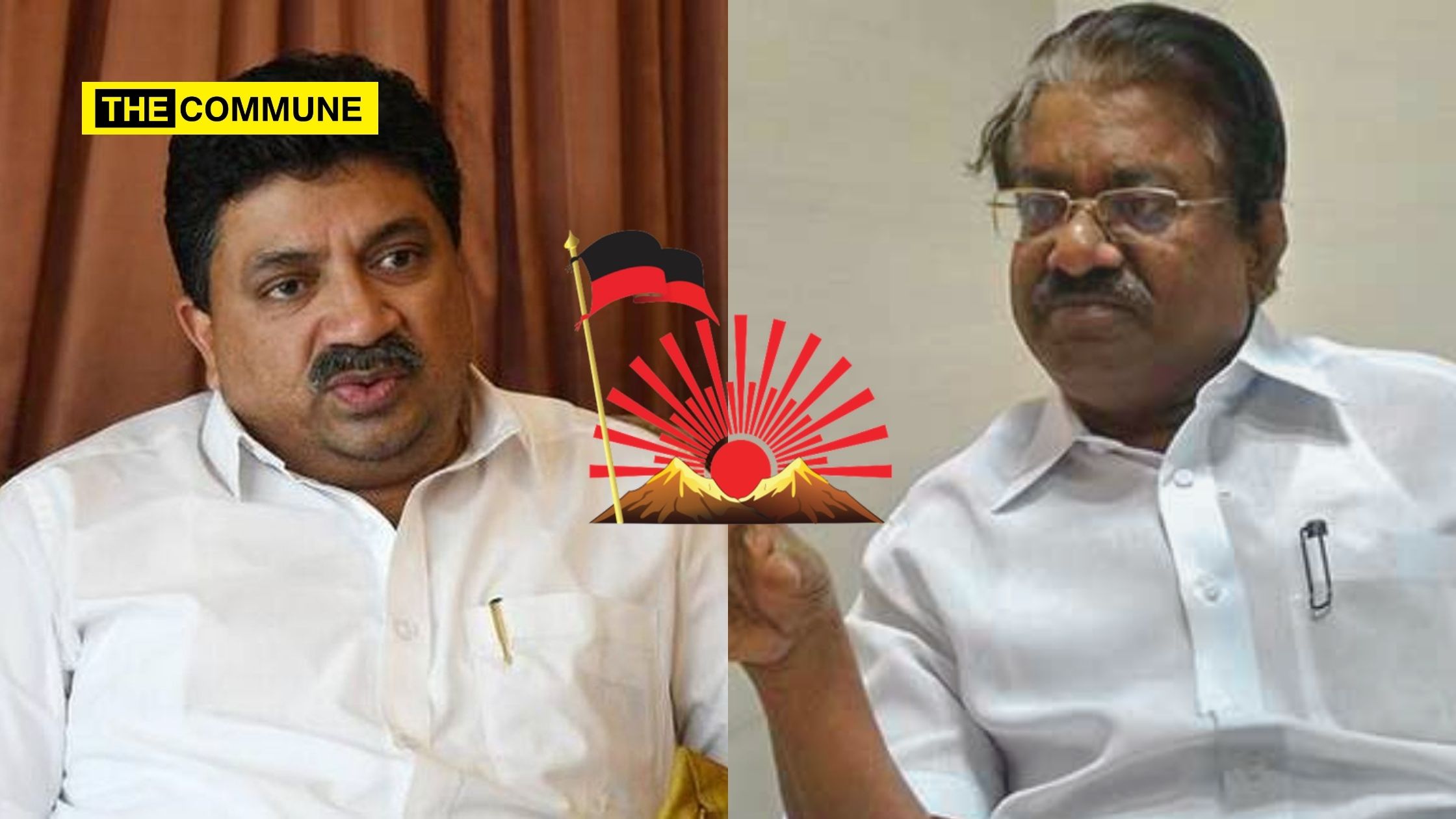
22-day-old baby girl found abandoned in Ganga in a wooden box, This is what CM Yogi did

In a bizarre event that happened in Uttar Pradesh, a 22-day-old baby girl was recovered from a wooden box in the Ganges. The baby was found in the Ganga flowing through the Ghazipur district of Uttar Pradesh.

The baby had apparently been found floating in a box in the river and was rescued by a boatman near Dadri Ghat. The baby was found wrapped in a dupatta along with photos of Hindu deities and a horoscope. The boatman then informed the police who went on to take the baby to the nearest Asha Jyoti Kendra. The authorities there took the baby to a hospital.

As soon as news reached Chief Minister Yogi Adityanath he named the baby as Ganga and assured that his government would take full responsibility for the upbringing of the child.

https://twitter.com/MeghUpdates/status/1405096787602333696

Click here to subscribe to The Commune on Telegram and get the best stories of the day delivered to you personally.

Oxygen Expresses deliver more than 31704 MT of LMO to the Nation

Overcoming all hurdles and finding new solutions, Indian Railways is continuing its journey of bringing relief by delivering Liquid Medical Oxygen(LMO) to various states across the country.

Oxygen Expresses crossed the milestone of 31000 MT of Liquid Medical Oxygen(LMO) delivery in service to the Nation.

So far, Indian Railways has delivered nearly 31704 MT of LMO in more than 1814 tankers to various states across the country.

It may be noted that 440 Oxygen Expresses have completed their journey so far and brought relief to various States.

Oxygen Expresses delivered more than 17000 MT of Liquid Medical Oxygen(LMO) to the southern states of the country.

Oxygen Expresses offloaded more than 5600 of Liquid Medical Oxygen(LMO) in Tamil Nadu.

Till now Tamil Nadu received total 75 Oxygen Expresses.

Oxygen Expresses delivered more than 3100, 3900 and 4000 MT of LMO in the state of Telangana, Andhra Pradesh and Karnataka respectively.

Till the time of this release, 1 loaded Oxygen Expresses on run with more than 114 MT of LMO in 6 tankers.

It is worth mentioning that Oxygen Expresses started their deliveries 53 days back on 24th April in Maharashtra with a load of 126 MT.

It is Indian Railways endeavour to deliver as much LMO as possible in the shortest time possible to the requesting states.

Oxygen relief by Oxygen Expresses reached out to 15 states namely Uttarakhand, Karnataka, Maharashtra, Madhya Pradesh, Andhra Pradesh, Rajasthan, Tamil Nadu, Haryana, Telangana, Punjab, Kerala, Delhi, Uttar Pradesh, Jharkhand and Assam.

Till the time of this release, 614 MT of Oxygen has been offloaded in Maharashtra, nearly 3797 MT in Uttar Pradesh, 656 MT in Madhya Pradesh, 5722 MT in Delhi, 2354 MT in Haryana, 98 MT in Rajasthan, 4035 MT in Karnataka, 320 MT in Uttarakhand, 5674 MT in Tamil Nadu, 3958 MT in Andhra Pradesh, 225 MT in Punjab, 513 MT in Kerala, 3134 MT in Telangana, 38 MT in Jharkhand and 560 MT in Assam.

Till now Oxygen Expresses offloaded LMO in around 39 cities/towns in 15 states across the country namely Lucknow, Varanasi, Kanpur, Bareilly, Gorakhpur & Agra in Uttar Pradesh, Sagar, Jabalpur, Katni & Bhopal in Madhya Pradesh, Nagpur, Nashik, Pune, Mumbai & Solapur in Maharashtra, Hyderabad in Telangana, Faridabad & Gurugram in Haryana, Tuglakabad, Delhi Cantt & Okhla in Delhi, Kota & Kanakpara in Rajasthan, Bengaluru in Karnataka, Dehradun in Uttarakhand, Nellore, Guntur, Tadipatri & Visakhapatnam in Andhra Pradesh, Ernakulam in Kerala, Tiruvallur, Chennai, Tuticorin, Coimbatore & Madurai in Tamil Nadu, Bhatinda & Phillaur in Punjab, Kamrup in Assam and Ranchi in Jharkhand.

Indian Railways has mapped different routes with Oxygen supply locations and keeps itself ready with any emerging need of the States. States provide tankers to the Indian Railways for bringing LMO.

Criss crossing the country, Indian Railways is picking up oxygen from places like Hapa , Baroda, Mundra in the West and Rourkela, Durgapur, Tatanagar, Angul in the East and then delivering it to States of Uttarakhand, Karnataka, Maharashtra, Madhya Pradesh, Andhra Pradesh, Rajasthan, Tamil Nadu, Haryana, Telangana, Punjab, Kerala, Delhi, Uttar Pradesh & Assam in complex operational route planning scenarios.

In order to ensure that Oxygen relief reaches in the fastest time possible, Railways is creating new standards and unprecedented benchmarks in running of Oxygen Express Freight Trains. The average speed of these critical Freight trains is way above 55 in most cases over long distances. Running on high priority Green Corridor, with a highest sense of urgency, operational teams of various zones are working round the clock in most challenging circumstances to ensure that Oxygen reaches in fastest possible time frame. Technical stoppages have been reduced to 1 minute for crew changes over different sections.

Tracks are kept open and high alertness is maintained to ensure that Oxygen Express keeps zipping through.

All this is done in a manner that speed of other Freight Operation doesn’t get reduced as well.

Running of new Oxygen is a very dynamic exercise and figures keep getting updated all the time. More loaded Oxygen Expresses are expected to start their journeys later in the night.

Published from PIB

Click here to subscribe to The Commune on Telegram and get the best stories of the day delivered to you personally.