Home Blog Page 1081

Global Clergy Abuse Watchdog Urges UGC-India To Act On Alleged Financial Misconduct By Loyola College, Chennai

In a recent development that has sent shockwaves through India’s educational sector, Ending Clergy Abuse (ECA), a global organization dedicated to human rights advocacy and supporting survivors, has called upon the University Grants Commission (UGC) of India to investigate allegations of financial misconduct at Loyola College, Chennai.

Ending Clergy Abuse (ECA), a global clergy abuse watchdog, has called for swift action against the Jesuit-run Loyola College, Chennai, amid allegations of financial impropriety. Fr. Francis Xavier, former Rector of Loyola College, Chennai stands accused of involvement in the misappropriation of significant sums of taxpayer money, prompting ECA to petition the Chairman of the University Grants Commission (UGC) to pursue appropriate measures.

ECA, boasting a membership spanning over 21 countries across five continents, is known for its relentless pursuit of justice and accountability in cases of abuse and misconduct. In a formal communication addressed to the Chairman of the UGC, the organization raised concerns regarding alleged financial irregularities at Loyola College, Chennai, and urged swift action to address the matter.

In a letter addressed to the UGC Chairman, ECA reiterated concerns raised by its Indian representative, Mr. R. Joseph Kennedy, in a complaint dated 17 December 2022. The letter reads as follows:

Dear Sir,

Ending Clergy Abuse (ECA) is a worldwide organization of human rights activists and survivors from over 21 countries and 5 continents. In our previous complaint submitted by our Indian representative, Mr. R. Joseph Kennedy, Dated: 17 Dec 2022 we presented compelling evidence and concerns regarding the alleged financial irregularities that have come to light, all pointing towards the misuse of University Grants Commission (UGC) funds by Loyola College, Chennai. The alleged misappropriation not only tarnishes the reputation of the institution but also undermines the integrity of the UGC.

Additionally, it’s important to note that a former two-time principal of the institution, who possesses critical knowledge regarding the misappropriation, has published a book outlining the scandal. This publication significantly reinforces the credibility of the claims and emphasizes the pressing necessity for a comprehensive investigation.

Unfortunately, since then, it is distressing to note that the primary accused individual allegedly involved in the misappropriation of funds, has officially fled the country and is currently residing in Switzerland. This development raises serious concerns about Loyola College, Chennai’s accountability and exhibits a pattern where individuals accused of grave misconduct evade legal consequences by escaping justice.

We implore the UGC to take immediate and decisive action to safeguard the interests of all stakeholders involved. This includes initiating a thorough investigation into the alleged misappropriation and scrutinizing financial documents to uncover the full extent of the irregularities.

We trust that the UGC understands the gravity of the situation and will treat this matter with the utmost urgency.
Thank you for your attention to this matter, the board members of ECA Global,

Murray Heasley | Timothy Law | Simone Padovani | Sergio Salinas | Janet Aguti | Gemma Hickey

The Commune had earlier published an extensive report by Abhinav Vinayak, a freelance investigative journalist, on the misappropriation of UGC funds.

Abhinav, who interviewed Rev Fr. Albert Muthumalai, a former two-time principal of Loyola College, quoted him as saying, “Such a great institution meant to educate students, with high ethics and moral values has become a den of unquestionable corruption.”

Subscribe to our channels on TelegramWhatsApp, and Instagram and get the best stories of the day delivered to you personally.

PG Dental Student Ibrahim Apprehended For Secretly Recording Woman Tenant With Spycam

In a disturbing incident that unfolded in Royapuram, Chennai, a postgraduate dental student was apprehended for illicitly recording a woman while she was bathing in her home. 

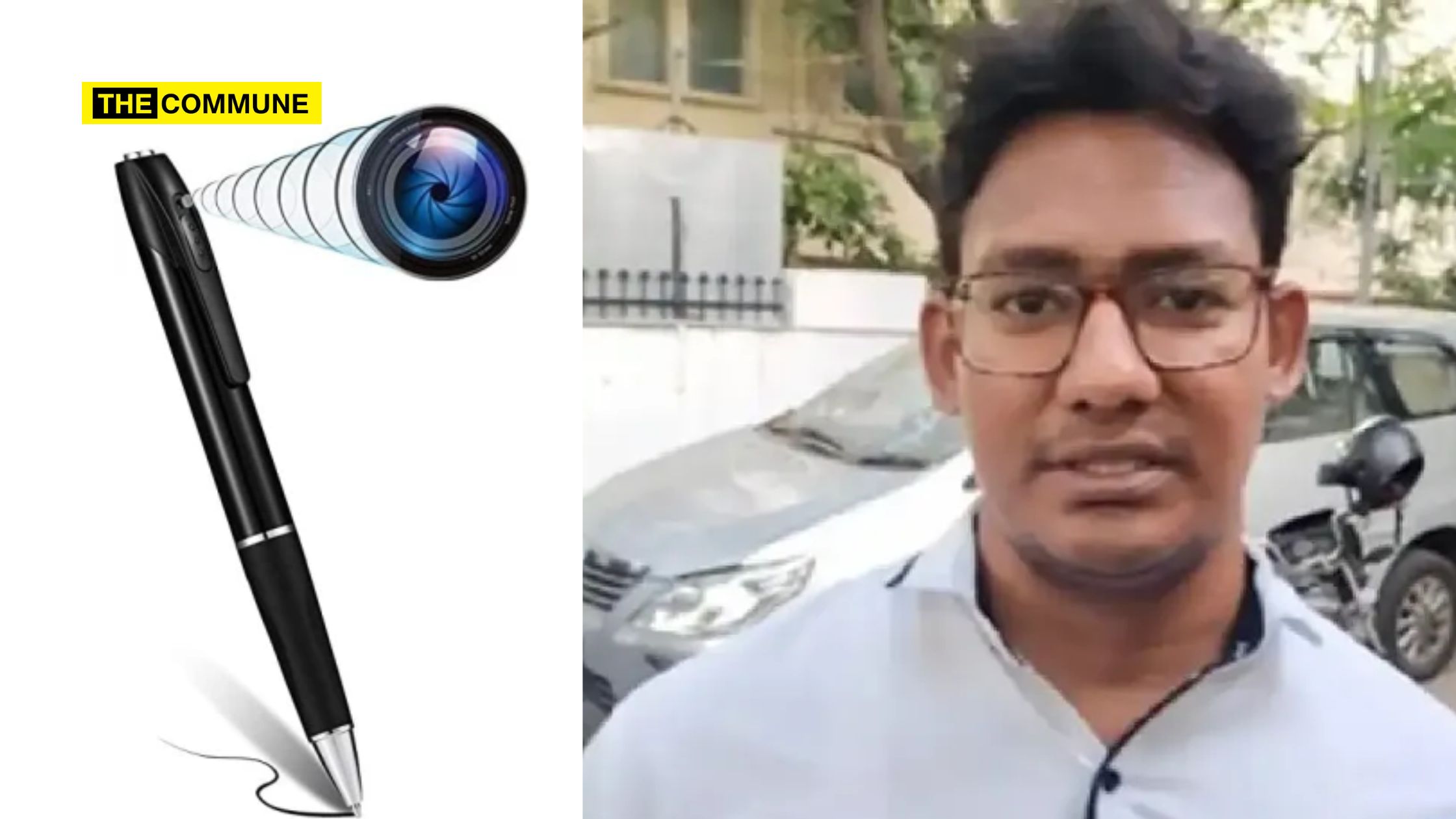
The perpetrator was identified as Ibrahim (36), currently pursuing post-graduation in Dental studies. The accused strategically placed a pen camera near the bathroom of the tenant’s residence, taking advantage of the absence of occupants to capture footage.

Living with her husband and child, the woman became suspicious upon discovering the spy camera pen. She quickly handed it over to her husband for examination. Upon realizing the true nature of the pen, which turned out to be a covert surveillance device equipped with a camera, they filed a complaint with the Royapuram police station regarding the incident. As a result of the complaint, Ibrahim was taken into custody, and investigations are currently in progress.

This incident is reminiscent of the incident in 2019 at an Airbnb in Chennai where a family made a disconcerting discovery – a hidden camera was disguised as a smoke detector in their living room. The increasing affordability of such cameras, disguised as everyday objects like smoke detectors and clocks, poses a growing risk.

(With inputs from News7Tamil)

Subscribe to our channels on TelegramWhatsApp, and Instagram and get the best stories of the day delivered to you personally.
“Those Who Brewed Liquor Once Are Today Father Of Education”: TN BJP Head Annamalai Slams DMK Min EV Velu

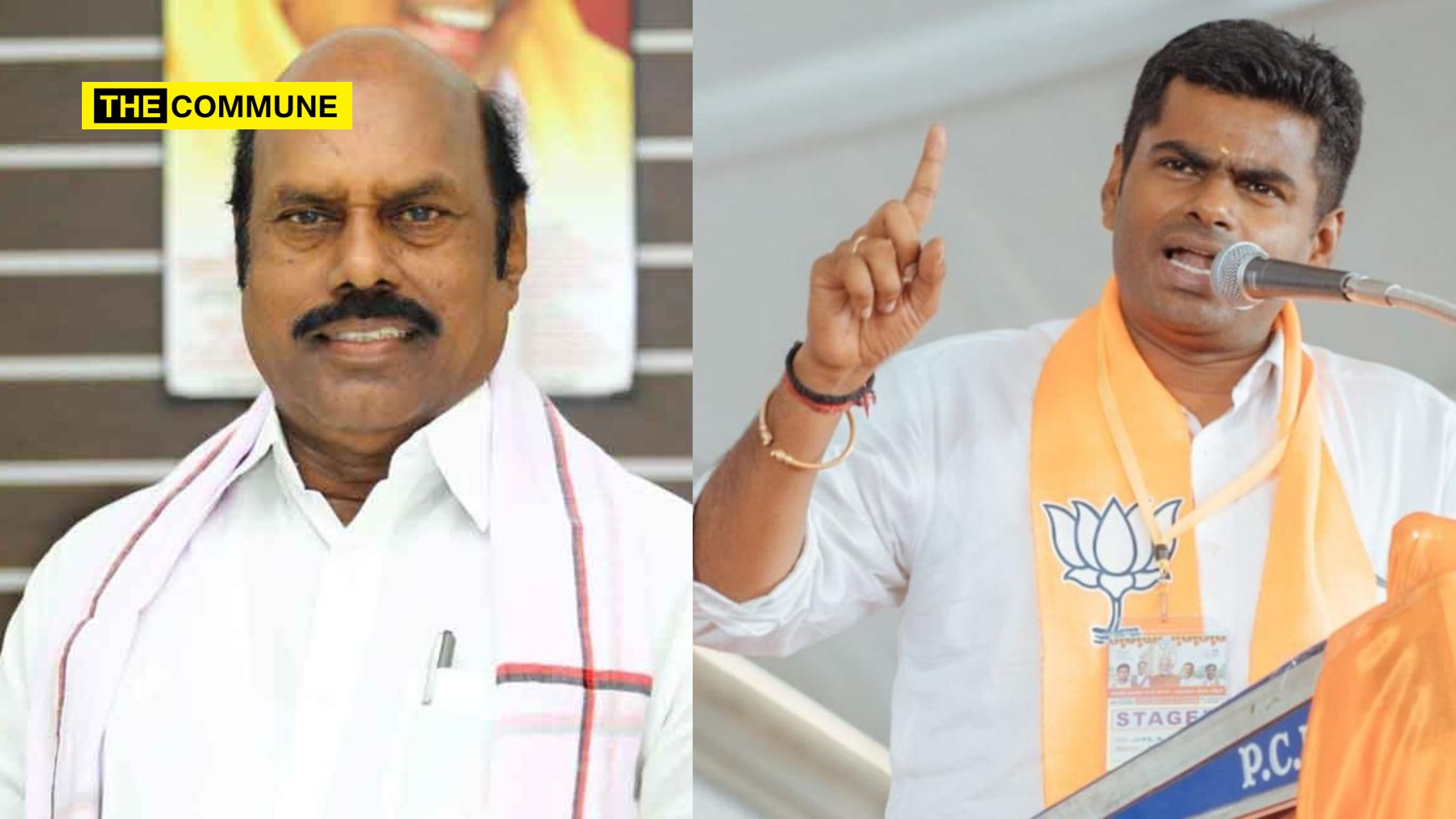
Tamil Nadu Bharatiya Janata Party President K Annamalai reached Tiruvannamalai as a part of his En Mann En Makkal Yatra. Tiruvannamalai being the bastion of DMK Minister EV Velu, Annamalai used the opportunity to pounce upon the allegations surrounding the the Minister of Public Works, Highways, and Minor Ports in the state. 

Annamalai commenced by sharing a poignant tale illustrating how former liquor brewers have risen to become esteemed figures in the field of education in Tamil Nadu. He supported this by specifically referencing MLA EV Velu from the Tiruvannamalai constituency as an example.

He said, “He is running Jeeva Velu International School Tiruvannamalai, is he taking donations? Oh, ₹1.5 lakhs fees! Our district head is saying we should pay ₹1.5 lakhs to study in that school. The problem in Tamil Nadu is anyone can become the father of education, someone who brews liquor is the father of education. Somehow, after looting money, he starts a school and gets the title of father of education, and gives money to some private college to get a doctorate. With the help of 4 people who shout slogans, he gives himself the title “Educational Icon”, and in ten years transforms himself from a liquor brewer to the father of education. EV Velu is an example of that kind.

He started a different business after coming to the politics, he is doing ATM business but after starting international school, he sells seats for ₹1.5 lakhs.”

Further, Annamalai challenged Velu, urging him to permit the establishment of the central government’s Navodaya schools in Tamil Nadu and to compete with the high standard of education they offer, emphasizing that children can avail of this education for free.

He stated, “I’m saying dear brother EV Velu If you really have honor and dignity, tell me that you will allow central government’s Navodaya schools in Tamil Nadu. We will bring a hundred schools in a week. Let’s take up this challenge between the international schools in Tamil Nadu and our Navodaya school. If your International school competes with Navodaya and wins, that day I will leave politics. I’m saying this truth standing at the feet of Arunachaleshwarar.”

In addition to that Annamalai criticized Velu, accusing him of operating a high-priced international school catering exclusively to the affluent, at the expense of neglecting the educational needs of the underprivileged.

He said, “You run a private school where only rich people can get education and run an international school where poor people cannot afford to enter and get educated. You are taking five lakhs to issue permission to start a CBSE school”.

He asserted, “Modi is ready to give Navodaya schools, it is a school of international standard, there is not even fee of one rupee, from uniform to food – everything is provided by the central government. What exam should your children pass? IIT, NEET, they will clear everything. I’m challenging you. Let all the fathers of education tomorrow morning we will bring 100 schools in Tamil Nadu, for a district of two to three schools, let’s have 78 schools. After 1 year, let’s have a Learning Ability Test for Navodaya and international school students, if your international school wins that day I’ll leave politics, that day will be my last day in politics. They should accept this challenge”

Navodaya Vidyalaya

Jawahar Navodaya Vidyalaya (JNV) established in 1986, constitutes a network of central schools specifically designed to cater to academically gifted students, particularly those from rural areas in India. The aim is to address the challenges arising from financial, social, and rural disadvantages that could hinder their access to advanced education. Operated by the autonomous Navodaya Vidyalaya Samiti under the Ministry of Education, these fully residential and co-educational schools are affiliated with the Central Board of Secondary Education (CBSE). Despite being present throughout India, Tamil Nadu stands out as an exception to their nationwide coverage, owing to the influence of the education lobby in the region.

Navodaya Schools serve as a valuable alternative education system in India with a specific focus on delivering quality education to rural and talented children. Their merit-based selection process ensures admission is granted based on academic potential rather than financial status. By concentrating on rural areas, these schools provide an educational lifeline to economically disadvantaged students, offering free education, including textbooks, uniforms, and boarding facilities.

Equipped with modern infrastructure, such as well-furnished classrooms, libraries, laboratories, and sports facilities, Navodaya Schools create an enriching learning environment. The establishment of these schools in various states and union territories ensures regional balance, contributing to the overall development of remote and rural areas. Emphasizing holistic development, the schools encourage participation in extracurricular activities, sports, and cultural events. They follow a three-language formula to promote multilingual proficiency and implement a unique migration scheme to foster national integration among students.

By integrating technology into education, Navodaya Schools prepare students for the digital age, and community participation ensures a sense of ownership and collective responsibility. In summary, Navodaya Schools play a vital role in bridging the urban-rural education gap, identifying and nurturing talent in remote areas, and contributing significantly to the socio-economic development of the nation.

Subscribe to our channels on TelegramWhatsApp, and Instagram and get the best stories of the day delivered to you personally.
Cuddalore Dt DMK Councillors To Stage Hunger Strike, Threaten Resignation Over Alleged Neglect By DMK Mayor

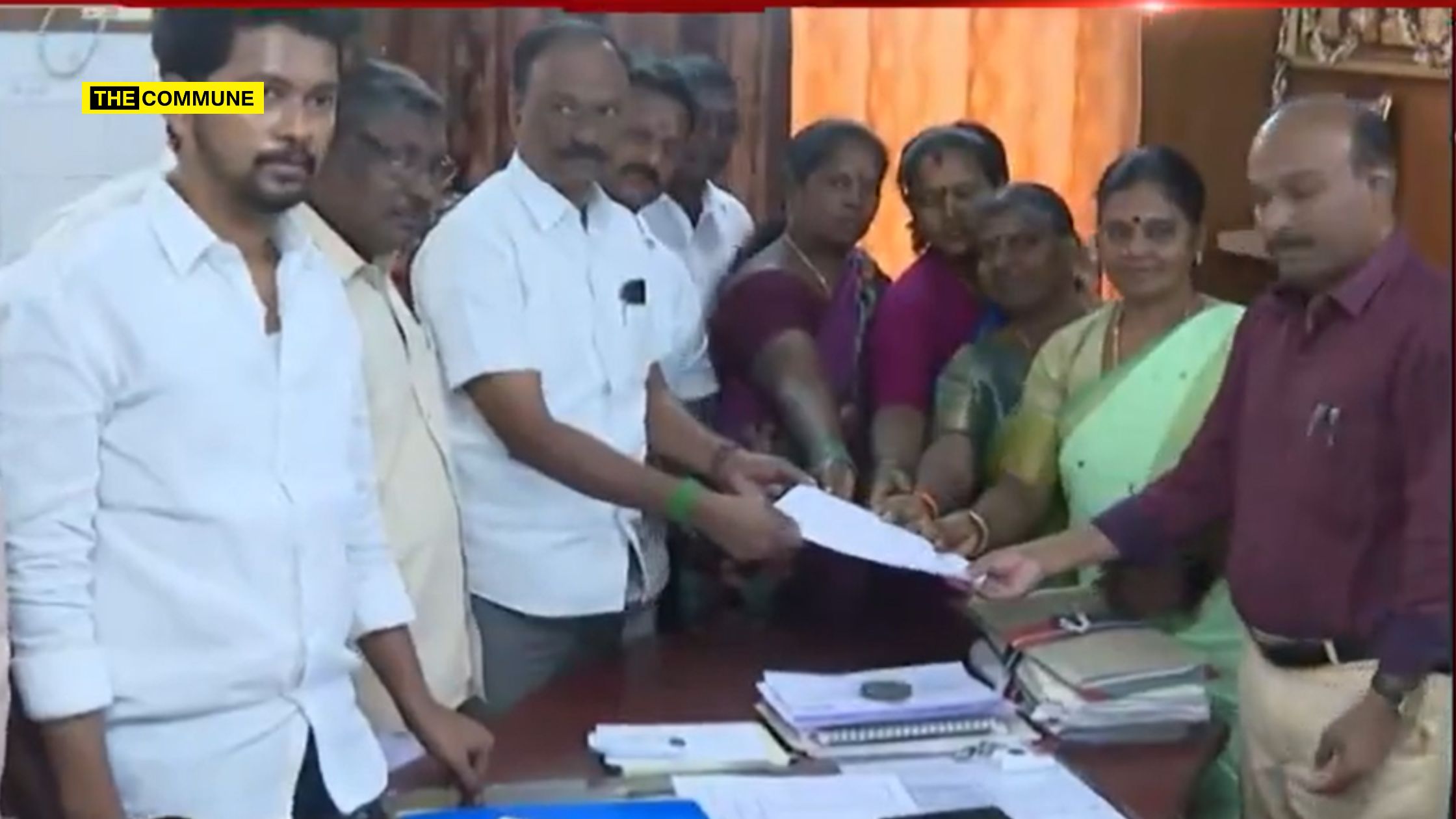
Ten DMK councillors from Cuddalore district have declared their intention to undertake a hunger strike on 31 January 2024. The councillors allege that the basic facilities crucial for their wards’ development have not been provided by the Mayor, Sundari Rajan, who is also a member of the ruling party DMK.

The hunger strike is scheduled to take place in front of the Gandhi statue within the municipality office campus. The councillors assert that their demands have fallen on deaf ears, and their attempts to seek redress from the DMK government have yielded no results.

Councillors their frustration, stating, “We have repeatedly brought our concerns to the attention of the DMK government, but unfortunately, no concrete action has been taken. Our wards are suffering due to the lack of basic facilities, and we can no longer stand idly by.”

The councillors have also issued a stern warning, threatening to resign from their positions if their demands are not met. This move is noteworthy given that the Mayor, Sundari Rajan, belongs to the same DMK party as the protesting councillors.

“We are left with no choice but to take this extreme step to gain the government’s attention. The hunger strike is a last resort, and if our requests are not addressed promptly, we will have no option but to submit our resignations,” they stated.

This is not the first time DMK members especially councillors are expressing displeasure at their party publicly.

In September 2023, thirteen councillors affiliated with the Dravida Munnetra Kazhagam (DMK) in Tindivanam Municipality abruptly walked out of a municipal meeting, expressing deep dissatisfaction with their inability to address basic needs in their wards, citing external pressures limiting their effectiveness. The disillusioned councillors announced their intention to resign, attributing their decision to the City Council’s inaction on pressing issues such as garbage collection, inadequate lighting, and water-related problems despite repeated attempts to address these concerns.

During a Tirunelveli Corporation council meeting on 27 July 2023, women councillors from the DMK staged a protest, accusing former Minister TPM Mohideen Khan of threatening their lives during the selection of candidates for the taxation appellate committee election. The conflict unfolded as the councillors confronted the Mayor and Deputy Mayor about the alleged threat, leading to a disruption in the meeting and a brief departure of the Mayor and Commissioner before their return.

In November 2023, in Ooty, a contentious two-phase project to replace century-old municipal shops with modern establishments has sparked heated debate, with Vice Chairman J. Ravikumar supporting the development and Mustafa, a DMK councilor, vehemently opposing it. The dispute escalated during a municipal meeting, revealing tensions within the DMK party as both councilors, known for making joint decisions in the past, clashed over the construction project, leading to a heated exchange and allegations of corruption.

In December 2023, thirty-eight DMK councillors in Tirunelveli Corporation have formally requested Commissioner Shubham Dnyandeorao Thakare to present a no-confidence motion against DMK Mayor PM Saravanan, citing grievances and corruption allegations. The dissenting councillors, who had previously submitted removal requests to Chief Minister MK Stalin, intensified their protests with public posters accusing the mayor of corruption and sit-in demonstrations, leading to the expulsion of three councillors from the DMK.

Subscribe to our channels on TelegramWhatsApp, and Instagram and get the best stories of the day delivered to you personally.
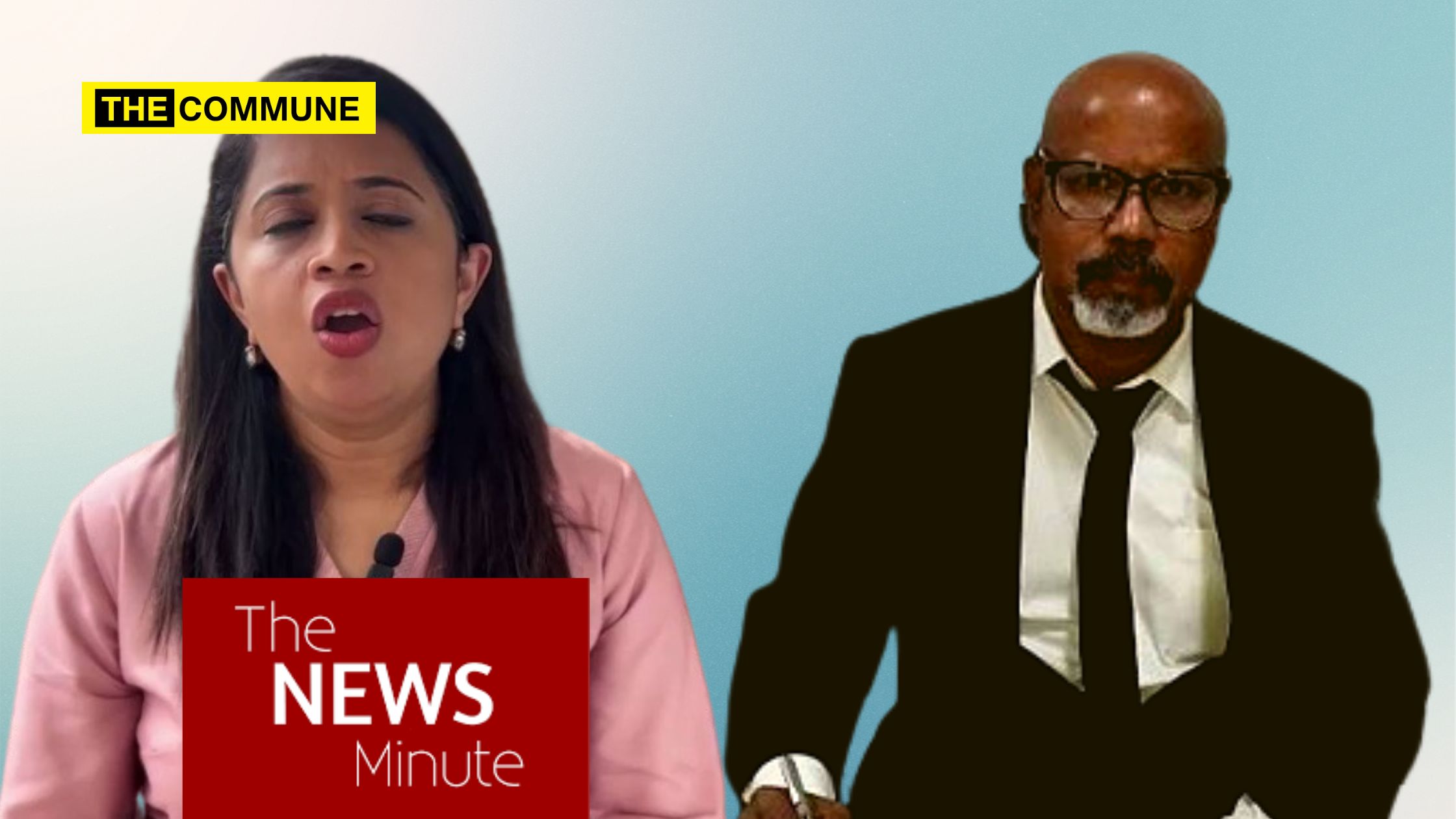
What Dhanya Rajendran And Her TNM Didn’t Reveal About The Suspended “IRS Officer”

The IRS Officer who was in the news a few weeks ago, Balamurugan, is back in the news again. This time for the fact that he was suspended just a day before his retirement.

IRS officer B Balamurugan stirred controversy by demanding the dismissal of Union Finance Minister Nirmala Sitharaman in a letter dated 2 January 2024. Balamurugan accused the Enforcement Directorate (ED) of operating as an “extended arm of the BJP” under Sitharaman’s leadership, citing the ED’s actions against two Dalit farmers in Salem. The letter alleged that the ED, under Sitharaman, had transformed into a “BJP Policy Enforcement Directorate.”

Balamurugan, Deputy Commissioner of GST and Central Excise in Chennai (North) has a history of writing such letters.

Balamurugan faced punitive measures when he was assigned to the Hindi cell in Central Government departments, intended for the development of the Hindi language. In response, he wrote a letter asserting his Tamil identity, Dravidian roots, and anti-Hindi protest stance, resulting in his suspension.

He faced suspension for participating in protests related to the “murder” of Eelam Tamils which he claimed to be “orchestrated” by the Central Government. During the Russia-Ukraine war, he undertook a fast in “an effort” to halt the conflict.

Dhanya Rajendran’s The News Minute took up the “cause” of the Dalit farmers and brought Balamurugan into the spotlight, trying to make a hero out of him. But here is what Dhanya and her team will not tell you.

On 12 July 2021, the Tamil Nadu Forest Department forwarded a letter to the Enforcement Directorate (ED) regarding two farmers, Kannaiyan and Krishnan. The case pertained to the alleged killing of two wild buffaloes, constituting scheduled offenses under sections 51 and 9 of the Wildlife Protection Act, 1972.
The Enforcement Directorate (ED) is obligated to handle wildlife cases due to multiple court orders and the international mandate of the Financial Action Task Force (FATF) to track such instances. FATF imposes an international obligation on organizations to address wildlife-related cases.
Upon receiving the letter from the Tamil Nadu Forest Department, a case was registered, and summonses were subsequently issued. During this period, the Chief Minister of Tamil Nadu was MK Stalin. Subsequently, the Enforcement Directorate (ED) opted to dismiss the cases.

IRS officer B Balamurugan, spotlighted by TNM, wrote a letter to the President urging the dismissal of the Finance Minister. In the letter, he accused her of transforming the Enforcement Directorate (ED) into BJP’s B team. Notably, there is no inherent BJP angle in the situation, and if one exists, it may have been falsely added later for sensationalism.

With The News Minute crying foul over the suspension, the following questions arise:
a) Is Dhanya Rajendran unfamiliar with the authority overseeing the Tamil Nadu Forest Department, which dispatched the communication to ED?
b) Does Dhanya Rajendran lack awareness regarding the Financial Action Task Force (FATF)?
c) Is Dhanya Rajendran unfamiliar with the All India Service rules and the code of ethics?
d) Is the role of the ED solely focused on prosecuting financial and money laundering criminals, or does it involve engaging in what appears to be advocacy journalism, as suggested by her actions?

Subscribe to our channels on TelegramWhatsApp, and Instagram and get the best stories of the day delivered to you personally.
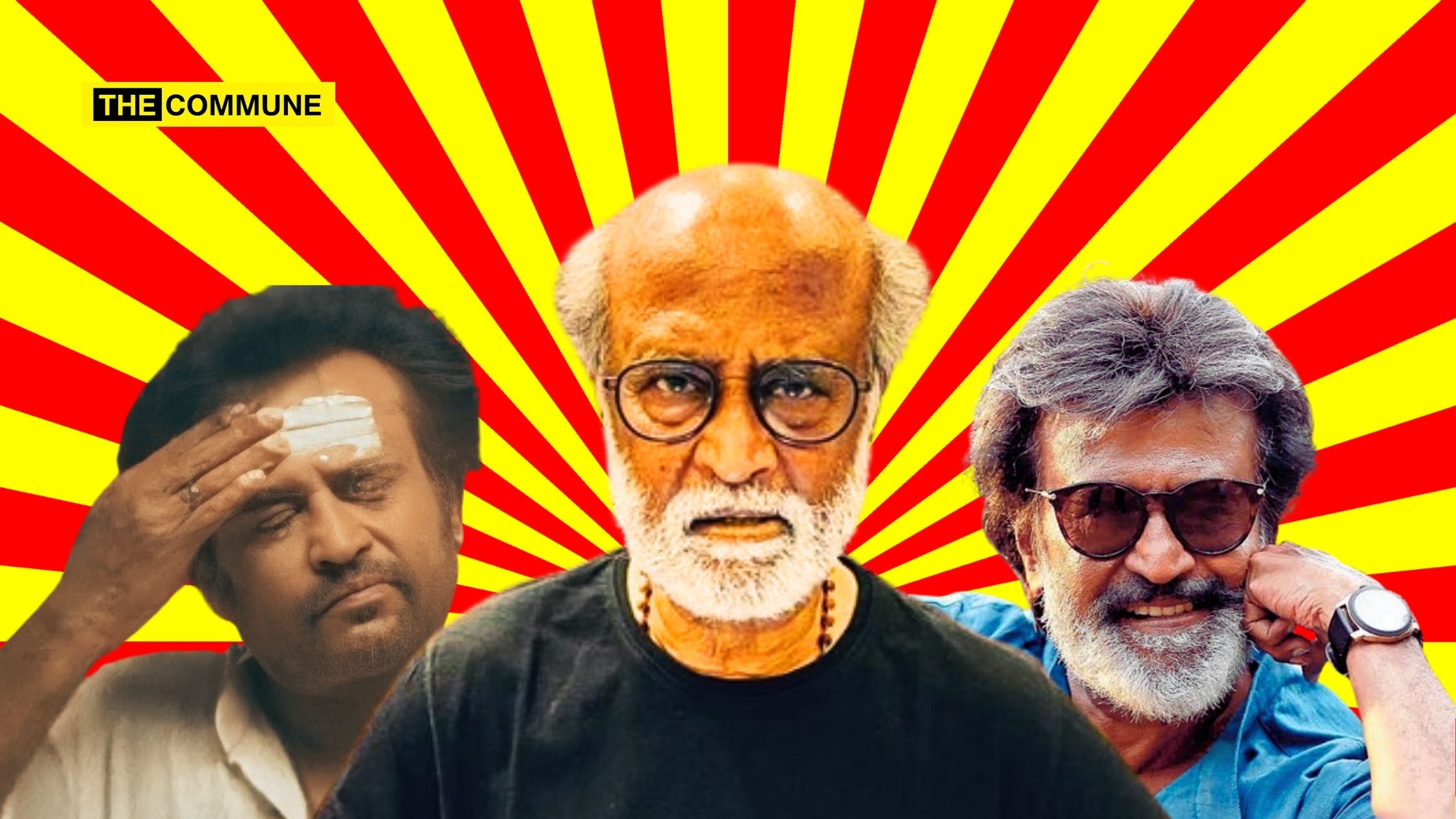
‘Moondru Mugam’ Rajini: The Good Cop, Bad Cop And The Milksop

There is a famous comedy scene from the 2004 Tamil film Kaadhal. The scene set in the room of a bachelors mansion, is a conversation between two aspiring actors and supposedly a director who is jobless. One of the actor aspirants going by the name Virchikakanth has his target set.  “Nadicha hero than sir!” (I’ll act only as a hero), he says to the director when asked about whether he would be willing to do villain roles or character roles. “I’ll wait for it to happen”, Virchikakanth says. This character Virchikakanth hopes that a miracle would happen and that he would become hero one day.

Like Virchikakanth, Rajinikanth too was not ready to settle for being a leader of opposition (villain role) or coalition partner (character role). Though Rajinikanth didn’t aspire to be the hero in Tamil Nadu politics, which is becoming the Chief Minister, he wanted to emerge victor and bring about a ‘system change’. Like Virchikakanth, he too hoped that a miracle (adhisayam and arpudham) would happen where all of a sudden Tamil Nadu people would feel rejuvenated and vote for him. But realpolitik doesn’t work like a Sundar C movie. (Refer: Arunachalam, the film). Sanity prevailed and he called it quits to his political innings dejecting many of his ardent fans.

But his politicking hasn’t stopped. He continues to play the good cop, bad cop and has of late turned out to be a milksop through his actions and utterances in reel and real life.

One day he is in Ayodhya wearing a saffron shawl and a few days later his daughter Aishwarya Rajinikanth swears that he is not a “Sanghi”.

He is a devotee of Mahavatara Babaji and often goes to the Himalayas like a sadhu but has a problem with people painting him saffron.

So, who is Rajini? Is Rajini a Sanghi or not? To find answer to this question, it is important to understand the evolution of Rajinikanth and the various positions he has taken over the course of time. People must look back and reflect on Rajini’s positions before taking a position on Rajini.

The Good Cop Rajini

Rajinikanth is no doubt a self-made man and has earned his place as a ‘Superstar’. He definitely has the grace of God and the blessings of his fans to be where he is today and he has always been grateful for that. At a time when Kollywoodias embraced the Dravidian ideology, he proudly sported the sacred ash on his forehead and a rudraksh over his neck. Being a devotee of Raghavendra Swami, he ensured that he made a film on the Hindu saint as his 100th film. He also paid his tribute to Mahavatar Babaji by making Baba in 2002 in which he takes on the Dravidian Model of atheism and corrupt politicians with Hinduism. And when the film bombed at the box office, he compensated the distributors from his own pocket.

Baba was also a film that put him in political cross hairs with Dravidianist politicians. Karunanidhi, the witty politician that he was, saw to it that the film faced troubles. There were rioters who assaulted movie theatres and destroyed movie prints in numerous locations. Pattali Makkal Katchi (PMK) created a furore over Rajinikanth smoking in the movie. And guess how Rajinikanth dealt with all this? The daring Rajini gave a go ahead to his fan clubs to vote against DMK-PMK alliance and elect candidates of the AIADMK and BJP in the 2004 Lok Sabha elections. This put even the great Karunanidhi in backfoot who later asked Ramadoss to be “patient” until the elections were over. Such was the audacity of Rajini back then.

In 2011, Rajinikanth declared his endorsement of the anti-corruption movement led by Anna Hazare, generously providing his commercial wedding venue, the Raghavendra Kalyana Mandapam in Chennai, for the India Against Corruption members to conduct their fast at no charge.

But this is a Rajini we all know – the superstar actor, the humble and simple man with a spiritual bent.

But there is also the other face of Rajini.

The Bad Cop Rajini

Rajnikanth made a cameo in the film, Valli (1993) in which the actor incorporated messages discouraging Hindus from advocating for Sri Rama’s birthplace. This film produced by Rajinikanth himself had a theatrical release when the watershed Ram Janmabhoomi movement led by Hindu outfits and the BJP, was at its zenith and had culminated in the demolition of the Babri Masjid. Before that he had badmouthed Lord Rama in a black and white movie hailing Ravana as the true gentleman.

In the 2018 film “Kaala”, directed by rabid anti-Hindu filmmaker Pa. Ranjith, Rajinikanth is the black shirt-clad messiah of a chawl fighting the saffron shawl and tilak sporting evil men. There were scenes where Hindu festivals were demonized, with Lord Vinayaka and Lord Ram shown in negative light. Every villain in the film, including the main antagonist Hari (another name for Lord Vishnu), is a practicing Hindu, sporting religious symbols of saffron/Hinduism. Hari frequently talks about Krishna and Rama while justifying his evil deeds and Kaala threatens him, “If stealing my land is your God’s Dharma, then I won’t spare your God either.” It even contained a blatant reference to prominent BJP leader H. Raja to reinforce negative stereotypes about the Narendra Modi Government.

The lead up to the climax show Hari Dada listening to a discourse on Ramayana with full devotion while Rajini, the Ravana fights the saffronists.

In 2018, Rajinikanth and Sun Pictures again collaborated for Petta directed by Karthik Subbaraj , a known sympathizer of LTTE and naxals like Daniel/Thirumurugan Gandhi. Petta too took potshots at Hindutva and on the other hand, Rajini helps in Anwar getting married to Anu.

Both Petta and Kaala took potshots at Hindutva that showed anyone with a tilak on a forehead as a religious bigot. This was the time when Tamil Nadu was riding on a huge anti-Modi and anti-Hindutva wave, thanks to the toiling efforts of the DMK and allies that used every opportunity to portray Modi as anti-Tamil.

Rajini tried to capitalize on this sentiment by positioning himself as being against Hindutva and the BJP. Just like how he added fuel to the fire in 1996 elections, Rajini did the same although not explicitly for the 2019 Lok Sabha elections.

He even distanced himself from outrightly coming in support of Modi (like he did for demonetisation) in the run up to the elections. He struck a tactfully eluding note with his ‘ten persons ganging against one’ remark. NDA alliance (ADMK) went with 1 seat from Tamil Nadu.

Looks like now, he’s also ready to do his bit ahead of the 2024 Lok Sabha elections with Lal Salaam made by his daughter Aishwarya Rajinikanth, and Vettaiyan made by Dravidainist propagandist TJ Gnanavel of ‘Jai Bhim’ fame, in the pipeline. In Lal Salaam which is releasing on 9 February 2024, Rajinikanth plays Moideen Bhai, the good Muslim while another villain (Adithya Menon) is portrayed with a nice red tilak.

Playing Good Cop In Real Life And Bad Cop In Reel Life

Nobody can play good cop – bad cop like how Rajini does. Reel Rajini instigates people to protest while real Rajini says that the state would turn into a cremation/burial ground if there are needless protests while also rightly pointing out how anti-social elements infest peaceful protests and unleash mayhem. Reel Rajini dances to the tunes of Dravidianists and glorifies ideologies of EVR while real Rajini talks about EVR’s anti-Hindu rally while speaking at Thuglak event. Reel Rajini negatively characterizes Lord Ram while real Rajini goes and attends the Pran Pratishtha ceremony of Ram Lalla at Ayodhya. Reel Rajini is a Moideen Bhai who looks at the side of saffron-shawl clad man and says that venom has been injected into people by mixing religion and sports, while real Rajini speaks of justice being done after 500 years with the building of Ram Temple. You get the point right? As the popular Tamil saying goes – ipdi oru uruttu, apdi oru uruttu (roll one this side and another that side).

But it is a fact that the impressions created through the silver screen has a deeper impact on the psyche of the people and the larger society. And so, the reel and real life Rajini cannot be seen in isolation. Real life Rajinikanth chose to work with a rabid anti-Hindu director like Pa. Ranjith. Real life Rajinikanth gave in to the negative portrayal of Lord Ram and Lord Vinayaka and demonized Ram Bhakts. Real life Rajinikanth chose to do Petta that showed Bajrang Dal in bad light. Real life Rajinikanth chose to be a Moideen Bhai in Lal Salaam and justified his daughter’s derogatory usage of the word Sanghi. Real life Rajinikanth has chosen to associate himself with a Dravidianist propagandist director who spewed venom against Brahmins and insinuated Vanniyars as villains. Real life Rajinikanth who is in a position to do the film that he wants, to produce the film that he wants, to influence the filmmaker and modify the script to convey the message that he wants, did not do so.

What prevents the real life Rajinikanth to launch his own production house and produce something like an RRR or Hanu-Man? These are food for thought for Rajini fans inclined towards the nationalistic thought.

The Milksop Rajini

Rajini is said to have become political in the run up to the 1996 Assembly elections when he raised his voice against the then Jayalalithaa government and said “Even God cannot save Tamil Nadu if Jayalalithaa returns to power”.  This statement is said to have swayed votes in favour of the DMK-TMC alliance. But there was already public anger against Jayalalithaa for having hosted the multi-crore, Guiness record breaking, extravagant marriage of her adopted son V.N. Sudhakaran when she was in office. The grandiose image of both Jayalalithaa and Sasikala draped in ornate red silk sarees and adorned with jewels came to be identified with corruption. Rajinikanth just added fuel to the already raging fire. The election saw AIADMK getting routed to just 4 seats with even the mighty Jayalalithaa losing from the Bargur constituency.

The Many U-Turns

Knowing that he must have earned the lady’s wrath, Rajini under the pretext of inviting for his daughter’s marriage met Jayalalithaa at her residence in 2004. It would be wrong to speculate on what transpired between the two during their meet but we all know who Jayalalithaa is. The least she would have demanded was an apology to fix relations. Later on he would go on to call her a reincarnation of Ashtalakshmi in 2006 at a function held to felicitate Jayalalithaa. When Jayalalithaa got bail in the disproportionate assets case in October 2014, Rajinikanth congratulated her. In February 2017, Jayalalithaa was later named as a convict along with Sasikala, Elavarasi and Sudhakaran but proceedings were abated owing to her death. Same case, but different positions at different points of time. From proclaiming that even God won’t be able to save Tamil Nadu to liking her to God, Rajinikanth’s tryst with Jaya came a full circle.

Just days after participating in a hunger strike and vociferously attacking the Karnataka political class over the Hogenakkal project in 2008, he made peace with the pro-Kannada groups when his film Kuselan faced problems releasing in Karnataka. “It was a mistake. I have learnt a big lesson. The mistake will not be repeated. I will be careful while speaking in future and make sure that I don’t hurt anybody”, he said.

In 2002, he had pledged ₹1 crore towards linking river waters. 15 years later in 2017, he was reminded of the promise by a group of farmers. There is still no concrete evidence whether such a fund was given to the concerned Ministry.

His film Darbar, had a dialogue that carries a reference to Sasikala which was removed after opposition from Sasikala group. Now people can say that this is the producer’s choice and Rajini has nothing to do with it. Be that as it may, it does send across a message about how serious he was about ‘changing the system’.

Rajinikanth while declaring his entry into politics, had quoted Bhagawad Gita to say that he would be considered a ‘coward’ if he didn’t abide by the compulsions of time. It was only after his political entry announcement that he did films like Kaala and Petta.

In 2019, the pandemic struck and Rajini too suffered a health setback with a kidney transplant and being under immunosuppressants which was cited as the reason for his withdrawal from politics once and for all just ahead of 2021 Tamil Nadu Assembly elections. The DMK and other Dravidianist parties heaved a sigh of relief. And he went on to do films for DMK family-owned enterprises – Sun Pictures (Annathe, Jailer) and Red Giant (Lal Salaam).

Rajinikanth, who released a picture of his ‘angry face’ expressing shock over the custodial death of Jayaraj & Bennix that happened during AIADMK regime has not uttered a word about the many custodial deaths that has happened ever since the DMK came to power.

Is Rajini A Sanghi Or Not?

During the audio launch of her film ‘Lal Salaam’ starring her father, Aishwarya Rajinikanth said “People label my father as a sanghi. I want to assert here that Rajinikanth is not a sanghi. If he were, he wouldn’t have been a part of Lal Salaam.”. 

She had said that “only a person with humanity would do Lal Salaam” implying that “Sanghis” lack humanity.

The term Sanghi refers to a devout Hindu, a subscriber of Hindutva ideology, an RSS worker, a support of BJP and Prime Minister Narendra Modi and everything in that spectrum. However, it is often used derogatorily by leftists, Islamists and Dravidianists. It can be inferred from Aishwarya Rajinikanth’s statement that the term ‘Sanghi’ was used pejoratively with a negative connotation.

But Rajinikanth defended and buttressed his daughter’s statement saying she didn’t say Sanghi as a ‘bad word’ and that she was only concerned about her spiritual father being branded a Sanghi when he loved all religions. So, what is Rajinikanth implying here? Does he mean to say that Sanghis are religious bigots?

So, to answer the question – Yes, Aishwarya Rajinikanth is right. Rajinikanth is not a Sanghi and cannot be a Sanghi.

A true Sanghi‘s colour always remains saffron. Only a chameleon changes colours.

Kaushik is a political writer.

Subscribe to our channels on TelegramWhatsApp, and Instagram and get the best stories of the day delivered to you personally. 
Devotees Allegedly Attacked By Temple Authorities And Guards In Palani’s Dandayuthapani Swami Temple, Protest Breaks Out

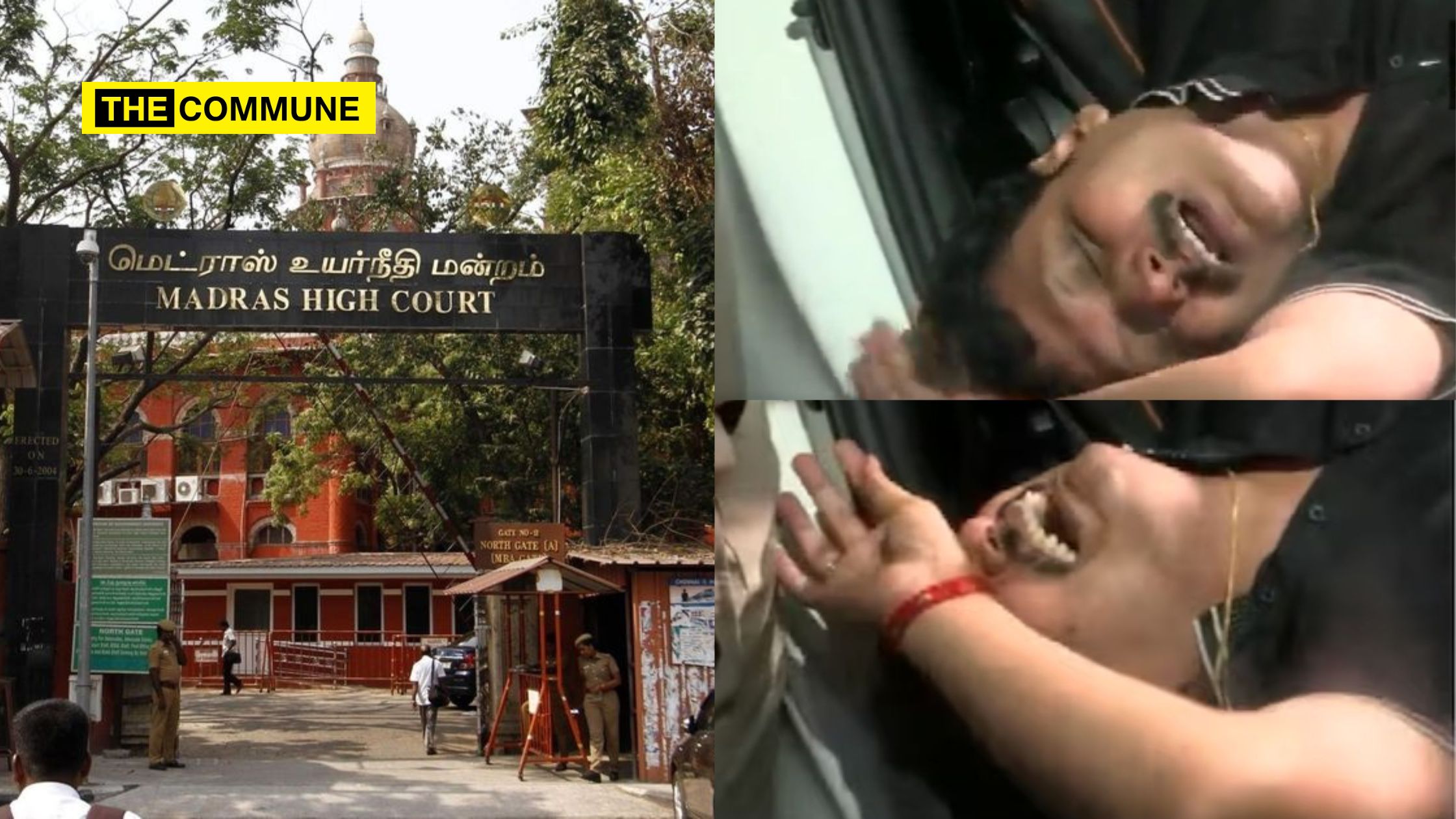
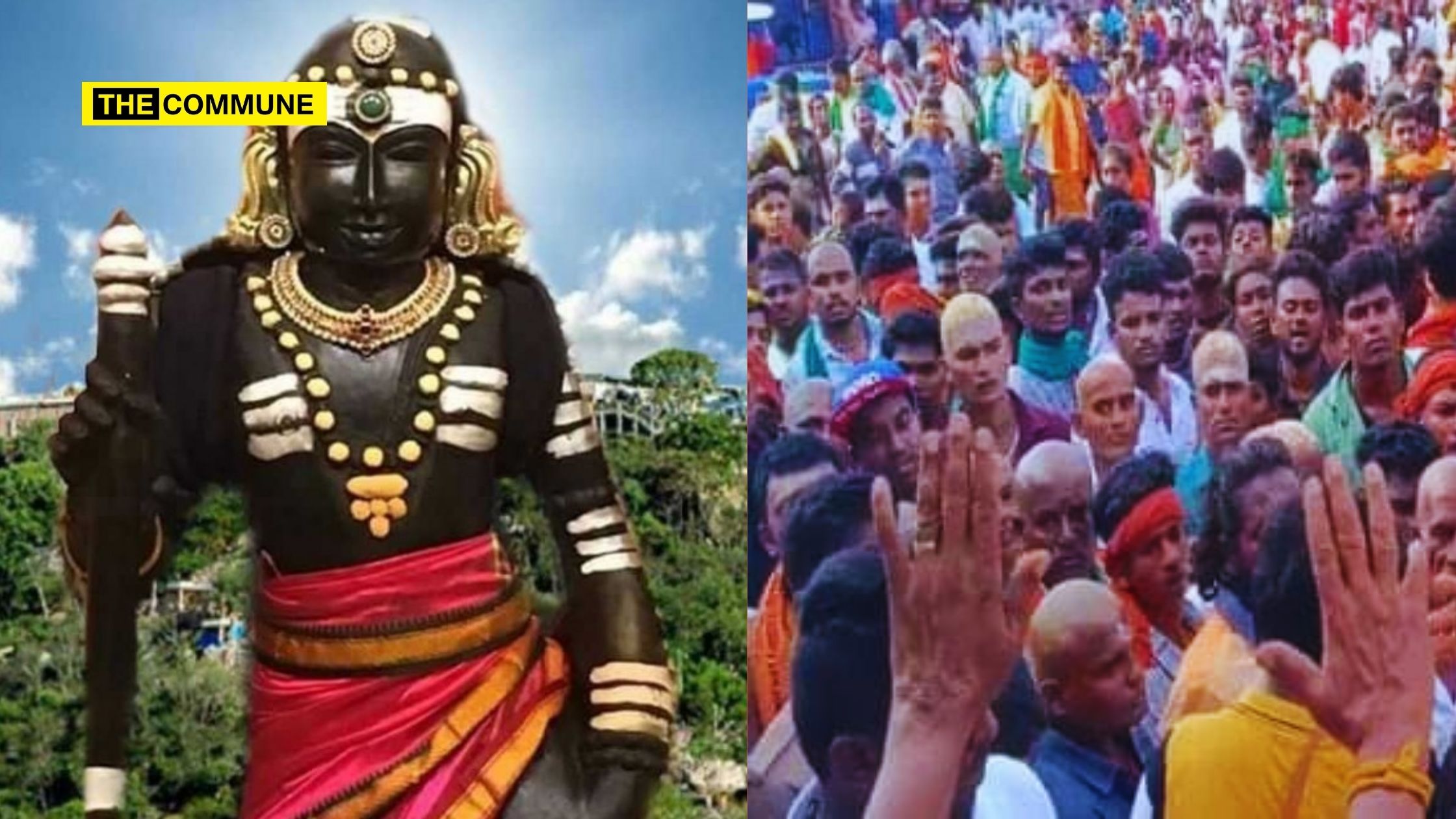
In yet another tragic incident at Palani’s Dandayuthapani Swami Temple in Dindigul District, devotees from Edappadi and Erode who visited Swamy temple for darshan were allegedly dragged and beaten by temple authorities and guards on duty.

According to a report by Hindustan Times, it is alleged that the temple administration had arranged a special route for Erode devotees to carry Kavadi. The altercation arose when Edappadi devotees, overtaking due to a long waiting period, attempted to enter the temple through a special route designated for Erode devotees carrying Kavadi.

It was alleged that Chandran, a devotee from Edappadi, was reportedly dragged, beaten, and suffered a fractured skull by the temple guards and authorities.

Both Chandran and his son who were injured in this incident were admitted to the Palani Hills Temple hospital and are undergoing treatment. In this situation over 500 Edappadi devotees protested, demanding action against the security guards involved.

The temple authorities assured suspension of those responsible, leading some protestors to disperse, while others remained adamant until the security guards faced consequences.


Earlier in January 2024, Palani Murugan Temple administration especially Hindu Religious and Charitable Endowments (HR&CE) department faced criticism as worshippers were allegedly charged ₹1000 for mobile phone safekeeping, despite an initial notification stating a fee of ₹5. After completing the darshan, over 200 devotees confronted temple staff and engaged in a heated verbal exchange with temple staff over the high charges, resulting in a reduction to ₹500, with a warning that those unable to pay would be placed in the donation box.

https://twitter.com/SaffronSurge3/status/1747220023859699899


In another incident during the same month on 5 January 2024, disappointment struck devotees preparing for Pongal and Thaipoosam celebrations at Palani’s Dandayuthapani Swami Temple, as the HR&CE Department allegedly denied permission to play drums during the festivities. This decision caused dismay among worshippers, especially during the sacred Thaipoosam festival, known for strict moral codes and fasting. Assistant Commissioner Lakshmi clarified that drumming is prohibited on the hilltop temple premises.


Subscribe to our channels on TelegramWhatsApp, and Instagram and get the best stories of the day delivered to you personally. 
“A Low Rank Govt Employee Is Suspended Within 48 Hours Of Arrest”: Madras HC Slams DMK Govt Over Senthil Balaji Continuing As Portfolio-Less Minister

The Madras High Court is currently considering the bail plea of Tamil Nadu Minister without portfolio V Senthil Balaji, arrested by the ED in connection with a money laundering case.

The hearing took place on 30 January 2024 before Justice Anand Venkatesh. Senior Advocate Aryama Sundaram, representing Balaji, pointed out an error in the sessions court order regarding his brother’s alleged absconding, citing a recent Supreme Court judgment that says the absconding of co-accused was not a ground to deny bail.

Justice Anand Venkatesh expressed concern over Balaji being in custody for over 230 days and questioned the fairness of him continuing as a minister without portfolio. The judge emphasized the equality of the law for all, noting that the circumstances leading to the previous bail denial seemed unchanged, and asked the ED to file a counter, and the case has been adjourned to 14th February 2024.

Justice Anand Venkatesh opined, “He has been inside for more than 230 days. Already a division bench had expressed that it will not be in fairness to continue him as minister without portfolio for a long time.  Even a lowest rank employee, if arrested is considered to be suspended within 48 hrs. Here he’s been in arrest for so long. If suppose a judge is accused of a criminal case. What will be the message sent out if he continues to be in position even after that?”

The counsel for Senthil Balaji replied saying that Balaji being a minister was crucial for S.439 but shouldn’t come in the way of him seeking bail as a human being.

Senthil Balaji, the former Excise and Transport Minister in the Tamil Nadu Cabinet, was apprehended by the Enforcement Directorate (ED) on 14 June 2023, under the Prevention of Money Laundering Act, 2002. This arrest is linked to a money laundering case associated with a cash-for-jobs scam that occurred while he served as the Transport Minister in the AIADMK regime from 2011 to 2016.

Shortly after being arrested, he underwent a bypass surgery in a private hospital. Subsequently, the Enforcement Directorate (ED) detained him for questioning, leading to his placement in judicial custody. The court consistently extended his remand at regular intervals. His custody has been extended 17 times, with the latest extension granted by Principal Sessions Court Judge S. Alli after a video conference with the minister, who is currently held at the Puzhal Central Prison.

Balaji, accused of amassing wealth beyond known sources of income, underwent a bypass surgery after his arrest. The ED filed a 3,000-page charge sheet on 12 August 2023, alleging his involvement in turning the recruitment process in the Tamil Nadu Transport Department into a corrupt affair.

Despite multiple bail pleas, including one in the Supreme Court, citing health issues, Balaji’s requests have been denied based on concerns of potential influence on witnesses and the serious nature of the charges. Recently The Madras High Court also emphasized that his release on bail could lead to interference with the case with reasoned concerns about his past conduct, current role as Minister without Portfolio, his brother’s abscondence, and an attack on Income Tax Officials, collectively suggesting a potential influence on witnesses if granted bail. The court concluded that these factors make his release on bail undesirable.

Subscribe to our channels on TelegramWhatsApp, and Instagram and get the best stories of the day delivered to you personally. 
TN BJP Leader SG Suryah Busts DMK Leader TKS Elangovan’s Fallacy That Karpoori Thakur Was Anti-BJP

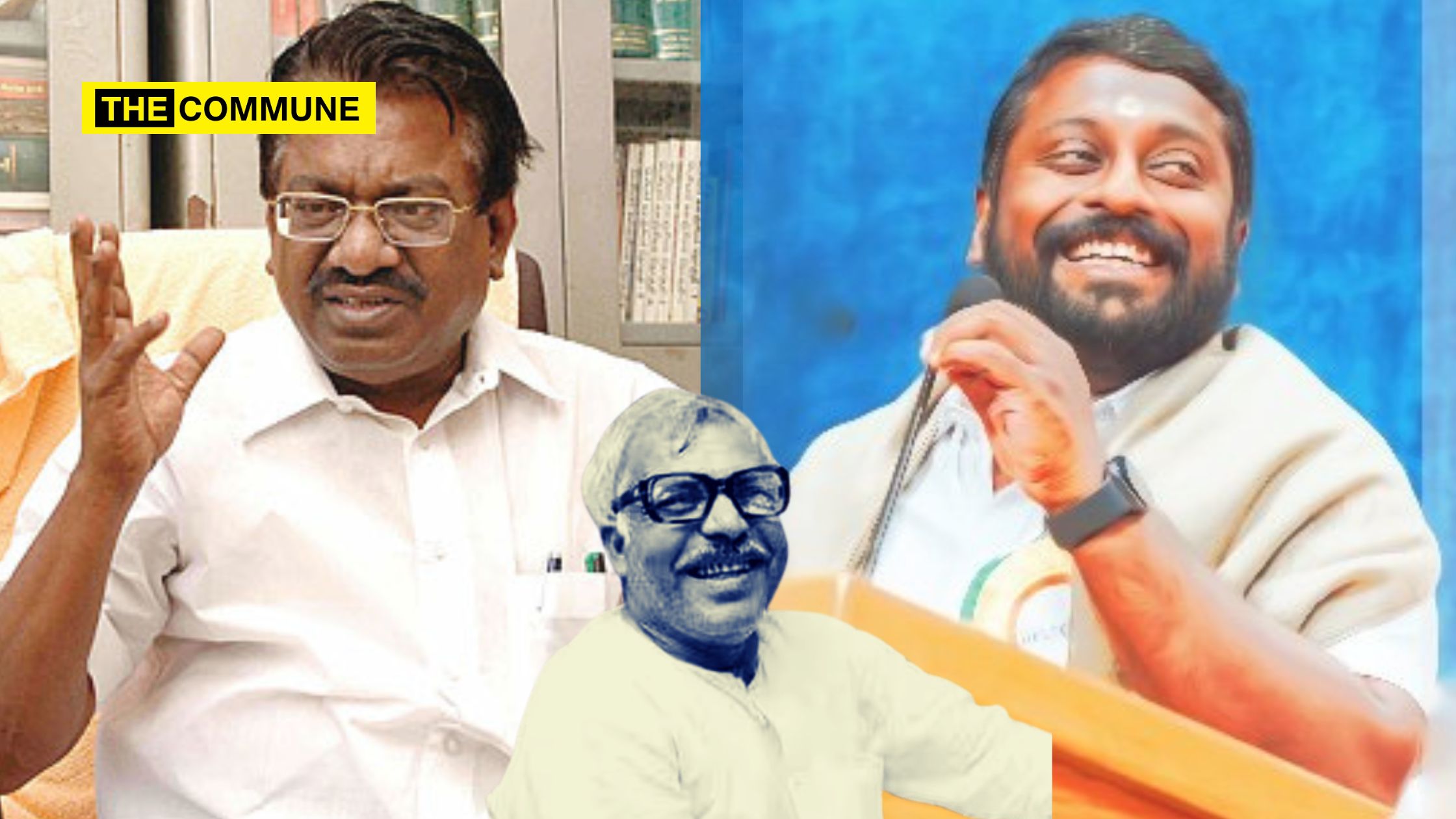
During a TV debate titled “I.N.D.I.A VS N.D.A Alliance: What impact is going to have on Nitish Kumar politics?” on News7 Tamil’s Kelvi Neram show on 29 January 2024, SG Suryah, the State Secretary of Bharatiya Janata Party Tamil Nadu, exposed yet another instance of misinformation by Organisation Secretary of DMK, TKS Elangovan.

The host of the debate Sugitha Sarangaraj questioned TKS Elangovan that “How You and I.N.D.I.A ally See the Alliance Shift, Nitish Kumar?”

TKS Elangovan replied “It was Nitish Kumar who held the first meeting of this alliance in Patna and on that day he made many comments against the BJP, joined the alliance, and held the meeting in a grand scale in Patna. I don’t know what kind of pressure was put on him today. But as far as Bihar is concerned, the BJP is frightened. The departure of Nitish Kumar on the one side, but their newfound affection for Karpoori Thakur, he was an enemy of Jana Sangh, they showed affection for him and gave him an award as well, right? So BJP believes that Bihar will not be in their favour and thus they put pressure on Nitish and today they are keeping Nitish under their control. Last time, there was only one Sushil Modi, today there are two Deputy Chief Ministers from BJP so they are suggesting that you should rule under our control – this is what they want to convey through this.”

He further said that in his view, the award given to Karpoori Thakur, the appointment of two Deputy Chief Ministers, and the evident pressure on Nitish Kumar are indicative of the BJP’s concerns and apprehensions about the political situation in Bihar.

Additionally, he said that Nitish Kumar, a follower of eminent leaders like Lohia, has maintained an anti-BJP and anti-Jana Sangh stance since their inception. They have consistently rejected the policies advocated by the BJP.

In response to TKS Elangovan’s remarks, the host turned to the panel member SG Suryah and asked, “Why does BJP need Nitish Kumar?”

Suryah replied saying, “I found what the senior leader (TKS Elangovan) said about Karpoori Thakur because in 1967, Karpoori Thakur became the Deputy Chief Minister of Bihar with the support of our Jana Sangh MLAs and he became the Chief Minister in 1972 and 1977 elections also with Jana Sangh MLAs. Janata Party was started by joining BJP, what he saying is wrong, why because they were anti-Congress minded, never against BJP, in fact, people who have worked with BJP belong to Janata Party so I want to correct that.”

Further, he said if Karpoori Thakur was against BJP there was no need to ally with us three times. Moreover, he stated that if Karpoori Thakur held opposition views towards the BJP and Jana Sangh, there would have been no necessity for allying with us on three occasions.

Following the debate, SG Suryah also posted on his official X handle, he shared the video and wrote, “The instance during the live debate when a senior DMK leader assumed I lacked historical knowledge and provided incorrect information about Karpoori Thakur, and my subsequent correction.”

Who Was Karpoori Thakur?

The late former Chief Minister of Bihar, Karpoori Thakur, received the Bharat Ratna, India’s highest civilian honour, posthumously on 26 January 2024. This prestigious award recognises Karpoori Thakur’s enduring dedication as a champion for the marginalised and a steadfast advocate for equality and empowerment. 

Karpoori Thakur, affectionately known as “Jan Nayak” or the people’s hero, gained widespread admiration for his unwavering dedication to the well-being of the common people. He served as Bihar’s Chief Minister twice, earning recognition for championing the cause of the backward classes and implementing policies to empower the underprivileged. 

A crucial ally of Jaya Prakash Narayan, Thakur played a pivotal role in the “Total Revolution” movement during the 1975-77 emergency against Prime Minister Indira Gandhi. 

Later in the 1977 Bihar Legislative Assembly election, he aligned himself with the Janata Party, contributing to the alliance’s landslide victory. Thakur served as Chief Minister once again from 1977 to 1979. Subsequently, he affiliated with the Janata Dal. 

Despite his passing in February 1988, the current honour bestowed upon him not only recognises his significant contributions but also serves as an inspiration for society to continue his mission of fostering a more just and equitable social order.

Subscribe to our channels on TelegramWhatsApp, and Instagram and get the best stories of the day delivered to you personally. 
“Non-Hindus Will Not Be Allowed Entry Into Palani Murugan Temple”, Rules Madurai Bench Of Madras High Court

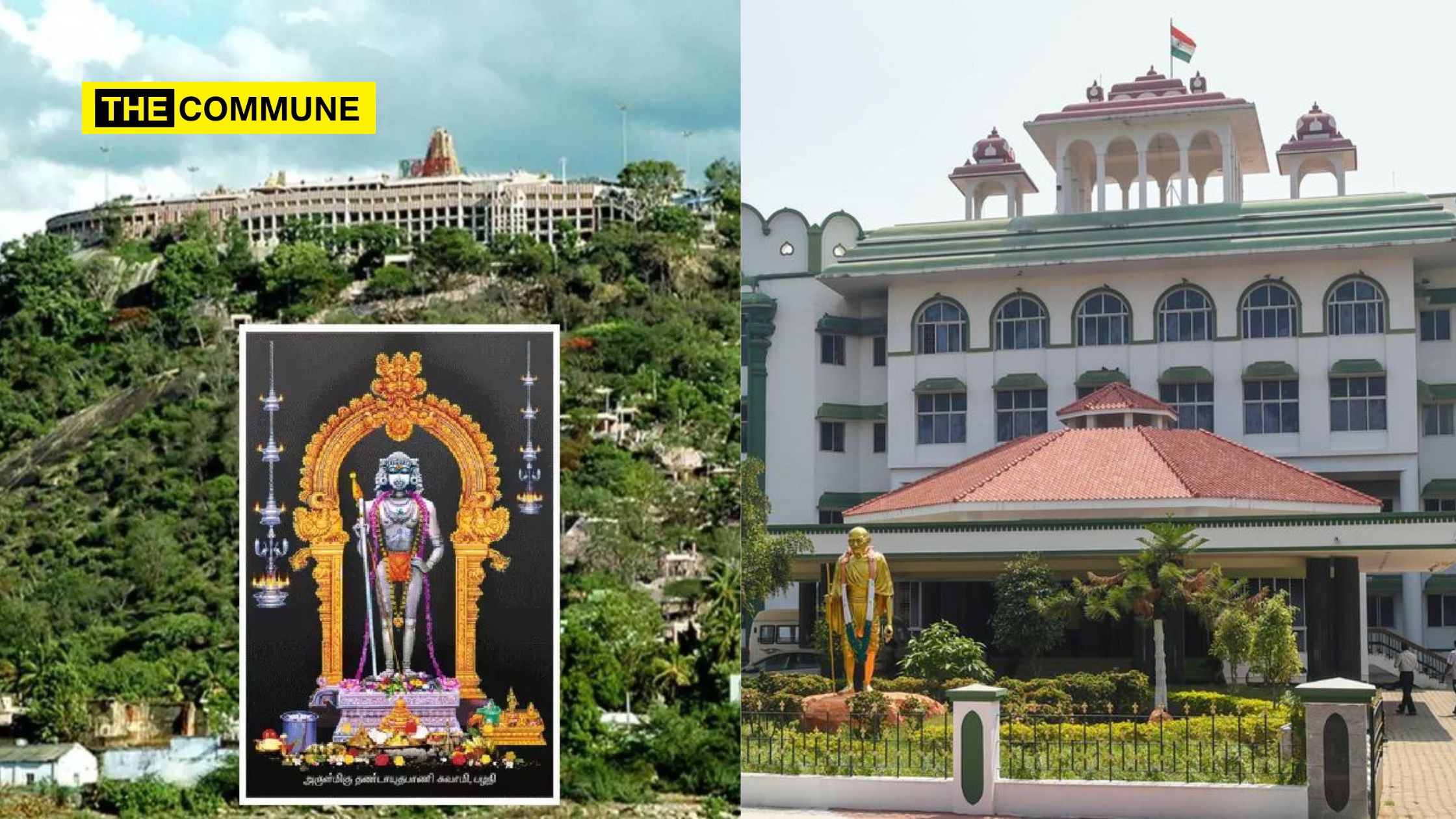
In a landmark ruling, the Madurai Bench of the Madras High Court has ordered today that non-Hindus should not be allowed into Palani Murugan Temple. The judgement mentions that non-Hindus and those without Hindu beliefs should not be allowed beyond the ‘kodimaram‘ of the temple. It also says that placards notifying this should be placed visibly at multiple places in the temple.

Regarding the judgement, temple activist TR Ramesh shared a post on his X handle, he wrote, ‘ The @tnhrcedept in violation of the Temple Entry Authorisation Act, 1947 and the Rules framed thereunder wanted to allow Non-Hindus in the temple without any restrictions – leading to Agama violations and increased security risks. I impleaded in the main Writ Petition which challenged the TN Govt’s HR&CE Department’s illegal and anti-Hindu decision.’

He also wrote, ‘Today Hon’ble Single Judge who heard the matters was pleased to allow the Writ Petition against the @tnhrcedept orders. Hon’ble Judge was pleased to direct that a Board be kept that Non-Hindus will not be permitted beyond ‘Kodi Maram’ (Dwajasthamba – Holy Flagpost of the temple). Direction issued that Non-Hindus not be permitted beyond ‘Kodi Maram’. If any Non-Hindu wants to visit, declaration that he/she believes in the Deity and will follow the customs and traditions of the temple. Such register of clear undertaking to be maintained. The Hon’ble Judge was pleased to make an Intervener in the Writ Petition.

He also added, “Earlier the position of Executive Officer in this temple was declared illegal by Learned Single Judge of Madras High Court. Appeal against this order and seeking to set aside the order was not allowed by Hon’ble Division Bench. Govt and Commissioner of @tnhrcedept lost their appeals. Yet the illegal Executive Officer shameless continues in the temple in Contempt of the orders of the Courts. I will soon move for the removal of the abject and illegal presence of Executive Officer and the @tnhrcedept from this ancient temple.”

In July 2023, it was reported that the petitioner, D. Senthilkumar, sought a direction to the temple authorities to install a board stating that non-Hindus are not allowed on the temple premises, which was removed earlier due to renovation work. The petitioner said that recently, a few non-Hindus wanted to use the winch car to reach the hilltop. When they were told that they were not allowed, they argued with the temple authorities and the members of Hindu outfits who supported them. Justice S. Srimathy passed an interim order of status quo ante, meaning restoring the situation as it existed before, and adjourned the hearing in the case.

In Aug 2023, the Additional Advocate General during the proceedings representing the State Government, asserted that in accordance with the Constitution of India, particularly under Articles 13 and 15, and specifically under clause 15(1), the rights of individuals are safeguarded. In response, Senthilkumar countered this argument, contending that Article 15(2) of the Constitution excludes temples and prohibits their use as picnic spots.

The banner controversy started in June 2023 when the HR&CE department put up a banner saying that “only Hindus are allowed” inside the Palani temple, but removed it in a few hours for reasons unknown. The banner was put up after some Muslims tried to enter the temple as tourists. Hindu activists protested against the removal of the notice. A Muslim fruit seller named Sahul argued with the temple employees that the temple was a tourist place and that he and his relatives wearing burqas should be allowed to enter. He also questioned why there were no banners prohibiting non-Hindus. Hindu outfits supported the temple employees and condemned the HR&CE for failing to put up banners saying that non-Hindus were not allowed. They also accused the HR&CE of being pressured from some quarters to remove the banners. Some Dravidianists and Islamists opposed the banners and claimed that they were illegal and against the Madras High Court ruling that anyone who believes in the deity can enter temples. A Muslim party announced that it will invite Hindus to masjids and plan an event #Welcome_Our_Masjid.

In a clever play on words, Sun TV’s social media handle reported the news update that non-Hindus can enter the temple after giving the affidavit of their faith.

As usual, the news did not go well with the Dravidianists and ‘minorities’. They started a barrage of abuse against Hindus, RSS, BJP and the Hon’ble Judge on social media. A few samples of the abuses are compiled here.

https://twitter.com/SureshK1810/status/1752222000431653311

https://twitter.com/imNAyrus/status/1752221376793223616

https://twitter.com/karuppusamydeva/status/1752232333942685936

Subscribe to our channels on TelegramWhatsApp, and Instagram and get the best stories of the day delivered to you personally.