Home Blog Page 1077

How YouTube “Historians” Like “The DeshBhakt” Are Spreading Lies Furthering Leftist Propaganda On Gyanvapi Temple
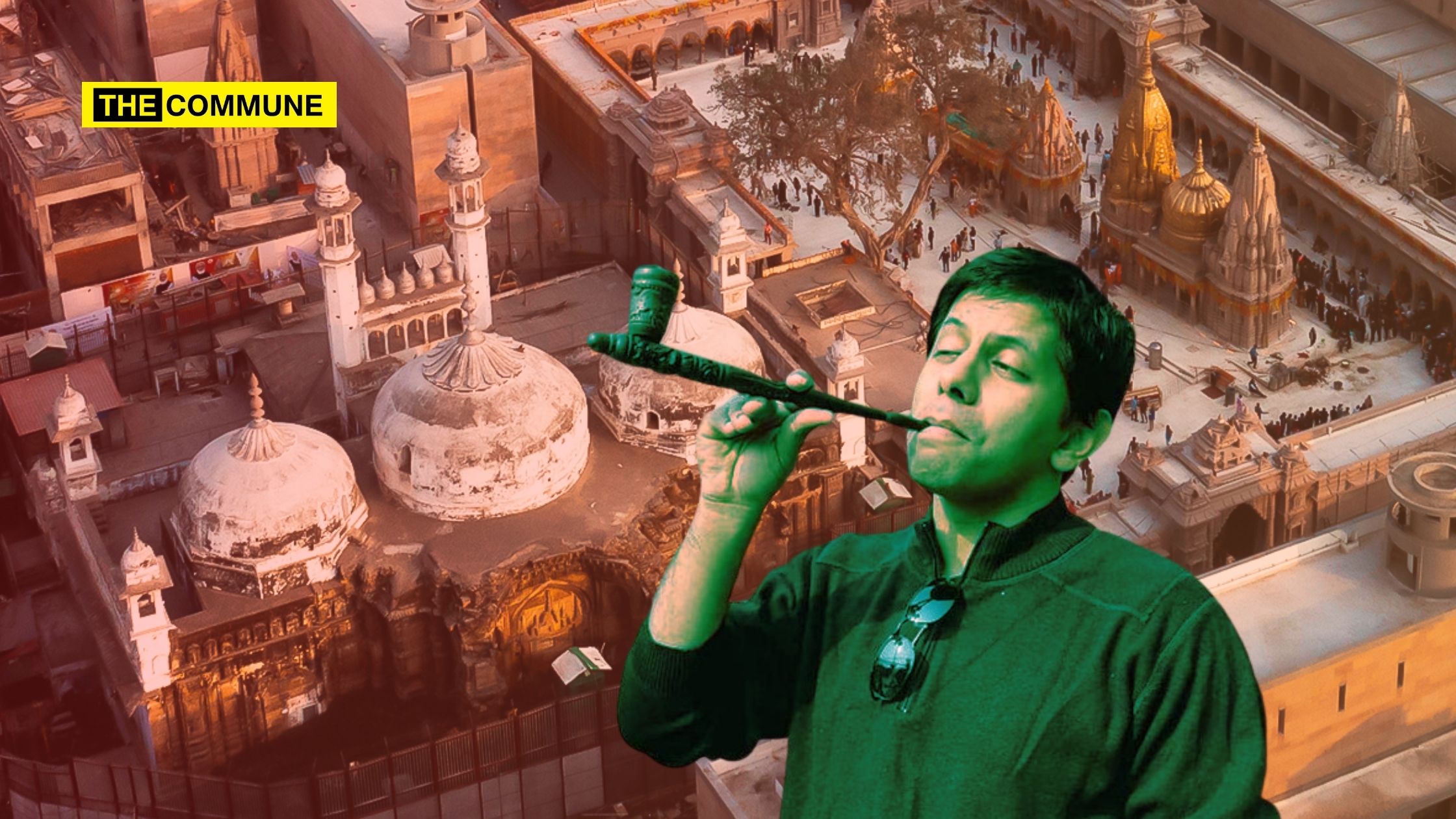
Leftist liberal historians tried their level best to bury the truth in the Ram Janmabhoomi case. Their propaganda fell flat as truth stared everyone in the face. They tried their level best to keep the communal tension simmering but Ram Lalla had to return to Ayodhya and we all know how things unfolded. 

Now with the advent of social media, several self-proclaimed historians, and archaeologists have sprung up on YouTube. The leftists are making use of this platform well to further the unfinished agenda. Among these newly sprouted “historians” and “archaeologists” is a former comedian Akash Banerjee.

A clipping of a video on a YouTube channel named The Deshbhakt run by former comedian Akash Banerjee surfaced on social media platform X. In the clipping, he claims, “The history of Gyanvapi is complicated. People have different views about its history. There are several different researches also done on this. What was there before the mosque came to be? A lot of research has gone into that too. Was a temple already there before the mosque came into being? Or were there ruins of a temple? Or was that building that of Akbar’s Deen-e-Ilahi, a composite culture, was it a symbol of that, was it a structure of that composite culture?”

Upon checking out the full video, we come to realise that Banerjee’s video is made on assumptions about what he claims and places Hindu faith and beliefs (historical truth) as claims. He starts by establishing that the Kashi Vishwanath temple was “believed” to be built by Maharaja Vikramaditya. He also pulls in the Places of Worship Act and says you cannot mess with a structure. He says, “In 1991, Vijay Shankar Rastogi filed a suit in Varanasi district court on behalf of Kashi Vishwanath temple trust Claiming that 2050 years ago, there was a temple constructed by Maharaja Vikramaditya in place of Gyanvapi mosque today. And because there was already a temple there, the Places of Worship Act of 1991 is not applicable there. Now, what is the Places of Worship Act? In short, this is the act of the Parliament under which you cannot mess with any place of worship, religious character, and structure This act is a strong argument for the mosque side. So, as it is said in this petition of 1991, there was such a belief, among common people, among common citizens, there is a popular belief that Maharaja Vikramaditya had built the Kashi Vishwanath temple.”

He then begins his tirade about other beliefs as to how the temple was demolished. He says, “But there are different opinions on how the temple was demolished. Some say that the temple was demolished and a mosque was built instead. Others say that the mosque was next to the temple and no temple was demolished.”

He lists the following points:

  • 12th-century Persian poet Hassan Nizami reported that General Qutubuddin Aibak of Muhammad Ghori defeated Jai Chandra, leading to the demolition of many temples in Varanasi.
  • In 1296, during Iltutmish’s rule, Hindu businessmen rebuilt the temples in Varanasi after a demolition drive.
  • Around the 13th century, another demolition drive occurred in Varanasi.
  • During Akbar’s Mughal rule, Raja Todarmal and Raja Man Singh constructed the Kashi Vishwanath Temple.
  • The controversial period of Aurangzeb saw large-scale temple demolitions.
  • Maasir-I-‘Alamgiri, written by Saqi Mustad Khan, is considered an authentic source on Aurangzeb.
  • According to Maasir-I-‘Alamgiri, after Aurangzeb’s orders, many temples, including Vishveshwar temple in Kashi, were demolished.
  • Maasir-I-‘Alamgiri mentions Aurangzeb’s orders leading to temple demolitions in Tatta, Multan, and Kashi.

Akash claims that the temple side asserts that the Vishveshwar temple was demolished during Aurangzeb’s rule, and the Gyanvapi Mosque was built in its place. Now comes the leftist liberal caveat. He says, “Now there is no debate on this that during the rule of Aurangzeb, temples were destroyed and many mosques were built in their place. Is Gyanvapi one of those mosques or not?”

  • According to Akash Banerjee, the Mosque side claims that the Gyanvapi has been present since the time of Akbar. He adds that the Secretary of Anjuman Intezamia Masjid Committee, Sayyed Mohd Yasin, claims Gyanvapi’s presence since Akbar’s time.

Akash goes on to explain what Dee-e-Ilahi means – “Deen-e-Ilahi was an experiment by Akbar to make a synthetic religion by combining good elements of all religions”. He adds that the Deen-e-Ilahi centre beside the mosque during Akbar’s time, was removed during Aurangzeb’s rule, with visible remains near the mosque, and many people consider this to be the remains of the temple.

Some other points he states include:

  • Two graves near the mosque are cited as evidence that the place was a centre where all religions were allowed, not a temple, and that its architecture was also synthetic.
  • After Aurangzeb’s death, the Mughal dynasty declined, and Maratha rulers, led by Queen Ahilyabai Holkar, rebuilt the Kashi Vishwanath temple in 1776.

Here’s How Does He Establish the Deen-E-Ilahi Nonsense

Displaying the picture of the Gyanvapi mosque structure, he says, “You can clearly see a structure on the side of the mosque. According to the mosque side, this structure is from the Deen-e-Ilahi centre from the times of Akbar. It is said that there are many Hindu deities’ and artifacts around it.”

Blames Hindu Organisations For Problems In the Case 

He starts by explaining how Hindus and Muslims were “amicably” conducting the puja of the Shringar Gauri side. He says, “What is this about worshipping Shringar Gauri? Did Hindu devotees have daily access to it? The answer to this question is Yes, Hindu devotees were allowed to worship daily. Till 1993, worship of the gods and goddesses on the wall behind the mosque was done on a daily basis. No one had any problem. The Hindu and Muslim sides had no problem … as everyone was doing their own prayers.”

Here is where he starts blaming Hindu organisations for the change. He says, “But in this case, VHP leader Sohan Lal himself says that once some VHP and Bajrang Dal workers threw 300-400 pots of Ganga jal towards the Gyanvapi mosque. After which the administration placed a 10 ft barricade. VHP and Bajrang Dal did the same thing again, this time the administration put up a 20 ft barricade, as well as limited the access to Shringar Gauri to once a year. In 1998, Allahabad High Court took a big decision that for the next 22 years, stopped hearing about the dispute in the lower courts.”

Fails At Attempt To Establish Mosque’s Name

Banerjee first mentions Uttar Pradesh Chief Minister Yogi Adityanath’s statements on the meaning of the word Gyanvapi. He says, “How can a mosque be called Gyanvapi? Chief Minister Yogi ji has also commented on this. Gyanvapi means well of wisdom, reference of which can be easily found in 8th-century scriptures, in Skanda Puran.” Now comes the caveat. He adds, “In BHU, a professor of heritage study, Dr. Rana P.B. Singh, said that the mosque was initially called Alamgiri Mosque, but due to being located near the Gyanvapi area, it is now called Gyanvapi Mosque. And this became its name.”

And that’s how leftist liberals establish that the temple never existed! 

In fact, upon checking the video where Prof Rana Singh talks about this, he says it is not known when the name Gyanvapi got attached to what was originally the Alamgir Mosque. The locality is called Gyanvapi and over time it came to be known so and that the mosque and the temple are attached by a wall, so they are not different. The mosque is built on the pillars of the temple. In fact, Prof Singh also adds that one can suppress history and the truth but cannot change it. 

So Banerjee’s propaganda falls flat. The full video can be watched here: 

Now how does he “bust” the Nandiji’s direction point? Here’s what he says, “Many people argue that Nandi’s face is in the direction of the mosque. According to Hindu belief, it is generally seen that the direction in which Nandi’s face is, is the direction of Shivaling. And in the Kashi Vishwanath Complex, one side claims that Nandi’s face is pointing in the direction of Gyanvapi mosque But on this claim, Dr. Rana P.B. Singh says that Nandi was donated to the temple by the king of Nepal in 1824. This claim does not stand.”

This surely does not answer why the Nandi is facing a direction completely opposite to the present Kashi Vishwanath temple. Gift or no gift, the direction of Nandiji is always facing his master, Lord Shiva. 

Stresses On Places Of Worship Act

Next Banerjee goes on to establish why the Places of Worship Act came into being, why it is so important, and that nothing can be done to it. 

He says that in 1984, VHP organised a Dharma Sansad, initiating the Ram Mandir movement, and that similar events occurred in Udupi in 1985, addressing demands related to Krishna Janmasthan and vacating the Kashi Vishwanath temple complex.

The Ram Mandir movement heightened communal tensions in the country during the 1990s. In 1991, the PV Narasimha Rao government passed the Places of Worship Act to prevent new controversies and maintain control over the situation. The Act was deemed “crucial” during the peak of the Ram Mandir movement, led by Advani’s rath yatra and increased communal tension due to shootings in Uttar Pradesh. 

Knowingly or unknowingly, Banerjee acknowledges that the Mughals did demolish temples. He says, “As per this act, any place of worship as it existed on 15 Aug 1947, cannot be interfered with; whether it is a temple, a mosque, a church or a Gurudwara. Because if you sit and search, if you dig into history, you will find many such cases of how Mughals built mosques after demolishing temples.”

But he also slips in the propaganda that “Research also shows that the kings built temples on Buddhist structures.” He, however, fails to mention that these accounts could be exaggerated as mentioned in the same screenshot:
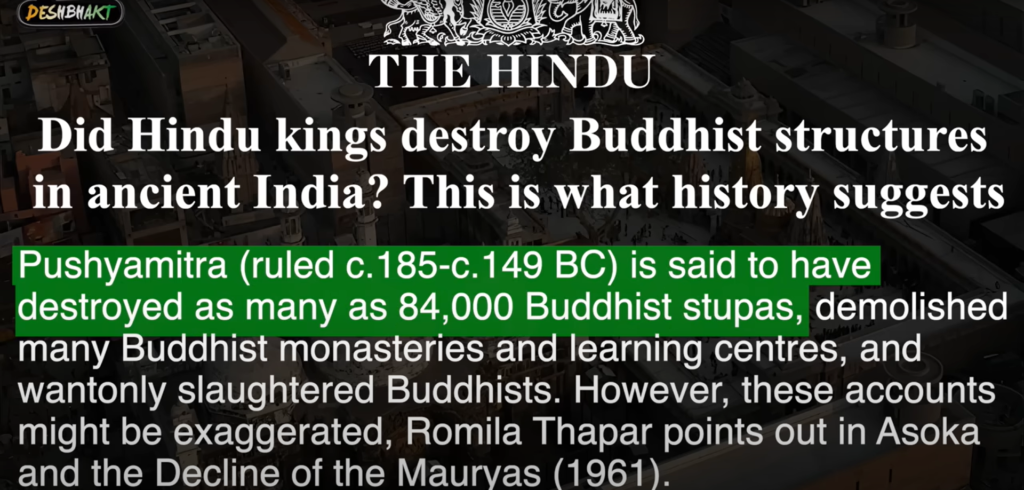
“Pushyamitra (ruled c.185-c.149 BC) is said to have destroyed as many as 84,000 Buddhist stupas, demolished many Buddhist monasteries and learning centres, and wantonly slaughtered Buddhists. However, these accounts might be exaggerated, Romila Thapar points out in Asoka and the Decline of the Mauryas (1961).”

 Towards the end, he also tries to instill fear among his viewers by saying this will be a never-ending issue if we continue looking for temples under mosques. He says, “How many temples were destroyed, how many mosques were built, if we start to follow up on this, this will continue for the next 700 years. Let’s assume that the ASI survey proves that there are some religious and temple remains under the mosque. Still, you cannot change the existing mosque and its character according to the law of 1991. Then, if we talk about the Supreme Court and according to its order, the government should clear its stand by 31st October, then what will be the take of the central government in this matter? If the Modi government repeals this act or tries to do so, then the issues of Kashi and Mathura will again start surfacing. And along with that, I don’t know how many more such demands will come up. So, all this time and effort will go only into this. But it is possible that the government which loves bulldozers, thinks that the Places of Worship Act can also be removed. Organizations like VHP and Bajrang Dal keep on saying that Kashi Mathura Baaki Hai. Will the government be able to handle these organizations after the repeal of this act? Will we have to face the extreme communal environment like in the early 90s again? The act was made to tackle exactly this. Whatever the court’s decision is will be final. But when will we talk about the real issues? China’s threat, unemployment, inflation, law and order.”

Leftist liberals are so short-sighted that they fail to realise that in the era of social media and high-speed internet, any propaganda will go bust because resources are just a search away. For people like Akash Banerjee who thrive on spreading divisive agenda of the leftist historians, please remember, Ayodhya To Bas Jhanki Hai, Kashi Mathura Baaki Hai!

Hydra is a freelance columnist. 

Subscribe to our channels on TelegramWhatsApp, and Instagram and get the best stories of the day delivered to you personally.
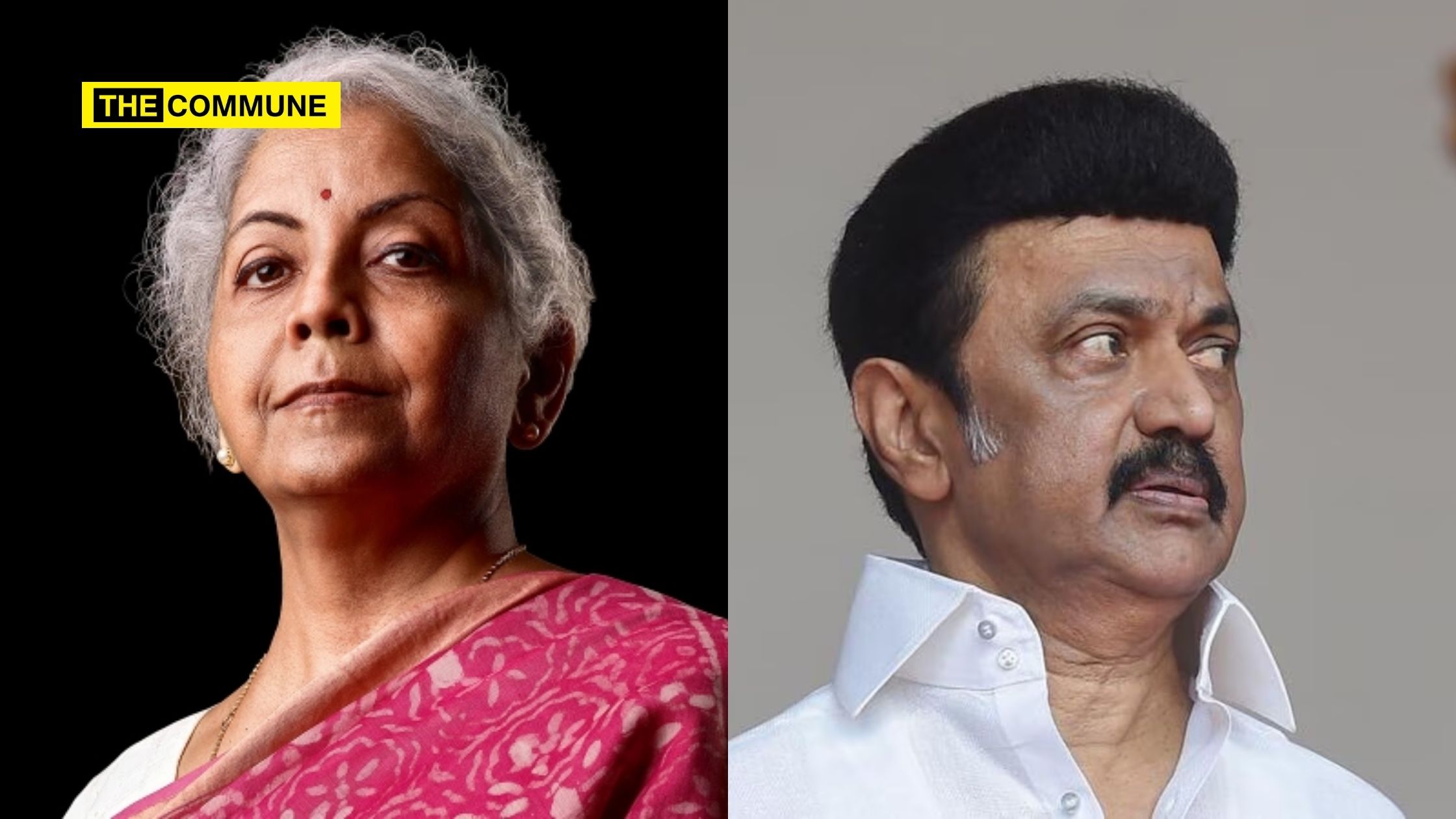
“I’ve Not Said Loose Words, Attack On Hindus In TN Happens In Layers”: Union Fin Min Nirmala Sitharaman Says About Her “DMK Is An Anti-Hindu Party” Remark

Union Finance Minister Nirmala Sitharaman was at the thick of the action when the DMK-led Tamil Nadu State government’s Police department denied permission to devotees to livestream the Pran Prathishta ceremony proceedings. Among various topics she spoke about in an interview recently with News18 network’s Rahul Joshi, she also touched upon her stand against the DMK in Tamil Nadu.

The interviewer asked, “You’ve said that Stalin’s DMK is an anti-Hindu party and that they were forbidding the live telecast of the Ram Mandir Pran Prathishta ceremony. What do you have to say to that?”

Nirmala Sitharaman replied, “100%, I’ve not said loose words. I did mean what I said and I do truly believe that repeatedly the attack on Hindus in Tamil Nadu in layers which are seen and in layers which are not seen, have been felt for a long time. I speak very many times about Tamil Nadu with lived experience and therefore I don’t talk too soon nor do I speak too indiscreetly. So when I say something, I mean it because I feel it also. I do corroborate with data, with actual ground activities, and then only comment. Unfortunately, if that is the politics of state party, which has had a lot of ideological support extended to separatist politicians of years gone by, whether they support it even today, I do not know but there are periodic voices which come out which are very separatist in tone and tenor.”

She further added, “My grief is that a national party like the Congress party has been decimated in Tamil Nadu, and till today, they are not in a position to win an election, a couple of seats on their own without being in an alliance with one of these parties. BJP is of course a beginner there. It’s been there since the Jan Sangh days and it’s gaining strength, we will continue to work with the people. But the grief that I want to express is, that a national party like Congress party, also joins that anti-Hindu voice, does not condemn the anti-Hindu voice of the party DMK, and even worse, goes in support of such voices which come from DMK and today not just in Tamil Nadu.”

She further said, “A Congress party member in the Lok Sabha today, meaning he is a sitting Lok Sabha member, and the brother of a deputy Chief Minister in Karnataka also speaks in separatist voice. So, anti-Hindu is one, and to Hindu activity is another, which also is happening in Karnataka incidentally, the Congress party in Tamil Nadu, supports this kind of anti-Hindu or separatist voices, and today that is a spirit with which the Congress also is aligning which is what I find utterly shocking.”

Subscribe to our channels on TelegramWhatsApp, and Instagram and get the best stories of the day delivered to you personally.
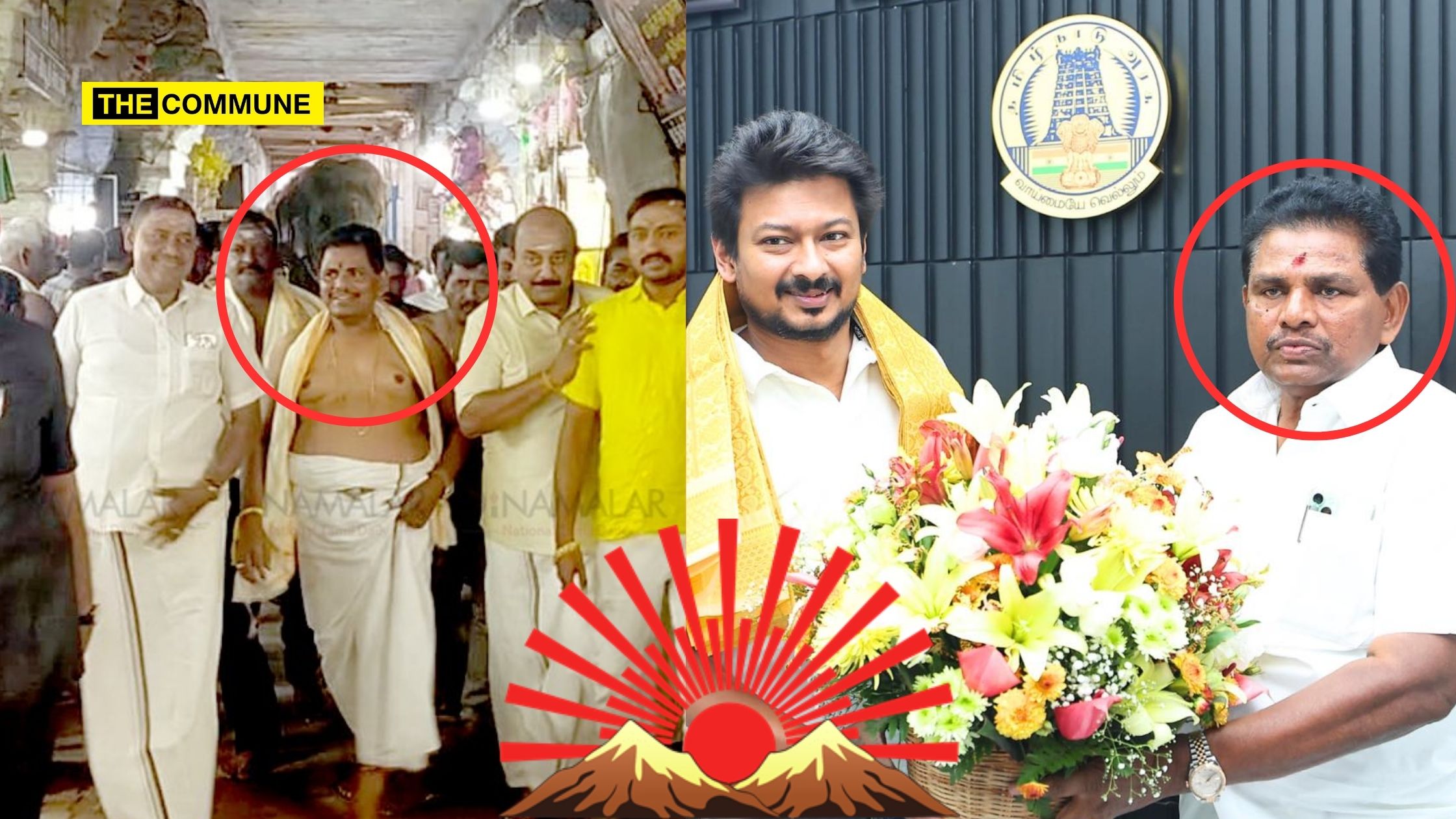
Dravidian Model Duplicity: Instead Of Eradicating Sanatana Dharma, DMK Minister Does “Eradicate Enemies” Yajna At Tiruchendur Temple, Stalin’s Son-In-Law Sabarisan Had Done The Same Earlier

On the one hand, members of the Dravida Munnetra Kazhagam (DMK) in Tamil Nadu call for the eradication of Sanatana Dharma, on the other, members of the same party are seen to be performing pujas in different temples. The party members have been repeatedly disrespecting Hindu beliefs, equating Sanatana Dharma to dengue, malaria, corona, mosquitoes, and even HIV AIDS and leprosy. The party also has been routinely seen engaging in the systematic deterioration of Hindu temples by cutting down finances, interfering in temple customs and openly advocating against Sanathana Dharma. Interestingly, the party’s cadre, leaders, ministers, and their family members portray a contradictory stance, more often than not. 

The recent viral photograph of a DMK minister at the Subramaniya Swamy Temple in Tiruchendur has sparked widespread criticism and anger among critics.

Anitha R Radhakrishnan, the DMK Minister for Fisheries, Fishermen Welfare, and Animal Husbandry in Tamil Nadu, visited the Tiruchendur Subramaniya Swamy Temple on 4 February 2024. During this visit, he conducted the Shatru Samhara Puja, seeking success for the DMK in the upcoming elections and seeking spiritual remedy for the legal challenges initiated against him.

This temple visit and sudden display of devotion coincide with two significant events. Firstly, the performance of DMK in the upcoming Lok Sabha polls, and secondly, the looming money laundering case against Minister Anitha Radhakrishnan by the Enforcement Directorate.

 During a recent consultation meeting on Lok Sabha elections in Tuticorin Anita Radhakrishnan cautioned party officials against election mistakes, stressing the potential removal from the party. He underscored the importance of forming a robust alliance (I.N.D.I. Alliance), maximizing DMK votes, and fostering collaboration among union secretaries. He also emphasized that it was necessary for them to vote for  Kanimozhi (DMK MP) once again and that she had to win by a margin of 6 lakh votes. 

Furthermore, in November 2023, Justice S.S. Sundar of the Madras High Court opted not to preside over the Minister’s writ petition contesting a money laundering case. The case revolves around allegations of disproportionate assets amounting to ₹2.68 crore between 2001 and 2006. This situation is particularly disconcerting for the Minister, especially considering the recent trend of other ministers being successively arrested in money laundering cases.

Netizens React

A sarcastic comment from a netizen questioning the need for the puja reads, “Why perform Shatru Samhara Puja? To win the case. What is the case? It is the case filed for saying that they will abolish Sanatana.

Another netizen expressed frustration with a comment stating, “Dravidian bunch thieves…. they can do everything…. if ordinary Hindu worships his deity for his hardship and life it is communalism?”.

Another netizen subtly expressed criticism towards the ideology of DMK and EVR by stating, “Rationality baring its teeth.”

The Shatru Samhara Puja, a ceremonial practice within the Kaumaram subsect of Hinduism, is dedicated to honoring Kartikeya (also known as Lord Muruga). This ritual is notably performed at the Tiruchendur Murugan Temple, with the belief that participating in it offers safeguarding against malevolent influences for the practitioners.

In August 2023, during Aadiperuku day, the Minister for Food and Civil Supplies, R Sakkarapani, conducted a special pooja at the Subramaniya Swamy Temple in Tiruchendur. Notably, this special pooja took place amidst an ongoing investigation by the enforcement department into DMK ministers. A few days earlier, the wife and family of the former Higher Education Minister of Tamil Nadu, Ponmudi, also performed special pujas to the Shatru Samhara deity (Murthy). In August 2022,

Chief Minister Stalin’s son-in-law, Sabareesan, visited the Tiruchendur temple and conducted a Shatru Samhara yagam. 

Despite the inclination of DMK and specific political figures, the party cadres and ministers are often seen partaking in Hindu rituals often, claiming it was personal. However, they abstain from acknowleding their Hindu side when it comes to activities related to the party. 

 Subscribe to our channels on TelegramWhatsApp, and Instagram and get the best stories of the day delivered to you personally.
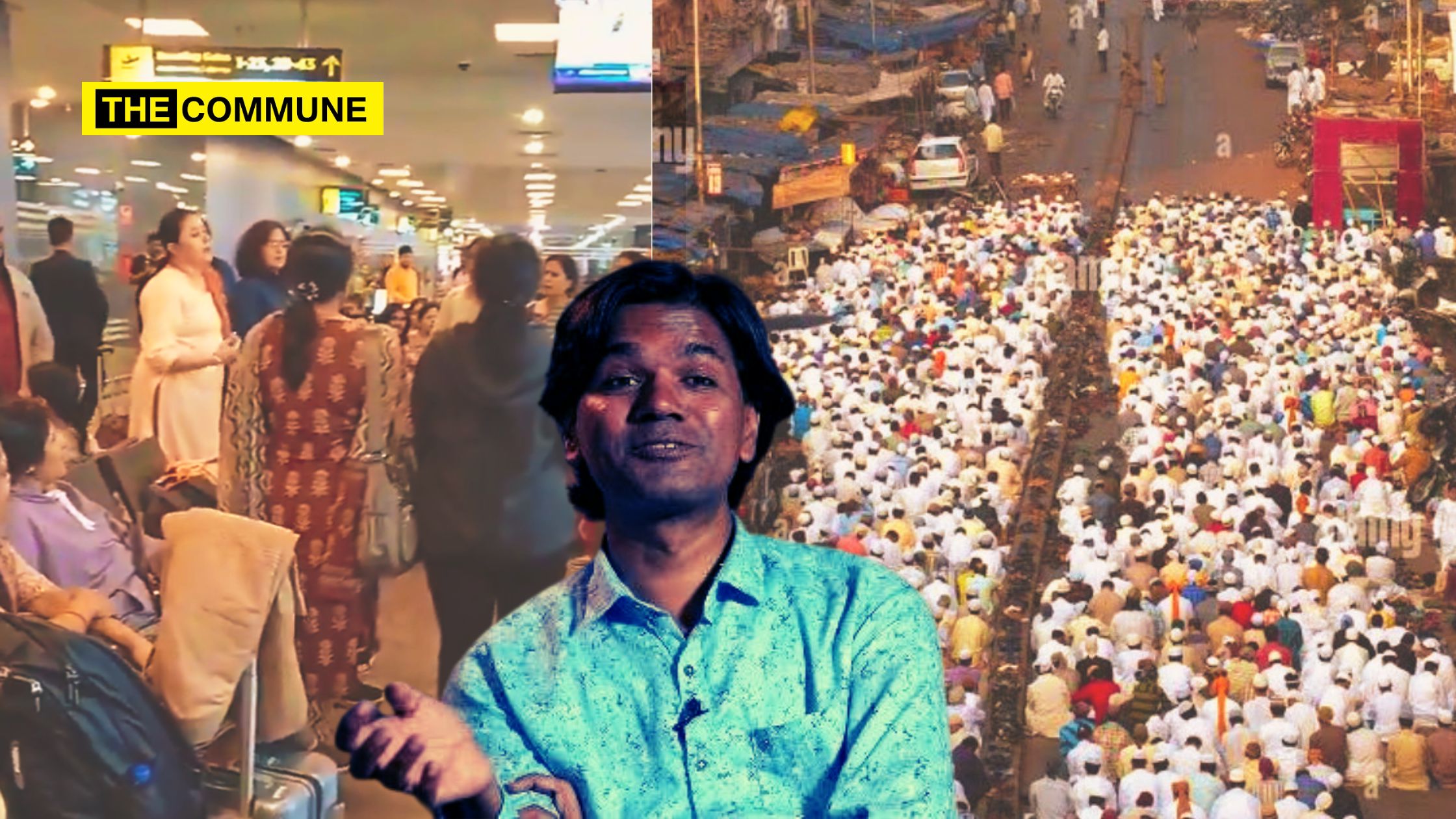
DMK Govt’s “Communal Harmony” Award Winner Zubair Has A Problem With Hindu Pilgrims Doing Sankeertane At Bluru Airport, Netizens School Him That They Don’t Bomb Or Hijack Flights

BJP leader CTR Ravi shared a video of a group of women doing Sankeertane at an airport while they were waiting to board their flight to Ayodhya. Several women seemed to have joined in the singing and this was done peacefully without causing disturbance to any other people there.

Alleged fact-checker Mohammed Zubair soon came to grab the spotlight and posted a comment on the video. He wrote, “According to BJP supporters, It’s a Public nuisance if a Muslim reads Namaz in some corner in the park or in an isolated place. But here”

Netizens School The Alleged Fact-Checker

Netizens called out the hypocrisy of Zubair and pointed out to him that the women were doing this without causing any disturbance to others, not obstructing movement. 

Some also pointed out that Muslims have prayer rooms allocated for their prayers and Hindus are not given even that space.

Others even called out the false comparison – namaz is done 5 times a day while a bhajan, or kirtan is sung only rarely and is not something that Hindus do on a daily/regular basis. 

Some other netizens called him out for the incorrect “fact” he mentioned. Muslims never did namaz in the “corner of a park”; there are several instances of them occupying the entire road and blocking traffic!

https://twitter.com/UddJaaPerindeyy/status/1754395029899235471

Some others even called him out saying Hindus do not bomb buildings!

It is noteworthy that the Tamil Nadu government recently conferred the Kottai Ameer Communal Harmony Award for “rendering various services to promote communal harmony” to the self-styled fact checker.

Subscribe to our channels on TelegramWhatsApp, and Instagram and get the best stories of the day delivered to you personally.
Chennai Resident Receives Call From DMK Member After Filing Complaint On Namma Chennai App, Asked To Withdraw Complaint

A resident of Mylapore received calls from members of Dravida Munnetra Kazhagam (DMK) after he complained about encroachment in Arundale Street through the Namma Chennai app administered by the Greater Chennai Corporation (GCC).

A temple under construction at the intersection of Arundel Street, Paripoorna Vinayagar Koil, and Nachiappan Street in Mylapore has encroached upon a significant portion of the area. The temple’s expansion, undertaken without proper authorization from the Greater Chennai Corporation, has led to a complaint filed via the Namma Chennai app in December 2023. Despite initial inaction from the Corporation, a notice was issued on 22 January 2024, stating the lack of planning permission. The complainant, R Ramesh, a civic activist, revealed that the temple claimed to have invested over ₹20 lakh in construction and requested the withdrawal of the complaint. Privacy concerns arose when the complainant’s number was disclosed after filing the complaint. The encroachment aggravates congestion in the area, causing traffic disruptions and hindering essential services like ambulance and metro water lorries, particularly during increased commuter traffic due to metro works.

On 24 December 2023, R Ramesh, residing in Mylapore, filed a complaint against a temple in Ward 125 located on Arundale Street, Mylapore. His complaint on the app stated that the temple had erected scaffolding that extended into the road.

Despite Ramesh repeatedly reopening the complaint, it was closed without any action being taken. Subsequently, the corporation issued a notice to the temple, requesting planning permission or a permit for the deviation by 22 January. They warned of strict measures if the required documents were not provided.

Following the notice, Dass, a local ward representative of the DMK, contacted the resident. According to call recordings shared by the resident, Dass threatened him to withdraw the complaint, stating that the local GCC official had instructed him to convey that they would overlook the notice if the complaint was withdrawn. In response, Ramesh questioned Dass about his interest in the temple and the reason for calling from a nearby ward.

Dass, a DMK member, explained to TOI that he called to clarify that there was an upcoming event at the temple, assuring that it wouldn’t cause any inconvenience. MLA D Velu confirmed that Dass was associated with the DMK and mentioned that the scaffolding was erected for an upcoming event. He added that if the scaffolding obstructed the road, it would be removed.

This isn’t the first time sensitive information has been disclosed. In March 2023, R Ramesh, who had previously complained on the Namma Chennai app about a chicken stall selling ‘decayed meat,’ was summoned by the police. In his earlier complaint, he had called for immediate action against Anburaj Chicken Stall for violating food safety rules. Following this, Mylapore inspector M Ravi contacted Ramesh, referring to a complaint from the chicken stall owner regarding the mental distress caused by Ramesh. Another individual, Kumar, claiming to be associated with the stall owner, invited Ramesh to resolve the issue. Ramesh raised concerns about the revelation of his identity to the vendor and questioned the officials’ decision to share his details.

A user re-posted the news, expressing concern said, “The frequent intimidation we residents of Chennai face while using the Namma Chennai app is terrible. It’s not just an ‘app’; it’s a ‘trap’.”

Another Chennai resident stepped forward to disclose their details and share their experience. He commented “I am willing to provide insights into my encounter with GCC’s Namma Chennai App, wherein my family and I faced threats from both local politicians and the offenders themselves after filing an encroachment complaint.”

Another netizen sarcastically remarked, “It’s not “Namma Chennai” App, it’s “Namma Chennai” cleat (Aapu)!! In a direct transaction between the government and the citizen, The Dravidian model is using the politician to withdraw the complaint. The New York Times should write a pun on this.

(With inputs from TOI)

Subscribe to our channels on TelegramWhatsApp, and Instagram and get the best stories of the day delivered to you personally.
Reports Say NTK’s Sattai Duraimurugan Received Funds From Foreign Pro-LTTE Orgs In Seeman’s Name Without His Knowledge, Allegedly Tried To Trap Seeman And Take Control Of Party

The recent NIA raids on Naam Tamilar Katchi’s office bearers has confirmed through the documents seized that YouTuber Sattai Duraimurugan, using Seeman’s name, received several crores of rupees from pro-LTTE organisations in foreign countries and attempted to take over the party. This incident has generated significant excitement within the Naam Tamil Party. Two individuals, arrested near Omalur in 2022 with explosives and firearms, provided a sensational confession to NIA officials, revealing that many executives, including Sattai Duraimurugan from the Naam Tamil Katchi, had covert contacts with the LTTE, a banned organisation in India, and illegally obtained hundreds of crores of funds.

They attested to establishing another organisation parallel to the Liberation Tigers of Tamil Eelam (LTTE) for conducting an armed struggle in Tamil Nadu.

Financial support from members of the banned organisation abroad was received for this purpose, with several administrators affiliated with the Naam Tamil Party allegedly supporting the armed struggle. Consequently, NIA officials dedicated months to investigating the sources and transactions related to foreign funds.

As per the statement from the arrested individuals, Sanjay Prakash and Naveen Chakravarthy, it was confirmed that Naam Tamilar Katchi’s State Secretary for Information Communication and Policy Propagation, Sattai Duraimurugan, along with other executives, including Ranjith Kumar (33), Ishai Madhivanan (40), Vishnu Pratap (25), and former administrator Balaji (33), were directly in contact with these activities.

Following the collection of documents by NIA officials, raids were conducted last Friday at the residences of Sattai Duraimurugan, Ranjith Kumar, Ishai Mathivanan, Vishnu Pratap, and Balaji. Authorities seized a laptop, 7 cell phones, 8 SIM memory cards, and 4 pen drives, along with materials related to LTTE and its leader Prabhakaran. Subsequently, upon examination of these documents, numerous shocking pieces of information were revealed.

According to NIA officials, funds were received from banned organisations abroad, and they mobilised their personnel for an armed revolution in Tamil Nadu. There is certainty that attempts were made to manufacture explosives and firearms. Sattai Duraimurugan, the Press Communication Policy Propagation State Secretary of the Naam Tamilar Katchi, is implicated in securing funds from foreign countries for the armed revolution. Allegedly using the name of party coordinator Seeman, Duraimurugan reportedly engaged in unauthorised communication with LTTE organisations abroad through banned cell phone apps, expressing intentions to initiate a revolution in Eelam without Seeman’s awareness.

Documents discovered in the investigation reveal the illegal receipt of funds amounting to several crores of rupees under the pretext of assistance. Furthermore, it has come to light that, using Seeman’s name, a specific sum of funds received from LTTE organisations was allocated as party development funds for the party’s growth. Allegedly, this substantial amount of funds has been misused against the government of Sattai Durai Murugan.

Additionally, concerning the acquisition of funds from banned organisations, Sattai Durai Murugan allegedly undertook covert activities to entrap Seeman and take control of the party. In the event of failing to seize leadership, he purportedly attempted to unite second-stage executives, with full LTTE support, to splinter the party against Seeman and establish a separate organisation.

Documents found in laptops and pen drives indicate that Sattai Durai Murugan sought to implement this plan through the collaboration of individuals such as Sanjay Prakash and Naveen Chakravarthy, who were apprehended with explosives and firearms, with support from Kapilar(a)Kapilan.

Unnamed NIA officials in Delhi stated that there is a high likelihood of arresting top executives of the NTK, as the raid has uncovered substantial evidence against individuals, including Sattai Duraimurugan. Allegedly engaged in illegal activities against internal security and advocating for an armed revolution in Tamil Nadu without Seeman’s knowledge. The revelation that administrators, including Sattai Duraimurugan, were involved in splitting the Nam Tamilar Party by collecting funds from banned organisations, has stirred significant controversy within the Nam Tamilar Katchi.

(with inputs from Dinakaran)

Subscribe to our channels on TelegramWhatsApp, and Instagram and get the best stories of the day delivered to you personally.
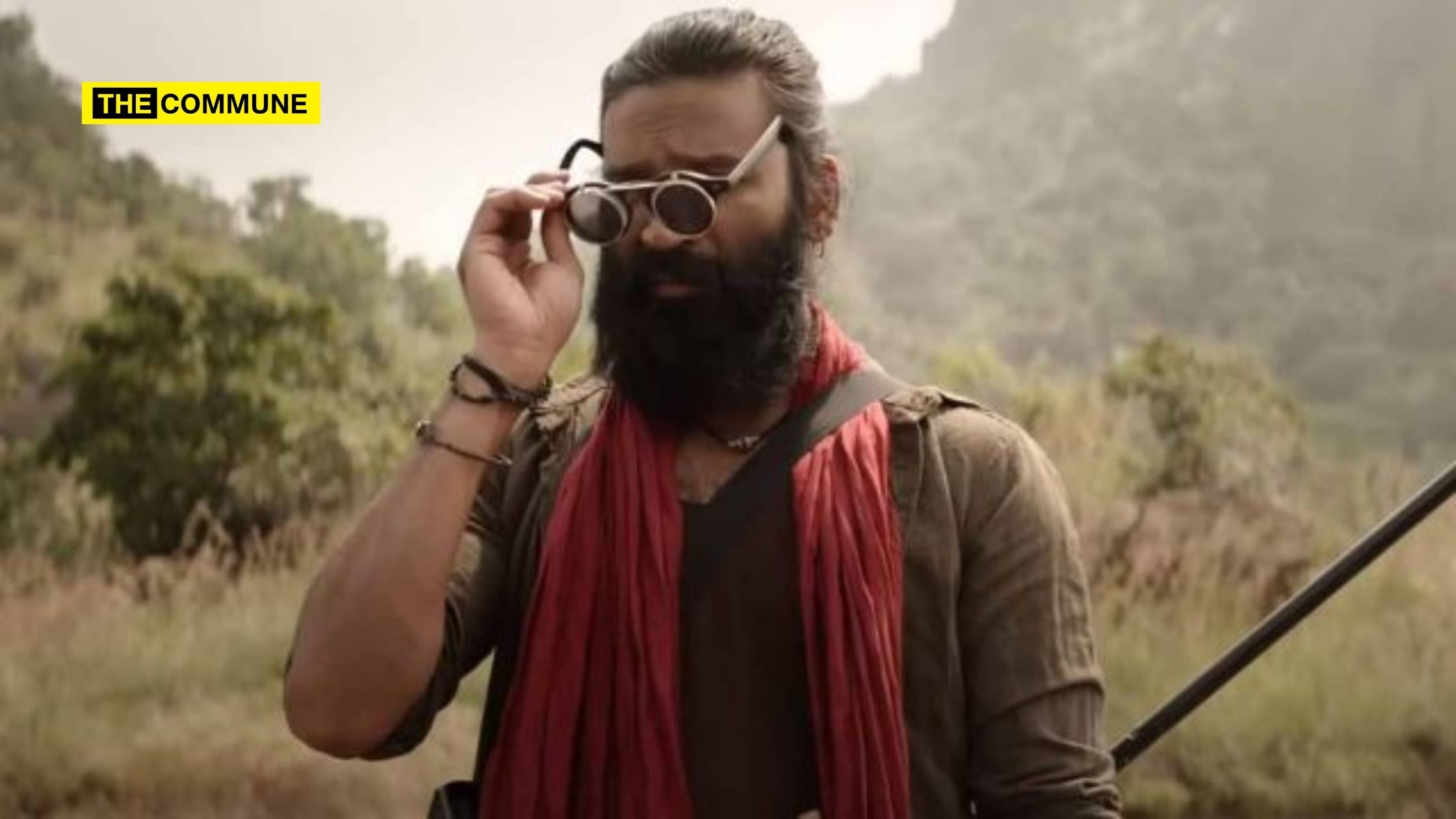
Captain Miller: A Cinematic Controversy Mired By Propaganda & Historical Distortion

Captain Miller, the latest cinematic venture featuring Dhanush, has been embroiled in controversy since its release, with critics lambasting its plot as insipid and heavily laced with propaganda. Rumors abound that Dhanush was compelled to sign the movie in a desperate bid to finance his lavish 200-crore home in Poes Garden, a prestigious locale a street across his superstar father-in-law actor Rajinikanth’s house. The film also roped in Shivaraj Rajakumar, aiming to leverage his recent success in “Jailer” to bolster its appeal as a big-budget production with A-listers like Priyanka Mohan, Shree, and Aditi Balan in significant roles.

Directed by Arun Matheshwaran, who made his debut as a dialogue writer with “Irudhi Suttru,” directed by Sudha Kongara, also noted for its propagandist undertones in films like “Soorarai Pottru”.

The story begins with a lower-caste protagonist, Dhanush being denied entry into a temple, and escapes wearing a costume but gets caught only to be saved by a princess.

Dhanush’s character, after losing the love of his life (played by Priyanka Mohan), though one-sided, to a Christian communist doctor, joins the East India Company, declaring to his brother, portrayed by Kannada star Shivaraj Rajakumar, that Hindus in his town have only perpetuated caste discrimination. He views the British as harbingers of social justice, forging a new identity and self-respect among the oppressed. Dhanush, or “Miller” as he is rechristened by his British oppressors, embodies the colonial aspiration of renouncing one’s cultural identity, a theme that resonates throughout the film.

However, the movie’s depiction of the British as liberators starkly contradicts historical accounts of their treatment of Indians as inferiors, relegated to menial or clerical jobs despite their qualifications. The film glosses over the exploitation and cultural disdain that characterized the colonial era, presenting a narrative that has been criticized for its one-sided portrayal of historical events.

The antagonists of the film, including the king and his son-in-law (played by renowned actor John Kokken) align with the British, shocked only when a gemstone deity is found and taken by the British. Unbeknownst to them, it was Kanagasabhai, the king’s right hand, shown as a double agent all along, motivated by greed, who gives intel to the British to steal a gemstone idol of presumably a version of lord Shiva mentioned as a different name “Koranaar”. Kanagasabhai’s costumes and speech hint at his Shaivaite and Mudaliar identity hinting at a broader agenda to divide Hindus. The only agenda of the villains seems to be to let the lower castes die and sideline with the British (unlike real-world India where most of the Hindu kings fought for freedom from Britishers and took care of their people).

In the second half, after being banished from the town for killing his brother, Dhanush is shown as a looter who has a change of heart after a chance encounter with his ex-love nurses him back to life. She’s deeply shocked to know that her communist husband is no more. Dhanush, penitent for his actions of supposedly murdering his brother joins the communist regime to kill the Britishers. None of our freedom fighters were socialist or communist. Even Ambedkar was a renowned economist and had no affiliation with communism, an age-old German/English concept started by Karl Marx.

In a pivotal scene, Dhanush opens the temple to villagers seeking refuge from British gunfire, marking a significant moment in the film as it suggests that they had never been allowed entry before. This act, while depicted as heroic, sidesteps the complex realities of temple entry and the nuanced history of caste dynamics in India.

The film’s climax, involving an attempt to enter the sanctum sanctorum of the temple, further muddles its message. The portrayal of this act as vile fails to acknowledge the historical context of temple entry, where restrictions were not universally applied across all castes or periods and overlooks the reforms that have allowed broader access to sacred spaces.

Captain Miller attempts to tackle themes of caste, colonialism, and identity but does so with a heavy hand of propaganda, simplifying and skewing historical realities. By presenting a one-dimensional narrative, the film misses an opportunity to engage with the complexities of India’s past, offering instead a contentious portrayal that has divided audiences and critics alike.

In conclusion, Captain Miller serves as a reminder of the delicate balance required when cinema intersects with history and social commentary. While it seeks to illuminate the injustices of the past, its execution leaves much to be desired, raising questions about the responsibility of filmmakers in representing historical truths and the potential impact of their narratives on contemporary discussions of identity and justice.

Sruti is a University student whose work has been featured in student newspapers and lifestyle magazines.

Subscribe to our channels on TelegramWhatsApp, and Instagram and get the best stories of the day delivered to you personally.
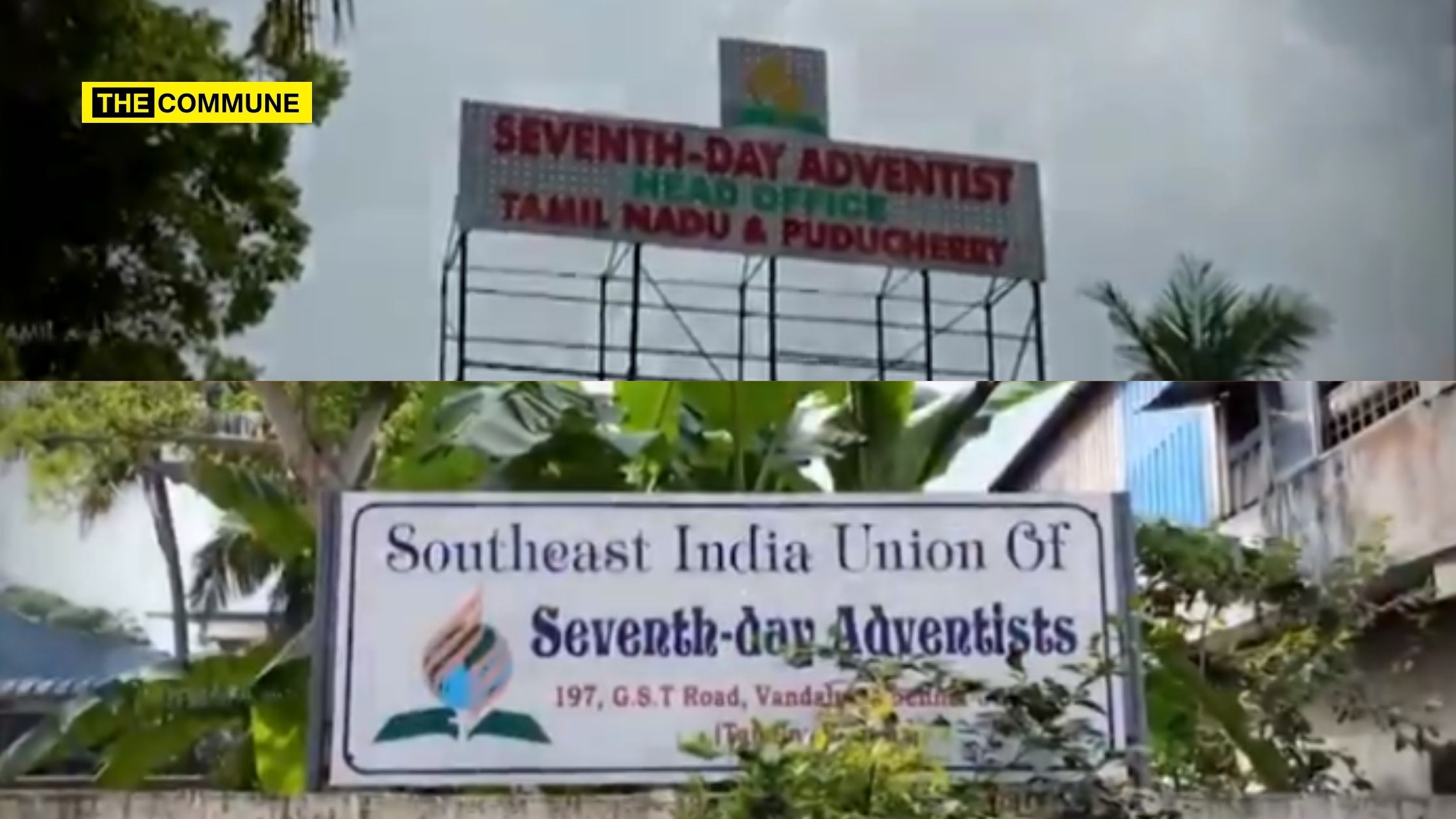
Scandal Hits Seventh-Day Adventist Church In Chennai’s Vandalur With Allegations Of Misappropriation, Harassment, And Abuse

In a startling turn of events members of the Southeast India Union of Seventh-day Adventists in Vandulur, Chennai, accused the church administration of widespread misappropriation, derogatory comments, sexual abuse, and more. They organized a protest in front of the church to voice their grievances.

Fundraising Controversy of the Church

The Seventh Day Adventist Church near Iraniyamman Temple, which boasts twenty-seven schools and properties worth crores, is now under scrutiny for alleged fundraising irregularities. Some members, including Swaminadhan, Anbu, and Selvakumar, staged a sit in protest (dharna) in front of the church, accusing the administration of deceptive practices related to construction projects like schools and churches.

Police Intervention and Tensions Rise

Upon learning of the situation, Officer Rangasamy of the Otteri police arrived at the scene and urged protestors to come to the police station for resolution instead of protesting there in a threatening manner. The protestors, asserting their right to question the administration about alleged misappropriation and cheating in crores over the years, expressed frustration as the church refused to provide an explanation and barred their entry by locking the gate. Amid a tense exchange, one protestor identified as an advocate was told by the police that if he wanted to practice law, he should do so in court, warning that even as an advocate, filing an FIR was not beyond consideration, emphasizing that disrupting the police on duty could lead to legal consequences.

Esther Rani’s Disturbing Allegations

Apart from the misappropriation of funds, allegations of sexual abuse and derogatory remarks about caste were raised against the church by Esther Rani. She reported being forced to stay until 6 o’clock in the evening despite other ladies leaving earlier, being burdened with additional tasks, and receiving 500 rupees from the manager, White David for no purpose. She worked as a cleaner for 8 years, and both White David and Daniel Devadoss allegedly harassed her, with inappropriate remarks and questioning about her personal life. The situation escalated to the point where they falsely accused her of theft, leading to her dismissal. Rani filed a complaint at the Kutuvancheri all-woman police station, expressing frustration over the demand for evidence of sexual abuse, which she found challenging to provide.

Church Response and Counter-Allegations

Father Jonardhan, responding to NewsTamil’s inquiry, disclosed Esther Rani’s marital history and claimed that her children’s education was funded by church members. Counter-allegations emerged, suggesting that a church member named Kennedy incited Swaminathan, Anbu, Selvakumar and Esther Rani to seek money from the church . CCTV footage exposed Kennedy’s confrontational conduct during the negotiations, involving the destruction of chairs and hurling water bottles. Protestors are now urging higher authorities to conduct a thorough investigation into the allegations of misappropriation.

This unfolding controversy within the Seventh-day Adventist Church raises concerns about financial transparency, ethical conduct, and the safety of its members.

For the second time in Tamil Nadu, the church is under scrutiny, following the recent brutal killing of Xavier Kumar. The savage incident, unfolding in Eraniel, Kanyakumari, within a church father’s office, is allegedly tied to an inquiry into the church’s financial records, suggesting it as the primary motive for the heinous act.

Strikingly similar patterns of allegations regarding church finances and work suspensions can be observed in both cases. However, police involvement has been slow to materialize, even in the initial stages of the investigation.

Subscribe to our channels on TelegramWhatsApp, and Instagram and get the best stories of the day delivered to you personally.
The BJP’s 2024 Strategy For The Telugu States

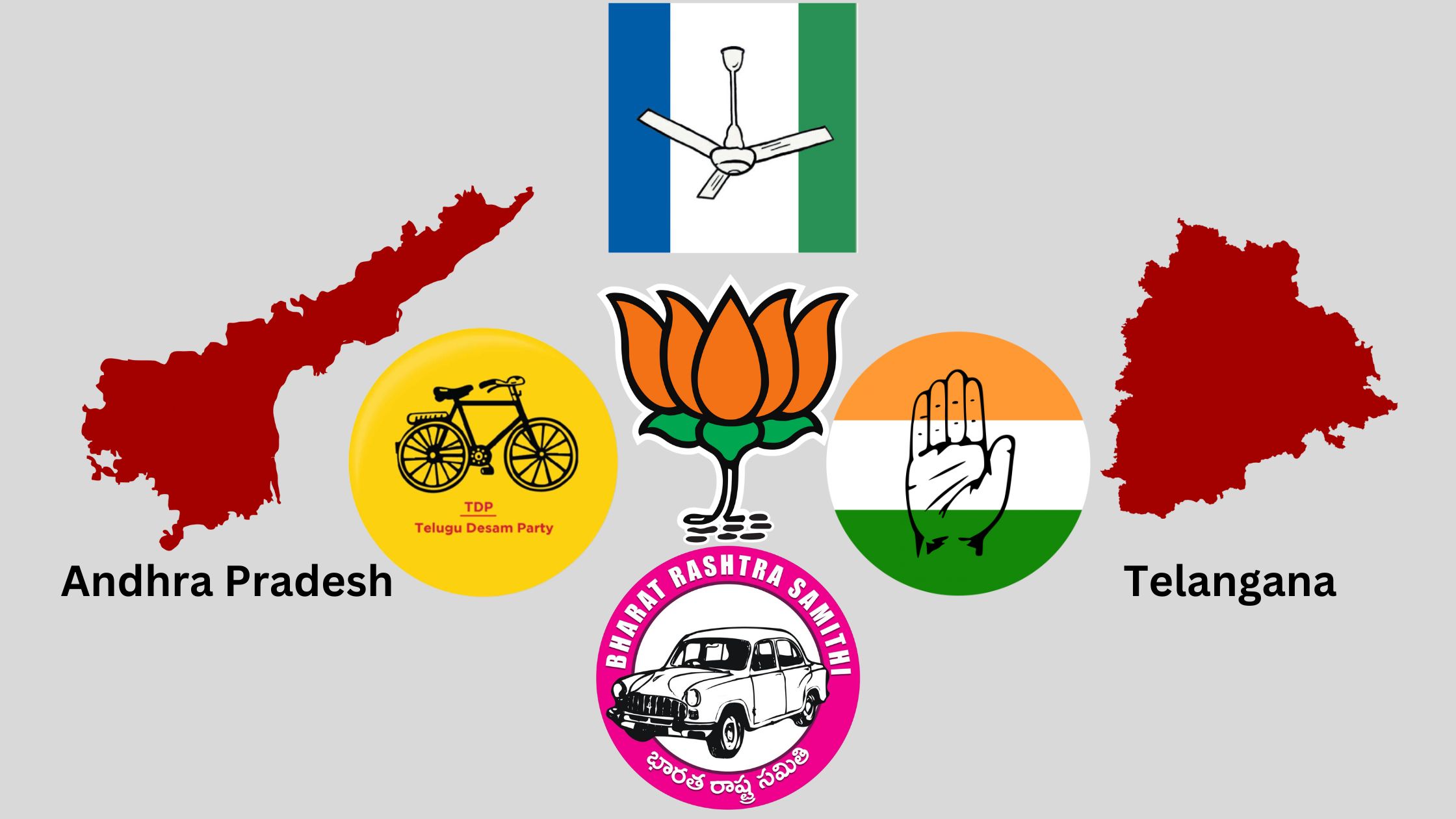
The BJP’s electoral strategy for the Telugu states of Andhra Pradesh and Telangana is an interesting mix of tact and compromise while maintaining its own distinct identity and position, in terms of what it stands for – a blend of Indian cultural pride reflecting the nation’s past and the right economic decisions reflective of the nation’s futuristic ambitions.

In both Telangana and Andhra, the BJP has a comfortable relationship with the current party leaders in power – the Congress’s Revanth Reddy and the YSRCP’s Jagan Reddy respectively. Its election strategy in both states is not one of confrontation with the current leaders. The BJP’s strategy appears to be one of reasonable understanding and agreement with the regional powers when and where possible, thus enabling an amicable working relationship beneficial to both the BJP and the state government. It will help the BJP grow its presence in these states slowly but steadily while also ensuring that the elected state governments do not oppose certain central government policies, just for the sake of opposing.

The current Chief Minister of Telangana, Revanth Reddy is an ex-BJP (youth leader) and ex-TDP leader. Revanth chose the Congress party instead of the BRS party, after certain circumstances forced him to resign from the TDP party in 2017. TDP’s Chandrababu Naidu had mentored him in the early days of his political career and Revanth continues to respect the senior leader.

He is reputed to maintain good relations with leaders of both the TDP and the BJP across the Telugu states. Many in the Telugu states, see his presence in the Congress party as one of “fate”, due to certain political circumstances.

Revanth had to fight an uphill battle to be accepted by the old guard of the Congress party and still faces opposition from several senior Congress leaders, although they have grudgingly accepted him after his significant contribution in helping the Congress win the closely contested 2023 elections, narrowly by four seats over the majority number. Post the recent electoral victory for the Congress in Telangana, it has often been said that the people had voted against the second-term incumbency of the BRS and for Revanth Reddy, the ex-TDP leader that they were already familiar with…it was not necessarily a vote for the Congress party.

As the current Telangana chief minister, Revanth seems to have gotten off on the right foot with his ex-party, the BJP. He appears to maintain cordial relations with the BJP’s top leaders, apart from enjoying a longstanding relationship with the TDP leadership as well. The BJP’s relationship with the previous BRS government in Telangana and its leader, Chandrasekar Rao was more complicated and prone to mistrust.

In Andhra Pradesh, the BJP enjoys external support from the incumbent Chief Minister, Jagan Mohan Reddy of the YSRCP party, an off shoot of the Congress party. The BJP and the YSRCP have a straight forward, business relationship based on the mutual benefits they agree upon, at the state and central levels. However, their political relationship is rather awkward as their ideologies are drastically different. The YSRCP being an off shoot of the Congress swears by a socialist, leftist agenda consisting of a disproportionately large number of welfare schemes, talks about “secularism” and indulges in typical minority appeasement policies. In addition, Jagan Reddy’s family are converted Christians and he is a chief minister on bail from a Hyderabad-based central jail.

Jagan continues to receive regular summons from both the CBI and the ED on a large number of financial and criminal cases, many of which the investigative agencies have been able to prove beyond reasonable doubt. It is well known in the Telugu states that Jagan Reddy would lend unconditional, unquestioned support to whichever party was in power at the Centre, as it would help him postpone his trial and the legal proceedings of his numerous court cases. Of late, Jagan and his party seem to be running out of luck, as most analysts do not predict positive results for him in the 2024 state elections.

Regardless of which party comes to power in A.P this year, the BJP is still in a favorable position in Andhra, as the main opposition party touted to have an electoral advantage in the upcoming elections, the TDP, is ready to extend support to them at the Centre. The TDP and BJP were previously allies and pre-poll electoral partners for the 2014 state elections. The TDP had won the elections that year but it’s relationship with the BJP turned sour over the issue of a special status for the newly divided state, including a purported financial package. The BJP is on good terms with the JSP party as well, which is currently working together with the TDP party for the 2024 elections.

The BJP’s strategy in the Telugu states accompanied by the reciprocation of the state governments and regional leaders, is in stark contrast to its position in the other three South Indian states. The current governments in Tamil Nadu, Karnataka and Kerala, spar with the BJP quite openly and show an irrational persistence in opposing almost every BJP policy at the central and state levels. This type of constant, vehement opposition to everything the BJP proposes, is an indication of the high levels of political insecurity that the regional leaders of these states feel at the growing presence and popularity of the BJP, among the Hindus….the single, largest voting block in the country, that all the self proclaiming national “secular” parties and most regional parties have woefully ignored, for decades.

In response to the often unreasonable attitude of the national and regional parties in Tamil Nadu, Karnataka and Kerala, the BJP leaders in these states do not hesitate to confront the regional governments and leaders, over their differences of opinion. The BJP in these states, stands its ground and is quite vocal about challenging the policies of Tamil Nadu’s DMK party, Karnataka’s Congress and Kerala’s LDF.

The twin Telugu states appear to be an exception in the South, for the BJP. While they continue to grow their presence in both states, they continue to strive for a friendly “working” relationship with all parties in both states regardless of ideological or political differences with the regional leaders of Andhra and Telangana reciprocating positively to the BJP’s balancing act between political tact and the promotion of its own regional goals.

In contrast, the BJP’s political issues in the other three South Indian states of Tamil Nadu, Karnataka and Kerala are entirely different, more aggresive and far more confrontational in nature. Further more, each state presents a unique challenge and entirely different dynamic. The party’s strategy of maintaining cordial relations with the opposition’s “friendly” leaders as well leaders of regional parties via some old fashioned diplomacy and a reasonable, mutually beneficial “give and take” policy in the Telugu states…. may not work in the other three south Indian states, each for its own unique reason!

Shivani is a freelance writer.

Subscribe to our channels on TelegramWhatsApp, and Instagram and get the best stories of the day delivered to you personally.
Disrupting Dravidian Model: 2026 Will Be The Year For Annamalai And Vijay

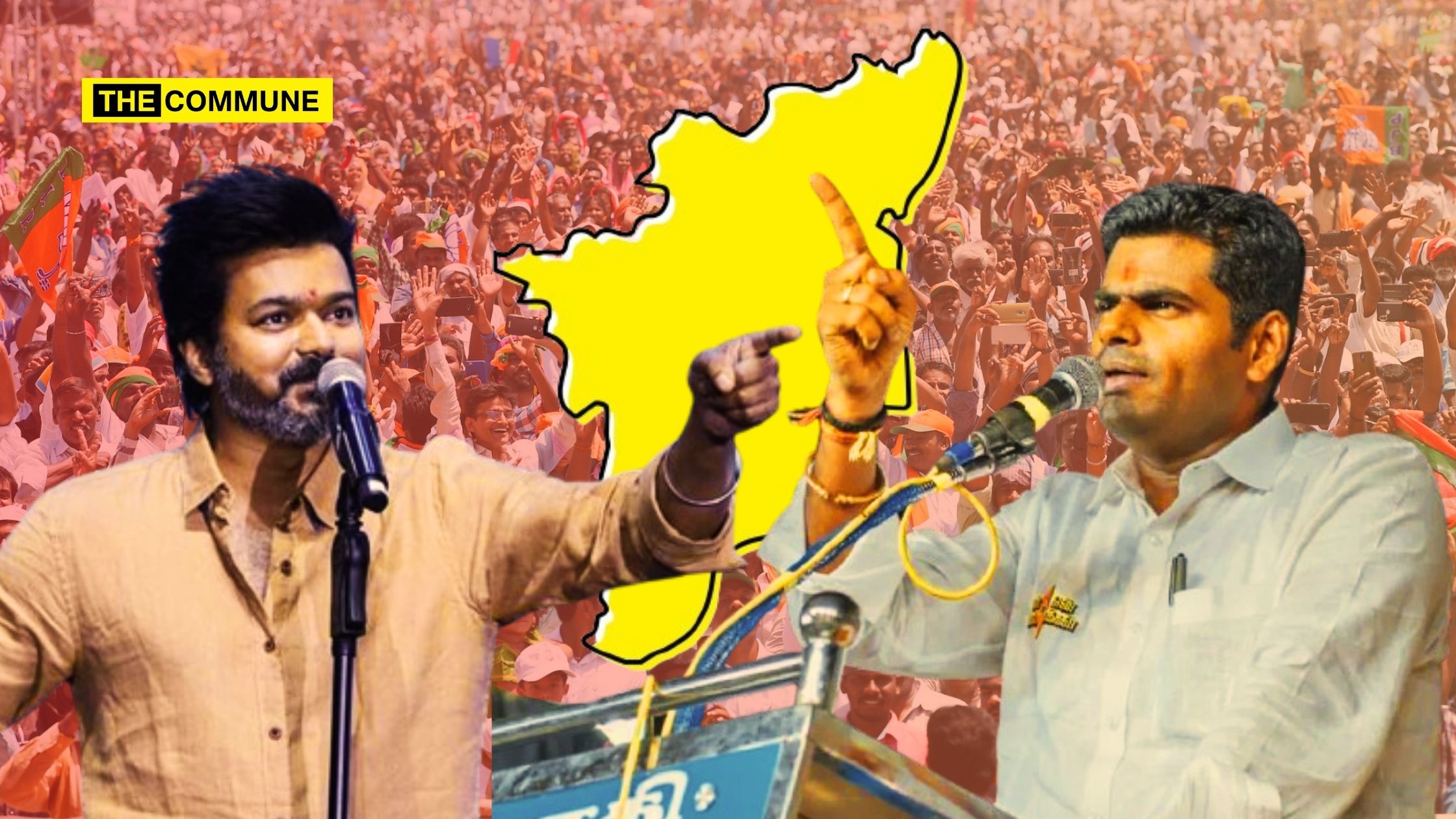
Actor Joseph Vijay finally took his leap into politics by formally announcing his new party Tamizhaga Vettri Kazhagam. Assuming he will not backtrack like Actor Rajinikanth did after dragging his feet for so many years and giving hope to the people of Tamil Nadu, Vijay will work very seriously in establishing his party organization for the next two years to be ready for the fight in 2026.

If we have to go with pure logic and if Vijay is serious in building his party to be a power to reckon with in Tamil Nadu in the future, he will have to take on the DMK and the issues he probably will raise are rampant corruption, poor administration, lack of good education, lack of real social justice and so on. The fact that he has named his party as a Kazhagam gives us a hint that he will also play the Dravida politics but with a modern tinge to it that youth will relate to. Consequently, he has to attack the DMK in which case he will have to share the political space with Annamalai’s BJP and AIADMK. The DMK will then have three rivals to deal with instead of just the one earlier which was the AIADMK. This will be very uphill task for the DMK which will be at that time mostly be led by the younger scion of their family, Udhayanidhi Stalin, going by the way he is already being projected as a Deputy CM probable. If Vijay like the other small parties like Kamal Haasan’s, ties up with the DMK, his party will be limited to a 4 seat party throughout which I don’t think he has entered for politics for. Therefore, it is a 90% probability that he will be an opponent to the DMK in the 2026 elections.

Going with the above inference, the two youngsters, Annamalai and Vijay will capture lot of the public mind space running up to 2026. Both will represent a change in the Tamil Nadu politics which Tamil Nadu people have been longing for so many years. Annmalai will represent double engine Sarkar led by Narendra Modi who is all set to come back as PM in 2024. He will also work towards Hindu consolidation, corruption-less clean politics, exponential development of Tamil Nadu, nationalism (desiyam). Minorities especially the Muslims and Christians will still shy away from BJP. A part of the DMK Christian votebank will not mind moving towards Vijay who will represent progressive and youthful Dravidam and AIADMK will eat into a part of the DMK’s Muslim vote bank. My guess is all these parties will not come together before the 2026 elections as they will all be most effective that way and based on results can come together post polls to form the government. Based on these dynamics, it is clear that the DMK’s chances to form a government in 2026 look bleak given Tamil Nadu already seeing a strong anti-incumbency as accepted by even some DMK leaning political analysts in around 3 years of the DMK rule.

If the Tamil Nadu youth has to choose between Annamalai, Vijay and Udhayanidhi they will most probably go for the former two as Udhayanidhi will find it very hard to shrug off his dynastic politics image in their eyes as well as he will not look that formidable pitted against Annamalai who has already proved his intellectual strength through his excellent oratory skills and has already captured the imagination of lot of the youth in Tamil Ndu and pitted against Vijay’s superstar image which the youth love. It is going to be tough times for Udhayanidhi running up to 2026 unless he comes up with something really different and eye catching. They don’t also have a Prashant Kishor now top help them as he has moved out of his political strategist work and is fighting his own battle in Bihar. Given these circumstances, the DMK might dump Congress and try wooing BJP but I don’t think BJP should tie up with DMK in which case all the hard work that Annamalai and team have put in so far will go down the drain.

I would like to reiterate that all the above are just my personal views on how the scenarios might look like with Vijay’s advent to politics. Whatever, I mentioned above might not even happen at all as in politics any unimaginable thing can happen and no one can predict for sure. However, one thing I can tell for sure is that Tamil Nadu will see drastic political changes in 2026. Annamalai and Vijay will be the disruptors and will shape the future politics of Tamil Nadu. Tamizhagam will emerge as the eventual winner and will prosper which is what nation loving people like me are excited about.

Jai Hind and Jai Shri Ram!

Ananth Mahadevan is a political commentator based in Bengaluru.

Subscribe to our channels on TelegramWhatsApp, and Instagram and get the best stories of the day delivered to you personally.