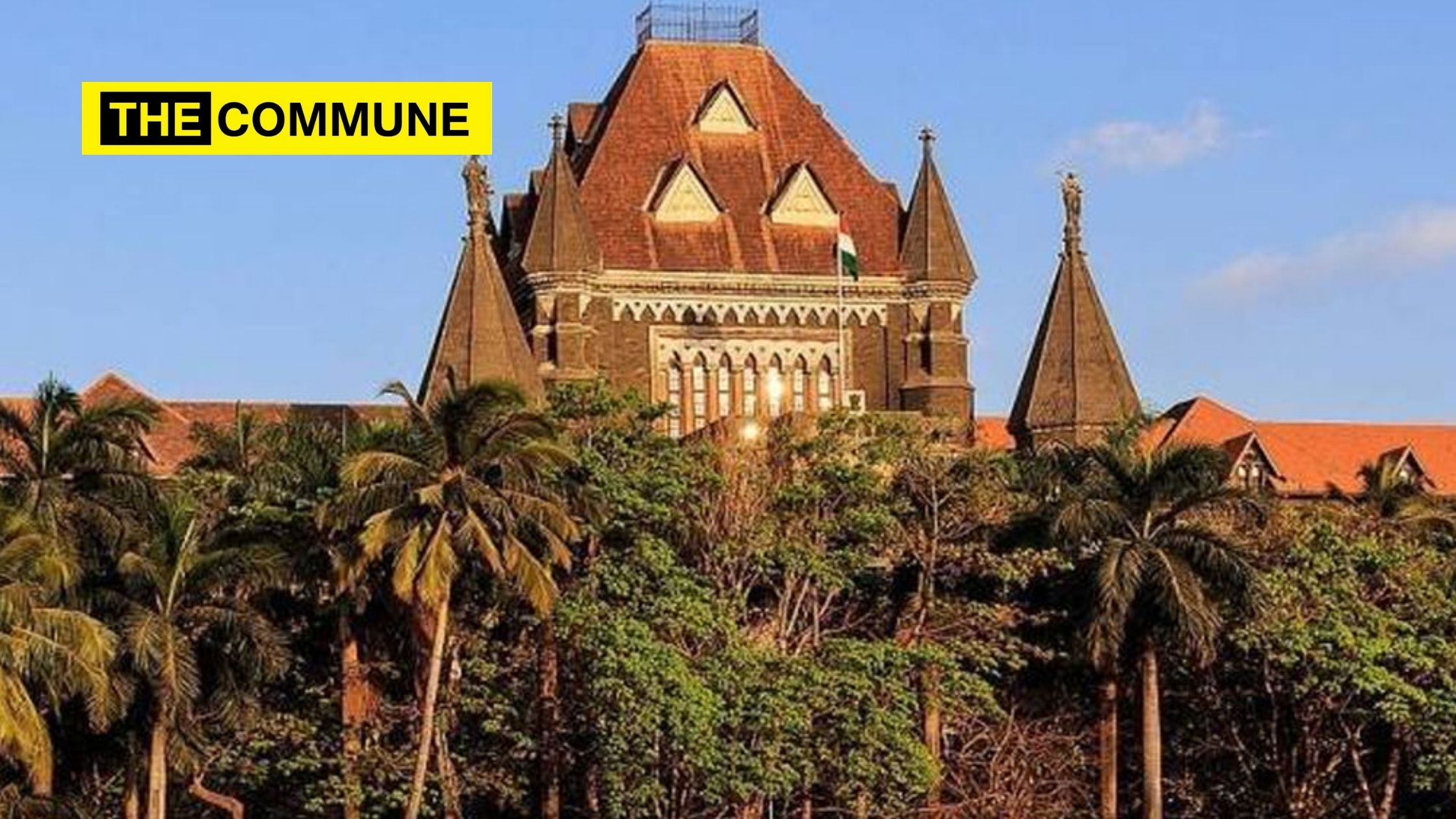
The Bombay High Court has set aside an externment order issued against Socialist Democratic Party of India (SDPI) leader Saeed Ahmad Abdul Wahid Chaudhary, holding that merely organising protests or opposing decisions of the Union Government cannot be a ground to deprive a citizen of fundamental rights, as reported in The Indian Express.
A single-judge Bench of Justice Madhav J. Jamdar quashed the externment order issued by the Mumbai Police against the 49-year-old SDPI general secretary and made a series of oral observations emphasising the constitutional right to dissent.
Questioning the rationale behind the police action, the court asked whether citizens were being turned into “slaves of the government” by registering criminal cases against those protesting government decisions.
Referring to the externment order, Justice Jamdar questioned why the Mumbai Police had relied on FIRs arising out of protests in which slogans such as “BJP government murdabad” and “Amit Shah murdabad” had been raised.
“It is the right of the citizens to protest. The petitioner has just raised slogans like ‘BJP government murdabad’, ‘Amit Shah murdabad’… Why can’t citizens raise such slogans and why externment orders for such slogans?” Justice Jamdar remarked during the hearing.
The judge also referred to the recent examination paper leak controversy while asking why citizens could not organise protests or raise slogans against government decisions.
“All citizens are being made slaves of Indian Government. They cannot stage protests, they cannot agitate-What is all this? Now so many papers have been leaked. If people protest, you will slap cases… What is this? It is the right of the citizens to protest.
The petitioner has… pic.twitter.com/xNa1UrTHot
— Live Law (@LiveLawIndia) July 2, 2026
Court Reminds Police They Serve The Public
During the hearing, Justice Jamdar cautioned the police against exceeding their authority and reminded them of their constitutional role.
The court observed that police officers were servants of the public and not of those occupying the highest political offices.
Externment Stemmed From Protest-Related FIRs
Chaudhary had challenged an externment order dated 3 December 2025, issued by the Deputy Commissioner of Police for Mumbai’s Zone 6 (Chembur), directing him to remain outside the jurisdiction for one year.
According to his petition, externment proceedings began after a show-cause notice issued in October 2025, relying on multiple FIRs registered between 2019 and 2024.
The petition contended that all the criminal cases arose from protests that Chaudhary had organised or participated in, including demonstrations against the Citizenship Amendment Act (CAA), the National Register of Citizens (NRC), the Babri Masjid issue and the Gyanvapi mosque dispute.
Chaudhary argued that the externment order effectively prevented him from participating in civic elections and amounted to an attempt to suppress legitimate democratic dissent.
Petitioner Says Police Misused Law
Appearing for Chaudhary, advocates Payoshi Roy and Ibraheem Harbat argued that every FIR relied upon by the police had been registered under Section 188 of the Indian Penal Code, relating to disobedience of an order promulgated by a public servant.
They contended that these offences arose solely because Chaudhary had organised or participated in protests and did not justify invoking Section 56 of the Maharashtra Police Act, which empowers authorities to extern persons whose activities pose a threat of danger or harm to persons or property.
The defence further argued that Chaudhary had been externed merely for exercising his democratic right to protest and had not been given a meaningful opportunity to defend himself before the drastic action was taken.
State Defends Police Action
Opposing the petition, the State submitted that the externment order had been passed in accordance with law.
The prosecution argued that the petitioner and other protesters had raised objectionable slogans and had organised demonstrations despite being denied police permission.
‘Washing Machine’ Remark During Hearing
During the course of the hearing, Justice Jamdar also made a lighter observation while referring to recent incidents of legislators switching political parties.
Referring to allegations of “horse trading” in politics, the judge remarked that the petitioner too could have considered switching through a “washing machine.”
Court Finds Police Action Mala Fide
In his judgment, Justice Jamdar held that the Mumbai Police action was “vitiated” and “mala fide.”
The court observed that Articles 19 and 21 of the Constitution guarantee citizens the freedom to express their opinions and the right to live with dignity.
Justice Jamdar further found that there was no material placed before the court demonstrating that Chaudhary’s conduct or movements caused, or were likely to cause, danger, alarm or harm to any person or property.
The court also noted that the offences relied upon by the police were punishable with a maximum sentence of only one month under Section 188 IPC.
“However, that cannot be a ground for passing the externment order under the provisions of the Maharashtra Police Act,” the court observed.
Justice Jamdar reiterated that externment is an extraordinary measure which has the effect of depriving a citizen of the fundamental right to move freely throughout the territory of India.
Relying on previous judgments of the Supreme Court and the Bombay High Court, the court concluded that the State’s action violated constitutional protections.
“The action taken by the Respondent–State of Maharashtra of externing the Petitioner, merely for opposing certain decisions of the Government of India, affects the Petitioner’s fundamental right of freedom of speech and expression and also right to live with dignity.”
Accordingly, the Bombay High Court quashed the externment order issued against Chaudhary.
Subscribe to our channels on WhatsApp, Telegram, Instagram and YouTube to get the best stories of the day delivered to you personally.