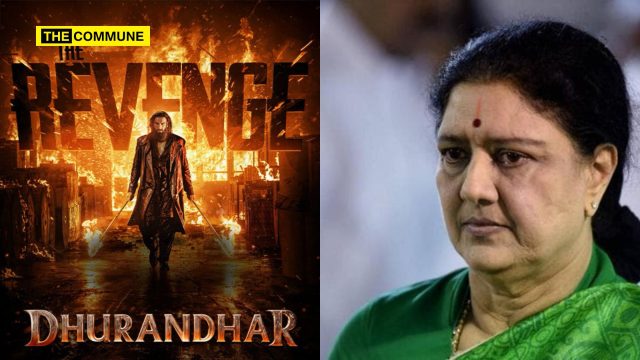
In Dhurandhar: The Revenge, the protagonist Hamsa Ali Mazari who is on an undercover mission, goes on a rampage burning down the fake currency factory of the Khanani brothers. This incident happens after the demonetization of ₹500 and ₹1000 rupee notes by the Modi Government in 2016.
If the notes have turned into worthless paper, why bother burning those stacks of fake currency?
Well, the events that happened in Tamil Nadu in the immediate days after demonetization is a testimony to the logic behind that scene.
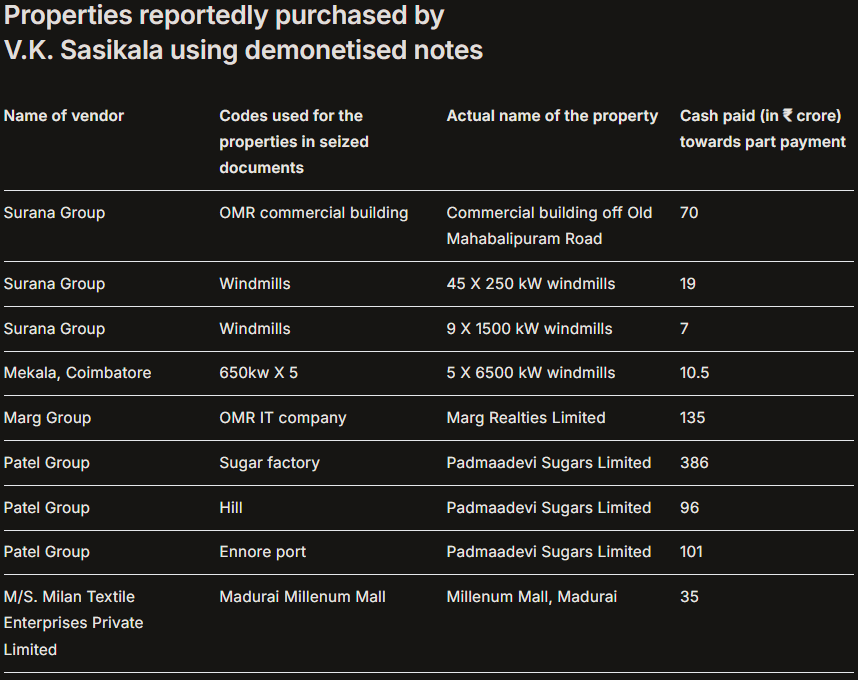
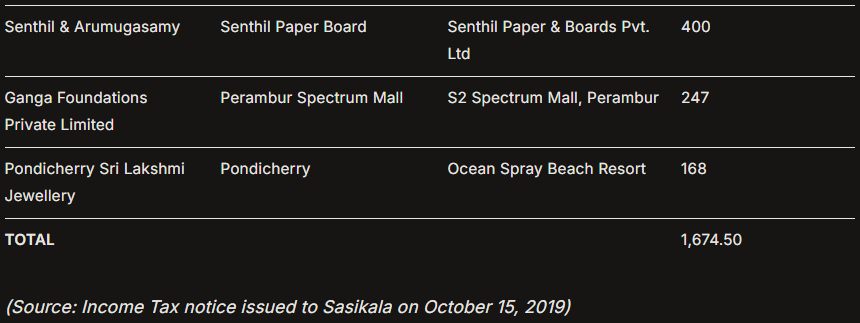
Back in 2019, an Income Tax Department notice alleged that former AIADMK leader V.K. Sasikala had acquired properties worth over ₹1,600 crore using demonetized ₹500 and ₹1000 currency notes after the Centre announced demonetization on November 8, 2016.
According to the notice, investigators examined a series of transactions involving resorts, industrial units, wind energy assets, commercial properties and other investments allegedly purchased in the weeks following demonetization. Tax authorities claimed that sellers and intermediaries informed investigators that payments had been made using old currency notes that had technically ceased to be legal tender.
The notice further alleged that recipients of the cash subsequently deposited the demonetized notes into bank accounts by routing them through businesses and entities as legitimate receipts. Investigators estimated the value of the transactions under scrutiny at approximately ₹1,674 crore.
According to a report by The Hindu, Among the assets reportedly examined were stakes in commercial establishments, sugar industry assets, hospitality ventures and manufacturing units. The allegations formed part of a broader probe into whether demonetized currency had found pathways into the formal financial system despite the government’s efforts to extinguish its value.
Sasikala denied knowledge of the allegations at the time, and the contents of the notice represented the claims of investigating authorities rather than any judicial finding.
Yet the episode highlighted a larger reality. Demonetization may have rendered old notes invalid, but criminal and political networks were still exploring ways to convert, route or monetize them before the window closed.
Viewed through that lens, the scene in Dhurandhar: The Revenge appears less cinematic and more practical. Hamsa Ali Mazari did not burn the counterfeit notes because they were worthless. He burnt them because even worthless notes can become dangerous when someone finds a way to push them back into the system.
Sometimes, fiction mirrors realities that India has already witnessed.
Watched #Dhurandhar2TheRevenge
last night and was wondering why Hamza Ali Mazari alias Jaskirat Singh Rangi burnt down ₹60,000 crore of fake currency notes even after demonetization? Probably because he feared there was every chance of even those notes getting neatly deposited…— Mohamed Imranullah S (@imranhindu) June 7, 2026
Subscribe to our channels on WhatsApp, Telegram, Instagram and YouTube to get the best stories of the day delivered to you personally.