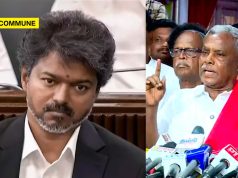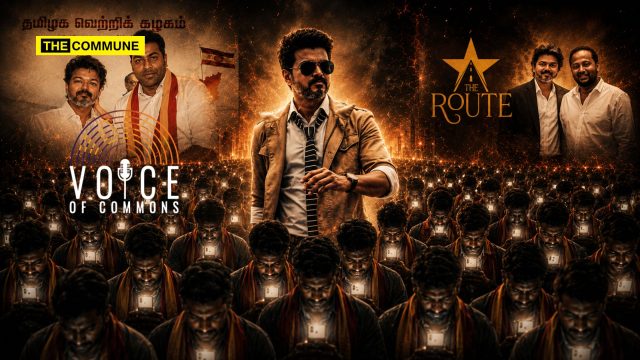
In what appears to be a meticulously orchestrated social media campaign, Tamil Nadu Chief Minister Joseph Vijay’s team – either his private secretary’s Route Media (Mafia) or his right-hand man Lottery King’s son-in-law Aadhav Arjuna’s Voice of Commons, has seemed to have embarked on a systematic effort to project him as a future Prime Minister – this comes just less than 60 days into his tenure.
The campaign goes far beyond routine political publicity and instead relies on fabricated achievements, AI-generated content, targeted social media manipulation, and localized messaging aimed at building Vijay’s image as a future Prime Minister.
Campaign Began Even Before 2026 TN Elections
Warning signs had already emerged before the Tamil Nadu Assembly elections.
Around the time of the Vikravandi conference, we had reported how the social media engagement supporting Vijay was being artificially amplified using Bangladesh-based content creators who generated likes, shares, and interactions from outside India.
The recent developments indicate that the campaign has now entered a far more sophisticated phase.
One of the most recent incidents is the news of people allegedly from Chhattisgarh who claimed they were inspired by Vijay and wanted him to change the name of his party to Bharat Vettri Kazhagam so he can emerge as the PM face in the future.
“We are inspired by CM Vijay’s work, we see him as a PM candidate, TVK should become a national party.”
– Chhattisgarh residents, who arrived at TN Secretariat to meet CM Vijay, fail to meet any leader pic.twitter.com/xeBKsvyWJp
— News Arena India (@NewsArenaIndia) July 17, 2026
Creating a Pan-India Prime Minister Narrative
The core objective of the image building campaign is not merely strengthening Vijay’s position in Tamil Nadu but constructing a nationwide perception that he is India’s next Prime Minister.
The campaign rests on two central narratives: Vijay is the national leader India has been waiting for and that Vijay is a leader who genuinely cares about ordinary people and the middle class.
Every piece of propaganda ultimately reinforces one or both of these themes.
Using Half-Truths to Manufacture Achievements
We have numerous examples where genuine government initiatives or existing laws were being repackaged and falsely attributed to Vijay.
Electronics Export Claim
One widely circulated post claimed that within 62 days of Vijay assuming office, Tamil Nadu contributed nearly 44–54% of India’s electronics exports because of his governance.
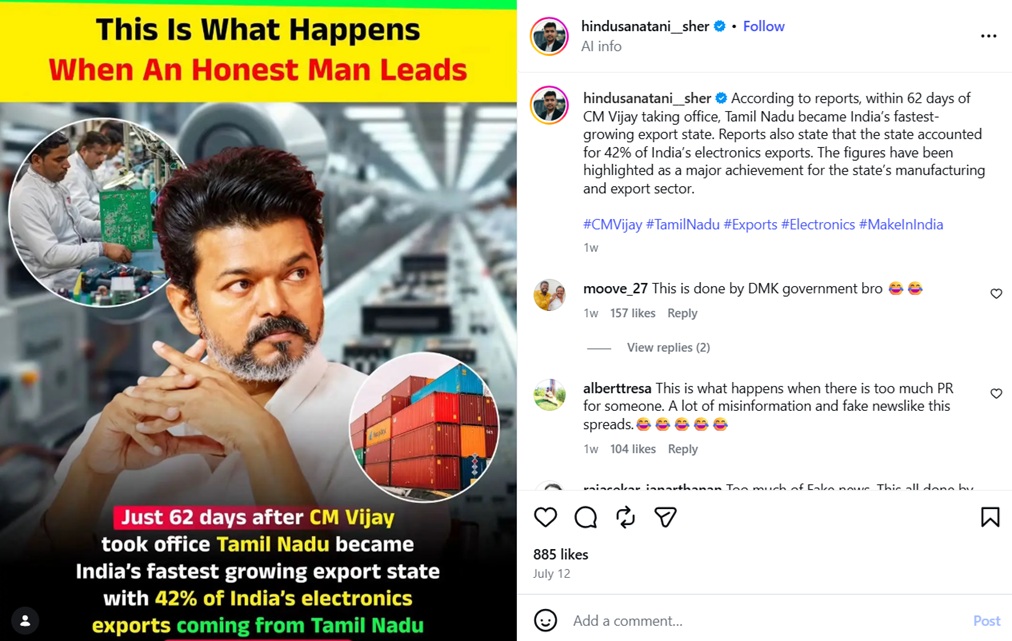
While Tamil Nadu currently contributes around 44% of India’s electronics exports but this success was built over several years through investments by companies such as Foxconn and Tata, along with semiconductor policies introduced by the Narendra Modi government and industrial development under successive ADMK & DMK governments.
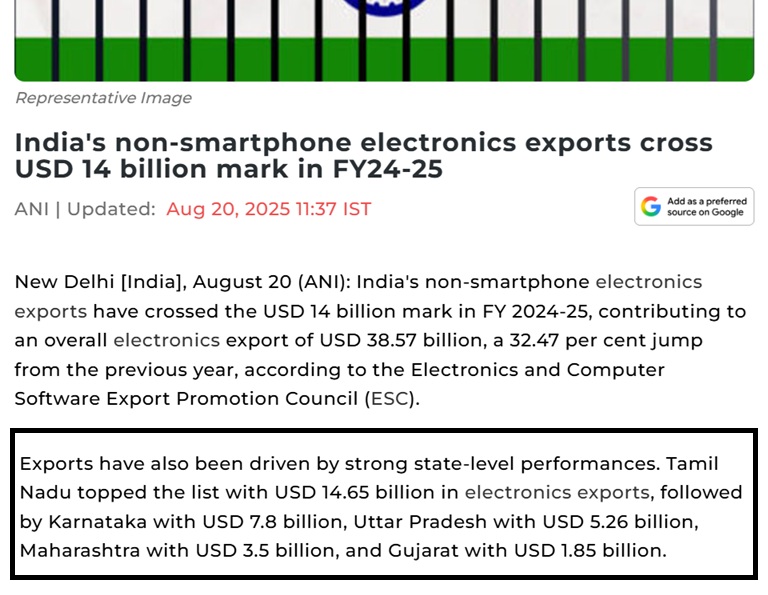
Presenting this as an achievement accomplished within two months of Vijay taking office is deliberately misleading.
Private Hospital Bill Waiver
Another viral claim suggested that families would no longer have to pay hospital bills if a patient died while undergoing treatment at a private hospital. This claim is completely false.
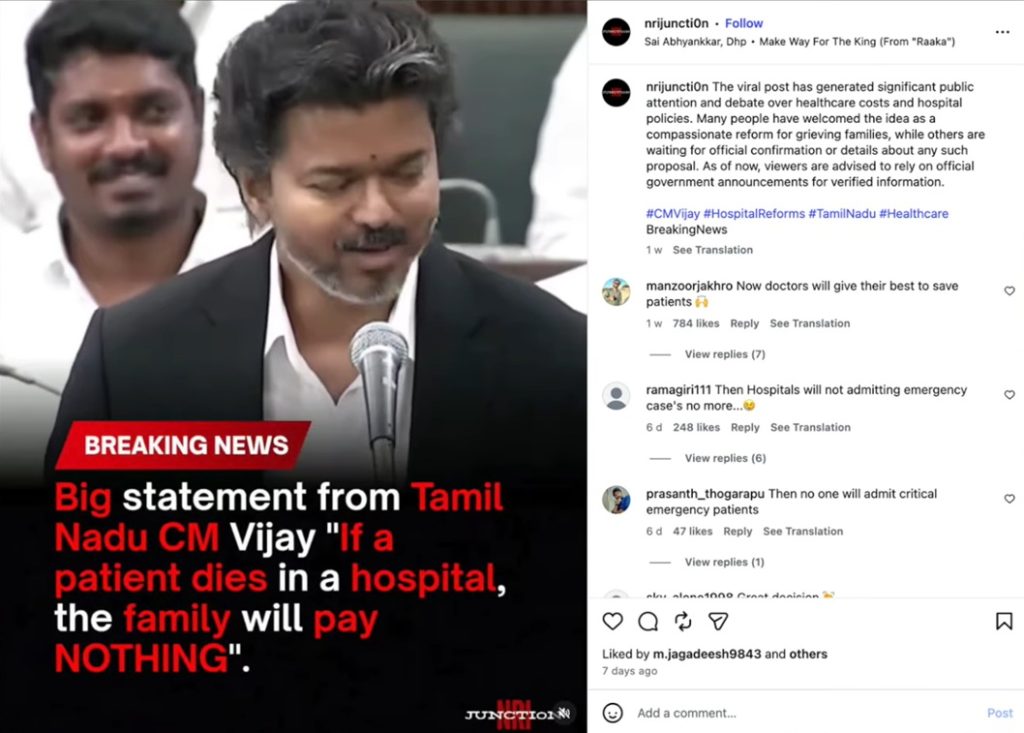
This rumour emerged after a West Bengal court ordered two hospitals to compensate families for negligence.
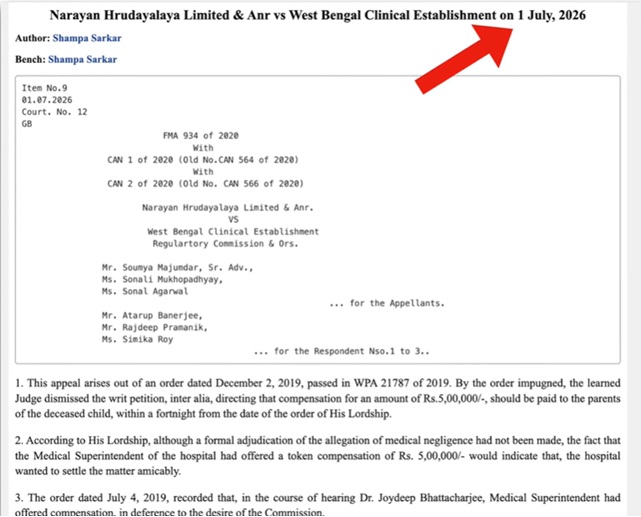
Social media operators seem to have simply repackaged the unrelated news by falsely claiming Vijay had introduced such a policy in Tamil Nadu.
Government Hospital Fans
Following reports about patients suffering due to inadequate cooling facilities in hospitals, social media posts began claiming that Vijay had ordered electric fans to be installed in government hospitals.
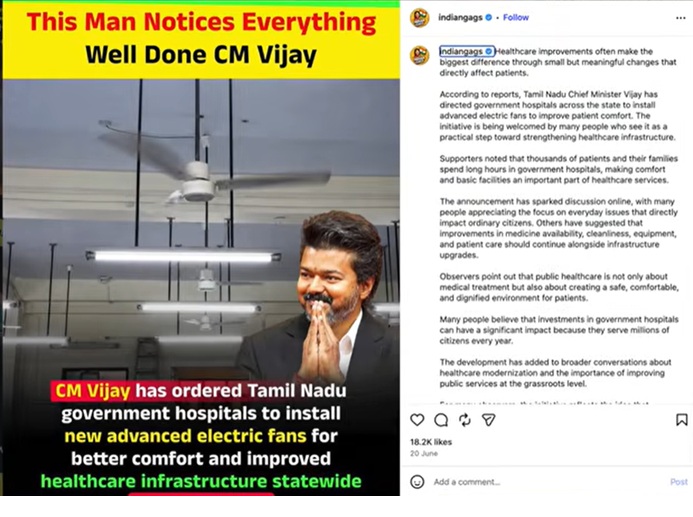
However, no such policy existed, and the claim merely exploited an ongoing news cycle to create positive publicity.
Plastic Recycling Machines
Another frequently circulated claim credited Vijay with introducing reverse vending machines that reward citizens for depositing plastic bottles.
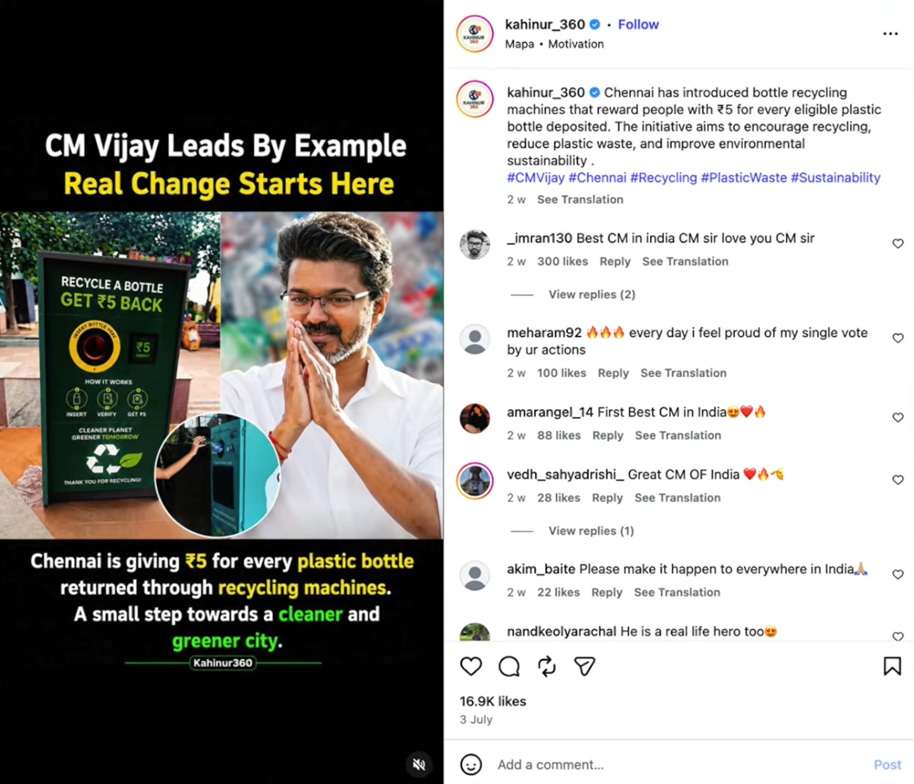
These machines have existed for years.
The policy can be traced back to Tamil Nadu’s plastic pollution initiatives beginning in the late 1990s and continued under J Jayalalithaa too. 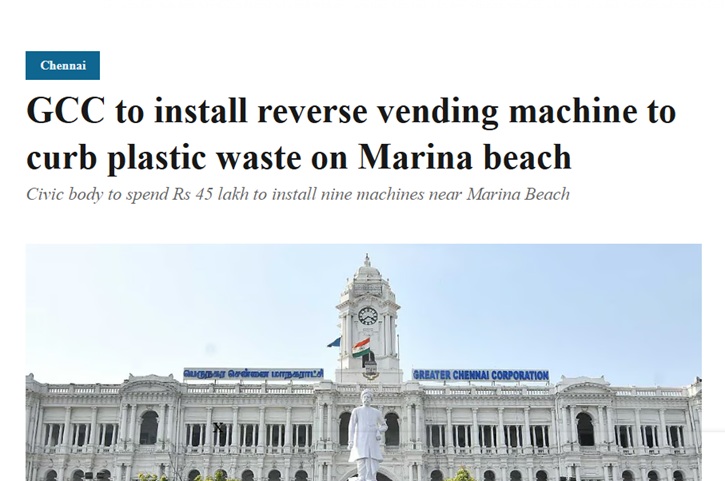
Source: DT NextAdditionally, reverse vending machines introduced during the AIADMK government under Edappadi K. Palaniswami and later expanded under the DMK government.
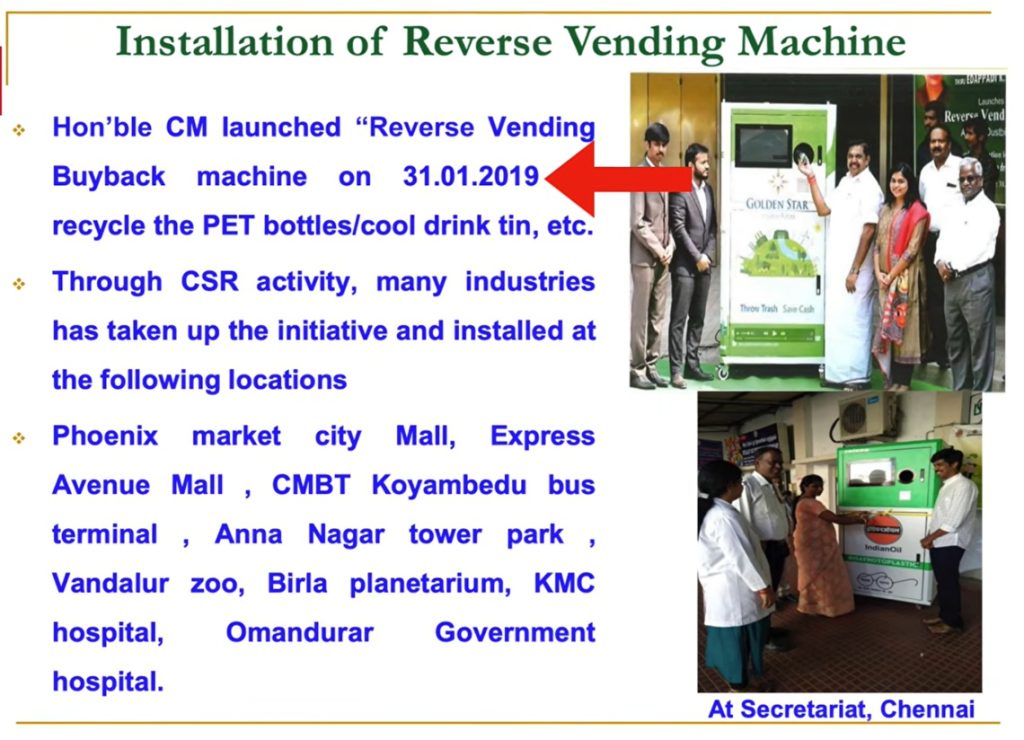
Nevertheless, social media posts portrayed the initiative as a fresh innovation introduced exclusively by Vijay.
Minor Driving Law
There were even viral posts claiming Vijay had enacted a law under which even MLAs would be punished if their minor children drove vehicles (2- or 4-wheeler).
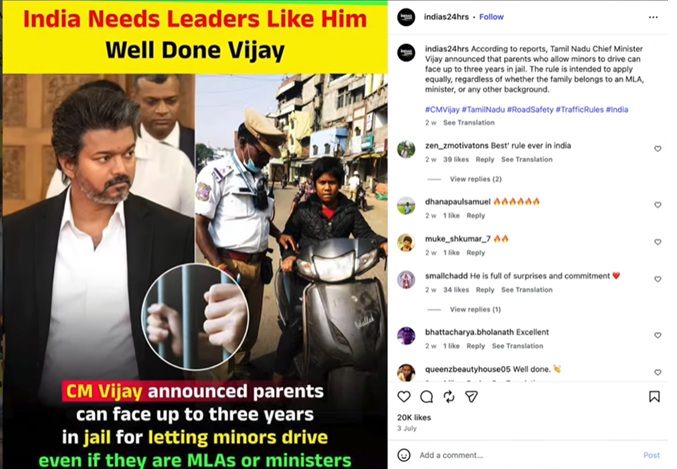
This was entirely false.
Punishment for allowing minors to drive has long existed under the Motor Vehicles Act, with liability falling on parents or vehicle owners after investigation.
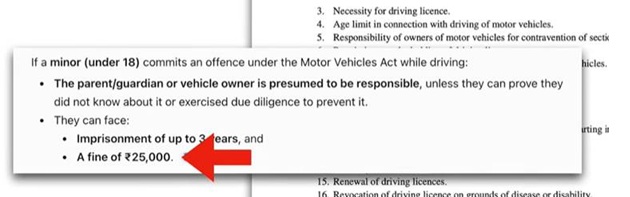
The viral claim simply repackaged an existing law while falsely presenting it as a new reform introduced by Vijay.
Reservation for Government School Students
Another claim that was circulating stated that Vijay introduced a 10% reservation for government school students in education and government employment.
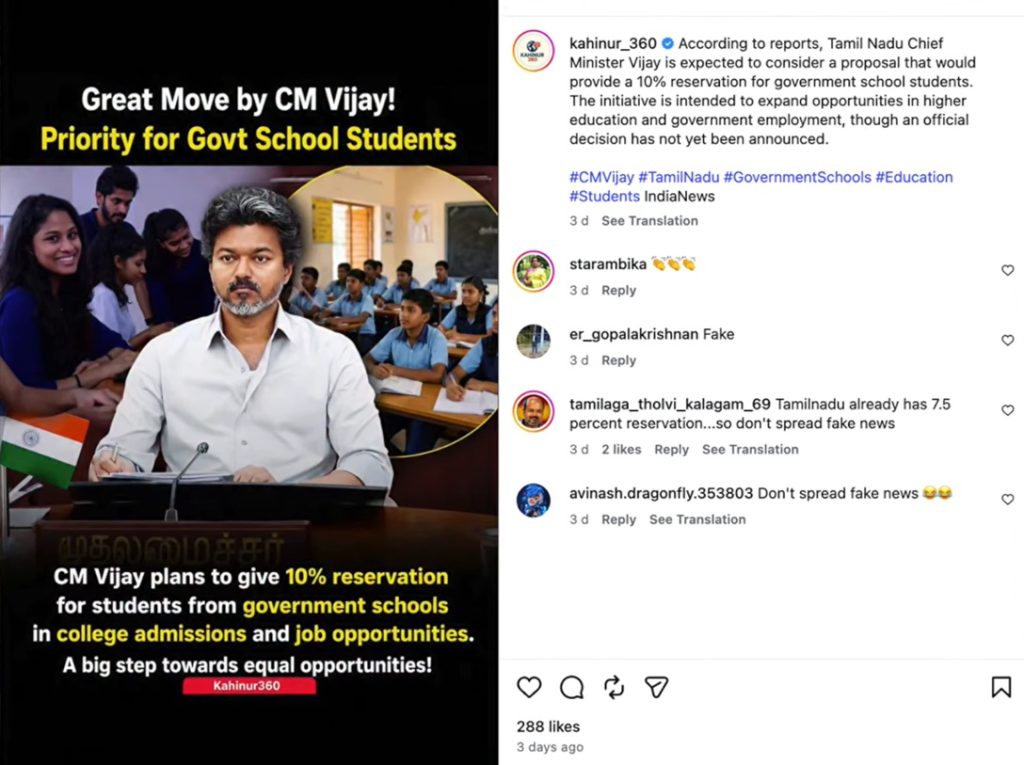
Tamil Nadu already has a 7.5% reservation implemented during the AIADMK government after prolonged litigation in 2022.
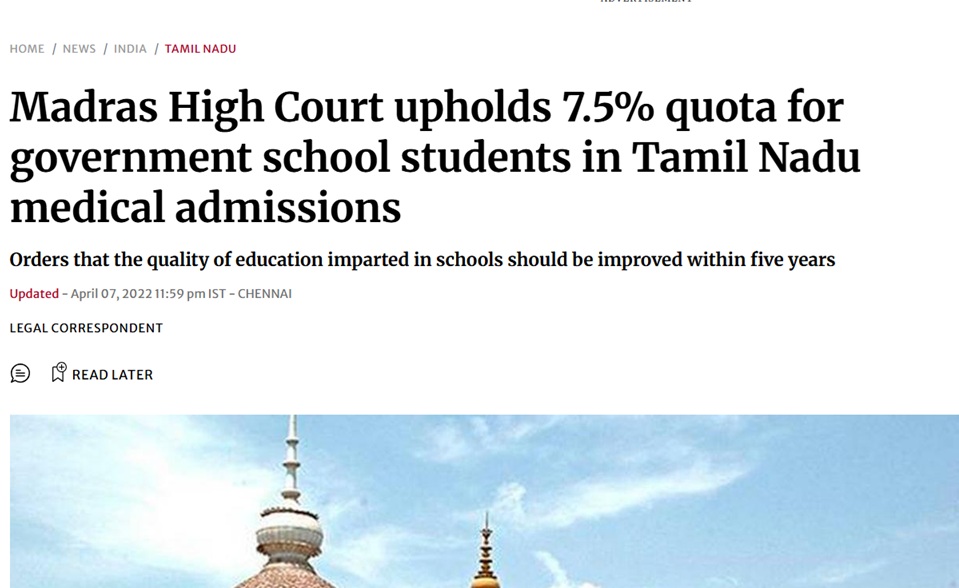
Campaign operators inflated the figure to 10% while attributing the policy entirely to Vijay.
Existing Welfare Schemes Rebranded
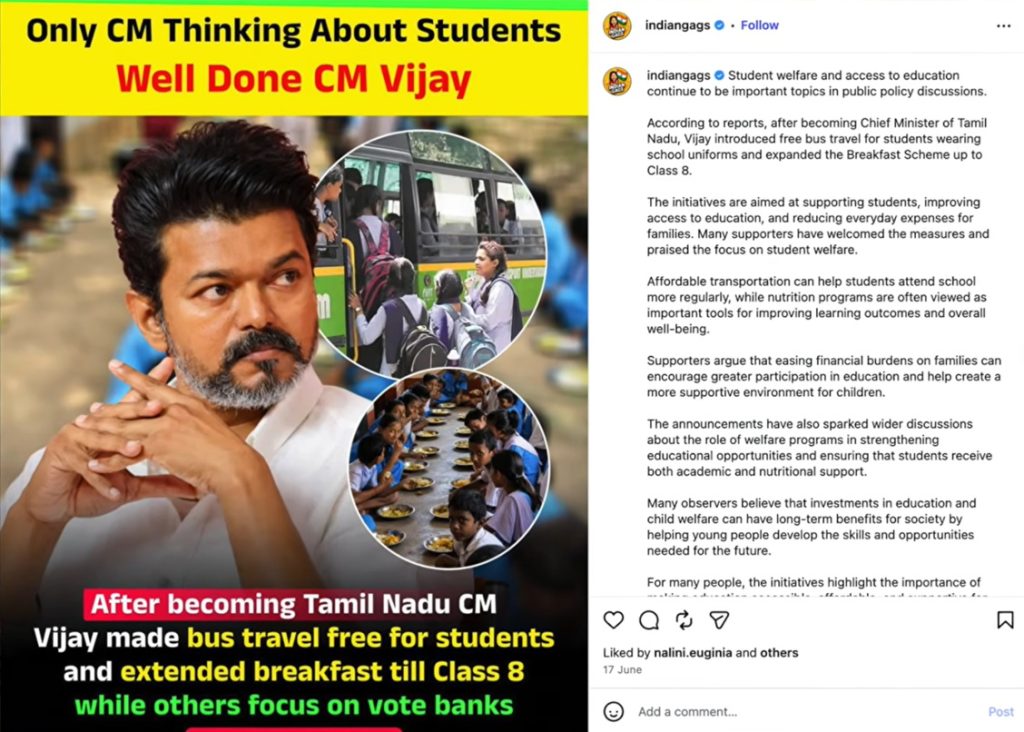
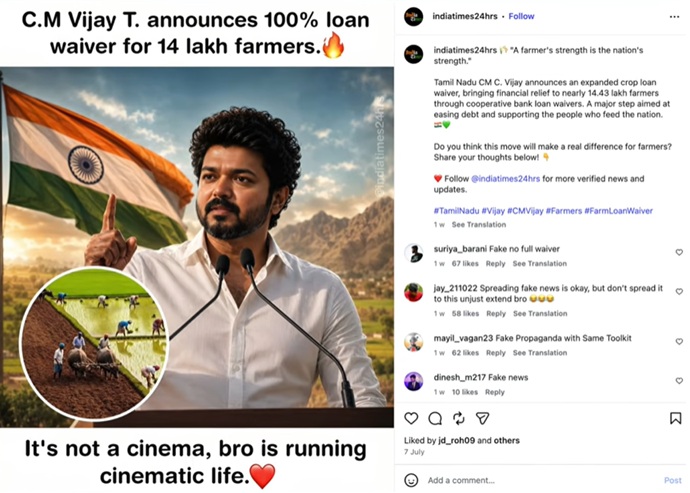
Numerous longstanding welfare measures are being systematically rebranded. Some of the examples include:
Free bus travel for school students and the breakfast scheme originally introduced by the previous DMK government.
Agricultural loan waivers
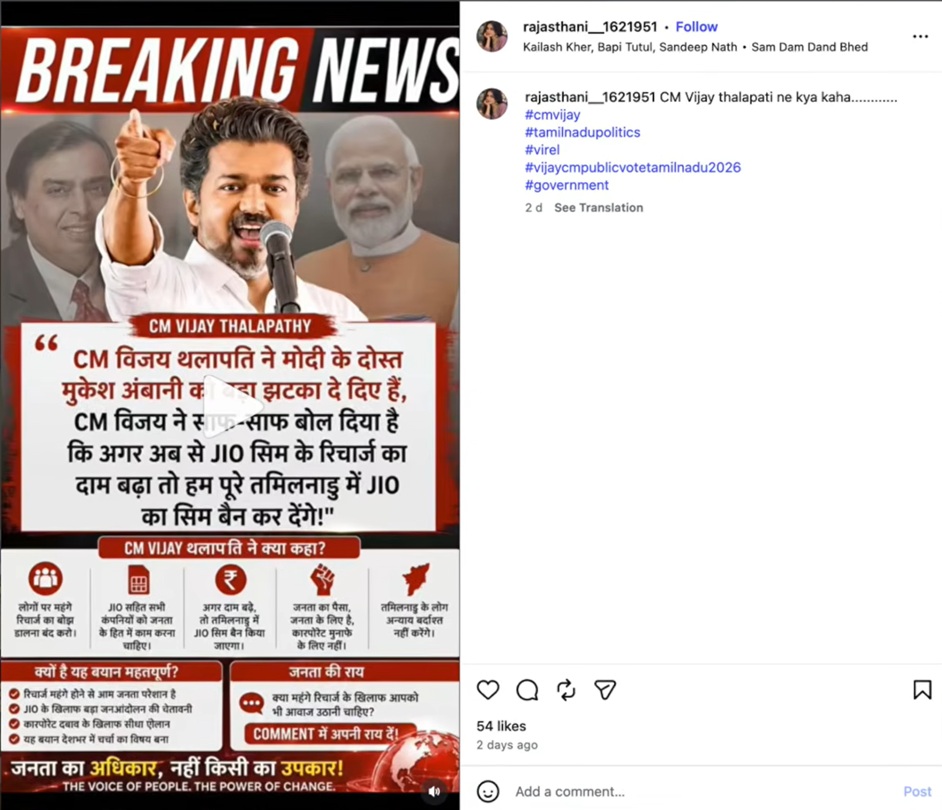
Hindi-language social media pages circulated videos falsely stating that Vijay had warned Reliance Jio that it would be banned in Tamil Nadu if it increased tariffs, a narrative which had gained traction among school and college students.
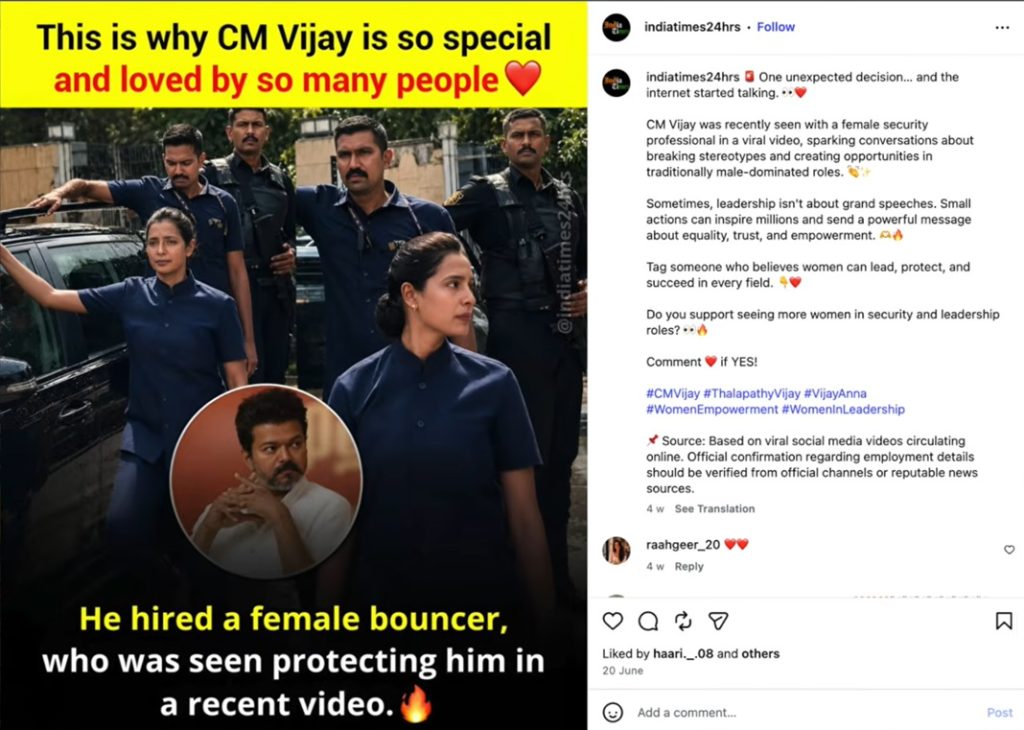
There were posts claiming Vijay had deployed “female bouncers” for his security – these are entirely baseless, since the Chief Minister is protected under an established multi-layered security system and does not require private bouncers.
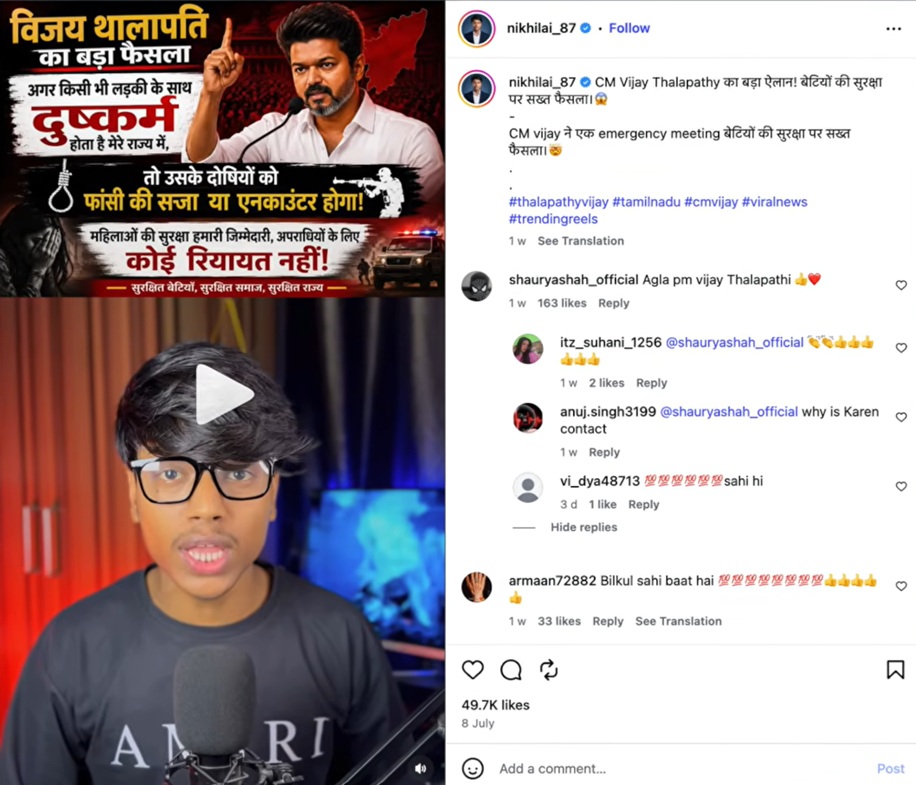
Other posts falsely claimed that Vijay had introduced capital punishment for crimes against women, despite criminal law being a subject beyond the legislative competence of a State government.
There were also viral claims that Vijay had abolished Tamil Nadu’s banner and poster culture, despite posters and banners continuing to be widely displayed across the State.
These narratives were designed to resonate with specific audiences and reinforce Vijay’s image as an efficient and reform-oriented leader.
Even conditional or pre-existing schemes are being portrayed as entirely new initiatives personally introduced by Vijay.
Formula That They Cracked
The campaign follows a carefully designed formula aimed at building Vijay’s image beyond Tamil Nadu. The strategy rests on two central narratives:
First, to convince young people across India that Vijay is the national leader the country has been waiting for and a future Prime Minister;
Second, to persuade the middle class that Vijay is a leader who genuinely cares about their welfare and will improve their lives.
To reinforce these themes, the campaign focuses on issues with broad public appeal such as education, healthcare, agriculture, the environment, women’s safety, and everyday civic concerns. Social media teams identify trending national stories, attach Vijay’s name to them through fabricated or exaggerated claims, and circulate the content in multiple Indian languages to maximise reach.
These narratives are tailored to specific regions and demographics, with separate messaging for students, youth, women, truck drivers, and other groups, while AI-generated graphics, reels, posters, and short-form videos are used to create a pan-India personality cult around Vijay. These were only pilot campaigns, and a much larger nationwide propaganda effort is being prepared.
Tailored Propaganda for Different States
The campaign uses different messages for different regions depending on local concerns.
Examples include:
- North India: Electronics exports, healthcare reforms and Prime Ministerial leadership.
- Uttar Pradesh and Bihar: Claims that Vijay introduced the death penalty for crimes against women.
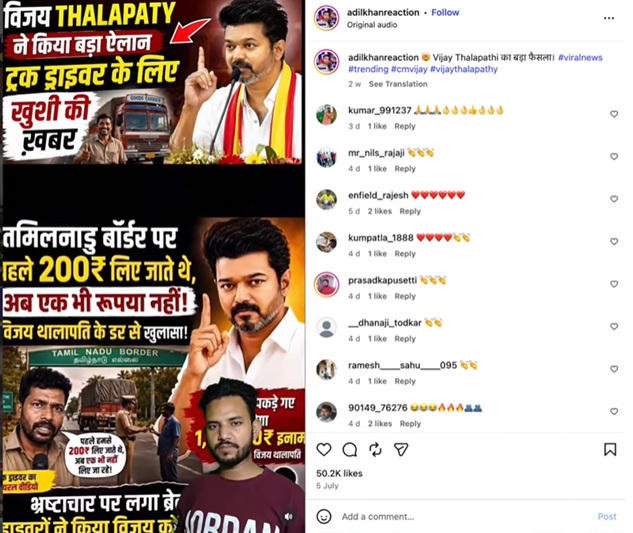
- Maharashtra and Rajasthan: False stories regarding benefits for truck drivers – posts claiming Vijay had reduced freight charges within Tamil Nadu.
- Telangana: Promotion of environmental initiatives.
- West Bengal: Hospital-related narratives linked to court judgments.
Campaign managers monitor trending news and quickly insert fabricated Vijay-related stories into ongoing public discussions to maximise algorithmic reach.
Youth and Middle Class Identified as Primary Targets
Social media messaging is carefully segmented. Young Instagram users are portrayed as the easiest audience to influence emotionally.
Meanwhile, middle-class voters are targeted through narratives focused on healthcare, education, inflation, agriculture, environmental protection and governance.
These campaigns are designed to create the perception that Vijay personally addresses everyday concerns affecting ordinary families.
Astrology and Personality Cult
One can also notice that campaign operators are spreading astrological predictions claiming Vijay possesses “Raja Yoga” destined to make him India’s next Prime Minister.
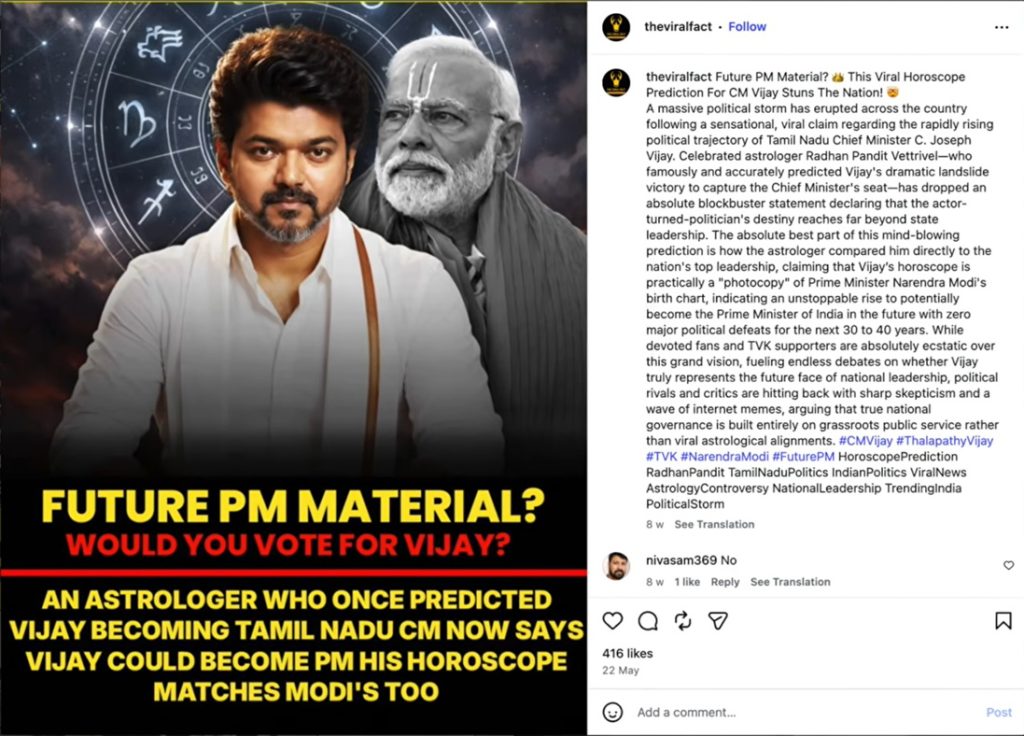
Such content is circulated alongside inspirational quotes, philosophical messages and carefully curated speeches intended to build a larger-than-life public image.
AI, Posters and Film-Style Production
The campaign is now preparing to deploy AI-generated graphics, reels, multilingual posters and professionally edited videos resembling film promotions.
Vijay’s public appearances are increasingly choreographed using drones, dedicated photographers and cinematic editing to create highly shareable content.
The current material merely represents pilot testing before a much larger nationwide rollout.
It is estimated that there are at least 2,000 examples of misleading social media posts promoting Vijay.
Alleged Long-Term Political Strategy
The campaign ultimately seeks to move beyond social media. After narratives gain traction online, they are intended to spill over into television debates, newspaper coverage and mainstream political discussions across India.
The broader objective is to normalise the perception that Vijay is not merely a regional Chief Minister but a credible future Prime Minister.
Subscribe to our channels on WhatsApp, Telegram, Instagram and YouTube to get the best stories of the day delivered to you personally.