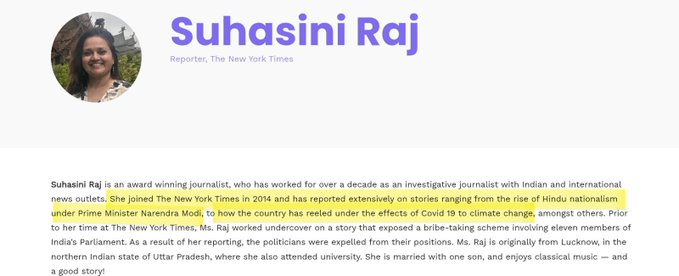
Suhasini Raj, the New York Times South Asia reporter, has been at the center of controversy regarding her coverage of India. Her work, which focuses on Hindu nationalism, the Modi government, Kashmir, and minority rights, presents a consistently negative and sometimes inaccurate portrayal of the country.
Early Controversy: The Cobrapost Sting
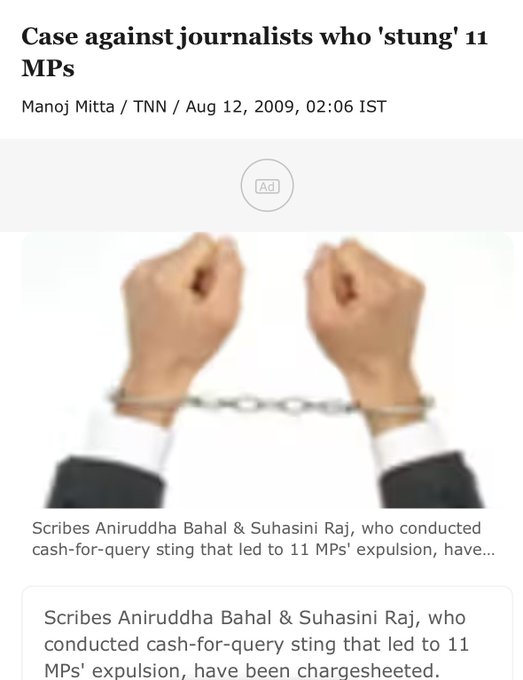
In 2005, while working for Cobrapost, Raj was involved in a sting operation that resulted in bribery charges. According to reports, 11 sitting Members of Parliament were bribed to ask questions in Parliament on behalf of fictitious clients. The Delhi Police filed a chargesheet against Raj and her colleagues for this operation.
The Sabarimala Entry Incident
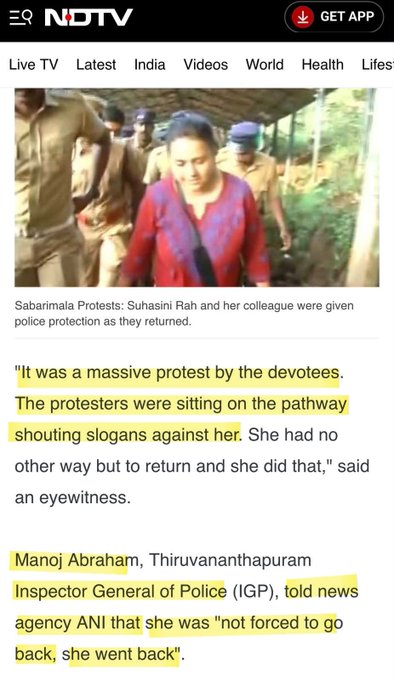
In October 2018, following the Supreme Court’s decision to allow women of all ages to enter the Sabarimala temple, Raj attempted to enter the shrine. She subsequently claimed that she was manhandled and that stones were thrown at her. However, Kerala IGP Manoj Abraham contradicted her account, stating on record that she “was not forced to go back. She went back.” The correction received far less attention than the original claim.
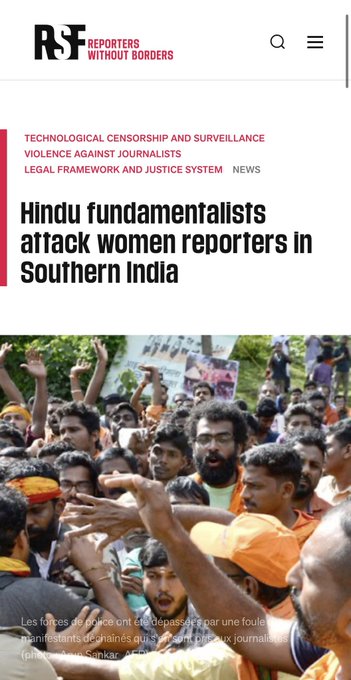
The story gained international attention, with headlines framing it as an attack on women reporters by ‘Hindu fundamentalists’.
The Assam NRC Coverage and Human Rights Press Award
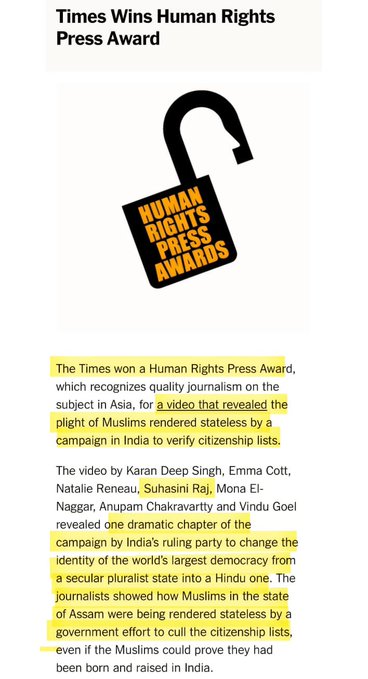
Raj received a Human Rights Press Award, organised by Human Rights Watch, for her reporting on the Assam National Register of Citizens (NRC). Her coverage focused on Muslims being rendered ‘stateless’ by the process.
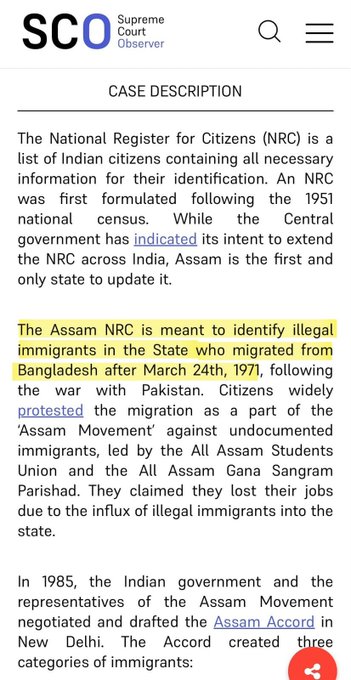
The NRC was mandated and monitored by the Supreme Court to identify illegal Bangladeshi immigrants who crossed the border after 1971. The Supreme Court explicitly stated that this was a constitutional exercise.
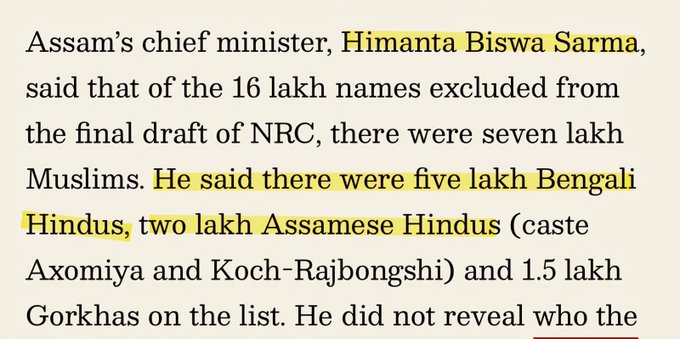
While 16 lakh people were excluded from the draft list, lakhs of Hindus were also excluded alongside Muslims. However, Raj’s framing centered on Muslim persecution.
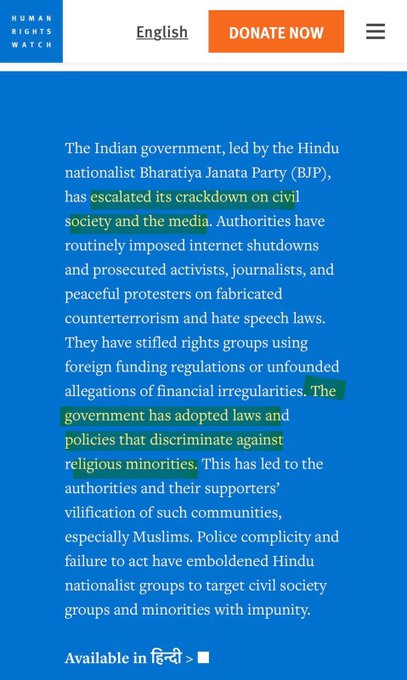
Human Rights Watch, which organises the award, has been publicly criticised by India’s Ministry of External Affairs, which has cited “motivated findings” in its reports.
Funding and Awards
Raj was also a Pulitzer finalist for a piece on a New Delhi royal family. The Pulitzer Center receives funding from George Soros’s Open Society Foundation.
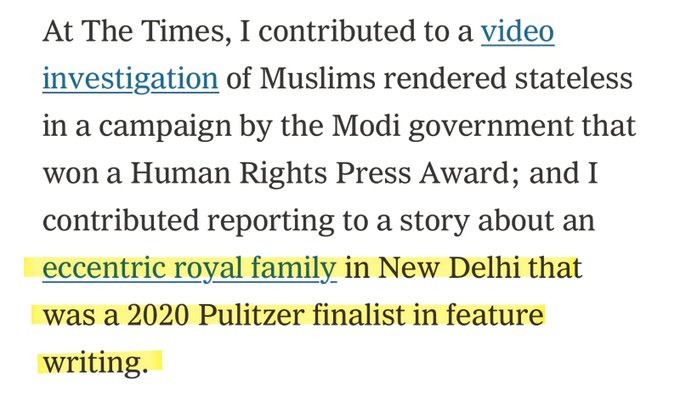

Both of her career’s highest awards come from organisations with ties to funding or editorial positions that have been critical of India.
Coverage of the CJP Protests
In an article titled “A Viral Gen-Z Protest Movement Draws Thousands to India’s Capital,” Raj framed the CJP protest as an organic youth movement.
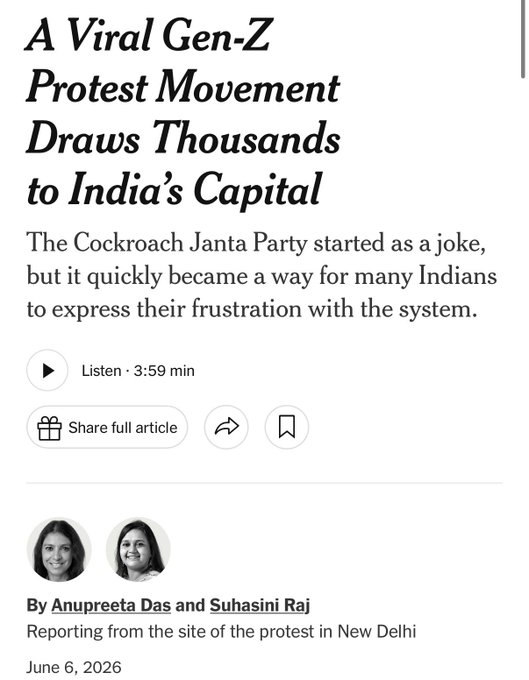
The article omitted that slogans such as “Bas naam rahega Allah ka” and “Sita ka pati Ram” were raised at the protest.

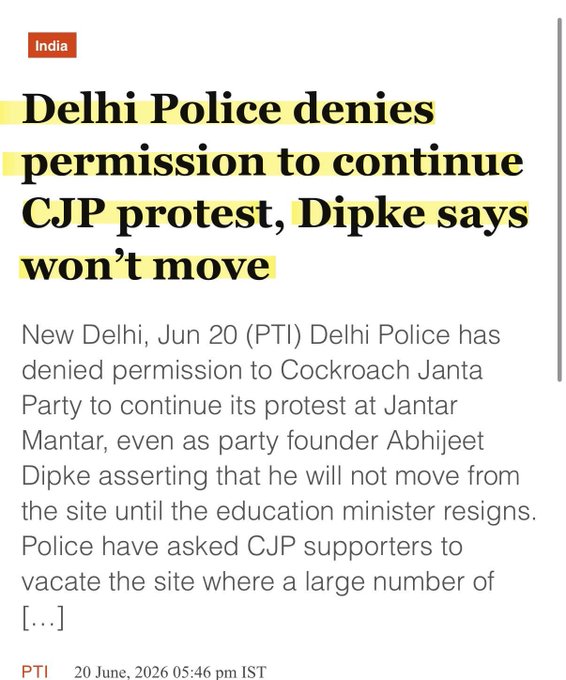
The unauthorised occupation of Jantar Mantar, the presence of celebrity political actors such as Sonam Wangchuk and many other usual suspects from the Leftist bastion, and the communal sloganeering were absent from her account.
Pahalgam Attack Coverage
Following the Pahalgam attack, Raj’s headline read: “At Least 24 Tourists Reportedly Killed by Gunmen in Kashmir.”
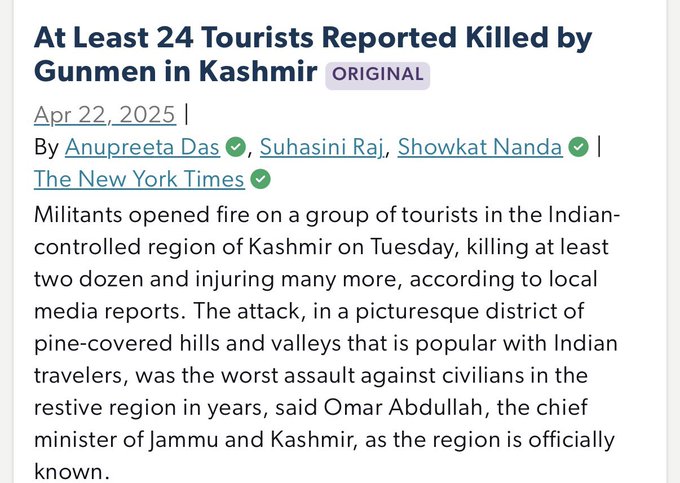
The terrorists had separated tourists by religion, two of the victims were Pakistani nationals, and Lashkar-e-Taiba’s proxy, The Resistance Front (TRF), claimed responsibility. However, her framing referred to the attackers as “gunmen” rather than identifying them as terrorists.
Using Pakistani Language For Pahalgam Terror Attack
Pakistan’s propaganda machine used Raj’s framing of India’s military constraints actively after the Pahalgam attack. The article, titled “As Tensions Rise With Pakistan, a Moment of Truth for India’s Military,” implied India’s military vulnerabilities would “constrain” Modi’s retaliation options.
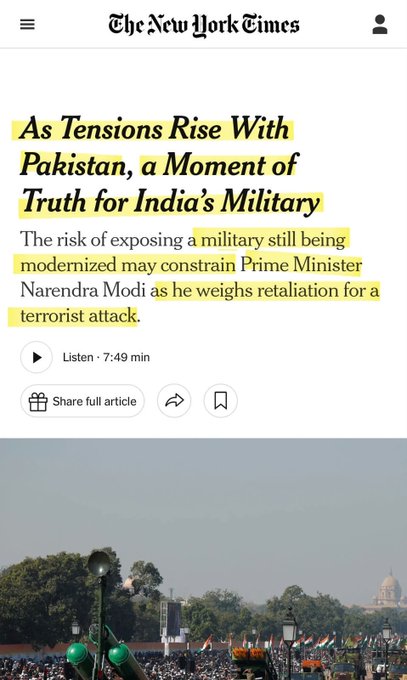
This framing was weaponised by Pakistan to bolster its narrative against India.
Umar Khalid Trial Coverage
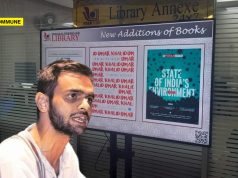
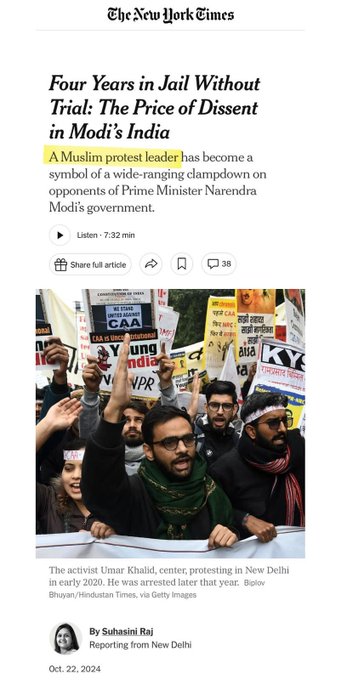
In her article on Umar Khalid’s trial, Raj described him as a “Muslim protest leader.” The chargesheet’s allegations regarding his role were not the lead, but her framing emphasised his religion and protest activity.
Clean Energy Coverage
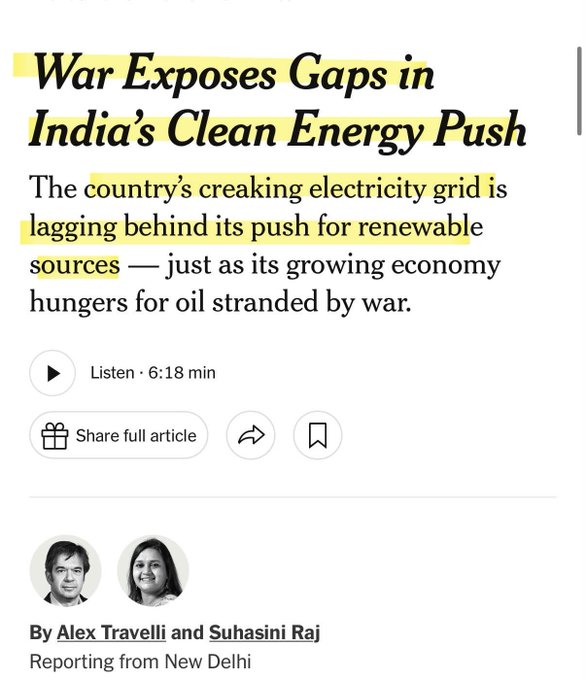
In an article titled “War Exposes Gaps in India’s Clean Energy Push,” Raj focused on “gaps” and “creaking grids.”
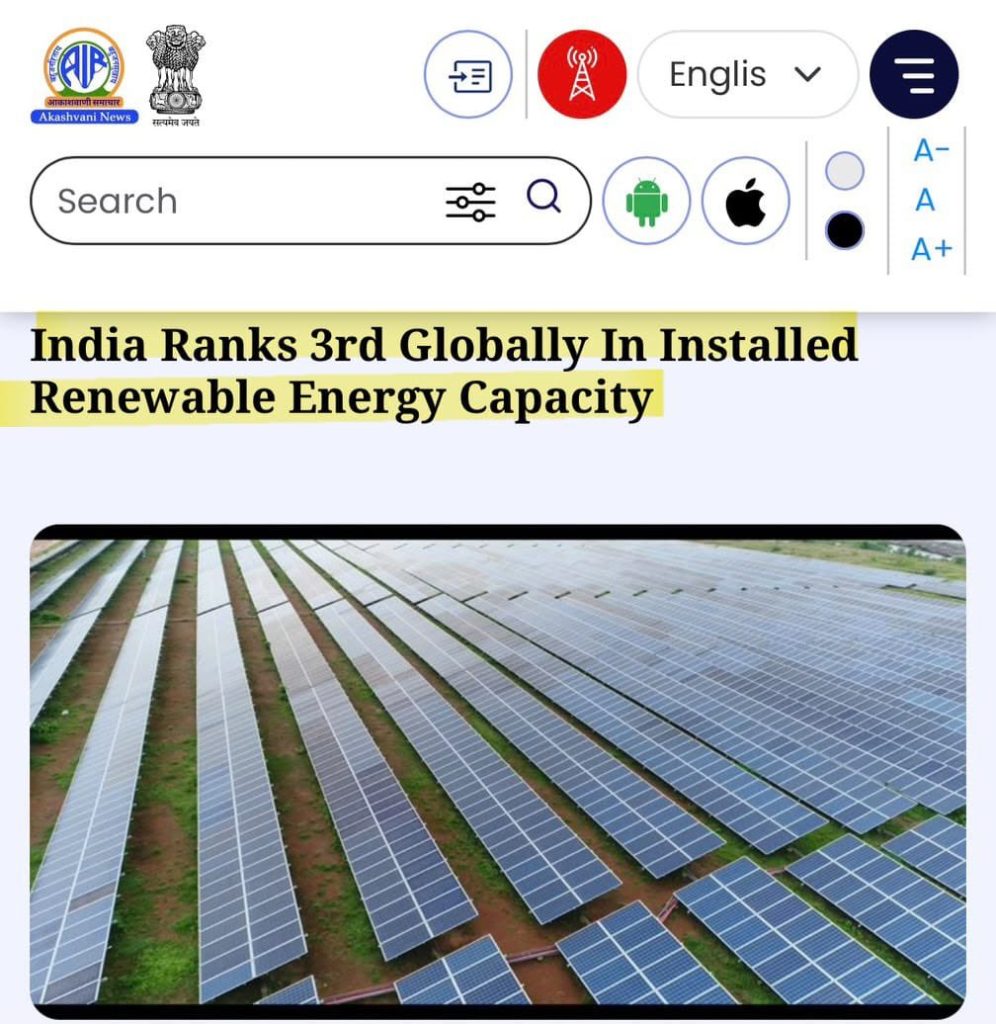
India’s renewable energy capacity crossed 200 GW in 2024, making it the third-largest renewable energy producer globally, but these achievements were not highlighted in her reporting.
The “Hindu Right” Narrative
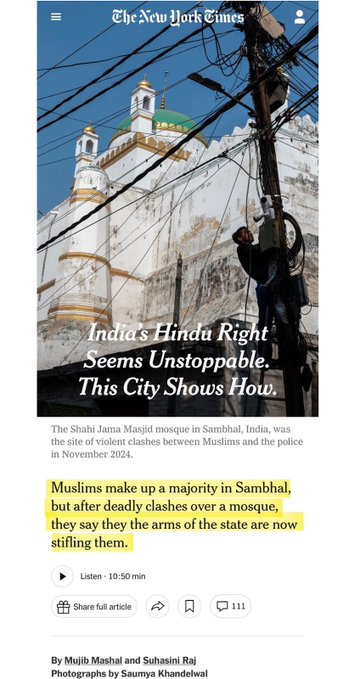
In an article titled “India’s Hindu Right Seems Unstoppable. The City Shows How,” Raj used a specific example to build a national conclusion. The article suggested that the Supreme Court has been influenced by the Hindu right.
International Pushback
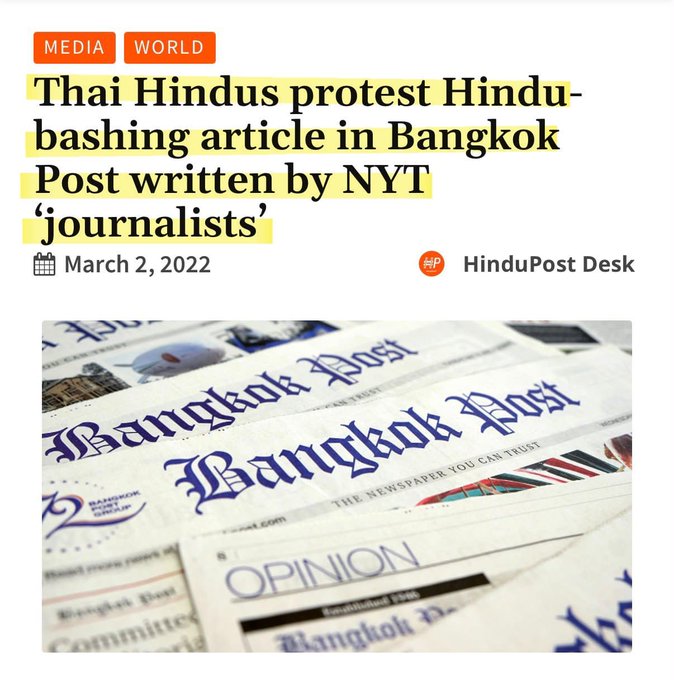
Thai Hindus protested an article co-written by Raj in the Bangkok Post, calling it Hindu-bashing. The protest was documented across Thai media, indicating that Hindus outside India were also objecting to the New York Times’ coverage.
Suhasini Raj’s reporting reveals a pattern of omissions, selective framing, and in some cases, documented contradictions of her claims. Her coverage of the NRC omitted the exclusion of Hindus. Her coverage of the CJP protests omitted communal slogans. Her framing of the Pahalgam attack omitted the religious targeting of victims. The Sabarimala incident was contradicted by the police version of events.
Her career’s most significant awards have come from organisations with documented anti-India positions or funding from sources critical of India. Through her position at the New York Times, her reporting reaches a global audience where she sells a negative, pathetic image of India.
This article is based on an X thread by Brown Sepoys.
Subscribe to our channels on WhatsApp, Telegram, Instagram and YouTube to get the best stories of the day delivered to you personally.