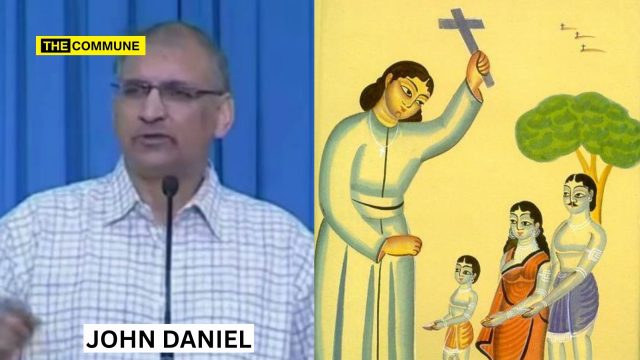
The Madras High Court has upheld the cancellation of the Overseas Citizen of India (OCI) registration of John Daniel, an American citizen of Indian origin, after finding that he had undertaken missionary preaching in India without obtaining the mandatory prior permission from the competent authorities, as reported in Verdictum.
In its judgment in John Daniel v. Union of India and Others (2026:MHC:4303), the Court held that OCI cardholders must obtain special permission before undertaking missionary activities in India, even when those activities do not involve religious conversion.
Justice D. Bharatha Chakravarthy dismissed Daniel’s petition challenging the cancellation of his OCI registration, which had been ordered by the Union government on 4 September 2026 under Sections 7D(da) and 7D(e) of the Citizenship Act, 1955.
The Court held that Daniel had addressed religious congregations and gatherings in Tamil Nadu and Andhra Pradesh without obtaining the required permission. It found that the material produced by the Union government, including posters, online material and advertisements for religious meetings, provided substantial evidence of his missionary activities.
Court: Missionary Preaching Requires Prior Permission
Daniel, whose parents were of Indian origin, was registered as an OCI cardholder in February 2015. He contended that his visits to India were primarily to meet his aged mother and other relatives and denied engaging in missionary activities or promoting religious conversions.
The Union government issued a show-cause notice in September 2025, alleging that he had misused his OCI privileges by delivering religious lectures, conducting prayers and undertaking missionary activities without special permission.
The authorities relied on material concerning religious meetings Daniel had allegedly addressed between 2017 and 2019, including gatherings in Tamil Nadu and Andhra Pradesh.
Daniel challenged the cancellation, arguing that the authorities had not adequately identified the specific incidents and evidence against him. He also contended that material subsequently produced before the Court had not been supplied to him, denying him an effective opportunity to respond.
The Court, however, found substantial material indicating that Daniel had consistently addressed religious gatherings at various places and that advertisements had invited members of the public to attend his meetings.
The judgment stated, “It is one thing to contend that the petitioner is not involved in conversion and is only spreading the message of ‘God’. However, it is not only for conversion, but even to be a missionary preaching his religion, it is only a prior permission that is mandated.”
The Court explained that the conditions governing OCI privileges require special permission from the competent authority, the Foreigners Regional Registration Officer or the concerned Indian Mission before undertaking missionary activities.
It observed, “Thus, if the petitioner carries on missionary activities without permission, the same violates Section 7B of the Act, and the registration accordingly becomes liable to be cancelled under Section 7D(da) of the Act.”
The Court further stated, “If the petitioner preaches and undertakes activities to spread the word of ‘God’, such activities would fall within the meaning of missionary activity. Therefore, he ought to have obtained special permission in that regard. He has not obtained such permission. Therefore, considering the nature of the allegations made against the petitioner, the cancellation stands justified.”
Court Rejects Daniel’s Plea For Another Hearing
Daniel also argued that he should have been given a further opportunity to respond to the material relied upon by the authorities.
The Court considered his reliance on the Delhi High Court’s decision in Ashok Swain v. Union of India and Others (2025), which dealt with the need to supply relied-upon material to ensure an effective opportunity of hearing.
However, Justice Chakravarthy held that the application of natural justice principles depended on the facts of each case. The Court noted that Daniel had categorically denied undertaking missionary activities in India rather than disputing specific incidents individually.
The judgment stated, “The petitioner has made a categorical and sweeping statement before this Court that he has never been involved in any missionary activities in India and has visited India only to see his mother, family and friends, which, on its face is a lie. The remedy under Article 226 of the Constitution of India is an equitable remedy and cannot be extended in the face of the petitioner’s blatant, bald denial and the materials placed on record before this Court.”
The Court rejected his plea for a further hearing and dismissed the writ petition, thereby upholding the cancellation of his OCI registration.
It clarified that Daniel remained free to apply for a regular visa to visit his mother. He could undertake religious meetings or other religious activities in India only after obtaining the requisite official permission.
Why The Ruling Matters
The judgment draws a distinction between the right to practise or propagate religion and the conditions governing the activities an OCI cardholder may undertake while in India.
The Court’s ruling makes clear that the absence of an allegation of conversion does not, by itself, exempt missionary preaching from the requirement of prior permission.
The case also brings attention to the activities of religious organisations operating through networks of churches and congregations across India, and the importance of examining whether foreign citizens undertaking missionary work comply with the conditions attached to their immigration status.
Laymen’s Evangelical Fellowship India (LEFI), registered in Nungambakkam, Chennai, is associated with John Daniel and Christian missionary activities in southern India. Its presence has been highlighted particularly in Andhra Pradesh’s coastal districts of Prakasam, Guntur and Nellore.
Stuartpuram, Andhra Pradesh: A Historical And Religious Context
As reported by NGO watchdog Legal Rights Protection Forum, Stuartpuram in Andhra Pradesh has a distinctive history linked to communities that were branded as “criminal tribes” under the British colonial Criminal Tribes Act of 1871.
From the mid-20th century onwards, Christian organisations, including LEFI, undertook outreach activities in the region. Allegations have been raised that some religious outreach was carried out through initiatives presented as moral education and employment assistance, alongside religious conversion activities. Such allegations require independent evidence and should not be treated as findings established by the present judgment.
Network Of Churches Attributed To LEFI Across India
The following figures have been provided as a state-wise breakdown of churches attributed to LEFI. They have not been independently verified for this report.
- Andhra Pradesh: 354
- Telangana: 42
- Tamil Nadu: 117
- Andaman and Nicobar Islands: 1
- Arunachal Pradesh: 5
- Assam: 5
- Bihar: 1
- Chhattisgarh: 2
- New Delhi: 1
- Goa: 1
- Gujarat: 5
- Haryana: 2
- Himachal Pradesh: 3
- Jammu and Kashmir: 3
- Jharkhand: 3
- Karnataka: 10
- Kerala: 3
- Madhya Pradesh: 2
- Maharashtra: 9
- Manipur: 8
- Meghalaya: 3
- Mizoram: 1
- Nagaland: 2
- Odisha: 7
- Punjab: 4
- Rajasthan: 1
- Sikkim: 1
- Tripura: 1
- Uttarakhand: 1
- Uttar Pradesh: 7
- West Bengal: 8
The figures add up to 617 churches across the listed states and Union Territories. Andhra Pradesh accounts for 354, followed by Tamil Nadu with 117 and Telangana with 42.
These figures provide a basis for further investigation into the organisation’s structure, the nature of its activities and the applicable regulatory requirements.
The High Court’s ruling in John Daniel’s case establishes the specific legal point at issue: an OCI cardholder undertaking missionary preaching in India must obtain prior permission from the competent authority, and the absence of such permission can justify cancellation of OCI registration under the applicable law.
BREAKING: After years of our continuous follow-up and communication with the MHA Foreigners Division, Bureau of Immigration and Indian consular offices in the US, the Government of India cancelled the OCI registration of John Daniel of Laymen’s Evangelical Fellowship India over Christian missionary activities in Tamil Nadu, Telangana and Andhra Pradesh. The Madras High Court has upheld the cancellation, finding that he had engaged in missionary preaching without the required permission.
WHY IS IT SO IMPORTANT?
Laymen’s Evangelical Fellowship India (LEFI), registered in Nungambakkam, Chennai, is associated with John Daniel, an Indian-born American citizen engaged in religious and missionary activities in India on behalf of the organisation while holding OCI status. LEFI’s presence is particularly notable in Andhra Pradesh’s coastal districts of Prakasam, Guntur and Nellore, and its wider network of churches across India warrants systematic documentation and scrutiny of compliance with applicable laws.
CASE OF STUARTPURAM VILLAGE, ANDHRA PRADESH?
Stuartpuram was historically associated with communities branded as “criminal tribes” under the British colonial Criminal Tribes Act of 1871. This stigma reflected colonial policies of collective suspicion and social control, not any inherent criminality of the communities concerned. From the mid-20th century, Christian organisations, including LEFI undertook outreach activities in the region involving religious conversions in the guise of moral education and employment initiatives.
Network of churches established by LEFI across India is provided below:
Andhra Pradesh: 354 Churches
Telangana: 42 Churches
Tamil Nadu: 117 Churches
Andaman & Nicobar Islands: 1 Church
Arunachal Pradesh: 5 Churches
Assam: 5 Churches
Birhar: 1 Church
Chattisgarh: 2 Churches
New Delhi: 1 Church
Goa: 1 Church
Gujarat: 5 Churches
Haryana: 2 Churches
Himachal Pradesh: 3 Churches
Jammu & Kashmir: 3 Churches
Jharkhand: 3 Churches
Karnataka: 10 Churches
Kerala: 3 Churches
Madhya Pradesh: 2 Churches
Maharashtra: 9 Churches
Manipur: 8 Churches
Meghalaya: 3 Churches
Mizoram: 1 Church
Nagaland: 2 Churches
Odisha: 7 Churches
Punjab: 4 Churches
Rajasthan: 1 Church
Sikkim: 1 Church
Tripura: 1 Church
Uttarakhand: 1 Church
Uttar Pradesh: 7 Churches
West Bengal: 8 Churches— Legal Rights Protection Forum (@lawinforce) October 28, 2026
Subscribe to our channels on WhatsApp, Telegram, Instagram and YouTube to get the best stories of the day delivered to you personally.