India’s premier institution, the Indian Institute of Technology is in the news for the wrong reasons these days. Most recently, the issue of the student suicide over allegedly getting caught during an examination has hit the headlines.
But a deeper rot seems to be festering in the IITs due to its decision to include Humanities as one of the subjects offered. In this article, we take a look at all the instances of controversy that occurred due to the same Humanities departments in IITs across the country.
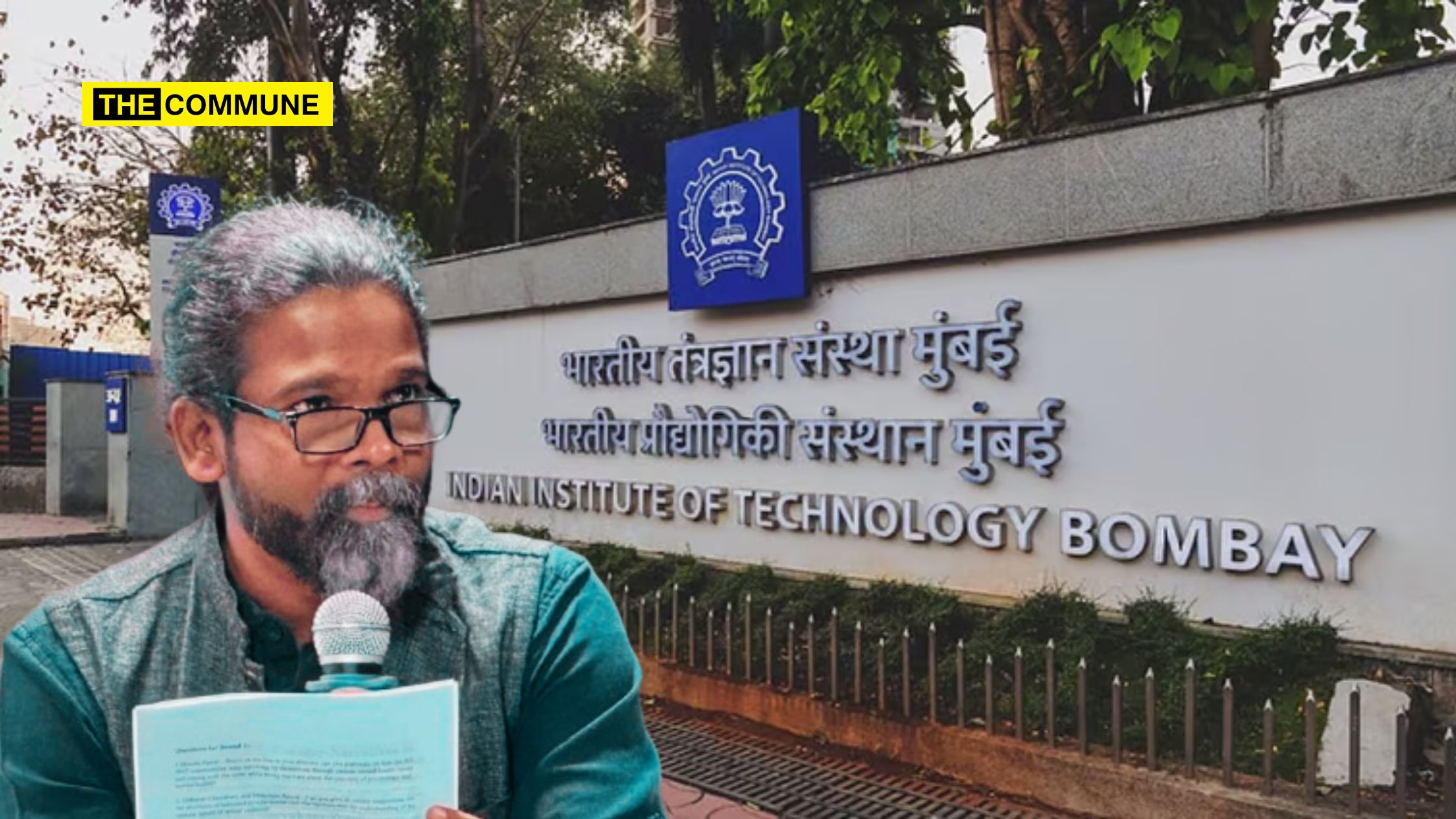
IIT Bombay
IIT Bombay Invited Leftist Theatre Artist, Glorifies Hamas & Gun Culture
The Humanities and Social Sciences (HSS) Department at IIT Bombay landed in controversy after inviting Sudhanva Deshpande, a radical left-leaning actor and director associated with the Jana Natya Manch (Janam)—a Delhi-based leftist theatre collective. Deshpande, during a virtual lecture hosted by Professor Sharmishtha Saha, made highly contentious remarks praising Hamas-linked figures and defending armed insurgency as a form of resistance.
In his address, Deshpande recounted his visit to Palestine in 2015, where he met Zakaria Zubeidi, a known militant figure. Zubeidi was the former head of the Al-Aqsa Martyrs’ Brigades in Jenin, a group labeled a terrorist organization by numerous global entities including Israel, the European Union, the United States, Canada, Japan, and New Zealand. He has been implicated in the 2002 Beit She’an terrorist attack, which left six civilians dead, and was arrested again in 2019 for orchestrating shooting attacks on civilian targets in the West Bank.
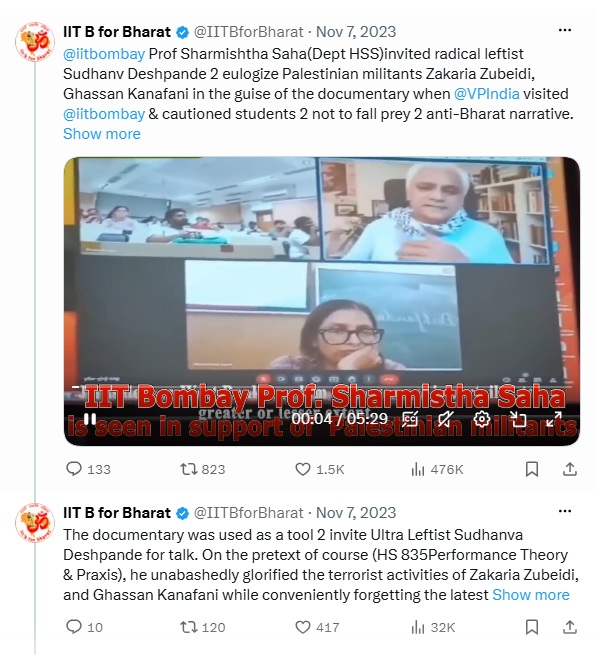
Zackary was involved in a suicide bombing in the heart of Tel Aviv that killed an Israeli woman. Kanafani was the spokesman, and editor of Al-Hadaf (Popular Front for the Liberation of Palestine-PFLP), a revolutionary organization whose military wing targeted Israeli interests…
— IIT B for Bharat (@IITBforBharat) November 7, 2023
Despite Zubeidi’s known terror affiliations, Deshpande described the encounter in admiring terms. He further quoted Ghassan Kanafani, a Marxist-Leninist figure associated with the Popular Front for the Liberation of Palestine (PFLP)—another internationally recognized terrorist organization. Deshpande cited Kanafani’s infamous assertion, “In order to have liberation, we need guns… It has to be an armed struggle.”
Doubling down on this narrative, Deshpande appeared to justify the normalization of armed conflict, saying, “If we don’t have the culture to go with the guns, the guns will turn on us… we will start killing each other.”
He described the Palestinian assault on Israel not as terrorism but as a “freedom struggle,” stating, “There has never been a freedom struggle in the history of colonialism that has been 100% non-violent… What you see in Palestine today is a continuation of that same model of resistance.”
IIT Bombay, a premier taxpayer-funded STEM institution, allowed politically motivated and ideologically extreme voices to dominate platforms meant for academic engagement.
#IITBSupportsHammas
We will see “No IITian is welcomed here” sign boards all over the world for on campus blatant acts supporting #Hammas terrorism; @iitbombay must start ruthless crackdown on these elements to save Brand IIT! @dpradhanbjp must intervene! https://t.co/aBL23delUR— Legal Rights Observatory- LRO (@LegalLro) November 7, 2023
IIT-B Assistant Professor Supporting Hamas Sympathizer
Anupam Guha, a professor at IIT Bombay, came under scrutiny after voicing support for Indian American student Megha Vemuri, who was recently barred from attending her graduation ceremony at the Massachusetts Institute of Technology (MIT). Vemuri, the president of MIT’s Class of 2025, was reportedly prevented from participating after delivering an anti-Israel speech during an official event on 29 May 2025.
In a post on X, Guha commented, “That MIT student has courage and did an admirable thing. At her age, I might not have gone that far.”
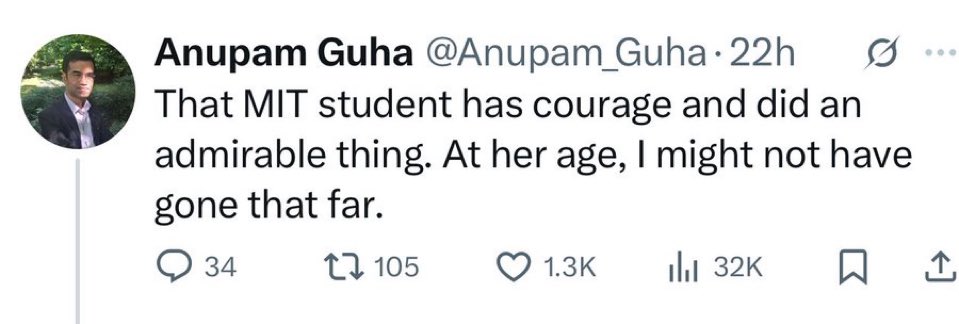
Following this, Guha has come under scrutiny not just for this specific statement, but also for his broader history of political commentary and activism. He frequently used his social media to promote leftist political ‘extremist’ ideologies, especially through his focus on humanities and technology policy.
Support For Anti-Sterlite Agitation 2018
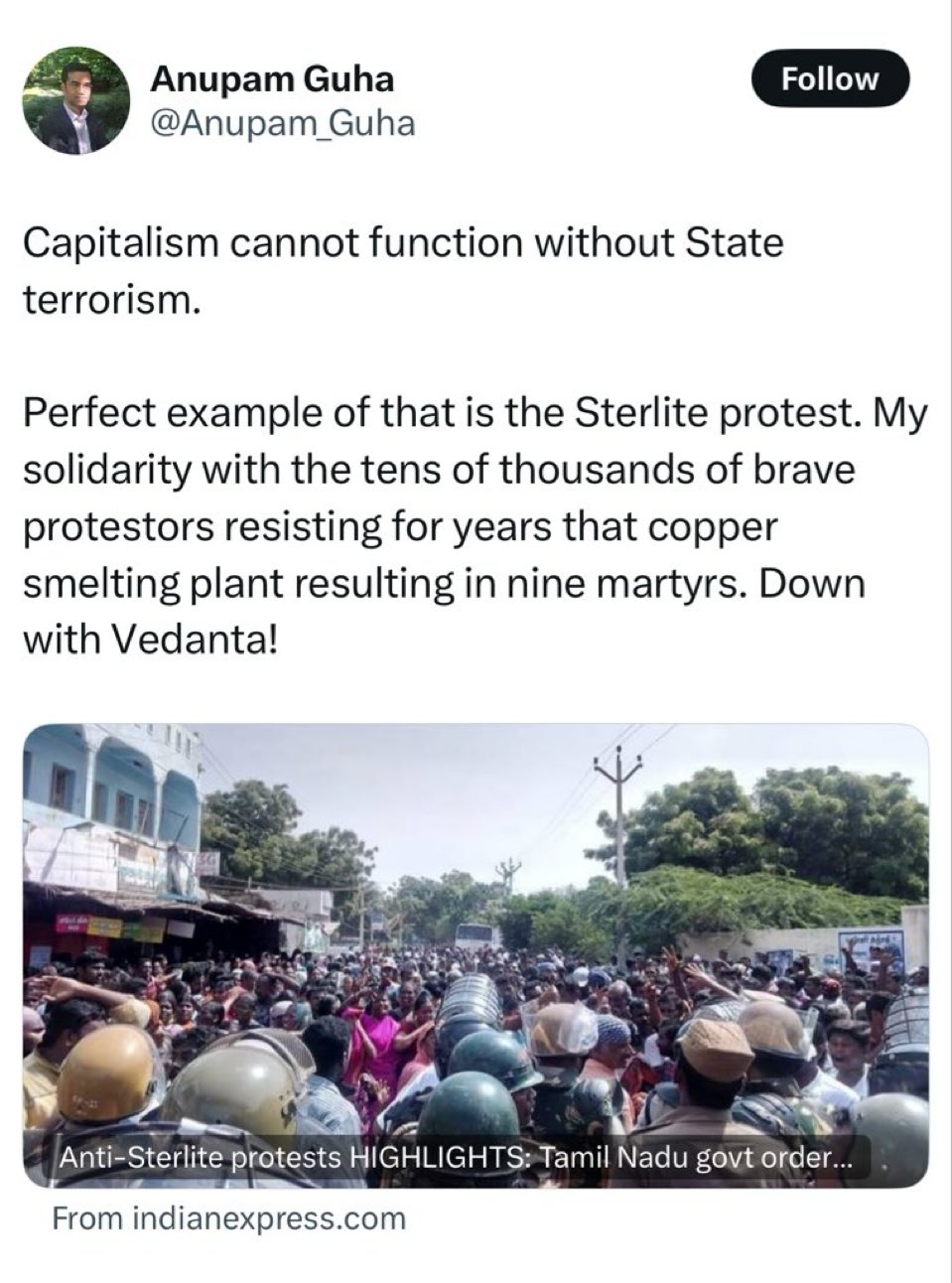
Guha has previously supported several anti-establishment protests, including the 2018 anti-Sterlite agitation in Tamil Nadu. That movement led to the permanent closure of the Sterlite copper plant after violent demonstrations resulted in the deaths of 13 people. The shutdown significantly impacted India’s copper production, turning the country from a net exporter to a net importer.
In his post, he wrote, “Capitalism cannot function without State terrorism. Perfect example of that is the Sterlite protest. My solidarity with the tens of thousands of brave protestors resisting for years that copper smelting plant resulting in nine martyrs. Down with Vedanta!”
Criticizing Abrogation Of Article 370
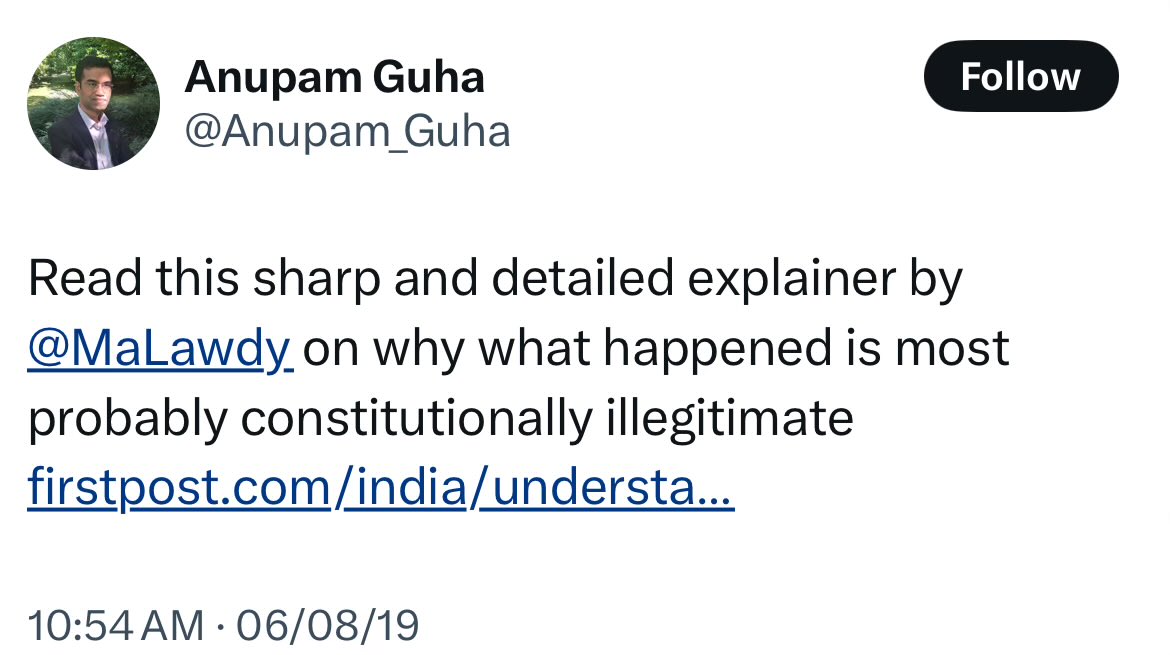
In addition, Guha was vocal in his opposition to the amendment of Article 370 in 2019, which ended Jammu and Kashmir’s special constitutional status. He described the move as “constitutionally illegitimate.”
In his post, he stated, “Read this sharp and detailed explainer by @MaLawdy on why what happened is most probably constitutionally illegitimate firstpost.com/india/understa…”
Anti-CAA & NRC
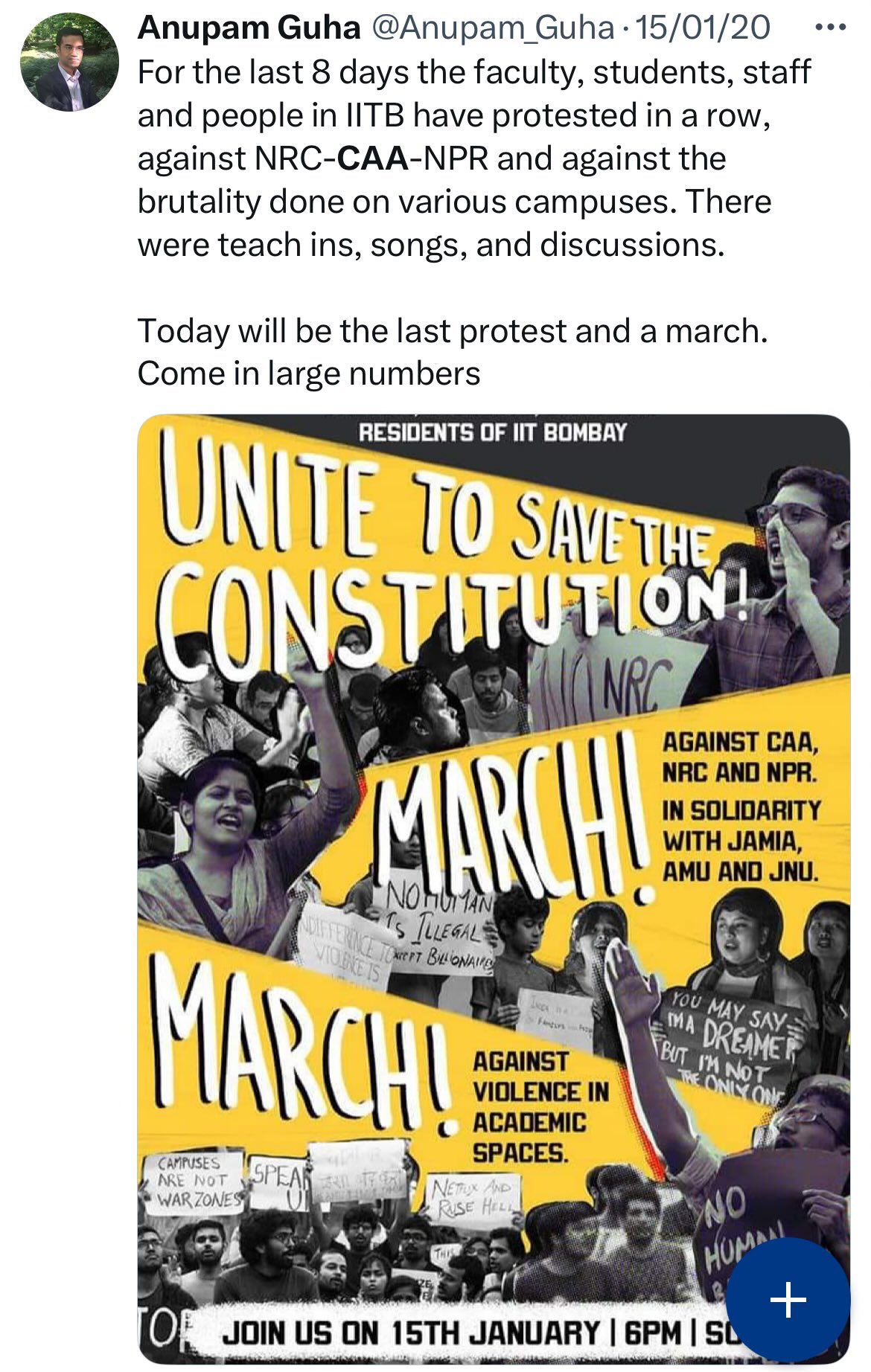
His social media activity during the anti-Citizenship Amendment Act (CAA) and National Register of Citizens (NRC) protests in 2020 also drew attention. Guha actively participated in campus demonstrations and encouraged IIT Bombay students to join a march “to save the Constitution.”
He stated, “For the last 8 days the faculty, students, staff and people in IITB have protested in a row, against NRC-CAA-NPR and against the brutality done on various campuses. There were teach ins, songs, and discussions. Today will be the last protest and a march. Come in large numbers.”
Distortive Propaganda with Leftists
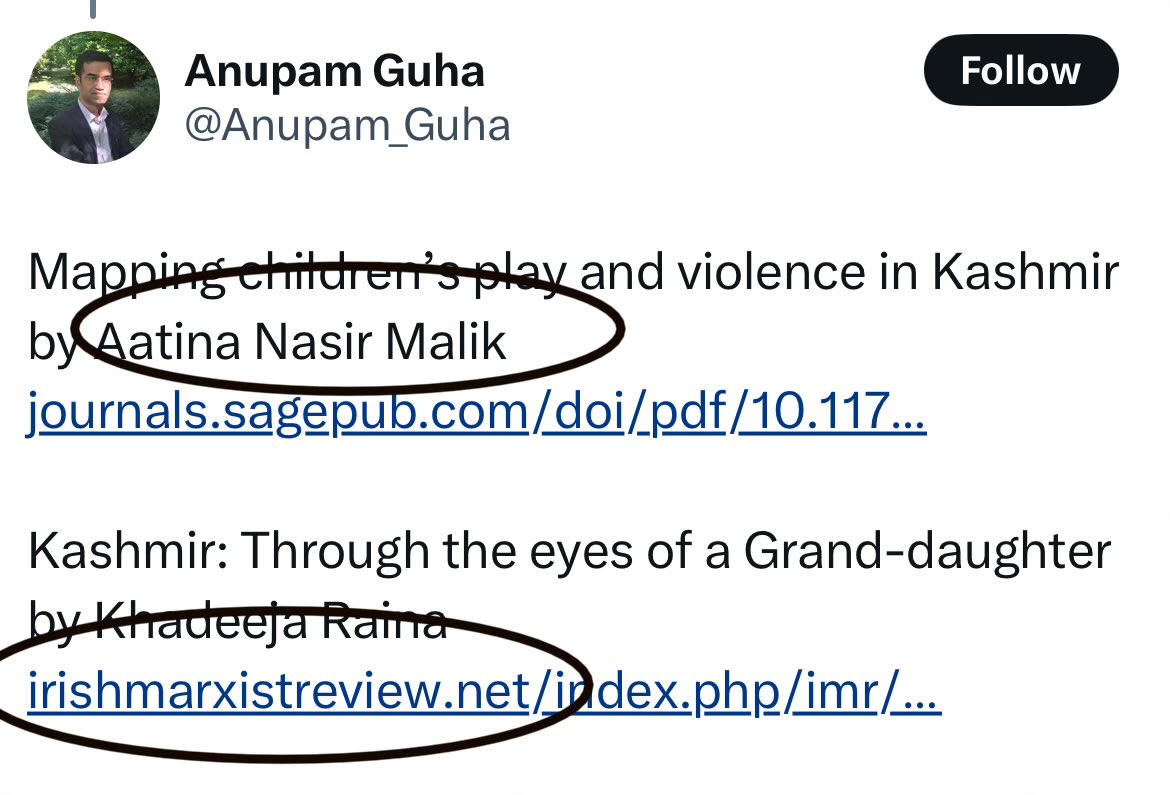
Furthermore, Guha wrote so much that reflects Marxist and separatist perspectives on the Kashmir issue, including writings by authors like Aatina Nasir Malik and Khadeeja Raina, which explore themes of childhood and violence in conflict zones.
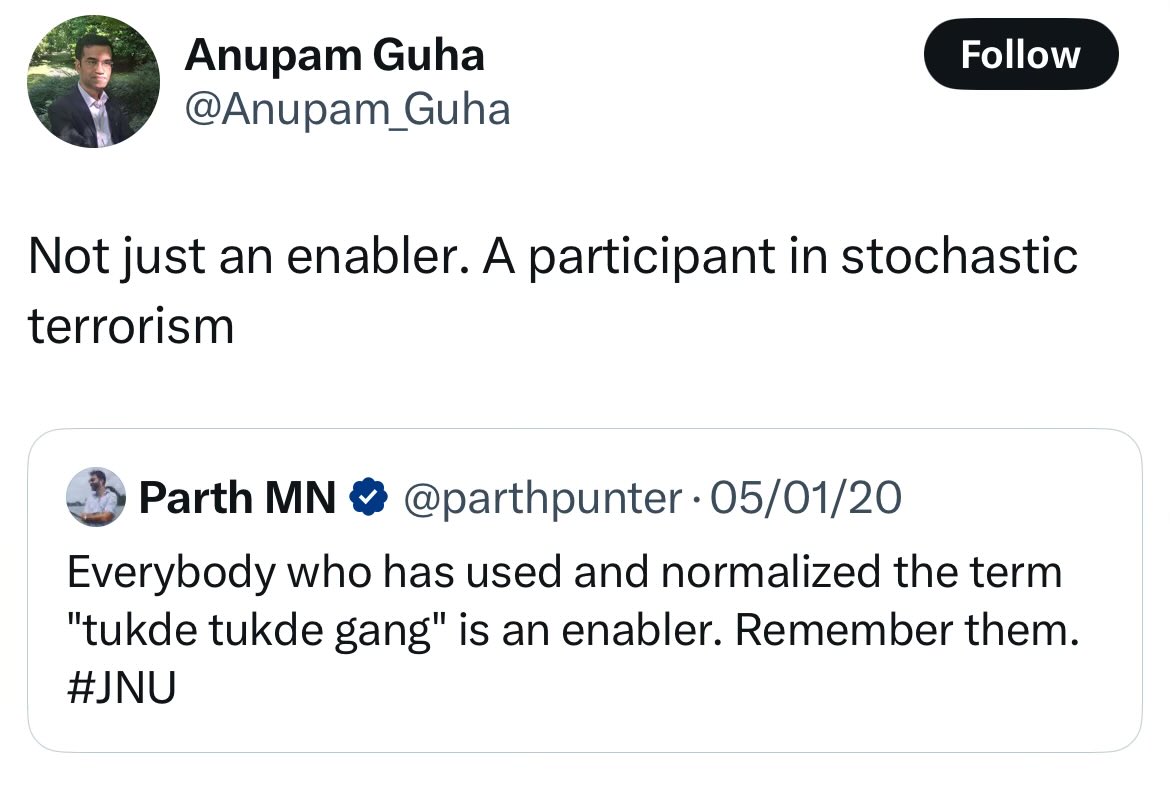
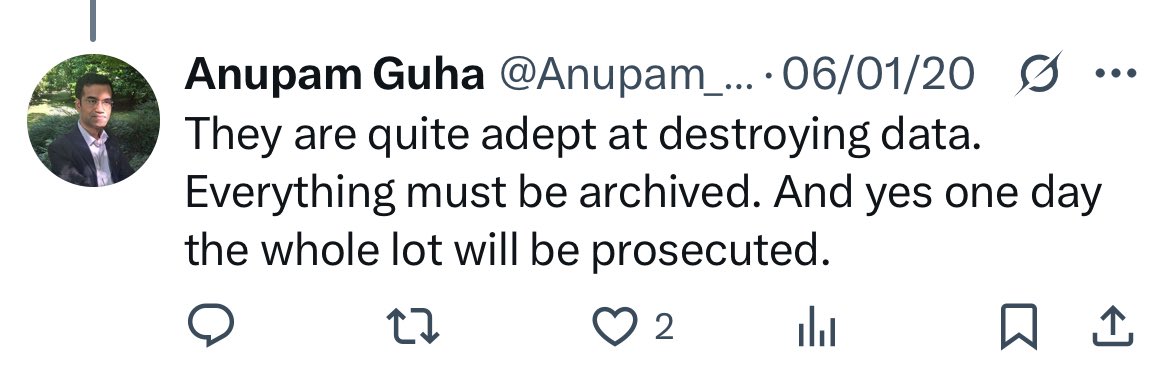
Anupam Guha, also expressed strong opposition to the use of the term ‘tukde tukde gang’, going so far as to label those who use it as akin to terrorists in his view.
Guha wrote, “Not just an enabler. A participant in stochastic terrorism.” In another post he stated, “They are quite adept at destroying data. Everything must be archived. And yes, one day the whole lot will be prosecuted.”
Advocating Radical Communism
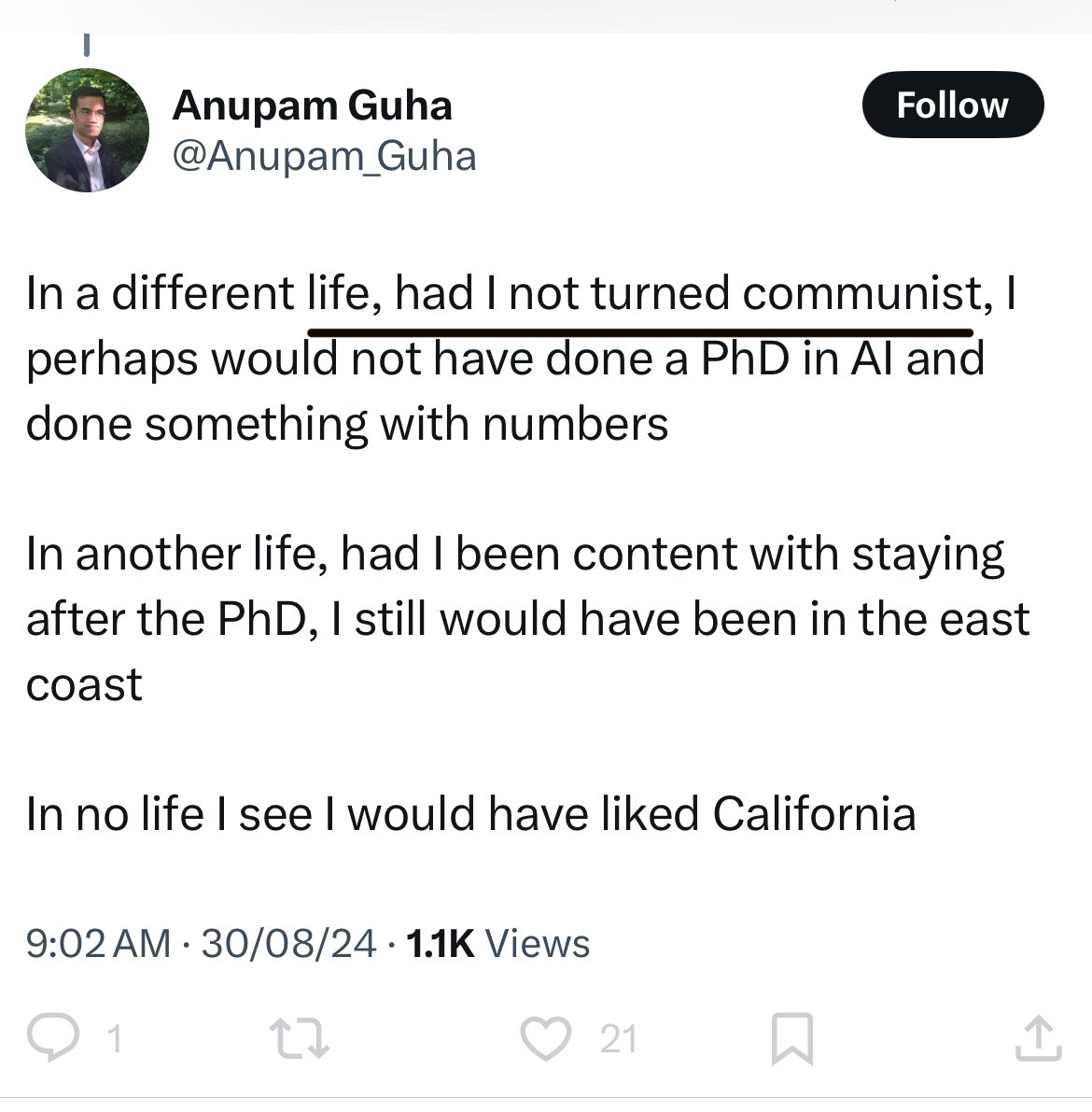
Guha is also associated with the Kosambi Circle, a Communist group he founded that explores Marxist and revolutionary political thought. The group engages with works by thinkers such as M.N. Roy and M.P.T. Acharya.
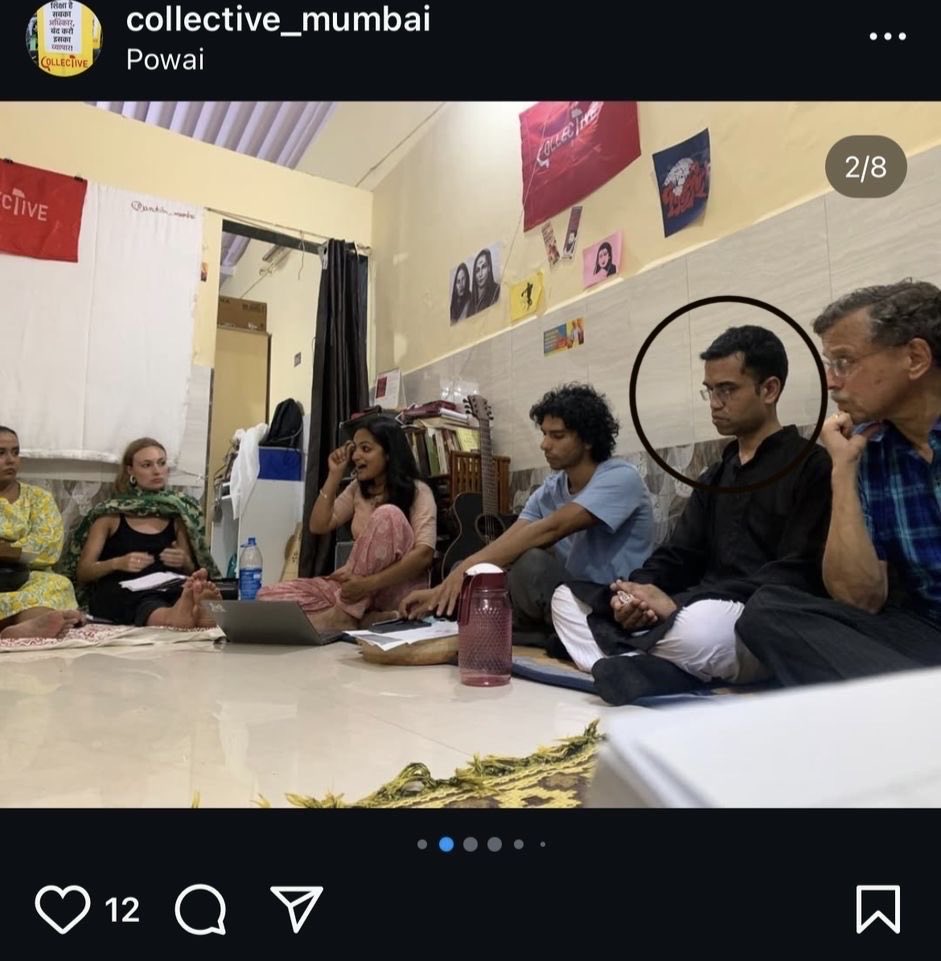
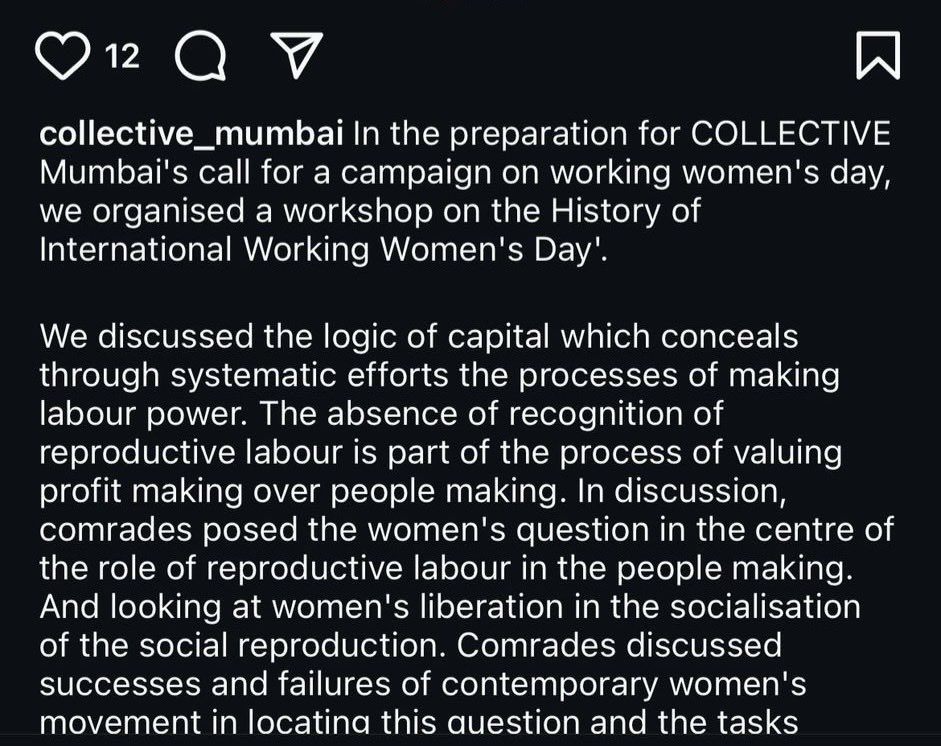
In related threads, Guha’s involvement with The Collective, a communist organization, is also noted. He has been a speaker at their events, including a workshop held on International Working Women’s Day that focused on systemic issues in labor and employment.
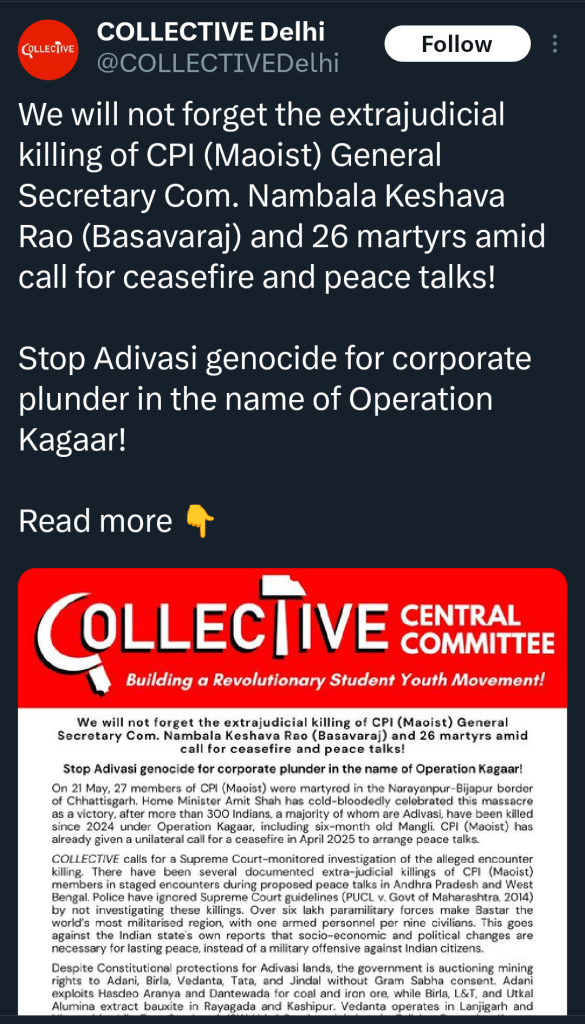
The Collective also had a problem with Maoist neutralisation that took place recently. They called it ‘Adivasi genocide’!. On their handle, they wrote, “We will not forget the extrajudicial killing of CPI (Maoist) General Secretary Com. Nambala Keshava Rao (Basavaraj) and 26 martyrs amid call for ceasefire and peace talks! Stop Adivasi genocide for corporate plunder in the name of Operation Kagaar!”
Anupam Guha openly identified as a communist and seemingly used his academic platform to advocate for radical ideological positions.

IIT Bombay PhD Scholar Accused Of Sexual Assault
A minor (then 17) accused Adarsh Priyadarshi, a leftist IIT Bombay PhD scholar, of sexual assault and forcibly kissing her despite refusal. The victim, who went public after failed private resolutions, alleged Priyadarshi (then 24) still retained his academic platform and left-liberal connections unchecked. She claimed she engaged with him due to shared political circles before the incident. Despite her prior warnings in these circles, no action was taken, forcing her to expose him publicly. Priyadarshi had blocked her on social media.
PERVERT ALERT: Leftist PhD scholar at IIT Bombay, Adarsh Priyadarshi, is accused of sexually assaulting a minor and forcibly kissing her despite her strong refusal.
The minor victim says she was 17 at the time and he was 24. pic.twitter.com/YZupNtP2LT
— Sensei Kraken Zero (@YearOfTheKraken) June 11, 2025
IIT Bombay’s Professor Suryakant Waghmore Who Mocked Hindus, Called Vegetarianism “Casteist” & A “Social Illness”
Suryakant Waghmore is an Associate Professor of Sociology at IIT Bombay whose stated research interests include social exclusion, caste and violence, Dalit politics, institutional deprivation and “Hinduism”.
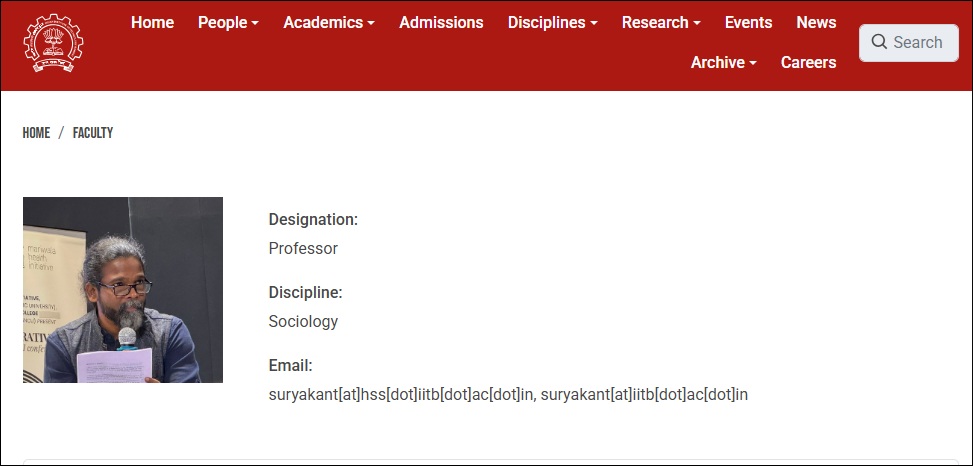
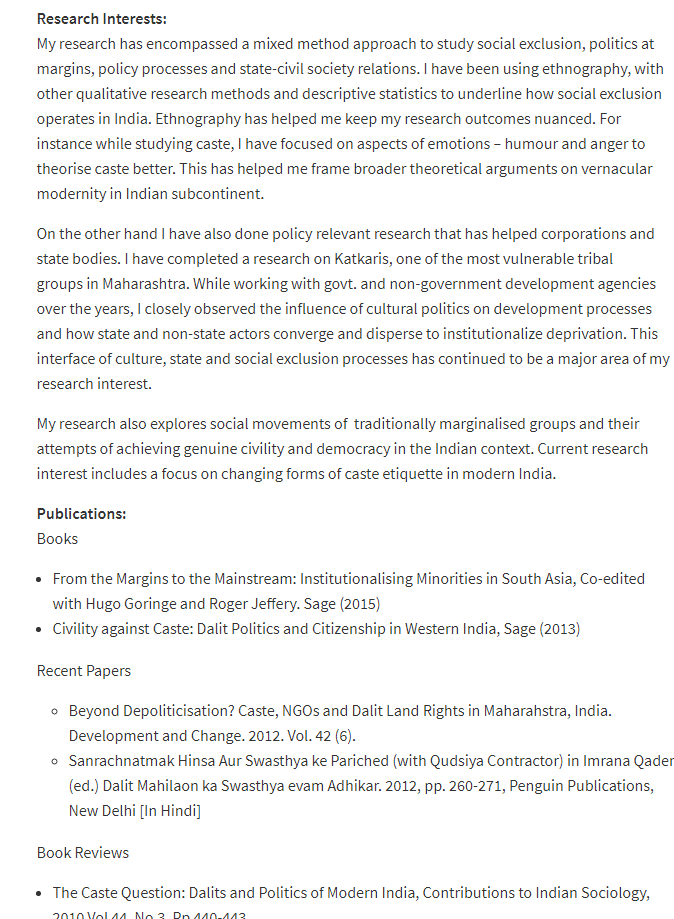
His faculty profile says his research examines social exclusion, marginalised groups, caste, state-civil society relations and changing forms of caste etiquette in modern India. His work has also focused on Katkaris, one of Maharashtra’s particularly vulnerable tribal groups.
On 12 June 2025, IIT-B issued a formal show-cause notice to Prof. Waghmore for publishing a politically charged op-ed in the Times of India without obtaining prior clearance from the institute, as mandated under Schedule B, Paragraph 5(ii) of IIT-B’s code of conduct. The article, titled “Mumbai’s Big Cash Polls”, included his official designation and focused on the upcoming BMC elections.
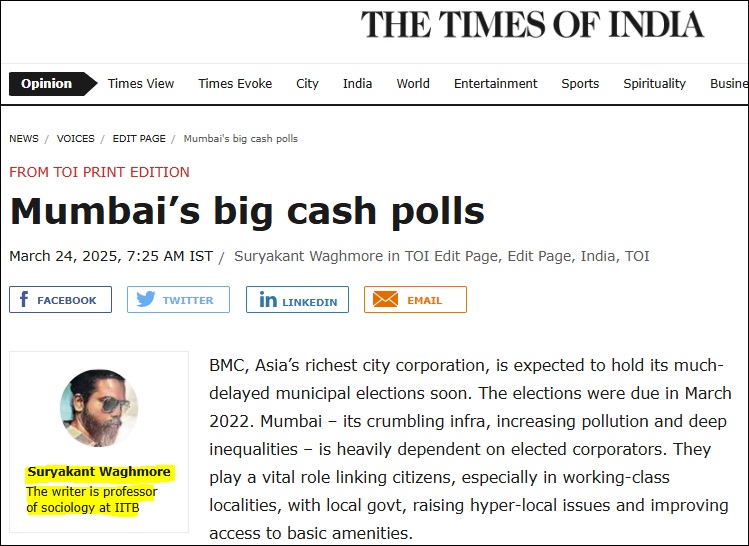
Instead of responding to the administration, Waghmore publicized the memo on social media, captioning it: “Another struggle for reforming the IIT system begins!”
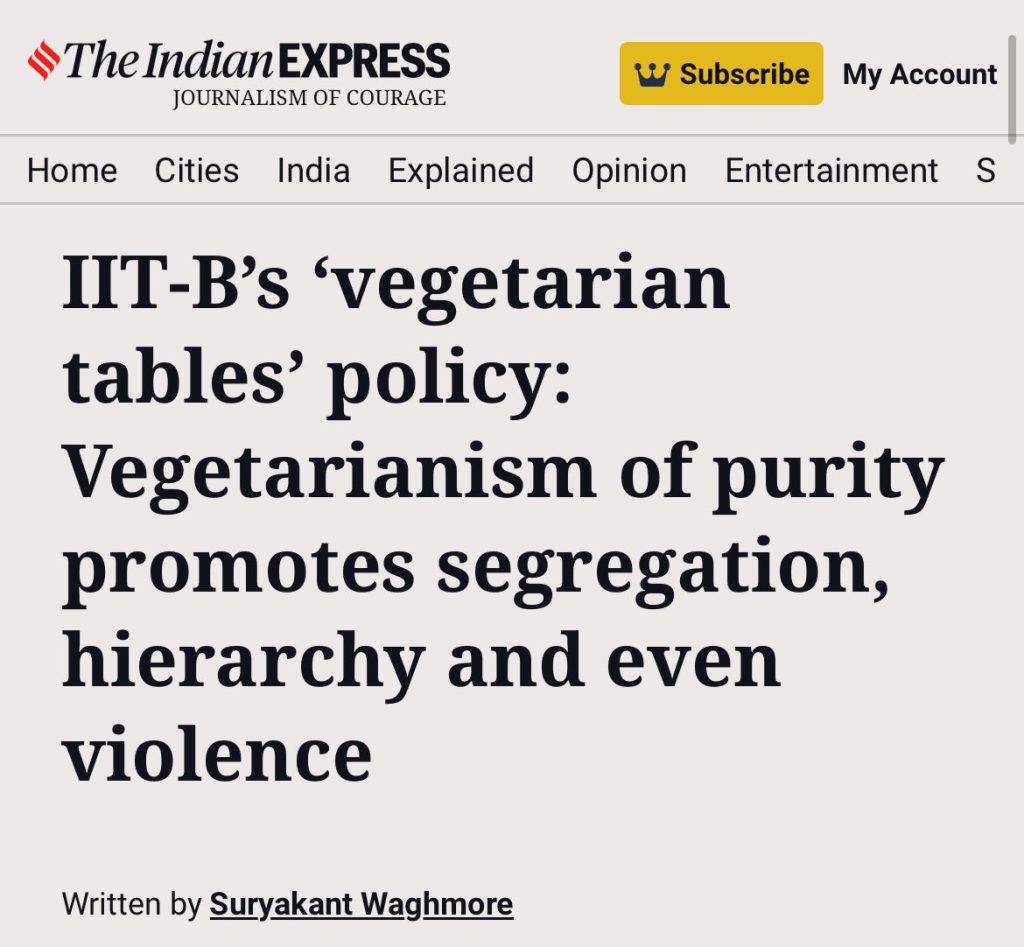
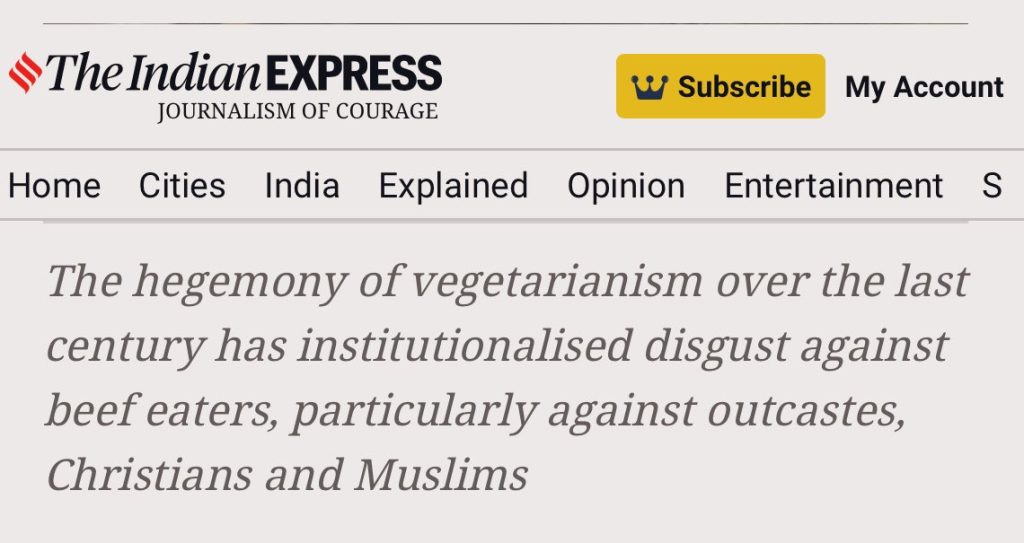
However, Waghmore has also attracted controversy over his public commentary on Hindu practices, vegetarianism and caste.
Mocking Hindu Practices
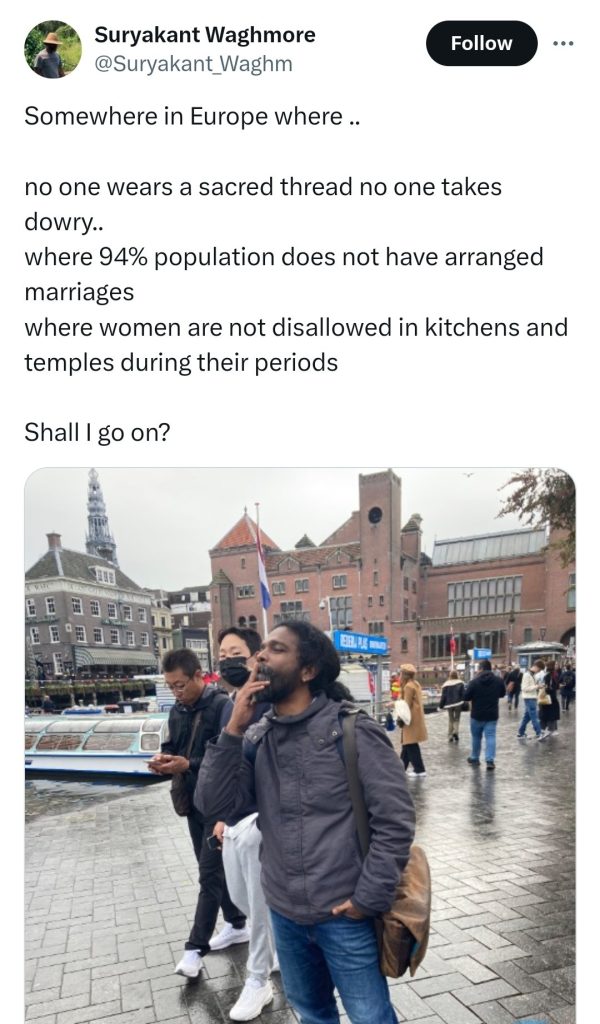
In one widely circulated post, Waghmore wrote, “I am hoping to be pure vegetarian in next life. Hope to have an arranged marriage, take dowry, drink cow urine, vote for BJP and attack Muslims. This life is dedicated to Ambedkarism.”
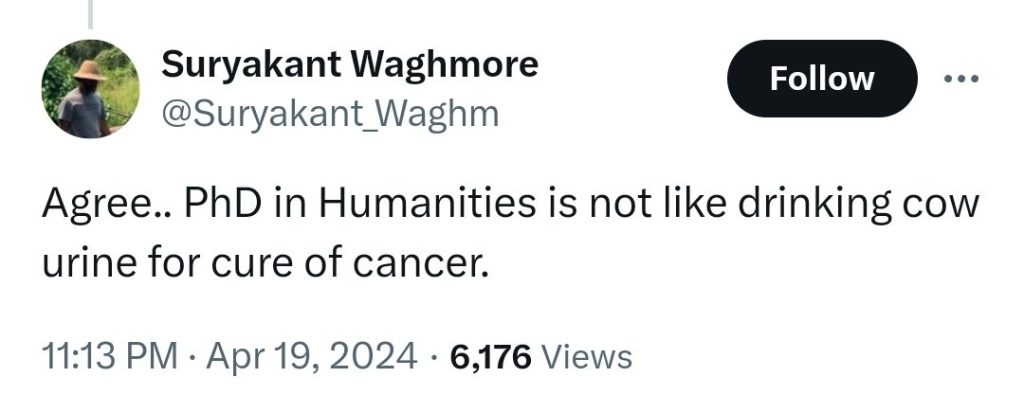
In another instance, he compared pursuing a PhD in humanities with “not drinking cow urine for cancer cure”, while another post from Europe contrasted Western practices with India, referring to sacred threads, dowry, arranged marriages, women entering kitchens and temples during menstruation.
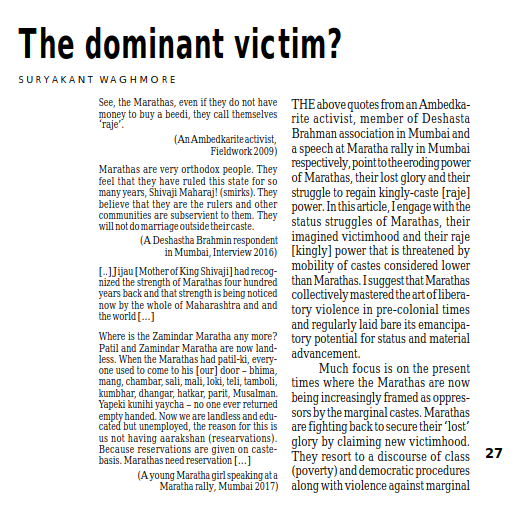
His paper The Dominant Victim has also argued that upper-caste Hindus construct an “imagined victimhood” that can overshadow Dalit claims.
Vegetarianism Controversy At IIT Bombay
Waghmore became involved in IIT Bombay’s mess controversy in 2023 after vegetarian students, including Jains, sought six dedicated tables out of 129 in the common mess. Waghmore described the demand as “militant” and associated separate vegetarian arrangements with “purity-pollution practices”.
He also supported student Abhishek Mali, who deliberately ate non-vegetarian food at vegetarian-designated tables in protest. Mali was fined ₹10,000, a penalty Waghmore described as “disgraceful”.
In an interview, Waghmore stated, “Vegetarianism is violent. Because you prevent your children from being exposed to the sight and smell from meat, which is attractive.” This is in contrast with IIT Bombay’s arrangements for Ramadan, including separate food arrangements, questioning whether similar accommodation should apply to vegetarian students.
Hindutva Exam Question Row
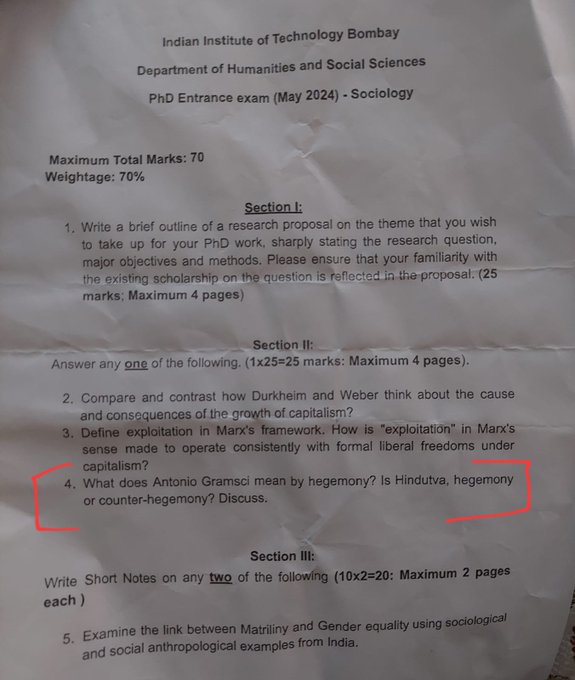
In 2024, an IIT Bombay PhD entrance examination included a question concerning Hindutva, triggering allegations online that the question reflected ideological bias in admissions. When students protested, Waghmore posted a video of himself dancing, which further intensified criticism of his conduct.
IIT Guwahati
Student Declares ISIS Affiliation
In March 2024, Tauseef Ali Farooqui, a biotechnology student at IIT Guwahati, was detained by Assam Police after he publicly declared allegiance to the Islamic State (ISIS) in a disturbing post on LinkedIn. His post described India as a “land of non-believers,” and he issued an ultimatum for conversion to Islam or the threat of consequences. This triggered swift action by state and central security agencies.
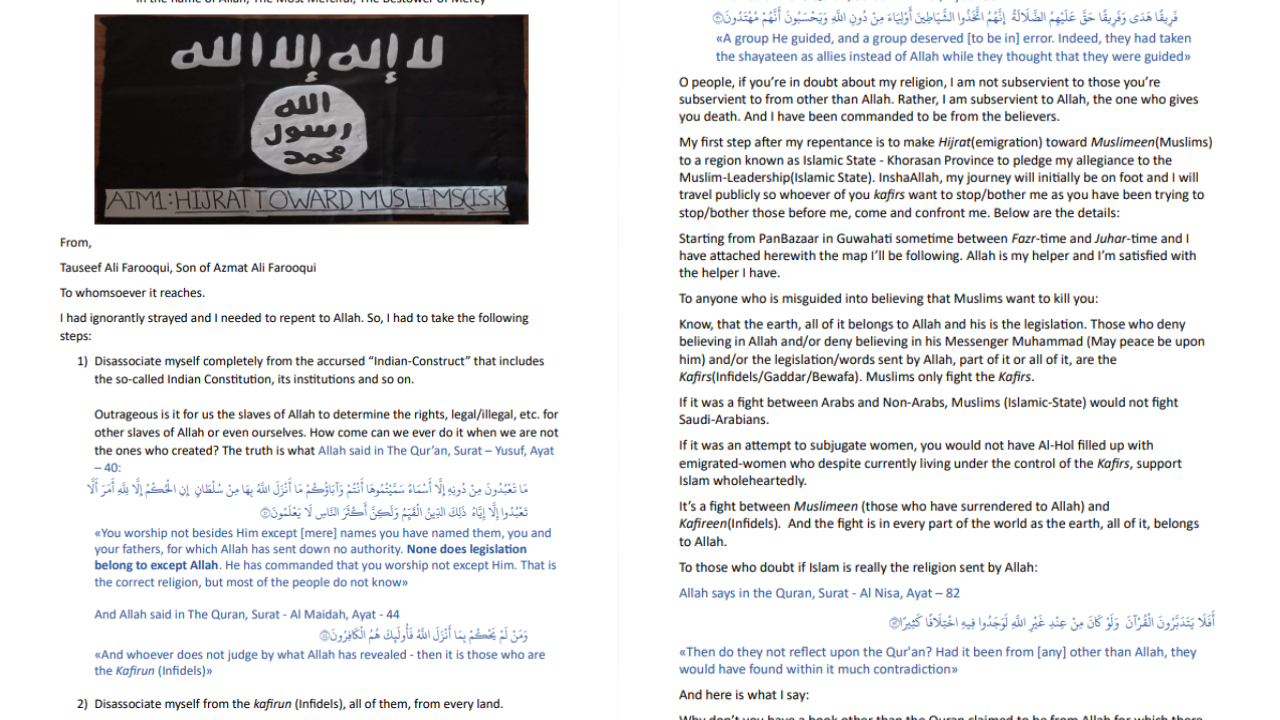
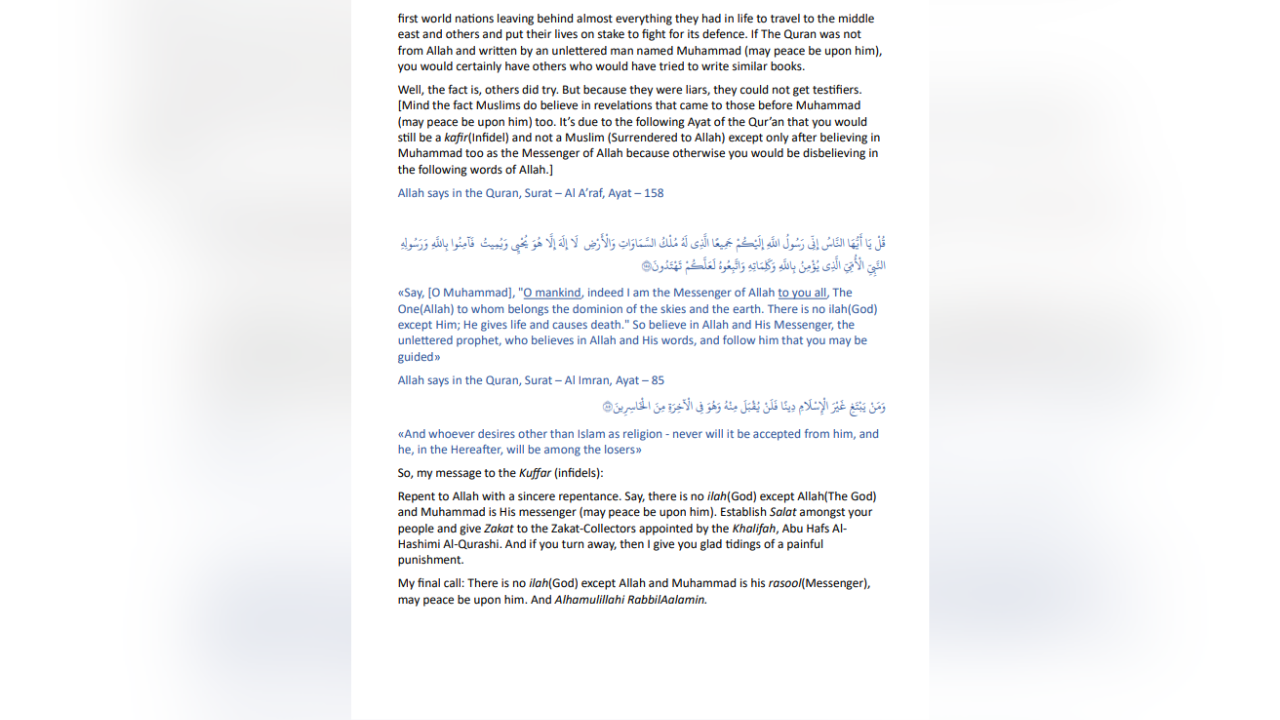
Assam STF arrested Farooqui after an open letter allegedly denouncing the Indian Constitution, pledging loyalty to Allah, and threatening to migrate Muslims to ISIS-controlled Khorasan Province. Authorities traced him to Hajo after airport surveillance was activated and are interrogating him over suspected radicalization.
The arrest came days after ISIS operative Haris Farooqi was arrested on 20 March 2024, with associate Anurag Singh. Farooqi was accused of radicalizing youth, recruiting operatives, raising funds, training recruits in IED-making, and establishing sleeper cells across several states. Assam STF said operations began on March 18 following intelligence about ISIS infiltration, with suspects later handed over to the NIA.
IIT Madras
IIT Madras: Student’s Palestine Statement
Dhananjay Balakrishnan, a Mechanical Engineering student at IIT Madras who completed an interdisciplinary dual degree in Mechanical Engineering and Data Science, received the Governor’s Prize at the institute’s convocation for the best overall proficiency among Dual Degree students in academics and extracurricular activities.
In his convocation address, Balakrishnan said he would do “a great injustice” to his beliefs by remaining silent. He then described the situation in Palestine as “a mass genocide”, claiming people were dying in large numbers and questioning the role of STEM. He argued that science and technology had historically served the interests of “imperial powers such as Israel” and alleged that technology supplied by major tech companies was being used by Israel to kill Palestinians.
Ambedkar Periyar Study Circle Controversies
The Ambedkar Periyar Study Circle (APSC), which describes itself as a group of socially concerned students promoting rational and secular thinking, has faced controversy over its political activism. Its activities and affiliated groups at institutions including IIT Bombay, IIT Delhi and JNU have drawn criticism over their anti-Modi commentary and positions on community-related issues.
In 2017, APSC organised a “beef festival” to protest the Union Government’s restrictions on cattle trade. The group also referred to an eight-day meat ban observed in parts of India during the Jain festival Paryushan in September 2015 as “Jain appeasement.”
A related controversy arose when PhD student R. Sooraj, associated with APSC and a participant in the beef festival, was involved in an altercation at a Jain mess. Reports initially portrayed Sooraj as having been attacked while eating there. However, accounts said the incident began after Manish questioned his presence, followed by a verbal exchange and fight. Both were injured, with Manish suffering a fractured hand and Sooraj sustaining facial injuries. IIT Madras confirmed that both students were hurt.
IIT Gandhinagar
Islamic Topics For MA Thesis
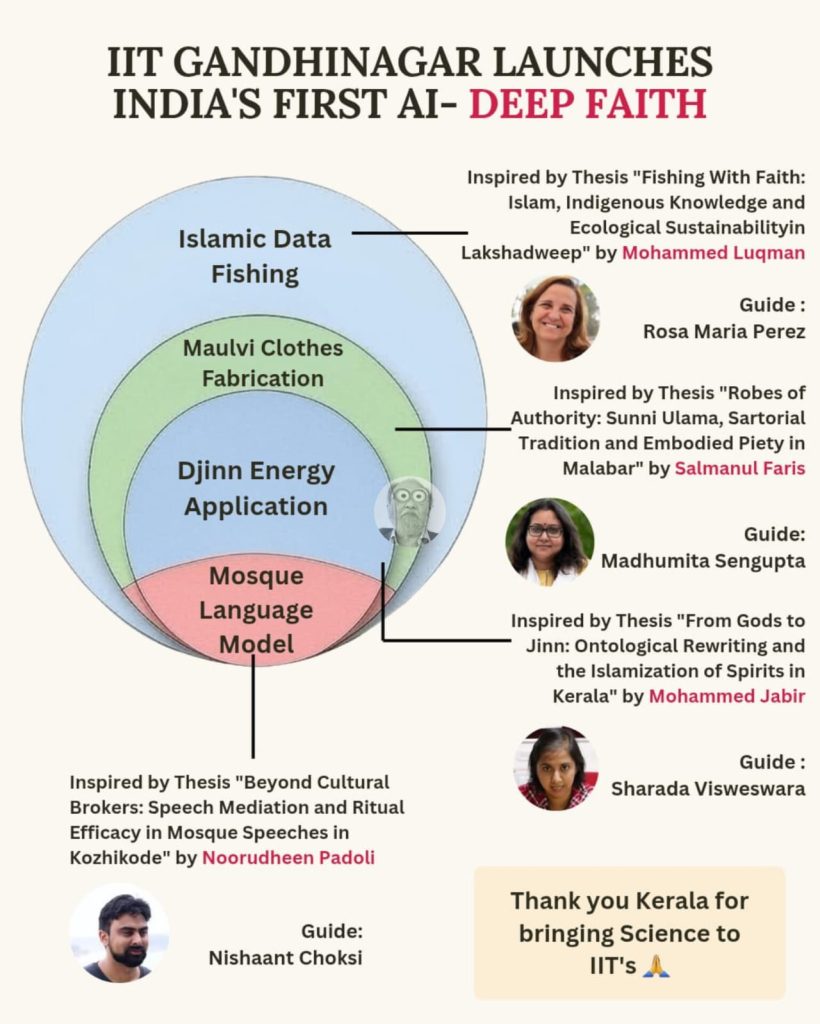
In April 2025, IIT Gandhinagar’s Humanities and Social Sciences Department came under scrutiny over MA thesis topics dealing extensively with Islamic theology, including “Robes of Authority: Sunni Ulama, Sartorial Tradition, and Embodied Piety in Malabar,” “Fishing With Faith: Islam, Indigenous Knowledge and Ecological Sustainability in Lakshadweep,” and “From Gods to Jinn: Ontological Rewriting and the Islamization of Spirits in Kerala.” Critics alleged that such projects reflected ideological bias and questioned whether taxpayer-funded academic resources were being used for religiously oriented research. Faculty including Nishaant Choksi, Rosa Maria Perez, Madhumita Sengupta and Sharada Visweswara were associated with the projects. An internal email attributed to Choksi warning of “consequences” for leaking thesis information further fueled allegations of intimidation.
Selective Permissions And Campus Events
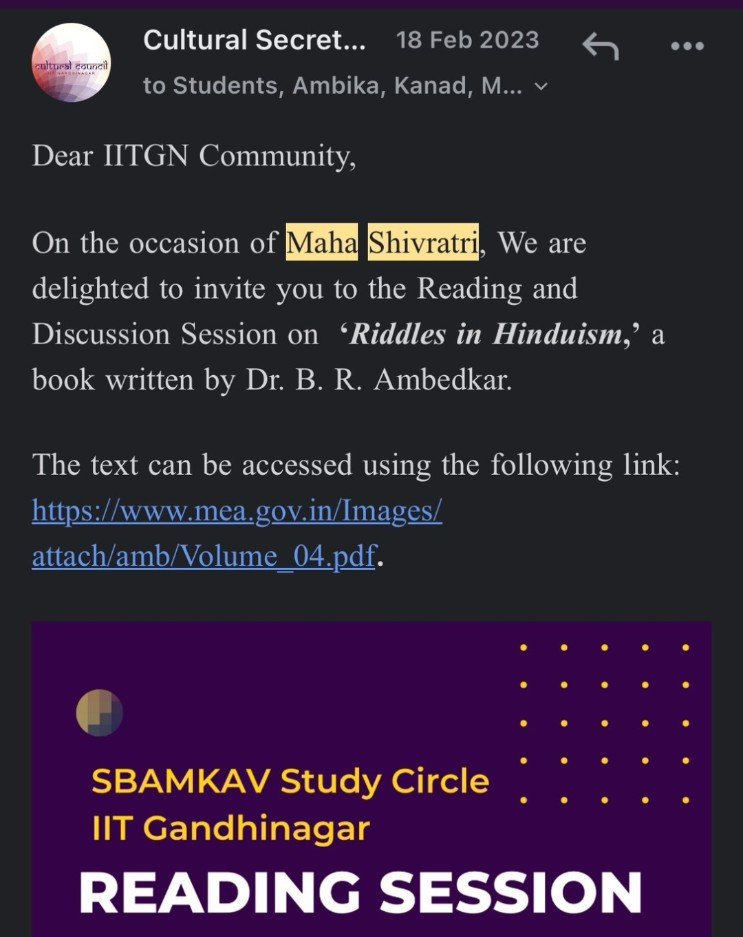
Students and social-media critics also alleged selective administrative treatment. It was alleged that permission for a candlelight vigil honouring soldiers killed in the Pahalgam terror attack was denied, while events perceived as sympathetic to Palestine had been permitted following the October 7 Hamas attack. Diwali celebrations were also alleged to have faced restrictions, while readings from Riddles in Hinduism were reportedly allowed on Mahashivratri. Student group Awaam attracted scrutiny for programmes including lectures on “Brahminical Oppression of Women” and celebrations marking E.V. Ramasamy Naicker’s birthday.
Prof. Amit Arora’s Political Posts
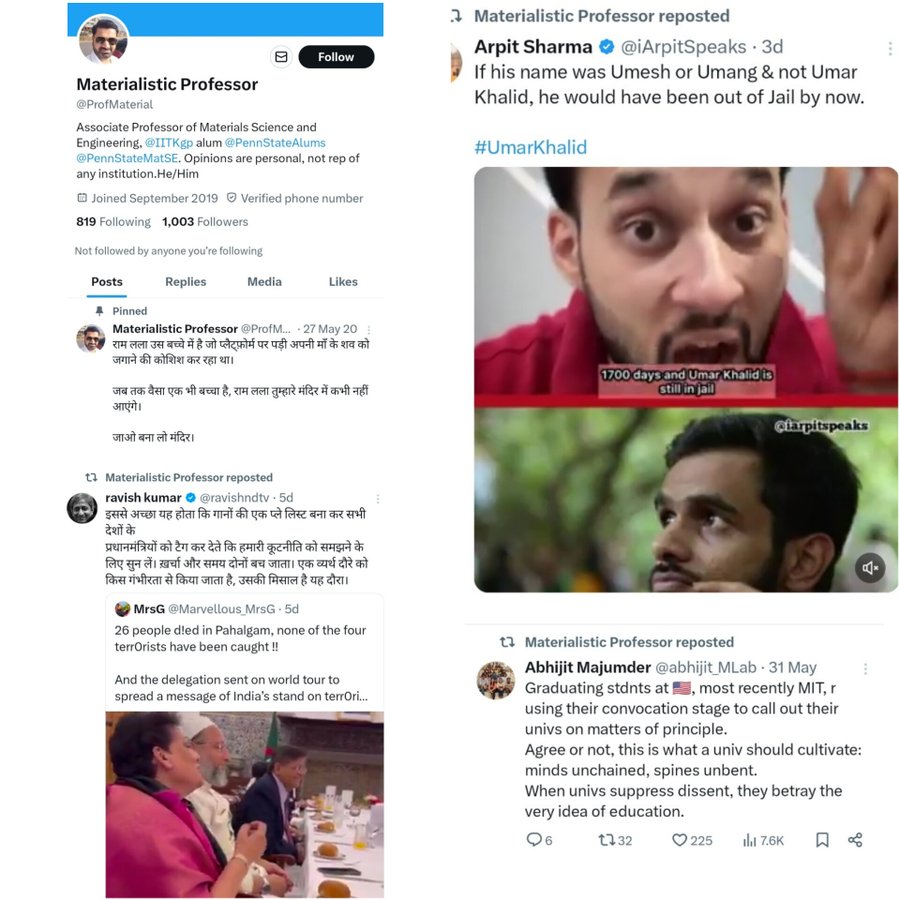
Associate Professor Amit Arora, whose official profile identifies him as a Materials Engineering professor specialising in additive manufacturing, welding and materials processing, also faced criticism over posts from his now-deleted X account. He expressed support for Umar Khalid, mocked India’s wartime diplomacy during Operation Sindoor, and sympathised with American students supporting Hamas while discussing Islamophobia. In another post, Arora wrote, “Bharat is their Brahminical, oppressive, and bigoted version of the actual united secular India.”
Allegations Of A “Grooming Culture”
Beyond ideological controversies, social-media allegations have also raised concerns about inappropriate professor-student relationships, including claims of professors drinking with female students and, in some cases, marrying former students. These allegations largely lack publicly established evidence.
IIT Delhi
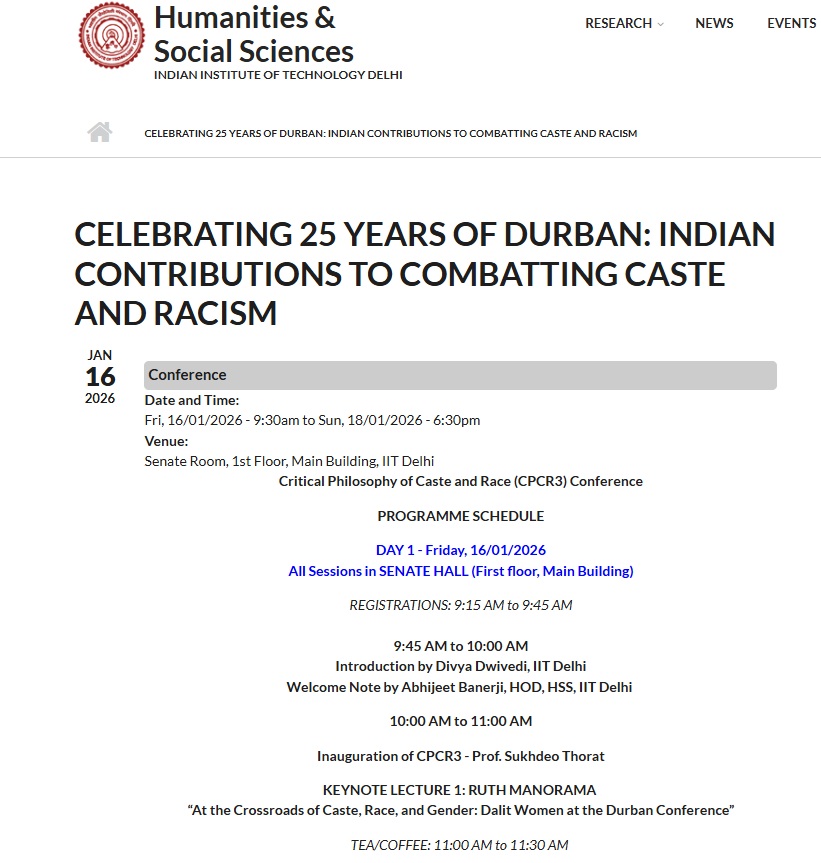
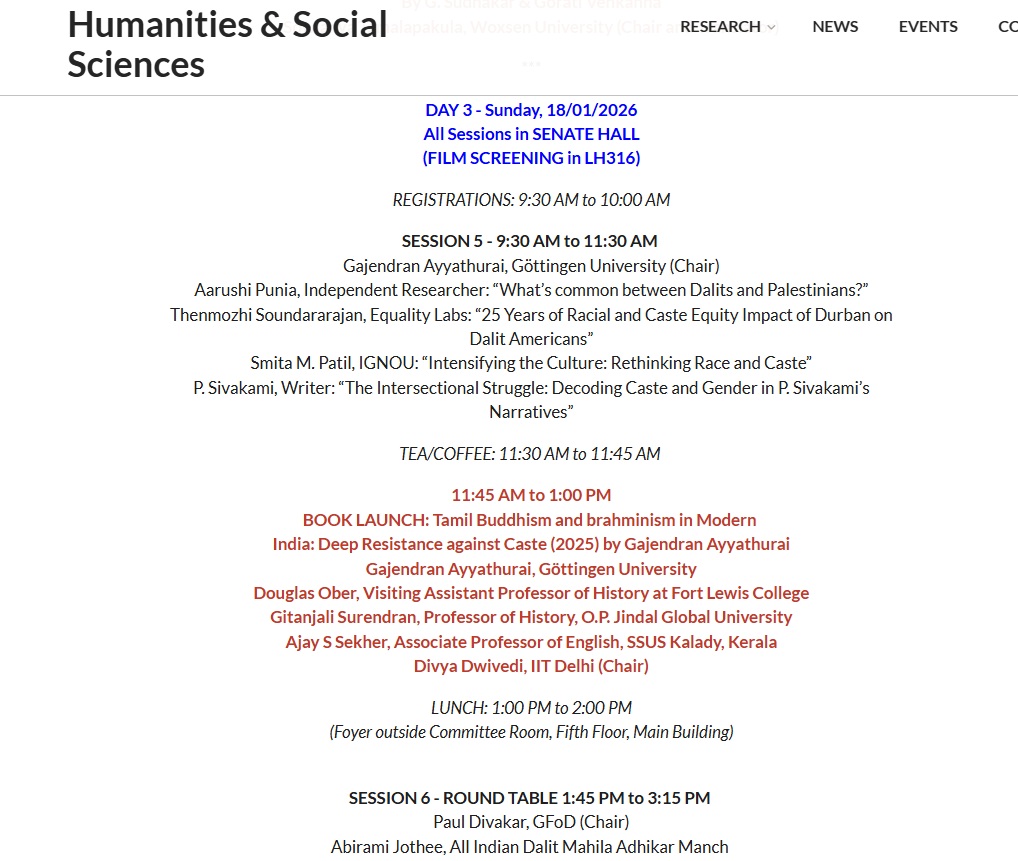
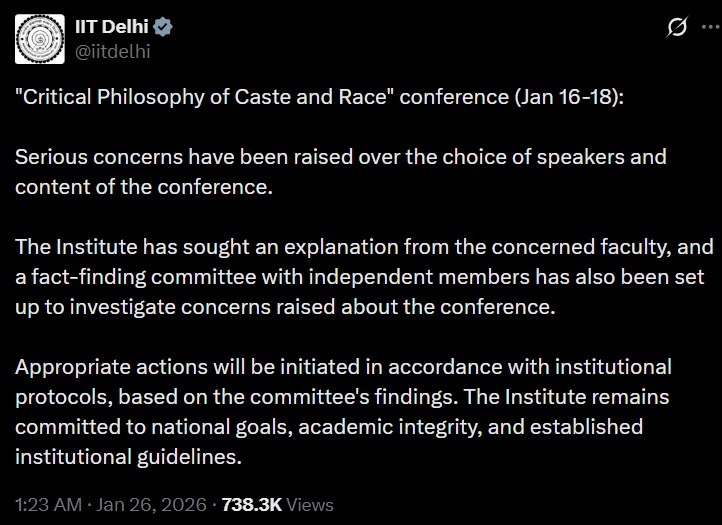
Three-Day CPCR3 Conference
IIT Delhi’s Department of Humanities and Social Sciences hosted the third edition of its Critical Philosophy of Caste and Race (CPCR3) conference from January 16–18, 2026, at the Senate Room of the Main Building. The conference marked 25 years of the 2001 Durban World Conference Against Racism and focused on caste, race and descent-based discrimination. Its programme included sessions such as “What’s common between Dalits and Palestinians?”, papers on Dalit Americans and Durban, and discussions on “Necropolitics” and caste and gender. It also featured a screening of Gail and Bharat and a book launch.
Divya Dwivedi And The Conference’s Background
The conference was introduced by IIT Delhi professor Divya Dwivedi, whose research areas officially include critical philosophy of caste and race, political philosophy and literary theory. The 2026 event was not the department’s first such programme: IIT Delhi had already hosted a Critical Philosophy of Caste & Race conference in March 2024, organised by Dwivedi, Dickens Leonard and Yashpal Jogdand. The 2024 programme included presentations such as Dwivedi’s “The Evasive Racism of Caste—and the Homological Power of the ‘Aryan’ Doctrine” and a keynote titled “The Shared Moral Universe of Dalits and Blacks.”
View this post on Instagram
IIT Delhi Kashmir Paper
Fresh scrutiny fell on IIT Delhi’s Humanities and Social Sciences ecosystem over a 2023 research paper titled “Tyranny of Indian Nationalism and Resistance in Kashmir: Reading a Kashmiri Narrative with Iqbal and Freud.” Authored by Nazia Amin, who was affiliated with IIT Delhi at the time and is now an Assistant Professor at BML Munjal University, the paper was published in Psychoanalysis, Culture & Society in March 2023.
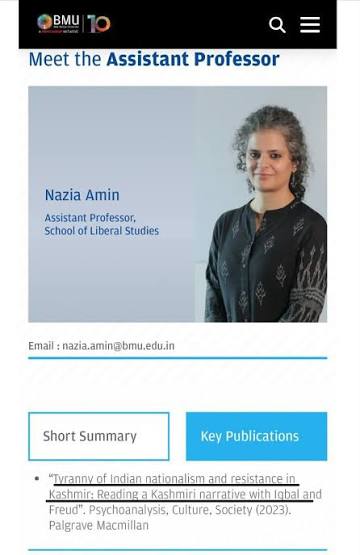
The paper uses Freud’s “primal horde” as an allegory for Indian nationalism, portraying the Indian nation-state as a “primal father” seeking to extract identification and obedience from “non-consenting Kashmiri subjects.” Drawing on Muhammad Iqbal, it interprets Kashmiri resistance as “disidentification” from Indian nationalism and an assertion of distinct Kashmiri selfhood. The paper also considers whether the resistance movement itself can reproduce demands for unwavering allegiance.
‘Woke’ Electives In IIT-D’s Classrooms
Recent course offerings and faculty-linked activism indicate how ideological “wokeness” is increasingly entering IIT Delhi’s humanities ecosystem, raising questions about balance in a publicly funded technical institution. One example is the MA-level elective “Queering Gender and Sexuality: Debates and Issues from India” (HSL684), a 3-credit, multidisciplinary course listed on IIT Delhi’s Humanities and Social Sciences portal, whose stated content includes critiques of the gender binary, politics of identity and sexuality, genealogy of LGBTQIA+ movements, and gender and citizenship.
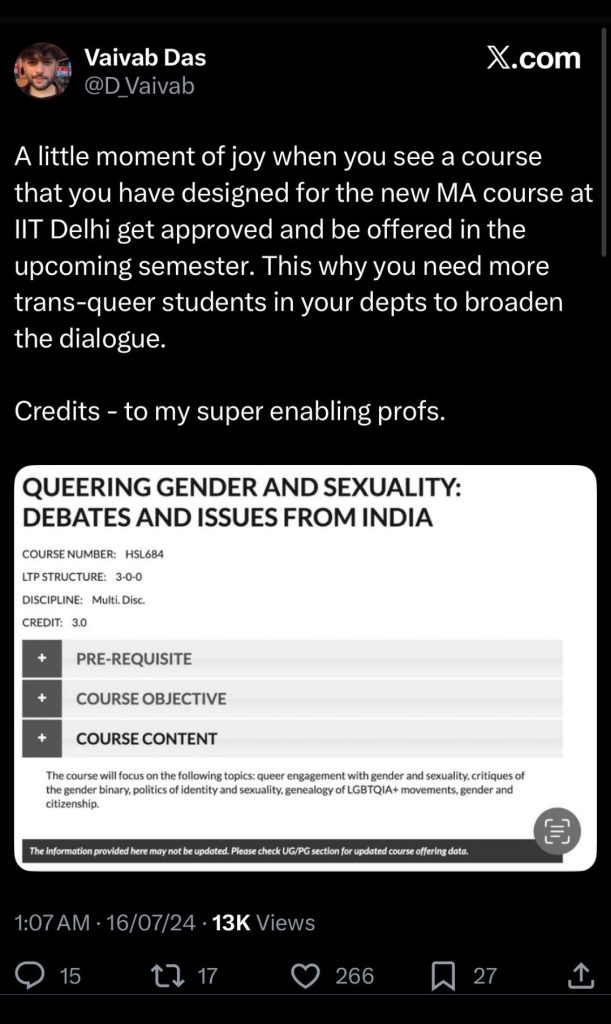
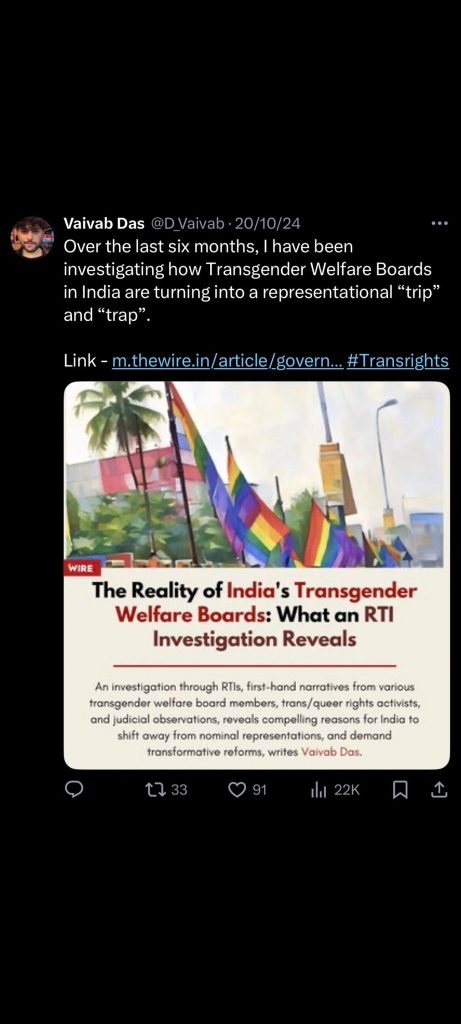
When courses are openly championed as vehicles for activism and promoted by authors associated with overtly ideological media platforms, the line between academic inquiry and agenda-setting blurs. Taken together, these materials have intensified concerns that IIT Delhi’s humanities courses are increasingly shaped by activist frameworks rooted in Western identity politics, with limited visible engagement with alternative intellectual, constitutional, or civilisational perspectives.
QS Rankings or DEI Optics?
It is alleged that IIT Delhi’s recent jump in the QS World University Rankings had less to do with research breakthroughs or technological innovation and more with aligning to fashionable global metrics such as Diversity, Equity and Inclusion (DEI).
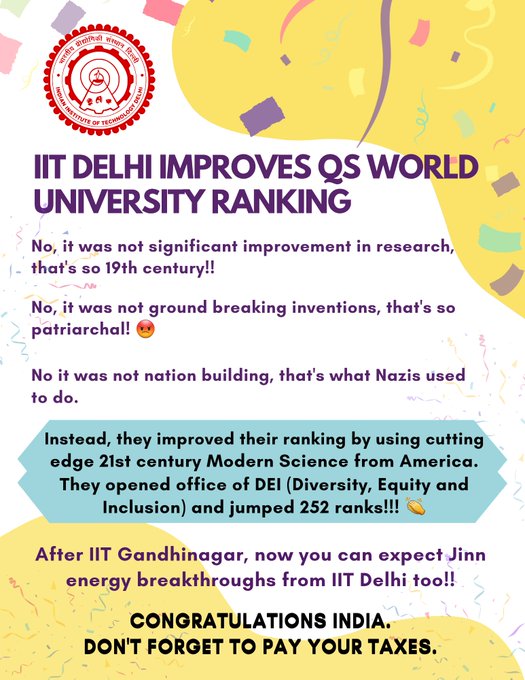
Instead of being driven by path-breaking science, nation-building research, or major inventions, the improvement coincided with the opening of a dedicated DEI office – an indicator increasingly favoured by international ranking frameworks and Western academic journals.
Time To Take Humanities Out Of IITs?
The pattern is difficult to ignore. IITs were built to produce engineers, scientists and technological breakthroughs; not to become breeding grounds for ideological activism. Yet, the examples above show humanities departments repeatedly becoming centres of political debates, identity politics, contentious activism and ideological battles. If a technical institute’s humanities wing increasingly creates more ideological controversy than intellectual value, its very presence deserves serious scrutiny.
There is no reason why subjects such as sociology, political theory or gender studies cannot be taught elsewhere. IITs should return their focus to what they were created for: science, technology, innovation and nation-building, not ideological experimentation in the name of humanities.
Subscribe to our channels on WhatsApp, Telegram, Instagram and YouTube to get the best stories of the day delivered to you personally.