Twice in less than three months, Supreme Court judges have said something narrow and specific in open court and twice, those comments have been stripped out the context and repackaged it as an attack on ordinary citizens. The playbook is now familiar enough to name.
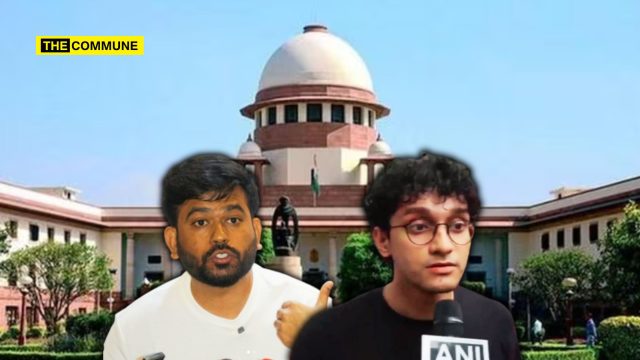
The ‘Cockroach’ remark was twisted by media and legal agencies and used by the likes of Abhijeet Dipke and Saurav Das to instigate people. This time, they are trying to do the same with comments on TMC MP Mahua Moitra.
Round One: The “Cockroach” Remark
On 15 May 2026, Chief Justice of India Surya Kant was hearing a case about fake law degrees. He remarked that “there are youngsters like cockroaches, who don’t get any employment and don’t have any place in the profession,” and that some of them “become media, some become RTI activists” and “start attacking everyone.”
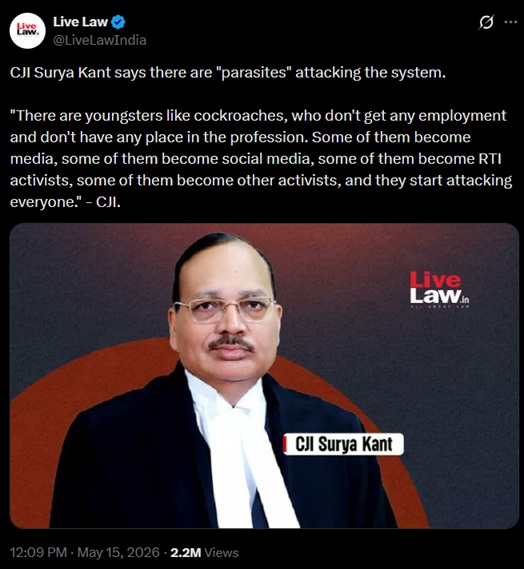
The context was explicit: he was talking about roughly 48,000 individuals allegedly holding law degrees that were never issued by the universities they claimed. The CJI clarified this the very next day, saying flatly that it was “totally baseless” to suggest he had criticised India’s youth – his target was fake-degree holders, whom he called “parasites” for sneaking into the legal profession, media and other fields on fraudulent credentials.
That clarification came too late for Dipke. Within 24 hours, on 16 May, he had already declared, “What if all cockroaches come together?” and launched the “Cockroach Janta Party,” inviting the “unemployed, lazy, chronically online” to join a “movement.”
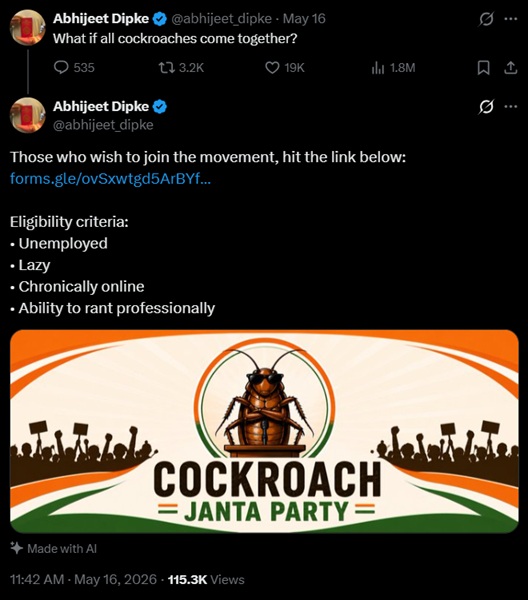
This totally erased the fake-degree context and recast a remark about credential fraud as an attack on unemployed Indian youth at large. The stunt worked: the party’s founding post has since crossed a million views, and the “movement” claims to have spread across several states.
Round Two: The Mahua Moitra “Bullets” Remark
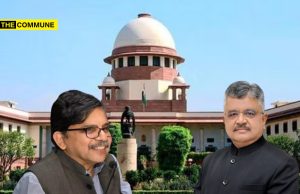
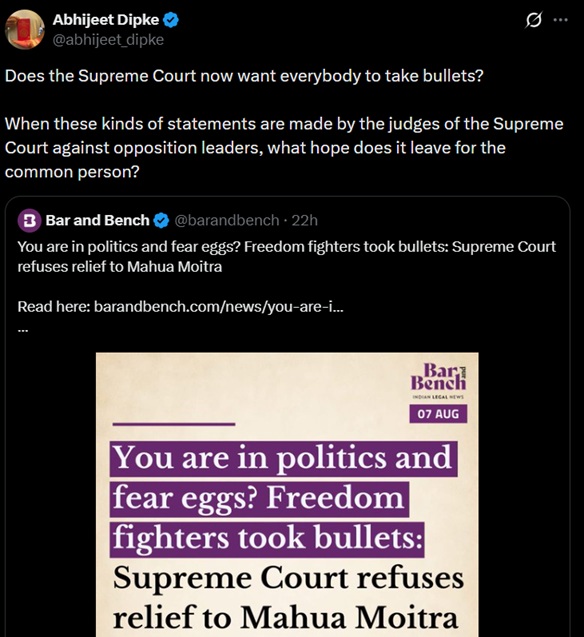
The same move repeated itself on 7 August 2026. TMC MP Mahua Moitra petitioned the Supreme Court to let her appear virtually before police in a case over an allegedly provocative Facebook post, citing fears that BJP supporters might pelt eggs at her, as had reportedly happened before in her Krishnanagar constituency. A bench of Justices Dipankar Datta and Sheel Nagu declined to entertain the plea. Justice Datta’s remark as reported in Bar and Bench, in full: “You are a Member of Parliament? Having taken the plunge into politics, you fear eggs? When our freedom fighters have taken bullets on their chest? These are applications that should not come before this court at all.” Moitra’s counsel withdrew the petition, and it was dismissed.
Read in context, this was a judge questioning why a sitting MP needed the Supreme Court’s intervention over a fear of eggs, when she could simply attend the investigation like anyone else. It was not, on any fair reading, an invitation for anyone to shoot Moitra.
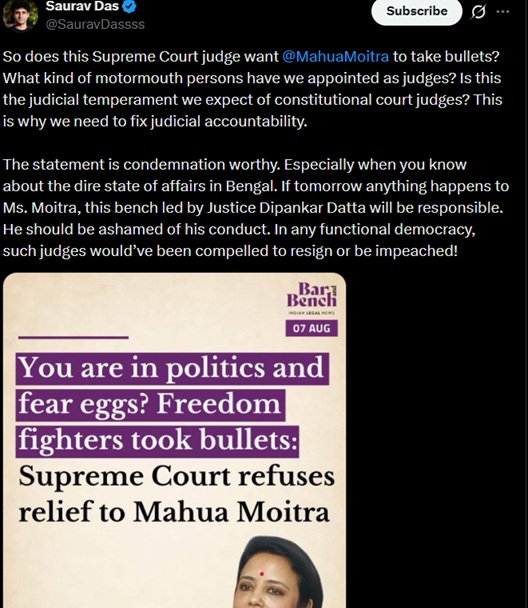
That did not stop Saurav Das. He asked on X: “So does this Supreme Court judge want @MahuaMoitra to take bullets?” He called Justice Datta’s temperament unfit for a constitutional court, said the remark was “condemnation worthy,” and declared that “if tomorrow anything happens to Ms. Moitra, this bench led by Justice Dipankar Datta will be responsible.” He went further, suggesting the judge should “resign or be impeached.”
Dipke amplified the same framing on his own account.
The Pattern
Line up the two episodes and the method is identical:
A judge makes a remark with a specific, narrow target – fake-degree holders in one case, the unnecessary use of Supreme Court time in the other.
The remark contains a vivid word or phrase – “cockroaches,” “bullets” that can be lifted clean out of its sentence.
Dipke and Das strip the qualifying context and re-present the lifted phrase as the judge’s actual, generalised position.
A movement or a moral panic is built on top of the misreading within hours, long before any clarification can catch up.
In the CJI’s case, the misreading spawned a satirical political party with hundreds of thousands of artificially gathered followers. In Justice Datta’s case, it produced a call for a judge’s resignation or impeachment over a remark he did not make.
Both times, the original court record was available and unambiguous. Both times, Dipke and Das chose the distorted version anyway – not because the transcript was unclear, but because the distortion was more useful.
This is not misreading. It is a method, and it is now on its second run.
Subscribe to our channels on WhatsApp, Telegram, Instagram and YouTube to get the best stories of the day delivered to you personally.