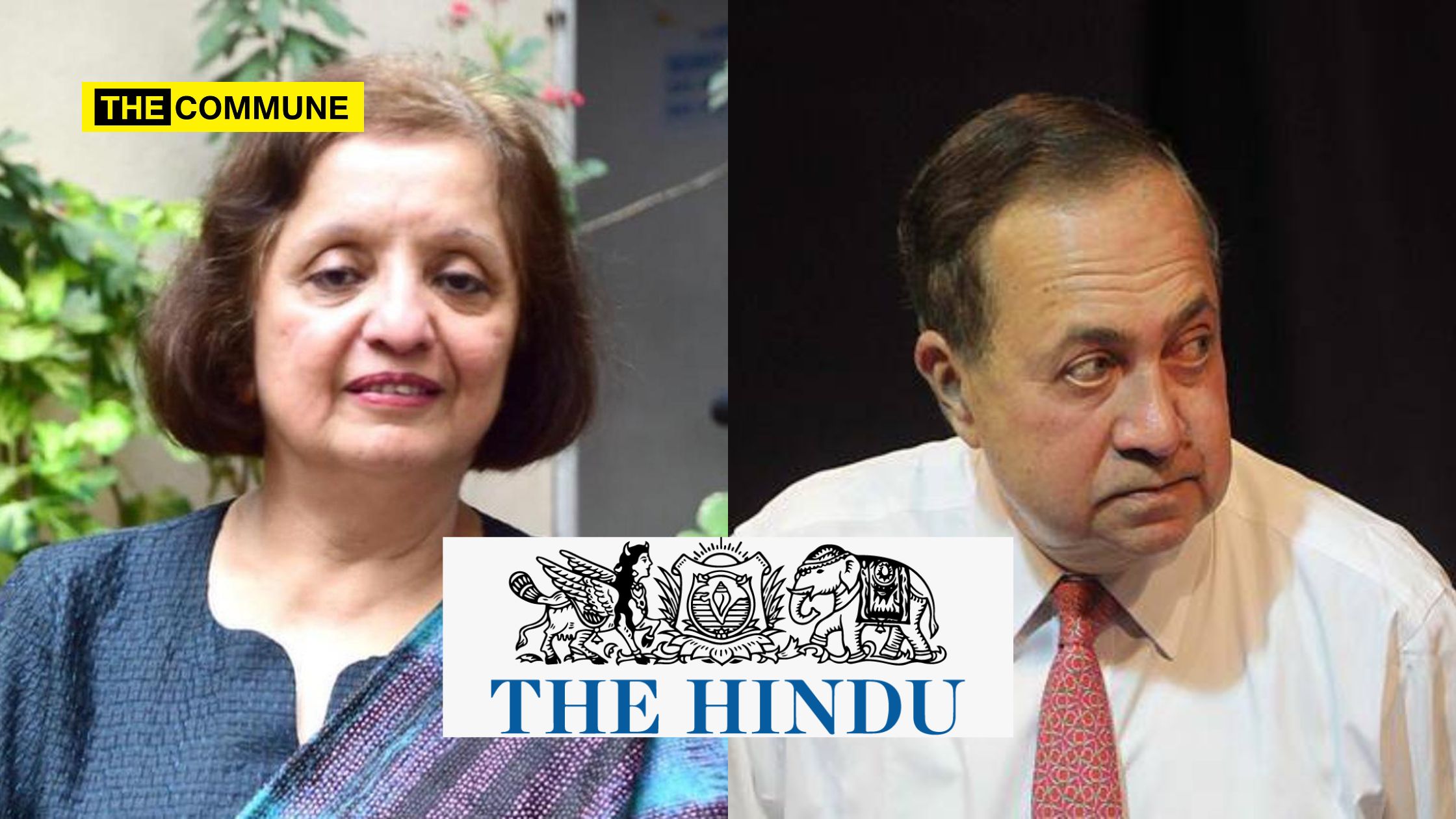
Senior journalist Malini Parthasarathy has announced the end of her term as the Chairperson of The Hindu Group Publishing and also resigned from the Board of The Hindu Group Publishing Private Limited (THGPPL).
She cited the diminishing room for her editorial views and ideological bias as the primary reason behind this decision.
Throughout her tenure as Chairperson and Director of Editorial Strategy, Malini had been steadfastly committed to revitalizing The Hindu Group, she said. She added that her efforts were on to liberate The Hindu’s narrative from deeply entrenched ideological biases.
Malini Parthasarathy expressed concerns about the narrowing scope for her endeavors in recent times, prompting her to make the difficult choice to step down.
My term as Chairperson of The Hindu Group Publishing ends. However, I have also resigned from the Board of the THGPPL as I find the space and scope for my editorial views shrinking. My entire endeavour as Chairperson and Director, Editorial Strategy was to ensure that The Hindu…
Over the course of the past few decades, Malini has frequently voiced her ideological differences with the Editorial and Editorial Board of the newspaper, often doing so publicly.
During her recent tenure as Chairperson, Malini found herself embroiled in various conflicts with the editorial team. One such incident involved a discussion with Journalist and Editor of Tamil Weekly Thuklak, S Gurumurthy regarding The Hindu’s fact-checking of the Sengol controversy. The newspaper had contradicted the Union Government’s assertion that the Sengol was presented to former Prime Minister Jawaharlal Nehru by Lord Mountbatten, the last Viceroy of India. Gurumurthy contested the findings of the fact-checking article. In response, Malini took to Twitter and stated that if any inaccuracies were found in the facts, necessary corrections would be made.
Adding to this, present Chairman of The Hindu publishing group N. Ram had shared a Murasoli article in which DMK founder Annadurai had back in the day belittled the Sengol and insulted Thiruvavaduthurai Adheenam for gifting it to Nehru.
The article was also paraphrased and republished by The Hindu in English on the eve of the new Parliament building inauguration which was shared by many Congress leaders like Jairam Ramesh, Lakshmi Ramachandran, etc.
The prevalence of anti-Hindu propaganda and left-leaning ideologies within The Hindu publication continues to escalate at an alarming pace, indicating a departure from its once impartial journalistic standards. There have been allegations that The Hindu has been involved in disseminating false information without adequate verification or supporting evidence.
Click here to subscribe to The Commune on Telegram and get the best stories of the day delivered to you personally.
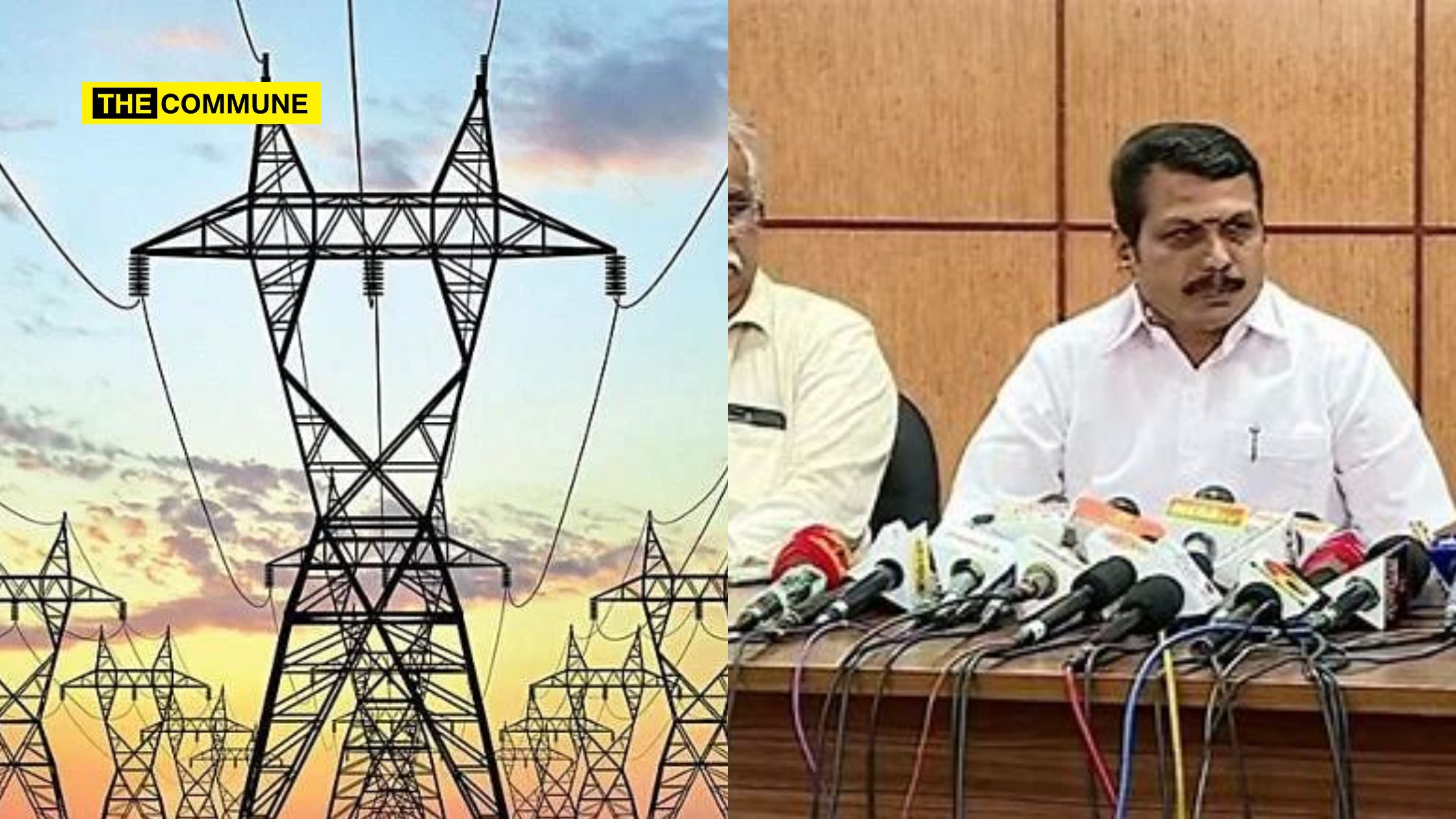
Following a recent increase in electricity rates, the Electricity Regulatory Commission has issued an order stating that an additional 4.7% increase will be implemented starting from 1 July 2023, merely nine months after the previous hike.
The Tamil Nadu Electricity Board submitted an application to the regulatory authority on 18 July 2022, to raise power consumption and introduce new connection charges in order to overcome the financial crisis.
As per the new pricing structure, households consuming up to 400 units will be charged ₹ 4.50 per unit. The rate increases to ₹ 6 per unit for consumption ranging from ₹ 401 to ₹ 500, ₹ 8 per unit for consumption between ₹ 501 and ₹600, and ₹ 9 per unit for consumption from ₹ 601 to ₹ 800. For consumption ranging from ₹ 801 to ₹ 1,000, the rate is set at ₹ 10 per unit. Furthermore, any consumption above ₹ 1,001 will be charged at a higher rate of ₹ 11 per unit.
Under the previous tariff structure, residential properties were charged between ₹ 2.50 and ₹ 6.60 per unit for electricity consumption.
For large industries falling under the high-pressure category, the unit charge has been raised from ₹ 6.35 to ₹ 6.75 per unit. Additionally, the demand fee has been increased from ₹ 350 per kilowatt to ₹ 550 per kilowatt per month.
Likewise, electricity rates were increased across all categories.
As per the order issued by the Commission last year regarding the electricity tariff hike, an annual increase in electricity rates has been authorized starting from 1 July 2023 each year until 2026-27.
As per the regulations, the electricity rates should be increased based on the lower value between the current inflation rate and 6% as of April 2023.
In April of this year, the inflation rate was recorded at 4.7%, which is lower than the 6% threshold. Consequently, starting from the following month, all category charges will be raised by 4.7%. This implies that the existing unit cost will experience a 4.7% increase.
The general population is encountering significant challenges in meeting the increased electricity bills. Given this situation, DMK Government implementing another electricity tariff hike will only exacerbate the existing difficulties faced by the public.
Many parts of Tamil Nadu also facing frequent power cuts under DMK rule and adding to that discrepancies in electricity tariffs were also reported.
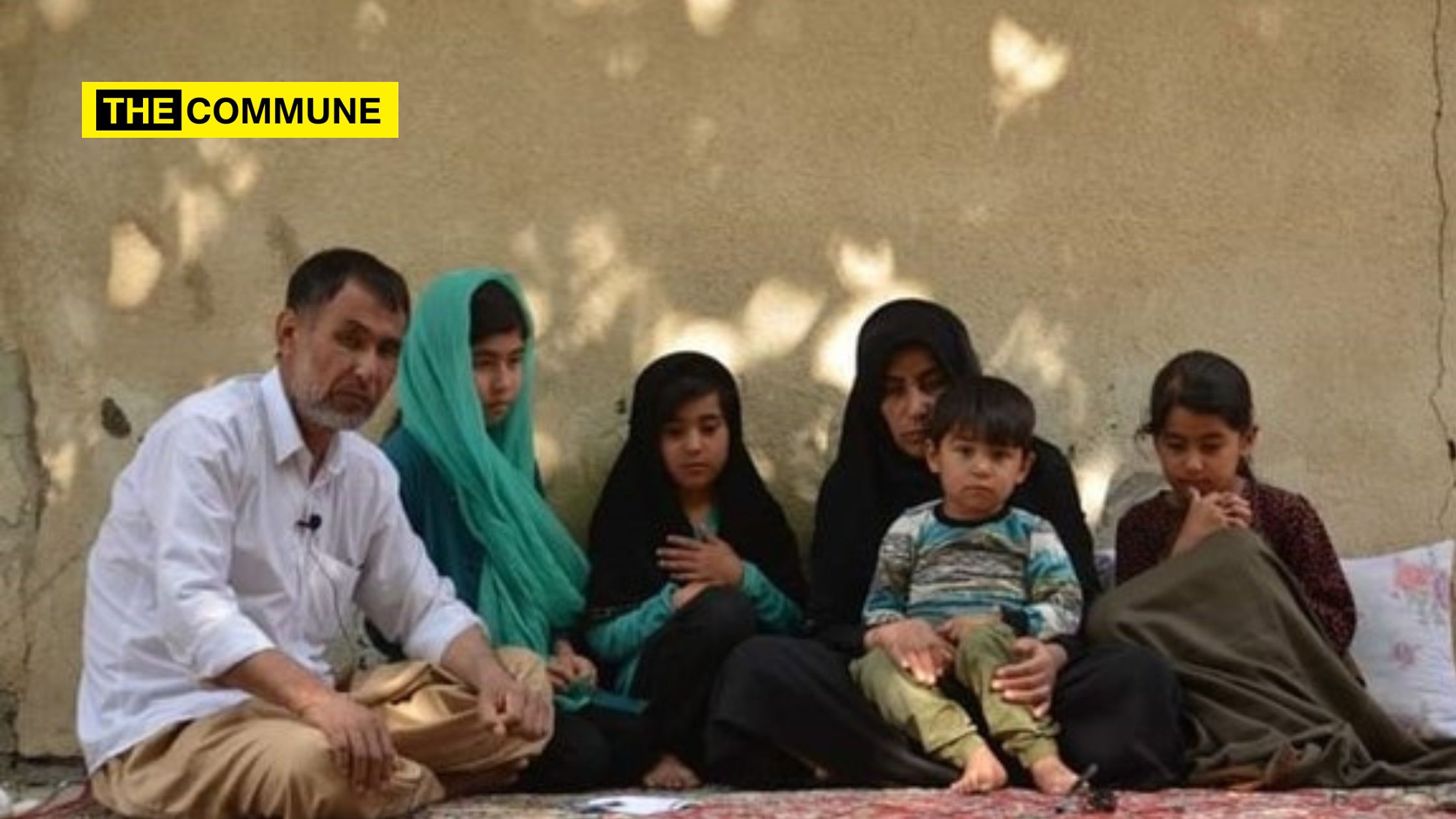
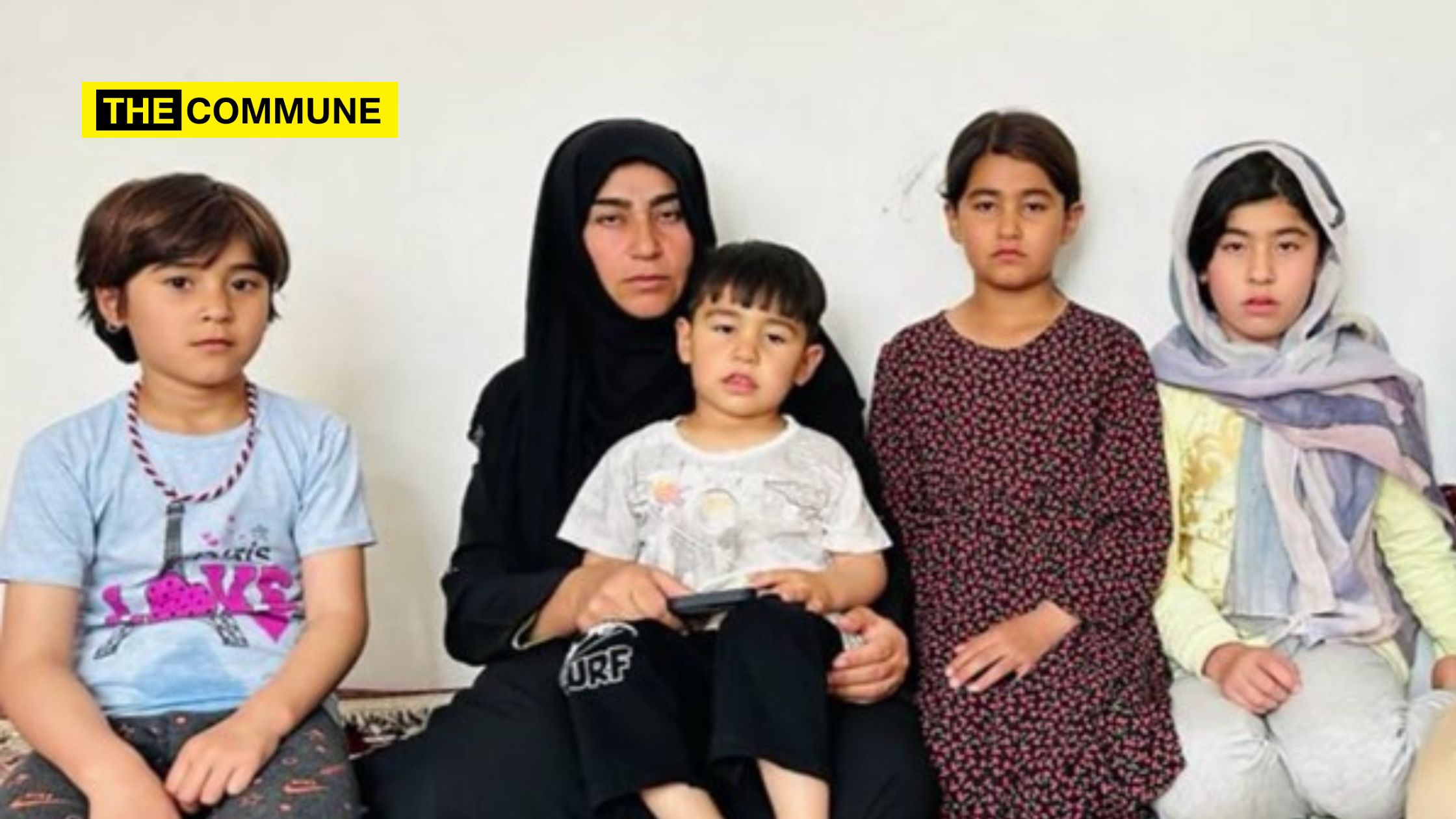
Rajab, Golandam and their Four Children; Courtesy: Independent Persian
This article is a continuation of a heart-rending story of an Afghan couple. Read Part One here.
Running Away From Home
After ten days of imprisonment and torture, Rajab and Golandam were transferred to Mazar-e-Sharif in the fifth and third PDS building and the Taliban’s Ministry of Interior in Kabul, where they were also tried and imprisoned in 2006. In 2006, Rajab and Golandam were arrested 25 days after fleeing from the village from a house in the Dasht-e-Barchi region of Kabul. The police of the then government of Afghanistan took them to Mazar-e-Sharif, where they were tried on the charge of “running away from home.” In the final verdict, the government court in Balkh sentenced Golandam to one year and Rajab to one and a half years in prison.
Arsala and Golandam’s brothers filed a complaint to the local court of Balkh province; they claimed that Golandam was kidnapped owing to Rajab’s threats and pressure. But Golandam said in response to the previous court that she eloped with Rajab of her own free will because her brothers threatened her with death, and the fact that she loved Rajab too.
Arsala claimed that Golandam was his wife when there was no marriage contract between them. Golandam said, “When my brothers made me betroth to Arsala without my consent, Arsala was in Iran. When the police arrested and imprisoned me and Rajab, Arsala came from Iran and brought false witnesses to the court to testify that I am his wife. In the court, I told the judges to put me next to five other girls and ask Arsala which one is your wife? If Arsala recognized me and said this one is Golandam, I will go with him. When I said that, Arsala ran away because he didn’t even recognize my face.”
Golandam and Rajab were imprisoned for running away from home. Still, the fate of Golandam after the prison term was not clear. She was faced with brothers who considered her running away with a Hazara man as a great disgrace and shame for all members of the tribe. Such an act in Afghanistan has often led to the death of women.
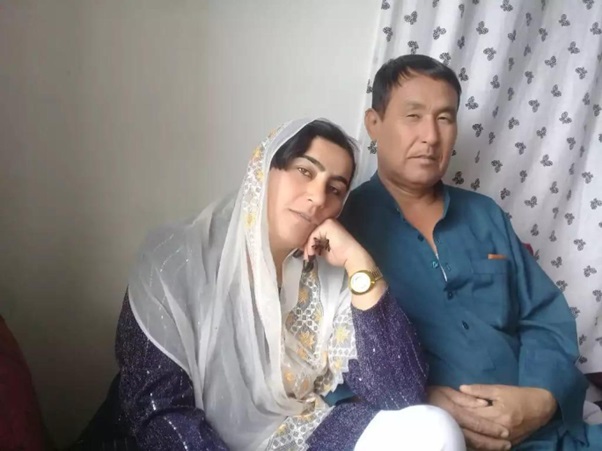
Rajab and Golandam in 2006; Dasht-e-Barchi, Kabul, Afghanistan
Abdul Hamid (pseudonym), a human rights activist who closely followed the case of Rajab and Golandam in 2006, said Arsala was mentally disturbed. He spoke contradictory and unclear in several meetings held in the Balkh court and the former governor’s office in the presence of Arsala, Rajab, Golandam, and her brothers. According to Abdul Hamid, the court’s investigations also proved the false claims of Arsala and Golandam’s brothers regarding the marriage of Arsala and Golandam.
Golandam said that her brothers and Arsala could not prove their claims in court. Therefore, her only crime was running away from home, which was not legally considered a crime. Even though running away from home was not defined as a crime in the laws of the previous Afghan government, hundreds of women were in jail for this charge. According to a Human Rights Watch report published in March 2012, Hassan Banu Ghazanfar, the Minister of Women’s Affairs of the then-Afghan government, had said: “The act of running away from home is not a crime, but if other crimes are committed under the name of running away from home, the courts will pursue those crimes.”
In most cases, women who ran away from home were tried after being arrested on charges of having sex outside of marriage. Human Rights Watch wrote: “Running away from home is not defined as a crime in Afghanistan’s criminal law.” By dominating Afghanistan, the Taliban abolished the constitution and other laws approved by the previous Afghan governments. They said this group follows the Quran and Sharia instead of man-made laws. Despite this description, Golandam and Rajab were tried and imprisoned in the court of the former government of Afghanistan on charges of running away from home. After Golandam’s prison term was over, she was transferred to a safe house for women and girls under threat because her brothers had threatened her with death.
From 2007 to 2011, Golandam was kept in a safe house in Mazar-e-Sharif. She went to the Balkh court in late 2011 and said that, on the one hand, she could not return home because her life was in danger, and on the other hand, she remained undecided in the safe house. She also learned that Arsala was married and had a child. Golandam asked the court to issue a ruling on her marriage with Rajab to save her from uncertainty in a safe house and death in her brothers’ house. According to the documents, the court approved the marriage between Golandam and Rajab, and their legal case was officially closed.
Golandam and Rajab’s wedding ceremony was held in a small gathering at Rajab’s sister’s house. None of Golandam’s family members attended her wedding. Golandam and Rajab could not return to their village in Dolatabad and continued to live in Mazar-e-Sharif and Kabul. Of course, Golandam’s brothers never gave up on them. But because the court declared their claim invalid, they could not do anything against Rajab and Golandam.
“The Previous Gov’s Court Was American”
After Rajab and Golandam were transferred from Kabul to Mazar-e-Sharif in late May 2022, Arsala and Golandam’s brothers once again approached the Taliban court with allegations against the couple. Rajab and Golandam were imprisoned in the Taliban prison in Mazar-e-Sharif. But their case was first referred to Dolatabad district. Golandam says everyone “from judge to the cook” are her brothers’ friends because most of the senior officials of the Taliban in Dolatabad district are from Dorman Afghania village and the Alizai tribe, the tribe to which Golandam and her family belong. For this reason, Golandam’s brothers have a lot of influence among the Taliban, and they used this influence against Rajab and Golandam.
Arsala and Golandam’s brothers submitted the documents to the security departments and the Taliban court after their arrest in Kabul. Many claims have been made, including that the American forces were involved in Golandam’s escape. Hussain Khan, Golandam’s brother, mentioned Rajab as “Commander Rajab” in one of his letters to the Taliban court. He wrote that in 2006, about six months after Golandam got engaged to Arsala, Rajab kidnapped her from their home’s way and took her to Kabul. In this letter, he adds: “After 25 days, Rajab and Golandam were arrested in Kabul, and after going through the court proceedings, the case ended in our favor, and Golandam was handed over to us.” But the American forces took her from us and carried her to a safe house.”
In this letter, Hossein Khan claimed he had twice planned to take Golandam from Mazar-e-Sharif to the village, but the American forces prevented this action. He also wrote that Rajab was supported by Mohammad Mohaqiq [one of the political leaders of the Hazaras] and Abbas Ibrahimzadeh, the former representative of the Balkh people in the House of Representatives and he was not able to confront Rajab.
A source who was present during the sessions of the Taliban court to deal with the case of Golandam and Rajab says that the Taliban judges were very emotional after hearing the words of Golandam’s brothers about the intervention of American forces in this case. One of the Taliban judges threatened Golandam that he would shoot her in the courtroom if he could. In his belief, Golandam is a woman from the Pashtun tribe, and she has destroyed the honor and dignity of this people.
Although all the details of Rajab and Golandam’s case have been available in the Balkh court since 2006, the Taliban judges insisted that the previous courts were American and their decisions have no credibility with the Taliban. In response to a question from the Taliban court about how he claimed to be married to Golandam, Arsala wrote: “Golandam lived with me for six months. I used to commute to their house freely.” In another letter, he writes: “During my affiance with Golandam, I didn’t have intercourse with her, but we got to flirt and commuted freely.” Elsewhere, in response to a question about whether he divorced Golandam after getting engaged, he writes: “I divorced Golandam in an official court. Of course, due to coercion and threats of death by unknown people.” During the captivity of Golandam and Rajab, in another letter to the Taliban’s fifth security district in Kabul, Arsala wrote: “Golandam is my wife.” I want to take her with me.”
Arsala’s letters and answers to the Taliban institutions are contradictory. The claims of Golandam’s brothers about the involvement of American forces and political leaders in supporting Rajab are not confirmed by any of the informed sources who have followed the case of Rajab and Golandam in courts of the previous government and the Taliban. Despite all this, the Taliban imprisoned Rajab and Golandam for nine months citing these claims as well as the religious difference between them.
The Cost Of Getting Released
During the nine months that Rajab was in the Taliban prison in Mazar-e-Sharif, he faced a repeated question in court hearings: “A Hazara follower of the Shia religion, how did you dare marry a Sunni Pashtun woman?” Taliban judges have repeatedly pointed out that the court of the former Afghan government, which issued the verdict on the marriage of Rajab and Golandam despite the difference in religion, was following American beliefs and laws; otherwise, such a verdict is not permissible. Rajab was told many times that the only way that might lead to his freedom is to divorce Golandam, and that’s enough. Rajab concluded that there was only one way to have Golandam and his children: to change his religion and convert to the Hanafi religion.
Therefore, Rajab requested some educational books about the Hanafi religion from his friends, who were the connector between him and his family. He read these books for several months in the Taliban prison. Then he announced to the Taliban court that he was now a follower of the Hanafi religion. Finally, the Taliban court promised freedom to Rajab and Golandam.
On the evening of Monday, 30 January 2023, Rajab and Golandam, who were imprisoned in two separate cells, heard the news of Khalifa Hossein’s death instead of being released. Rajab’s brother Hossein was the only one who followed up on the case of Rajab and Golandam. Golandam said about Hossein: “When we were transferred from Kabul to Mazar-e-Sharif and imprisoned there, Khalifa Hossein kept my three children with him and always visited and helped us. He used to come to the jail every Thursday and get news from us.”
Mrs. Golandam said without naming specific people: “They killed Khalifa Hussein because our innocence was proven in the court, and they couldn’t do anything with us.” Rajab said with great and profound sadness that his brother was killed: “I wish they didn’t kill my brother and… they would do whatever they wanted with us, but I wish they didn’t kill him. I lost everything, even my brother.”
Regarding how he was released from Taliban prison, Rajab says that in the last court session, the judge made sure that he had converted to the Hanafi religion or not and had no religious differences with Golandam. The Taliban judge asked him questions about the Sharia issues of the Hanafi religion and found the answers of Rajab, who had studied religious books during his several months in prison, convincing. While confirming the ruling of the court of the previous government regarding Rajab and Golandam’s marriage, the judge issued the sentence for their release.
Displaced In Iran
In late February 2023, Rajab and Golandam fled to Iran through smuggling after being released from Taliban prison. As a result of the electric shocks and torture he suffered during his captivity by the Taliban in Kabul, Rajab suffered from a nervous problem and developed diabetes during his nine months of imprisonment in Mazar-e-Sharif. His daughter, Nargis, was left under the hands and feet of passengers while running in a plain on the way to Iran illegally. Now, parts of her body, including her legs, are infected, and she is in severe pain. Golandam has also been suffering from high blood pressure in the Taliban prison, and now she gets sick occasionally.
Three Children of Rajab and Golandam; Courtesy: Independent Persian
Golandam said: “I love Rajab; both of us are satisfied with this marriage, although it ended up being very difficult for us. But in these years, we did not spend a single day in peace because of my brothers.” Golandam added that her children have nightmares at night and sometimes scream at midnight, saying, “Don’t imprison us. Don’t beat my father.” and wake up.
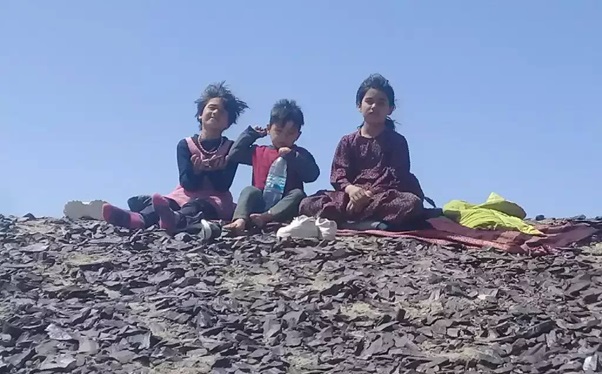
One sunny day in June 2022, amid a traffic jam at the bus station, Rajab and Golandam slowly sat on the seats of a taxi with their four children to reach a safe place after 18 years of being chased. But before the car started to move, armed people appeared around the vehicle and ordered Rajab to get off. Golandam fell into a deep panic because she knew that his brothers were chasing her and Rajab like a shadow with the assistance of the Taliban. The armed men, who were soldiers of the 5th district of Taliban police in Kabul city, put a black bag over Rajab’s head. Golandam and her children and Golandam’s old aunt, who was planning to go to Pakistan with them, were put in a military vehicle and taken away.
Rajab and Golandam are a Hazara and a Pashtun couple who got married in 2011 after five years of imprisonment and a struggle in the courts. Rajab is 50 years old, Golandam is 38, and both are originally from the Dolatabad district in Balkh province. They are being harassed and threatened ever since they decided to marry 18 years ago and they spent a part of their lives being on the run. In the Taliban prison, Rajab was forced to renounce the Jafari religion so that the marriage between him and his wife, who is a Sunni, would not be declared invalid.
In 2006, Rajab and Golandam lived in two neighboring villages, called Alang and Dorman Afghania villages, in the Dolatabad district of Balkh province. The residents of Alang village are Hazaras who follow the Shia religion, and the residents of Dorman Afghania are members of the Alizai tribe, who are Pashtuns and follow the Hanafi religion. The families of Rajab and Golandam had close relations with each other since about 50 years ago. Due to the neighboring agricultural lands of the residents of the two villages, the Hazara and Pashtun families in these two villages had close relations.
One afternoon in the summer of 2006, when Golandam returned home from the wedding ceremony of one of the village residents, she noticed some guests talking with her brothers. Golandam tried to know what the guests and her brothers were talking about. One of her brothers said that they were talking to the guests about the agricultural lands and did not allow Golandam to bring tea to the guests and talk to them. In the evening of that day, Golandam was informed that the guests had come to propose to her and that her brothers had engaged her to a man named Arsala.
Arsala, now about 48 years old, was working in Iran at that time to provide for the needs of his low-income family who lived in the village of Afghanyar (the neighboring village of Dorman, Afghania). Arsala was illiterate, from a low-income family, and suffered from mental and nervous illness. This news was inconvenient for Golandam while her brothers had married girls of their choice. She had not seen Arsala up close and did not want to marry him for obvious reasons. When Golandam disagreed with the family members’ decision, her brothers repeatedly beat and tortured her. Once, one of Golandam’s brothers even threatened her with death and said that she would be killed if she did not agree to marry Arsala.
The marks of the brothers’ torture still remain on Golandam’s eyes, face, and right leg. Golandam lost sight in her right eye due to these tortures, and a large scar on her right leg and forehead can still be seen. In the meantime, Golandam was thinking about Rajab, a man who could be the savior of Golandam. Golandam and Rajab were on a cellphone call with each other. Golandam asked Rajab to save her from marrying Arsala or being killed by her brothers. For Golandam, age, religion, and ethnicity differences were unimportant; she thought of one thing “to save herself from a trap her brothers had laid for her.”
In the morning of 2006, Rajab and Golandam escaped from the village and went to Mazar-e-Sharif and Kabul. The news of the escape of Rajab and Golandam sounded like a bomb in the village and word quickly spread everywhere.
Rajab and Golandam have been on the run ever since they fled the village until now; 18 years have passed since that day. They would sometimes appear from the prison or from safe houses, or at times from the borders, and sometimes from cities. The couple had four children during these years of escape. Rajab and Golandam are now in Iran after spending nine months in the Taliban prison. They shared the story of their 18 years of painful life with the correspondent of Independent Persian.
“You Are A Hazara, How Did You Dare Marry an Oghan (Pashtun) Woman?”
Rajab says that when he was arrested on Friday, 13 June 2022, at the passenger car station of Kabul Company, the Taliban took him, Golandam, Golandam’s aunt, and their children to a nearby military base. Rajab and Golandam lived in secret with the Taliban’s rule over Afghanistan for fear of falling into the hands of Golandam’s brothers. They planned to go to Pakistan from Kabul but were arrested before the car left. Rajab said: “When the Taliban caught me and started beating me, I said, “What sin have I committed? One member of the Taliban said: “You are a Hazara!” How did you dare to marry an Oghan (Pashtun) woman?”.
Rajab explains that in the Taliban base, they hung him by his feet in a container and took turns torturing him. An hour later, Rajab, Golandam, Golandam’s aunt, and the children were taken to the building of the fifth security district of the Taliban. Golandam, her aunt, and her children were locked in an abandoned warehouse, and Rajab was tortured in another room. Rajab says about the torture in the fifth police station of the Taliban in Kabul: “They connected an electric shock to my body. They would put a water hose in my mouth until my stomach was full of water, then someone would kick me in the stomach. Each member of the Taliban took turns hitting me with a cable and cursing me.” Golandam and her children Nargis, ten years old; Maryam, eleven years old; Leila, nine years old and Abbas, four years old, heard their father’s screams under the Taliban torture.
In the meantime, Arsala and Golandam brothers arrived in Kabul from the Dolatabad district. They were trying to take Rajab, Golandam, and their children to the village and settle accounts with them there. Golandam’s brothers were happy that they could recapture the couple, who were acquitted by the court in the previous government of Afghanistan and married according to the court’s ruling, with the help of the Taliban. Golandam says that before arriving in Kabul, her brothers called her aunt, who was in prison, with her and said that Golandam and Rajab would be killed. Still, they have nothing to do with the aunt.
Golandam could hear the voices of the Taliban from behind the door, talking about shooting and killing Rajab. But this decision was not based on the verdict of the courts and judicial institutions of the Taliban, but on the instigation of Golandam’s brothers, who told the Taliban soldiers: “Commander Rajab” ran away their sister during the rule of the previous government and their children are the result of an illegitimate relationship outside of marriage. Rajab and Golandam heard many times from Taliban members that they were told that their children are bastards because the marriage of a Shia man with a Sunni woman is Haram and forbidden. For this reason, the Taliban also harassed Golandam’s children by calling them impure.
Golandam says that while they were imprisoned in the 5th district of the Taliban police in Kabul, the Taliban even refused to give them water. Once, her four-year-old son, Abbas, called loudly for his father, who was being tortured in another room. But a Taliban member punched him in his mouth, filling the child’s mouth with blood. Golandam said: “I kissed the Taliban’s feet many times. I begged them and said not to do this; my children are afraid. But the Taliban said that your children are the result of adultery and are bastards.”
During the 20 months of rule over Afghanistan, the Taliban have repeatedly prevented Shiite men from marrying Sunni women. In the Shia religion, the marriage of a Shia man to a Sunni woman is considered permissible. Still, there are different views regarding the marriage of a Shia woman to a Sunni man. Some Shia jurists, such as Fazel Lankarani, have said about the marriage of a Shia woman to a Sunni man that “it is better to avoid this.” Still, some, such as Sayed Ali Khamenei, believe: “If there is no fear of deviation from religion, there is no obstacle.”
Taliban’s Ministry of Propagation Virtue and Prevention of Vice has not yet issued a written ruling regarding the prohibition of marriage between followers of two religions. However, the officials of this ministry have repeatedly talked about the ban on marriage between the followers of two religions.
In January 2023, the Talibani officials of the Ministry of Propagation Virtue and Prevention of Vice announced to the people in the mosques of Mazar-e-Sharif that marriage between followers of the Shiite and Hanafi religions is Haram (forbidden). On the 15th of the same month, the governor of the Taliban in the Naasi district of Badakhshan province wrote in a letter he sent to the mosques: “According to religious and ideological considerations, it is announced to all ethnic groups under the territory of this district. From now on, no one from the Sunni religion has the right to give a girl to a Shia or take a wife from a Shia for a Sunni.”
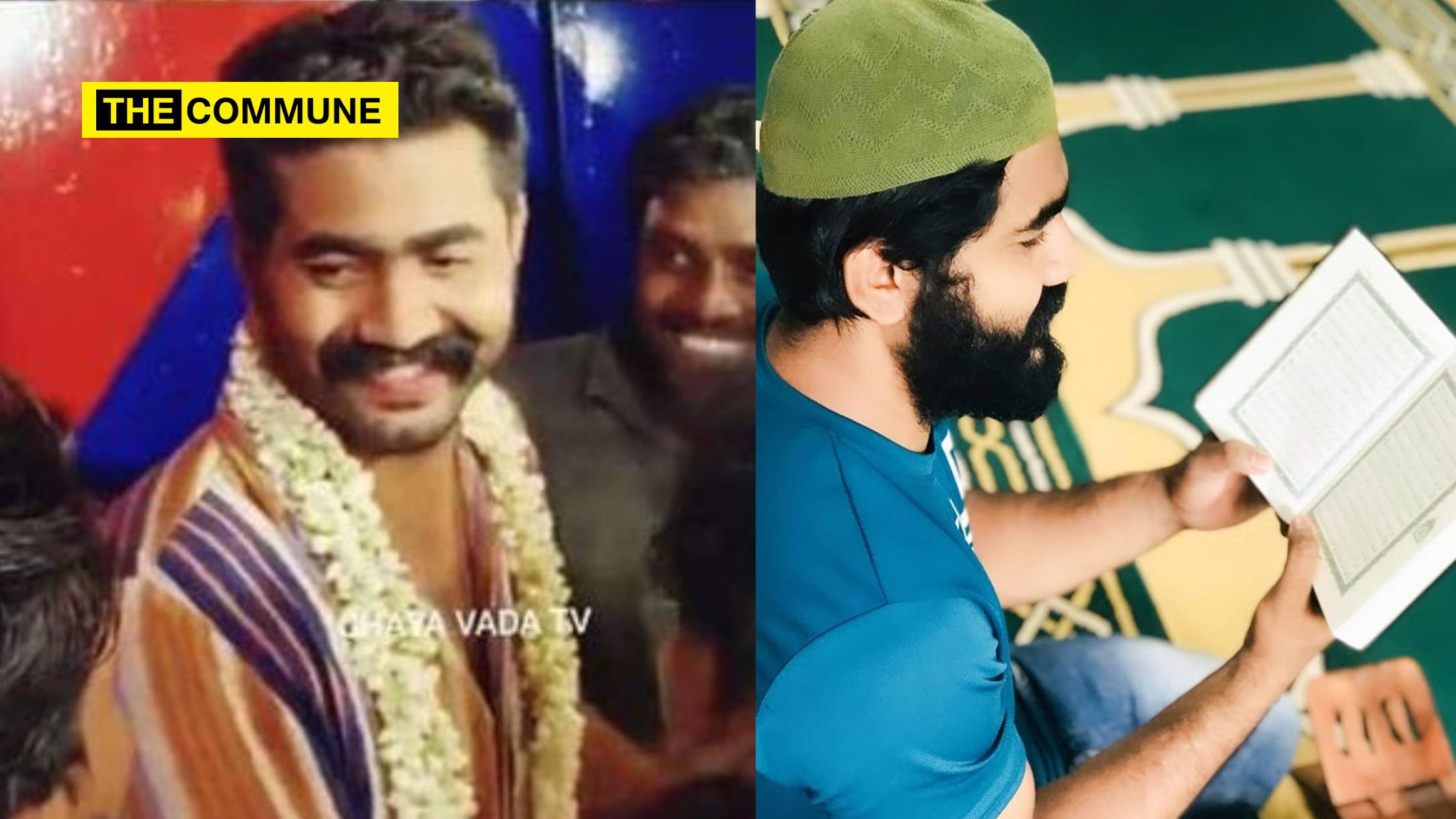
In a rather disturbing turn of events, Savad Sha, a Muslim man accused of sexually harassing his co-passenger on a KSRTC bus on 19 May 2023, was greeted with garlands and a warm reception by the All Kerala Men’s Association outside the Aluva Sub jail following his release on bail on 4 June 2023.
Now comes the funny part. Savad was garlanded and welcomed by the All Kerala Men's Association outside the Aluva Sub jail upon being released on bail yesterday. Here's a video of the "welcome" he received. 2/5 pic.twitter.com/C9jBduGkgS
— Anand #IndianfromSouth (@Bharatiyan108) June 4, 2023
Savad Sha’s release from custody has taken a bizarre twist as the President of the All Kerala Men’s Association, Ajit Kumar, claimed that Savad was innocent and alleged that the victim orchestrated the incident to gain popularity on Instagram. This shocking defence by the association’s President has only fueled further skepticism regarding their stance on respecting women’s rights.
What adds to the complexity of the situation is the apparent influence and financial backing behind Savad Sha. It appears that the individuals supporting him are determined to use this incident as a deterrent, sending a message to other women not to come forward even if they experience harassment. The fact that this incident has unfolded in Kerala which is often hailed as the most literate state in India, raises serious questions about how the state regards and upholds women’s rights.
Moreover, Savad Sha’s Facebook profile suggests some affiliation with the Kerala Muslim League, a political organization, which adds another layer of concern to the situation. His Facebook posts also suggest he had been an active participant in protests against the Citizenship Amendment Act (CAA) and the National Register of Citizens (NRC).
The association between Savad and a political group only serves to intensify the embarrassment and dismay felt by the people of Kerala. News portals like The News Minute which would make it a point to mention the community of the accused/perpetrator if it had been a Hindu, have conveniently “forgotten” to mention Savad Sha’s community when reporting the incident.
Kerala, known for its progressiveness and emphasis on education, now finds itself grappling with the issue of respecting and protecting women’s rights.
Click here to subscribe to The Commune on Telegram and get the best stories of the day delivered to you personally.
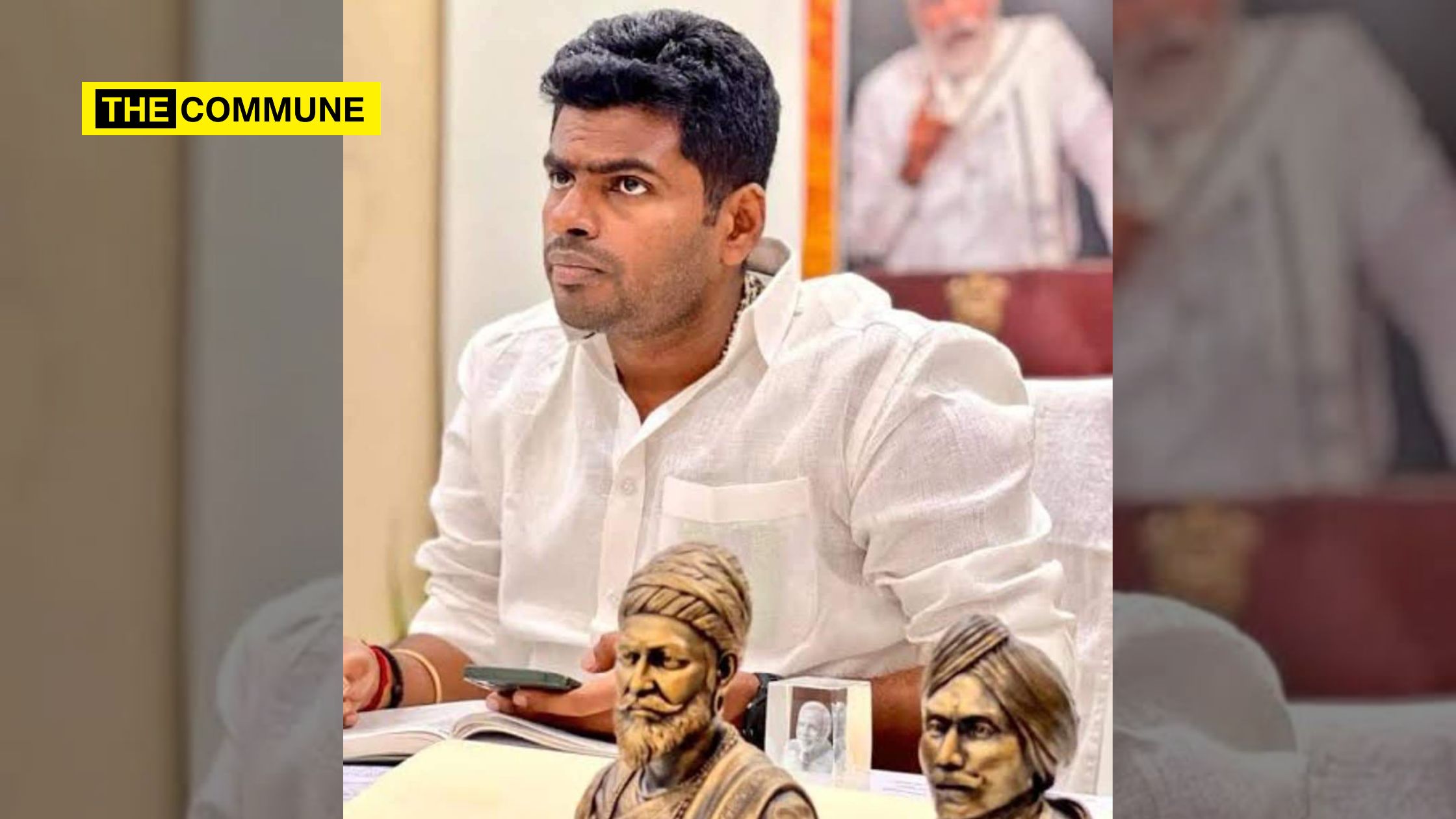
Tamil Nadu BJP President K. Annamalai turns 39 today. Incidentally, his birthdate falls on the very next day of late DMK patriarch Karunanidhi’s birthday, which makes us truly believe that he is a Godsend for whatever good things are to happen for Tamil Nadu.
In politics for less than 30 months, Annamalai is already a Tamil youth icon with his firebrand persona. He has trebled BJP’s votebank in the local body polls, rattled the Dravidian ecosystem, established BJP as the primary anti-DMK force and rekindled Tamil Nadu’s dormant Hindu consciousness after 60 years.
As the party marches towards the 2024 Lok Sabha polls, here are the key signs of how things have changed post Annamalai’s ascension as BJP Tamil Nadu President.
1. Anti-DMKism
Both MGR and Jayalalithaa became mass leaders as anti-DMK icons. Annamalai’s zero compromise approach towards the ruling first family and attacking core Dravidian ideology has outshined current AIADMK, which has more or less become DMK lite. He is now viewed in mainstream as the primary anti-DMK voice of Tamil Nadu.
Earlier, Tamil Nadu BJP faced identity crisis caught between Hindutva and Dravidian alliances. Annamalai in his relentless anti-Dravidian crusade has altered Tamil Nadu landscape from 2 Dravidian party match-fixing to Nationalism vs Dravidam, slowly replacing AIADMK as primary opposition.
2. Hindu Causes
Be it openly calling out state-sponsored evangelical activities or throwing his might behind Hindu causes, Annamalai has become the voice against DMK’s anti-Hindu politivs. Annamalai’s efforts on establishing rights of Hindu mutts, rallying against evangelical conversion, protecting Temple administration from state interference has given spiritual institutions of Tamil Nadu a voice generating visible Hindu conscious for the first time in decades.
3. Party Culture
Annamalai’s biggest win has been ushering in a fresh zeal of energy and enthusiasm in Tamil Nadu BJP. For 3 decades, it stagnated as 2% party with identity crisis and paucity of a strong face. In 2 years, he has revitalized it with massive injection of youth and capable people. It’s a party reborn now.
4. Setting The Narrative
8 out of 10 days in Tamil Nadu politics, Annamalai is the one setting the political agenda of the state. A 24×7 politician like PM Modi with aggressive attack on every little space DMK cedes. This relentless approach has reset the perception of BJP among Tamils.
5. Anti-Corruption
Corruption has been mainstreamed so badly in the state that it virtually became electoral non-issue. Post Annamalai, DMK’s scientific corruption is being exposed day in and day out. From BGR energy scam, sweets box scam, Aavin milk scam to DMK Files, IT raids on first family, and forcing PTR’s removal as Finance Minister, he crusade against Dravidian corruption is yielding results.
6. Personality Cult
Tamil Nadu is leader oriented with mass hero worship and voter loyalty once established lasting decades. An organic cult of personality for Annamalai is strong among Tamil youth. It will be further solidified in his upcoming 6 month Yatra across the 234 assembly seats of Tamil Nadu. Just like how Karunanidhi, Jayalalithaa and MGR were perceived as caste neutral (having an appeal beyond one’s own community), Annamalai too enjoys the same privilege as he is being seen as caste-neutral as pan-Tamil leader beyond caste/region. His humble origins and clean image resonates goodwill from all communities.
7. Electoral Performance
For 30 years BJP had average vote share of 2.3% in the state of Tamil Nadu. Within a year of taking over, Annamalai trebled BJP vote from to 8% contested average statewide in March 2022. Currently opinion polls show Tamil Nadu BJP as 10-15% party and will only grow in a Modi-centric 2024 election.
8. Age Factor
There is literally no one below 55 to challenge DMK here. AIADMK leaders are in mid 60s. Seeman and Anbumani in mid 50s, although Seeman has been able to capture the minds of rural youth in the state. Annamalai at 39 stands unique, already the most popular face among under 35 voters and has the magnetic power to pull youth towards him with his rational and logical arguments.
9. Tackling Dravidian Media
A key achievement of Annamalai’s reign is exposing vested interests of Tamil Nadu media. His press interactions are big hits and moved BJP from perpetual defense to offense mode. We remember Modi vs hostile media in 2002-14. That’s what he faces and he is winning.
10. Self-Made Clean Leader
Tamil Nadu politics is dominated by illegitimate wealth and dynasts. A farmer’s son reaching heights of IIM and IPS contrasts visibly for the public with the insanely rich AIADMK heads & DMK family scions.
A self-made leader with incorruptible image is waging war against the corrupt & Hinduphobic 100 year Dravidian ecosystem.
He has achieved all this in 30 months of politics and at just 39, he is destined to lead for a very long time. Tamil Nadu and BJP have struck gold with Annamalai.
(This article is based on Cogito’s thread on the same topic.)
Cogito is a psephology buff and writes of politics, religion and elections.
Click here to subscribe to The Commune on Telegram and get the best stories of the day delivered to you personally.
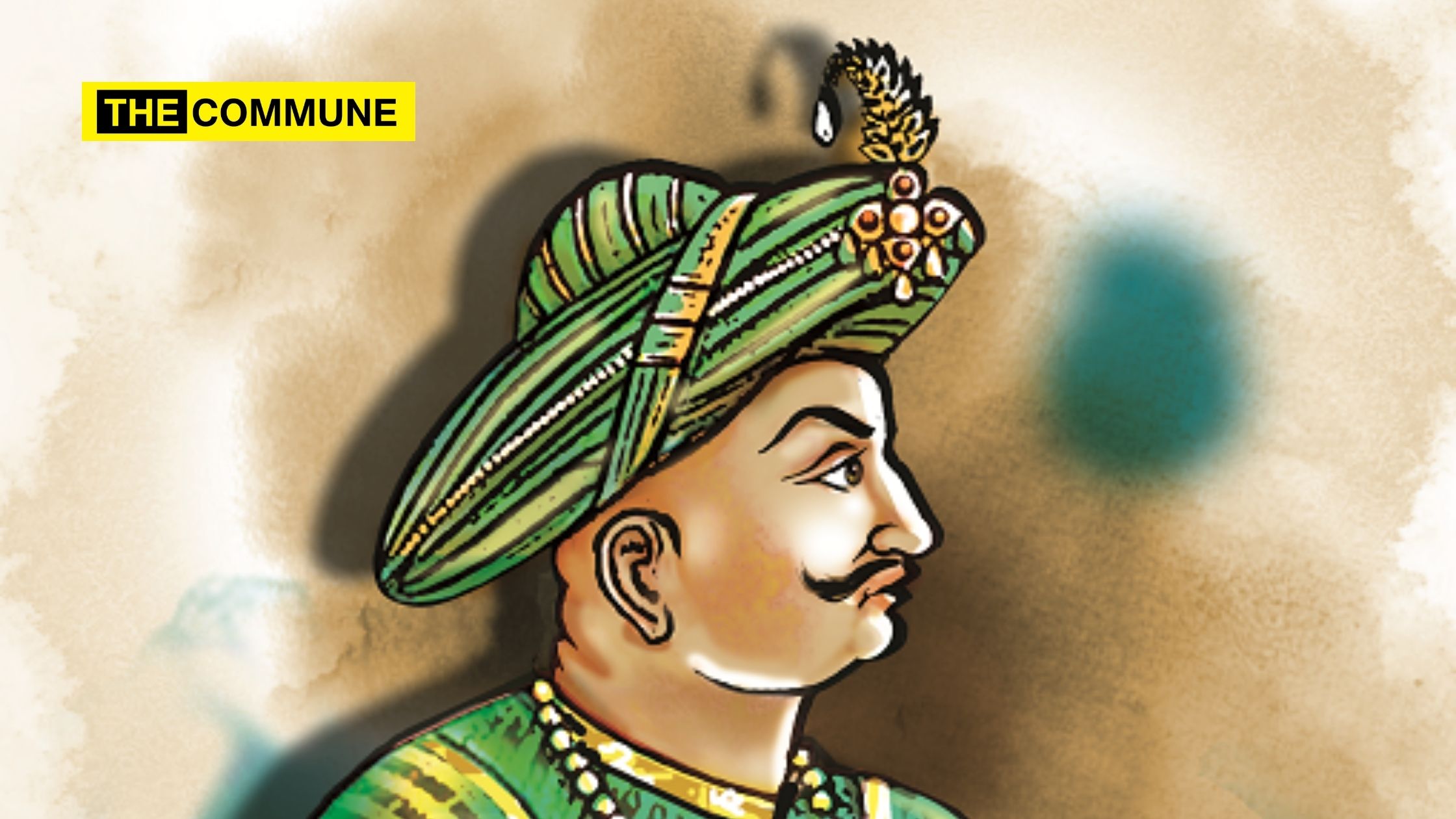
Exactly 240 years ago, a pall of gloom fell upon Srirangapatna on the day of Deepavali when innocent members of 700 families of Mandayam Iyengars were put to death under the order of Tipu Sultan.
The offence they committed was to have been born in the families related to those who wanted to restore the kingdom of Mysore to its legitimate royal family from the clutches of Tipu.
What remained since then was a faded memory of a dreadful Deepavali marked by the non-celebration of Deepavali by certain families. This triggered a vigorous search by the members of these families who managed to collect letters and documents of the period of massacre and presented them in a short essay titled, “The Mysore Pradhans”.
Compiled and written by M.A. Sreenivasachar, this essay traces the lineage of the affected families from Thirumalai Ananthalwan, a disciple of Ramanujacharya who was a native of Kirangur near Srirangapatna. The Hoysala king Vishnuvardhana gifted him with eight villages (ashtagram). Later, after the Hoysala dynasty weakened, these villages fell into the hands of the Palayakars. However, Ananthalwan clans were serving the country as gurus to the king and in ministerial posts. They also became the Pradhans (prime ministers) in the Mysore royal court. Problems started after Hyder Ali rose into power and conquered his master’s kingdom in 1762.
The exiled Mysore king, Krishnaraja Wadayar II passed away a few years later. The Pradhan Govindarajiah (of Ananthalwan’s lineage) was killed by Hyder. The two sons of the Pradhan, Tirumal Row and Narayana Row became the confidante of the queen in exile, Maharani Lakshmammanny. Dedicated to restoring the kingdom to the royal family, the two brothers started reaching out to the British authorities to dislodge Tipu from the throne.
It was a long story of struggle for 24 years in that endeavour that ultimately caused them lose their dear ones and their properties. The loss of the 700 families to Tipu’s fury was one of the bloody chapters in their long struggle. It happened in 1783 when the English army succeeded in capturing Karur and proceeded further towards Srirangapatna. At the same time, the Pradhans were hatching a conspiracy with their friends to overthrow Tipu’s government. Subraj Urs and Narasinga Row guided the project in Srirangapatna. Aided by three thousand Jettis, Mahrathas and others loyal to the king, a plan was made to enter the fort, seize the treasury, and arrest every Mahamadan. The attack was planned on the night of 28th July 1783. But Killedar Syed Mahamad, the head of the fort, discovered the plot at the last minute and killed the conspirators including Subraj.
Tipu was immediately informed of the conspiracy hatched by Tirumal Row. On coming to know of the activities of the Pradhans in dislodging him with the help of the English army, Tipu swung into action.
He “ordered the arrest and imprisonment of all the relations of the Pradhans and Subraj Urs &co.,including men, women and children to the extent of 700 families. They were chained with heavy irons and thrust into the dungeons of Seringapatam. Pradhan Narayan Row was also captured and imprisoned, but he soon managed to escape and join his brother. Tippu on his return to the capital ordered a wholesale massacre of these 700 families, and had them mercilessly put to death by one means or another. He also confiscated the Jaghirs and other property enjoyed by the Pradhans and their relations,” writes the author of the essay.
The massacre had taken place on the day of Deepavali in Shobhakrit year corresponding to 25th October, 1783. Among the documents produced in the essay, the letter written by the queen Lakshmammanny to Lords Mornington and Clive on 3rd February, 1799 recalls the sacrifices made by 700 families.
“In the year Subhakritu, Lord Macartney gave us ample assurance of our restoration, and hence we got together many of our adherents. Just on the eve of our capturing Tippu and recovering our kingdom, our object was disclosed to Tippu, and consequently he put to death 700 families from amongst our relations as well as those of Tirumal Row, including men, women and children.”
This shows that apart from the families of Tirumal Row, those from the royal family were also put death.
In a letter written by the queen to Tirumal Row in 1796, she specifically refers to the death of 700 families of the kith and kin of Tirumal Row.
The misfortune that had befallen on the family of Tirumal Row is also recorded in the minutes of Lord Mornington, the Governor-General of India.
Those who escaped the massacre migrated to Nagamangala, Baburayana Koppalu, Mandya Koppal and Mandya. Finally, they reached Melukote and settled there.
Many people do not believe this act of Tipu and praise him as if he fought against the British and gave freedom to the country. He opposed the British for retaining the Mysore country his father usurped from its legal owners. In the process, the genocide of nearly 1000 innocent people including children belonging to 700 families of the Mysore Pradhans and the royals has gone unnoticed in the freedom saga of India.
Ultimately Tirumal Row succeeded in getting the British attack Tipu and finish him off on May 4, 1799 but failed to regain their lost position in the now regained kingdom of Mysore.
Rivalry, jealousy and greediness of the officials of the kingdom who wanted to maintain their position in the new dispensation caused the British to keep away Tirumal Row and his brother despite the queen’s wish to take them back as Pradhans. They reasoned out that the Row brothers, by being out of the kingdom of Mysore for many years, could not be conversant with the then state of affairs, which on the other hand could be handled well by themselves to ensure continuity.
The queen was upset over these developments and refused to move out of her exiled location. Fearing that this might cause some trouble again, Tirumal Row immediately wrote to her, asking her to go to Mysore. Her grandson was crowned as Maharaja Krishnaraja Wadiyar III on 30th June, 1799.
Thirumal Row returned to Madras. He died in 1815 without any recognition for his efforts and without getting his rightful place in the history of fight against Tipu by losing all his kith and kin. His brother Narayana Rao also died in 1811.
The sacrifices of his family also disappeared without anyone knowing about them. Only the dark Deepavali observed year after year by his descendants for three hundred years had ignited the search for truth which deserves a place in the history of fight for freedom of our country.
(This article is an excerpt from the book ‘Ramanuja Itihasam’ authored by Jayasree Saranathan in Tamil.)
Jayasree Saranathan is a researcher, writer and astrologer with a Ph.D. in Astrology. Her research areas include Indology, Hindu Epics, Tamil Sangam literature and Astrometeorology. She is the author of “Mahabharata 3136 BCE: Validation of the Traditional Date”.
Click here to subscribe to The Commune on Telegram and get the best stories of the day delivered to you personally.
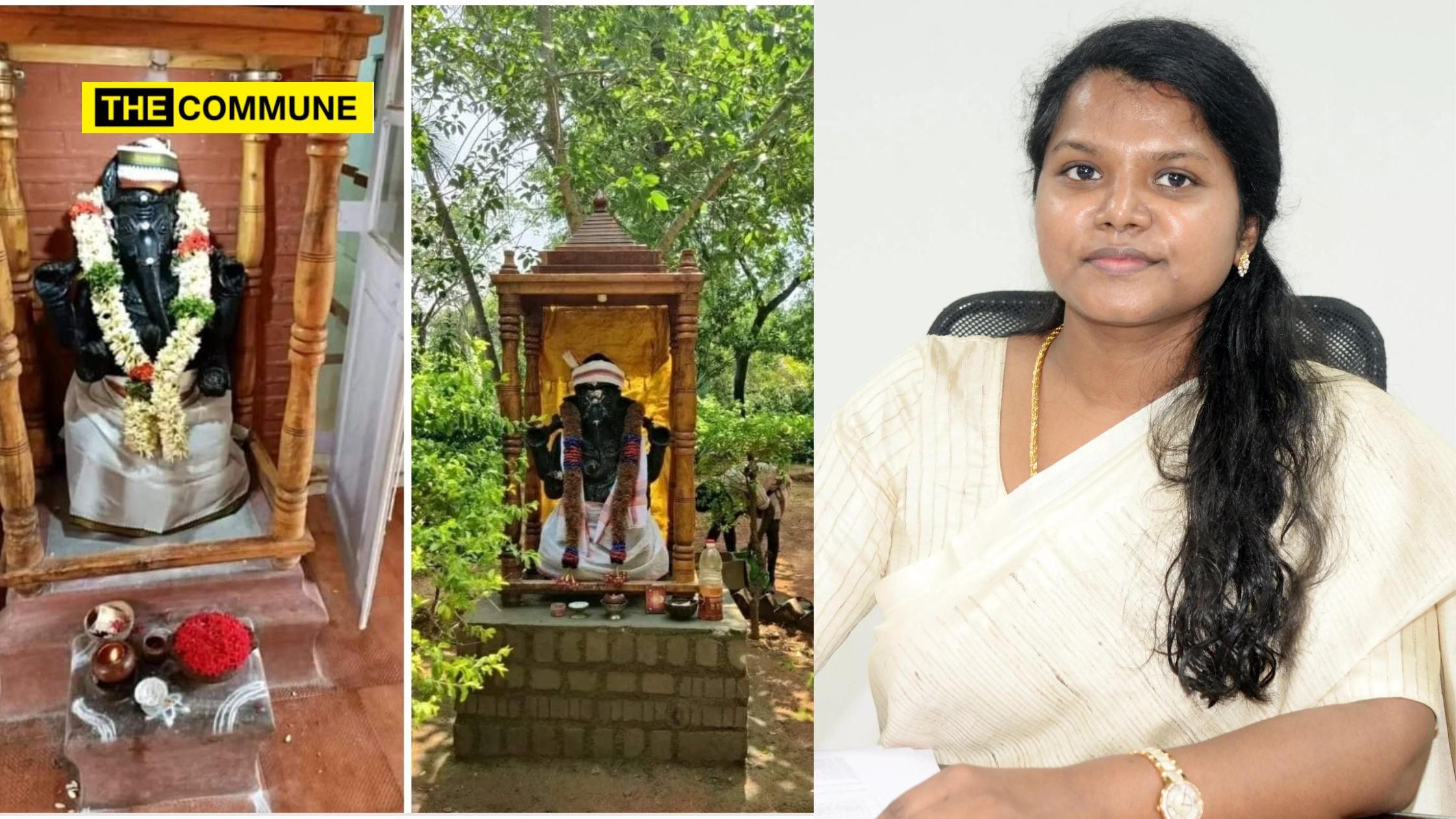
In a development that has sparked outrage among the local community and Hindu organizations, an idol of Lord Vinayaka was reportedly removed from the residence of the Pudukottai District Collector after the newly appointed IAS officer Mercy Ramya took charge.
The decision to remove the idol was allegedly made by the District Collector, who follows the Christian faith, leading to accusations of religious insensitivity.
The Ganesha idol in front of the official government residence of the Pudukottai Collector has been for quite some time with some sources mentioning it to be over six decades old. Even collectors of different faiths who resided there in the past did not order its removal.
The recent appointment of Mercy Ramya as the new Collector of Pudukottai, replacing Kavitha Ramu IAS in a recent administrative shuffle by the DMK government, has brought this issue to the forefront. While Mercy Ramya has not yet taken up residence in the government accommodation, reports suggest that she ordered the removal of the Lord Ganesha statue before occupying the premises.
Following her instructions, the Ganesha statue was reportedly removed yesterday. It has been reported that the statue was damaged when the idol was being shifted. As news of the incident spread, Hindu organizations expressed their strong condemnation of Collector Mercy Ramya’s decision, emphasizing that the government residence is not her personal space and therefore her actions were deemed inappropriate.
Hindu organizations have criticized the removal of the Lord Ganesha statue, viewing it as a manifestation of deep-rooted animosity towards the Hindu religion. They argue that this incident highlights a lack of understanding and respect for religious sentiments.
In response, the residents of the Collector’s residence have clarified that the Lord Ganesha statue has been temporarily relocated to facilitate ongoing renovation work in the bungalow, refuting any intention of disrespect.
புதுக்கோட்டை மாவட்ட ஆட்சியர் அவர்களின் முகாம் அலுவலகத்தில் விநாயகர் சிலை அகற்றப்படும்போது உடைந்து விட்டதாக தவறான தகவலை வாட்ஸ்அப் மூலம் பரப்பப்பட்டு வருகிறது. வாட்ஸ்அப்பில் வந்த செய்தியில் உண்மை இல்லை. சிலை தொண்மையானதன்று. உடையாமல் நல்ல நிலையில் உள்ளது.
— District Collector, Pudukkottai (@pdkt_collector) June 3, 2023
The controversy has further escalated, with local leaders and party members of the Bharatiya Janata Party (BJP) staging a protest in front of the Collector’s residence, expressing their solidarity with the sentiments of the Hindu community. Following the demonstration, the Ganesha statue was reinstated inside the residence. Even though the Ganesha idol was installed inside the Collector’s residence, it has been relocated from its original location.
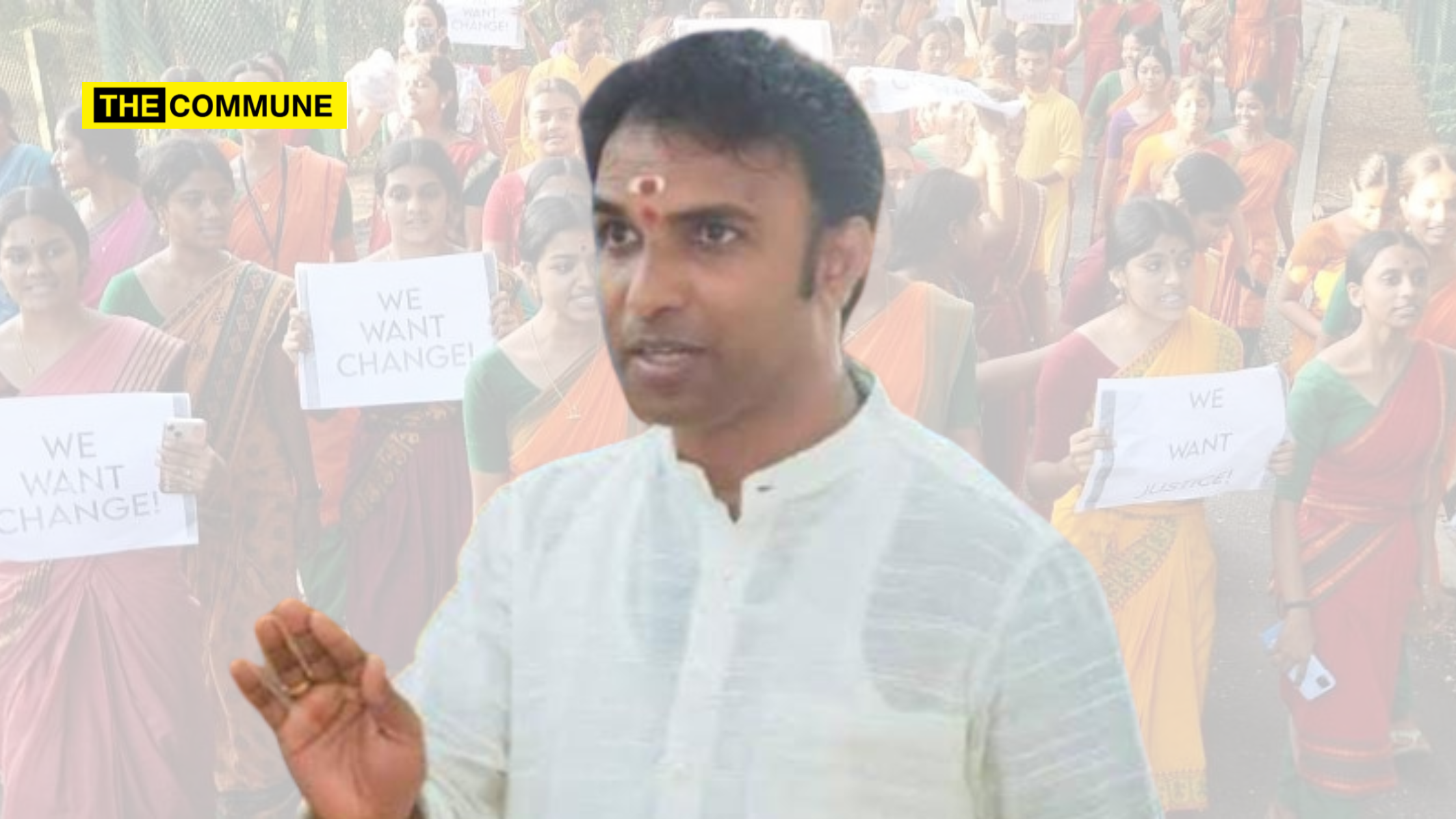
Hari Padman, the dance teacher who had become the target of Kalakshetra sexual harassment controversy has been granted bail by the court after the police failed to file chargesheet against him.
According to section 167 of CrPC, an accused will be entitled to bail by default, if the investigating authority fails to file charge sheet within 60 days from the date of remand.
Hari Padman, a Kalakshetra alumnus and teacher at the institute since 2002, was arrested on 3 April 2023, on charges of alleged sexual harassment and criminal intimidation, following a complaint from one of his former students.
The Kalakshetra Foundation’s board of directors had formed an independent inquiry committee to look into allegations of sexual harassment leveled against several teachers. In addition to suspending Padman pending the outcome of the investigation, the board had also terminated the services of three other teaching faculty members: Sanjith Lal, Sai Krishnan, and Sreenath.
The National Commission for Women (NCW) which had taken cognizance of the case found no evidence to support the allegations.
The Tamil Nadu State Commission for Women had also began to look into the allegations and obtained statements from students. AS Kumari, the head of Tamil Nadu State Women’s Commission had given an interview to a YouTube channel in which she alleges that she got more than 100 complaints of sexual harassment, casteism etc.
Accordingly, the State Women’s Commission submitted a report to the police and recommended that 162 girl students from Kalashetra be investigated.
Around 15 female students were investigated by police from the Adyar All Women Police Station in the last two weeks but most of the students did not make any accusations of sexual harassment against Hari Padman, other teachers or the institution.
A few students reportedly told the police that they had nothing to do with the complaint and said that they did not make any sexual harassment charges against Hari Padman. They told the police that the teachers at Kalakshetra are kind and share good respect. The rest of the complaints are being investigated.
Earlier, a group of alumnae of Kalakshetra Foundation, had come out in support of Hari Padman, claiming that his conduct was good when they studied under him and that the case against him was fabricated.
According to journalist Sandhya Ravishankar, so far no student who has been investigated by the police have levelled any sexual harassment allegation against Hari Padman.
Haripadman got bail after 2 long months. Police did not file chargesheet. So far all students questioned by police have said they haven't undergone sexual harassment. Let the probe go on as per law. #Kalakshetra
— Sandhya Ravishankar (@sandhyaravishan) June 3, 2023
Earlier, a group of alumnae of Kalakshetra Foundation, had come out in support of Hari Padman, claiming that his conduct was good when they studied under him and that the case against him was fabricated.
However, leftist media outlets like The News Minute which had gone on a tirade against Kalakshetra Foundation accusing the institution of trying to silence voices and shielding the accused has gone silent now.
Insiders from Kalakshetra who do not find themselves quoted in the mainstream media, say that this entire episode has been because of three teachers namely – Nirmala Nagarajan, Nandini Nagarajan and Indhu Nideesh – who harbour professional rivalry against Haripadman.
Divya Hari Padman, in her complaint to the Chennai Police Commissioner, had said that the students had lodged a false complaint against her husband at the instigation of Kalashetra professors Nirmala Nagarajan and Nandini Nagarajan.
Click here to subscribe to The Commune on Telegram and get the best stories of the day delivered to you personally.
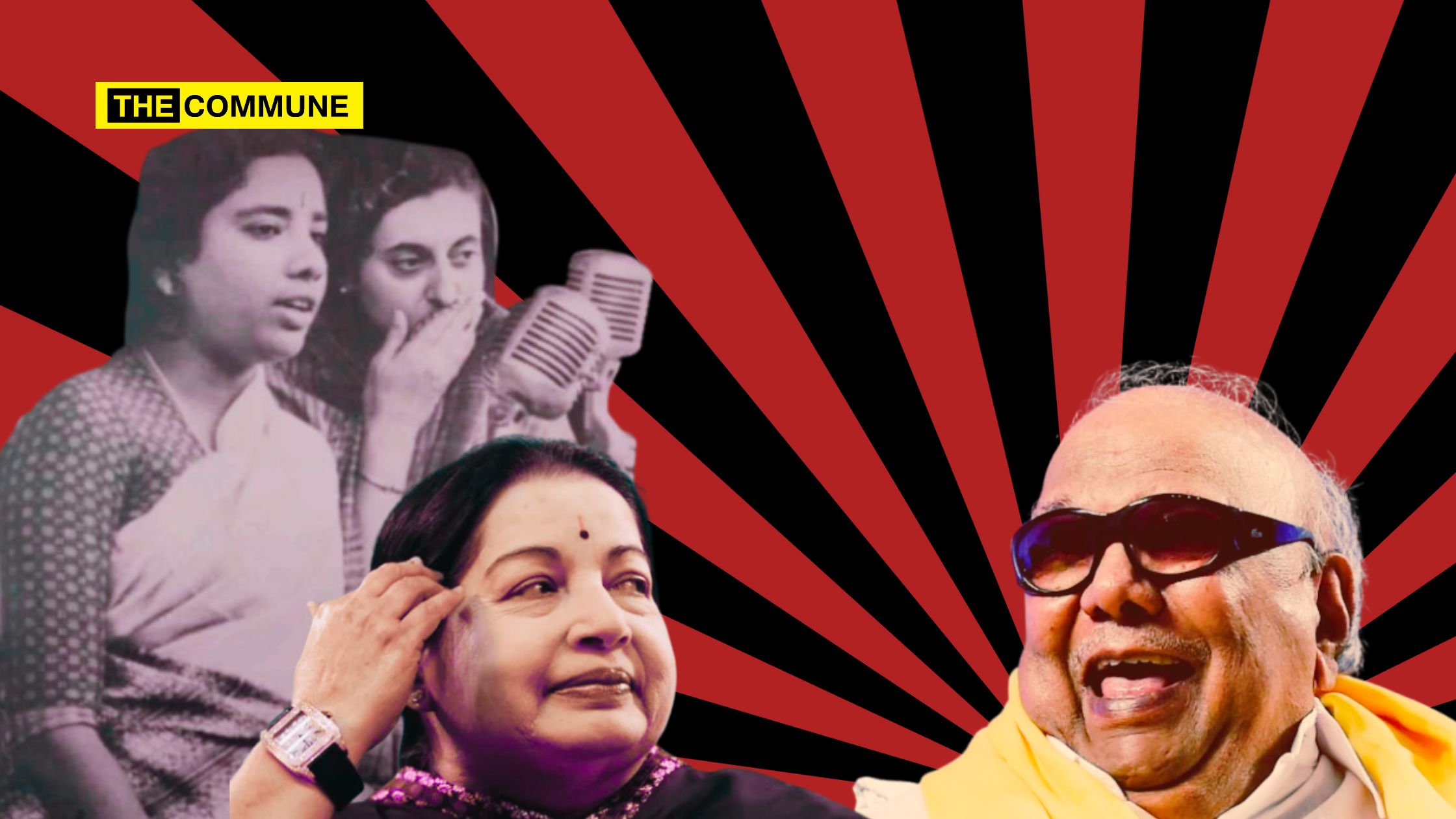
The Dravida Munnetra Kazhagam (DMK) has a history and that history is loaded with its leaders derogating women. That’s because the party’s late patriarch himself has a bad reputation of being a womenizer, misogynist and making obscene remarks about women.
DMK cadres, members of the IT Wing, and pro-DMK media have taken to social media platforms, posting videos, tweets, and articles, asserting Karunanidhi’s contributions towards women’s upliftment and social justice. Padma Priya, the Deputy Secretary of the DMK IT Wing, shared a video on her Twitter account highlighting Karunanidhi’s initiatives, including granting women property rights, a 30% reservation for women in government jobs, and a 33% reservation for women in local body elections.
As Karunanidhi’s 100th birthday is being celebrated in grand style by DMK workers calling him as a torch-bearer of women’s right, here are few derogatory speeches and comments of Karunanidhi about women.
During the anti-Hindi agitations, DMK men at the behest of Karunanidhi had wall writings that said:
அத்தை மகள் தமிழ் இருக்க
ஆசை நாயகி ஆங்கிலம் இருக்க
ஊர் #தேவுடியா ஹிந்தி எதற்கு?
Which means
When you have your cousin sister whom you are entitled to marry (referring to Tamil),
when you have your good concubine/woman you desire (referring to English),
why do you need a whore (referring to Hindi)?
This was recounted by Prof. Mangai during her lecture on Tamil nationalism at the Jawaharlal Nehru University.
— Vishwatma 🇮🇳 ( மோடியின் குடும்பம் ) (@HLKodo) June 2, 2023
Her ‘Menstrual Blood’
Once during a protest staged by the DMK in Madurai, Congress leader Indira Gandhi, who was the Prime Minister at the time, was hit in the head and started bleeding. When asked to comment about the injury, Karunanidhi had perversely said that it would have been ‘menstrual blood’ that could have leaked for Indira Gandhi.
Lift The Petticoat
In another incident, a female Congress MLA called Ananthanayaki had questioned in the Tamil Nadu Assembly, as to where the so-called Dravida Naadu (Dravidian country) was after a lengthy speech given on the same topic by CN Annadurai.
Karunanidhi in a disgusting response told Ananthanayaki “If the naada (thread) is removed and paavadai (petticoat) is lifted, she can find her Dravida Naadu.” However, DMK folks subvert this sexual speech saying that Karunanidhi meant the “thread” that is tied to the government file, and by paavadai he meant the cloth on which “urgent” would be written.
I Can Help Her Have Kids
Karunanidhi also went on to criticise former CM Late Jayalalithaa after he had consistently lost to her, saying that she will no longer be able to have kids since her best years were behind her, and said that he would have helped her have kids if she had asked him.
He had also said that she knew a lot of languages because she was in ‘that kind of a job’, hinting at prostitution as Jayalalithaa had her career as an actress.
(Kaathavaraayan is a columnist and political writer).
Click here to subscribe to The Commune on Telegram and get the best stories of the day delivered to you personally.