Home Blog Page 758

Dravidian Model: Bridge Inaugurated Just 90 Days Ago By DMK Min EV Velu Collapses; Govt Blames “Unprecedented Water Release” From Sathanur Dam

Dravidian Model: Bridge Inaugurated Just 90 Days Ago By DMK Min EV Velu Collapses; Govt Blames "Unprecedented Water Release" From Sathanur Dam

A high-level bridge spanning the Thenpennai River in Tiruvannamalai district, Tamil Nadu, collapsed on 2 December 2024, just 90 days after Public Works Minister EV Velu inauguration on 2 September 2024.

The bridge, constructed at an estimated cost of ₹15.90 crore by the Tamil Nadu Highways Department, was severely damaged by flooding triggered by the release of excess water from the Sathanur dam.

The 250-meter-long bridge, which stood 7 meters high and 12 meters wide with 12 spans, was designed to handle a water flow of up to 54,417 cubic feet per second.

However, the dam’s release of over 2 lakh cubic feet per second reportedly overwhelmed its capacity, leading to its collapse.

The incident has sparked outrage among residents, who have questioned the bridge’s construction and planning quality. One villager expressed concern that the bridge had been constructed without adequately considering the maximum water release from the dam, raising doubts about whether proper materials were used or if it met construction standards. Critics have also pointed to potential negligence by the state government, highlighting that the bridge collapsed within just 90 days of inauguration, prompting questions about whether the construction firm responsible would be held accountable.

Official Response

The Highways Department’s chief engineer, S. Devarasu, defended the bridge’s design, stating that it was built to withstand average annual rainfall. “The unprecedented release of water from the Sathanur dam caused the collapse,” Devarasu explained, attributing the failure to the unexpected scale of flooding.

In a press release, the Tamil Nadu government echoed this assessment, attributing the damage to “unprecedented heavy rainfall caused by Cyclone Fengal.” The government assured the public that repair efforts are underway and promised to restore the bridge soon.

The bridge’s collapse, only three months after its inauguration, has raised broader questions about governance and infrastructure quality in the state. Critics have called for greater scrutiny of construction standards and accountability for public works projects.

Subscribe to our Telegram, WhatsApp, and Instagram channels and get the best stories of the day delivered to you personally.

Flood-Affected People Come To Vijay’s Party Office To Collect Relief, Netizens Question TVK Leader’s Approach

Flood-Affected People Come To Vijay's Party Office To Collect Relief, Netizens Question TVK Leader's Approach

Actor-turned-politician Vijay, leader of Tamilaga Vettri Kazhagam (TVK), is facing criticism for his decision to bring flood victims to his party office in Panaiyur for relief, instead of personally visiting the affected areas. While other political leaders conducted on-ground inspections, Vijay’s approach prompted many to question the appropriateness of gathering victims at a political office for aid distribution.

Since its inception, Tamilaga Vettri Kazhagam (TVK), founded by actor-turned-politician Vijay, has faced criticism for the party leader’s lack of direct involvement on the ground, with many accusing him of issuing statements primarily through social media. Recently, during the severe flooding caused by Cyclone Fengal, TVK chief Vijay called upon people to gather at his party headquarters in Panaiyur for relief work. This move has sparked a wave of criticism and trolling from netizens, who have harshly criticized his decision.

Cyclone ‘Fengal’, which originated in the southwest Bay of Bengal, moved west-southwest and made landfall near Puducherry on the night of 2 December 2024.  At the time of landfall, wind speeds ranged from 70 to 80 km/h, with occasional gusts reaching 90 km/h. This resulted in heavy rainfall across several districts, including Chennai, Villupuram, Cuddalore, Krishnagiri, Tiruvannamalai, and surrounding areas. Following the cyclone’s passage, the rain continued, with cyclonic winds blowing at speeds of 60 to 90 km/h, particularly in Villupuram, Cuddalore, Tiruvannamalai, and Krishnagiri. Notably, Krishnagiri experienced its highest rainfall in 300 years, with the Uthankarai region and surrounding areas being especially affected.

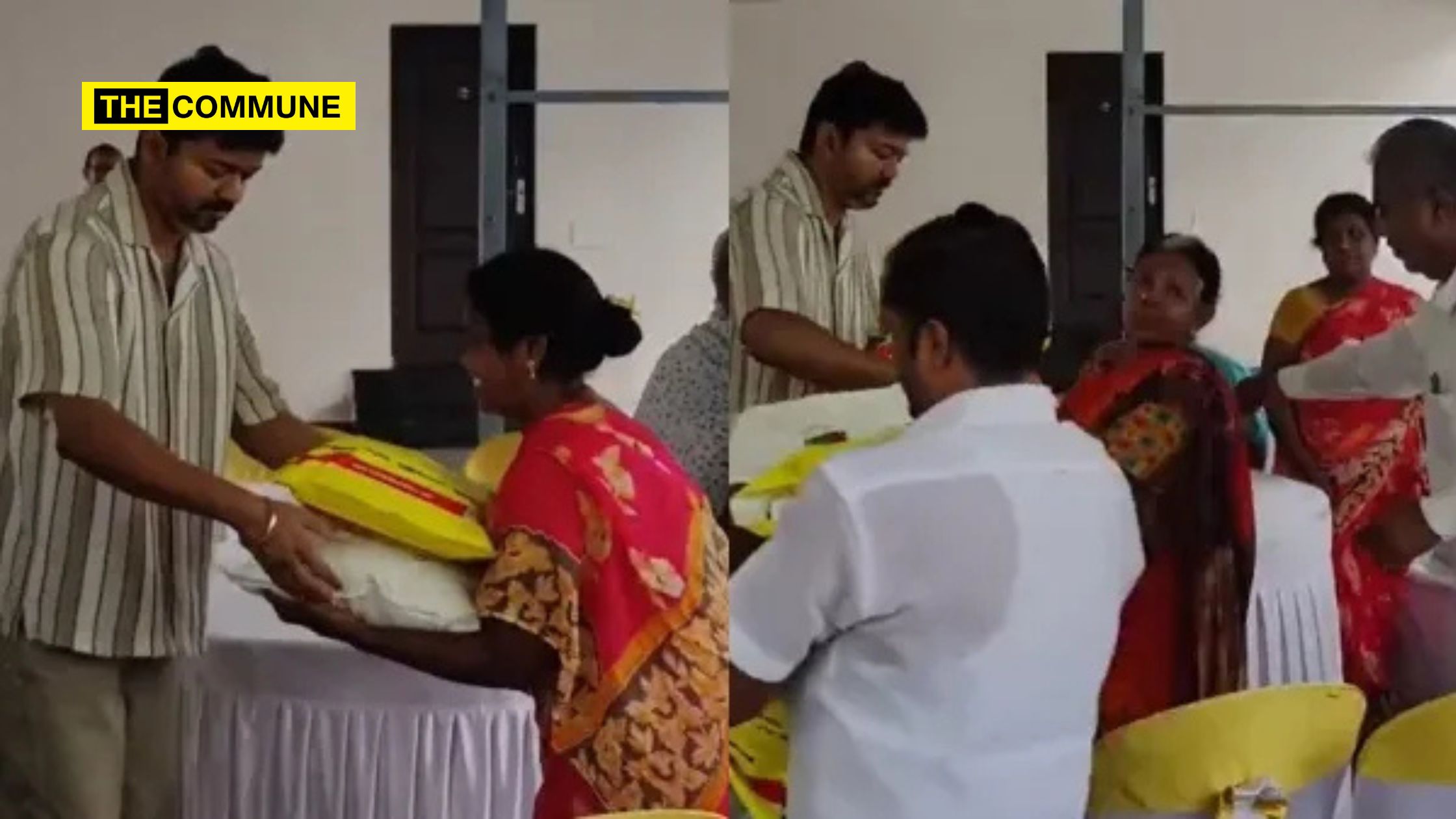
While ruling DMK ministers, Opposition Leader Edappadi Palaniswami, PMK leader Anbumani Ramadoss, and other leaders conducted on-ground inspections in Krishnagiri and Villupuram districts and began providing relief. In this reagard, TVK chief Vijay also took action. He personally invited members from 300 families to his Panaiyur party office, where each family received food and continued assistance.

His decision to bring flood affected victims to his party office by bus to distribute aid has drawn criticism. Many are questioning whether it is appropriate to gather victims at a political office for relief efforts, especially when other political parties are carrying out field visits. Netizens have raised concerns on social media, asking why a crowd is necessary now, when such crowds are typically absent during election campaigns. They argue that a more humane approach would involve personally visiting affected areas to console the victims and offer aid. Some of the criticism given below.

https://twitter.com/black____horse/status/1863933776977400113

Subscribe to our channels on Telegram, WhatsApp, and Instagram and get the best stories of the day delivered to you personally.

DMK Minister Ponmudi Rudely Tells Narikuravar Man To ‘Shut Up’ During Relief Monitoring, Sparks Backlash

DMK Minister Ponmudi Rudely Tells Narikuravar Man To 'Shut Up' During Relief Monitoring, Sparks Backlash

DMK Forest Minister Ponmudi was widely criticised for angrily silencing a man from cyclone-hit Villupuram, who expressed distress over the lack of shelter and ration cards, while the minister was on a video call with Chief Minister Stalin.

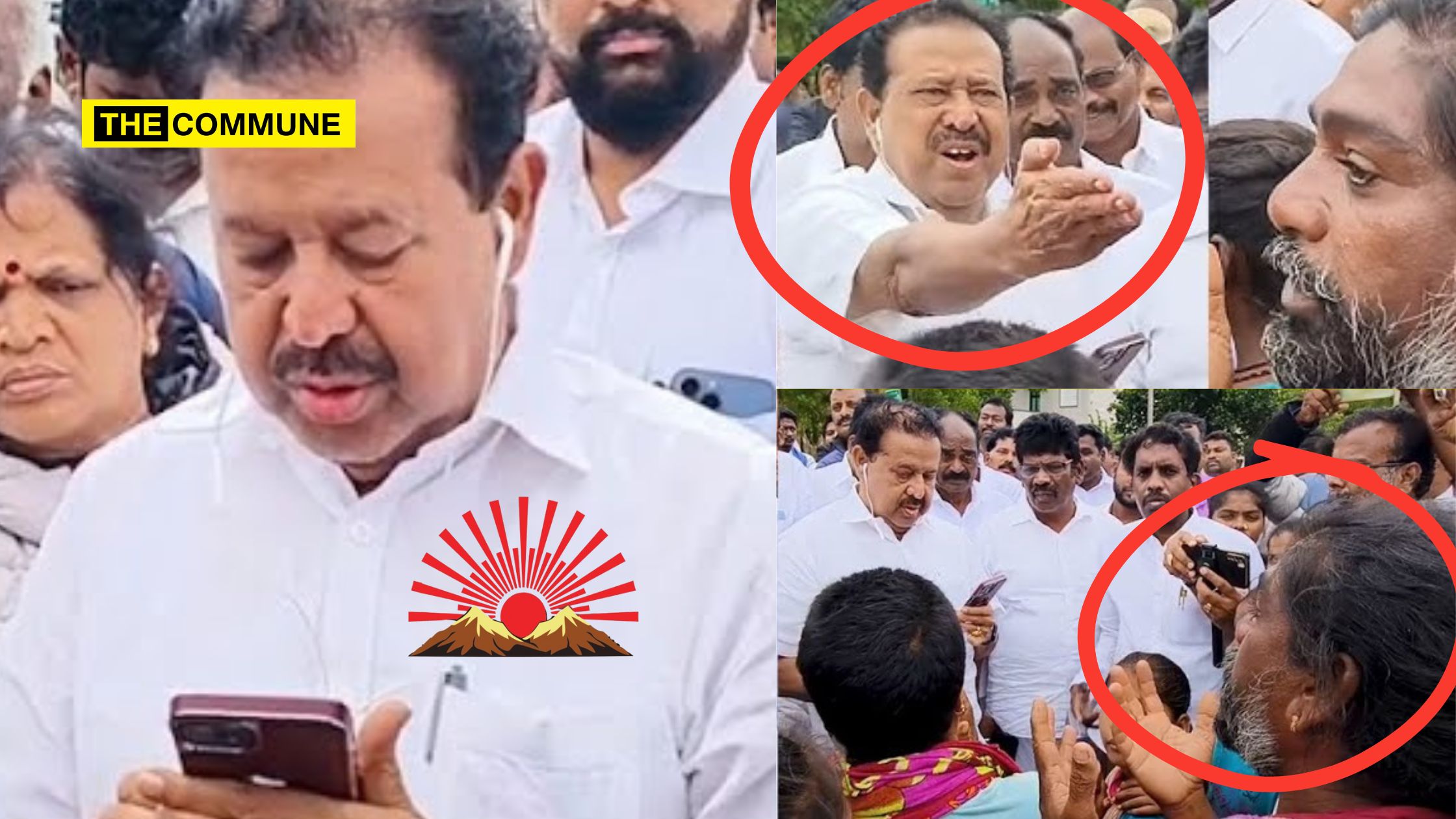
DMK Forest Minister Ponmudi attempted to reassure Chief Minister Stalin through a video call that there were no issues in cyclone-hit Villupuram and that everything was under control. Just then, an unexpected individual voiced distress, revealing that they had no home, shelter, or ration cards. The person then appealed directly to the Chief Minister. Ponmudi, reacting angrily, immediately told the man to “keep quiet,” which sparked controversy and widespread criticism.

The heavy rains from Cyclone Fengal wreaked havoc in Villupuram, with Marakkanam being the worst-hit area. The Narikuravar people, residing in slums, demanded assistance. Eventually, they were relocated to safer places and accommodated in relief camps. After the rain subsided, Minister Ponmudi visited the affected areas. During this time, Chief Minister Stalin made a video call to assess the damage. Ponmudi suggested speaking with the Narikuravar nearby, and when a woman appeared to downplay the situation, a man spoke up, saying, “We don’t have homes, and we don’t even have land to build one, Thalaivare!” which prompted Ponmudi to turn the phone away from him.

Despite being urged to remain silent by the DMK cadres, the man continued speaking, saying, “What to do after eating, there is no home to stay. Give us place to stay. Half of them have ration card and others don’t have. We are asking this for four generation but you are given for the haves. We are just lamenting our concerns” leading the minister to sternly tell him, “Just keep quiet.”

The man then walked away, shouting.  The video of this incident has gone viral on social media, drawing harsh criticism. Netizens have expressed strong disapproval of Ponmudi for silencing citizens from expressing their concerns.

Subscribe to our channels on Telegram, WhatsApp, and Instagram and get the best stories of the day delivered to you personally.
Students Torchbearers Of Future In Science-Tech, Can Make India Global Leader: ISRO Chief

Students Torchbearers Of Future In Science-Tech, Can Make India Global Leader: ISRO Chief

Students are the torchbearers of the future in science and technology and are crucial to realise the vision of making India a global leader, said Dr S Somanath, Chairperson, Indian Space Research Organisation (ISRO) here on Monday. He said this at the 10th edition of India International Science Festival 2024 (IISF 2024) in Guwahati, Assam, being held in association with Vijnana Bharathi, the nodal institute of the event being CSIR-National Institute for Interdisciplinary Science and Technology (CSIR-NIIST), Thiruvananthapuram.

At the event, Somanath interacted with school students and inspired them to explore niche fields in science and technology, emphasising their role in shaping a brighter global future. “As students, you are the torchbearers of the future in science and technology. It is essential for you to grasp the remarkable innovations and advancements taking place in these fields today. By recognising their potential and the opportunities they present, you can draw inspiration to pursue similar paths and contribute to building a brighter tomorrow,” Somanath said. “Reflecting on our current scientific and technological endeavours, your enthusiastic engagement is pivotal in realising the vision of making India a global leader,” he added.

The event, which drew over 20,000 students, also brought policymakers and scientific leaders together under one roof to discuss sustainable practices across science, agriculture, manufacturing, and healthcare. “Young innovators have already begun building rockets and satellites in colleges, efforts that are nearing commercial success. Today, India is actively developing and launching satellites, showcasing the immense potential of this field,” said Dr. C. Anandharamakrishnan, Director, CSIR-NIIST, Thiruvananthapuram.

“By understanding these advancements and the opportunities in the field of space, science, and technology offered, you can be inspired to pursue similar paths and shape a brighter future. Your active engagement is essential to making India a global leader in science and technology,” he added. The event featured technology transfer MoUs, insightful talks, and knowledge-sharing sessions on a wide range of topics, including sustainability, manufacturing, technology, agriculture, and healthcare, among others.

–IANS

Subscribe to our channels on TelegramWhatsApp, and Instagram and get the best stories of the day delivered to you personally.
LS Face-Off: Patra’s ‘Thrilling’ Bank Fraud Charge During Indira Regime Leaves Opposition Fuming

LS Face-Off: Patra’s ‘Thrilling' Bank Fraud Charge During Indira Regime Leaves Opposition Fuming

After days of washout, both houses of Parliament saw proceedings as usual on Tuesday amid bitter verbal exchanges between the Treasury and Opposition benches after BJP MP Sambit Patra invoked the “thrilling” 1971 Nagarwala bank fraud involving Indira Gandhi.

The fracas broke out over BJP MP Sambit Patra raking up the ‘mysterious and thrilling banking fraud’ of 1971 to corner the Congress party, thereby leaving the latter up in arms. It was only at the intervention of Lok Sabha speaker Om Birla that the Congress members relented and toned down their vociferous protest.

The Parliament which remained ‘paralysed’ for a week saw operations returning to normal this morning, with the Samajwadi Party (SP) raising the Sambhal violence issue and blaming the ‘fight between Centre and state’ as the reason behind bloody unrest in the city. As Sambit Patra, BJP’s first-time MP from Puri spoke on the Banking Laws (Amendment) Bill 2024, he spoke about systemic corruption in the banking industry and also the need to plug the loopholes. When he raked up one of the most sensational banking fraud cases in history, the one that happened during the Indira Gandhi regime, it led to a huge uproar and elicited strong protest from Congress members. Recalling the Nagarwala scandal of 1971, the BJP MP said that it was one of the most mysterious and thrilling stories of banking fraud cases, that happened during the Indira Gandhi regime.

“On May 24, 1971, a phone call was made to the Parliamentary branch of the State Bank of India branch. Mr Ved Prakash Malhotra, the bank manager, picked up the phone call and was shocked to hear the voice on the other side. It was the voice of Indira Gandhi. She directed the bank manager to give Rs 60 lakh to Nagarwala,” Patra pointed out. Patra’s direct charge at the then Congress PM left the grand old party see red. KC Venugopal stood in protest and vociferously countered the charges by stating that her strong governance earned her the title of ‘Maa Durga’ by the then BJP veteran Atal Bihari Vajpayee. As the fuming Congress continued loud protests, the Speaker offered to address their concerns by expunging Indira Gandhi’s name from the proceedings. Finance Minister Nirmala Sitharaman too came forward in Patra’s defence and disputed the claims that Vajpayee described the then PM as ‘Durga avatar’.

The Nagarwala scandal of 1971 is purportedly one of the biggest financial scandals of Indira’s time and the charges were colossal enough to put the then Congress govt’s fate in jeopardy. A couple of books have also mentioned a ‘very secret call’ to the SBI cashier from someone impersonating Indira Gandhi and directing the manager to hand over Rs 60 lakh to Rustam Sohrab Nagarwala, a retired Army captain. Patra also told the house that the Reddy Commission was formed to probe the charges. “Though Indira Gandhi was not named, the taint could never be washed away,” he added.

–IANS

Subscribe to our channels on TelegramWhatsApp, and Instagram and get the best stories of the day delivered to you personally.
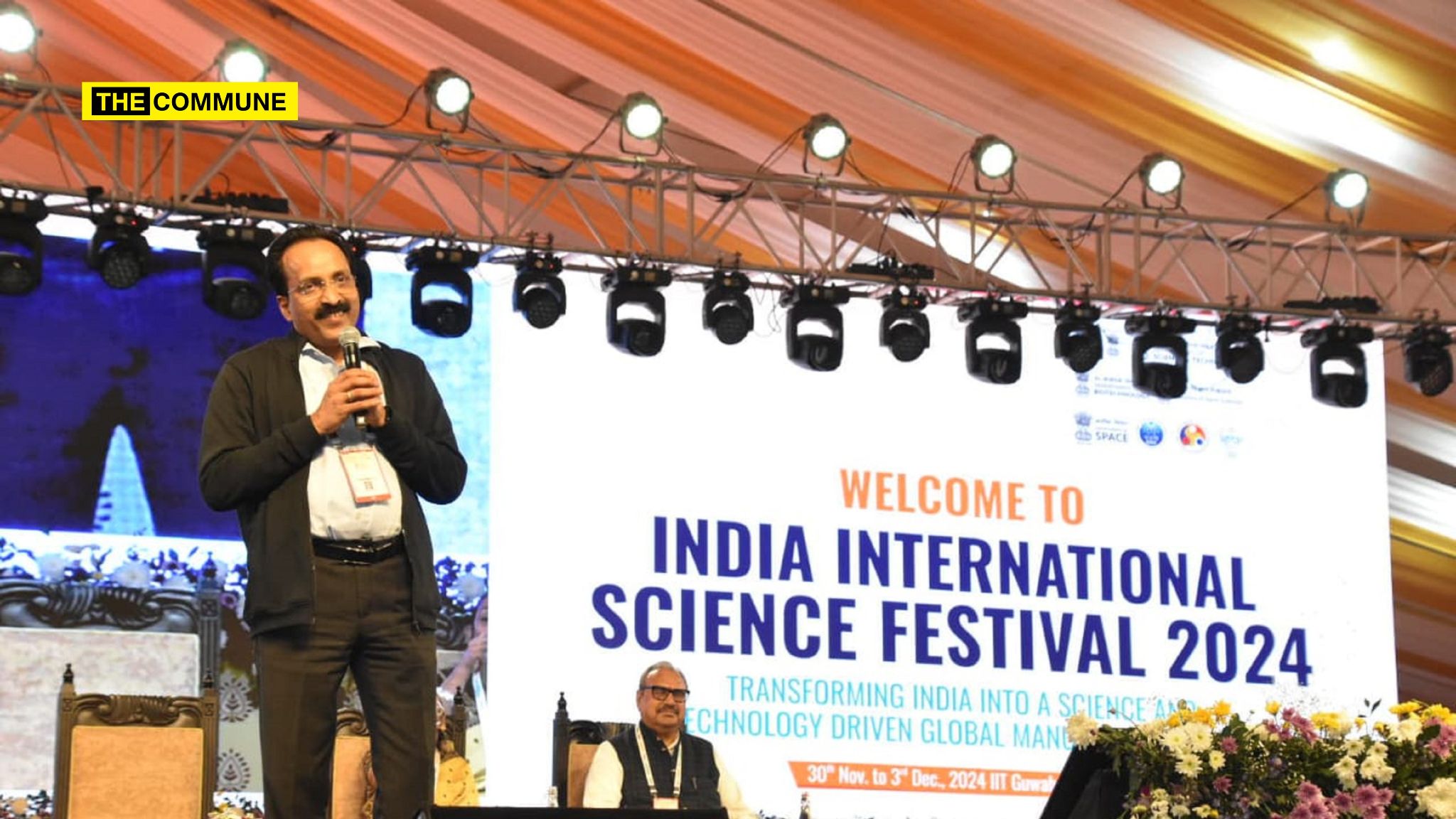
Muhammad Yunus, Student Leaders Masterminds Behind Mass Killings In Bangladesh: Sheikh Hasina

Muhammad Yunus, Student Leaders Masterminds Behind Mass Killings In Bangladesh: Sheikh Hasina

Former Bangladesh Prime Minister Sheikh Hasina on Tuesday accused the interim government’s Chief Advisor Muhammad Yunus of being the “mastermind of mass killings” and orchestrating attacks on minorities in Bangladesh. Addressing an Awami League event in New York virtually, Hasina slammed Yunus for allegedly targeting Hindu temples, including ISKCON sites, and other religious places of the minorities in Bangladesh.

“Today, I have been accused of mass killings. In reality, it is Muhammad Yunus who is responsible for mass killings through a deliberate plan along with his student coordinators. They are the masterminds,” Hasina asserted. The minorities in Bangladesh, especially Hindus, have come under a severe attack by Islamist elements in Bangladesh after the formation of the interim government in the country headed by Chief Advisor Muhammad Yunus. “Teachers and police are being attacked and murdered. Hindus, Christians, and Buddhists are being attacked. Many churches and temples are being targeted. Why are minorities being attacked?” she questioned, condemning the violence. She also mentioned Bangladesh Nationalist Party (BNP) leader Tarique Rahman’s recent remarks where he had suggested that with continued violence, the interim government in Bangladesh would not last long.

Hasnat Abdullah and Sarjis Alam – the leaders of the so-called ‘Anti-Discrimination Student Movement’ that led to the fall of government headed by Hasina in August – have been spewing venom against Hindus in the country while calling for an immediate ban on ISKCON Bangladesh, accusing the spiritual organisation of “inciting unrest”. Last week, after the Bangladeshi authorities arrested and jailed Chinmoy Krishna Das, a spokesperson of the Bangladesh Sammilit Sanatan Jagran Jote who is also associated with Iskcon Bangladesh, Hasina had strongly condemned the “tortures” inflicted on common people by the interim government in Bangladesh and called for “immediate release” of the Hindu priest. “A top leader of the Sanatan religious community has been unjustly arrested, he must be released immediately,” said Hasina.

The Bangladesh Awami League (AL) president and daughter of the ‘Father of the Nation’ Bangabandhu Sheikh Mujibur Rahman had also highlighted several incidents of persecution of members of minority communities that have been reported from across 52 districts in Bangladesh since her resignation on August 5, this year. “A temple has been burnt in Chittagong. Previously, mosques, shrines, churches, monasteries and houses of the Ahmadiyya community were attacked, vandalized and looted and set on fire. Religious freedom and security of life and property of people of all communities should be ensured,” she stated. “After the killing of innumerable Awami League leaders and workers, students and members of the law and order forces, harassment is going on through assaults and arrests. I strongly condemn and protest against these anarchist activities,” Hasina added.

–IANS

Subscribe to our channels on TelegramWhatsApp, and Instagram and get the best stories of the day delivered to you personally.
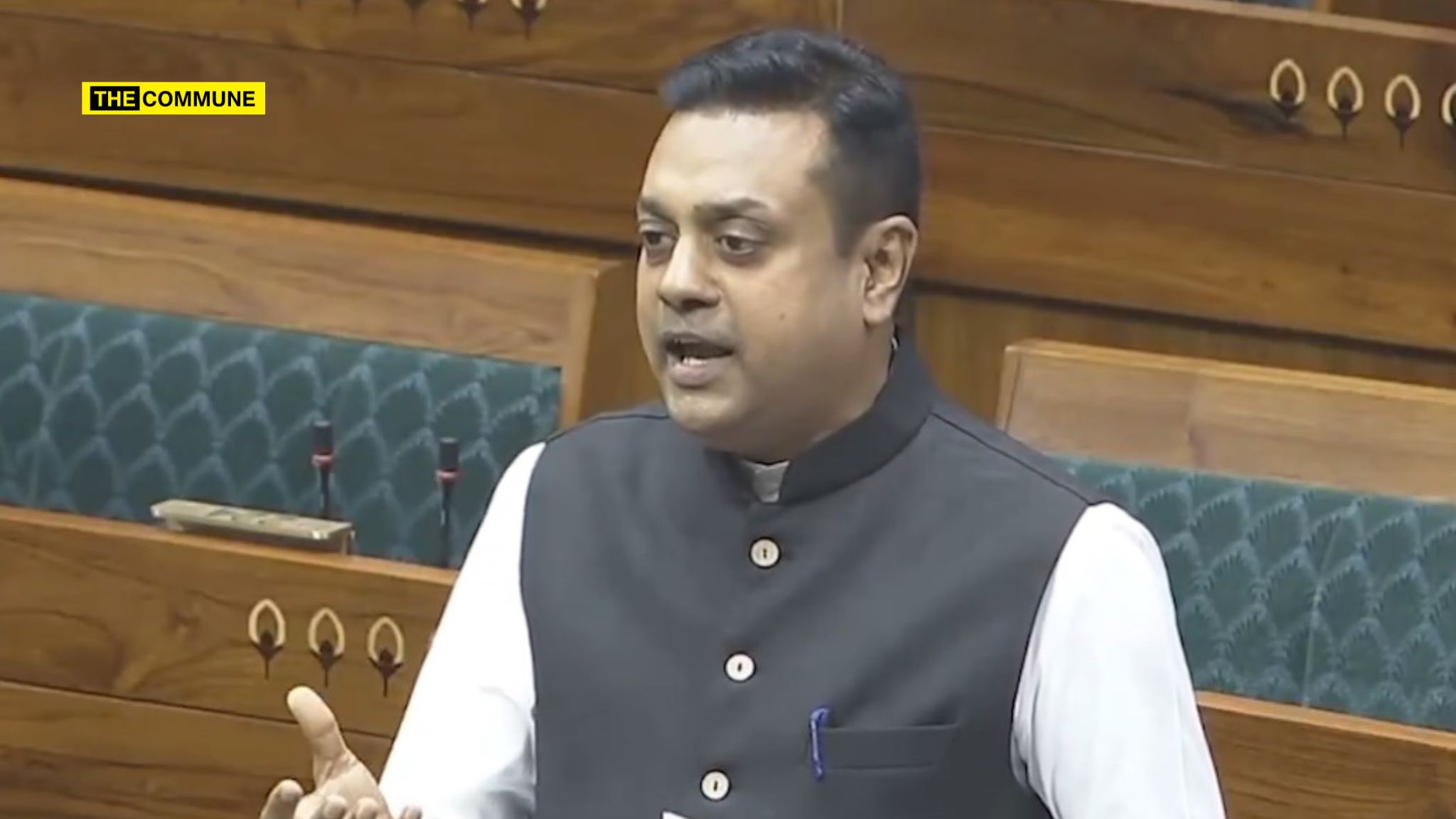
Poll Bonds: Extortion Case Against Sitharaman, Nadda Quashed By Karnataka HC

Poll Bonds: Extortion Case Against Sitharaman, Nadda Quashed By Karnataka HC

In a big relief to Finance Minister Nirmala Sitharaman and BJP National President JP Nadda, the Karnataka High Court on Tuesday quashed an extortion case registered against them concerning the now-scrapped poll bonds scheme. Justice M. Nagaprasanna dismissed the FIR on a petition filed by BJP leader Nalin Kumar Kateel challenging the case in which he was also named as an accused along with Sitharaman and others.

The High Court accepted the contention of Kateel’s counsel, K.G. Raghavan, that there were not enough grounds to register an extortion FIR case against the BJP leaders. Kateel had claimed in his petition that he and other BJP leaders had been implicated in settling political scores. The FIR was registered in September on the complaint of NGO Janaadhikaara Sangharsha Parishath which alleged that the BJP extorted money from private companies and made illegal gains under the electoral bonds scheme by threatening them with Enforcement Directorate raids. NGO representative Adarsh R. Iyer alleged in his petition that the BJP made illegal gains of up to Rs 8,000 crore under the poll bonds scheme.

Accusing the BJP of extorting companies, Iyer alleged in the complaint that firms like Aurobindo Pharma, Vedanta and Sterlite faced ED raids before they donated money to the party. The FIR was registered after a court in Bengaluru approved the private complaint filed by the NGO. The complaint claimed that every citizen has the right to set the criminal law into motion in case of serious crimes. Soon after the registration of the FIR in September, the High Court stayed further investigation against Sitharaman and other top BJP leaders. The High Court passed the interim order on a petition filed by Kateel challenging the FIR.

–IANS

Subscribe to our channels on TelegramWhatsApp, and Instagram and get the best stories of the day delivered to you personally.
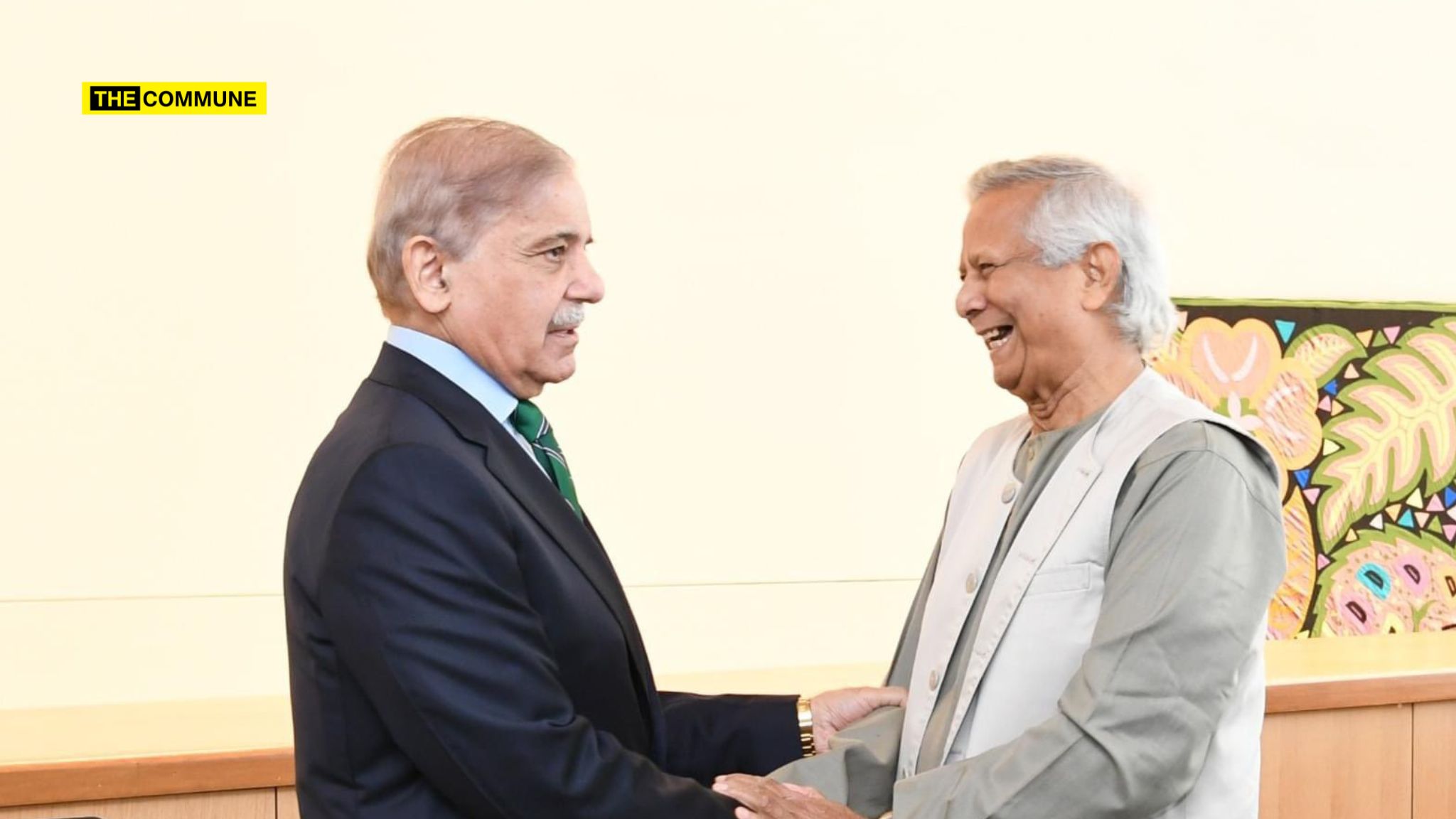
New Criminal Laws Freed India From Colonial Legacy As Envisioned By Constitution: PM Modi

New Criminal Laws Freed India From Colonial Legacy As Envisioned By Constitution: PM Modi nda parliamentary meet handloom sector national handloom day

Prime Minister Narendra Modi on Tuesday said the three new criminal laws “freed India from colonial legacy” as they “are a concrete step towards fulfilling the ideals that Constitution has imagined for the country”. Speaking at a programme to mark the implementation of the new criminal laws in Chandigarh, the joint capital of Punjab and Haryana, PM Modi said, “It’s (the new criminal laws) a concrete step towards fulfilling the ideals that our Constitution has imagined for the citizens of our country…In the seven decades after Independence, the challenges faced by our judicial system were studied and thought upon. Behavioural aspects of all the laws were analysed. I thank the Supreme Court, judges and High Courts, especially of Punjab and Haryana, and Bar (association) who have taken the ownership of Nyay Sanhita.”

He said decades after Independence, “our laws were revolving around the same penal mindset. Over time, efforts were made to make some little changes in laws, but their characteristic remained the same.” PM Modi said, “At a time when the country is moving forward with the resolve of a united India, and as we celebrate 75 years of the Constitution, the implementation of Indian justice inspired by the spirit of the Constitution marks a significant beginning.” Earlier, PM Modi along with Union Home Minister Amit Shah and Punjab Governor and Chandigarh Administrator Gulab Chand Kataria, inspected the exhibition depicting the implementation of three criminal laws on the campus of Punjab Engineering College. PM Modi was briefed by Senior Superintendent of Police (SSP) Kanwardeep Kaur about the implementation of three transformative new criminal laws in Chandigarh with registration of 900 plus first information reports (FIRs) and four convictions in the past five months.

These laws aim to overhaul India’s criminal justice system, focusing on transparency, efficiency, and addressing modern challenges. PM Modi also inspected the exhibition depicting the implementation of criminal laws by simulating a crime scene investigation on the campus of Punjab Engineering College, where a dummy police station was set up. The presentation, themed “Secure Society, Developed India: From Punishment to Justice”, took place at an exhibition spread across eight stations, providing Prime Minister Modi with a live experience of how law enforcement, forensic teams, judicial authorities and prisons have become more efficient and technology-driven since the implementation of the laws. A crime scene was depicted with a distress call at the Police Control Room. At the crime scene, the e-Sakshya app digitally recorded all evidence from the scene, including photos, videos and timestamps, which are then sent directly to the court. In this scene, the forensic team collects crucial evidence, while the “victim’s family member” identifies the body.

Home Minister Shah was seen explaining to Prime Minister Modi about the operation of the new laws for speedy justice, starting from the collection of evidence at the crime scene to providing solace to the victim’s family. Speaking at the programme, Home Minister Shah said, “In the new laws, treason (deshdroh) has replaced sedition (rajdroh), which was there for centuries.” He said earlier laws were made in the British parliament, they were more for the protection of British rule and not for the people. “The laws that PM Modi has brought are made by Indians, in the Indian Parliament and to deliver justice to the people… These laws have no place for punishment but justice. It will be implemented in the entire country within three years.” He said PM Modi has created the world’s most modern criminal justice system to build a secure and developed Bharat for all. Chandigarh is the first city in the country where 100 per cent implementation of all three laws has been completed.

The three new criminal laws — the Bharatiya Nyaya Sanhita, the Bharatiya Nagarik Suraksha Sanhita and the Bharatiya Sakshya Adhiniyam — replaced the British-era Indian Penal Code, Code of Criminal Procedure, and Indian Evidence Act, respectively, came into effect from July 1. These landmark reforms mark a historic overhaul of the criminal justice system, bringing in new frameworks to tackle modern-day challenges such as cybercrime, and organised crime and ensuring justice for victims of various offences. The local police also showcased the functionalities of applications such as e-Sakshya, Nyay Setu, Nyay Shruti and e-summons, which have been developed by the National Informatics Centre in collaboration with the National Crime Records Bureau.

Before heading to Chandigarh, PM Modi wrote on X, “A special day in our efforts to ensure speedy justice for every Indian and, at the same time, break free from colonial mindsets…will join the programme in Chandigarh to mark the successful implementation of the three new criminal laws…It’s a matter of immense joy that these laws are coming into being at a time when we mark 75 years of our Constitution being adopted by the Constituent Assembly.” The conceptualisation of the three laws was driven by the vision of the Prime Minister to remove colonial-era laws that had continued to exist post-Independence and to transform the judicial system by shifting focus from punishment to justice.

–IANS

Subscribe to our channels on TelegramWhatsApp, and Instagram and get the best stories of the day delivered to you personally.
Continuous Diplomatic Engagement Has Set India-China Ties In Direction Of Some Improvement: EAM Jaishankar

Continuous Diplomatic Engagement Has Set India-China Ties In Direction Of Some Improvement: EAM Jaishankar

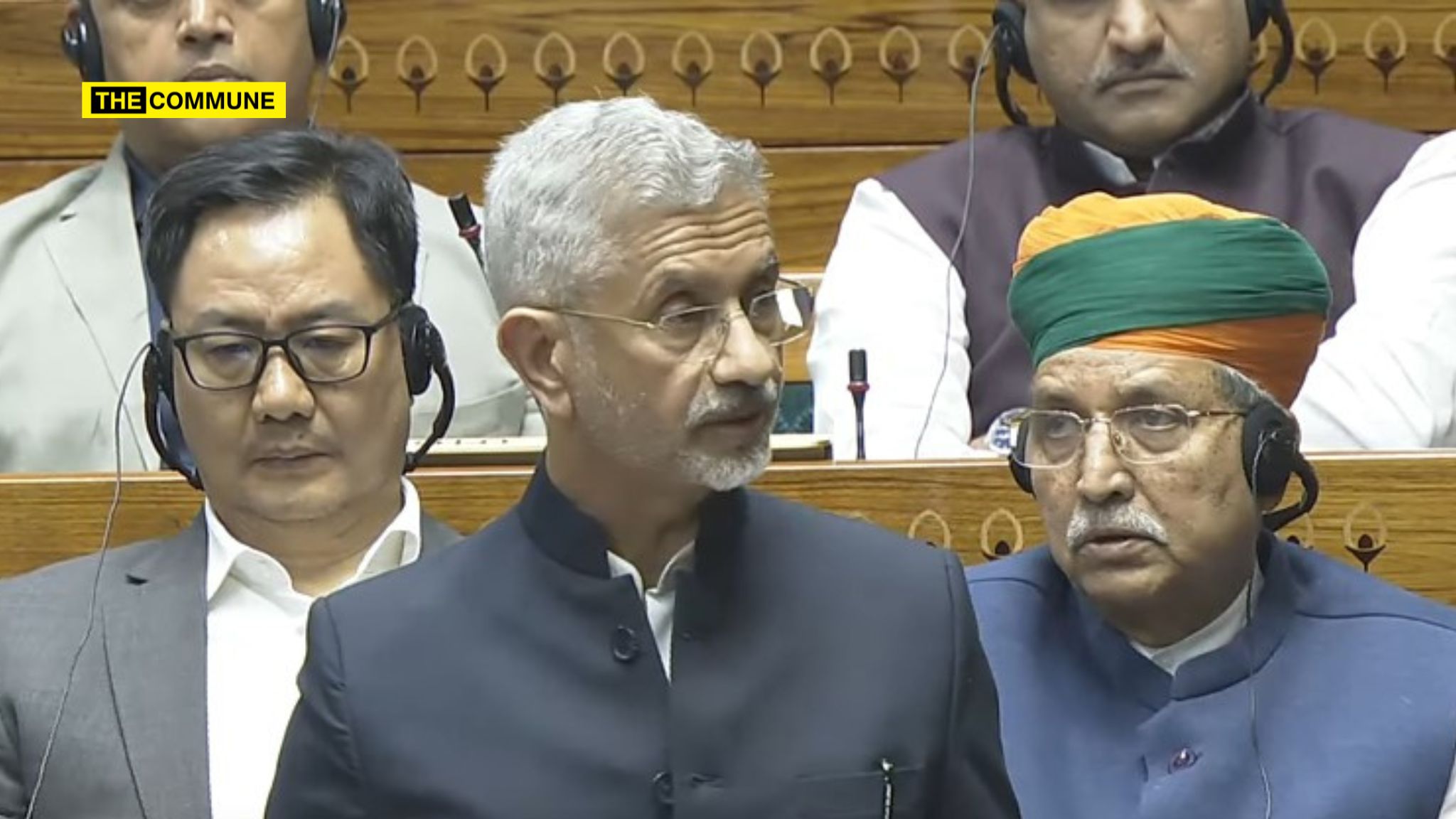
External Affairs Minister (EAM) S Jaishankar said on Tuesday that India-China ties that had been “abnormal since 2020” are moving in the direction of “some improvement” following several high-level engagements, including the meeting between Prime Minister Narendra Modi and Chinese President Xi Jinping held on the sidelines of the BRICS Summit on October 23.

Making a statement in the Lok Sabha regarding ‘recent developments in India’s relations with China’, EAM Jaishankar provided an extensive update on recent developments in India-China relations, particularly the border areas, highlighting the diplomatic and military measures taken to restore peace and tranquillity along the Line of Actual Control (LAC). “Our ties have been abnormal since 2020, when peace and tranquillity in the border areas were disturbed. Recent developments reflecting our continuous diplomatic engagement have set our ties in the direction of some improvement,” he said.

Jaishankar reiterated that normalcy in India-China relations depends on mutual sensitivity, respect, and interests. “India-China relations cannot be normal in the absence of peace and tranquillity in the border areas. Restoration of peace and tranquillity would be the basis for the rest of the relationship to move forward,” he said while stressing that sustained efforts at both diplomatic and military levels remain pivotal in managing the challenges along the LAC and fostering a stable bilateral relationship. The EAM spotlighted that the bilateral relationship had progressed in many domains, but was negatively affected by the recent events. “We are clear that the maintenance of peace and tranquillity in border areas is a prerequisite for the development of our ties. In the coming days, we will be discussing both de-escalation as well as effective management of our activities in the border areas. The conclusion of the disengagement phase now allows us to consider other aspects of our bilateral engagement in a calibrated manner, keeping our national security interests first and foremost. In my recent meeting with Foreign Minister Wang Yi, we reached an understanding that the special representatives and the Foreign Secretary level mechanisms will be convening soon,” he stated.

The meeting between PM Modi and Xi Jinping on the sidelines of the 16th BRICS Summit was the first between the two countries at delegation level in nearly five years and came close on the heels of the disengagement and patrolling agreement and the resolution of issues that had arisen in the India-China border areas in 2020. Referring to the violent clashes in the Galwan Valley in June 2020, Jaishankar recalled the gravity of the situation, which saw fatalities for the first time in 45 years. “The circumstances led to heavy weaponry being deployed in close proximity to the LAC, necessitating determined counter-deployment of adequate capability,” he stated.

He mentioned that the October 21 agreement is the latest in the series of an understanding in regard to the resolution of the situation at various friction points in eastern Ladakh in the aftermath of the events in May-June 2020 and the initial disengagement in Galwan Valley in July 2020. The EAM elaborated on China’s illegal occupation of 38,000 square kilometres of Indian territory in Siachen since the 1962 conflict and noted Pakistan’s illegal ceding of 5,180 square kilometres of Indian territory to China in 1963, which has been under its occupation since 1948. “India and China have held talks for multiple decades to resolve the boundary issue,” he said. He described the large-scale troop deployment by China along the LAC in Eastern Ladakh during April-May 2020, which resulted in multiple face-offs and disrupted patrolling activities. “It is to the credit of our armed forces that, despite logistical challenges and the then-prevailing COVID situation, they were able to counter-deploy rapidly and effectively,” he said.

In his statement, he also traced the history of India-China diplomatic engagements dating back to 1988 when a clear understanding was reached to settle the boundary issue through peaceful consultations. Agreements in 1993 and 1996 established mechanisms to maintain peace along the LAC. He noted further advancements, including the 2005 protocol on confidence-building measures and the establishment of the Working Mechanism for Consultation and Coordination (WMCC) in 2012. “The purpose of recalling these agreements is to underline the elaborate nature of our shared efforts to ensure peace and tranquillity and to emphasise the seriousness of the 2020 disruptions for our overall relationship,” he said.

Jaishankar reaffirmed India’s three key principles: strict respect for and observance of the LAC, no unilateral alteration of the status quo, and adherence to past agreements. He emphasised that the restoration of peace and tranquillity remains the foundation for normalising India-China ties. “The combination of a firm and principled stance on the situation in the border areas, as well as a clearly articulated approach to the totality of our ties, have been the foundation of our engagement with China for the last four years,” he added.

Updating the House on the latest developments, Jaishankar referred to the October 21 agreement on disengagement in the Depsang and Demchok areas, which was achieved after intensive negotiations. He highlighted that patrolling in traditional areas has resumed following verification of disengagement on the ground. “The problem in these two areas pertained primarily to obstructions of our long-standing patrolling activity and access by nomadic populations to traditional grazing grounds,” he said.

Jaishankar detailed several high-level engagements, including his own meetings with Chinese Foreign Minister Wang Yi in Astana and Vientiane earlier this year and again at the G20 Summit in Rio de Janeiro on November 18. National Security Advisors and Defense Ministers from both sides have also been in active dialogue. “In pursuance of these discussions, the Defence Minister met his Chinese counterpart at the ASEAN Defence Ministers’ meeting on November 20 to discuss progress on the disengagement agreement, the need for de-escalation, and the strengthening of confidence-building measures,” Jaishankar said.

–IANS

Subscribe to our channels on TelegramWhatsApp, and Instagram and get the best stories of the day delivered to you personally.
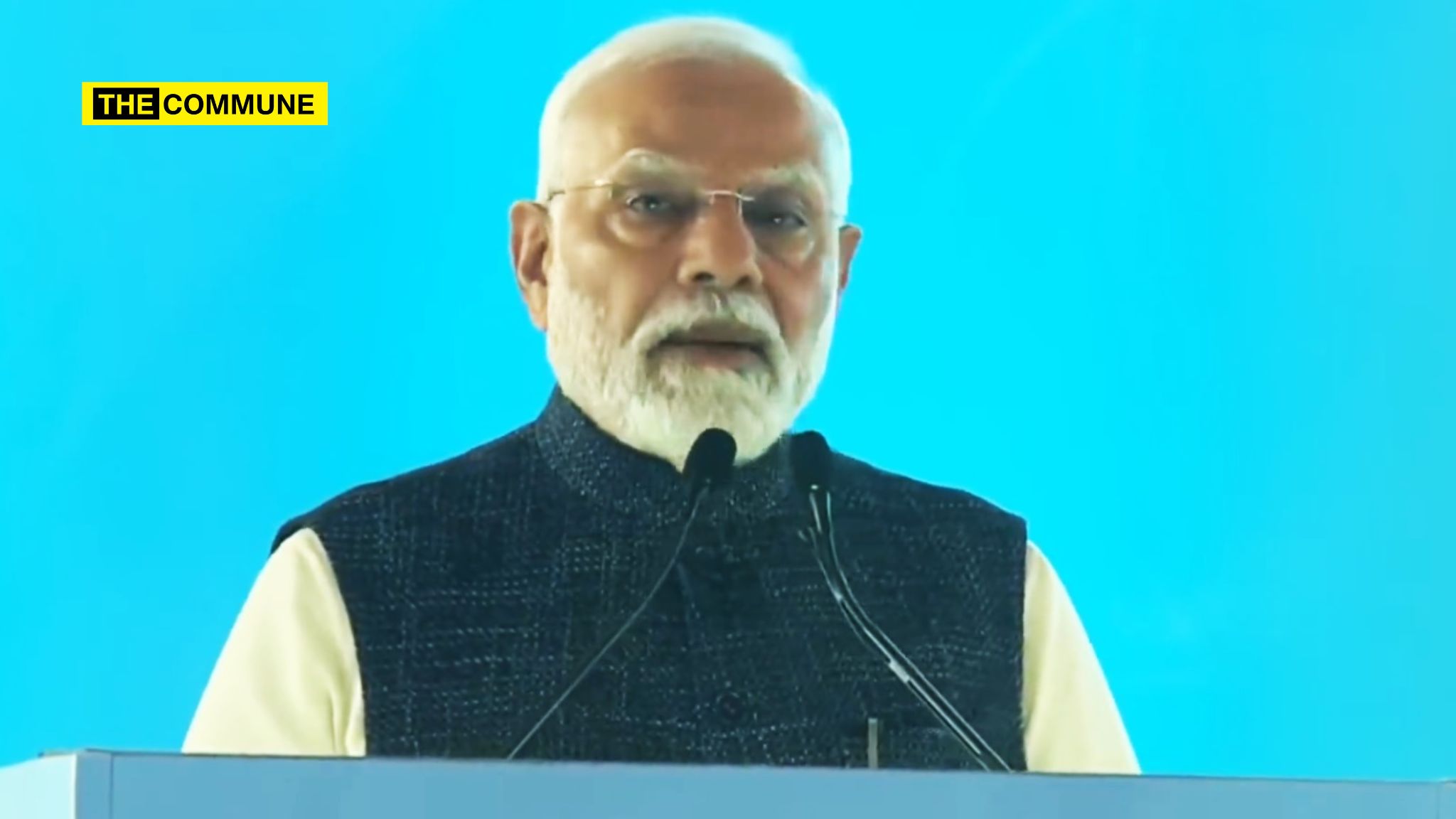
High Time Hindus Irrespective Of Political Ideology Get United: Bengal LoP Suvendu Adhikari

High Time Hindus Irrespective Of Political Ideology Get United: Bengal LoP Suvendu Adhikari

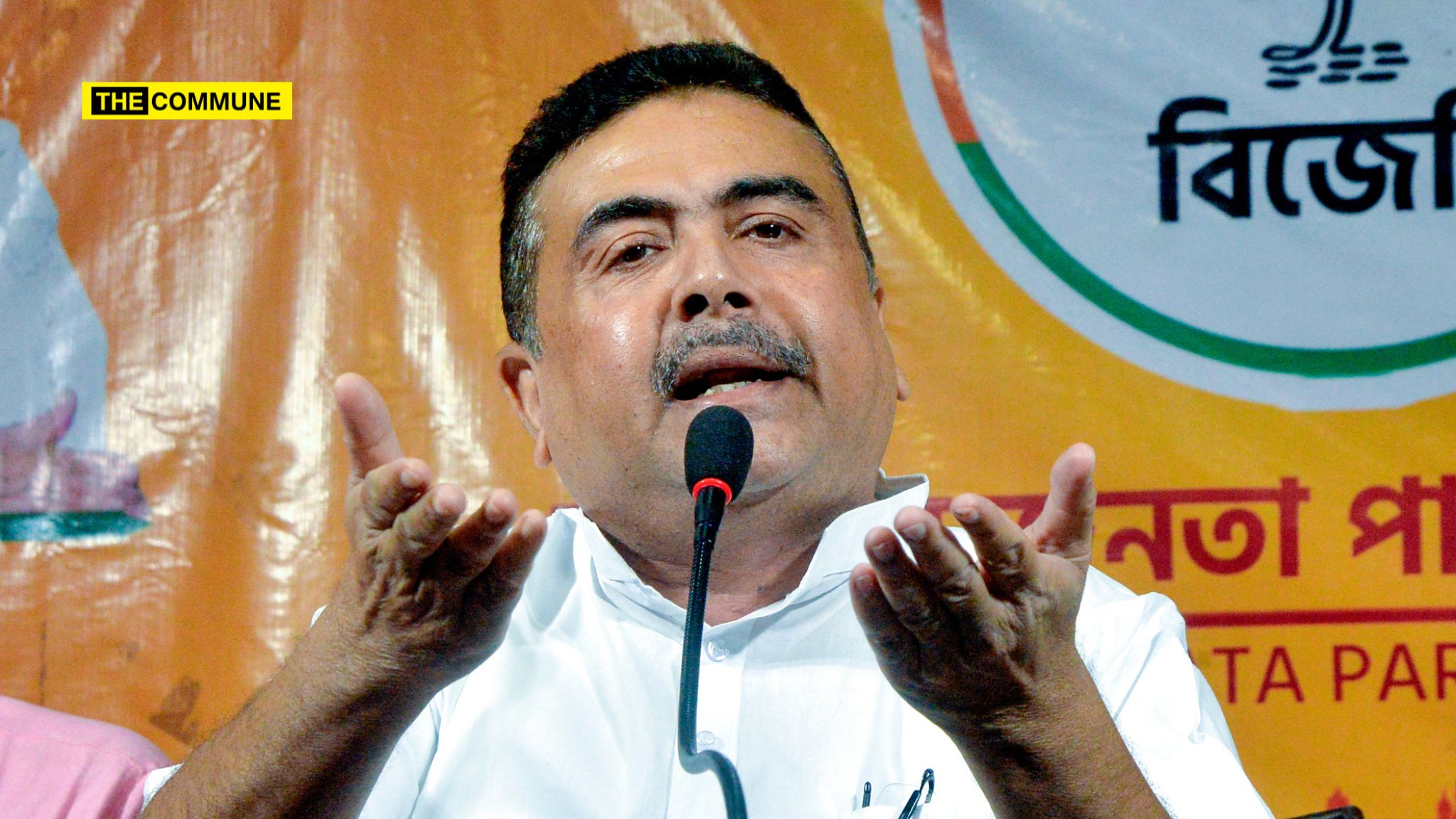
Considering the current crisis in Bangladesh where the attacks and atrocities on the minority Hindus have become regular, Leader of the Opposition (LoP) in West Bengal Assembly Suvendu Adhikari on Tuesday called for all Hindus to unite.

“There are regular human rights violations there. The people associated with an organisation like International Society for Krishna Consciousness who are spread across the world should protest strongly over the arrest of ISKCON monks in Bangladesh. Even the lawyers taking the brief for the arrested are facing lethal attacks. So it is high time that Hindus get united irrespective of their individual political beliefs,” the LoP told newspersons on Tuesday afternoon.

Adhikari said that an organisation deadlier than terror groups like Islamic State, Taliban or Hamas are active in Bangladesh and they are organising such attacks against Hindus. The reaction from the LoP comes on a day when Chinmoy Krishna Das, the ISKCON monk from Bangladesh who was accused of sedition, encountered a major setback when lawyers declined to represent him at his bail hearing in court on Tuesday, following which the Chattogram court postponed the bail hearing to January 2.

Das, popularly known as Chinmoy Prabhu, the spokesperson for Bangladesh Sammilita Sanatani Jagran Jote, was arrested at Dhaka’s Hazrat Shahjalal International Airport while he was en route to Chattogram to attend a rally. He was denied bail and sent to jail last week.

–IANS

Subscribe to our channels on TelegramWhatsApp, and Instagram and get the best stories of the day delivered to you personally.