Home Blog Page 753

The Time To Overhaul Our Textbooks Is Now
Exordium

We all know that Genghis Khan invaded China, plundered and pulverised it to pieces for seven decades during 1205 to 1279 and that Julius Caesar invaded Britain and enslaved it twice in 55 and 54 B.C. But, if we look at the history text books of China or Britain, we will not find a single mention of those events. The logic is simple. They do not want their children to be fed with defeatist narrations during their formative years. Later of course, when they grow up into matured adults, they may get all these data from various sources. But as a fledgling student they are confined only to success stories of the past history of their nation to ensure that they develop a sense of pride and patriotism and with that objective in mind all negative data are scrupulously screened off in their schools.

Juxtapose this with the contents of the textbooks in our schools. What a stark contrast! Every page, every sentence shamelessly lionises with laurels the glory and grandeur of the invaders, plunderers, bandits, ravagers from foreign land in inflated superlatives while our natives are presented as powerless paralysed lot in a pitiful, pathetic picture. The tiny tots in our schools are taught that only the westerners are strong, superior, sturdy and supreme, that they only brought us civilisation, education, mathematics, modern science, social structure etc. and that but for them we would have continued to be brutes and barbarians loitering in jungles. It is a pity that even after getting freedom, for several decades we have been continuing to feed our children with such absolutely false, gloomy, negative, defeatist narration as a result of which the society as a whole had developed an indelible inferiority complex and consequently, for every concept of our ancient wisdom, we tend to seek proof of validity from the west and solicit their approval.

In this context, therefore, the news item that at last our school text books are going to be revised, mending the mendacities deliberately done with devilish design by the left-wing anti-national pseudo-historians, is most welcome and in this context, we can offer a few suggestions for consideration. They are listed below and the last one is the most vital one.

Broad Outline Of Suggestions

Elaborate coverage of mighty empires like Guptas, Pallava, Haryanka, Shishunga, Nanda, Maurya, Gupta, Chalukya, Vijayanagara, Chola, Pandiya, Chera, Pallava etc. [incidentally, how many of them we are aware of at present?] should replace the present panegyrics on Mughal and British empires. The unique features of each dynasty and the manner in which our Bharat varsha flourished earlier in multifarious fields should be comprehensively covered. The glorious tributes by foreign visitors like Megasthenes [Indica], Hiuen Tsang, Marco Polo, Faxian etc. should be included in the studies.

For instance, just one quote, a golden tribute by a visitor:

Hiuen Tsang wrote about the religious condition of India as well. He described that Brahamanism, Buddhism and Jainism were all popular religions in India. There was complete tolerance among people of all religious faiths and people changed their religions voluntarily.

Now, coming to the moghul dynasty, there were several warriors both men and women in Maratha, Rajput, Ahom, Sikh, Keladi dynasties who had successfully thwarted the invaders. There were a few queens like Tara Bai, Rani Chennamma who were nightmares for Aurangzeb! There was one Bappa Rawal who invaded the Arab countries, smashed all the enemies and marched majestically as far as the banks of Euphrates river in Central Asia, converting Muslims to Hindus in his conquest! These names are just a few. Many such spectacular feats of victorious warriors are either completely concealed or casually mentioned as a minor footnote in passing. Instead of highlighting such splendid successes, our books glorify the greatness of Akbar[!], architecture of Taj mahal, austerity of Aurangzeb!! What a pity!

The narrations on the advent of East India Company, the subsequent British rule and our freedom struggle thereof are all fundamentally faulty and require radical revision. In this task, patriotic historians and not the pseudo anti-national communists should be involved in rewriting the script. The fictitious fantasy of featuring Gandhi-Nehru narration as the fulcrum of freedom fight should be replaced by the real, resolute revolutionaries who have sacrificed their limbs and lives for the love of their motherland. The actual reasons that compelled the Britain to leave should be precisely disclosed.

One vital aspect in the design of the books is this: The student in Kollam or Kanyakumari should be thorough with the heroics of Lachit Borbhukan and Tara Bai while his counterpart in Pathankot or Kashipur should know in detail about the sacrifices of Neelaknata Brahmachari and Kittoor Chennamma. The contents should be framed in such a way as to instill a Bharatiya perspective and not any parochial predilection.

Students should also be encouraged with incentives to learn as many Indian languages as possible and for that avenues for facilitating such endeavour should be created in all states.

Patriotic spirit and national identity should be the core criterion.

Coming to other subjects, while discussing Mathematics, Astronomy, Physics, Medicine etc. the original contributions of our ancient scholars like Aryabhatta, Varahamihira, Bhaskara, Charaka, Shushruta, Brahmagupta, Vachaspati Mishra etc. should be highlighted. Our Vedic texts have abundant information about many aspects of modern science. For instance, our Aruna Parshnam in Krishna Yajurveda-Taittireeya Aranyakam describes the cosmos and the solar system in great detail. Our vedas contain astonishing wealth of information on many aspects of life. We can solicit the assistance of vedic scholars available now and incorporate such details in our textbooks.

Samskritam [let us call it in its correct name and not as the anglicised one-Sanskrit. In fact, the meaning of the name itself is ‘perfectly created’!] should be made compulsory in all schools, inasmuch as that language, by its unique nature, inculcates a sense of satvic psyche and promotes not a mere national outlook but an extensive global vision.

And, here is the last one, the climax:

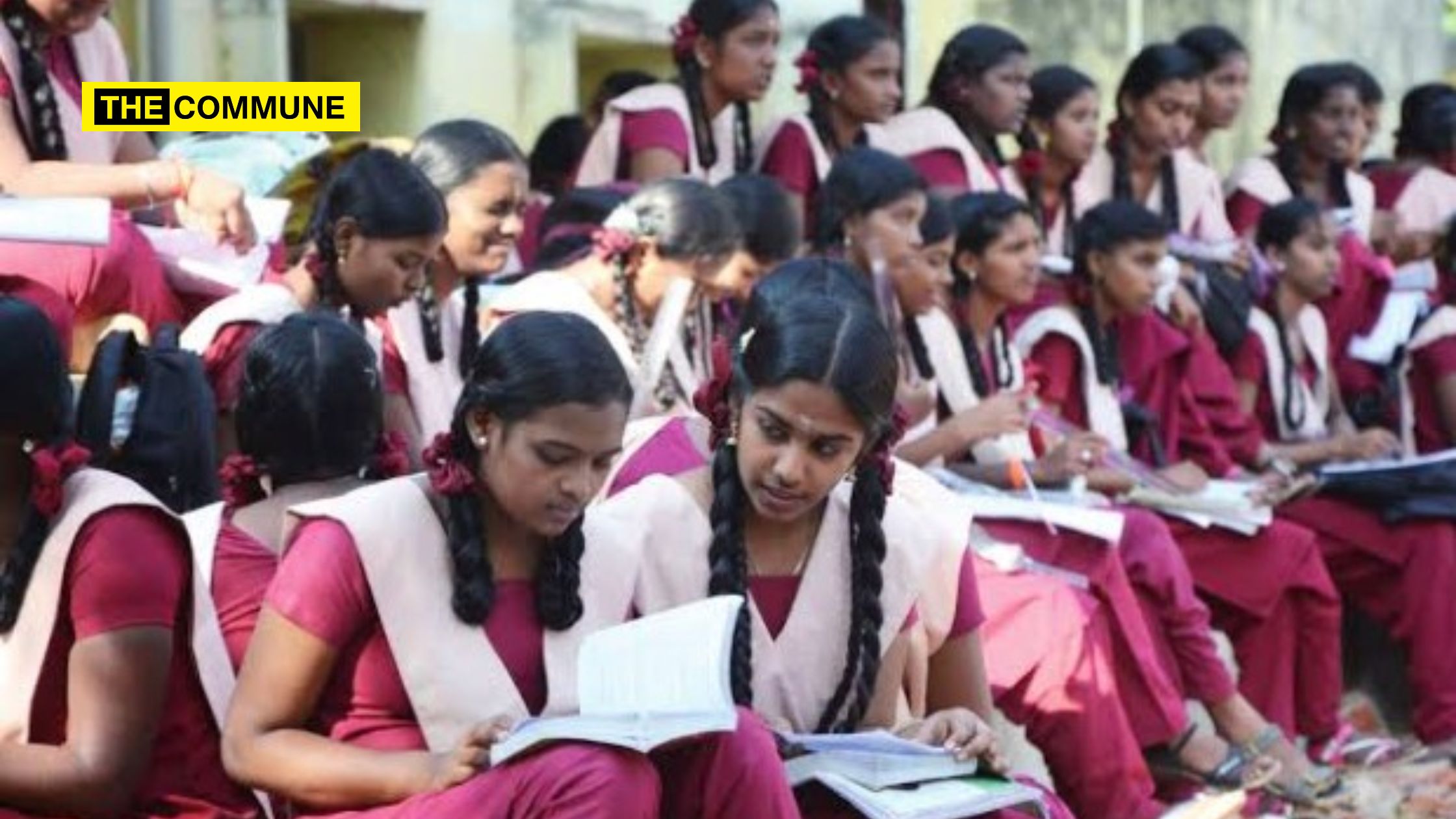
The most invidious and insidious instance is our Tamil textbooks in the schools of Tamil Nadu. Anybody going through the text of any class will start wondering whether he is reading a school textbook or a dravidian propaganda booklet. The contents of a school textbook should be designed to reflect the beliefs and values cherished by the majority of the state and not those of a miniscule motely of misguided heretics. The teachers in the school and the parents at home, who, more often than not belong to the bulk holding conventional convictions antithetical to the postulates of the book, are finding it quite exasperating while explaining the contents to the neophyte.

In fact, the design and definition of the contents of a textbook should be on a stricter criteria. The young lad is in his formative stage when he accepts ipso facto as ‘veda vakku’ every statement articulated by his teacher and every word written in his book. He is like a child holding his mother’s hand under the infallible impression that she will lead him in the right path. Later of course, when he grows up, leaves his alma mater, enters the amphitheatre of life, encounters different experiences, he develops the faculty of discrimination and can independently judge any book, any person or any situation. It is then the sacred duty of the academic world to equip him with skills to take proper judgement beneficial to the society.

In the good old days, that is, before the advent of the dravidian regime, we used to have topics like the following in our textbooks:

கடவுள் வாழ்த்து, நாலடியார், ஆத்திசூடி, கொன்றை வேந்தன், மூதுரை, நல்வழி, திரிகடுகம், ஆசாரக்கோவை, பழமொழி நானூறு, சிறுபஞ்சமூலம் போன்ற நீதி நூல்கள்

[These are all poems couched in simple diction providing proper guidance to the student to lead a life of lofty, laudable principles.]

Portions from literature like கம்ப ராமாயணம், சங்க இலக்கியங்கள்,
Prose writing by great authors like உ.வே.சா, டாக்டர் மு.வ.,

The focus of the entire exercise is to inculcate in the nascent mind of the ward lofty ideals, patriotic spirit, universal outlook, proclivity for philanthropy so as to equip him to lead a laudable life and transform him into a responsible citizen selflessly contributing his services for nation building and making the globe a better place for living.

But, instead, what we find in the books is a wily, subtle attempt to project the Tamil race as something distinct from the rest of the nation. This feature may not be discernable on a cursory glance but indirectly injected in various ways. The four southern languages are grouped into a separate family quite different from other dialects. Excessive encomium is showered on western personalities like Caldwell, Max Mueller, William Jones, G U Pope etc. who under the garb of developing local languages were indulging in conversion activities. At the same time, miniscule mention is made about noble indigenous persons like U.V Swaminatha Iyer, Va.Ve.Su.Iyer, Paridhimarkalaigner, Devaneya Pavanar, Ka. Appatthurayar, just to mention a few.

On the other hand, Karunanidhi’s life, political life and his “artistic contributions” has been included in the recently released textbooks of the Tamil Nadu Government.

While his distinctive contribution in film dialogue writing during the 60’s, with powerful, poignant and passionate phrases propelling the viewer to obstreperous response need not be denied, there are plenty of other grey aspects even bordering on darkness in his career that portray him as a controversial figure unfit to find a place in a school textbook. He is, no doubt, deified as a demigod by the dravidian denomination but equally disliked and detested by a devout section of the people.

Here are a few other articles open to criticism.

Class 9:

Chapter 6.2 இராவண காவியம் Epic on Ravana
Chapter 8.1 : பெரியாரின் சிந்தனைகள் Gems of thought from Periar.

[A detailed article on these appeared in The Commune magazine on April 4, 2024.]

There are even essays on prominent persons like M G Ramachandran, Iyothee dasar, etc. who have no doubt, strong following from many quarters but who are not universally accepted by all sections of the society and therefore may not conform to the strict criteria for inclusion in school textbooks.

Epilogue

We have, for brevity’s sake, focussed only on two subjects in detail, history and Tamil books. Similar changes can be done in other areas also like Mathematics, Sciences, Social studies, Astronomy, Medicine etc. after consultations with specialists in the respective fields. Changes are also required in the reward and punishment system where automatic pass in all classes is eschewed and instead, a system to strictly assess what has been assimilated and absorbed by the pupil is introduced, so that corrective action can be promptly initiated at each stage.

In short, our education system should regain its past glory to such an extent that it should attract students from all over the world, analogous to our ancient universities like Taxila, Nalanda, Varanasi, Kashmir, Kanchi etc. where abecedarians from all countries, irrespective of caste, religion, nationality thronged in thousands for free education with boarding and lodging!

Our aim should be to develop a contributive youth force into a collective, constructive, cooperative cordial society. If we start the exercise now itself we can reap the fruits through our future generation and our nation will shine as the foremost ‘VISHVAGURU’ for the entire human race.

Parasuram Sharma is a retired bank officer and an octogenarian whose interests include Sanathana Dharmam, Samskritam, history and politics.

Subscribe to our channels on TelegramWhatsApp, and Instagram and get the best stories of the day delivered to you personal
Time For Andhra’s TDP To Re-Think Its Roots And Aspirations

Andhra Pradesh goes to the polls, both at the state (assembly) as well as the national (Lok Sabha) level on May 13, 2024. In both the state and national elections, the TDP (Telugu Desam Party) is predicted to bag a significant number of seats, likely uprooting the incumbent YSRCP party. Its individual standing appears strong enough at the moment, considering the numerical strength of the masses choosing to attend and participate, in its political rallies. However, it has prudently decided on an alliance with the BJP and the JSP (Jana Sena Party) for a handful of carefully considered reasons.

The party’s leadership has openly stated that its decision to request being a part of the NDA alliance in Andhra, is highly motivated by its strong desire to defeat the incumbent YSRCP with certainty, a party that has focused on populist welfarism at a steep cost to the state’s development and future.

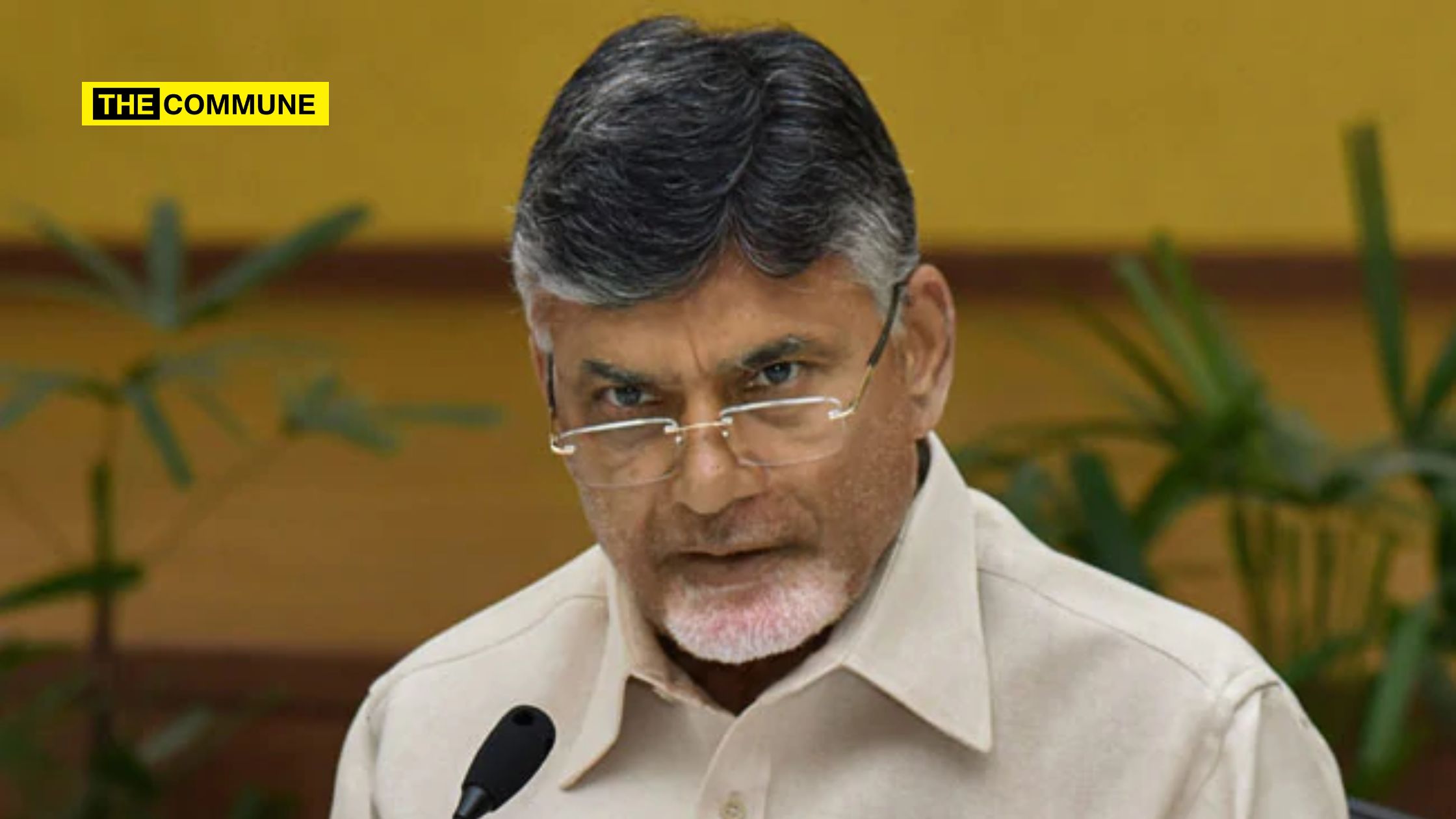
Veteran politician,  Chandrababu Naidu’s TDP is expected to carry most of the forward-class vote and the back-class vote while Jagan Reddy’s YSRCP is expected to be a favorite with the minorities and the scheduled castes (SCs). TDP’s thoroughly considered, strategic alliance with the JSP will ensure the coming together of almost all backward classes in Andhra while its alliance with the BJP hopes to ensure a united vote from all the upper classes, the educated and a new class of people from across both forward and backward classes, which favours a cultural, Hindu renaissance of sorts….a newly emerging class of Hindus coming together, irrespective of caste and class divisions, for a common dharmic/ Hindu cause against the background of aggressive Christian and Muslim conversion tactics.

The YSRCP is simply a break-away faction of the Congress party, with many of its leaders and its core ideology, clearly reflecting a typical Congress political formula, relying on minority appeasement and a vast number of financially unfeasible ‘welfare’ schemes for scheduled castes.

In contrast, the TDP believes in social upliftment and better economic opportunities provided across all communities and castes, without particular favoritism towards one or two communities. It was formed in 1982, by the much loved and respected Telugu actor, N T Rama Rao, based on the ideals of equal economic opportunities for all as well as social equality for all communities, in addition to a  recognition of and pride in, a unique Telugu culture, language and heritage.

While the TDP is similar to the Congress and most other Indian political parties including the BJP, with its social-equality aspirations, it differs significantly from the Congress, in terms of encouraging private enterprise, investments and job creation. Like the BJP,  the TDP prefers to engage in social upliftment and adequate aid to historically disadvantaged communities on the one hand while on the other, it encourages private enterprise and job creation in the private sector for long term economic benefits and a healthy fiscal balance.

Unlike the Congress with its complete focus on communist-like control on governmental hand-outs, populist welfare schemes and a tight leash on private enterprise along with its patronage of a slow, inefficient bureaucracy, top TDP leaders like N.T. Rama Rao and N Chandrababu Naidu resemble Mr. Modi and his top leaders, in their  policies for economic growth, fewer government controls, more freedom to private enterprise and their higher expectations from government employees and bureaucracy, in terms of sincere, good quality work and efficiency.

Like the BJP, the TDP’s governance track record thus far, indicates its belief in certain individual freedoms, creativity and ambitious goals coupled with larger societal issues handled with limited aid from governmental departments. In other words, both the BJP and the TDP practice and govern with principles of socialism within the larger context of a capitalist-driven economy for long term, self sustaining economic growth and financial health.

In both its higher-than-average fulfillment of its promised social schemes and its encouragement of private industry and job creation, its vision, economic goals and its track record in implementing poll promises, the TDP is closer to that of the BJP.

In the “business” of winning elections, a party like the TDP with a similar vision as that of the BJP, should refrain from bending to the pressures of extreme welfarism and minority appeasement just to compete with the Congress, the YSRCP and the Communists.

Much like the BJP,  the TDP tries to balance the need for social welfare across all communities on the one hand and providing opportunities for industrial, business growth and job opportunities, on the other. Hence, it would do good for the TDP to publicly acknowledge its ideology as one that aligns with the BJP’s – doing so will help the electorate understand A.P’s NDA alliance, on the grounds of  similar social, economic, financial and cultural goals, rather than a mere political convenience. Doing so, will ensure its political stability in the longer run and attract a section of people loyal to its very own, distinct social and economic ideology.

The major difference between the TDP and the BJP as far as ideology goes, is that of Hindutva – an envisioned cultural unity based on common history, culture, ancestry and genetic disposition with the proud acknowledgement of the Vedic Hindu religion as the bedrock of Indian philosophy and spirituality. Would the TDP hesitate to publicly announce its support for Hindutva for purely political reasons? Alternatively, is it time for Naidu’s party, to take a calculated risk, strategize and send out a loud, clear message of “cultural unity among diversity”, a message of nation first, a message of freedom for individual faith/beliefs yet along with an acceptance of common cultural and ancestral unity?

The TDP was formed in 1982 as an anti-Congress alternative for the Telugu people in the state of united Andhra Pradesh (Andhra and Telangana after the division of the larger state). In the 1983 united-Andhra Pradesh elections (the TDP’S first ever elections), the darling of the Telugu masses, N T Rama Rao put Indira Gandhi’s Congress party to shame with first massive victory of almost seventy percent over the Congress, which had not lost a single election up until then, in the state.

The TDP fought on the planks of “Telugu Pride”, native Telugu culture, language and social justice. The TDP’s first victorious mandate in 1983, came on the wings of a state-wide realization of the Telugu people, that the Congress had always taken them for granted – easily bagging the required electoral numbers from the larger, undivided state, because there had been no other political alternative to it, before the creation of the TDP party. Despite their many unchallenged electoral victories before the advent of the TDP,  the Congress leaders from the undivided state, rarely demanded the state’s fair economic, indistrial, financial, educational share from the Centre. The Congress’s A.P  leaders had accumulated massive personal wealth yet barely did anything for the state in terms of economic and educational opportunities as well as social upliftment in comparison to what its South Indian neighbours of Tamil Nadu and Karnataka were able to accomplish for themselves.

The anti-Congress legacy of the TDP and its core ideology of a balance between welfarism and business development, brings it closer to the vision and mission of the BJP than that of the Congress party. It’s time for the TDP to take a stand. It will do well to differentiate itself clearly and confidently from all the other Congress-type of Left leaning, pseudo secular parties.

The TDP could be a proud, regional, linguistic party which chooses to openly align itself with a national party of similar socio-economic and cultural goals. It could and should go all the way in embracing the BJP’s cultural vision of a Hindutva that places patriotism, nationalism and a shared, unified Indian cultural identity, above all individual divisions and identities such as religion, region, language, class and  caste.

Shivani is a freelance writer from Vijayawada.

Subscribe to our channels on TelegramWhatsApp, and Instagram and get the best stories of the day delivered to you personally

Security Breach In Tamil Nadu Police Facial Recognition Portal Raises Alarms

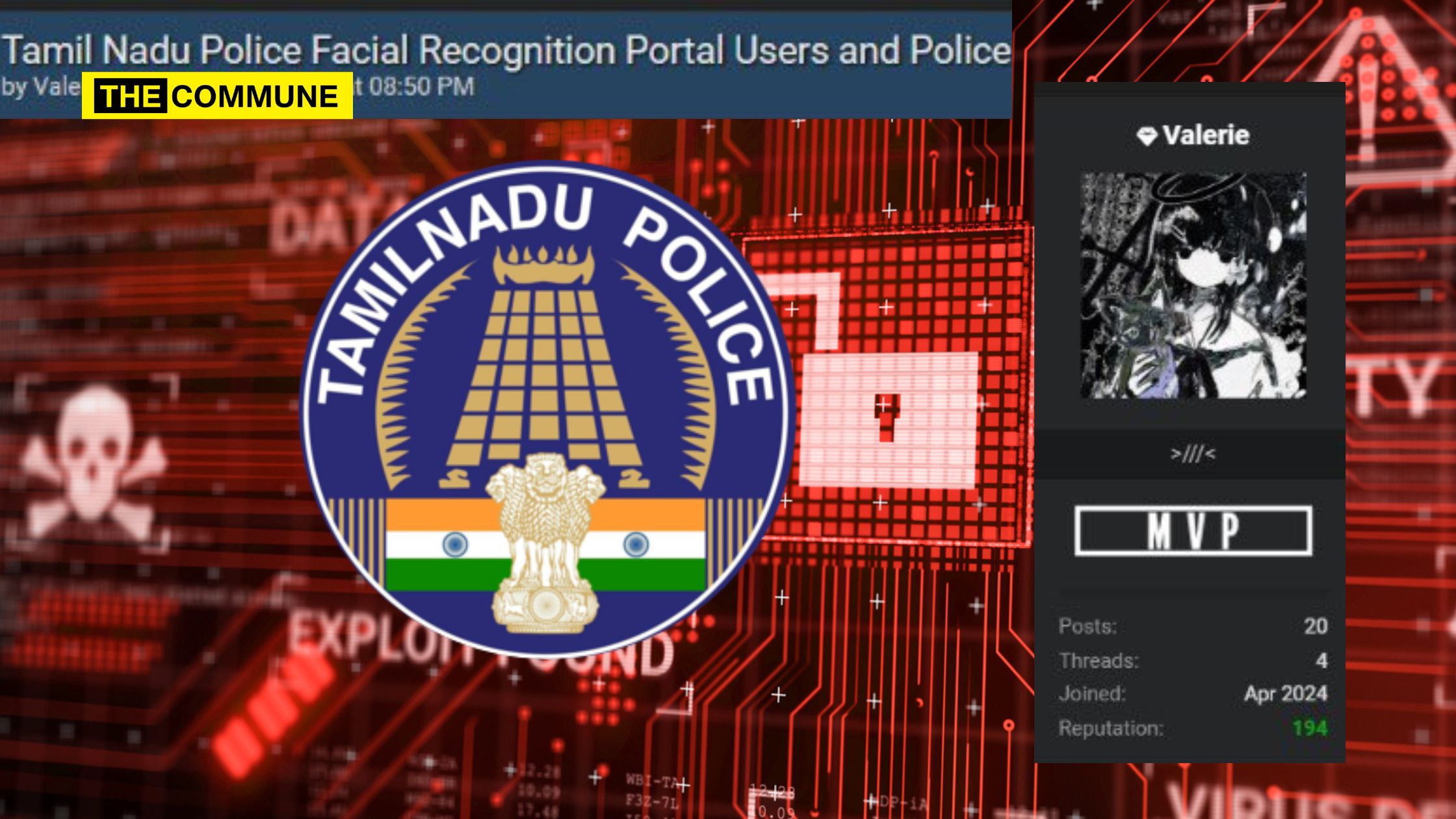
Reports have emerged that about an alleged breach in the Tamil Nadu Police Facial Recognition Portal. A threat actor identifying as ‘Valerie’ has asserted responsibility for infiltrating the database of the portal (http://frs.tnpolice.gov.in) along with obtaining personal details of police officers.

The alleged leaked data reveals that over 8,00,000 lines of information have been exposed. The compromised data encompasses FIR details, including FIR numbers, dates, particulars of involved individuals, and physical addresses, as well as contact information of police personnel. This significant security breach underscores vulnerabilities within critical public safety infrastructure, emphasizing the urgent requirement for fortified security measures.

The portal hosts the facial recognition software employed by the Tamil Nadu police, facilitating searches for criminals, missing persons, and others via facial recognition technology. The data comprises FIR specifics such as FIR numbers, dates, involved party details, physical addresses, and contact details of approximately 50,000 police officers.

A senior police official has rebutted claims of a server breach, attributing the compromise to a compromised admin login, which has since been rectified, reassuring that there’s no cause for alarm.

Merely 8 months ago, in September 2023, the Crime and Criminal Tracking Network and Systems (CCTNS) website of the Tamil Nadu police purportedly fell victim to hacking attempts by suspects operating from South Korea. While the hackers demanded $20,000 for restoration, prompt action from the State police led to alerting the Electronics Corporation of Tamil Nadu (ELCOT) to dismantle the links and secure the data. The incident has impacted various e-services provided by the Tamil Nadu police. A preliminary probe uncovered that the hackers exploited weak passwords associated with two logins to breach the website.

Though the e-services remain unaffected, the Face Recognition System (FRS) retains data on known criminals and habitual offenders. Field officers utilize a mobile application to cross-check suspect identities by uploading their photos, which are then compared with the FRS database to trigger alerts.

The e-services grant access to First Information Reports, investigation statuses, road accident details, among other information. These options are safeguarded by One-Time Password (OTP) authentication, making unauthorized access challenging, as explained by a senior police official to The Hindu.

Acknowledging the targeting of two logins with weak passwords in the CCTNS hack, the official stated that a comprehensive investigation has been initiated. E-services have been largely restored, with the FRS link anticipated to be reinstated shortly. Data backups are in place, and a vulnerability assessment will be conducted to ascertain potential data theft. Strengthening measures such as a two-step verification process are underway to fortify access to police website services. Timely intervention by alerting ELCOT and other agencies facilitated damage control, as per an unnamed official. Intensive efforts are being made to trace cybercriminals operating overseas. Additionally, the system encompasses information pertaining to the salaries of the state’s police force, managed by the State Crime Records Bureau (SCRB), with the CCTNS developed and maintained by a prominent software firm.

(With Inputs From The Hindu)

Subscribe to our channels on TelegramWhatsApp, and Instagram and get the best stories of the day delivered to you personally.

 Man Attacked In Tirunelveli For Whistleblowing On Illegal Constructions And Stone Mining

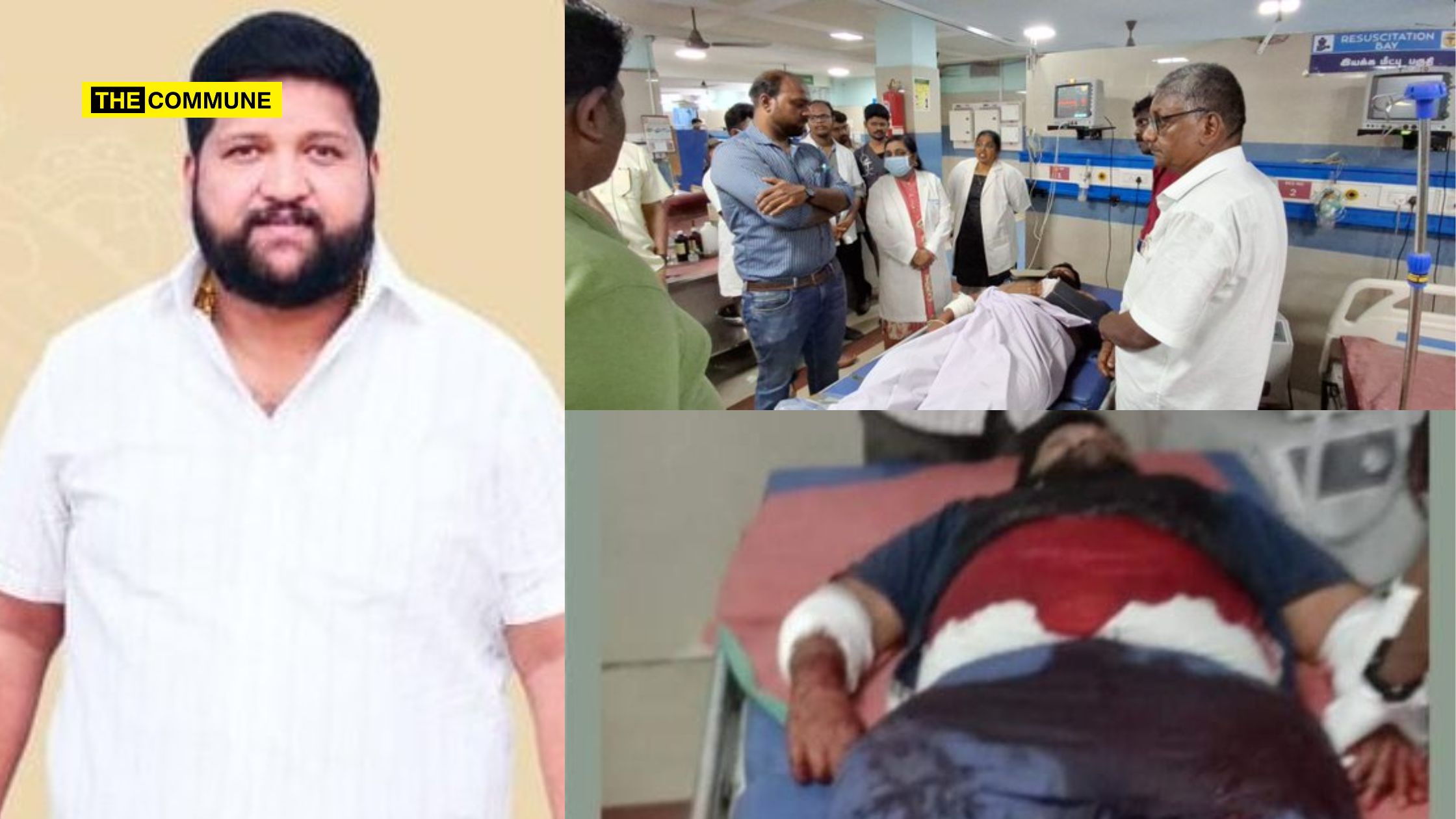
In a shocking incident, a 36-year-old man, D. Ferdin Rayan from Samathanapuram, was brutally attacked with a sharp-edged weapon on 4 May 2024. The assailant, yet to be identified, targeted Rayan while he was on his way to the badminton court at the Anna Stadium complex in Palayamkottai.

As Rayan screamed for help, nearby residents rushed to his aid. However, the attacker managed to escape before anyone could apprehend him. Rayan sustained severe injuries from the attack and was immediately rushed to Tirunelveli Medical College Hospital for treatment. Doctors have confirmed that his condition is stable and he is out of danger.

According to the police, Rayan has been actively involved in filing complaints against illegal constructions within Tirunelveli city and unauthorized stone mining in the district. It is suspected that the attack might be a repercussion of his whistleblowing activities. Rayan regularly filed petitions with Corporation officials regarding unauthorized buildings in the city and addressed other concerned authorities regarding illicit stone quarrying in the district.

(With inputs from TheHindu)

Subscribe to our channels on TelegramWhatsApp, and Instagram and get the best stories of the day delivered to you personally.


Tirunelveli Dist Congress Prez Found Burned To Death, BJP TN Head Annamalai Slams DMK Govt On Crumbling Law & Order

Two days following the filing of a missing person report with the Uvari police, the charred remains of KPK Jeyakumar Dhanasingh, the District President of Congress in Tirunelveli East, were discovered on Saturday at Karaisuthu Pudur near Thisayanvilai in Tirunelveli.

The body of Jeyakumar was found in his own grove in Karaisuthu Pudur village, completely burnt. Jeyakumar, a government contractor and businessman, belonged to a prominent Congress family.  TNIE reported that the body appeared to have been burnt, suggesting possible self-immolation. Tirunelveli SP Silambarasan stated, “The body has been transferred to Tirunelveli government medical college hospital. An investigation is ongoing. Only a thorough investigation will determine the cause of death.”

According to sources, Jeyakumar’s son, Karuthaiah Jafrin (28), filed a missing person report with the Uvari police on 3 May 2024 when his father failed to return home on 2nd May, disappearing from the house around 7:45 pm on the same day. Meanwhile, Jeyakumar’s relatives found a petition addressed to the Tirunelveli SP dated 30 April 2024 inside his residence. In the petition, Jeyakumar sought legal action against individuals who allegedly defrauded him financially and confiscated his assets. He urged the recovery and restitution of the money and property to his family.

The petition was submitted to the Tirunelveli SP on 3 May 2024 night along with the missing person report.

Jeyakumar had been receiving death threats from creditors when he demanded the return of money and property they allegedly seized from him. The complaint listed several suspects, including a former panchayat president of Kallikulam, a retired AO, a school correspondent, Nanguneri MLA Ruby Manoharan, and a crusher owner from Puthiyamputhur.

The complaint alleged that Ruby Manoharan and his associates had directly and indirectly threatened Jeyakumar whenever he demanded repayment of the substantial sum he had spent on Ruby Manoharan’s election campaign. Additionally, the MLA purportedly failed to secure contracts for Jeyakumar as promised in exchange for the ₹70 lakh spent during the election.

“I have been receiving death threats for over a month from various unknown numbers,” Jeyakumar stated in his complaint, holding all these individuals accountable if anything happened to him. The Uvari police have initiated a case, and three special teams have been assigned by Tirunelveli SP to investigate the matter.

Tamil Nadu BJP President K. Annamalai has voiced dissatisfaction with the DMK government and the police, urging them to expedite justice in this matter, “Jayakumar, the Congress Party’s Nellai East District President, who was reported missing, has been recovered deceased is shocking. It seems that Jayakumar had complained to the District Superintendent of Police on April 30 that his life was in danger. Specifically, the complaint letter names Nanguneri Congress legislator Ruby Manoharan and former state president of the Congress party Thangabalu. However, it appears that the police have not taken any action in response.”

“In DMK rule, if this is the case for the complaint registered by District President of the Congress Party, the question of law and order security facing the common man is looming large. I urge the DMK government to immediately investigate all those mentioned in the complaint by late Congress Tirunelveli East District President Jayakumar and bring out the truth.”

(With Inputs From TNIE)

Subscribe to our channels on TelegramWhatsApp, and Instagram and get the best stories of the day delivered to you personally.

ECI Directs Chennai District Election Officer To Address Tamil Nadu Bishops’ Council’s Voter Influence Along Communal Lines In 2024 Elections

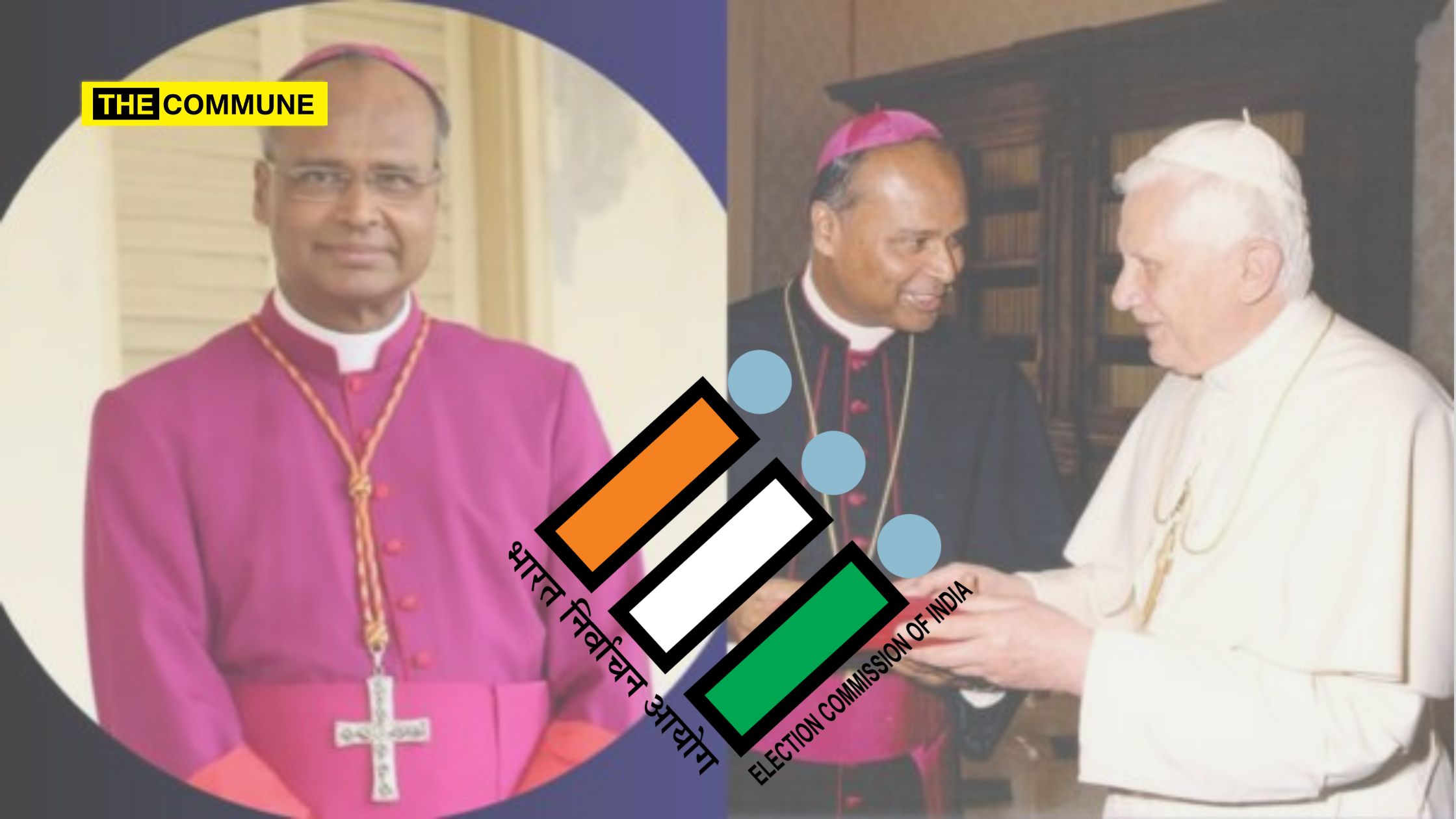
Following the complaint raised by the Legal Rights Protection Forum (LPRF) on 29 April 2024, to the Election Commission of India (ECI) regarding the Tamilnadu Bishops’ Council and Archbishop of Mylapore – Madras Archdiocese, George Antonysamy, for allegedly propagating written propaganda through a community magazine to sway voters in the 2024 Lok Sabha elections, the ECI has acknowledged the complaint. Subsequently, the ECI has instructed the Chennai District Election Officer to address the issue of influencing voters along communal lines.

The LPRF has shared a copy of official correspondence on its X handle, stating that on 3 May 2024, the Under Secretary to the Government sent a letter to the District Election Officer in Chennai. The subject of the correspondence pertains to a “Complaint against Tamil Nadu Bishop’s Council for influencing votes on religious grounds.”

The complaint alleges that the Tamil Nadu Bishop’s Council exerted influence on voting behavior based on religious affiliations. It is identified by the reference number “F.No.464/TN- HP/2024/SS-I/Vol-VII, dated 30.04.2024.”

Context

A formal complaint has been lodged against Archbishop George Antonysamy of the Archdiocese of Madras-Mylapore, alleging his attempt to influence voters using religious sentiments in the ongoing Lok Sabha elections. The complaint specifically points out an editorial published by Antonysamy in ‘The New Leader” magazine, affiliated with the Archdiocese of Madras-Mylapore, Tamil Nadu.

The Editorial

The editorial titled “General Election 2024: Statement from Tamil Nadu Bishops’ Council” in the recent edition of The New Leader magazine raises significant concerns. It is accused of attempting to sway voter opinion by invoking religious sentiments and employing fear-mongering tactics.

In the editorial, Antonysamy openly criticizes India’s elected central government and its citizens. He suggests that there is an attempt to construct India as a mono-cultural nation, denying its diversity. He accuses the current Union Government of imposing the ideology of one religion, one language, and one culture, along with fascist ideologies.

Antonysamy further stirs disharmony by alleging that Christians and Muslims are branded as anti-nationals and their fundamental rights are under attack. He criticizes the government for attempting to impose communal laws and curtail religious freedom. He also expresses concerns about various issues including media control, neglect of southern states, attacks on state rights, and alleged government control over investigative bodies and courts. The editorial concludes with a call to action urging Christians to vote to protect religious faith and human rights, rejecting sectarian parties, and aligning with non-religious, democratic forces.

The editorial’s tone and content suggest a possible alignment with a political party, specifically the DMK, based on its language and echoed claims. There are concerns about its attempt to influence voters based on religious lines, violating the democratic process. Several organizations affiliated with the Archdiocese of Madras-Mylapore are highlighted, indicating the need for thorough investigation into potential violations of FEMA, PMLA, and FCRA regulations. There are allegations of misuse of FCRA funds for purposes contrary to donor intentions, including political agendas.

Various organizations, including the Legal Rights Protection Forum (LRPF), have raised the issue with the Election Commission of India, urging decisive action against the Bishop’s Council and the Archdiocese of Mylapore-Madras. There are demands for investigation and accountability for violating laws and misusing funds.

Subscribe to our channels on TelegramWhatsApp, and Instagram and get the best stories of the day delivered to you personally.

District Consumer Commission Orders AR Rahman Concert Organizers To Pay Ticket Cost + ₹55,000 To Person Who Couldn’t Attend

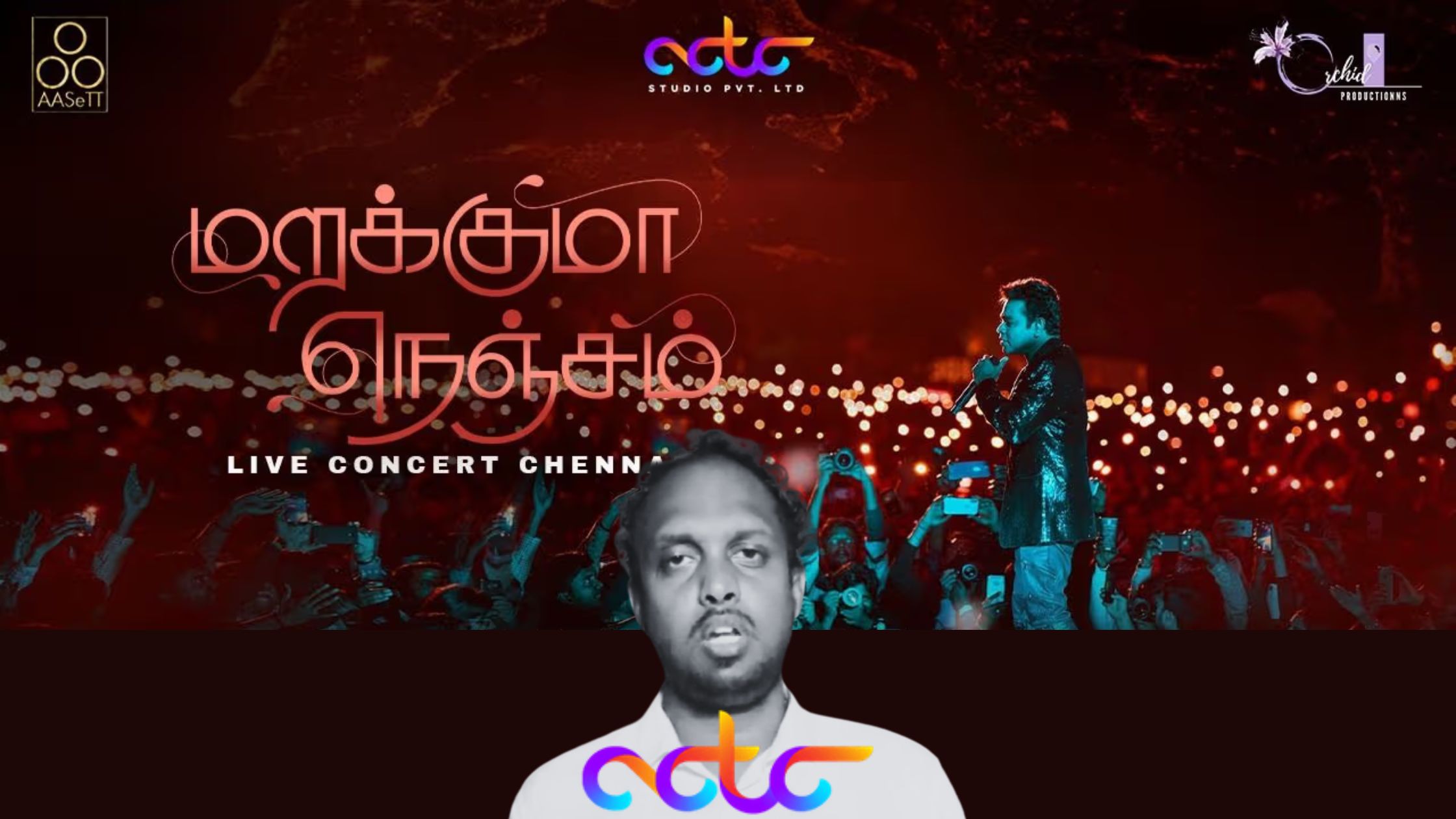
The Consumer Disputes Redressal Commission of Karur District has responded decisively by mandating a significant fine of ₹67,000 to be levied on the organizers of AR Rahman’s “Marakkuma Nenjam” concert. This penalty aims to compensate an individual who missed the show, because of the shoddy arrangements made by the concert organizers that led to huge traffic snarl and stampede like situation in the concert area.

Ashwin Manikandan, hailing from Karur, was among the eager attendees who secured tickets for AR Rahman’s “Marakkuma Nenjam” concert 2023, accompanied by his family. However, their anticipation turned into disappointment when unforeseen circumstances prevented them from experiencing the musical extravaganza. The concert, initially slated for 12 October 2023 at Panaiyur near Chennai’s East Coast Road, was rescheduled to 8 November 2023 due to various factors, including inclement weather.

The rescheduled event on 8th November was marred by disorganization and chaos. Attendees found themselves without assigned seating despite having purchased tickets, resulting in many being unable to witness the performance they had eagerly anticipated. Furthermore, the area experienced heavy traffic congestion, leading to a chaotic situation where numerous fans were caught in a stampede, causing frustration and anger among attendees.

In the midst of this turmoil, Ashwin Manikandan, a resident of Tirupati Layout in Karur, sought recourse for the inconvenience he and his family faced. Having purchased tickets worth ₹12 thousand for the concert, Ashwin reached out to the event organizers, ACTC, to request a refund due to the change in schedule. While the organizers initially assured him of a refund, it never materialized.

Left with no other option, Ashwin pursued legal action by filing a case with the Karur District Consumer Grievance Redressal Commission. After investigating the matter, the commission ruled in favor of Ashwin, ordering the ACTC company to compensate him a total of ₹67 thousand. This sum included the ticket price of ₹12 thousand, along with compensation of ₹50,000 for the inconvenience caused and an additional ₹5 thousand for expenses incurred during the ordeal.

https://twitter.com/Muthuhere3/status/1786439623020872047

(With Inputs From Kamadenu)

Subscribe to our channels on TelegramWhatsApp, and Instagram and get the best stories of the day delivered to you personally.

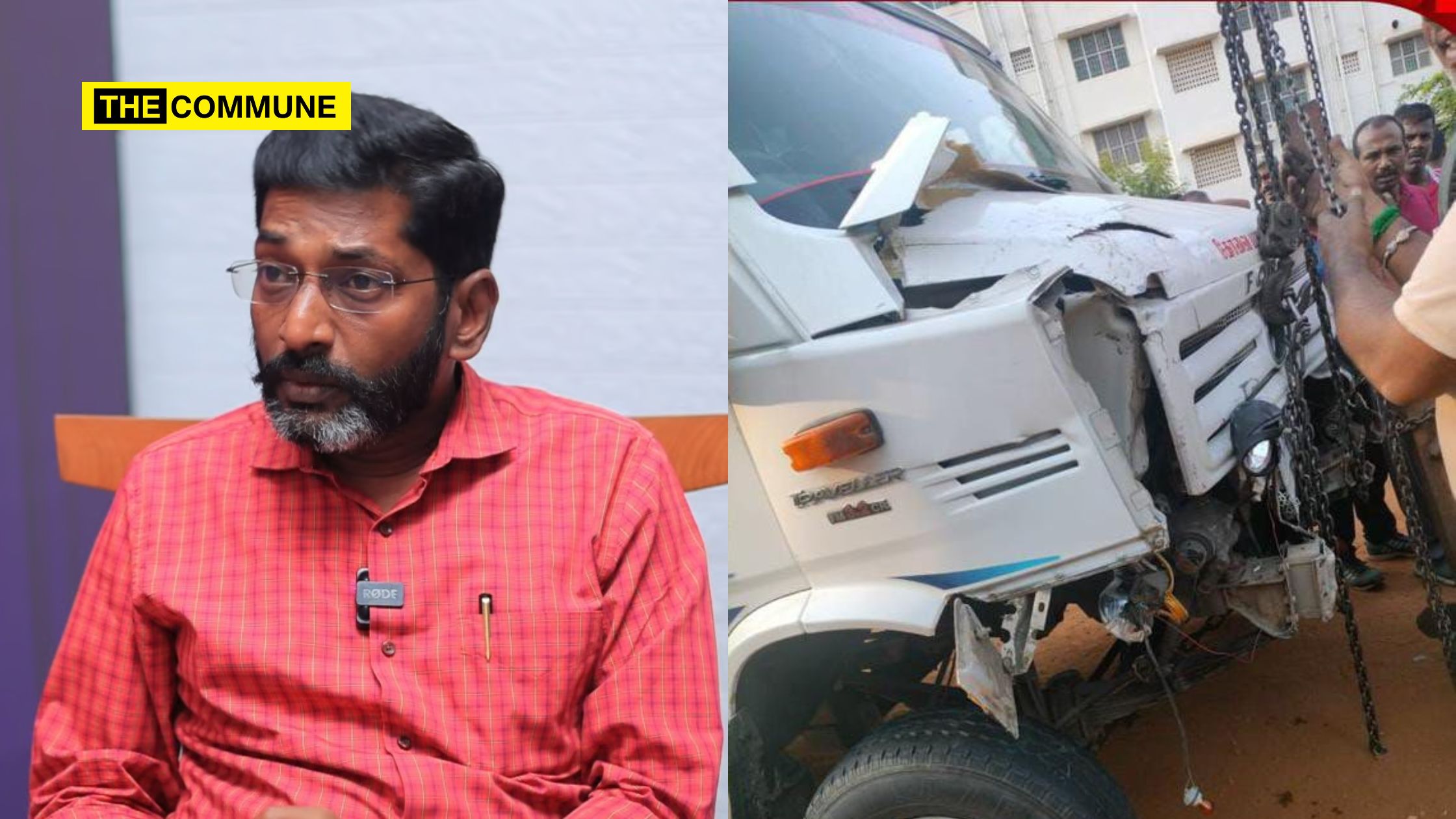
DMK Govt Arrests YouTuber ‘Savukku’ Shankar For “Obscene Comments” A Day After World Press Freedom Day, Vehicle In Which He Was Carried Reportedly Meets With Accident

Prominent YouTuber and Political Commentator ‘Savukku’ Shankar has been arrested by the Tamil Nadu Police allegedly for his ‘obscene’ comment about women police officers in a recent interview.

He was picked up from a hotel in Theni by the cyber wing of Coimbatore City Police.

According to latest reports, the vehicle in which he was being taken from Theni to Coimbatore met with an accident.

Many on social media pointed out MK Stalin’s tweet on the occasion of World Press Freedom Day calling out the DMK’s hypocrisy.

https://twitter.com/RaghuTweetbook/status/1786577734333763810

including Edappadi K. Palaniswami, the general secretary of the AIADMK.


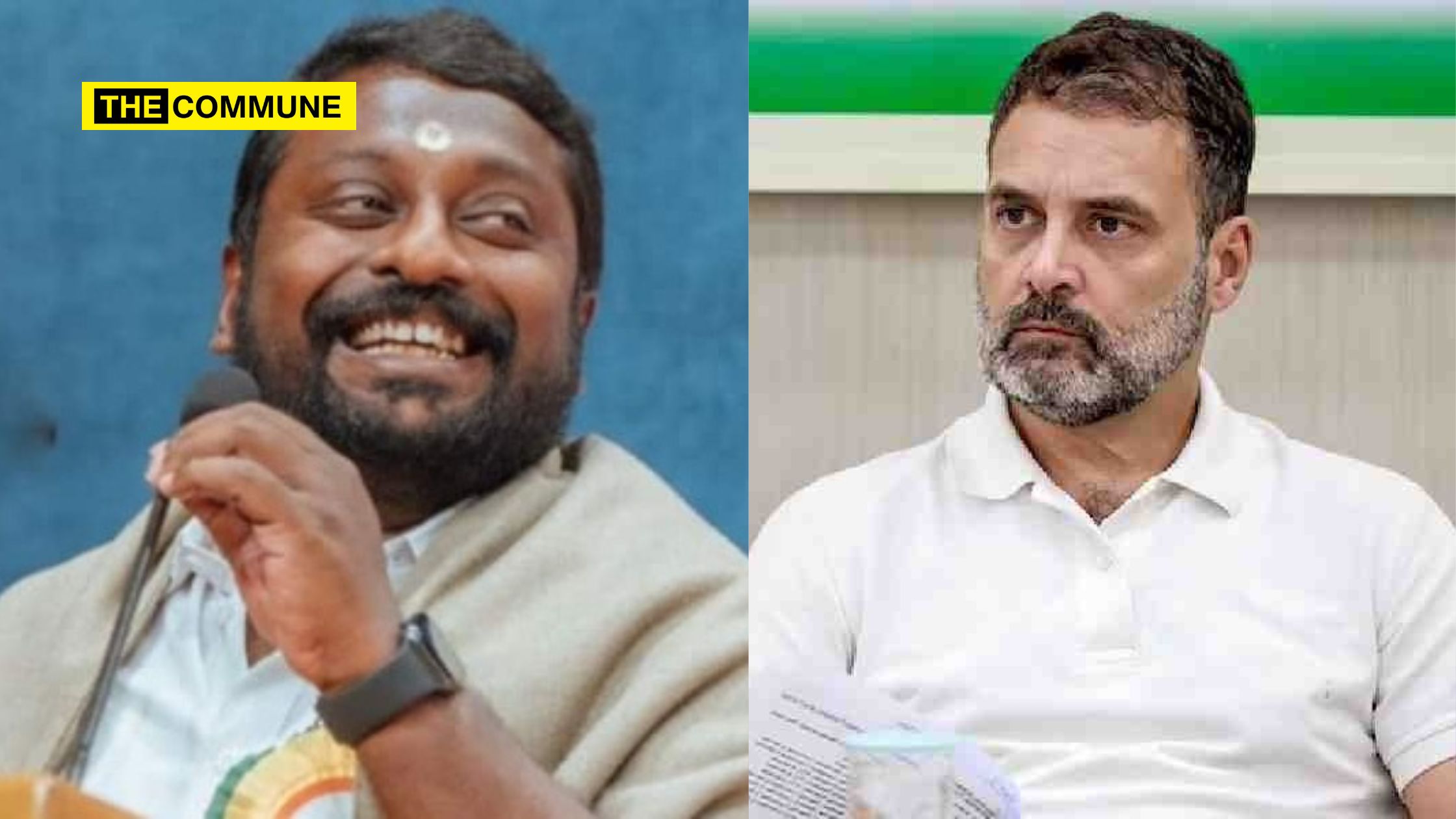
BJP’s SG Suryah Slams Congress With Data Points On Rahul Gandhi Running Away From Amethi

Uttar Pradesh, boasting 80 Lok Sabha seats, holds immense political significance in India, often being referred to as the key to Delhi’s gates. Lucknow, the capital of Uttar Pradesh, serves as a symbolic representation of the state’s pivotal role in national politics. The upcoming 2024 elections witness intense competition among major political parties such as the BJP, Congress, Samajwadi Party, and Bahujan Samaj Party. The Election Commission of India (ECI) has announced the voting schedule, spanning seven phases from 19 April to 1 June 2024, with vote counting slated for 4th June

The initial phases of the parliamentary elections have already seen the participation of voters from eight Lok Sabha constituencies in western Uttar Pradesh, with phases 1 and 2 concluded. Notably, the eagerly anticipated Amethi constituency, scheduled for Phase 5 voting on 20 May 2024, saw the Congress announce its candidate Kishori Lal Sharma only on the last day of nomination. Rahul Gandhi, anticipated to reclaim Amethi, has been declared as the party candidate for Raebareli, succeeding his mother Sonia Gandhi, who recently vacated the seat upon her transition to the Rajya Sabha.

Against the backdrop, Thanthi TV news channel hosted a debate as part of its program ‘Ayutha Ezhuthu’, titled “Silence in Amethi: Is Congress Deserting Its Fort?” Representatives from several political parties took part, including Dr. SG Suryah from the BJP, Hidayatullah from the Congress, Arunan from the CPM, and political commentator TTS Ravichandran.

Right away, host Ashokha Varshini directed a question to the Congress spokesperson, inquiring about the party’s last-minute failure to field a candidate. Hidayatullah, the Congress representative, responded with vigor, emphasizing that there remained a 24-hour window for leadership to act. However, swiftly redirecting the conversation, he shifted focus to the BJP, accusing them of rejecting candidates from Bahujan Samaj and Congress. He forthrightly alleged that beyond Indian media, international outlets had criticized Modi as a “temple of lies.” Furthermore, he asserted that the BJP, now wielding significant power, was engaging in candidate purchasing and media bribery to bolster their support.

SG Suryah, the State Secretary of the BJP in Tamil Nadu, tactfully countered accusations aimed at discrediting the party by presenting factual evidence. Suryah stated  “Amethi is the constituency where Rahul Gandhi was an MP for fifteen years. Rahul Gandhi had more preference than Modi in Thanthi TV survey in Tamil Nadu. Millions of people are watching now, and what I want to say to those people through this discussion is, how do you want someone to become the Prime Minister who is not even qualified to be an MP for one constituency? The facts would have not been presented to you. So, my intention is, Tamils ​​should know the truth that I’m going to speak today.”

He further said “In India, 17 Lok Sabha elections have been concluded and we are facing the 18th election, in which nine times the family members of Gandhi  have been MPs from the Amethi constituency. Starting from Sanjay Gandhi, Rajiv Gandhi, Sonia Gandhi, Rahul Gandhi and his buddy Sathish Sharma, was MP twice in 1991 and 1996 by-elections. It can be assumed that 11 times out of 17 elections, members of the Gandhi family have been MPs. Now in 2019 Rahul Gandhi lost for the first time by a margin of one lakh votes. The PTI had done a story on why he had lost. What they say in that is, there is an army airfield in Amethi constituency called Fursatganj. During all the 15 years of Rahul Gandhi’s tenure as MP, he will come from Delhi to Lucknow by flight, from Lucknow to Fursatganj by helicopter … That is he will land in the center of Amethi and again will go back by helicopter. But even if Smriti Rani lost in this constituency in 2014, she would fly to Lucknow, always drive a 140 km from Lucknow in a car, and visit each village in Amethi and meet people, they say, this is a central reason.”

“Now, the development index of the constituency, where Rahul Gandhi, loved by Tamils and the Gandhi family were MPs for 50 years… We say a lot of development index in Tamil Nadu, we have grown more, North has grown less and all. The family that ruled the constituency indirectly for 50 years has 54% of people living below the poverty line, mere 14% of electrified households, mere 16% of vaccinated children in Amethi constituency. Neo-natal death i.e. the death of a child within 28 days of birth is called Neo-natal death. In 1000 births 83 children Neonatal Death in Amethi, India’s average is just 28 but in Amethi constituency 83. This is the data when Rahul Gandhi and his family were there for 15 years. Today after Modi came, we have given electricity connections to one and a half lakh houses in this same Amethi constituency since 2014. Under the Anna Yojana scheme, we are giving free 5 kg of ration to one family every month to 20 lakh people i.e. 4 lakh families.”

SG Suryah explained that his interpretation of the data stemmed from remarks made by Hidayatullah, a spokesperson for the Congress party. Hidayatullah alleged that the BJP was buying candidates and bribing voters to secure victory. Suryah suggested that such accusations were based on wrong notions and overlooked the BJP’s grassroots efforts. Then he again continued stating the data, “ In last 10 years, we have built new toilets for 4 lakh houses, we have constructed new water pipes for one and a half lakh houses, we have put pipes where water will come, we have opened Amethi’s first medical college in amethi, the medical college was delayed, there is not even a blood bank in Amethi constituency, today we have opened four blood banks. We are open after Smriti Irani came as MP and before that.”

Later, SG Suryah elaborated on his reasons for making these statements. He mentioned that there had been a prevailing notion among the public that Rahul Gandhi was out of touch with the people. While this perception was acceptable to some extent, what was more concerning was that even the individuals appointed in the MP’s office had failed to establish communication over the past 15 years. However, since Smriti Irani assumed office, the MP’s office became accessible and functional, allowing constituents to connect with her effectively, which influenced their decision to vote for her. Additionally, Suryah pointed out that Rahul Gandhi, as a Congress leader, had lost in this constituency in 2019, making him the first Congress leader in history to suffer such a defeat in Amethi constituency. He highlighted the historical context, mentioning that even during the emergency periods, the immediate election of 1977 saw Sanjay Gandhi nominated just 28 days before the election and supported by Indira Gandhi. Therefore, the failure of the Congress to announce a candidate for this constituency after independence could be seen as an acknowledgment of defeat.

Subscribe to our channels on TelegramWhatsApp, and Instagram and get the best stories of the day delivered to you personally.

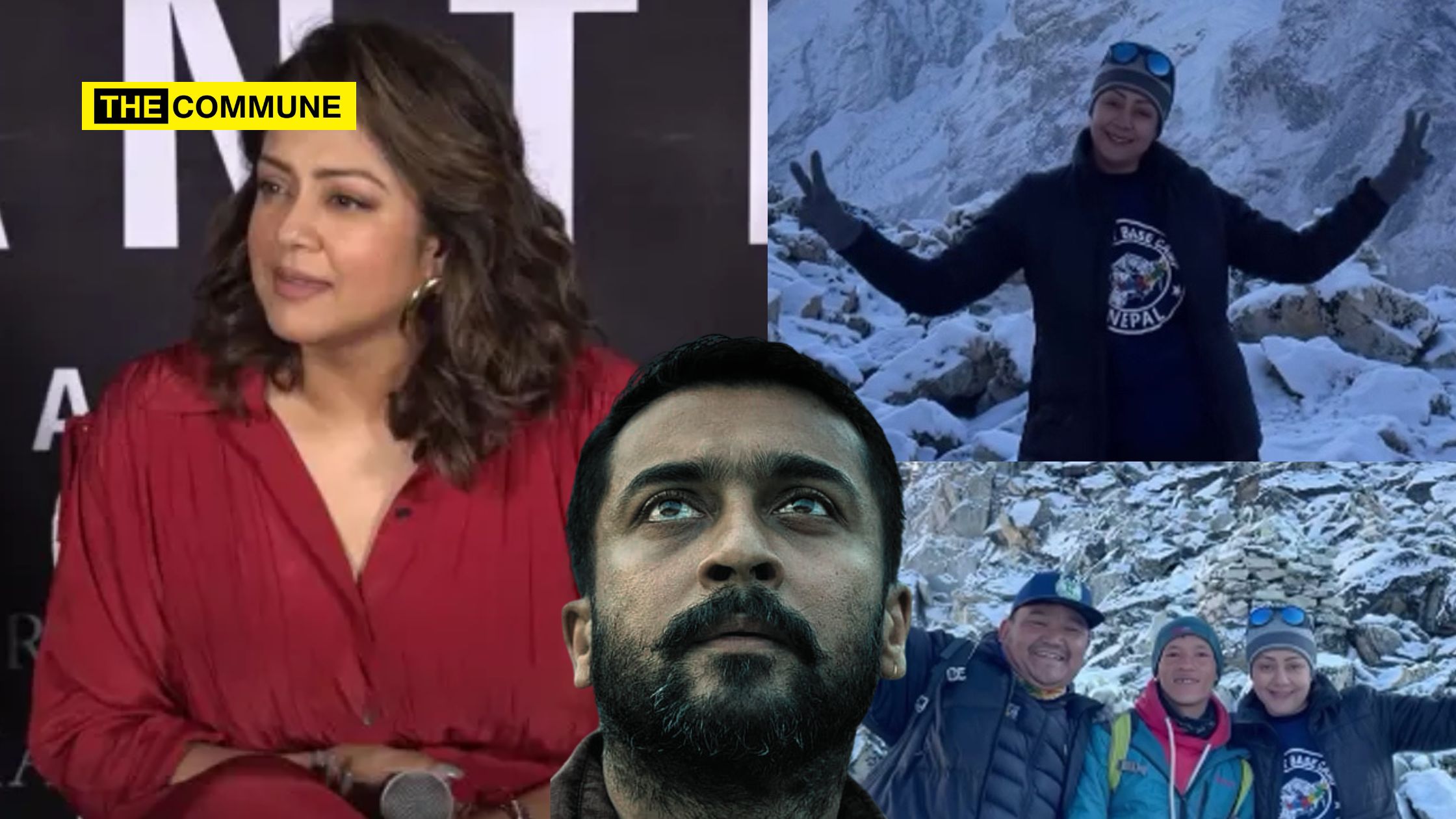
“You Can Be Outstation Or For Work Or Sick, We Can Vote Online Also”: Alleged Actress Jyothika Gives Reasons For Not Voting

Social media rejoices the recent inquiry made by a news reporter during actress Jyotika visit to Chennai for her film’s promotion. Reporters asked her why she hadn’t voted, and her response to the question surprised everyone and garnered widespread attention on social media, sparking memes and ridicule.

Actress Jyothika, during a media interaction for her film’s promotion, She was queried about her absence from the 2024 Lok Sabha Elections despite her known advocacy for social responsibility. She was surprised and slightly puzzled, not anticipating that someone would raise such a question. Addressing this, she blabbered that voting is a private matter and cited reasons such as being out of town or unwell. She emphasized the existence of online voting and the need to respect individuals’ privacy.

The reporter inquired, “You are talking about social awareness, Jyotika madam is an influence on everyone, when an election comes, you are criticized by many that you don’t come to vote, What’s your opinion and answer?”

Actress Jyothika immediately replied, “I vote year after year, sometimes...”, Before she could finish, the reporter interjected, reminding her that voting occurs once every five years. Jyothika quickly corrected herself, saying,”Yes, five years, I’m sorry. Sometimes, you can be outstation, sometimes for work, we can be out. We can be sick. It is like a private thing. Sometimes, you are not there always in town. So, I don’t know, Sometimes, privately also we vote. It is also in online right. Its not always every time, everything is publicized. There is a private side to life. I think we also have to respect that and give that space.” 

Another journalist mentioned that despite Jyothika’s firm stance on social issues, is she has idea of venturing into politics where she could potentially wield more influence, Jyothika clarified that she hadn’t received any invitations from political parties. Regarding the possibility of accepting such invitations, she firmly stated her current focus on family, particularly her children’s education and her personal fitness journey, indicating no inclination towards political involvement at present.

Netizens were taken aback by actress Jyothika’s response when she mentioned the presence of online voting in the Indian election system. They began to mock and ridicule her for her comment as the Election Commission of India (ECI) has made inclusion of home voting only for elderly citizens and Persons with Disabilities (PwDs) during the 2024 Lok Sabha elections. This marks the inaugural implementation of such a provision in a national election. This service is accessible to individuals aged 85 and older, as well as PwDs meeting the 40 percent benchmark for disability. Since she wasn’t anticipating the question from anyone directly, she seemed to stutter when it was posed to her.

Indeed, in Tamil Nadu, it’s often the case that individuals woke and support the DMK go unchallenged. However, the recent scrutiny directed towards actress Jyotika for her deliberate absence on voting day has defied this norm. While her husband Suriya participated in the voting process on April 19th, it was widely speculated that Jyotika’s absence was due to her filming commitments. However, she later revealed through a post on the same day that she was actually on a trip to Nepal, sparking criticism and questioning from various quarters.

Netizens expressed frustration as actor couple Suriya and Jyothika, who were previously vocal about various societal issues connecting everything to Hindu faith and practices faced criticism. Jyothika’s earlier call to divert funds from temple renovation to support education and healthcare for the less privileged had sparked debate. Similarly, Suriya, recognized for his selective activism, particularly during the AIADMK government, faced scrutiny when questioned about Jyothika’s absence during voting but chose to stay silent. This fueled speculation and disillusionment among onlookers, especially after videos of her trekking in Nepal went viral.

A netizen commented, “Jyothika went on a pleasure trip to Nepal to celebrate the election as a holiday. But the sermon is only for the town”

Subscribe to our channels on TelegramWhatsApp, and Instagram and get the best stories of the day delivered to you personally.