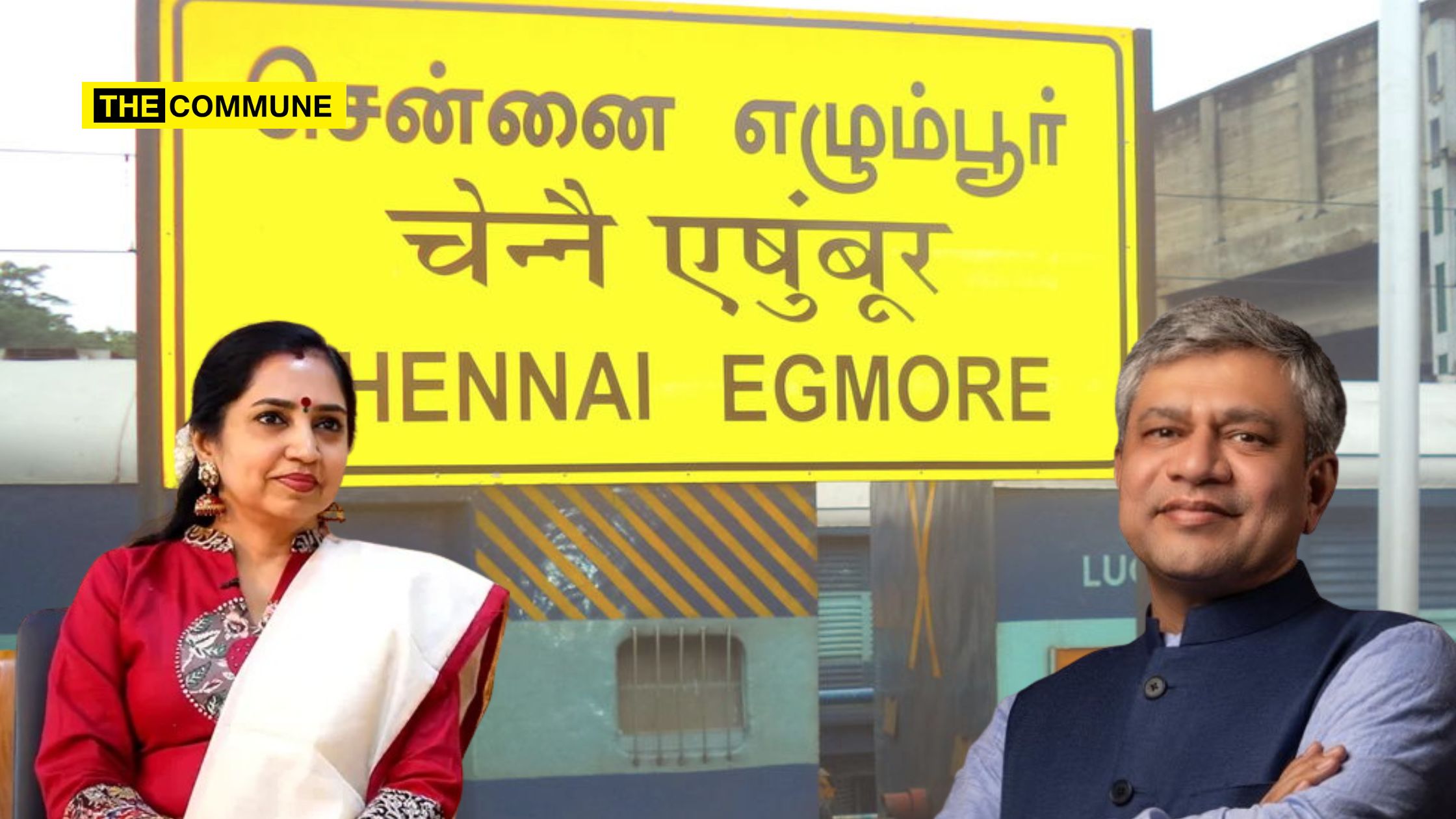
Ezhumbur, the historic name for Chennai’s Egmore station, was spotlighted in the Lok Sabha as Railway Minister Ashwini Vaishnaw emphasized its redevelopment under the Amrit Bharat Station Scheme. Responding to DMK MP Tamilachi Thangapandian’s concerns, Vaishnaw hailed Ezhumbur’s transformation, stating it would soon become a prime attraction in Chennai, blending its legacy with modern upgrades.
During the ongoing Winter Session of the Lok Sabha, DMK MP Tamilachi Thangapandian raised concerns about restoring and redeveloping railway stations in Chennai under the Amrit Bharat Station Scheme.
Speaking in Parliament, Thangapandian highlighted the need for updates on redevelopment efforts, particularly in her constituency. She stated, “I would like to the minister through you sirregarding the Amrit Bharat station scheme. The ministry has announced 1324 stations which have been identified for redevelopment including 77 stations in the state of Tamil Nadu. I’d like to ask the Hon’ble Minister what has been the update with respect to these railway stations in our state, especially I have given representation to my constituency which is Saidapet station as well as the redevelopment work of Chennai Egmore.”
In response, Railway Minister Ashwini Vaishnaw provided an update on the station redevelopment programme, emphasizing the significant scale of the initiative. He noted, “The supplementary is actually not related to the main question. But still, I would like to point out that the Hon’ble Prime Minister has really focused on the transformation of Indian Railways, and as a part of that, one of the major programmes we have taken up is the redevelopment of 1,300 railway stations. And at this point in time, this is the world’s largest station redevelopment programme, and nowhere in the world has anybody taken up the redevelopment of such a large number of stations in a network which is continuously operating.”
Focusing on Chennai Egmore station, Vaishnaw remarked, “The Chennai Egmore, I would like to pronounce it as Chennai Ezhumbur, is one of the Amrit Bharat stations and it is developing very well. I have visited that twice and the design and the enthusiasm of the officers working on that project is really amazing. I can say that it will be one of the stations which will become a prime attraction in the city of Chennai. Regarding other stations, Hon’ble MP can always meet me and discuss the details.”
I would prefer calling it as "Chennai Ezhumbur" to Egmore Station.
Hon Minister of Railways, Shri Ashwini Vaishnav, to a question raised by Shrimati Dr Sumathi MP, regarding the status of upgrade of Egmore Railway Station, under Amrit Bharat scheme. pic.twitter.com/h7SnJObZoU
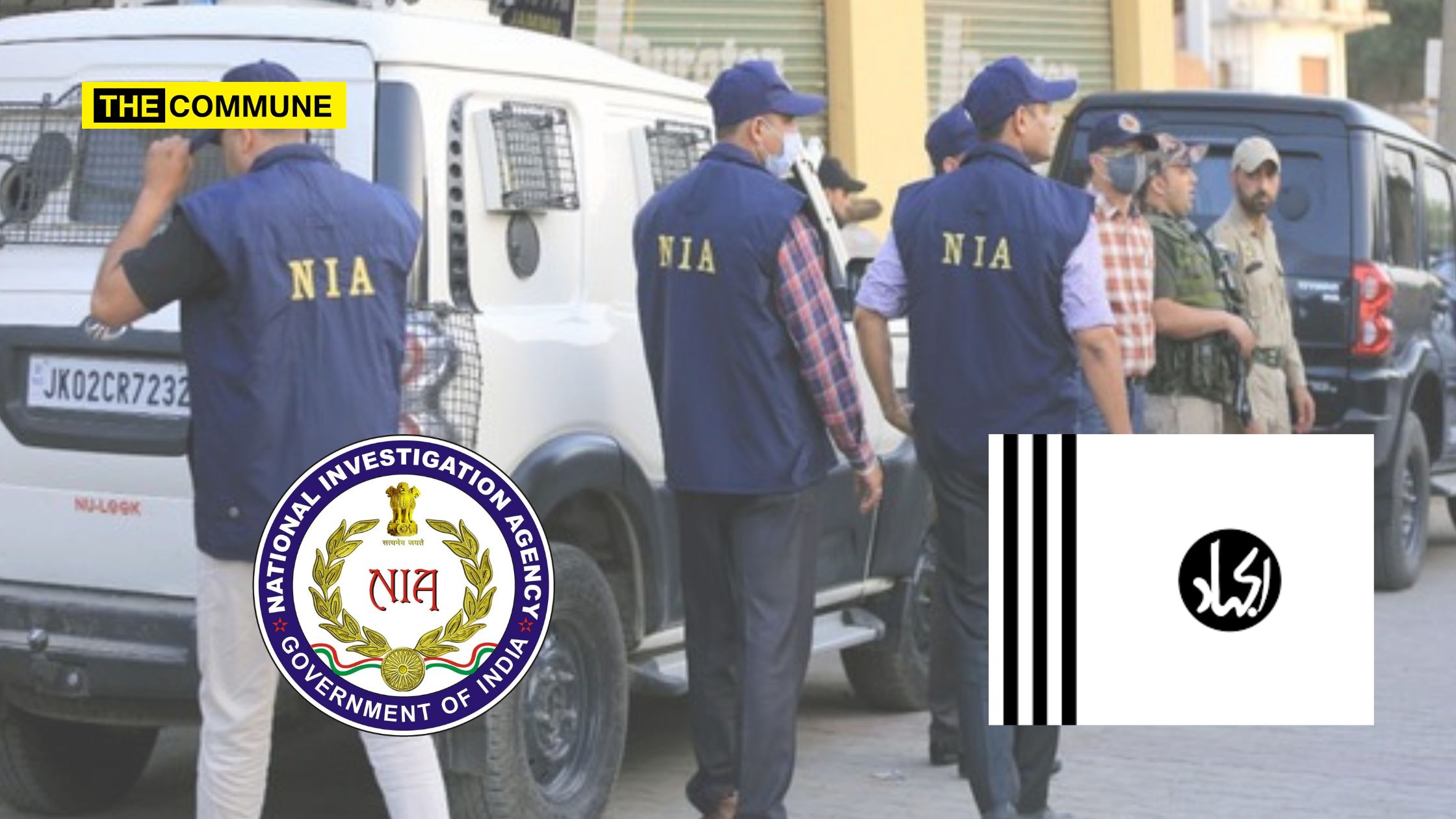
The National Investigation Agency (NIA) conducted extensive raids on Thursday across 19 locations in Assam, Gujarat, Jammu and Kashmir, Maharashtra, and Uttar Pradesh. The operation was part of an ongoing investigation into the banned terrorist group Jaish-e-Mohammad (JeM) and its alleged involvement in radicalizing individuals and spreading extremist propaganda.
In Jammu and Kashmir, raids were carried out in the Bamzoo Mattan area of Anantnag, Kreeri in Baramulla, and Khansahib in Budgam. In Gujarat, the NIA, in collaboration with the Ahmedabad Rural Police, searched the residence of Adil Vepari in Sanand town. Vepari, identified as a member of an online radical group, reportedly works at a madrasa in Chekhala village, Banas Kantha district.
In Uttar Pradesh, protests erupted in Jhansi during a raid at the home of local cleric Mufti Khalid. The cleric addressed the gathered crowd, urging calm and explaining that the NIA was conducting the operation within the bounds of the law.
According to sources, the NIA teams seized incriminating materials, including pamphlets, magazines, and electronic devices, during the raids at these locations. Several individuals have been taken in for questioning regarding their suspected involvement in activities aimed at inciting violence across the country.
The NIA has stated that the suspects were part of a network that sought to radicalize and motivate individuals to carry out violent attacks within India.
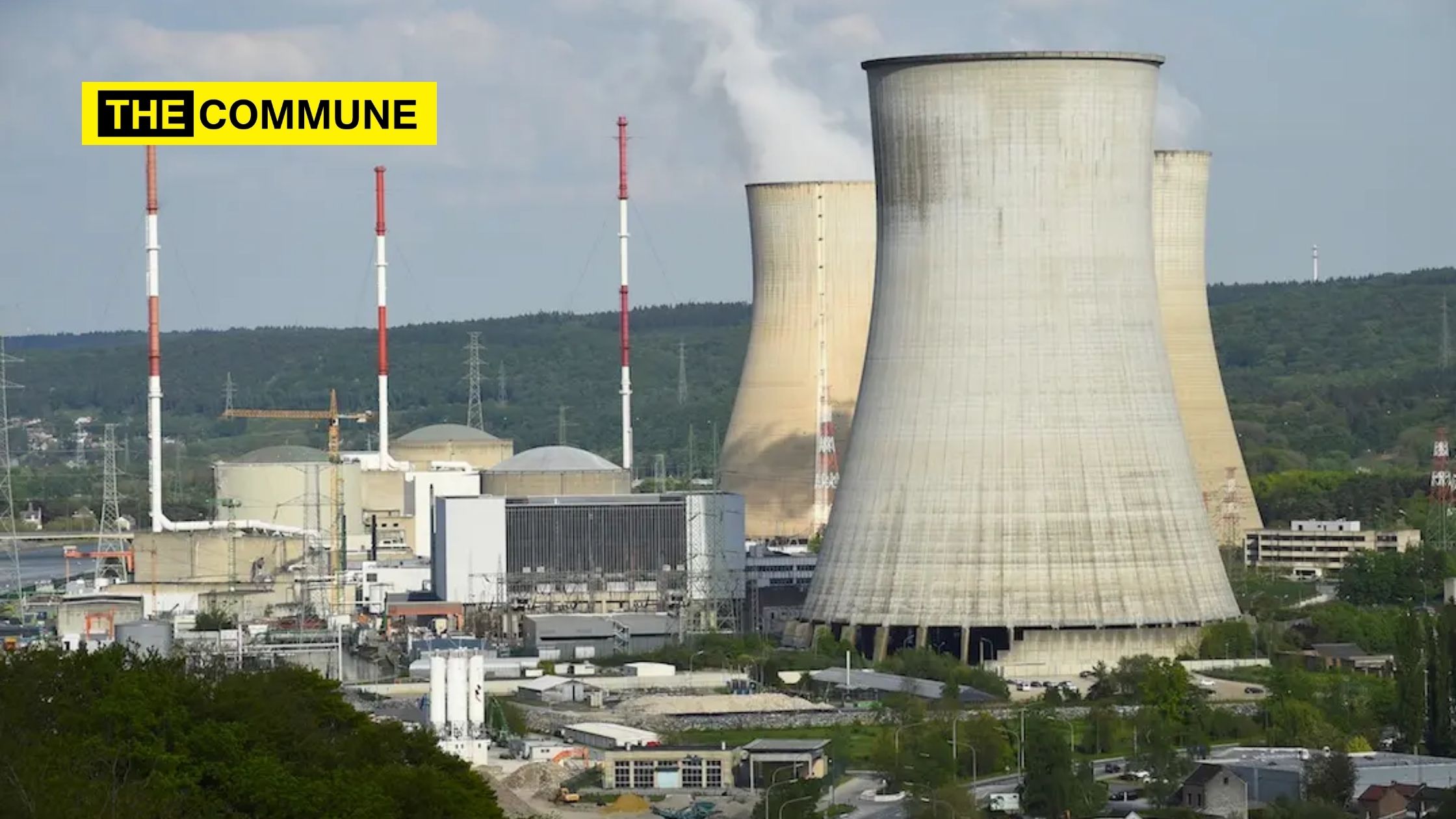
The Parliament was informed that India’s nuclear power generation capacity has nearly doubled in the last 10 years, from 4,780 MW in 2014 to 8,180 MW in 2024.
Highlighting the significant progress and future potential of India’s atomic energy programme, Union Minister of State (Independent Charge), Department of Atomic Energy, Jitendra Singh, has informed the Lok Sabha that the capacity is projected to triple to 22,480 MW by 2031-32.
He elaborated on key developments and outlined a roadmap for achieving greater self-reliance in nuclear power generation.
Jitendra Singh emphasised the revision of India’s power distribution framework, which has increased the home state’s share of electricity from atomic plants to 50 percent, with 35 percent allocated to neighbouring states and 15 percent to the national grid. This new formula ensures equitable resource distribution and reflects the nation’s federal spirit.
The Union Minister attributed this progress to several transformative initiatives, including the bulk approval of 10 reactors, increased funding allocations, collaborations with Public Sector Undertakings (PSUs), and limited private sector participation.
He credited technological advancements and streamlined administrative processes for strengthening India’s nuclear infrastructure.
In addition to energy production, Jitendra Singh highlighted the diverse applications of atomic energy. He noted its extensive use in agriculture, including the development of 70 mutagenic crop varieties. In the healthcare sector, India has introduced advanced isotopes for cancer treatment, while in the defence sector, atomic energy processes have been used to develop cost-effective, lightweight bulletproof jackets.
The Union Minister also underscored India’s abundant thorium reserves, which constitute 21 per cent of the global total. Indigenous projects like “Bhavani” are being developed to harness this resource, reducing dependence on imported uranium and other materials.
He acknowledged the challenges in implementing atomic power projects, such as land acquisition, forest clearances, and equipment procurement, but reaffirmed the government’s commitment to addressing these issues.
He noted that nine atomic power projects are currently under construction, with several others in the pre-project stage, demonstrating India’s dedication to expanding nuclear energy capacity.
Jitendra Singh provided a historical perspective, highlighting projects like the Kudankulam Nuclear Power Plant, which gained momentum post-2014 under the leadership of Prime Minister Narendra Modi.
He reiterated India’s commitment to peaceful purposes of atomic energy, as envisioned by Homi Bhabha, and emphasised leveraging nuclear energy for sustainable development while aligning with the vision of ‘One Nation, One Government’.
This progress underscores India’s resolve to achieve energy self-sufficiency, drive innovation, and contribute significantly across sectors through the peaceful applications of nuclear energy, he added.
–IANS
Subscribe to our Telegram, WhatsApp, and Instagram channels and get the best stories of the day delivered to you personally.
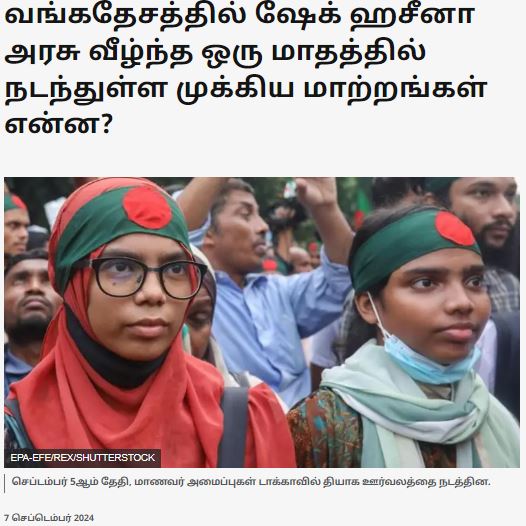
The selective reporting by the Dravidianist media has exposed a troubling bias, prioritizing DMK’s pro-Palestine agenda while ignoring the brutal violence faced by Hindus in Bangladesh. Even as minority communities in Bangladesh endure arson, looting, and targeted attacks, the Dravidianist media amplifies narratives aligning with DMK’s political strategy, portraying a false picture of peace.
DMK Solidarity With Palestine, Not Bangladesh
In an attempt to bolster support among minority Muslims in the state and consolidate their vote bank, the DMK has once again displayed solidarity with the Palestine issue. During the Parliament’s question hour, DMK MP Tiruchi Siva questioned why India abstained from the UNGA resolution—a matter that has no direct impact on India’s economy or geopolitical stability.
At the same time, it is shocking and concerning that the DMK government has either neglected or deliberately overlooked the plight of Hindus who face large-scale looting, arson, and daily attacks. This contradiction raises questions about whether this is a genuine concern or merely a political strategy.
Even during this regime, the judiciary had to intervene to grant permission for protests supporting Hindus suffering in neighboring Bangladesh. Despite this, when demonstrations were held, the government arrested the protesters—a deeply troubling situation that highlights the government’s apparent bias against Hindus under the guise of politics.
The situation does not end here.
DMK Ignoring Minority Plight In Bangladesh
Following the political lead of the DMK, the Dravidianist media, with no shame, relentlessly promoted Muhammad Yunus as the successor to Sheikh Hasina after her ousting as the Prime Minister of Bangladesh on 5 August 2024. He was presented as a paragon of virtue, emphasizing his role as the founder of the Bangladesh Grameen Bank and his status as a Nobel Prize laureate, has also displayed its bias.
However, in the aftermath, the media fell conspicuously silent. Coverage of Bangladesh all but disappeared, despite the rampant violence against minority communities—Hindus, Buddhists, and Christians—that followed. Reports detail widespread attacks on homes, businesses, and temples belonging to these communities. Local organizations, such as the Hindu Buddhist Christian Unity Council, have documented these incidents, which have sparked global outrage, particularly among Hindu communities.
Ground Reality In Bangladesh
Social media has been inundated with distressing accounts from individuals with ties to Bangladesh. These accounts detail threats, assaults, and the destruction of properties and places of worship. This violence has resurfaced deep-seated resentments that date back to the 1971 Bangladesh Liberation War and even earlier. The lack of sustained media attention to these issues raises serious concerns about selective reporting and the disregard for the plight of minorities in Bangladesh.
Ground reports from Bangladesh indicate that the attacks against minority communities began on the afternoon of 5 August, with the first two days witnessing the most violence. Investigations conducted between 5 and 20 August revealed evidence of at least 1,068 homes and business establishments belonging to minority communities being damaged. Additionally, 22 places of worship were targeted during this period.
The majority of these attacks occurred in the southwestern Khulna division, where at least 295 homes and businesses were destroyed. Other affected regions included Rangpur with 219 properties damaged, Mymensingh with 183, Rajshahi with 155, Dhaka with 79, Barishal with 68, Chattogram with 45, and Sylhet with 25. Altogether, the total number of properties attacked reached 1,068.
This is not the first instance of widespread violence against minorities in Bangladesh.
Bangladesh’s History Of Hinduphobic Attacks
During the Awami League government in 2021, major attacks occurred during the Durga Puja celebrations. Between 13 October and 1 November that year, the Bangladesh Hindu Christian Buddhist Unity Council reported that 117 temples and puja pavilions were vandalized across 27 districts. Additionally, 301 homes and businesses were damaged or looted, and nine people lost their lives.
The recent violence has been widespread, affecting 49 of the country’s 64 districts, including 67 upazilas (sub-districts). In these areas, 546 damaged homes and businesses—51% of the total—were documented, with additional information gathered from various other sources. The attacks also extended to Christian, Ahmadiyya Muslim, and ethnic minority communities, indicating a coordinated campaign of violence.
Political analysts suggest that anti-government fundamentalist groups are orchestrating these attacks with the intent to eliminate minorities from the country, further deepening the communal divide.
And what was the response from the so-called Nobel laureate, Muhammad Yunus? He simply stated, “We aim to create a Bangladesh that is like one big family. This is the fundamental idea. There will be no divisions within this family, and the question of separation will not exist. We are all citizens of Bangladesh, Bangladeshis.”
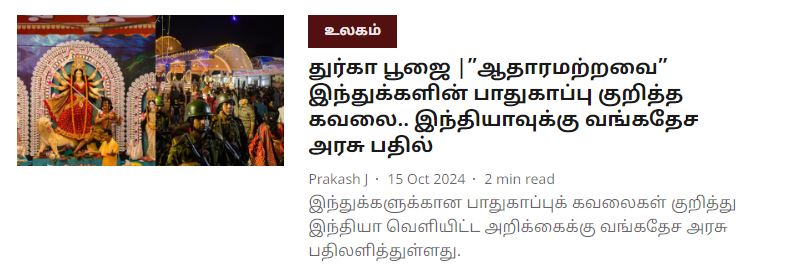
Currently, Hindus wishing to celebrate Durga Puja in Dhaka have been faced with demands for a toll of 5 lakh Tk. Several temples in Dakop, Khulna, received anonymous letters threatening that the celebrations would not be allowed unless they paid a toll of Tk 5 lakh each. The letters, delivered to the leaders of various puja celebration committees, warned that failure to comply would lead to severe consequences. This is truly shocking.
ISKCON In Bangladesh Targetted
Recently, several ISKCON temples and centers in Bangladesh were destroyed in acts of arson. Between 2 and 3 a.m., miscreants set fire to these locations. The deities of Sri Sri Laxmi Narayan, along with all the items inside the temple, were completely destroyed. Additionally, another ISKCON Namhatta Center was set ablaze. The Shri Shri Radha Krishna Temple and the Shri Shri Mahabhagya Lakshmi Narayan Temple, part of the Hare Krishna Namhatta Sangha in Dhour village under Turag Police Station, Dhaka district, were also targeted. The fire was started by lifting the tin roof at the back of the temple and pouring petrol or octane.
In addition, last month, ISKCON monk Chinmoy Krishna Das, based in Dhaka, was accused of treason. He had been leading protests against the alleged atrocities committed against minorities in Bangladesh. These attacks escalated after the so-called Nobel laureate came to power in the country.
Even Nobel laureate Muhammad Yunus has advocated for the removal of ‘secularism’ from Bangladesh’s constitution, citing the fact that 90% of the population is Muslim. During hearings at the High Court last month on the legality of the 15th Constitutional Amendment. This position suggests that Yunus aligns more with fundamentalist views rather than being a genuine leader like Sheikh Hasina.
Dravidianist Media & Hindumisia
Below are examples of how the Dravidianist media have supported a leader who promotes hatred against Hindus in the state.
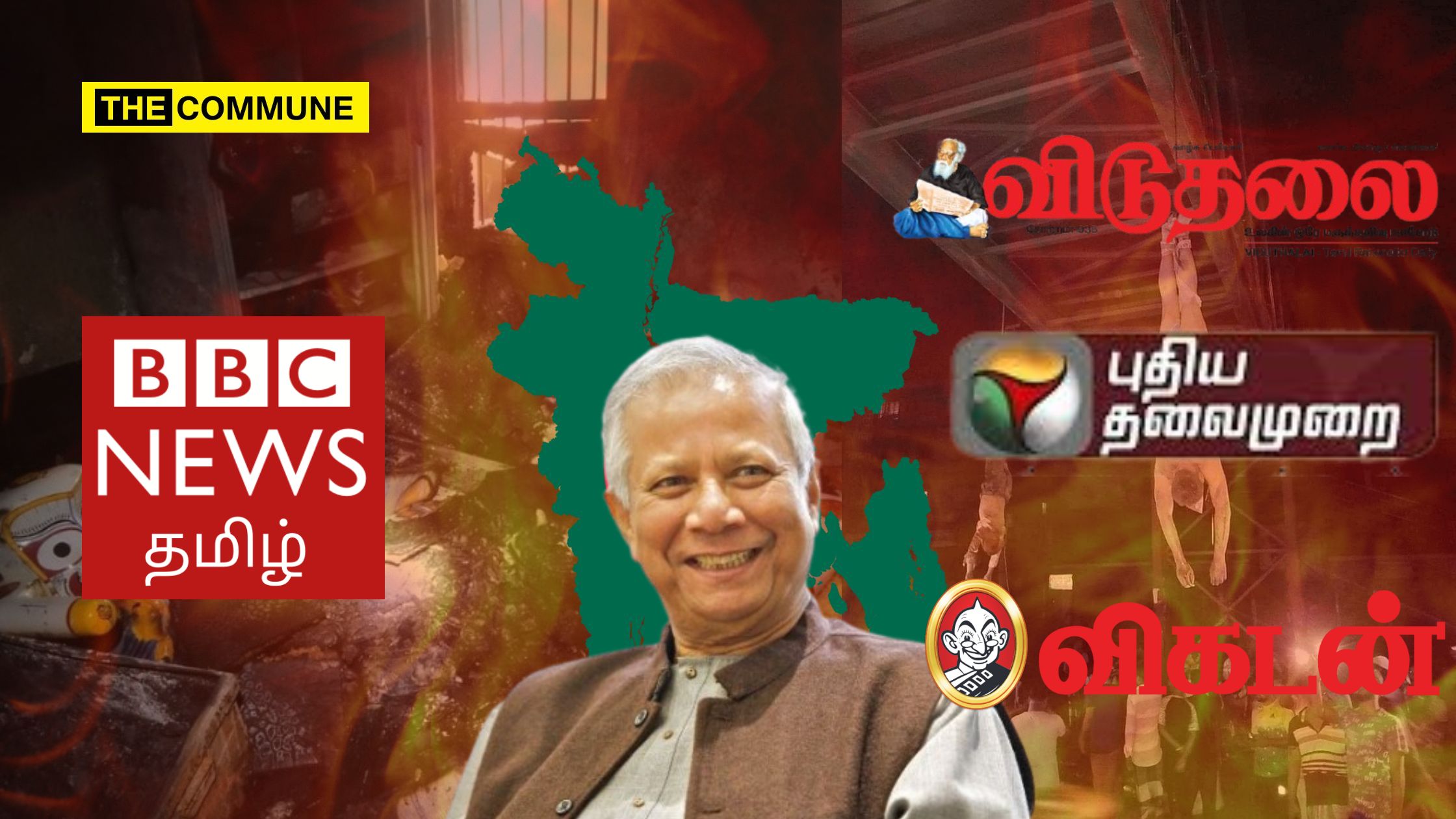
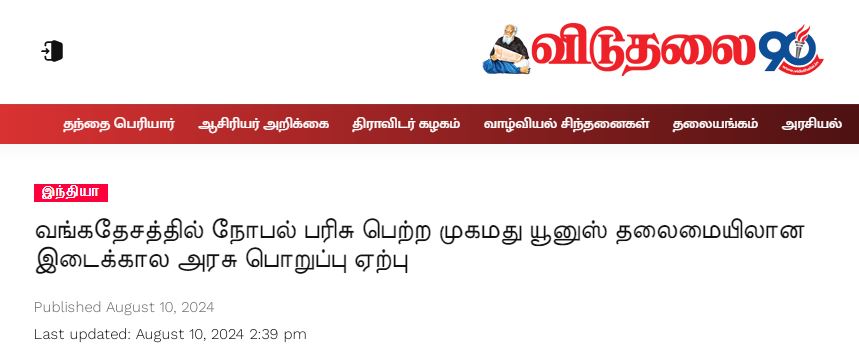
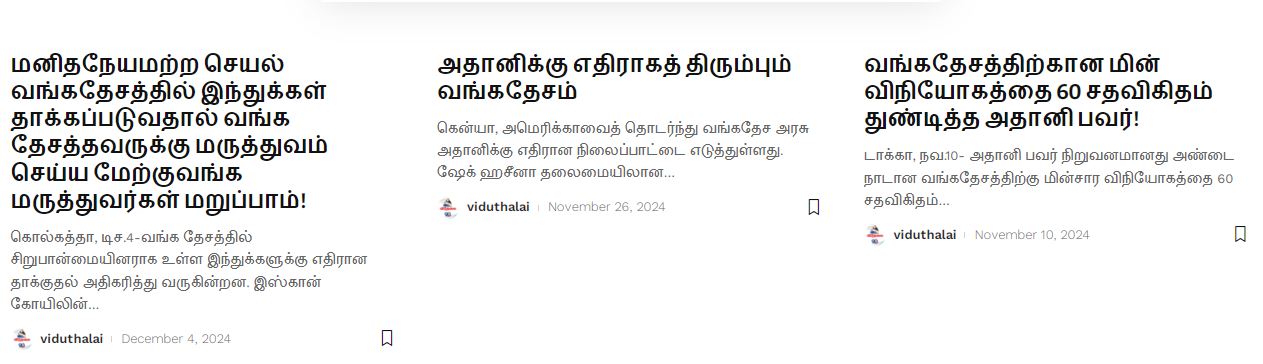
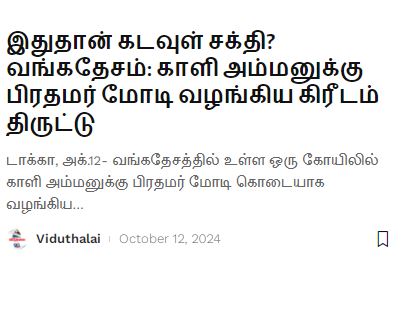
The Periyarist magazine Viduthalai not only supported the new interim prime minister, Muhammad Yunus, but also mocked the looted Hindu temples. It propagated the narrative that Adani Power was reducing electricity supply due to the change in regime rather than the government’s inability to make purchases.
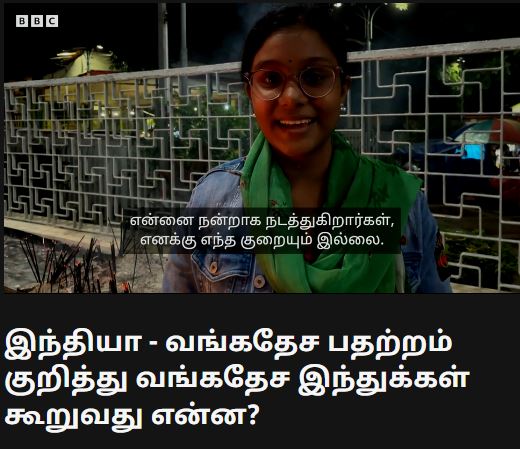
The BBC Tamil coverage was among the most shocking, consistently portraying Bangladeshi Hindus as content and peacefully living after Yunus came to power. It continues to push this narrative in the Tamil language. In a recent post, they shared a video claiming that Hindus in Bangladesh were happy and did not wish to be associated with Indian Hindus.
The Dravidianist media outlet Puthiya Thalaimurai News aired a report echoing Bangladesh’s stance, claiming that India’s concerns about the plight of Hindus in the country were baseless.
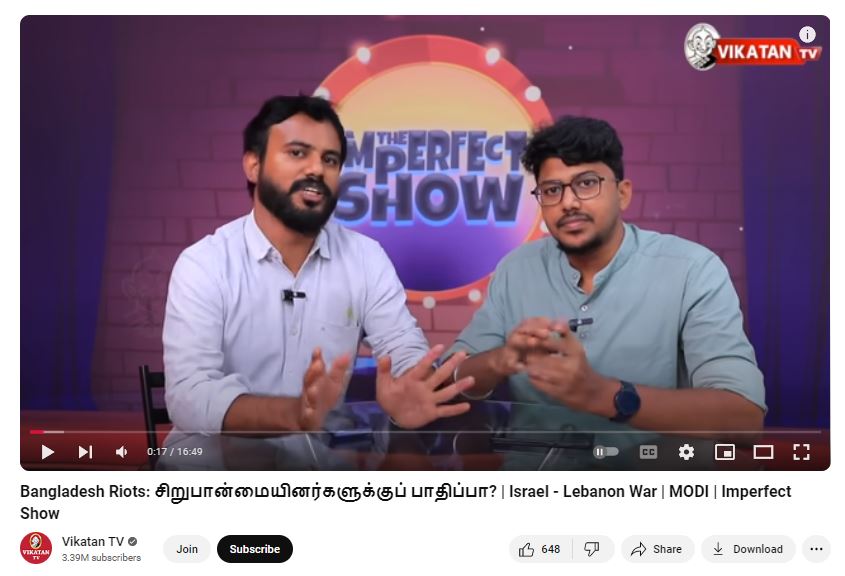
Vikatan, another Dravidianist media outlet, pushed its narrative to the next level in a video segment by questioning whether minorities in Bangladesh were truly affected. They alleged that ISKCON monk Chinmoy Krishna Das, who was arrested, had been implicated in a child abuse case. At the same time, they hypocritically welcomed the stance of stand still agreement on the Israel-Palestine war.
From this, it can be concluded that no news media in the state dares to deviate from the narrative set by the ruling DMK. Even when confronted with the truth, they choose to comply and align with their political masters, prioritizing loyalty over integrity.
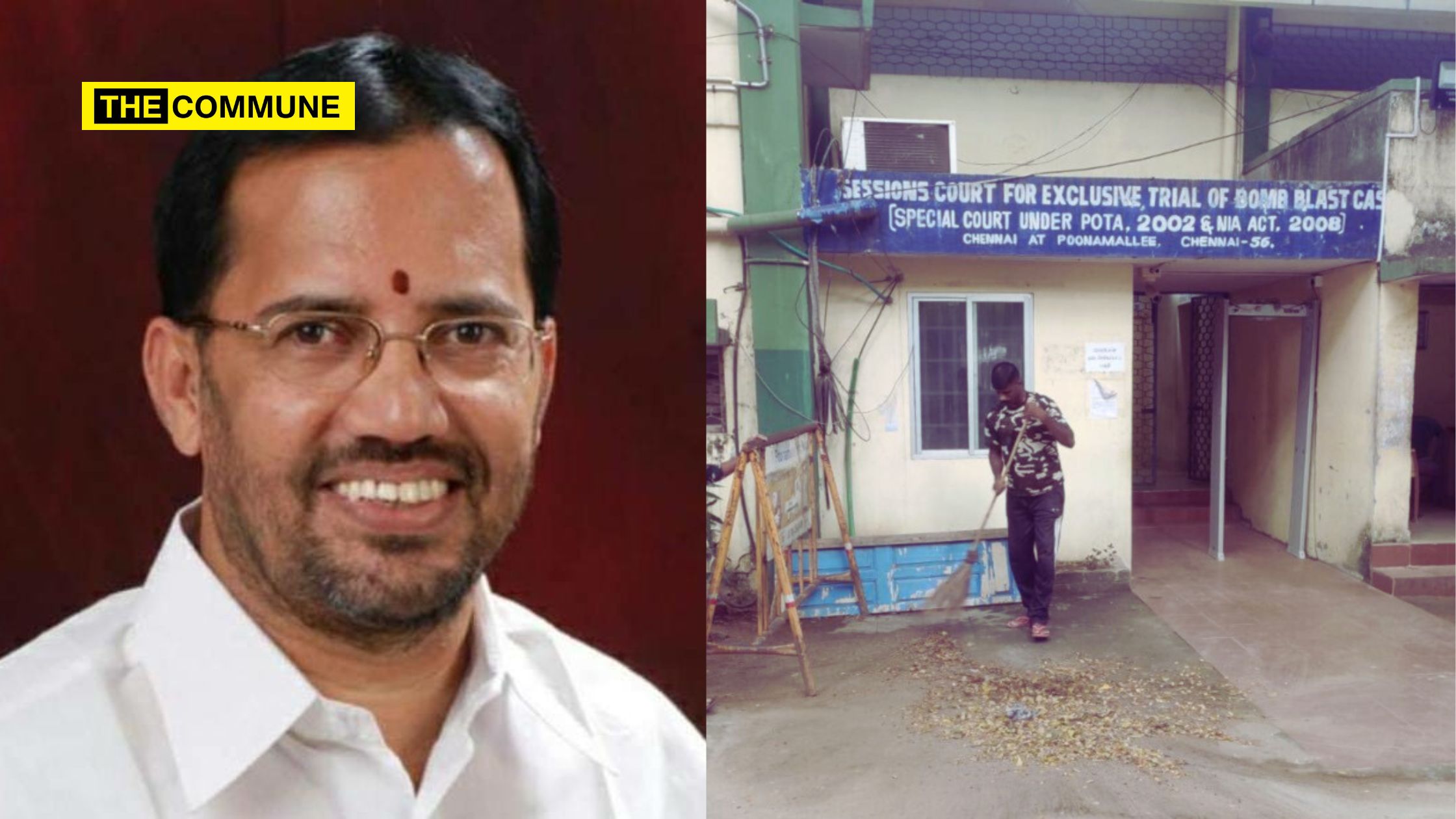
The special court in Poonamallee has picked pace in the long-pending Auditor Ramesh murder case involving Islamic terrorists. The case, which had been stalled for some time, has now regained momentum. The special public prosecutor has been questioning key witnesses, including Auditor Ramesh’s brother, Seshadri, in court. Meanwhile, reports indicate that accused policeman Fakhruddin and his associates are refusing to cooperate with the investigation.
இஸ்லாமிய பயங்கரவாதிகளால் ஆடிட்டர் ரமேஷ் கொலை செய்யப்பட்ட வழக்கு!
பூந்தமல்லி நீதிமன்றத்தில் ஆடிட்டர் ரமேஷின் சகோதரர் சேஷாத்ரி உள்ளிட்ட சாட்சிகளிடம் சிறப்பு அரசு வழக்கறிஞர் விசாரணை
நீண்ட காலமாக இழுத்தடிக்கப்பட்டு வந்த வழக்கு தற்போது மீண்டும் வேகமெடுத்துள்ளது
He was a prominent figure in the Tamil Nadu BJP and a staunch advocate of Hindutva, Auditor Ramesh had served twice as the party’s state general secretary. At the age of 54, Ramesh was brutally murdered on the night of 19 July 2013, outside his residence in the Maravaneri area of Salem, shortly after returning from a meeting with party members. Assailants, who had been waiting near his home, attacked him with sharp weapons, inflicting fatal injuries to his head and neck.
Who Were The Suspects?
The investigation led to the arrest of Bilal Malik and ‘Police’ Fakhruddin in October 2013. Both were also implicated in the 2011 Madurai pipe bomb case and other attacks targeting right-wing Hindu leaders. Fakhruddin was apprehended by the Crime Branch CID, while Malik and another suspect were captured in Puttur, Andhra Pradesh, following a nearly 12-hour standoff. The Tamil Nadu Police’s Special Investigation Division (SID) took charge of the case.
Aftermath Of Murder
The murder sparked widespread outrage among BJP members and Hindutva groups across Tamil Nadu. Protests erupted, with demonstrators blaming police negligence and state intelligence failures, particularly as Ramesh had reportedly received death threats and his car had been torched before his murder. The tragedy led to further repercussions: BJP state executive member B. Rajeshwari, 42, reportedly self-immolated in protest, while the death of district executive member K. Murugamani from cardiac arrest was also linked to the heightened tensions following Ramesh’s killing.
The case gained national attention, with the BJP pushing for a thorough investigation and using it to underscore what they described as a hostile environment for their workers in Tamil Nadu. At the time, several attacks on Hindutva leaders had occurred, including the 1994 killing of Rajagopalan, the state president of the Hindu Munnani, an RSS-affiliated organization. BJP leaders, including then-state president Pon Radhakrishnan, accused the J. Jayalalithaa-led government of indifference to such violence.
Narendra Modi, Gujarat’s Chief Minister at the time and a rising national figure, called Ramesh’s family to offer condolences. Later that year, during a rally in Tiruchi, Modi criticized the slow progress in the investigation, sharing the stage with then-Chief Minister Jayalalithaa.
Current Case Status
The trial has faced repeated delays and adjournments over the years. In February 2023, the Madras High Court directed the special court to expedite proceedings, citing the prolonged nature of the case. The accused remain in custody, facing charges in multiple cases involving organized crime and radical Islamist activities.
Subscribe to our channels on Telegram, WhatsApp, and Instagram and get the best stories of the day delivered to you personally.
An estimated $2.2 trillion investment in infrastructure development is imperative to support India’s GDP expansion to $7 trillion by 2030.
According to a report by Knight Frank India, India’s economy must grow at a CAGR of 10.1 per cent between 2024 and 2030 to achieve a size of $7 trillion.
The investment opportunity for private participation in infrastructure development in India ranges between $103.2 billion to $324 billion.
“India stands at the cusp of a transformative era in infrastructure development. By harnessing the power of private investment, we can accelerate our journey towards achieving our ambitious economic growth targets,” said Rajeev Vijay, Executive Director-Government and Infrastructure Advisory, Knight Frank India.
The central government aims to reduce its gross fiscal deficit to below 4.5 per cent by 2025, and increasing private sector participation in infrastructure development would help balance fiscal deficit targets.
At an existing investment share composition of Centre (51.2 per cent), state (44.1 per cent), and private (4.7 per cent), the estimated gross fiscal deficit in 2030 will be 4.7 per cent, which is above the government’s defined fiscal deficit threshold.
In this scenario, the private participation in infrastructure development in India amounts to $103.2 bn until 2030. However, this composition’s share of private investment is negligible and needs to expand.
However, a 10 per cent increase in private investments in infrastructure to 14.7 per cent brings the potential opportunity amount to $324 billion, an annual average of $54 billion until 2030.
This will potentially support the government in maintaining healthy fiscal balances.
The report said that by increasing private participation in infrastructure development, the government could redirect expenditures towards other key segments of economic growth, such as public healthcare, strengthening human capital, debt payments, etc., which will support the long-term growth of the economy.
On a sector-wise analysis, renewable energy, data centres, roads and highways, warehousing and logistics have significant potential to attract private investments.
The report mentioned that sectors such as urban mass transit, airports, power distribution, etc., hold massive investment opportunities supported by rapid urbanisation and shifting demographics.
“For India to achieve its ambitious economic growth targets, massive infrastructure investments are necessary,” the report added.
—IANS
Subscribe to our Telegram, WhatsApp, and Instagram channels and get the best stories of the day delivered to you personally.
In a significant disciplinary action, the District Educational Officer (DEO) of Rajanna Sircilla district, Telangana, has suspended Sri Lingala Raju, an English teacher, for distributing Bibles and other religious materials to students. The incident occurred at Zilla Parishad High School (ZPHS) in Narayanapur, Ellareddypet Mandal.
Villagers and former students lodged complaints, alleging that the teacher was distributing Bibles and Christmas gifts sponsored by Real India Ministries. The Mandal Educational Officer (MEO) investigated and confirmed the allegations.
The suspension order, issued by the DEO, Dr. B. Jagan Mohan Reddy, states that Lingala Raju was found negligent in performing his legitimate duties by unauthorizedly distributing religious materials. The action was taken under Rule 8(1) of the Andhra Pradesh Civil Services (CCA) Rules, 1991.
As per the order, the teacher has been suspended effective from the date of communication of the order. During the suspension period, Lingala Raju must remain at his designated headquarters and cannot leave without prior permission from the DEO. The suspended teacher will receive a subsistence allowance as per the applicable rules under Fundamental Rule 53(1)(ii)(a).
The complaints highlighted that the teacher distributed Bible books and related materials during school hours, which raised concerns among parents and the local community. The investigation corroborated the claims, prompting immediate action to uphold the secular ethos of the educational institution.
Following complaint from villagers & former students, the District Educational Officer has suspended an English teacher for distributing Bibles & Christmas gifts sponsored by Real India Ministries, to students at ZP High School in Narayanapur, Rajanna Sircilla District, Telangana pic.twitter.com/veYR5zm892
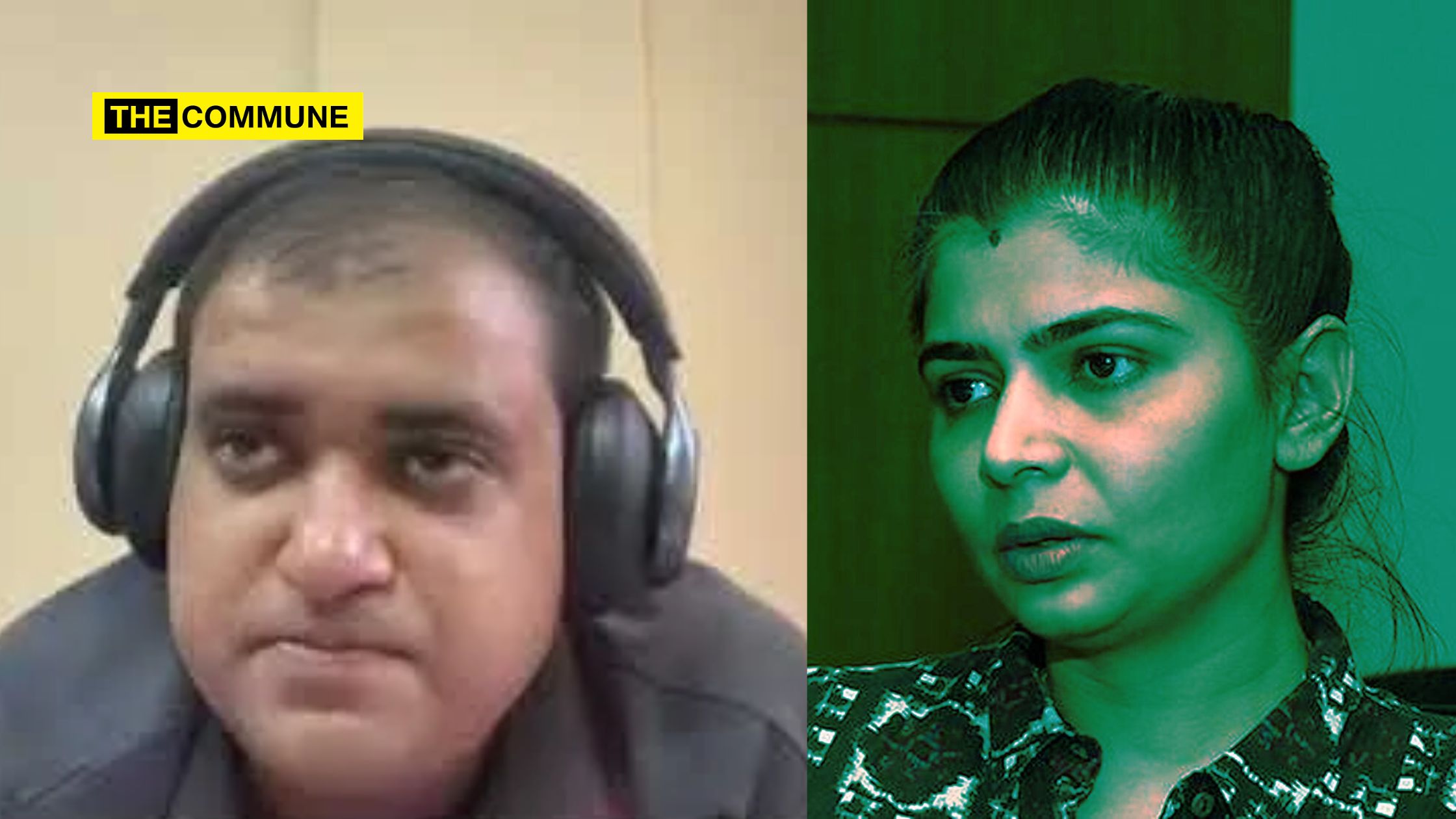
In an appalling display of insensitivity, ultra-woke singer Chinmayi Sripada has dismissed the tragic suicide of Atul Subhash, a man allegedly harassed by his wife and her family, with a social media post that trivialized his suffering and shifted blame onto men as a whole. Instead of addressing the systemic issues that drive over 1 lakh men to suicide in India annually, Chinmayi accused men of indifference toward societal problems, dragging unrelated issues like rape and child abuse into the conversation while extrapolating random nuisance commentators to tarnish a group of people.
Her remarks blatantly disregarded the context of his death, weaponizing his tragedy to push an anti-male narrative. By blaming men for societal ills unrelated to the case, Chinmayi not only failed to acknowledge the abuse men like Atul endure but also undermined efforts to promote gender-neutral laws that protect all victims of domestic violence and mental cruelty.
Chinmayi Posts Her Views On Atul Subhash’s Suicide
The tragic suicide of Atul Subhash, allegedly driven to this extreme by harassment from his wife and her family, has sent shockwaves across the nation. People have rallied, outraged over the glaring lack of gender-neutral laws in India, which systematically deny men the legal safeguards afforded to women. Even as they seek justice for Atul, singer and self-proclaimed feminist Chinmayi Sripada has managed to provoke further outrage with her insensitivity.
Chinmayi posted a tone-deaf comment on social media, saying,“One thing I understand from the Atul Subhash case is that so many of these men are capable of mobilising support, raising funds, even attempting to force Accenture to fire the woman, reaching out to top management and more. When they want to, they will. So if they haven’t done anything so far to make sure rapes and child sexual abuse happen (especially for men and male survivors of sexual violence), Or even something like corruption and holding politicians accountable – you know why. Some of these people wont even do the needful to set up ICCs and POCSO units in the schools they send their kids to. They dont care if their kid gets abused in school. Even if it is their kid they ll probably call them a liar by habit and attempt to close the case by settling in a police station. They dont WANT to dismantle these systems that gives them power to abuse someone else. So people here can. Just that they dont want to.”
Instead of acknowledging the systemic issues leading to male suicides, Chinmayi dragged unrelated topics like rape and paedophilia into the conversation. This desperate attempt to shift the focus from the abuse men face reeks of the kind of radical feminism that thrives on vilifying men rather than advocating true equality.
The Hypocrisy Of Radical Feminism Or Rather Femi”Nazi-ism”
The outrage over the Atul Subhash case is not a rejection of the fight against rape or child abuse. People have consistently spoken out against such heinous crimes, as seen in the nationwide uproar over the Kolkata RG Kar case. However, Chinmayi’s post suggests that feminists are rattled by the growing support for male victims, further revealing their vendetta-driven agenda.
Feminism, at its core, was supposed to champion equality. But as cases like this unfold, it’s becoming evident that for some, it’s less about justice and more about perpetuating the narrative that women are inherently victims and men are always perpetrators. This mindset blinds them to the fact that men, too, can be victims of domestic abuse, mental cruelty, and systemic bias.
Alarming Data On Male Suicides And Abuse
The statistics paint a grim picture of the plight of men in India. In 2022, more than 1,22,724 men died by suicide, compared to 48,172 women. Among these, 82,000 were married men, with family problems accounting for 38,904 deaths and marriage-related issues causing 5,891 suicides. These numbers are not mere data points; they represent lives lost due to neglect and systemic indifference.
A Gurgaon-based NGO, Ekam Nyaay Foundation, documented 517 cases of suicides by men driven by mental cruelty, false accusations, domestic violence, and other issues. The research highlights causes such as:
Mental cruelty (235 cases)
Adultery by the wife (47 cases)
False accusations (45 cases)
Domestic violence (22 cases)
Suspicion, abandonment, or monetary disputes (168 cases)
306 cases of HUSBAND MURDER 517 cases of SUICIDE BY MEN
823 cases from 2023 where men were either killed by their wives & her lover or lost their life due to Adultery, Domestic Violence, Mental Cruelty & more
Chinmayi’s failure to address this grim reality underscores her lack of empathy for men’s struggles. Her attempt to trivialize a man’s death by equating it to unrelated issues like corruption and abuse only reveals her callousness.
Gender-Based Violence Against Men: The Silent Epidemic
A 2019 study in Haryana’s rural areas found that 52.4% of men experienced gender-based violence, with 51.6% suffering emotional abuse and 6% enduring physical violence from their wives or intimate partners. Yet, societal stereotypes and flawed legal frameworks prevent these men from seeking justice. The Indian Penal Code’s Section 498A, for instance, holds only men accountable for cruelty, leaving women’s crimes against men unaddressed.
Indian wives rank third globally in abusing their husbands, with only Egypt and the United Kingdom surpassing them. Despite this, there are no legal provisions to protect men from domestic violence or even basic restraining orders against female aggressors.
Feminist Hypocrisy And The #MeToo Fallout
The double standards of woke feminism are glaring. During the #MeToo movement, countless men lost their jobs and reputations over unsubstantiated tweets without FIRs, investigations, or inquiries. Yet, when public outrage rises over a man’s suicide, Chinmayi and her ilk find it offensive. Why is sympathy for a man’s plight so threatening to these so-called feminists?
Men face systemic discrimination and societal neglect that drives many to despair. Suicide data consistently shows that while women may attempt suicide more often, men die by suicide at a significantly higher rate. This disparity is ignored by those who claim to fight for equality.
The Atul Subhash case is a wake-up call for India to address the legal and societal biases against men. It’s high time gender-neutral laws were implemented to protect all victims of abuse, regardless of their gender. Feminists like Chinmayi, who seek to monopolize victimhood and silence the voices of male victims, only hinder progress toward true equality. Her response exemplifies the worst of radical feminism—a refusal to empathize with male victims and an eagerness to vilify men at every opportunity. Her dismissal of Atul’s pain is a stark reminder of the societal indifference that continues to push men into silence and despair.
Chinmayi’s comments are not just insensitive; they are emblematic of a larger problem with radical, revenge-driven feminism. If feminism truly stands for equality, it must also stand for men who face abuse, neglect, and systemic bias. Anything less is hypocrisy.
Subscribe to our Telegram, WhatsApp, and Instagram channels and get the best stories of the day delivered to you personally.
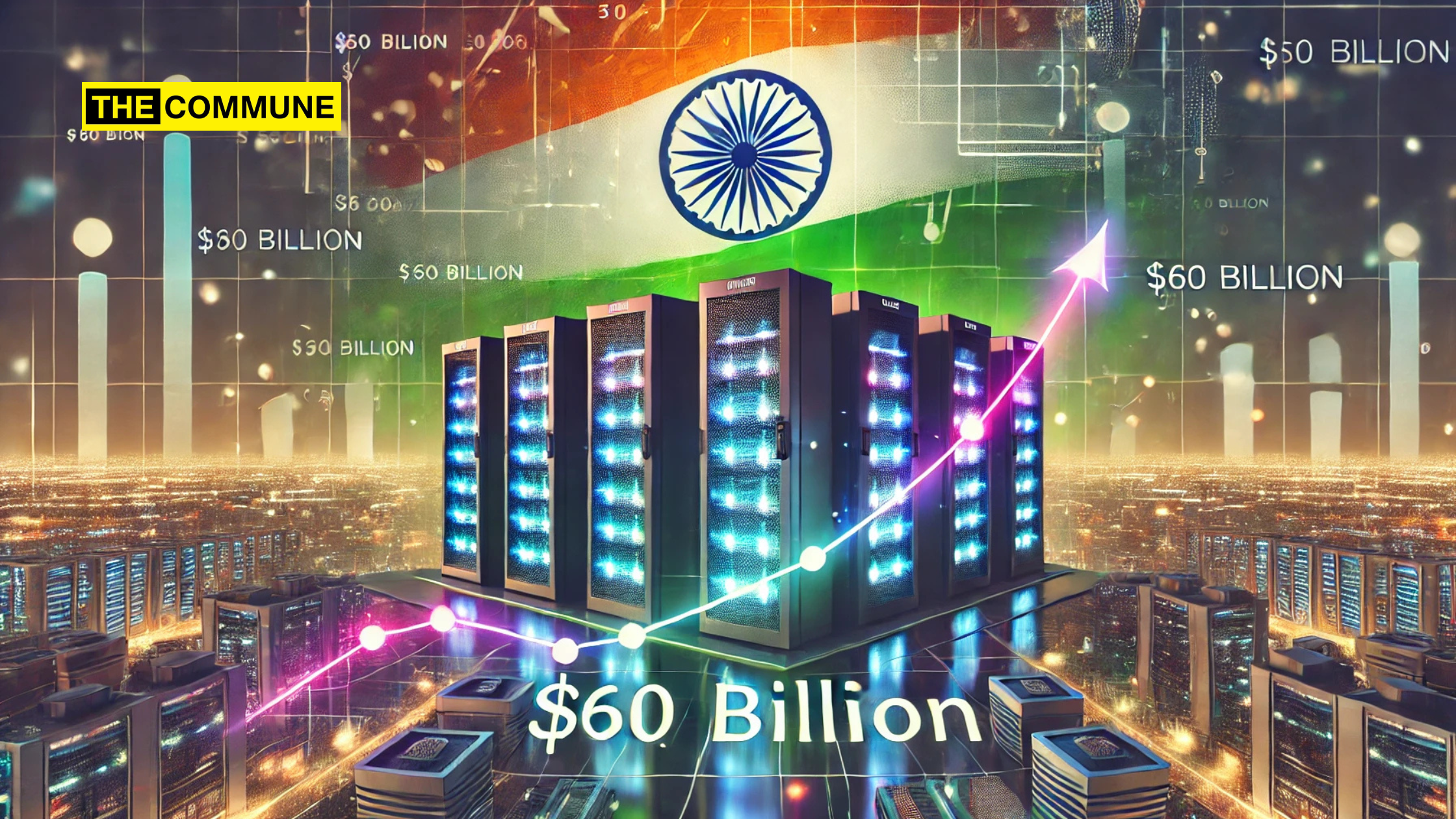
India’s burgeoning Data Centre market attracted USD 60 billion from both domestic and international investors between 2019 and 2024 and, given the current growth curve, is expected to surpass USD 100 billion in cumulative investment commitments by the end of 2027, according to the latest report by real estate consultant CBRE South Asia.
Mumbai continues to dominate data centre stock, followed by Chennai, Delhi-NCR, and Bengaluru, accounting for 90 per cent of the country’s total data centre stock as of September. Currently, India’s total DC stock stands at around 19 Mn. Sq. ft. (land area) is expected to reach 31 Mn. Sq. ft. by the end of 2025, the report states.
The sector is poised for significant growth in 2025, with nearly 475 MW of capacity under construction across major cities like Mumbai, Chennai, and Delhi-NCR. It observes that key demand drivers for the year ahead include BFSI and Technology companies.
The report points out that Tier-II cities like Ahmedabad, Kochi, Visakhapatnam, and Lucknow are gaining traction as key locations for data centres, driven by regional data consumption growth and cost-efficiency advantages.
State-wise, Maharashtra, Tamil Nadu, Telangana, Uttar Pradesh, and West Bengal emerged as the leading states regarding cumulative investment commitments.
India’s current data centre capacity is around 1,255 MW, and it is projected to expand to 1,600 MW by the end of 2024. The report observes that the country’s accelerated technology proliferation, digital transformation, increased Internet penetration, policy enablers, and growth in AI-generated data workload will pivot this growth.
As sustainability becomes a critical priority, the report points out a growing focus on integrating renewable energy solutions and advanced cooling technologies, helping enhance energy efficiency and reduce the carbon footprint of India’s data centres.
Additionally, with AI workloads expected to surpass traditional cloud computing demands, data centre operators are significantly upgrading their infrastructure to accommodate the evolving needs of AI-driven applications, ensuring they can support the next generation of digital transformation, the report adds.
– IANS
Subscribe to our Telegram, WhatsApp, and Instagram channels and get the best stories of the day delivered to you personally.
Akhil Bharatiya Vidyarti Parishad (ABVP) members held a protest at a missionary school in Madhya Pradesh’s Bhind following a controversy that erupted over not allowing a student to wear a ‘kalawa’ (sacred thread) and ’tilak’.
On Wednesday noon, around 25-30 ABVP members along with parents of some students shouting religious slogans, barged into the St. Michael’s school premises. Protesters chanted ‘Jai Shri Ram’ and recited Hanuman Chalisa sitting in the school’s courtyard.
ABVP members alleged that a sixth-class girl student was forced to return to his house as she had come to school wearing ‘kalawa’ and had applied ’tilak’ on her forehead. Pankaj Sharma, father of the student, talking to media persons claimed that his daughter was sent back home from school because she was wearing ‘kalawa’ and ’tilak’.
According to Sharma, the incident had occurred on December 5. “Upon knowing about the incident, when I visited the school I was humiliated by the principal (father of the school) and was forced to leave the premises,” Sharma alleged. However, the principal of St. Michael’s school denied the allegation, claiming that no such incident had occurred. Instead, the school principal claimed that notices were issued to the parents of several students regarding pending fees.
“More than 90 per cent of teachers in this school are from the Hindu community. Yes, it is a fact that the school management issued notices to some parents about deposit fees. Notices were issued to the parents of several students, whose fees have been pending,” the school principal said. He further claimed that the student’s father (Pankaj Sharma) visited his office on December 6. “He didn’t pay fees for the past four years, and when we asked to deposit the dues, he left the school threatening that he would tell us. The allegation that we have denied any student because of any other matter is completely false,” the school principal added.
Upon receiving a complaint from the school, the police team along with the Sub-Divisional Magistrate reached the spot during evening hours and initiated an investigation.
Mohanlal Sharma, a revenue officer, who is leading the investigation, said, “Upon receiving a complaint on the matter, we inspected school premises. We have taken DVR of CCTV cameras under our possession and further investigation is underway,” Sharma added.
–IANS
Subscribe to our channels on Telegram, WhatsApp, and Instagram and get the best stories of the day delivered to you personally.