Home Blog Page 705

Dravidian Model Of Education: Kumudam Report Says Tamil Nadu Govt School Teachers Appoint Fake Substitutes, Officials Take Bribes; School Edu Dept Said To Have Taken Cognizance

aser report 2024 dravidian model education tamil nadu government school children

A disturbing new report has emerged from the much-hyped Dravidian Model state of Tamil Nadu, about the alarming practice of primary school teachers appointing fake substitutes to cover their classes while paying these impostors out of their own pockets. Tamil Nadu currently has 34,855 primary schools and 9,248 middle schools.

According to report by Kumudam, the issue first came to light when K. Balaji, a teacher at Ramiyampatti Middle School in Dharmapuri’s Arur Education District, was found to be frequently absent from work. It was later revealed that he had arranged for another person to take his place in the classroom during his absence. The Kumudam report alleges that its investigations have revealed a troubling trend in many schools, particularly those with only one or two teachers on staff. These schools are reportedly hiring “fake teachers” as stand-ins for their regular educators. In many cases, these substitute teachers are paid by the original teachers themselves, who also bribe local education officers to cover up the malpractice and avoid detection.

This problem appears to be most common in “one-teacher schools,” where a small staff is responsible for managing multiple classes. Out of roughly 11,000 such schools, Kumudam report claims that an estimated 10,000 schools are involved in this deceptive practice.

In response to these troubling revelations, Madhumathi, the Principal Secretary of the School Education Department has allegedly confirmed that the department was aware of the situation and had already taken action in certain cases. For instance, after a similar case emerged at Pammathukulam Panchayat Union Primary School in Tiruvallur, where officials found inflated student numbers, the District Education Officer and the Headmaster were removed from their positions.

Similarly, in Koliyanur, a government-aided school in Viluppuram, the District Education Officer was dismissed after an investigation revealed similar malpractice involving fake student enrollment. Madhumathi stated that following these incidents, a state-wide investigation into the practice of fake teachers had been initiated, and action would be taken against both the teachers and education officials involved in these fraudulent activities.

The widespread practice of hiring fake teachers is a serious blow to the credibility of Tamil Nadu’s education system. Not only does it undermine the integrity of the schooling process, but it also sends a harmful message to students, who are supposed to look up to their teachers as role models. It is imperative that the government takes swift and decisive action to address this issue and restore integrity to the education system. There is a growing public expectation that the authorities will act quickly to bring those responsible to justice and ensure that children in Tamil Nadu receive the education they deserve.

(With Inputs From Kumudam)

Subscribe to our TelegramWhatsApp, and Instagram channels and get the best stories of the day delivered instantly.

DMK-Supporting Dravidianist Actor Sathyaraj Takes Jibes At TVK Vijay’s Ideology

The Dravidianist and Periyarist sympathizer actor Sathyaraj recently expressed concern over Vijay-led TVK ideology of Dravidianism + Tamil Nationalism saying that the latter ideology supports Aryans under the banner of Tamil nationalism. Sathyaraj made these remarks while participating in a seminar titled “Dravidam is Bulwark of Tamils,” in Chennai on 8 November 2024.

In the same breath, Sathyaraj aligned himself with DMK scion and Deputy CM Udhayanidhi Stalin, who had previously praised Vijay’s industry rival, actor Ajith. Echoing this sentiment, Sathyaraj also publicly praised Ajith, mentioning a viral video he had seen, and appeared to be “simping” for the actor in the process.

Recently, Vijay, during the first state convention of his party Tamilaga Vettri Kazhagam (TVK), announced that, “Dravidism and Tamil nationalism are one in principle.” This statement was met with strong condemnation by Naam Tamilar Party’s state coordinator, Seeman, who has been vocal in his belief that Dravidianism and Tamil nationalism cannot coexist.

Speaking at the event, Dravidianist sympathizer Sathyaraj positioning himself against Vijay and Seeman expressed that while Aryans may oppose Dravidianism, it is extremely dangerous to support Aryan ideology against Dravidianism in the name of Tamil Nationalism. He warned that promoting Aryanism could lead to the resurgence of superstitions, such as Shastras, Sampradaya (traditions), and rituals, which have long been outdated.

The actor also spoke about the large number of people from northern India who come to Tamil Nadu for work, stressing the need to extend Dravidian ideals to them in a way they can understand. “Northern states face more caste-related issues, and many of the northerners who come here for work belong to oppressed communities. When they come to Tamil Nadu, they experience no caste oppression or religious riots; they come here to live in peace. It is crucial that they understand that Dravidianism is what makes this possible,” Sathyaraj explained.

He further added that when these workers return to their native places, they will share their positive experiences of Tamil Nadu, promoting the values of equality and social justice. He clarified that the influx of northern workers for small jobs does not imply that locals are unwilling to work, but rather reflects the upliftment of people in Tamil Nadu, where there are ample opportunities for higher-level employment.

Illogical Narrative: Dravidianism and Tamil Nationalism are One

In an attempt to link Dravidianism and Tamil Nationalism as one, Sathyaraj attempted to present an intriguing story about his meeting with A.G. Perarivalan, a former convict in the Rajiv Gandhi assassination case. Audiences were likely intrigued, expecting a well-reasoned explanation. However, to their surprise, what followed was an empty and unconvincing story. Sathyaraj seemed proud of his narrative, but much like peeling an onion, it turned out that beneath his so-called Dravidianism and Tamil Nationalism are one, was nothing—just a hollow void with no substance.

Sathyaraj said, “Brother Perarivalan has come out in bail for fifteen day or one month period and was staying in Jolarpet. I decided to visit him and went to Jolarpet, the police allowed me to enter after getting my signature. However, Brother cannot  come out, so only his mother welcomed me in. As soon as the door opened, a family who was in a frenzy and in so much trouble worried that the death sentence would be overturned. On the wall there was Periyar’s (EV Ramasamy Naicker) and Prabhakaran’s photo.” Shamelessly the audience encouraged his nonsense and  clapped, he with proud face continued,  “There is no better example than this to establish Dravidianism and Tamil Nationalism are one.”

Simping for Ajith

At the same event, Sathyaraj also took the opportunity to praise actor Ajith. Recently, a video of Ajith speaking during a bike tour went viral. In the video, Ajith shared a message last month, “There is a saying that religion can incite hatred towards people you’ve never met. That is true. Regardless of religion or caste, we tend to misjudge people before we even meet them. When you travel, you meet people from different nations, religions, and cultures. Through this, you gain a better understanding of the feelings of others. Travel makes you a better person.”

Sathyaraj, in pointing to Ajith’s message, praised the actor for his enlightened perspective and for being a role model in promoting unity and understanding across communities. However, his praise seemed less about Ajith’s views and more about following the political line set by his DMK master, Udhayanidhi Stalin, who had recently put an appreciative tweet of Ajith after Vijay attacked the DMK first family in his political speech.

Interestingly, Sathyaraj has worked closely with Vijay on numerous films but has never shared screen space with Ajith. The sudden praise for Ajith, therefore, raises obvious questions about the underlying motivations—something that appears more politically driven than genuinely admiration for the actor.

The DMK appears to be struggling to preserve its carefully cultivated Dravidian ideology, which has been central to its identity for decades, especially in the wake of actor-turned-politician Vijay’s launch of his new party. While DMK leaders and spokespersons insist that they are unfazed by Vijay’s political move, their actions and statements tell a different story. In fact, they have now resorted to courting Vijay’s rival in the film industry to divert attention, rather than directly confronting.

How Much Does Sathyaraj Truly Adhere to Dravidian Principle Himself?

Not even a fraction, it seems. Sathyaraj’s recent speech at a Viduthalai Chiruthaigal Katchi (VCK) event marking the 61st birthday of party chief Thol. Thirumavalavan raises doubts about his true commitment to Dravidian principles. While addressing the gathering, Sathyaraj made an odd attempt to connect Dravidian ideals with the longevity of Okinawans, a Japanese community known for living well past the age of 100. He used this example to wish a long life for Thirumavalavan, but his speech seemed more about flattering the VCK leader than offering any real insight into Dravidianism.

Sathyaraj, in his speech, lauded the people of Okinawa for their simple, charity-driven lives, which he believed contributed to their long life spans. He attributed their longevity to their understanding of equality and social work. Continuing in his typical style, Sathyaraj praised Thirumavalavan’s commitment to social justice, equating his mission to the “joyous journey” of Okinawa’s elderly population. “Thiruma has made it his life’s mission and passion to serve the people,” Sathyaraj said, wishing that Thirumavalavan would outlive even the oldest Okinawans.

But it was Sathyaraj’s critique of India’s current trajectory that caught the attention of critics. “More than a Digital India, we need a Reformed India. An India that is equal to all,” he said, calling for a society rooted in the principles of Periyar, Ambedkar, and Marx, while also admiring the bravery of Tamil nationalist Prabhakaran. He emphasized the need for a reformed India—one that eradicates caste and superstition in the name of tradition, rituals, and religious scriptures.

However, Sathyaraj’s public declarations on caste abolition and the rejection of traditional rituals were soon met with skepticism after a viral video surfaced. In the video, social activist ‘Airport’ Moorthy revealed that Sathyaraj had recently organized his son’s wedding according to traditional caste-based rituals, directly contradicting his earlier rhetoric on breaking away from caste and superstition. In response, Satyaraj apparently revealed that while he personally adheres to certain principles, his family members were insistent on following rituals for the wedding. Critics noted the discrepancy between Satyaraj’s public statements and his actions in a private context, asserting that his inconsistency was evident and could be perceived as hypocritical.

Sathyaraj has become nothing more than a political tool for the DMK, used to promote anti-Hindu sentiments and stir up controversy when around Dravidian ideology or DMK is under attack. His statements are often strategically crafted to divert attention from pressing issues, but recent attempts have fallen flat. At present, Sathyaraj is like a drifting boat in a political sea, aimlessly caught between conflicting ideologies.

Sathyaraj recently attempted to distract from the growing unrest in Tamil Nadu with a provocative speech. However, despite his best efforts, his remarks failed to capture widespread attention. The timing of his speech was curious, when Tamil Nadu was grappling with news of drug-related scandals connected to the DMK. Amidst this turmoil, Sathyaraj chose to weigh in, yet his speech hardly made a ripple in the political landscape.

He attempted to shift focus by discussing religious harmony in Tamil Nadu, claiming that while religious storms may be brewing in the North, the situation here is just a “Madappuyal” (foolish storm). He also expressed concerns over outsiders influencing local food choices, particularly beef, warning of the dangers of such trends. Despite his best efforts to stoke a controversy, his remarks seemed to miss the mark, revealing how increasingly irrelevant and ineffective his role in the DMK’s political strategy has become.

Sathyaraj’s Unconditional Support to DMK: A Misguided Hope for Political Gain

Political critics suggest that Sathyaraj’s unwavering loyalty to the DMK stems from his hope that the party will eventually offer his daughter a political opportunity. According to some sources, Sathyaraj has been pushing the DMK for this favor, even claiming that the BJP had approached him to get his daughter to join their ranks during the 2024 Lok Sabha elections. Despite this, the DMK has not yielded to his demands, leaving the actor in a state of frustration.

It seems Sathyaraj is still holding on to the hope that the DMK will come through for him, even his controversial charm appears to be waning. Critics believe that he is clinging to a false hope, only to realize later that the DMK will likely discard him once they have fully used him for their own purposes.

Subscribe to our channels on TelegramWhatsApp, and Instagram and get the best stories of the day delivered to you personally.
 

#StickerStalin Trends As DMK Govt Pastes Its Sticker Over PM Internship Scheme

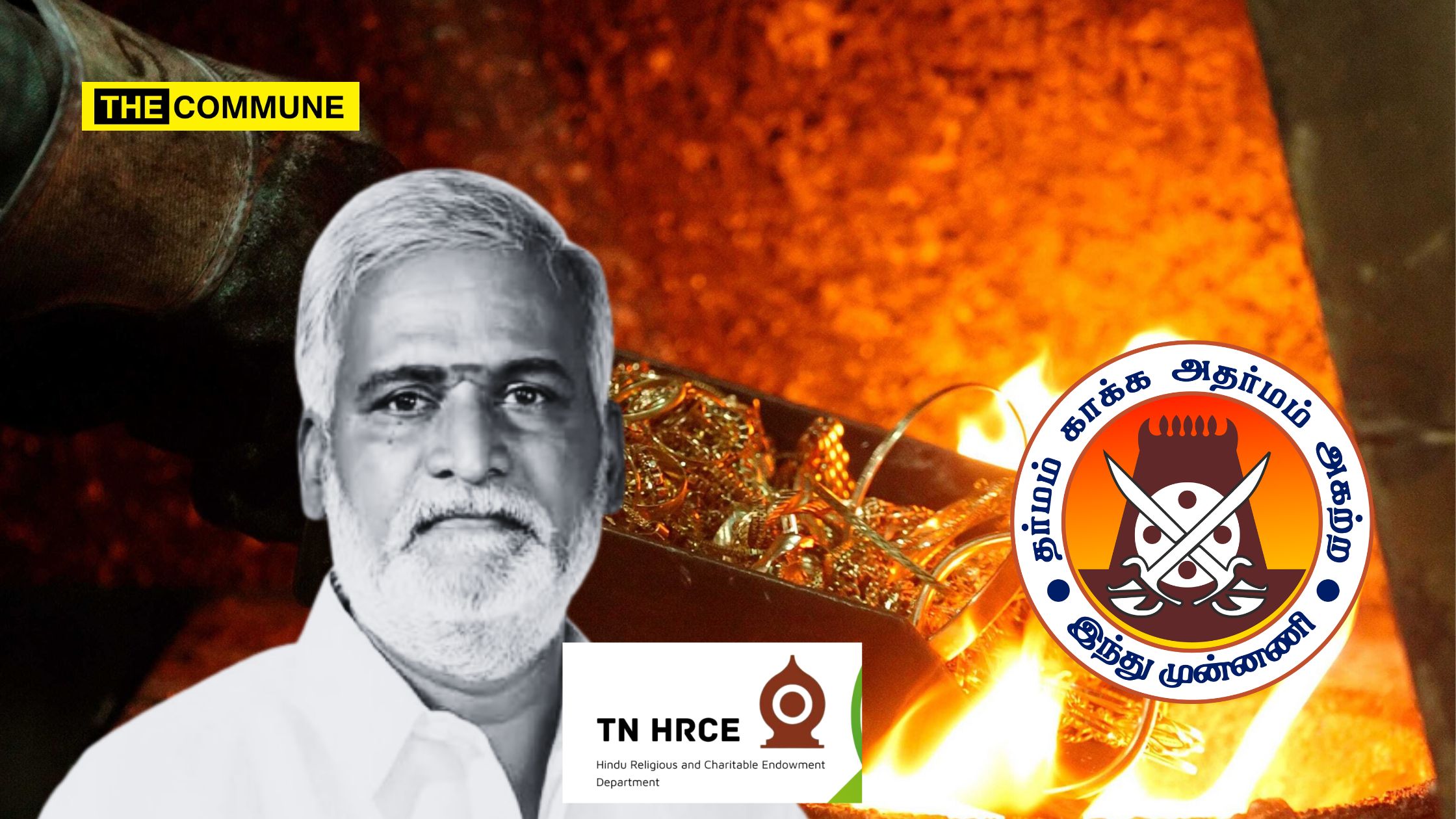
The DMK has a long-standing reputation for taking credit for initiatives led by other political parties. For example, the DMK government attempted to claim credit for the internship scheme introduced by the Narendra Modi-led BJP Central Government.

The Tamil Nadu Department of Information and Public Relations shared a post on its official platform promoting the PM Internship Scheme, but with a twist— the poster featured a large image of DMK chief and Chief Minister MK Stalin, along with a Tamil Nadu government logo, giving the impression that the state government was behind the initiative. This post has now been deleted.

The Naan Mudhalvan page, which is the DMK’s propaganda account, shares a video of a girl speaking about the scheme, in which the word PM has been muted.

The poster, aimed at job-seeking youth, read: “Are you a recent graduate looking for what to do next? Here’s an opportunity to join the 12-month PM Internship Scheme, offered by leading companies to 1 crore youth aged 21-24.”

However, given that it is a central government scheme, there were no pictures of Prime Minister Narendra Modi or the Government of India symbol.

This is has led to the BJP slamming the DMK Government with the hashtag “#StickerStalin” for attempting to steal credit away from the Modi Government.

About PM Internship Scheme

The Prime Minister’s Internship Scheme, launched on October 3, 2024, is a groundbreaking initiative aimed at offering internship opportunities to one crore young individuals over the next five years. The program, facilitated through an online platform, allows participants to gain experience in various industries and explore different career paths.

The pilot phase of the scheme features a 12-month internship program for Indian youth aged 21 to 24 years who are not engaged in full-time employment or education. Candidates enrolled in online or distance learning courses are also eligible to apply. Applications will be accepted through the PM Internship Portal starting from October 12, 2024, with the goal of providing 1.25 lakh internships for the fiscal year 2024-25.

Eligible candidates include those who have completed high school, higher secondary school, or hold qualifications such as ITI certificates, polytechnic diplomas, or undergraduate degrees in fields like BA, B.Sc, B.Com, BCA, BBA, B.Pharma, etc.

The Ministry has selected 500 companies based on their corporate social responsibility (CSR) contributions over the past three years to participate in the program. Other organizations, including banks and financial institutions, may also join with approval from the Ministry of Corporate Affairs (MCA), especially those representing underrepresented sectors. Companies can create profiles on the official portal by following the provided guidelines.

Interns will receive a monthly stipend of ₹5,000, with ₹500 provided by the partner companies based on attendance and behavior, while the government will transfer ₹4,500 via Direct Benefit Transfer (DBT) to the intern’s Aadhaar-linked bank account. Additionally, interns will be eligible for a one-time grant of ₹6,000 upon starting the internship, also paid through DBT.

Other Instances Of DMK Government Pasting Its Stickers

This is not the first instance of the DMK government pasting its sticker on the Central Government’s scheme.

The much-appreciated Chief Minister’s Breakfast Scheme introduced in government schools is a result of the National Education Policy 2020, that proposes a breakfast program for school children in addition to the midday meal.

The PM Jan Aushadhi Kendra (pharmacies) which provides generic medicines at low prices has been refashioned by the DMK government as Mudhalvar Marunthagam (Chief Minister’s pharmacy).

Subscribe to our TelegramWhatsApp, and Instagram channels and get the best stories of the day delivered instantly.

Sudhanshu Trivedi Snubs Pakistan At UN, Says J&K Will Remain Integral Part Of India

Sudhanshu Trivedi Snubs Pakistan At UN, Says J&K Will Remain Integral Part Of India

Taking a firm stand in the United Nations (UN) on India’s territorial integrity, the senior BJP spokesperson and MP Sudhanshu Trivedi asserted in no uncertain terms that “Jammu & Kashmir will remain an integral part of India.”

During the discussion on UN Peacekeeping operations, the representative from Pakistan mentioned that Pakistan’s involvement with UN peacekeepers started when the UN put up peacekeepers in 1948 in the disputed territory of Jammu & Kashmir.

Calling it an “unnecessary” mention, Trivedi said that Pakistan has “again made an attempt to divert the August body from its agenda.” Exercising his ROR ( Right Of Reply), the veteran leader said: “The Union Territory of Jammu & Kashmir was, is and will remain an integral part of India.”

Trivedi went on to clarify the “unnecessary” mention made by the Pakistani delegate by drawing attention to the democratic exercises recently carried out in the region. “People of Jammu and Kashmir have recently exercised their democratic and electoral rights and elected a new government. Pakistan must desist from such rhetoric and falsehood because it will not alter the facts,” he averred.

Not dragging the matter further and away from the subject of discourse, the parliamentarian said at the forum: “Out of respect for other members of this forum, India will refrain from responding to any further attempts by Pakistan to abuse the UN procedures.”

Taking to his X handle, Trivedi further explained that since J&K has recently been through proper democratic elections for both Parliament and J&K Assembly, “The August forum of United Nations cannot be used in mentioning this type of non-substantive and misleading terms.”

The electoral turnouts in these elections in J&K have been notable and the participation of people in the democratic process has been celebrated. “This could have been possible because of firm foreign policies of PM Sri @narendramodi led government for strong and assertive India on international stage,” Trivedi expressed on X.

–IANS

Subscribe to our channels on TelegramWhatsApp, and Instagram and get the best stories of the day delivered to you personally.
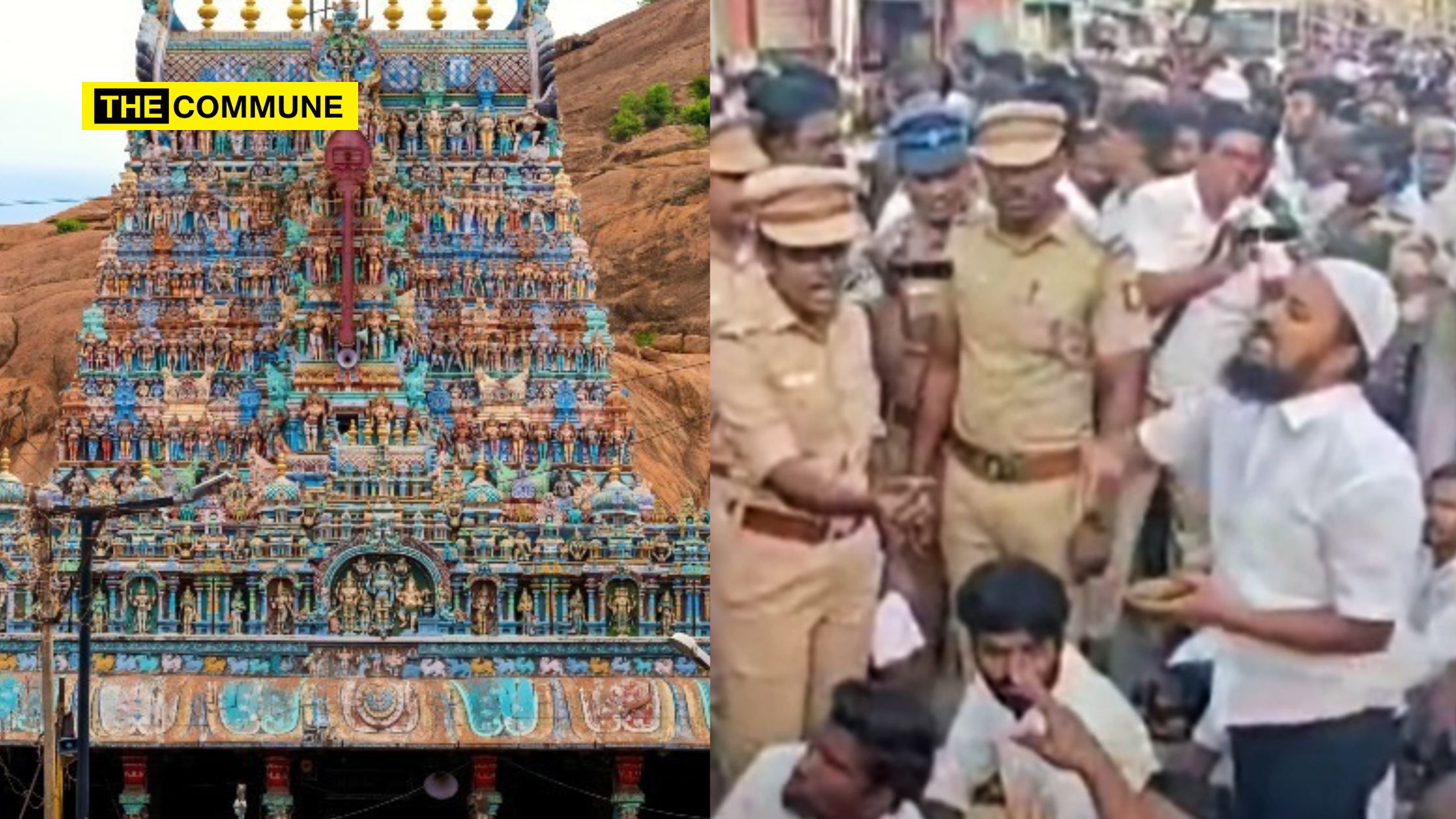
BJP MLA Vanathi Srinivasan Calls For Strict Action Against Extremists Disrupting Peace Over ‘Amaran’ Film Protests

BJP MLA Vanathi Srinivasan Calls For Strict Action Against Extremists Disrupting Peace Over 'Amaran' Film Protests

Vanathi Srinivasan, National President of BJP’s Mahila Morcha and MLA of Coimbatore South, Tamil Nadu, has called on the state government to take strict action against those promoting extremist ideologies, especially under the guise of protesting over portrayal of terrorists in ‘Amaran’. She condemned individuals who spread narratives glorifying separatists and equating terrorists attempting to separate Kashmir from India with “freedom fighters”.

Srinivasan emphasized that such disruptive elements, currently inciting unrest under the guise of protests against the film ‘Amaran’, must be dealt with decisively to maintain peace and security in the state.

In response to the protests and threats from separatist sympathizers, including MMK leader and MLA M H Jawahirullah, Thirumurugan Gandhi of the May 17 Movement, and SDPI, the members of the banned terror group PFI’s political wing, Vanathi Srinivasan, has strongly condemned the escalating unrest surrounding the film ‘Amaran’.

These groups have been spreading inflammatory rhetoric, disrupting theaters, and even going as far as to burn the effigy of the film’s producer, part time politician full time actor Kamal Haasan, at his production office. Their actions have caused significant panic, with police being deployed to secure theaters across Tamil Nadu.

Vanathi Srinivasan issued a statement via her official X account, condemning the violence and asserting the need for immediate government action. The statement read, “Produced by actor Kamal Haasan, directed by Rajkumar Periyasamy, and starring Sivakarthikeyan and Sai Pallavi, the film ‘Amaran’ has garnered immense appreciation from the people of Tamil Nadu. The movie, which depicts the life of Mukund Varadarajan, a Tamil Nadu soldier who heroically gave his life fighting terrorists in Jammu and Kashmir, has been well-received by audiences across the state. On 30 October, Chief Minister M.K. Stalin wholeheartedly praised the film.”

“However, certain forces, unable to tolerate the portrayal of a soldier’s martyrdom and the patriotism of the Tamil people, have stirred unrest. These individuals are manipulating public sentiment to disrupt the peaceful screenings of ‘Amaran’, targeting theaters with violent protests. Fundamentalist groups are attempting to create a law-and-order crisis by labeling the film as promoting a ‘terrorist narrative,’ claiming that it misrepresents the Kashmiri separatists as ‘land rights fighters.’ This is a gross distortion of history and an insult to the sacrifices made by our soldiers.” the statement added.

It is especially troubling that M.H. Jawahirullah, leader of the Manithaneya Makkal Katchi and a sitting MLA, has openly supported these views. He has equated the terrorists attempting to seize Kashmir from India with freedom fighters, claiming that the people of Kashmir are simply fighting for land rights—much like Tamil Nadu’s own struggle for state rights. His statement undermines the sovereignty of the nation and threatens to incite further violence.” the statement further added.

In light of these developments, it is imperative that the Tamil Nadu government takes immediate and strict action against those supporting separatists and terrorists. The fundamentalist groups who have publicly threatened theaters where ‘Amaran’ is being shown must be suppressed with an iron fist. The DMK government must not compromise on the nation’s sovereignty. Chief Minister Stalin must intervene personally to ensure that law and order is maintained and that the police provide adequate security to all theaters screening the film.” the statement finally read.

Vanathi Srinivasan further urged the government to address the growing threat posed by these elements, warning that failure to act swiftly could lead to further unrest in the state, as seen during the Coimbatore riots. She called for an unequivocal stance against forces that seek to destabilize peace and promote separatism under the guise of protests.

Subscribe to our channels on TelegramWhatsApp, and Instagram and get the best stories of the day delivered to you personally.
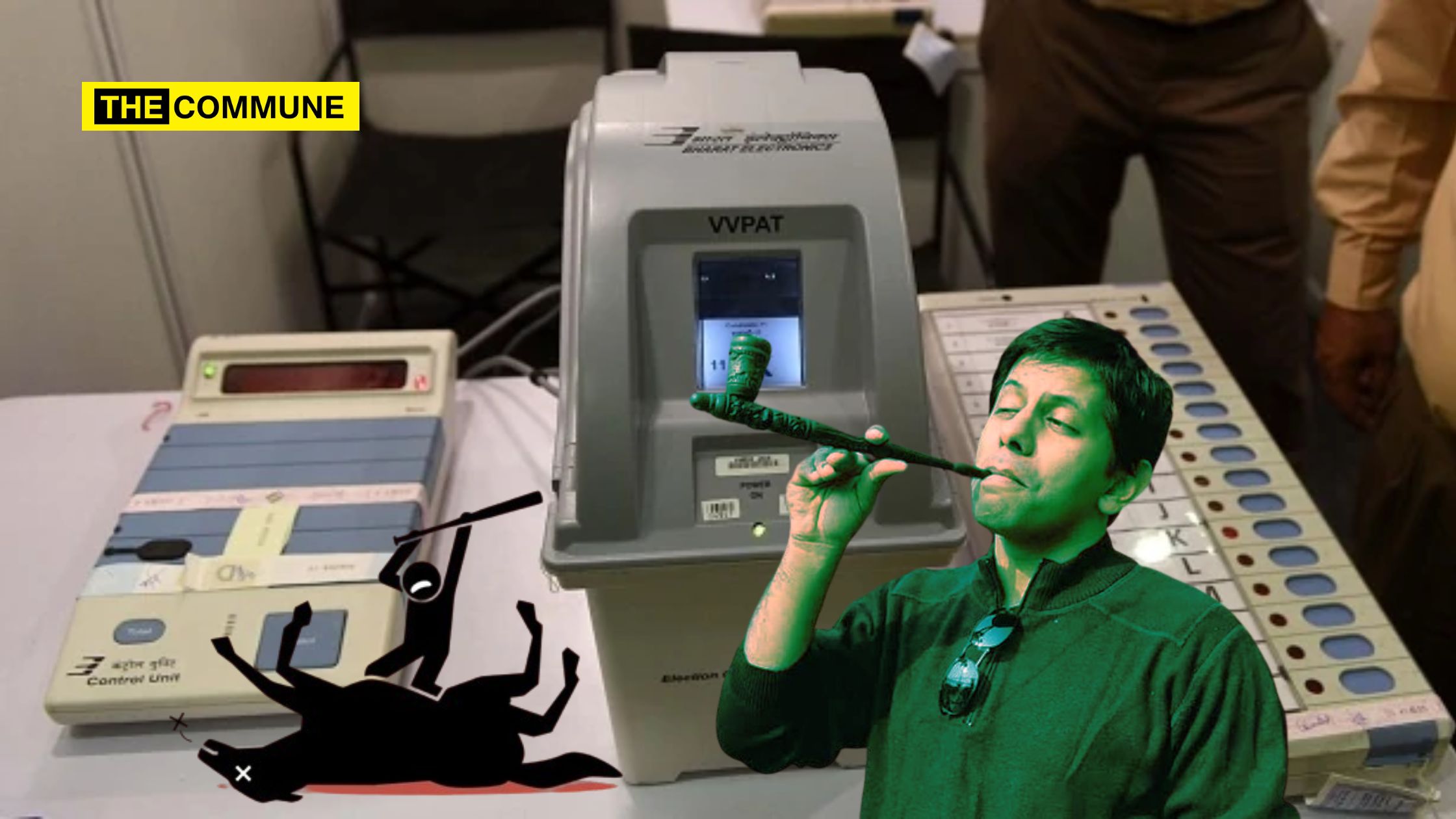
Documents Reveal Alleged Illegal Land Grab By Waqf Board In Munambam, Kerala

A startling report by News 18 Malayalam has unveiled documentary evidence that exposes how the Waqf Board is allegedly laying claim to thousands of acres of land in Munambam, a suburb of Kochi, Kerala, that does not belong to it. The land spans over 600 families and has been the subject of a protracted dispute, with the Waqf asserting ownership.

According to the documents, in 1902, the land in question, known as the Munambam property, was leased by Rama Varma, the King of Travancore, to Abdul Sattar Musa Haji Seth, a Kutchi Memon entrepreneur. The lease included 404 acres of land and 60 acres of backwater, given as a gesture of appreciation for Seth’s contributions to the region’s economy. Importantly, the lease specifically excluded land occupied by local fishermen who had lived there for generations.

Later, Sattar Seth’s son-in-law, Muhammed Siddique Seth, and his father, Musalman Seth, registered the land in the Edapally Sub-Registrar Office, unlawfully including the area where the fishermen had resided for decades. This registration, however, did not constitute a Waqf transaction but rather a gift deed (Ishtadanam), as evidenced by two key documents.

The first document, dated November 1, 1950, shows that Muhammed Siddique Seth donated 404 acres of land to Farooq College. The second document, dated January 15, 1990, details the college’s sale of a portion of this land. These documents clearly indicate that the land was not transferred under the Waqf system but as a gift, undermining the Waqf Board’s claims to the property.

The documents also highlight that a critical condition for land to be considered Waqf is that the grantor can impose no additional conditions. Since the land in question was transferred with specific conditions, it cannot be classified as Waqf property.

The revelations raise serious questions about the legality of the Waqf Board’s claims in the Munambam land dispute. Despite these irrefutable proofs, the Waqf Samrakshana Vedhi (Waqf Protection Front) and others continue to assert ownership. This suggests that the Waqf Board, emboldened by institutional backing, may be making illegal claims with little opposition or accountability.

In light of this, many are now questioning the role of political figures who have opposed reforms to the Waqf Bill, which could potentially put an end to such controversial land disputes. The ongoing controversy in Munambam exposes the deep-rooted issues within the management of Waqf property in India and the need for urgent reforms.

Subscribe to our channels on TelegramWhatsApp, and Instagram and get the best stories of the day delivered to you personally.
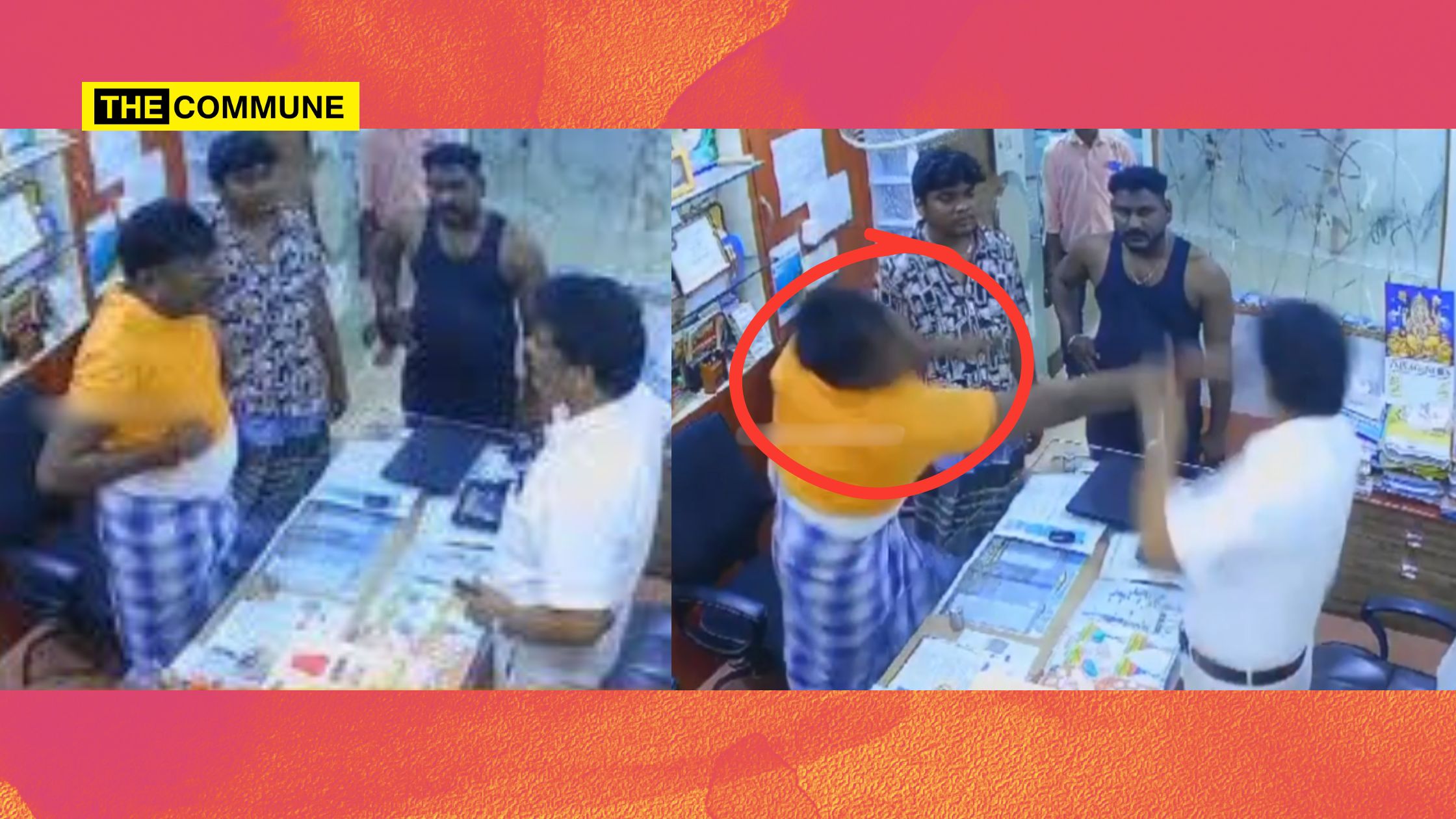
Dravidianist Separatist Sympathizer Thirumurugan Gandhi Has Meltdown Over Major Mukund Varadarajan’s Biopic ‘Amaran’, Calls Kamal Haasan A ‘Sanghi’, Has Problems With Indian Army’s War Cry ‘Jai Bajrangbali’

Dravidianist Separatist Sympathizer Thirumurugan Gandhi Has Meltdown Over Major Mukund Varadarajan's Biopic 'Amaran', Calls Kamal Haasan A 'Sanghi', Has Problems With Indian Army's War Cry 'Jai Bajrangbali'

In Tamil Nadu, the coalition of leftists, Islamists and Dravidianists, have been unable to bear the surge of nationalism among the public sparked by the film ‘Amaran’, which chronicles the heroic life of Indian Major Mukund Varadharajan, who sacrificed his life in a counter-terror operation in Shopian, Kashmir. Initially, these groups pushed the narrative that the film was “Islamophobic,” a claim that was baseless and misleading, which led Muslim leaders in the state to protest and demand a ban.

In a recent development, Dravidianist Thirumurugan Gandhi, the founder of the May 17 Movement and a known sympathizer of extreme left and separatist ideologies, has made a new, equally unfounded allegation on ‘Amaran’. He objects to the portrayal of Indian Army soldiers shouting “Jai Bajrangbali” without realizing that it is the battle cry used by the Indian Army’s Rashtriya Rifles and the Rajput Regiment military units.

In a recent press conference, Thirumurugan Gandhi, has raised objections and criticized ‘Amaran’ for allegedly depicting the entire Kashmiri population as enemies, which he claimed is a “one-sided” narrative that undermines the rights of the people of Kashmir. He argued that the film reflects a biased political stance and called on the producer and director to answer for the portrayal.

Gandhi also condemned the praise ‘Amaran’ received from Seeman, leader of the Naam Tamilar Katchi, who reportedly invited Yasin Malik, a Kashmiri separatist leader, to speak at his conference. Gandhi criticized this as a glaring contradiction, highlighting Seeman’s controversial stance and questioning the inconsistency in his political actions.

He also criticized the depiction of  Major Mukund Varadarajan, the film’s protagonist, who is shown saying “Jai Bajrangbali” before heading into battle, questioning the relevance of the slogan in the Indian Army. Gandhi contended that the Indian military, which comprises soldiers of various faiths, does not use religious slogans like “Jai Bajrangbali” and suggested that the portrayal in ‘Amaran’ was “anti-military” and “anti-Muslim.”

He questioned, “Before Major Mukund Varadharajan went into battle, he shouted ‘Jai Bajrangbali.’ But I ask, when in the Indian Army have soldiers ever shouted ‘Jai Bajrangbali’? When has this RSS Hindutva slogan ever been used? This is why we’ve been saying for years that Kamal Haasan is  a ‘Sanghi’. He is a person who is repeatedly spewing Islam hate”.

Continuing his criticism, Gandhi accused Kamal Haasan, the part-time politician and full-time actor-producer of ‘Amaran’ of harboring anti-Muslim sentiments. He alleged that Haasan promotes a Hindutva agenda through his films. Gandhi further claimed that Haasan deliberately chooses controversial topics, steering clear of narratives that would resonate with the common people of Tamil Nadu—such as stories highlighting the struggles of ordinary citizens, like the death of a fisherman and the suffering of his widow. Gandhi concluded by accusing Kamal Haasan of making films that inflame caste divisions and stir political controversies, instead of focusing on stories that reflect the real, everyday issues facing Tamil society.

Social media users and netizens have expressed their anger over Thirumurugan Gandhi’s remarks, accusing him of promoting anti-India sentiments and spreading falsehoods about the Indian Army’s war cry being part of a Hindutva agenda. Critics flooded social media with sharp rebukes, educating Gandhi on the true nature of the Indian Army’s battle cries and highlighting the patriotic spirit behind them, urging him to reconsider his statements.

In the Indian Army, each regiment or unit has its own distinctive “war cry”, a phrase or slogan used to inspire and motivate soldiers in battle, boost morale, and reinforce the identity and legacy of the unit. These war cries are often deeply rooted in cultural, religious, or regional traditions, and they reflect the unique history, values, and spirit of the regiment. Below is an explanation of the war cries for various regiments:

  • Gorkha Rifles: “Jai Maa Kali, Ayo Gorkhali” – This war cry combines reverence for the Hindu goddess Kali (symbolizing power and protection) and the pride of the Gorkha people, known for their courage and bravery. “Ayo Gorkhali” means “The Gorkhas are coming,” signaling the arrival of fierce warriors.
  • The Grenadiers:Sarvada Shaktishali” – This translates to “Always Powerful,” representing the regiment’s unwavering strength and combat readiness.
  • Parachute Regiment: “Balidan Param Dharma” – Meaning “Sacrifice is the Highest Duty,” this reflects the regiment’s elite status and its commitment to selflessness and valor.
  • Rajput Regiment:Bol Bajrangbali Ki Jai” – “Victory to Lord Bajrangbali,” invoking Lord Hanuman (Bajrangbali), a symbol of strength, devotion, and fearlessness.
  • Rajputana Rifles:Raja Ram Chandra Ki Jai” – A tribute to Lord Ram, the revered king and hero of the Hindu epic ‘Ramayana’, symbolizing duty, righteousness, and bravery.
  • Dogra Regiment:Jwala Mata Ki Jai” – This war cry honors Jwala Mata, the goddess of fire, symbolizing fierceness and resilience in battle.
  • J&K Light Infantry:Bharat Mata Ki Jai” – “Victory to Mother India,” a patriotic slogan evoking love and devotion to the country.
  • J&K Rifles:Durga Mata Ki Jai” – Acknowledging the power of Goddess Durga, the war cry reflects strength, protection, and divine support in battle.
  • The Garhwal Rifles: “Badri Vishal Ki Jai” – This refers to the Badri Vishal Temple in Uttarakhand, honoring Lord Vishnu. It signifies devotion and courage.
  • The Guards:Garud Ka Hun Bol Pyaare” – Referring to Garuda, the mythical bird and vehicle of Lord Vishnu, this cry signifies swiftness, power, and the fighting spirit.
  • Jat Regiment:Jat Balwan, Jai Bhagwan” – “The Jat is strong, Victory to God,” emphasizing the strength and resilience of the Jat community, coupled with divine blessings.
  • Maratha Light Infantry:Bola Shri Chhatrapati Shivaji Maharaj Ki Jai” – This war cry pays homage to the legendary Maratha king, Chhatrapati Shivaji Maharaj, symbolizing courage, leadership, and national pride.
  • Mahar Regiment: “Bolo Hindustan Ki Jai” – “Victory to India,” a patriotic cry reflecting devotion to the nation.
  • Naga Regiment:Jai Durga Naga” – Combining the warrior spirit of the Naga people with reverence for Goddess Durga, symbolizing strength and invincibility.
  • Bihar Regiment:Jai Bajrang Bali” – Invoking Lord Hanuman, a symbol of unmatched strength, courage, and selfless devotion.
  • Assam Regiment:Rhino Charge” – The rhinoceros symbolizes power, fearlessness, and toughness, all qualities the Assam Regiment is proud to embody.
  • Kumaon Regiment:Kalika Mata Ki Jai” – Honoring the Goddess Kali of the Kumaon region, symbolizing strength, protection, and divine power.
  • Madras Regiment:Veer Madrasi, Adi Kollu, Adi Kollu” – A chant reflecting the bravery of the Tamil people (Madrasi), with “Adi Kollu” symbolizing the call to battle.
  • Mechanised Infantry:Bolo Bharat Mata Ki Jai” – “Victory to Mother India,” a patriotic cry, reflecting the mechanized unit’s commitment to national defense.
  • Sikh Light Infantry:Jo Bole So Nihal, Sat Sri Akal” – A Sikh battle cry meaning “Whoever says ‘Sat Sri Akal’ shall be blessed,” signifying the warrior spirit of the Sikh faith, with “Sat Sri Akal” being a greeting meaning “God is the Eternal Truth.”
  • Ladakh Scouts:Ki Ki So So Lhargyalo” – A traditional Tibetan war cry used by the Ladakh Scouts, reflecting the region’s unique culture and the scouts’ formidable resilience in high-altitude warfare.

Each of these war cries is more than just a slogan; it carries the weight of history, culture, and values, forging a unique identity for the regiments they represent. They are a source of immense pride, symbolizing the collective strength, valor, and determination of the soldiers who serve in these units.

Subscribe to our channels on TelegramWhatsApp, and Instagram and get the best stories of the day delivered to you personally.
How Receiving Digital Life Certificate Becomes A Daunting Task For India’s Elderly

Sarita Devi, 61, who does not use a smartphone, had a hard time applying for a digital life certificate online. Devi, who uses a feature phone, does not have the facility to download the Aadhar and Jeevan Praman apps—essential to getting the digital life certificate.

Kishan Kumar, 65, also faced a similar problem at one of the digital life certificate centres in the national capital. Since his son’s smartphone is registered with the national pension system, the OTP is generated on his son’s number (who currently lives in another city), making it difficult for Kumar to get a digital life certificate.

The list of elderly people who are not part of the vast digital and connected ecosystem yet is long. Beginning November 1, the government has rolled out the third and largest-ever digital life certificates (DLC) campaign nationwide “to promote digital empowerment of pensioners using face authentication technology.”

According to the Ministry of Personnel, Public Grievances & Pensions, more than 1.8 lakh pensioners generated their DLCs on the first day.

While digitisation has helped many pensioners obtain their life certificates easily, it remains a challenge for those who lack digital skills, are not aware of the digital mechanisms, or lack the facilities.

To access the DLC, a pensioner must use a smartphone camera and get a facial scan to help in authentication. The Aadhaar Biometric Authentication uses face, finger, and IRIS authentication through apps such as Jeevan Praman and the Aadhaar Face RD App.

To get DLC, one can also physically visit the nearest CSC or pension disbursing banks, post offices, or designated government offices.

However, Shanti Verma, an 80-year-old widow who opted to visit one of the common service centres (CSCs) despite her age as she had no one to help her around, was stunned while filling out the form as it asked her whether she had ‘remarried’.

The DLC campaign 3.0 runs in 800 cities or districts across India from November 1 to 30. “This is the biggest-ever DLC campaign undertaken,” said a statement issued by the personnel ministry.

–IANS

Subscribe to our TelegramWhatsApp, and Instagram channels and get the best stories of the day delivered to you personally.
Corruption, Sexual Harassment, And Financial Mismanagement: The Explosive Allegations Against The Loyola Syndicate Involving TVK Vijay’s Uncles

Corruption, Sexual Harassment, And Financial Mismanagement: The Explosive Allegations Against The Loyola Syndicate Involving TVK Vijay's Uncles.

Whistleblowers have once again stirred the pot, reaffirming their earlier accusations against Vijay, the actor-turned-politician and leader of the Tamilaga Vettri Kazhagam (TVK), and his family. This time, they’ve introduced new allegations, suggesting deeper involvement in a web of corruption tied to the Loyola College syndicate under the influence of the “Society of Jesus”. The fresh claims focus on Vijay’s uncle, Xavier Alphonse, who served as the principal of Loyola College from 1992 to 1995.

According to these whistleblowers, when Xavier Alphonse took over as principal, his family allegedly seized control of the Loyola syndicate and orchestrated various illicit activities, including financial embezzlement, money misappropriation to personal trusts, and sexual harassment. The most explosive allegations suggest that funds intended for the college were misappropriated, with an estimated ₹2 crore being siphoned off during Alphonse’s tenure. The stolen money is said to have been funneled into movie studios to finance Vijay’s film ventures, adding a new layer to the growing list of charges.

Sexual Harassment Allegations

TVK Vijay’s uncle, Xavier Alphonse, has been accused of sexually harassing a woman who worked with him in the Loyola Alumni office. The harassment allegedly occurred after the woman brought to light his plan to siphon off the college’s corpus fund into his personal trust.

This accusation was further validated with the international human rights organization ‘Ending Clergy Abuse (ECA)’—a global network of activists focused on children’s and victims’ rights—became involved.

ECA, which advocates for an end to clerical abuse and demands accountability from the Church, issued a statement warning Xavier Alphonse. The organization called for a thorough investigation and for justice to be served, criticizing the Church’s structural mechanisms that they believe enable such abuse to occur.

In a statement issued in August 2020, ECA expressed its full support for the All India Christian Forum in their fight for justice on behalf of Mary Rajasekaran, a victim of sexual harassment at her workplace by a Catholic clergyman. The incident took place at Loyola College in Chennai, and the accused is Father Xavier Alphonse, a Catholic priest. ECA condemned the actions of the Catholic institution, which allegedly prevented the victim from reporting the harassment to local authorities. The statement highlighted the shocking nature of the case, where the institution’s protection of the accused further compounded the victim’s suffering.

Looting In The Name Of A Trust?

It is alleged that in 2013, when TVK Vijay’s uncle, Xavier Alphonse, was serving as the head of the Loyola College Alumni Association, he organized a fundraising event during which a significant portion of the funds was allegedly misappropriated. According to the allegations, half of the tickets for the event were sold with the false promise that actor Vijay would attend, targeting his fan base. It is claimed that 50% of the tickets were sold under this pretext, and out of the total ₹6 crore raised, approximately ₹3 crore was diverted to Father Alphonse’s personal trust.

At the same time, Mary Rajasekaran, who was working under Xavier Alphonse, reportedly raised concerns about these illegal activities. As a result, she was allegedly dismissed from her job without any legitimate explanation. The official excuse given was that she was employed on a contractual basis, but an investigation into her appointment revealed that there was no mention of her being a temporary or contract employee. This discrepancy points to a larger pattern of corruption and power abuse by the Alphonse family, suggesting that the alleged syndicate was operating with the full backing of Vijay’s uncle within the institution.

Furthermore, Mary was already employed at the Loyola Institute of Business Administration (LIBA) based on her merit and performance. She had earned recognition for her work, and the head of LIBA, Kashmiri Raj, recommended her for the position. According to Raj, her appointment was permanent, and she was serving a probationary period.

Fake Threat Allegedly Orchestrated By Loyola Syndicate

In 2013, Mary Rajasekaran’s family, particularly her son Kennedy, suddenly received a notice from the Coimbatore Cyber Police instructing him to appear at the station, but without specifying any reasons for the summons. At the time, the family was based in Chennai. Whistleblowers have alleged that the directive came allegedly under SP AK Vishwanathan, who had close ties with the Vijay’s family. However, when the whistleblowers sought to verify the legitimacy of the notice and they dug out a Right to Information (RTI) Act, the response from the police station was shocking. According to the RTI reply, no such direction had been issued on the date or with the reference number provided, revealing that the police summons was fabricated. In 2018, the officer involved in this incident was ironically honored with an award as a “Loyola Star.”

This latest round of accusations paints a troubling picture of a family network allegedly involved in a wide range of unethical practices, with the aim of consolidating both political and financial power. The whistleblowers maintain that these activities were carried out under the guise of the “Society of Jesus,” using it as a shield for protection, and they claim the scale of the wrongdoing extends far beyond what has previously been reported.

Two Sides Of The Same Coin: Xavier Alphonse’s Atrocities At Loyola College; Xavier Britto’s Lavish Life

On one side, Xavier Alphonse, one of actor Vijay’s uncles, has been accused of committing serious atrocities at Loyola College in Chennai. As the former Director of the Loyola Alumni Association and a priest, Xavier Alphonse allegedly siphoned off nearly ₹1 crore from the college’s funds, misappropriating money meant for the institution and funneling it into personal trusts. In addition to financial corruption, he has been accused of sexually harassing an employee, Mary Rajasekaran, who had raised concerns about his fraudulent activities. Instead of taking action against him, the college administration allegedly silenced Mary, transferring her to another office, eventually forcing her out of the institution without due process or explanation.

In the meantime, Mary’s son, Joseph Dominic Kennedy, sought justice through Canon law and the Vatican, though the response from church authorities was minimal. In 2019, after facing repeated disappointments, Team Hail Mary, led by the All India Christian Forum, wrote to the Indian Prime Minister, prompting further investigations. This led to a renewed inquiry by the Jesuit Curia, but Loyola College continued to deny responsibility.

Mary’s case was eventually taken up by the National Human Rights Commission and the National Commission for Women. However, despite support from international groups like the Survivors Network of those Abused by Priests (SNAP), there was a deafening silence from the local Tamil Nadu media, the Catholic Church, and influential figures in the South Indian film industry, including her relative, actor Vijay. Despite these grave allegations, Xavier Alphonse remained untouchable, shielded by his position within the powerful Loyola syndicate system.

On the other side, Xavier Britto, another of Vijay’s uncles, was embroiled in a separate controversy involving St. Britto’s Academy in Velachery, Chennai. Xavier Britto, who was the chairman of the school and also the producer of Vijay’s film ‘Master’, was accused of charging exorbitant fees from parents during the pandemic. Even though schools were closed due to COVID-19, St. Britto’s Academy allegedly collected full tuition fees, including ₹67,000 for online classes for LKG students. Many parents, already struggling financially due to the pandemic, protested the high fees. In response, the school allegedly removed students from online classes if their fees weren’t paid, further escalating tensions. Despite the protests, the school administration, backed by Xavier Britto’s wealth and influence, continued to shield itself from any accountability.

While Xavier Alphonse faces accusations of corruption and abuse within an educational institution, Xavier Britto runs a luxury lifestyle funded by his educational ventures. He owns 85 luxury villas on Chennai’s East Coast Road, a multi-billion-dollar logistics business (Kerry Indev Logistics), and continues to shield himself under the name of his educational trust, all while allegedly exploiting students and their families. Both men, part of the same family, seem to be untouched by the law or public scrutiny, hiding behind institutional titles and their connection to the “Society of Jesus” syndicates.

These two incidents highlight a disturbing pattern of power abuse and exploitation within institutions run by Vijay’s uncles, who have been accused of corruption and other malpractices, protected by the very institutions that should be upholding ethics and fairness.

Subscribe to our channels on TelegramWhatsApp, and Instagram and get the best stories of the day delivered to you personally.
Corruption An Obstacle To Economic Progress: President Murmu

Corruption An Obstacle To Economic Progress: President Murmu

President Droupadi Murmu on Friday highlighted the need for integrity and honesty in the nation’s fight against corruption which is an obstacle to economic progress. Addressing the Vigilance Awareness Week function organised by the Central Vigilance Commission (CVC) at Vigyan Bhawan in New Delhi, President Murmu said corruption reduces trust in society and adversely affects the feelings of fraternity among people.

“It also has a widespread impact on the country’s unity and integrity,” she said, commending the ongoing Preventive Vigilance campaign under the CVC. She expressed her appreciation for the initiative which aims to instil a culture of vigilance and transparency in government institutions. “As we all know, the Vigilance Awareness Week is observed during the week of the birth anniversary of Bharat Ratna Sardar Vallabhbhai Patel, who inspired millions to dedicate themselves to the nation’s development,” President Murmu said. She drew a connection between Sardar Patel’s vision for a unified India and the ongoing efforts to build a corruption-free nation, emphasising that the fight against corruption was not just a ritual but a responsibility shared by every citizen. Cautioning against a pessimistic attitude that considers the elimination of corruption as impossible, she expressed confidence that the government’s policy of “Zero Tolerance Against Corruption” will eradicate graft from its roots.

The President highlighted the words of the ancient Greek historian Megasthenes, who, over 2,300 years ago, praised the disciplined and law-abiding nature of the Indian people. “About 2,300 years ago, Megasthenes wrote that Indians do not indulge in indiscipline and strictly follow laws. This spirit still endures today,” President Murmu remarked, noting the relevance of this year’s Vigilance Week theme: ‘Culture of Integrity for Nation’s Prosperity.’ She stressed that upholding integrity is fundamental to ensuring the prosperity and success of the nation, adding, “Every year, on Sardar Patel’s birth anniversary, we reinforce our commitment to unity and integrity. This is not just a ceremonial act but a solemn duty of every citizen.” In a personal reflection, the President, who hails from a tribal background, spoke of the values of contentment and simplicity she observed among her people, despite limited resources. President Murmu noted that true prosperity comes from honesty and integrity, not from corruption or the exploitation of resources. “I come from a community where, despite limited resources, people live happily and with contentment. Corruption is rooted in bad intentions. Those who indulge in it live in constant fear of being exposed,” she said.

Highlighting the government’s steps in combating corruption, President Murmu pointed to key legislative measures such as the 2018 amendment to the Prevention of Corruption Act. “In the last decade, the government has seized over $12 billion worth of properties under the Prevention of Money Laundering Act of 2002,” she said. The President expressed confidence that India’s “zero tolerance for corruption” approach would be successful in creating a transparent, accountable, and ethical environment.

“Eradicating corruption from India is like cleaning our country — it requires effort, commitment, and the support of every citizen,” the President said. Concluding her address, President Murmu lauded the CVC for its diligent work in promoting vigilance and accountability in the public sector. “The CVC is fulfilling its responsibility excellently. Let us all join hands to make India a corruption-free nation,” she urged, calling on citizens, institutions, and government officials to remain vigilant.

–IANS

Subscribe to our TelegramWhatsApp, and Instagram channels and get the best stories of the day delivered instantly.