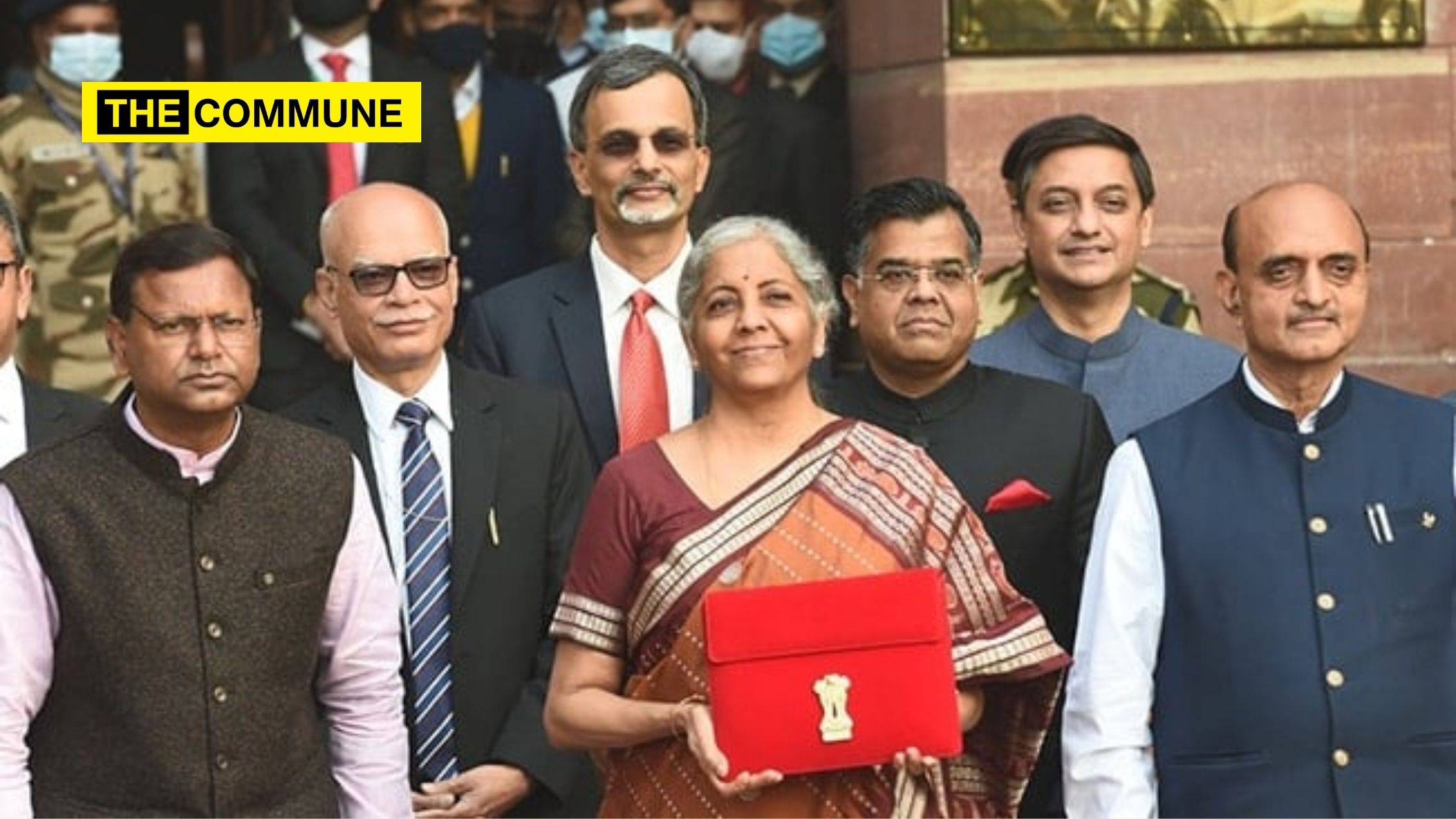
Finance Minister Nirmala Sitharaman on Saturday announced a National Manufacturing Mission to further boost the ‘Make In India’ initiative across industries, as the country becomes a bright spot on the global manufacturing map. Presenting the Union Budget 2025-26, the Finance Minister said that the National Manufacturing Mission would support clean tech, and build an ecosystem for solar cells, EV batteries, and high voltage transmission equipment manufacturing at the local level.
The credit guarantee cover is to be enhanced for MSMEs to Rs 10 crore from Rs 5 crore and investment and turnover limit for classification of all MSMEs will be enhanced to 2.5 and 2 times, respectively. The government will also introduce customised credit cards with a Rs 5 lakh limit for registered MSMEs. The Finance Minister also announced Centres of Excellence in artificial intelligence (AI) for education, to be set up with a total outlay of Rs 500 crore.
The Union Budget focuses on 10 broad areas, including supporting MSMEs and promoting exports, agricultural growth and rural prosperity, manufacturing and financial inclusion, inclusive growth and development and a special focus on the poor, youth, farmers, and women. “A scheme for socio-economic upliftment of urban workers to be set up. Social Security Scheme for the welfare of online platform workers would also be set up,” said FM Sitharaman.
The government will also launch a focused product scheme for the footwear and leather sector, creating 22 lakh new jobs while generating significant exports. The Budget Session of Parliament, which commenced on Friday, will be conducted in two phases – the first started on January 31 and will conclude on February 13, while the second phase will begin on March 10 and end on April 4.
–IANS
Subscribe to our channels on Telegram, WhatsApp, and Instagram and get the best stories of the day delivered to you personally.
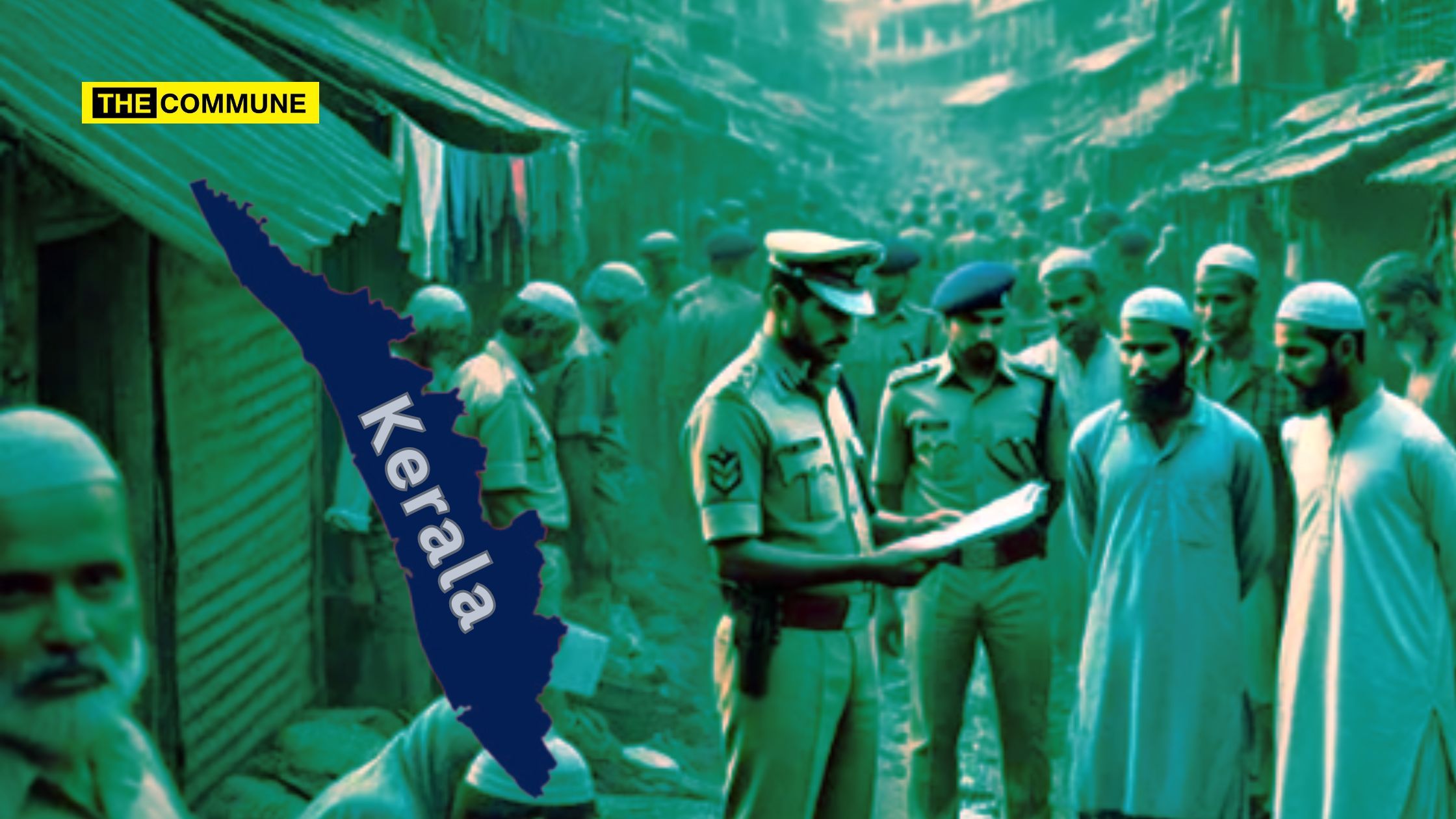
On 31 January 2025, police reported the arrest of 27 Bangladeshis who were illegally residing and working near Kochi. The arrests were made during a joint operation by Ernakulam Rural Police and the Anti-Terrorist Squad (ATS) in North Paravur, Ernakulam district.
The individuals, who were posing as migrant workers from West Bengal, had been working at various locations in the area. Authorities are currently conducting detailed interrogations of those arrested, according to a senior police official.
These arrests are part of an ongoing special operation called ‘Operation Clean,’ which was initiated by Ernakulam Rural District Police Chief Vaibhav Saxena after the arrest of 28-year-old Thaslima Begum two weeks prior. Acting on a tip-off about the presence of Bangladeshi nationals in North Paravur, the police, supported by the ATS, conducted the search.
Two Bangladeshi women, Kobitiba (22) and Rubina Sheikh (19), were also arrested in Kochi. They had crossed the border from West Bengal, obtained fake Aadhaar cards in Bengaluru, and eventually settled in Kerala. Both women are now in judicial custody. This comes after the National Investigation Agency (NIA) had previously warned about Bangladeshi terrorists infiltrating India using fraudulent identities. While migrant workers are aware of the situation, many remain silent out of fear.
Upon verification, it was confirmed that the arrested individuals were Bangladeshi nationals who had illegally entered India, presenting themselves as Indian citizens. They had crossed the border from West Bengal, where they procured fake documents, including Aadhaar cards, through agents before moving to Kochi.
They were employed in various sectors, with some staying in labor camps. Police are continuing their investigation into their activities. A senior officer stated that more details would be disclosed later, noting that this could be the largest arrest of Bangladeshi nationals in India in a month.
With these latest arrests, the total number of Bangladeshi nationals detained in the Ernakulam rural district this month has risen to 34. Following the operation, police have decided to extend their investigation into West Bengal to trace the agents responsible for facilitating illegal border crossings and issuing counterfeit documents.
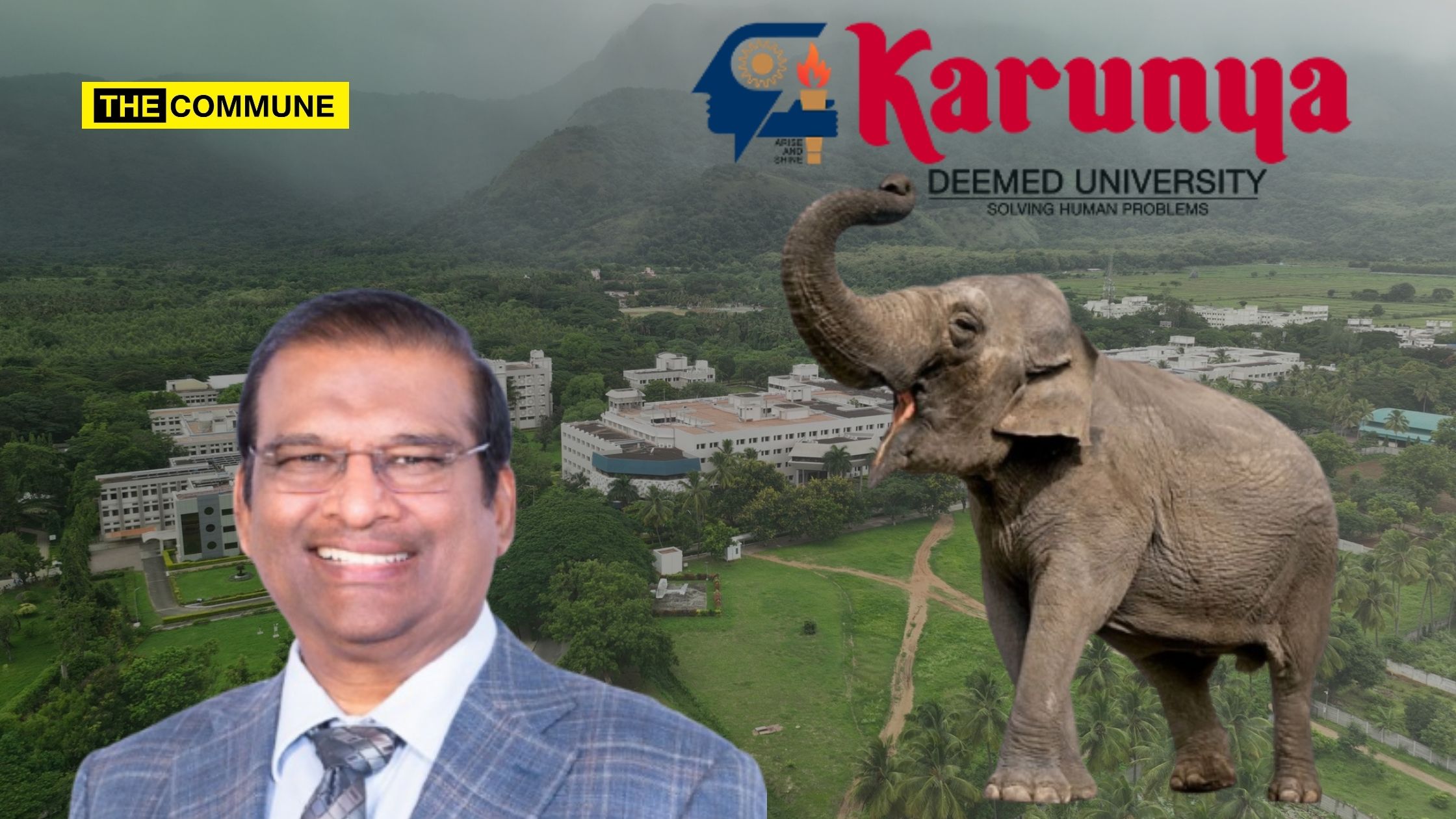
Once again, a wild elephant has entered the campus of Coimbatore’s Karunya University in search of food. Panicked students alerted the administration, who in turn contacted the forest department. The department responded swiftly and made efforts to drive the elephant away from the campus. A video showing the forest department personnel working to drive the elephant from the campus has since gone viral, sparking criticism from netizens who point out that Karunya University is located within an elephant corridor.
In December 2024, a lone tusker broke into the premises of Karunya University, damaging a wall and consuming all the rice cultivated on the campus for the agriculture students’ camp. The incident caused panic among the administration and the video quickly went viral.
Despite frequent incidents of human-wildlife conflict on its campus, Karunya University, a Christian minority institution and deemed university, has not faced the same level of legal scrutiny as the Isha organization, located just 13 kilometers away.
Environmentalists have expressed concerns over the university’s environmental violations, particularly its location within the Kalkothi-Valayar elephant corridor. The university has faced criticism for downplaying the adverse impact of its presence on local wildlife, including elephants. Its sprawling campus, which spans over 1,200 acres, is situated within the same corridor that also includes wetlands and vital water sources feeding the River Noyyal, exacerbating the environmental issues in the region.
Previously, the university’s construction in Mathuvarayapuram, near the Western Ghats foothills, has raised alarms due to its encroachment on sensitive ecological areas. Built without the required permissions, it violates the Town and Country Planning Act 1971. Environmentalists have emphasized how the university’s placement disrupts the natural migration routes of elephants and damages the ecosystem, especially wetlands and water sources that are vital for the region’s wildlife.
The proliferation of educational, religious, and social institutions in this ecologically sensitive area, despite vocal opposition from environmentalists and local communities, is seen as being driven by political and religious support. This has made it harder to address the growing environmental degradation.
Founded in 1986, Karunya University expanded rapidly after gaining deemed university status in 2005. However, it has repeatedly ignored notices from the Directorate of Town and Country Planning (DTCP) concerning unauthorized construction. The university’s failure to secure necessary approvals for its buildings has led to violations of both the DTCP and Hill Area Conservation Authority (HACA) regulations.
As the university’s development encroaches on elephant migratory routes, it has contributed to an increase in both human and wildlife casualties, deepening the ongoing man-animal conflict. The construction activities continue to threaten local forests and wetlands, and while smaller institutions face penalties, Karunya University has largely avoided accountability due to its political influence and resources.
Below are some of the criticisms by netizens where they point out the hypocrisy of the Dravidianists who frequently target Isha Yoga Centre over it being situated in elephant corridor.
யானைகளின் வலசை பாதையை ஆக்கிரமித்து பல்கலைக்கழகம் கட்டினாலும், 800 ஏக்கர் வனத்தை ஆக்கிரமித்து மரங்களை அழித்தாலும் நாங்கள் அதை கண்டுக்கிட மாட்டோம் அது எங்கள் முதலாளி ஏசப்பாவது ஆனா ஈஷாவை மட்டுமே குறி வைப்போம் நாங்கள் திராவிட பூவுலகின் நண்பர்கள் 😝@SundarrajanG@poovulagu
A netizen questioned self-proclaimed ‘green activist’ G. Sundarrajan of Poovulagin Nanbargal, who also serves on the DMK government’s Governing Council on Climate Change, poinitng out how he selectively targets Isha while ignoring Karunya University, despite the latter encroachment on an elephant corridor.
யானை வர்ற வழி எல்லாம் யானை வழித்தடம்னு சொல்ற அந்த கூட்டம் எங்கப்பா??
யானைகள் சாப்பிடக்கூடிய மரங்களை நடாமல் வருமானம் கொடுக்கக்கூடிய மரங்களையே நட்டு வைத்ததன் பலன் யானை சாப்பாடு தேடி ஊருக்குள் வருது.
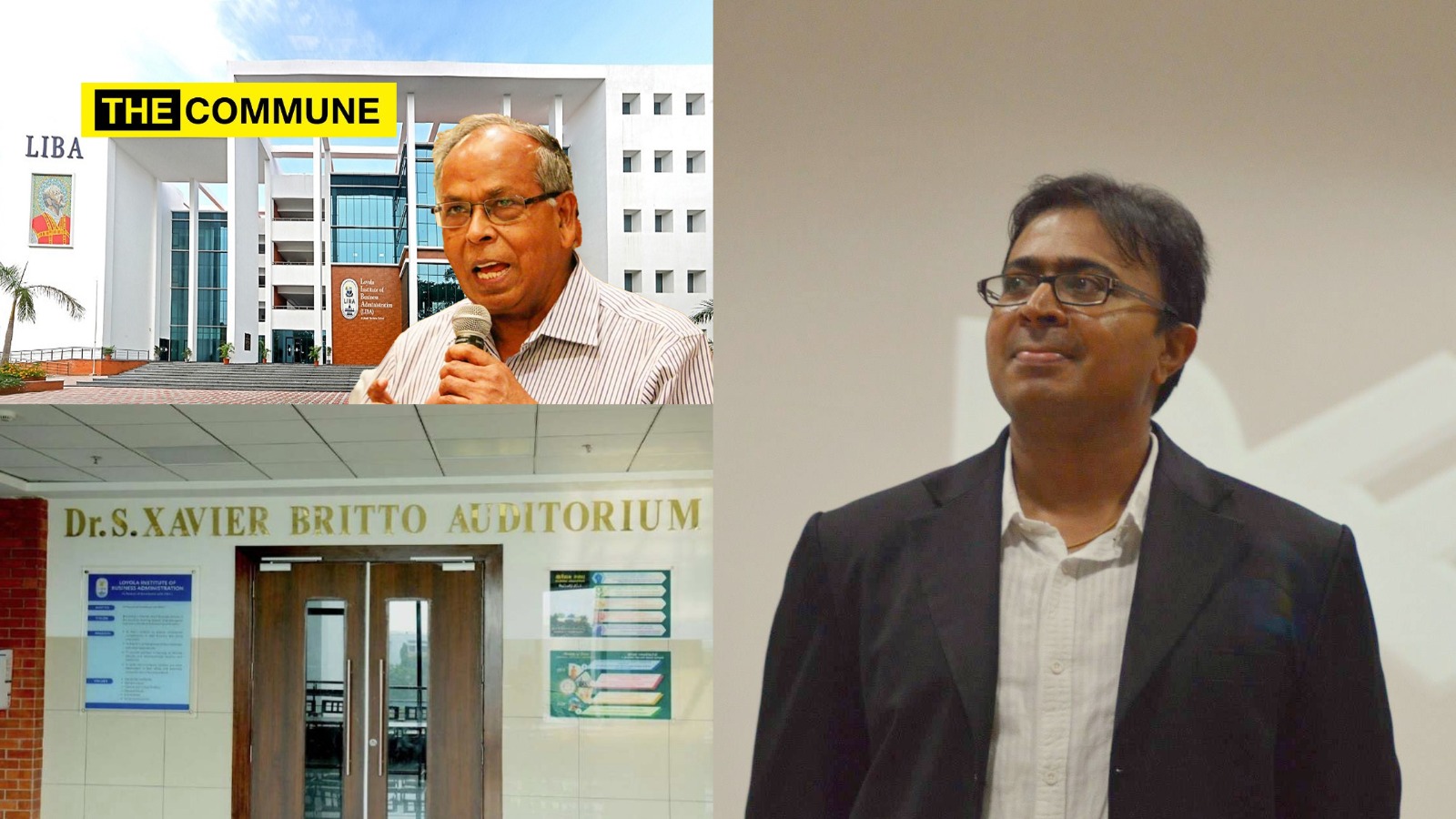
R. Joseph D’ Kennedy, a distinguished alumnus of the Loyola Institute of Business Administration (LIBA) has declined an invitation to judge Chrysalis 2025, LIBA’s prestigious annual event. In a letter addressed to the event organiser, Kennedy cited three significant reasons for his decision, including his support for victims of clergy abuse, unresolved concerns about Loyola College’s governance, and the controversial naming of an auditorium after an individual linked to tax fraud.
Kennedy, who was the recipient of the TVS Electronics Special Prize for Creativity in 2004, expressed his deep gratitude for his time at LIBA and the lasting impact of its founder, Fr. Casimir Raj. However, he stated that his decision to decline the invitation was rooted in his commitment to justice and accountability.
Standing with Victims of Clergy Abuse
In his letter, the ECA (Ending Clergy Abuse) – India representative extended his unwavering support to victims of sexual abuse by Jesuits belonging to the Chennai/Madurai Jesuit Province. He emphasized that he could not, in good conscience, associate himself with an institution that has failed to adequately address these grave injustices. “Their ongoing fight for justice is a cause I stand firmly behind,” he wrote.
Concerns Over Loyola College’s Governance
He also highlighted his concerns about Loyola College’s governance, referencing a detailed 41-page report he submitted to the University Grants Commission (UGC) in December 2022. The report, titled “Loyola College, Chennai is at a Dangerous Inflection Point and Granting University Status Will Be Extremely Suicidal for India as a Nation and the Christian Faithful,” led to the UGC denying Loyola’s application for university status. His’s concerns remain unresolved, and he believes it would be inconsistent to participate in an event hosted by an institution with which he has fundamental disagreements.
Controversial Naming of Auditorium
Kennedy expressed deep disappointment over the decision to name an auditorium after an individual who has been raided multiple times for tax fraud and settled for a substantial tax composition. The same individual was awarded the “Star of Loyola” by the management of Loyola College, Chennai. He lamented, “Sadly, the man raided for tax evasion is the role model LIBA / Loyola College sets as an example to its students.” He argued that this decision undermines the values of integrity and accountability that LIBA and Loyola College should uphold. He called for the building to be renamed after LIBA’s founder, Fr. Casimir Raj, a world-renowned scholar.
A Call for Dialogue and Resolution
Despite his decision, Kennedy reiterated his respect for LIBA’s mission and its efforts to foster leadership and innovation among students. He wished the participants of Chrysalis 2025 success in exploring the theme of “AIVolution” and expressed hope for constructive dialogue on the issues he raised.
Kennedy’s letter has sparked a broader conversation about accountability, transparency, and the values that educational institutions should embody. As the debate continues, many are watching to see how LIBA and Loyola College will respond to these pressing concerns.
Subscribe to our channels on Telegram, WhatsApp, and Instagram and get the best stories of the day delivered to you personally.
On 31 January 2025, Aadhav Arjuna, former deputy general secretary of Viduthalai Chiruthaigal Katchi (VCK), and C.T.R. Nirmal Kumar, former joint secretary of the AIADMK’s IT wing, officially joined the Tamilaga Vettri Kazhagam (TVK) in a ceremony held at the party headquarters in Panaiyur. TVK President Vijay was present to welcome them.
Both Arjuna and Nirmal Kumar have been appointed to significant roles within the party. In December 2024, Arjuna had launched his book “Ambedkar: A Leader for All” and during the event, he criticized the state’s political dynasties, stating, “In Tamil Nadu, only monarchy exists. In 2026, we need to end this monarchy. Chief Ministers should not be chosen based on birth. We need leaders who are ideologically committed to ruling Tamil Nadu, and a common man, a Dalit, should become Chief Minister.”
Arjuna’s remarks against the DMK’s dynastic politics created a stir, especially since VCK is part of the DMK-led alliance. As a result, Thirumavalavan, founder of VCK and Chidambaram MP, suspended Arjuna for six months. Shortly after, Arjuna decided to leave the VCK and pursue a new political path.
Nirmal Kumar, who previously led the BJP’s IT and social media unit in Tamil Nadu, joined the AIADMK in March 2023, accusing the state BJP of mismanagement.
It is also rumored that another functionary from the Naam Tamilar Katchi is set to join Vijay’s TVK, adding to the growing momentum.
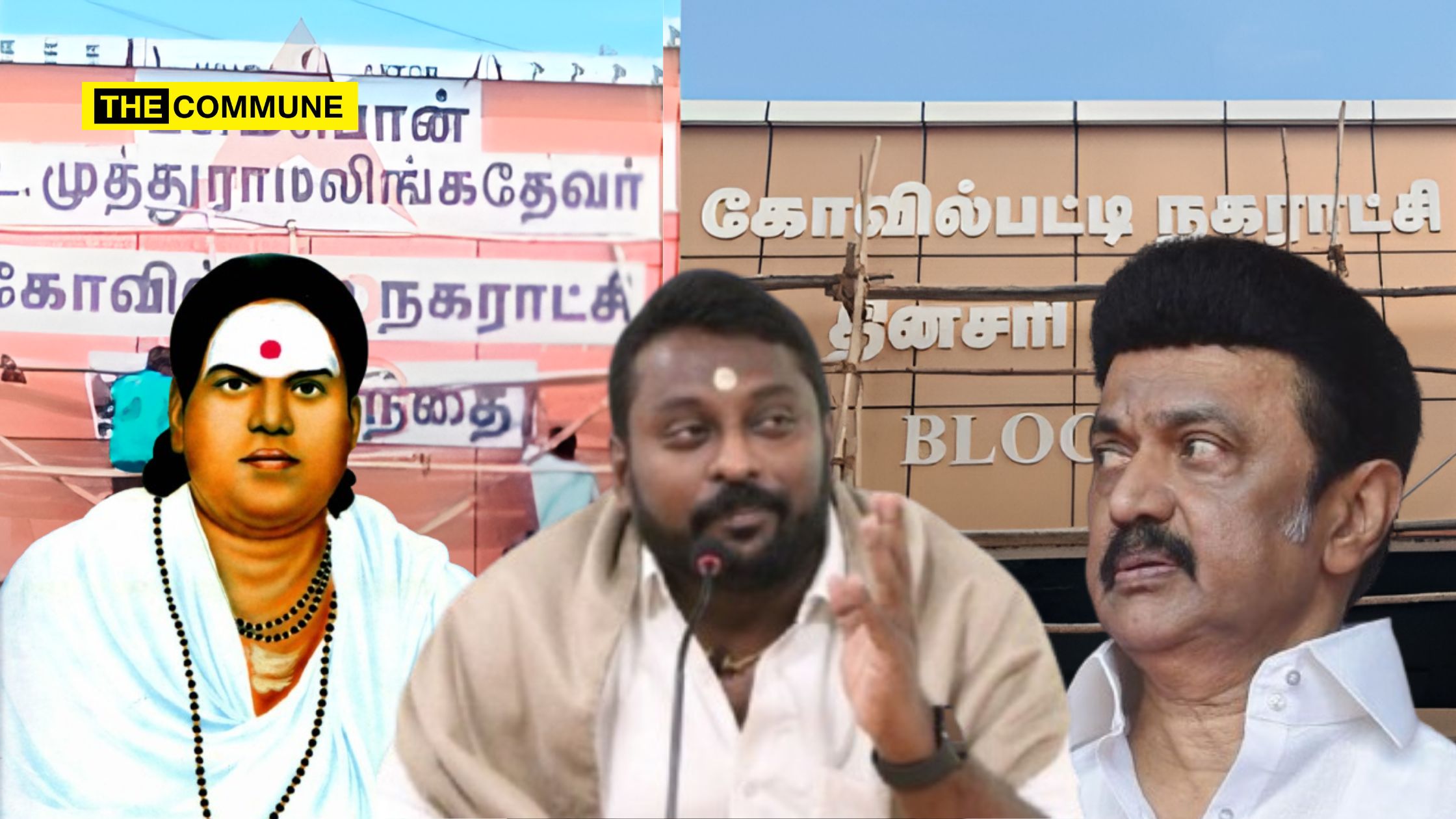
Tamil Nadu BJP state secretary SG Suryah has strongly criticized the DMK government and the Kovilpatti municipality for removing the name of Pasumpon Muthuramalinga Thevar from the Daily Market in Kovilpatti and replacing it with “Kovilpatti Municipality Daily Market.” He questioned whether, under the current DMK regime, any public buildings or institutions can bear the name of anyone other than former Chief Minister M. Karunanidhi.
Following public outcry over the municipality’s decision to remove Muthuramalinga Thevar’s name on 28 January 2025, the authorities only applied simple stickers with his name to the board. In response, SG Suryah condemned the action and called on the government to formally restore and inscribe Muthuramalinga Thevar’s name.
In a statement on 29 January 2025, SG Suryah wrote on his official social media, “The Pasumpon Muthuramalinga Thevar daily market in Kovilpatti has been renamed as Kovilpatti Municipal Daily Market. Have you decided that no other leaders other than Karunanidhi should be named during the DMK regime? There can be projects, bus stand, and libraries in the name of Karunanidhi but they are determined to change it no matter who else’s name it is in. This action of the DMK government is an insult to Pasumpon Muthuramalinga Thevar, who lived with the principles of nationalism and divinity. Chief Minister Stalin, during his visit to Pasumpon for the Thevar Jayanti festival, disrespected him by wiping off the sacred ash from his forehead once. Now, they’ve also deliberately erased Muthuramalinga Thevar’s name. After public backlash, it is learnt that the Kovilpatti Municipality has placed a sticker with his name of Muthuramalinga Thevar on the name board. It is condemnable that, despite the outrage, they haven’t acknowledged their mistake. On behalf of Tamil Nadu BJP, we demand that the name of Muthuramalinga Thevar be formally restored and inscribed.”
கருணாநிதி பெயர் தான் எல்லா இடத்திலும் இருக்க வேண்டுமா?
முத்துராமலிங்க தேவர் பெயர் என்றால் தி.மு.க-வுக்கு கசக்குமோ?
கோவில்பட்டியில் பசும்பொன் முத்துராமலிங்க தேவர் தினசரி சந்தையை கோவில்பட்டி நகராட்சி தினசரி சந்தை என பெயர் மாற்றியதற்கு கண்டன அறிக்கை! pic.twitter.com/F0VIEB6MBT
An OSINT handle shared a detailed thread on their official X handle that will expose global media’s propaganda against India. In the first of the series, they expose the BBC and the thread has been reproduced here for our readers.
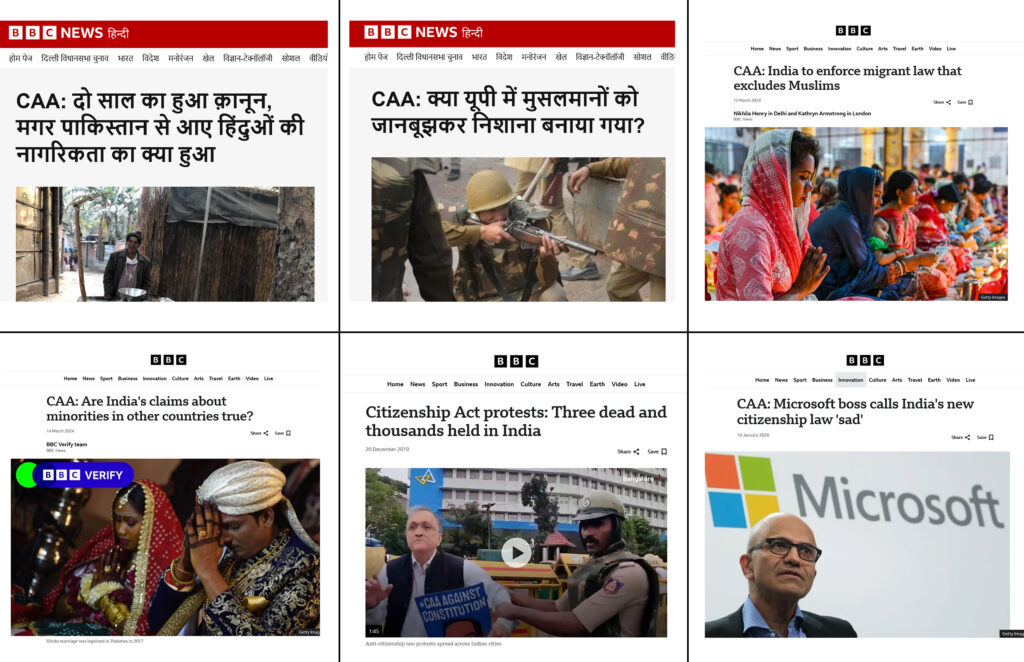
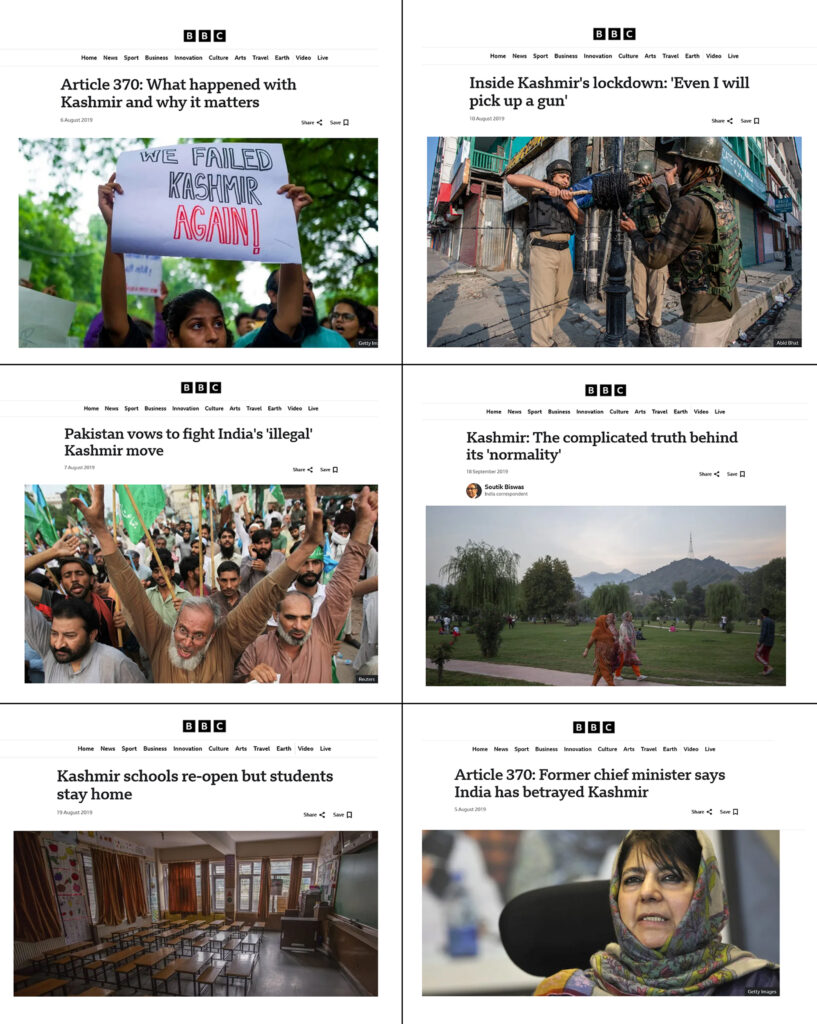
BBC is one usual offender with a long history of peddling biased narratives when it comes to reporting on India—from CAA, Article 370 & Kashmir, etc.
BBC’s reports frequently paint Indian riots & protests in communal colors. BBC remains a brazen propaganda portal that focuses on narratives that divide and polarize.
And not once, but ad nauseam times, the portal has been caught peddling fake news & propaganda.
BBC’s reporting on India often reeks of a colonial hangover—selective negativity, political bias, & cultural insensitivity. From their choice of language, headlines, & editorial tone in their reporting to extend its modern imperialistic influence.
In the last few years, the BBC has been exposed for its twisted and slanted narratives for reporting on issues like the CAA to Article 370, & Kashmir, & giving sympathetic coverage to radical groups & separatist movements like the Khalistani movement.
Citizenship (Amendment) Act aims to provide refuge to minorities facing persecution in Pakistan, Bangladesh, & Afghanistan. It doesn’t strip any Indian of their citizenship!
But BBC termed it “anti-Muslim” & amplified global criticism, ignoring the govt’s clarifications.
In its coverage of the anti-CAA Delhi riots, BBC ignored initial attacks on police & preplanned violence by some anti-CAA protestors, which police investigations revealed. Instead, they framed it as a one-sided narrative, portraying the government as oppressive!
Article 370’s abrogation integrated J&K into India, extended equal rights, & boosted development. BBC called it “Hindu nationalist ideology,” peddled Pakistan’s stance, & ignored the Indian govt’s efforts to foster peace, & unity & curb Pak-sponsored terrorism in Kashmir.
BBC also targeted the move of the abrogation of Article 370 peddling narratives of repression, Censorship of the Press, & not reform. While ignoring India’s Supreme Court’s validation of the move.
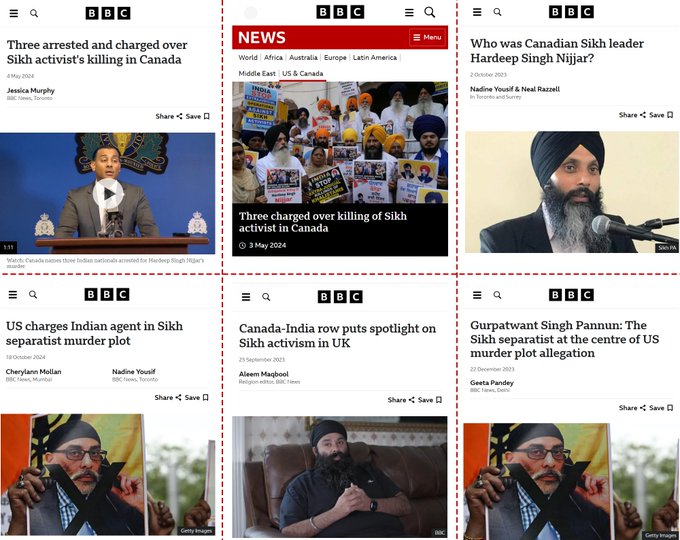
BBC’s animosity against the Indian Govt isn’t limited here. There’s more. BBC’s take on the Khalistan issue has been skewed for years. For years, BBC has been on a spree of whitewashing the terrorism aspect of the Khalistani issue. Terms like ‘Sikh activists’ or ‘separatists’ for Khalistanis including Gurpatwant Singh Pannun & Hardeep Singh Nijjar.
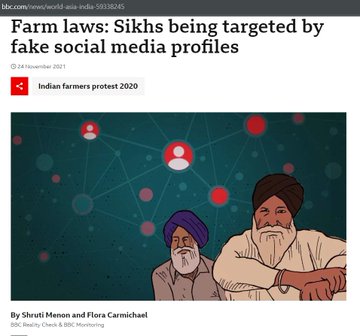
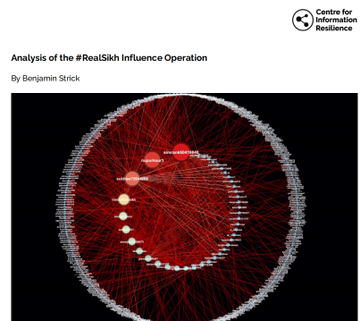
Not long ago, in Nov 2023, BBC had lapped up a shoddy piece of disinformation report shared to them EXCLUSIVELY by a UK-based Centre for Information Resilience (CIR) whose founders have been linked to the UK government.
The report is essentially a work of linguistic jugglery combined with graphical gimmicks with bold assertions & shallow claims to expose a set of 33 ‘Sock Puppet’ social media handles, running a ‘large-scale disinformation’ campaign on social media.
The report deliberately equates the farmers’ protests & Khalistan movement (also described as ‘Sikh Independence’) & that they largely constitute the ‘Sikh Political interests’ in India. Similar bias was recurring in the entirety of that propaganda report!
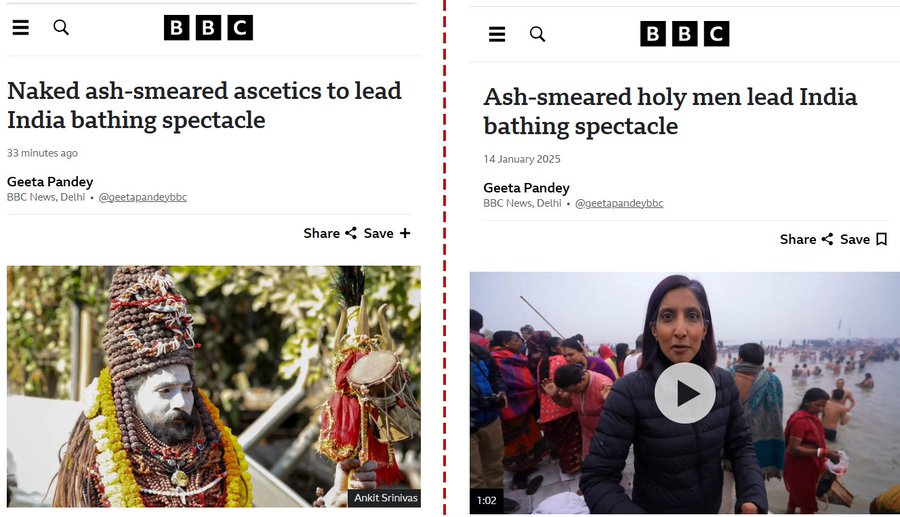
Most recently, BBC was also criticized for its reporting on the Mahakumbh Mela, for using insensitive choice words showing the lack of cultural & religious awareness. Terms & phrases like “bathing spectacle led by naked ash-smeared ascetics,” tended to mock the spiritual significance of the event.
Following the backlash, BBC changed the headline, removing “naked” and altering “ascetics” to “holy men.” In contrast, BBC’s reporting on European vents like the “Nudefest” is reported as “Europe’s largest naturist festival” exposes BBC for its cultural & religious bias.
The story gets more interesting!
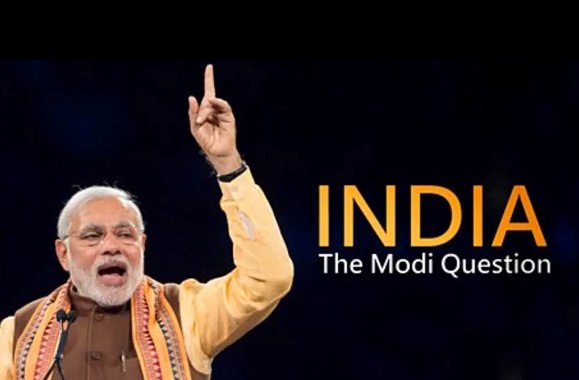
In Feb 2023, BBC released a documentary, “India- the Modi Question” accusing the Indian PM of being complicit in the 2002 Gujarat riots when he was the CM of Gujarat.
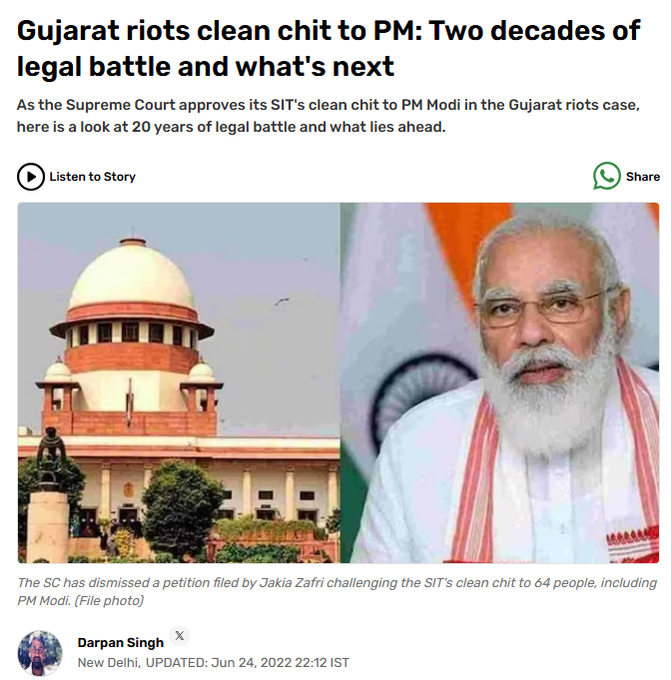
The documentary was released at a time to possibly tamper with political discourse as India geared up for its general elections, which could be a clear ploy for maneuvering the political discourse in India. The documentary, which was laced with statements from anti-govt voices, at the same time refrained from mentioning that in June 2022, the Supreme Court of India upheld the SIT clean chit to the Indian PM in the 2002 Gujarat riot case & dismissed a plea in the case.
Released ahead of India’s 2024 elections. Coincidence?
BBC’s documentary portrayed Modi’s policies as “ethnic cleansing,” rehashing old, debunked narratives while ignoring the complex context of the riots, including the Godhra train attack.
In Feb 2023, BBC offices in India were raided by the Income Tax department over tax irregularities. The news was portrayed as an act of intimidation of Press Freedom and harassment of the press in India by several global media.
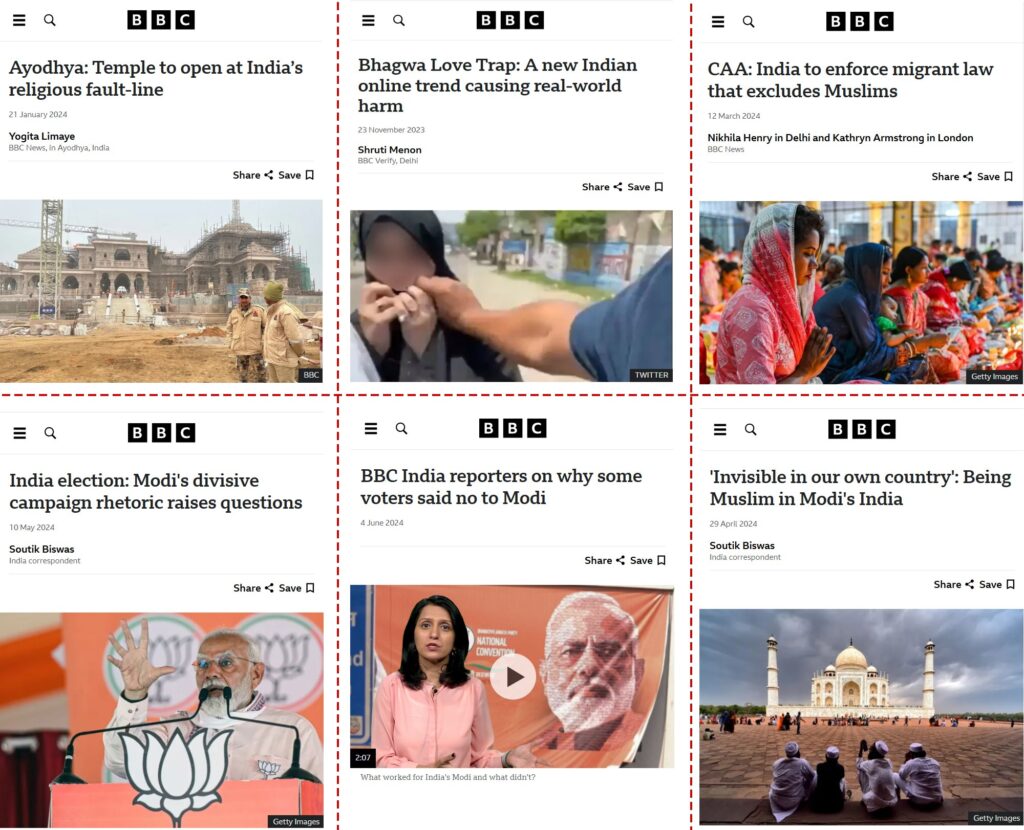
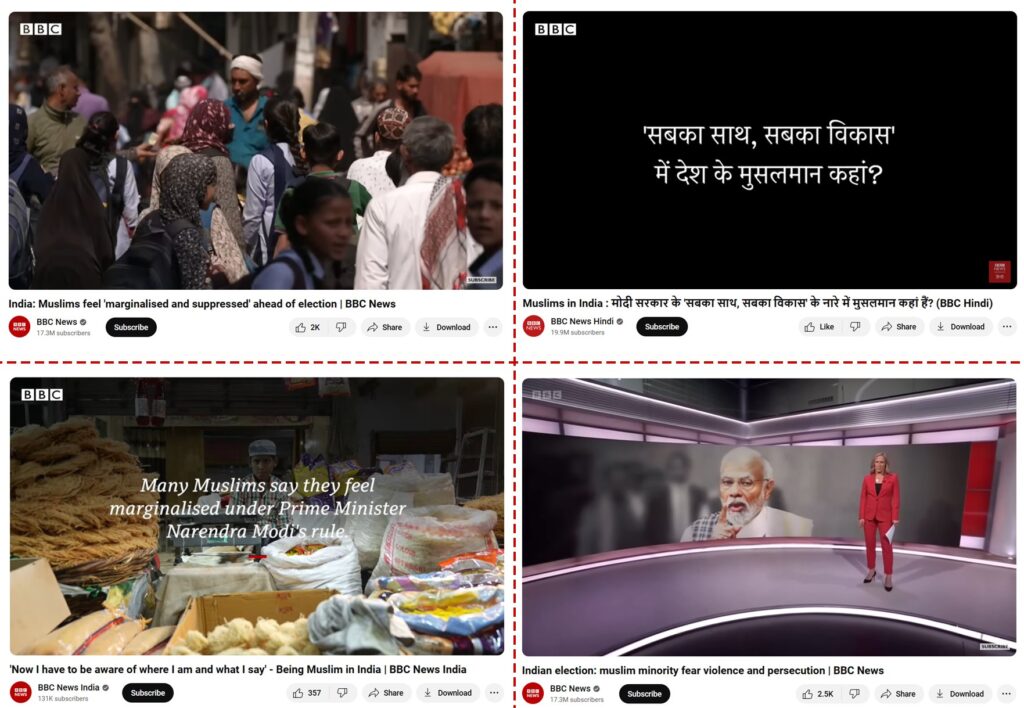
Speaking of election interference, BBC’s reporting before Lok Sabha 2024 focused mainly on Muslim marginalization under BJP rule. BBC pushed narratives, including CAA misinformation & Islamophobia by ruling the ruling party.
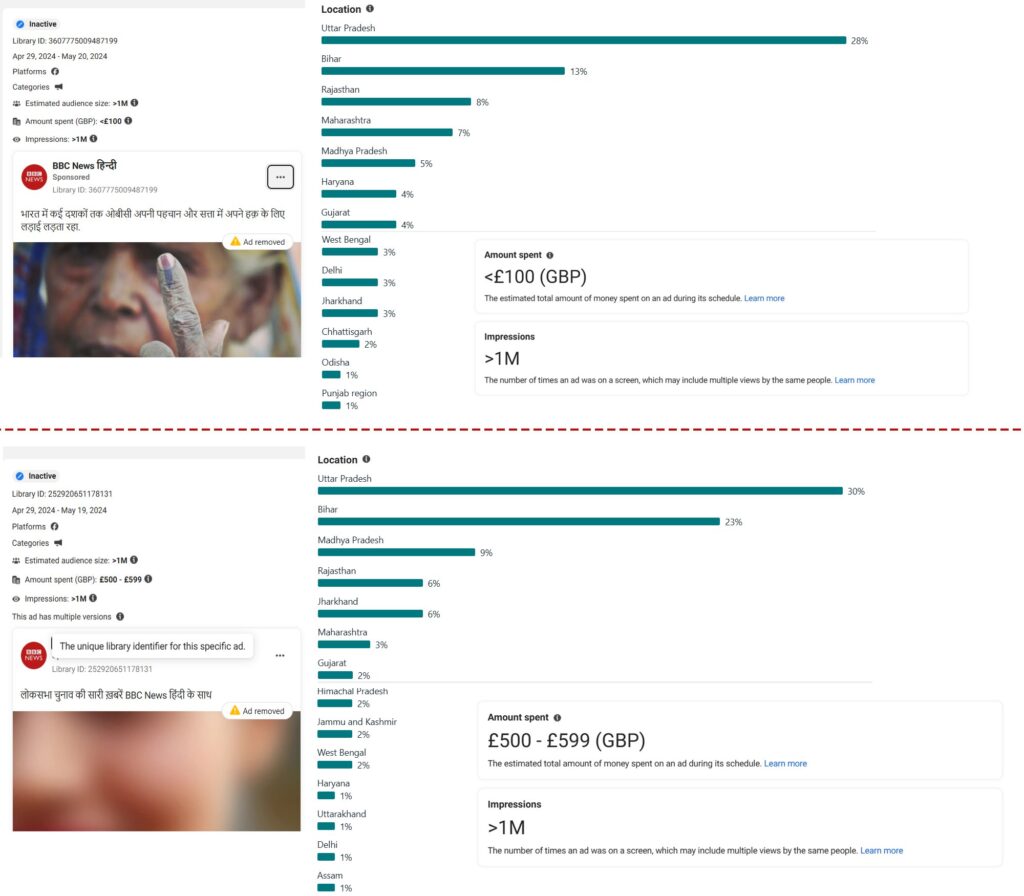
While the BBC was peddling such narratives, BBC Hindi ran ads on Facebook for India’s election news. A part of it included promoting stories that could create communal discord among Indians & violated FB’s ad policies & were removed by the platform.
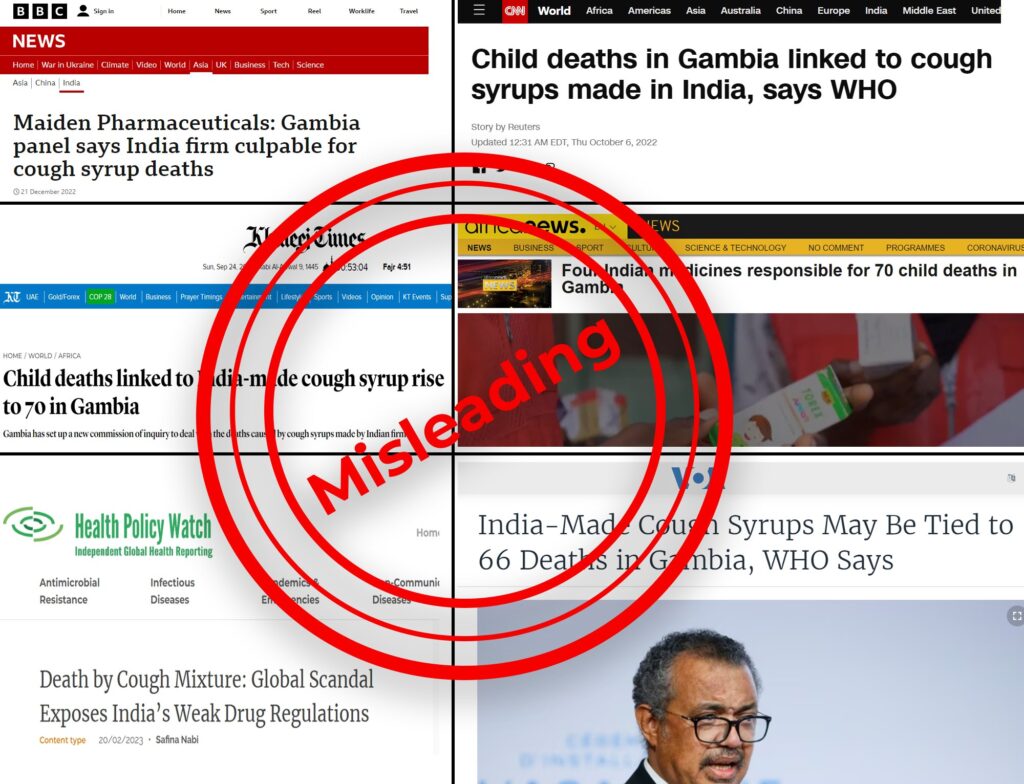
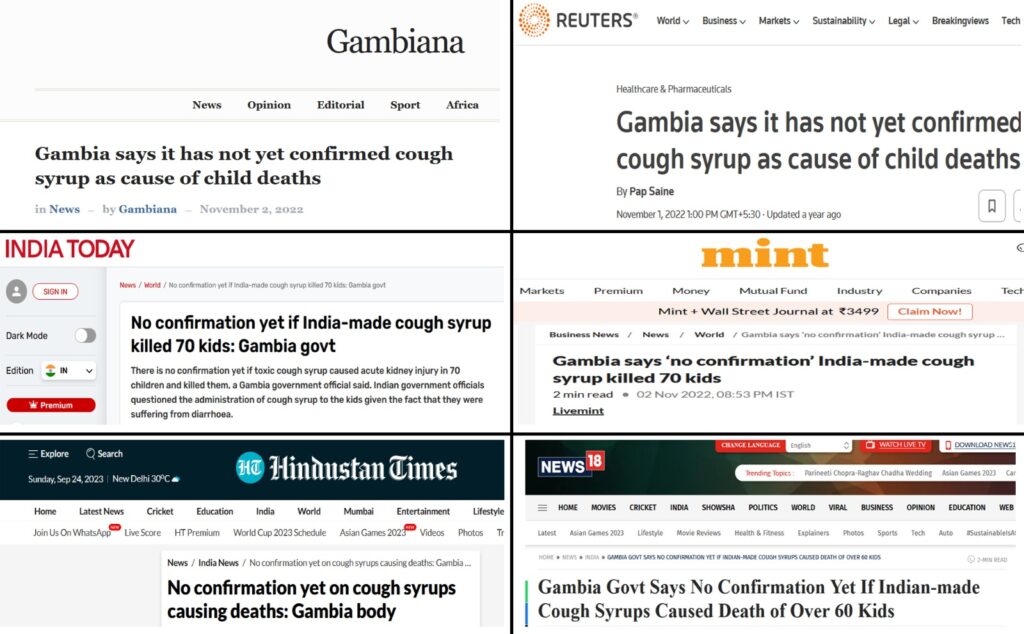
In 2023, BBC was one of the many global media exposed to have been targeting the Indian pharma industry through its biased, incomplete, and/or misleading coverage. For instance, the tragic cases of Gambia involving the deaths of around 70 children due to Acute Kidney Injury (AKI) and how mass-scale propaganda was peddled around the Indian pharma relating to it. In July’22 news came that several children died in Gambia bcoz of India-made cough syrup. WHO issued a warning & news media screamed– Indian med killed Gambian children. The news was first broken by #Retures & #AlJazeera, repeated by Indian media. But it was pure propaganda.
In July'22 news came that several children died in Gambia bcoz of India-made cough syrup. WHO issued warning & news media screamed– Indian med killed Gambian children. The news was first broken by #Retures & #AlJazeera, repeated by Indian media.
BBC completely ignored reports that found that the presence of E.coli bacteria was a probable cause for the infection among the kids which led to their deaths.
Secondly, while the BBC reported on the panel that held the syrups culpable for the deaths of the children, it completely ignored the flawed investigation which could not establish the cough syrups were the reason behind the deaths.
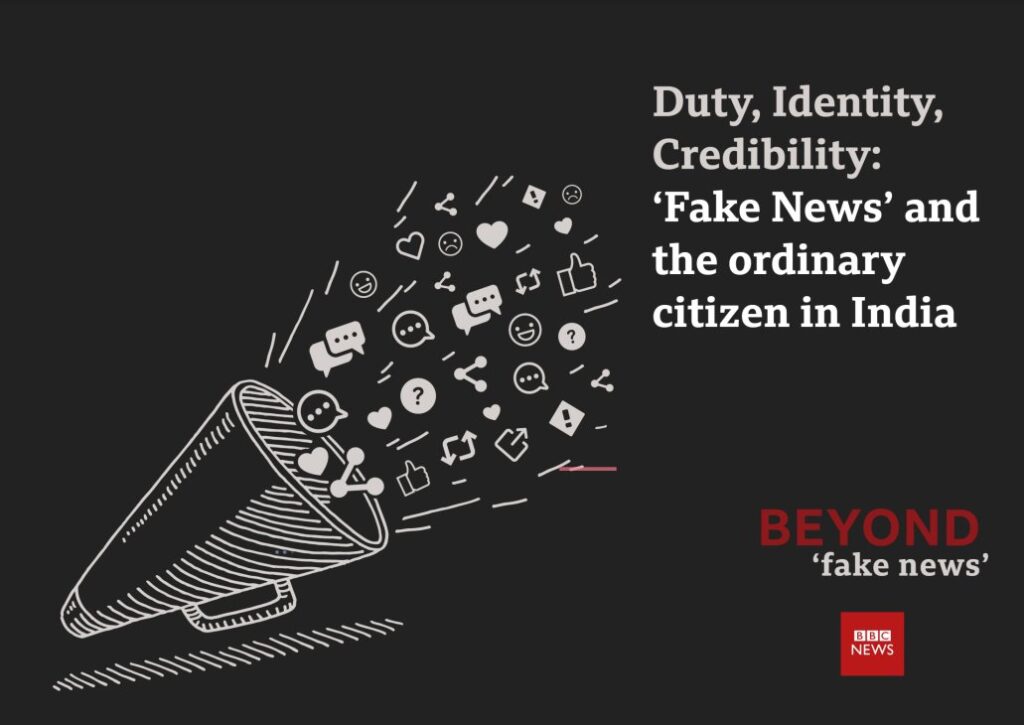
In Nov 2018, BBC published a report on India under the title “Beyond Fake News” to claim that nationalism was driving fake news in India. However, the survey was based on a meager sample size of 40 Indians in a country with a population of 1.4+ billion!
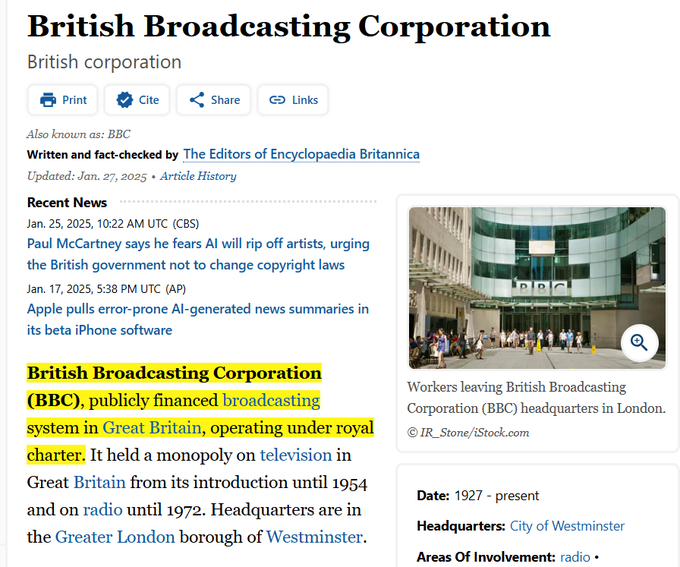
As per its website, BBC prides itself as an ‘Independent’ news broadcaster. Reality however speaks otherwise. Funded by a royal charter & license fee, it’s basically a taxpayer-backed PR machine wrapped in journalistic virtue-signalling.
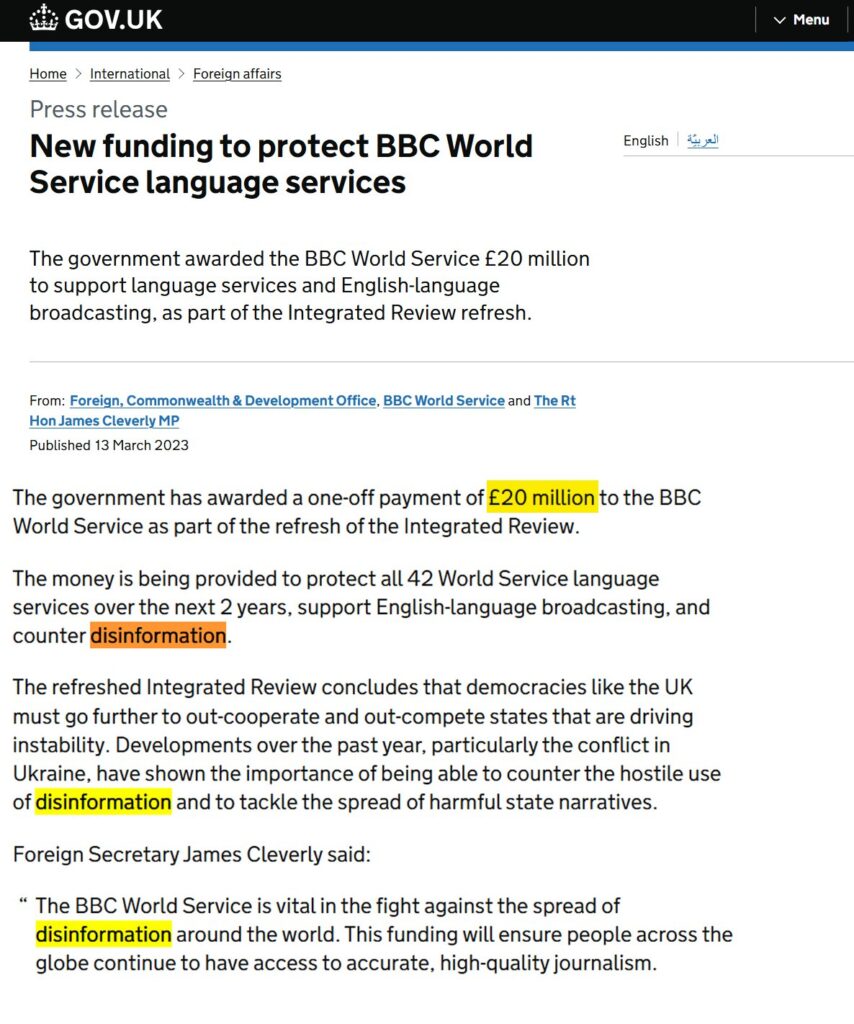
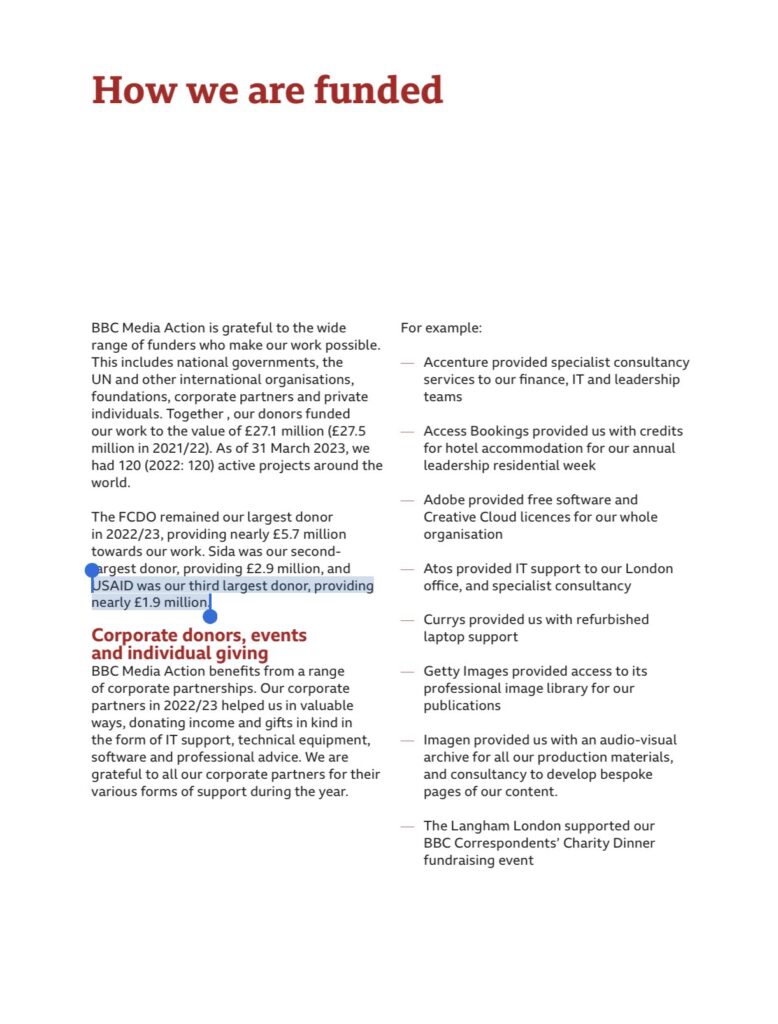
UK government gave BBC World Service £20M in March 2023 to ‘support language services & counter disinformation’ (translation: push state narratives). BBC also gets USAID funds. BBC isn’t just a broadcaster; it’s a sponsored narrative machinery.
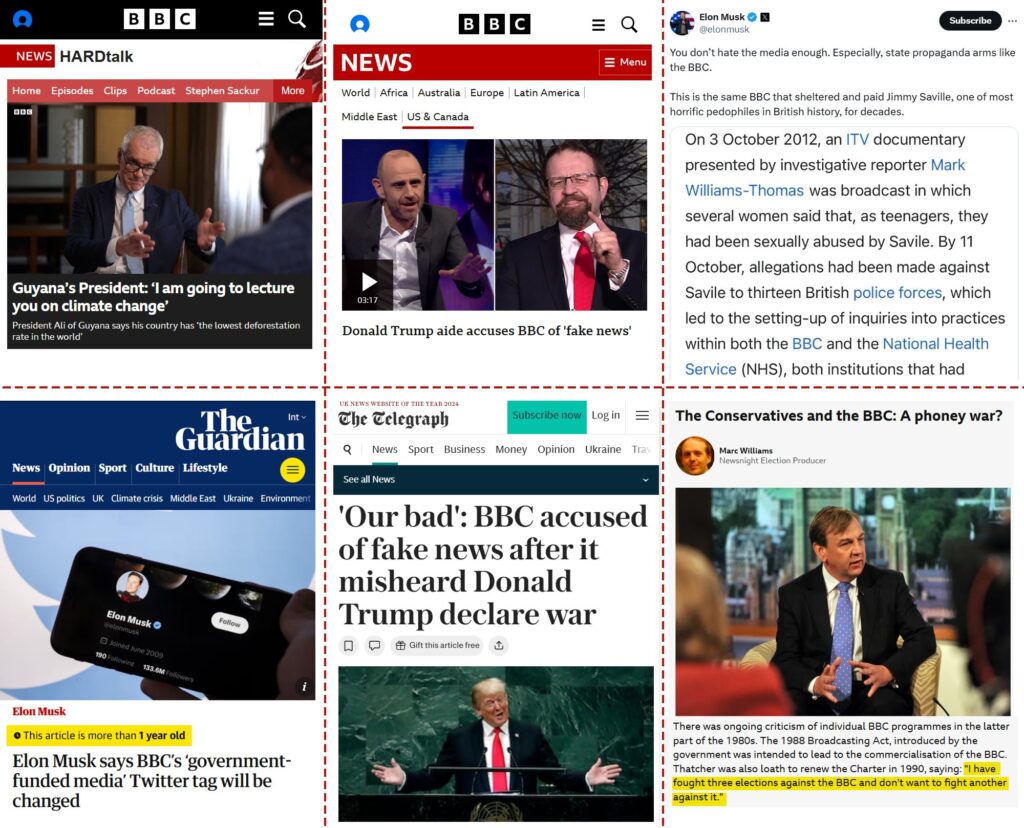
BBC’s bias isn’t just for India – it’s global. Trump branded it ‘fake news’, Musk exposed its ‘state-funded’ status & Guyana’s President Ali challenged its bias – world leaders have repeatedly questioned BBC’s credibility as a news source.
Not long ago, In 2021, BBC launched Young Reporter India (YRI), partnering with Delhi-based DataLeads & US-based Internews. DataLeads’ founder Syed Nazakat is a Henry Luce Foundation fellow through the International Center for Journalists. The irony begs for validation!
The case of BBC shall go down as a masterclass in biased journalism. From twisting CAA & Article 370 to whitewashing Khalistani extremism & smearing India’s pharma industry—BBC’s propaganda knows no bounds. Funded narratives, selective outrage, & colonial hangover intact.
Whenever the DMK faces significant criticism, its IT wing springs into action, deploying online trojans to target opposition figures. These trojans often engage in threats, defamation, or create distractions by spreading fake narratives that bolster the ruling party. This tactic persists even when the government is clearly at fault, as the DMK’s loyalists do everything they can to shield the party from criticism.
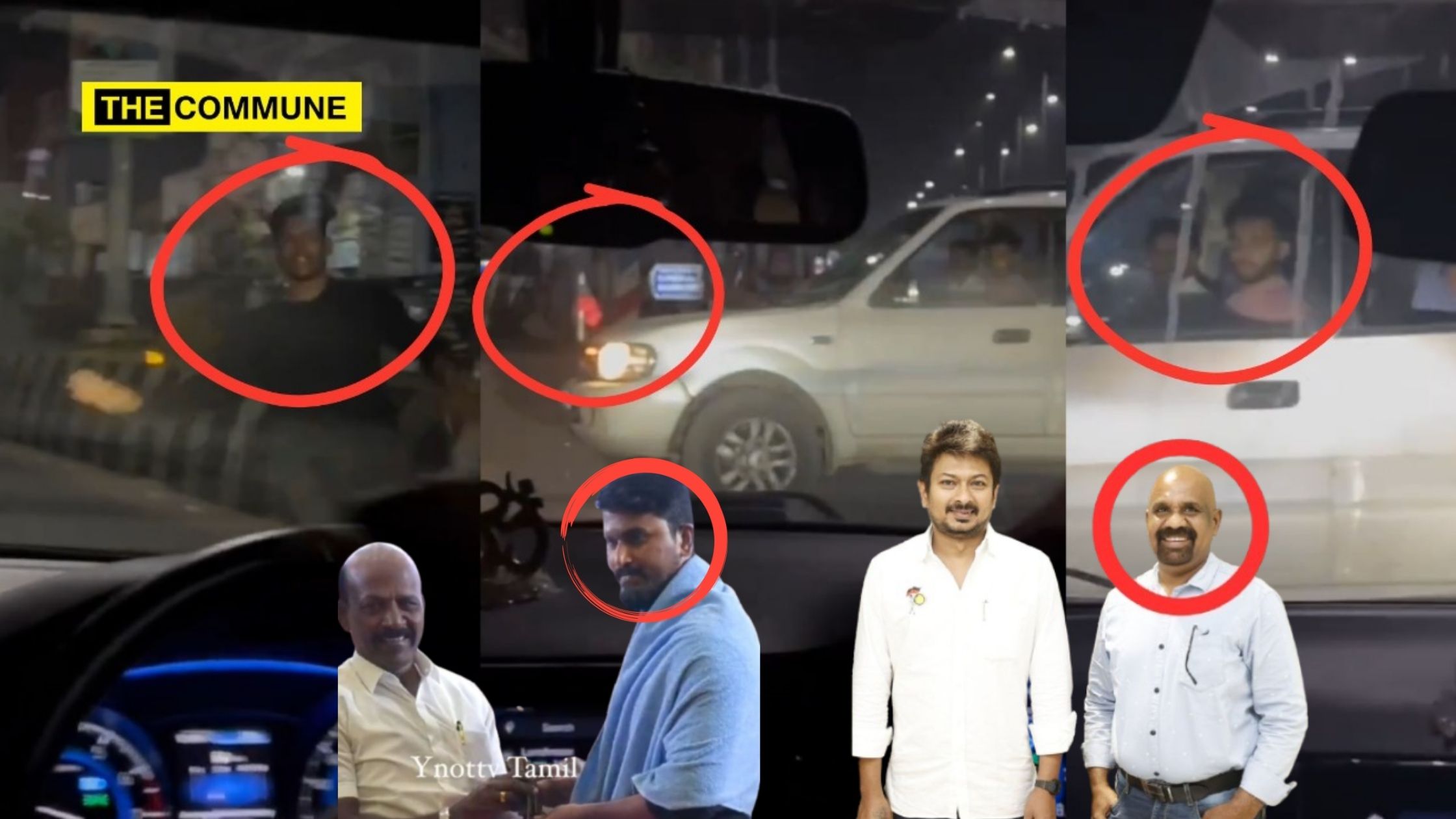
A recent example of this occurred when women traveling on the ECR road were harassed and threatened by goons in two SUVs, one of which displayed the DMK flag. Despite the clear wrongdoing of the goons in the car chasing down the women, the DMK IT wing was mobilized, launching a coordinated effort to shift the blame onto the victims. They spread false claims, suggesting that the incident was simply a road rage altercation, with some even alleging that the women were drunk. This blatant attempt to manipulate the narrative is a new low for the DMK’s IT wing, demonstrating their shameful disregard for truth.
Multiple social media accounts strongly supporting the ruling DMK shared the same narrative, claiming the incident occurred on the night of 25 January 2025, within the Kanathur police station limits under the Tambaram Commissionerate. According to this version, the car the women were traveling in collided with another vehicle, leading to a chase by the occupants of the luxury car who were demanding “justice.” Both parties, they claimed, compromised, and the following day, a complaint was filed at the Kanathur police station, with a CSR issued. With the release of a video, the Pallikaranai Deputy Commissioner of Police has now launched an investigation into the matter.
💡 Look at how the #DMK toolkit has pounced on the Chennai ECR car chase incident. It makes me puke. It also tells you why Chennai has horrible nightlife. Very unsafe.
Do a simple search on X using the below-quoted text
However, the actual events unfolded differently. On the night of 25 January 2025, a woman from Kanathur, Chennai, was traveling with three family members to their home in Muttukadu along the East Coast Road. As they drove, a luxury car with a DMK flag suddenly blocked their path. Over six young men in the car began behaving aggressively, attacking the women’s vehicle and hurling obscene comments. Fearing for their safety, the women reversed their car and drove for about four kilometers in an attempt to escape.
Despite their efforts to get away, the youths continued to chase them in their vehicle. The terrifying pursuit ended in front of the women’s house, where the youths stopped their car and threatened them further. The entire incident was captured on video, which was subsequently shared on social media, causing widespread shock and outrage.
The victims filed a complaint at the Kanathur police station, demanding action against the perpetrators. The police have since begun investigating the incident, using the video footage as evidence. The video, lasting one minute and 28 seconds, shows the youths in the luxury car with a DMK flag blocking the road, attacking the women’s car, and chasing them for several kilometers.
In response, the state police headquarters issued a statement confirming that authorities are actively searching for the suspects. A case has been filed under several sections, including the Prohibition of Harassment of Women Act, and two teams have been assigned to locate and arrest the individuals involved.
However, DMK sympathizers have come under intense criticism from netizens for attempting to defend the perpetrators, even though their actions were clearly criminal and against women. These loyal supporters of the DMK, who have tried to shield such offenders, have faced severe backlash from online communities.
Subscribe to our channels on Telegram, WhatsApp, and Instagram and get the best stories of the day delivered to you personally.
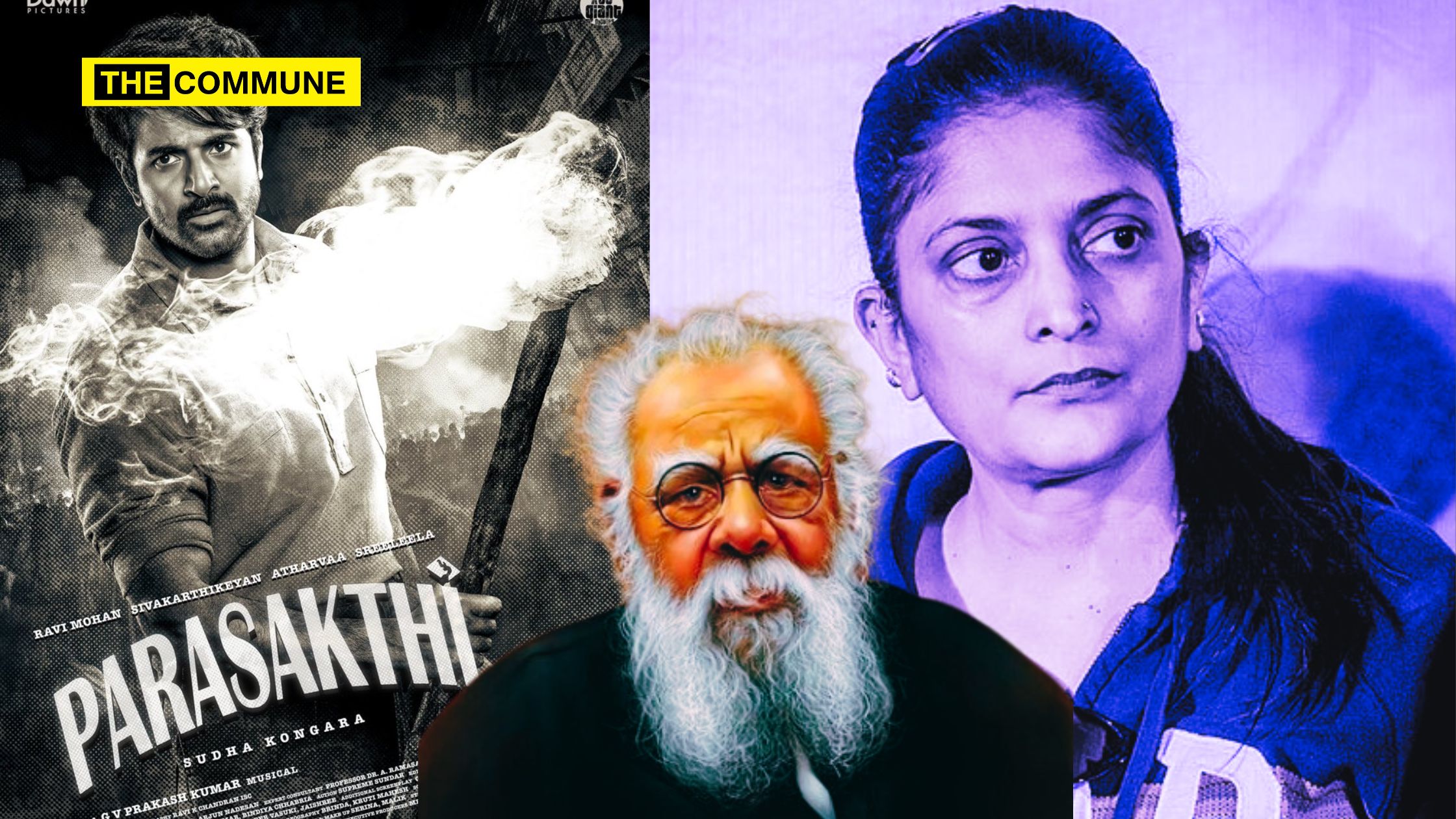
The upcoming period drama, Parasakthi, directed by Sudha Kongara, is set to shed light on the anti-Hindi agitations of the 1960s in Tamil Nadu.
Kongara has earned a reputation for distorting original stories and twisting narratives to suit the Dravidianist propaganda. As seen in her previous film Soorarai Potru, which claimed to depict the life of Simplifly Deccan (Air Deccan) founder Captain GR Gopinath, she had cunningly inserted the Dravidianist ideology into the film. Suriya who played the character of Gopinath, a Brahmin in real life, was depicted as a follower of rabid anti-Hindu and anti-Tamil demogogue EV Ramasamy Naicker (hailed as ‘Periyar’ by his followers). And the villains in the film were all, no prizes for guessing, Brahmins!
Interestingly, the Hindi version of the film’s song in Soorarai Potru which was released had no references to EVR while the Tamil version had EVR’s picture and a black shirt-borne Suriya.
Since she has a history of lacing true stories with distortions about Brahmins —it’s crucial to address the false portrayal that might surface once again in her new venture, Parasakthi in which she may possibly distort key events like the anti-Hindi agitations. So, before Sudha Kongara goes on to spin her Dravidianist narrative in her upcoming film, let’s examine the true essence of these agitations and the role—or rather, the lack thereof—played by EVR (E.V. Ramasamy), the figure often hailed as a champion of Tamil rights by Dravidianists.
The 1965 Anti-Hindi Agitation
The 1965 anti-Hindi agitation was part of a broader political struggle in Tamil Nadu. The roots of the movement can be traced back to earlier protests, such as those in 1938, which involved widespread picketing in schools (particularly the Hindu Theosophical School) and government offices. This protest, which also led to the death of two demonstrators, was the first major indication of resistance to the imposition of Hindi. However, the 1965 agitation was not as pure-hearted as often portrayed.
The 1965 anti-Hindi agitations were nothing new to TN, there were widescale protests even in 1938, where schools (Hindu Theosophical School mainly) and govt offices were picketed, and even resulted in the death of 2 protestors (including Thalamuthu).
EVR, the so-called “leader of Tamil rights,” who had supported the 1938 protests, turned his back on the 1965 agitation, calling it a political stunt. While the movement gained significant momentum in the 1960s, EVR expressed no support. Instead, he made it clear that he did not view the agitations as an expression of genuine love for the Tamil language. His stance was political, aiming to gain influence in a region previously dominated by the Congress party.
Interestingly, during the 1965 protests, EVR contradicted his earlier views. In a complete reversal, he openly advised people to learn Hindi, even at a time when the anti-Hindi sentiment was at its peak. His political opportunism was evident when he attempted to downplay the significance of Tamil culture in favor of political leverage. EVR’s support for Hindi was clear when he claimed that learning the language could be useful for securing jobs in the government.
The Tamil Nadu of the 1960s was a political battleground where EVR’s influence was starting to wane. The opposition, led by figures like Rajaji, who had previously opposed the imposition of Hindi, now supported the anti-Hindi agitation, further complicating the political landscape. EVR’s opposition to the 1965 protests was nothing more than a tactical move aimed at asserting his own relevance.
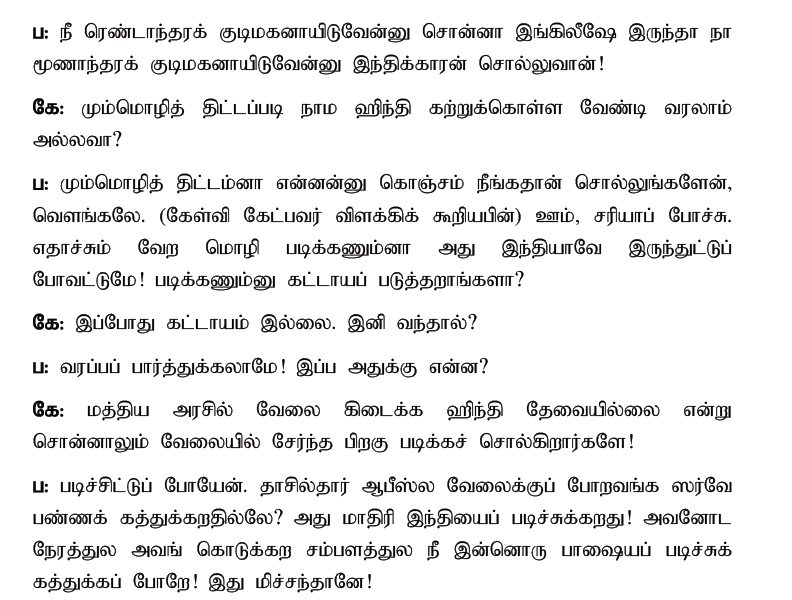
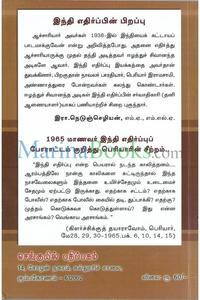
In an interview to Vikatan from 1965, EVR was asked about the three-language plan, and his response revealed the true nature of his indifference to the Tamil cause. He dismissed the idea that Hindi was an imposition, suggesting that it was simply another language to learn, and went so far as to say that learning Hindi could be beneficial if one worked in a government office. EVR’s lack of commitment to the Tamil cause becomes painfully clear in this exchange, as he trivialized the genuine concerns of Tamil speakers and prioritized his own political ambitions over the preservation of Tamil culture.
Image Source: Tamil Labs
It is vital to understand that the 1965 anti-Hindi agitation had far more to do with political maneuvering than genuine love for Tamil or its culture. EVR’s role in the agitation was not one of a martyr for Tamil rights but rather that of a man trying to secure power and position within a changing political landscape. His reversal on the issue of Hindi is proof enough of his true motives.
Vikatan's EVR interview from 1965 during Anti Hindi agitations. They have a slightly redacted version of this on their website still.
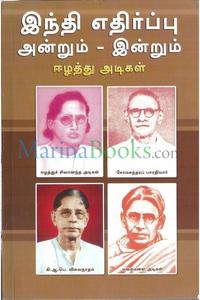
The anti-Hindi agitations in Tamil Nadu were not initiated by EVR, contrary to popular belief. The earliest opposition to Hindi imposition was led by Saivite scholars and Tamil intellectuals such as Eezhathu Sivananda Adigal, Arunagiri Adigal, Maraimalai Adigal, Sanmugananda Adigal, K.A.P. Viswanathan, Somasundara Bharathiyar, and Vimalananda. These figures were the first to condemn the 1937 decision of the Rajaji-led government, which mandated Hindi education in schools.
In his book “Hindi Edhirpu: Andrum Indrum” (Opposition to Hindi: Then and Now), Eezhathu Sivananda Adigal documented that the first major protest against Hindi imposition occurred in 1937, with 120 people demonstrating outside the Chief Minister’s residence. By the third day, around 60 protesters were arrested. At the time, EVR distanced himself from the movement, dismissing it as an ineffective Congress-style agitation. He reportedly even offered money to protesters to return to their native places, prompting Eezhathu Adigal to respectfully request EVR to stay out of the issue, considering that as a greater service to Tamil.
With the arrests of key leaders like Eezhathu Sivananda Adigal, Arunagiri Adigal, and Sanmugananda Adigal, the movement briefly lost direction. However, upon witnessing the public’s strong response to the protests, EVR later assumed leadership, much like he had done during the Vaikom Satyagraha.
Eezhathu Adigal further noted that EVR later projected himself as the pioneer of the anti-Hindi movement, even though records show that he was arrested during the agitation and released six months later. In a surprising turn, he abruptly withdrew the protests in 1939, before the Rajaji government had even repealed the decision. When questioned by the press about this sudden move, EVR reportedly stated:
“The anti-Hindi agitations were used by me only to trouble the Congress government ministers. I do not care if Hindi gets imposed or Tamil perishes.” (Hindi Edhirpu: Andrum Indrum, Page 30).
This led Eezhathu Sivananda Adigal to challenge EVR’s authority over the movement, asserting that he had no right to call off the protest. On November 4, 1939, Adigal announced a renewed demonstration in front of the Governor’s bungalow. Ultimately, it was only on February 21, 1940, that the Rajaji government officially revoked the Hindi mandate.
EVR Hated Tamil
That’s right. EVR hated Tamil so much that he called Thirukkural as faeces. If one reads the speeches and editorials of EVR in his mouthpieces Viduthalai and Kudiarasu, it would be evident as to what his views on Tamil and Tamilians were.
1. EVR Dismissed Tamil As A ‘Barbarian Language’
In an editorial published in Viduthalai on October 11, 1967, EVR referred to Tamil as a “kaatumiraandi mozhi” (barbarian language). This was not an isolated remark—throughout his life, he belittled Tamil, advocating for its abandonment in favor of English. He even went so far as to say that “Tamil is a language not even useful for begging.”
2. EVR Rejected The Tamil Epic Silappadikaram
Silappadikaram, one of Tamil Nadu’s most revered literary works from the Sangam era, was dismissed by EVR as Aryan propaganda. In a speech on March 30, 1951, he described it as a collection of superstitions that promoted the subjugation of women.
3. EVR Condemned Kamba Ramayanam
Kamba Ramayanam, the Tamil adaptation of the Ramayana, was denounced by EVR as a “storehouse of falsehood”. He claimed that such literature betrayed the Tamil race, arguing that its popularity reflected the lack of intelligence and self-respect among Tamils.
4. EVR Insulted Tamil Society
Between October and November 1967, EVR wrote multiple articles portraying Tamils as backward and irrational. He argued that their inventions and traditions—such as the grinding stone, oil lamps, and bullock carts—were primitive and of no practical use. He even claimed that Tamils had no concept of time and had borrowed it from the English.
EVR openly derided Tamil society, describing its people as lacking racial consciousness, self-respect, nationalism, and even basic humaneness.
5. EVR Attacked Tamil Scholars
In a Viduthalai editorial dated March 16, 1967, EVR declared that Tamil scholars and pundits deserved to be imprisoned for life and hanged, accusing them of failing to contribute to society’s progress. He even ridiculed the World Tamil Conference, calling it a “census to enumerate fools.”
6. EVR Rejected Saivite And Vaishnavite Tamil Literature
EVR dismissed Tamil Hindu devotional texts such as Tevaram, Tiruvasagam, Tirumandiram, and Divyaprabandham as worthless and harmful to Tamil society. He also condemned Periyapuranam, a literary classic detailing the lives of the 63 Nayanmars, as an instrument of religious oppression.
7. EVR Equated Thirukkural To Excreta
Thirukkural, revered as one of the greatest works of Tamil literature, was scathingly criticized by EVR. Initially, he praised it, but later dismissed it as “feces placed in a golden plate.”
In the Viduthalai issue dated June 1, 1950, EVR condemned Thirukkural for promoting ideas that, in his view, opposed rationalism. When asked what Tamils would have left if Thirukkural was discarded, he reportedly responded:
“I am telling you to remove the excreta that stinks in the room, and you are asking me what to replace it with?”
8. EVR Insulted Tamil Poet and Freedom Fighter Subramania Bharathi
EVR had contempt for Subramania Bharathi, the iconic poet and nationalist leader. In the journal Ticutar, he mocked Bharathi for calling Tamil the sister language of Sanskrit. He even compared Bharathi to a rat, sarcastically remarking:
“They say Bharathi is an immortal poet. Even if a rat dies in an agraharam, they would declare it to be immortal. Why should this be so? Because he sang praises of Tamil and Tamil Nadu? What else could he do? His own mother tongue, Sanskrit, has been dead for years. What other language did he know? He cannot sing in Sanskrit.”
Before Sudha Kongara distorts history to paint EVR as a heroic figure in the anti-Hindi agitation, it is essential to remember that his actions were driven by political opportunism rather than a deep-seated belief in the protection of Tamil. Far from being a protector of Tamil identity, EVR’s actions were detrimental to the Tamil cause, and his opportunistic U-turns only serve to expose his true character. Let us not allow historical distortions to glorify a man who was, in fact, anti-Tamil.
Subscribe to our channels on Telegram, WhatsApp, and Instagram and get the best stories of the day delivered to you personally.
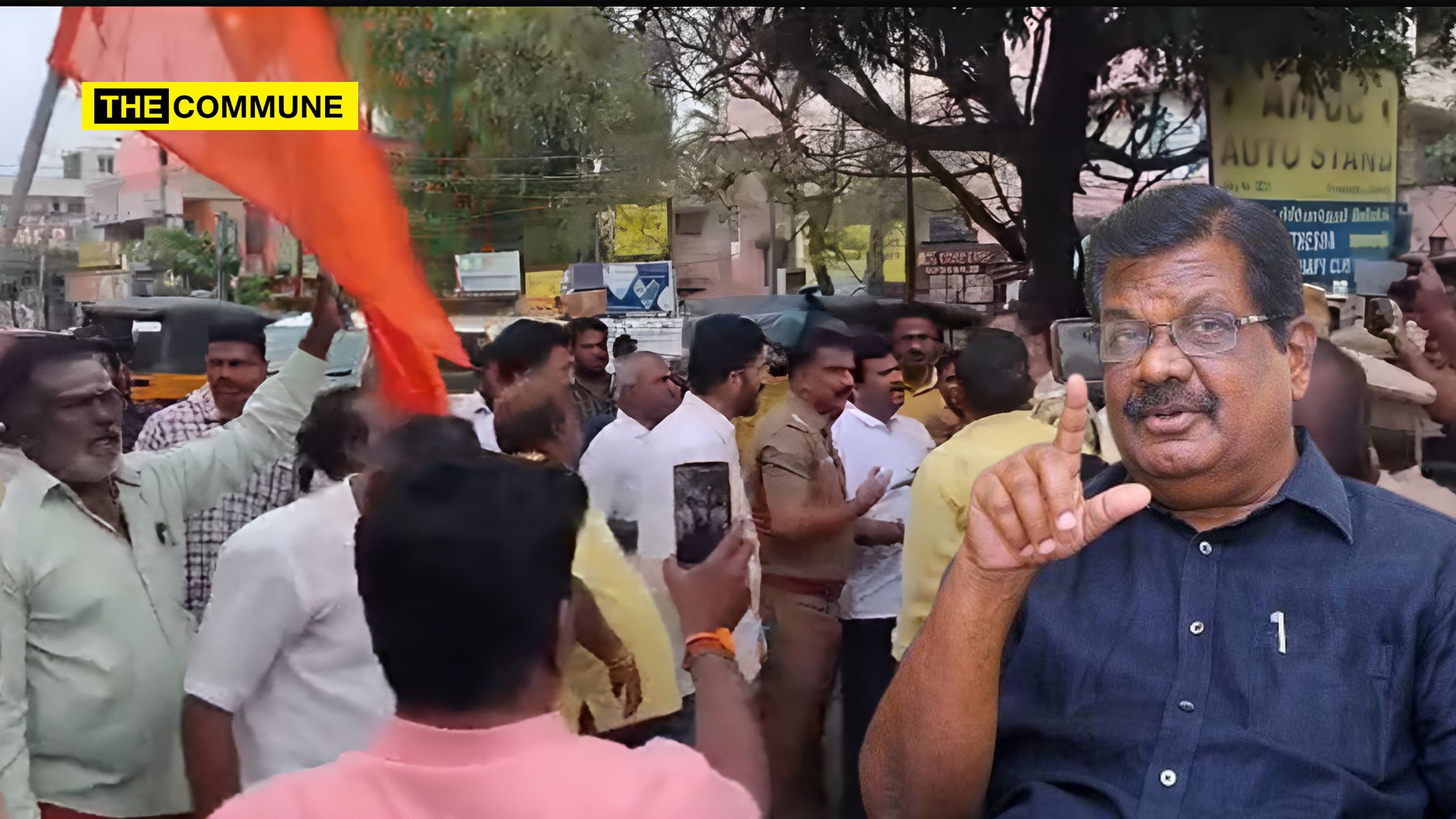
BJP TN and other Hindu organizations staged a protest against Dravidar Viduthalai Kazhagam (DVK) leader Kolathur Mani, who attempted to hold a meeting in Coimbatore’s Sivananda Colony to criticize Hinduism.
Reports indicate that members of the Dravidar Viduthalai Kazhagam have been holding meetings in Coimbatore that have been abusing Hindu gods and disrespecting faiths of Hinduism. In response, the Vishwa Hindu Parishad (VHP) and BJP leaders filed a petition with the police, urging them not to grant permission for Kolathur Mani’s scheduled meeting in Sivananda Colony. Despite these objections, the police allowed the meeting to proceed.
On the same day, the VHP organized a seminar titled “Thirupparankundram Belongs to Murugan” at a hall in Sivananda Colony. However, they were not given permission to hold a counter-meeting, which led to tension when members of the BJP and VHP, along with other groups, surrounded Kolathur Mani as he arrived for the event. In the aftermath, the Ratnapuri police arrested several leaders, including BJP Coimbatore district president Ramesh Kumar, VHP district president Sivaraj, district secretary Ravindran, and South Tamil Nadu Dharma Yatra in-charge Sivalingam, for protesting without proper authorization.

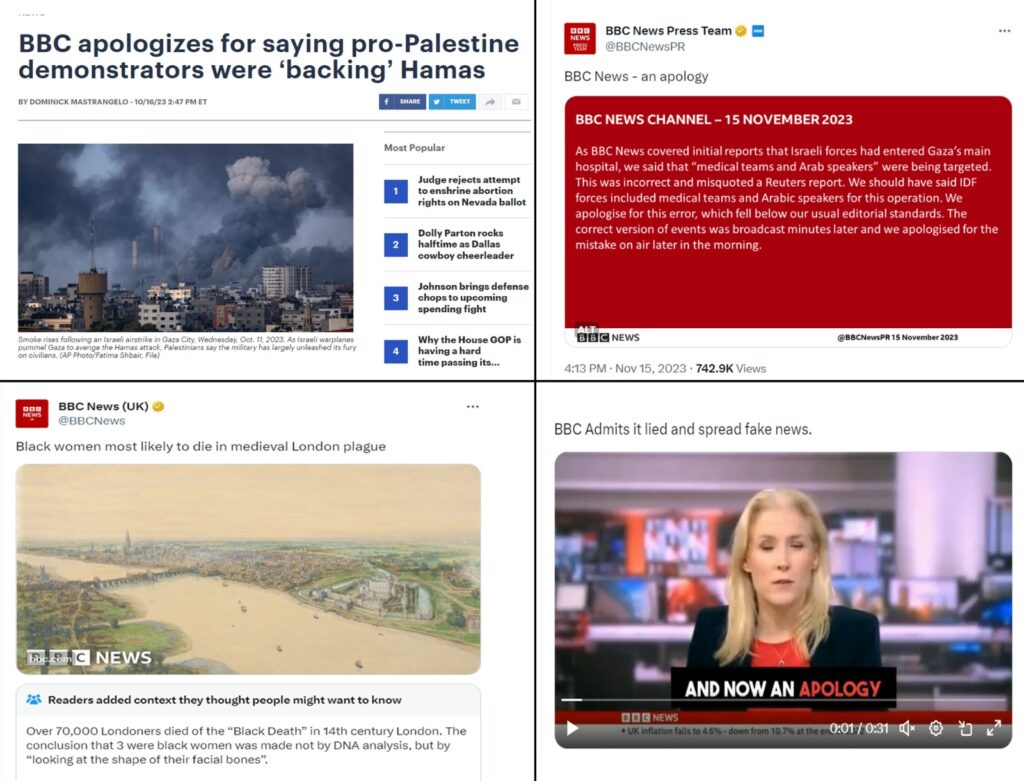
 BBC’s take on the Khalistan issue has been skewed for years. For years, BBC has been on a spree of whitewashing the terrorism aspect of the Khalistani issue. Terms like ‘Sikh activists’ or ‘separatists’ for Khalistanis including Gurpatwant Singh Pannun & Hardeep Singh Nijjar.