Home Blog Page 666

DMK Minister Ponmudi Attacked With Mud By People In Villupuram, BJP TN Chief Annamalai Calls It A “Gentle Reminder About What Is On The Offing”

DMK Minister Ponmudi Attacked With Mud By People In Villupuram, BJP TN Chief Annamalai Calls It A "Gentle Reminder About What Is On The Offing"

A group of individuals attacked DMK Minister Ponmudi with mud during his visit to Villupuram on Wednesday, 3 December 2024, to distribute relief materials and assess the flood situation caused by Cyclone Fengal. They threw mud at him, staining his white shirt. The incident quickly went viral on social media, with initial reports suggesting that locals expressed anger at the Minister’s presence.

The mud-throwing took place after Ponmudi arrived in Villupuram as part of the state government’s relief efforts following Cyclone Fengal, which struck the region on 30 November 2024. The cyclone caused widespread damage in Villupuram, breaking over 10 lakes, washing away culverts and roads, and submerging thousands of houses. Agricultural lands were also severely impacted, displacing many people.

Following the cyclone’s destruction, Chief Minister Stalin and Deputy Chief Minister Udhayanidhi Stalin visited flood-affected areas like Marakkanam to provide relief. Ponmudi, along with other officials, visited Iruvelpattu on the Villupuram-Trichy National Highway, where floodwaters severely damaged roads. It was during this visit that his car was blocked by angry residents who were frustrated with the delayed response.

The protesters, who had staged a road blockade, voiced their displeasure with the government’s relief efforts and questioned why officials had not arrived sooner. Police intervened, urging them to clear the blockade. Ponmudi and other officials briefly inspected the affected areas before leaving under pressure.

However, police sources alleged that the assailant was not a local resident but Rama alias Ramakrishnan, a 24-year-old BJP sympathizer. Rama’s father, Ramachandran, is reportedly connected to the BJP, and his sister, Siddhi Vijayarani, is associated with the party. Authorities are investigating whether the incident was politically motivated.

The incident sparked political reactions, with opposition parties criticizing the DMK government’s handling of the crisis. BJP leader Annamalai condemned the government’s negligence, and wrote on his official X handle, “This is the current state of affairs in Tamil Nadu. The CM and the Deputy Chief Minister were busy taking photos in the streets of Chennai while the city received very little rain and did not bother to keep track of the happenings beyond Chennai. The DIPR behaves like the media arm of the DMK and is busy promoting the Gopalapuram scion to divert people from the harsh realities of the flood, a clear sign of the government’s neglect. Today, the public’s frustration reached a boiling point as a Corrupt DMK Minister, Thiru Ponmudi, visited a flood-affected area and was met with a barrage of mud. 

He further criticized the DMK for failing to address the public’s growing frustration, evident in the mud-throwing incident, and warned, “This is a gentle reminder for DMK about what is on the offing.”

As the investigation into the mud-throwing continues, the ongoing flood relief efforts in Tamil Nadu remain a critical focus.

(With inputs from ABP Nadu)

Subscribe to our channels on TelegramWhatsApp, and Instagram and get the best stories of the day delivered to you personally.

“Sanghi Means Friend, Dravidian Means Thief”, Says NTK Co-ordinator Seeman

"Sanghi Means Friend, Dravidian Means Thief", Says NTK Co-ordinator Seeman

Seeman, the coordinator of the Naam Tamil Party, addressed reporters at Chennai airport with a series of pointed remarks on various political and social issues, including passionately defending the term “Sanghi” as a historical symbol of friendship, while slamming the DMK for its cozy ties with the central government.

Discussing the recent tragedy in Thiruvannamalai district, where seven people lost their lives, Seeman highlighted the severity of the incident and the delayed response of the TN government. He emphasized the changing climate patterns, stating, “No one understands global warming here. Monsoons are disappearing, replaced by unpredictable, heavy, and stormy rains. If we aren’t prepared to face these challenges, we’ll continue to lament.”

Responding to questions about action against H. Raja, Seeman criticized the government’s approach, asking, “What action has been taken against those who spread defamatory words on websites? Or is the government not aware of them?”

Responding to a question about Adani’s visit, he provocatively stated that when Adani comes to Tamil Nadu, people should be challenged about who he’s meeting. “When you ask him who he came to see, you should answer. Instead, you answer about ‘big leaders, opposition leaders’ – he is not a person. There is no need to answer to all of them. He has no job.”

Seeman was particularly passionate about the term ‘Sanghi’. “If anyone calls me Sanghi personally, I’ll remove my shoes and beat them,” he declared. He argued that historically, Sanghi means friend, and challenged the DMK’s interactions with central government leaders, asking, “You bring central government ministers to release currency, you go from Chennai to Delhi to meet and talk to central government leaders, so aren’t all those belonging to DMK Sanghi?”

He further elaborated on his controversial terminology, stating, “Sanghi means friend. Dravidian means thief. You’re labelling Tamil people and the Tamil race as Dravidians.” He mentioned supporting Rajinikanth’s daughter’s sentiment about the term Sanghi.

Seeman also raised suspicions about the Income Tax Department’s investigations, questioning why only the Tamil Nadu Chief Minister was being targeted. He criticized the government’s compensation policies for different types of deaths, sarcastically remarking, “What kind of government is this that gives ₹2 lakh to those who die while on government duty, ₹5 lakh to those who were stabbed to death, ₹10 lakh to those who died after consuming illicit liquor? Will they do it only if we demand it? The only dignified death in this country is to die after consuming illicit liquor.”

Reflecting on political inclusivity, he critiqued both current and past governments. He recalled being invited to an all-party meeting during AIADMK’s rule and challenged the secular credentials of the government, questioning the reservation policies for Muslims and Christians.

(With inputs from News18)

Subscribe to our channels on TelegramWhatsApp, and Instagram and get the best stories of the day delivered to you personally.

“Brahmins Have More Autistic Kids, Community Should Be Banned”: Dravidianist Kovai Ramakrishnan’s Hate Speech On Brahmins

Dravidianist Kovai Ramakrishnan's Hate Speech On Brahmins.

In yet another hate speech against the Tamil Brahmins in Dravidian Tamil Nadu, Kovai Ramakrishnan, General Secretary of Thanthai Periyar Dravida Kazhagam, made casteist remarks at a recent event. He targeted women who supported actress Kasthuri Shankar’s plea for bail, citing her special needs child with autism. He even called on the Tamil Nadu government to ban the community, blaming their vegetarian diet for the birth of such children. This alarming rhetoric was both hateful and unfounded.

Thanthai Periyar Dravida Kazhagam organized a meeting on 26 November 2024, to commemorate the Constitution Incineration Movement led by EV Ramasamy Naicker (known as Periyar). During this event, Kovai Ramakrishnan, General Secretary of the organization, made derogatory comments targeting the Brahmins. From the outset of his speech, it was clear that Ramakrishnan could not tolerate the sudden unity of Brahmins, who, after years of being attacked, had come together under the Indu Makkal Katchi to make demands for their rights.

Actress Kasthuri, who spoke at the meeting, took the opportunity to criticize both the Dravidian ideology and DMK government, also made controversial remarks about the Telugu community. In response, the DMK government pursued her aggressively, almost as if she were a fugitive. Many people rallied in her support, including Kamatchi Swaminathan, the All-India Vice President of Saksham—a prominent organization dedicated to the differently-abled and the wife of Hon’ble Justice GR Swaminathan of the Madurai Bench of the Madras High Court—who made an emotional appeal for Kasthuri’s release on bail.

Unable to tolerate the support for Kasthuri, Kovai Ramakrishnan, peddled narrative stating, “In this very Chennai, last month, we saw a “Paapathi” (a derogatory term for Brahmin women) shouting slogans. As she shouted, it caused a stir, and the Brahmin association raised their voices that ‘We have been affected’. Then, this Paapathi spoke, making disparaging remarks about all non-Brahmins, which led to her arrest by the police. The police had arrested the paapathi, what’s her name? Kasthuri, they have taken into custody.  Now, have you noticed where the anger is coming from? Who is speaking out on her behalf? It’s the wife of a justice. Yes, the wife of a judge is voicing support for this Paapathi. What did she say? She argued that (Kasthuri) should be granted bail because she has a child with autism.”

Then, peddling an unfounded narrative on medical terms, Kovai Ramakrishnan echoed the hateful rhetoric of Hitler’s views on Jews, calling for a government ban on Brahmins. He said, “If we research about autism, it is a significant issue. If you look at where children with autism are more prevalent, it’s in the ‘Paapan’ (a derogatory term for Brahmin men) families. Autism is more common in Agraharams. It’s truly a pitiful life for those children. We are not mocking or making fun of it, but why is this community producing such children? The government should seriously investigate this and ban the ‘Paapan’ families. Why? Because they are producing children with stillbirths/premature births.”

Ramakrishnan then went on to offer his reasoning for the prevalence of autism, which was nothing short of a mockery to the scientific community. He claimed that autism in children was caused by dietary practices such as vegetarianism and further suggested that other communities had fewer cases because they consumed meat, particularly beef. This baseless and absurd statement came from Ramakrishnan, the General Secretary of Thanthai Periyar Dravida Kazhagam, who prided himself on being a so-called rationalist.

Subscribe to our channels on Telegram, WhatsApp, and Instagram and get the best stories of the day delivered to you personally.

US-Funded OCCRP – A Front For Govt Propaganda Masquerading As Journalism? Mediapart Expose Reveals Shocking Truths

US-Funded OCCRP - A Front For Govt Propaganda Masquerading As Journalism? Mediapart Expose Reveals Shocking Truths

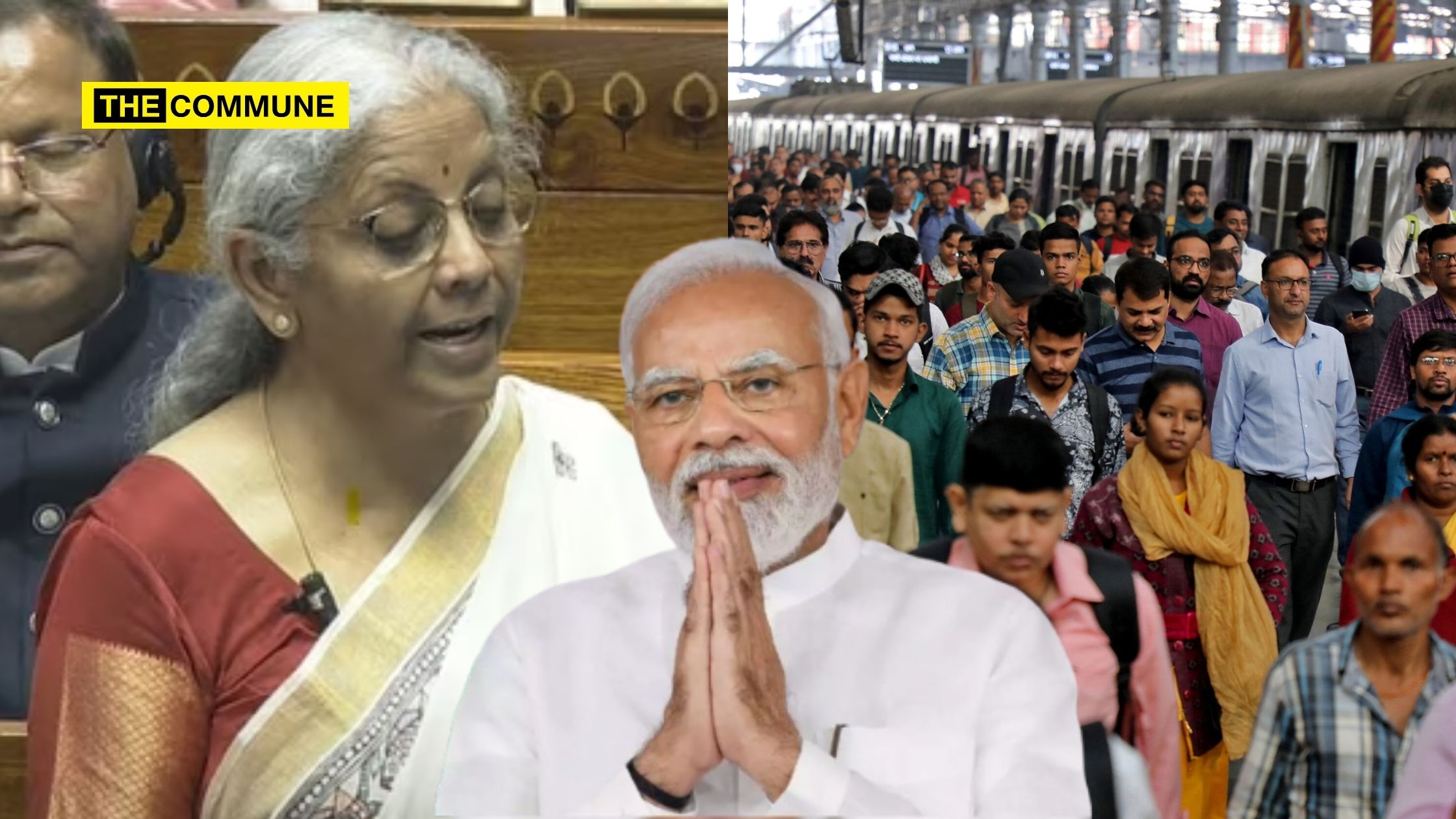
A damning investigation by French media outlet Mediapart has revealed that the Organized Crime and Corruption Reporting Project (OCCRP) is far from the independent journalistic entity it claims to be. Instead, it is heavily funded and influenced by the US government, with nearly half of its budget sourced from agencies like the US Department of State and USAID. Since its founding in 2007, OCCRP has received approximately $47 million from US government sources, which exert substantial control over its operations, including veto power over key personnel appointments.

A Propaganda Machine Under The Guise Of Journalism

Mike Henning, a senior USAID adviser, has openly described OCCRP asone of the best achievementsof the agency, further affirming its alignment with US geopolitical objectives. OCCRP’s reporting patterns reinforce this view, focusing almost exclusively on nations adversarial to US interests, such as Russia, Venezuela, and Malta, while carefully avoiding criticism of the US itself. For example, OCCRP received a $173,324 grant to investigate corruption in Venezuela, a known adversary of Washington. This selective targeting raises serious questions about the organization’s impartiality.

Role In India

In India, OCCRP has faced backlash for its contentious reports, including those accusing the government of misusing Pegasus spyware to surveil journalists and for its repeated hit pieces against the Adani Group in 2023 and 2024. Critics, including the Adani Group and Mauritius-based fund 360 One, dismissed these reports as baseless and aimed at destabilizing markets. The Supreme Court of India also ruled that such third-party reports lacked credibility and could not influence ongoing investigations.

Rahul Gandhi, a key leader of the Congress party, has been accused of amplifying OCCRP’s narratives for political gain. Gandhi frequently used OCCRP reports to disrupt parliamentary sessions and influence public discourse. His ties to individuals like Shalil Shetty, a former vice president at a Soros-funded NGO, further deepen his connection to OCCRP’s network. Critics argue that Gandhi’s actions align with broader foreign-driven agendas to undermine India’s sovereignty.

Links To Controversial Donors

Apart from its government funding, OCCRP is supported by politically charged donors, including George Soros Open Society Foundations, the Rockefeller Brothers Foundation, and the Ford Foundation. These affiliations, combined with OCCRP’s track record, paint a picture of an organization more aligned with its benefactors’ interests than with unbiased journalism.

USAID’s History Of Interference

The revelations about OCCRP must be viewed in the broader context of USAID’s controversial history of political interference. The agency has been implicated in supporting opposition movements and orchestrating regime changes in countries like Nicaragua and Venezuela, blurring the line between humanitarian aid and political manipulation. OCCRP’s investigative priorities closely mirror US foreign policy objectives, further raising concerns about its role as a tool for the so-calledDeep State.”

Role In Trump Impeachment

The OCCRP played a notable role in the first impeachment of then-President Donald Trump through its investigative reporting on Rudy Giuliani’s business dealings in Ukraine. These reports were referenced four times in the whistleblower complaint that triggered Trump’s impeachment proceedings.

OCCRP, which collaborates with over 50 major media outlets, including The New York Times and The Washington Post, received scrutiny for being predominantly funded by U.S. government entities, such as the State Department and USAID. Between 2013 and 2024, 52% of OCCRP’s expenditures were taxpayer-funded, totaling at least $47 million since its inception in 2008.

OCCRP co-founder Drew Sullivan has maintained that an editorial firewall exists between OCCRP and its funders. However, an investigation by Drop Site News revealed conditions tied to this funding, including the U.S. government’s ability to veto senior editorial appointments. When confronted with evidence questioning OCCRP’s credibility, Sullivan resorted to dismissing critics as foreign agents, such as labeling a journalist aRussian asset.This response has further raised questions on OCCRP’s credibility and highlighted its defensive approach to criticism.

Critics, including Lowell Bergman, who resigned from OCCRP’s board over concerns about U.S. government involvement, argue that such funding compromises journalistic independence.

Amplifying Propaganda in India

In addition to Rahul Gandhi, alleged journalists like Ravi Nair and certain opposition members have been seen sharing content from OCCRP, frequently amplifying its narratives against Indian institutions and corporate entities.


Critics argue this demonstrates a coordinated effort to leverage foreign-funded propaganda for domestic political gains.

Mediapart’s investigation exposes OCCRP as a propaganda tool disguised as independent journalism. Its dependence on US government funding, selective reporting, controversial donor affiliations, and inability to defend its credibility point to a broader agenda of advancing Western geopolitical interests.

(With inputs from OpIndia)

Aritapatti Tungsten Mine: Opposition Leaders Slam DMK’s Hypocrisy

Aritapatti Tungsten Mine: Opposition Leaders Slam DMK’s Hypocrisy

Opposition leaders in Tamil Nadu slammed Chief Minister MK Stalin over his letter to PM Modi opposing the Nayakkarpatti tungsten mining project, accusing the DMK of hypocrisy for supporting the project initially but now shifting blame to the Centre after public backlash.

On 29 November 2024, Chief Minister MK Stalin sent a letter to Prime Minister Narendra Modi, calling for the revocation of mining rights granted to Hindustan Zinc Limited for the Nayakkarpatti Tungsten block. The move was widely seen as a political manoeuvre to shift blame onto the central government. In response, opposition parties in Tamil Nadu united to criticize the DMK’s hypocrisy, pointing out the party’s initial support for the tungsten mining project. They emphasized that the central government had granted permission based on the DMK’s own interest in the matter, condemning the party’s inconsistent stance.

K Annamalai – BJP

Tamil Nadu BJP Chief K Annamalai, via his X official account, slammed the DMK government’s hypocrisy, stating, “On 18 October 2023, according to a report published in The New Indian Express, a senior official of the Tamil Nadu Mineral Resources Department said that tungsten metal has been discovered in Madurai and that the Tamil Nadu government has sought permission from the Central Government to set up a mine for it.

According to a statement released by the Central Government’s Department of Mines yesterday, the specifications given by the Tamil Nadu government before announcing the contract for setting up a mine in the area where tungsten was discovered in Madurai in February 2024 were implemented and that the Tamil Nadu government did not contact the Central Government regarding this contract or to object to setting up a mine for ten months from the date of the contract announcement to 7 November 2024, when the contract was awarded,” he explained.

It was the DMK government that requested the Central Government to set up a tungsten mine in Madurai. It was the DMK government that gave the specifications for announcing the mining contract. The DMK government, which had been hiding this from the public for the last ten months, is now acting as if they do not know anything about it and is now protesting it,” he blamed.

In the same Madurai Arittapati area, the Tamil Nadu government’s TAMIN company has obtained a lease for 30 years from 2008 to construct a granite mine on 47.37 hectares of land, and now TAMIN company has returned its lease license, and the DMK government has informed the central government that out of a total land area of ​​20.16 square kilometers in the Arittapati and Meenakshipuram villages of Madurai, 1.93 square kilometers has been declared as a biodiversity heritage site. Chief Minister Stalin is now trying to re-enact the same drama he staged about ten years ago, claiming that he had unknowingly signed a contract to extract methane from the Delta region. The DMK’s drama will no longer be tolerated by the public,” he finally said.

Anbumani Ramadoss – PMK

PMK Chief Anbumani Ramadoss criticized the Tamil Nadu government, questioning, “Why is the Tamil Nadu government playing a double game regarding the Aritapatti tungsten mine issue? People will not be fooled by the drama of pinching the child while rocking the cradle!”

He accused the state government of hypocrisy, pointing out that, “The Central Government has exposed the double game of the Tamil Nadu government in the issue of granting permission to set up a tungsten mine in areas covering an area of 2015 acres, including Aritapatti in Melur taluk of Madurai district. The people of Tamil Nadu will not believe the drama of the Dravidian model government, which is giving all its support to the construction of a tungsten mine on one hand and opposing it on the other, by pinching the child and rocking the cradle.”

The Central Mines Department has released some details about the project, after Tamil Nadu Chief Minister M.K. Stalin wrote to the Prime Minister, stating that the construction of a tungsten mine in the Aritapatti area can never be allowed and that the project should be canceled. The Central Government has said, “Some inputs were received from the Tamil Nadu government before the auction of the Aritapatti tungsten mine. The Tamil Nadu government’s TAMIN company has handed over the lease for the granite mine covering an area of 47.37 hectares in the area to facilitate the auction of the tungsten mine. From the start of the auction process last February until the announcement of the results on 07.11.2024, there was no objection to the tungsten mine. There was no request from the Tamil Nadu government to cancel the auction of the tungsten mine,” he said.

The Central Government has already informed the Tamil Nadu government about the details of the tungsten mine being put up for auction. The Tamil Nadu government did not raise any objection at that time. Furthermore, the Tamil Nadu government had sought the Central Government’s permission last year to set up a tungsten mine in collaboration with private companies. Thus, the Dravidian Model Government, which supported the setting up of a tungsten mine in Aritapatti in every way, is now acting as if it is opposing it after facing strong opposition from the people,” he added.

Whenever DMK comes to power, it will prioritize its own interests over the interests of the people. There are many examples of the betrayals committed by the Dravidian model government, such as allowing methane gas exploration in Cauvery irrigation districts and approving the expansion of the Sterlite plant in Thoothukudi. The DMK government is now committing the same betrayal in the Aritapatti tungsten mine issue. The Central Government should respect the sentiments of the people of Aritapatti and abandon the plan to set up a tungsten mine there. @PMOIndia @CMOTamilnadu,” he finally said.

Edappadi K Palaniswami – AIADMK

Previously, on 29 November 2024, speaking to reporters in Salem, AIADMK General Secretary Edappadi K Palaniswami claimed, “Now, after facing opposition from the public, the DMK is objecting to the project. Chief Minister MK Stalin is simply playing a political game by sending a letter to the Union Government opposing it.”

He also shared on his official X account, stating, “Newspaper and website reports indicate that the Vidya DMK government had sought permission to set up a tungsten mine in Madurai district in October 2023. Why did the “pen warrior” @mkstalin, who wrote a letter requesting cancellation of the permission, hide the fact that it was his government that had sought permission? The DMK, which has brought the NEET exam and is pretending to oppose it, using the same formula to deceive the people of Melur. The DMK government has made a hidden effort behind the screens to exploit the people by constructing tunnels and taking away their livelihoods. The people will teach them a suitable lesson in due time for this letter-play and drama-based deception that is currently being carried out.”

What Actually Happened?

According to the old report, the DMK government had sought approval from the Centre to move forward with the tungsten mining project, only to face significant local opposition. In response, CM Stalin appears to be playing politics with the issue, rather than pushing ahead with the mining plans.

After identifying significant deposits in the region, the state’s Department of Natural Resources requested permission from the Union Government to mine two key minerals, tungsten and molybdenum. These minerals are crucial for various industrial applications. A senior government official acknowledged the local community’s concerns and assured that the State had sought the Central Government’s approval in light of these socio-economic issues.

The DMK-led Tamil Nadu Government is considering joint ventures to develop these mineral resources. Molybdenum is seen as vital for establishing Tamil Nadu as a hub for hydrogen production, while tungsten has potential uses in energy storage. According to official sources, India’s total molybdenum ore reserves stand at approximately 19.29 million tonnes, with Tamil Nadu holding the largest share—around 9.97 million tonnes. This mineral is highly prized for its use in missile and aircraft components, as well as in the nuclear industry.

Molybdenum is also an essential alloying agent in steel, cast iron, and superalloys, improving strength, corrosion resistance, and wear durability. It is increasingly in demand for use in the automotive industry to produce lighter, more fuel-efficient vehicles. Additionally, the metal is being explored as a potential raw material in the production of hydrogen electrolysers.

Tungsten, a rare and valuable mineral, is found in Madurai district. The Union Government has recognized its strategic importance due to its uses in high-capacity energy storage, particularly in lithium-tungsten oxide batteries. These batteries offer greater stability and energy storage potential, positioning tungsten as a critical resource for future technological advancements.

Subscribe to our channels on Telegram, WhatsApp, and Instagram and get the best stories of the day delivered to you personally.

Madras High Court Rejects TFAPA Petition To Ban Film Reviews During Initial Release Days

Madras High Court Rejects TFAPA Petition To Ban Film Reviews During Initial Release Days

The Madras High Court has turned down a petition filed by the Tamil Film Active Producers Association (TFAPA), which sought to prohibit movie reviews for the first three days following a film’s release. The association argued that negative reviews shortly after release often harm a film’s commercial performance.

The petition was reportedly inspired by recent criticism faced by the Tamil film Kanguva, starring actor Suriya, which premiered on 14 November 2024. According to TFAPA, the negative reviews allegedly impacted the movie’s box office revenue. The move to file a petition follows escalating concerns within the Tamil film industry regarding the impact of immediate and harsh online reviews on box office performance. According to the Tamil Nadu Producers Council (TNPC), films like Indian 2, Vettaiyan, and Suriya’s Kanguva have suffered significant losses due to negative reviews and personal attacks shared on YouTube and other platforms shortly after release. Kanguva, in particular, failed to make an impact at the box office, which industry insiders attribute partly to unfavorable online reviews.

However, the court ruled against the TFAPA petition for ban, emphasizing that criticism, including film reviews, falls under the constitutional right to freedom of expression. The bench added that individuals or organizations have the option to approach law enforcement if they believe defamatory content is being disseminated.

The TFAPA and TNPC claimed that such reviews often include personal malice and incitement of hatred disguised as criticism, severely affecting the reputation of actors, directors, and producers. The TNPC also issued a four-page statement condemning this practice and requesting theatre owners to ban YouTube channels from recording public opinions and reviews inside theatre premises. In response, some theatres have already restricted access to YouTubers during screenings.

The TNPC emphasized that critics have the right to express their opinions but called for responsible reviewing that avoids personal attacks or sowing hatred against films. The association urged all stakeholders in the film industry to take unified action to discourage such practices.

The Tamil film industry has been grappling with back-to-back underperforming big-budget films, including those featuring major stars like Rajinikanth, Amitabh Bachchan, Kamal Haasan, and Suriya. Producers claim that immediate online reviews, particularly first-day-first-show (FDFS) reactions, discourage audiences from watching movies, leading to financial losses.

(With inputs from DTNext)

Subscribe to our channels on TelegramWhatsApp, and Instagram and get the best stories of the day delivered to you personally.

Rare Ancient Inscriptions Uncovered Near Tiruchendur Murugan Temple As Sea Recedes

Rare Ancient Inscriptions Uncovered Near Tiruchendur Murugan Temple As Sea Recedes

Rare ancient inscriptions have been uncovered near the Tiruchendur Murugan Temple, as seawater along the beach receded by over 100 feet, sparking the interest of archaeology enthusiasts. This phenomenon, which typically occurs during full moon days, sees the water return to normal levels by the end of the day.

Since, 27 November, as Cyclone Fengal intensified over the southwest Bay of Bengal, the seawater along Tiruchendur beach receded, revealing large inscriptions alongside algae-covered rocks. Devotees quickly moved the inscription to a rock for better visibility.

Upon hearing about the discovery, Sudhakar, Head of the Department of Archaeology at Manonmaniam Sundaranar University, Tirunelveli and Professor Mathivanan visited the site for an inspection. Sudhakar explained that after applying flour to the inscription to enhance the readability of the letters, they discovered the inscription mentioned “Mata Theertham.” Written in colloquial language, it indicated that participation in this Theertham would bring all auspicious blessings. The inscription consisted of 15 lines.

Sudhakar suggested that these inscriptions likely date back 50 to 100 years. They also examined another inscription near the Ayya Vaikundar temple, where no visible writing was found at first. However, with public assistance, they were able to reveal 17 lines starting with the words “Pitha Theertham.” Sudhakar noted that further examination of other Theertham wells, particularly in the southern region near Nazhikinaru, could provide valuable insights into additional sacred water sources, which are important for devotees.

Subscribe to our channels on Telegram, WhatsApp, and Instagram and get the best stories of the day delivered to you personally.
Gandhigram Rural Institute Faculty Targeted By DMK & Dravidianist Media For Implementing NEP, Advocating Multilingualism, And Criticizing TASMAC After He Exposed Institutional Irregularities

Gandhigram Rural Institute Faculty Targeted By DMK & Dravidianist Media For Implementing NEP, Advocating Multilingualism, And Criticizing TASMAC After He Exposed Institutional Irregularities

Dr. Renganathan, a Health Officer in the Department of Rural Health and Sanitation at Gandhigram Rural Institute (GRI), Dindigul, has become the target of intense political and media attacks. These attacks, reportedly orchestrated by local DMK politicians and Dravidianist media, come in response to his efforts to expose institutional irregularities and push for reforms under the National Education Policy (NEP) 2020.

The Alleged Irregularities Flagged By Dr. Renganathan

Dr. Renganathan raised concerns about financial mismanagement in executing a sanitation contract at Gandhigram Rural Institute. According to his observations, Mr. Joseph Christopher, a temporary Health Inspector in the Department of Rural Health and Sanitation, was responsible for supervising contract sanitation workers, procuring materials, calculating overtime, and managing recruitment. However, Dr Renganathan alleged that lapses in oversight led to resource wastage and misappropriation of funds, with kickbacks allegedly funnelled to ruling party politicians.

He had also demanded the introduction of biometric attendance systems to promote transparency, the establishment of a permanent surveillance system to monitor the execution of contracts, the appointment of independent auditors to review sanitation and other critical services at the college and the conducting of an impartial investigation into the alleged irregularities. 

Escalation And Political Targeting

The situation intensified after Dr Renganathan reported these concerns to higher authorities. In retaliation, Mr Joseph Christopher allegedly orchestrated a gherao on 12 November 2024 at the department premises. Shortly after, on November 18, Christopher reportedly organized a larger demonstration on campus involving students from the Sanitary Inspector program and external political groups, including DMK and Viduthalai Chiruthaigal Katchi (VCK).

This effort coincided with a media campaign accusing Dr Renganathan of promoting the NEP, Sanskrit, yoga, multilingualism, and “Hindu nationalist” ideologies in a bid to deflect from the original issue of alleged irregularities in the Gandhigram Rural Institute.

The Role Of Dravidianist Media

Prominent Dravidianist media outlets such as Sun News, Kalaignar News, and Nakkheeran launched a smear campaign against Dr. Renganathan. Their reports alleged he was promoting casteism, discriminatory practices, and the NEP—charges he vehemently denies.

For instance, he had tasked students with analyzing socio-political issues like alcohol prohibition, caste politics, the two-language policy, and the role of TASMAC in Tamil Nadu’s alcohol economy. His criticism of TASMAC’s ₹50,000 crore revenue target and his use of speeches by public figures, including Tamil Nadu Governor RN Ravi, became a plank for them to politically target him.

In a particularly egregious example, Nakkheeran accused Dr. Renganathan of making inappropriate remarks during classes on human reproductive biology—allegations he categorically refuted as baseless. According to Dr. Renganathan, these accusations stemmed from a deliberate misrepresentation of his academic discussions on  family planning and human reproductive biology, to malign his reputation.

Political Intrusions And Threats

In what seems like an attempt to put pressure on the institution and the faculty, local DMK politicians, staged protests and demanded Dr. Renganathan’s suspension. On one occasion, a DMK delegation, accompanied by party-affiliated student wing members, visited the campus to pressure administrators. The DMK delegation was granted access to the campus, where they met with senior administration officials, including the Registrar. They complained that he was speaking in favour of Sanatana Dharma (Hindu thoughts) and acting favourable to BJP-RSS while dissing Dravidian Model among students.

Adding to the pressure, the delegation held a press conference on campus, presenting a one-sided narrative accusing him of discriminatory behavior. This external interference deepened the institutional crisis, with the administration caught between political pressure and mounting media scrutiny.

Dr. Renganathan reported threats to his life, allegedly from individuals linked to the political network behind the smear campaign. He has since filed multiple complaints with GRI authorities, requesting increased security and a thorough investigation.

While several faculty members rallied behind Dr. Renganathan, advocating for transparency and academic freedom, others expressed fear of political retaliation. The intimidation tactics, including labeling him a “Sanghi” (a term used in Tamil Nadu to derogatorily imply BJP alignment), underscored the political undertones of the campaign against him.

Dr. Renganathan does command respect and shares a good rapport among his students. A Muslim girl student had shared how Dr. Renganathan’s classes and life lessons on home budgeting, time management, Tamil literature, election manifesto analysis, had broadened her understanding. In fact, she had shared that Dr. Renganathan encouraged Tamil medium students to express their thoughts and write in Tamil.

Growing Political Pressure

As noted above, the DMK had already mobilized and turned up at the institute to put political pressure to take action against Dr. Renganathan. Interestingly, even the Viduthalai Chiruthaigal Katchi (VCK) seemed to express disdain over Dr Renganathan’s actions. The Dindigul district party authorities published a poster where they called him a “Sanghi”.

Renganathan’s Alleged Crime

Dr Renganathan has rigorously implemented the National Education Policy (NEP) 2020 core principles at GRI.  He encouraged students to critically analyze sensitive societal issues, including caste dynamics, alcohol policies, and multilingualism. These intellectual explorations, designed to foster analytical thinking, were mischaracterized as political propaganda aligned with BJP ideology.

By framing his actions as politically motivated, his detractors aimed to stifle academic freedom, suppress critical thinking, and control institutional narratives. The coordinated efforts to discredit him reflect a broader trend of suppressing academic dissenting voices.

Subscribe to our channels on TelegramWhatsApp, and Instagram and get the best stories of the day delivered to you personally.

Newsweek Falls For Parody Tweet, Misquotes Fake “Father” Of Kash Patel

Newsweek Falls For Parody Tweet, Misquotes Fake “Father” Of Kash Patel

In an embarrassing turn of events, Newsweek has published an article citing a parody account as a credible source. The article quoted a satirical tweet from the well-known parody account Parik Patel, mistakenly identifying the account holder as the father of Kash Patel, a former Trump official and rumored FBI Director nominee.

The satirical tweet in question claimed that President Joe Biden’s pardon of Hunter Biden was motivated by fear of Kash Patel becoming FBI Director. Newsweek ran with the claim, headlining the fabricated statement as coming from “Dr. Parik Patel, father of FBI Director nominee Kash Patel.” The parody tweet humorously declared, “Biden made the decision to pardon Hunter because he was so worried about MY SON Kashu becoming director of the FBI that he decided to pardon his son… of all crimes.”

Their article text read, “A surprising voice to weigh in on the pardon is Dr Parik Patel, father of FBI director nominee Kash Patel. The elder Patel wrote on X that Biden made the decision to pardon Hunter because he was “so worried about MY SON Kashu becoming director of the FBI that he decided to pardon his son… of all crimes.”

This misstep by Newsweek is the latest in a string of credibility blunders. The outlet previously faced backlash for publishing an article labeling Tulsi Gabbard a “Hindu nationalist” for taking her oath of office on the Bhagavad Gita—an article that was widely criticized as both inaccurate and inflammatory.

The parody account, Parik Patel, is a fixture on social media for its humorous takes on finance and politics, often exaggerating for comedic effect. It has no connection to Kash Patel. This should have been evident to Newsweek with even a cursory verification of the source, yet the outlet ran the claim uncritically. Social media users were quick to highlight the absurdity of the mistake.

Quoting parody accounts as credible sources is a glaring oversight, especially in an era where misinformation is rampant. For a respected news outlet, this lapse undermines its credibility and invites widespread ridicule.

Perhaps it’s time for Newsweek to reconsider its editorial processes—before it quotes another parody account as gospel truth.

Subscribe to our TelegramWhatsApp, and Instagram channels and get the best stories of the day delivered to you personally.
Isha Foundation Moves Delhi High Court With ₹3 Crore Defamation Suit Against Nakkheeran

How Nakkheeran Gopal Is Peddling Fake News Against Isha Foundation

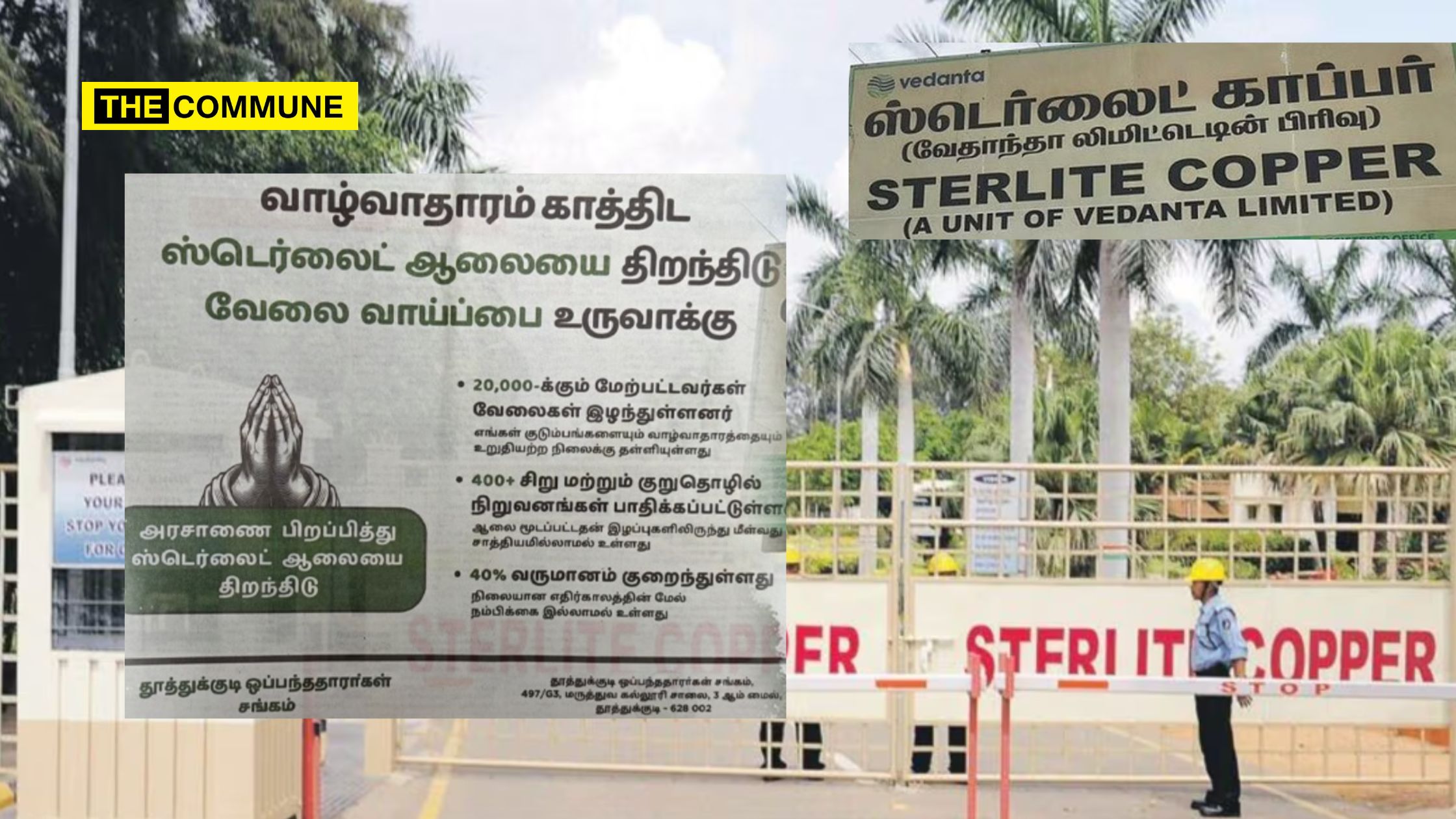
On 2 December 2024, the Isha Foundation filed a defamation lawsuit in the Delhi High Court against Tamil media outlet Nakkheeran and its editor, Gopal. The foundation is seeking the removal of allegedly defamatory videos and reports and has claimed damages amounting to ₹3 crore.

The lawsuit also names Google LLC as a defendant, citing that the content appears on Google search results and YouTube, a company-owned platform. According to the Isha Foundation, the videos published by Nakkheeran contain accusations of misconduct, including exploitation, coercion, and illegal activities.

The contested reports also allege that individuals at the foundation were being held against their will or forced into specific actions. The foundation has denied these allegations, pointing out that the claims persist despite a recent Supreme Court ruling dismissing a related habeas corpus petition.

In October 2023, the Supreme Court rejected a petition filed by a father alleging that his two daughters had been brainwashed and detained at the Isha Yoga Center. The court, after directly speaking to the women, ruled that they were adults who had willingly chosen to reside at the center. Chief Justice of India DY Chandrachud stated, “Both of them said they are living there of their own free will,” closing the habeas corpus case while clarifying that the decision would not hinder any legitimate police investigations.

Isha Foundation argues that, despite the Supreme Court’s ruling, Nakkheeran continued to publish critical reports, which the foundation claims are defamatory and intended to harm its reputation. The organisation maintains that the allegations are baseless and malicious.
The Delhi High Court, presided over by Justice Subramonium Prasad, has issued notices to Nakkheeran, its editor, and Google, setting the next hearing for April 2025. At this stage, Isha Foundation has opted not to request an interim injunction against the content.

(With inputs from Swarajya)

Subscribe to our TelegramWhatsApp, and Instagram channels and get the best stories of the day delivered to you personally.