Home Blog Page 593

How ‘Lie Bhim’ Director Gnanavel Opposed Rajini’s Tweet Against Karuppar Koottam’s Abuse Of Hindu God Murugan
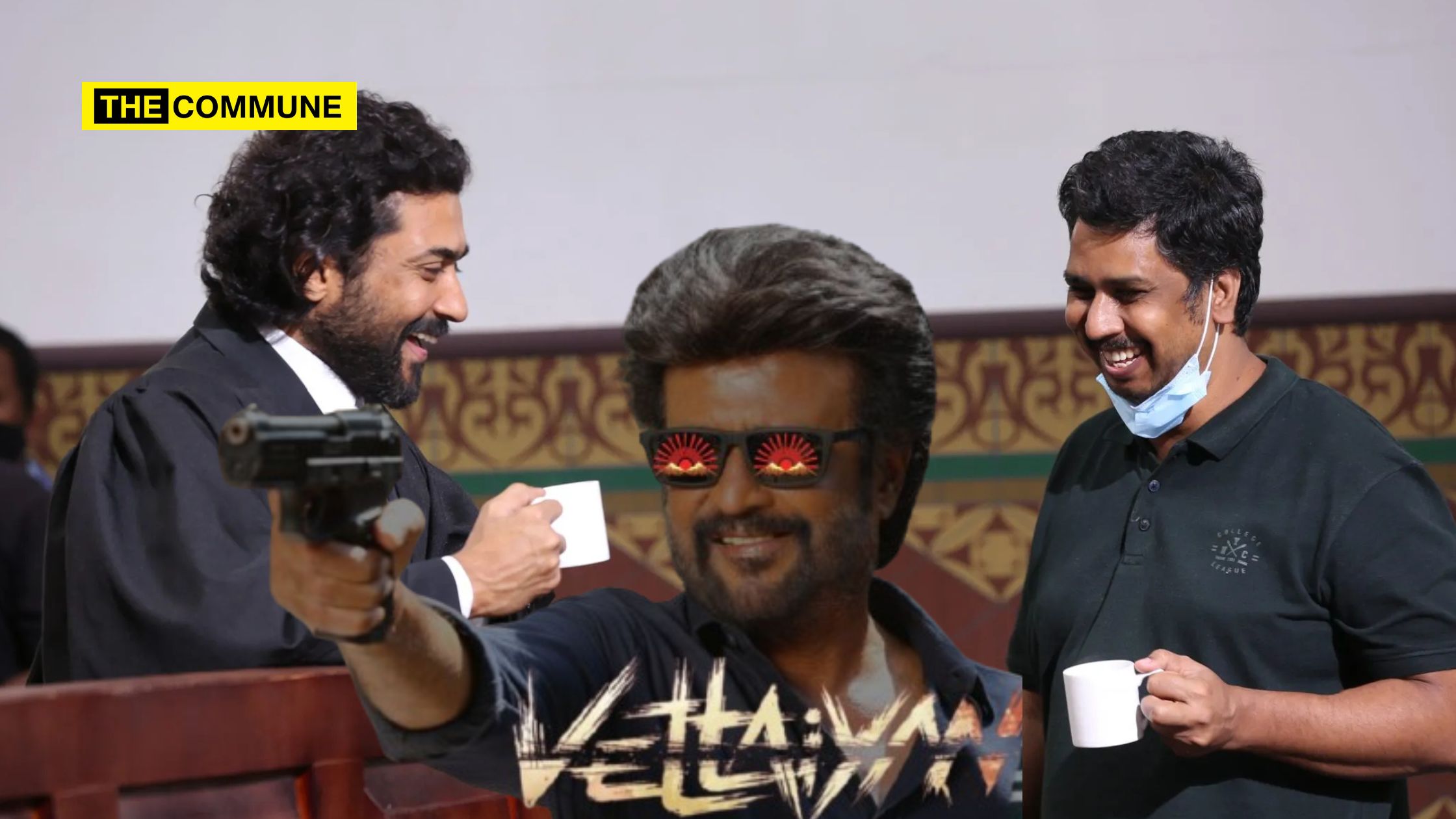
How 'Lie Bhim' Director Gnanavel Opposed Rajini's Tweet Against Karuppar Koottam's Abuse Of Hindu God Murugan

The recent release of Vettaiyan, starring Rajinikanth, has sparked significant criticism on social media, with netizens pointing out the film’s reliance on complete propaganda and its questionable historical accuracy. Many have noted the lack of thorough research behind the events depicted. If we take a closer look at TJ Gnanavel, the Loyola College graduate turned filmmaker, it becomes clear that his career has seen a sudden rise, largely due to the agenda he has embraced. Critics argue that he has acted as a vehicle for promoting a Dravidianist narrative, raising concerns about the motivations behind his work.

From Dialogue Writer To Controversial Filmmaker

Gnanavel reportedly began his career as a dialogue writer for the Telugu-dubbed Tamil film Raththa Sarithiram in 2010 and worked on Payanam (2011) before transitioning to assistant direction. In 2017, he made his directorial debut with the comedy Kootathil Oruthan, which received only average reviews. However, it was in 2021, with the film Jai Bhim, inspired by Justice Chandru’s habeas corpus case, that Gnanavel gained significant attention. This film sparked considerable criticism for presenting a narrative that diverged from reality.

Interestingly, since his start as a dialogue writer for Raththa Sarithiram in 2010, Gnanavel’s trajectory has coincided with that of the Dravidianist actor Suriya, who starred in both Jai Bhim and Raththa Sarithiram.

How Gnanavel Peddled Anti-Hindu Sentiments Through Dravidianist Actor Suriya Opposing Actor Rajini

In 2020, Surendar Natarajan, known as ‘Naathigan’ from the Karuppar Koottam YouTube channel, faced intense backlash for posting abusive and vulgar content about Hindu deities. This criticism came from various sectors of society, including prominent figures like actor Rajinikanth, who publicly condemned the channel and its Periyarist followers.

Rajinikanth’s vocal support for the Hindu cause garnered significant attention. In response, within a week, Gnanavel discreetly encouraged actor Suriya to issue a statement that ultimately had little impact, aiming to express collective discontent towards Rajinikanth for his stance.

On 22 July 2020, Rajinikanth expressed his gratitude to the Tamil Nadu government for intervening and acting against the Karuppar Koottam YouTube channel. He stated, “Kandhanuku Arohara.”

In response, actor Suriya from the Dravidianist camp took to his official X account, stating, “Silence is more dangerous than words spoken. Save… save… save the environment. Let’s break our silence… #EIA2020.” It opposed the central government’s amendments to the EIA Act and aimed to counter Rajinikanth’s narrative, shifting the focus from the hot topic Rajinikanth had brought to light.

It’s important to highlight that this occurred after actor Suriya committed to the film Jai Bhim, directed by Gnanavel. This sequence of events seems far from coincidental.

Vettaiyan – Promoting British Imperialism

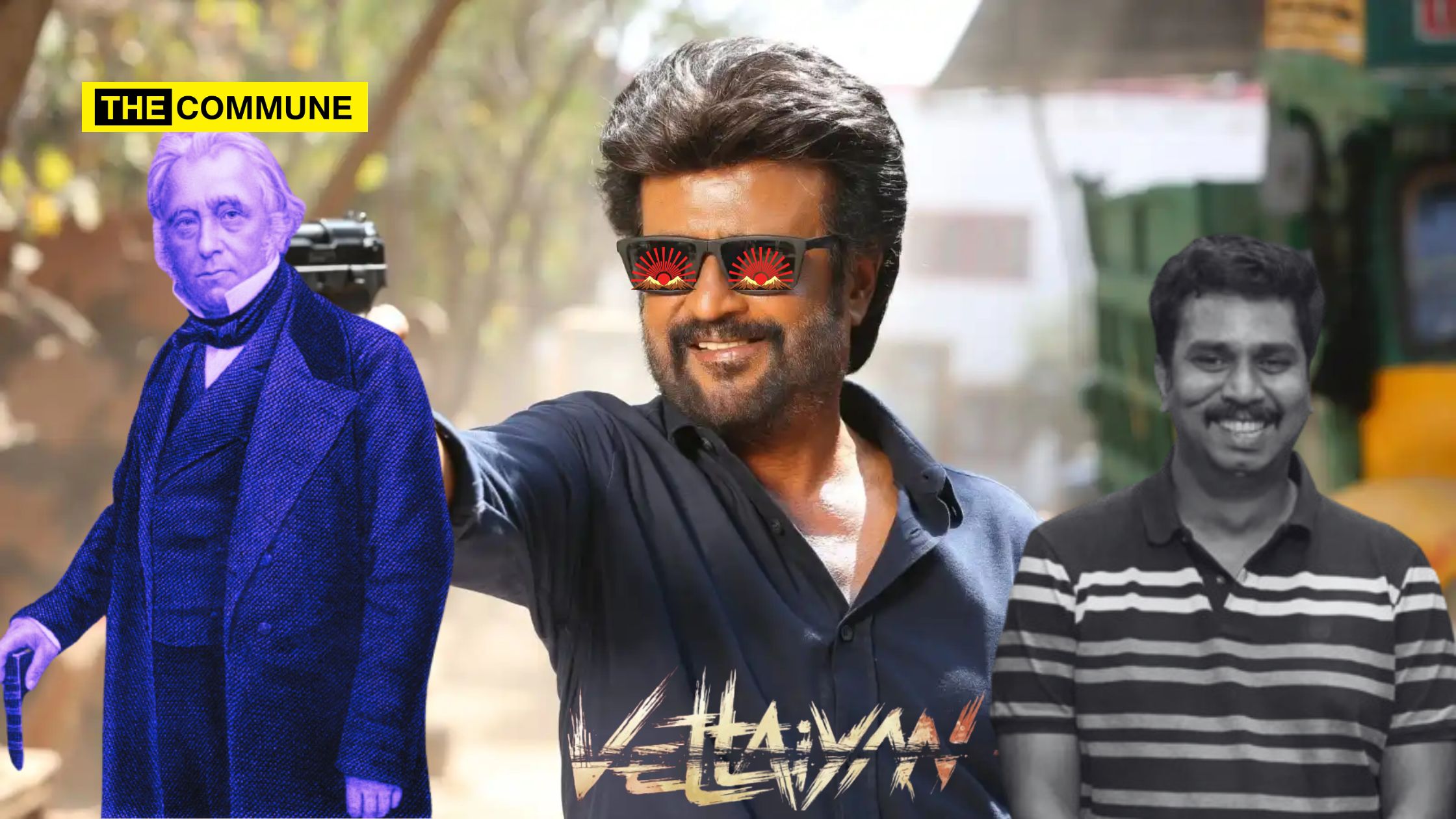
Gnanavel, who criticized Rajinikanth for his support of Hinduism, is now released a project Vettaiyan. This film appears to prioritize financial gain while promoting the Dravidian agenda, similar to his previous work, Jai Bhim, which also lacked thorough background research and verification of facts.

Interestingly, in the movie, Gnanavel included special thanks to actor Suriya and the controversial Prakash Raj, seemingly without any clear reason.
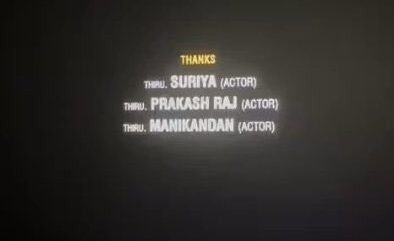
Vettaiyan, featuring Rajinikanth, opens with a tribute to Thomas Babington Macaulay, setting a controversial tone right from the start. While the film aims to tackle serious issues like drug abuse in government schools, it quickly devolves into a series of absurd scenarios that feel more like propaganda than genuine storytelling.

Directed by TJ Gnanavel, known for his contentious work in Jai Bhim, the Dravidianist narrative in Vettaiyan introduces a series of implausible events, such as a petty thief making millions through fake QR codes, which raises unnecessary fears about digital transactions. The film’s depiction of the NEET exam further pushes an unfounded agenda, casting it as a tool of privilege without any real evidence.

Visually, Vettaiyan features a musical number that, while colorful, hints at cultural appeasement, which might leave audiences questioning the intent behind such choices.

As Rajinikanth’s character delivers lines that promote Dravidianist ideology, the film reinforces negative stereotypes about Hindus while portraying minority communities in a predominantly positive light. This biased representation detracts from the film’s potential impact and alienates a segment of its audience.

In the end, Vettaiyan feels more like a vehicle for a specific political narrative than a well-crafted film. For longtime fans of Rajinikanth, this alignment with propaganda over storytelling is disheartening, making it difficult to reconcile the superstar’s legacy with his recent choices.

Backlash & Protest

The movie faced severe backlash on social media for being a potential flop and propaganda film. On the other hand, Kovilpatti saw protests erupting against the film’s screening, leading to clashes between locals and theater owners, stirring significant unrest.

Released globally on 10 October 2024, “Vettaiyan” has drawn criticism for its portrayal of a government school in Gandhi Nagar, Kovilpatti, prompting a formal complaint at the Kovilpatti East Police Station. Residents from the Gandhinagar area staged a blockade at the Kovilpatti Lakshmi Theater, demanding the removal of the contentious scenes or the cessation of the screening of the film.

The police intervened to mediate the situation, and the protestors agreed to stand down after being assured that their concerns would be addressed. Tensions escalated in Kovilpatti when local women confronted theatre management, insisting on stopping the Vettaiyan screening. In response to one theatre executive’s remark about political affiliations, “Whoever you vote for, he is the one who has taken this film and released it,” the women asserted, “We will vote for whoever we choose; stop misrepresenting our children’s school.

Vettaiyan boasts a notable cast, including Amitabh Bachchan, Manju Warrier, Fahadh Faasil, and others, with music composed by Anirudh. Released by Red Giant, the film has garnered heightened interest, especially following Rajinikanth’s previous release, Jailer, and the coinciding Ayudha Puja festival celebrations.

TJ Gnanavel faced criticism for allegedly spreading false propaganda in Jai Bhim by misrepresenting the sub-inspector involved in a tribal man’s custodial death as a Vanniyar when the real officer was a Dalit Christian. The Vanniyar community condemned the film for provoking unnecessary division. Additionally, a scene where Suriya’s character questions Brahmin’s trustworthiness further fueled controversy.

Subscribe to our channels on TelegramWhatsApp, and Instagram and get the best stories of the day delivered to you personally. 

Mumbai-New York Air India Flight Diverted To Delhi After Bomb Threat

Mumbai-New York Air India Flight Diverted To Delhi After Bomb Threat show-cause notice violation kathmandu stranded

An Air India flight from Mumbai to New York was diverted mid-air to Delhi on Monday following a bomb threat. All passengers are safe, and further inspection is underway, said officials here.

The aircraft is currently stationed at Indira Gandhi International Airport, and authorities added that all standard safety protocols are being followed to ensure the safety of passengers and crew. “An Air India flight from Mumbai to New York was diverted to Delhi following security concerns over a bomb threat. The aircraft is currently parked at the IGI airport, and all standard safety protocols are being followed to ensure the safety of passengers and crew on board the aircraft,” said Delhi Police.

The aircraft, which was en route to John F. Kennedy International Airport in New York, was rerouted to Indira Gandhi International (IGI) Airport in Delhi after a security concern was raised arising out of a bomb threat. The necessary security drills were being followed at the airport and required checks were being carried out, the officials added.

More details were awaited. In September, an Air India flight going from Delhi to Visakhapatnam received a bomb threat, but it was found to be a hoax after a thorough scrutiny on landing in the port city, said an official.

Visakhapatnam Airport Director Raja Reddy had said then that the Delhi Police received the bomb threat call and alerted the airline and the Visakhapatnam airport.

In August, the Thiruvananthapuram International Airport was put under full emergency after an Air India flight from Mumbai received a bomb threat. After a thorough check, the threat was found to hoax.

–IANS

Subscribe to our channels on TelegramWhatsApp, and Instagram and get the best stories of the day delivered to you personally. 
Busting Dravidian Propaganda In Vettaiyan: Rajini-Gnanavel Shamelessly Glorify British Politician Macaulay As Harbinger Of Education In India But Here’s The Truth

Rajinikanth starrer Vettaiyan, directed by agenda-driven director TJ Gnanavel known for his lies in Jai Bhim, has once again peddled lies in the latest film. The opening scene itself begins with a glorification of school dropout Macaulay – the British politician who served the death blow to Indian knowledge systems. In the film, Amitabh Bachchan is seen praising him for bringing “social justice and equality in education.”

Did Macaulay Bring Education To India? Let’s Bust This Propaganda

Thomas Babington Macaulay, known for his influential role in shaping British colonial education policy in India, introduced English education with a clear agenda to promote Western superiority and undermine native culture. The British education system that followed presented the West as aspirational, asserting British superiority in science, arts, and even morals, while instilling an inferiority complex among Indians.

Macaulay’s policies sought to make Western culture and knowledge appear more desirable, gradually leading to a loss of connection with India’s rich intellectual and cultural heritage. This colonial mindset contributed to a long-lasting cultural shift, where many educated Indians began to emulate Western tastes and values, often at the expense of their own traditions.

But Did He Bring Education To India?

The lie in the film claims that no educational policy existed before the British came to India, and Macaulay was instrumental in creating one.

By this logic, one wonders how China, Japan, or other Asian countries received their education.

In the 1830s, Macaulay became an MP in the British Parliament. Around that time, the British East India Company was ruling several parts of the world. They were asked to analyze the loopholes in the justice and education system. So, Macaulay visited India for four years as he was part of the Supreme Council. The lies propagated revolve around this recommendation.

However, this propaganda was initiated by evangelists in the 1970s and 80s. Let us understand this further.

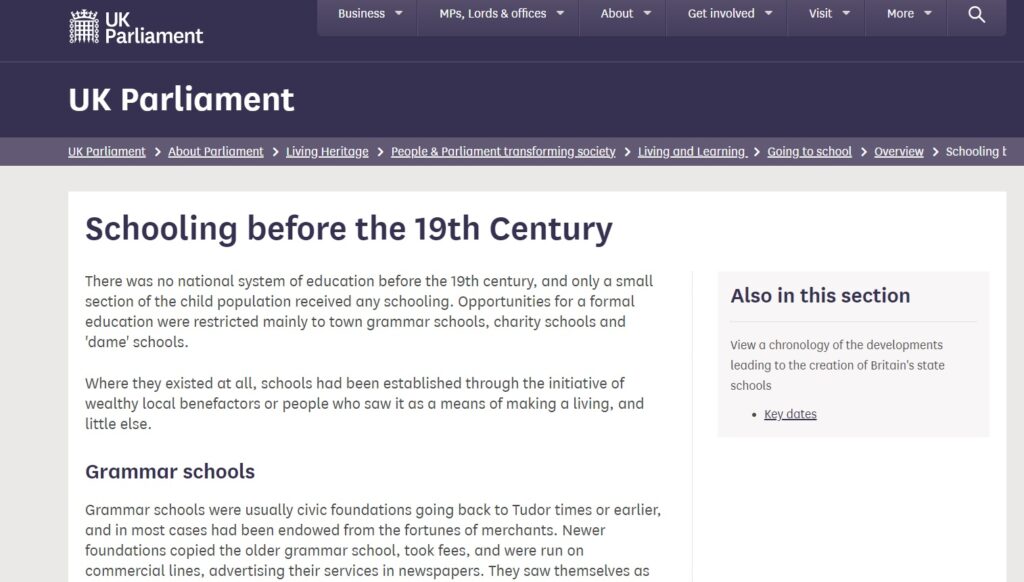
If we look at the UK government website, it is pretty clear that there was no national education policy in the UK until the late 19th century. Then how would it have come to India?

Around 1854, the EIC continued to face significant losses in the colonies it was ruling so the education policy was shifted to the control of the Crown.

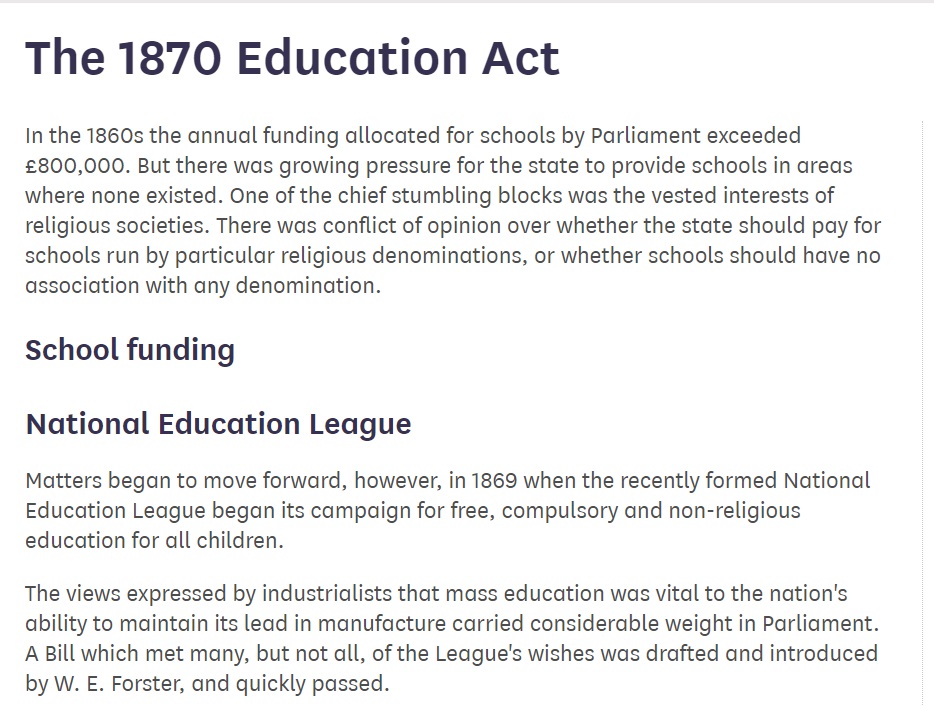
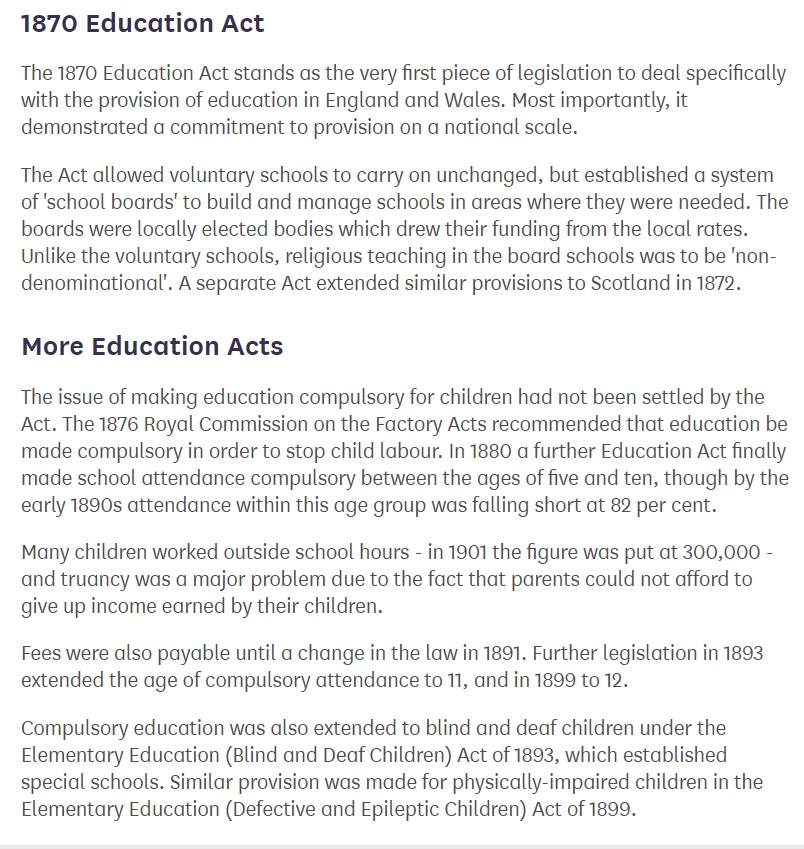
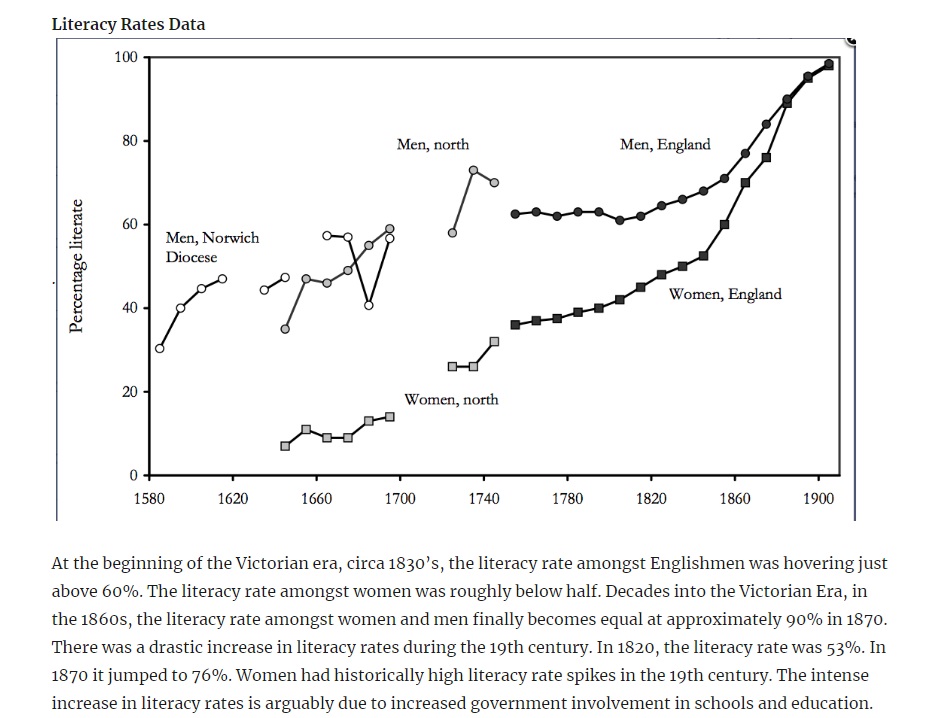
The Education Act, a national education policy was brought in the country (Britain) in 1870. Data indicates that before the 1870s, 40% of women and 60% of men were literate (not educated). Before 1870, grammar and Christian studies were taught to the people, but no national educational policy existed. Even when Macaulay was alive and working in the Parliament, no educational policy existed.


In the Act brought in 1870, the UK began clearly distinguishing the content taught.

In his Minute on Education, Macaulay says, “I have no knowledge of either Sanscrit or Arabic.–But I have done what I could to form a correct estimate of their value. I have read translations of the most celebrated Arabic and Sanscrit works. I have conversed both here and at home with men distinguished by their proficiency in the Eastern tongues. I am quite ready to take the Oriental learning at the valuation of the Orientalists themselves. I have never found one among them who could deny that a single shelf of a good European library was worth the whole native literature of India and Arabia. The intrinsic superiority of the Western literature is, indeed, fully admitted by those members of the Committee who support the Oriental plan of education.”

What is interesting is that Arabic countries or any other country in the world never accepted what Macaulay said. Only Tamil Nadu seems to celebrate this man, and that is due to the evangelists there.

Did Indian Education Even Need Macaulay

Not Really. India had a thriving indigenous learning system long before Macaulay knew how to read and write.

In The Beautiful Tree, a pioneering work by Dharampal that elaborates on Indigenous Indian Education in the Eighteenth Century, reveals how education was accessible to a broad section of Indian society, including the underprivileged castes of today, contradicting the colonial narrative that education was exclusive to the elite.

British records from the early 19th century documented over 11,000 schools in the Madras Presidency, including the Bellary and South Arcot districts. These schools catered to a large population segment, showing that education was not confined to urban centres but was also present in rural areas.

Records from 1835 in Bengal and Bihar indicate that there was a school for almost every 100 to 150 families, suggesting widespread access to education. Data from the early 1820s in the Bombay Presidency showed that nearly 30% of the boys in the region were in school.

What Macaulay Did To Indian Education

Macaulay was pivotal in reshaping India’s educational landscape during British rule. His 1835 educational minutes established English as the medium of instruction, effectively diverting funds away from Indian educational systems and resources.

Macaulay’s “downward filtration method” prioritized the education of a small, elite class of Indians who were to be “Indian in blood and colour, but English in tastes, opinions, morals, and intellect.”

This policy aimed to create a class supporting British interests, eroding traditional Indian values and knowledge systems. Despite Macaulay’s confidence in the efficacy of his educational reforms, the missionaries later discovered that while they had distanced some Brahmins from their cultural roots, widespread conversion and acceptance of British ideologies were largely unsuccessful.

The long-term impact of Macaulay’s reforms resulted in the marginalization of many Indian castes, a loss of cultural identity, and a prevailing reliance on Western models for education and governance, leading to a regression in national consciousness and self-awareness.

The truth is, India had a rich, thriving, egalitarian education system before the British set foot on our soil. Gurukuls, universities like Nalanda and Takshashila, flourished long before Macaulay’s ancestors could read or write.

What Communist Marx Had To Say About Macaulay

TJ Gnanavel calls himself a communist. But what did Communist icon Karl Marx say about the same Macaulay? Karl Marx referred to Macaulay as a ‘systematic falsifier of history’. Historians criticized his approach for being one-sided and complacent. Later historians also saw his views on non-European cultures as explicitly racist.

If we come to Japan, yes, there was an influence there as well. However, after the 1940s, they completely trashed that system and introduced a new policy – almost copying the American education system but focusing more on learning the subjects in the mother tongue. That is why, in the 1970s, its economy took off quite well. They rejected the British or colonizer’s system and made one alone.

So, who was responsible for the education system in India? It is noteworthy that Macaulay died in 1859, even before a national education system existed in the UK.

Dadabhai Naoroji

Dadabhai Naoroji—does this name ring a bell? Naoroji, an Indian, was the first Asian to be elected to the British Parliament and served a brief stint between 1892 and 1895.

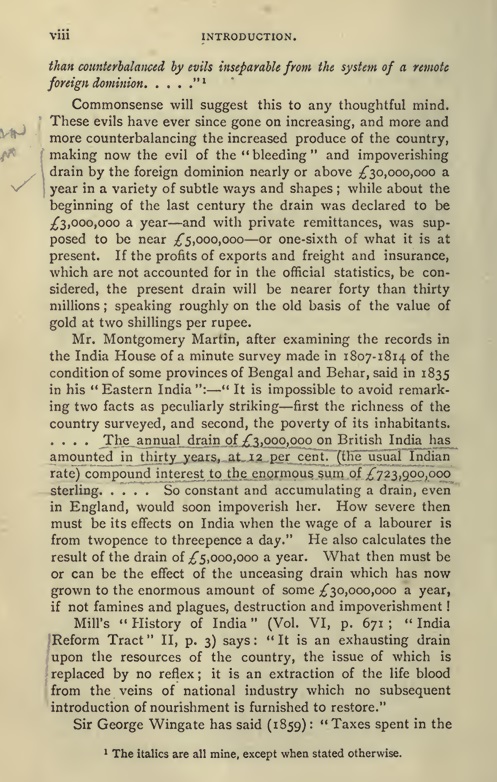
Dadabhai Naoroji, an early critic of British imperialism, began challenging the idea that colonial rule benefited India after witnessing Britain’s prosperity in 1855. His economic analysis over two decades exposed the “drain of wealth” from India, arguing that British rule impoverished the country and exacerbated deadly famines. As a British colonial subject, he ran for Parliament, advocating for India’s political change from within Westminster. Elected in 1892 as a Liberal MP, he condemned British rule as oppressive and pushed for reforms, though his efforts were largely ignored. Despite setbacks, Naoroji remained optimistic, allying with progressive movements and continuing to demand justice for India. In his London Speech of 1871 he summarises, “To sum up the whole, the British rule has been: morally, a great blessing; politically, peace and order on one hand, blunders on the other; materially, impoverishment, relieved as far as the railway and other loans go. The natives call the British system “Sakar ki Churi,” the knife of sugar. That is to say, there is no oppression, it is all smooth and sweet, but it is the knife, notwithstanding. I mention this that you should know these feelings. Our great misfortune is that you do not know our wants. When you will know our real wishes, I have not the least doubt that you would do justice. The genius and spirit of the British people is fair play and justice. “

Following this, the British started considering Naoroji’s statement. Around the 1890s, when a financial crisis hit them, they found a solution to both problems—they started building hospitals and schools to give them basic employment and aid them. In such a scenario, the Indian Railways came to be. However, the Indians were paid paltry sums compared to their British colleagues.

It is also a fact that when the British left India in 1947, only 6% of Indians were educated. This only proves the agenda peddled by the likes of Gnanavel who are ably abetting with the missionaries who brought in the “education” system to evangelize the Indians.

Subscribe to our channels on TelegramWhatsApp, and Instagram and get the best stories of the day delivered to you personally. 
India Enters Top League Globally In Filing 6G Tech Patents

India Enters Top League Globally In Filing 6G Tech Patents

After successfully deploying 5G across the nation in record time, India is fast advancing on 6G technology and now ranks in the top league when it comes to filing patents related to 6G.

The country now ranks among top six in global 6G patent filings. Prime Minister Narendra Modi has envisaged India to be a front-line contributor in the design, development and deployment of 6G technology by 2030.

Under the ‘Bharat 6G Vision’, the government is already evaluating 470 proposals on ‘Accelerated research on 6G Ecosystem’. The Department of Telecommunications (DoT) has funded two next-generation testbeds to advance the 6G research.

According to a government-led panel, India can achieve a share of 10 per cent of all 6G patents along with one-sixth contributions to global standards in the next three years.

The country has already launched various initiatives like ‘Bharat 6G Vision’ and ‘Bharat 6G Alliance’, along with the patent and IPR support framework and commissioning of testbeds.

As per industry experts, for India to become a deep-tech leader, penetration of both wireline and intelligent wireless broadband networks, with reliable connectivity, is critical.

World telecom leader, experts and academia from more than 190 countries are set to attend the 10-day World Telecom Standardisation Assembly (WTSA2024) in India from October 14-24.

The ‘WTSA 2024’ is being held for the first time in the International Telecommunication Union (ITU) history of 150 years in the national capital from October 14-24.

According to DoT, India hosting the ‘WTSA-2024’ is an opportunity to influence the global telecom agenda as we prepare for advancements like 6G and beyond. Now, the DoT has set the ball rolling by launching the WTSA 2024 Outreach Sessions.

Scheduled in Delhi, Hyderabad and Bengaluru, the outreach sessions aim to provide a distinctive platform to students for learning and direct engagement with industry experts, fostering meaningful interactions and knowledge exchange.

–IANS

Subscribe to our channels on TelegramWhatsApp, and Instagram and get the best stories of the day delivered to you personally. 
Over 1.55 Lakh Candidates Sign Up For PM Internship Scheme In Just 24 Hours

Over 1.55 Lakh Candidates Sign Up For PM Internship Scheme In Just 24 Hours

More than 1.55 lakh candidates have signed up for the newly launched PM Internship Scheme in just 24 hours, according to reports citing government sources.

The registration process for the Scheme began on Saturday. The portal offers nearly 80,000 internship opportunities across 24 sectors.

The scheme, announced by Finance Minister Nirmala Sitharaman in the Union Budget 2024, aims to benefit around 10 million young people over the next five years.

It aims to address youth unemployment and will help connect young people with companies that are seeking talent.

Major private firms such as Jubilant Foodworks, Maruti Suzuki India, Larsen and Toubro, Muthoot Finance, and Reliance Industries are among the 193 companies that posted internship opportunities on the platform.

Internships are available across 24 sectors and over 20 fields, including operations management, production, maintenance, and sales. The initiative has also received contributions from oil, gas, energy, travel and hospitality, automotive, and banking sectors.

The portal ensures efficient internship access across sectors with Aadhaar-based registration and tools like bio-data generation.

The scheme targets over 1.2 lakh internships in 737 districts across 28 States and 8 Union Territories in the current financial year. Further, top companies are also offering positions that could help address skill gaps and boost employment.

According to the Ministry of Corporate Affairs, which is managing the scheme, it is a transformative initiative by the government to ensure the skills of the youth, which will enhance their employability.

The selected candidates will have the opportunity to do an internship in the top 500 companies in India for a year and will also receive an allowance of ₹5,000 per month and ₹6,000 as a one-time grant. Of the ₹5,000 stipend, ₹500 will come from companies as part of their Corporate Social Responsibility (CSR) funds, and the government will provide the remaining ₹4,500.

To apply for the Scheme, candidates should have passed high school or higher secondary school, have a certificate from an ITI, hold a diploma from a Polytechnic Institute, or must be graduates with degrees such as BA, B.Sc, B.Com, BCA, BBA, B.Pharma, etc. Candidates can register themselves on the portal through https://pminternship.mca.gov.in.

–IANS

Subscribe to our channels on TelegramWhatsApp, and Instagram and get the best stories of the day delivered to you personally. 
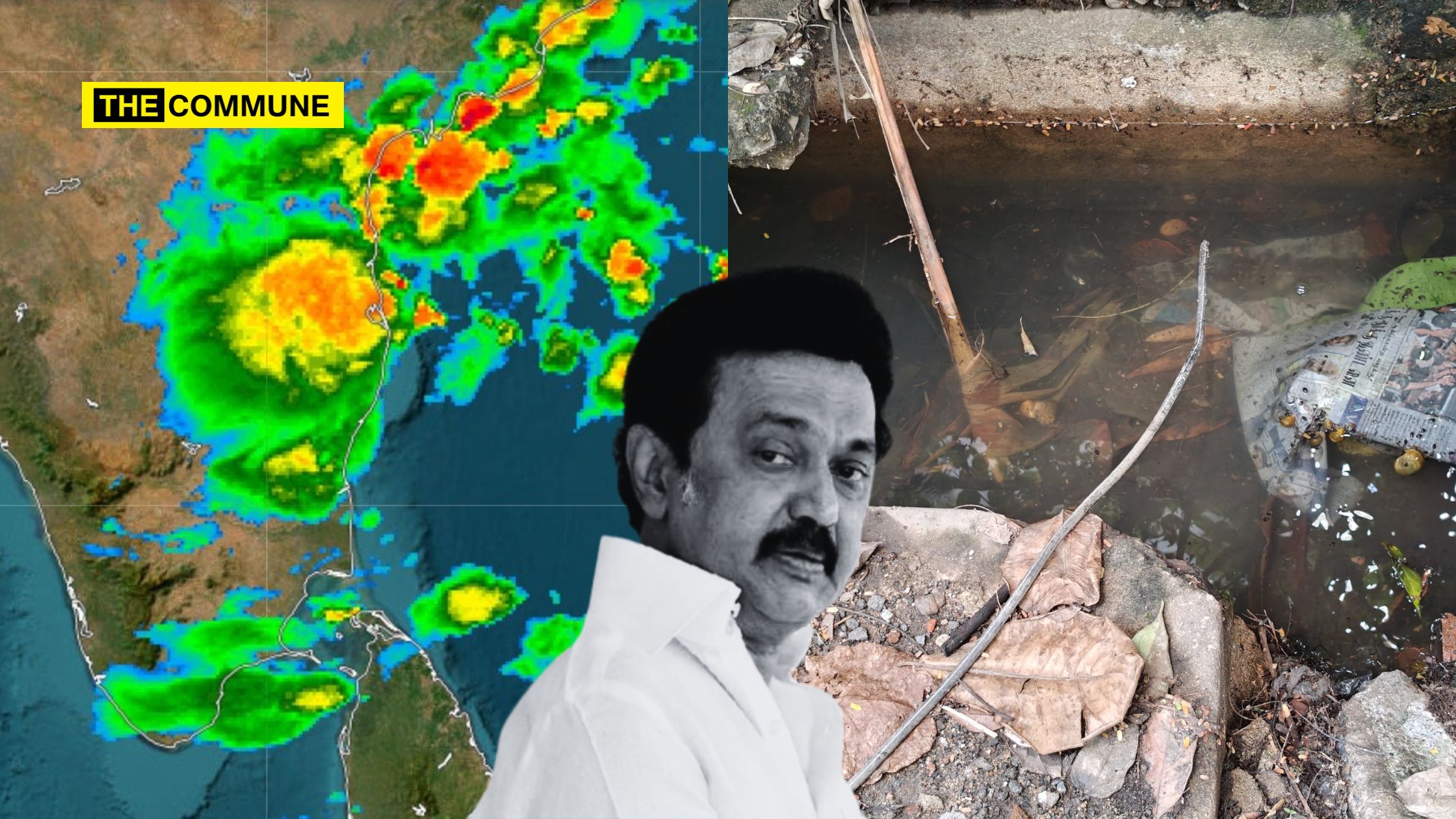
Heavy Rain Alert In Chennai, Residents Worried Over Incomplete Stormwater Drain Project

Heavy Rain Alert In Chennai, Residents Worried Over Incomplete Stormwater Drain Project
Image Courtesy: Tamil Nadu Weatherman, Twitter

The northeast monsoon is set to hit Tamil Nadu by October 16, and residents of several areas in Chennai, Tiruvallur, Kancheepuram, and Chengalpattu districts are growing increasingly anxious.

The Regional Meteorological Centre (RMC) has already issued a red alert for many parts of Chennai. The weather department has predicted rainfall of up to 20 cm in a single day during the monsoon.

However, the construction of several stormwater drains (SWDs) in many residential areas of Chennai remains incomplete.

Manonmani G., a banker from Lakshmi Nagar, told IANS, “The Greater Chennai Corporation constructed a stormwater drain, and residents hoped it would relieve the water stagnation issue. However, since it wasn’t linked with other stormwater drains, last year, we experienced inundation and had to wade through chest-high water.”

She added that the surplus water from the Kolathur and Retteri Rivers flows through this stormwater drain, and with the northeast monsoon approaching in two days, the unlinked drain poses a serious concern for flooding and the difficulties that may follow.

In Tambaram, residents of Thiruneermalai are also worried over the state government’s alleged failure to implement long-term measures to prevent flooding in their area.

Since the 2015 devastating floods, the community has repeatedly demanded the widening of the Nattu Canal by removing encroachments and constructing retaining walls along it.

The canal connects Thiruneermalai Lake to the Adyar River through several residential areas. Residents have also called for the construction of an additional culvert near the Maduravoyal National Highway, where the Nattu Canal meets the Adyar River.

The lone culvert currently available is insufficient to handle surges in water flow. R.K. Manimaran, a retired government officer residing in Thiruneermalai, pointed out that the canal’s width has drastically reduced.

“The canal was originally 60 feet wide, but now it starts at 40 feet and narrows to a mere three feet before joining the river,” he explained. Manimaran also mentioned that although officials marked encroachments after the 2015 floods, no further action was taken to address the residents’ concerns.

He added that the desilting work done along the canal has been ineffective, as the removed waste is often dumped along the canal’s sidewalls, which are level with the road. The North Chennai Resident Welfare Association has also petitioned the Chief Minister, Deputy Chief Minister, and Mayor of Chennai to address the incomplete interlinking of stormwater drains to prevent inundation.

D.K. Shanmugham, treasurer of the North Chennai Resident Welfare Association, told IANS, “Authorities have failed to install motor pumps despite predictions of heavy rainfall in the coming days.” Meanwhile, residents of Ram Nagar in Chennai reported that even during mild showers, inundation occurs. With a red alert issued for October 16 and 20 cm of rainfall expected in a single day, the situation may worsen, the people fear. Kuyilmozhi, a doctor in Ram Nagar, told IANS, “The authorities should take immediate action. We faced severe flooding during the 2023 heavy rain, and with the monsoon set to hit on October 16, there should be motors and other equipment in place to flush out water likely to enter homes. Even mild showers are causing inundation in these areas.”

–IANS

Subscribe to our channels on TelegramWhatsApp, and Instagram and get the best stories of the day delivered to you personally. 
India Surpasses 200 GW-Mark In Renewable Energy Production

India Projected To See 5-Times Surge In Green Investments At ₹31 Lakh Crore Till 2030

Led by solar and wind energy, India has crossed the 200 gigawatt (GW)-mark in renewable energy (RE) production in the month of September.

As per latest data from the Central Electricity Authority (CEA), the renewable energy-based electricity generation capacity (including small and large hydro, biomass and co-generation and waste-to-energy) crossed the 200 GW-mark in September.

The total renewable energy production reached 201,457.91 MW, driven by solar at 90,762 MW and wind energy production at 47,363 MW. The country’s total non-fossil fuel-based power capacity now stands at 46.3 per cent of the total installed electricity generation capacity.

Top four states are Rajasthan (31.5 GW), Gujarat (28.3 GW), Tamil Nadu (23.7 GW) and Karnataka (22.3 GW), as per the data.

According to the government, the country saw an impressive 86 per cent increase in power generation via renewable energy since 2014, from 193.5 billion units (BU) to 360 BU.

Union Minister of New and Renewable Energy, Pralhad Joshi, said last week that under the leadership of Prime Minister Narendra Modi, India has witnessed a transformative increase in its renewable energy capacity since 2014, with a 175 per cent rise from 75 GW to over 200 GW today.

India is also making significant strides in the green shipping sector, and aims to be among the top 10 shipbuilding nations by 2030 and the top five by 2047. India is the only G20 country to have met its climate targets ahead of schedule, despite having the lowest per capita emissions among G20 nations.

As per the International Renewable Energy Agency (IRENA), India had a cumulative installed wind power capacity of 44.7 GW in 2023, ranking fourth globally. The country added 2.8 GW of wind capacity in 2023, marking a significant increase after five years of slower growth.

–IANS

Subscribe to our channels on TelegramWhatsApp, and Instagram and get the best stories of the day delivered to you personally. 
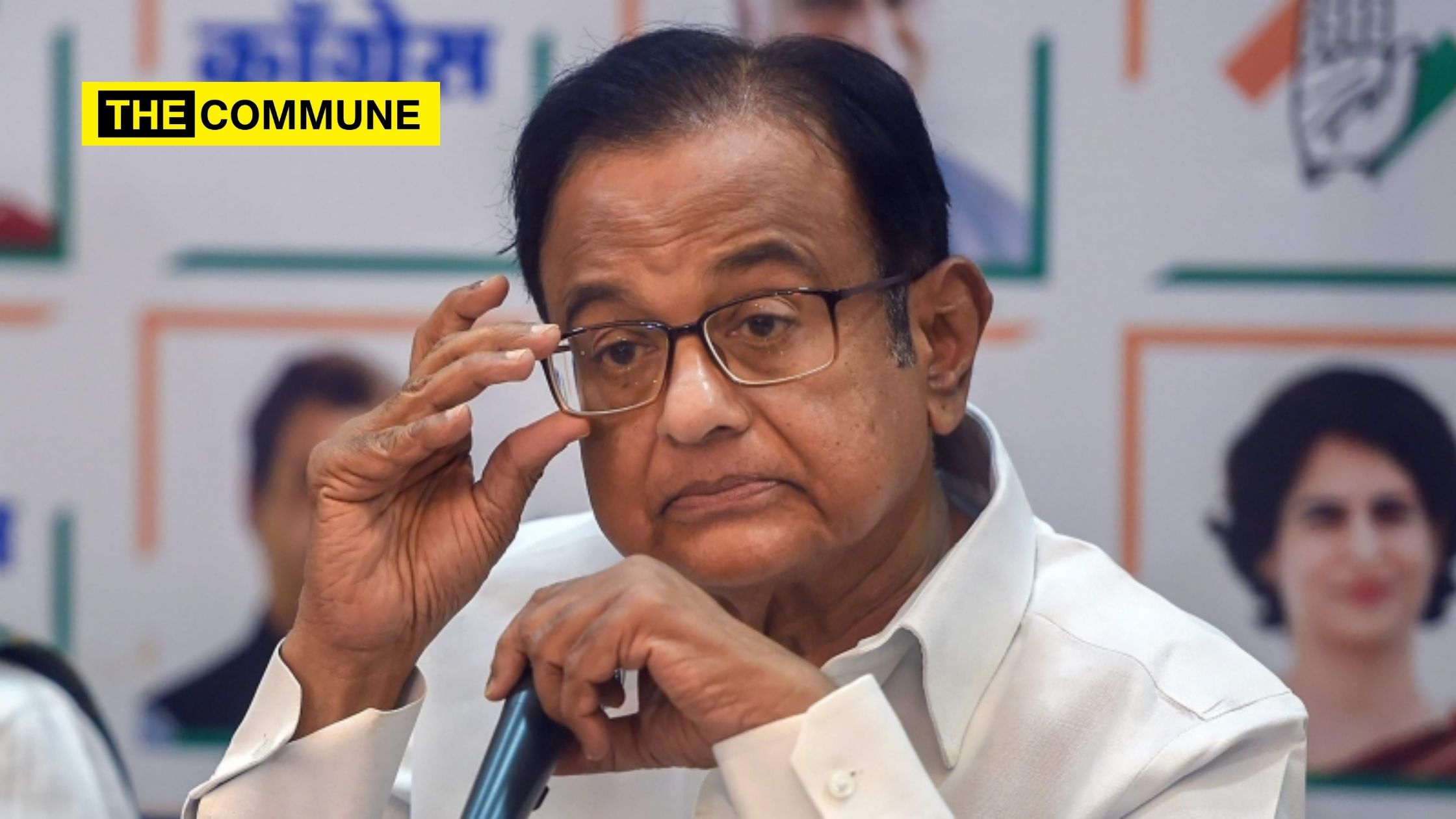
BJP Mocks Chidambaram’s Article, Says ‘No One Is Interested In His Knowledge’

BJP Mocks Chidambaram Article, Says 'No One except Congress Is Interested In His Knowledge'

BJP national spokesperson Shahnawaz Hussain took a swipe at Congress Rajya Sabha MP P Chidambaram on Sunday, suggesting that the Congress leader should keep his insights to his party as “no one else is interested” in them.

Chidambaram wrote an article in a leading daily highlighting the “mistakes” and “lessons” learned during elections.

Reacting to the piece, Hussain said, “It is obvious that P. Chidambaram, a Congress leader, will make statements in favour of Congress.” “If he is such a popular leader, he should have campaigned extensively in Haryana and worked hard,” he told IANS.

Mocking the Congress veteran, the BJP national spokesperson said Chidambaram does nothing but sit in his drawing room and practice law. “No one is interested in his knowledge, so he should share it with his party. He should point out the mistakes to Rahul Gandhi,” Hussain said.

In his article, Chidambaram emphasised the importance of adapting to changing times for political success, warning that elections can be lost if lessons are not learned.

He also compared the elections to a football match and said that either a party could win or lose, emphasising the importance of maintaining the number of wins and reflecting on the decision if the number is less than the number of elections lost.

Hussain also poked fun at the Congress leadership, noting that the party has been calling for a change in leadership due to Rahul Gandhi’s repeated electoral defeats.

“Now that Rahul Gandhi is repeatedly losing, everyone in Congress is demanding a new captain. However, those afflicted with a dynastic mindset just mention another family member’s name,” he said. “This is Congress’ habit — they can’t think beyond their family,” the BJP national spokesperson further quipped.

–IANS

Subscribe to our channels on TelegramWhatsApp, and Instagram and get the best stories of the day delivered to you personally. 

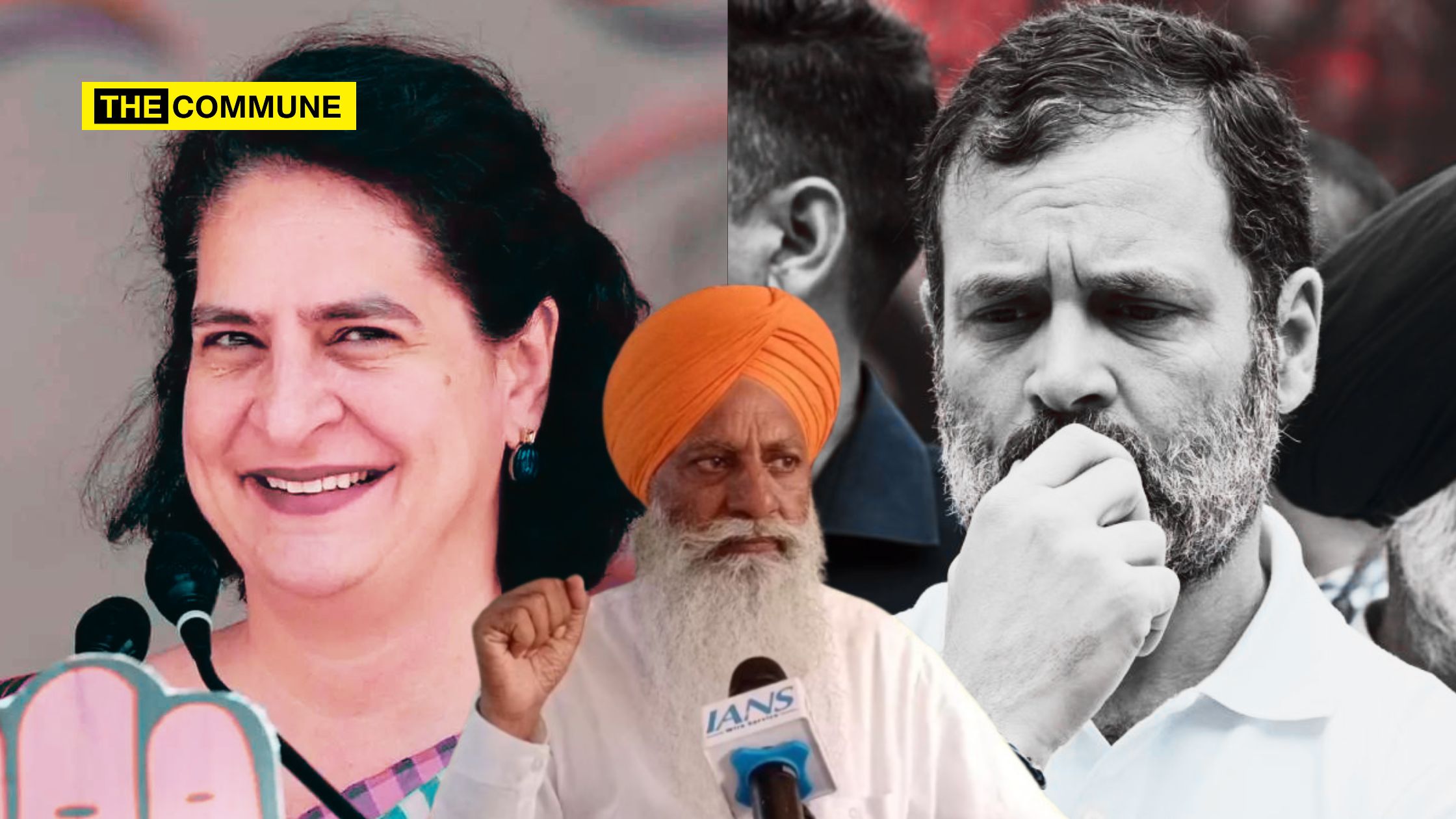
Priyanka Gandhi Should Lead Congress Instead Of Rahul Gandhi: BKU chief Gurnam Charuni

Priyanka Gandhi Should Lead Congress Instead Of Rahul Gandhi: BKU chief Gurnam Charuni

Bharatiya Kisan Union (BKU) chief Gurnam Singh Charuni on Sunday said the leadership of the Congress party should be handed over to Priyanka Gandhi Vadra to salvage its prospects.

Speaking exclusively to IANS, Charuni, who also founded the Sanyukt Sangharsh Party, said that only the Congress high command can address the internal issues plaguing the party.

Speaking on the controversial issue of ticket-selling in politics, the BKU chief stated, “Money and ticket selling is very common in politics; all parties practice it. But other parties are not arrogant, they compromise with those who settle down. Congress, on the other hand, has shown arrogance, and that is where the problem lies.”

“I will also say that if the command of the party is in the hands of Priyanka Gandhi, then the Congress party can be saved,” the BKU chief said. “If the party is led by Priyanka Gandhi instead of Rahul Gandhi, even though both are siblings, it stands a chance of revival. Otherwise, the BJP rule will continue to dominate,” Charuni further argued.

Charuni’s remarks come after the Bharatiya Janata Party (BJP) exceeded expectations in the Haryana Assembly, securing 48 seats — an increase from the 40 seats it won in 2019.

The Congress fell short with 37 seats, while Independents captured three. In a direct criticism of Congress leadership in Haryana, Charuni blamed former Chief Minister Bhupinder Singh Hooda for the party’s defeat.

“Hooda is the biggest reason for Congress’ defeat because he did not compromise with anyone, and all responsibility was placed on him,” he asserted. The BKU chief also cautioned the Congress leadership, urging them not to entrust Hooda with any future responsibilities if they wish to be an effective opposition in the Haryana Assembly.

Reflecting on Hooda’s tenure, Charuni remarked, “The farmers’ union played the role of the opposition over the last decade, not Bhupinder Singh Hooda.” The farmer leader said, “The atmosphere that was created in favour of Congress in Haryana was due to us, the farmers, but the party couldn’t make the best out of it.”

–IANS

Subscribe to our channels on TelegramWhatsApp, and Instagram and get the best stories of the day delivered to you personally. 
Mysterious White Blobs Wash Up On Beaches In Canada

Mysterious White Blobs Wash Up On Beaches In Canada

Mysterious white blobs have been washing up on Newfoundland’s beaches in Canada, prompting an investigation. A local resident described the white blobs as “doughy, like poorly baked bread” with a strong smell similar to vegetable oil, as reported by BBC.

Since early September, beachgoers in the Canadian province have been reporting sightings of the unusual substance. Authorities have been trying to determine its origin and composition

. Environment and Climate Change Canada ruled out petroleum-based sources, while Fisheries and Oceans Canada’s marine ecologist confirmed no biological or sea sponge origin of the sighted substance.

–IANS

Subscribe to our channels on TelegramWhatsApp, and Instagram and get the best stories of the day delivered to you personally.