Home Blog Page 57

NYC Islamist Mayoral Candidate Zohran Mamdani Employed Interns Who Tore Down Israeli Hostage Posters & Professed Jihad

NYC Mayoral Candidate Zohran Mamdani Employed Interns Who Tore Down Israeli Hostage Posters & Professed Jihad

New York City mayoral candidate and state legislator Zohran Mamdani is facing renewed controversy after reports revealed that one of his former interns was a Hunter College graduate who previously went viral for tearing down posters of Israeli hostages abducted by Hamas in 2023.


View this post on Instagram


A post shared by Canary Mission (@canarymission)

Frances Macalimbon Hamed, a Hunter College and Macaulay Honors College graduate, drew widespread attention in October 2023 after being filmed tearing down posters depicting Israelis kidnapped by Hamas. The footage, which circulated days after the Oct. 7 terrorist attack, showed Hamed and another individual removing the posters on a New York City street while Israel was still identifying victims. When confronted by the person filming, Hamed covered her face and argued that the posters were not allowed to be placed there.

The Oct. 7, 2023, attack by Hamas left more than 1,200 people dead, about 250 kidnapped, and thousands wounded. At least 378 people were killed when gunmen opened fire at the Nova music festival.

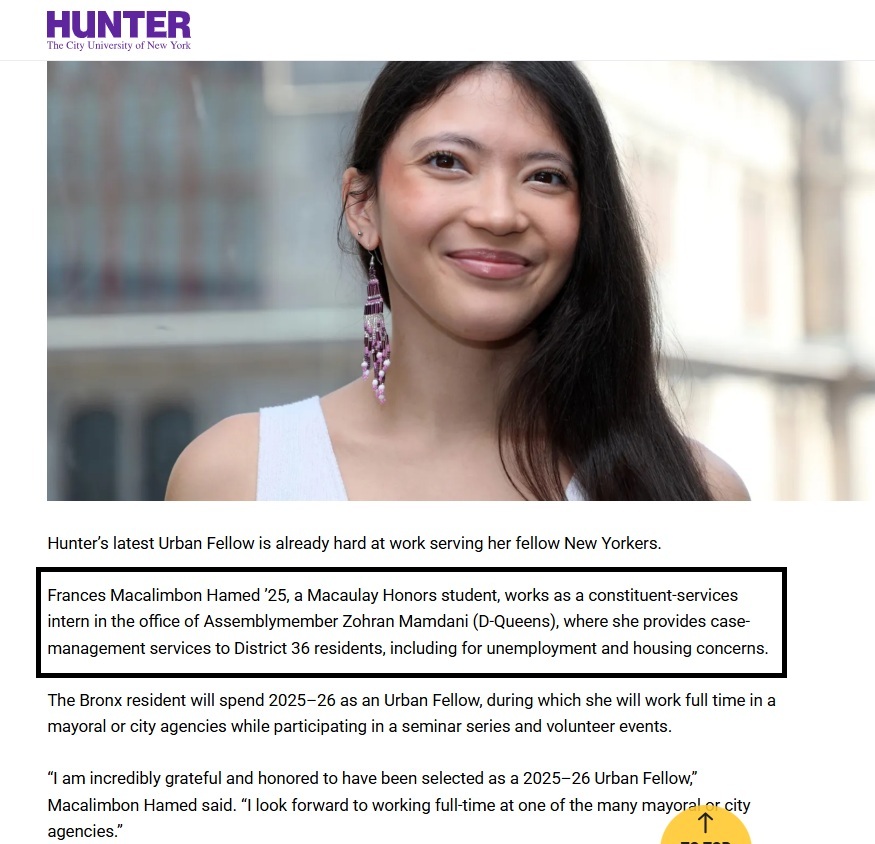
According to records cited by Canary Mission, an organization that monitors antisemitism, Hamed later served as a constituent services intern in Mamdani’s Queens Assembly office between February and May 2025. This is visible from her profile page in Hunter University website.

Her LinkedIn profile confirms that she assisted residents with unemployment and housing issues.
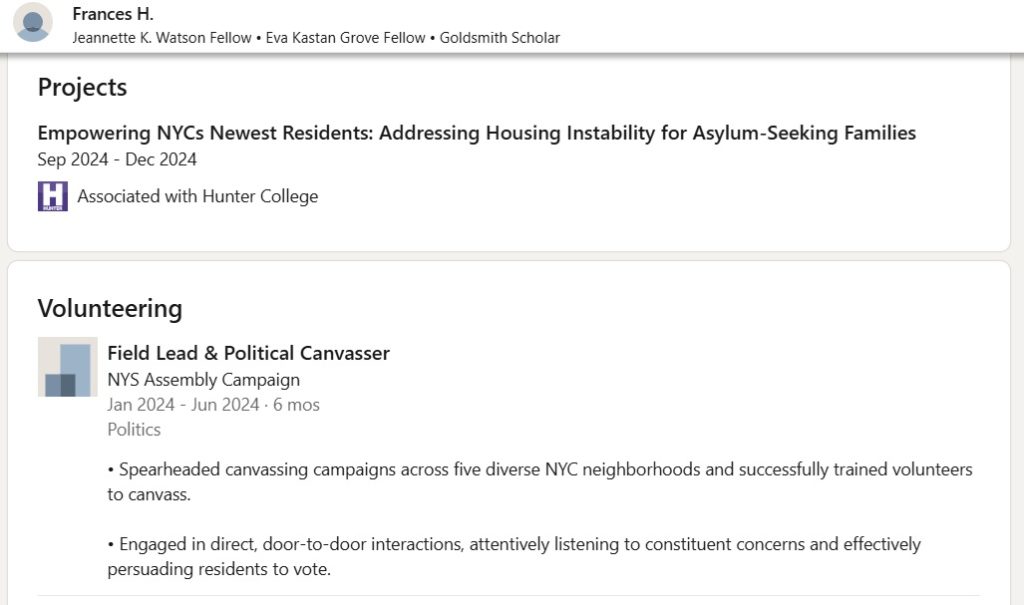
Mamdani’s mayoral campaign confirmed that Hamed had interned in his state legislative office but stated that neither the Assembly office nor the campaign was aware of her viral video at the time of her hiring. A campaign spokesperson said that Hamed “has never been employed by the Mamdani campaign.”

The Hunter College bio for Hamed, listed under the Urban Fellows program, described her as interested in working with the Mayor’s Office of Immigrant Affairs or the Mayor’s Office of Asylum-Seeker Operations.
Hamed had previously been photographed at a rally organized by Samidoun, an anti-Israel group identified by the U.S. Treasury’s Office of Foreign Assets Control as a “sham charity” accused of supporting terrorism. In the image, she was seen holding part of a banner that read, “Glory to our Palestinian Martyrs,” according to Canary Mission.

In both 2022 and 2024, Frances Hamed volunteered for Jonathan Soto, a progressive New York politician affiliated with the Democratic Socialists of America (DSA), an organization known for its staunchly anti-Israel positions and for backing candidates who advocate socialist policies.

The DSA, which also supports mayoral candidate Zohran Mamdani, has faced criticism for statements defending or justifying the October 7 Hamas attack on Israel, for promoting anti-Israel rhetoric, and for aligning with groups accused of supporting extremist movements.

In 2022 and 2024 Hamed volunteered for anti-Israel, DSA-backed politician Jonathan Soto.

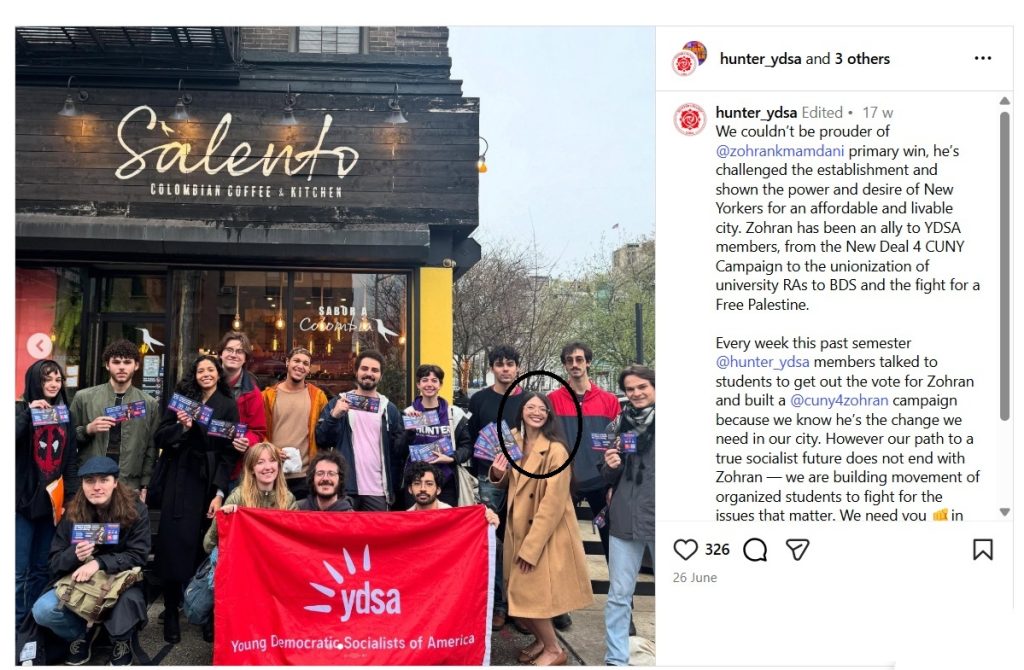
As we know, Frances Hamed is affiliated with Hunter YDSA, the Hunter College chapter of the Young Democratic Socialists of America. As part of this group, she participated in canvassing efforts for Zohran Mamdani, working alongside other YDSA activists who campaigned for candidates and policies aligned with the organization’s anti-Israel stance.
She is the second known intern from Mamdani’s office with ties to anti-Israel activism. Here is another former intern, City College student Hadeeqa Arzoo Malik, who worked in communications, outreach, and policy during the summer of 2024.

Malik had previously described activism as “al-Jihad.”

Malik had also been filmed berating a Muslim police officer at a pro-Palestinian protest.

Malik helped organize a Muslim Students Association (MSA) event where Imam Tom reportedly urged participants to create situations that would lead to Professor Shai Davidai being targeted and reprimanded as a way to deter others.
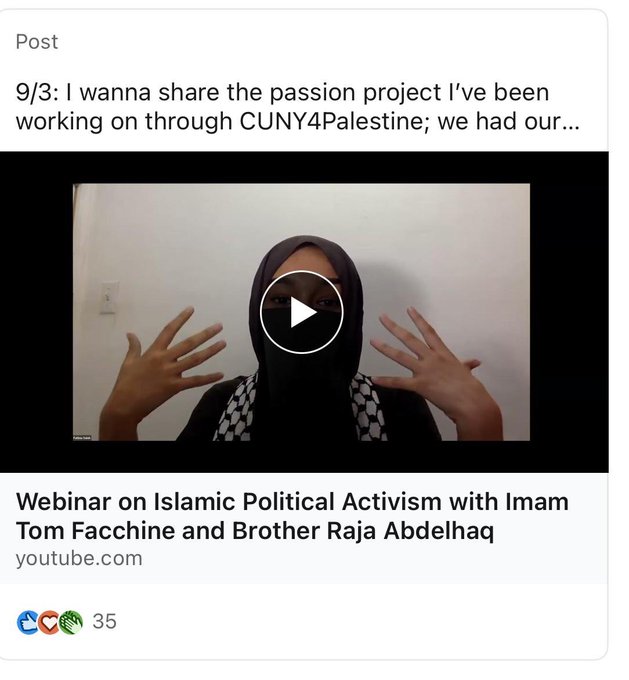
Malik has volunteered for the Council on American-Islamic Relations (CAIR), an organization designated as a terrorist group by the United Arab Emirates. CAIR was previously linked to the Holy Land Foundation, a defunct charity later exposed as a fundraising front for Hamas. Activist Nerdeen Kiswani has also been a featured speaker at CAIR events.
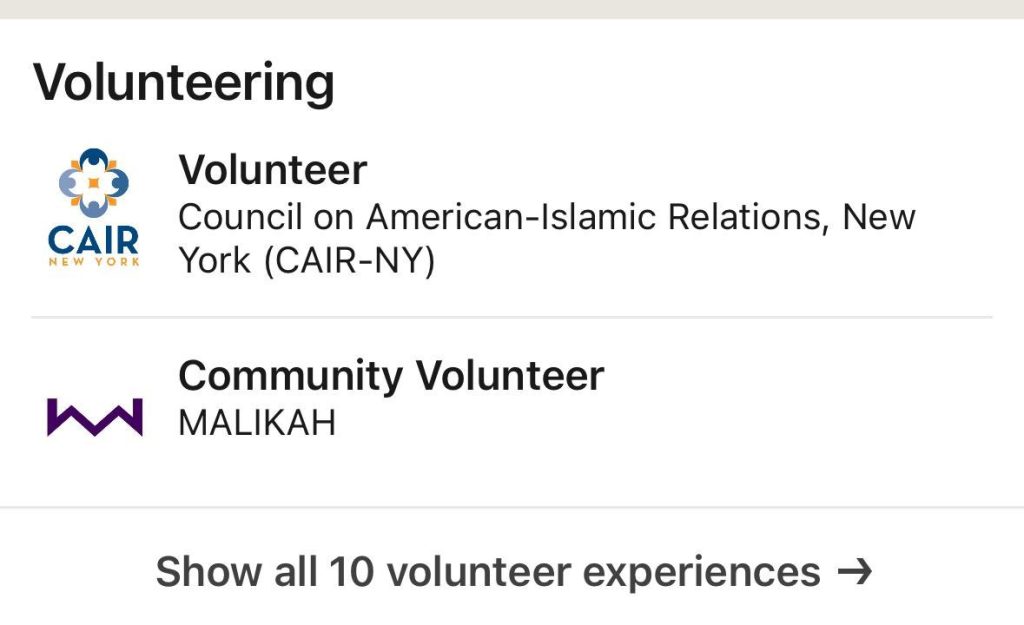
It is noteworthy that the Council on American-Islamic Relations (CAIR), via its “Unity & Justice Fund,” directed $100,000 to Mamdani’s campaign. CAIR was named an unindicted co-conspirator in the 2007 Holy Land Foundation terrorism financing trial, where five leaders were convicted of funneling over $12 million to Hamas.

Interestingly, Mamdani, who rapped “My love to the Holy Land Five/You better look ’em up” in a 2017 song, has been vocal about his socialist policies and criticism of Israel. The findings highlight concerns about the sources of his campaign funding, both legal and illegal, as the election approaches.

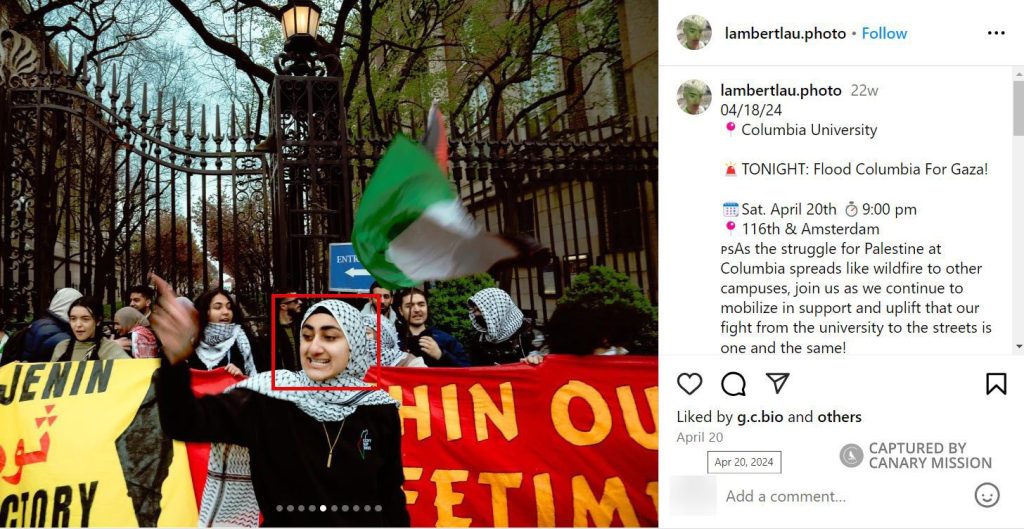
Malik has also organized multiple protests outside Columbia University, despite being enrolled as a student at CUNY.
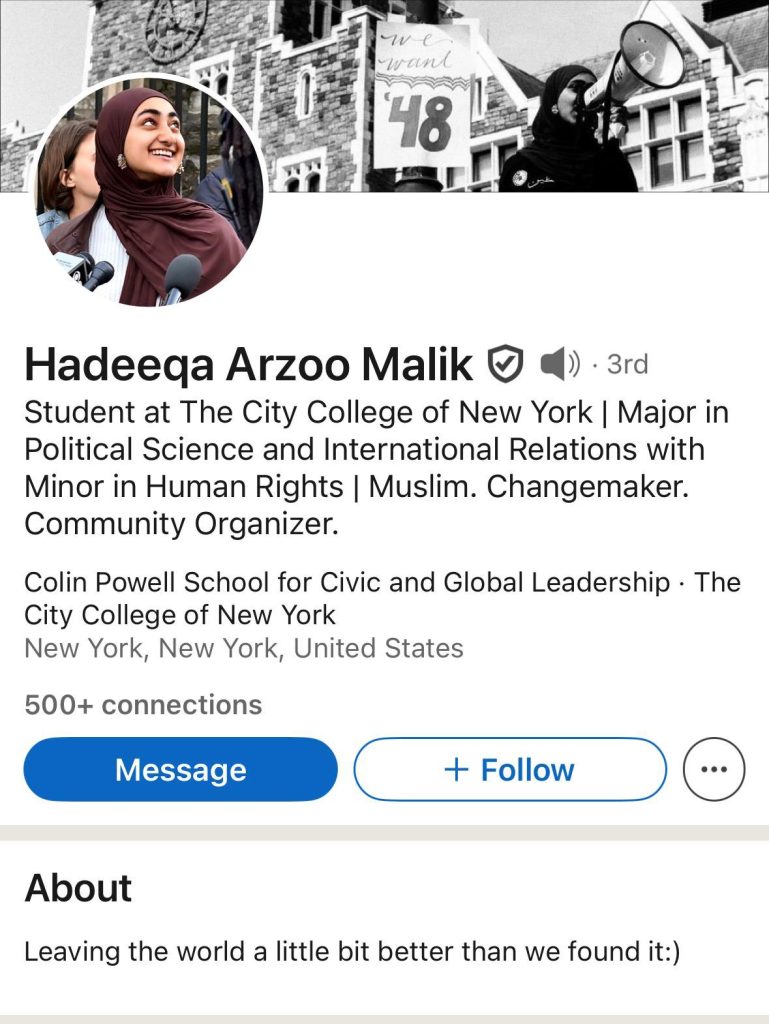
She is pursuing studies in political science, international relations, and human rights.
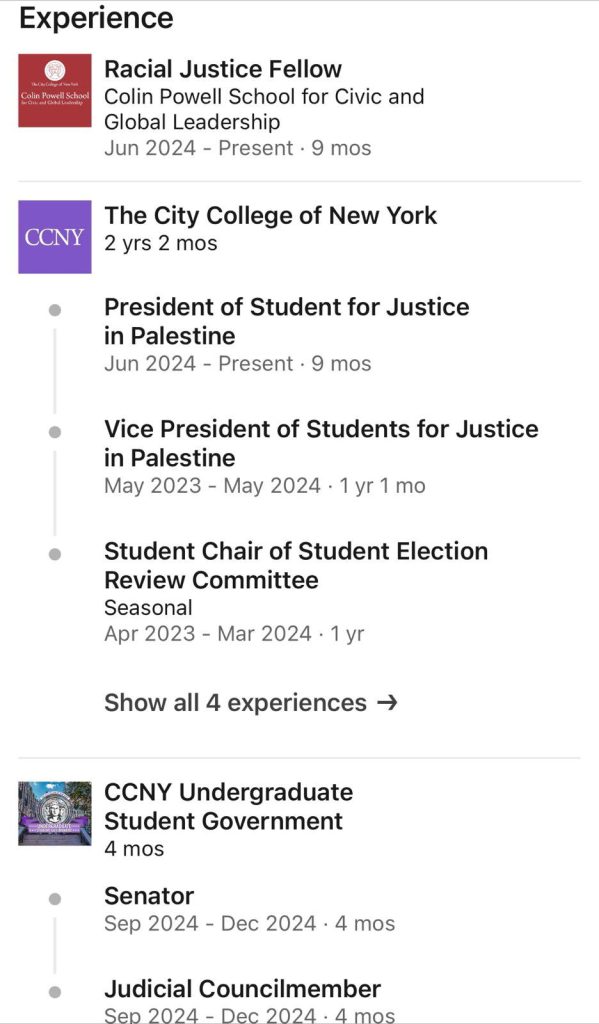
Interestingly, Hamed also studied at CUNY, if we go by her LinkedIn profile.

The viral video of Hamed tearing down posters was first shared by the watchdog group StopAntisemitism and later identified by the New York Post and Canary Mission. Efforts by reporters to contact Hamed for comment were unsuccessful.

Mamdani, a Democratic Socialist and the current Assembly member representing Queens, has faced previous criticism from Jewish organizations who accuse him of harboring anti-Israel sentiment. Jewish community leaders have warned of an “existential threat” and potential “mass exodus” of Jews from New York City should Mamdani win the upcoming mayoral election.

(Source: New York Post)

Subscribe to our channels on WhatsApp, Telegram, Instagram and YouTube to get the best stories of the day delivered to you personally. 

PM Modi’s Life Threat, Putin’s Intervention, A Dead US Officer In Dhaka: The Hidden Story That We May Never Know

Why did Russian President Vladimir Putin wait for PM Modi and take him in his car at the Shangai Cooperation Organization Summit in China?

According to recent reports and intelligence sources, the gesture by Vladimir Putin is not without significance and reveals a plot against PM Modi.

A sequence of high-stakes intelligence events, is beginning to unravel with a direct threat to Prime Minister Narendra Modi and culminating in the mysterious death of a U.S. Special Forces officer in Bangladesh.

Putin Breaking Protocol To Shield Modi?

Sources familiar with the matter note that Russian President Vladimir Putin broke with usual protocol by personally waiting for Prime Minister Narendra Modi ahead of their bilateral meeting.

This was not merely a gesture of camaraderie but a critical security maneuver. Intelligence sources confirm that Russian intelligence agencies had intercepted sensitive communications indicating a credible threat to Modi’s life. Acting on this last-minute intelligence, which was shared with Indian security agencies, Putin insisted that Modi ride in his own personal, heavily fortified official vehicle, bypassing the pre-arranged Indian convoy.

The Dhaka Incident: Unknown Gunmen At Work?

The gravity of the situation became clearer days after the summit concluded. In Dhaka, Bangladesh, U.S. Army Special Forces officer Terrence Arvelle Jackson was found dead under mysterious circumstances inside a high-security hotel.

The situation was immediately treated with extreme sensitivity. Bangladeshi police, who confirmed the discovery, were sidelined as U.S. Embassy officials swiftly secured the hotel room, removed all of Jackson’s personal effects, and arranged for the immediate repatriation of his body, bypassing standard local investigative protocols. CCTV footage from the hotel reportedly captured unidentified individuals entering and leaving the premises around the time of the incident.

A Pattern Of Suspicious Deaths

The plot thickened rapidly. In the days following Jackson’s death, at least three other American security contractors and former U.S. military personnel were found dead across Dhaka and Chittagong. While officially labeled as unrelated, the pattern and timing have led investigators in the region to believe the deaths are connected, pointing to the possible dismantling of an American operational network.

The Intelligence Backdrop

According to intelligence analysts, these individuals were likely part of a covert U.S. intelligence presence in South Asia, possibly linked to the CIA, operating under diplomatic or commercial cover. Their mission, it is alleged, was focused on surveillance of key SCO participants, with a specific interest in India’s deepening strategic alignment with Russia.

A Cryptic Acknowledgment

This theory adds chilling context to a cryptic remark made by Prime Modi upon his return. At a public event, he asked the audience, “Are you clapping because I went there — or because I came back?” Initially perceived as a light-hearted comment, it is now being interpreted in security circles as a subtle acknowledgment that the Prime Minister was aware of the serious danger he had faced.

The incidents have exposed the fierce intelligence competition playing out in South Asia, fueled by growing friction between India and the U.S. over New Delhi’s independent foreign policy, its defense ties with Moscow, and its refusal to align with Western sanctions.

Geopolitical Fallout and the Shadow War

While no government has officially confirmed an assassination plot, security experts assert that the coordinated response between Russian and Indian agencies, the unusual diplomatic behavior at the summit, and the subsequent neutralization of a suspected U.S. intelligence cell are not coincidental.

The fallout is already altering the geopolitical landscape. India’s security establishment has initiated a comprehensive audit of external intelligence threats, and counter-intelligence cooperation between Moscow and New Delhi has been significantly intensified, signaling that the shadow wars of the new world order are now being fought fiercely on India’s doorstep.

(Source: Defense News)

Subscribe to our channels on WhatsApp, Telegram, Instagram and YouTube to get the best stories of the day delivered to you personally.
Inside Pallikaranai’s ₹2,000-Crore Scam: Arappor Iyakkam Alleges TN Officials Cleared A Housing Project On Ramsar Wetland

Inside Pallikaranai’s ₹2,000-Crore Scam: Arappor Iyakkam Alleges TN Officials Cleared A Housing Project On Ramsar Wetland

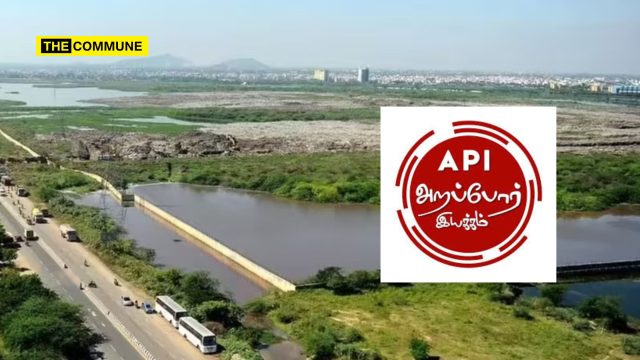
Anti-corruption NGO Arappor Iyakkam has accused multiple Tamil Nadu government departments of illegally granting environmental clearance and construction approval for a ₹2,000-crore housing project, allegedly located inside the ecologically sensitive Pallikaranai Ramsar wetland in Perumbakkam.

In a complaint submitted to the Chief Minister, Chief Secretary, and the Directorate of Vigilance and Anti-Corruption (DVAC), the NGO alleged that the State Environment Impact Assessment Authority (SEIAA) and Chennai Metropolitan Development Authority (CMDA) granted approvals for survey numbers 453, 495/2c, 496, 497, and 498, all of which fall under the marshland. The complaint included a 213-page annexure of evidence.

According to the NGO, CMDA’s Ramsar site and influence map shows these survey numbers cover 14.7 acres within the Pallikaranai Ramsar boundaries notified in April 2022. Despite this, Brigade Enterprises, which proposed the project named Brigade Morgan Heights, applied for environmental clearance from SEIAA on 9 August 2023, and for construction plan approval from CMDA on 15 February 2024, for 1,250 dwelling units.

Arappor Iyakkam accused the builder of misrepresenting the project’s location, claiming it was 1.2 km away from Pallikaranai marsh, when it is actually adjacent to survey number 534/4, recorded as part of the marsh in official revenue records. SEIAA granted permission for environmental impact assessment and subsequently requested additional details, including the latitude and longitude of the project boundary in relation to the marshland. The builder responded by seeking remarks from forest officials, who reportedly inspected the site and concluded that the project was 65 meters from the marsh, with a revenue land parcel in between. The NGO noted that the survey number of this intervening parcel was not disclosed, raising questions about the legality of the clearance.

The Water Resources Department, in a letter dated 1 August 2024, requested verification from the State Expert Appraisal Committee (SEAC) and SEIAA. SEIAA granted environmental clearance on January 20, 2025, followed by CMDA’s building approval three days later. Arappor Iyakkam pointed out that both the Environment Secretary and Housing Secretary are members of the State Wetland Authority, arguing that they cannot claim ignorance of the Ramsar site, its maps, or the notified survey numbers.

Historical land records also reveal discrepancies. The 1911 Perumbakkam resettlement register listed the last survey number in the village as 445. However, survey number 430, corresponding to the marsh, was subdivided into new plots up to number 546, creating additional revenue plots. While survey number 430 covered 643.9 acres in 1911, only 6.1 acres remained by 1993, and currently only 50 acres under survey number 534/4 are officially recognized as marshland. Under the Wetlands (Conservation and Management) Rules, 2017, marshlands cannot be converted for non-wetland purposes, and permanent construction is prohibited.

Arappor Iyakkam convenor Jayaram Venkatesan emphasized that the Pallikaranai marsh, designated as a Ramsar site covering 3,081 acres, must be protected. He described the approvals for the project as a “clear case of collusion”. Attempts to obtain comments from Environment Secretary Supriya Sahu and CMDA Member Secretary G Prakash were unsuccessful.

A Brigade Group spokesperson defended the project, stating: “Brigade Morgan Heights is a joint development project with the landowner. The land is privately held and has been owned by the current landowner for many decades. Brigade Group has adhered to all applicable environmental regulations and project approval was granted only after a detailed site assessment by the authorities concerned.”

(Source: Times of India)

Subscribe to our channels on Telegram, Instagram and YouTube to get the best stories of the day delivered to you personally.
“Chaos, Corruption, Collapse”: A Sabarimala Pilgrim Exposes Pathetic Crowd Management By The Communist Govt

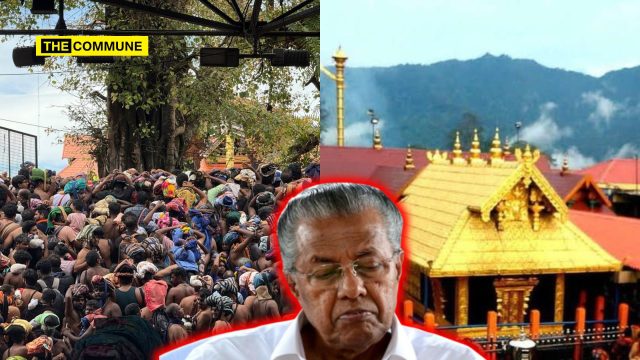
During the recent Mandala season in Diwali 2025, pilgrims traveling to Sabarimala faced severe hardships due to poor crowd management, corruption, and unsafe conditions. A devotee who journeyed to the shrine described an exhausting and chaotic experience that highlighted systemic neglect by temple authorities and government officials.

The pilgrim wrote that the ordeal began at Nilackal, where bus stands were inadequately organized, queue systems were non-existent, and announcements were confusing or absent.

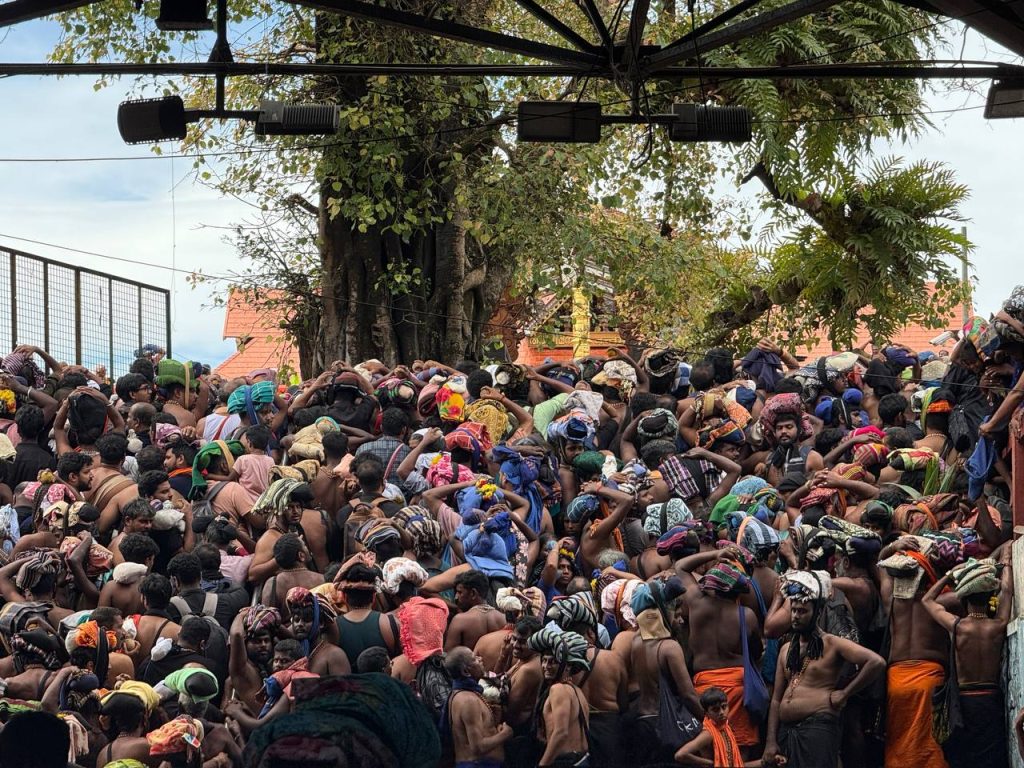
Despite a significant police presence, there was little coordination. Buses moved dangerously through the crowds, forcing pilgrims to push forward like commuters on a crowded city train. Elderly pilgrims were left waiting for hours on bare ground, exposed to the elements, without shade or support. The pilgrim recalled that before COVID-19, devotees could reach Pamba directly, but now they were forced to park at Nilackal and board dilapidated KSRTC buses, paying ₹50 per adult and ₹25 per child, creating additional hurdles in an already taxing journey.

He stated that the situation worsened near Nadapandal, where long queues extended over uneven terrain. While early arrivals waited for hours, others were allowed to bypass lines with the assistance of policemen, creating frustration and resentment among those who had queued patiently. Sandeep recounted standing for nearly 12 hours from Nadapandal to Sannidhanam with minimal access to food or water, only a few biscuits and sips of water were available near the KSEB office. Many elderly pilgrims and children were forced to leave the queue due to exhaustion, and some lost their irumudi, the sacred bundle carried by devotees. Others abandoned it and returned home, a scene that even veteran pilgrims described as unprecedented.

He stated that corruption and preferential treatment were also evident. Certain pilgrims were allowed to bypass the crowds through side gates with the help of KSEB officials, while doli carriers demanded ₹1,000 per person to move straight to Pathinettam Padi near Vaavar Sannadhi. The pilgirm reported instances of police officers shoving and pushing devotees, sometimes physically manhandling them, with one officer grabbing the pilgrim by the belt and hurling him forward, causing injury. These incidents occurred despite all pilgrims being registered through the Virtual Q system.

Accommodation at the hilltop revealed further issues. While official notices claimed, “no rooms available,” rooms were accessible in person for cash payments only. Officials allegedly refused digital payments and even offered to “fast-track” bookings for double the standard rate off the record. Sandeep wrote that rooms were poorly maintained, with leaking ceilings, broken toilets, and leftover garbage and the receipts provided were mere acknowledgments of cash received, with no transparency regarding usage or allocation.

He also observed that several officials at the shrine displayed no outward signs of devotion, lacking chandanam or tilak. With the Travancore Devaswom Board reporting ₹440 crores in revenue last season, devotees faced long queues, unsafe conditions, and inadequate facilities, raising questions about the use of temple funds.

The pilgrimage, which should have been a spiritual journey, instead became a test of endurance for the devotees, highlighting the urgent need for proper crowd management, transparency in temple finances, and accountability for corruption. Sandeep called for systemic reforms, including public audits of temple funds, investigations into cash dealings, and structured measures to ensure the safety and dignity of devotees.

(This article is based on an X thread by Sandeep)

Subscribe to our channels on Telegram, Instagram and YouTube to get the best stories of the day delivered to you personally.
“Liberty Of Thought, Faith And Worship Is Core Of Secular India”: Supreme Court On UP Conversion Law, Quashes FIRs Against Institution Over Alleged Mass Conversion To Christianity

Conversion For Reservation is Fraud On Constitution, Supreme Court Rejects Opportunistic Religious Conversions.

The Supreme Court of India has raised concerns over certain provisions of the Uttar Pradesh Prohibition of Unlawful Conversion of Religion Act, 2021, while quashing FIRs filed against the Vice Chancellor and other officials of the Sam Higginbottom University of Agriculture Technology and Science (SHUATS), Prayagraj, over allegations of forced mass religious conversions to Christianity.

The bench, comprising Justices JB Pardiwala and Manoj Misra, noted that the UP Act places a “very onerous burden on a person wanting to adopt a faith other than the one he professes.” The Court emphasized that the people of India enjoy liberty of thought, expression, belief, faith, and worship, describing this freedom as “an embodiment and expression of the secular nature of the country.”

While the bench clarified that the constitutional validity of the UP Act was not under consideration in the case, it expressed certain prima facie views. The Court observed that the Act’s requirement for individuals to make a declaration before the District Magistrate regarding conversion introduces significant State interference in personal matters. Under the law, the District Magistrate is legally obliged to direct a police enquiry in each case of intended religious conversion. The Court also questioned whether the statutory provision requiring public disclosure of personal details of converted persons aligns with constitutional privacy rights.

“In the preamble to the Constitution of India the words ‘SOCIALIST SECULAR’ were inserted by the Constitution (42nd Amendment) Act, 1976. The secular nature of India is an intrinsic part of the ‘basic structure’ of the Constitution, as held in Kesavananda Bharati Sripadagalvaru v. State of Kerala reported in AIR 1973 SC 1461,” the bench noted. “As laid down in the Preamble, the People of India, have resolved to secure to all its citizens, liberty of thought, expression, belief, faith and worship, apart from Justice, social, economic and political; Equality of status and of opportunity and to promote among them all fraternity, assuring the dignity of the individual, and the unity and integrity of the Nation. It requires no further exposition that the Preamble to the Constitution is of extreme importance and the Constitution should be read and interpreted in the light of the noble and grand vision expressed in the Preamble. The People of India are given the liberty of thought, expression, belief, faith and worship. This liberty is an embodiment and expression of the secular nature of the country.”

The Court outlined the procedure mandated by the UP Act. Pre-conversion, a person desiring to convert must submit a declaration 60 days in advance before the prescribed authority, confirming that there is no force, coercion, undue influence, or allurement. The individual performing the conversion is also required to give a one-month advance notice to the authority, which then directs the police to conduct an enquiry. Failure to submit a pre-conversion declaration can result in imprisonment of up to three years and a minimum fine of ₹10,000.

Post-conversion, the individual is again required to submit a declaration within 60 days. The authority is then mandated to publicly display a copy of this declaration, including personal details such as permanent address, place of residence, and the nature of the conversion process. The convert must appear before the prescribed authority within 21 days to verify the declaration and establish their identity.

The Supreme Court also referenced landmark judgments to highlight the constitutional protections surrounding religious freedom. Citing the KS Puttaswamy verdict, the Court stated that Article 25 encompasses privacy rights, including freedom of conscience and the choice to express beliefs publicly. Referencing Shafin Jahan v. Asokan K.M, the bench underlined that while the Constitution guarantees the right to practice, profess, and propagate religion, an individual’s autonomy is supreme in choices of faith and belief, which extends to personal decisions such as marriage.

During the hearing, the bench remarked that some provisions of the UP Act appear to violate fundamental rights guaranteed under Part III of the Constitution, particularly Article 25, and that the Act’s pre- and post-conversion procedures introduce onerous steps that may require further scrutiny.

The Supreme Court’s observations come amid ongoing challenges to similar “love jihad” laws, including pending cases against the Gujarat Freedom of Religion (Amendment) Act, 2021. A division bench of the Gujarat High Court, comprising then Chief Justice Vikram Nath and Justice Biren Vaishnav, had earlier noted that the law “interferes with the intricacies of marriage, including the right to the choice of an individual, thereby infringing Article 21 of the Constitution.” An interim order was issued ensuring that the Act’s provisions would not apply to inter-faith marriages conducted without force, allurement, or fraudulent means.

(With inputs from LiveLaw)

Subscribe to our channels on Telegram, Instagram and YouTube to get the best stories of the day delivered to you personally.
“How Did She Come Out At 12:30?”: A Look At Bengal CM Mamata Banerjee’s Long History Of Questioning Rape Victims

mamata banerjee rape

West Bengal Chief Minister Mamata Banerjee finds herself at the center of a fresh political firestorm for her remarks on the Durgapur medical student rape case, continuing a long-standing pattern of comments that critics argue consistently blame victims and question their conduct rather than addressing the crimes perpetrated against them.

The latest controversy erupted on Sunday when the Chief Minister, addressing the gang rape of a 23-year-old medical student, focused her inquiry on the victim’s whereabouts.

“She was studying in a private medical college… all the private medical are whose responsibility? how they came out in the night at 12:30?… it happened, so far I know, in the forest area… investigation is on,” Banerjee said. She added, “Especially the girl child at night time they should not be allowed to come out in the outside… They have to protect themselves also.”

The 2012 ‘Open Market’ Comment

Following the horrific Park Street gang rape in 2012, Banerjee made a statement that shocked the nation. She linked rising rape cases to modern social interactions between men and women.

“Rape cases are on the rise because boys and girls interact more freely now. Earlier, if men and women would hold hands, they would get caught by parents and reprimanded, but now everything is so open. It’s like an open market with open options,” she had stated. She had also notoriously dismissed the Park Street rape as a “fabricated incident” or “shajano ghatana” meant to embarrass her government.

The 2013 Kamduni Outburst

In June 2013, a 20-year-old college student, Shipra Ghosh, was abducted, gang-raped, and murdered in Kamduni. When Banerjee visited the village days later, she was met by angry women protesters demanding justice and safety.

Her response was to angrily dismiss them. “People here are CPM supporters. I am sorry to say CPM is doing politics. All the goons arrested (for the rape-murder) were CPM supporters. Chorer mayer boro gala (the thief’s mother shouts the loudest),” Mamata said as she got into her car, refusing to listen to their pleas.

The 2022 Hanskhali ‘Affair’ Insinuation

In a particularly egregious case from April 2022, a 14-year-old girl was allegedly gang-raped at a birthday party by the son of a TMC leader. The girl bled to death, after which the accused and his associates allegedly snatched her body and set it on fire to destroy evidence.

Instead of condemning the atrocity, Chief Minister Banerjee publicly cast doubt on the family’s account, suggesting a consensual relationship.

“The police are yet to understand the cause of the death. I had asked them. Will you call it rape or was she pregnant? Was it (the fallout of) a love affair? Have you enquired about these?… I am talking as a layman. From where will they (police) get the evidence whether she was raped or she was pregnant or there was any other reason such as she was slapped by someone after which she fell ill,” Banerjee said at a public event.

A Consistent Pattern Over the Years

Sandwiched between these major incidents are numerous other cases – Kakdwip, Ranaghat, Siuri, and the systemic horrors of Sandeshkhali – where the Chief Minister’s response has been marked by either a stunning silence, a reluctance to acknowledge the crimes, or a swift attribution of political motives to protesters.

From questioning a victim’s presence outside at night, to insinuating consensual affairs, to blaming “open” interactions between genders, and dismissing protesters as political operatives, Mamata Banerjee’s tenure is marked by a consistent thread: a refusal to place the blame for sexual violence squarely on the perpetrators and the systems that fail to stop them, instead focusing scrutiny on the actions, character, and circumstances of the victims.

This is not an isolated incident but part of a recurring behaviour of the West Bengal Chief Minister spanning over a decade.

Subscribe to our channels on Telegram, Instagram and YouTube to get the best stories of the day delivered to you personally.
A Minister On His Way Out? DMK Min KKSSR Ramachandran’s Absence During Rain Crisis Fuels Speculation Over 2026 Election Ticket

A Minister On His Way Out? DMK Min KKSSR Ramachandran's Absence During Flood Crisis Fuels Speculation Over 2026 Ticket

Amid heavy rains across Tamil Nadu and intense monsoon preparedness activities led by the state’s top leadership, questions have emerged over the apparent absence of Revenue and Disaster Management Minister KKSSR Ramachandran from flood prevention and relief operations.

A report aired on News Tamil highlighted growing concern within the government and public circles about the minister’s lack of visible involvement, even as Chief Minister MK Stalin and Deputy Chief Minister Udhayanidhi Stalin have been conducting on-ground inspections and reviewing disaster control measures in multiple districts.

According to the report, the Chief Minister personally visited the Disaster Control Centre in Chennai on 19 October 2025, ahead of Diwali, to review preparedness efforts, assess district-wise data on rainfall and damages, and coordinate responses with officials. The Deputy Chief Minister and several cabinet colleagues have also been actively monitoring the situation and visiting affected regions.

However, sources cited in the broadcast alleged that Minister Ramachandran was “nowhere to be seen” during these reviews. It was also claimed that while the Chief Minister was visiting the control centre, Ramachandran was in Chennai but had gone to a movie theatre in a well-known mall. Typically, ministers of the concerned department accompany the Chief Minister during such inspections, provide updates, and communicate departmental progress — something that reportedly did not occur this time.

The minister is said to have made a brief visit on 21 October 2025 to Tenkasi, where he met with the District Collector for around half an hour and inspected a small water channel, but critics allege this was merely a nominal appearance rather than a comprehensive review of field operations.

In previous years, particularly during the 2021 and 2022 flood seasons, Ramachandran was known to have spent long hours at the disaster control centre, issuing instructions to expedite relief and restoration work. His reduced visibility this year has therefore drawn comparisons with the active engagement of his predecessors, such as former AIADMK minister RB Udhayakumar, who routinely coordinated efforts from the control room during major weather events.

Political sources quoted in the report suggested that the minister’s health issues and perceptions about his uncertain political future may have contributed to his apparent disengagement. There are also rumours that the DMK leadership is unlikely to offer him a ticket in the 2026 Assembly elections, leading to speculation that he is less motivated in departmental affairs.

Despite attempts by journalists to contact Ramachandran’s office for a response, there has been no official clarification from the minister.

Meanwhile, officials from the Revenue and Disaster Management Department continue to carry out field assessments of crop damage and flood impact across districts including Nagapattinam, Thanjavur, Thiruvarur, and Pudukkottai. The absence of ministerial oversight, however, has prompted renewed public discussion about administrative accountability during times of crisis.

Subscribe to our channels on Telegram, Instagram and YouTube to get the best stories of the day delivered to you personally. 

Toxic Foam Covers 1.5 KM Of Chennai Coastline Following Heavy Rains

Toxic Foam Covers 1.5 km Of Chennai Coastline Following Heavy Rains

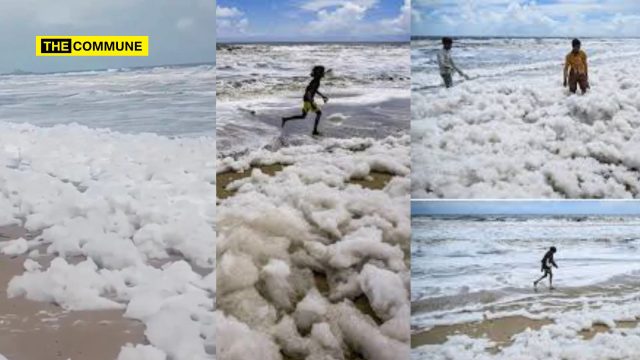
Chennai witnessed an unusual environmental phenomenon on Wednesday, 22 October 2025, as a thick layer of white froth/toxic foam spread across nearly 1.5 kilometers of the city’s coastline between Pattinapakkam and Srinivasapuram. Officials attributed the frothing to intense rainfall over the Adyar basin, which increased river discharge into the sea.

The combined flow of river water and untreated sewage, rich in phosphates, created a churning effect at the Adyar estuary, leading to the formation of froth. Despite government expenditure of hundreds of crores on restoring the city’s waterways, the Adyar, Cooum, and Buckingham Canal continue to carry untreated sewage, and illegal outfalls remain largely unchecked.

Experts have warned that the foam poses public health risks, particularly for children and residents frequenting busy beaches such as Marina, Thiruvanmiyur, and Besant Nagar. Contact with the froth can cause skin irritation, especially during prolonged exposure, which could affect fishermen and coastal workers.

Previous tests conducted by the Tamil Nadu Pollution Control Board (TNPCB) indicated that while pH and dissolved oxygen levels were within permissible limits, phosphate concentrations were elevated, potentially triggering frothing. Data from the National Centre for Coastal Research (NCCR) buoy on the Chennai coast confirmed that pH and oxygen levels remained normal, with phosphates identified as the primary cause of frothing. Scientists noted that no real-time sensors currently monitor phosphate levels, but their studies have consistently shown that elevated phosphate content in untreated sewage contributes to the foam’s formation.

Local fishermen observed that the froth often appears during periods of changing wind direction and increased sea churning, though the current instance coincided with the post-monsoon increase in river discharge. Fishing community leaders highlighted that the foam could disrupt breeding grounds in estuaries, affecting young fish and potentially threatening livelihoods if such occurrences continue.

The event was widely documented on social media, showing a thick layer of foam washing ashore along the southern coast of Chennai. Authorities have urged the public to avoid contact with the frothy waters until conditions return to normal, and environmentalists have called for stricter monitoring of industrial discharges and sewage treatment to prevent recurring incidents.

(Source: The New Indian Express)

Subscribe to our channels on Telegram, Instagram and YouTube to get the best stories of the day delivered to you personally.

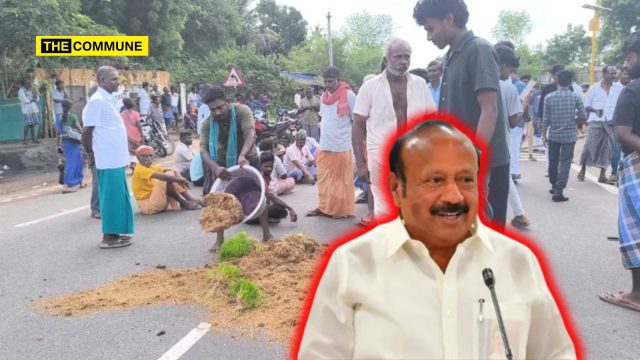
“They’re Shouting For A Slight Growth”: DMK Min Trivializes Farmers Concerns About Harvested Paddy Going To Waste

Farmers in Tamil Nadu’s delta districts have expressed frustration over the state government’s handling of paddy procurement, after several sacks of harvested rice reportedly sprouted due to unseasonal rains. The issue has sparked political controversy following statements by the DMK government’s Agriculture Minister MRK Panneerselvam.

During a recent media interaction at the Chennai Secretariat, Minister Panneerselvam addressed concerns over sprouted paddy, attributing the problem to natural causes and the logistics of procurement. He noted that during the previous AIADMK regime, large piles of paddy also sprouted after heavy rains, but “now they have sprouted only slightly,” implying the complaints were exaggerated.

The minister further explained that procurement centres are limited in capacity, both in terms of storage space and manpower. “If we want to purchase 2,000 bundles of paddy per day, we need more staff and adequate space,” he said. Officials also cited logistical challenges in handling the sudden influx of harvested rice from rural areas.

However, the minister’s remarks were criticized for their dismissive tone. Opposition leaders pointed out that procurement of 2,000–3,000 bundles per day has been successfully carried out in previous seasons, raising questions about the government’s current efficiency.

Farmers in Thanjavur and Tiruvarur districts reported that sprouted rice could lead to reduced market value and potential wastage and called for immediate intervention to prevent losses. Several women farmers personally brought samples of sprouted paddy to political leaders, only to be reassured that “not all the rice has sprouted” and that procurement was ongoing.

The opposition has accused the minister of being disconnected from field realities, relying solely on reports from officials rather than visiting the affected districts. They argue that farmers standing in the fields, facing losses to their livelihoods, deserved more concrete action and engagement rather than remarks dismissing minor sprouting.

The paddy procurement issue comes at a time when Tamil Nadu has faced heavy rainfall, causing concern for delta district farmers dependent on timely collection and storage of their crops. As the debate continues, both political leaders and agricultural officials are under pressure to ensure that the harvested paddy does not go to waste.

Subscribe to our channels on Telegram, Instagram and YouTube to get the best stories of the day delivered to you personally.
When Udhayanidhi Tagged Actress Aishwarya Rajesh In A Post About Chennai Floods

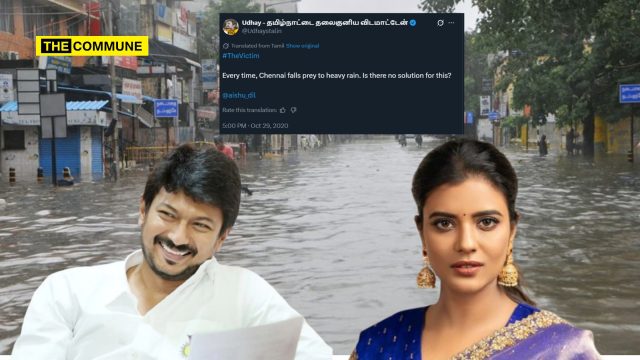
Back in October 2020, when the DMK was in opposition, party leaders were vocal about the AIADMK government’s handling of the northeast monsoon. Among them was Udhayanidhi Stalin, then an MLA and now Tamil Nadu’s Deputy Chief Minister.

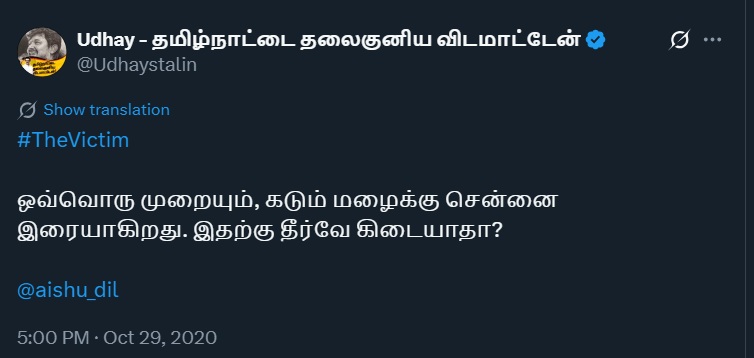
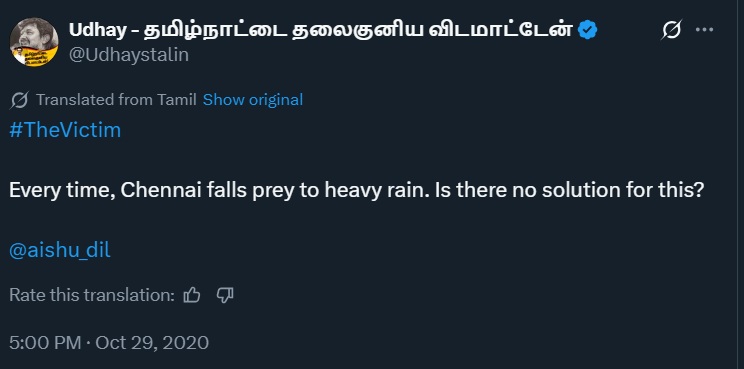
During a spell of heavy rain that year, Udhayanidhi took to X to express frustration over the city’s recurring flood woes. He posted, “#TheVictim Every time, Chennai falls prey to heavy rain. Is there no solution for this?”

Curiously, he tagged actor Aishwarya Rajesh in the same post. (aishu_dil)

The post reflected the DMK’s wider criticism at the time: that the AIADMK government had failed to put in place a lasting drainage or flood-prevention mechanism for Chennai, forcing residents to suffer through the same scenes every year.

Five years later, as Udhayanidhi now oversees several key portfolios in the DMK-led government, the same question he once posed returns with irony. Despite repeated assurances, the city’s roads and stormwater infrastructure have deteriorated, and large stretches of Chennai continue to flood after even moderate rainfall.

This year’s monsoon has once again left several neighbourhoods waterlogged, drawing public criticism over poor road quality, clogged drains, and slow response times. Many online users have resurfaced Udhayanidhi’s old post, questioning what has changed since his party took power.

As the state government faces growing scrutiny over its preparedness, the now Deputy Chief Minister’s five-year-old question — “Is there no solution for this?” — now resonates in an entirely different light.

Subscribe to our channels on Telegram, Instagram and YouTube to get the best stories of the day delivered to you personally.