Pokharan BJP MLA, Mahant Partap Puri, alleged on Monday that Shakur Khan Mangalia, the former private secretary of ex-Congress minister Saleh Mohammad, had political backing and travelled to Pakistan without official clearance. He emphasised that not just Khan, but those who provided him political protection, will also be investigated thoroughly.
MLA Mahant Partap Puri stated that Shakur Khan was closely associated with Saleh Mohammad for a long time and had access to sensitive events, including military programmes held in the region.
“There is every possibility that confidential information may have been leaked,” Partap Puri said. “It is a matter of deep concern and regret that the minister was unaware of the activities of someone so closely associated with him,” he said.
He further informed the media that he had brought the matter to the attention of Chief Minister Bhajan Lal Sharma and BJP state president Madan Rathore, and had also written to the party’s central leadership.
Both Sharma and Rathore, he said, have taken serious cognisance of the issue and assured appropriate action. Union Minister Gajendra Singh Shekhawat is also reportedly taking the matter very seriously.
Pratappuri raised concerns about ongoing suspicious activities in border areas and stressed the need for monitoring institutions established by former public representatives in the name of religion and education.
He also recalled that in 2013, a history sheet had been opened on Saleh Mohammad’s father, Ghazi Khan, by the then SP Pankaj Choudhary, but the case was later shelved due to political pressure. He questioned whether political influence in local development schemes had led to irregular land allocations and called for an investigation into the assets and foreign visits of regional public representatives.
Pratappuri also alleged that a pornographic CD case involving Saleh Mohammad had been suppressed due to political patronage. “No one involved in matters concerning national security should be treated lightly,” he said. “Following the arrest of Shakur Khan, locals are now questioning whether, had SP Pankaj Choudhary’s actions been supported back then, such security breaches could have been avoided,” he said.
–IANS
Subscribe to our channels on Telegram, WhatsApp, and Instagram and get the best stories of the day delivered to you personally.
“We must keep our culture, civilisation and values alive, preserve and enhance our spirituality and diversity, while continuously modernising technology, infrastructure, education and health systems.”
These are the words of Prime Minister Narendra Modi that reflect his vision, which has been a cornerstone of India’s cultural and civilizational resurgence over the last 11 years. Under his visionary and guiding leadership, India has not only reconnected with its ancient spiritual roots but has also modernised how those roots are experienced—through better infrastructure, restored monuments, and global cultural diplomacy.
The result is a vibrant reawakening of Bharat’s soul, one that is both timeless and forward-looking. Under the leadership of PM Modi, India has undergone a remarkable cultural transformation over the last 11 years. This journey has been much more than a revival—it is a renaissance that blends deep civilizational pride with the dynamism of a modern nation. India’s cultural resurgence stands as a defining feature of the Modi era.
This could be felt from restoring ancient temples and preserving spiritual traditions to reimagining cultural infrastructure and reconnecting with forgotten heroes. Reclaiming civilizational roots India’s cultural revival has been anchored in bold projects that reconnect people with their spiritual heritage.
Transformative efforts like the Kashi Vishwanath Corridor, the Mahakaal Lok Project, and the inauguration of the Ram Mandir in Ayodhya have reshaped the pilgrim experience, blending spiritual sanctity with world-class amenities.
These initiatives reflect the government’s mission to protect sacred sites while enhancing accessibility and comfort.
From Kedarnath to Kamakhya, and from the reconstruction of the Juna Somnath Temple to the development of the Parvati Mandir promenade, these projects have brought once-forgotten heritage sites back to the national consciousness.
Boosting pilgrimage and connectivity Infrastructure upgrades like the Char Dham Highway Project and the approved Hemkund Sahib Ropeway have strengthened pilgrimage connectivity. Special emphasis on circuits like the Buddhist Circuit and the Kartarpur Sahib Corridor underscores India’s commitment to inclusive spiritual tourism.
These efforts are not just about preserving faith—they drive local economies, foster tourism, and connect India’s cultural fabric across states and borders. Inclusive heritage development India’s spiritual mosaic includes every faith, and the government has honoured this diversity through schemes like PRASAD– Pilgrimage Rejuvenation And Spiritual Augmentation Drive, which has rejuvenated major places of worship across religions.
Over Rs 1,900 crore has been invested in these efforts, while the Swadesh Darshan scheme has funded over Rs 5,000 crore in projects that boost spiritual tourism. Complementing these, the HRIDAY scheme has helped modernise 12 heritage cities. This integrated development is transforming how Indians and the world experience the country’s spiritual and cultural heritage. Repatriation of lost heritage Restoring pride also means bringing back what was lost.
Before 2013, only 13 stolen antiquities had been returned to India. But since 2014, 642 antiquities have been traced and many brought back, including 578 from the United States—a record for any country. These efforts reflect India’s global influence and determination to reclaim its heritage.
Celebrating unsung heroes From the Azadi Ka Amrit Mahotsav to statues, museums, and memorials, India is rediscovering its true nation-builders. Initiatives like the National War Memorial, National Police Memorial, and the Pradhan Mantri Sangrahalaya honour heroes from all walks of life, transcending political divides.
The newly inaugurated New Parliament House, with its Sengol and Constitution Hall, embodies India’s spiritual values and democratic legacy. Structures like the Bharat Mandapam, with the world’s tallest Nataraja statue, echo India’s stature as a civilizational force.
Strengthening unity in diversity Programmes like ‘Ek Bharat Shreshtha Bharat’ and events like the Kashi Tamil Sangamam showcase India’s living unity.
From Guru Parvs to the Global Buddhist Summit, and from Mahakumbh 2025—which saw over 66 crore devotees—to the Waqf (Amendment) Act, 2025, India is actively strengthening its spiritual and cultural harmony. WAVES 2025: Cultural diplomacy in action The World Audio Visual Entertainment Summit (WAVES 2025), inaugurated by PM Modi in Mumbai, showcased India as a global creative powerhouse. With delegates from 100-plus countries and MoUs worth over Rs 8,000 crore, WAVES emphasised India’s cultural leadership in the digital era.
Yoga and Ayurveda: India’s gifts to the world Yoga continues to unite the globe. From more than 35,000 people performing Yoga on Rajpath in 2015 to 23 crore participants in 2023, the International Day of Yoga has become a worldwide movement. The 2025 theme—’Yoga for One Earth, One Health’—reflects a universal message. Meanwhile, Ayurveda is establishing India as a hub for holistic wellness. Through 24 international MoUs, Ayush visas, and recognition from the WHO, India’s ancient healing science is gaining global trust. The Ayurveda Day 2024, celebrated across 150 countries, underlined this rising influence.
UNESCO recognition: Preserving cultural icons India now boasts 43 UNESCO World Heritage Sites, with 62 more on the tentative list. The recent addition of Moidams of the Ahom Dynasty from Assam further strengthens India’s global cultural presence. Each site is a portal to the past and a promise to the future. A cultural revolution for the future India’s civilisational journey is not just being preserved—it is being revitalised with vision and vigour. As temples are restored, heroes remembered, and traditions celebrated, the country stands tall as both an ancient civilisation and a modern power. With improved infrastructure, spiritual vibrancy, and cultural pride, India is showcasing its identity to the world—not as a relic of the past, but as a beacon of timeless wisdom and forward-looking strength.
–IANS
Subscribe to our channels on Telegram, WhatsApp, and Instagram and get the best stories of the day delivered to you personally.
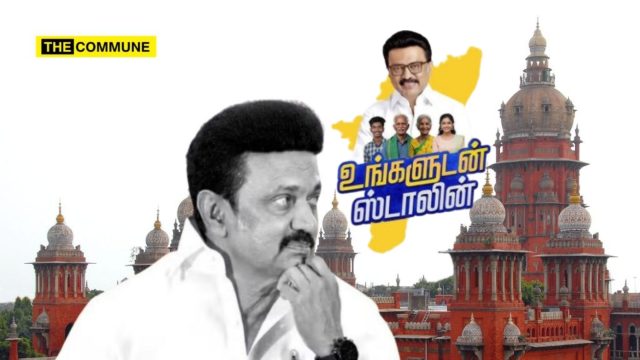
The AIADMK IT Wing has taken a jab at the Tamil Nadu Department of Information and Public Relations (TNDIPR) after it referred to Deputy Chief Minister Udhayanidhi Stalin as the “DMK Youth Wing Secretary” in an official communication announcing his ill health. This has sparked criticism, as government departments are expected to maintain neutrality and avoid using political party titles in official announcements.
The AIADMK’s IT wing mocked the move, suggesting that the TNDIPR is acting no differently than the DMK’s own IT Wing. According to them, by including a party designation like “Kazhagam (DMK) Youth Wing Secretary” in a government statement, the department has effectively blurred the lines between the state machinery and the ruling party’s political apparatus.
The Department of Information and Public Relations is tasked with disseminating information about government welfare programs, press releases, and official statements, ensuring that these reach the general public through newspapers and media channels. However, this incident has led to questions about its impartiality.
Posting from its official X (formerly Twitter) handle, the AIADMK IT Wing wrote, “The Tamil Nadu government department @TNDIPRNEWS has referred to Udhayanidhi as the ‘DMK Youth Wing Secretary’. Is there such a post in the Tamil Nadu government? Looks like they’ve fully transformed into @DMKITwing!”
உதயநிதியை "கழக இளைஞரணி செயலாளர்" என்று குறிப்பிட்டுள்ள தமிழ்நாடு அரசுத்துறையான @TNDIPRNEWS.
தமிழ்நாடு அரசில் "கழக இளைஞரணி செயலாளர்" என்று ஒரு பதவி இருக்கிறதா?
— AIADMK IT WING – SayYesToWomenSafety&AIADMK (@AIADMKITWINGOFL) June 2, 2025
The remark was a clear critique of the department’s apparent political bias and a callout of the increasing overlap between the ruling DMK party and official state communications.
Subscribe to our channels on Telegram, WhatsApp, and Instagram and get the best stories of the day delivered to you personally.
The UN Security Council committees dealing with terrorism are without chairs halfway through the year because of Pakistan’s insistence on getting control of one or more of the three panels. Mainly, the Western countries on the Council have opposed Pakistan becoming the chair of any of the panels – the Counterterrorism Committee, and the committees on sanctions against al-Qaeda and other terrorist actions, and the Taliban, according to diplomatic sources.
They said that the countries against Pakistan becoming the chair of any of the committees pointed out that Islamabad had a conflict of interest because it harboured terrorist organisations like the Lashkar-e-Taiba and Jaish-e-Mohammed, and its leaders, and had contentious relations with the Taliban ruling neighbouring Afghanistan. Consensus governs many functions of the Council, and taking advantage of it, Pakistan, an elected member, is able to block the appointment of the chairs of the committees. The discussions about these issues are held informally.
Greece’s Permanent Representative, Evangelos Sekeris, who was the President of the Council last month, conceded that it has not been possible to agree on the leadership of the panels, and said they were working on proposals for a solution. Without chairs in place for the committees, the country holding the rotating presidency of the Council is the interim head of the panels. If the chairs are not in place, Pakistan, which takes over the rotating presidency of the Council next month, will head the panels in July by default.
When India was on the Council from 2020 to 2022, it headed the Counter-Terrorism Committee, and India’s Permanent Representative Ruchira Kamboj even arranged for the panel to meet in Mumbai at the sites of the 26/11 terror attacks by Pakistan-based terrorists. Pakistan, which cited India’s chairmanship of the Counterterrorism Committee, was ruled out as chair of the panel, the sources said.
The 1267 Committee, which gets its name from the Council’s resolution and deals with the affiliates of al-Qaeda and the Islamic State, posed a direct conflict of interest for Pakistan, where organisations and individuals sanctioned by it are based. Pakistan is now insisting that it should at least get the chair of the 1988 Taliban Sanctions Committee, named for the number of the 2011 Council resolution on sanctions against the Taliban, according to the sources.
Pakistan, which has a contentious relationship with the Taliban, expects to use the chair of the committee – if it gets it – to influence Afghanistan. It could then push for tightening sanctions or loosening them to manipulate the Taliban, which it has accused of giving sanctuary to forces operating against Pakistan. As of now, Pakistan faces an uphill task in trying to clinch the deal because of its conflicts with the Taliban.
–IANS
Subscribe to our channels on Telegram, WhatsApp, and Instagram and get the best stories of the day delivered to you personally.
‘Justice for the Nation, Reflections on 75 years of the Supreme Court of India’ is published by Thomson Reuters and was launched by the Honourable President of India in November 2024. This work is a compilation of essays created to honour the 75th anniversary of the Supreme Court and addresses various subjects related to the Supreme Court’s involvement with constitutional and other rights. It features contributions from judges of the Court, distinguished practitioners, learned jurists, and respected academicians. It serves as a reflection on the jurisprudence of the Court and its influence across various aspects of constitutional and social life in India.
The book starts with Justice D.Y. Chandrachud’s essay ‘Bending the Arc of Indian History Towards Justice: 75 Years of the Supreme Court’, which presents a significant analysis and serves as an appropriate summary from one of the foremost authorities on the topics of Constitution. In this essay, he emphasizes the constitutional responsibilities of the apex court and elaborates on its establishment, which was rooted in idealism, aiming to act as a safeguard against injustice and tyranny. Justice Chandrachud articulates how the framers of the Constitution, through Article 32 and Article 226, envisioned a direct connection between citizens and the higher judiciary. He particularly clarifies the function of Special Leave Petitions under Article 136 and discusses its broader scope compared to Article 32. In the initial rulings concerning the interpretation of fundamental rights, the Supreme Court adopted a textual perspective regarding personal liberty and individual autonomy. Subsequently, particularly following the emergency period (1975-77), the apex court embraced a broader interpretation of rights, placing greater emphasis on individual liberties and dignity over strict textual readings of the Constitution. This shift has led to the emergence of a wide array of derivative rights, particularly stemming from Article 21, which has also facilitated the rise of Public Interest Litigations (PILs) as a significant legal instrument where the requirement for locus standi is relaxed. This essay further explores themes such as gender justice, religious rights, disability rights, and environmental rights, democratic reforms, and live streaming of the judicial proceedings. Overall, the essay is a gripping narration by a scholar judge that captivates reader’s mind. It tells us whether through its function as the ultimate interpreter of the Constitution, serving as the court of last resort, enhancing the administration of justice throughout the nation, or acting as a platform for public accountability, the Supreme Court plays a vital role in shaping the democratic future of India.
Justice R. V. Raveendran’s essay ‘Role of Constitutional Courts’ delves deeper into the judiciary’s function as a ‘sentinel on the qui vive’. He warns of the necessity for courts to exercise restraint when conducting judicial reviews, particularly concerning policy issues that remain solely within the purview of the Executive. Justice M. N. Venkatachiliah refers to ‘judicial review as an adjunct of limited government’ and elaborates on the principle of proportionality, which mandates that the administration should not be more drastic than necessary to achieve the intended outcomes. The judicial review process continues to be informed by the ‘Wednesbury principles’, which help to ensure its stability.
Justice A. K. Sikri discusses ‘the dark matter of the Indian Constitution,’ elucidating the distinction between the two schools of constitutional interpretation: the textualist and the living constitutionalist. He delves on the manner in which the Supreme Court has addressed constitutional ambiguities through significant rulings that are rooted in the moral principles of the Constitution and the changing desires of the populace. He attributes the landmark Keshavanand Bharti case as ‘the foundational moment of the living constitutionalist approach.’
A key theme present in all these illustrative contributions is the role of the Apex Court in defining and maintaining the constitutional values of India. These themes resonate in the chapters that follow. Fali S. Nariman presented his insightful analysis of the Preamble’s values shortly before his demise. K. K. Venugopal and Ankur Talwar have explored the basis and influence of the basic structure doctrine, where they describe this doctrine as ‘auxiliary precaution a judicial check on the power of the electoral majority’. The Attorney General of India, R. Venkataramani, elaborates on how the Court’s role in constitutional governance is supported by lawyers who prioritize principle over power. Madhavi Goradia Diwan asserts that without provocative thought & the freedom to disagree, human intellect will suffer stagnation.
The volume comprises a collection of twenty stimulating essays that offer insights into the institutional evolution of the Supreme Court and its shifting relationship with other branches of State. They reflect on the Court’s operations in the past, analyse its current state, and envision its future course of actions. In this process, it showcases a vivid, complex and colourful journey from various viewpoints. The honourable Supreme Court of India has not only delivered a succession of judgements but also stands as a testament to the living stories of aspirations, dreams, and resilience of the Indian populace. It’s landmark judgements have influenced daily lives of almost all the Indian citizens and even beyond, as the judgements have acted as precedents for Courts in other countries too. Peruse this volume to understand and appreciate the remarkable trends in the jurisprudence of the Court over the last seventy-five years.
Kanishk Shekhar is a columnist & also teaches students preparing for Civil Services Exam.
Subscribe to our channels on Telegram, WhatsApp, and Instagram and get the best stories of the day delivered to you personally.
In a recent interview with Thanthi TV, Naam Tamilar Katchi (NTK) chief Seeman surprised many political observers by acknowledging Prime Minister Narendra Modi’s exceptional work ethic, stating that his hard work is “extraordinary” and worthy of appreciation — despite NTK and the BJP being ideologically opposed and not political allies.
The NTK chief remained critical of Congress leader Rahul Gandhi. When asked about the qualities he admires in Rahul Gandhi, Seeman dismissed the question, saying, “What good qualities can I say? It got over with Indira Gandhi.” Referring to the Sri Lankan civil war and personal tragedies involving his ‘brother’ Balachandran, Seeman said, “It was him (Rahul) and Priyanka who spoke about who killed their father. But it was also he (Rajiv) who said that no one should remain alive in my brother’s family, when my brother Balachandran was in the army’s custody. I cannot let go and move on from these things. I have to continue my journey keeping all this in mind.”
When asked by the interviewer if he sees any positive qualities in the Prime Minister, Seeman responded, “His hardwork. Do you know how much he travels? Rahul Gandhi is much younger than him, yet Modi’s work rate surpasses that of Rahul Gandhi’s. Even after reaching the highest office in the country, he keeps traveling, he comes to Tamil Nadu frequently — from here to there, nonstop. If I see that, he also makes the right points, and to reach such a height, I think his hardwork is extraordinary and we must appreciate that.
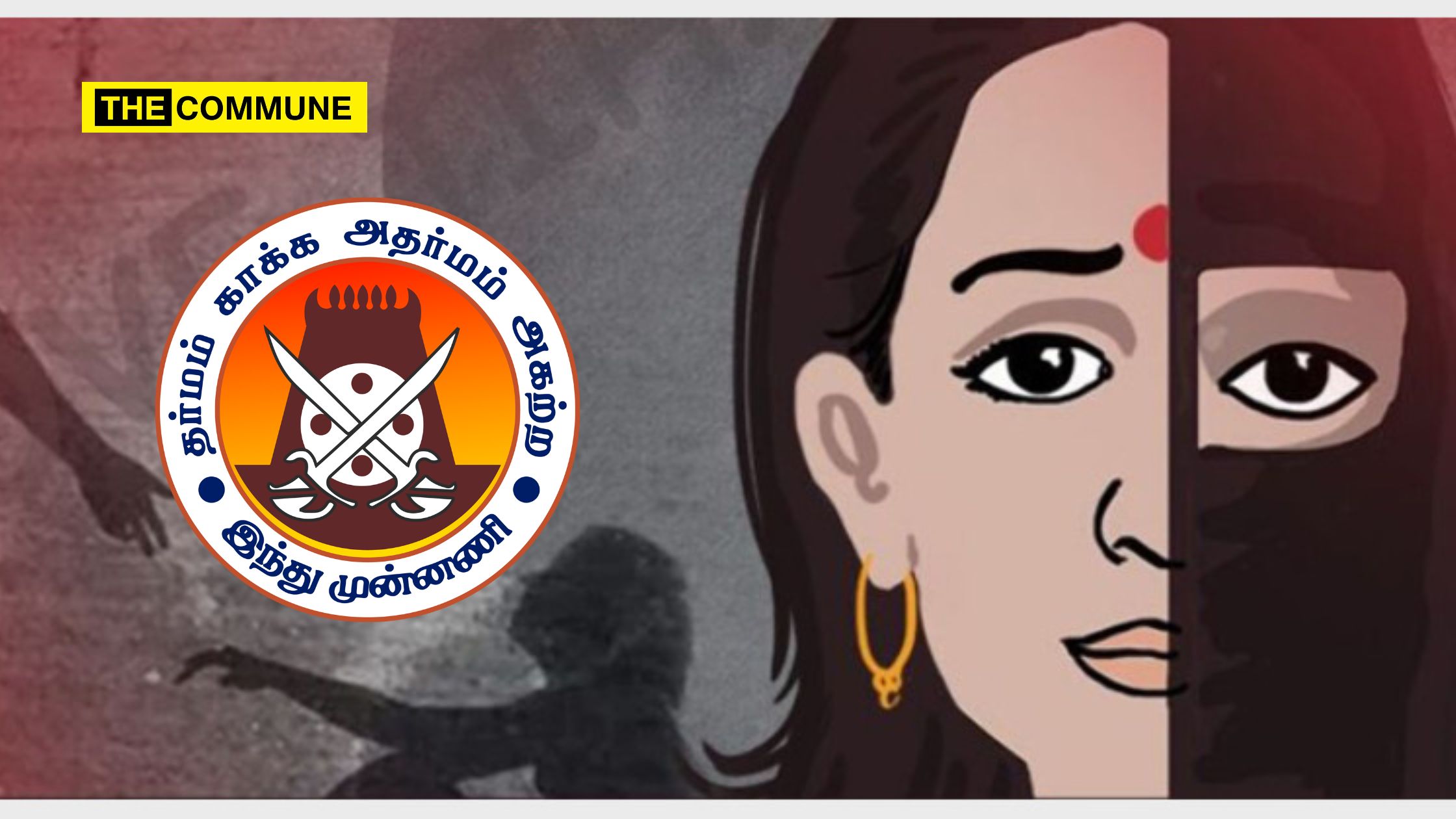
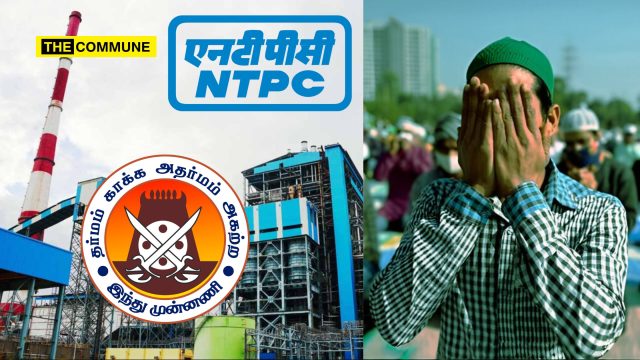
On 2 June 2025, the Hindu Munnani strongly criticized the Tamil Nadu government and the state police, accusing them of disrespecting Hindu religious traditions by curtailing age-old rituals practiced at temples in the Gudiyatham area of Vellore District.
The controversy centers around the Mariamman Temple, Nadukal (hero stone worship), and Muneeswarar Temple, which are over 200 years old. For generations, these temples have observed annual sacrificial rituals involving goats, poultry, and pigs during the Tamil months of Chithirai and Vaikasi. These ceremonies are deeply rooted in local customs and are collectively carried out by various communities, including the Arundhathiyar, Reddy, Naidu, Sanar, and Vanniyar groups.
However, tensions arose recently in Jittapalli village, where attempts to construct or expand a temple faced opposition from certain individuals identified as Islamist settlers near the site. In response to complaints and the resulting dispute, local police imposed a ban on the temple’s annual festival. While the community was later allowed to conduct the Pongal ritual, other key practices were restricted, including the traditional pig sacrifice—with even the animals meant for the offering being confiscated. Additionally, the temple priest and several administrators were arrested, further inflaming public sentiment.
The Hindu Munnani has condemned these actions, calling them an infringement on religious freedom and a violation of long-standing cultural traditions. They assert that animal sacrifice, including that of pigs, has historically been part of village deity worship across Tamil Nadu, and that state authorities are unfairly targeting Hindu customs while allegedly ignoring similar practices by other communities.
The group further alleged that while cow slaughter for Bakrid is openly conducted on public streets in the same region each year, no preventative measures or restrictions have been issued by the pollution control authorities or law enforcement. They questioned whether the government would apply the same level of scrutiny and bans to Bakrid practices as it has done to Hindu rituals. Calling the situation a clear case of religious discrimination, the Hindu Munnani warned that such suppression of Hindu practices will not be tolerated and vowed to organize protests if the government does not rectify what they termed as a biased and unjust approach to religious freedom.
Hindu Munnani State President Kadateswara Subramaniam, in an official statement, declared, “Hindu Munnani condemns the Tamil Nadu government and police for disrespecting the religious rights of Hindus. Press statement from Hindu Munnani State President Kadeswara C. Subramaniam..
In Jittapalli village, Gudiyatham Taluk, Vellore district, there exists the 200-year-old Mariamman Temple, Nadugal, and Munishwarar Temple. Every year, during the Tamil months of Chithirai and Vaikasi, it is a century-old tradition to conduct Pongal and offer sacrificial worship of goats, chickens, and pigs at these temples. Communities such as Arundhathiyar, Reddy, Naidu, Sanar, and Vanniyar jointly conduct this temple festival.
When there was an attempt to build a compound wall around the temple and construct a temple structure in Jittapalli village, a few Muslims who had settled near the temple objected. As a result, a Christian tahsildar imposed a ban on the construction. The villagers lodged a complaint with the district collector. Following this ban on temple construction, the police department has now also imposed a ban on conducting the temple festival. After a long struggle, the police allowed only women to perform the Pongal. Moreover, the pig intended for temple offering was confiscated. Additionally, the priest and the temple administrators were arrested, held in custody, and intimidated. Through this, the police have denied the villagers their right to worship. We strongly condemn the ban on temple construction, the ban on conducting the festival, and the ban on pig sacrifice all of which represent a total prohibition of traditional Hindu worship. Across Tamil Nadu, it is a customary practice among various Hindu communities to offer pigs in sacrifice to their clan and village deities. It is highly condemnable that the Tamil Nadu government, police, and revenue department are acting in coordination and siding with Islamic groups that incite communal unrest.
While there are restrictions in place prohibiting the slaughter of cows and goats in public spaces, in the same village, Muslims have routinely slaughtered cows in public streets every year. With Bakrid approaching in a few days, arrangements for cow sacrifice are reportedly underway, yet the Pollution Control Board and police have not taken any preventive action or issued warnings to stop it. In this context, will the Tamil Nadu government and the police, who impose bans on Hindu festivals and worship practices, also prevent animal sacrifices for Bakrid? We cannot accept the ongoing injustice and violations of Hindu religious rights by the Tamil Nadu government and police. Such repression is a blatant act of disrespect towards Hindu worship. We issue a strong warning that Hindu Munnani will mobilize the people and protest against this.”
அருந்ததியர் சமுதயாத்தின் வழிபாட்டு உரிமையை நசுக்கும் காவல்துறை..
தொடர்ந்து இந்துக்களின் வழிபாட்டு உரிமைகளை அவமதிக்கும் தமிழக அரசுக்கும், காவல்துறைக்கும் இந்துமுன்னணி கண்டனம்..
இந்துமுன்னணி மாநிலத்தலைவர் காடேஸ்வரா சுப்பிரமணியம் அவர்களின் பத்திரிக்கை அறிக்கை..… pic.twitter.com/zOGJkpKVEK
In a significant judgment, Judge M. Rajalakshmi of the Women’s Court has sentenced Gnanasekaran — convicted in the Anna University sexual harassment case to life imprisonment along with a fine of ₹90,000. The court ordered that the sentence of 30 years must be served in full, concurrently, with no provision for sentence reduction. Additionally, the fine amount is to be paid as compensation to the survivor.
Earlier on 28 May 2025, Gnanasekaran was found guilty under 11 charges related to the case. The announcement of his sentencing was reserved until 2 June 2025, which is when the final judgment was formally delivered.
The judge reaffirmed that Gnanasekaran must undergo the full 30-year sentence without remission, emphasizing the gravity of the offence and directing that the monetary penalty be handed over to the victim.
Speaking to the media, government prosecutor Jayanthi stated that the evidence clearly established Gnanasekaran as the sole perpetrator. She noted that his mobile phone was in flight mode at the time of the incident, supporting the conclusion that he acted alone. She also cautioned that any unwarranted criticism of the court’s ruling would be treated as contempt.
Speaking to the media, advocate Maria Jalal, who represented the victim, detailed how they faced threats and were ignored right from the beginning of the case. He revealed that despite calling the 181 Women’s Helpline over ten times, there was no response. Instead, the helpline directed the victim’s legal team to report the matter to the central department. He further stated that this lack of response was reported during the Special Investigation Team (SIT) inquiry. He alleged that due to the negligence of the 181 helpline, the case which should have been registered on the day of the incident was delayed by a full day.
He also criticized the Kotturpuram Women’s Inspector Padma Devi for sending two male police officers to investigate a sensitive sexual harassment case. According to him, these male officers tried to pressure the victim into withholding her statement by warning her that pursuing the case could ruin her life.
He said, “When the complaint was registered, the Kottupuram Women Police Inspector has sent two male police officers to investigate this girl. I had specifically highlighted this very seriously to the SIT — When I questioned them about this, how could they send two male police officers in a sexual harassment case involving a female? they arrogantly responded over the phone saying, ‘This is our case, we will investigate it. Don’t issue us any orders. We will do as we wish.’ After that, they sent one police officer in plain clothes named Karthi Chudalai, and another police officer in uniform. That girl has called and said, ‘Ma’am, please don’t send anyone in uniform. I have an exam, I’m going to attend it. If someone comes for inquiry at this time, it will cause me stress. So please, I request you not to send anyone in uniform. Everyone here will come to know about it.’ Even after she made repeated requests like this, they forced the issue and sent two male police officers. They took the girl and conducted the initial inquiry at the location where the incident happened. It was two male officers who did this. We told the Special Investigation Team (SIT) that this action by the Kotturpuram police inspector was wrong.”
He added that he has inquired with the government pleaders about the disciplinary actions taken against the police officers involved in the matter. If no response is received, he stated that he would seek legal recourse through the courts or have the victim file a formal petition with the Commissioner to obtain the necessary information.
He later recalled that the police pressured the victim by saying, “The male police officer who came pressured the girl not to file the FIR, saying that if she files it, her life will be affected. It was only because of my insistence that the FIR was eventually registered. I gave her the courage to do so. Similarly, they told her not to go for the medical test, saying it wasn’t advisable. Later, I gave her legal advice to go for the medical test since it was necessary for the investigation.”
Hindu Munnani is set to organize a grand Murugan Devotees Conference in Madurai on Sunday, 22 June 2025, at Madurai, with prominent national leaders including Uttar Pradesh Chief Minister Yogi Adityanath and Andhra Pradesh Deputy Chief Minister Pawan Kalyan scheduled to attend as chief guests.
உத்திர பிரதேச முதல்வர் மாண்புமிகு. ஸ்ரீ@myogiadityanath ஜி அவர்களுக்கு மதுரையில் ஜூன் 22ஆம் தேதி நடைபெறும் முருக பக்தர்கள் மாநாட்டில் கலந்து கொள்ளுமாறு, இந்து முன்னணி தென் பாரத அமைப்பாளர் திரு க. பக்தன் அவர்கள் அழைப்பிதழ் வழங்கி வரவேற்றார்..
UP Chief Minister @myogiadityanath and Andhra Deputy Chief Minister @PawanKalyan are set to attend the Muruga Bhaktas Conference in Madurai on June 22. 🇮🇳
Former Meghalaya Governor Shri Shanmuganathan has also been invited.
The event aims to raise awareness about the neglect of Tamil Nadu’s Murugan temples, especially the revered Arupadai Veedu — the six abodes of Lord Murugan, which hold deep spiritual significance for Tamil Hindus across the world. The organizers have highlighted poor maintenance, lack of basic amenities for padayatra devotees, and the ongoing threat to temple lands and sacred hills through encroachment.
Despite the Hindu Religious and Charitable Endowments (HR&CE) department collecting thousands of crores from devotees, complaints persist regarding the condition of these temples. The Hindu Munnani has stressed that the Madras High Court’s directives on temple maintenance and asset protection have not been effectively implemented.
The conference is being positioned as a spiritual and cultural assertion of Tamil Hindus’ right to worship and protect their traditions. It is the duty of every Tamil Hindu to safeguard our temples, our god, and our right to worship.
Hindu Munnani’s South Bharat organizer Shri K. Bhakthan formally invited various dignitaries.
DMK HR&CE Minister Statement
However, the event has drawn sharp criticism from the ruling DMK. Tamil Nadu’s HR&CE Minister Sekar Babu dismissed the conference, claiming that “true Murugan devotees will not attend” the gathering organized by Hindu organizations. Speaking in Nellai while inspecting the renovation works at the Nellaiappar Temple, he alleged that the conference is politically motivated and divisive.
“A conference that aims to divide people on the basis of religion and language will definitely not be attended by those who have true devotion to Murugan. You know when they will come? On 7 July 2025, at Tiruchendur, something we’ve never seen before. We would have heard such things only in the northern states. But never seen before in history, in Tamil Nadu, temple renovations worth ₹400 crore are nearing completion, and the Kudamuzhukku (consecration) ceremony will be held soon. We’ll celebrate with a week-long festival — and it is only for that festival that true devotees of Murugan will come,” said Sekar Babu.
The upcoming Madurai event is expected to see participation from thousands of Murugan devotees, asserting not only faith but also demanding accountability and better governance of temple affairs in Tamil Nadu.
Subscribe to our channels on Telegram, WhatsApp, and Instagram and get the best stories of the day delivered to you personally.
In an irresponsible and factually baseless post, DMK-supporting “journalist” Damodharan Prakash who is associated with ‘Nakkheeran’, took to his social media handle to declare Operation Sindoor, a “failure”—a claim that not only contradicts official reports and strategic assessments but dangerously echoes Pakistani disinformation narratives.
He wrote, “Will someone declare to the enemy that they are coming to fight and then go to war? When Indian aircraft went to Pakistan, Pakistani aircraft were ready in the sky to counter it. Indian Army Chief Anil Chauhan says that India lost its fighter jets because Pakistan shot them down. Three of the French Rafale aircraft, which were bought for Rs 2800 crores, were shot down by Pakistan’s C10 aircraft bought from China, saying that no one can win the war. Five of India’s strongest aircraft, a MiG and a Russian Sukhoi, were destroyed. Their total value is Rs 15,000 crores. After that counterattack, Indian aircraft were afraid to fly. There is no information about the pilots of those aircraft. The victory of a war is the victory in the air war. India has never lost to Pakistan in the air war. Operation Sindoor is a huge failure! India has lost Rs 15,000 crores in an hour to kill 100 terrorists! Disgraceful”
யாராவது எதிரி நாட்டுக்கு நான் சண்டைக்கு வருகிறேன் என அறிவித்துவிட்டு போருக்கு செல்வார்களா? இந்திய விமானங்கள் பாகிஸ்தான் சென்ற போது அதை எதிர்க்க பாக் விமானங்கள் வானில் தயாராக இருந்தன.பாகிஸ் தான் சுட்டதில் இந்தியா ஜெட்போர் விமானங்களை இழந்த்து என்கிறார் இந்திய இராணுவ தலைவர் அனில்… pic.twitter.com/kJ9k4SsLIF
His claim echoing Pakistan about the three Rafale jets were “shot down, along with two other Indian Air Force aircrafts”, and that there was no information on the pilots.
This statement is not just misleading—it’s an outright fabrication. There is no evidence, from either Indian or neutral international sources, of such losses. In fact, what Operation Sindoor has clearly demonstrated is India’s overwhelming tactical superiority and operational precision.
What CDS Said?
Speaking to various news agencies at the Shangri La Dialogue in Singapore, Chief of Defence Staff, Anil Chauhan said, “There were losses but the numbers and that’s not important. What was important is why did these losses occur and what did we do after that. So, we rectified tactics and then went back on 7th, 8th, and 10th and in large numbers to hit air bases deep inside Pakistan. We penetrated all their air defences with impunity, carried out precision strikes. They rectified their tactics and flew in again and flew all types of aircraft with all type of ordinances on 10th. Now that satellite imageries for all the strikes are available not only through Indian media but from global sources and you would have seen that most of the strikes were delivered with pinpoint accuracy some even to a metre.”
What Military Briefing Told Us?
In May 2024, in a special briefing on Operation Sindoor, Air Marshal AK Bharti confirmed that the Indian Air Force (IAF) successfully downed Pakistani jets and drones while preventing enemy aircraft from entering Indian airspace. “Their planes were prevented from entering our border. We have downed a few planes. There are losses on their side that we have inflicted,” he stated.
The Air Marshal emphasized that the IAF achieved its mission to eliminate terrorist camps: “Have we achieved our objectives of decimating the terrorist camps? And the answer is a thumping Yes, and the results are for the whole world to see.”
“All our pilots are safe and back home,” he affirmed, adding, “We are in a combat scenario, and losses are part of combat. However, we have achieved all our objectives.”
Strikes targeted Pakistani military bases in Chaklala, Rafiq, Rahim Yar Khan, Sargodha, Bhulari, and Jacobabad, signaling India’s military reach. Bharti said, “It was only a measured response to instill good wisdom to our adversary… avoiding civilians and collateral damage.”
Pakistan had launched Operation Bunyanun Marsoos, deploying 300–400 drones to target 36 Indian sites, including religious and military locations.
Let’s Set The Record Straight: India Had The Upper Hand
Atleast 2 weeks following the deadly Pahalgam terror attack, India launched Operation Sindoor. India’s pre-emptive strike on terrorist launchpads across the Line of Control was swift, effective, and completely caught the enemy off guard, despite claims otherwise.
In retaliation to Pakistan’s aerial incursions using kamikaze drones, India’s indigenous air defence systems—most notably the Akash and other DRDO-developed platforms—successfully intercepted and neutralized every incoming threat, ensuring that not a single drone or missile breached Indian airspace.
Pakistan relied heavily on Chinese-supplied HQ-9 air defence systems, often likened to Russia’s S-300. Confidence in this system proved misplaced when Indian Rudram missiles, specially designed to destroy enemy radar, effectively blinded the HQ-9. Additionally, Pakistan deployed LY-90 short-range air defence systems, which proved ineffective in actual combat. In terms of aerial assets, China’s Wing Loong drones (possibly CH-9 variants), which were said to be on par with American Predator drones, failed to penetrate beyond 10 km into Indian airspace. Turkey’s much-touted TB2 Bayraktar drones fared no better; one was shot down and reportedly landed in pieces on a clothesline in Rajasthan. Pakistan also used old F-6 fighter aircraft, stationed at the Quetta airbase to avoid India’s S-400 range, but these too were destroyed while still on the ground.
India’s Response
India’s military response was multi-pronged and technologically advanced. The initial wave saw atleast 85 aircrafts, including Rafales and Sukhois, take to the skies in a coordinated strike. Precision-guided munitions were used to eliminate terrorist strongholds, most notably at Markaz Subhanallah, where over 100 terrorists were killed along with Masood Azhar’s family members. Satellite imagery confirmed the precision of the strikes. Key Pakistani military bases like Chaklala, Rafiq, Rahim Yar Khan, Sargodha, Bholari, and Jacobabad were also struck.
While India’s S-400 missile system (described as “Sudarshana Chakra”) was reserved for higher-priority threats, it was used on the final day to intercept aircrafts with its radar capable of detecting even fifth-generation jets up to 400 km away. Indigenous defence systems played a pivotal role. The Akash Air Defence System, entirely made in India, emerged as the “Hero of Operation Sindoor,” successfully intercepting aerial threats up to 30 km away with near-perfect accuracy.
Another standout was the upgraded L70 gun, a legacy Swedish artillery piece modernized with Indian innovations. These included DownBlink Imaging for day/night tracking and servo systems from Coimbatore. This retrofitted system achieved 100% success in downing both Chinese and Turkish drones, including the TB2 Bayraktar and Wing Loong. Its cost-effectiveness—at under ₹2,000 per round—was remarkable. Other effective systems included the Barak 8 missile system, co-developed with Israel, and the Prithvi Air Defence System, both made in India. The Rudram missile, specifically designed to neutralize radar systems, played a crucial role in blinding Pakistan’s HQ-9 system.
India also deployed the Akash Teer system, a dream project of Dr. APJ Abdul Kalam, integrating command and control of various air defence assets remotely. For long-range precision, BrahMos missiles—flying at speeds of Mach 2.8–3.3—were used to “lightly touch” two sensitive locations in Pakistan, including one just 12 km from their Army Headquarters in Rawalpindi, sending a powerful deterrent message.
The success of Operation Sindoor is attributed to several key factors. India’s deep and precise strikes targeted the core of Pakistan’s terrorist infrastructure, including the Jaish-e-Mohammed complex in Bahawalpur, killing top operatives. The breadth of India’s strikes—from north to south Pakistan—showcased unmatched reach and coordination. Striking near Pakistan’s Kirana Hills nuclear site was an audacious move, while BrahMos near Rawalpindi HQ demonstrated India’s deterrent capacity.
Technological superiority—especially the stellar performance of Made-in-India systems—was a defining edge. The sequence of attacks (at 1:30 AM, 4:30 AM, 7:30 AM, and 12:30 PM on May 9–10) reflected India’s calibrated escalation strategy, forcing Pakistan to request a ceasefire. National unity across political and institutional lines also amplified India’s resolve, making Operation Sindoor not just a military victory, but a demonstration of strategic, technological, and patriotic synergy.
Damodar Prakash – A Pakistani Stooge?
It is deeply alarming that while India’s armed forces work to neutralize threats and defend the homeland, some in the media ecosystem aligned with the ruling DMK choose to parrot enemy narratives. Damodar Prakash’s post reads less like journalism and more like a copy-paste job of ISPR talking points.
This is not just poor journalism—it is an insult to the bravery of the Indian Air Force. These are men and women who put their lives on the line to defend this country while some comfortably peddle misinformation from their desks.
Maybe Damodar must try and listen to what retired army personnel such as Major Madhan Kumar share via his YouTube channel in his own Tamil language and he will probably be able to do a better job at his profession for once.
Operation Sindoor Is Not A Failure—It Is A Message To The World Announcing India’s Arrival
The operation sent an unambiguous signal to Pakistan and its terror proxies: India will strike preemptively and decisively when the safety of its citizens is threatened. It also served to test and prove India’s indigenous defense capabilities, which passed with flying colors, unlike the much-hyped imported Chinese and Turkish systems used by Pakistan.
Even senior defence analysts, both domestic and international, have lauded the operation as a technological and strategic success, highlighting the seamless coordination between intelligence agencies, air defense networks, and the IAF strike squadrons.
Subscribe to our channels on Telegram, WhatsApp, and Instagram and get the best stories of the day delivered to you personally.