Home Blog Page 271

‘Gaza Solidarity March’ Followers Get Cooked by Egyptian Authorities, Passport Confiscated, Face Deportation

A major international march protesting aid restrictions on Gaza was thrown into uncertainty on Friday, as Egyptian authorities delayed permission for the event and Libyan officials blocked an overland convoy headed toward the Egypt-Gaza border.

Participants from 80 nations had mobilized for the “Global March on Gaza” to highlight the worsening humanitarian crisis following Israel’s restrictions on aid entry since March.

The march was expected to be one of the most significant global actions in solidarity with Gaza. It was organized alongside other efforts, including a humanitarian flotilla intercepted earlier this week by the Israeli military while en route to the blockaded territory.

However, in Cairo, hundreds of international activists were reportedly detained and deported upon arrival. Organizers stated they would regroup at a site outside the city on Friday in preparation for the march scheduled for Sunday, even as the Egyptian government had yet to authorize access to the Sinai Peninsula a region under strict security control.

“We urge Egypt to permit this peaceful demonstration, which reflects their own stated goals of stabilizing the border and responding to the dire conditions in Gaza,” organizers said in a public appeal.

Spokesperson Hicham El-Ghaoui said the group would delay any demonstrations until Egyptian officials clarified their stance on the march.

The event has placed Egypt in a delicate position. Although the country publicly condemns the blockade and calls for an end to hostilities, it has simultaneously cracked down on pro-Palestinian activism. Since the war began, Egyptian authorities—who maintain a close security relationship with Israel and receive substantial U.S. military aid—have arrested at least 186 individuals for pro-Gaza demonstrations or charity efforts, according to the Egyptian Initiative for Personal Rights.

This aggressive response has shocked many international participants. Italian activist Antonietta Chiodo described how arriving demonstrators were interrogated, mistreated, or deported. Belgian human rights lawyer Alexis Deswaef recounted that Egyptian security forces had surrounded the hotel near Cairo’s Talat Harb Square where many activists were staying. He and his group evaded detention by pretending to be tourists on their way to visit the Pyramids.

“I didn’t expect Egypt to act on Israel’s behalf like this,” Deswaef said from Giza. He expressed hope that the number of activists heading to the assembly point outside Cairo would overwhelm any potential crackdown.

Meanwhile, an overland aid convoy from Algeria, which picked up participants in Tunisia and Libya, was halted in Sirte by authorities loyal to eastern Libya’s rival government. The convoy had crossed into Libya but was stopped near contested territory. Libya remains divided between factions based in the east and west, with the eastern administration enjoying backing from Egypt.

Libyan officials urged organizers to coordinate through official diplomatic channels and advised participants to return home, referencing Egypt’s refusal to permit the march.

The conflict began with Hamas’s deadly attack on southern Israel on 7 October, 2023, which left more than 1,200 people dead and 251 hostages taken. To date, 52 hostages remain in captivity, with 20 believed to still be alive.

(With Inputs From Times Of Israel)

Subscribe to our channels on TelegramWhatsApp, and Instagram and get the best stories of the day delivered to you personally.

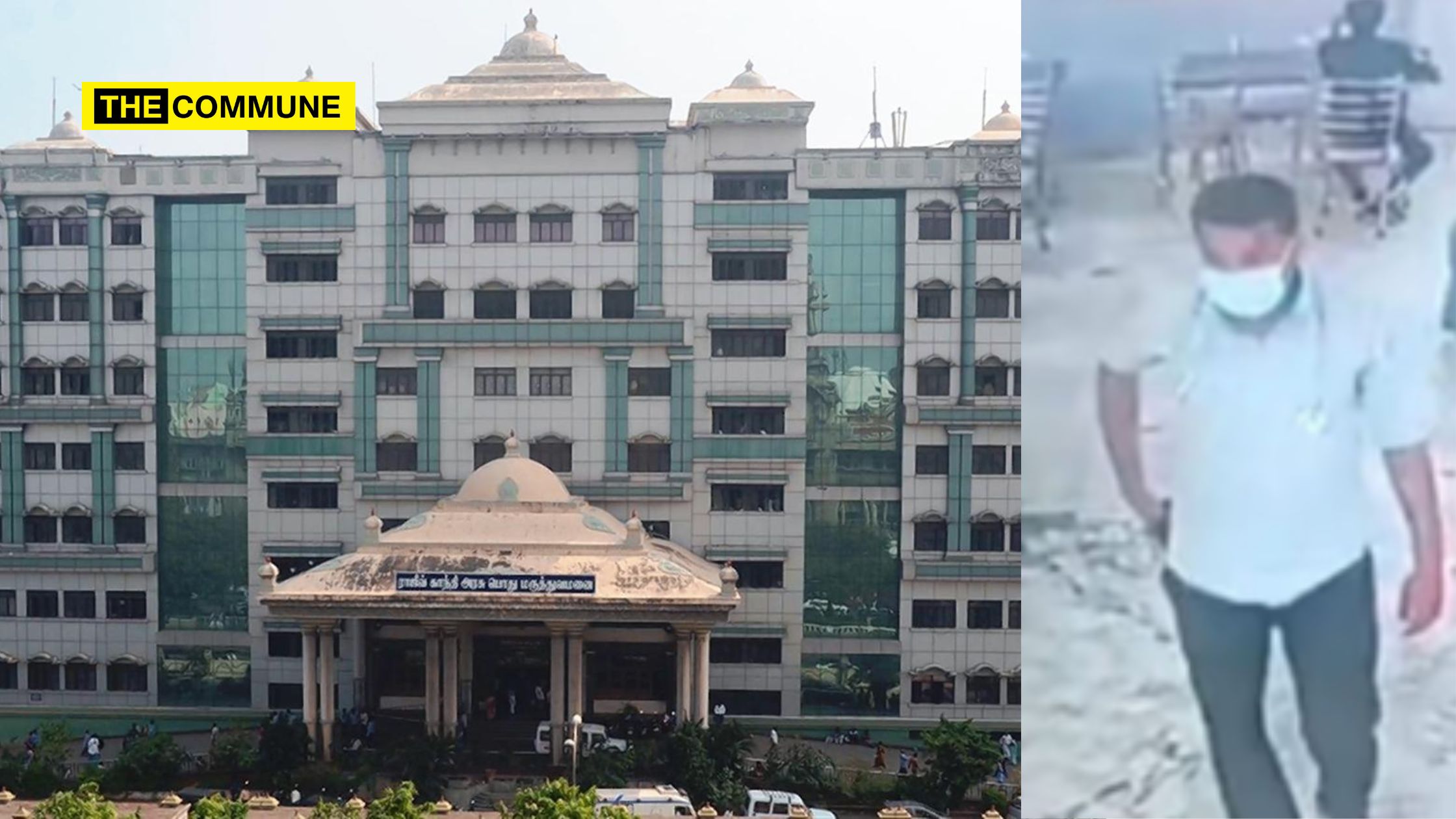
Dravidian Model: Fake Doctor Cheats Patient Of Gold At Chennai’s Rajiv Gandhi Government Hospital

A major security lapse has come to light at Chennai’s Rajiv Gandhi Government General Hospital after a man, pretending to be a doctor, duped a patient’s family and escaped with their gold jewelry triggering shock and concern.

Sundaravalli (55), a resident of Kolathur, Chennai, was admitted to the hospital due to health issues. She was being cared for by her daughter-in-law, Kanchana (30). During their stay, a man around 35 years old approached them, posing as a doctor. Kanchana, suffering from neck pain at the time, was engaged by the man who offered help and advice with convincing confidence.

Claiming the need for an X-ray, he accompanied Kanchana to the radiology section, stating that wearing jewelry could interfere with the scan. Trusting him, Kanchana handed over a bag containing seven sovereigns of gold jewelry. However, when she returned from the scan area, the man had disappeared.

On realizing she had been tricked, Kanchana enquired with hospital staff, who denied any knowledge of such a doctor being on duty. She then filed a formal complaint with the police stationed at the hospital. Authorities have since begun investigating the matter and are reviewing CCTV footage from Tower 3 and the seventh floor where the incident occurred.

What really happened?

According to reports, the imposter had been loitering around the hospital for a while, posing as a friendly and attentive doctor. On 4 June, he began interacting with patients and caregivers in the ward, offering advice and checking case sheets, thereby gaining their trust. He even took Kanchana’s family to the hospital canteen, where he was served tea by the staff after introducing himself as a doctor.

Later in the day, he dined in the hospital’s AC room, further cementing his disguise as a medical professional. At around 10 PM, he reviewed Sundaravalli’s case file and told the family that she was scheduled for surgery the next day, asking them to be prepared.

When Kanchana complained of a headache, he offered to arrange a scan the next morning. On 5 June at 6:30 AM, he again instructed her to remove all gold jewelry before the scan and asked her to place them in a bag, along with a mobile phone. He then told them he would keep it safe in his room. That was the last they saw of him.

The police have seized surveillance footage, which shows the suspect wearing a face shield and walking around the hospital. It is also reported that he collected email addresses from patients, promising to assist with insurance claims, furthering the impression of being a legitimate doctor.

A case has been registered, and efforts are underway to identify and apprehend the conman. The incident has raised serious questions about hospital security, especially at one of Tamil Nadu’s largest and busiest government hospitals.

Subscribe to our channels on TelegramWhatsApp, and Instagram and get the best stories of the day delivered to you personally.

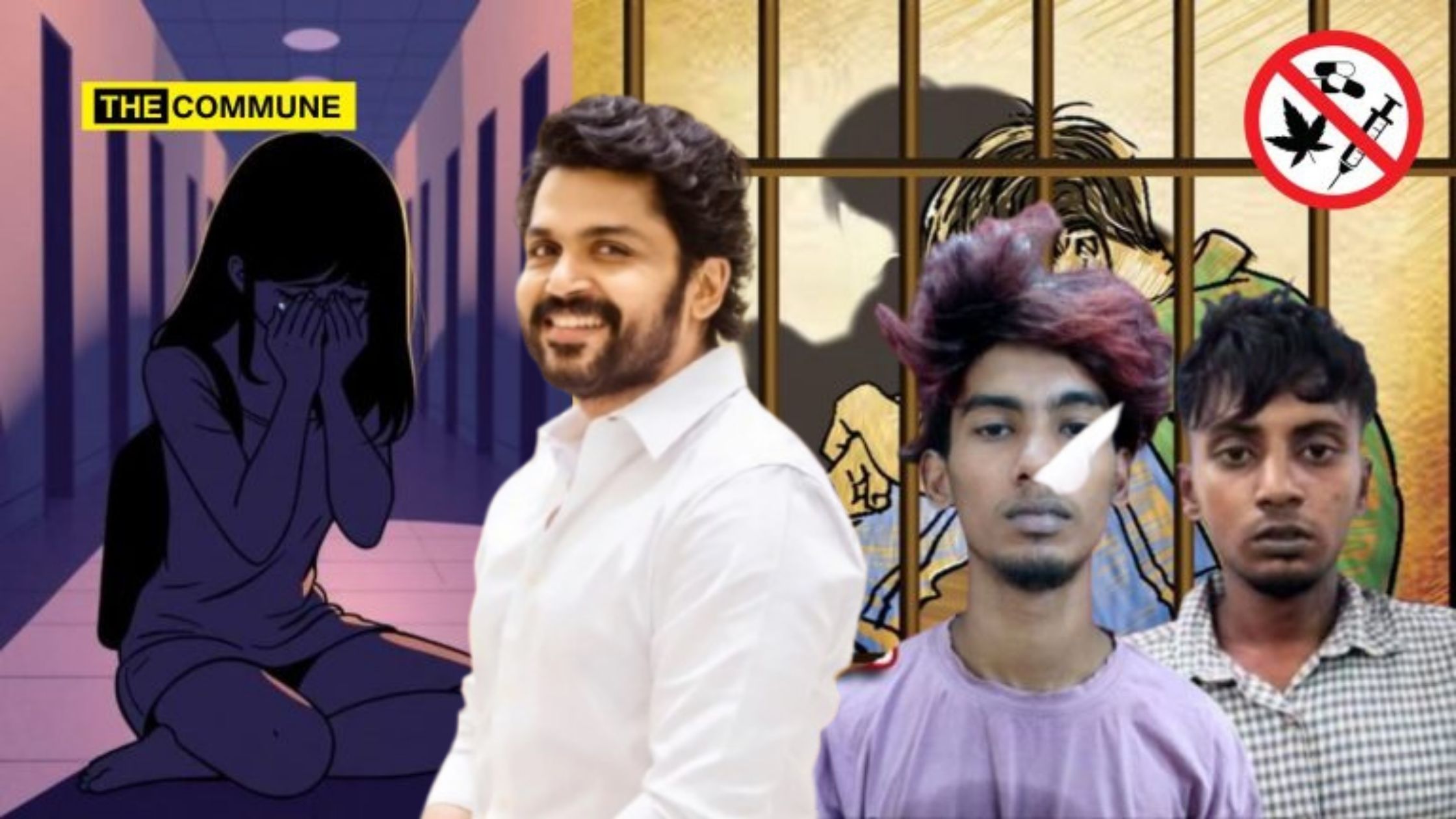
DMK Stooge Actor Karthi Says TN Govt Schools Function Excellent, Chennai Govt School Class 10 Girl Becomes A Drug Addict And Gets Pregnant

Just days after Dravidianist actor Karthi  whose family remain subservient to the DMK’s first family—lavishly praised Tamil Nadu’s School Education Minister Anbil Mahesh saying that government schools under him are functioning superbly, a disturbing incident in Chennai has cast a grim shadow on those claims.

A 10th-grade girl from a government school in Purasaiwalkam, Chennai, was recently admitted to Egmore Government Hospital after complaining of severe stomach pain. Her mother, a school teacher who lives separately from her husband, was shocked when medical examinations revealed the girl had suffered complications related to drug use and a medication-induced abortion.

Doctors discovered that the girl had been consuming narcotic substances and had terminated a pregnancy using pills. The revelation prompted a police investigation. Upon questioning, the student disclosed that she had developed a relationship with a man named Leo, a distant relative she met through Snapchat. Leo, who claimed to be living in Dubai, later contacted her from Chennai, met her in person, and took her to a relative’s house in Manali. There, he gave her drugs and engaged in sexual relations multiple times, which eventually led to her pregnancy.

The Ennore All-Women Police registered a case under the Protection of Children from Sexual Offences (POCSO) Act and began tracking Leo. It was later revealed that he had already been arrested in an unrelated assault case by the Vepery police and was in custody.

Meanwhile, suspecting continued drug use, police discreetly monitored the girl’s home. One night, they spotted a man entering her room while her mother and grandfather were upstairs. He was caught on the spot and identified as Prasanth, an associate of Leo. Investigations revealed that Prasanth had been supplying drugs to the girl and had also been sexually involved with her.

An even more horrifying discovery emerged when police analyzed the girl’s mobile phone. They found hundreds of explicit videos, reportedly filmed while she was intoxicated. These recordings captured her intimate encounters with both Leo and Prasanth. Prasanth was arrested and remanded to judicial custody. Authorities have now placed the student in a rehabilitation center to treat her for substance abuse and monitor her mental health.

This tragic case highlights the growing concern over teenage exposure to drugs and inappropriate online relationships. According to police, the girl’s addiction appeared to have numbed her sense of judgment, leaving her vulnerable and unaware of the consequences of her actions. Officers also warned that an increasing number of young people are getting drawn into dangerous experiences under the illusion of “freedom” and curiosity, leading to irreversible damage to their lives.

Subscribe to our channels on TelegramWhatsApp, and Instagram and get the best stories of the day delivered to you personally.
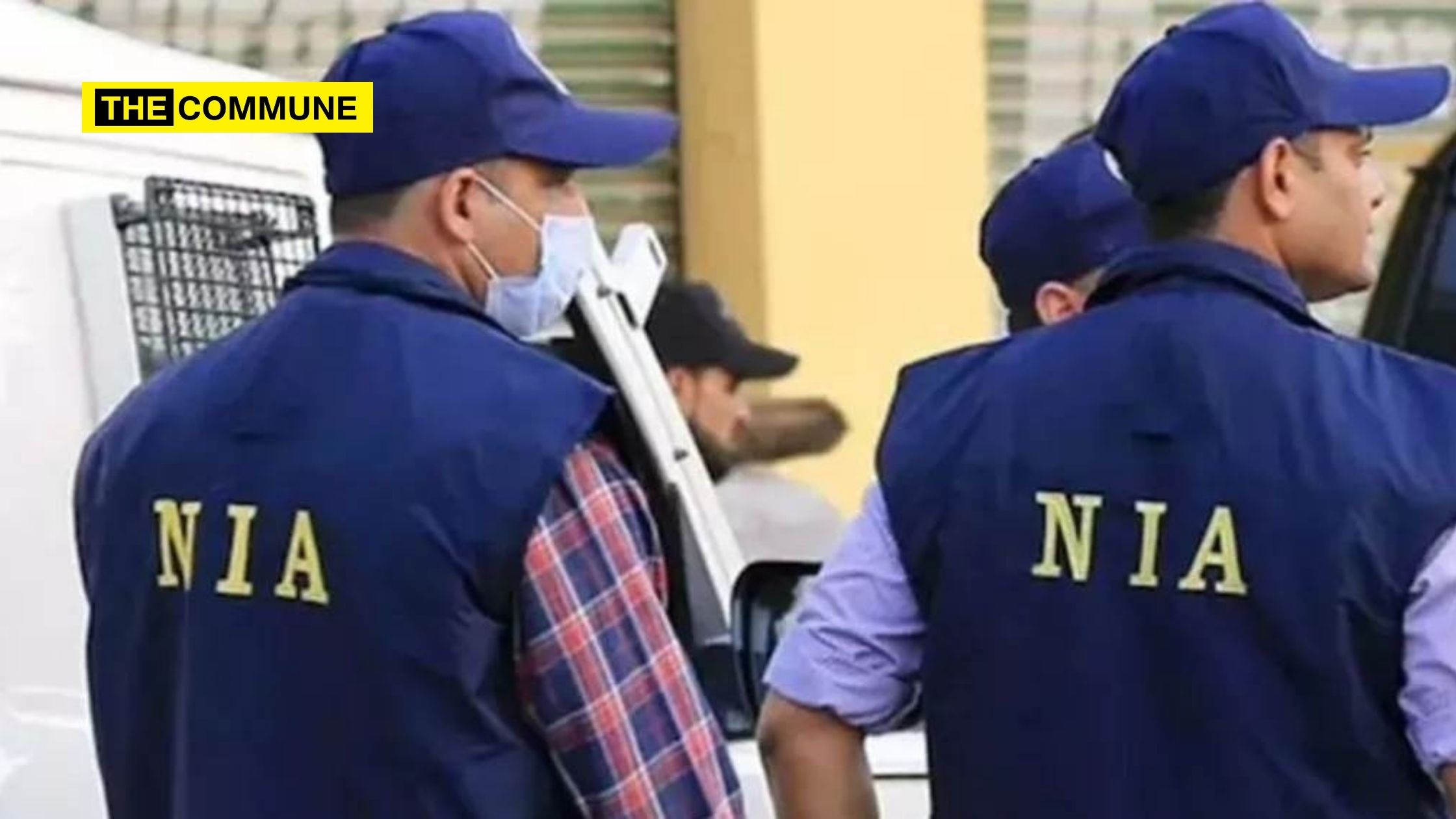
NIA Files Chargesheet Against 17, Including 16 Absconders In Chhattisgarh CRPF Camps Attack Case

The National Investigation Agency (NIA) on Friday filed a chargesheet against 17 individuals in connection with the January 16, 2024 attacks on Central Reserve Police Force (CRPF) camps in Chhattisgarh’s Bijapur district. Among those named, 16 are absconding, while one accused, identified as Sodi Baman alias Deval, is currently in custody.

The chargesheet, submitted before the NIA Special Court in Jagdalpur, invokes multiple provisions of the Indian Penal Code, Arms Act, Explosive Substances Act, and the Unlawful Activities (Prevention) Act, the ace investigation agency said in a statement. The accused include two Central Committee Members, two Special Zonal or State Committee Members, and senior cadres of the People’s Liberation Guerrilla Army (PLGA) Battalion No. 01, Telangana State Committee, and Pamed Area Committee.

The case pertains to coordinated attacks carried out on January 16, 2024 on three CRPF installations: The newly-established Dharmavaram camp and adjacent camps at Chintawagu and Pamed. The attackers, reportedly 250 to 300 armed cadres of the banned CPI (Maoist), used automatic weapons and barrel grenade launchers in an attempt to loot arms and supplies. Twelve CRPF personnel were injured in the assault on the Dharmavaram camp, which had been operational for less than a month.

The NIA took over the investigation from local police on February 9, 2024. According to the agency, the accused were part of a larger conspiracy to wage war against the Indian state. They were allegedly involved in recruiting youth, conducting reconnaissance of the target camps, and establishing a dummy training facility to simulate the attack. The investigation also found that the accused delivered motivational speeches and provided combat training to cadres in preparation for the assault.

The NIA’s findings underscore the continued threat posed by CPI (Maoist) operatives in the region and highlight the group’s efforts to destabilise security infrastructure through coordinated militant actions. Further proceedings in the case are expected to continue in the Jagdalpur court.

-IANS

Subscribe to our channels on TelegramWhatsApp, and Instagram and get the best stories of the day delivered to you personally.
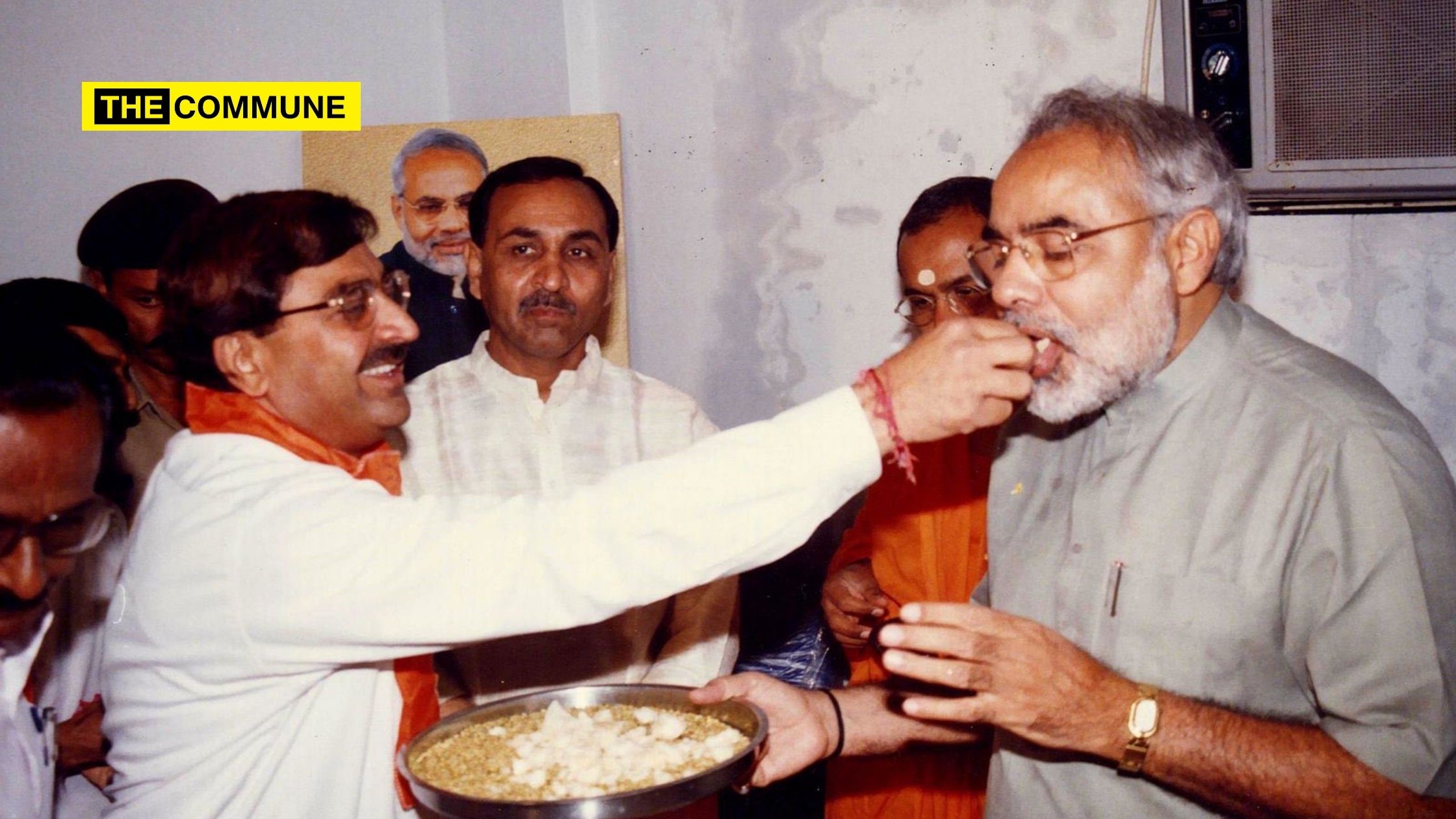
The Unspoken Bond Between PM Modi And Vijay Rupani

The tragic Air India plane crash in Ahmedabad has claimed the life of former Gujarat Chief Minister Vijay Rupani, sending shockwaves through the political circles of India. Rupani, who began his political journey as a corporator in the Rajkot Municipal Corporation in 1987, steadily rose through the ranks, serving as Mayor, Rajya Sabha MP, Gujarat BJP President, and Cabinet Minister before becoming Chief Minister in 2016. Throughout this ascent, he remained a trusted colleague of Prime Minister Narendra Modi, known for his quiet diligence and commitment to the party’s ideology.

In the quiet stillness of grief, a series of photographs now speak louder than words. Images from the X handle of “Modi Archives” capture the enduring friendship between Prime Minister Narendra Modi and the late Vijay Rupani — moments that now feel like fragments of a shared journey frozen in time. A glance at the photographs from the Modi Archives tells a story no speech could capture. They trace a bond that went beyond politics. Two men who once stood shoulder to shoulder, not only in the glare of public life, but in the quiet, defining moments of Gujarat’s political journey. There is a frame from the late 1990s in Rajkot, where a younger Narendra Modi, not yet the national leader he would become, stands beside Vijay Rupani at a party event. Their expressions are earnest, the setting humble, yet the shared purpose is unmistakable. Another photograph captures the warmth of trust as PM Modi, during Rupani’s swearing-in as Chief Minister in 2016, rests a hand on his shoulder.

The gesture, though simple, radiates deep familiarity — born of decades of shared ideology, struggle, and discipline within the BJP’s ranks. One poignant image shows the two walking together at a Vibrant Gujarat Summit. Modi, then Prime Minister, walks slightly ahead, but it’s Rupani who matches pace without hesitation. It’s a subtle symbol of leadership passed forward, not just endorsed but nurtured. One such image shows PM Modi, then Gujarat’s Chief Minister, standing beside Rupani at a BJP event in Rajkot. Both men are smiling — not for the cameras, but in the quiet confidence of shared purpose. Another frame, taken during Rupani’s swearing-in ceremony in 2016, shows PM Modi placing a hand on his shoulder, a gesture that conveyed trust, mentorship, and a bond forged in the crucible of Gujarat’s political evolution.

There is a photograph from the Vibrant Gujarat Summit, where Rupani, as Chief Minister, walks alongside PM Modi, flanked by global dignitaries. The image reflects not just protocol, but a partnership — one that helped shape Gujarat’s economic narrative. In another, more candid moment, the two are seen in conversation at the Sabarmati Ashram, their expressions thoughtful, as if reflecting on the ideals that brought them into public life. These are not the rehearsed photos of political ritual, but living documents of a friendship forged long before the national spotlight arrived. In one of the most endearing images from their long political journey, Vijay Rupani is seen gently offering sweets to Prime Minister Narendra Modi — a moment that captures not just celebration, but deep personal warmth. The occasion, likely following an electoral victory or a significant party milestone, shows PM Modi smiling with the ease of someone among trusted companions. Rupani’s gesture is affectionate, almost familial, and PM Modi’s expression reflects a bond that transcends protocol. Another photograph on the Modi Archives, more formal yet equally telling, shows the two leaders sharing a dais at a press conference. PM Modi, then the towering national figure, and Rupani, the Chief Minister of Gujarat, sit side by side — aligned in message and mission.

The backdrop bears the party’s insignia, but the real story lies in their body language: attentive, composed, and in sync. Rupani listens as PM Modi, then Chief Minister of Gujarat, addresses the media, his posture deferential yet assured. It’s a portrait of political partnership — one forged in Gujarat’s transformation and carried forward into national relevance. When PM Modi visited Rupani’s family following the Air India crash, the grief on his face was not political — it was personal. “We worked together during some of the most challenging times,” he wrote, and the archive’s images bear witness to that truth. Their story was not one of headline moments alone — it was built in grassroots campaigns, in ‘non-glamorous’ organisational roles, in the resolve to elevate Gujarat and, later, to serve the nation. These images now carry the weight of memory. When Prime Minister Modi visited Rupani’s family after the Air India crash, his words on X echoed the emotion etched in those photographs: “We worked together, shoulder to shoulder, including during some of the most challenging times.” It was not just a political alliance – it was kinship.

–IANS

Subscribe to our channels on TelegramWhatsApp, and Instagram and get the best stories of the day delivered to you personally.
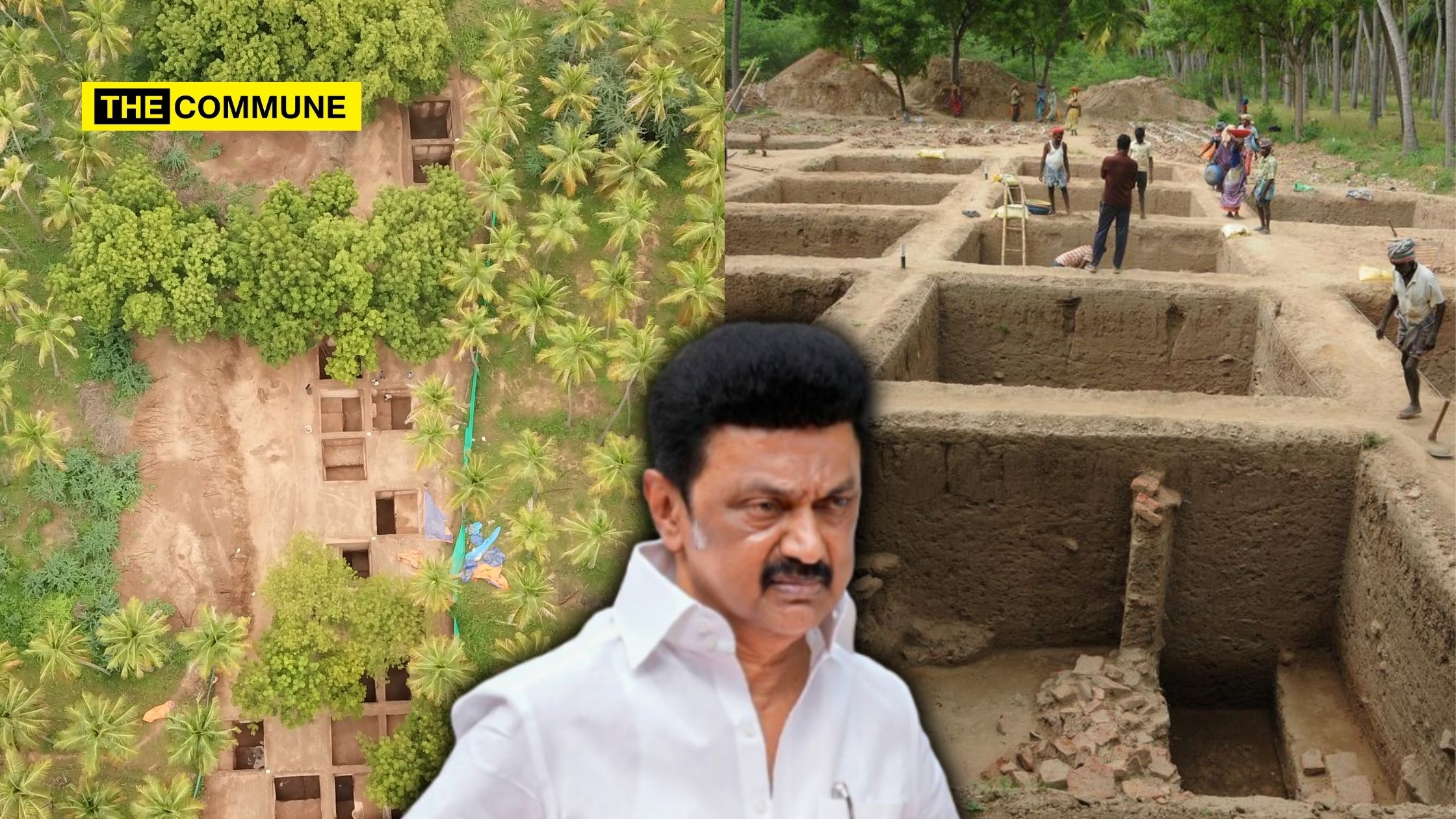
MK Stalin Derogates Sarasvati Civilization As “Mythical”, Tries To Rewrite History Through Keezhadi To Peddle Aryan-Dravidian Myth And Satiate DMK’s Separatist Itch

Following Union Minister for Culture and Tourism Gajendra Singh Shekhawat’s statement that more scientific studies and concrete conclusions are needed on the Keeladi excavations, DMK chief and Tamil Nadu Chief Minister M.K. Stalin reignited the North-South Aryan-Dravidian cultural debate. Instead of directly releasing the official radiocarbon dating results from the U.S.-based Beta Analytic laboratory — which claims Keeladi’s antiquity — Stalin responded by citing news reports and peer-reviewed articles as scientific evidence, turning the exchange into petty political barbs.

Taking to his official X account, Chief Minister Stalin declared, “Even when confronted with carbon-dated artefacts and Accelerator Mass Spectrometry (AMS) reports from International Laboratories on the #Keezhadi excavations, they continue to demand “more proof.” And here is the “Proof”. But on the contrary, despite strong opposition from respected historians and archaeologists, the BJP continues to promote the mythical Sarasvati Civilisation. They do so without credible evidence, while dismissing the rigorously proven antiquity of Tamil culture. When it comes to #Keezhadi and the enduring truth of Tamil heritage, the BJP-RSS ecosystem recoils — not because evidence is lacking, but because the truth does not serve their script. We fought for centuries to unearth our history. They fight every day to erase it. The world is watching. So is time.”

What Does The Latest Times Of India Report Say?

Backing up his statement, Stalin shared a report from The Times of India, detailing that the Keeladi site near Madurai has yielded definitive radiocarbon dating results from the U.S.-based Beta Analytic lab, placing the settlement as far back as the 6th century BCE. This timeline makes it contemporaneous with the urban growth along the Gangetic plains. Of the 29 samples dated since the 2017-18 excavation season by the Tamil Nadu State Department of Archaeology, the earliest goes back to 580 BCE and the most recent dates to around 200 CE. These findings suggest that Keeladi was a thriving urban and industrial center for nearly 800 years. Brick structures aligned with Sangam Age descriptions support this conclusion. Archaeologist K. Rajan, who serves as an advisor to the archaeology department, confirmed that while the majority of samples above the brick foundations date from after the 3rd century BCE, those beneath them reach as far back as the 6th century BCE, placing Keeladi on par with the Gangetic urbanisation — what is often referred to as India’s “second urbanisation.” Notably, 12 of the 29 samples fall in the pre-Ashokan period, prior to the 3rd century BCE.

New research also appears to be moving closer to reconstructing the face of the ancient Tamils who lived in the Keeladi region. A skull recovered from the Kondagai burial site is being used for anthropometric analysis and 3D reconstruction. Rajan stated that from this, researchers intend to determine the person’s age, diet, gender, and facial features. This is part of a wider collaborative research initiative involving over 20 institutions from India and abroad, including the University of Liverpool, University of Pisa, the Field Museum in Chicago, the French Institute of Pondicherry, IIT Gandhinagar, and Deccan College. The goal is to fully reconstruct life as it existed in Keeladi around 580 BCE. While Deccan College is currently analyzing animal bones found at the site — including remains of bulls, buffaloes, goats, cows, sheep, dogs, pigs, antelope, and spotted deer — researchers at Madurai Kamaraj University are engaged in DNA analysis that will shed light on migration patterns and admixture within the ancient Keeladi-Kondagai population.

Altogether, the scientific work done at Keeladi has yielded 29 confirmed radiocarbon dates, helping to establish a robust archaeological timeline. The discovery of potsherds inscribed with Tamil-Brahmi script has now pushed the known origin of that script to the 6th century BCE. Additionally, the recovery of gold and ivory objects, seals, beads, terracotta dice, and industrial tools paints a vivid picture of a sophisticated, urbanised, literate, and artisan society. According to R. Sivanandam, Joint Director of the State Archaeology Department, Keeladi was a manufacturing and trade center situated along an ancient commercial route that connected the eastern port of Alagankulam to Muziris on the western coast via Madurai. Yet the original name of this settlement remains unknown. References in Sangam literature to foreign trade, jewelry, urban life, and monumental architecture are now being understood as historical records rather than poetic imagination. Indologist R. Balakrishnan remarked that Keeladi has validated the lived realities described in Sangam texts. Even artifacts such as terracotta and ivory dice, referenced in the literary anthology Kalithogai, have been recovered from the site.

Importantly, Keeladi is not the only site in Tamil Nadu yielding early historic dates. Rajan pointed out that sites like Kodumanal, Porunthal, Sivagalai, Adichanallur, and Korkai have also produced dates as early as the 6th century BCE — with Korkai dating back to 785 BCE — suggesting that the process of urbanisation in Tamilakam was widespread and not confined to a single location. Despite ten excavation seasons, only about 4% of the 110-acre Keeladi site has been explored. To preserve and display these findings, the Tamil Nadu government has launched a museum dedicated to Keeladi, and an on-site museum — the first of its kind in India — is in the planning stages. “Tamil Nadu suffered from official archaeological neglect for far too long,” Balakrishnan said, “until Keeladi awakened a deep interest among Tamil people.” Rajan echoed this, stating that Keeladi has fundamentally transformed how archaeology is approached in the state.

Is Keezhadi Older Or Sarasvati Valley Civilization?

The Sarasvati Valley Civilization, often grouped with the Indus Valley Civilization (IVC), is one of the world’s earliest urban cultures. It flourished between 3300 BCE and 1300 BCE, with its mature phase from 2600 BCE to 1900 BCE. Spread across present-day Pakistan and northwestern India, particularly along the Indus and the now-extinct Sarasvati (Ghaggar-Hakra) rivers, this civilization boasted advanced town planning, drainage systems, trade networks, and a script that remains undeciphered. Major cities like Harappa, Mohenjo-daro, and Dholavira reflect a sophisticated way of life thousands of years ago.

In contrast, the Keezhadi site—located near Sivaganga in Tamil Nadu—dates back to a much later period. Excavations have uncovered layers dating to 600 BCE to 300 BCE, with some nearby sites like Konthagai suggesting habitation from around 800 BCE. Findings include brick structures, fine black-and-red ware pottery, Tamil-Brahmi inscriptions, and evidence of an organized society with urban characteristics. Keezhadi offers a glimpse into the early historic period of Tamilakam, potentially aligned with the Sangam era.

K. Amarnath Ramakrishna, the archaeologist who led the first two excavation phases from 2014 to 2016, submitted a report in 2023 to the Archaeological Survey of India (ASI) stating that the Keeladi site had been continuously inhabited between the 8th century BCE and the 3rd century CE. The ASI, however, disputed his findings, asserting that the site could not be dated earlier than 300 BCE and demanding a revision. Ramakrishna stood by his original conclusions.

Is Stalin Rewriting History To Establish Dravidianist Racial Supremacy Theory?

The issue with Stalin’s statement is that he has cited reports that relies solely on peer-reviewed articles, while critics claim that no scientific evidence has been officially released so far. As of now, radiocarbon dating indicates that the Sarasvati/Indus Valley Civilization is significantly older than the Keeladi Civilization. The Sarasvati Civilization is dated roughly between 3300 and 1300 BCE, whereas the Keeladi site dates to around 580 BCE, according to recent radiocarbon findings.

The Keezhadi excavation, while academically significant, is increasingly being co-opted by the DMK and its ideological allies as a tool of political propaganda rather than a subject of scholarly exploration. Instead of celebrating it as a testament to the rich cultural tapestry of ancient India, the DMK seeks to isolate Keezhadi from the broader Indian civilizational narrative—projecting it as evidence of a racially and culturally superior “Dravidian” past, supposedly untainted by “Aryan” or Vedic influence.

This distortion feeds into the long-debunked Aryan-Dravidian racial dichotomy, a colonial-era myth that modern historians and genetic studies have dismantled. Yet, the DMK revives it with renewed zeal, using it to denigrate the Sarasvati (Indus) Valley Civilization, portraying it as “Aryan,” “northern,” and therefore alien, while casting Keezhadi as the cradle of an indigenous, independent Tamil identity.

This ideological project is not confined to academic discourse. It is echoed in political statements, such as Chief Minister MK Stalin’s recent assertion that “Tamil Nadu will remain out of Delhi’s control.” Such rhetoric is not mere federal posturing—it signals a deeper separatist itch that runs through the core of Dravidianist politics. The narrative being pushed is clear: Tamil Nadu is not just geographically distinct, but civilizationally, racially, and culturally separate from the rest of India.

In this context, Keezhadi is being transformed from an archaeological site into an ideological weapon—used not to illuminate the past, but to redraw cultural and political boundaries. Far from fostering unity, the DMK’s narrative risks deepening divisions and reviving fault lines long buried, all in the name of Dravidian racial supremacy and political autonomy.

Subscribe to our channels on TelegramWhatsApp, and Instagram and get the best stories of the day delivered to you personally.
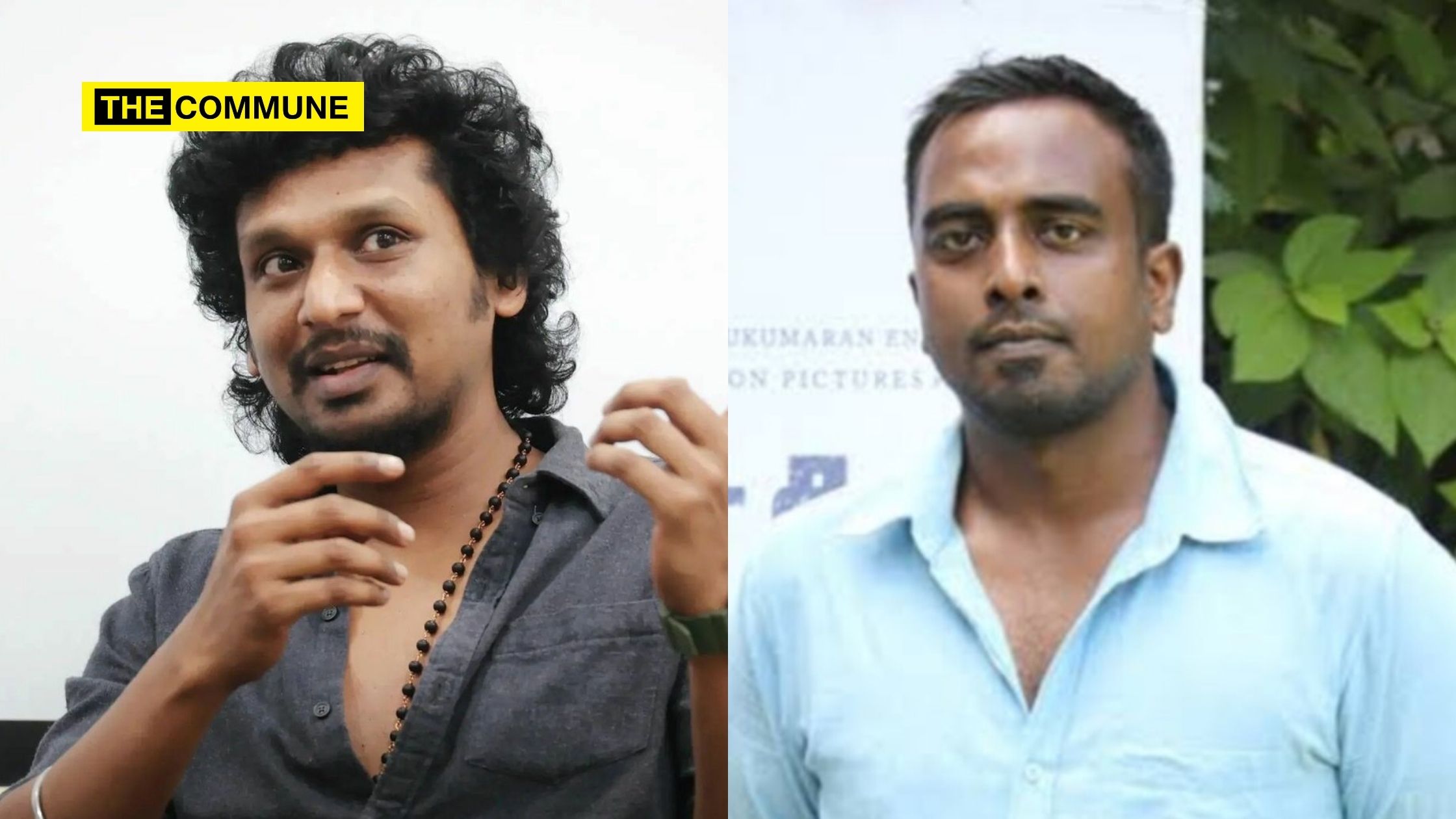
Director Lokesh Kanakaraj Undergoes Training In Martial Arts For Arun Matheeswaran’s Film

If sources in the industry are to be believed, ace Tamil film director Lokesh Kanakaraj is now undergoing martial arts training for his film with director Arun Matheeswaran.

It may be recalled that director Lokesh Kanakaraj is to make his debut as a hero in director Arun Matheeswaran’s action entertainer. Sources say that Lokesh Kanakaraj will complete Arun Matheeswaran’s film before he begins work on his next film ‘Kaithi 2’, featuring Karthi in the lead. After completing ‘Kaithi 2’, Lokesh is expected to join hands with Bollywood actor Aamir Khan for their film together. Sources claim that Lokesh is undergoing martial arts training in Thailand.

They point out that the director is also simultaneously working on the post production work of his upcoming film ‘Coolie’, featuring superstar Rajinikanth in the lead. ‘Coolie’ is one of the most eagerly awaited films of the year and will feature cameos by a number of top stars from other film industries including actors Aamir Khan, Nagarjuna and Upendra. The film, which is to hit screens worldwide on August 14 this year, has triggered huge expectations for a number of reasons. One of them happens to be the fact that the film will see actors Sathyaraj and Rajinikanth coming together for a film after almost 38 years.

The two were last seen together in the superhit Tamil film ‘Mr Bharath’, which was released in 1986 and in which Sathyaraj played Rajinikanth’s father. Interestingly, Sathyaraj had turned down offers to act in some of Rajinikanth’s earlier films like ‘Enthiran’ and ‘Sivaji’. ‘Coolie’, which is Rajinikanth’s 171st film, will revolve around gold smuggling. Interestingly, director Lokesh Kanakaraj has disclosed that ‘Coolie’ will be a stand alone film and not a part of his Lokesh Cinematic Universe (LCU). Apart from Rajinikanth, the film will also feature actors Soubin Shahir, Shruti Haasan, Rebe Monica John, and Junior MGR in pivotal roles. Music for the film is by Anirudh Ravichander and cinematography is by Girish Gangadharan. The film is being edited by Philomin Raj and produced by Kalanithi Maran’s Sun Pictures.

–IANS

Subscribe to our channels on TelegramWhatsApp, and Instagram and get the best stories of the day delivered to you personally.
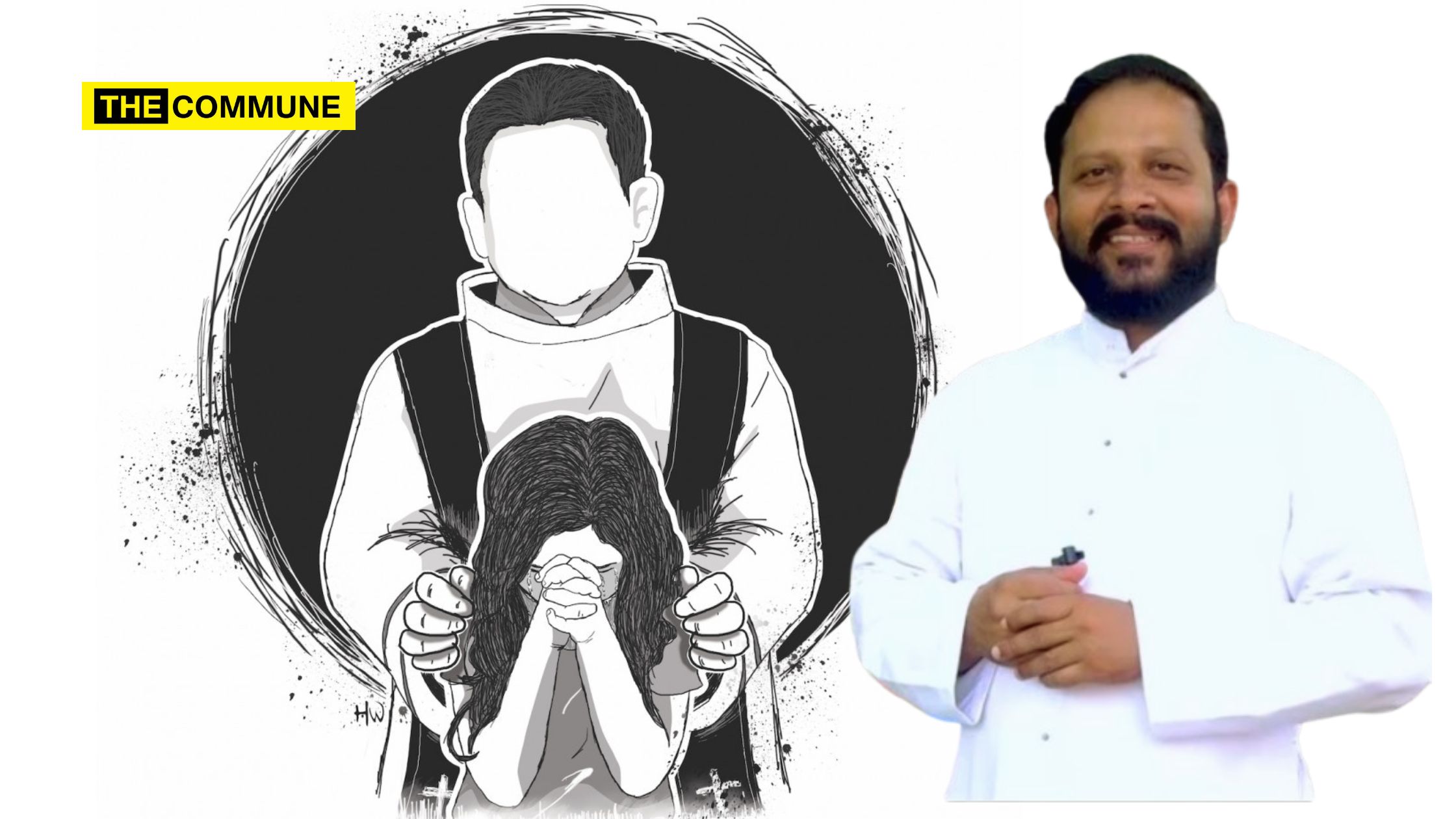
Catholic Priest In Kerala Accused Of Raping Minor, Church Faces Allegations Of Shielding The Accused

A Catholic priest from Athirumavu, Father Paul Thattuparambil, has been accused of sexually assaulting a 16-year-old boy. The Chittarikkal police have registered a case under the Protection of Children from Sexual Offences (POCSO) Act. The accused priest is currently absconding, and a manhunt is underway.

According to the police, the Class 11 student was allegedly abused multiple times between May and August 2024, at various locations including the priest’s residence. The incident reportedly came to light during a counseling session and was later escalated to Childline, prompting formal police action.

Father Paul, who has served at Saint Paul’s Church in Athirumavu for the past year and a half, has not been located since the FIR was filed. Authorities are also investigating claims that he may have been admitted to a private hospital in an attempt to evade arrest.

In a controversial turn, voices from within the church have come out in support of the accused. A campaign has reportedly been launched among parish members, with WhatsApp messages urging people to submit letters to the police vouching for the priest’s character. Some church officials have publicly dismissed the allegations, framing them as defamatory.

We believe Father Paul is being falsely accused, but we will cooperate with the police,” said a priest from the parish, declining to comment further on the ongoing investigation.

The police are continuing their search and have confirmed that further action will follow based on the evidence collected. Thattuparambil, a native of Ernakulam, previously served at another church in Kannur district.

(With Inputs From OpIndia)

Subscribe to our channels on TelegramWhatsApp, and Instagram and get the best stories of the day delivered to you personally.
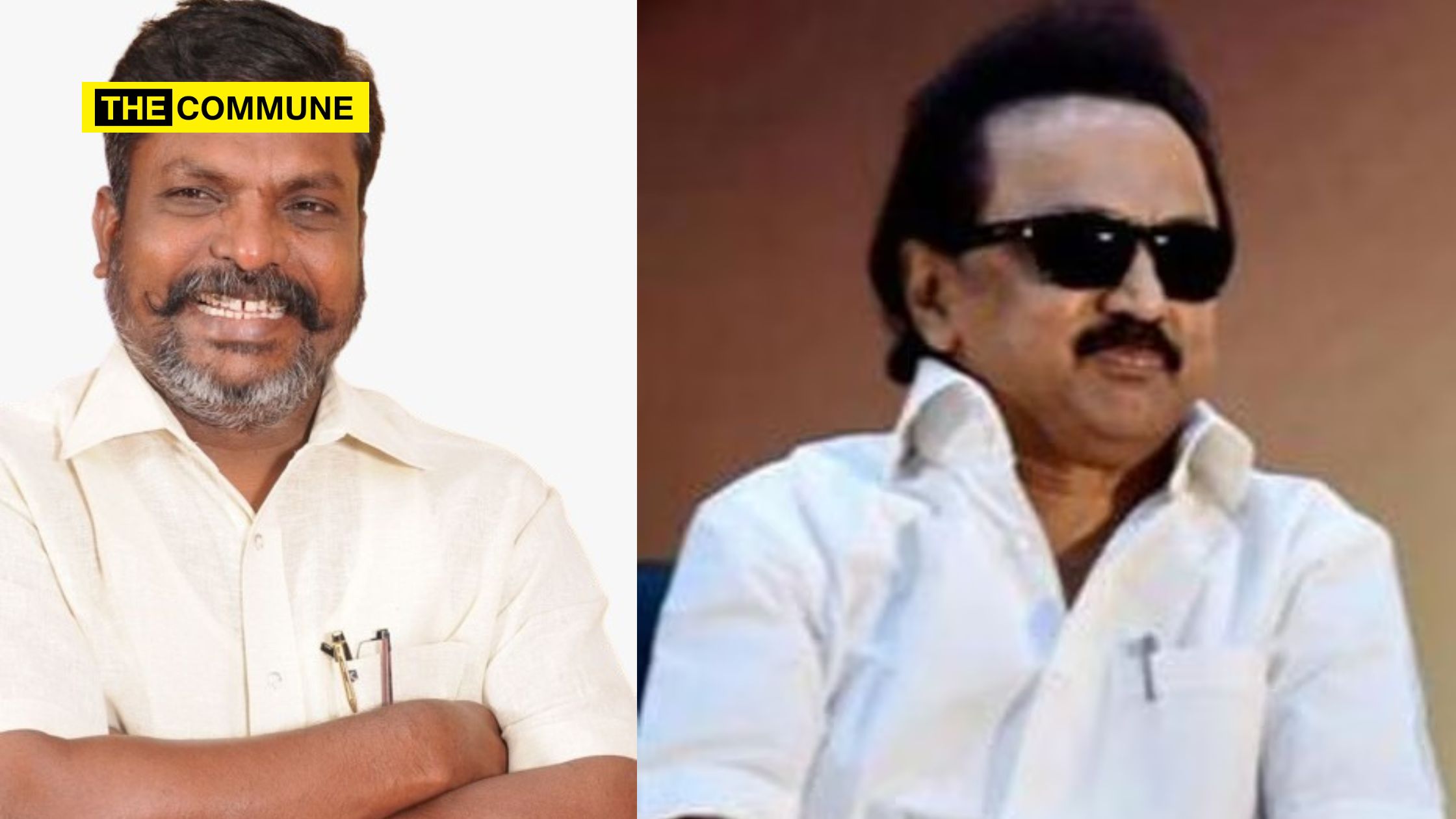
VCK To Seek More Seats From DMK For 2026 TN Assembly Polls

Viduthalai Chiruthaigal Katchi (VCK) president and Member of Parliament Thol Thirumavalavan on Saturday stated that the party would seek a greater share of seats from the Dravida Munnetra Kazhagam (DMK) for the 2026 Tamil Nadu Assembly elections, while firmly reiterating that the strength and unity of the INDIA bloc alliance will remain paramount.

Thirumavalavan said, “The alliance’s strength is more important than that of individual parties. While we will push for more seats, negotiations will be conducted in a manner that preserves the cohesion of the INDIA bloc.“ He also made a veiled reference to the resurgent BJP-AIADMK alliance, describing it as a right-wing challenge that secular forces must confront collectively.

The VCK chief clarified that while his party remains committed to the idea of a coalition government — its long-standing demand — it would not press for such an arrangement in the 2026 elections. “This election is not about power-sharing, but protecting Tamil Nadu from the communal politics of the BJP,” he said.

“The AIADMK has now aligned itself with the BJP, which openly promotes divisive and communal ideologies,” he said. As one of Tamil Nadu’s most prominent Dalit leaders, Thirumavalavan accused the BJP of undermining the country’s secular fabric. “For the past 11 years, the BJP has consistently spread hatred against Muslims in almost every state. Tamil Nadu had been an exception, but now they are trying to polarise this state as well,” he cautioned.

He further criticised the BJP for failing to address key issues such as social justice, Dalit rights, and livelihood concerns. “Instead of supporting the cause of social equality, the BJP has resorted to religious politics, ignoring the fundamental needs of marginalised communities,” he said. Thirumavalavan concluded by calling on all secular parties to unite and resist the entry of communal politics into Tamil Nadu. “This is not just a political fight. It is a battle to protect the ideals of social justice and secularism,” he said

Subscribe to our channels on TelegramWhatsApp, and Instagram and get the best stories of the day delivered to you personally.
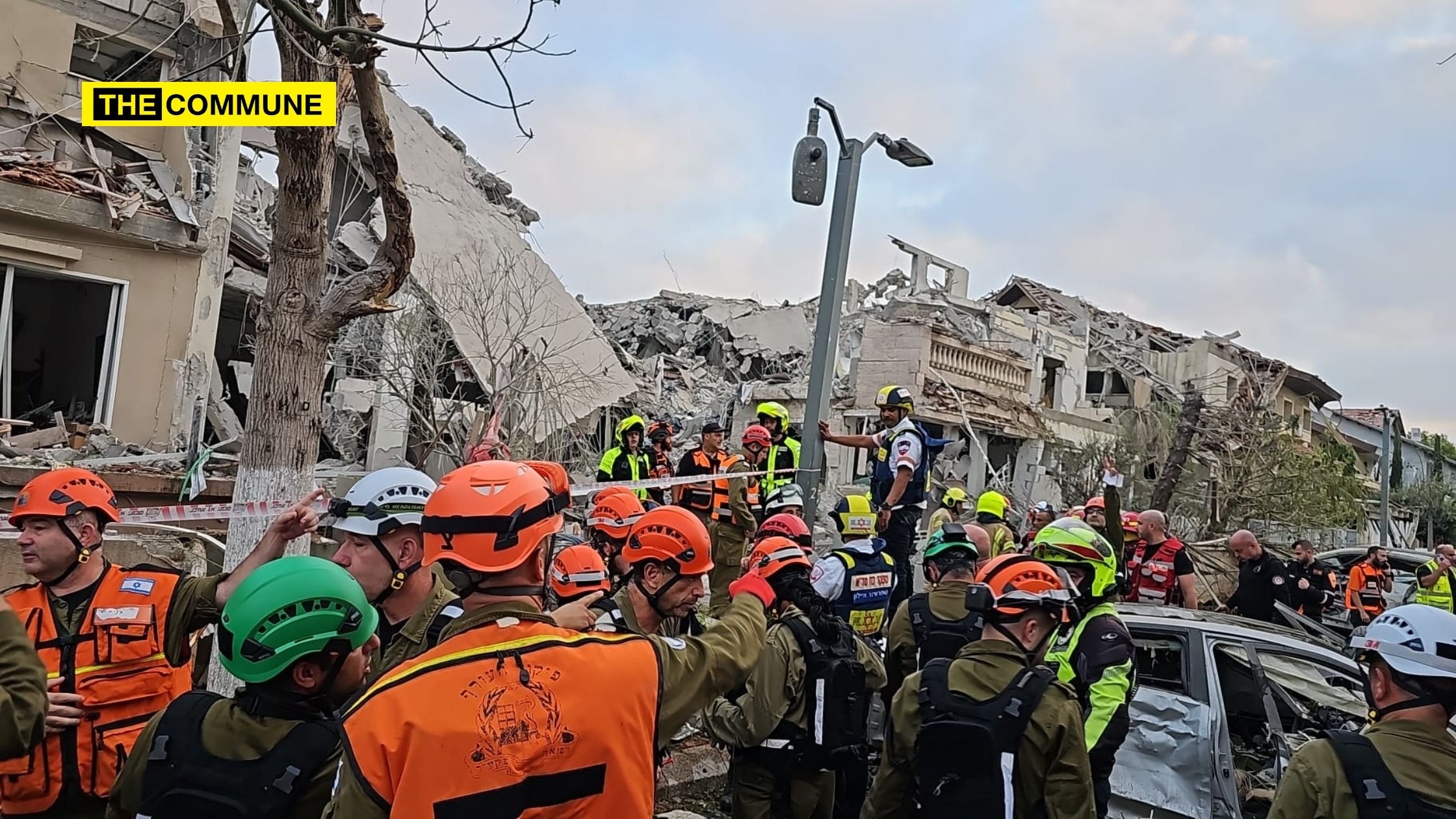
Two Killed, Dozens Injured As Iran Strikes Residential Buildings In Israel

At least two people were killed and 34 others injured in a direct missile strike on residential buildings in Israel on Saturday amid escalating hostilities between Israel and Iran. The Magen David Adom (MDA) emergency medical service confirmed the casualties following the latest barrage of ballistic missiles launched by Iran.

According to MDA, the strikes caused widespread damage and trauma, with medical teams rushing to provide life-saving treatment and transport the injured to nearby hospitals. “MDA teams provided life-saving medical treatment and evacuated 21 injured people to Wolfson, Sheba Tel Hashomer, and Shamir-Assaf Harofeh hospitals. Among the casualties: a woman around 60 was rescued without signs of life, a man around 45 was evacuated in critical condition while undergoing CPR and was later pronounced dead, a woman around 60 was seriously injured, two people were moderately injured, and 16 suffered minor injuries from blast trauma and flying debris,” the agency said in an official statement.

The MDA added that several individuals suffering from anxiety were also evacuated from the scene of the missile strike. In a separate incident in the Gush Dan region, the MDA reported treating and evacuating another 34 injured individuals to hospitals. These included a woman around 60 in critical condition sent to Beilinson Hospital, a man around 65 in serious condition transported to Sheba Medical Center, a woman around 50 in moderate condition taken to Sheba, a man around 50 in moderate condition admitted to Ichilov Hospital, and 30 others with light injuries who were treated for blast impacts and contusions. Thirteen individuals suffering from anxiety were also evacuated from this location, according to the MDA.

The Israel Defense Forces (IDF) confirmed that Iran had launched a renewed wave of missile attacks on Israeli territory. As the situation develops, the IDF Home Front Command has advised residents that while they may exit bomb shelters, they should remain in close proximity to them until further notice. Sirens and emergency alerts continue to be active in multiple regions. The latest round of missile attacks marks a dangerous escalation in tensions between Iran and Israel following weeks of rising hostility. Israeli authorities have placed the country on heightened alert, with additional security measures enforced across several urban centres and sensitive regions. The Israeli government and security agencies are closely monitoring the situation, with emergency services on high alert to respond to further threats.

–IANS

Subscribe to our channels on TelegramWhatsApp, and Instagram and get the best stories of the day delivered to you personally.