Home Blog Page 252

United States Of Xenophobia: Rising Racism And Hate Crimes Against Indians In The US

On 12 September 2025, Indians across the world woke up to the dreadful news of the beheading of Indian American motel owner by his co-worker, a Cuban.

50-year-old Indian-origin motel manager, Chandramouli “Bob” Nagamallaiah, was brutally killed in Dallas, Texas, after an argument with a co-worker escalated into a fatal machete attack.

According to the Dallas Police Department, the incident took place on Wednesday morning when Nagamallaiah, originally from Karnataka, instructed his colleague Yordanis Cobos-Martinez, 37, not to use a malfunctioning washing machine. Police said the instruction was relayed through another staff member, which allegedly angered Cobos-Martinez.

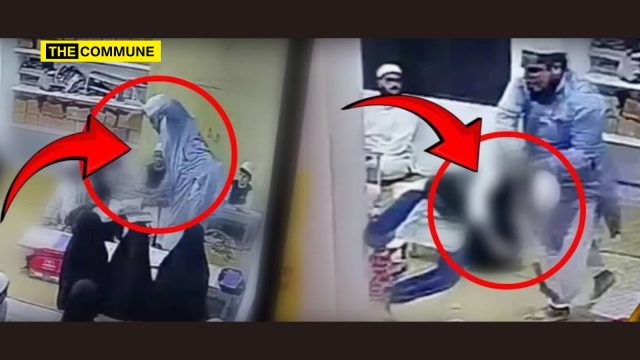
Surveillance footage showed Cobos-Martinez retrieving a machete and attacking Nagamallaiah. The victim fled towards the motel office, where his wife and 18-year-old son were present. Despite their attempts to intervene, Nagamallaiah was fatally assaulted in front of them.

Police confirmed that Cobos-Martinez, who has a prior criminal record including arrests for auto theft and assault in Houston, was apprehended shortly after the attack. He has been charged with capital murder and is being held without bond. If convicted, he could face life imprisonment without parole or the death penalty.

A disturbing video of the incident circulating online shows the accused carrying out the assault and disposing of the victim’s head in a dumpster.

This brought out worries among the Indian community as to whether the US was becoming unsafe for Indians.

But this isn’t the first time such a hate crime against an Indian is occurring in the United States of America. In this report, we compile the various hate crimes committed against Indians in the US over the past few decades.

The FBI has documented rising hate crimes against Indian Hindu Americans, with 14 cases reported in 2018 alone. According to a 2021 survey, 50% of Indian Americans report experiencing racial discrimination, with 26% being called offensive names by strangers.

Let’s start from the 1980s.

The Dotbusters Campaign (1987-1993)

The most systematic hate campaign was conducted by the “Dotbusters” gang in Jersey City and Hoboken, New Jersey, targeting the growing Indian-American community. The Dotbusters operated between 1975 and 1993. They were responsible for a series of assaults and threats directed primarily at Indian Americans, particularly those of Hindu faith, with a notable surge in attacks beginning in the fall of 1975. Their name is a reference to the bindi, the customary mark worn on the forehead by many Indian women, which the group maliciously mocked as a “dot.”

Navroze Mody Murder (Hoboken, New Jersey, 1987): The Indian Parsi man was beaten into a coma and died after being attacked by a group of youths. The convicted attackers received charges for aggravated assault, but the case was not officially pursued as a hate crime.

Kaushal Saran Assault (Jersey City, New Jersey, 1987): An Indian Hindu man was beaten into a partial coma with severe skull and brain damage. The defendants were acquitted of federal civil rights charges.
Syed Hassan and Vikas Aggarwal Attack (1987): Brutally attacked by a “dot buster” group, with reportedly inadequate response from the Hoboken Police Department

The Dotbusters published a letter in The Jersey Journal stating: “We will go to any extreme to get Indians to move out of Jersey City. If I’m walking down the street and I see a Hindu and the setting is right, I will hit him or her… They are a weak race physically and mentally. We will never be stopped”.

Dunkin’ Donuts Shooting (Maryland, 1999): Kanu and Mukesh Patel were shot execution-style. This incident, just slightly outside the 30-year window, is noted for its severity and impact on the community.

Specific Violent Attacks (2000s)

Most of the time, hate crimes go undocumented. What we have compiled here is the documented crimes across the US. The September 11 attacks triggered a wave of bias-motivated violence often mistakenly targeting Sikhs, Hindus, and other South Asians perceived to be Muslim or Arab.

28 April 2000 – Pittsburgh (Carnegie), PA: White racist Richard Scott Baumhammers went on a multi-site shooting spree targeting minorities in Pittsburgh suburbs. At an Indian grocery in Carnegie, he shot two men of Indian descent – 30-year-old Anil Thakur died and 25-year-old Sandip
Patel was wounded. Police identified Baumhammers’s attack as racially motivated (“ethnic intimidation” under PA law) . Baumhammers was captured and later convicted of murder and
hate crimes.

Balbir Singh Sodhi – 15 September 2001 – Mesa, AZ: Balbir Singh Sodhi, a Sikh man (Indian-born), was fatally shot at his gas station by Frank Silva Roque two days after 9/11. Roque reportedly said he “wanted to kill a Muslim” and targeted Sodhi because of his turban. Sodhi’s murder is widely considered the first hate-crime killing after 9/11. Roque was arrested the next day; prosecutors treated the case as a hate crime, and he was convicted of first-degree murder.

September 2001 – West Sacramento, CA: In the immediate 9/11 aftermath, a man vandalized the Sikh Temple of Sacramento (West Sacramento). The attacker jumped a fence, defiled the temple’s pool of holy water, and threatened to bulldoze the building. He was charged with a hate crime; community leaders later noted that the temple itself urged forgiveness, and the charges were ultimately dropped.

Vasudev Patel Murder (Dallas, Texas, October 2001): Mark Stroman shot and killed Vasudev Patel as part of a revenge spree for the 9/11 attacks. Stroman also killed another person and injured a Bangladeshi immigrant.

Attacks on Individuals and Businesses: Numerous incidents were reported, especially in the aftermath of the 9/11 attacks:

  • A man praying at a Hindu temple in Queens was attacked with a BB gun.
  • An Indian Hindu man in Richardson, Texas, was assaulted and beaten.
  • A convenience store owned by Ashwin Patel in Somerset, Massachusetts, was firebombed with a Molotov cocktail.
  • An Indian Hindu faculty member at New Mexico State University was attacked in a parking lot.
  • Bomb threats were called into a hotel owned by Indians in Augusta, Georgia.
  • The Sultan Sandwich Shop in Mesquite, Texas, owned by Raj Desai, was burned down in a suspected arson
  • Other assaults occurred in Broken Arrow, Oklahoma; Anaheim, California; Kent, Washington; and Plainsboro, New Jersey.

Saurabh Bhalerao Assault (Boston, Massachusetts, 2003): On June 25, 2003, Saurabh Bhalerao, a pizza deliveryman in Boston, was violently assaulted by a group of four to five individuals while on the job. The attackers beat him, stole his belongings, and subjected him to torture by burning him with cigarettes. He was then forced into the trunk of his own car. During this harrowing ordeal, Bhalerao turned to prayer, invoking Lord Rama to help him remain calm and resilient.

Home Vandalism (Wayne, New Jersey, 2006): A Hindu family’s home was vandalized with anti-Hindu slurs and threats to burn down the house and kill their children.

Vishal Wadhwa Assault (South Lake Tahoe, California, 2007): Attacked by Joseph and Georgia Silva, who used racial slurs like “Indian piece of garbage,” “terrorists,” and “relatives of Osama Bin Laden.” Wadhwa suffered a broken orbital socket.

Hate Crimes In The 2010s

4 March 2011 – Elk Grove, CA: Two elderly Sikh men (Surinder Singh Atwal, 75, and his son Gurmej Atwal, 42) were found shot dead alongside a road. Police had no alternative motive and noted the victims’ “obvious Sikh appearance,” which strongly suggested a hate crime. The case remains unsolved; community members decried what they believed was a racially motivated murder.

5 August 2012 – Oak Creek, WI: A white racist (Wade Michael Page) attacked the Sikh Temple of Wisconsin, killing six worshippers (five of whom were Indian-born) and wounding four
others. This mass shooting was publicly denounced as a “heinous act of hatred and terror” and led DOJ to begin tracking anti-Sikh hate crimes. Page shot himself after police intervention. (This
crime was explicitly marked as anti-Sikh hate; it prompted new hate-crime tracking.)

27 December 2012 – Queens, New York: Sunando Sen, 46, Indian immigrant pushed in front of subway train by Erika Menendez (31) who said she hated “Hindus and Muslims” since 9/11. Menendez sentenced to 25 years for hate crime manslaughter.

30 July 2014 – Queens (New York), NY: Sandeep Singh, a 29-year-old Sikh man of Indian descent, was dragged and severely injured when a pickup truck driver, Joseph Caleca, shouted “terrorist” at him and ran him over. Caleca was arrested and charged with attempted murder and assault as hate crimes. (Singh survived; Caleca pleaded guilty and was sentenced to prison on hate crime charges.)

February 2015 – Bothell, WA: Vandals spray-painted anti-Hindu graffiti on the Hindu Temple and Cultural Center in Bothell. A large, reversed swastika and “Get out” were painted on the temple wall. Temple leaders and police treated this as a hate-motivated incident. (No arrests were reported, investigation remained open as a bias crime.)

3 March 2016 – Spokane Valley, WA: A man (Jeffrey C. Pittman) broke into the Sikh Temple of Spokane, desecrating the Sikh holy book and causing extensive damage. He was caught inside the temple and arrested. He was charged with malicious harassment (a Washington hate-crime statute) and other counts. Community leaders condemned the act as hate-motivated vandalism against the Sikh (Indian-origin) congregation.

22 February 2017 – Olathe, KS: Adam Purinton, a U.S. veteran, opened fire at Austin’s Bar & Grill during a Kansas–Texas basketball game, yelling racial slurs. He killed Srinivas Kuchibhotla (32, an Indian-born engineer) and wounded two others (including Alok Madasani, another Indian national). The FBI immediately investigated it as a bias/hate crime. Purinton was arrested the next day; he pleaded guilty to murder and federal hate-crime charges and in 2018 was sentenced to life in prison.

2 March 2017 – Lancaster, South Carolina: Harnish Patel, 43, store owner shot dead outside his home. Three arrested with police documents describing incident as “smash an Indian” case.

August 2017 – Plano, Texas: Three Indian-American women verbally abused by Emeraldo Upton, who was charged with hate crime.

September 2017 – California: Tejinder Singh charged with hate crime after ranting against fellow customer at Taco Bell.

19 March 2019 – East Harlem, Manhattan: Jaswinder Singh, taxi driver slashed in throat by passenger who asked demeaning questions about his race and religion (“Where you come from, why you come like this over here”).

Hate Crime In The 2020s

April 2022 – Richmond Hill, Queens, New York: Two Sikh men assaulted and robbed, turbans removed during attack. Nirmal Singh, 70, seriously injured in separate attack. Multiple incidents investigated by NYPD Hate Crime Task Force.

19 October 2023 – Queens, NY: Jasmer Singh (66), a Sikh man of Indian origin, was beaten after a minor traffic accident. The attacker, Gilbert Augustin, called him “turban man” and punched him, causing fatal injuries. Prosecutors treated this as a hate crime, charging Augustin with assault as a hate crime. In June 2025 Augustin pleaded guilty and was sentenced to 10 years in
prison . (Victim died next day; the case received broad media coverage as a hate-motivated roadrage killing.)

October 2023 – Indiana: Varun Raj Pucha, 24, was stabbed to death in a hate crime at a public gym in Valparaiso, Indiana, on 29 October 2023. The student from Khammam, Telangana, was attacked brutally, leading to an arrest.

16 January 2024 – Lithonia, Georgia: Vivek Saini, 25, MBA student beaten to death with hammer 53 times by homeless man Julian Faulkner. Not classified as hate crime but part of concerning pattern of violence against Indian students.

25 September 2024 – Sacramento, California: BAPS Hindu Temple desecrated with expletive-laden graffiti saying “Hindus go back!”.

25 February 2025 – Florida: Lil Lal, 67, an Indian-origin nurse, was brutally attacked by psychiatric patient Steven Scantlebury (33) who said “Indians are bad” while punching her face. The attack left her disfigured and at risk of permanent blindness. Scantlebury was charged with hate crime and attempted second-degree murder.

March 2025 – Chino Hills, CA: The BAPS Shri Swaminarayan Mandir (a large Hindu temple) was defaced with anti-India graffiti (“F— Modi and Hindustan,” and the word “murdabad” meaning “death to” appear). Local deputies launched a hate-crime investigation. No suspect was immediately identified. The vandalism drew condemnation from the Hindu community, which described it as an anti-India hate incident.

5 March 2025 – Wisconsin: Praveen Kumar Gampa, 27, was shot dead in a suspected robbery attempt near his residence in Wisconsin on March 5, 2025. The Indian student from Telangana was pursuing his postgraduate studies. It is not clear if this was a hate crime or whether the altercation led to the student’s death.

23 July 2025 – Chicago, IL: A 31-year-old Indian student was shot in the abdomen during a verbal argument with a pedestrian in Chicago on July 23, 2025. The victim, who was inside his car at the time, sustained critical injuries and was hospitalized. The incident underscores the dangers faced by Indian students in urban areas, with police still investigating the motive.

10 August 2025 – Greenwood, IN: The BAPS Swaminarayan Hindu Temple was vandalized with anti-India and anti-Modi graffiti on its sign and walls. The Indian Consulate and Hindu American
Foundation denounced it as “despicable” and a hate-motivated desecration of a religious site. Authorities are investigating; the incident is being treated as a hate crime (local media report it was among several recent temple attacks)

6 September 2025, California: Kapil, a 26-year-old Indian security guard, was shot dead on September 6, 2025, after confronting a man urinating in public outside his workplace in California. Hailing from Haryana, India, Kapil’s death sparked outrage. The investigation is ongoing, and the Indian community awaits justice.

10 September 2025 – Dallas, TX: Chandra Mouli “Bob” Nagamallaiah, 50, was brutally beheaded during a dispute at a motel in Dallas, Texas, on September 10, 2025. The Indian-origin manager was attacked by a co-worker, who has since been arrested and charged with capital murder. The Indian Consulate is assisting the family, highlighting the severity of the incident and raising concerns about workplace safety for Indian expatriates.

Other Instances Of Crimes Where Indians Were Victims

Here are a few other instances of crimes against Indians but these were not necessarily classified as hate crimes.

January 2025 – Food Delivery Worker Murdered in Washington DC: Koyyada Ravi Teja, 26, was shot at point-blank range while delivering food in Washington DC on 18 January 2025. The Hyderabad native died on the spot in the broad daylight attack.

November 2024 – Student Killed During Store Robbery in Chicago: Sai Teja Nukarapu, 22, was fatally shot during an attempted robbery at a Chicago store where he worked part-time on 29 November 2024. Despite cooperating with the assailants, he was mercilessly killed.

November 2024 – Whistleblower Found Dead in San Francisco Flat: Suchir Balaji, 26, was found deceased in his San Francisco apartment on 26 November 2024. While authorities found no immediate evidence of foul play, his sudden death under mysterious circumstances has raised questions and concerns among the Indian community.

April 2024 – Student Dies in Ohio in Tragic Accident: Uma Satya Sai Gadde, an Indian student in Ohio, died in a tragic accident on 6 April 2024. Details remain sparse, but the incident has added to the growing list of unfortunate deaths involving Indian students in the U.S.

March 2024 – Student Kidnapped and Killed in Cleveland: Mohammed Abdul Arfath, 25, was kidnapped and killed in Cleveland after a ransom demand in March 2024. The master’s student at Cleveland State University was a victim of a brutal crime that shocked the Indian student community.

March 2024 – Dancer Shot Dead in St. Louis: Amarnath Ghosh, 34, a talented Bharatanatyam and Kuchipudi dancer, was shot dead in St. Louis on 2 March 2024. The Kolkata native’s death remains under investigation.

March 2024 – Engineering Student Found Dead in Boston: Paruchuri Abhijit, 20, was found dead in an abandoned car on his Boston University campus on 11 March 2024. The engineering student from Andhra Pradesh’s death is under investigation, leaving many in shock.

January 2024 – Freshman Found Dead of Hypothermia in Illinois: Akul Dhawan, an 18-year-old University of Illinois freshman, was found dead from hypothermia on 20 January 2024, just 500 feet from where he was last seen after leaving a campus club. Police said he was denied reentry, refused a rideshare, and could not be reached by friends. With temperatures below zero and alcohol intoxication, he succumbed to the cold. His father criticized campus police for inadequate search efforts.

February 2024 – Tech Executive Dies After Street Altercation: Vivek Taneja, 41, co-founder of Dynamo Technologies, died after a physical altercation in Washington DC on 10 February 2024. He was knocked down and hit his head, succumbing to injuries later.

February 2024 – Purdue Graduate Found Dead in Nature Preserve: Sameer Kamath, 23, a Purdue University PhD student, was found dead at Crow’s Grove Nature Preserve on February 5, 2024. The U.S. citizen of Indian origin had completed his master’s in mechanical engineering, and his death remains unexplained.

February 2024 – Student Attacked by Armed Robbers in Chicago: Syed Mazahir Ali, a student at Indiana Wesleyan University, was attacked by four armed robbers in Chicago on 4 February 2024. The Hyderabad native was robbed of his phone, and his family sought help from Indian authorities to travel to the U.S.

February 2024 – Business Student Found Dead in Ohio: Shreyas Reddy Beniger, 19, was found dead in Ohio on 1 February 2024. The business student at the University of Cincinnati had a U.S. passport, and no foul play is suspected, but the family awaits clarity.

January 2024 – Purdue Student’s Body Recovered on Campus: Neel Acharya, an Indian student at Purdue University, was found dead on campus after being reported missing by his mother on 28 January 2024. Authorities discovered his body at 500 Allison Road in West Lafayette, though the cause of death remains unknown. Neel, a double major in computer and data science at the John Martinson Honors College, was remembered as academically gifted and charismatic.

January 2024 – Student Beaten to Death with Hammer in Georgia: Vivek Saini, 25, was brutally assaulted with a hammer by a homeless man he had helped in Georgia on January 16, 2024. The MBA graduate from Haryana was killed in a shocking act of violence, leading to an arrest.

January 2024 – Two Students Found Dead Under Suspicious Circumstances: Dinesh (22) and Nikesh (21) were found dead under suspicious circumstances in Hartford, Connecticut, on January 15, 2024. Hailing from Telangana and Andhra Pradesh, their deaths remain unexplained, causing anguish among their families.

November 2023 – PhD Student Shot Dead in Cincinnati: 
Aaditya Adlakha, a 26-year-old Indian doctoral student at the University of Cincinnati Medical School, died after being shot inside his car in Ohio on 9 November 2023. Police found his vehicle with multiple bullet holes after it crashed into a wall; he was hospitalized in critical condition and died two days later. No arrests have been made. Adlakha, from north India, previously studied at Delhi University and AIIMS.

April 2023 – Student Killed at Gas Station Robbery: Saiesh Veera, 24, was shot dead during a robbery at an Ohio gas station on 21 April 2023. Just days from graduating with a master’s degree, the Andhra Pradesh native’s death was a tragic loss.

January 2023 – Newly Arrived Student Shot Dead in Chicago: Nandapu Devansh, 23, was shot dead during a robbery in Chicago on 24 January 2023, just 10 days after arriving in the U.S. Another student from Hyderabad was injured.

January 2023 – Student Killed in Police Hit-and-Run in Seattle
Jaahnavi Kandula, 23, was hit and killed by a police vehicle in Seattle on 23 January 2023. The officer was recorded laughing afterward, sparking outrage. The Andhra Pradesh student’s death led to suspensions and protests.

October 2022 – Purdue Student Murdered by Roommate: Varun Manish Chheda, 20, was stabbed to death by his roommate at Purdue University on 5 October 2022. His roommate, Ji Min “Jimmy” Sha, 22, a junior cybersecurity major and international student from Korea, was arrested minutes after the 911 call and taken to the police station. Police said he fatally attacked Varun Manish Chheda, stabbing him multiple times in the head and neck. The incident was described as an unprovoked assault. Sha was subsequently arrested and formally charged with murder.

June 2022 – Graduate Found Dead with Gunshot Wound: Sai Charan Nakka, 25, was found dead from a gunshot wound on 19 June 2022. The University of Cincinnati graduate from Andhra Pradesh’s death remains under investigation.

December 2019 – Graduate Students Die in Hit-and-Run: Judy Stanley and Vybhav Gopisetty, graduate students at Tennessee State University, died in an accident. According to the local police, Stanley and Gopisetty died in an apparent hit-and-run incident in South Nashville, Tennessee, on the night of 28 November 2019.

July 2018 – Student Killed in Restaurant Robbery: Sharath Koppu, 25, was fatally shot during a robbery at a Kansas City restaurant where he worked on 8 July 2018. The University of Missouri-Kansas City student from Telangana was a victim of senseless violence.

The pattern of violence, discrimination, and tragic deaths of Indians in the United States, spanning from the Dotbusters campaign of the 1980s to the most recent murders and temple desecrations in 2025, highlights a disturbing reality of the country. The cumulative toll of these crimes reflects both targeted bigotry and the vulnerabilities faced by Indian students, workers, and families abroad. For the Indian diaspora, these incidents are not isolated but part of a larger climate of fear, grief, and calls for justice.

Subscribe to our channels on Telegram, WhatsApp, and Instagram and get the best stories of the day delivered to you personally.

AIADMK Exposes Massive Fake Voters In DMK Scion Udhayanidhi Stalin’s Chepauk-Tiruvallikeni Constituency

The AIADMK has levelled serious allegations against the ruling DMK, accusing it of orchestrating large-scale voter fraud in Tamil Nadu. The DMK, which has harped on to Rahul Gandhi’s “vote chori” campaign commenting about electoral irregularities in other states, is turning a blind eye to the manipulation happening under its own administration says AIADMK.

Speaking at a press conference, AIADMK spokesperson and IT Wing head Kovai Sathyan alleged that tens of thousands of ineligible voters including deceased individuals, people who have relocated, and duplicate entries remain on the electoral rolls across Chennai. According to him, this was part of a deliberate attempt to engineer vote fraud in the upcoming elections.

Discrepancies In Chepauk Constituency

Citing data from the Chepauk–Triplicane Assembly constituency, currently represented by Deputy CM Udhayanidhi Stalin, Sathyan said the AIADMK conducted a door-to-door verification in 15 out of 220 booths. The survey revealed a total of 1,722 ineligible entries:

  • 553 deceased voters
  • 1,136 relocated individuals
  • 33 duplicate names

“In just 15 booths 1,722 voters were not there. If this is the situation in just 15 booths, what is the situation in all 220 booths?” Sathyan asked.

Similar Issues Found In Thousand Lights

A similar exercise in the Thousand Lights constituency revealed 1,244 invalid entries across 39 booths:

  • 899 deceased voters
  • 708 people who had shifted
  • 37 duplicate entries

These findings, Sathyan said, were compiled and submitted to the District Collector along with the relevant voter lists for official action.

20,000 To 30,000 Fake Voters Per Constituency

According to Sathyan, such discrepancies are not isolated. Based on internal assessments, he alleged that each constituency in Chennai may contain between 20,000 to 30,000 invalid voters. “These are not mere clerical errors,” he said. “This is a systematic ploy to enable fraudulent voting.”

He also questioned why Booth Level Officers (BLOs) are relying on political parties to supply documentation such as death certificates, when it is their legal responsibility to verify voter eligibility. “When we report deceased voters, BLOs ask us for the death certificates. This is the job of government officials, yet they push the burden onto our PLAs (Party-Level Agents),” he added.

The AIADMK spokesperson revealed that the party has already sought legal remedies in several constituencies and obtained court orders directing the removal of invalid voters. In RK Nagar, he said, the party successfully removed 28,000 fake entries via judicial intervention.

However, he expressed frustration that even after court orders, the names are being re-added to the electoral rolls. In Thousand Lights, he said the party had a similar order for the removal of 3,000 votes, which were mysteriously restored.

“We were back in court on 3 July 2025, and officials gave an undertaking that they would act. But till now, no meaningful action has been taken,” he said.

Sathyan emphasized that the Election Commission of India (ECI) often deflects responsibility to the State Election Commission, which in turn relies on state government officials to implement voter roll revisions. “The problem is that all these officials function under the DMK-led state government. When the very machinery tasked with fixing the issue is controlled by the ruling party, can we expect impartiality?” he questioned.

He also alleged that the DMK’s IT wing may be involved in digitally tampering with voter data, including online manipulation of electoral rolls. He claimed that voters displaced by infrastructure development still remain on the lists despite no longer residing in the area.

Sathyan concluded by calling out the hypocrisy of the DMK, which he said is quick to criticize vote fraud in states like Bihar but remains silent about alleged irregularities in Tamil Nadu. “How can the DMK speak about democracy elsewhere while nurturing a fraudulent electoral base in its own backyard?” he asked.

He said AIADMK will not stay silent and will continue its efforts, both legally and politically, to ensure clean and fair elections. Reports have already been submitted to the Chief Election Commissioner of India and the Tamil Nadu State Election Commissioner, with more documentation expected to follow.

“This is not a complaint we’ll file and forget. We’re committed to seeing this through to the end,” Sathyan declared.

Kovai Sathyan’s Full Speech Of The Press Meet:

“A BLA (Booth-Level Agent) from our party, acting on the orders of our General Secretary, recently went to every household in Chennai’s constituencies to verify the voters’ list. We found many irregularities, which we brought to the attention of the District Collector. We met with him in person to point out the errors in the voters’ list and requested that he take action.

The key finding in this is particularly in the Chepauk-Triplicane constituency, which is represented by Deputy Chief Minister Udhayanidhi Stalin. There are a total of 220 booths. Among the 220 booths we chose a sample of 15 booths to verify the voters’ list over the past month. In just these 15 booths, we found a discrepancy of 1,722 votes between the list we had and the on-ground reality. Of these, 553 were deceased, 1,136 had moved (migrated), and 33 were double entries. In just 15 booths 1,722 voters were not there. If this is the situation in just 15 booths, what is the situation in all 220 booths? Similarly, we conducted a house-to-house check in 39 booths in the Thousand Lights constituency. We found 899 deceased voters, 708 voters who had shifted, and 37 double entries, for a total of 1,244. We have submitted all this data, along with the voters’ list, to the District Collector. On average, there are 20,000 to 30,000 fake voters in each constituency in Chennai. We believe this is a deliberate effort by the DMK to facilitate fake vote during elections.”

He added, “We have informed the State Election Commission and the Central Election Commission about this. Every time we report these issues, we are told that it is the responsibility of the state government to appoint people to verify this and take action. The question here is: all the government officials and employees who are supposed to do this are under the control of the state government. So why is it that for thousands of fake votes in each constituency, no action is being taken? This is a major question. In addition, we have gone to court and obtained orders to remove names from the voters’ list. For example, in the Thousand Lights constituency, we got a recent order to remove 3,000 votes, but they were added back to the list. We have also shown the court order to the District Collector and asked for the reasons why it was added back. Similarly, in RK Nagar, 28,000 votes were removed through a court order. Do we have to go to court for every constituency, or it raises suspicion whether the state government deliberately neglecting its duty to allow the DMK to use these as fraudulent votes in the upcoming elections?” 

Subscribe to our channels on TelegramWhatsApp, and Instagram and get the best stories of the day delivered to you personally.

Tirunelveli Govt Teacher Suspended Over Sexual Harassment Complaint; He Alleges Vendetta By Female HM For Exposing Her Fund Collection Irregularities

A government school teacher in Tirunelveli district has been suspended after several female students lodged a sexual harassment complaint with the District Collector.

The accused, Guru Vinayagam, a 52-year-old English teacher at Tharuvai Government High School, located near Munneerpallam, was reportedly accused of using inappropriate language and engaging in sexually inappropriate behavior towards girl students.

Following the complaint, District Principal Education Officer Sivakumar conducted an inquiry into the matter. Based on the findings, he issued an order placing Guru Vinayagam under suspension pending further action.

Responding to the allegations, Guru Vinayagam claimed the complaint was motivated by retaliation. He stated, “This accusation was made out of revenge because I questioned the headmistress regarding the collection of money from girl students.”

Further investigation into the matter is expected as authorities review the case.

(With Inputs From Dinamalar)

Subscribe to our channels on TelegramWhatsApp, and Instagram and get the best stories of the day delivered to you personally.
Documenting 43 Attacks On Ganesh Chaturthi Celebrations Across India (2017-2025)

2025’s Ganesh Chaturthi visarjan processions and other celebrations saw quite a number of attacks across the country and in neighbouring Nepal and Bangladesh. This is not a new occurrence.

In this report, we have documented 43 separate incidents between 2017 and 2025 where Ganesh Chaturthi processions and celebrations were targeted by violent attacks, vandalism, and organized disruptions across India. These events, occurring in states including Maharashtra, Gujarat, Uttar Pradesh, Madhya Pradesh, and Karnataka, reveal a persistent pattern of violence during one of the nation’s most beloved Hindu festivals.

The incidents range from stone-pelting and physical assaults on devotees to the desecration of idols, arson, and inflammatory sloganeering, often leading to injuries, communal tension, and police intervention.

#1 Idol Immersion Attack – Bhopal, MP (2025)

On 8 September 2025, in the Gautam Nagar area of Bhopal, Madhya Pradesh, a Ganesh idol immersion procession was violently attacked. As the procession passed a mosque in the Arif Nagar area, it was pelted with stones, causing damage to the idol. Devotees from the Gautam Nagar area retaliated, leading to a clash. The police intervened to control the situation, which had escalated from a religious ceremony into a serious public order incident.

#2 Stone-Pelting on Procession – Maddur, KA (2025)

On 7 September 2025, in Maddur, Karnataka, a Ganesh Chaturthi procession faced a brutal attack. Miscreants pelted stones at the procession, resulting in injuries to eight Hindu devotees. The attack appeared to be a coordinated effort to disrupt the peaceful religious observance. Police registered a case against several unidentified accused persons and launched an investigation into the incident to apprehend those responsible.

#3 Procession Disrupted – Janakpurdham, Nepal (2025)

On 30 August 2025, in Janakpur, Nepal, a Ganesh immersion procession was attacked. The incident occurred near Jhayadi Chowk on the banks of the Dhanush Sagar pond. Two devotees were injured in the stone-pelting. Madhesh Police reached the spot and brought the situation under control, detaining several individuals for questioning regarding the violent disruption.

#4 Planned Disruption Attempt – Vadodara, GJ (2025)

On 26 August 2025, in Vadodara, Gujarat, a planned attempt to disrupt Ganesh Chaturthi was foiled. As preparations for idol immersion were underway, miscreants including Salim Mansuri and Mohammad Irshad Qureshi planned to attack the procession by throwing eggs. Vadodara Police acted on intelligence and detained three individuals from these organizations, preventing a potential major incident.

#5 Clash During Procession – Davangere, KA (2024)

On 19 September 2024, in Davangere, Karnataka, a Ganesh immersion procession was violently attacked. As the procession from Venka Bhovi Colony reached Chamrajpete Circle, a Muslim mob, allegedly angered by the chanting of ‘Jai Shri Ram’, began pelting stones and shouting Islamic slogans. The assault resulted in serious injuries to four policemen and several Hindu devotees.

#6 Temple Vandalism and Threats – Chhindwara, MP (2024)

On 3 November 2024, in Chhindwara, Madhya Pradesh, Mohammad Taufiq broke into a Lord Ganesha temple in Junnardev ward. He vandalised the idols and threatened to kill an elderly woman who tried to stop him. Alerted by her alarms, local residents apprehended Taufiq and handed him over to the police.

#7 Procession Attacked in Muslim-Majority Village – Siddharthnagar, UP (2024)

On 4 November 2024, in the Dumariyaganj area of Siddharthnagar, Uttar Pradesh, a Ganesh and Lakshmi immersion procession was attacked by Muslim rioters in the village of Mali Mainha. Two female devotees were injured in the assault. Police have registered a case against several unknown accused.

#8 Stone-Pelting on Religious Procession – Akola, MH (2024)

On 18 September 2024, in the Nandipeth area of Akola, Maharashtra, Muslim rioters pelted stones at a Ganesh idol procession. The attack left several devotees and policemen injured. In response, police detained 68 individuals suspected of involvement in the stone-pelting.

#9 Idol Shattered, Protestors Lathi-Charged – Bhiwandi, MH (2024)

On 17 September 2024, in Bhiwandi, Thane, Muslim miscreants near the Hindustani Mosque pelted stones at a Ganesh idol during visarjan, shattering it. When the devotees protested the attack, police intervened with a lathi-charge, resulting in serious injuries to multiple people.

#10 Stone-Pelting at Immersion Procession – Siddharthnagar, UP (2024)

On 17 September 2024, in the Shohratgarh area of Siddharthnagar, Muslim rioters pelted stones at a Ganesh immersion procession at Marwari Square. In response, devotees participating in the procession staged protests, demanding action against the miscreants.

#11 Devotees Attacked with Weapons – Kheda, GJ (2024)

On 17 September 2024, in the Gaon area of Kheda, a Muslim mob of 150-200 people attacked a Ganesh Visarjan procession with sticks and pipes as it approached a mosque. The mob was reportedly angered by the music from a DJ. Police detained more than 10 armed individuals on charges of violence.

#12 Procession Halted After Dispute – Shegaon, MH (2024)

On 17 September 2024, in Shegaon town, Buldhana, a Muslim mob pelted stones at a Ganesh immersion procession following a dispute between two individuals. The procession was forced to halt for two hours as devotees demanded the arrest of the culprits.

#13 Ambush Attack in Darkness – Jalgaon Jamod, MH (2024)

On 17 September 2024, in Jalgaon Jamod town, Buldhana, Muslim miscreants switched off streetlights and ambushed a Ganesh Visarjan procession by pelting stones from the roofs of houses. The attack resulted in serious injuries to many Ganesh devotees and three policemen.

#14 Stone-Pelting During Immersion – Aara, CG (2024)

On 17 September 2024, in Aara village, Balrampur, Muslim rioters violently pelted stones during a Ganesh idol immersion. Many people, including Sheela Yadav, suffered serious head injuries. Balrampur Police detained Hashib, Imam, Ittakhab, and Islam on charges of violence.

#15 Group of Women Attacked During Immersion – Yavatmal, MH (2024)

On 17 September 2024, at around 10:30 PM in Dhanki village, Umarkhed, a group of women from the Shiv Chhatrapati Ganesh Mandal were attacked by Muslim rioters while going for Ganesh immersion. Ganesha idols were damaged in the attack. Police filed a report against 74 Muslim miscreants.

#16 Women Harassed and Devotees Attacked – Trilokpuri, Delhi (2024)

On 16 September 2024, in Trilokpuri, an armed Muslim mob attacked a crowd returning after Ganesh Visarjan. Two devotees were seriously injured. Eyewitnesses reported that the miscreants also pulled the dupattas of women.

#17 Seditious Slogans During Attack – Farrukhabad, UP (2024)

On 16 August 2024, under the Shamshabad police station area in Farrukhabad, a Muslim mob attacked people returning after Ganesh Visarjan with sticks and bricks. The rioters also raised slogans of ‘Pakistan Zindabad’.

#18 Provocative Slogans and Threats – Balrampur, UP (2024)

On 16 September 2024, in Balrampur, a Muslim mob participating in a Barawafaat procession waved green flags in front of a Ganesh pandal and shouted, ‘If you want to live in India, you have to say Khwaja-Khwaja.’ The Siddhi Vinayak Seva Samiti complained that the miscreants were shouting indecent slogans, including ‘Palestine Zindabad,’ and issuing threats.

#19 Stone-Pelting Damages Idol – Jalgaon, MH (2024)

On 15 September 2024, in the Gandhilpura area of Amalner, Jalgaon, local Muslim fundamentalists pelted stones at a procession by the ‘Dosti Group Ganeshotsav Mandal’ on the pretext of throwing gulal. The stone-pelting damaged the right side of the Ganesh idol.

#20 Planned Attack on Returning Devotees – Jhansi, UP (2024)

On 15 September 2024, in the Madarganj locality of Jhansi, Muslim rioters first abused Hindus during Ganesh immersion for throwing gulal and shouting slogans. Later, while the devotees were returning, the rioters attacked them in a planned manner. Jhansi police took Shahid and two others into custody.

#21 Arrests for Stone-Pelting on Pandal – Bhilwara, RJ (2024)

On 14 September 2024, in Sanganer, Bhilwara, Muslim rioters pelted stones at a ‘Shri Ganesh Mahotsav Event’. Bhilwara police arrested three youths, Firoz Ali, Sapan, and Mohammad Bilal, all residents of Momin Mohalla, in connection with the case.

#22 Organizer Attacked and Threatened – Daund, MH (2024)

On 14 September 2024, in the Daund area of Pune, Yasin Ismail Sayyed attacked and threatened to kill Sitara Torve over a Ganesh Mahotsav event she had organized. A case was registered against Sayyed under relevant sections of the Indian Penal Code.

#23 Violence Erupts Over Firecracker – Mahoba, UP (2024)

On 14 September 2024, tension flared in the Kasautori area of Mahoba when miscreants in a Muslim-dominated area, angered by a child bursting a firecracker during a Ganesh Visarjan procession, resorted to violent stone-pelting and threw water on participants.

#24 Women Injured in Procession Attack – Raigad, MH (2024)

On 12 September 2024, in Murud city, Raigad, two minor Muslim youths pelted stones at a Gauri Ganpati immersion procession passing through the Bhogeswar Pakhadi area. Six women were injured in the attack.

#25 PFI Members Arrested for Procession Attack – Mandya, KA (2024)

On the night of 11 September 2024, in Badrikoppalu village near Nagamangala, Mandya, Muslim rioters pelted stones at a Ganpati immersion procession near a mosque. Armed rioters also set fire to 4-5 parked bikes. Police arrested Yusuf and Nasir of the Popular Front of India (PFI).

#26 Children Incited to Break Idols – Surat, GJ (2024)

On 10 S

New York Times Columnist Elizabeth Spiers Spews Venom Against Dead American Conservative Activist Charlie Kirk

The leftist rant unstopping even after the cruel assassination of conservative Charles Kirk, New York Times columnist Elizabeth Spiers has spewed venom in a piece titled “Charlie Kirk’s Legacy Deserves No Mourning,” in an article published in The Nation. She writes, Charles Kirk, 31, died after being shot at a public event in Utah, moments after responding to a question about mass shootings, but rather than expressing basic human decency or sympathy, Spiers instead used the tragedy as an opportunity to unleash a politically charged tirade against Kirk, celebrating his death as some sort of moral correction.

Spiers makes it clear she holds no regard for Kirk’s life or legacy, describing him as a “bigot” and “Christian nationalist” who, in her words, “profited from hate.” She paints a picture of a man defined not by ideas or debates, but by prejudice a view many see as not only biased but deliberately dehumanizing.

She writes, “He was an unrepentant racist, transphobe, homophobe, and misogynist who often wrapped his bigotry in Bible verses because there was no other way to pretend that it was morally correct. He had children, as do many vile people.” Spiers’s disdain for Kirk is so intense that she even questions why anyone would mourn him, comparing the idea of honoring his legacy to writing a flattering obituary for Joseph Goebbels.

This rhetoric is not only disrespectful it’s inflammatory. Kirk, the founder of Turning Point USA, was a prominent conservative voice who built his platform engaging with students across campuses, challenging progressive orthodoxy, and advocating for individual rights, traditional values, and free speech. But for Spiers, none of these matter. She dismisses his achievements and influence entirely, insisting his success was rooted in bigotry rather than ideology.

Instead of acknowledging Kirk’s impact on political discourse or the tragic nature of his assassination Spiers fixates on his past statements, cherry-picking quotes to portray him in the worst possible light. Her writing goes beyond criticism; it reads more like a personal vendetta, laced with mockery and disdain and this is not criticism it’s character assassination. She accuses Kirk of being anti-Black, anti-women, anti-LGBT, and anti-immigrant, offering no room for nuance or complexity. She writes, “The man who said, ‘Black women do not have brain processing power to be taken seriously. You have to go steal a white person’s slot’ said it while wearing a nice shirt and a tie on a podcast… That does not make it any less racist.”

Spiers even takes aim at Kirk’s children and family, implying that fatherhood doesn’t mitigate his so-called harm. The cruelty here is striking especially given that Kirk’s family is now mourning an assassination. She says, “He had children, as do many vile people.” She adds, “I don’t know if Kirk was a good father, but if he was, that does little to mitigate the damage he did to other people’s children.”

To further her case, she invokes his views on the Second Amendment, suggesting that Kirk’s support for gun rights somehow makes his death by gunfire poetic justice. She even drags his family into the mix, coldly stating that “having children does not redeem him,” and suggesting that his kids would be better off learning to reject his values. This level of cruelty, especially directed at a grieving family, reveals more about Spiers’s own worldview than it does about Kirk’s.

At one point, she questions whether civility itself is a moral value, openly admitting that she sees no reason to “be nice” about Kirk’s death because, in her view, the harm he caused outweighs the tragedy of his murder. “It is rude of me to say all of this, because we live in a culture where manners are often valued more than truth,” it’s a chilling statement, one that seems to justify hatred under the guise of social justice.

What’s perhaps most disturbing is Spiers’s attempt to delegitimize Kirk’s entire life’s work. She denies that his organization contributed to political debate, calling it a front for indoctrination rather than engagement. Yet, countless students, activists, and supporters would argue otherwise. Whether one agreed with Kirk or not, he sparked conversation, motivated youth participation in politics, and gave a voice to a side often shut out in academic and media circles.

In one particularly telling passage, Spiers writes that she doesn’t celebrate Kirk’s death—but also doesn’t feel obligated to respect his life. That admission reveals more about her approach than about Kirk himself. She writes, “I won’t celebrate his death, but I’m not obligated to celebrate his life, either.”

Spiers and others may celebrate the silencing of that voice, but many Americans see this as a dangerous step away from democratic norms. Her op-ed is not a call for reflection or accountability; it’s a justification for hatred against anyone who holds conservative views.

In the end, the tragedy of Charlie Kirk’s death is compounded by the disgraceful response from figures like Elizabeth Spiers who see no value in human life unless it aligns with their politics. While many across the spectrum have condemned the violence and offered condolences, Spiers chose instead to dance on a grave. And that, perhaps, is the most revealing part of all.

Subscribe to our channels on TelegramWhatsApp, and Instagram and get the best stories of the day delivered to you personally.
Vijay Glorifies Drinking, Smoking, Sexual Fantasies And Vulgarity In His Films And He Compares Himself To MGR

Ever since a part-time, work-from-home and now a weekend politician dared to compare himself to the legendary leader and fondly called as “Puratchi Thalaivar” M.G. Ramachandran (MGR), the backlash has been swift and widespread and rightfully so. MGR wasn’t just a political icon; he was a selfless figure who stood by the people during their toughest times. His life was marked by unwavering service, and even in death, he donated all he had to support children with special needs. In his films, MGR preached morality he uplifted the dignity of labor, celebrated farmers, and respected those who toiled for society.

In stark contrast, actor Vijay until very recently built his on-screen persona glorifying alcoholism, smoking, and objectifying women through vulgar lyrics and suggestive scenes. To equate such a legacy with that of MGR isn’t just tone-deaf it’s an insult to the values MGR actually lived by.

Here’s why even MGR’s shadow is beyond Vijay’s reach.

Political Journey: Earned Vs. Inherited Popularity

MGR’s political entry wasn’t sudden, nor was it opportunistic. He joined the DMK under C.N. Annadurai in 1952 and spent over two decades building a credible, ground-up political career. His influence was instrumental in the party’s victories in 1957, 1962, and 1967. He won the Dindigul by-election in 1973 and eventually became Chief Minister in 1977. MGR didn’t just arrive he earned his place in Tamil Nadu’s political landscape through tireless grassroots work and ideological commitment.

In contrast, Vijay’s sudden declaration to contest for the Chief Minister’s post in 2026 reeks of ambition without groundwork. He has no proven political history, no demonstrated ideological stance, and no tangible contribution to public service. Merely invoking MGR’s name and popularity is a superficial attempt to inherit a legacy he hasn’t worked for.

Integrity & Philanthropy: Legacy Built On Sacrifice vs. Showmanship

MGR stood firmly against corruption even if it meant confronting his own party. His ousting from DMK in 1972 was the result of calling out internal corruption. He openly declared that politics must serve the people, not enrich the politicians, famously stating that those who wish to make money should do business, not politics.

His generosity wasn’t symbolic; it was transformative. Before becoming Chief Minister, he founded a free hospital and a school for the underprivileged in his mother’s name. He donated ₹75,000 to the National Defence Fund in the 1950s a sum that would be worth over ₹100 crore today. His will further cemented his selfless legacy: he donated his Ramavaram Gardens home to a school for the deaf and mute, and directed the income from his Alandur property to maintain his memorial so the government wouldn’t bear the cost.

Meanwhile, Vijay’s public image tells a different story. There are allegations of arrogance including an incident where he reportedly expelled a visiting actor Napoleon from his caravan. Unlike MGR, his political activities are allegedly financed by others, and he has fought legal battles to avoid paying taxes, notably in the Rolls Royce import duty case.

His so-called charity like distributing gifts to students in selected constituencies seems more like political theatre than genuine service. Opportunism marks his trajectory: he’s praised Karunanidhi and Jayalalithaa when it was politically convenient, even kneeling before the latter to secure the release of his film Thalaivaa. Now, he tries to hijack MGR’s legacy to gain electoral traction.

Cinema As A Tool: Social Messaging vs. Glorification of Vices

MGR used cinema not just to entertain, but to educate and uplift. He consciously avoided smoking or drinking on screen. His songs carried moral, philosophical, and social messages:

“Thungathey Thambi Thungathey” urged youth to rise and work hard.

“Thirudathe Paapa Thirudathe” warned against theft and corruption.

“Kadavul Ennum Mudhalali” praised the farmer as God’s first creation, questioning why a rich land should beg before foreign powers.

MGR’s films were a medium to instil discipline, pride in labor, and social consciousness. Even at the peak of his cinematic career in 1954, he created a school for a poor lightman’s son an initiative funded from his own pocket, not a campaign stunt. That school still operates today as a government-aided institution.

Compare this to Vijay’s cinema, In the song “Naa Ready” from Leo, he glorifies alcoholism and smoking with lyrics like “Veral Idukkula Thee Pandham Naa Yethathathan, Pathaathu Bottle Naa Kudikka Andaala Konda Cheers Adikka Cheers”. (To light a torch in the gap between my fingers (Cigarette) A bottle is not enough for me to drink. Bring the large pot to make a toast. Cheers)

The infamous “Daddy Mummy” song features suggestive lyrics promoting sexual innuendo under the guise of fun. (Daddy and mommy are not home, there is no one to stop us; shall we play a game, my love? Hey, we don’t need a playground or an umpire, and no one will lose, my love.) Such content raises questions about the values he promotes, especially among impressionable youth.

Similarly, in the film Sura, a song called ‘Thanjavoor Jilla Kaari’ featured a controversial dance sequence where Vijay is shown repeatedly pulling the actress’s pants up and down, under the guise of dance move. The dance move blatantly crossed the line of decency, reinforcing the recurring pattern of vulgarity in the portrayal of women in his films.

In yet another example, Vijay lent his voice to a song in the film Periyanna, starring his co-actor. The song, “Naan Thamatikira Style Paathu,” openly glorified smoking and drinking with lines like: “Style is style. If I smoke, it’s stylish; even if I drink rum, it’s a style. Seeing my smoking style, Dhanalakshmi fell for me; seeing my rum-drinking style, Rakkamma fell for me.” Once again, the message was clear addiction and vice were portrayed not as harmful habits, but as traits to be admired and imitated, particularly by impressionable fans.

In the film Vishnu, Vijay sang the song “Thottabetta Road Mela”, which continues his trend of objectifying women through suggestive lyrics. Lines such as, “All the lorries yield when they see me. This girl is dazed and swooning just by looking at you,” followed by Vijay singing, “Oh, seeing your sways and shakes shows you’re ‘A1’. I’m just yearning for that. Now hungry, give me a tea bun,” reduce women to objects of visual pleasure and casual desire. The song not only trivializes female representation frames lustful commentary as humour or style.

And who can forget the utterly crass moment where he shamelessly grabs Kajal Agarwal, a female cop, by the back in the film Jilla or the vulgar way in which he dances with Tamannah in Sura.

In Vijay’s film Rasigan, where he was first credited with the title “Ilayathalapathy,” and he sung the song “Bombay City” featured lyrics like, “Bombay City, dry bread, here comes a fair-skinned girl. If the red light comes here, the girl will tell good night. Just looking at her brings a fever, and naturally, an urge to pounce.” Later in another segment, “The girl, wrapped in a Kandaangi sari, is a perfect voluptuous women who is gotten caught by the Kangeyam bull.” The song was laced with double entendre and objectification, setting the tone for how women would be portrayed in many of his films that followed.

From the very beginning of his career, Vijay has consistently featured indecent depictions of women through suggestive lyrics and problematic themes.

Even in the realm of education, the difference is striking. When a lightman once brought his child to a film set, MGR noticed the boy wasn’t in school and asked why. Upon learning the family couldn’t afford education, MGR used his own money to establish a school ensuring that underprivileged children had access to learning. In stark contrast, Vijay’s CBSE school reportedly charges ₹1 lakh just for LKG admissions a figure that clearly puts it out of reach for economically weaker families.

Legacy: Living For The People vs. Leveraging Popularity

MGR remained connected to the public. His Ramavaram residence was always open, feeding thousands daily. His political image was not carefully curated it was earned through decades of consistent public service, personal sacrifice, and moral clarity.

Vijay, on the other hand, is attempting to package charisma and film fame into political capital, without any meaningful contribution to social welfare. His sudden shift from celebrity to aspiring leader is neither backed by ideology nor by public service only by convenience.

A Hollow Comparison

To compare Vijay to MGR is not only misleading it is a disservice to the legacy of one of Tamil Nadu’s most respected leaders. MGR built his identity on discipline, humility, and tireless work for the people. Vijay, at this point, appears to be emulating only the aesthetics of leadership costumes, fanfare, and slogans while lacking the essence.

If Vijay wishes to follow MGR’s path, it won’t be by invoking his name. It will require sacrifice, consistency, and an unshakable commitment to public service. Until then, such comparisons only expose the hollowness of political ambition built on borrowed greatness.

Subscribe to our channels on TelegramWhatsApp, and Instagram and get the best stories of the day delivered to you personally

Indian Liberals Baying For Bloody Revolution: Lucknow University Professor Dr Medusa Fantasizes And Legitimizes Violence In Leftist YouTuber’s Show

nepal protests bloody revolution violence meghnad medusa

In the comfortable echo chambers of India’s liberal commentariat, intellectual debates often mask a dangerous undercurrent. A recent podcast conversation, a cosy “co-therapy session” between two heavily left-leaning voices – Meghnad and Dr Medusa, has ripped away that mask, revealing a shocking and chilling comfort with political violence, bloody revolution, and the dismantling of the state.

To jog your memory – Meghnad S who contested from Delhi’s Malviya Nagar seat after Prime Minister Modi’s call for youth in politics, faced a humiliating defeat. He secured only 192 votes, finishing behind NOTA, which got 532. Despite over 80K YouTube subscribers, his political debut collapsed.

Dr Medusa, was seen accusing the central government and mainstream media of exploiting the April 22 Pahalgam terror attack for TRP. On 26 April 2025, Pakistani handle PtiPromo reshared her video. She questioned why no officials were held accountable and criticized intelligence failures, asking how such a major lapse occurred without the Home Minister’s knowledge.

Now let’s get back to the topic at hand.

The speakers, while discussing the violent protests in Nepal, didn’t just report on events; they openly theorized, justified, and even celebrated the use of extreme violence as a necessary and inevitable tool for political change. Their conversation is a damning indictment of a fringe mindset that bayes for blood in the name of revolution.

The “Necessity” Of Violence: A Core Belief

The most alarming takeaway is the hosts’ firm belief that non-violent, constitutional methods are futile against a system they deem oppressive. Medusa explicitly states, “I have never shied away from the fact that I like a good revolution… and when something like this happens. We can’t be naive enough to accept like a bloodless revolution hai na, woh to hoga violence.” 

She further goes on to quote someone she follows. She said, “When you have created a system and when you are part of the and you have contributed towards creating a system where the methods of retribution and justice have been reduced to the extremely inaccessible, they have been deliberately made inaccessible – for example a compromised judiciary or a corrupt judiciary, which was also the case in Nepal, but then judiciary was very good in Nepal judiciary was the only thing which was kept by the people. When you don’t have that, it is very easy to condemn violence it is very easy to say no no, it’s very wrong.”

This is the core argument and not a passing comment.

She draws a direct parallel to India’s freedom struggle, not to laud Mahatma Gandhi’s non-violence, but to valorize the path of Bhagat Singh and Chandrashekhar Azad. She said, “We had people like Bhagat Singh. We had people like Chandrashekhar Azad who were not who did not shy away from violence. We don’t ignore that the violence of the oppressed and the violence of the oppressor are two completely different things.”

This dangerous moral relativism seeks to create a justification for violence, painting it as a noble act when employed by those they deem “oppressed.”

Redefining Violence To Suit A Narrative

To build their case, the duo engage in semantic gymnastics, broadening the definition of “violence” to include systemic issues while downplaying actual physical harm. They argue that focusing only on bloodshed is myopic. Medusa said, “I want you to rethink the definition of violence. What we categorize as violence. We only look at violence, whether blood is being shed or fighting is happening, or vandalism is happening somewhere. That is violence… But then there is another form of systematic violence of using courts, using judiciary, using police, using all of these different using capitalism for God’s sake, to create this structure where there is no thriving for the majority. They are only surviving, okay, survival is just survival, there is no meaning in life.”

By equating judicial processes, economic systems, and political opposition with physical violence, they create a pretext where any retaliatory physical violence can be framed as a justified response. Medusa reads out some passage and passionately argues that when the state is violent, violent retribution is inevitable, “Humans will fight for sense and justice with the tools that they have in their hands. So if you are creating a world in which we have weapons, our weapons are in our hands, we don’t have to debate or for bribing or there is no other option for justice, then a person will do it in whatever way he understands, with the tools that he has in his hand, you talk about debate or you do that but if you have not given the marginalized oppress the platform to come and debate you. How has anything changed? You will say your point and leave. So, what other option does marginalized have?”

This is a clear, albeit intellectualized, call to arms. It suggests that if their voices are not dominant in the public sphere, then taking up physical “tools” is a legitimate next step.

Legitimising Violence

The duo went on to portray violence as inevitable and even desirable in any uprising saying, “…there has to be the requirement of this violent faction. I think it is not a matter of requirement, it is inevitable because in their society you will not be equal everywhere, everyone’s feelings and reactions will not be equal. So there will be a person, there will be a certain group of people who will be violent in nature.”

A Contempt for Democratic Processes

The podcast reveals a deep-seated contempt for India’s democratic institutions and processes. They mock MPs as “idiots” during a discussion on the Vice-Presidential election and speak glowingly of opposition spokespersons who engage in abusive, non-constructive debates on television, celebrating their “laughter” as a weapon.

Their solution isn’t to win elections or build persuasive arguments; it is to threaten the system itself. As one host says, drawing a bizarre analogy, “…forgiveness suits a cobra who has poison… forgiveness is simple… only if you are able and you are capable of causing some harm… a successful society does need both the actions.”

From Salon Discussions to Street Violence

This podcast is not merely an analysis of current events. While they cloak their arguments in academic terms like “systemic violence” and “oppressor-oppressed dynamics,” the underlying message is clear and simple: they believe bloodshed is not just inevitable but desirable for achieving their political goals. They speak of “burning the whole thing down” with an alarming casualness.

Simply put, this is sedition, an incitement to chaos. The call for a “bloodless revolution” has been abandoned. What remains is a baying for blood.

Subscribe to our channels on TelegramWhatsApp, and Instagram and get the best stories of the day delivered to you personally.
PM Modi Congratulates Sushila Karki On Becoming Nepal’s First Woman Interim Prime Minister

Prime Minister Narendra Modi congratulated Sushila Karki on Saturday for taking office as the Prime Minister of Nepal’s interim government, stating that India is committed to the peace and prosperity of the Himalayan nation.

Sushila Karki, 73, was sworn in as Nepal’s interim Prime Minister late on Friday evening, thus becoming the first-ever woman PM of the Himalayan nation. Karki, also Nepal’s first woman Chief Justice, took the oath of office administered by President Ram Chandra Poudel, who held extensive consultations with leaders of the Gen-Z protests, constitutional experts, and the Army chief throughout the day.

In a post on X, PM Modi said, “I extend my best wishes to Right Hon. Mrs. Sushila Karki on assuming office as the Prime Minister of the Interim Government of Nepal. India remains firmly committed to the peace, progress and prosperity of the people of Nepal.”

Earlier in the day, India welcomed the formation of a new interim government in Nepal under the leadership of former Chief Justice Sushila Karki, expressing hope that the political transition would contribute to peace and stability. In a statement released by the Ministry of External Affairs (MEA), it reiterated its commitment to strengthening ties with Kathmandu during this period of change.

“We welcome the formation of a new Interim Government in Nepal, led by Right Honourable Mrs Sushila Karki. We are hopeful that this would help in fostering peace and stability,” the MEA said.

The ministry added, “As a close neighbour, a fellow democracy and a long-term development partner, India will continue to work closely with Nepal for the well-being and prosperity of our two peoples and countries.” Following the fall of the K.P. Sharma Oli-led government during the violent Gen-Z protests on Monday, Karki was the pick of activists who have taken to the streets, protesting against Oli’s rule.

Discussions with Gen-Z protestors and other stakeholders were prolonged over the issue of dissolving the House of Representatives, the lower house, before the new Prime Minister is sworn in or after it. Gen-Z protestors agreed on Karki’s name, paving the way for her appointment as Prime Minister even though several non-political candidates were floated as alternatives. There is, however, no constitutional provision allowing anyone who is not a member of the House of Representatives to hold the post. Karki has been appointed under the “principle of necessity”.

According to Article 76 of Nepal’s Constitution, only a member of the House of Representatives can become Prime Minister. This criterion disqualifies Karki, as even members of the National Assembly, the upper house of Parliament, are barred from holding the post. Likewise, Article 132 (2) of the Constitution prevents her from becoming Prime Minister. It states that no person who has once held the office of Chief Justice or Judge of the Supreme Court shall be eligible for appointment to any government office, except as otherwise provided in the Constitution.

-IANS

Subscribe to our channels on TelegramWhatsApp, and Instagram and get the best stories of the day delivered to you personally.
Homes Of ‘Love Jihad’ And Sexual Exploitation Accused Face Bulldozer Action In Bhopal

Bulldozer operations have started at the homes of the accused in a high-profile ‘love jihad’ and sexual exploitation case in Bhopal. The move targets the residences of Sahil and Saad (often referred to as Shamsuddin alias Saad) amid heavy police deployment.

The accused, Farhan, Sahil, Saad, and others, stand charged in a case involving alleged sexual assault, blackmail, and forced religious conversion of Hindu students at a private engineering college. Victims claim that some accused posed as Hindus, recorded obscene videos, and used them for extortion. The episode has drawn considerable public and legal scrutiny.

SDM Ravish Srivastava said, “We had received complaints regarding three individuals. The actions against two of them are now being processed by our team. The work is almost complete.” One prominent site of action is Club‑90, a restaurant alleged to have been used in the exploitation. The facility (or portions of it), particularly areas claimed to be illegally constructed, has come under demolition by bulldozers.

In addition, the city’s municipal authorities have reportedly cancelled the lease of the premises. Authorities stress that while bulldozer action is underway in some locations, the home of Farhan is reportedly not being targeted at this time. Meanwhile, a Special Investigation Team (SIT) formed earlier is continuing with gathering evidence and chasing the absconding accused. The case has stirred intense debate and protests in Bhopal. It raises questions about abuse of vulnerable young women, religious identity, and coercion, while administrative action seeks to demonstrate no tolerance for alleged criminal activity in educational institutions.

A complaint submitted to the National Human Rights Commission (NHRC) has unveiled chilling details about the exploitation of female students at a private engineering college in the city. As per the complaint, several female students were systematically lured into relationships under false pretenses. The accused allegedly misrepresented their religious identities during initial interactions, gaining the trust of the victims through prolonged emotional manipulation. Once trust was established, the girls were allegedly sexually assaulted. What followed was a pattern of blackmail and coercion, the accused reportedly recorded obscene videos of the victims, which were then used to threaten and silence them. The victims further alleged that they were subjected to pressure not only to remain silent but also to convert to Islam and undergo forced marriage ceremonies.

-IANS

Subscribe to our channels on TelegramWhatsApp, and Instagram and get the best stories of the day delivered to you personally.
National Lok Adalat Held Across India To Fast-Track Legal Dispute Resolution

In a major push towards reducing the backlog of legal cases and providing speedy justice, National Lok Adalat is being held on Saturday across India. The one-day legal initiative, organised by legal services authorities in every state, is aimed at settling pending disputes, including millions of traffic challans, through amicable compromise and resolution.

Citizens with minor traffic violations such as over-speeding, riding without a helmet, not wearing a seatbelt, or lacking valid documents like a Pollution Under Control (PUC) certificate, can visit their local courts to resolve their cases. In many cases, individuals can avail significantly reduced fines or even complete waivers, depending on the severity and nature of the offence.

In the national Capital, the Delhi State Legal Services Authority (DSLSA) is conducting the Lok Adalat at the Delhi High Court, all district courts, Debt Recovery Tribunals, the Delhi State Consumer Disputes Redressal Commission, and Permanent Lok Adalats, from 10 A.M. to 4 P.M. According to DSLSA, the settlement of disputes through Lok Adalat ensures speedy disposal, amicable settlement, and refund of court fee paid. Award passed in Lok Adalat shall be final and binding on all the parties to the dispute and no appeals can be made to any court against the Award. Citizens in Delhi were also given the option to pre-register for traffic challan settlements through the official Delhi Traffic Police website, and are required to bring all relevant documents, including a copy of the e-challan and identity proof, when appearing in person.

Similar Lok Adalats are being conducted today by legal services authorities in other states, including Maharashtra, where sessions are being held in Mumbai and across multiple cities to resolve a wide range of civil, criminal (compoundable), consumer, and traffic-related cases.

National Lok Adalats, held four times a year, are part of a countrywide effort by the National Legal Services Authority (NALSA) to provide accessible, affordable, and efficient dispute resolution. The initiative is especially impactful for minor legal matters that would otherwise languish in courts for months or years. With legal authorities expecting millions of cases to be resolved today, the National Lok Adalat is once again proving to be an essential tool for decongesting India’s overburdened judicial system and promoting justice through reconciliation.

-IANS

Subscribe to our channels on TelegramWhatsApp, and Instagram and get the best stories of the day delivered to you personally.