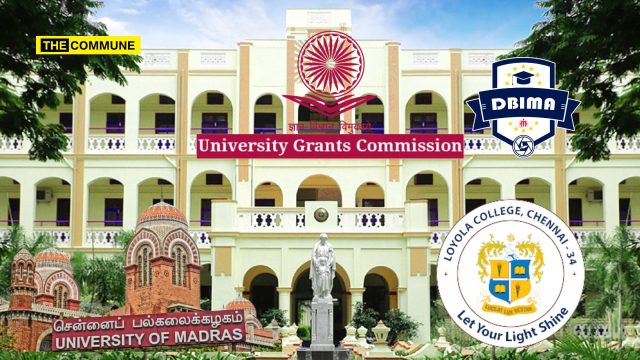
The National Human Rights Commission (NHRC) has issued a final reminder to the University Grants Commission (UGC) and the University of Madras, directing them to submit an additional and detailed report by 23 January 2026 in connection with allegations surrounding a foreign diploma programme earlier offered by Loyola College.
The NHRC had taken cognisance of a complaint filed by Legal Rights Protection Forum, which alleged that Loyola College had offered a diploma course involving foreign collaboration without obtaining mandatory approvals, in violation of UGC regulations.
According to the complaint, students were allegedly misled into paying substantial fees for the programme and were sent abroad on visas, exposing them to potential legal and financial risks. The complainant contended that the course did not comply with regulatory provisions governing international academic collaborations.
Following the complaint, the NHRC had earlier directed both the UGC and the University of Madras to conduct inquiries and submit action taken reports. In August, the University of Madras submitted a report stating that the allegations were baseless. The university maintained that the course, titled Diploma in Film Making with AI France, was introduced by Loyola College under its autonomous status, had the approval of its statutory bodies, and was in compliance with UGC norms.
However, the complainant disputed the university’s findings, alleging that key mandatory provisions of UGC regulations relating to foreign collaborations had not been addressed. He cited an RTI response from the University of Madras which, according to him, indicated that requisite approvals had not been obtained for the programme.
After examining the available records and the submissions made so far, the NHRC directed both the UGC and the University of Madras to file more detailed responses, leading to the issuance of the final reminder.
When contacted, an official from Loyola College said that inquiries conducted by both the UGC and the University of Madras had found the allegations to be baseless and that the authorities had permitted the college to offer the course.
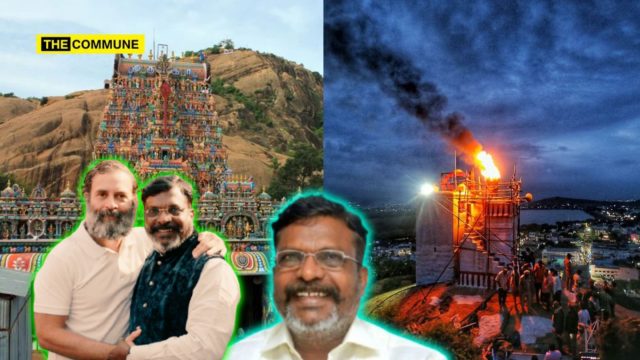
DMK-Congress ally Viduthalai Chiruthaigal Katchi (VCK) has announced a protest in Madurai on 22 December 2025, alleging that right-wing organisations are attempting to foment communal tensions in Thirupparankundram.
In a statement, VCK president Thol Thirumavalavan said the protest was intended to safeguard communal harmony in the region. He stated that it was the responsibility of democratic forces to preserve the peaceful atmosphere in Thirupparankundram and prevent what he described as attempts by divisive and “Sanatana” forces to disturb communal harmony.
Referring to the ongoing Deepam-related dispute at Thirupparankundram, Thirumavalavan cited a court order concerning the issue and claimed that lighting a lamp on the Deepathoon located close to the mosque atop the hill could lead to unrest. He warned that such actions had the potential to escalate tensions in the area.
The VCK leader appealed to democratic and secular groups to participate in the December 22 protest in large numbers, stating that collective action was necessary to ensure peace and communal harmony in the region.
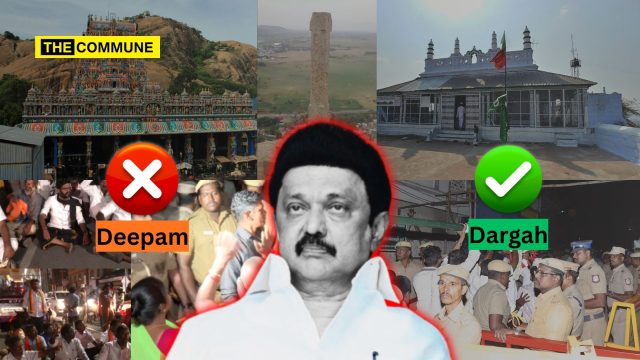
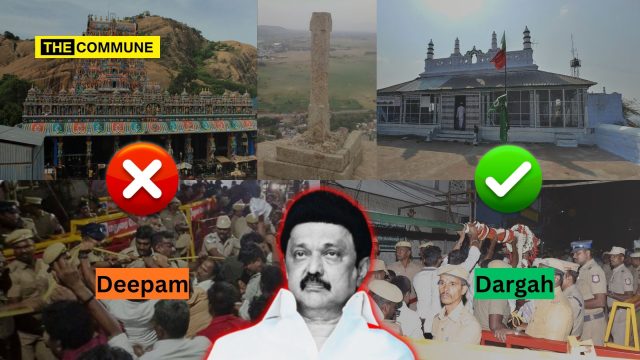
Police have registered criminal cases against 42 individuals, including BJP functionaries and local residents, in connection with protests condemning the permission granted for flag-hoisting related to the Sandhanakoodu festival at the Sikandar Dargah, while Hindu devotees were allegedly denied permission to light the Karthigai Deepam at the Deepathoon on the same hill despite a court order permitting the ritual.
According to police records, 35 people, including BJP district leaders Marisakkaravarthi, Sivalingam, and Rajasimman, have been booked by the Thirunagar Police Station for staging a road-block protest on the Thirunagar–Thirupparankundram Road. The protest was held to demand the release of residents and women who had earlier been arrested during demonstrations on the hill. Traffic on the arterial road was disrupted for over half an hour due to the sit-in.
The Thirupparankundram Police Station has registered cases against 17 residents of Palani Andavar Koil Street, including women, in connection with protests on the hill itself. Police allege that these individuals argued with officers over the permission granted for the Dargah flag-hoisting, violated police instructions, and attempted to carry traditional clay lamps up the hill to light the Deepam.
Police further stated that some protesters placed the clay lamps in front of the Palani Andavar Temple and performed worship there, which authorities have described as part of an unauthorised protest.
The protests trace back to 21 December 2025, when residents alleged that police failed to implement a court order allowing the lighting of the Deepam at the Deepathoon, while simultaneously granting permissions for Sandhanakoodu-related activities at the Dargah. Following demonstrations by local residents, many of them women, police arrested several participants and confined them in a private marriage hall in Thirunagar.
In response, more than 200 people staged a road-block protest demanding their release. Those detained were released later that night, around 11 p.m. However, police subsequently registered FIRs against those who took part in both the hill protest and the road blockade.
The registration of cases has drawn criticism from various quarters, with those booked stating that their agitation was aimed at asserting what they describe as their constitutional right to worship. Protesters have alleged selective enforcement of law, claiming that police action favoured one religious group while proceeding against another.
Subscribe to our channels on WhatsApp, Telegram,Instagram and YouTube to get the best stories of the day delivered to you personally.
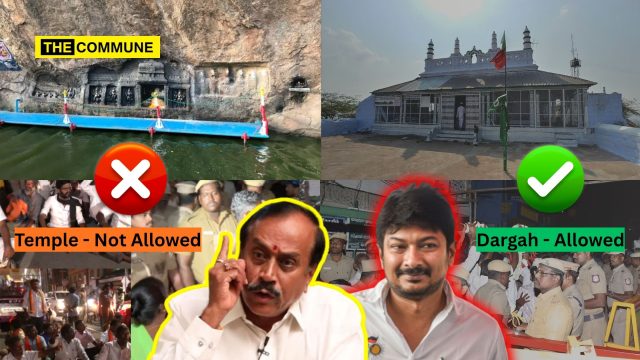
A fresh political and law-and-order flashpoint emerged in Madurai on Wednesday after BJP leader H Raja accused the DMK government of enforcing discriminatory religious restrictions at Thirupparankundram, alleging that Hindus had been barred from worship at the Kasi Vishwanathar Temple for over 20 days while Muslims were granted unrestricted access to the Sikandar Dargah to conduct the Sandhanakoodu festival under full police protection.
The controversy intensified after police arrested members of the public who had protested against the administration’s decision to permit the Sandhanakoodu event at the hilltop Dargah while denying permission to light the Karthigai Deepam or access Hindu temples on the same hill. The detained protesters were taken to a private marriage hall in Tirunagar, prompting BJP, Hindu Munnani, and other Hindu organisations to gather in large numbers outside the premises.
Speaking at the site, H Raja questioned the police and district administration on the legality and intent behind the restrictions. He asked whether a Chief Minister could claim to represent Hindus if Hindus were prevented from lighting lamps or praying at their own religious sites. He alleged that the Madurai District Administration and the city police had deliberately created what he described as an unnecessary and provocative situation.
Raja stated that he was not unfamiliar with Madurai and recalled visiting and worshipping at the Kasi Vishwanathar Temple on 29 January 2025. He questioned why, if Kandhuri or Sandhanakoodu rituals were permitted at the Dargah, he and other Hindu devotees were being stopped from visiting the Kasi Vishwanathar Temple. He emphasised that he was not seeking any special privilege but was only asserting his right to worship, noting that animal sacrifice had already been prohibited by court order and was not part of his demand.
He further stated that preventing Hindus from worship amounted to overt anti-Hindu conduct and argued that no religion had historically been stopped from practising its rituals by the police. Referring to past legal and historical disputes, he claimed that exclusions and settlements had already been addressed through law and that his present demand was entirely lawful.
Recalling his participation in the Ram Janmabhoomi movement at Ayodhya, Raja said he was not new to protests or public agitation. He stated that repeated suppression of religious practices over long periods had historically resulted in legal and political consequences and warned that current actions were following a similar pattern. He added that idols had been removed and rituals stopped in the past, but that he was now merely seeking to perform worship peacefully.
Raja questioned why he was not even allowed to meet or see those who had been detained, asking publicly whether all of them were safe. He referred to a past incident in another district involving the killing of an individual named Ajith Kumar, alleging police involvement, and asked why families and supporters were being prevented from meeting detainees. He further questioned whether such restrictions would have been imposed if M. K. Stalin himself were visiting the area, recalling that residents had allegedly been confined to their homes during the Chief Minister’s visit to inaugurate a bridge around ten days earlier—an action he described as illegal.
He also questioned the necessity and legality of mass arrests and remand, pointing out that lawyers were among those protesting and asserting that blanket detention was unjustified.
Visuals from the scene showed BJP leaders, Hindu Munnani members, and functionaries of various Hindu organisations assembling outside the marriage hall. Police initially stopped Raja near the Moolakarai area and prevented him from entering Tirunagar, after which he was redirected. Despite the restrictions, Raja later reached the venue. BJP district leaders and South Indian Forward Bloc founder Thirumaran also arrived, with more than 200 people gathering at the site.
According to reporters on the ground, the arrested individuals had been protesting on the basis of a court order permitting the lighting of the Karthigai Deepam at the Deepathoon on the hill, even as the Tamil Nadu government granted multiple permissions for the Sandhanakoodu event at the Dargah. Residents alleged that police demanded Aadhaar cards even from locals attempting to return to their homes in the Kottaivasal area. Despite the subsisting court order, more than 20 women and several men were arrested and confined in the private marriage hall.
Raja questioned why, when permissions had been granted by the government, police, and revenue department for Sandhanakoodu, Hindus were being continuously denied access to the Kasi Vishwanathar Temple, citing the Deepam dispute. He stated that he wanted to visit the temple immediately and asked why police permission was required when the court case related only to lighting the Deepam. He alleged that for over 20 days, devotees had been barred from visiting the temple without any specific judicial prohibition.
Madurai City Police Commissioner Inigo Divyan was present at the location, overseeing extensive security arrangements as Raja engaged in arguments with police officers. Protesters demanded the immediate release of those arrested and insisted that Hindus must be granted the same access to the hilltop temple that Muslims were receiving for Dargah-related rituals. With around 200 people remaining at the site, discussions with police continued amid a tense atmosphere.
Later in the day, speaking to reporters, Raja expanded his criticism to the political leadership of the state. He stated that Hindus had struggled for centuries to secure their religious rights and urged the community not to take extreme steps. He directly targeted Udhayanidhi Stalin, alleging that his past remarks on Sanatana Dharma and Hindu beliefs had made him the principal obstacle for the DMK government.
Raja accused Udhayanidhi of making statements equating Hinduism with diseases and of openly declaring a Christian identity while holding constitutional office. He claimed that such rhetoric amounted to incendiary, anti-Hindu speech and appealed to the Chief Minister to rein in his son, alleging a lack of control within the family, party, and government. He warned that continued mockery of Hindu sentiments, including references to the sacrifice of Poornachandran, would provoke serious backlash from the Hindu community.
He said, “Whether it is Udhayanidhi, or ‘some Nidhi’, or ‘useless Nidhi’—whoever it is, I am saying this openly. He has apparently spoken as if Murugan and Stalin are the same. Be careful. The same Udhayanidhi who said he would destroy Hinduism like dengue and malaria, mosquitoes, that anti-Hindu Udhayanidhi is the real problem. Why? Because what did he say? ‘I am a proud Christian’. You be a proud Christian, why deny Raja to be a proud Hindu? Because of this, Udhayanidhi has become the biggest stumbling block for the Stalin government. It is Udhayanidhi, his openly anti-Hindu, incendiary speeches, that are the reason. Because of that, I am respectfully requesting the Hon’ble Chief Minister not to let this go too far.”
Pointing to what he described as selective enforcement, Raja noted that while circulars were issued restricting lamp-lighting on the hill, senior members of the DMK leadership, including the Chief Minister and Deputy Chief Minister, had publicly participated in Christmas celebrations in Madurai and Tirunelveli. He stated that celebrating Christmas was not the issue, noting that even the BJP celebrated it annually, but alleged that selectively denying Hindu rituals while permitting others constituted discrimination.
Raja urged the Chief Minister to “come to his senses” and warned that continued opposition to Murugan worship and Hindu practices would invite a political response from Murugan devotees extending beyond the 2026 elections.
During an exchange with police earlier in the day, Raja questioned officers directly on the ground, asking why, if Muslims were allowed to conduct Sandhanakoodu at the Dargah, Hindus were being prevented from visiting and worshipping at the Kasi Vishwanathar Temple. He asserted that he had gathered information before arriving and alleged that police claims of granting permission were contradicted by ground realities.
Subscribe to our channels on WhatsApp, Telegram,Instagram and YouTube to get the best stories of the day delivered to you personally.
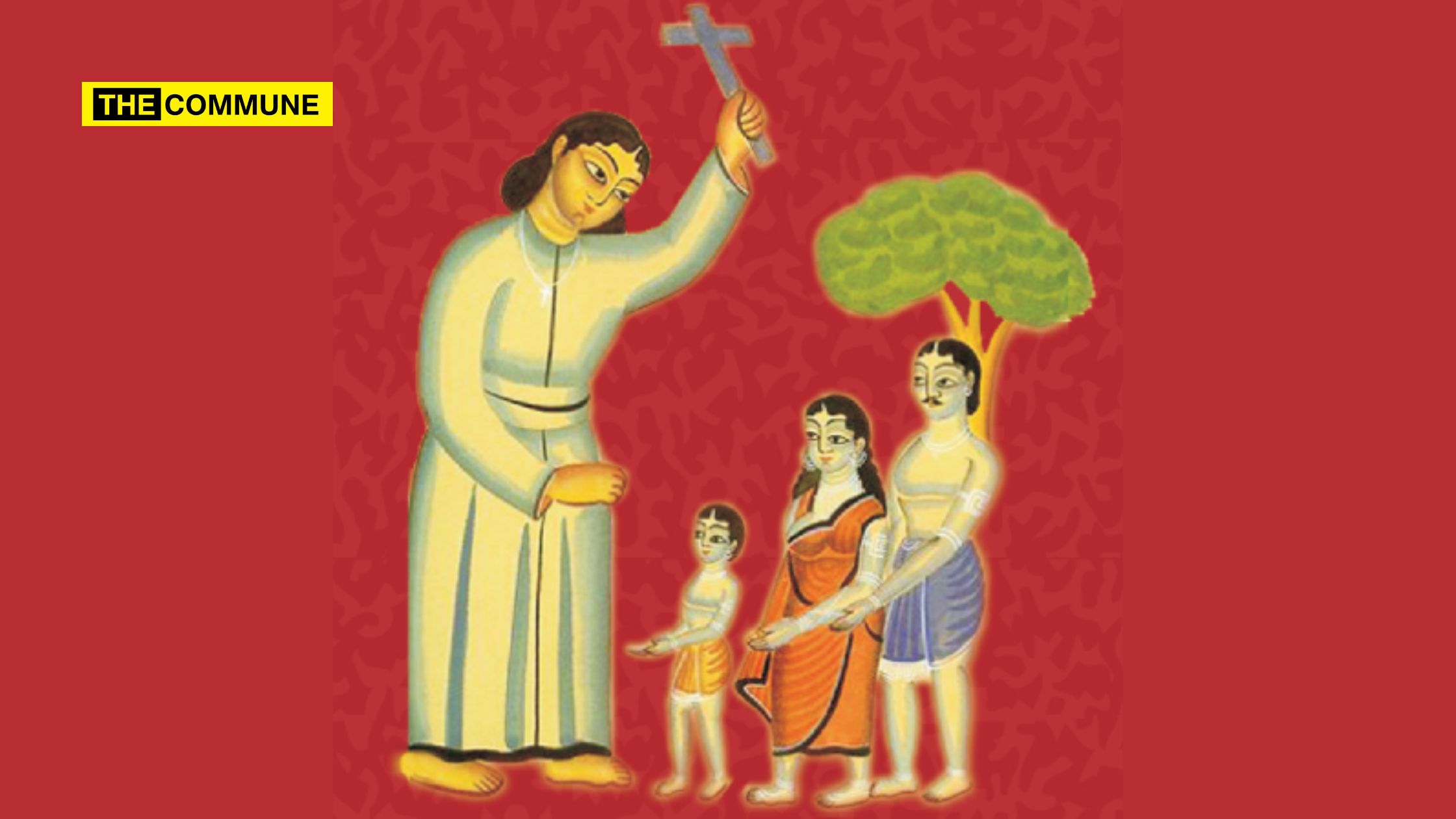
On 9 December 2025, a viral post on social media platform X alleged that a pastor in Pune falsely claimed that his prayers had cured a woman of AIDS during an event presented as a Christmas celebration, allegedly aimed at converting poor and Dalit communities.
In this report, we look at 15 incidents reported between May 2025 and December 2025 across multiple States, where police action was taken following allegations that evangelical groups attempted or forced religious conversion by claiming to cure illnesses through fake healing meetings and prayer gatherings.
#1 Pastor Arrested After Claiming Prayers Cured AIDS – 9 December 2025 – Pune, Maharashtra
Posters claiming that serious illnesses can be cured through “God’s prayers” were distributed in the Yerwada area of Pune, prompting police action. The campaign was reported for promoting superstition and misleading the public. Following complaints from residents, the Yerwada police registered a case against two individuals, identified as Jagtar Singh Chauhan and Ramesh Bavare. The posters allegedly made claims that prayers could cure serious diseases and included references to monetary figures, though the exact context of those claims remains unclear.
Police said the case was registered based on the complaint and that further investigation into the matter is under way.
#2 Families Lured With Fake Healing Promises – 30 November 2025 – Agra, Uttar Pradesh
In Agra, Rajkumar Lalwani, Meenu, Anoop Kumar, Jaikumar, Arun, Tinkle, Kamal Kundlani and others allegedly held Sunday prayer meetings at their residence, claiming that illnesses could be cured through prayers. Around 80 local families were reportedly told that diseases would disappear and that their children would receive better education and employment if they converted. Police later filed a chargesheet against eight accused after concluding that the gatherings were used to pressure families into religious conversion through false healing assurances.
#3 Court Convicts Accused in Madhya Pradesh Conversion Case – 31 October 2025 – Mavdipur village, Nalchha area, MP
In Mavdipur village, Billyadeh and Nanuram were accused of pressuring villagers to abandon Hinduism and adopt Christianity by claiming that conversion would ensure good health and prevent illness. They also assured villagers that hospital treatment would be arranged if anyone fell sick. The court found both accused guilty of using fake healing promises to influence religious conversion and sentenced them to five years’ imprisonment each, along with a fine of ₹50,000 per person.
#4 Woman Pressured to Convert After Fake Healing in Raipur, CG – 4 October 2025
In Raipur, Mayaram and five others allegedly took a sick woman to their premises, performed a fake healing ritual and told her that she was recovering due to their prayers. The accused reportedly offered free treatment and used the claim of recovery to persuade her to adopt Christianity. Police registered an FIR against six individuals and took them into custody for investigation following a complaint about the incident.
#5 Fake Healing Shown to Villagers in Bhivandi, MH – 4 October 2025
James Watson, an American national, along with Sainath Ganpati Sarpe and Manoj Kolha, allegedly organised fake healing demonstrations outside Kolha’s house in Bhivandi. Villagers were told that their illnesses would disappear if they adopted Christianity. Christian literature was distributed, and prayers were performed to reinforce the claims. Police registered an FIR against the three accused and arrested them after receiving complaints from locals.
#6 Women and Children Targeted in Lucknow Village – 28 September 2025
Malkhan allegedly organised gatherings at a farmhouse in Nigohan, where he claimed to cure illnesses through miraculous prayers. Around 12 women and children from Scheduled Caste families were targeted, including a boy suffering from epilepsy. Police said money and other inducements were offered, and baptisms were conducted to pressure participants into conversion. An FIR was registered and Malkhan was arrested.
#7 ‘Changgai Sabha’ Used for Conversion in Jharkhand – 21 September 2025
Vikram Kumar Mehta, pastor Nakul Mahto and their associates allegedly conducted prayer meetings known as “changgai sabha” in a rented house. Villagers were told that attending prayers and adopting Christianity would cure illnesses and solve personal problems. Police registered an FIR after complaints were filed. Vikram Kumar Mehta and other associates were taken into custody, while the main pastor reportedly fled.
#8 Fake Healing Claims in Chhattisgarh’s Bundia Area – 3 September 2025
Mangal Toppo, identified as a pastor, along with three associates, allegedly held prayer gatherings at his house, claiming illnesses would be cured through prayers. Villagers were pressured to convert using these claims. Police registered an FIR and arrested all four accused, who were later produced before a court and remanded to judicial custody.
#9 Villagers Pressured in Kundawali and Islamnagar, UP – 26 August 2025
Anju, Hridayesh Kumar alias Vicky Pastor, Nitu and Surendra allegedly organised prayer gatherings where fake healing was demonstrated. Around 30 villagers were reportedly pressured to adopt Christianity after being promised relief from illness and other benefits. Police arrested all four accused and later submitted a chargesheet in court.
#10 ‘Changgai Sabha’ Held in Bilaspur, Chhattisgarh – 17 August 2025
Pastor Sukhnandan Lahre and his brother Raghunandan Lahre allegedly conducted “changgai sabha” meetings targeting poor and sick villagers. Fake healing, monetary inducements and assistance were offered to gain trust, following which villagers were pressured into baptism. Police registered an FIR under the Religious Freedom Act and BNS Section 299 and arrested both accused.
#11 Prayer Gathering Disrupted in Vishunpura, UP – 6 July 2025
A woman organiser and three Christian associates allegedly conducted prayer meetings at a local residence, claiming to cure illnesses through prayers. When activists complained, police reached the spot. The main pastor fled, while the woman and three associates were detained for questioning.
#12 Large Gathering for Fake Healing in Raipur, Chhattisgarh – 20 June 2025
Pastor Amit Singh and three associates allegedly organised a gathering attended by over 150 people, where fake healing was demonstrated and derogatory remarks against Hindu deities were allegedly made. Police registered an FIR and temporarily detained more than 150 individuals present at the site.
#13 Woman Pressured With Cash Offer in Jabalpur, MP – 18 June 2025
Manoj Pille and three associates allegedly visited a sick woman and claimed she would recover if she converted. They reportedly offered ₹2,000 and promised better health and financial benefits. Police registered an FIR under the Religious Freedom Act after the woman lodged a complaint.
#14 Woman Exploited Through Rituals in Pilibhit, UP – 10 June 2025
A sick woman was allegedly pressured to adopt Christianity by multiple accused who claimed prayers would cure her. She was taken to Sharda River, made to perform rituals and threatened repeatedly. She later filed a complaint seeking police protection.
#15 Dalit Families Targeted in Akbarpur, UP – 17 May 2025
Umesh Kumar and associates allegedly held prayer gatherings in a room converted into a church, claiming illnesses would be cured. Dalit families were reportedly pressured to convert. Police seized religious material, registered an FIR and took attendees into custody.
Subscribe to our channels on WhatsApp, Telegram,Instagram and YouTube to get the best stories of the day delivered to you personally.
A heavy police deployment at Thirupparankundram in Madurai on Sunday, 21 December 2025, triggered sharp protests from local residents, who accused the DMK government of enforcing unequal religious permissions. The unrest followed police-facilitated movement of a flagpole and flag to the hilltop for the Sandanakoodu ritual at the Sikandar Dargah, even as Hindu devotees alleged, they were repeatedly denied permission to light the Karthigai Deepam at the Deepathoon on the same hill despite a subsisting court order allowing the ritual.
Residents said the flashpoint was the police decision to escort a flagpole and flag to the hilltop under heavy security, despite sustained objections from the local Hindu population. This, they alleged, was done even as authorities continued to deny permission to light the Karthigai Deepam at the Deepathoon (stone lamp pillar) on the same hill, notwithstanding a court order permitting the ritual.
According to residents, the Dargah flag and flagpole linked to the Sandanakoodu ritual were taken through Palani Andavar Koil Street and Kottai Street by more than 20 Muslim men, escorted by a large police contingent. Locals said their objections were ignored and that the procession continued despite vocal resistance.
Earlier in the day, residents, predominantly women, had staged protests accusing the Tamil Nadu government of wilfully failing to implement the court’s order on the Deepam. They alleged that prohibitory orders under Section 144 of the CrPC were imposed “within seconds” to prevent Hindus from ascending the hill, while no such restrictions were applied for the Dargah-related activity.
Several women protesters alleged that during the afternoon agitation, police detained multiple women, including pregnant women, elderly women, and mothers carrying infants. They were taken to a private marriage hall and held for hours. One woman said detainees were picked up around 1 pm and released only close to 6 pm, while some women were allegedly kept until 8.30 pm, far beyond permissible limits. She alleged that the police did not provide food, forcing detainees to depend on others outside.
Residents further alleged that police officials told them that the detained women would be released only after the Dargah flag was taken up the hill and hoisted. Protesters said they were initially informed that only four people would be allowed to go up. However, they later witnessed more than 30 people being escorted uphill under full police protection.
They contrasted this with the restrictions imposed on Hindus earlier. Residents said that when they attempted to light the Deepam on Karthigai Deepam day, they were told that only four people could go up, after which they were barred altogether. According to them, this marked the beginning of the dispute, which has now dragged on for over a month and “crossed all limits” on Sunday.
One lady stated that the administration had imposed Section 144 on Hindu localities almost instantly, after which residents were effectively confined to their homes. She stated water tankers and garbage collection vehicles were stopped, children were unable to go to school, and the area functioned under curfew-like conditions for two days. When questioned, residents were allegedly told that a curfew had been imposed.
Another woman said a senior official had assured her that the Deepathoon belonged to the devotees and promised to personally accompany them to light the lamp. She said the official claimed the demand would be fulfilled and the women released. However, she alleged that shortly thereafter, the Dargah flag was taken and hoisted, while permission to light the Deepam was again denied.
Residents repeatedly stressed that their demand was not to block the Sandhanakoodu festival. They said Muslims should be allowed to conduct their rituals, but Hindus must be granted the same rights. Protesters stated that Hindus and Muslims in Thirupparankundram had lived together peacefully for generations and that the present tension was the result of selective enforcement by the administration.
As evening approached, women were seen holding earthen lamps, oil, and wicks, attempting to proceed towards the hill despite police barricades. Protesters said that if police security could be provided for one religious procession, it should also be provided for lighting the Deepam. They questioned why Hindus were never given similar protection.
Police blocked multiple access routes to the hill and erected barricades, leading to heated arguments and scuffles. Residents alleged that police restrained women protesters and confiscated mobile phones to prevent recording. They also stated that even elderly women were prevented from enquiring about the condition of those detained and that visitors were questioned, asked to produce Aadhaar cards, and interrogated about their place of residence.
Locals said that while more than 20–25 people were allowed to climb the hill under police escort to hoist the Dargah flag, Hindus were repeatedly denied permission even when they themselves offered to restrict their number to four. They questioned whom the police were “cooperating with” and asked why the administration appeared fearful of enforcing the law equally.
Another resident highlighted the plight of families of those detained, stating that men were taken away around noon and not released for hours, leaving small children stranded at home. In one case, a one-and-a-half-year-old child was allegedly left behind while the father was detained. Residents said police told them detainees would be released only after “their work” was completed.
By nightfall, the flag had been hoisted at the Sikandar Dargah atop the hill under full police protection. Released detainees returned to the protest site and reiterated that they would continue to agitate until they were allowed to light the Karthigai Deepam and access temples such as the Kasi Vishwanathar Temple.
Madurai City Deputy Commissioner of Police Inigo Divyan was present on site, leading police efforts to control the situation and hold talks with residents. Protesters, however, said the discussions yielded no outcome and accused the DMK government of practising what they called “brazen Dravidian Model appeasement”.
Residents concluded by stating that their protest was not political but rooted in equal rights. They warned that continued denial of permission to light the Deepam, while allowing other religious activities under state protection, risked creating divisions in an area that had historically remained peaceful.
Subscribe to our channels on WhatsApp, Telegram,Instagram and YouTube to get the best stories of the day delivered to you personally.
Tension escalated in the Thirupparankundram area of Madurai on Sunday, 21 December 2025, as local residents staged protests accusing the DMK-led Tamil Nadu government of selectively enforcing law and order by denying Hindus permission to light the Karthigai Deepam or even access hilltop temples, while simultaneously granting full police protection to Muslims to conduct the Sandhanakoodu festival and hoist a flag at the Sikandar Dargah.
It is alleged that the immediate trigger for the protest was the administration’s decision to permit the Dargah authorities to take the Sandhanakoodu flagpole to the hilltop under heavy police escort, even as Hindu devotees were barred from ascending the hill for religious purposes. Protesters emphasised that they were not opposing the Sandhanakoodu festival and had no objection to Muslims conducting their religious observances.
It is alleged that the grievance lay in what the locals described as the government’s refusal to extend the same permissions to Hindus. Protesters said the demand was simple: if permission was being granted to one community, it should be granted equally to others. They stressed that Hindus and Muslims in the area had lived together harmoniously like relatives for generations, and that the unrest was being created solely due to administrative discrimination.
Residents alleged that the police had sealed access to the hill entirely for Hindus. They stated that devotees were not even allowed to visit the Kasi Vishwanathar Temple, a longstanding place of worship located on the hill. Protesters questioned whether the Karthigai Deepam dispute had anything to do with that temple or any other department and asked why ordinary devotees were being punished irrespective of the specific legal issue.
Locals stated that while the Dargah administration was being allowed to freely move up and down the hill under police protection, Hindu women who questioned the unequal treatment were allegedly detained without regard to their age or condition. Protesters alleged that women were picked up from the roadside “as if they were international criminals” while they were peacefully standing and raising questions.
They further alleged that even women who attempted to go and speak to or comfort those detained were blocked by police. According to the locals, police personnel discouraged people from approaching the detention site, warning them that they would face consequences if they tried to intervene. Elderly women were also allegedly prevented from even enquiring about the welfare of those detained.
Residents claimed that police confiscated mobile phones and prevented anyone from photographing or recording the situation. They alleged that access was restricted to such an extent that even visitors were interrogated, asked to produce Aadhaar cards, and questioned about whether they belonged to the locality before being allowed to proceed.
Protesters stated that more than twenty women, including elderly women, were present at the site and were not permitted to move freely. They alleged that women arrested earlier in the day were kept inside for hours, and that even relatives and neighbours were barred from seeing them.
Several speakers alleged that the situation illustrated a broader pattern of what they described as increasing police excesses in Madurai. They cited a recent incident in which people were allegedly arrested for lighting a lamp in memory of a deceased individual named Poornachandran, questioning how such an act could be considered unlawful.
Residents questioned why permission to light the Karthigai Deepam continued to be denied despite a court order allowing it. They reiterated that they were not demanding the cancellation of the Sandhanakoodu festival and had no objection to Muslims conducting it. However, they insisted that Hindus must be allowed to light the Deepam or, at the very least, be permitted to visit the Kasi Vishwanathar Temple.
Speakers accused the administration of treating Hindus as a minority despite being numerically large in the country, alleging that none of their religious rights were being protected in the area. They claimed that access to temples, freedom of worship, and even the right to question authorities were being systematically curtailed.
One protester invoked a saying on justice, stating that the words of the powerful were being elevated while the voices of the weak were being ignored. They warned that such a situation would not continue indefinitely and that public resentment was steadily building.
The protesters described the events at Thirupparankundram as a reflection of what they called the “Dravidian Model” of governance under Chief Minister M. Stalin, alleging that the administration’s actions demonstrated an anti-Hindu bias. They asserted that equal application of law was being denied and that selective permission was deepening divisions in an area that had otherwise remained peaceful.
By evening, the Sandhanakoodu flagpole had been successfully taken to the hilltop and installed at the Sikandar Dargah under full police protection. Hindu devotees, meanwhile, remained barred from lighting the Karthigai Deepam or accessing the Kasi Vishwanathar Temple, with protesters declaring that their agitation would continue until equal religious rights were restored.
Subscribe to our channels on WhatsApp, Telegram,Instagram and YouTube to get the best stories of the day delivered to you personally.
Several villages in and around Dindigul district are witnessing prolonged tension over land use, religious rights and alleged encroachments, with Perumal Kovilpatti village emerging as a flashpoint.
Perumal Kovilpatti is home to around 1,000 families, of which approximately 850 are Christian households and about 150 are Hindu households, making Hindus a numerical minority in the village. Disputes have centred on government-allotted land meant for religious purposes.
Records indicate that in 1985, the government allotted 12.5 cents of land for Hindu religious use and, on the same date, allotted 22 cents of land to Christians for the construction of a church. A church was subsequently built on the 22 cents allotted to Christians. In addition to this land, allegations have been raised that further government land was occupied, including the construction of compound walls extending beyond the allotted area, the closure of three streets, and the digging of two wells on government poramboke land.
The 12.5 cents allotted to Hindus contains three places of worship – Kaliamman temple, Mandu Karuppanasamy temple and Bhagavathi Amman temple along with a neem tree revered locally as Veppamaram Mariamman. Sources note that Hindus have confined themselves strictly to the land allotted to them and have not encroached beyond it.
Tensions escalated when boundary stones were erected on the 12.5 cents following court orders permitting Hindus to enjoy the land allotted to them. It is alleged that the boundary stones were removed in the presence of police personnel and that Hindus were subsequently attacked, resulting in several injuries. Those injured reportedly underwent treatment for days at the Dindigul Government Hospital. No arrests are stated to have been made in connection with the alleged assault.
Disputes related to religious observances at the Mandu Karuppanasamy temple are said to have continued for more than 25 years. Around 25 years ago, a Deepathoon near the temple was allegedly destroyed after a vehicle was driven into it, following which complaints were lodged with the police. Since then, Hindus have repeatedly sought permission to light lamps at the temple entrance on Karthigai Deepam day, but authorities have cited law-and-order concerns to prevent the practice.
Despite there being no reported restrictions on activities at the church, Hindus have been required to approach courts for permission to carry out lamp-lighting rituals at the temple entrance. On December 1, the Madurai Bench of the Madras High Court passed an order directing that the lamp be lit. It is alleged that even after the order, the practice was prevented, leading to contempt proceedings currently pending before the Madurai Bench.
Similar issues have been reported from other villages in the region. In Panchampatti, Hindus were initially prevented from conducting annadanam on common land and were able to do so only after obtaining court permission. Even after the court order, it is alleged that a large group of Christians gathered at night and obstructed the setting up of the annadanam pandal.
In Perumal Kovilpatti, it is also alleged that a Hindu temple priest was killed around 20 years ago and that Hindus in the village have since faced repeated instances of violence and restrictions on religious practices.
Concerns have been raised that several villages around Dindigul, where Hindus are minorities are witnessing a pattern of disputes that could result in demographic and cultural displacement. Allegations have also been made that political parties and organisations have downplayed or diverted attention from these issues by portraying Hindu assertions of religious rights as attempts to create law-and-order problems.
Subscribe to our channels on WhatsApp, Telegram,Instagram and YouTube to get the best stories of the day delivered to you personally.
The film Dhurandhar was released in India and international theatres on 5 December 2025. However, film certification boards in several Gulf countries such as Bahrain, Kuwait, Oman, Qatar, Saudi Arabia and the UAE refused to permit its release, citing alleged anti-Pakistan content and sensitive geopolitical themes.
This report examines ten major Indian films between 2012 and 2025 that were banned in Gulf countries on grounds of Islam-related, religious, or broader social sensitivities.
#1 ‘Dhurandhar’ Banned Over Alleged Anti-Pakistan Content – 11 December 2025
Region: UAE, Saudi Arabia, Qatar, Kuwait, Oman, Bahrain
The film Dhurandhar, released on 5 December 2025, was denied theatrical release across several Gulf countries after certification boards objected to its alleged anti-Pakistan content and sensitive geopolitical themes. Authorities cited concerns that the film could disrupt social harmony, given the large Pakistani and South Asian expatriate population in the region. When the film’s makers approached the censor boards, extensive cuts were reportedly demanded. The team declined, stating the edits would compromise the film’s narrative. As a result, the film was not cleared for release in the Gulf despite its international rollout.
#2 ‘Sky Force’ Barred in Multiple Gulf States – 24 January 2025
Region: UAE, Saudi Arabia, Qatar, Oman, Kuwait
The Akshay Kumar–Veer Pahariya starrer Sky Force was banned in several Gulf countries over its depiction of conflict involving Pakistan. Certification authorities reportedly objected to the film’s portrayal of India–Pakistan military tensions, deeming it politically sensitive. The film, which centred on aerial combat and cross-border hostilities, was not granted theatrical permission in the region. Officials cited the potential for diplomatic and social sensitivities, particularly among expatriate communities, as the reason for refusing certification.
#3 ‘Fighter’ Blocked Over India-Pakistan and IAF Content – 26 January 2024
Region: Saudi Arabia, Kuwait, Qatar, Oman, Bahrain, UAE
Hrithik Roshan and Deepika Padukone-starrer Fighter was denied certification in five Gulf countries less than 24 hours before its scheduled release. Authorities cited politically sensitive content linked to the Indian Air Force and India–Pakistan relations. In the UAE, the film initially received a PG-15 rating but was withdrawn from cinemas the following day. Censor boards stated that the subject matter could trigger political or social tensions among diverse national communities living in the region.
#4 ‘Article 370’ Banned Across Gulf Countries – 26 February 2024
Region: Iraq, Kuwait, Bahrain, Oman, Qatar, UAE
The film Article 370 was banned by Gulf censor authorities due to its focus on the abrogation of Article 370 in Jammu and Kashmir. The boards classified the film as politically sensitive and controversial, citing concerns over its depiction of constitutional and security issues related to Kashmir. As a result, theatrical release permission was denied across several Gulf states, despite the film’s release in India.
#5 ‘Tiger 3’ Restricted Over Portrayal of Muslim Characters – November 2023
Region: Kuwait, Oman, Qatar
Salman Khan and Katrina Kaif-starrer Tiger 3 was banned in Kuwait, Oman and Qatar over allegations that the film portrayed Muslim characters negatively. Authorities raised objections to certain characters and plot elements involving terrorism and geopolitics. The presence of a Muslim antagonist, played by Emraan Hashmi as the leader of a global terror organisation, was cited as a contributing factor. The countries said the content could be politically and religiously sensitive.
#6 ‘Kaathal – The Core’ Blocked Over Homosexuality Theme – 21 November 2023
Region: Saudi Arabia, Kuwait, Qatar
The Malayalam film Kaathal – The Core, which explores a homosexual relationship, was denied release in Saudi Arabia, Kuwait and Qatar. Censor authorities said the film’s LGBTQ theme conflicted with cultural and social norms in those countries. Directed by Jeo Baby, the film was described as a romantic thriller examining personal relationships. Officials stated that the subject matter could challenge prevailing social sensitivities, leading to a complete ban on theatrical screening.
#7 Vijay’s ‘Beast’ Banned in Kuwait and Qatar – 5 April 2022
Region: Kuwait, Qatar
The Tamil film Beast, starring Vijay and directed by Nelson Dilipkumar, was banned in Kuwait and Qatar over its depiction of Islamic terrorism. The film centres on a former RAW agent rescuing hostages from terrorists inside a shopping mall. Authorities objected to what they described as the portrayal of Islamic characters as extremists. The decision triggered controversy and led to the film being barred from release in both countries.
#8 ‘Samrat Prithviraj’ Denied Release in Kuwait and Oman – 2 June 2022
Region: Kuwait, Oman
The historical film Samrat Prithviraj, starring Akshay Kumar, was banned in Kuwait and Oman ahead of its release. Certification boards cited concerns that the film, which depicts King Prithviraj Chauhan’s battles against Muhammad Ghori, could hurt Muslim sentiments. Authorities classified the content as religiously and politically sensitive and declined to permit its theatrical release.
#9 ‘Bell Bottom’ Banned Over Alleged Distortion of History – 23 August 2021
Region: Saudi Arabia, Kuwait, Qatar
Akshay Kumar-starrer Bell Bottom was banned in Saudi Arabia, Kuwait and Qatar. The film, based on a 1980s aircraft hijacking, was accused by censor boards of distorting historical facts and portraying Islam negatively. Authorities said the treatment of the hijacking incident was sensitive and controversial, leading to the denial of certification in the region.
#10 ‘Gangs of Wasseypur’ Banned in Kuwait and Qatar – 22 June 2012
Region: Kuwait, Qatar
Anurag Kashyap’s Gangs of Wasseypur was banned in Kuwait and Qatar due to alleged objectionable content involving Muslim characters, excessive violence and abusive language. The censor boards said the film contained material that could offend religious and cultural sensibilities. Kashyap publicly expressed surprise at the decision, questioning the lack of neutrality, and noted that the film continued to perform well in the UAE without complaints from distributors.
Subscribe to our channels on WhatsApp, Telegram,Instagram and YouTube to get the best stories of the day delivered to you personally.
Christmas and New Year celebrations are widely portrayed as seasons of joy and festivity. However, behind the celebratory narrative, multiple incidents across the world have repeatedly highlighted serious public safety and environmental concerns. This report compiles seven major incidents linked to Christmas and New Year celebrations between 2021 and 2025, focusing on dangerous air pollution levels, waste accumulation, and health risks caused largely by fireworks, firecrackers, and associated activities.
#1 Makati Records Worst Air Quality on New Year’s Eve
On 2 January 2025, the Department of Environment and Natural Resources (DENR) reported that air pollution levels in Makati City, Metro Manila, reached their highest point during New Year’s Eve celebrations. According to the DENR, the widespread use of firecrackers and fireworks led to a sharp deterioration in air quality, pushing pollution levels into the “very unhealthy” category. Officials attributed the spike primarily to particulate matter released from fireworks.
#2 Hazardous Air Quality in Phoenix Valley After New Year
Air quality in the Phoenix metropolitan area, commonly referred to as the Valley, deteriorated to hazardous levels on New Year’s Day, 2 January 2025, according to local authorities. Officials reported elevated concentrations of fine particulate matter (PM2.5) following New Year celebrations. The pollution was attributed largely to fireworks, residential burning, vehicle emissions, and stagnant weather conditions that trapped pollutants close to the ground. Authorities warned residents of the health risks posed by the hazardous air quality, especially to vulnerable groups, as pollution levels remained elevated at the start of the new year.
#3 Jakarta Sees Surge in Waste After New Year Celebrations
Following the 2025 New Year’s Eve celebrations, the Jakarta Environmental Agency reported the collection of 132 tonnes of waste across the city. While the figure was lower than the initially predicted 150 tonnes, it still marked an increase of two tonnes compared to waste collected after the 2024 New Year’s Eve celebrations. The agency deployed approximately 3,900 cleaning personnel ahead of the festivities to manage the anticipated surge in waste.
#4 Fireworks Push Palos Verdes Air Quality Into ‘Unhealthy’ Range
On 31 December 2024, New Year’s Eve fireworks worsened air quality in the Palos Verdes Peninsula in California, according to the South Coast Air Quality Management District. Following the celebrations, particulate matter levels rose into the “unhealthy” range. Health experts issued advisories urging residents, particularly children, the elderly, and individuals with respiratory conditions, to limit outdoor activities while air quality remained poor.
#5 Fireworks Trigger Severe Pollution Spike Across Germany
On 3 January 2017, reports indicated that New Year’s Eve fireworks caused dangerously high pollution levels across several German cities. In Munich, particulate matter concentrations briefly surged to 1,346 micrograms per cubic metre, approximately 26 times higher than the European Union’s daily limit of 50 micrograms. National data showed that fireworks released nearly 4,000 tonnes of particulate matter during the celebrations, accounting for about 15% of Germany’s annual particulate emissions from vehicles.
#6 Munich Pollution Levels Soar Far Beyond EU Limits
In a related report dated 3 January 2017, Munich recorded particulate matter levels reaching 26 times the EU-recommended daily limit following New Year’s Eve fireworks. According to environmental reports, the celebrations ejected approximately 4,000 tonnes of particulate matter into the atmosphere, equivalent to about 15% of Germany’s annual vehicle-related particulate emissions. The spike was driven by intense fireworks displays across the city.
#7 Beijing Suffers Heavy Pollution During New Year Celebrations
Beijing experienced one of its worst New Year pollution episodes on 1 January 2017, as heavy smog engulfed China’s capital following New Year celebrations. Concentrations of hazardous particles were reported to be 20 times higher than acceptable levels. PM2.5 readings in many areas of Beijing, as well as parts of Tianjin and Hebei Province, exceeded 200 as early as the afternoon of 30 December 2016.
Last Word
These incidents collectively underline how Christmas and New Year celebrations have evolved into a global event of mass waste generation and environmental stress. What is marketed worldwide as a season of joy now routinely results in severe air pollution from fireworks, mountains of plastic and packaging waste, and short-term but intense public health risks across cities in Asia, Europe, and North America. The pattern is not confined to one country or culture; it is replicated annually wherever large-scale, consumer-driven celebrations take place. The data shows that modern Christmas festivities are no longer just cultural or religious observances, but industrial-scale events that leave behind polluted air, overburdened waste systems, and lasting environmental damage—raising serious questions about the sustainability of how the season is celebrated globally.
Subscribe to our channels on WhatsApp, Telegram,Instagram and YouTube to get the best stories of the day delivered to you personally.