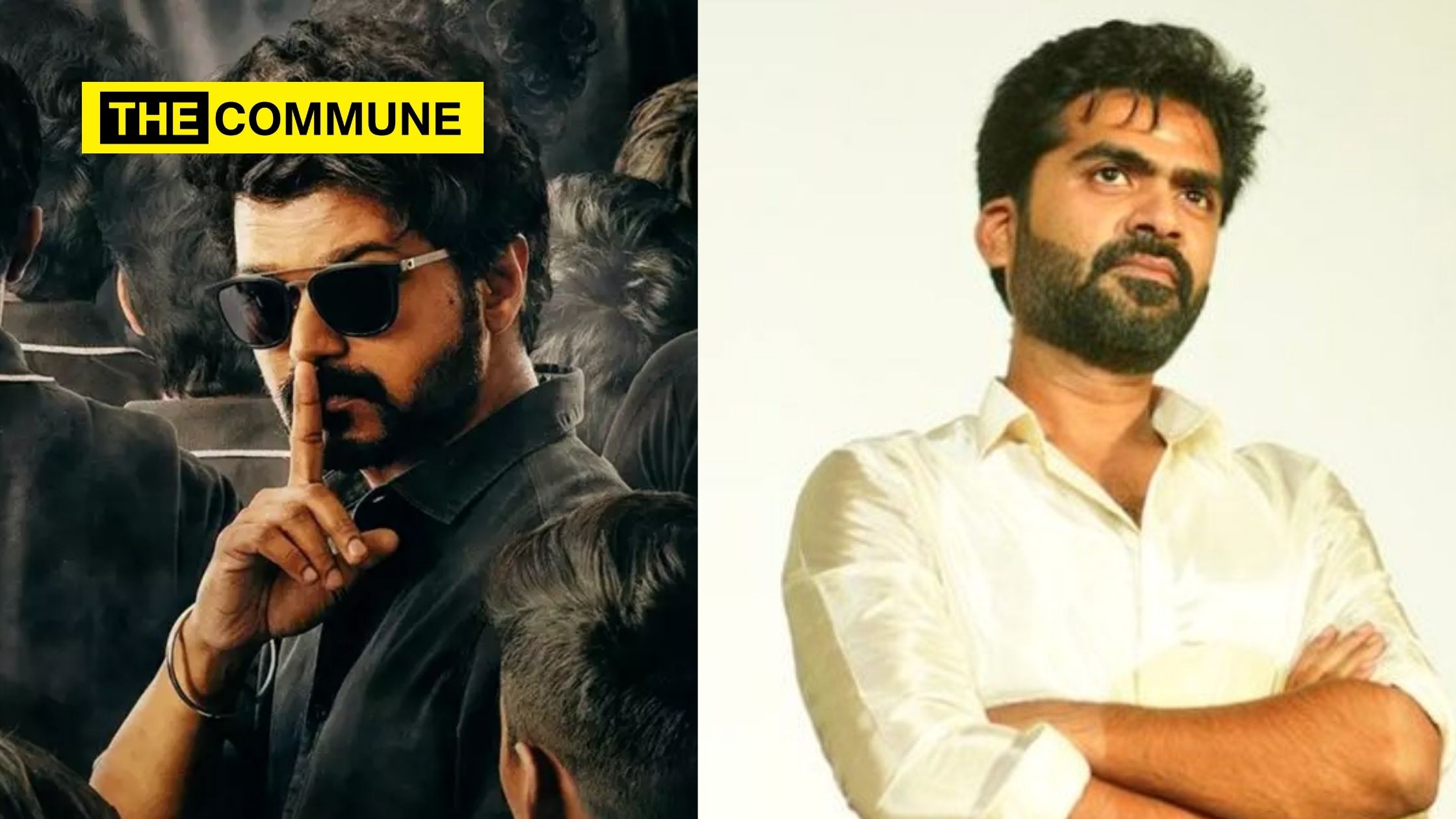
In a moving letter, a resident doctor living in Puducherry has appealed to actors Joseph Vijay, T.R. Silambarasan and to the Government of Tamil Nadu stating that the pandemic was not yet over and that the move to open theatres to full capacity is suicidal.
“I am tired. We are all tired. Thousands of doctors like me are tired. Health care workers are tired. Police officials are tired. Sanitary workers are tired.”, Mr. Aravinth Srinivas, the JIPMER doctor starts off his letter.
“We have worked so hard at the ground level to make sure the damage done is kept to as low as possible amidst an unprecedented pandemic.” said Aravinth adding that the intention was not to glorify the work they have done.
“We don’t have cameras in front of us. We don’t do stunt sequences. We aren’t heroes. But we deserve some time to breath. We don’t want to fall prey to someone’s selfishness and greed.”, wrote Mr. Srinivas coming down heavy on the actors.
He wrote that the pandemic is not over yet and that there are still people dying of the disease. “A hundred percent theatre occupancy is a suicide attempt.”, the doctor declared in his letter.
He also highlighted that none of the ‘policy makers’ or ‘so-called heroes’ are going to put themselves at risk by watching the movie amidst the crowd.
“This is a blatant barter system, trading lives for money.”, the doctor noted in his letter.
He urged the actors and the Government of Tamil Nadu to not reignite the flames that is slowly burning out but not completely put out.
He signed off saying that he wanted to keep the post scientific and explain why the danger of the pandemic still persists but said “what is the point?”
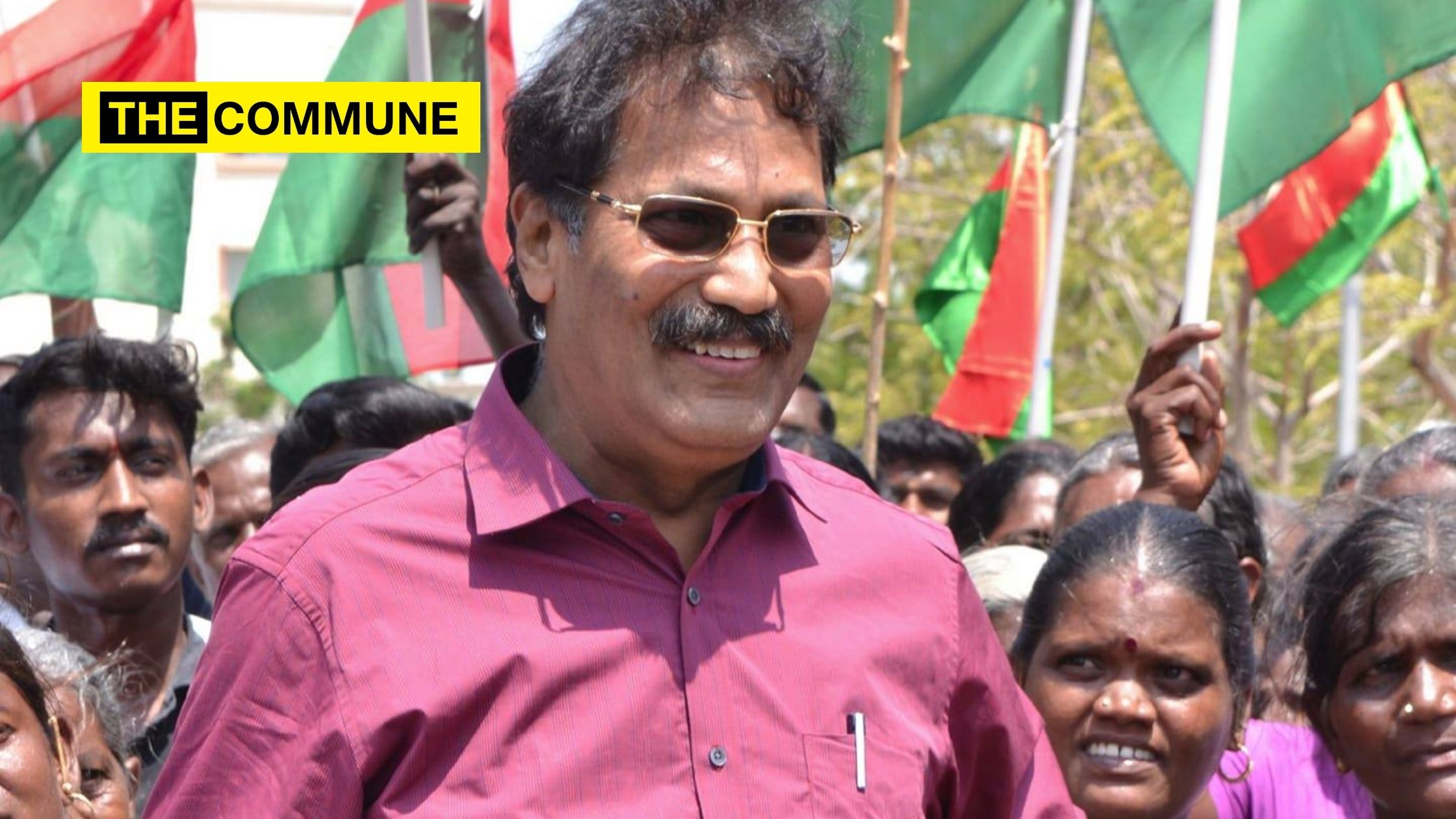
Devendra Kula Vellalars, the only community in the entire country that is swimming against the tide to get delisted from the Scheduled Caste list is set to hold a massive public rally on January 6 at Madurai under the leadership of Puthiya Tamilagam founder leader Dr. K. Krishnasamy.
In a statement, Dr. Krishnasamy issued a clarion call to the State and Central governments to consider the Devendra Kula Vellalar’s demand of removing them from the Scheduled Caste list and not just stop with the renaming of the seven communities.
“This January 6 will be remembered as a historic day for not just Tamil Nadu but for the entire country”, Dr. Krishnasamy said in his statement.
He said that the Devendra Kula Vellalars were an agricultural community who were hailed in the Tamil Sangam literature and added that they were mistakenly included as ‘Depressed Class’ during the British rule.
“A society that lived in a state of nobility was pushed into abyss by listing under the Scheduled Caste.”, he said.
“The taboo associated with the term ‘depressed class’ has prevented our socio-economic mobility. We are fighting to get rid of the this and regain our identity. We are ready for any kind of sacrifice and forsake any kind of privileges to remove the stigma that has been imposed on us.”, Dr. Krishnasamy said.
Tamil Nadu government on December 4 announced that the State Government would be recommending to the Central Government to include the seven Scheduled Caste sub-sects — Pallar, Kudumbar, Kadaiyar, Pannadi, Kaaladi, Vadhiriyar, and Devendrakulathar — in the Devendrakula Vellalar community. However, Chief Minister Palaniswami said that the Devendra Kula Vellalars would continue to stay in Scheduled Caste list considering their current socio-economic status and that they would continue to receive the benefits meant for the Scheduled Castes.
The Devendrakula Vellalars have been asking for regrouping of the seven communities under one title – ‘Devendra Kula Vellalar’ for more than three decades along with the demand for the removal of the community from the list of Scheduled Caste.
Dr. Krishnaswamy had said that the government cannot do a mere eye-wash and said that getting the community out of the Scheduled Caste remained their ultimate goal.
எங்களுக்குச் சலுகை வேண்டாம், SCயில் இருப்பதே முன்னேற்றத்திற்கான முட்டுக்கட்டை என மக்கள் முழக்கமிடுகிறார்கள்.
Dr. Shyam Krishnasamy, youth wing leader of Puthiya Tamilagam and son of Dr. Krishnasamy said that removal from SC list is the first step in uniting Tamils, Hindus and Indians.
Devendra Kula Velalars under the leadership of @DrKrishnasamy to hold a rally in Madurai on 6th Jan, demanding to be removed from scheduled caste.
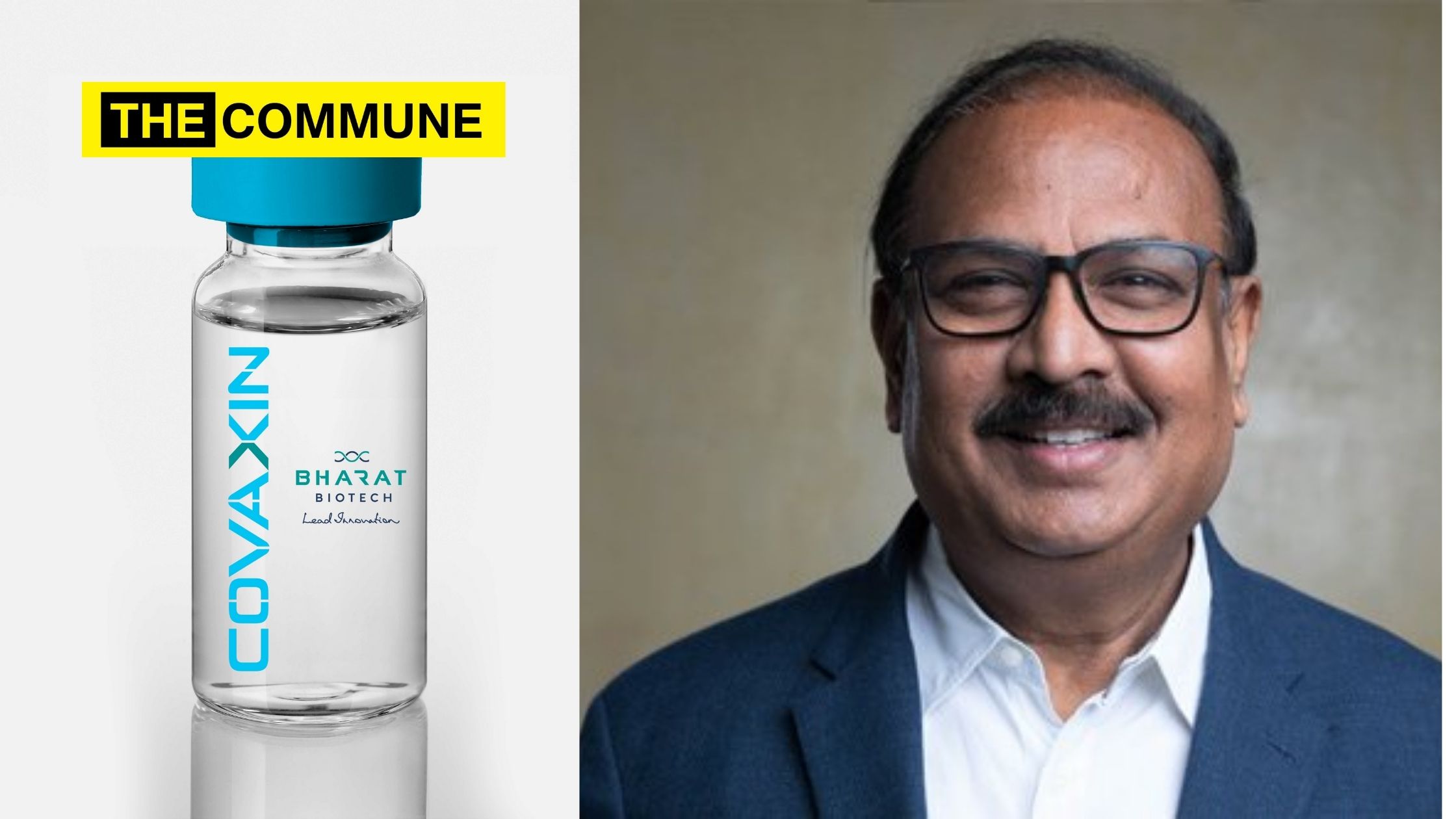
After the Modi government announced that Indian Biotechnology Company Bharat Biotech is ready to roll out Covid-19 vaccine – Covaxin, which has been developed in association with the Indian Council of Medical Research (ICMR) and National Institute of Virology (NIV), Dr Krishna Ella the chairman and managing director of Indian Biotechnology Company Bharat Biotech has come out heavily against detractors who have questioned the efficacy of this Indian vaccine.
Dr Ella in his press conference said that the vaccine is 200 per cent safe and does not require paracetamols to suppress adverse reactions and confirmed data pertaining to the trials will be made available in a week’s time, ANI has reported.
“Covaxin has shown less than 10 per cent adverse reactions, while others have 60-70 per cent adverse reactions. AstraZeneca was giving 4g paracetamol to volunteers to suppress such reactions. We haven’t given paracetamol to any volunteer. I can assure our vaccine is a 200 per cent safe”, Dr Ella has been quoted as saying.
Dr Ella also raised objections over suggestions by ICMR and AIIMS heads terming Covaxin as a backup and got emotional when it was suggested, there was a lack of transparency in vaccine data.
“Many people just gossiping, it’s just a backlash against Indian companies. That is not right for us. We don’t deserve that…I don’t know why Indian companies are always targeted by everyone in the world. It is a global practice to issue emergency medical license. Even the US says that if you have good immunisation data, emergency authorisation can be done”, Dr Ella has been quoted by ANI as saying.
However, this achievement fell under a pall of gloom after several political parties and a section of the medical and media community raised doubts over the efficacy and safety of the Bharat Biotech vaccine after it received restricted emergency use approval from the Drug Controller General of India (DCGI).
Clinical trials for Covaxin have taken place in over 12 countries including the UK and “COVAXIN has generated excellent safety data with robust immune responses to multiple viral proteins that persist”, Dr Ella has been quoted as saying. Also, no placebo has been involved during the trials and every subject has been monitored for the safety and efficacy of the vaccine.
As per reports, 800 subjects were administered the vaccine in Phase I and II of the clinical trials. However, testing for Phase III vaccine was conducted on 22,500 subjects till date.
Dr Ella claimed that Bharat Biotech has “tremendous experience” in developing vaccines and has a presence in 123 countries and it is the only biotechnology company in the world which has a BSL-3 production facility.
As of now, Bharat Biotech has 20 million doses of Covaxin that have been manufactured and the capacity will eventually be scaled up to 700 million. Also, the price of the vaccine may be higher in the introductory period but it will eventually come down, said Dr Ella.
Also, Bharat Biotech has 140 global patents and a product portfolio of more than 16 vaccines, four bio-therapeutics, registrations in more than 116 countries and WHO Pre-qualifications and the has delivered over 4 billion doses of vaccines worldwide.
Bharat Biotech has alsodeveloped vaccines for influenza H1N1, Rotavirus, Japanese Encephalitis, Rabies, Chikungunya, Zika and the world’s first tetanus-toxoid conjugated vaccine for Typhoid.
In Tirupati, a father-daughter duo won hearts online and made the headlines after they were captured in a candid moment. Yendluru Jessy Prasanthi, the Deputy Superintendent of Police (DSP), Guntur, was pleasantly surprised when she encountered her father, Circle Inspector Y Shyam Sundar, while on duty for an event organized by the Andhra State Police. The photo of the father saluting his daughter, who was his superior officer, became viral and brought tears to the viewer’s eyes.
In a report the Guntur DSP said that she wasn’t very comfortable when she noticed her father saluting her adding that her father was an inspiration.
The father-daughter duo are in Tirupati to attend the Ignite conference organized by the state police.
Jessy is a 2018 graduate who has been posted as the DSP for the past two years but had not once encountered her father while on duty. A similar incident took place recently in the neighbouring state of Telangana, where former Deputy Commissioner of Police AR Uma Maheshwara Sarma saluted his daughter Sindhu Sarma, who is the Superintendent of Police in Telangana.
Circle Inspector Shyam Sundar salutes his own daughter Jessi Prasanti who is a Deputy Superintendent of Police with pride and respect at #IGNITE which is being conducted at #Tirupati.
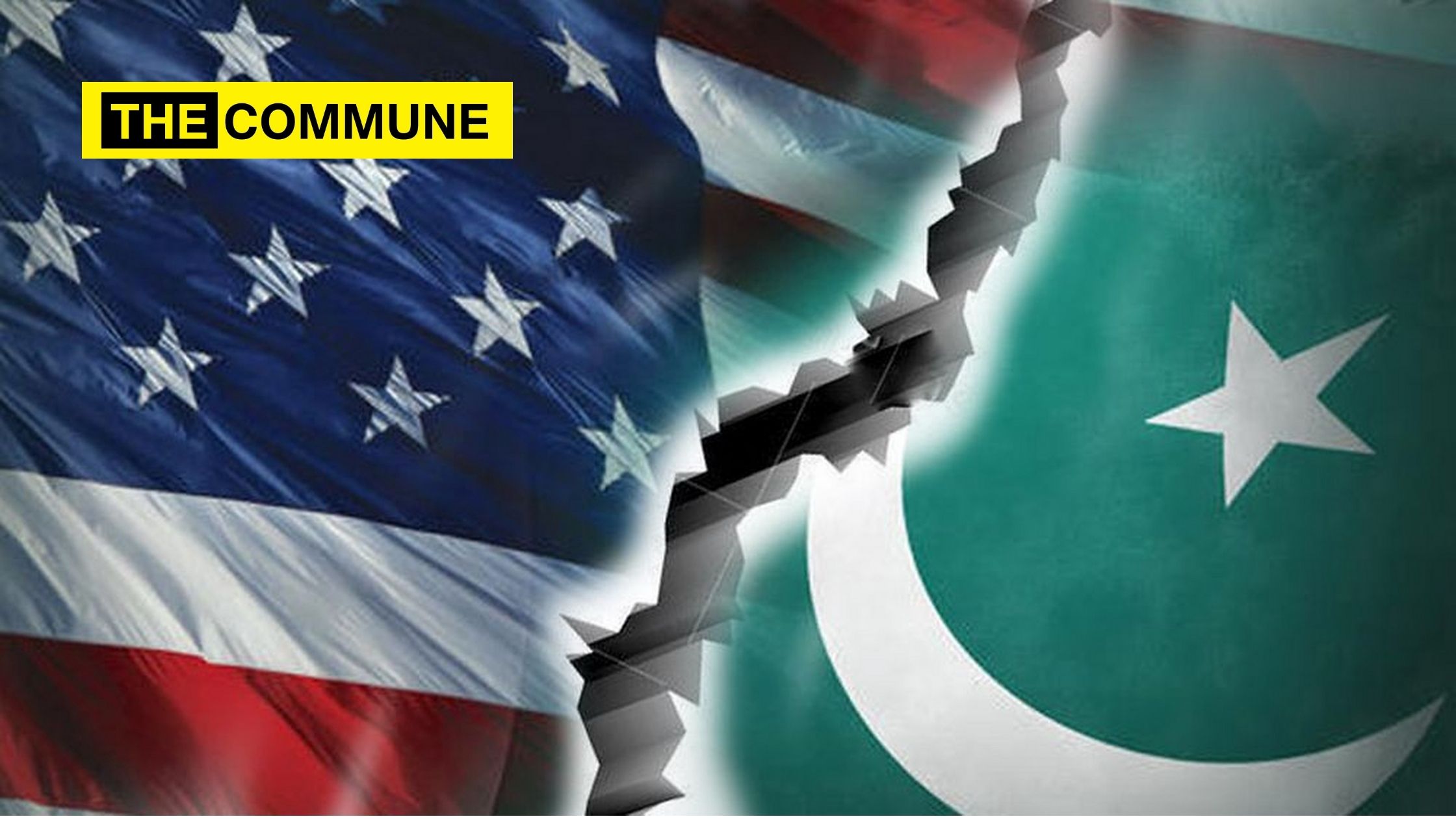
In another embarrassment for Pakistan, Republican Congressman Andy Biggs on the first day of the 117th Congress has introduced a bill in the US House of Representatives to terminate the designation of Pakistan as a Major non-NATO ally, reports The Hindustan Times.
If the bill is passed, it will remove Pakistan’s designation as a major non-NATO ally which has allowed many benefits for years such as access to excess US defense supplies and participation in cooperative defense research and development projects.
The bill introduced in the Congress has a provision wherein the US President cannot issue a separate designation of Pakistan as a major NATO ally, unless a presidential certification that Pakistan continues to conduct military operations that are contributing to significantly disrupting the safe haven and freedom of movement of the Haqqani Network in Pakistan.
The bill also seeks a presidential certification that Pakistan took steps and prove its commitment to prevent the Haqqani Network from using any Pakistani territory as a safe haven and that the Pak government actively coordinates with Afghanistan to restrict the movement of militants, such as the Haqqani Network, along the Afghanistan-Pakistan border.
The bill also asks the president to certify that Pakistan has actively tried to arrest and prosecute Haqqani Network senior leaders and mid-level operatives.
The Haqqani Network, an offshoot of the Taliban is one of the most powerful Islamic terrorist organisation with its base of operations in Pakistan which allows them to carry out terror attacks in Afghanistan. However, the Pakistani Army considers this group as one of its non-state assets and if this bill makes a further push, it will bring a lot of heat on an already beleaguered Prime Minister Imran Khan. Niazi
Pakistan was named a Major non-NATO in 2004 after America invaded Afghanistan after the 9/11 terror attacks carried out by Al Qaeda. Also, in December, the Sindh High Court had ordered the release of Omar Saeed Sheikh who was arrested for murdering Wall Street Journal reporter, Daniel Pearl.
Being a non-NATO ally gives any nation huge advantage as they will get to enjoy access into cooperative research and development projects with the Department of Defense (DoD) on a shared-cost basis, participation in certain counter-terrorism initiatives, purchase of depleted uranium anti-tank rounds, priority delivery of military surplus (ranging from rations to ships), export processing of space technology and permission for the country’s corporations to bid on certain DoD contracts for the repair and maintenance of military equipment outside the United States.
However, besides getting some upgraded F-16 fighter jets with some strict protocols of its use, Pakistan never really was able to exploit the technology and resources after being designated as a non-NATO ally. India, however, is now a US-designated Major Defense Partner and this happened under the Obama Administration.
In January 2018, President Trump suspended all financial and security assistance to Pakistan and it even considered terminating the designation of Pakistan as a Major non-NATO ally.
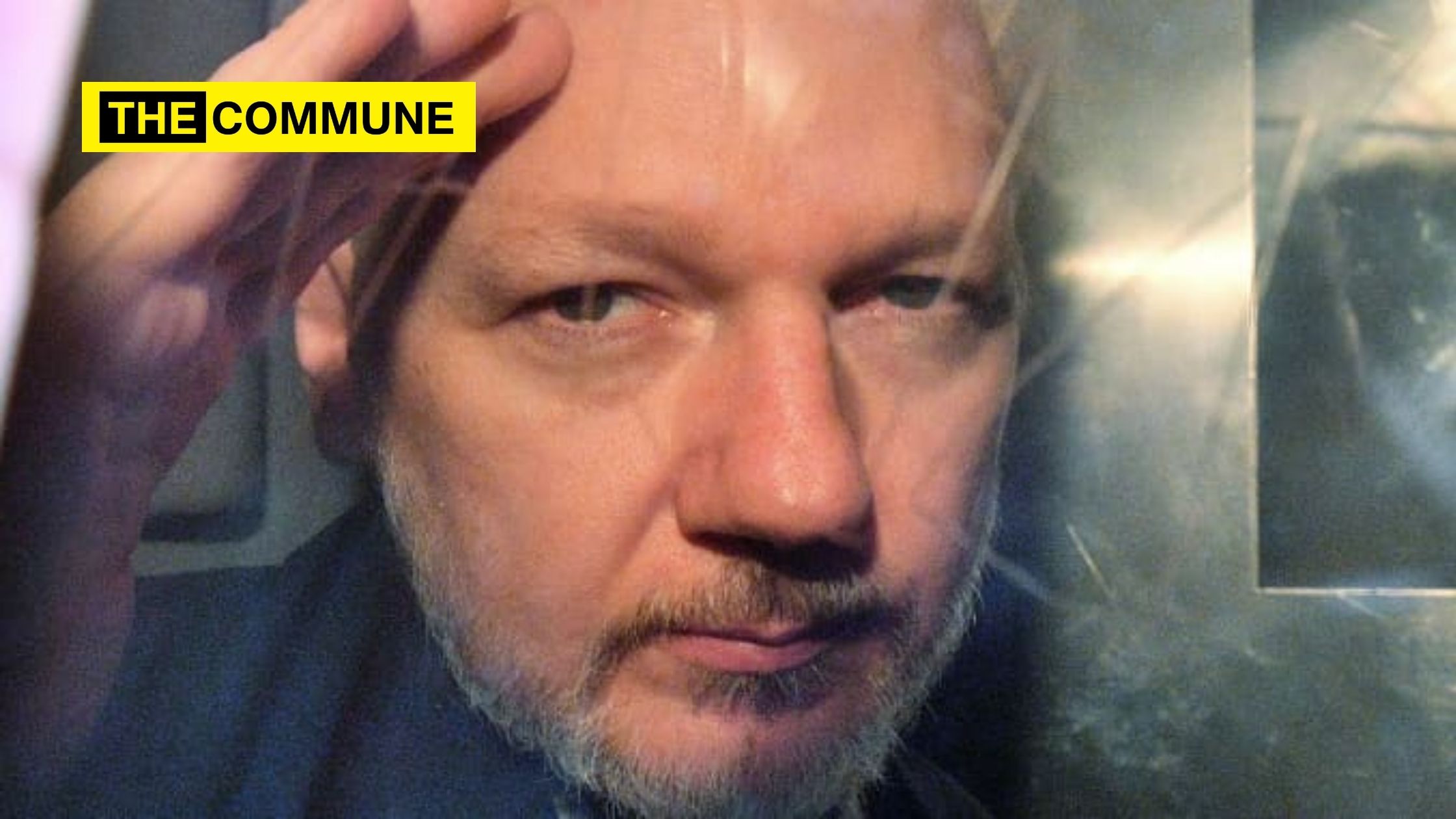
The US government’s plea for Julian Assange, the Wikileaks CEO’s extradition was rejected by the UK government. District Judge Vanessa Baraitser rejected allegations that Assange is being prosecuted for political reasons or would not receive a fair trial in the United States. But she said his precarious mental health would likely deteriorate further under the conditions of “near total isolation” he would face in U.S. prison.
“I find that the mental condition of Mr. Assange is such that it would be oppressive to extradite him to the United States of America,” the judge said.
This ruling was issued at the Central Criminal Court in London, which is dubbed the ‘Old Bailey’. The authorities have two weeks to file an appeal, in the absence of which the rejection of the extradition petition will hold.
In light of this, Mexico’s government is ready to offer political asylum to Julian Assange and supports the decision of a British judge to deny extradition of the WikiLeaks founder to the United States, President Andres Manuel Lopez Obrador said on Monday. The President praised the UK court for rejecting the United States’ request for Assange’s extradition and termed it a “triumph of justice”. The judge cited concerns for Assange’s mental health, which was likely to deteriorate had he been moved to a top security US prison.
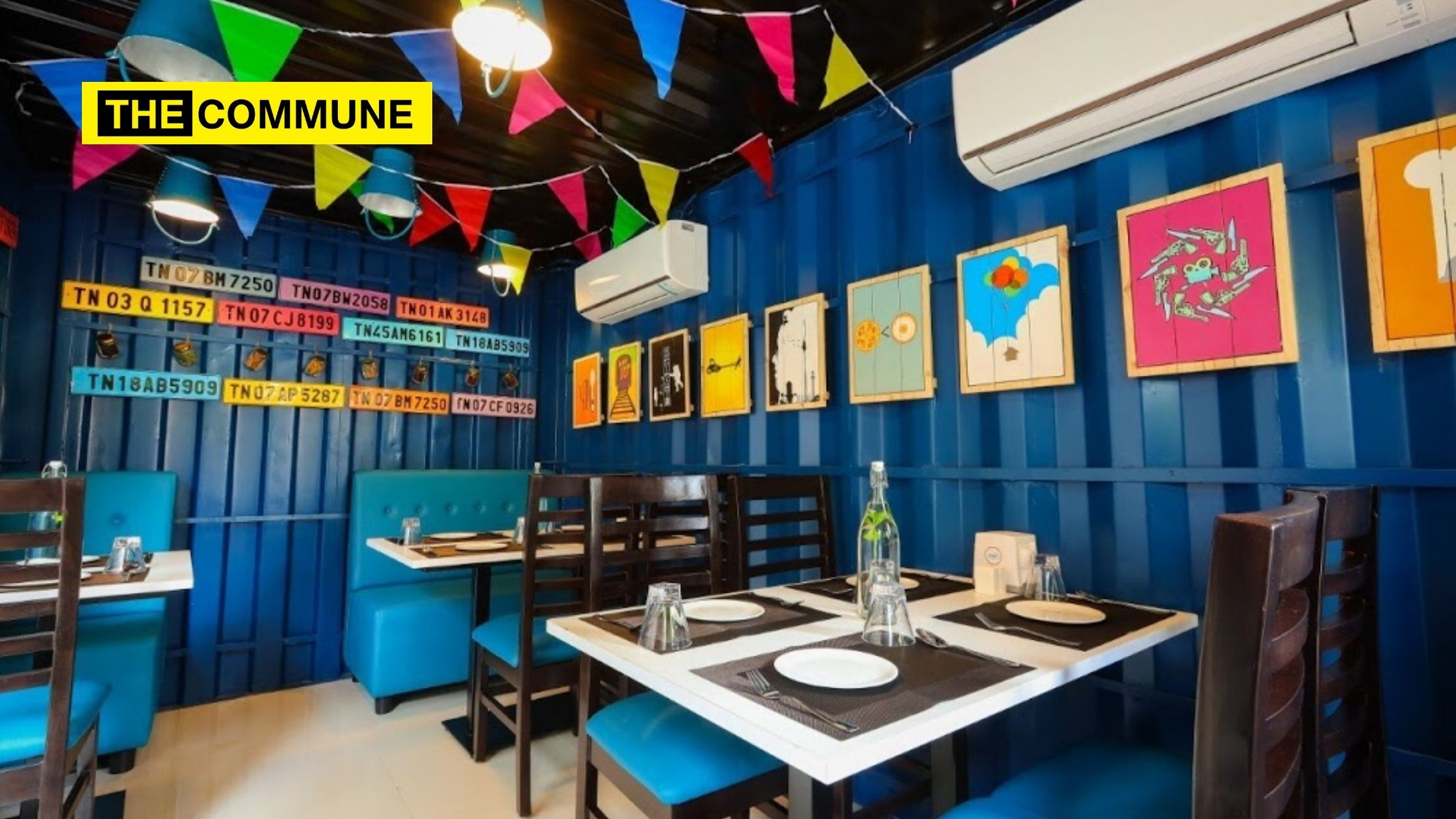
In Puducherry, a restaurant owner has created a multi-storeyed restaurant with abandoned containers. Like houses, offices and restaurants repurposed from containers that have been welcomed abroad, the three-storied container restaurant on Ambur Road in Puducherry has attracted tourists.
At 10 feet long – 8 feet wide – 8 feet high, these iron containers have been decorated with discarded iron, glass, boards, number plates, coloured paper, bamboo, birdcage, and flower baskets. This restaurant is located in the White Town area of Puducherry.
In a similar fashion, the Puducherry Municipality has designed bathrooms and toilets with containers in areas including the beach, hospital exterior and Ginger Road. While an actual building with bricks and cement costs around 25 lakh rupees, the same can be completed with containers within 10 lakh rupees. It costs at least 3 lakh rupees to turn a container into a house or a restaurant. Pondicherry is witnessing the emergence of container houses as an alternative to the conventional housing structures that have been present for several decades.
A similar restaurant called The Box Project is present in Chennai. It is spread over 2,800 square feet and houses five kitchens, each taking up one container, with an airy rooftop dining space that can seat 70 people. There is Chinese food by Tago, Hyderabad-based Little Idli (with its selection of dosas, vadas and idlis), Hatimy’s (Bohri food), That Waffle Place and Brunch (juices, chaats and sandwiches).
The Central GST Delhi West Commissionerate has unearthed an evasion of GST by way of manufacture and clandestine supply of tobacco products like ‘gutkha’ and ‘pan masala’ without any registration and payment of duty. On a search at the premises of the manufacturer, it was found that illegal manufacturing of ‘gutkha’ and ‘pan masala’ was going on, as evidenced by a godown, machines, raw materials and the manufactured products at the premises. Around 65 labourers were also found working at the illegal factory. The finished product was being supplied to various states in India. The searches resulted in the seizure of finished gutkha and raw materials such as chuna, sada kattha, tobacco leaves etc. valued at ₹4.14 crore approximately.
On the basis of evidence gathered, stocks seized and confessional statements recorded the total duty evasion is estimated to be approximately ₹831.72 crore. Further investigation is ongoing
One person has been arrested in the matter on the basis of his involvement in the manufacture and supply of goods without issue of any invoice with the intention to evade tax, as well as in transporting, removing, depositing, keeping, concealing, supplying, or purchasing any goods in violation of the provisions of Section 132(1)(a) and (h) of CGST Act, 2017, which are cognizable and non-bailable under Section 132(5) being punishable under Section 132(1)(i) of the said Act. The accused has been arrested and was produced before the Metropolitan Magistrate, Patiala House Court on January 2, 2021. He has been sent to 14 days judicial custody. Further investigation is underway to identify the key conspirators of the case and to recover the tax dues involved.
India on January 4 launched the country’s 40th scientific expedition to Antarctica. This Indian expedition marks four decades of the country’s scientific endeavour to the southern icy continent. This 40th expedition journey will be flagged off from Goa on January 5, 2021, with 43 members onboard. The chartered ice-class vessel MV Vasiliy Golovnin will make this journey and will reach Antarctica in 30 days. After leaving behind a team of 40 members, it would return to India in April 2021. On its return, it will also bring back the winter team of the preceding trip.
The Indian Antarctic expeditions began in 1981. The first trip comprised of a team of 21 scientists and support staff led by Dr SZ Qasim. After a humble beginning, the Indian Antarctic program has three permanent research base stations in Antarctica—named Dakshin Gangotri, Maitri and Bharati. The National Centre for Polar and Ocean Research (NCPOR), Goa, manages the entire Indian Antarctic program.
The preceding 39th Indian Scientific Expedition to Antarctica was launched in November 2019. It mounted 27 scientific projects, focusing on climate process and its linkages with climate change, crustal evolution, environmental processes and conservation, the ecosystem of terrestrial and near shore regions, observational research, and polar technology. Two additional collaborative projects with the National Institute of Polar Research, Japan were also undertaken. After completing its mission mandate, it returned to India in May of 2020. It also replenished the annual supplies of food, fuel, provisions, snowmobiles, and spares for operations and maintenance of life support systems at Maitri and Bharati bases. It cruised a team of 48 members to Antarctica for winter operations.
The scientific and logistic activities of the 40thIndian Antarctic expedition are limited due to the existing challenges associated with the COVID-19 pandemic. The focus is to support the ongoing scientific projects on climate change, geology, ocean observations, electric and magnetic flux measurements, environmental monitoring, in addition to restocking food, fuel, provisions and spares, and accomplishing the return of the winter crew.
The expedition will duly follow all protocols for the deployment of men and material as per Council of Managers of National Antarctic Programs(COMNAP). Extra precautions of sanitizing the cargo, mandatory fourteen days of quarantine (pre-, and post-expedition), and RT-PCR testing before boarding the ice-class vessel is also being conducted.
In a shocking display of ignorance and (or) deliberate twisting of facts, DMK chief M.K. Stalin during his ‘We Reject ADMK’ Gram Sabha meet organized as part of his campaign trail in Cuddalore, peddled misinformation and outright lies about the recently enacted farmer empowerment laws.
The DMK chief while addressing the public said “The Central Government.. the BJP government has brought in three agriculture laws. It states that farmers can no longer cultivate crops in their lands. No farmer can sell his produce at a price determined by him. All mandis will be closed. It is all going to go to private corporate companies. It is going to go to Adani group. We can’t get profits from the crop we sow, it will all go to corporate companies.”
— Vishwatma 🇮🇳 ( மோடியின் குடும்பம் ) (@HLKodo) January 4, 2021
All the things said by M.K. Stalin are baseless and blatant lies. It seems like a deliberate attempt to peddle misinformation about the laws among the public to mislead them and gain votes in the upcoming Assembly elections. In fact, the three laws seek to do the exact opposite of what Stalin is peddling.
Here is an explainer busting the lies that are frequently peddled by DMK and its henchmen in the media:
Lie 1: MSP will be scrapped
Truth: Time and again, the Government of India has clarified that procurement through Minimum Support Price (MSP) will continue and farmers can sell their produce at MSP rate.
In fact, in the ongoing Kharif Marketing Season (KMS), Government of India continues to procure Kharif crops at MSP rates from farmers as per existing MSP Schemes.
Procurement has been going on smoothly across different states in India that includes Punjab, Haryana, Uttar Pradesh, Madhya Pradesh, Odisha, Kerala and Tamil Nadu to name a few. 462.88 LMT of paddy has been procured up to December 28 registering a 24.90% increase against the corresponding purchase of 370.57 LMT last year.
About 57.47 lakh farmers have already been benefitted from the ongoing procurement operations with MSP value of ₹87391.98 crore.
The Central Government, based on the proposal from the States, approved for the procurement of 51.66 LMT of Pulse and Oilseeds for the 2020 Kharif Marketing Season for the States of Tamil Nadu, Karnataka, Maharashtra, Telangana, Gujarat, Haryana, Uttar Pradesh, Odisha, Rajasthan and Andhra Pradesh under Price Support Scheme(PSS).
Lie 2: Government is conspiring to sell the lands to rich capitalists and industrialists
Truth: The act provides for contract farming between a buyer and farmers. A contract farming agreement between the farmer and the buyer must provide for a conciliation board as well as a conciliation process for settlement of disputes. The board should have a fair representation of the parties to the agreement. The act proposes to create a three-level dispute settlement mechanism: the conciliation board, Sub-Divisional Magistrate and Appellate Authority. At first, all disputes must be referred to the board for resolution. If it remains unresolved for more than 30 days, parties may approach the Sub-divisional Magistrate for resolution. If the parties are not satisfied with the decision of the sub-divisional magistrate, they will have a right to appeal to an Appellate Authority which will be presided by collector or additional collector. Penalty can be levied by the Magistrate or the Appellate Authority on the party contravening the agreement.
However, sale, lease or mortgage of farmers’ land is totally prohibited and farmers’ land is also protected against any recovery.
Lie 3: Farmers will be disadvantaged in terms of fixing the price
Truth: The farmer will have full power in the contract to fix a sale price of his choice for the produce. They will receive payment within maximum 3 days.
Lie 4: Buyers will exploits farmers
Truth: The price of farming produce should be mentioned in the agreement. For items where prices are subjected to fluctuations, a guaranteed price for the produce and a clear reference for any additional amount above the guaranteed price must be specified in the agreement. The process of price determination must also be mentioned in the agreement. Thus, this act will encourage farmers to engage with processors, wholesalers, aggregators, large retailers, exporters etc., on a level playing field.
Lie 5: Farmer will be severely hit if there are market fluctuations
Truth: Price will be assured to farmers even before sowing of crops. In case of higher market price, farmers will be entitled to this price over and above the minimum price. It will transfer the risk of market unpredictability from the farmer to the sponsor. Due to prior price determination, farmers will be shielded from the rise and fall of market prices.
If the acts are said to be of benefit to the farmers, why is there opposition to it?
Agricultural produce selling has 3 major stakeholders at play apart from the farmers: commission agents, state mandis and bureaucracy. The local APMC mandis are heavily politicized with the commission agents and middlemen having political influence gulping a major portion of the profit. The existing system leaves the farmer parched with less money. Once these reforms are implemented, those who have been making money at the cost of farmers will stand to lose. The middlemen commission and patronage structure will disappear. It is these middlemen who stand to lose who are against these laws.
DMK in its 2016 election manifesto had promised the same things it is opposing now
It has been found that the DMK is protesting against the very same things that they promised in their manifesto in 2016.
In its 2016 manifesto for the Assembly Elections, the DMK had promised to formulate a new policy to help farmers market agricultural produce nationally and internationally.
It had stated that it would bring in a policy that will enable farmers to sell their produce directly without the interference of any middlemen at market determined prices.
It had also stated that it would review the Agriculture Produce Marketing Regulation Act with changing times.
This is exactly what the recently enacted farm laws seeks to do. Through the new farm laws, farmers have been empowered by giving them the choice to sell their produce where they get a better price. Those who want to sell in the APMC can continue to do so and those wanting to explore the market have been given the choice to. The middlemen commission and patronage structure will disappear as farmers have the choice to sell directly to anyone at the farm gate.



DMK chief MK Stalin lies through his teeth about farmer empowerment laws
In a shocking display of ignorance and (or) deliberate twisting of facts, DMK chief M.K. Stalin during his ‘We Reject ADMK’ Gram Sabha meet organized as part of his campaign trail in Cuddalore, peddled misinformation and outright lies about the recently enacted farmer empowerment laws.
The DMK chief while addressing the public said “The Central Government.. the BJP government has brought in three agriculture laws. It states that farmers can no longer cultivate crops in their lands. No farmer can sell his produce at a price determined by him. All mandis will be closed. It is all going to go to private corporate companies. It is going to go to Adani group. We can’t get profits from the crop we sow, it will all go to corporate companies.”
All the things said by M.K. Stalin are baseless and blatant lies. It seems like a deliberate attempt to peddle misinformation about the laws among the public to mislead them and gain votes in the upcoming Assembly elections. In fact, the three laws seek to do the exact opposite of what Stalin is peddling.
Here is an explainer busting the lies that are frequently peddled by DMK and its henchmen in the media:
Lie 1: MSP will be scrapped
Truth: Time and again, the Government of India has clarified that procurement through Minimum Support Price (MSP) will continue and farmers can sell their produce at MSP rate.
In fact, in the ongoing Kharif Marketing Season (KMS), Government of India continues to procure Kharif crops at MSP rates from farmers as per existing MSP Schemes.
Procurement has been going on smoothly across different states in India that includes Punjab, Haryana, Uttar Pradesh, Madhya Pradesh, Odisha, Kerala and Tamil Nadu to name a few. 462.88 LMT of paddy has been procured up to December 28 registering a 24.90% increase against the corresponding purchase of 370.57 LMT last year.
About 57.47 lakh farmers have already been benefitted from the ongoing procurement operations with MSP value of ₹87391.98 crore.
The Central Government, based on the proposal from the States, approved for the procurement of 51.66 LMT of Pulse and Oilseeds for the 2020 Kharif Marketing Season for the States of Tamil Nadu, Karnataka, Maharashtra, Telangana, Gujarat, Haryana, Uttar Pradesh, Odisha, Rajasthan and Andhra Pradesh under Price Support Scheme(PSS).
Lie 2: Government is conspiring to sell the lands to rich capitalists and industrialists
Truth: The act provides for contract farming between a buyer and farmers. A contract farming agreement between the farmer and the buyer must provide for a conciliation board as well as a conciliation process for settlement of disputes. The board should have a fair representation of the parties to the agreement. The act proposes to create a three-level dispute settlement mechanism: the conciliation board, Sub-Divisional Magistrate and Appellate Authority. At first, all disputes must be referred to the board for resolution. If it remains unresolved for more than 30 days, parties may approach the Sub-divisional Magistrate for resolution. If the parties are not satisfied with the decision of the sub-divisional magistrate, they will have a right to appeal to an Appellate Authority which will be presided by collector or additional collector. Penalty can be levied by the Magistrate or the Appellate Authority on the party contravening the agreement.
However, sale, lease or mortgage of farmers’ land is totally prohibited and farmers’ land is also protected against any recovery.
Lie 3: Farmers will be disadvantaged in terms of fixing the price
Truth: The farmer will have full power in the contract to fix a sale price of his choice for the produce. They will receive payment within maximum 3 days.
Lie 4: Buyers will exploits farmers
Truth: The price of farming produce should be mentioned in the agreement. For items where prices are subjected to fluctuations, a guaranteed price for the produce and a clear reference for any additional amount above the guaranteed price must be specified in the agreement. The process of price determination must also be mentioned in the agreement. Thus, this act will encourage farmers to engage with processors, wholesalers, aggregators, large retailers, exporters etc., on a level playing field.
Lie 5: Farmer will be severely hit if there are market fluctuations
Truth: Price will be assured to farmers even before sowing of crops. In case of higher market price, farmers will be entitled to this price over and above the minimum price. It will transfer the risk of market unpredictability from the farmer to the sponsor. Due to prior price determination, farmers will be shielded from the rise and fall of market prices.
If the acts are said to be of benefit to the farmers, why is there opposition to it?
Agricultural produce selling has 3 major stakeholders at play apart from the farmers: commission agents, state mandis and bureaucracy. The local APMC mandis are heavily politicized with the commission agents and middlemen having political influence gulping a major portion of the profit. The existing system leaves the farmer parched with less money. Once these reforms are implemented, those who have been making money at the cost of farmers will stand to lose. The middlemen commission and patronage structure will disappear. It is these middlemen who stand to lose who are against these laws.
DMK in its 2016 election manifesto had promised the same things it is opposing now
It has been found that the DMK is protesting against the very same things that they promised in their manifesto in 2016.
In its 2016 manifesto for the Assembly Elections, the DMK had promised to formulate a new policy to help farmers market agricultural produce nationally and internationally.
It had stated that it would bring in a policy that will enable farmers to sell their produce directly without the interference of any middlemen at market determined prices.
It had also stated that it would review the Agriculture Produce Marketing Regulation Act with changing times.
This is exactly what the recently enacted farm laws seeks to do. Through the new farm laws, farmers have been empowered by giving them the choice to sell their produce where they get a better price. Those who want to sell in the APMC can continue to do so and those wanting to explore the market have been given the choice to. The middlemen commission and patronage structure will disappear as farmers have the choice to sell directly to anyone at the farm gate.