Home Blog Page 1307

DoPT Partners with Isha for Leadership Program

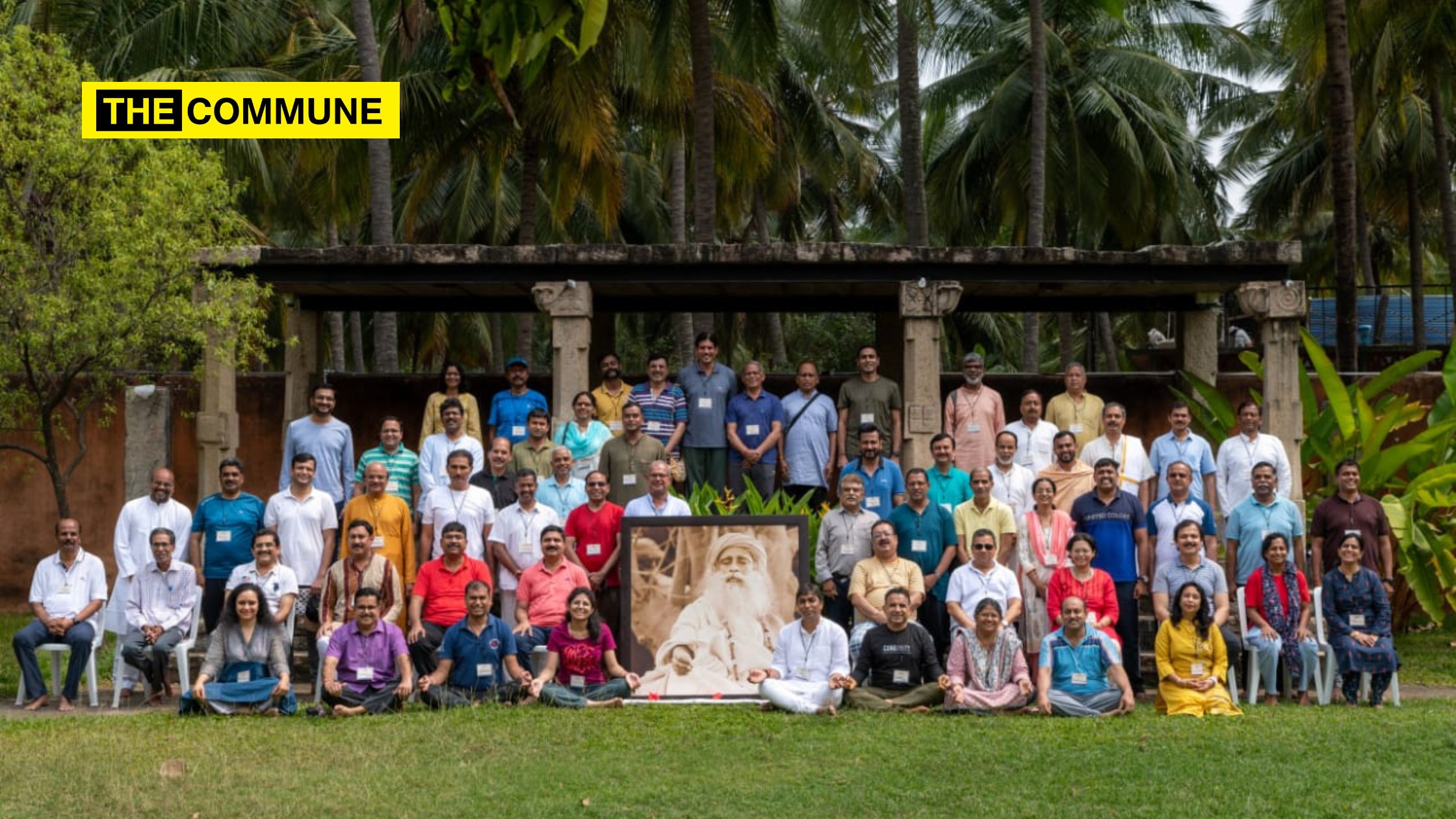
The Department of Personnel and Training, Government of India, in association with Isha Foundation organized a 5-day In-Service Leadership Program for its officers. The Inner Engineering and Leadership Program was conducted at the Isha Yoga Center near Coimbatore city in Tamil Nadu between 21st and 25th March. Officers from the Indian Administrative Service (IAS), Indian Police Service (IPS), Indian Forest Service (IFS) and other officers under the Central Staffing Scheme participated in the Program specially designed by Sadhguru, Founder-Isha Foundation, and conducted by highly trained Isha teachers.

The primary objectives of the Program include enhancing one’s ability to handle stressful situations; improving inter-departmental collaboration to achieve governance objectives; improving interpersonal relationships; personal and professional clarity and a deep sense of inner peace and fulfilment. When implemented as a lifestyle, the holistic Program also offers numerous long-term health benefits including relief from chronic physical and mental ailments.

The Program content is designed for government officials holding senior leadership positions in central and state governments. It is a blend of powerful tools derived from the Yogic sciences and insights on contemporary and relevant leadership. It enables participants to achieve inner balance and leverage its powerful impact on their effectiveness as leaders and as human beings. The Program is designed to help participants realize their limitless potential and enable those within their sphere of influence to realize their own potential.

The 5-day Program included meditation sessions guided by Sadhguru; a holistic set of Yoga postures; initiation into Shambhavi Mahamudra Kriya, a powerful 21-minute process that unlocks access to unexplored possibilities; and a Leadership Program specially tailored for Leaders in Government.

Click here to subscribe to The Commune on Telegram and get the best stories of the day delivered to you personally.

Dubai Expo: CEPA trade agreement will not only help India but also attract foreign investment in the UAE

Indian Ambassador to the United Arab Emirates (UAE), Sunjay Sudhir on Sunday (March 27) said that he is confident that the bilateral trade between the two countries will only move from strength to strength after the signing of the free trade agreement, India-UAE Comprehensive Economic Partnership Agreement (CEPA).

“Today, both UAE and India are among the top three trading partners of each other and our bilateral trade is almost USD 60 billion. This is expected to reach USD 100 billion in the next five years,” Sudhir told ANI.

The Indian Ambassador to the UAE further added, “This is going to open new areas of trade. Our exports are about USD 26 million and 90 per cent of those exports will automatically become zero duty on the day CEPA is implemented. On an average, there is about five per cent customs duty which will go down to zero. We will have a big advantage as compared to other competitors,”.

The benefits of CEPA will not just be limited to India but it will also help the gulf country get more foreign investment.

“A lot of labour-intensive areas will be benefited from this agreement. Jewels, leather goods, textile, engineering products and sports products will benefit from it. This will also increase Foreign Investment in India. In the last seven years, the amount of foreign investment has increased and UAE is among the major investors from Gulf countries. This will be increased further,” said Sudhir.

The comments were made amidst the backdrop of the six-month-long Dubai Expo that commenced in October last year witnessed the participation of as many as 192 countries.

Click here to subscribe to The Commune on Telegram and get the best stories of the day delivered to you personally.

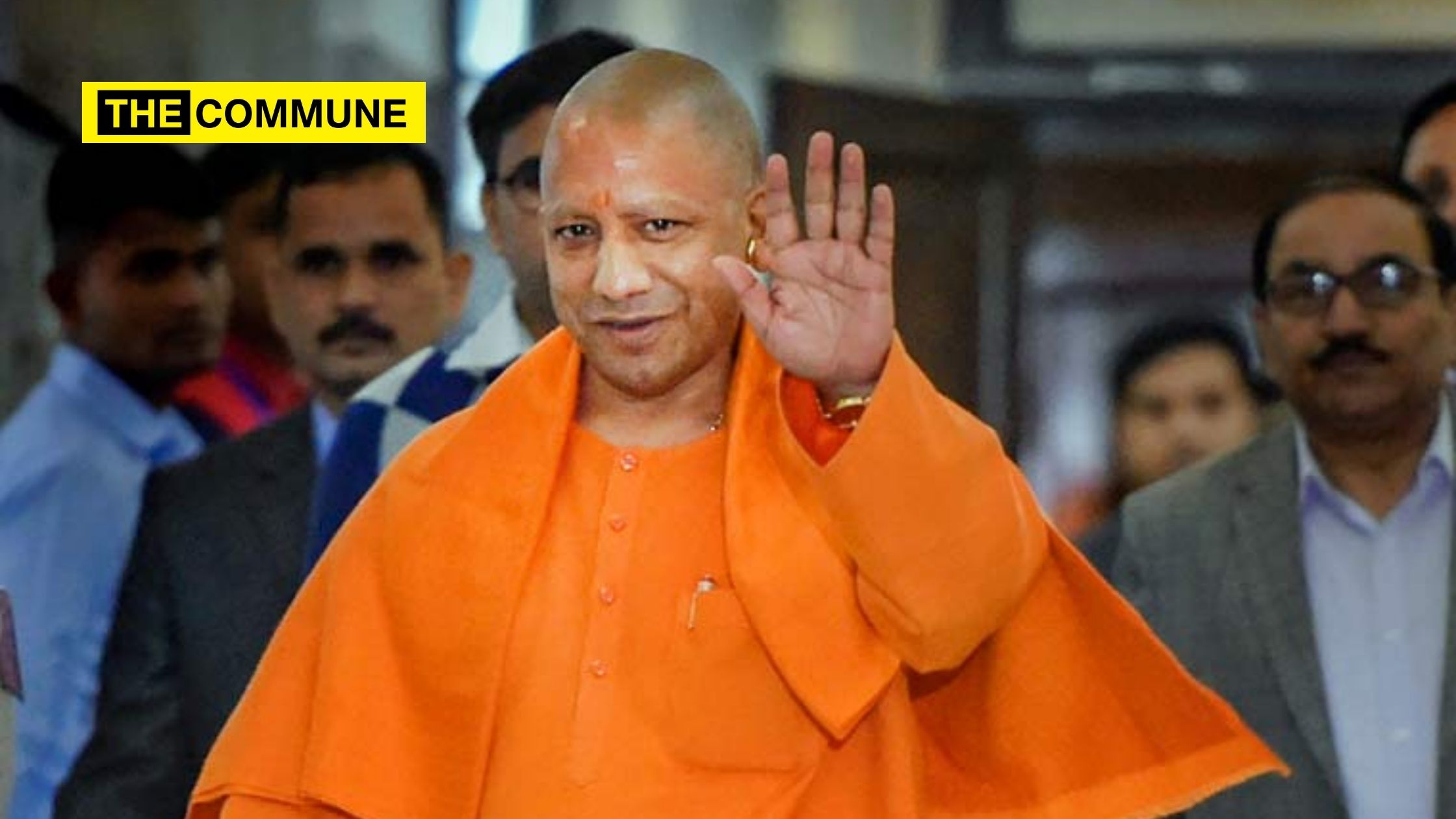
‘I am surrendering, please don’t open fire’: Criminals surrender with placards after Yogi wins second term

After Yogi Adityanath won the Uttar Pradesh assembly election for the second time, some 50 criminals in the state have already surrendered within a fortnight.

The return of Yogi Adityanath as CM of the state who is known for bulldozing crime in the state led to criminals voluntarily walking into police stations with placards saying, ‘I am surrendering, please don’t open fire’ hanging around their necks.

The 50 criminals not only surrendered but have also pledged to give up crime. After winning the election with a thumping majority, two criminals have been shot dead and 10 have been arrested. 

“To improve law and order, prompt and strict action is being taken through micro-planning to instill fear among criminals in every corner of the state,” ADG, law and order, Prashant Kumar was quoted in an article by the Times of India (TOI).

“Zero tolerance to crime is not just about an effective crackdown on the mafia, but renewed vigilance and intensified patrolling by UP-112,” Kumar further added.

One of the biggest names to surrender to the police was a kidnapper and extortionist named Gautam Singh who surrendered at the Chhapia police station in Gonda district on 15th March along with several other criminals.

Click here to subscribe to The Commune on Telegram and get the best stories of the day delivered to you personally.
Bangladesh FM seek apology from Pakistan for 1971 genocide

Lessons From Bangladesh: Liberation Of 1971 & Hindu Genocide

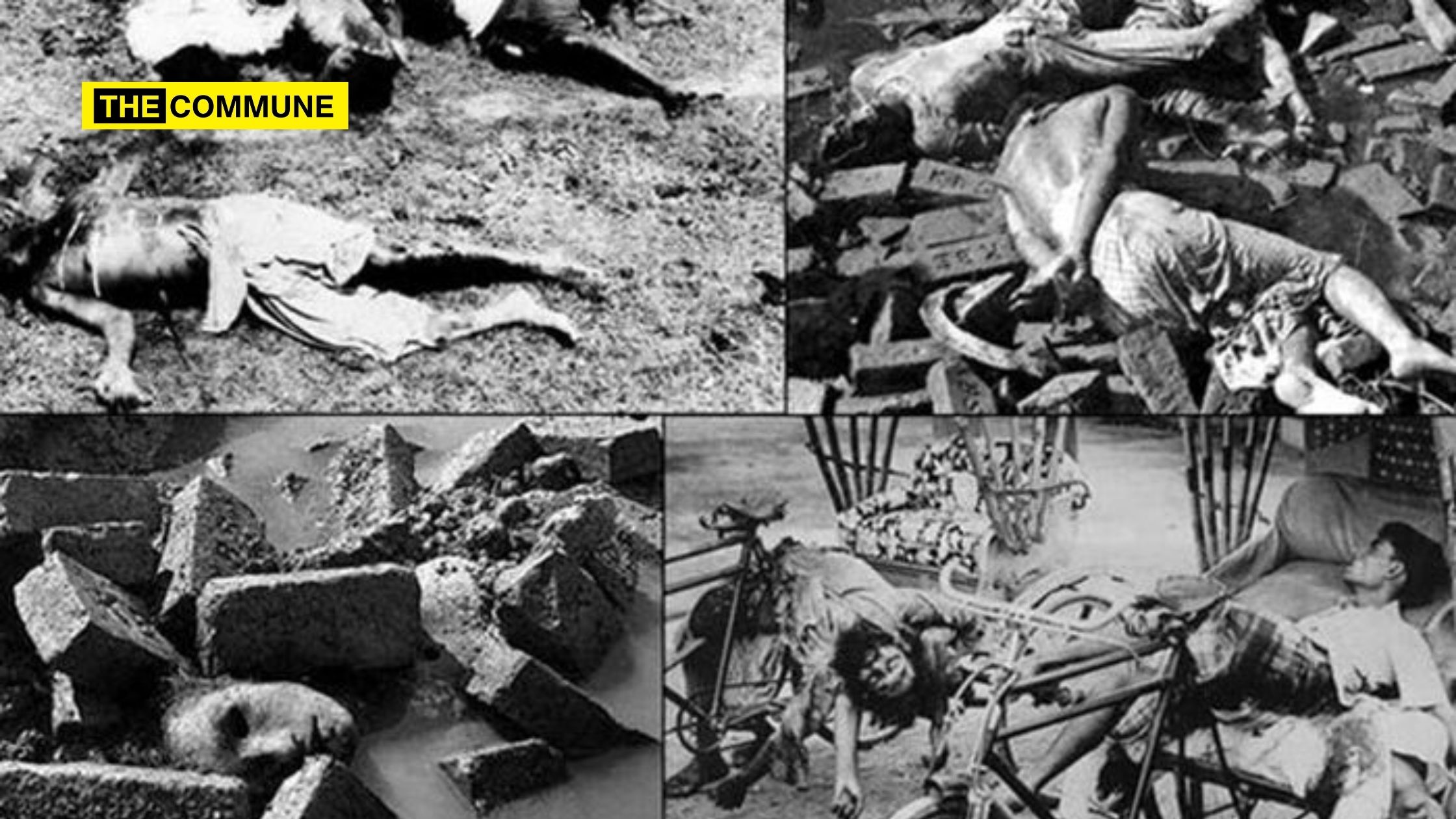
Bangladesh is seeking an apology for the genocide Pakistan had committed in 1971 and Bangladesh Foreign Minister AK Abdul Momen said that Pakistan should be ashamed for its actions 

Replying to the reporter at Foreign Service Academy on Saturday, Momen said, “It’s unfortunate. We always say that Pakistanis should be ashamed. Pakistani military at that time committed heinous crimes and genocide. Even reports from the Pakistan government also said they resorted to excessive torture and violated human rights,” according to Bangladeshi newspaper Prothom Alo.

“Even reports from Pakistan government also said they resorted to excessive torture and violated human rights,” he added.

Momen further added that the Pakistan government should punish those people who took part in the genocide and seek an apology from Bangladesh.

“I believe, the younger generation of Pakistan would come forward to seek an apology. Such wrongdoings can recur if Pakistan cannot understand (the importance of seeking apology),” Momen was saying as quoted by Prothom Alo.

Meanwhile, on Thursday, Human Rights Congress for Bangladesh Minorities (HRCBM) has urged the US and the international community to recognize the 1971 genocide of Bangladeshis by Pakistan.

According to the HRCBM 195 current and former members of the Pakistan Army, were recorded as being responsible for the genocide and it called for immediate steps to bring to trial.

It all started when the Muslim leaders of West Pakistan refused to allow Sheikh Mujibur Rahman who had won the election because he was a Bengali. So on March 25, 1971, Pakistan Army launched ‘Operation Searchlight’ which is one of the most brutal military actions since the 1937 Nanking Massacre and mass rape conducted by the Japanese military.

West Pakistan under the leadership of Yayha Khan planned military operations brutally hundreds of hundreds of thousands of erstwhile East Pakistan and created a record of being one of the worst mass atrocities in history.

It is estimated more than two hundred and fifty thousand to five hundred thousand women were raped, 3.5 million people were killed, and created a refugee crisis of 10 million people who had crossed over to India.

Click here to subscribe to The Commune on Telegram and get the best stories of the day delivered to you personally.
India to build 10 ‘fleet mode’ nuclear reactors in 5 years, aims to generate sustainable power for the future

India's Nuclear Power Capacity Has Doubled In The Last 10 years.

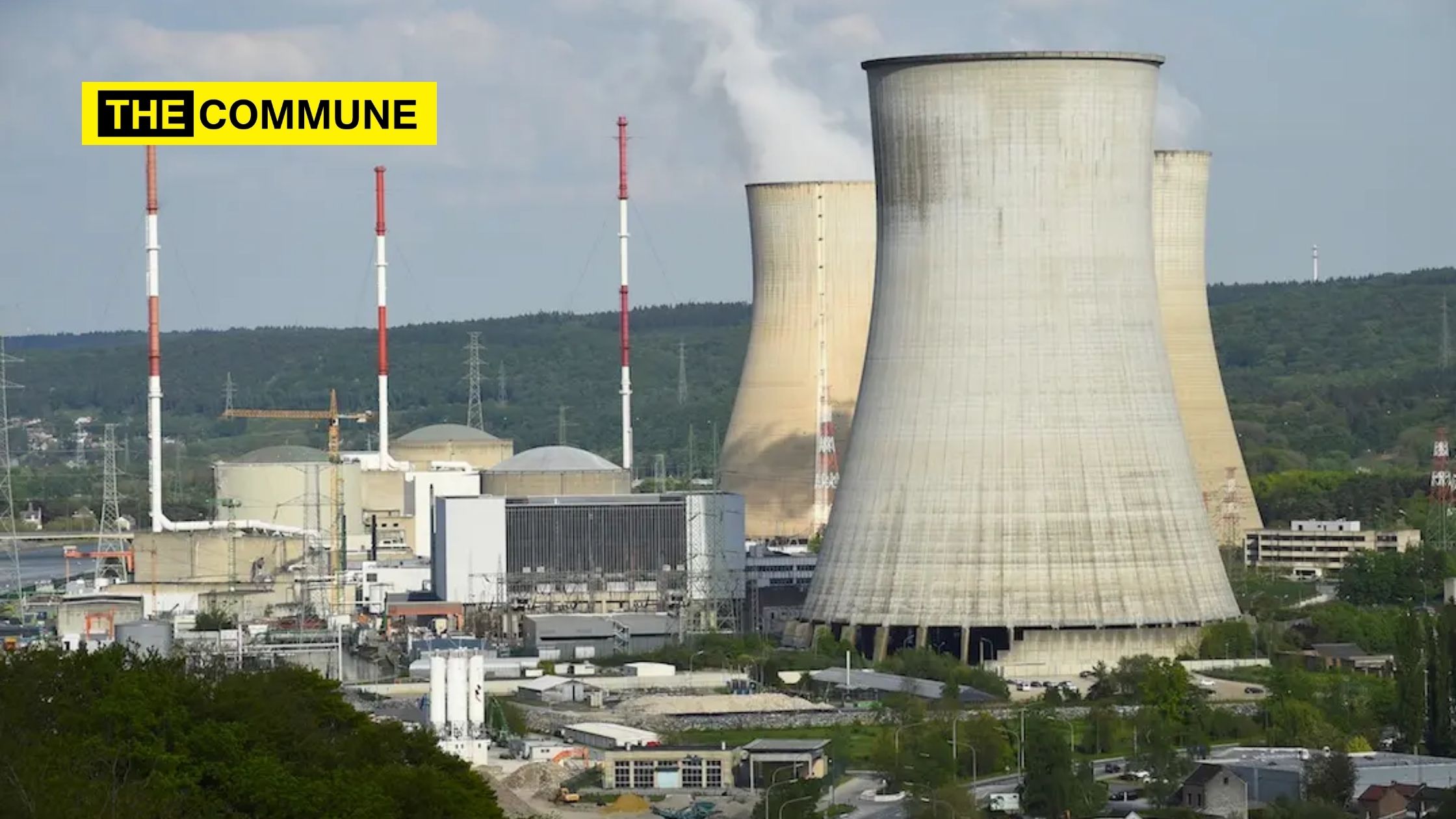
To address any power crises in the future, the Indian government has started construction activities for 10 ‘fleet mode’ nuclear reactors over the next three years and it was for the first time that the government had approved building 10 nuclear power reactors at the same time to reduce costs and speed up construction time.

Also, the aim under the fleet mode nuclear power plant is to build nuclear reactors over a period of five years from the first pour of concrete that will go in a long way to reduce carbon footprint.

Initially, a 700 MW atomic power plant in Karnataka’s Kaiga district is scheduled in 2023, and the first pour of concrete (FPC) signals for the construction of nuclear power reactors from the pre-project stage which includes excavation activities at the project site.

“The FPC of Kaiga units 5&6 is expected in 2023; FPC of Gorakhpur Haryana Anu Vidyut Praiyonjan units 3 & 4 and Mahi Banswara Rajasthan Atomic Power Projects units 1 to 4 is expected in 2024; and that of Chutka Madhya Pradesh Atomic Power Project units 1 & 2 in 2025,” officials of the Department of Atomic Energy (DAE) told the Parliamentary panel on science and technology.

The Centre has now approved the construction of 10 indigenously developed pressurised heavy water reactors (PHWR) of 700 MW each in June 2017 and ten PHWRs will be built at a cost of ₹ 1.05 lakh crore.

Bulk procurement is already underway for the fleet mode projects and purchase orders placed for forgings for steam generators, SS 304L lattice tubes and plates for end shields, pressuriser forgings, bleed condensers forgings, incoloy-800 tubes for 40 steam generators, reactor headers, DAE officials said.

Engineering, procurement and construction package for turbine island has been awarded for Gorakhpur units three and four and Kaiga units five and six, they added.

India operates 22 reactors with a total capacity to generate 6780 MW  and in January 2021, the 700 MW reactor at Kakrapar in Gujarat was connected to the grid but it is yet to start commercial operations.

Click here to subscribe to The Commune on Telegram and get the best stories of the day delivered to you personally.
RRR Review: Rajamouli Loads, Aims And Shoots A TeRRRific Film Enthralling The Audience

When enquiring about RRR to your friends or family, it is actually a crime to just ask – “How was the movie?“. A friend of mine rightly asked – “How great was the movie?“. That’s exactly how one should expect Rajamouli movies to be. You cannot expect anything less than a masterpiece from the master storyteller. You thought there is no way a movie could beat Eega, there came a Baahubali (in fact, two), and when everyone thought nothing could come close to Baahubali, there comes RRR now. According to Rajamouli, a benchmark is set just to break it later, and no one else can better it other than himself. It is like he raises the bar not for others to reach but for himself to break it and raise it even further.

In a way, RRR is like an Avengers. You don’t sit and analyse the loopholes – technical or the physics defying moments, what went wrong, what could have been better. No, that’s not why such movies are made. Such movies are made for the audience to come together to have a cinematic experience. RRR is one of the greatest movies ever made in India. You may have different opinions about the movie, but at the end of the day, nothing comes close to the experience that this movie gives. The drama, the stunts, the action sequences enthralls in every sense.

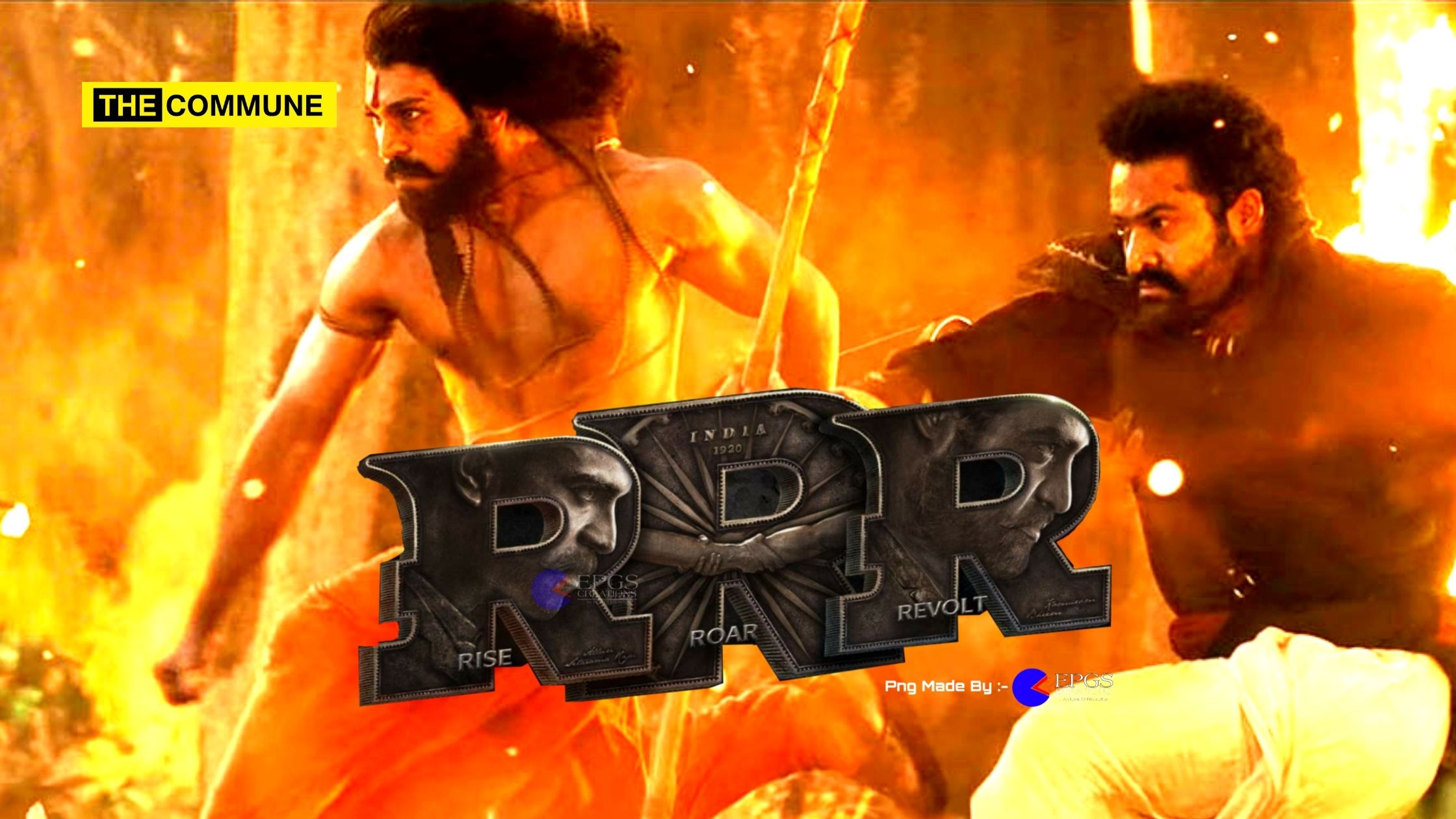
The bromance between Alluri Seetharama Raju (Ram Charan) and Komaram Bheem (Jr NTR) is what the movie is based on. Throughout the movie, it is only about these two, their friendship, their mission, their betrayal, their promise. The screen presence of both these actors, in fact, complement each other that it is a perfect tribute for their companionship and brotherhood that you witness on screen. Watching it on the first day gave me one of the craziest theatre experiences, something that we all have been craving for the last two years now.

Rajamouli is fondly and very rightly known as Jakanna, a name coined by Jr NTR for him, in reference to the famous Indian sculpture Amarashilpi Jakanachari, for the sole reason that he keeps chiseling until he is satisfied with the output. You can see how he has a keen eye for perfection with the way the Naatu Naatu song is choreographed. It is nothing less than legendary stuff, for the fact that both the actors’ coordination looks like watching that song from the Jeans movie where the other Aishwarya Rai is technologically created to fool the family. Here, we are fooled by the two of the best dancers of our times to think those have been technologically synchronised, but in reality, those aren’t. The choreography and the execution of the dance movements are so perfect that Jr NTR and Ram Charan sweat it out to achieve an unbelievable level of coordination. Wait for the moment where it turns into a competition amongst them all.

The respective introduction sequences of Bheem and Rama Raju were terrific in its own sense that we are at the edge of our seats due the proceedings on screen. The way the characters are made to fight it out in their respective events has not left my head even after two days, especially that long sequence of Rama Raju wading through an extremely revolting crowd to catch hold of one guy. Also, the sequence where the two leads meet for the first time (a thunderous response in theatre for that moment), that was one of the craziest inter-introduction sequences. There is this scene where Ram gets hold of the then Indian flag while swinging into the collapsing bridge. Everyone would think this is being done to evoke patriotism, well yes, that’s what it seems to, but that flag is being passed over to Bheem on the other side to protect himself from the burning fire, where he would be swinging back after handing over a stuck kid to Rama Raju. Note that the flag was dipped in water before handing over, hence the effect of fire burning Bheem would be minimal. This is all very carefully written and brilliantly executed.

The pre-interval sequences and the pre-climax sequences are one of the best highlights of the movie, the action sequences and stunts and the way Ram and Bheem slay the British on screen with their immense coordination, is nothing short of a mind boggling cinematic experiences. The sequence where Ram uses a grenade attached to an arrow is a crazy amalgamation, wherein arrow is for accuracy and the grenade is for extermination. What an unbelievable deadly combo! One other sequence, another unexpectedly crazy moment, was at the start of the pre-interval sequence. My eyes literally popped out when I saw the thing that I saw emerging from the truck. I don’t really know how Rajamouli’s mind works to create such sequences and make it in a never-seen-before commercial way. Rajamouli has literally made his imagination run wild.

The only problem a few may have with RRR is the historical authenticity of the real life personalities Alluri Sitarama Raju and Komaram Bheem. Rajamouli conveniently had to tweak the stories of the two to bring them together. It sometimes feels that such tweaking might not make justice to the struggle that they originally had during the pre-independence war. However, Rajamouli had put out the word in every interview he gave that this is a fictional story involving the real-life characters. There was a period of 3-4 years in both their lives that has no record about their whereabouts in the history books and Rajamouli particularly wanted to make use of that blackspot period to tell this story.

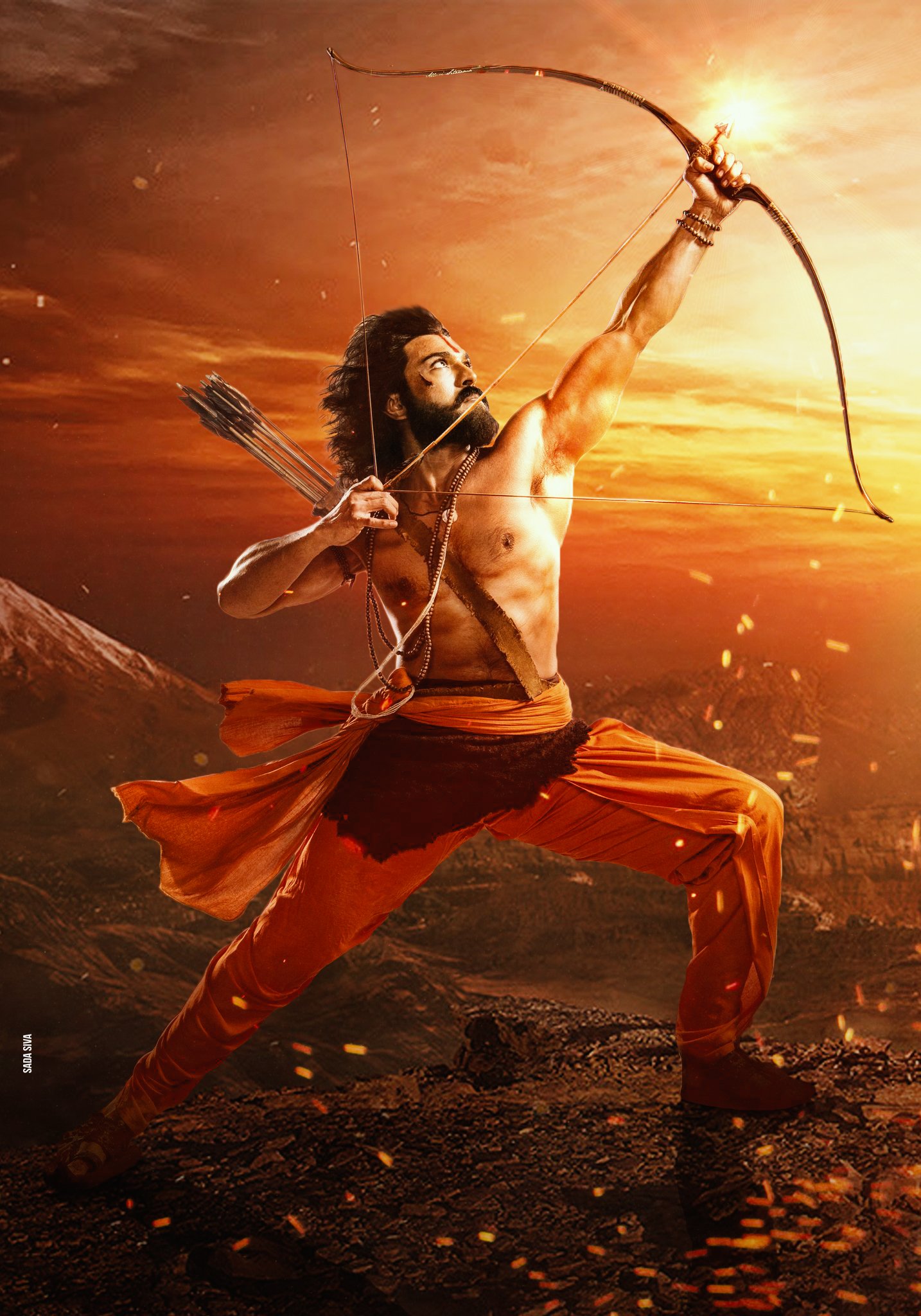
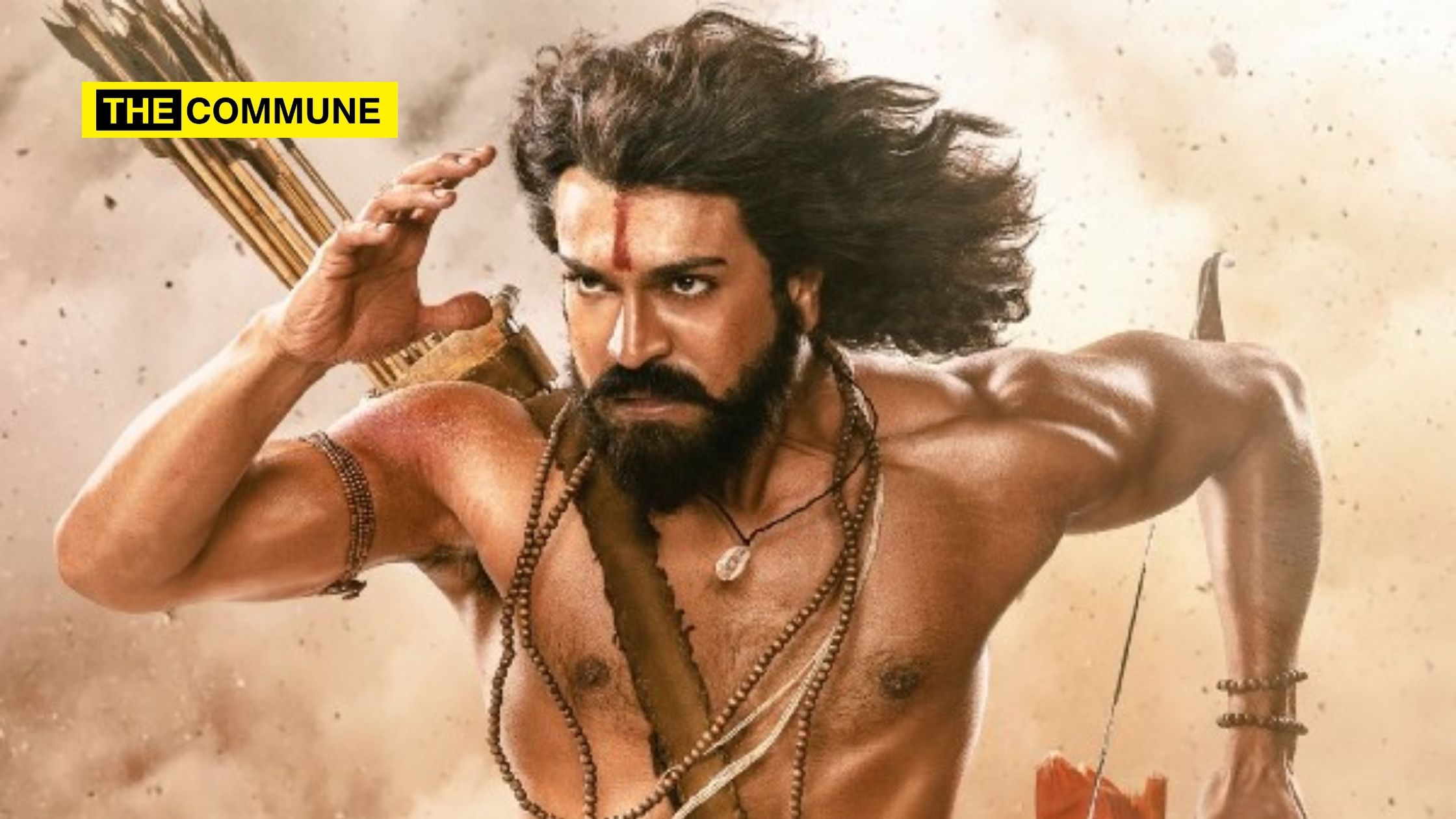
It is important that we understand that the Seetharama Raju we see in the pre-climax sequence, might just resemble Lord Ram, but it is actually how Rama Raju looked during his later years of the freedom struggle. He wore saffron attire, fought with bows and arrows against the British for the welfare of tribals.

RRR (or any Rajamouli’s movies for that matter) is Rajamouli’s statement to everyone that a commercial movie is indeed an art, and it is equally difficult to create an emotion in a commercial movie setup. Rajamouli’s movies have a lot of commercial elements infused amongst a very strong emotion at its core. That emotion is what drives all his movies even though on the outside you may see it as just a commercial movie and dismiss it.

RRR may not be a Baahubali with respect to the story, there may or may not be a hundred loopholes, but nothing can come close to seeing two of the greatest superstars on screen together, with the vision of the master storyteller making us spellbound every time he makes something of this grandeur. There is no point in getting to know whether the movie is good or a one-time watch, but it is even more easier to throng to the theatres and experience yourself the greatest cinema of our times.

Click here to subscribe to The Commune on Telegram and get the best stories of the day delivered to you personally.
RRR Review: A film that has made Dravidian Stockists and Leftists go bonkers and have meltdown

Director S.S. Rajamouli’s magnum opus RRR has engulfed the entire country like a tsunami drawing sea of people to theatres.

The movie, a visual spectacle, has become a blockbuster and is something that Indian audience have never witnessed before.

Although the lead characters in the movie is based on the lives of freedom fighters Alluri Sitaram Raju  and Komaram Bheem (played by Ram Charan and NTR Junior respectively), there are references to freedom fighters like Veer Savarkar as well.

Rajamouli also pays the much needed tribute to nationalist freedom fighters across the country – Netaji Subhas Chandra Bose, Sardar Vallabhbhai Patel, V.O. Chidambaram Pillai, Chhattrapati Shivaji Maharaj, Kittur Chennamma – who make their grand appearance in the last song.

With the movie pumping nationalism in the veins and arteries of the audience, ‘Dravidian Stockists’ and Leftists are suffering from heartburns with many having meltdowns.

It is not just because of the nationalism element. The Dravidian Stockists are finding it difficult to stomach the glorification of Alluri Sitarama Raju, as he makes his appearance as Hindu God Ram (fantastically portrayed by ‘Ram’ Charan) towards the end of the film.

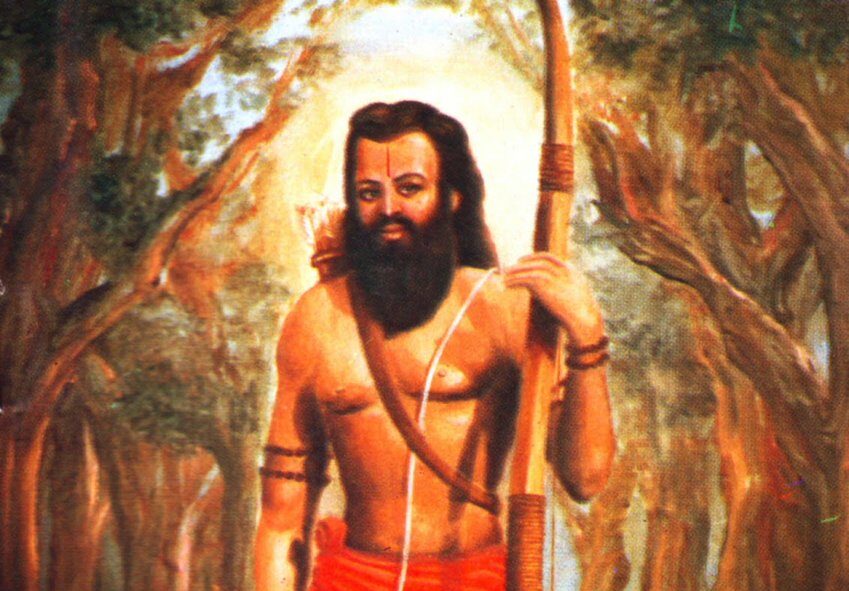
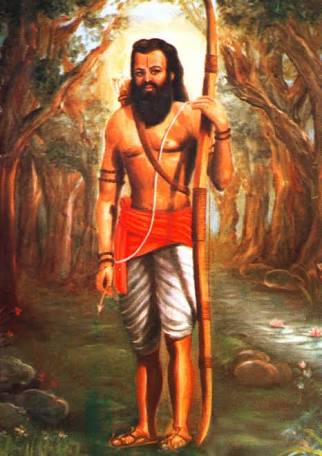
Portraits of Alluri Sitaram Raju show him standing majestically like a puranic hero dressed in a panchagachcham, wearing a poonool/janeu, a tilak on his forehead and sporting a bow & arrow.

Uživatel Alluri sitarama raju na Twitteru: „Remembering manyam veerudu (hero of jungles) the great freedom fighter shri Alluri sitarama raju on his 123rd birth anniversary For every bullet whn he was shot
Portrait of Alluri Sitarama Raju

Pin by Vinay Singh on dhiraj | Female art painting, Buddha art painting, Indian folk art
Portrait of Alluri Sitaram Raju

Ram Ur's on Twitter: "#HBDRamCharan RT Like https://t.co/FRNnAIQ87P" / Twitter
Ram Charan as Alluri Sitaram Raju in RRR

Even today, he is revered as an incarnation of God by the Telugu community and is fondly remembered as Maanyam Veerudu (Hero of the Jungle).

However the cultural nationalism that Rajamouli has infused in the movie seems to have irked the Dravidian Stockists and Leftists.

Mainstream Tamil news channel Puthiya Thalaimurai, which is considered to tow the line of the DMK, has reviewed the pan-India blockbuster in which it questions Rajamouli’s intentions.

Stating that Rajamouli has ‘slandered’ the Indian freedom struggle with his imagination, the review by Puthiya Thalaimurai poses the questions “What is the logic behind Ram Charan to come dressed as Lord Ram taking down the armed British Empire with just bow and arrows? Who is Rajamouli trying to please by having such a scene? Rajamouli has to answer all these questions”.

“If RRR was an entirely fictional movie like Bahubali, we won’t question if he shows Ramar or anyone else for that matter. But if a movie with Indian Independence struggle as its premise shows Ramar with bow & arrows defeating the British, it will be criticised”, review further adds.

Ofcourse, the outrage from the Dravidian Stockists is understandable. After all, when every Indian was raging for freedom, the ancestors of Dravidian Stockists – the Justice Party – existed as bootlickers to the British begging them to not leave the country and rule them from London. So, it is but natural that these descendants of the Justice Party can’t bear to see their ‘masters’ being taken down by a man in guise of Lord Ram, even if it is just a movie.

The review by Puthiya Thalaimurai also calls the RRR as a ‘lifeless film’ and adds that Rajamouli could’ve showed his grandeur not just in technical aspects but also in imagination. Well, the interval block in the film is proof that Rajamouli has literally made his imagination run wild.

The review condescendingly concludes that the film RRR is a waste of human effort. What else can we do except offer our deepest sympathies and a truckload of Burnol to such snobby Dravidian Stockists.

Click here to subscribe to The Commune on Telegram and get the best stories of the day delivered to you personally.
Alluri Sitarama Raju, The Real-Life Rama Raju Of RRR

While the entire nation in the early 1900s was fighting against The British Raj, joining Gandhi’s Non-Cooperation Movement and such, there was a hero who was such a strong rebel, that the British had to race a special force which was trained in guerrilla warfare to catch him. His name was Alluri Sitarama Raju, fondly remembered as the Maanyam Veerudu (Hero of the Jungle).

Despite being a staunch Gandhian, he broke just one rule of that philosophy: non-violence. He trained an entire tribal force in guerrilla warfare to bring about a full-scale rebellion in the Madras presidency. Notably, he was not a tribal himself.

While a lot of other freedom fighters have been remembered time and again during each Independence Day and Republic Day, Sitarama Raju remains to be one of the lesser-known faces of the movement on a national level.

Early life

The details of his early life are very disputed, as there are different versions in different records. He was born to Venkata Rama Raju and Suryanarayanamma.

The records of his education are also very distorted as people say that he never had a formal educational background. He had taken a particular interest in topics like astrology, herbalism, palmistry, and horse riding, post which he became an ascetic at 18 years of age.

He then resorted to roaming the hills and forests of the Godavari Agency, the region now known as the East and West Godavari districts. There are several folktales and lore surrounding him, that say that he was someone with magical powers. He was even regarded as a Messiah of sorts to the tribal communities in the area, as they had been excessively or pressed into a humiliating existence.

The Rampa Rebellion

The Madras Forest Act had been passed in 1882 which had prevented the free movement of tribals in the forests which prevented from engaging in traditional podu agriculture, the shifting cultivation method prevalent in Andhra region.

Raju had initially adopted a staunch Gandhian methodology wherein he had the tribal community boycotting the justice systems established by the British rule and resorting to the Panchayati Raj. As the Non-Cooperation Movement died out in 1922, he used the momentum that had been triggered due to this movement and used it to recruit locals and train them in Gorilla warfare practices.

This came to be formerly known as the Rampa rebellion. Raju led 500 people under this movement, ravaging colonial symbols and structures at various provinces around the Godavari Agency. They snatched all the weapons in armoury during these attacks and continued to wreak havoc in the minds of the British. The first of such attacks was made on Chintapalli police station in the Visakhapatnam Agency area on August 22, 1922, with over 300 revolutionaries under the leadership of Raju taking part in it. Subsequently, similar attacks were made on the Krishnadevi Peta and Raja Ommangi police stations.

A large contingent, which was called the special Malabar force, was then trained by the British in Gorilla Warfare in order to nab this tribal hero.

Death and posthumous accolades

On May 7th, 1924, he was trapped by the British in the forests of Chintapalli, and shot to death by having been tied to a tree in Koyyuru village.

His tomb now resides in Krishna Devi Peta village, and he has been posthumously conferred with the titles Maanyam Veerudu and Mannem Dora. In 1986, the Indian government issued a stamp in his honour commemorating his birth anniversary.

The Andhra Pradesh state government has also proposed to develop his birthplace, which is now the village of Pandrangi, and has declared that one of the new districts is to be named after this revolutionary leader. His biography is also to be included in the state board’s curriculum. There has also been an appeal to the central government to install his statue in the Parliament premises, which was recently accepted by the Central Government.

This forgotten hero is lesser-known in other parts of India as well as the world. The Commune pays obeisance to one of the greatest revolutionaries of Indian Freedom Struggle on his 155th birth anniversary.

The character of Ramaraju played by Ram Charan in the blockbuster RRR movie is based on the character of Alluri Sitarama Raju.

Councillor belonging to VCK arrested for sexually abusing a Class 2 girl

A councillor named Veerasamy (47) belonging to Thol. Thirumavalavan’s Viduthalai Chiruthaigal Katchi (VCK) has been arrested for sexually abusing a minor girl.

Veerasamy is a functionary of the VCK who has been elected as a ward member of the Gunaramanallur Panchayat.

A few days ago, he had laid his eyes on a class 2 girl who was returning from Gunaramanallur government school. He bought the girl some eatables and took her to an isolated place where he sexually assaulted her.

He had allegedly threatened the girl that he would kill her parents if he disclosed the matter with them.

The child who had complained of stomach ache was later taken to the hospital by the parents. Doctors who diagnosed the child found that the child was subject to sexual abuse.

The parents later registered a complaint at the Kuttralam police station. Meanwhile, the VCK functionary had absconded. He was later arrested near Tenkasi and confessed to the crime.

The VCK functionary has now been charged under the Protection of Children from Sexual Offences (POCSO) Act.

(With inputs from News 18 Tamil Nadu)

Click here to subscribe to The Commune on Telegram and get the best stories of the day delivered to you personally.
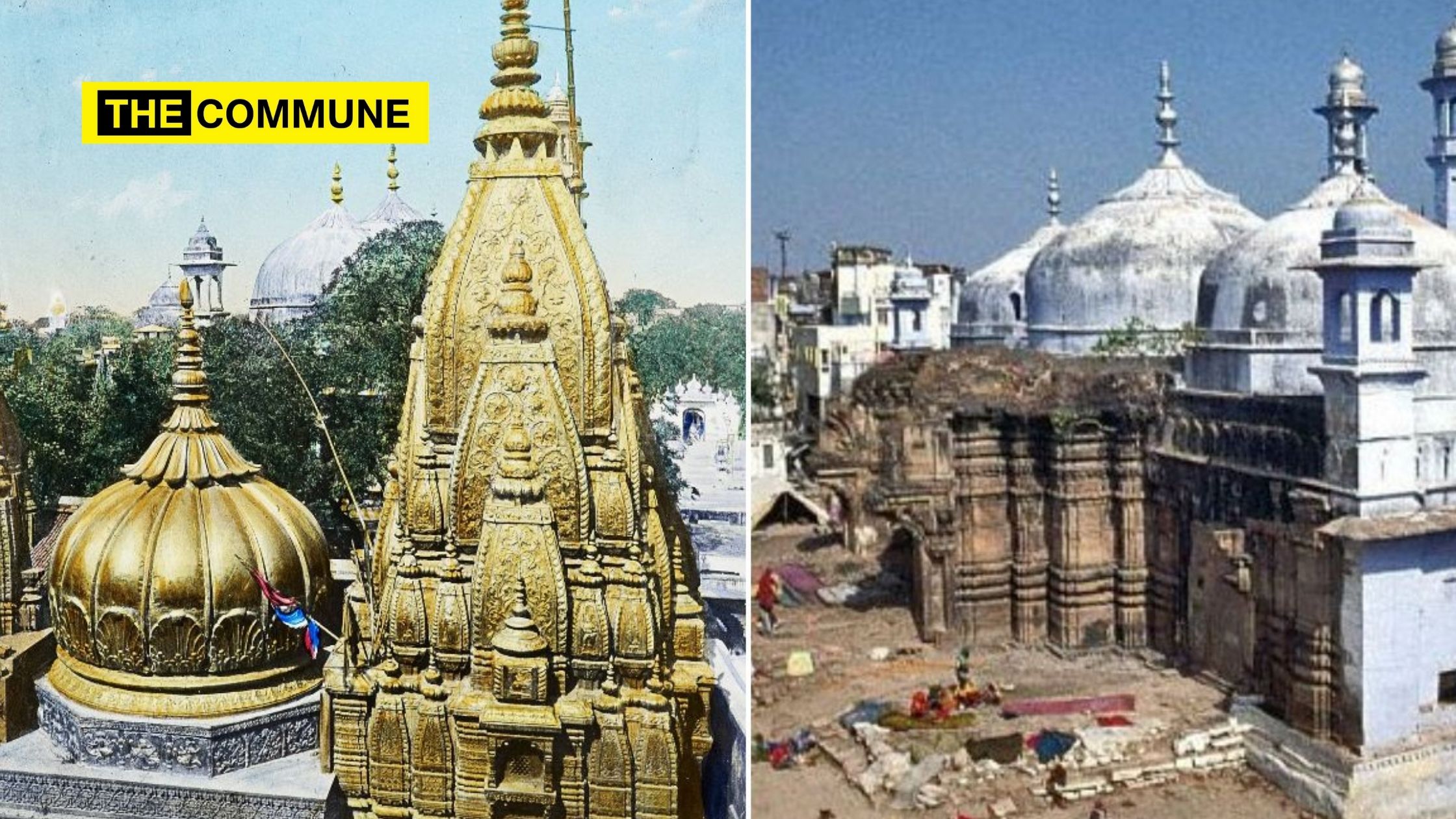
Allahabad HC to hold regular hearings in Kashi Vishwanath Temple – Gyanvapi mosque dispute

Kashi Vishwanath temple Gyanvapi mosque

The Allahabad High Court on Thursday (March 24) gave one of its most important decision when the court stated that it will hold regular hearings in the Kashi Vishwanath Temple-Gyanvapi mosque dispute of Varanasi starting March 29.

The order was passed by the bench of Justice Prakash Padia while hearing a petition filed by the Anjuman Intazamia Masazid who had sought a stay on the proceedings because he had also filed applications challenging the maintainability of the civil suit pending before the lower court.

A plea was filed before the Varanasi local court in 1991 by the Ancient Idol of Swayambhu Lord Vishweshwar and 5 others seeking removal of the Gyanvapi Mosque that was built over the Kashi Vishwanath temple after it was demolished.

Notably, the suit had already been stayed by the high court, including the lower court order that had directed the Archaeological Survey of India(ASI) to survey the mosque complex.

Click here to subscribe to The Commune on Telegram and get the best stories of the day delivered to you personally.