Home Blog Page 1237

Caste Divisions Makes Way For Muslim-Only Leadership In Andhra’s Hindu Majority Constituencies

The Congress party’s Jawaharlal Nehru indulged in blatant pseudo-secularism right after India’s independence in 1947, favoring and “protecting” two religions over all others, instead of letting the original Indian Constitution guide the citizens and the courts of this country. This was a bad beginning to the dawn of a new country’s future, already reeling from economic and religious wounds, after a sizeable chunk of its land was “given away” on the basis of religion, for the purpose of creating another country, solely on religious basis!

Following in Nehru’s and his daughter Indira’s footsteps, the Congress and all other “secular” parties of India, encourage muslims and christians to remember and identity strongly with their religions while simultaneously discouraging the Hindus from remembering and identifying with their Hindu identity – instead, the pseudo-secular parties of India have encouraged Hindus to remember their caste identities and place these narrow minded, divisive identities well above their higher Hindu religious identity. The pseudo secular Indian political parties have the shameful distinction of encouraging division of Hindus along caste lines instead of discouragng the same, as hoped for, by the tallest leaders of modern India, including Gandhi and Ambedkar!

A recent news report courtesy of “Nijam Today” is a disgraceful example of Hindus divided on caste lines, played masterfully by all the ‘secular’, politically opportunistic parties of Andhra Pradesh. It has come to light that there are two constituencies in Andhra Pradesh where the Hindus have been a majority but all the major political parties of Andhra Pradesh have fielded only muslim candidates for more than 30 years now.

The constituencies in discussion are Guntur East (Coastal Andhra), the closest urban area to the proposed Andhra state capital, Amaravathi and the Kadapa Constituency (Rayalaseema region) which is famously referred to as ‘Devuni Gadapa’ (the Entrance of the Tirumala God’s Premises).

K. Sivananda Reddy was elected from the Congress party in 1989 and is remembered as the last Hindu MLA of the Kadapa Assembly Constituency. From 1994 onwards, all major parties including TDP, YSRCP and the Congress have fielded only muslims in a Hindu majority constituency! Similarly in the Guntur East constituency, all major parties have not issued MLA tickets to Hindu candidates in more than 35 yesrs now, even though Hindus are in the majority.

Why have the Hindus not had a united voice in demanding a Hindu representative for a Hindu majority constituency? The most obvious reason is probably the fracture of the Hindu vote along Caste lines instead of a united vote bank with a strong Hindu identity.

This is just one example of far too many unfortunate instances where the majority Hindu community does not demand a strong and proud Hindu candidate to represent their constituency – it is an indication of the apathy of the Hindus to the dangers of losing their larger Hindu religious identity at the sacrificial alter of divisive, caste-based politics played by all “secular” political parties.

The Hindus had a choice to stay united as a vote back, so that “secular” parties could not take political advantage of an entire community. But they chose not to excercise that choice! This begs the question, how much longer will Hindus choose to remain divided along caste lines? n

Click here to subscribe to The Commune on Telegram and get the best stories of the day delivered to you personally.

DMK’s ‘Dirty Politics’ Against Governor

Here's What Official Documents Say About Playing Of National Anthem In TN Assembly

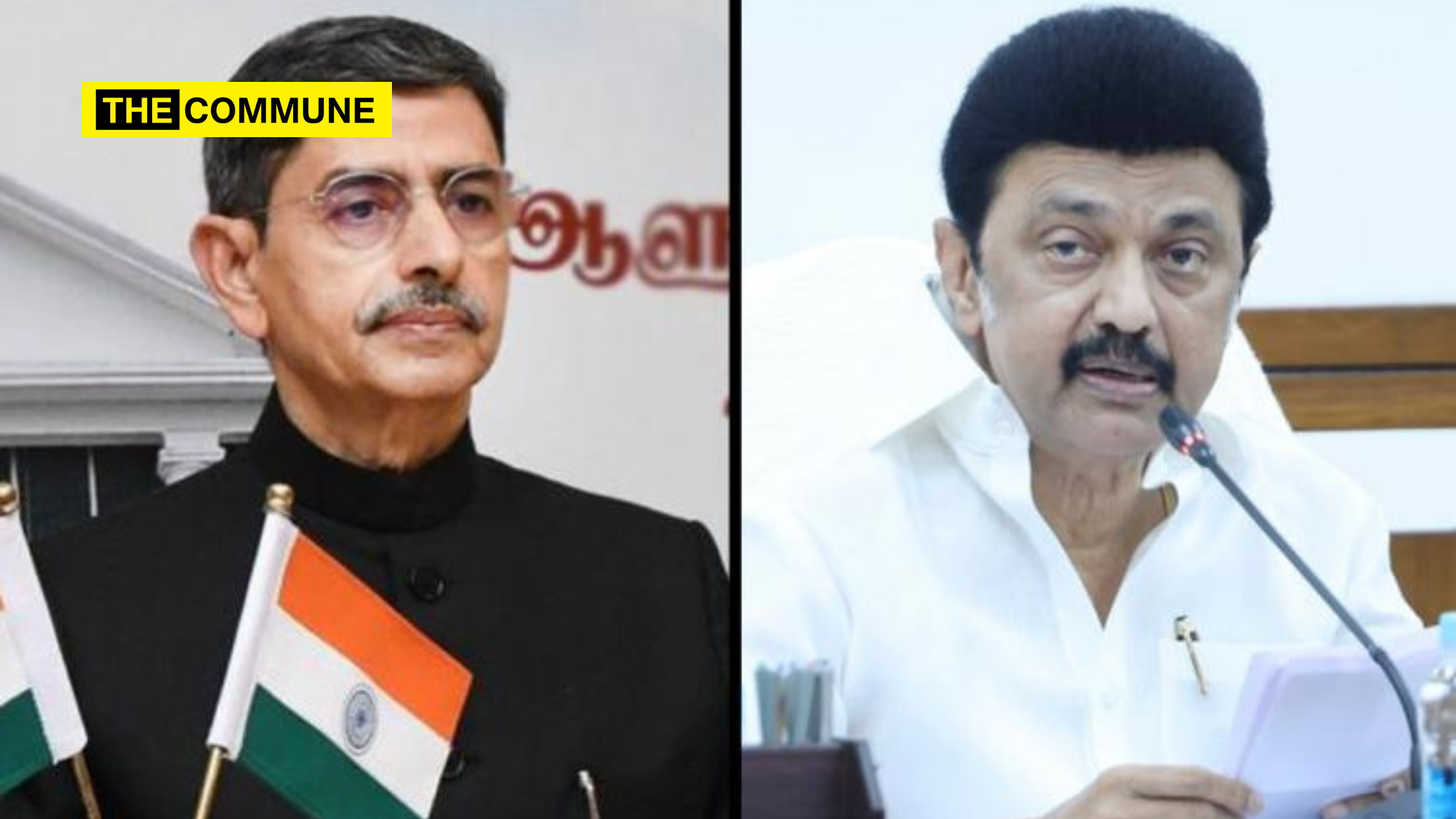
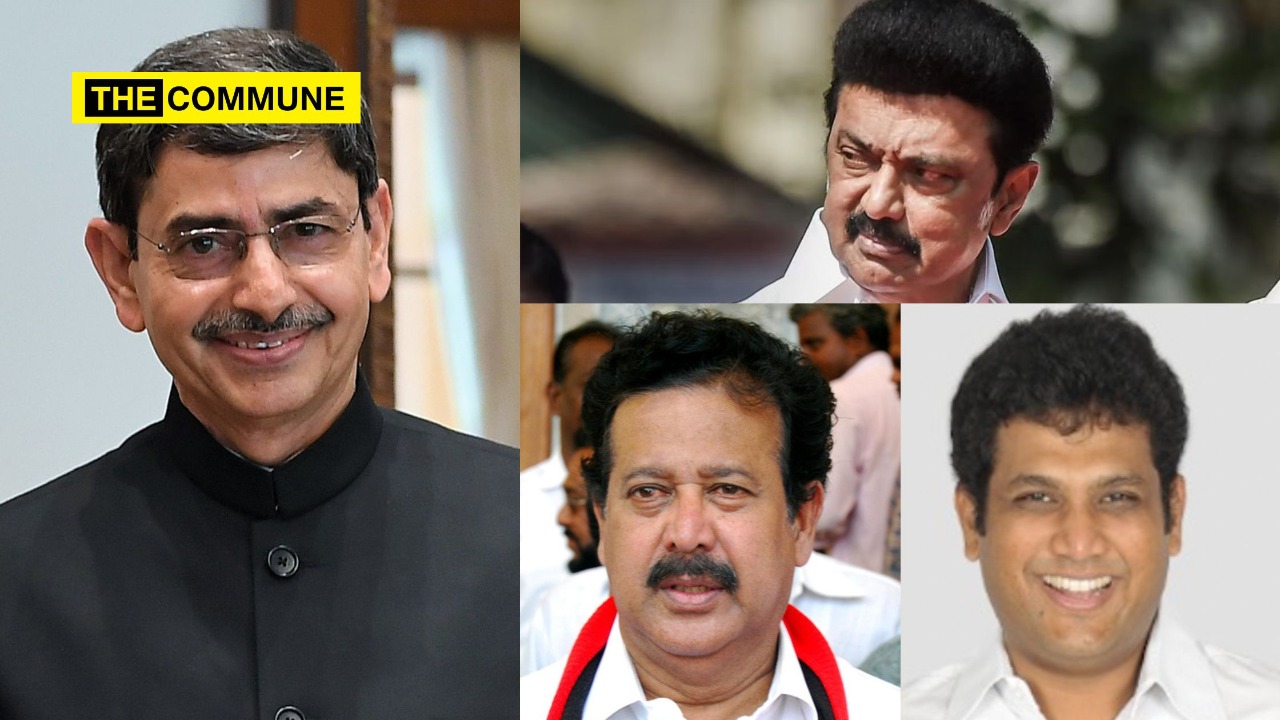
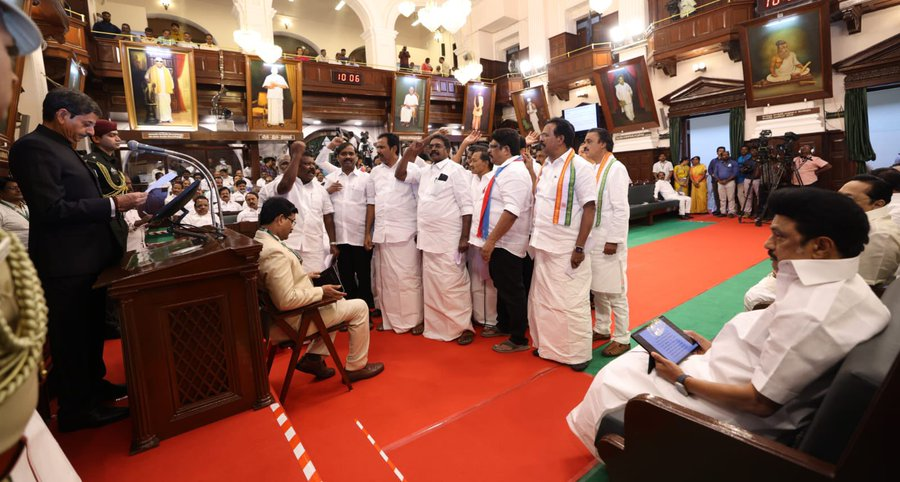
The tussle between the ruling DMK and the Raj Bhavan hit a new low on Monday as Governor R N Ravi skipped portions of the government-prepared customary address in the Assembly and the Chief Minister piloted a resolution to exclude from the House records whatever he spoke outside the State drafted speech. ‘Dravidian model’ was among the words skipped by the Governor and he also spoke on his own on certain aspects. Ravi began his address, marking the commencement of the year’s first session, amid slogan shouting against him by MLAs belonging to allies of the ruling DMK. The Governor later walked out of the Assembly after M.K. Stalin moved the resolution. This incident has put the spotlight on DMK, the ruling party of Tamil Nadu and their treatment of the office of the Governor. In this context, we will look in to why the actions of DMK constituted continued violation of constitutional principles? And also why this represents a threat to democratic foundation of the nation?

The Incident

The conflict between the Tamil Nadu government and Governor R N Ravi reached a new low Monday when Ravi made changes to the prepared speech he read out in the Assembly. As a result, Chief Minister M K Stalin had to step in and move a resolution demanding only the original printed speech in Tamil be put in records. Governor Ravi reacted to this in an unprecedented manner by staging a walkout from the House in protest. Major aberrations that irked the government and led to CM Stalin’s spontaneous resolution were mainly three points. The governor skipped part of the 12th point of his speech, which was about the state’s “highest priority to maintaining law and order” and taking steps to “ensure that the State continues to be a haven of peace and tranquility, free from any form of violence.” He also skipped the 64th point, which was about how the government dealt with natural disasters and pandemics that happened in the state. The governor’s speech also fully skipped the 65th point and that was the major trigger point for ruling DMK as it was the statements that related to the ‘Dravidian Model of Governance’ which the ruling DMK themselves had declared ‘much acclaimed’ but critics had termed it as propaganda.

Even though the headlines ran as ‘unprecedented’ after the incident, the incident wasn’t actually unprecedented. In Kerala this happened thrice, in 1969, 2001, and 2018 and in Bengal it happened in 1969. In most of the incidents, the Governor undertook this measure to safeguard the sanctity of his post and the principles of the constitution. The Governors mostly disagreed to become mouthpieces of the ruling party and exercised their discretion when a state oversteps to criticize the federal structure of the country.

Unconstitutional Pattern Followed By DMK

The role of the Governor is quite similar to that of the President of India. The Governor performs the same duties as the President, but for the State. The Governor stands as executive head of a State and the working remains the same as of the office of President of India. Under the Constitution of India, the governing machinery is the same as that of the Central Government. The Governor thus has a dual role in our constitutional system, the Governor is the constitutional head of the state, bound by the advice of his council of ministers and functions as a vital link between the Union Government and the State Government. The Governor’s appointment, his powers and everything related to the office of Governor have been discussed under Article 153 to Article 162 of the Indian Constitution.

In the History of Independent India numerous issues has plagued this constitutional post. There are numerous examples of the Governor’s position being abused, usually at the behest of the ruling party at the Centre. Governor’s discretionary powers to invite the leader of the largest party/alliance, post-election, to form the government has often been misused to favour a particular political party. Due to such incidents, negative terms like an agent of the Centre, Puppet and rubber stamps are used to describe a governor of the state. But even though such misuses have been practised before, it has been rectified to a maximum extent by interventions of the Supreme Court and also through recommendations provided by various committees. One such noteworthy instance was the recommendation given by Sarkaria Commission (1988) curtailing arbitrary powers of the Governor. Pursuant to the same the Supreme Court in S.R. Bommai (1994) case underlined the importance of avoiding arbitrary action by the Governor in a partisan manner. And Supreme Court has intervened numerous times recently during political crisis in Goa, Arunachal Pradesh, Maharashtra, Karnataka and Madhya Pradesh setting new precedents limiting powers of the Governor for bipartisan functioning of the government.

But, interestingly even though the court and various commissions have underlined the importance of avoiding unilateral actions taken by the Governor, the area concerning unilateral action by ruling parties of the state to undermine the office of Governor remains hazy. There is limited availability of studies or court interventions in this area. Thus, it remains important to delve into this topic in light of incidents in DMK ruled Tamil Nadu to have a much clearer picture.

The incident in Tamil Nadu does not leave any winners or losers as the one which gets defeated are the principles of democracy. The toxicity of mixing politics even if it goes against constitutional principles are being mostly practiced by opposition ruled states. If we look in to just Tamil Nadu itself we can see it clear. A few months ago, DMK published a column in ‘Murasoli’ (its mouthpiece) reminding all Governors that they should not go “too far” beyond their constitutional limits citing example of Telangana Governor Tamilisai Soundararajan. Daughter of Tamil Nadu herself, she was abused by the party’s mouthpiece stating that the fate of Governors of other states would be the same as that of Soundararajan if they tried to interfere in policies and welfare programs of the respective elected state governments. This scenario was interesting in the sense that it provided a prime example of the opposition parties mistreatment of the Governor, in this incident DMK was rejoicing at the mistreatment of the Governor by TRS even though the Governor was a woman from Tamil Nadu. And in the present incident, a day after the spat between DMK and Governor R N Ravi, “#GetoutRavi” posters, prominently featuring Chief Minister M K Stalin surfaced in some parts of the city. Critics says that this incident accounts to offence under S. 124 of IPC (assault against Governor), in fact, A Ashvathaman, BJP State Secretary, said he has filed the complaint under the section against the culprits. The DMK has been at loggerhead with RN Ravi over many issues, even a bill has been passed by Tamil Nadu government to curtail powers of the Governor. Apart from these Bills, the Tamil Nadu government leaders have boycotted events hosted by the state governor RN Ravi and publicly criticised some of his actions, stirring controversy. In Tamil Nadu MK Stalin boycotted Governors at home reception, an important event to iron out differences and in another incident Tamil Nadu Higher Education Minister K Ponmudy boycotted the convocation event at Madurai Kamaraj University. There are other issues also which are pestering between Governor and the state such as the issue about the term ‘Union government’ or ‘Central Government’ etc. Issues may arise that’s natural but these shouldn’t come in the way of democratic functioning of the state.

Way Ahead

In the ongoing tussle between DMK with the office of Governor, it becomes deplorable to see how the constitutional office is being disrespected. For the smooth functioning of a democratic government, it is important that the governor must act judiciously, impartially and efficiently while exercising his discretion and personal judgement. But it is equally important for the ruling parties of the states to set aside their political leanings while dealing with the constitutional post. The office of Governor must be given its due constitutional respect for the proper functioning of the governance system in this land. But in this current political climate these norms are being flouted in the name of autonomy to the states in contrast to the setup of democracy envisioned under the Constitution of India. The role of governor is indispensable for the successful working of constitutional democracy. Thus, the already laid down constitutional norms must be given its due respect going ahead in order to ensure a free and fair functioning of an independent democracy and DMK must refrain from undertaking unceremonious actions that lower standards of democracy.

Click here to subscribe to The Commune on Telegram and get the best stories of the day delivered to you personally.

TANGEDCO Employees Paid Second Highest Among DISCOMs In India

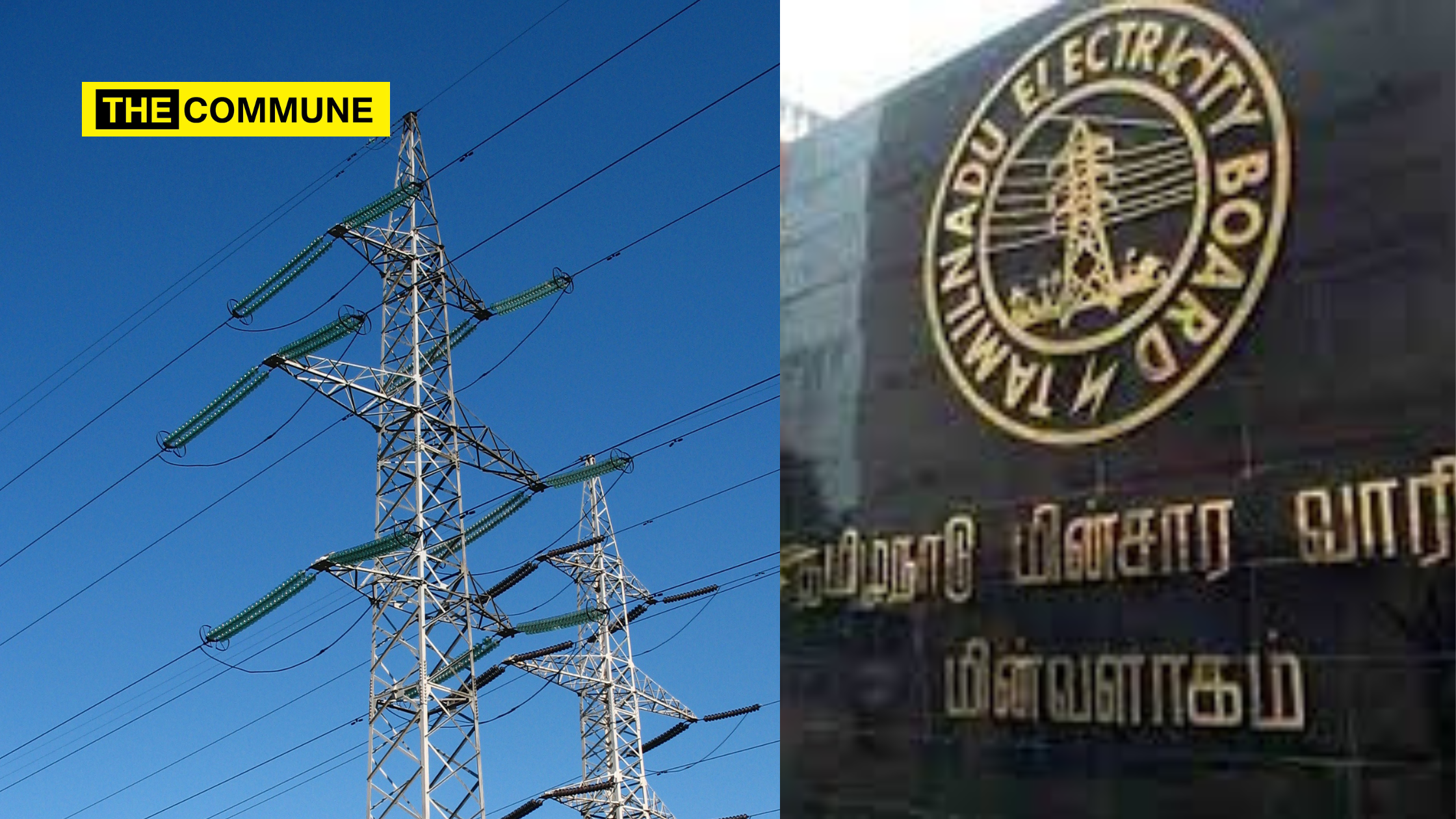
In a report recently released by the Power Finance Corporation (PFC) on the performance of the nation’s power utilities for 2020–21, Tangedco stands second only to Kerala in terms of employee costs, or the amount spent on paying employees’ salaries.

Tangedco, the state-owned DISCOM, spends ₹1.24 per unit of electricity produced compared to Kerala’s ₹2.2 per employee. However, Tangedco pays nearly twice as much in loan interest as Kerala does, while Kerala State Electricity Board’s (KSEB) generation costs are only ₹ 3.5 as opposed to Tangedco’s ₹ 5.4.

One of the primary reasons cited by Tamil Nadu Generation and Distribution Corporation (Tangedco) to justify the recent tariff increase is to cover the cost of electricity generation and supply, which is more than ₹8.5 per unit, but nearly 30% of that amount goes to employee costs and interest.

Tangedco employs approximately 84,000 people, ranging from entry-level workers to chief engineers. Senior cadre officials are paid up to 15% more than other government employees in their respective cadres.

It should be noted that TANGEDCO’s senior officials, who are subject to the government’s pay commission, are receiving wage revisions under the Industrial Disputes Act every 4 years, which should ideally apply only to temporary employees. In addition, it is reported that there are approximately 34 chief engineers, with some thermal stations having two chief engineers. Superintendent engineers and executive engineers report to them, but the work they handle could be done by fewer people.

Tangedco, according to Jaishankar of the CITU-affiliated Central Organisation of Tamil Nadu Electricity Employees (COTEE), should blame itself but no one else for the higher employee costs.

He said, “The utility does not allow thermal stations to run to their full capacity and back down the production when power is available cheaper in the market. Also, the distribution of work to the senior officials could be achieved through talks. But the utility wants to do it on its own without consulting with employees, which is opposed. And the same is work outsourced for a bigger expenditure.”

(with inputs from ToI)

Click here to subscribe to The Commune on Telegram and get the best stories of the day delivered to you personally.

RTI Expose: ₹66 Cr For Tamil, ₹815Cr For Sanskrit Sanctioned During Congress-DMK Regime

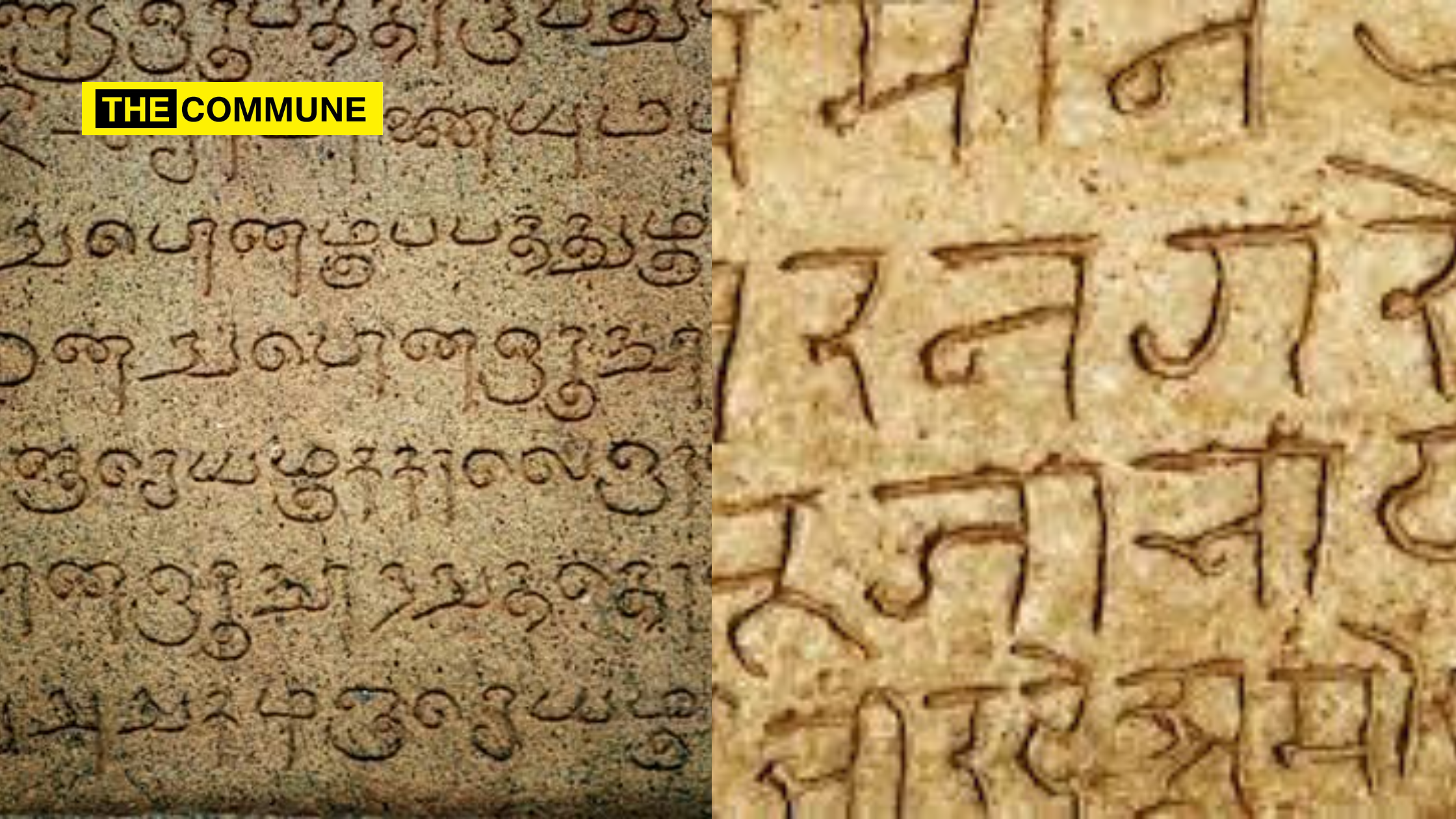
A government RTI response revealed that the DMK and Congress alliance spent 66 crores on the Tamil language and 815 crores on the Sanskrit language during the 2004 to 2014 period, exposing the DMK and Congress alliance’s double standards in accusing the BJP of spending more money for Sanskrit and discriminating against the Tamil language.

Yuvraj Ramalingam, an RTI activist, filed the RTI on December 12, 2022, seeking information from the Information Commissioner about grants released to the Central Institute of Classical Tamil and Central Sanskrit University (erstwhile Rashtriya Sanskrit Sansthan) from 2004 to 2014.

In response to the RTI, the Information Commissioner stated that Central Sanskrit University received Rs 815 crores in grants from the central government for the period 2004 to 2014, while Central University of Classical Tamil received Rs 66 crores during the same period.

Central Sanskrit University’s funds given by the DMK Congress government increased 380% from Rs 32 crores in 2004 to Rs 153.7 crores in 2014. The Central Institute of Classical Tamil’s grants from the government increased from Rs 2.82 crores in 2006 to Rs 12.3 crores in 2014.

It should be noted that the Union government under Modi increased grants to Central Sanskrit University from Rs 125 crores to Rs 198 crores, a 58% increase, far less than the DMK-Congress government’s increase in funding to Sanskrit between 2004 to 2014.

It is worth noting that when the details about the Modi government’s spending on Central Sanskrit University were released in response to a question raised by Congress MP Jothimani, the entire Tamil media and DMK supporters disguised as social activists made a hue and cries on the news channels, claiming that the Tamil language is discriminated against. The RTI activist Yuvraj Ramalingam questioned whether the Tamil media would cover his RTI expose in the same way that they did for Congress MP Jothimani.

Click here to subscribe to The Commune on Telegram and get the best stories of the day delivered to you personally.

DMK Min KN Nehru Slaps Councilor In Full Public View

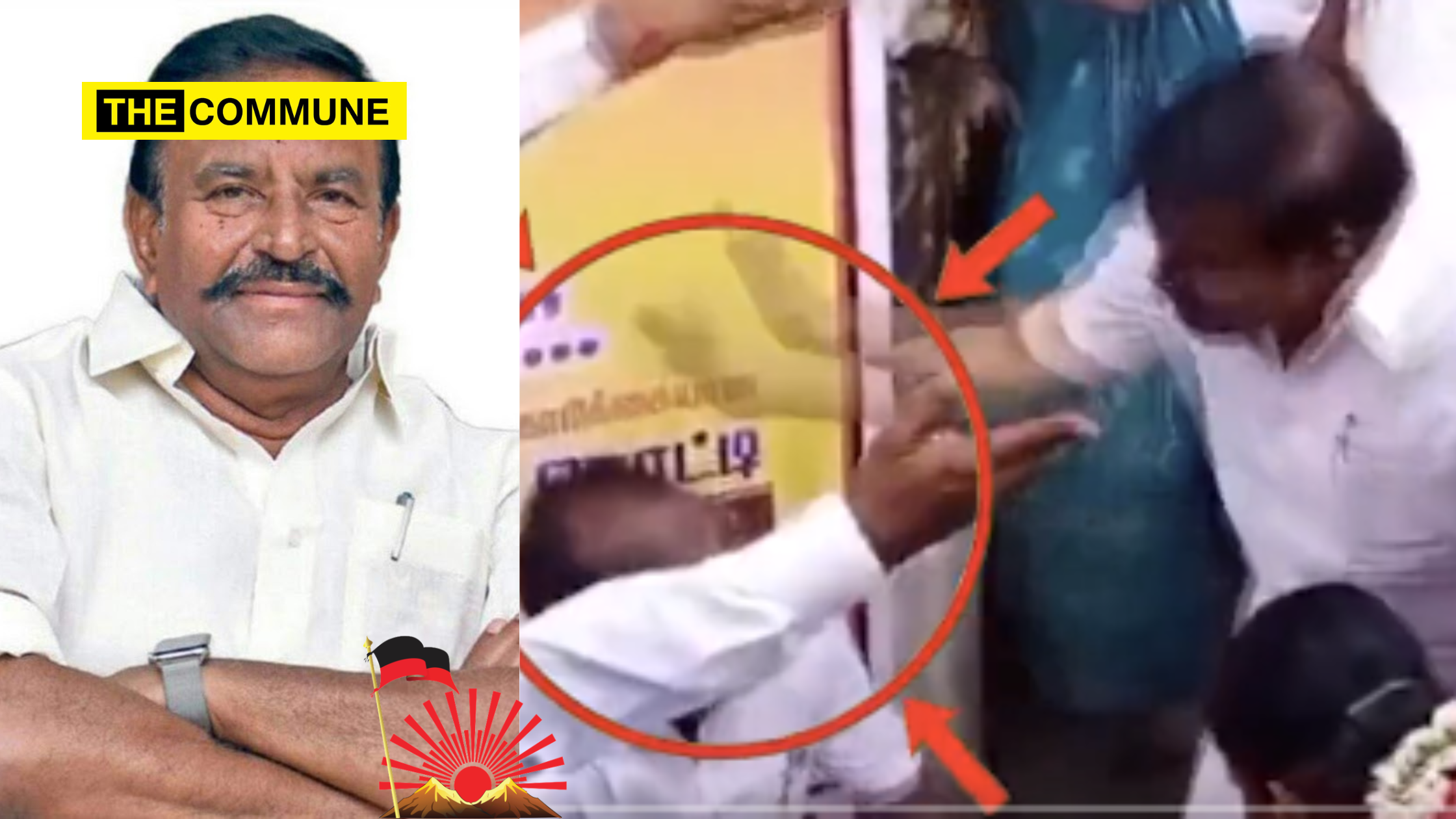
The video of DMK Minister for Municipal Administration, Urban and Water Supply KN Nehru slapping a DMK ward councillor on the head during a government welfare programme in Trichy is going viral on social media.

DMK Minister KN Nehru laid the foundation stone for the weekly vegetable market development works to be set up at a cost of Rs 3.46 crore in the area under Sa Kannanur Municipality in Trichy.

Following this, he inaugurated a new overhead water tank worth Rs. 95 lakhs at Periya Milagu Parai area under Trichy Corporation for public use.

DMK Minister KN Nehru was distributing stainless steel water pots to the ladies gathered there as part of the welfare scheme. KN Nehru was receiving pots from the DMK ward councillor and distributing them to the women waiting in line. However, because the DMK councillor took too long to hand over the pot, KN Nehru became enraged and slapped the councillor in the head.

The video of DMK Minister KN Nehru slapping another elected ward councillor in front of the general public has sparked outrage. Many questioned the DMK, which used to call itself the self-respect party. Opposition parties including BJP and AIADMK have condemned the incident.

It is worth noting that another recent incident in which a DMK Minister, KKSSR Ramachandran, hit a woman on the head who had come to give a petition sparked widespread condemnation and protests.

https://twitter.com/Muthuhere3/status/1612454972842708994?s=20&t=ZVgQJEFJMfnWb8YQ2RyMcw

Click here to subscribe to The Commune on Telegram and get the best stories of the day delivered to you personally.

Malikappuram, An Ode To Ayyappa Devotees And A Message To The Commies

A movie called ‘Malikkappuram’ was released in Kerala recently catching the attention of Malayali audiences. The movie has since become an industrial hit being the first big box office success in the year 2023 for Kerala movie industry. Crafted around the legend and myth of Sabarimala temple, the movie has reignited the debate surrounding the much-famed temple of Sabarimala and the Supreme Court judgement relating to it. In this context it becomes pertinent to look in to the reignited Sabarimala temple and also understand as to why the movie has created a connection with Kerala audience?

The Plot

‘Malikappuram’, directed by debutant Vishnu Sasi Shankar, narrates the story of an eight-year-old girl Kalyani aka Kallu, a little girl from Panchalimedu village who is 8 years old, her strong desire to visit the Sabarimala Ayappan Temple. By narrating the story of a ‘Malikappuram’ (all girls visiting Sabarimala for the first time are referred to as Malikappuram), the movie deals with how faith takes root in young minds. It is creating such an impact that even kids watching the movie was calling ‘Swamiye Sharanamayyappa’ loudly towards the end of the movie. In fact, for anyone who has been to Sabarimala before, it feels like visiting the temple again through the well-planned frames from Erumeli to the sanctum sanctorum of the temple. The first half of the movie is in a typical village setting with local myths and portrays a young girl’s ardent wish to go to Sabarimala. Due to tragic events, her trip gets delayed and later she and her friend Piyush portrayed by Sreepath, who has done a commendable job, decide to visit Sabarimala themselves. The movie also emphasis the concept of ‘Tatvamasi’ where each individual can be seen as Brahman based on Hindu philosophy.

More Than A Movie

Even though the movie was based on simple premises and on the basis of a temple which has been embedded in the minds of Keralites, the movie created a big impact, both in terms of people who loving it and people who hated it. In some corners the movie has triggered the wrath of communists and radical Islamist Keralites the world over. RSS/BJP supporters, who updated positive reviews of the movie on social media, are being subjected to vile cyberbullying. Incidentally, C Praglesh, a local writer and leader from Malappuram associated with the Communist Party of India (CPI) affiliated Yuva Kala Sahithi, too, had to bear the brunt for praising the movie. Praglesh is also the local editor of CPI’s mouthpiece Janayugam and the CPI Ponnani Area Secretary. After watching the movie, the communist writer posted his appreciation on Facebook. This did not go well with other communist activists in the state. The trolling began in earnest. This reaction is not surprising as the movie itself is a daring attempt in Kerala wherein a pure devotional movie was taken in to mainstream. But, the ‘left-dominated’ Malayalam movie industry is having hard time to acknowledge this fact.

Soon after the Supreme Court ordered entry of women in to the age-old temple, the communists in the state started their work to further their agenda of destroying another symbol of Hindu worship without taking any recourse against Supreme Court judgement. It is a fact that so many people protested on the streets against women entry but the Chief Minister did not show the large-heartedness to see and understand this. The verdict and the subsequent developments in the state had led to social, political and cultural upheaval to an extent that was unprecedented and unexpected. For many faithful devotees, the verdict, and the day (28th September, 2018) represents a black day, a day of deafening shock where the highest constitutional court decided to egregiously violate the foundation of their faith in Swami Ayyappa. The calls of, till then a call of faith and devotion, acquired shades of political dissent and became a battle cry against a state machinery that wished to violate the sanctity of a temple that Hindus, especially those belonging to Kerala, held dearest to their heart. The obstinacy of the Kerala Chief minister, Pinrayi Vijayan, meant that the situation in the state worsened as the temple opened in October during that year’s pilgrimage season. The attempted entry of, an ‘activist’ who wasn’t even a devotee on 18 October 2018, worsened the situation significantly. The Pinarayi Vijayan government pushed the agenda in the name of ‘Navothanam’ (Renaissance), but it is interesting to note that the Vijayan government took the name of ‘Renaissance’ only for the majority community while taking the side of Islamist and Jihadist to cater to their needs and orthodox practices. This was evident recently when the Communist government batted for Sharia law

The political impact of the whole situation was such that the ruling communist government suffered catastrophic defeat in the Parliament elections of 2019, the huge loss forced the government to backtrack on so called ‘Navothanam’ as the hard stance took by Pinarayi government against Hindu’s in the state became a liability for the party. But it was too late as the agenda of the communist was revealed for everyone to see.

Years later, even in 2023, the issue is burning in Kerala. Sabarimala have a special place in the heart of Keralites as it symbolises their unwavering commitment to upholding what defines their identity. Communist in Kerala tries to take advantage of silent majority as it is easier for them to do that than to take up issues of importance against defiant minority. This resentment against the government and mass support among Hindus in Kerala against the stance took by government are the main reasons why the movie ‘Malikappuram’ found a special place in the heart of Keralites. The success of the movie gives us another important lesson also, it is that, the fear that minorities are an explosive force which can wreak havoc on the whole fabric of the state shall be set aside and majority shall be treated on par with minorities not on basis of fear but on the basis of substantial facts and equity which is guaranteed to all.

Click here to subscribe to The Commune on Telegram and get the best stories of the day delivered to you personally.

1,500 Farmers Attend Save Soil Conference On Coconut Cultivation In Pollachi

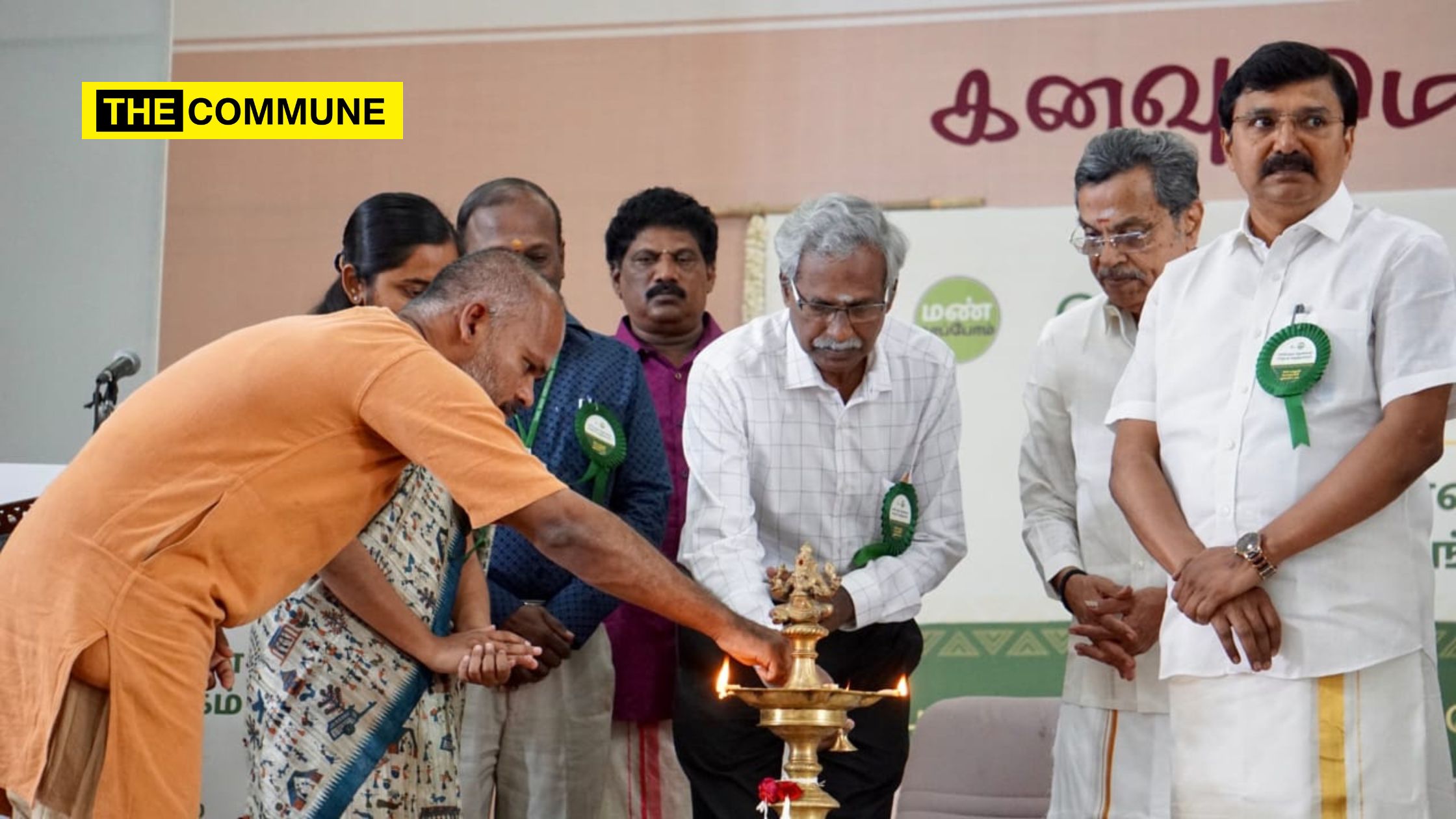
As part of Isha’s Save Soil movement, a farmer’s conference on generating 15 sources of income from coconut cultivation was conducted in Pollachi yesterday. Around 1,500 farmers from all over Tamil Nadu participated in the conference which took place at the Nallamuthu Gounder Mahalingam College. Mr. K Shanmugasundaram, Pollachi MP, Mrs. S Priyanka, Sub collector Pollachi and MR GGD Gopalakrishnan, Head of Chamber of Commerce Pollachi were present at the event.

Mr. Valluvan, a pioneer in natural farming, Mr. Ko Siddhar, a Siddha physician, Mr. Saminathan, an entomologist, Mr. Saravanan Kandasami, a soil expert, Mrs. Josephine Mary( VPS), honey bee farmer, Mrs. Yamuna Devi, a young entrepreneur, Mr. Tamil Maran, Cauvery Calling Field Coordinator and Mr. Dhanapal, Neera manufacturer spoke at the conference and shared many ideas.

Experts also spoke about techniques to increase soil fertility thereby increasing coconut output and methods to add value to coconut-related products to increase the farmer’s income.

Further, topics such as bee boxes in the coconut grove increasing the tree’s fruit-bearing capacity, using neera to generate year-long income, protecting coconut trees from white insect infestation, and inter-cropping coconut with high-value crops such as pepper and timber trees were discussed. The medicinal qualities of the coconut tree and the various day-to-day problems faced by coconut farmers and solutions for these problems were also featured in discussions at the conference.

(This is an official press release from Isha Foundation. The Commune was not involved in creating this content.)

Click here to subscribe to The Commune on Telegram and get the best stories of the day delivered to you personally.

DMK Allies Create Ruckus In Assembly, Min Shows Obscene Gestures And DMK IT Wing Makes Crass Remarks About TN Guv

Tamil Nadu Governor RN Ravi left the Assembly on Monday morning after chief minister MK Stalin moved a resolution stating that only the government’s customary speech to the Governor would be recorded for the first day of the House’s winter session.

The ongoing squabble in Tamil Nadu between the ruling Dravida Munnetra Kazhagam and Governor RN Ravi erupted inside the assembly on Monday after the latter skipped portions of the government-prepared traditional address.

It was reported in media that the Tamil Nadu Governor had objected to the sentence which praised the Tamil Nadu government saying: This Government accords highest priority to the maintenance of law and order in the State and is taking all necessary measures to ensure that the State continues to be a haven of peace and tranquility, free from any form of violence.

The governor reportedly questioned the state of law and order in Tamil Nadu and brought up the incident in Virugambakkam where DMK cadres sexually assaulted a female police officer.

The governor also requested that the Tamil Nadu government change a sentence that praised the government for its efforts to bring back 232 Tamil Nadu fishermen from Sri Lanka. The Governor asked the Tamil Nadu government to mention that it was due to the efforts of the State and Union governments 232 Tamil fishermen were brought back to Tamil Nadu from Sri Lanka.

The unedited sentence reads, “In this year alone, 232 Tamil Nadu fishermen apprehended by the Sri Lankan Navy were released after unstinting efforts of this Government.”

Despite the fact that the Raj Bhavan had communicated the changes required in the speech to the state government two days prior, there had been no response from the state government. It should be noted that DMK allies VCK, Congress, Tamilaga Vaazhvurimai Katchi, and others surrounded the governor as he began his speech, yelling “Get out Ravi! This is Tamil Nadu.” They prevented Governor RN Ravi from reading out his speech.

Despite this, the governor finished his speech without the sections to which he objected. However, Tamil Nadu Chief Minister MK Stalin, contrary to the protocol, moved a resolution when the governor was present inside the assembly saying that only the speech given by the Tamil Nadu government will be included in the assembly’s records.

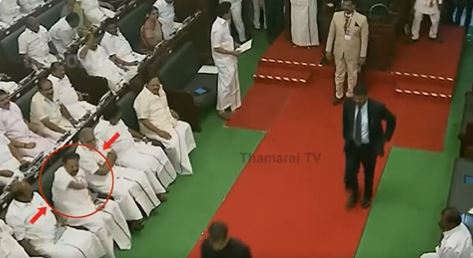
While CM Stalin was reading the resolution, Governor RN Ravi walked out, expressing his displeasure with how the Tamil Nadu assembly was operating. As governor RN Ravi staged a walkout, DMK minister for Higher Education Ponmudi was seen making obscene hand gestures, disrespecting the office of the governor.

The DMK IT wing on its part to disrespect the government had tweeted from its official handle saying, “It is the first time in the history of the state or in the entire world, ‘Odukali’ Governor has run out of the assembly.” ‘Odukali’ is a Tamil cuss word that refers to a woman who has eloped with a man.

Click here to subscribe to The Commune on Telegram and get the best stories of the day delivered to you personally.


The Significance Of CBN And Pawan Kalyan Meeting

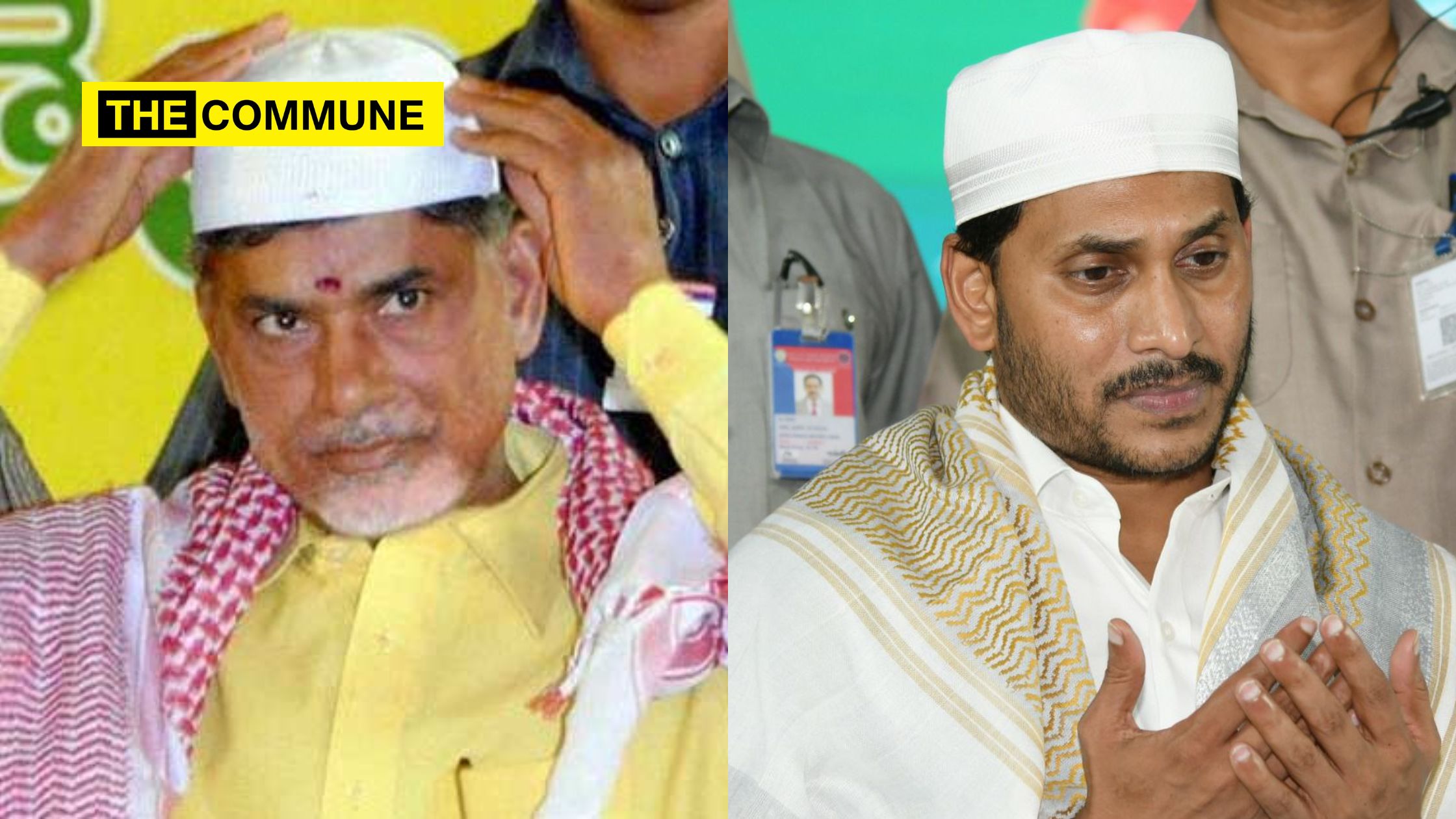
Yesterday, K Pawan Kalyan of Andhra’s Jana Sena Party (JSP) party met with the leader of the Telugu Desam Party (TDP) and former A.P chief minister of Andhra Pradesh (CM of undivided Andhra Pradesh as well as post-bifurcation/residual state of Andhra), N Chandrababu Naidu at the latter’s home. The meeting that took place yesterday, January 8 between the leaders of the principle Andhra Pradesh opposition parties, was projected as a “formal” one, signifying a higher degree of an “official” political cooperation between Naidu and Pawan, rather than an informal exchange of personal political opinions. Political analysts see this as a significant move towards the possibility of a near-future alliance between the long standing, seasoned, battle ready TDP led by Naidu and the relatively new, young and energetic JSP led by Pawan Kalyan ahead of the 2024 Andhra Pradesh elections.

If there is indeed a pre-poll “official” alliance between the two parties or at least an open indication (both leaders announcing it in their political rallies) of a formal understanding between the two parties, it could be a serious set back for current Andhra C.M and YSR Congress Party (YSRCP) leader, YS Jagan Reddy.

It is note worthy that both the Andhra leaders decided to meet in the Telangana capital, Hyderabad where both own homes. Pawan Kalyan went over to Naidu’s residence in Jubilee Hills, Hyderabad to discuss the current political situation in light of the Jagan Reddy government’s recent “ban” on all public meetings & rallies ahead of the A.P state eldctions in early 2024. All opposition parties will be impacted by what the people view as a draconian measure and an immature,vengeful attempt at stifling the opposition’s voice in the state, by Jagan Reddy and his YSRCP party.

In the previous 2019 Andhra state elections, political pundits had hinted at one of the causes for the TDP’s less-than-anticipated vote share leading to its defeat by the YSRCP – a split in the TDP’s traditional vote share among the more educated sections of society on account of the entry of the new JSP party led by Pawan.

Although the TDP aims at targeting all sections of society as most Indian political parties tend to do, it is popular among the more educated and those who place high value on job and developmental prospects in the state – the middle classes, backward classes (BCs) and the other backward classes (OBCs) who dream of a better, more dignified future for their children rather than banking on “welfare” schemes. On the other end of the spectrum is a typical strategy followed by the Congress party and its allies or its off-shoots/ break away factions, which tend to focus heavily on free goods & services, welfare schemes and special offers for the poor and the minorities, which may provide temporary relief but have not yet proven to be a long-term solution for job creation, income generation and poverty alleviation.

YS Jagan Reddy’s party, the YSR congress party (YSRCP) is an break away faction of the Congress party in A.P, of which Jagan’s father YS Rajasekhar Reddy, was an elected leader. In the 2019 A.P state elections, while Jagan Reddy was able to focus on and secure the votes of the scheduled classes and the minorities with a heady cocktail mix of welfare schemes and free money typical of Congress party election tactics, Chandrababu Naidu’s blend of welfarism coupled with fiscally responsible spending and a development agenda for the newly bifurcated A.P state reached the youth and other targeted sections but… this previously united vote share was split by the entry of Pawan Kalyan’s new JSP party, which had made similar promises.

Now with the coming together of Naidu and Pawan, both seeking the support of the BJP, the opposition in A.P appears stronger, making Jagan Reddy nervous about the next A.P state elections scheduled for early 2024. Over the last two years, Pawan Kalyan has openly declared that he would not allow the opposition vote to be fractured or split, indicating his willingness to cooperate with both the TDP and the BJP. Naidu’s TDP has also shown a willingness to work together with the BJP and the JSP. Both leaders also publicly supported each other when Jagan unreasonable behaviour and diktats caused hindrances to each other’s political rallies and meetings. The BJP does not yet have a significant presence in A.P while its numbers are increasing in neighboring Telangana. The Andhra unit of the BJP is taking its time, to weigh in on a four pronged choice – an officially announced partnership with Pawan’s JSP, a partnership with or outside support to Naidu’s TDP, a pre-poll partnership with or outside support to both the TDP and the JSP…or a continued status quo with the incumbent YSRCP, with which the BJP is neither officially linked with or openly opposed to.

Jagan has a lot at stake in the upcoming elections. His top aide, Vijay Sai Reddy and himself, are currently out on bail on a large number of CBI registered cases against them for criminal misconduct, misappropriation of givernment property and money laundering. Thus far, the most politically significant worries for Jagan/ factors working against him, among other smaller ones, are:

1) Jagan had the unmistakable support of the Christians in A.P, as he himself like the rest of his family, is a Christian. However he may not be able to count on it without renewed efforts because his brother-in-law, a missionary Christian priest “Brother” Anil Kumar, is no longer offering him the level of support Jagan could count on, in the previous 2019 elections. The apparent rift in the relationship between the siblings, YS Jagan Reddy and YS Sharmila Reddy led to the creation of a separate “YS” party in the neighboring Telugu state of Telangana. While YS Jagan runs the YSRCP party in Andhra Pradesh, Sharmila runs the YSRTP party in Telangana with the support of her christian missionary husband. With an open split within the state’s politically active christian family, the christian vote in A.P can no longer be taken for granted.

2) Jagan is blamed for Andhra’s huge debt run up by his fiscally imbalanced, irresponsible spending on his much publicized “welfare” schemes. The fiscal deficit can be seen and experienced in problems like the poor conditions of roads everywhere, the structure and governance of government institutions like schools and hospitals etc.

3) Educational, Business, entrepreneurial and investment opportunities are drying up in the state, as most private players including those who had come forward during the previous TDP party’s regime, are now hesitant to risk their money in a state where law and order is perceived to be less than ideal coupled with rampant corruption and an environment not conducive for business ventures. Understanbly, the lack of job opportunities in the state has caused disappointment and frustration among the young and restless.

4) Jagan’s mismagement of the state’s finances has also led to an unpleasant reality for all government employees, who had supported his party in the 2019 election. Complaints across all government departments and all levels of government service, including senior officials, reflect late or partial monthly salary payments and pensions causing hardship yo all impacted employees.

5) Among the farming communities of which animal husbandry/ dairy is a part, there is unhappiness over Jagan’s move to cajole farmers to sell their dairy products to the Amul corporation instead of traditional Andhra-based companies like Vijaya, Model, Heritage, Dodla and several other small, medium sized and large protifable A.P based businesses.

6) The people of north coastal Andhra are also displeased with Jagan and his Party’s acts of land grabbing of vast tracts of ecologically sensitive environments in the greater Vishakapatnam area and its surroundings. The role of Jagan’s government in the intent to privatize the Vizag (Vishakapatnam) Steel Plant, supposedly a profitable public sector unit (PSU), leading to a negative impact for related ancillary services and the local economy, is another of Jagan’s actions that north coastal Andhra does not appreciate.

7) The common man’s perception of the deteriorating law & order situation under Jagan’s autocratic rule and the rise in corruption and political favours involving bribes at all levels may not result in a favourable political image for Jagan.

8) Jagan along with his top honchos control a state-run liquor enterprise, a huge money spinner for him and his party while depriving the people and the state of the choices and the profits resulting from healthy competition among private businesses. Incidentally, Jagan’s top leaders are caught up in the infamous Delhi liquor scam.

9) Among the educated, most people disagree with Jagan’s dictatorial attitude and his blatant disregard for the resolutions of and the judgements passed by the A.P high court. Jagan has earned much ill repute by constantly engaging in a war of words and actions with the state’s judicial authorities. He hires expensive lawyers from Delhi at the expense of an already beleaguered state treasury, to constantly fight trivial cases and judgements on cases, not ruled in his favour.

10) A section of the Hindu community has also taken note of damage to temples and temple deities along with increased, emboldened Christian conversion efforts in the state reminding the people of a similar trend in rampant Christian activities in the 2004-2009 period when YS Jagan’s father, YS Rajasekhar Reddy was the chief minister. Many have speculated that the larger, undivided state of Andhra Pradesh saw the most number of openly conducted conversion events in its history under the leadership of the first Christian CM in A.P, Rajasekhar Reddy, with the tacit approval of the Congress party’s Sonia Gandhi in Delhi.

11) Private enterprises including educational institutions and hospitals are bullied and imposed with ‘surveys’, searches and unreasonable conditions for their continued operations. This has impacted all such businesses as well as the large number of ordinary people employed by them. People complain that the blatant discrimination and systemic bullying has an overtly religious and/or casteist bias to it, at levels that the state has not experienced before.

12) To top it all, aside from an ailing state economy and financial debt, Jagan has still not accepted the previously declared state capital of the recently bifurcated state. It is almost nine years now since the bifurcation of Andhra Pradesh into Telangana and Andhra. Andhra still does not have an officially declared state capital because Jagan Reddy has refused to acknowledge and accept the previously declared capital of Amaravathi in the Vijayawada-Guntur vicinity, pitching instead, for an impractical, unrealistic 3-capital theory.

In light of a significanct loss of trust in Jagan’s governance and his government’s blatant disregard for the rule of the land, will A.P’s opposition including the BJP stand united or will Jagan manage to divide the voters yet again, on religious and caste lines?

Click here to subscribe to The Commune on Telegram and get the best stories of the day delivered to you personally

DMK Goons Destroy Hotel Demanding Free Chicken Fried Rice, Assault Owner And His Son With Knife And Hot Oil

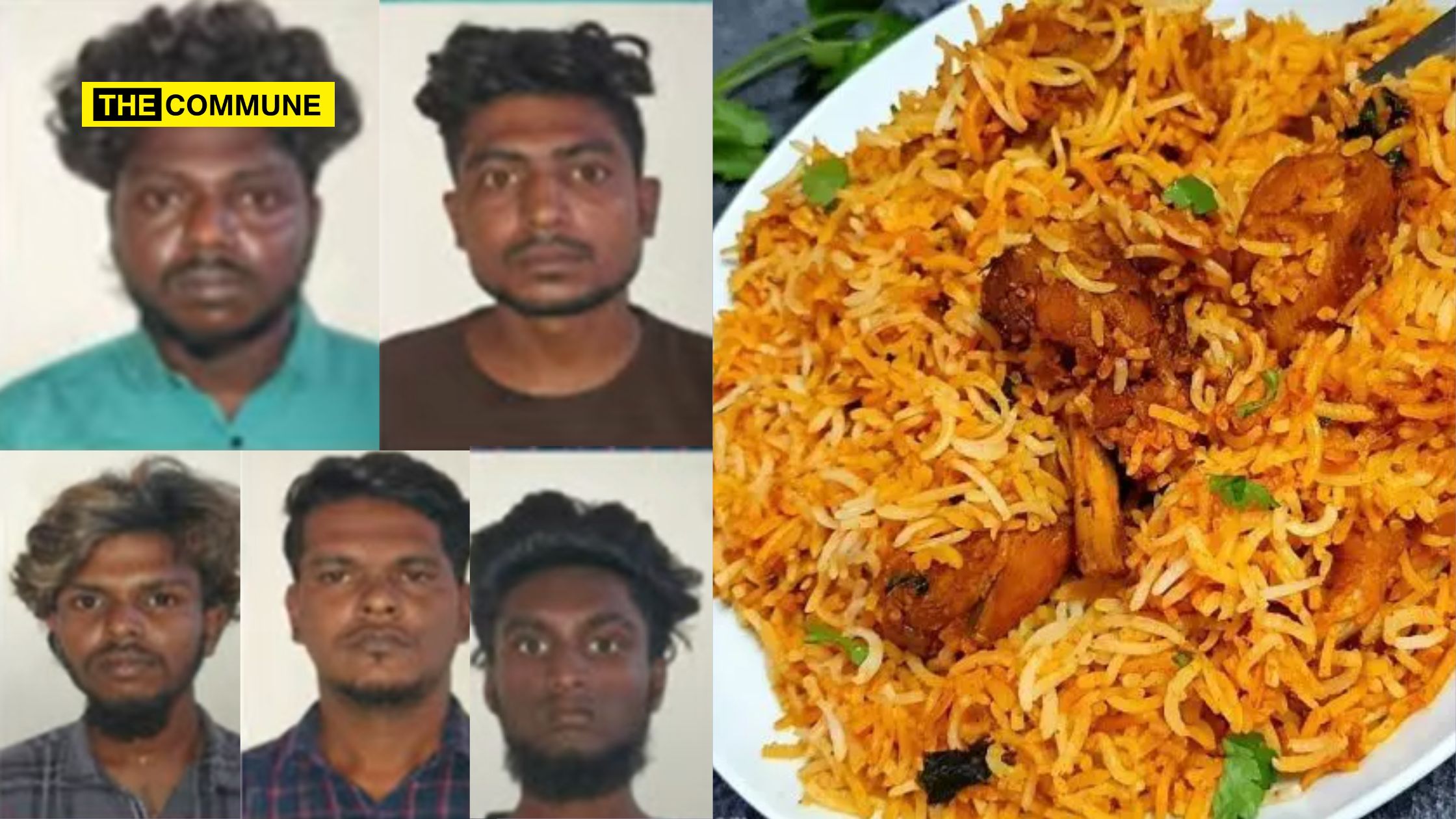
A DMK cadre and his friends destroy a hotel when asked for money for Chicken fried rice in Tambaram.

Jeyamani, 59, owns and operates a Chettinadu hotel in Madambakkam, on the Anna Nagar main road, near Selaiyur in Tambaram, Chennai. The accused Ajith Kumar, who lives in the same neighborhood, is a member of the DMK and works as a henchman for the party’s leaders. He had previously been involved in several crimes and was known for causing public nuisance in the area.

DMK goon Ajith went to the victim Jeyamani’s hotel on Friday and ordered 5 chicken fried rice. When Jeyamani asked for money, DMK goon Ajith said he would give it to him later.

However, knowing Ajith’s intention to not pay for chicken fried rice, Jeyamani informed him that the business was not doing well and that he could not provide fried rice without payment. Enraged by Jeyamani’s response, DMK Ajith left the hotel without saying anything.

Later, Ajith brought his fellow goons Karthik, Jaggo, Shiva Kumar, Hariharan and few others into the shop to create ruckus.

Though Jeyamani’s son Manikandan requested the DMK goons to not create any problem, the DMK goons were not satisfied and began breaking all of the equipment and throwing food items in the shop. They poured boiling oil on Jeyamani’s head, which was severely burned.

Manikandan and Nemaraj, who were in the shop, were also attacked with a knife by DMK goons. Manikandan and Nemaraj both suffered hand injuries while attempting to save themselves. The DMK goons later left the shop after completely destroying it.

Police registered a FIR and arrested Ajith, Karthik, Jaggo, Shiva Kumar, and Hariharan after receiving a complaint from hotel owner Jeyamani and his son Manikandan. Police are looking for two more people who have gone missing.

This is not the first time that DMK cadres have created ruckus demanding free biryani.

Earlier in August 2018, Yuvraj, a DMK youth wing secretary and another party member named Dhivakar thrashed a hotel staff after he refused to give them free biryani. The incident gained national level coverage and DMK chief MK Stalin personally came to down to the hotel to apologize for his party men’s behaviour.

(with inputs from NewsJ)

Click here to subscribe to The Commune on Telegram and get the best stories of the day delivered to you personally.