Home Blog Page 1174

TN HR&CE Dept to remove 200 year old temple near Chengalpattu, Hindu Munnani protests

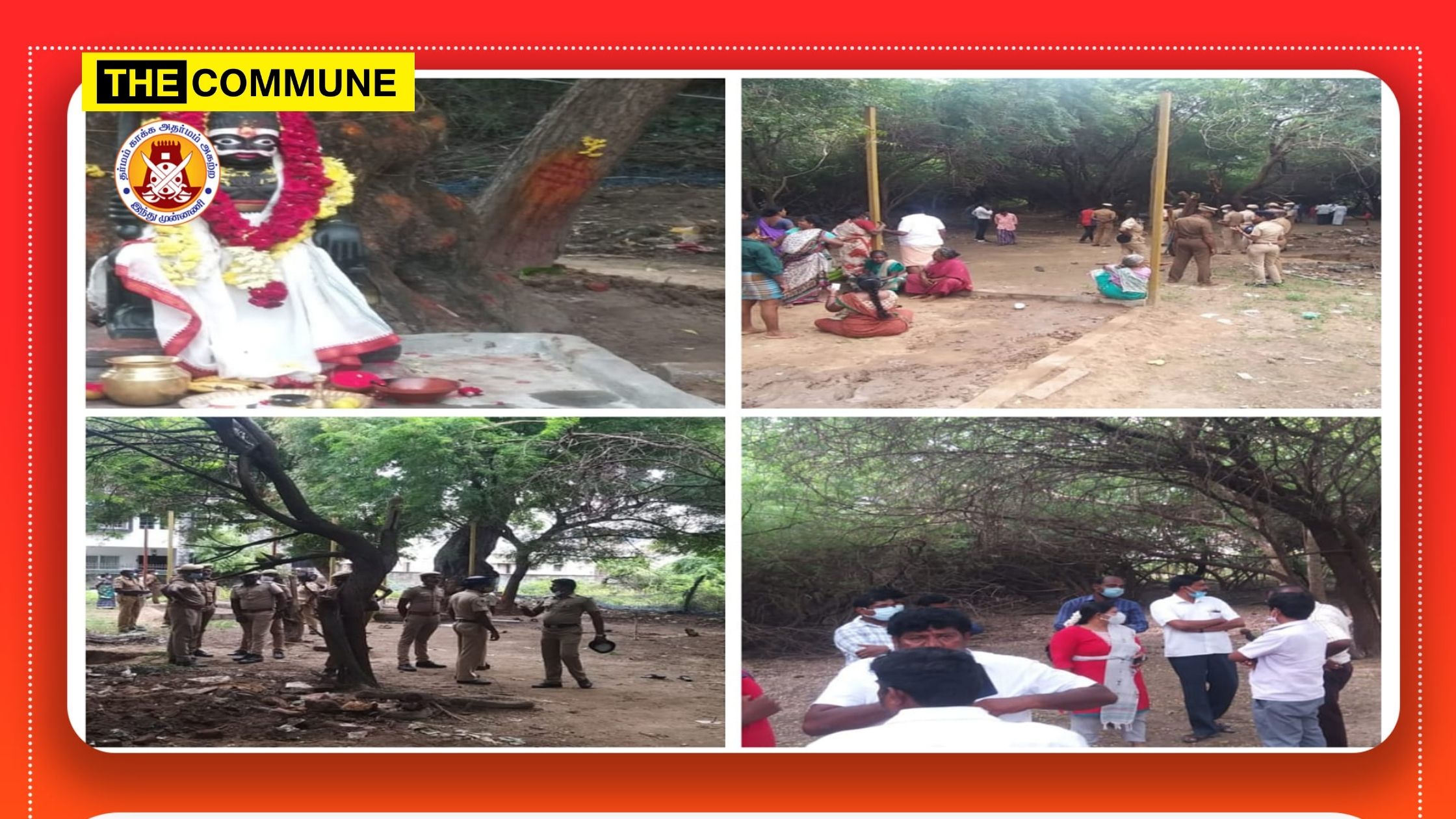
In yet another attack on Hindu temples, the Hindu Religious & Charitable Endowments (HR&CE) department has reportedly been taking steps to remove a 200 year old temple in the Chengalpattu district in Tamil Nadu.

The Muneeswarar temple is situated in a garden at the Alandur village in Chengalpattu district. The main deity Muneeswarar is considered as a guardian deity and the temple is visited by the locals.

The temple is said to be atleast 200 years old.

The Hindu Munnani is resisting the attempts to remove the temple by the HR&CE department and has announced a protest regarding the same.

Click here to subscribe to The Commune on Telegram and get the best stories of the day delivered to you personally.

Delhi HC calls 2020 riots a ‘calculated attempt’ to ‘dislocate’ the functioning of the govt

delhi riots

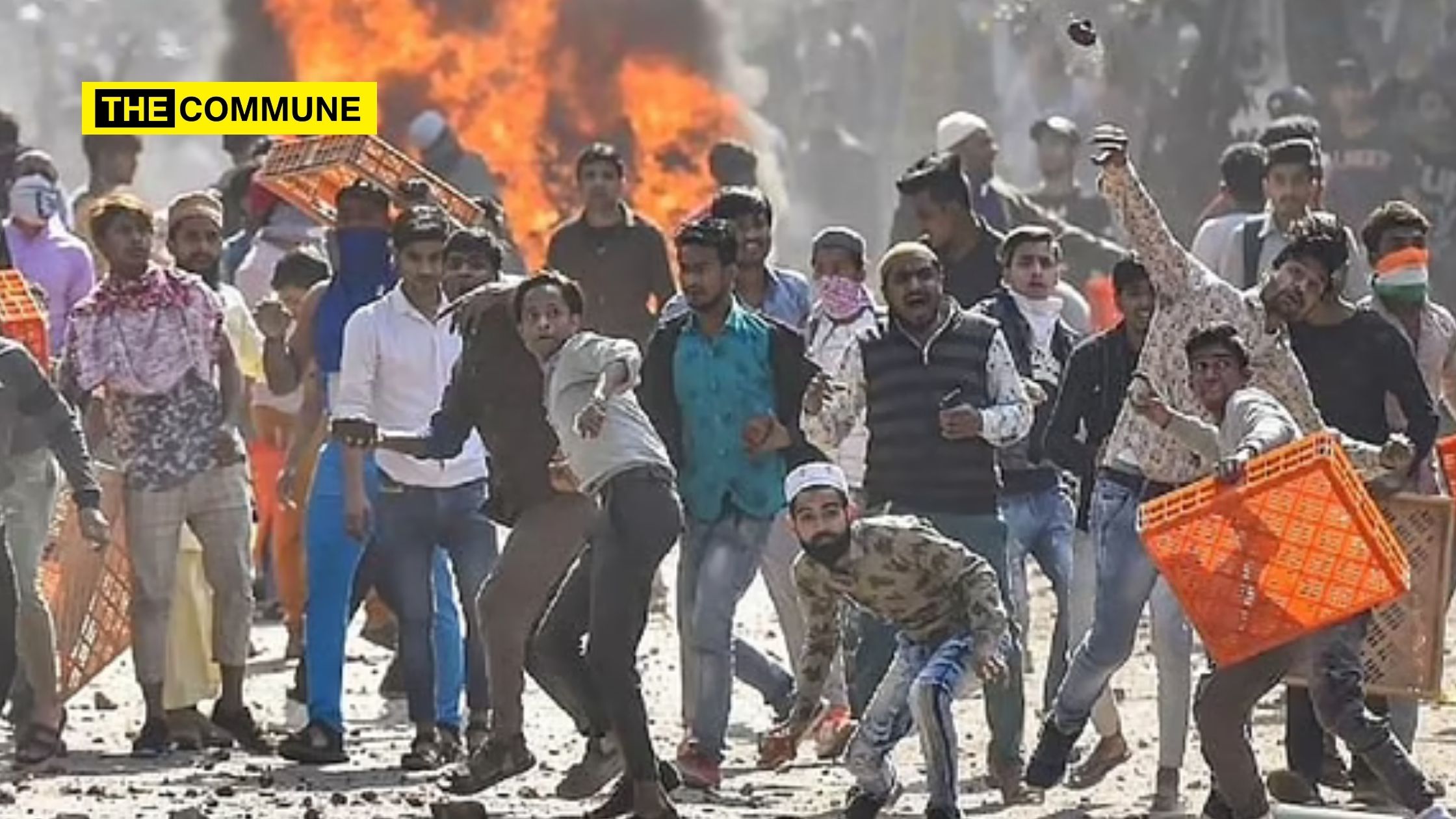
The Delhi High Court on Monday (27 September) said that the 2020, riots that took place in the national capital was not a “spur of moment” and that it was a “calculated attempt” to “dislocate” the functioning of the government.

The Court made this important observation as it denied bail to accused Mohd Ibrahim in connection with brutal killing of the Delhi Police Head Constable Ratan Lal.

“The riots which shook the National Capital of the country in February 2020 evidently did not take place in a spur of the moment, and the conduct of the protestors who are present in the video footage which has been placed on record by the prosecution visibly portrays that it was a calculated attempt to dislocate the functioning of the Government as well as to disrupt the normal life of the people in the city,” said Justice Subramonium Prasad in the order, while denying bail to accused Ibrahim who was arrested last year by Delhi Police for allegedly being part of an anti-CAA protests during which Head Constable Ratan Lal sustained fatal injuries.

“The systematic disconnection and destruction of the CCTV cameras also confirms the existence of a pre-planned and pre-meditated conspiracy to disturb law and order in the city. This is also evident from the fact that innumerable rioters ruthlessly descended with sticks, dandas, bats etc. upon a hopelessly outnumbered cohort of police officials,” Justice Prasad said.

As per a report published in the Indian Express, Mohd Ibrahim, was allegedly holding a sword during the protest was to only protect himself and his family and his counsel argued that Lal’s death was not caused by the sword as per the report detailing his injuries.

However, the court denied the bail application when it opined that although he could not be seen on the crime scene, but Ibrahim was a part of the mob for the sole reason that he had consciously travelled 1.6 km away from his neighbourhood with a sword which could only be used to incite violence inflicting damage.

The prosecution further presented several CCTV footage of Mohammad Ibrahim wearing a black Nehru jacket, salwar kurta, and a skull cap but the clincher was the submission of three videos as evidence to prove that the assault on Head Constable Ratan Lal was pre-meditated. 

Earlier on 8 September, Justice Prasad had granted bail to five accused and observed that “the sole act of protesting” cannot be used as “a weapon to justify the incarceration” of those exercising this right.

“This Court has previously opined on the importance of personal liberty in a democratic polity, but it is to be categorically noted that individual liberty cannot be misused in a manner that threatens the very fabric of civilised society by attempting to destabilise it and cause hurt to other persons,” Justice Prasad said in the order.

Click here to subscribe to The Commune on Telegram and get the best stories of the day delivered to you personally.
Biden has no plans to talk to Imran Khan anytime soon

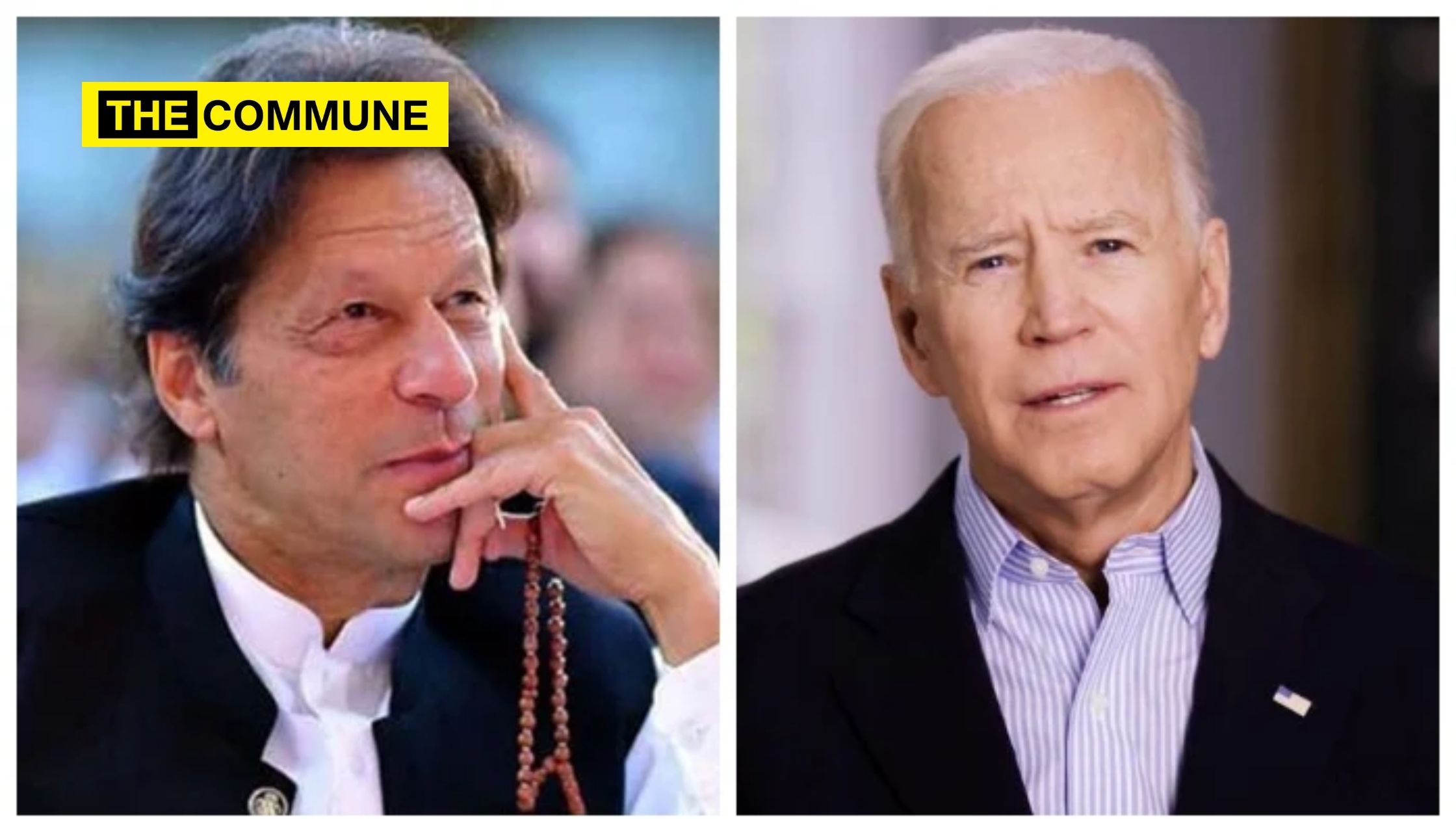
During a routine press conference in the White House press secretary Jen Psaki was asked when will President Joe Biden will call Pakistani Prime Minister Imran Khan Niazi, Psaki said, “I don’t have anything to predict at this point in time.”

The press conference took place on Monday (27 September) and the reporter said that while Biden was “mid-meeting” with Prime Minister Narendra Modi on September 24, Khan in his address at the United Nations delivered “some scathing criticism of the US’s actions in Afghanistan. And he’s lamented the lack of direct engagement between himself and President Biden”.

The reporter asked Psaki”Why hasn’t the President used this aggressive diplomacy to answer that call from the Prime Minister of Pakistan to engage directly?”.

Psaki replied: “The President has not spoken with every foreign leader at this point in time; that is absolutely true. But he, of course, has a team — an expert team deployed to do exactly that. “I wouldn’t overread into a leader-to-leader call in that particular regard.”

Imran Khan from the beginning blamed Washington for the Afghanistan mess and its fallout in Islamabad. Even though senior US government officials have spoken to their Pakistani counterparts, Biden has not reached out personally to Khan which he thinks is a personal affront.

During his interview with CNN Khan had given a similar reaction when an interviewer had asked him about Biden’s silence and Khan said: “I would imagine he’s very busy, but our relationship with the US is not just dependent on a phone call, it needs to be a multidimensional relationship.”

At Monday’s briefing, Psaki said: “We have been in touch at very high levels with leaders in Pakistan from the State Department, from the Department of Defence, and from other key components of the administration. We are continuing to work together and work on initiatives where we can, make clear where we have concern.”

Last week Secretary of State Antony Blinken met Pakistan’s Foreign Minister Shah Mahmood Qureshi in New York and has held several phone conversations with him and also the Defence Secretary Lloyd Austin has also spoken several times with Pakistan’s Army chief General Qamar Javed Bajwa.

When Imran Khan spoke at the UN general assembly on September 24, just after Biden’s Quad summit with Modi and Prime Minister Yoshihide Suga of Japan and Scott Morrison of Australia, Khan had said, “There is a lot of worry in the US about taking care of the interpreters and everyone who helped the US. What about us?” and then proceeded to give a long list of laundry of US wrongs towards his country and blamed it for the manner in which the Taliban took over Afghanistan.

“The only reason we suffered so much was because we became an ally of the US, of the Coalition, in the war in Afghanistan. There were attacks being conducted from the Afghan soil into Pakistan. At least there should have been a word of appreciation. But rather than appreciation, imagine how we feel when we are blamed for the turn of events in Afghanistan.”

He held the US responsible for Afghan mujahidin training and how the US supported them by giving them weapons when they were fighting the Soviet Union.

Khan also mentioned a meeting he had with then-Senator Biden in 2006 and how he had told him that a military solution was not possible in Afghanistan and urged a political settlement.

Click here to subscribe to The Commune on Telegram and get the best stories of the day delivered to you personally.
DMK Govt to melt temple jewellery into biscuits to use them for secular purposes, HR&CE Min issues threats to temple activists for protesting against govt move

The DMK government had recently announced that it will take steps to melt temple jewellery and convert them into biscuits for mortgaging them and raise funds for secular purposes.

The Tamil Nadu Hindu Religious & Charitable Endowments (HR&CE) Minister Sekar Babu had announced in the Assembly on September 5 that three zonal level panels headed by retired High Court judges would be formed to monitor the process.

Accordingly, three committees have been formed headed by former High Court judges Raji, Mala and Ravichandra Babu have been appointed for the Chennai, Trichy and Madurai zones respectively.

The gems stones in the gold jewellery would be removed before sending to the government refinery in Mumbai where the jewels will be melted and made into gold biscuits which will be deposited in banks to raise money for welfare schemes. About 2000 kg temple gold is set to be converted into biscuits.

Many temple activists have protested against this move saying that this is a move to plunder temple wealth and is ultra vires to the Constitution.

“A secular government has no business inside temples. Many devotees would have donated jewellery out of their will and devotion to the God. Now all these jewels will be looted by the DMK government.”, said a devotee from Madurai.

“Is the DMK government that incompetent that it can’t even find alternate sources of revenue?” asked another.

“This is just another attack by the DMK on temples. Would they dare to touch the wealth of Churches and Mosques in Tamil Nadu? Why are they poking their nose only in Hindu temples?” said Muthu from Trichy.

Temple activist T.R. Ramesh  have registered strong objections to the move.

Indu Makkal Katchi headed by Arjun Sampath also held protests against the government’s move.

In response to this, HR&CE Minister has threatened to take legal action against protestors objecting to the government’s move to take temple gold.

Click here to subscribe to The Commune on Telegram and get the best stories of the day delivered to you personally.
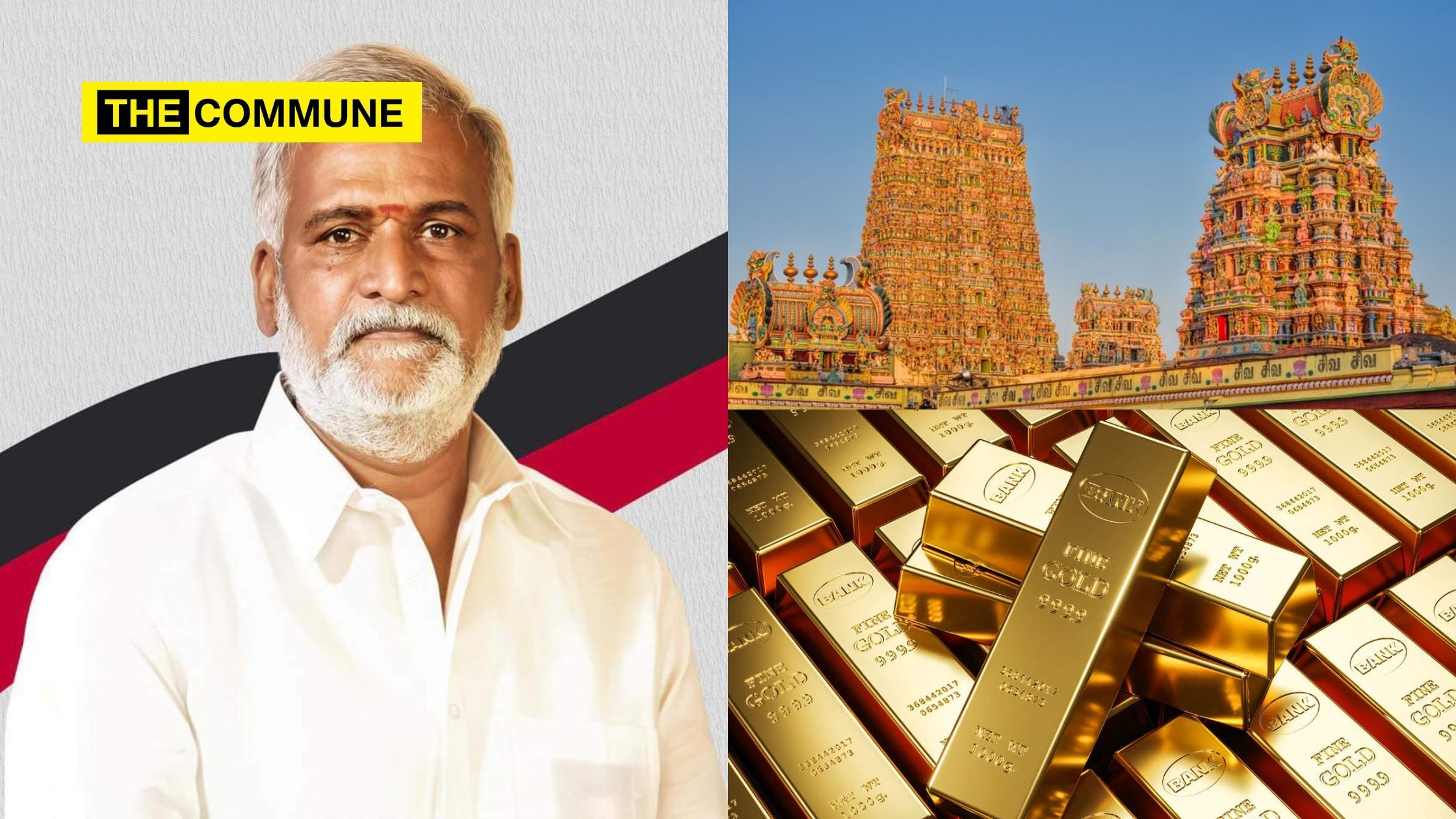
 

India and Taiwan hold talks to develop chip manufacturing facility worth $7.5 billion

In a development that will enrage China, Indian and Taiwanese government officials met to discuss the chip shortage issue is expected to stretch into 2023, and importantly for India, negotiate a proposal that would bring a chip facility worth $7.5 billion to India.

India and Taiwan are in talks to bring chip production to the region, as well as tariff reductions on components used to make semiconductors by the end of the year will antagonise China.

In 2018, India and Taiwan signed a bilateral investment agreement to increase revenue and strengthen economic connections between the two countries and as of now the trade between the two countries stands at $5.7 billion in the year 2020 and is bound to increase in the coming years.

According to the latest report by Bloomberg, Indian and Taiwanese government officials are working on a proposal that would bring a chip facility worth $7.5 billion to India, ensuring a seamless supply of everything, including 5G devices and electric cars. India is currently looking at prospective places with enough land, water, and manpower.

If the plan goes through, the government will fund 50 per cent of construction expenditures starting in 2023, as well as providing tax benefits and other incentives like reduced corporate tax. However, Taiwan has concerns about a lack of ecosystem for building up a chip production unit in India and expressed concerns about water, as well as electrical availability.

As the world wants to get rid of China’s hold over the supply chian, Taipei wants to move quickly on a bilateral investment pact that would involve tariff reductions on dozens of semiconductor-related products and a broader trade agreement. However, the details about the discussions between both countries are not being disclosed because its own significance in the context of China.

China has been increasingly beligirent and has consistnatly violated the Tiwanise air space in recent times but it is also afraid of  countries that have democracy strengthening their economic and military ties to counter the red menace.

For a long time India had adopted a non-threatning policy against China asit considors Taiwan as its own territory, hence it has been hesitant to move forward. However, now the United States wats to shore up chip supplies, establish supply networks across democracies and increase military capabilities in the region, the dynamics have changed.

However, after the 2020, Galwan valley clash between the Indian Army and the PLA, India has taken a more assertive attitude against China and is wants to establish a framework for a comprehensive trade agreement spanning commodities, services, and investments with Taiwan.

India wants to become more self-reliant on chips and is pushing to attract high-tech investments, while Taiwan wants to enhance its diplomatic footprint around the world as it pushes back against China and the Quad summit and the formation of AUKUS would only add to its impetus.

The shortage in nicro chips has impacted automobile production, and supply shortage would further impact passenger vehicles sale volumes in September and as per a research, the demand for semiconductors in India is expected to reach $100 billion by 2025, up from $24 billion now.

If India wants to ensure there is no hindrance in its requirement of semiconductors the time has come to start developing a chip design business before establishing production plants.

Click here to subscribe to The Commune on Telegram and get the best stories of the day delivered to you personally.
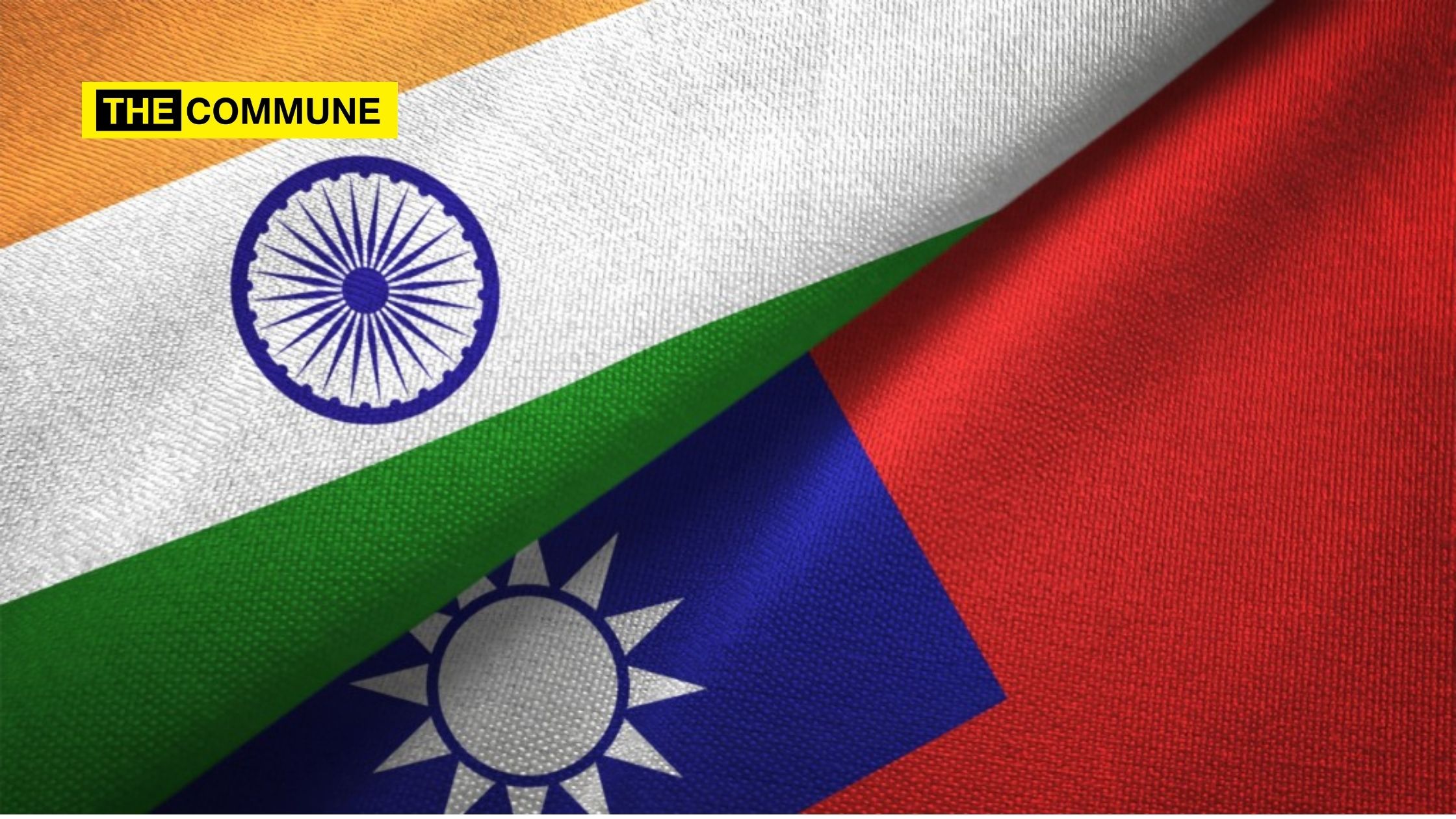
DRDO successfully test fires the ‘Akash Prime’ ground to air missile

The Defence Research Development Organisation (DRDO) has successfully tested its new version of the Akash Missile. The ‘Akash Prime’ was successfully flight tested from Integrated Test Range (ITR), Chandipur, Odisha on Monday (27 September), the Ministry of Defence said.

The missile met all the parameters when it intercepted and destroyed an unmanned aerial target mimicking enemy aircraft, in its maiden flight test after improvements. The new variant, Akash Prime is equipped with an indigenous active Radio Frequency (RF) seeker for improved accuracy, the Ministry of Defence said in a release on Monday.

Other improvements made in this latest ground to air missile are more reliable performance under low-temperature environments at higher altitudes and a modified ground system of the existing Akash weapon system has been used for the current flight test.

The range stations of ITR comprising radars, Electro-Optical Tracking System (EOTS) and telemetry stations monitored the missile trajectory and flight parameters, the ministry said.

Defence Minister Rajnath Singh congratulated DRDO, Indian Army, Indian Air Force, Defence Public Sector Undertaking (DPSU) and industry for the successful trial of Akash Prime Missile and said the successful flight test proves the competence of DRDO in the design and development of world-class Missile systems.

DRDO Chairman Dr G Satheesh Reddy congratulated the team for the successful flight trial of Akash Prime Missile. He said that the Akash Prime system will further boost the confidence of the users (Indian Army and Indian Air Force) as the Akash system is already inducted and now getting improved with more lethal missiles.

Click here to subscribe to The Commune on Telegram and get the best stories of the day delivered to you personally.
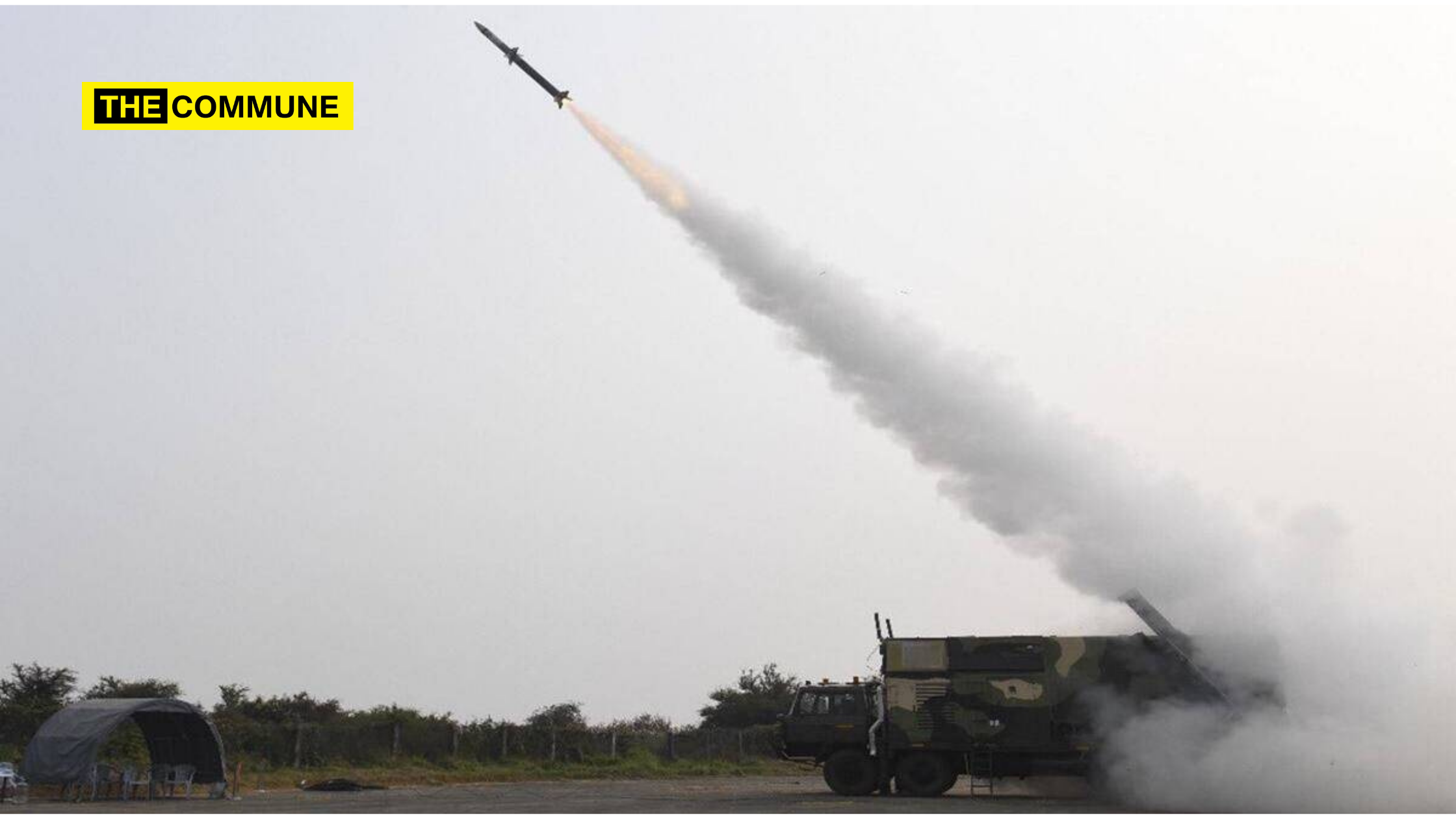
PM Modi to dedicate 35 new crop varieties with special traits to the nation

In an endeavour to create mass awareness for adoption of climate resilient technologies, Prime Minister Narendra Modi will dedicate 35 crop varieties with special traits to the Nation on 28th September at 11 AM via video conferencing, in a pan India programme organised at all ICAR Institutes, State and Central Agricultural Universities and Krishi Vigyan Kendra (KVKs). During the programme, the Prime Minister will also dedicate to the nation the newly constructed campus of National Institute of Biotic Stress Management Raipur.

On the occasion, the Prime Minister will distribute Green Campus Award to Agricultural Universities, as well as interact with farmers who use innovative methods and address the gathering.

Union Minister of Agriculture and Chief Minister Chhattisgarh will be present on the occasion.

About crop varieties with special traits

The crop varieties with special traits have been developed by the Indian Council of Agricultural Research (ICAR) to address the twin challenges of climate change and malnutrition. Thirty-five such crop varieties with special traits like climate resilience and higher nutrient content have been developed in the year 2021. These include a drought tolerant variety of chickpea, wilt and sterility mosaic resistant pigeonpea, early maturing variety of soybean, disease resistant varieties of rice and biofortified varieties of wheat, pearl millet, maize and chickpea, quinoa, buckwheat, winged bean and faba bean.

These special traits crop varieties also include those that address the anti-nutritional factors found in some crops that adversely affect human and animal health. Examples of such varieties include Pusa Double Zero Mustard 33, first Canola quality hybrid RCH 1 with <2% erucic acid and <30 ppm glucosinolates and a soybean variety free from two anti-nutritional factors namely Kunitz trypsin inhibitor and lipoxygenase. Other varieties with special traits have been developed in  soybean, sorghum, and baby corn, among others.

About National Institute of Biotic Stress Management

The National Institute of Biotic Stress Management at Raipur has been established to take up the basic and strategic research in biotic stresses, develop human resources and provide policy support. The institute has started PG courses from the academic session 2020-21.

About Green Campus Awards

The Green Campus Awards has been initiated to motivate the State and Central Agricultural Universities to develop or adopt such practices that will render their campuses more green and clean, and motivate students to get involved in ‘Swachh Bharat Mission’, ‘Waste to Wealth Mission’ and community connect as per the National Education Policy-2020.

(Published from PIB)

Click here to subscribe to The Commune on Telegram and get the best stories of the day delivered to you personally. 
DMK Fin Min hails Christian missionaries, says they were not a colonizing power

In a blatant endorsement of Christians missionaries who are known for derogating Hindu faith and indulging in forceful conversion of people to Christianity, Tamil Nadu Finance Minister PTR Palanivel Thiagarajan hailed them as torchbearers of social justice who had contributed to the development of the region.

“Be it in India or Tamil Nadu or even Madurai, the contribution of American missionaries is not always talked about much. The link between Madurai and American missionaries goes back to 1881 or even beyond. They contributed to the overall development of the region by providing educational and medical facilities, though they were not the colonising power here,” Palanivel Thiagarajan was quoted saying in The Hindu.

The DMK Minister made these remarks during during a book release event at The American College, Madurai.

The book titled ‘Protestant textuality and the Tamil modern’ has been written by one late Bernard Bate, an American linguistic anthropologist and supposedly a historian who allegedly specialized in Tamil.

The book focuses on the development of political oratory and its influence on Tamil society in the last three centuries.

Palanivel Thiagarajan also said that the work of American Christian missionaries across the world championed the cause of people’s welfare, be it the civil rights movement in the USA or the Dravidian movement in Tamil Nadu.

Other who participated in the event include Pramila Paul, SCILET Director; Stalin Rajangam, Assistant Professor, Tamil Department; R. Nedumaran, retired professor of English Department, and J. Balasubramanian, Assistant Professor, Department of Jourlanism and Science Communication, Madurai Kamaraj University.

Click here to subscribe to The Commune on Telegram and get the best stories of the day delivered to you personally. 
Tender for strategic Kochi-Lakshadweep Islands optic fibre project designed to keep Indian companies out

In a startling development, former top scientist and Niti Aayog member V K Saraswat have said that the tender for the government’s strategic ₹1,072 crore Kochi-Lakshadweep Islands (KLI) optic fibre project, has been “deliberately designed to bar Indian companies from participating”, reports Times of India

According to the former head of the Defence Research Development Organisation (DRDO), this decision could compromise the security, cost-effectiveness, and reliability of the project.

Dr Saraswat has expressed strong reservations over the tender which is now being challenged in Delhi High Court by lobby group Telecom Equipment Manufacturers Association (TEMA) — through a communication sent to the telecom ministry in April, top sources told TOI.

According to Saraswat, ‘BSNL should put tender on hold till changes are made’ because India is trying to build its capabilities in the telecommunications sector, there are no provisions in the Detailed Note for Inviting Tenders (DNIT) to facilitate/ support the development of indigenous capabilities. It appears that the eligibility criteria mentioned in the DNIT are deliberately designed to bar Indian companies from participating in the said project,” Saraswat said in a letter, which has been reviewed by TOI.


“Since connectivity between the mainland and the Lakshwadeep Islands is a matter of strategic and national importance, we need to ensure that the network being developed… is robust, reliable, secure, indigenous, and cost-effective… I am of the opinion that BSNL should put this tender on hold till the necessary changes are made to promote participation by Indian companies,” Saraswat said.

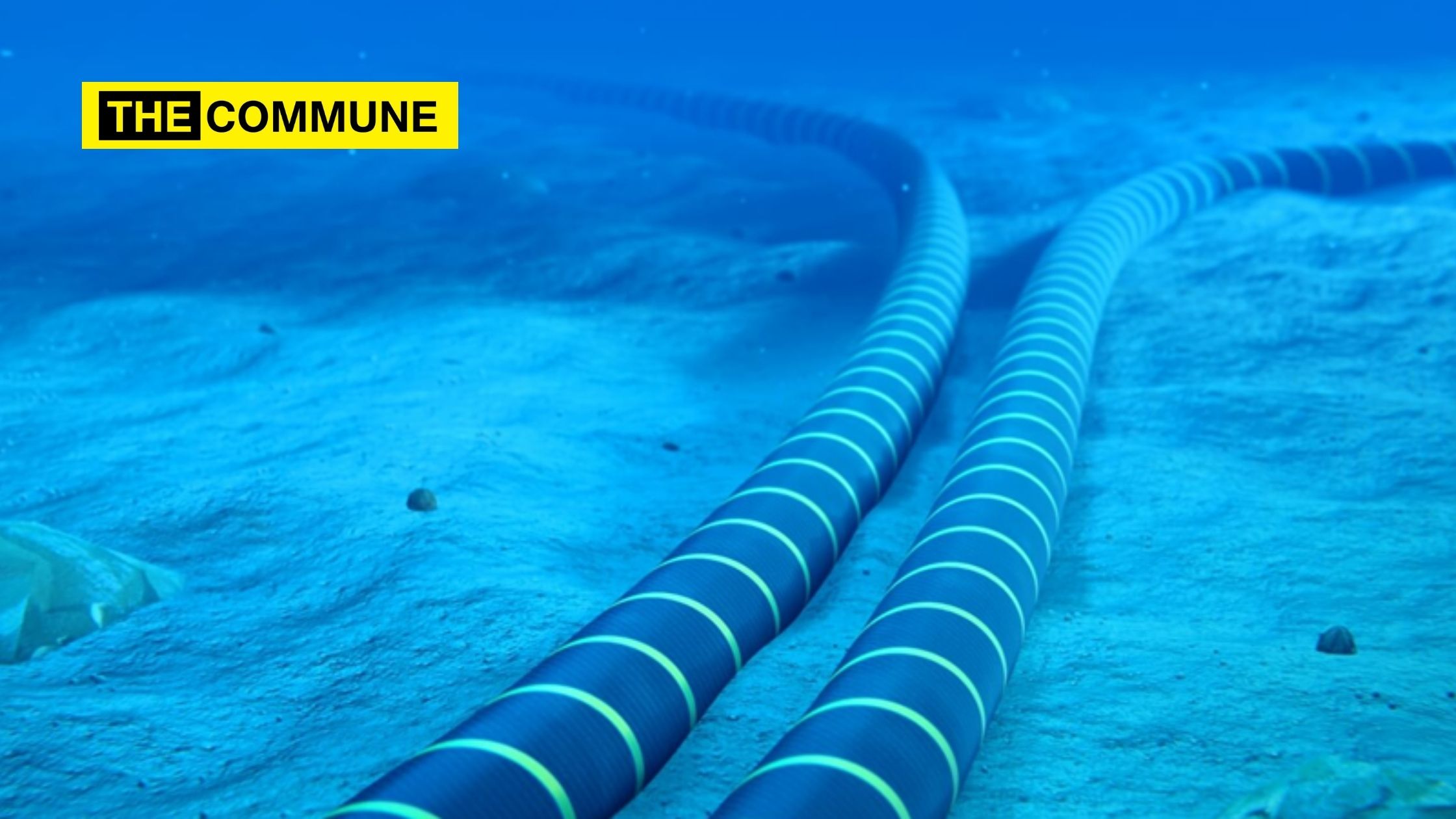
The strategic ₹1,072 crore KLI project announced by the Modi government aims to lay submarine cables between Kochi and 11 islands of Lakshadweep islands. The Prime Minister made this announcement on August 15, 2020, and once this project is completed, it will provide a bandwidth of 100 GBPS in the areas, improving mobile services, and boosting e-governance and e-commerce initiatives.

Click here to subscribe to The Commune on Telegram and get the best stories of the day delivered to you personally. 
PM Modi launches Ayushman Bharat Digital Mission

modi CERAWeek award

Prime Minister Narendra Modi today launched the Ayushman Bharat Digital Mission through a video conference.

Speaking on the occasion, the Prime Minister said that the campaign of strengthening health facilities that have been going for the last seven years is entering a new phase today. “Today we are launching a mission that has the potential of bringing a revolutionary change in India’s health facilities”, said the Prime Minister.

The Prime Minister underlined the fact that with 130 crore Aadhaar numbers, 118 crore mobile subscribers, about 80 crore internet users, about 43 crore Jan Dhan bank accounts, there is no such big connected infrastructure anywhere in the world. This digital infrastructure is bringing everything from ration to administration (Ration to Prashasan)  to the common Indian in a fast and transparent manner. “The way technology is being deployed in governance reforms today is unprecedented”, said the Prime Minister.

The Prime Minister remarked that the Arogya Setu app helped a lot in preventing the spread of corona infection. He lauded Co-WIN for its role in making India achieve a record administration of about 90 crore vaccine doses today, under the free vaccine campaign.

Continuing with the theme of the use of technology in health, the Prime Minister said that there has also been an unprecedented expansion of telemedicine during the Corona period, so far about 125 crores, remote consultations have been completed through e-Sanjeevani. This facility is connecting thousands of countrymen living in far-flung parts of the country every day with doctors of big hospitals of cities while sitting at home, said the Prime Minister.

The Prime Minister remarked that Ayushman Bharat-PMJAY has addressed a key headache in the lives of the poor. So far more than 2 crore countrymen have availed the facility of free treatment under this scheme, half of which are women. The Prime Minister emphasized that diseases are one of the key reasons to push families into the vicious cycle of poverty and women of the families are the worst sufferers as they always relegate their health issues to the background. PM Modi said that he has made it a point to personally meet some beneficiaries of Ayushman and he has experienced the benefits of the scheme during the interactions. He said, “these healthcare solutions are a big investment in the present and future of the country.”

The Prime Minister said Ayushman Bharat – Digital Mission, will now connect the digital health solutions of hospitals across the country with each other. The Mission will not only make the processes of hospitals simplified but also will increase ease of living, he added.  Under this, every citizen will now get a digital health ID and their health record will be digitally protected.

The Prime Minister informed that India is working on a health model that is holistic and inclusive. A model which stresses preventive healthcare and, in case of disease, easy, affordable and accessible treatment. He also discussed unprecedented reforms in health education and said a much larger number of doctors and par medical manpower is being created in India now as compared to 7-8 years ago. A comprehensive network of AIIMS and other modern health institutions is being established in the country and work on establishing one medical college in every three Lok Sabha constituencies is going on. He also talked about strengthening health facilities in villages and informed that in the villages, primary health centre networks and wellness centres are being strengthened. More than 80 thousand such centres have already been operationalized, said the Prime Minister.

Noting that today’s program is being organized on World Tourism Day, the Prime Minister remarked that health has a very strong relationship with tourism. Because when our health infrastructure is integrated, strengthened, it also improves the tourism sector.

(Published from PIB)

Click here to subscribe to The Commune on Telegram and get the best stories of the day delivered to you personally.