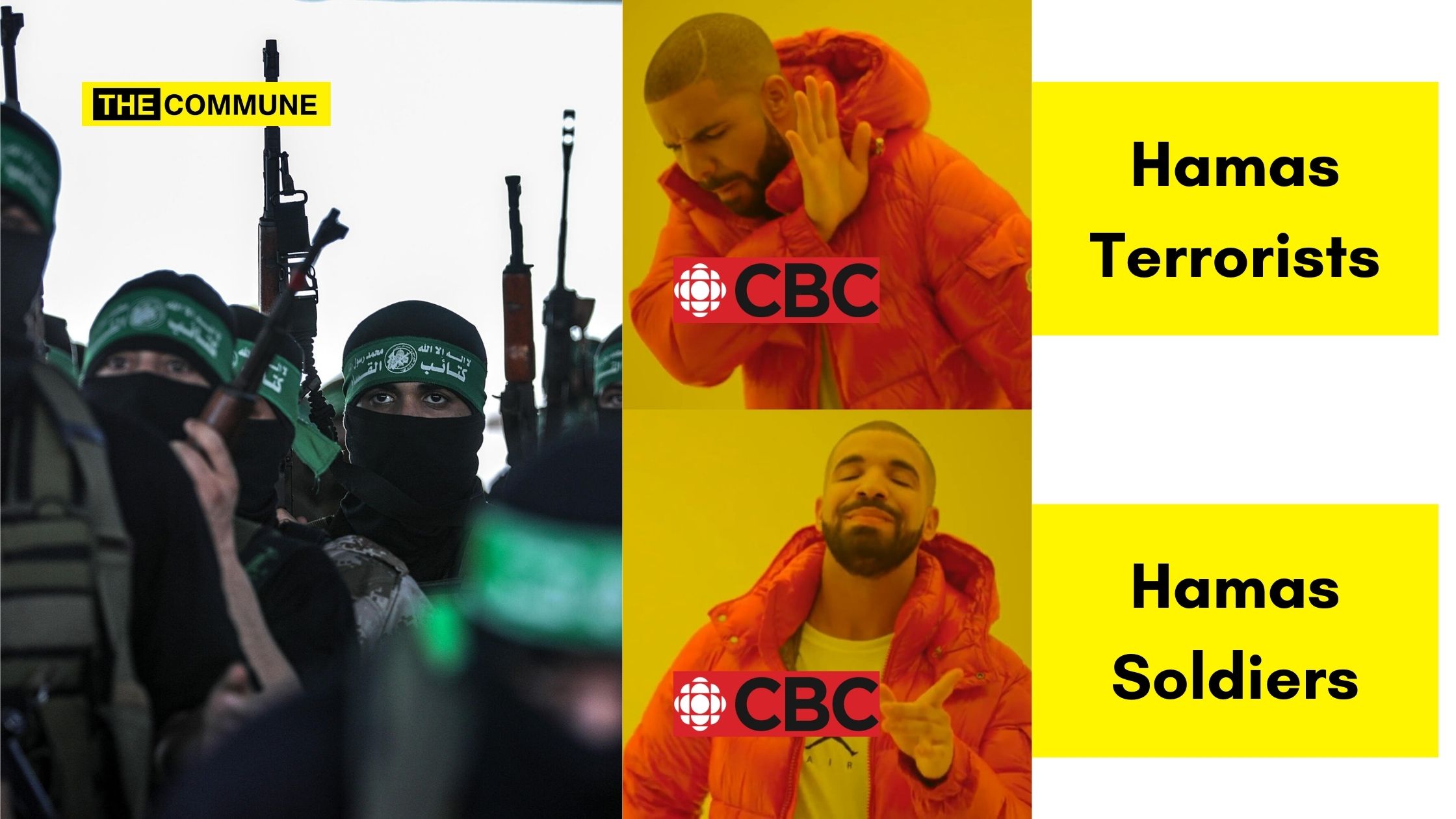
In a shocking development in Canada, a leaked memo from the Canadian Broadcasting Corporation (CBC) has instructed its journalists to avoid using the word “terrorist” when referring to Hamas group, reports the National Post.
The CBC, funded by the Canadian government like the BBC in the United Kingdom, is currently covering the ongoing war after Hamas Islamic terrorists carried out one of the deadliest terror attacks post-9/11 and the Mumbai 26/11.
The memo, originating from the office of George Achi, Director of Journalistic Standards at the public broadcaster, instructs CBC journalists to be cautious not to refer to 2005 as “the end of the occupation” of Gaza, “as Israel has maintained control over airspace, seafront, and virtually all movement into or out of the area.”
In the alleged memo Achi forwarded to the CBC journalists, he stated in bold type, “Do not refer to militants, soldiers, or anyone else as ‘terrorists.”
According to the Director of Journalistic Standards at CBC, “The notion of terrorism remains heavily politicized and is part of the story. Even when quoting/clipping a government or a source referring to fighters as ‘terrorists,’ we should add context to ensure the audience understands this is an opinion, not fact. That includes statements from the Canadian government and Canadian politicians.”
However, after this ‘memo’ that reeked of virtue signaling was leaked, Conservative Senator Leo Housakos took to X (formerly Twitter), calling Hamas “a bloodthirsty terrorist group,” and adding: “The CBC doesn’t have the journalistic integrity to call it as it is.”
Hamas is a blood thirsty terrorist group. The CBC doesn’t have the journalistic integrity to call it as it is. This isn’t an opinion or a political argument it is the facts. That’s why common sense people in Canada have given up on CBC years ago. https://t.co/OMDuuph4lR
The irony is that Hamas, responsible for terror attacks on Israel, is listed as a terrorist entity by the Canadian government, which describes it as “a radical Islamist-nationalist terrorist organization”. Also, over the weekend, Prime Minister Justin Trudeau called Hamas a terrorist organization and said, “Hamas terrorists aren’t a resistance, they’re not freedom fighters. They are terrorists, and no one in Canada should be supporting them, much less celebrating them.”
The CBC is not the only news organization to avoid using the term “terrorist” in its coverage. In a recent interview with Jewish Insider, a former Washington Post editor said, “The basic policy that we had at the Post, which I embrace, is we should talk about acts of terrorism rather than characterizing individuals, and so when it’s a terrorist act, we call it a terrorist act.” He mentioned using the word ‘militants,’ but he acknowledged that the recent acts qualified as terrorism.
Meanwhile, Canada witnessed pro-Palestinian rallies in which supporters of Hamas were seen reveling in the fact that Israel has suffered many casualties. However, Israel’s retaliatory attack on the Gaza Strip has wiped the joy off their faces, as Israel has vowed to systematically dismantle Hamas.
Subscribe to our channels on Telegram and WhatsApp and get the best stories of the day delivered to you personally.
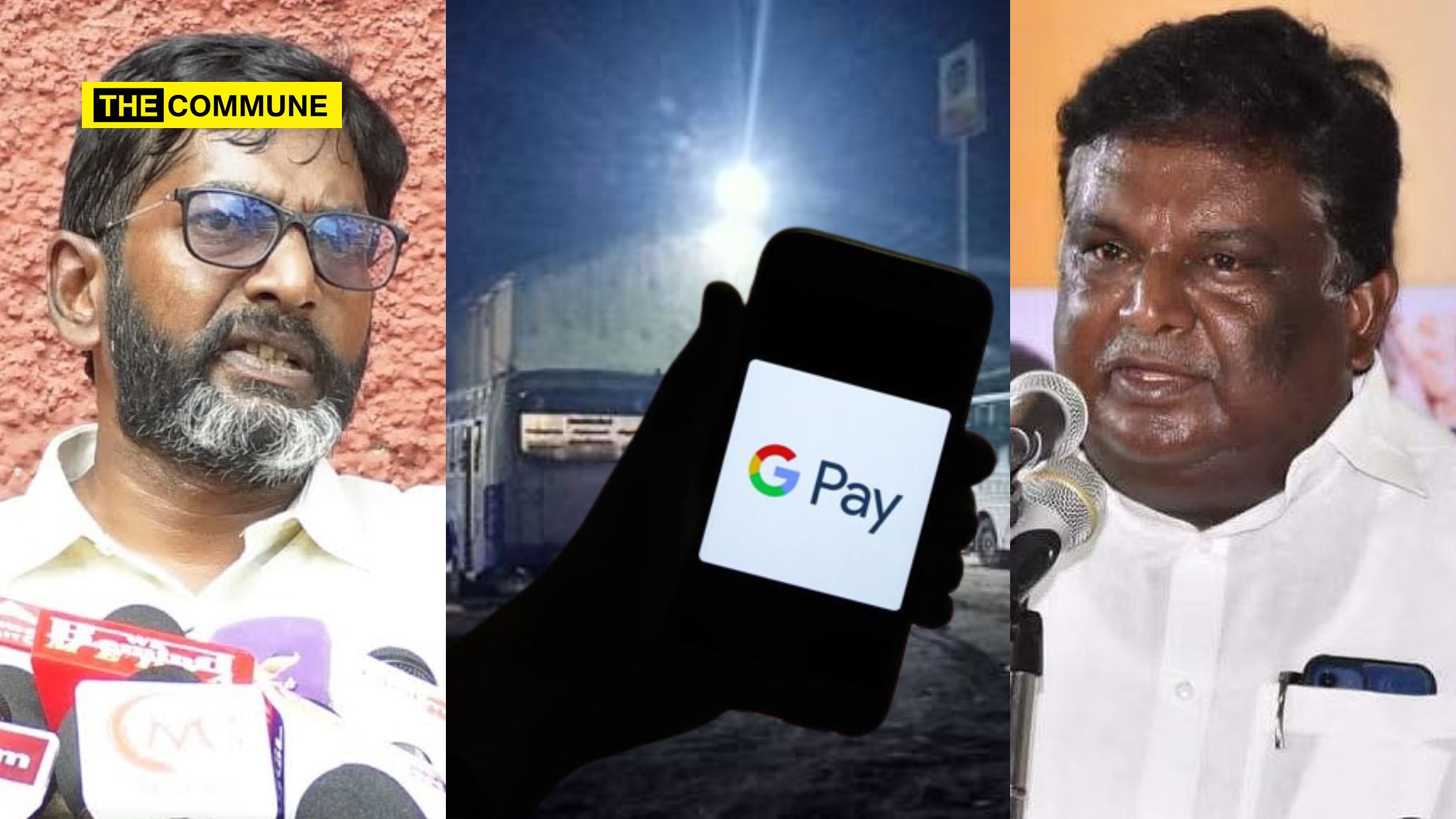
In an interesting development, political commentator Savukku Shankar filed a formal complaint with the Directorate of Vigilance and Anti-Corruption, calling for a thorough investigation into alleged corruption within the state’s Transport Department. The complaint centres around DMK Transport Minister SS Sivasankar and his aide’s alleged involvement in the operation of highway restaurants that cater to Tamil Nadu’s Transport Corporation buses.
Speaking to the press after filing the complaint, Shankar revealed that the Tamil Nadu Government’s Transport Department conducts a biennial (every 2 years) auction, allowing restaurants along the state’s highways to provide food and snacks to Transport Corporation bus driver, conductor and passengers. To participate in these auctions, highway restaurant owners are required to submit tender applications to the Tamil Nadu Government’s State Express Transport Corporation (SETC).
Addressed the media after filing complaint in DVAC against Transport Minister SS Sivasankar. pic.twitter.com/MAQnCDG84D
He explained that the tender process involves restaurant owners paying a fee to the Transport Corporation for buses to stop at their establishments. The government typically awards the tender to the highest bidder, and the selected restaurant owners pay this predetermined fee each year. During the previous administration led by AIADMK, these fees were set at ₹102 for Express Transport Corporation buses and ₹62 for regular Transport Corporation buses.
It has come to light that, after Minister Rajakannappan assumed office, the Transport Corporation reduced these fees from ₹102 to ₹75 for Express Transport Corporation buses and from ₹62 to ₹50 for regular buses. Allegedly, the remaining amount of ₹12 per bus for the former and ₹55 for the latter was diverted as bribes to Rajakannappan.
Similar practices continued under the current administration. For instance, Express Transport Corporation bus fees were reduced from ₹102 to ₹75, with the difference allegedly being funnelled as a bribe. When SS Sivashankar took over as Transport Minister, new tenders were floated for the highway restaurants. Shankar alleges that one Thangavel reportedly acted as a broker for Louis Kathiravan, Minister Sivasankar’s PA who is allegedly the proxy/benami for the minister.
Thangavel allegedly informed restaurant owners that he could arrange meetings with the minister to secure their tenders. He reportedly advised them to register for tenders at specific prices he indicated. Additionally, Thangavel is alleged to have accepted bribes electronically through Google Pay, with various restaurant owners reportedly paying amounts ranging from ₹20,000 to ₹50,000 and potentially more. He alleges that this person has received bribes electronically quoting the minister’s name.
Savukku said that even though this was an e-tender, all 29 hotel owners submitted their application from the same IP address which he says is from a hotel named Noor Malah near a toll plaza. He also alleges that the tender price was inflated and registered just a day before the tender closing date by the benami. More information regarding this aspect of the case is expected to surface soon.
In his complaint, Shankar insists that corruption has tainted the tender process for government buses stopping at highway department restaurants, and he urges the authorities to take decisive action. He names Minister Sivashankar, his PA Louie Kathiravan, hotel owner Shankar, and his assistant Thangavel as individuals who should be investigated under the Anti-Corruption/anti-bribery laws.
Did all the channels cover this serious allegation against the transport minister ? They don’t find this news worthy ? Btw gpay ? Seriously 😂 pic.twitter.com/IFnpahYdCv
During the press conference, Shankar said he had filed complaints against DMK Liquor Minister Senthil Balaji, he also filed complaints on allowing illegal early morning shows for films like Varisu and Thunivu against Chief Minister Stalin and Sports Minister, Udhayanidhi Stalin. He accused the Anti-Corruption Department of working in favour of the ruling party and pointed out the fact that this was said by the Madras High Court’s prior scrutiny of the department’s actions in various cases. He also pledged to take legal action if the Anti-Corruption Department does not pursue a case against Minister Sivashankar and his associates.
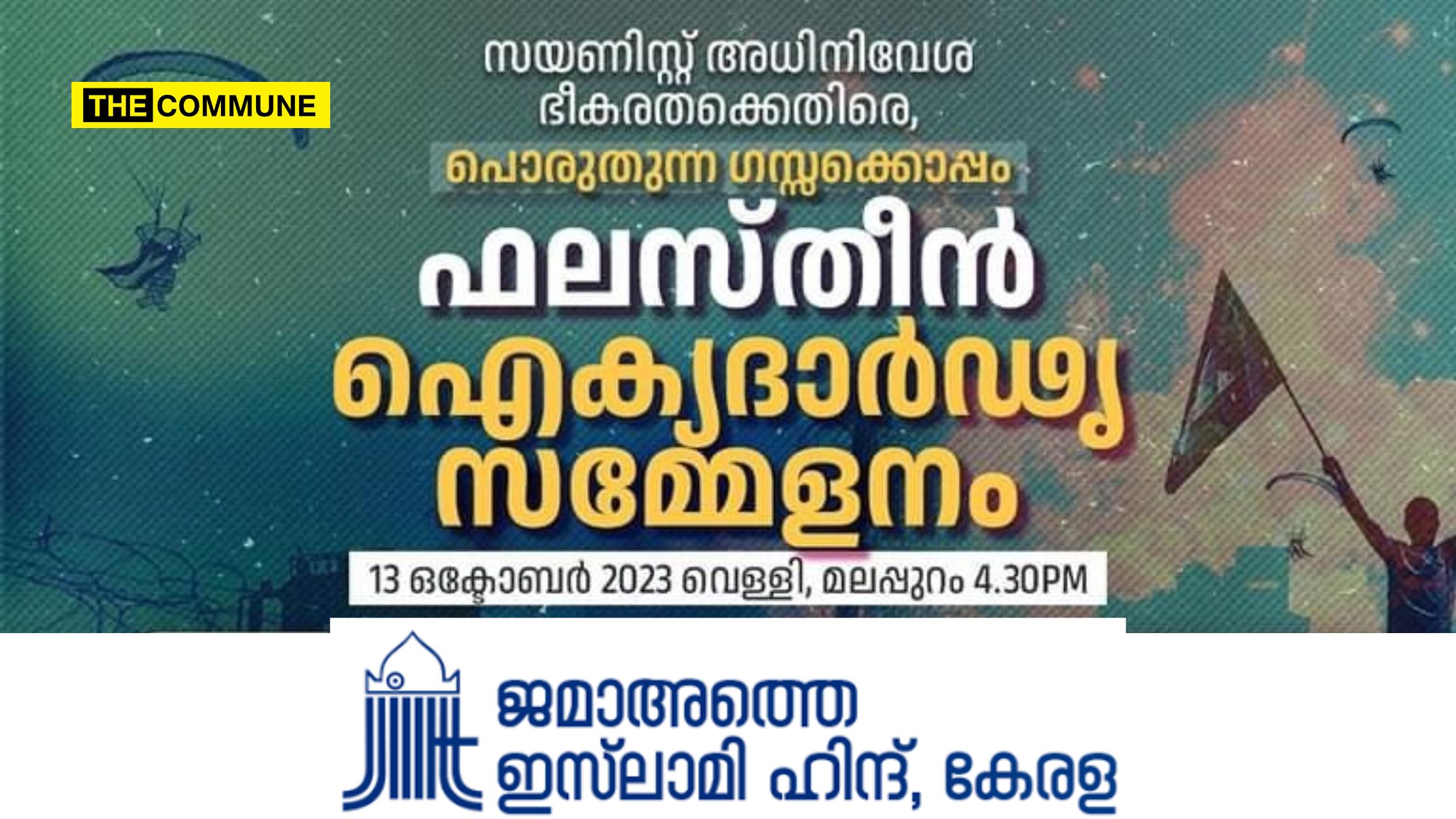
In a development that government agencies must keep an eye on, a meeting is going to be organized by Jamaat-e-Islamic Hind on 13 October 2023 in the Muslim-majority Malappuram District in Kerala.
In this meeting, the powerful Islamic organization has invited the Palestinian Ambassador to India Adnan Abu Alhaija, and Islamic University of Gaza Vice Chancellor Dr Kamlain Shaa’ath for the “Palestine Solidarity Convention”.
Shocking exposure from Kerala Again..!!!
A meeting is going to be organised by Jamaat-e-Islamic Hind on 13th Oct in Malappuram Dist, Kerala in support of Hamas terrorism & Palastine and it is said to be attended by the ambassador of Palastine to India.
The poster of the event says “Zionist Adhinivesha Bheekarathakkethire” meaning “Against Zionist Occupying Terrorism”.
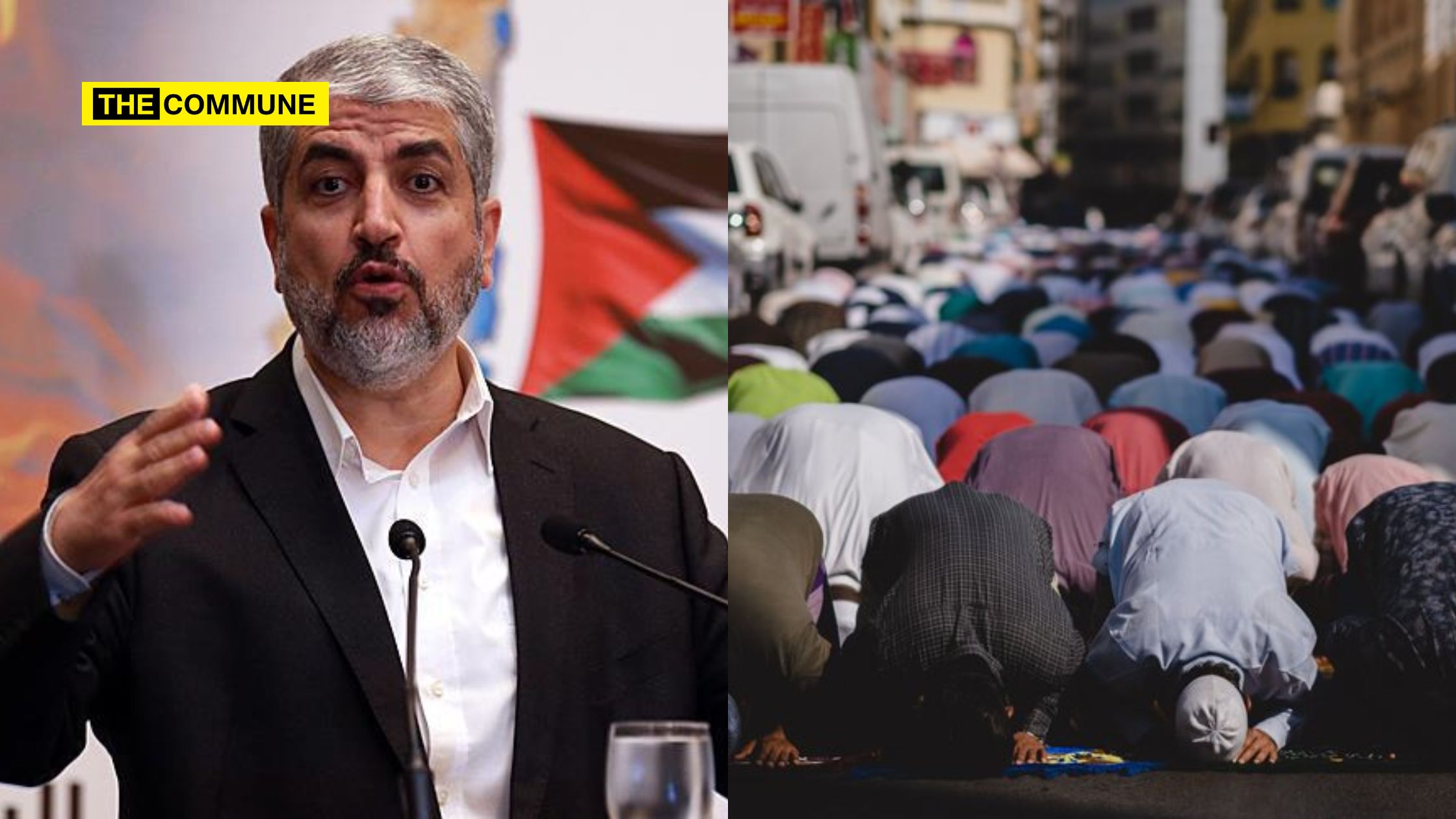
This comes right after Khalid Mashal, who is one of the founding members of the Islamic terror group Hamas, called on Muslims across the world to gather on Friday (13 October 2023) in what he called “the Friday of Al-Aqsa flood” where he said that the time has come for jihad to be applied on the ground rather than just in theory.
On 11 October Israel launched Operation Iron Swords in Gaza, in retaliation for a surprise attack by Hamas that has so far left over one thousand Israeli citizens killed and several seriously wounded. On Saturday 8 October morning, Hamas launched one of the biggest terrorist attacks on Israel in years in what has been called the Israeli 26/11.
However, many Islamic countries, particularly Iran did not give the support Hamas was looking for. It is believed that the Palestinian ambassador will address the convention virtually.
Jamaat-e-Islami state committee member Dr Nahas Mala was quoted saying in a report, “He had assured the participation in the event. Gaza University VC had committed to take part in the solidarity event online, but considering the present flare-up of the situation, he is unlikely to take part in the function,”.
Even though the Indian government under the leadership of Prime Minister Narendra Modi has given its full support to Israel, on Tuesday, the student wing of Jamaat-e-Islami, Students Islamic Organisation (SIO), organized a “Hamas square” in Malappuram shouting slogans for fighting for Palestine. Meanwhile, the Youth League, the youth wing of the Indian Union Muslim League, has decided it will organize an “anti-war ring” in Kozhikode on Saturday to extend support for Palestine.
It must be noted that political parties in India such as the Indian National Congress and the CPI (M) have not condemned Hamas categorically.
About Jamaat-e-Islami Hind
Jamaat-e-Islami Hind, often referred to as the Jamaat is an Islamic political and social organization in India. It is part of the larger Jamaat-e-Islami movement, which was founded by Syed Abul Ala Maududi in British India in 1941. The Jamaat-e-Islami movement has a presence in several countries, and each branch operates independently in its respective nation. In fact, Maududi is acclaimed by the Muslim Brotherhood, Islamic Circle of North America, Hamas, and other Islamic organizations.
Jamaat-e-Islami Hind was founded in 1941 by Maulana Abul A’la Maududi with the aim of promoting puritanical Islamic principles and values in India and working towards the establishment of an Islamic state based on those principles. The ideology of this organization follows a very conservative and traditional interpretation of Islam and advocates for the implementation of Islamic law (Sharia) in society. It seeks to promote Islamic teachings in various aspects of life, including politics, economics, education, and social welfare.
Subscribe to our channels on Telegram and WhatsApp and get the best stories of the day delivered to you personally.
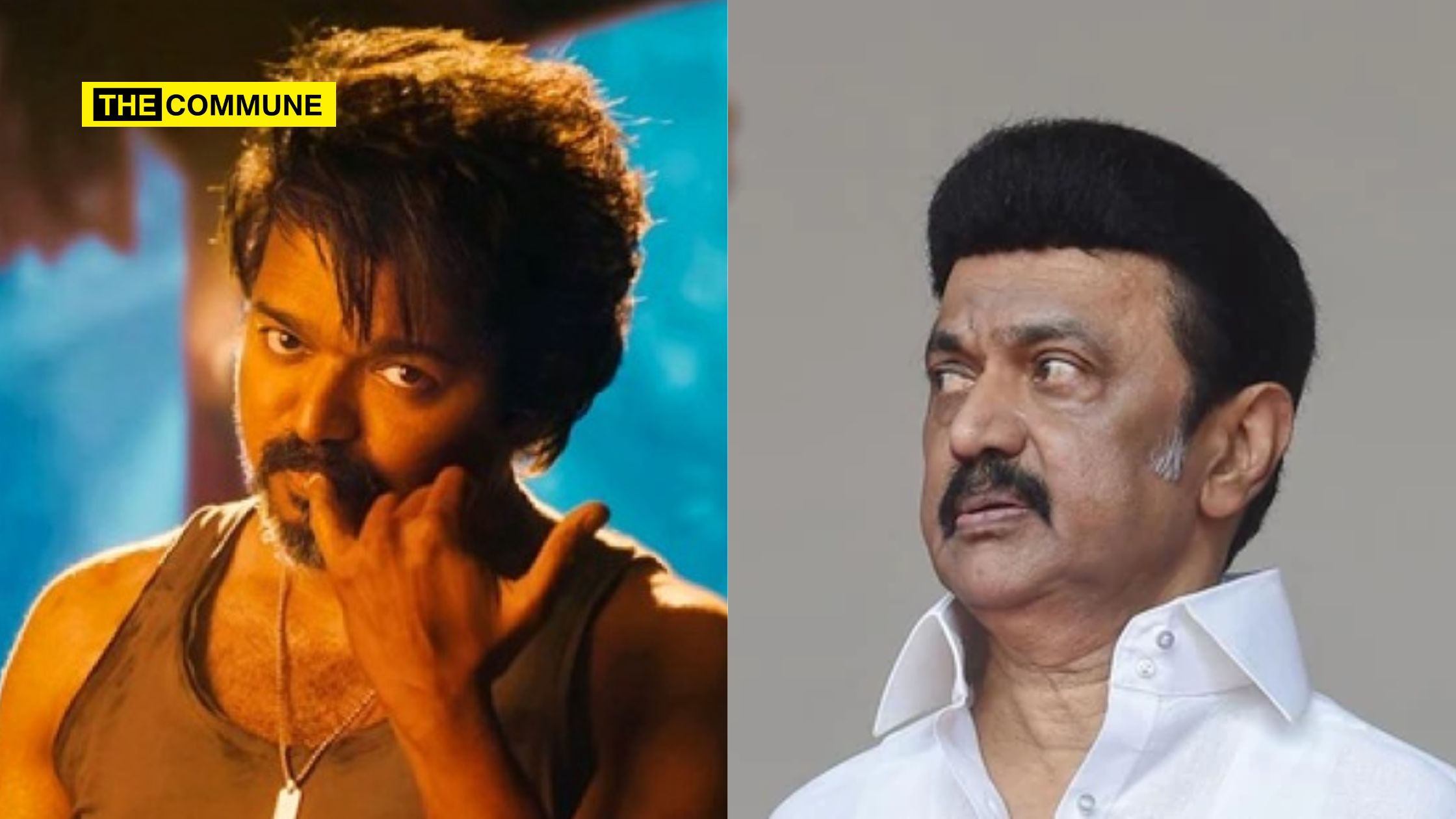
In a recent development that has sparked considerable discussion and speculation, the Tamil Nadu government has allowed one additional show for the much-anticipated Vijay-starrer “Leo” during the film’s initial six days in theaters. This decision comes as a welcome surprise for Vijay’s fervent fanbase who were initially disheartened by the cancellation of the movie’s audio launch event. While many speculated that the cancellation was due to political pressure, the producers informed the fans that it was due to “overflowing passes’ requests & safety constraints”.
Considering overflowing passes requests & safety constraints, we have decided not to conduct the Leo Audio Launch.
In respect of the fans' wishes, we will keep you engaged with frequent updates.
P.S. As many would imagine, this is not due to political pressure or any other…
Traditionally, theaters in Tamil Nadu were permitted to screen up to four shows per day under existing regulations. However, the government’s latest order, bearing the name of Principal Secretary to Govt, P. Amudha, has now made an exception. According to the order, cinemas will be authorised to host five shows per day for “Leo” from 19 October 2023 to 24 October 2023.
What has piqued public interest and raised eyebrows is the way the government order addresses Vijay by the epithet ‘Thalapathy’ – a title that holds deep significance within his fan base. In the realm of Tamil cinema, the actor is affectionately referred to as ‘Thalapathy’ Vijay by his ardent admirers.
It is noteworthy that within the political context of Tamil Nadu, the term ‘Thalapathy’ has historically been associated with the ruling DMK party’s leader, Chief Minister Stalin. However, during a recent fan club meeting, a forum leader by the name of Pussi Anand, the leader of Vijay’s fan club vehemently insisted that the actor should be referred to as ‘Thalapathy.’ when a fan addressed him as “Vijay Anna”. This inclination towards a political persona has sparked curiosity and speculation about Vijay’s potential interest in politics.
Language Used In The Film
The trailer of the film showcased the bad language used in the dialogues. In a scene, Vijay can be angrily screaming at a woman (probably his wife played by Trisha) saying “Evano oru the**diya paiyan irukan di.. aal aaluku enna potu uyir edutha, naan enna di pannuven?” which translates to “Some random ba*tard who looks like me.. but every guy is torturing me.. What can I do?“.
#vijay in audio launch: Nanba, Nanbi, Kutti Kadhai, Spread love& positivity… #vijay meeting highschool toppers: Vote carefully, follow great ppl#vijay in #LeoTrailer : Thev*********n
While the actor frequently imparts moral lessons through his anecdotes whenever he takes the stage in real life, his on-screen persona paints a different picture.
Government’s Change Of Heart?
The government’s decision to include the title ‘Thalapathy’ in the official order has fuelled speculation that the DMK government might be extending a symbolic welcome to Vijay as a political figure. Notably, Vijay’s fan club had fielded independent candidates in both assembly and local body elections, garnering substantial support from voters. This has led political analysts to suggest that the DMK party may seek Vijay’s backing in the upcoming Lok Sabha elections, with talks of forming an alliance and allotting a certain number of seats to his supporters in the 2026 assembly elections.
In light of these developments, many view the government’s gesture of addressing the actor by his iconic title as a significant move, potentially indicative of deeper political ties in the future. Vijay’s role in the political landscape of Tamil Nadu remains an intriguing subject for political observers and fans alike.
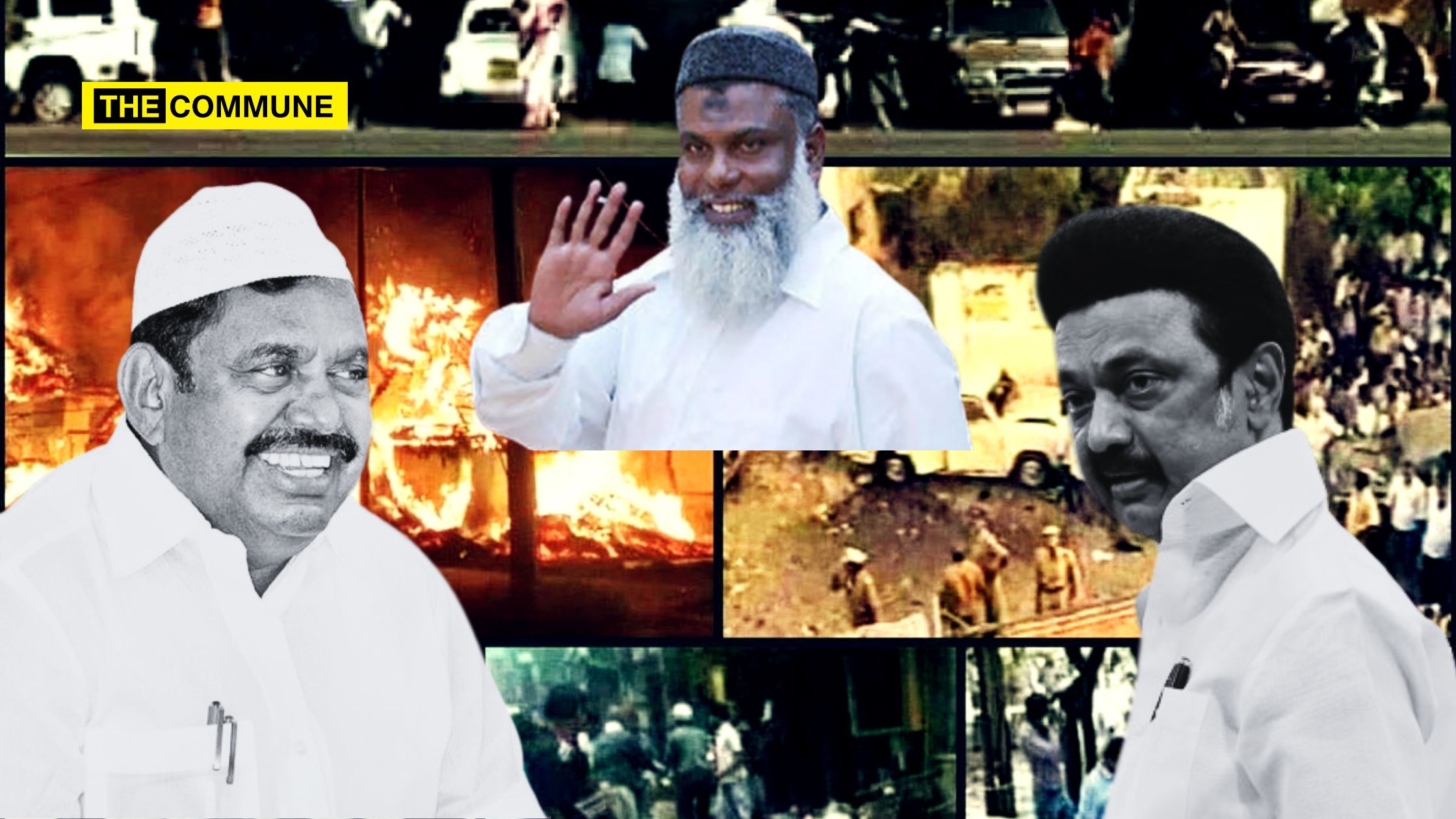
At a time when the Supreme Court has rejected the bail plea petition for the convicts of the 1998 Coimbatore serial blasts, political parties in Tamil Nadu, particularly the AIADMK and the ruling DMK, are considering the release of these convicts due to their “substantial time” served in prison.
This devastating series of 12 bomb attacks unfolded across 11 different locations within a 12-kilometer radius. The chief orchestrator behind these tragic events was identified as S. A. Basha, the founder of Al Ummah, an Islamic fundamentalist group. Investigations revealed that these bombings were part of a larger conspiracy with the sinister aim of targeting L.K. Advani, the leader of the Bharatiya Janata Party, during his election meeting scheduled for 4 p.m. on that ill-fated day. Fortunately, Advani’s flight was delayed, and he narrowly escaped the horrors of that day.
14 February, a date associated with celebrating love on Valentine’s Day, became a sombre day in Coimbatore’s history. It was a black day for the city, stemming from events that began on 27 November 1997, when a policeman named Selvaraj was killed by unidentified individuals. This tragedy culminated in the Coimbatore blasts on 14 February 1998, with 18 explosions occurring in just four days. The aftermath was heart-wrenching, resulting in the loss of 58 lives and leaving 252 individuals with serious injuries for life. The economic toll was significant, with losses amounting to several crores.
L.K. Advani was initially scheduled to address the gathering in support of CP Radhakrishnan for the upcoming polls at RS Puram, marking a day etched in Coimbatore’s history with sorrow.
The series of devastating blasts that shattered the tranquility of Coimbatore on that fateful day cast a long and dark shadow. This tragic event inflicted a profound trauma that the entire city has been grappling with ever since. It’s worth noting that these horrific blasts occurred during the tenure of the DMK government.
While the memories of the blasts may have faded in the minds of some politicians, the wounds are far from healed for the survivors and their families. Here, we present a collection of stories that shed light on the enduring pain and resilience of those who lived through that fateful day.
Cry Of A Mother Who Lost Her Young Son
25 years later, the ageing mother remembers the painful day with tears. She says, “Today is the death anniversary of my son who I toiled so hard to bring up. He would have been 35 today, I am extremely upset. All my sons have passed. He promised me as a child that he would study well and take good care of me.” The mother wails in front of his photo and cannot control her grief at the loss of her son.
One victim shares, “I have no record of who admitted me to the hospital, and I remain in the dark about the details. I’ve tried in vain to discover who transported me from one hospital to another.”
Another survivor recounts, “I was injured on that fateful Saturday, 14 February, and regained consciousness only on Monday. The intensity of the blast and the mastermind behind it were so formidable that it felt like no one should have survived. The blasts even occurred right at the hospital entrance.”
Another victim displays the scars on his legs, his father voices his anguish at the failure of the justice system. He passionately argues that the perpetrators, the terrorists responsible for such heinous crimes, should have faced severe punishment, even capital punishment. He draws a poignant parallel, mentioning that Saddam Hussein was executed for his deeds. There are others like him in India, he insists, who must be held accountable through the harshest penalties. He says, “The perpetrators, the terrorists should have been punished severely and given capital punishment for the heinous crimes they committed. They even killed Saddam Hussein. There are many like him in India and they must be punished with hanging.”
The father of the victim shares his pain. He asks, “What is the point of the existence of the government? We have seen what the victims have gone through but I have never seen anything so cruel in my entire life. We used to live like one family and they must be punished for what they have done. We Hindus are the majority, have we ever done anything like this? No one bothers about the victims, they carry on with their work. They are basically scared that something else will happen to them.”
Another victim who, on that ill-fated day, had set out to distribute invitations for his daughter’s wedding but returned home as a burnt figure. His ageing mother and sister were dependent on him in many ways.
The Story Of Rangaraj Who Faced Multiple Blasts & Injuries
Rangaraj, a survivor of the Coimbatore blasts that occurred on 14 February 1998, still bears the physical and financial scars of that fateful day. His leg continues to ache, but the burden of medical expenses makes getting a scan an unaffordable luxury.
He shares the harrowing experience of the day, where he found himself caught in two bomb blasts, with the second causing severe injuries. After being carried to General Hospital (GH) by a compassionate policeman, another bomb blast occurred at the hospital following which he was shifted to Kuppusamy Naidu Hospital and KG Hospital. Subsequent treatment, including an operation conducted after a month, was excruciatingly painful.
Over 25 years and six surgeries, he continues to grapple with the aftermath. Severe damage to his hands and legs, compounded by grafting flesh from his thighs, leaves him in constant pain. Even mild itching can lead to infection, and his family remains unaware of his suffering to spare them further heartache.
His body is filled with shrapnel, necessitating scans and specialised treatment. However, financial constraints serve as a formidable obstacle. In the early stages, he was given medicines to address the embedded shrapnel, with the expectation that these fragments would gradually work their way out.
Rangaraj mentions one very important point. He said, “The blasts occurred in a Muslim-dominated area, but eerily, no one was present when the explosions transpired. It was as if they had prior knowledge. We behaved and worked with them as if we were family.”
Rangaraj also said, “Bomb blasts should never occur anywhere in the world. When they do, numerous individuals like me become victims of the ensuing devastation. I’ve endured this unrelenting pain for the past two decades, and I fervently pray that such a tragic incident should never happen again. It is my heartfelt plea that we remember and consider the enduring suffering of the victims.”
Speaking to one of the survivors, a reporter inquires about the number of injured, to which the survivor responds, “14.” She vividly recalls her proximity to the bomb blast, an experience that left her with disfigured feet. Tragically, at least six of her colleagues who were working with her at the shop lost their lives in the explosion. The repercussions of her injuries have persisted over the years. Despite the passage of time, the victims says the pain in her feet remains a constant reminder of that fateful day. Her ordeal led to a two-month hospitalisation as medical professionals worked tirelessly to address her injuries.
The enduring physical and emotional scars serve as a poignant testament to the lasting impact of the Coimbatore blasts on their lives.
Survivors & Families Of Victims Do Not Want Release Of Terrorists
These survivors and families of victims vehemently oppose the release of the terrorists responsible for the Coimbatore blasts. Their conviction stems from the profound suffering they’ve endured, and they fervently wish to prevent others from experiencing the same fate. One survivor shares the daily struggle of grappling with the memory of her son, particularly as the anniversary of his passing approaches. She says, “These people should never be released. Only I know how much I have suffered as a result of the blasts. No one else must suffer my fate. I pass my days/life by thinking of my son daily. As the date approaches, I feel miserable. But I do not show it outside and carry on with my work. Every year we perform the rites on his death anniversary. If I continue thinking of him, I will fall ill and there is no one to take care of me now, so I have left everything to God and carried on with my life over the past 20 years. I brought up my brother’s son and took care of him. I am alone now. When asked about how things had changed after the blasts, she replied saying, at least 10 people died in this area. My uncle’s son, my uncle’s grandson, an aunt, a sister – all my relatives, died in the blasts and a few others died.”
Reporter Mani provides a harrowing account of his experience covering the terrorist attack in Coimbatore, an event that left an indelible mark on his memory. He emphasises that in his entire life, both before and after that day, he has never witnessed such a catastrophic event. The shadow of death loomed ominously, casting a pall over the entire area. Tensions ran high, and people congregated in groups, chanting slogans directed against Muslims and the DMK government, with particular focus on M. Karunanidhi. Being a journalist to collect information on the blasts, he visited the hospital, where he learned that the bomb had exploded just outside. Notably, L.K. Advani himself arrived to inspect the aftermath, marking the gravity of the situation.
Mani said, “Advani had come to support CP Radhakrishnan’s election campaign at RS Puram. The blast occurred approximately 800 meters away from the campaign site, with the first bomb detonating at the railway station. Over that harrowing day, 12 bomb blasts unfolded, commencing at 3:50 PM and concluding around 10:30 PM. Of these, 10 bombs or so were detonated. The toll was devastating, with 58 lives lost and over 200 individuals injured. The perpetrators had even placed bombs in hospitals, tragically resulting in the deaths of a doctor, two nurses, and a patient at Kovai General Hospital.”
Reporter Mani said he visited the site the following morning, bearing witness to the grim aftermath, with bloodstains as a stark testament to the tragedy. The bombs were concealed in various vehicles and objects, from cars, motorcycles, and cycles to rexin bags, leather bags, school grounds, hotels, pubs, and bus stands – a chilling diversity of hiding places that defied imagination. He said, “The Coimbatore serial bomb blasts, which occurred in 1998, were preceded by the 1993 Mumbai bombings, making them a significant national tragedy. Notably, it was widely believed at the time and later confirmed that L.K. Advani was the primary target of the attack.
In the wake of these events, M. Karunanidhi, who was the Chief Minister in 1998, initiated an inquiry commission led by retired Chief Justice PR Gokulakrishnan of the Gujarat High Court, a Tamilian, to investigate the circumstances surrounding the attacks and assess the security provided to Advani. The commission delivered an interim report in 1998 and a final report in 2000. In the final report, it was revealed that three terrorists (names specified in the report) had infiltrated Advani’s proximity with the intent of carrying out suicide bombings. One of the primary targets of the serial blasts was indeed Advani. This crucial information is documented in the Justice PR Gokulakrishnan Committee report, highlighting the terrorists’ plan to assassinate Advani while he delivered a speech at RS Puram. They aimed to approach him from different directions, but due to stringent security measures akin to those for a Prime Minister, they were unable to execute their plan, ultimately thwarting a potentially catastrophic suicide bomb attack.”
On 11 October 2023, the hastag #CoimbatoreWillNotForgive was trending on social media platform X where some important testimonies were shared relating to the terror attack. In an interview with Behindwoods, a security officer in charge recounts an incident where an individual donning BJP-related attire had bombs on his body on the stage.
“An unexploded car bomb forced us to flee our own home. All the people in the ~10 streets surrounding the car bomb were evacuated. My father left the new house he had worked so hard to build, crying. We experience the pain of the Sri Lankan Tamils and Kashmir Pandits who were forced to flee their homes. Forgetting all this and begging for votes now, Coimbatore will never forgive Edappadi, EDMK, ADMK”, wrote another.
வெடித்து குண்டுகளை விட வெடிக்காத கார் குண்டு ஒன்று எங்களை சொந்த வீட்டை விட்டு வெளியேற வைத்தது. அந்த கார் குண்டை சுற்றியிருந்த ~10 தெருக்களில் இருந்த அனைத்து மக்களையும் வெளியேற்றினர். என் அப்பா மிகக்கடினமாக உழைத்து கட்டிய புதுவீட்டை விட்டு அழுதுகொண்டே – 1/n #கோவை_மன்னிக்காதுpic.twitter.com/mRtDetT3RN
Would the government’s decision to release the convicted criminals signify a denial of the tragic events that unfolded in the city that fateful day?
By advocating for the early release of Islamic terrorists serving life sentences in the Coimbatore blast case, despite the pleas of the victims falling on deaf ears, the DMK and AIADMK are rubbing salt on the wounds of the victims.
Let’s hope sanity prevail over silly vote-bank politics.
Subscribe to our channels on Telegram and WhatsApp and get the best stories of the day delivered to you personally.
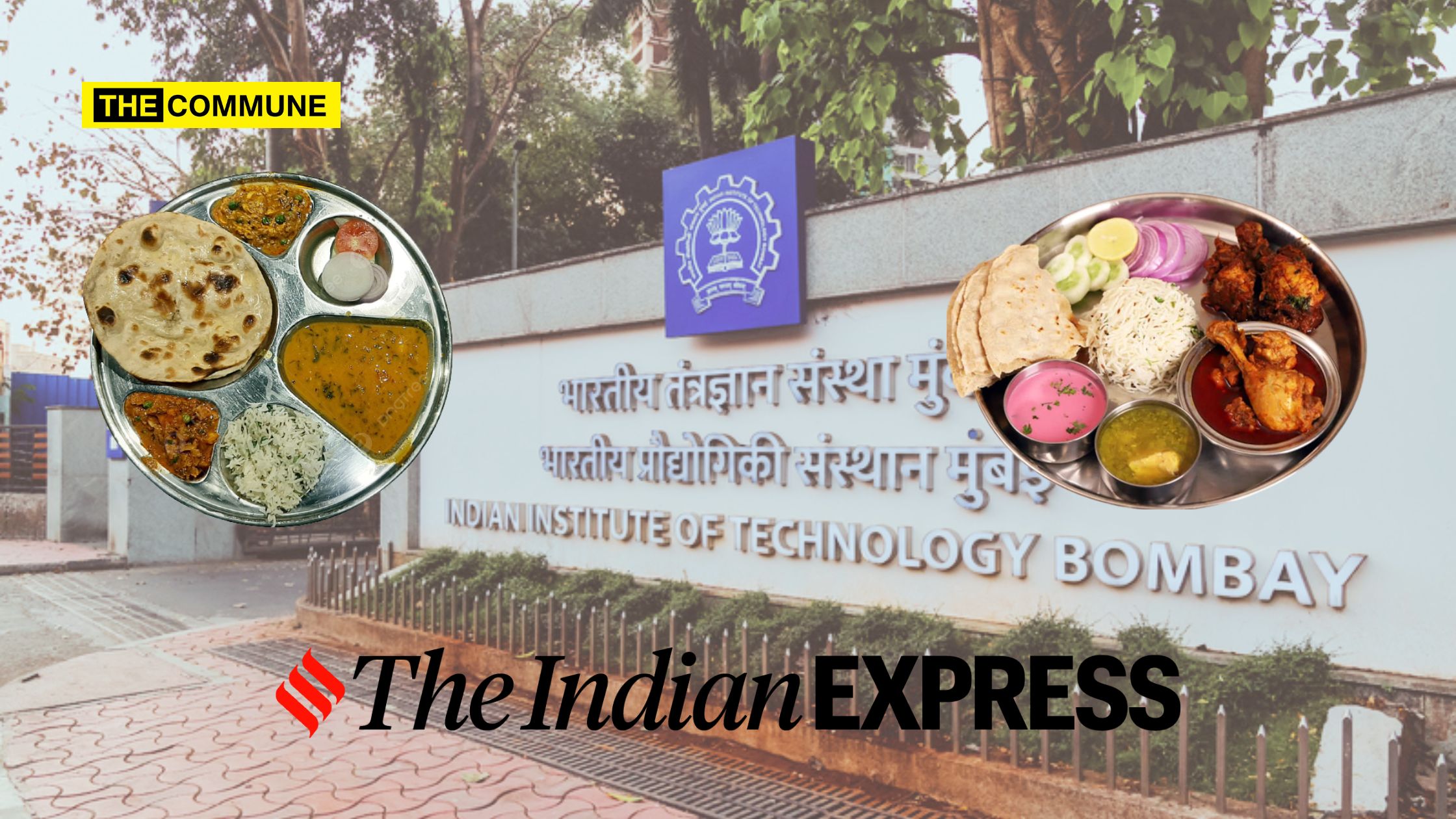
A dispute has arisen at the Indian Institute of Technology-Bombay (IIT-B), regarding dining arrangements after a humanities student named Abhishek Mali, allegedly attempted to make strict vegetarian students, mainly from the Jain community, witness and smell meat dishes during dinner. He was later fined ₹10,000 for his act by the institute.
According to the report by Swarajya, the conflict centers around Hostels 12, 13, and 14, which house primarily PhD scholars and share a common mess area. Students have been seeking a reserved space for vegetarian meals, requesting just six out of the 129 tables in the dining hall.
This issue originated in 2020 during ideological confrontations related to the Citizenship Amendment Bill (CAB). These tensions escalated when a professor dined in the vegetarian section while consuming a meat dish, leading to further confrontations.
The controversy intensified in July this year when a student email suggested that opposition to eating meat in the vegetarian section could lead to disciplinary actions. This led to a controversial poster stating “Vegetarians only are allowed to sit here,” sparking heated debates and accusations of food discrimination.
Amidst the escalating tensions, the administration removed the controversial poster and initiated discussions to designate an exclusive area for vegetarian meals. The institute also made arrangements for those observing Paryushan, a Jain festival.
Students complained of harassment, including purposefully leaving eggshells on vegetarian-only tables and smearing food ladles of the Jain food counter with meat.
On September 27, the Mess Council officially allocated six tables in the canteen for vegetarian meals, emphasizing that these tables were accessible to any student choosing to consume vegetarian food.
In response, Abhishek Mali and other students staged a protest by deliberately eating meat at one of the designated vegetarian tables. This led to the imposition of a fine on Mali and the identification of others involved for disciplinary action.
The deliberate provocation and needless politics over trivial matters has made several alumni and concerned individuals to call for the shutdown of the Humanities and Social Sciences departments.
Earlier, Swati Goel Sharma of the Swarajya had shared an email in which a student alleges that on 5 October 2023, a student after using a spoon to take omelet used the very same spoon to take food from the Jain/Vegetarian counter. When questioned, the student apparently gave a very rude response and asserted that he would continue with his behaviour.
Read this painful email by a student at IIT Bombay complaining to authorities that those hostile to their vegetarianism are deliberately using the same ladle used for meat dishes to take vegetarian/Jain meals
The dietary choices of students at IIT Bombay, as with other institutions in India, are generally a matter of personal preference. The campus usually offers a variety of dining options, including vegetarian and non-vegetarian food. Many students, staff, and faculty members at IIT Bombay follow a vegetarian diet due to personal, cultural, or religious reasons, but there is no official requirement for students to be vegetarians, as vegetarianism is a common dietary choice in India.
The Indian Express has spun the episode to weave a narrative that non-veg students are being intimidated.
As per a report published in The Indian Express, there students whose diet includes meat and eggs live in fear and tension.”
Quoting one fo the students, the Indian Express report said, “Even though there was always informal segregation of veg and non-veg food eaters in the mess out of mutual respect, with a formal rule and subsequent action against those who protested, there is now a certain amount of fear among students. During breakfast, a time when the mess is the most crowded, students eating eggs do not go and sit at the veg-only tables, even if those are not occupied.“
You can’t make this stuff up
After IIT-Bombay fined a Social Science PhD student Rs 10000 for deliberately taking his meat dish to Jains and other vegetarian students seated in their corner tables, @IndianExpress has come up with a ‘dar ka mahaul’ story. On how students eating… pic.twitter.com/y1wooieMrq
The point of the matter was that a fine was imposed after an online meeting of the mess council for hostels 12, 13, and 14 on 1 October 2023. During this meeting, the council asserted that the protest was a deliberate effort to disturb the tranquility and unity in the mess, despite the advice provided by the Associate Dean of Students’ Affairs.
Following the announcement of the decision to allocate six distinct tables for vegetarian meals in the final week of September, a small group of students expressed their dissent by consuming non-vegetarian dishes at these designated tables.
They consumed non-vegetarian food at one of the six tables designated for vegetarian-only dining, resulting in disturbances within the dining area.
In response, the mess council imposed a substantial fine of ₹10,000 on one of the protesting students. This decision prompted strong reactions from both within and outside the campus. Some professors expressed their disapproval on social media, while the Ambedkar Periyar Phule Study Circle cautioned that they would initiate protests unless the fine was rescinded.
The IITs were created to promote academic and research excellence in the fields of science, engineering, and technology, but in the last few years, this bastion of technical excellence, which has produced some of the greatest innovators and business leaders, allowed the study of social science in many of its campus. Social sciences are not typically the primary focus of study at Indian Institutes of Technology (IITs). IITs are renowned for their emphasis on engineering, technology, and the physical sciences. The programs and departments at IITs primarily revolve around disciplines such as computer science, electrical engineering, mechanical engineering, civil engineering, chemical engineering, mathematics, and physical sciences.
However, this novel idea of giving scholars a different perspective on studying subjects like economics, sociology, or management has backfired.
Recently, IIT Delhi professor Divya Dwivedi has gained significant attention due to her contentious remarks about Hinduism during the ongoing G20 Summit 2023 in the national capital. In an interview with French media, Divya Dwivedi suggested that the India of the future would not include Hinduism, causing a social media uproar when the video clip of her statements became widely circulated.
In an interview, the professor of philosophy at IIT Delhi said, “There are two Indias. The past India of racialized caste order oppressing the majority population, and then there is the India of the future that is an egalitarian India without caste oppression and Hinduism. That is the India which is not yet represented but is waiting, longing to show its visage to the world.“
Subscribe to our channels on Telegram and WhatsApp and get the best stories of the day delivered to you personally.
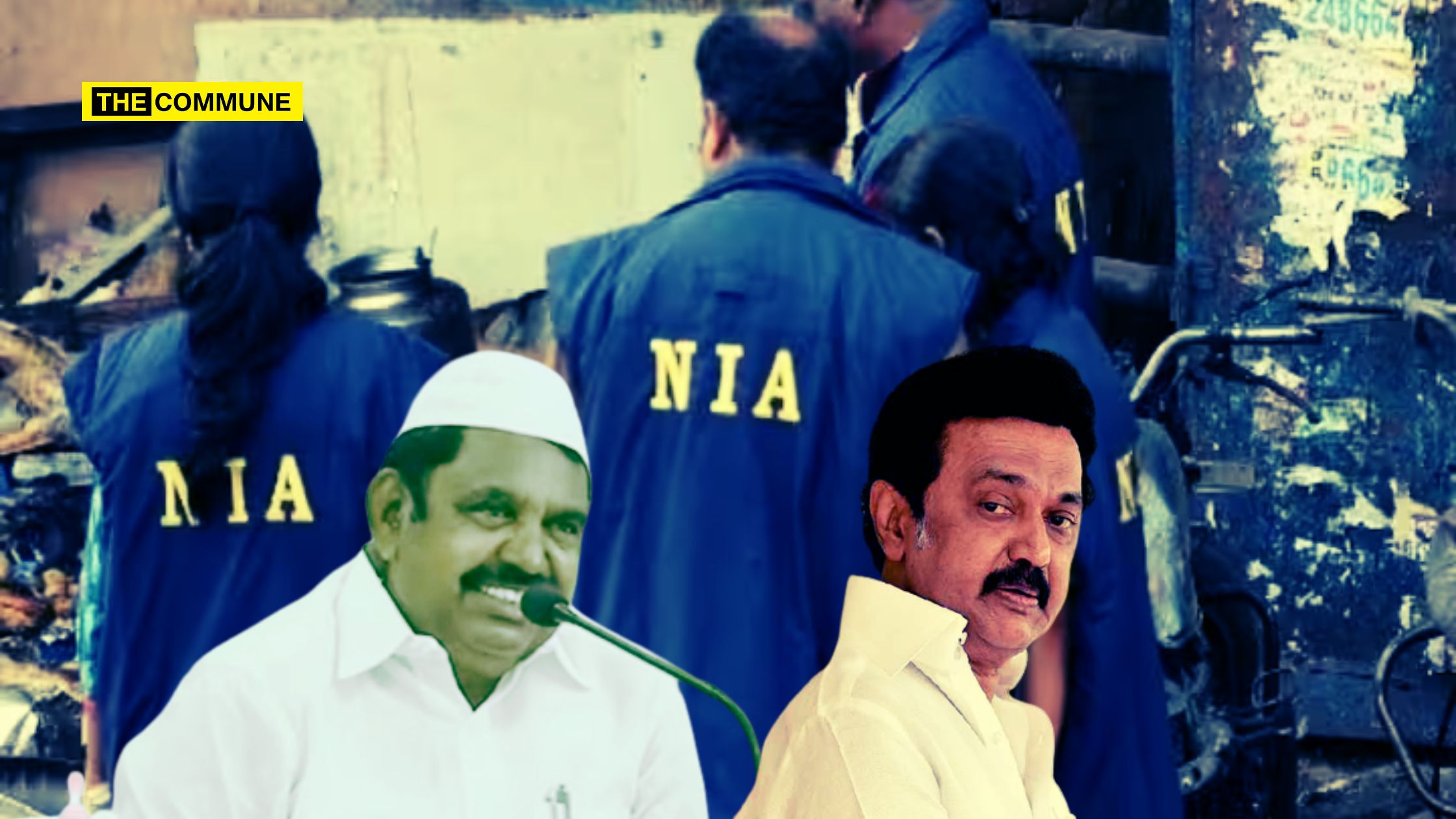
On Wednesday (11 October 2023), the NIA conducted extensive raids across six states in connection with the Phulwari Sharif case in Bihar, targeting individuals linked to the banned organization Popular Front of India (PFI).
The searches were done in Uttar Pradesh, Rajasthan, Maharashtra, Tamil Nadu, and the Delhi-NCR region based on intelligence about the suspects.
In Tamil Nadu, the NIA conducted searches at the residence of A. Thajuddin Haamidih alias Muhammad Tajuddin in Madurai as part of the investigation under the Unlawful Activities (Prevention) Act.
The NIA team arrived at Haamidih’s residence on Kazimar Street near Madurai Periyar Bus Stand at approximately 5 AM and carried out the search for around an hour. Subsequently, they brought him to the premises of the Police Club of the Madurai City Police for questioning. It has now emerged that Mohammad Tajuddin was interrogated in connection with this case. Local law enforcement reported that the NIA located Haamidih through phone contacts. However, Haamidih strongly maintained that he had never been to Bihar and had no connection to the case under investigation.
Following the inquiry, the NIA confiscated his cellphone and SIM card, which have been taken into their custody.
It’s worth noting that this raid is also reportedly part of the ongoing investigation into bomb attacks that occurred in major cities, including Lucknow and Hyderabad. Additionally, Mohammad Tajudeen is alleged to have ties with the radical Islamist outfit Popular Front of India. Both the Madurai Metropolitan Police and NIA are actively involved in this investigation. A few reports by media houses note that he is wanted in the “Fake Passport Case”.
Phulwari Sharif Case
The case under scrutiny involves individuals associated with the PFI who are suspected of engaging in unlawful and anti-national activities, including their assembly in the Phulwari Sharif area of Patna, Bihar. A few individuals had conspired to “disturb” the proposed visit of Prime Minister Modi to Bihar. The NIA has found that the criminal conspiracy was devised with the intention to carry out acts of terror and violence, leading to a climate of fear and posing a threat to the nation’s unity and integrity. To advance their conspiracy, the accused arranged rented accommodation in Ahmad Palace in Phulwari Sharif, using it for training in violent activities and conducting conspiratorial meetings.
The NIA explained, “The accused also collected funds, recruited members, organized trainings, and encouraged its members to establish Islamic Rule in India.”
On January 7, this year, the NIA filed a charge-sheet against the four arrested accused in a special court in Patna under various sections of the Indian Penal Code and the Unlawful Activities (Prevention) Act, 1967.
Subsequently, on August 3 of the same year, the NIA filed a supplementary charge-sheet against four additional accused. These individuals were involved in promoting the ideology of the banned outfit and planning criminal acts by arranging arms and ammunition.
Initially registered on July 12, 2022, at Phulwari Sharif Police Station, the NIA took over the case and re-registered an FIR on July 22, 2022 and several individuals were detained. During the course of their investigations, the NIA arrested Athar Parvej, Md Jalaluddin Khan, Nooruddin Zangi (alias advocate Nooruddin), and Arman Malick (alias Imteyaz Anwer) for their alleged involvement in this case.
To date, the NIA has arrested a total of 16 individuals in this case. In August of this year, the 16th accused, identified as Shahid Reza from the Chakia area of East Champaran district in Bihar, was arrested.
AIADMK Urging DMK To Release Muslim Prisoners Including 1998 Coimbatore Blast Convicts
On 10 October 2023, AIADMK, under the leadership of Edappadi K. Palaniswami (EPS), introduced a calling attention motion over the issue of releasing Muslim prisoners including those who have been convicted for the 1998 Coimbatore Bomb Blasts.
The motion called for releasing over 36 Muslim prisoners including the 16 convicts sentenced to life in the 1998 Coimbatore Blasts case on humanitarian grounds considering their long sentences served, old age and health.
On February 14, 1998, a series of powerful bomb explosions rocked Coimbatore, resulting in a tragic loss of life and extensive injuries. The attack targeted a public rally organised by the BJP during the campaign stage of the 1998 Lok Sabha elections. These blasts comprised 12 high-intensity explosions that killed 58 people and injured over 250 individuals.
Chief Minister M K Stalin criticized the AIADMK for its sudden concern for Muslim prisoners serving life sentences, highlighting their past support for the Citizenship Amendment Act. Stalin questioned the AIADMK’s sudden advocacy for Muslim prisoners, emphasizing that they did nothing during their 10-year rule to address this issue. However, CM Stalin expressed his government’s willingness to consider the Edappadi K. Palaniswami’s views on the early release of prisoners.
Subscribe to our channels on Telegram and WhatsApp and get the best stories of the day delivered to you personally.
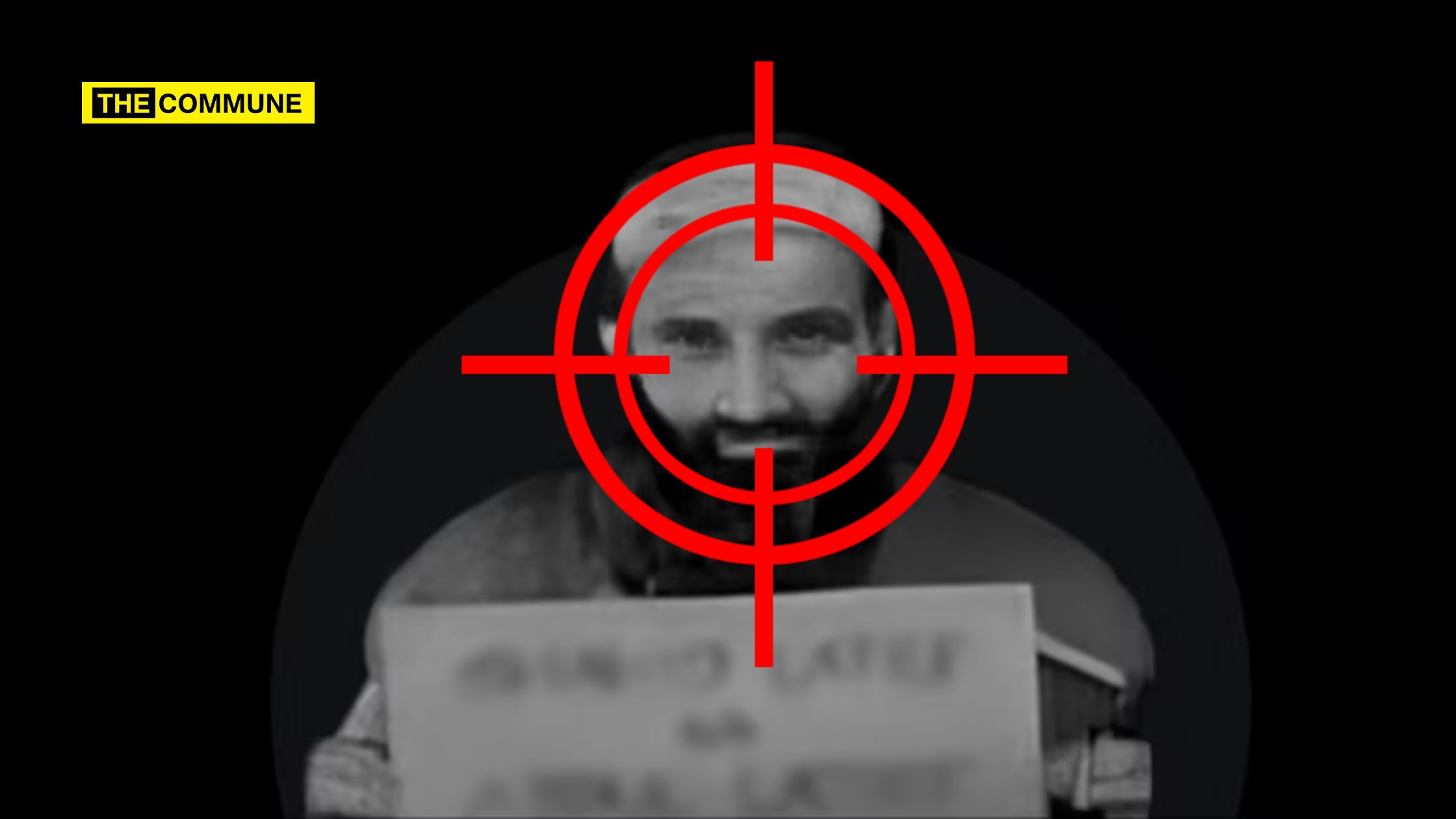
In the Pakistani city of Sialkot, unknown gunmen have shot and killed the mastermind of the 2016 Pathankot terrorist attack, Shahid Latif. The Pathankot terrorist attack occurred in January 2016 when a group of heavily armed militants infiltrated the Pathankot Air Force Station, an Indian military base located in the town of Pathankot in the northern state of Punjab. The attack was attributed to the Pakistan-based terrorist organization Jaish-e-Mohammed (JeM), which has been accused of having links to elements within the Pakistani establishment.
Latif was one of India’s most wanted terrorists and was sought by the National Investigation Agency (NIA) in a UAPA case. It is also important to note that in the mid-1990s, Shahid Latif was arrested by India, only to be later released and deported by the Congress government in 2010 in an effort to improve ties with Pakistan after the 26/11 Mumbai terror attack.
The NIA had filed a chargesheet in the Pathankot terror case and had identified four masterminds behind the attack, with Shahid Latif at the top of that list. “He had motivated and sent down the four JeM terrorists to Pathankot. While in Pakistan, Latif also coordinated with them before and during the terror attack,” the NIA said.
According to available information, Shahid Latif had been imprisoned in India for 11 years for terrorist crimes, and he was one of the 25 terrorists from various groups, including Lashkar-e-Taiba, Hizb-ul-Mujahideen, and JeM, who were released on May 28, 2010, as part of the then-UPA government’s diplomatic outreach to the hostile neighbor.
On December 24, 1999, Indian Airlines Flight IC-814 was hijacked en route from Kathmandu, Nepal, to New Delhi, India. The flight was an Airbus A300 with 178 passengers and 11 crew members on board. This incident led to the release of JeM founder Maulana Masood Azhar, along with two other prisoners, in exchange for 154 passengers.
BREAKING: ‘Unknown assailants’ kill India-wanted Jaish terrorist Shahid Latif in Sialkot, Pakistan. Was mastermind of the Pathankot terror attack. Newsbreak by @arvindojha. pic.twitter.com/uGb1yvLETT
Khalid Mashal, who is one of the founding members of the Islamic terror group Hamas, a Palestinian terror and political organization that carried out one of the most brutal terror attacks on the Jewish State of Isreal, has asked Muslim across the world to gather on Friday (13 October) in what he called it “the Friday of Al-Aqsa flood”. Mashal in his speech said that the time has come for jihad to be applied on the ground rather than just in theory.
This information was shared by Rachid Hammami popularly known as Brother Rachid @BrotherRasheed on X a Moroccan ex-Muslim who converted to Christianity and whose father is an Imam. From his X handle, Brother Rasheed shared the following.
1. To show anger, especially next Friday, in Muslim countries and Also among Muslim diaspora around the world; he called it “the Friday of Al-Aqsa flood”, he said this will send a message of rage to Zionists and to America.
2. He asked for financial help from all Muslims around the world; to help with their money, he called it “Financial Jihad”. He asked Muslims to give to the fighters of Gaza in order to compensate them for the destruction
3. He asked for political pressure, from Muslim leaders and Muslim nations, to stop Israel’s military invasion of Gaza.
4. The most important thing: He asked all Muslims around the world to carry Jihad by their souls; to fight and be martyrs for Al-Aqsa. He wants Muslims to fight against the Jews, starting with Muslims who live in the countries surrounding Israel: Jordan, Syria, Lebanon, and Egypt (but also other countries), to go to the borders and try to enter, each by his own means. He said: This is the time for Jihad to be applied on the ground rather than just in theory. He asked the Mujahedeen to go in long caravans to spell their blood on the land of Palestine.
These are his final words: Funds are important but today we are asking for your blood and souls [to be sacrificed for Palestine]
My own analysis based on Mashal’s speech:
1. I predict possible terrorist attacks next Friday (or even before), in European countries and the U.S. against Jewish targets, and also American targets
2. I predict protests, in Muslim countries and in western countries, led by…
Based on Khalid Mashal’s speech, Brother Rachid warned that there could be possible terror attacks and instances of violence across the world where Americans and Jews will be he main targets.
Khalid Mashal’s role within Hamas and in Palestinian politics has been a subject of international attention and controversy due to the organization’s militant activities, its opposition to the State of Israel, and its involvement in the Israeli-Palestinian conflict.
In Islam, Friday is an important day for several reasons for Muslims, and it holds special significance in Islamic tradition Jumu’ah (Friday) Prayer is the most important because Jumu’ah is the congregational prayer that Muslims hold every Friday, just after midday, instead of the regular Dhuhr (noon) prayer.
Seldom any Muslim will miss the Friday prayers as it is also the day to listen to the sermons given by their religious leaders and is considered obligatory for adult Muslim men, while it is highly recommended for women to attend if possible.
Subscribe to our channels on Telegram and WhatsApp and get the best stories of the day delivered to you personally.
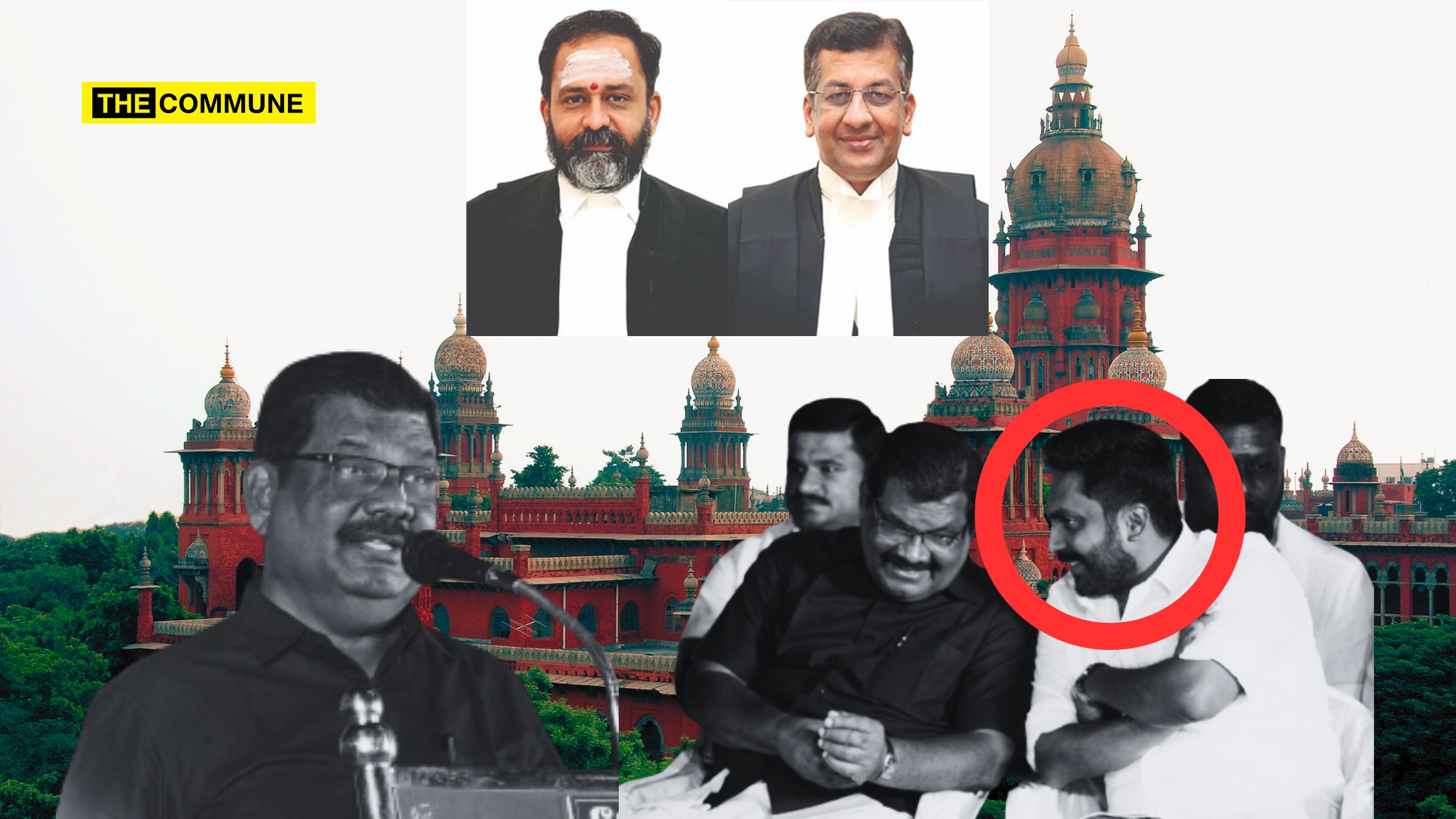
In a recent development, Kolathur Mani, the founder of Dravidar Viduthalai Kazhagam, has sparked controversy by making remarks concerning Hindu religious symbols while also launching verbal attacks on respected members of the judiciary.
இதெல்லாம் பேச்சு சுதந்திரம் இல்லையா ஜட்ஜ் அய்யா??
நீதிபதியை நாய்ங்க'னு சொல்றதுக்கு எல்லாம் Suo Motto கேஸ் போட முடியாதா ஜட்ஜய்யா??? pic.twitter.com/a9oIUg42H8
— Saravanaprasad Balasubramanian (Modi ka Pariwar) (@BS_Prasad) October 10, 2023
Mani’s comments came during the 145th birthday celebration of E.V. Ramasamy Naicker (hailed as Periyar by his followers) at Dindigul. During his speech, he said, “A judge named G.R.Swaminathan gave a statement on the Hijab issue that students should not wear religious symbols inside the school campus. But he himself wears a forehead full of vibhuti (sacred ash) with Kumkuma in the centre to the court. If hijab is a religious symbol then vibhuti is also a religious symbol. Then what are you doing wearing it inside the court? You shouldn’t go.”
Kolathur Mani uses the singular (avan) pronoun when talking about Justice GR Swaminathan.
He also attacked Justice Seshasayee saying “Another fellow in Chennai court, Seshasayee explains that Sanathana Dharma is about how citizens must behave with the king, but how the king must treat his citizens, how parents should behave with children and children with parents. Hey, fool (madaya) are you saying all this after reading the book? He did not read the law book properly, you should have at least read this book. We read it fully, to counter these dogs, we are reading all this (sanathana dharma related information).”
Kolathur Mani was earlier in the news for organizing an anti-Hindu rally in which members of several rabid Dravidianist outfits spewed venom against Hindus and Hindu Gods, abusing Goddess Amman, Lord Krishna, Lord Ayyappan and also insulted followers of the Hindu faith.
It is noteworthy that during the same gathering, Rajiv Gandhi, the president of the DMK Student Wing, was also present and delivered a speech.
It’s important to clarify that Justice G.R. Swaminathan was not involved in the Hijab case proceedings, and the case itself was filed in Karnataka, rather than Tamil Nadu.
However, when the Karnataka High Court upheld its ban on hijab in educational institutions, the radical Islamist organisation Tamil Nadu Thowheed Jamath (TNTJ) issued death threats to Supreme Court judges in light of the verdict on hijab given by the Karnataka High Court. Covai R. Rahmatullah, a leader of TNTJ, made inflammatory remarks during an event in March 2022, suggesting that if any harm befalls the judges as a result of the Hijab case verdict, they should be held responsible.
Kolathur Mani’s comments included derogatory language directed at the judges, characterising them as fools and dogs.
Just a couple of months ago, well-known publisher Badri Seshadri, who heads ‘Kizhakku Pathippagam,’ was arrested by Tamil Nadu police in the early hours of 29 July 2023. He faced charges under various sections, including 153, 153A, and 505, in relation to comments he made during an interview on a YouTube channel about the Manipur issue referring to the CJI. The arrest came following a complaint by advocate Kaviyarasu.
The question of whether legal action will be taken against Kolathur Mani, who has close affiliations with the ruling Dravida Munnetra Kazhagam, is to be watched out for.
Subscribe to our channels on Telegram and WhatsApp and get the best stories of the day delivered to you personally.