Home Blog Page 112

DMK Scion Udhayanidhi Stalin Congratulates Party Functionary On Wedding, Overlooks Achievements Of Bride Beno Zephine – India’s First Visually Impaired IFS Officer
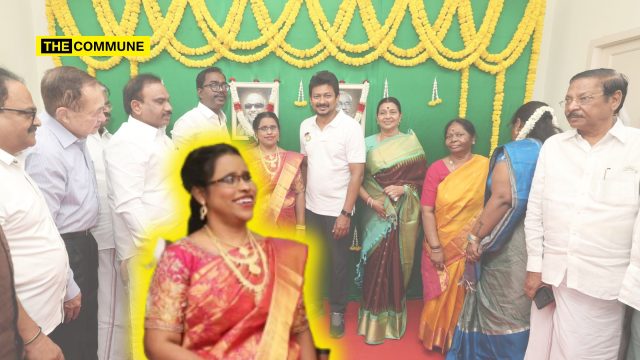
beno zephine udhayanidhi stalin dmk ifs visually challenged

A social media post by DMK scion and Deputy chief minister of the state, Udhayanidhi Stalin, congratulating a party member on their wedding has drawn significant criticism for its glaring omission of the bride’s landmark identity and accomplishments.

The post, made on 14 September 2025, celebrated the wedding of Sadhaa Azhagiri, the Deputy Secretary of the party’s IT Wing and the son of A.D. Sadhasivam, former head office secretary of the DMK. Udhayanidhi extended his warm wishes to the couple, referring to Azhagiri as “Brother” and lauding him and his family’s lineage and contributions to the party.

The post read, “The former head office secretary of the party, Mr. A.D. Sadhasivam, who lives in our memory, his beloved son, the party @DMKITwing Deputy Secretary Brother @SadhaaAzhagiri
– We conducted the wedding of Beno Chefin’s wife at the wedding house located in Aiyarvilak with the party leaders. We congratulated both the wife and the party leader and wished them a long life as hard workers.”

However, the post contained not a single word identifying the bride as Beno Zephine – a name celebrated across India for her groundbreaking achievement as the country’s first visually challenged Indian Foreign Service (IFS) officer.

The omission has triggered criticism online, with commentators noting that while Udhayanidhi described the party worker in detail, he failed to acknowledge the remarkable accomplishments of Beno Zephine, a woman who overcame disability to join one of the country’s most elite services.

The incident has sparked a debate on social media about the tendency of political discourse to often overlook the achievements of women in favour of celebrating political connections and male lineage.

Who Is Beno Zephine?

Beno Zephine made history in 2014 when, at the age of 25, she became the first 100 per cent visually impaired person to be inducted into the Indian Foreign Service in its 69-year history. Until then, even partially blind candidates were considered ineligible for the IFS.

Born in Chennai to railway employee Luke Anthony Charles and homemaker Mary Padmaja, Zephine studied at Little Flower Convent Higher Secondary School, completed her undergraduate degree in English literature at Stella Maris College, and pursued post-graduation at Loyola College, Chennai.

Despite being visually impaired from birth, she excelled academically with strong support from her family and teachers. She worked as a probationary officer with the State Bank of India before preparing for the Union Public Service Commission (UPSC) Civil Services Examination.

She secured an all-India rank of 343 in the 2013-14 examination, and in June 2014 received confirmation of her selection into the IFS. To support her preparation, she relied on JAWS (Job Access with Speech), a screen-reading software, while her mother helped with note-taking and study material.

Zephine has often credited her perseverance and the encouragement of her family as key to her success. Her story quickly drew national attention, with the Ministry of External Affairs making adjustments in service rules to enable her induction. She has since represented India in diplomatic assignments abroad and delivered motivational talks to students across the country.

Given her extraordinary achievements, Udhayanidhi Stalin’s omission of any reference to Zephine in his congratulatory post has raised eyebrows. Critics argued that the minister highlighted political lineage but ignored the remarkable identity of the bride.

(With inputs from Indian Masterminds)

Subscribe to our channels on TelegramWhatsApp, and Instagram and get the best stories of the day delivered to you personally.

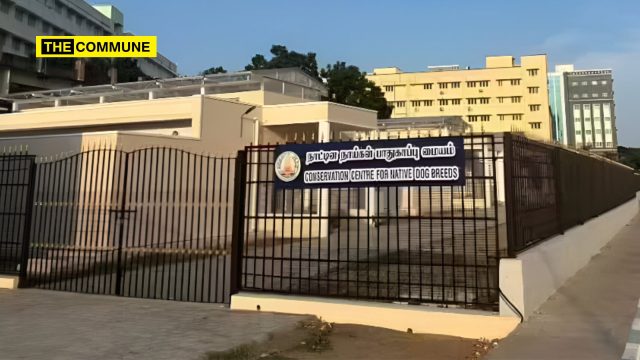
Chennai: Govt-Run Native Dog Breeding Centre Remains Non-Functional Months After ₹5-Crore Upgrade

native dog breeding centre

Despite receiving a ₹5 crore upgrade, Tamil Nadu’s only government-run native dog breeding facility in Saidapet has remained unused and locked for over four months. The centre, which comprises 51 kennels spread across seven row-style structures, currently lacks a functioning operator, and the state is facing difficulties in sourcing purebred native dog varieties such as Rajapalayam, Kombai, Kanni, and Chippiparai.

According to Dr. R. Kannan, Director of the Animal Husbandry Department, the Tamil Nadu Veterinary and Animal Sciences University (TANUVAS) is still in the process of identifying a reliable and scientifically verified gene pool for breeding. “We can only begin once we acquire dogs with proven lineage. Although many breeders claim to offer native breeds, we will only proceed after ensuring their genetic authenticity,” he explained. Currently, officials have only managed to obtain dogs from closely related bloodlines, and they aim to initiate operations within a month.

TANUVAS professor Dr. B. Thilagar highlighted the dangers of inbreeding, particularly among Rajapalayam dogs, which often suffer from congenital conditions like deafness due to limited genetic diversity. “Most cases we examine trace back to dogs with shared ancestry. That’s why it’s crucial to bring in dogs from different regions with diverse genes,” he said.

He noted that in some regions of Tirunelveli, gifting a Kanni pup to newlyweds was once a common tradition. “The dog would move with the bride to her new home and mate there, which naturally diversified the breed’s gene pool. Though rare now, such cultural practices might still exist and could help us find unique bloodlines,” he added. Dr. Thilagar also pointed out that descendants of the historic Palayakarargal (local chieftains) might still possess native breed dogs. During the colonial period, these chieftains are known to have crossbred native dogs with British greyhounds, resulting in strong hounds suited for hunting.

Animal welfare advocate Antony Rubin echoed concerns about breeding within the same gene pool, warning that it could lead to health complications such as deafness or blindness. “People often abandon such dogs after discovering their disabilities. That’s why ethical and scientific breeding is essential,” he said.

(With inputs from Times of India)

Subscribe to our channels on TelegramWhatsApp, and Instagram and get the best stories of the day delivered to you personally.

“Pak Cricket Team Can Even Raze Somnath Temple”, Says Pakistani Sports Commentator Shahnawaz Rana

shahnawaz rana sports commentator pakistan cricket team somnath temple

A video of Pakistani sports commentator Shahnawaz Rana making derogatory remarks about the Somnath temple during a cricket discussion has gone viral on social media and has triggered widespread outrage on various platforms.

Rana, speaking on the YouTube channel Sports Roundup on September 11, said “If you play well, then there’s no reason you can’t defeat them; and I say this with full confidence, because I have criticized this team a lot  – all their programs bear witness, and the one sitting with me today, making all sorts of gestures, I keep asking, why is it like this, why is it this way? But listen to me, this is my homeland, this is my team. And this is the team that, at any given moment, can do something like raze the Somnath temple, and at any time, can scale K2. So, never hold the kind of expectations from this team that make you think, “No, they absolutely cannot do it.” It’s possible. That’s the thing,” while attempting to boost confidence ahead of the September 14 India–Pakistan clash.

The comment on razing Somnath temple, widely criticised online, has been labelled as an instance of casual Hinduphobia being normalised in Pakistani cricket commentary.

The controversy comes a year after another Pakistani commentator, Sohrab Barkat, mocked Hindu beliefs during his coverage of the India–South Africa T20 World Cup final, invoking references to the sacred cow and Lord Vishnu.

It is noteworthy that Pakistani cricketer Faheem Ashraf also faced backlash for a social media post in the aftermath of India’s Operation Sindoor in May 2025. The operation, which targeted terrorist hideouts in Pakistan and Pakistan-occupied Kashmir in retaliation for the killing of 26 civilians in Pahalgam, was seen in India as a symbolic act of justice for widowed women.

Ashraf shared an Instagram post depicting an illustration of a Pakistani soldier applying sindoor to a woman draped in the Indian tricolour, with the caption “New Chapter Begins.” The post was criticised in India as mocking the suffering of women who lost their husbands in terrorist violence.


View this post on Instagram


A post shared by student__india1 (@student__india1)

Subscribe to our channels on TelegramWhatsApp, and Instagram and get the best stories of the day delivered to you personally.

Sedition Case Slapped Against AAP Leader’s Son Arpit Sharma For Urging Indian Youth To Emulate Nepal-Style Unrest

arpit sharma aap nepal

The Uttar Pradesh Police has registered a sedition case against content creator Arpit Sharma for a video he posted on social media about the ongoing protests in Nepal, The Wire reported on Saturday.

The case was filed under Section 152 of the Bharatiya Nyaya Sanhita, which pertains to acts endangering the sovereignty, unity and integrity of India. The provision has been criticised by rights groups as a repackaged version of the colonial-era sedition law.

According to the first information report lodged on Thursday, Sharma’s video, posted on X, was aimed at provoking unrest in India and undermining national integrity.

Nepal has been in political turmoil this week following protests against a government ban on 26 social media platforms. The demonstrations, led largely by young people, soon escalated into a wider movement against alleged corruption and turned violent.

In his video, Sharma reportedly praised Nepal’s youth for speaking out and questioned why Indians were not protesting against issues such as corruption and hate speech. He later told The Wire that his comments were made when the protests were still peaceful and denied any intent to incite violence.

Since the case was filed, Sharma has allegedly received death threats online. He claimed that his workplace in England, where he is employed as a chartered accountant, has been doxxed and that his family in India has also been threatened.

(With inputs from Scroll)

Subscribe to our channels on Telegram, WhatsApp, and Instagram and get the best stories of the day delivered to you personally.
Hindu Munnani Slams Ban On Traditional Instruments In HR&CE Administered Virundeeswarar Temple & Other TN Temples Under Dept Purview, Urges Protection Of Temple Music Traditions

hindu munnani

Hindu Munnani State President, Kadeshwara C. Subramaniam, has strongly opposed the restriction on playing traditional musical instruments in temples governed by the Hindu Religious and Charitable Endowments (HR&CE) Department. He emphasized that this move, which undermines the rich cultural and artistic heritage of the Tamil people, must be reversed immediately.

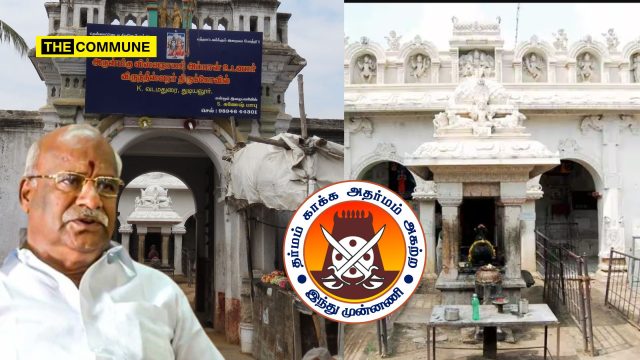
In his statement, Subramaniam referred to the historic Virundeeswarar Temple in North Madurai, a significant religious site in Coimbatore. Known as a sacred place where Lord Shiva is believed to have delighted his followers, this temple has a long-standing tradition of incorporating musical instruments such as the Shiva vadyam and Kailaya vadyam into its rituals.

However, a new notice has been displayed at the temple banning instruments such as the horn, urumi, conch, drums, jamab, and others typically associated with Shiva worship. This decision has stirred outrage among devotees, who view music as an integral part of their spiritual practice — from waking the deity with devotional sounds to offering music during night rituals.

Subramaniam criticized the HR&CE Department, accusing it of failing in its duty to uphold and promote the cultural traditions it is meant to protect. He expressed concern that a systematic erosion of Tamil Nadu’s traditional arts is underway. Forms like Silambam, Karagattam, Oyilattam, Nadaswaram concerts, and ancient temple music traditions are slowly vanishing, replaced by influences from Western culture with the HR&CE Department allegedly playing a part in this decline.

Historically, temples served not only as places of worship but also as cultural hubs where the arts were nurtured. Many temples were equipped with special halls for devotional music, dance, and singing, such as those still visible in places like Srirangam, Madurai Meenakshi Amman Temple, Rameswaram, and Tiruchendur. These spaces were created by the kings and ancestors of Tamil Nadu to preserve and promote the arts.

Unfortunately, under HR&CE management, these structures have become inactive and neglected, no longer serving their intended purpose. At the same time, despite drawing revenue from temple activities, the Department reportedly fails to address the basic needs and facilities required for temple operations, while also interfering with religious traditions and rituals.

Subramaniam recalled previous instances of such interference, two years ago, musical instruments were banned at the Palani hill temple, and last year, the chanting of “Om Namah Shivaya” in unison was halted at the Kapaleeswarar Temple in Chennai. These actions, he noted, have deeply disturbed spiritual communities.

He also raised concerns over the double standards questioning whether similar intrusions would be tolerated in the worship practices of minority religions, and whether the so-called “Dravidian model” government has the right to alter longstanding Hindu temple customs.

Traditional Tamil devotional singers, who once recited the Thevaram and Thiruvasagam hymns in temples, are now rarely seen, and no support is extended to them by the authorities. Subramaniam accused the Tamil Nadu government of systematically dismantling the cultural fabric of Hindu temples and urged a reversal of this approach.

He concluded by stating that Tamil Nadu, a land rich with musical devotion and temple traditions, must not allow ancient musical practices to be silenced. On behalf of the Hindu Munnani, he demanded that the HR&CE Department not only revoke the instrument ban at the Virundeeswarar Temple in Coimbatore but also uphold and respect these sacred traditions across all temples under its administration.

His full statement read, “Ban on musical instruments in temples under the HR&CE Department! The action, which seeks to destroy the traditional music and arts of Tamils, must be stopped immediately. 

A statement from Hindu Munnani State President Kadeswara C. Subramaniam 

The ancient Virundeeswarar Temple is located in Vadamadurai, a key area of Coimbatore city. It is called the Vrintheeswarar Temple as it is believed to be a sacred site where Lord Shiva hosted his devotees. It is a tradition to play Siva Vadyam and Kailaya Vadyam during the temple’s worship services from its very beginning. Currently, a notice board has been placed in that temple. It states, Musical instruments like kombu, murasu, urumi, sangu, parai, jamap, Siva Vadyam, and Kailaya Vadyam are not permitted inside the inner sanctum halls by Temple Administration. Hindu devotion is intrinsically linked with music. The traditions of invoking God and putting him to sleep with music continue to this day. It is heartbreaking that the Hindu Religious and Charitable Endowments (HR&CE) Department, which should be cherishing and nurturing these traditions, is instead destroying them.

The public and devotees were shocked to see the notice that musical instruments will not be allowed at the Vrintheeswarar Temple, which is under the HR&CE Department.

Generally, many famous ancient arts in Tamil Nadu are dying out. It is painful to see that hundreds of arts, including Silambattam, Karakattam, Oyilattam, Nadaswaram concerts, and Siva Vadyam are gradually disappearing and Western culture is being introduced, and the HR&CE Department is complicit in this. Our ancestors used temples as places to nurture the arts precisely to protect these traditions. Many famous large temples had separate halls to promote singing, playing musical instruments, and Bharatanatyam. Even today, such halls can be seen in temples like Srirangam, Madurai Meenakshi Amman Temple, Rameswaram, and Thiruchendur. However, since the HR&CE Department began managing the temples, the halls built by our kings and ancestors to nurture the arts have become mere exhibits, with no events taking place in them.

On one hand, the HR&CE Department takes the temples’ income, but it makes no effort for their basic development or administrative convenience. On the other hand, incidents of violating the temple’s Agama rules and inconveniencing devotees with a darshan fee continue. In addition, ancient traditions are being destroyed by interference in temple worship practices.

Two years ago, the HR&CE administration banned the playing of musical instruments on the Palani hill. Last year, the temple administration at Chennai’s Kapaleeswarar Temple stopped devotees from collectively chanting the mantra “Om Namasivaya.” Such incidents have profoundly shocked spiritual seekers. The people’s question is whether the Dravidian model government, which is systematically destroying Hindu temple traditions one by one, can interfere with the religious rights and customs of minorities. Odhuvars, who sing Thevaram and Thiruvasagam, are not seen in many temples now. The HR&CE Department does not provide facilities for them.

The Tamil Nadu government, which is trying to destroy the traditions of Hindu temples one by one, must change its course. It is an unacceptable action to ban the playing of ancient and revered instruments in temples in Tamil Nadu, a land filled with sacred sites celebrated in songs by sivanadiyars and where God was found through music. On behalf of the Hindu Munnani, we request that the existing practices in the Coimbatore Virundeeswarar Temple and all other temples under the HR&CE Department not be changed and that musical instruments not be banned.”

Subscribe to our channels on TelegramWhatsApp, and Instagram and get the best stories of the day delivered to you personally.

Madhya Pradesh High Court Admits Plea Seeking Removal Of ‘Mosque’ Tag From Bijamandal Temple, Restoration Of Hindu Worship Rights

vidisha bijamandal madhya pradesh

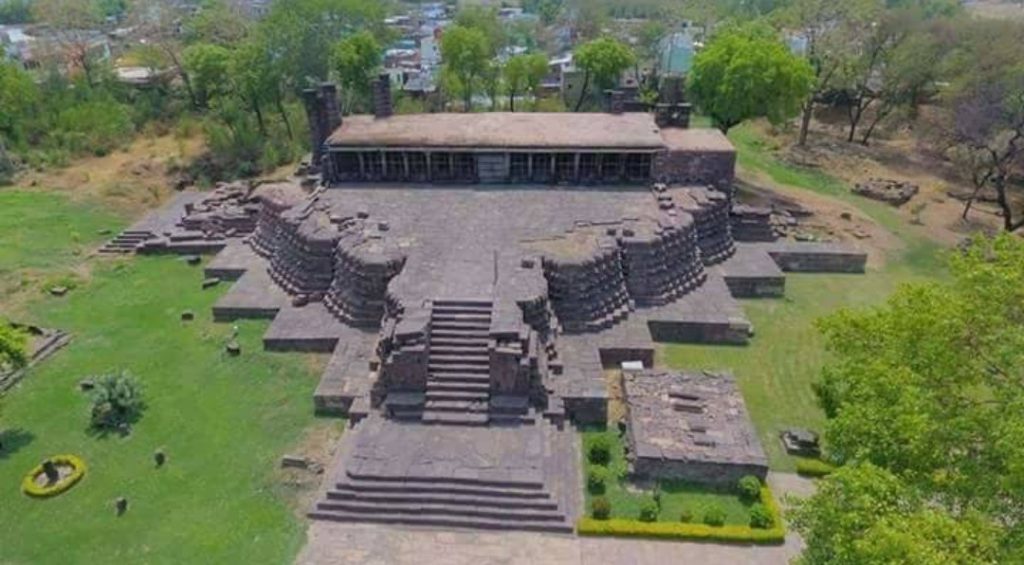
The Gwalior Bench of the Madhya Pradesh High Court has admitted a petition seeking the removal of the word “mosque” from the official records of Bijamandal in Vidisha and restoration of full worship rights for Hindus at the disputed site.

The petition, running over 118 pages, was filed by senior advocate Hari Shankar Jain as the lead petitioner others including Vidisha resident Shubham Verma. Advocate Vishnu Shankar Jain will fight the case. The case, listed before the High Court, has sought a response from the Archaeological Survey of India (ASI) and other government authorities.

Petitioners contend that the ASI has incorrectly described the monument as “Beejamandal Mosque” in its records, despite historical evidence identifying it as a temple. They have demanded that the site be officially designated as a mandir and that Hindus be allowed to perform worship throughout the year without restrictions.

According to the petition, the Bijamandal temple was demolished in 1682 during the reign of Mughal emperor Aurangzeb. Since then, the Hindu community has periodically raised demands for restoration of worship rights, but the matter had remained unresolved for nearly seven decades after Independence.

Shubham Verma, who is listed as the second petitioner, told reporters in Vidisha that he and local youths had organised movements over the last two years to demand access to the temple but were unable to secure the opening of the site. He said they gathered documents, inscriptions, and records from archaeological and historical sources and submitted them to the legal team for preparation of the petition.

The petition was drafted by Advocates Harishankar Jain and Vishnu Shankar Jain.

The petitioners include Rakesh, Mani, and Rahul from Delhi, in addition to local youth leaders. They said their plea is based on historical, archaeological, and literary sources, and seeks recognition of the site as a Hindu temple.

The High Court’s notice marks the first time the Bijamandal dispute has formally come up for judicial scrutiny.

Bijamandal, also referred to as Vijay Mandir, has been a point of contention for decades, with demands for Hindu worship rights being periodically raised.

The petitioners state the site is a matter of cultural self-respect for the Hindu community in Vidisha.

Subscribe to our channels on Telegram, WhatsApp, and Instagram and get the best stories of the day delivered to you personally.
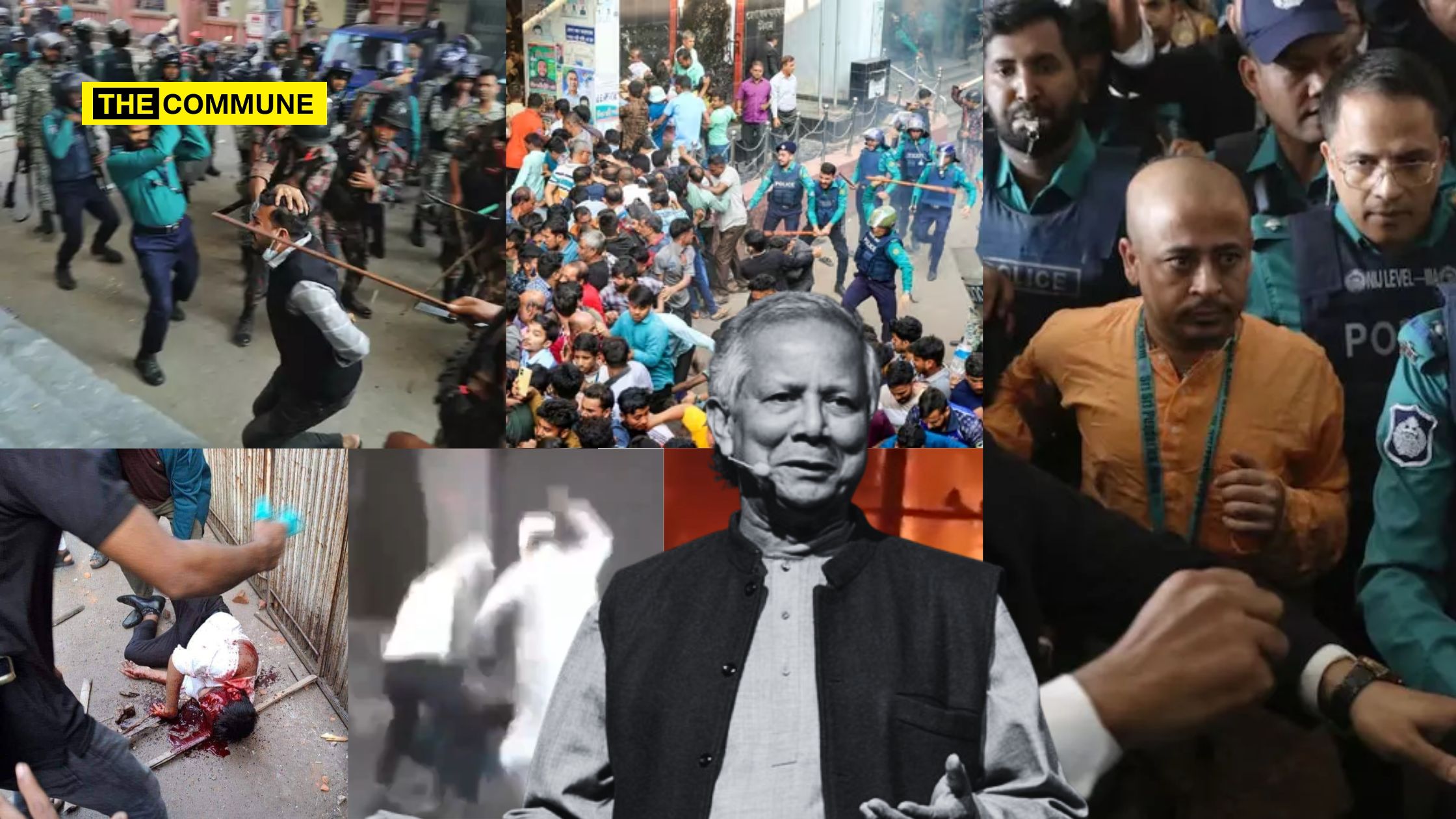
Bangladesh’s Interim Govt Led By Muhammad Yunus Collapsing Under Mob Rule And Minority Persecution

Bangladesh’s Interim Govt Led By Muhammad Yunus Collapsing Under Mob Rule And Minority Persecution

The promise of restoring democracy in Bangladesh after the ouster of former Prime Minister Sheikh Hasina in 2024 has given way to rising lawlessness, mob justice, and emboldened radical groups, raising doubts about the credibility of elections under Nobel laureate Muhammad Yunus’s interim administration.

Hasina’s dramatic downfall was hailed as an opportunity to reset Bangladesh’s politics, but the absence of strong institutions and factional divides quickly created a power vacuum. Yunus’s caretaker government, envisioned as a technocratic bridge, has instead presided over cascading disorder.

In the year following Hasina’s exit, rights groups documented 637 lynchings nationwide, with mob justice replacing formal dispute resolution, according to a report by European Times. “In January 2025, the police themselves acknowledged the scale of violence, releasing a controversial report that sought to downplay the communal dimension.

Out of 1,769 attacks against minorities, authorities claimed that more than 1,200 were “politically motivated” rather than religiously inspired, with only 20 classified as purely communal,” the report said. Police, often accused of complicity or paralysis, have failed to restore public trust. Minority communities remain the most vulnerable.

Between August 2024 and mid-2025, watchdogs recorded 2,442 incidents of communal violence targeting Hindus, Buddhists, Christians and Ahmadis, including arson, killings and sexual assaults. A February 2025 UN report warned of deliberate attacks on minorities and indigenous groups, accusing the interim government of failing to act.

Local leaders say only token investigations have been opened, with just 62 cases registered and 35 arrests made. Notably, radical voices have also gained ground. In March, thousands of Hizb-ut-Tahrir supporters marched openly in Dhaka demanding an Islamic Caliphate.

Universities and media outlets now face intimidation, while women report escalating harassment in public spaces. The deteriorating security environment has raised alarms over the feasibility of upcoming elections in the South Asian country. Analysts argue that without law and order, minority candidates and secular voices cannot campaign freely, polling officials cannot operate safely, and voters cannot participate without fear.

-IANS

Subscribe to our channels on TelegramWhatsApp, and Instagram and get the best stories of the day delivered to you personally.
Technology For Inclusion: AI Glasses Gifted To Divyangjans In Gujarat

Technology For Inclusion: AI Glasses Gifted To Divyangjans In Gujarat

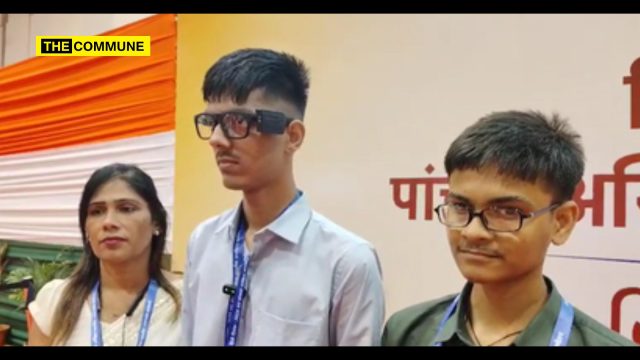
In a significant step towards making technology more inclusive, Union Home Minister Amit Shah, on Sunday, distributed specially designed Artificial Intelligence (AI) glasses to differently-abled beneficiaries during the Rajbhasha Conference in Gandhinagar. The initiative, launched in line with Prime Minister Narendra Modi’s vision of empowering “Divyangjan” (persons with disabilities), aims to make education, information, and daily communication more accessible for the visually impaired.

PM Modi has often underlined that the term “Divyang” is not just a word but a mark of respect and dignity for persons with disabilities. The AI-enabled glasses come equipped with an in-built camera that scans printed text and instantly converts it into audio output, allowing visually impaired users to read and listen to documents, books, and other material with ease. Beneficiaries said the device has the potential to transform their lives by bridging the gap between access to knowledge and their physical limitations.

One of the recipients, Jenil Parekh, expressed gratitude while sharing his experience. “With these AI glasses, we get multiple benefits. They will help us in reading and learning. The in-built camera scans text, clicks photos, and reads them aloud on our mobile phones. This will be very useful for people like us who are blind,” he told IANS.

The Home Minister stressed that such technological interventions not only make education and professional opportunities more accessible but also instill confidence among Divyangjans to lead self-reliant lives. He further urged people to come forward and donate AI glasses to visually impaired individuals, calling it an act of service that can change lives.

Notably, larger goal of the project is to ensure that technology becomes an enabler for inclusivity. By harnessing AI, the Union government hopes to eliminate barriers faced by differently-abled communities and integrate them more fully into mainstream society. This initiative is seen as a milestone in using innovation for social empowerment, offering a glimpse into how India’s tech-driven welfare measures can create lasting impact.

-IANS

Subscribe to our channels on TelegramWhatsApp, and Instagram and get the best stories of the day delivered to you personally.
EPS Heads To Delhi As AIADMK Power Struggle Deepens, To Meet Amit Shah

eps aiadmk

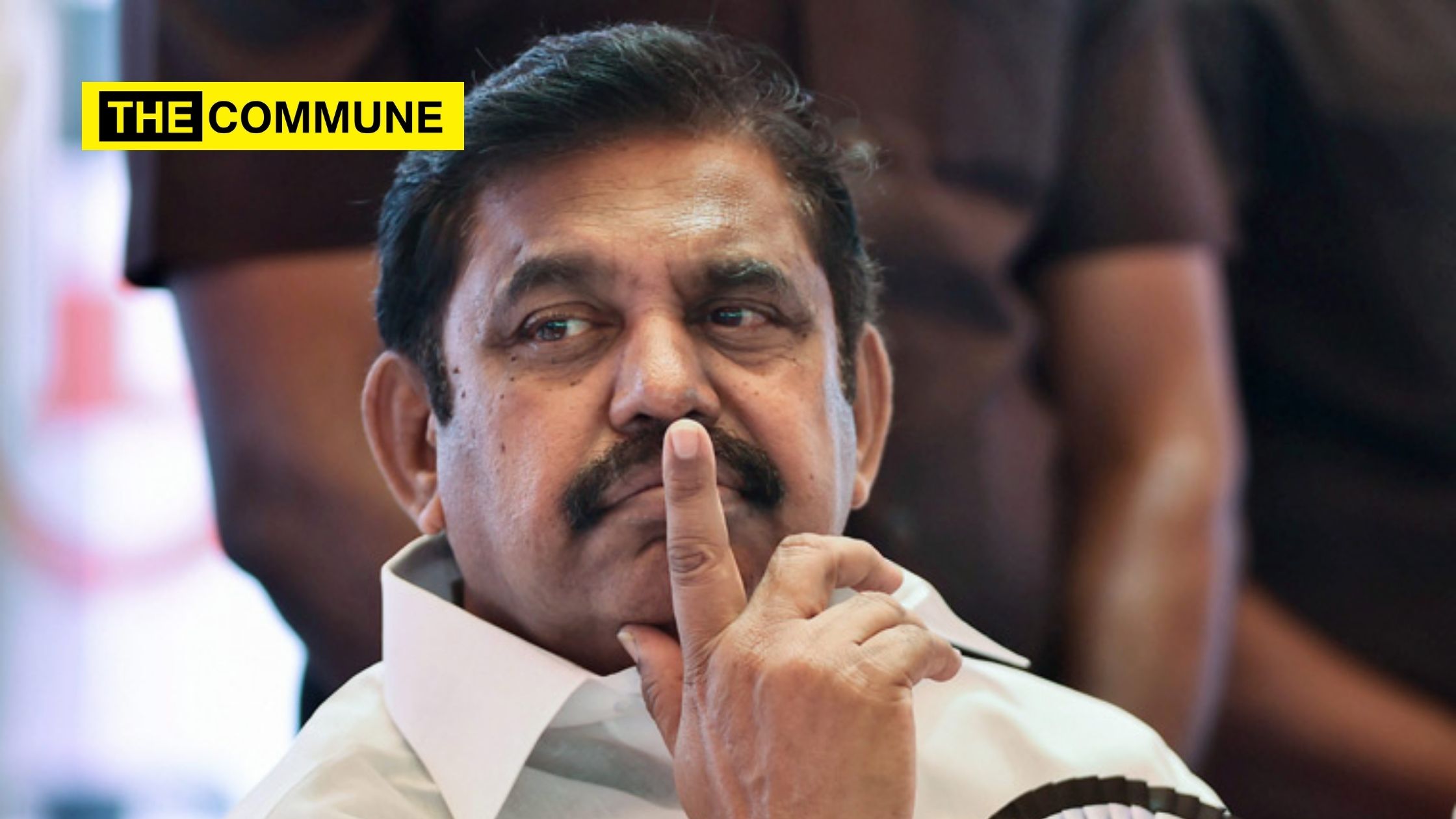
The leadership crisis in the AIADMK has entered a decisive phase, with General Secretary Edappadi K. Palaniswami (EPS) set to travel to Delhi on Tuesday (September 16) for talks with Union Home Minister Amit Shah.

The move comes in the wake of rising tensions between Palaniswami and senior leader K.A. Sengottaiyan, which have put the party’s unity under severe strain. While the official reason for the trip is to greet newly elected Rajya Sabha Vice-Chairman C.P. Radhakrishnan, AIADMK insiders point out that the visit is loaded with political significance.

The party has been rocked by Sengottaiyan’s defiance and his recent overtures to senior BJP leaders, developments that have sparked speculation over the party’s increasing influence on AIADMK affairs. Sengottaiyan, once a key organiser in the western districts, was stripped of party posts earlier this month after he issued a 10-day ultimatum to Palaniswami demanding the reinduction of expelled functionaries. Soon after, he announced a trip to Haridwar, claiming it was for “spiritual solace”.

Yet, on his way back, he stopped in Delhi, where he met Amit Shah and Union Finance Minister Nirmala Sitharaman. Confirming these meetings, Sengottaiyan admitted that AIADMK’s internal matters had figured in the discussions, a revelation that unsettled EPS’s loyalists and revived the DMK’s charge that the AIADMK is increasingly bending to the BJP’s pressure.

This sequence of events has put Palaniswami in a delicate position. On the one hand, he has built his authority within the party since sidelining rival O. Panneerselvam. On the other hand, the BJP, which sealed its electoral alliance with the AIADMK in April, is believed to be nudging him toward reconciliation with disgruntled factions ahead of the 2026 Assembly elections.

Party sources close to EPS insist that he will resist any move that undermines his supremacy, though they acknowledge that pressure from Delhi cannot be ignored. Meanwhile, Palaniswami’s campaign in Dharmapuri, originally scheduled for September 17 and 18, has been postponed to September 28 and 29. Sengottaiyan, however, has adopted a guarded stance, saying only that he would “remain” when asked about the possibility of expulsion.

As the spotlight now shifts to Delhi, Palaniswami’s talks with Amit Shah could prove pivotal — determining not just the course of his leadership, but also the contours of the BJP-AIADMK alliance in Tamil Nadu’s high-stakes political battlefield.

-IANS

Subscribe to our channels on TelegramWhatsApp, and Instagram and get the best stories of the day delivered to you personally.
Allahabad High Court To Hear Mosque Panel Plea In Sambhal Jama Masjid Violence Case

Allahabad High Court To Hear Mosque Panel Plea In Sambhal Jama Masjid Violence Case

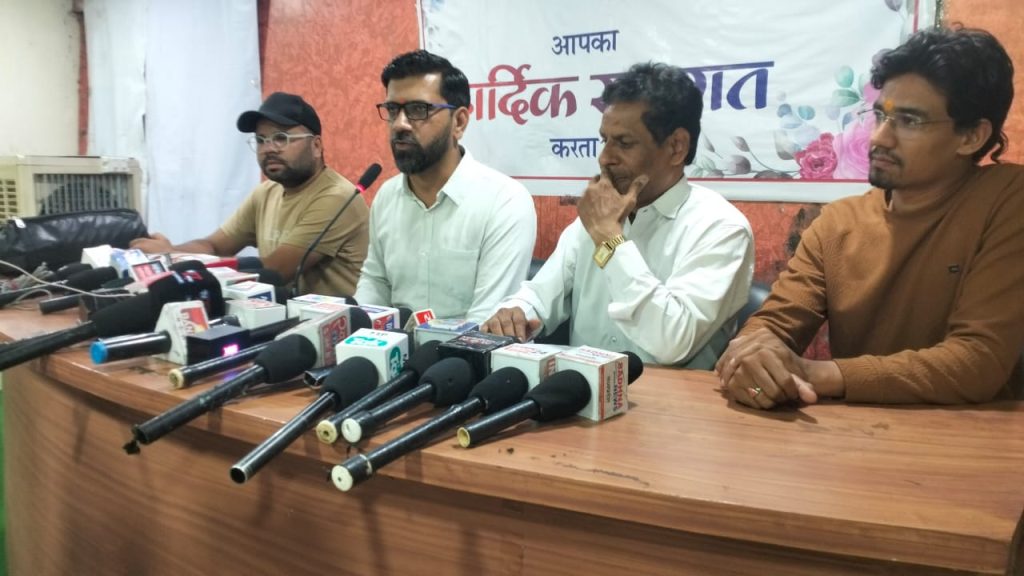
The Allahabad High Court will on Monday take up the Sambhal Jama Masjid violence case, following a petition filed by mosque committee Chairman Zafar Ali challenging the police charge sheet. Ali has moved the trial court seeking quashing of the charge sheet filed in connection with the clashes that erupted during the survey of the Sambhal Jama Masjid on November 24, 2024.

His name surfaced during the investigation, leading to his arrest and subsequent imprisonment. On July 24, the High Court granted him bail. The matter is listed before a single bench of Justice Sameer Jain, which is expected to hear the case later in the day. The development comes in the backdrop of a Special Investigation Team (SIT) of the Uttar Pradesh Police filing a mammoth charge sheet running over 4,400 pages across six cases linked to the deadly violence.

Officials announced that Shariq Satha, a resident of Sambhal, is believed to be the mastermind behind the riots. The violence resulted in five deaths and many injuries. Satha, who allegedly operated a car theft ring involving over 300 stolen vehicles from the Delhi-NCR region, has also been connected to underworld figure Dawood Ibrahim and Pakistan’s intelligence agency, the ISI.

Investigators revealed that he fled India using a forged passport. Investigators uncovered a series of suspicious financial transactions linked to account holders in Sambhal, along with the discovery of foreign-manufactured cartridges at the sites of the clashes. Police reported that Satha’s close associates were responsible for the gunfire that resulted in the deaths of four victims.

However, there was no First Information Report (FIR) filed regarding the fifth death, raising additional questions. The charge sheet has named Samajwadi Party MP Ziaur Rahman Barq and the son of local MLA Iqbal Mahmood among the accused. In total, 37 individuals have been specifically identified, while an additional 3,750 people are accused but remain unnamed in connection with the violence.

-IANS

Subscribe to our channels on TelegramWhatsApp, and Instagram and get the best stories of the day delivered to you personally.