Home Blog Page 109

How TN Murasoli Twists Data To Buttress DMK Govt’s Fiscal Mismanagement

The claim that Tamil Nadu’s debt cannot be compared to Uttar Pradesh’s has emerged as the latest talking point in The News Minute’s Let Me Explain series. The episode asserts that those citing Tamil Nadu’s higher total debt are “misleading” the public and that, once “context” is applied, the State emerges not just fiscally sound but unfairly targeted by number-twisting critics.

A closer look at data however, reveals TNM’s propaganda style – selective framing, casual handling of numbers, and a typical leftist strategy – pre-empting legitimate scrutiny by declaring it “meaningless”.

Manufacturing a Victim Narrative

From the opening minute, the video frames the issue not as a fiscal debate but as a moral confrontation. Critics who point to Tamil Nadu’s higher debt are cast as peddlers of a “simple story of fiscal failure”, while the anchor positions herself as rescuing viewers from bad faith statistics.

Cross-state comparison itself is portrayed as inherently political and dishonest rather than a routine analytical tool used by the RBI, Finance Commission, PRS Legislative Research, and credit-rating agencies.

Instead of asking an obvious and legitimate question of whether Tamil Nadu’s debt trajectory comfortable and sustainable, the episode pivots to a defensive posture:

  • Tamil Nadu is richer, more diversified and socially advanced than Uttar Pradesh.
  • Debt is merely a “tool”, and richer states can naturally carry more of it.
  • Therefore, highlighting absolute debt numbers is either economic illiteracy or deliberate misrepresentation.

So, questioning policy is treated as questioning Tamil Nadu. The show abandons analysis and assumes the role of advocate.

Sloppy Numbers, Blurred Timelines

Any serious explainer must first get the numbers right. This is where the episode falters badly.

The video cites Tamil Nadu’s debt at ₹9.29 lakh crore and its GSDP at ₹35.6 lakh crore, producing a debt-to-GSDP ratio of about 26%. But ₹9.29 lakh crore is not the 2024–25 actual debt—it is the projected outstanding debt by March 2026, as per the 2025 budget.

At the same time, the GSDP figure used is from earlier projections. The 2024–25 budget places nominal GSDP closer to ₹31.6 lakh crore.

This mixing of future debt, with older, higher GSDP estimates artificially softens the ratio. The viewer is never told which year these figures correspond to, or that they are projections rather than actuals.

For Uttar Pradesh, the episode uses round figures – ₹9.03 lakh crore debt and ₹30.8 lakh crore GSDP – which align with 2025–26 projections, again without disclosure. Crucially, PRS data shows that UP, like Tamil Nadu, is also targeting fiscal deficits within the 3% FRBM band. That similarity is conveniently ignored.

For a show that repeatedly accuses politicians of “reading numbers out of context”, this casual blending of timelines and estimates is not a minor oversight, it undermines the entire argument.

One Yardstick for Tamil Nadu, Another for UP

The episode insists that debt must be judged relative to economic size, growth potential, and revenue capacity.

This is sound economics. But it is applied selectively.

Tamil Nadu is praised for keeping its fiscal deficit near 3% of GSDP and raising roughly three-quarters of its revenue from own sources.

Uttar Pradesh, meanwhile, is reduced to a caricature: a poor state surviving on Union transfers. There is no discussion of:

  • UP’s own FRBM compliance,
  • its recent capex push,
  • or improvements in tax effort—all documented in PRS and budget analyses.

If FRBM compliance and debt ratios are the benchmarks, they must apply equally. Instead, Tamil Nadu is acquitted under rules that UP is never even tested against. What is sold as “context” increasingly resembles narrative management.

Airbrushing Tamil Nadu’s Debt Risks

The video reassures viewers that Tamil Nadu’s debt ratio has “stabilised and is slowly declining”, citing projected marginal improvements from 26.6% to 26.4%.

What it does not mention:

Tamil Nadu’s debt-GSDP ratio had already climbed sharply before COVID-19, a trend flagged by the 15th Finance Commission as a medium-term concern.

Interest payments and committed expenditure viz, salaries, pensions, interest, consume a growing share of revenue, squeezing fiscal flexibility. This is documented in Tamil Nadu’s own budget papers.

COVID-19 is used as a moral alibi: borrowing limits were relaxed, states had to borrow, therefore post-2020 debt accumulation is treated as morally neutral.

But serious fiscal analysis does not end with COVID. It begins with what comes after structural costs, welfare commitments, and political competition. These are precisely the issues the episode avoids.

A neutral analysis need not claim Tamil Nadu is on the brink. It only needs to insist that being richer than UP does not exempt the State from scrutiny. The video refuses that nuance.

Declaring Scrutiny “Meaningless”

The choice of words is deliberate. The episode could have argued that cross-state debt comparisons are incomplete without context. Instead, it repeatedly calls them “meaningless” and “misleading”.

But comparisons of debt-to-GSDP, interest-to-revenue ratios, and contingent liabilities are exactly how fiscal stress is identified by bodies that monitor such risk. These metrics are not meaningless; they are starting points.

By declaring them meaningless, the show effectively immunises the Tamil Nadu government from benchmarking. That is not explanation, it is insulation.

Welfare, Outcomes, and the Cost Question

The episode’s strongest segment highlights Tamil Nadu’s genuine achievements: lower infant and maternal mortality, better health outcomes, higher school enrolment, and a higher HDI.

It argues, correctly, that these outcomes require sustained public spending, and that low debt elsewhere can signal under-investment rather than prudence.

But here again, nuance is abandoned. All spending is treated as productive and virtuous. There is no distinction between long-term, high-return investments, and recurring subsidies and politically timed schemes with unclear returns.

To even ask whether some schemes carry fiscal risk is implicitly treated as hostility.

Explanation or Advocacy?

There is a real and necessary conversation to be had about how state debt is discussed in India. Politicians routinely cherry-pick numbers. Citizens are rarely told what FRBM rules mean. Explain-style journalism can play a valuable role here.

But rebutting spin with counter-spin helps no one.

A good-faith explainer would clearly separate actuals from projections, apply the same benchmarks to all states, acknowledge both strengths and risks, and stop framing scrutiny as an attack on the State itself.

The News Minute episode gets one thing right: context matters more than raw numbers. But in its eagerness to defend Tamil Nadu from criticism, it slips into its own form of narrative control – framing legitimate fiscal questions into a morality tale of a misunderstood, virtuous government under siege. Explainers are meant to illuminate trade-offs and risks.

Regular readers of The Commune will recognise the pattern immediately – Let Me Explain is less about explanation and more about arranging the facts to suit a predetermined narrative.

Subscribe to our channels on TelegramWhatsApp, and Instagram and get the best stories of the day delivered to you personally.
5 Years Of Dravidian Model: How DMK Broke Every Major Promise To Tamil Nadu’s Workforce

When the Dravida Munnetra Kazhagam (DMK) returned to power in May 2021 under Chief Minister MK Stalin, it did so on the back of sweeping promises to government employees, contract workers, and frontline service providers. From restoring the Old Pension Scheme (OPS) to regularising contract labour and improving healthcare worker pay, the DMK manifesto was framed as a social-justice corrective to what it described as the “anti-worker” policies of the AIADMK.

Five years later, Tamil Nadu is witnessing one of the largest and most persistent cycles of labour unrest in its history. More than 30 lakh government employees and their dependents have been affected by protests, strikes, hunger fasts, police crackdowns and long-running agitations, many of them directly linked to unfulfilled DMK manifesto commitments.

What has emerged is not a series of isolated disputes, but a systemic breakdown of trust between the state and its workforce.

Government Employees & Pensioners: The Old Pension Scheme Betrayal

No promise was more central to the DMK’s 2021 campaign than the restoration of the Old Pension Scheme (OPS). Here is what they said in their 2021 manifesto.

Under OPS, retired employees receive 50% of their last drawn salary for life without contributing from their own wages. In 2003, the AIADMK replaced this with the New Pension Scheme (NPS), forcing employees to contribute 10% of their salary to a market-linked pension fund.

The DMK pledged to reverse this. For 11 lakh government employees, OPS was not a technical issue, it was the foundation of their retirement security.

Yet for nearly four years after taking office, the Stalin government did nothing. Union after union, including the powerful JACTO-GEO, wrote memorandums, held meetings, staged district-level protests and organised hunger strikes. Each time, the government responded with vague assurances and fiscal excuses.
By late 2025, patience snapped. With no movement from the state, unions announced an indefinite statewide strike from 6 January 2026, a move that would have shut down revenue offices, transport departments, schools and local bodies.

Facing paralysis, Stalin announced a last-minute compromise: the Tamil Nadu Assured Pension Scheme (TAPS). It promised 50% of last salary as pension but only after employees contributed 10% every month, just like under NPS. OPS had required no contribution.

Unions accepted TAPS only to avert chaos, but they did so under protest. The central promise that had brought millions of votes to the DMK was, in substance, never delivered. Read here what TAPS is all about.

Teachers: Equal Work, Unequal Pay

Tamil Nadu’s education system is quietly bleeding because of a policy discrimination that has lasted over 16 years.
Secondary Grade Teachers (SGTs) appointed after June 2009 are paid ₹3,170 less per month than teachers appointed earlier, even though they do the same work, teach the same students, and hold the same qualifications. Over a career, this amounts to more than ₹6.4 lakh stolen from each teacher.

The DMK promised to correct this injustice. Here is what they said in their manifesto.

It did not. By December 2025, thousands of teachers were back on the streets. Demonstrations spread across districts, accusing the government of institutionalising discrimination inside public education. Many teachers are now approaching retirement without ever receiving pay parity.

Despite years in power, the DMK has refused to issue a simple administrative correction.

Nurses & Doctors: Frontline Workers Treated as Disposable

The DMK rode to power on the moral capital of the COVID-19 crisis, where nurses and doctors had risked their lives. But its treatment of healthcare workers since then has been devastating.

Contract Nurses

Tamil Nadu runs its hospitals on the backs of nearly 8,000 contract nurses. They earn less than permanent nurses, lack job security, and are denied full maternity benefits. Meanwhile, only 723 nurses are on permanent government rolls.

In December 2025, hundreds of nurses launched a hunger strike in Chennai, demanding regularisation and maternity leave. After police arrests and public pressure, the government regularised only 723 nurses, leaving over 7,000 still trapped in contract labour.

Community Health Officers: Overworked and Underpaid

More than 4,000 Community Health Officers (CHOs) run rural primary health centres. They are the backbone of maternal care, vaccinations and disease prevention, yet they are paid just ₹18,900 per month, less than half of what their counterparts earn in Kerala and Haryana. In December 2025, CHOs marched on Chennai demanding salary parity, maternity leave, and permanent status. They called off their protest after the government acknowledged their demands but offered no timeline.

Sanitation Workers: Dalit Labour and Corporate Contracts

Nowhere is the DMK’s betrayal starker than in Chennai’s sanitation sector. Mostly Dalit women, sanitation workers were promised permanent government jobs by Stalin in opposition. This is what was there in the manifesto.

Instead, after coming to power, the DMK expanded corporate outsourcing of garbage collection.

From August 2025, 2,000 sanitation workers sat in protest for over 74 days outside the Greater Chennai Corporation. They lost ₹46 crore in wages, pulled children out of school, skipped medical treatment, and were beaten and detained by police. Their demand was simple: regularisation and an end to privatisation.
The protests continued till January 2026 and only on 12 January 2026, after DMK Minister Sekar Babu met them and promised to resolve their grievances, did they call of their protest. However, it is not clear if they will have all their concerns addressed.

Anganwadi Workers: 4 Lakh Women Still Waiting

Anganwadi workers run Tamil Nadu’s nutrition and childcare programmes – feeding infants, monitoring pregnant women, and preventing malnutrition. Yet they earn just ₹5,000 to ₹8,000 per month.

The DMK made several promises as below.

Five years later, nothing has changed. District-level protests began in May 2025, they continued protesting even in December 2025, but the government has not moved.

Midday Meal Workers Go On Indefinite Strike

Midday meal workers across Tamil Nadu are on an indefinite strike from 20 January 2026, demanding the implementation of assurances made by the DMK government during the last Assembly elections. The decision was taken at a preparatory conference held at Thomas Club Hall near Coimbatore Railway Station, presided over by Noon Meal Workers’ Union district president Banulatha and inaugurated by Aranganathan, State Vice President of the All Departments Pensioners’ Association. District secretary Latha said key demands remained unfulfilled, including time-scale pay, promotions for cooking assistants after five years, a minimum family pension of ₹9,000, and filling of vacancies. Over 200 workers attended the meeting and warned the strike would go ahead if demands were ignored.

Dravidian Model – A Government That Only Responds to Pressure, But Just Partially

Across every sector, the pattern is the same grand promises before elections, delay and denial in government, concessions only when protests become explosive, and police action against the weakest workers.

From pensioners to nurses, from teachers to sanitation workers, Tamil Nadu’s workforce is no longer asking for favours, it is demanding what was promised. The DMK did not inherit this unrest. It created it.

Subscribe to our channels on TelegramWhatsApp, and Instagram and get the best stories of the day delivered to you personally.
Dravida Pongal: Shoes On, Pongal Delivered By Catering Company

Dravidian Pongal - Shoes On, Pongal Delivered By Catering Company

A Pongal celebration held at the Tamil Nadu Secretariat under the leadership of MK Stalin has triggered shock and disquiet among Secretariat employees, after it emerged that Pongal was not cooked on-site, but instead sourced from a private catering firm and ceremonially served from blackened clay pots.

The government-organised Pongal event was held at the Secretariat campus in Chennai, where decorative pandals were erected at the Parade Ground. Four traditional Pongal pots were placed on stage, and firewood was lit in advance to give the appearance of ritual preparation. However, according to employees present at the venue, pre-cooked sakkarai pongal brought in from a catering company was poured into the pots shortly before the Chief Minister’s arrival.

Once MK Stalin arrived, he, along with Udhayanidhi Stalin, served the Pongal using ladles to attendees, creating the impression of a traditional celebration. Secretariat staff later expressed surprise and disappointment that the customary act of cooking Pongal was replaced with a symbolic exercise.

It is noteworthy that the Chief Minister, his son or the other DMK members/ministers present wore slippers/shoes during the auspicious event.

The event comes amid mounting expectations from government employees and teachers’ associations, who have been agitating for over four years on various demands. With Assembly elections expected in April, the State government recently announced concessions including changes to pension schemes, heightening scrutiny over official conduct.

Addressing the gathering, Stalin said Tamil Nadu was celebrating “Samathuva Pongal” across the State and reiterated that the DMK government was working towards the goal of “everything for everyone,” adding that government employees were partners in governance. Ministers, senior bureaucrats, and employee union representatives were present at the event.

In sharp contrast, a Pongal celebration held the same day in New Delhi at the residence of L Murugan saw Narendra Modi participate in traditional rituals with visible devotion. The Prime Minister lit the hearth, cooked Pongal in a new pot, performed aarti, fed decorated cattle, and ensured that footwear was removed by all attendees as a mark of reverence.

Observers noted that while the New Delhi celebration reflected ritual sincerity and cultural reverence, the Secretariat event in Chennai appeared procedural and symbolic, with footwear worn throughout and tradition reduced to optics.

Source: Dinamalar

Subscribe to our channels on TelegramWhatsApp, and Instagram and get the best stories of the day delivered to you personally.
Garbage Dumping To Stop, ₹10,000 Fine Announced: BJP TN Pauses Kedilam Protest

Ashvathaman, State Secretary of the Bharatiya Janata Party in Tamil Nadu, announced that the proposed “Save Kedilam” protest that was scheduled for 9 January 2026 had been temporarily postponed following assurances given by the Panruti municipal administration on stopping garbage dumping into the Kedilam River.

Addressing the media, Ashvathaman said BJP workers had planned a major agitation to highlight the issue of waste being dumped into the Kedilam river. The protest involved collecting garbage from the riverbed and depositing it at the Panruti Municipality office. However, over the past two days, municipal authorities had begun clearing the waste using JCB machinery.

He said that a peace meeting was held at the Tahsildar’s office, where BJP representatives were invited, and it was decided that garbage dumping into the river would be stopped immediately. According to the assurances given, all waste already dumped in the river would be removed within 30 days.

Ashvathaman stated that it was also agreed that any future dumping of garbage into the Kedilam river, whether by private individuals or government officials, would attract a fine of ₹10,000.

He further said that under the Swachh Bharat Mission, treatment plants would be set up at an estimated cost of ₹13–14 crore. The project is expected to be completed within eight months, after which sewage water would be treated and reused for agricultural purposes instead of being released into the river.

Existing bio-manure centres in Mani Nagar, Netaji Nagar and Devaraj Nagar would process the collected waste through incineration, converting it into manure for agricultural use, he added. An estimate for the project has already been sent to the government for funding approval.

Based on these assurances given by the Municipal Commissioner, Ashvathaman said it was decided to postpone the protest march planned from the Kedilam riverbanks to the municipality office on 9 January 2026 at 10 AM. He described the development as a major victory for the “Save Kedilam” agitation launched by BJP workers.

Subscribe to our channels on TelegramWhatsApp, and Instagram and get the best stories of the day delivered to you personally.
“Intentions Misunderstood, Never Wished To Cause Pain”: AR Rahman Clarifies ‘Communal Bias’ Remarks After Backlash

AR Rahman has released a video statement addressing the controversy surrounding his recent comments on alleged communal biases in the Hindi film industry. In the statement, Rahman emphasized that India remains his “inspiration, teacher, and home,” while expressing regret over any unintended pain caused by his words.

The uproar began after Rahman’s interview with BBC Asian Network, published earlier this week, where he discussed a perceived decline in Bollywood opportunities over the past eight years.

Reflecting on his career, Rahman noted, “The past eight years, maybe, because a power shift has happened, and people who are not creative have the power now. It might be a communal thing also… but it is not in my face.

He described hearing about lost projects through “Chinese whispers,” such as instances where he was initially booked but later replaced by other composers.

Rahman, who is Muslim and hails from Tamil Nadu, also critiqued the film Chhaava for what he called “cashing in on divisiveness.”

These remarks quickly drew criticism online and from industry figures, with some accusing Rahman of playing the “victim card” despite his storied success, including Academy Awards for Slumdog Millionaire and iconic contributions to films like Roja, Dil Se, and Lagaan. Conservative outlets labeled it a “Muslim victimhood narrative,” arguing it rings hollow given Rahman’s ongoing high-profile projects, such as scoring the upcoming Ramayana alongside Hans Zimmer—a film rooted in Hindu mythology—and Chhaava, which chronicles the life of Maratha warrior Chhatrapati Sambhaji.

I understand that intentions can sometimes be misunderstood, but my purpose has always been to uplift, honour and serve through music. I have never wished to cause pain and I hope my sincerity is felt.

He highlighted his recent multicultural initiatives, including nurturing the track Jala presented at the WAVES Summit before Prime Minister Narendra Modi, collaborating with young Naga musicians on a string orchestra, mentoring the Sunshine Orchestra, building India’s first multicultural virtual band Secret Mountain, and his work on Ramayana.

The video concluded with footage of crowds singing his patriotic anthem Maa Tujhe Salaam (also known as Vande Mataram) during a cricket match.

Subscribe to our channels on WhatsAppTelegram, Instagram and YouTube to get the best stories of the day delivered to you personally.
Former Indian Army Officer Busts Sudha Kongara’s Lies In Anti-Hindi DMK Propaganda Film Parasakthi

Sudha Kongara’s cinematic falsehoods have now been publicly dismantled by a man who was actually on the ground during the 1965 anti-Hindi agitation. The director’s claim in Parasakthi that nearly 200 civilians were gunned down by the Army in Pollachi has been exposed as a fabrication, with first-hand testimony contradicting the film’s sensationalist narrative.

In an interview to The Hindu, M.G. Devasahayam—who was serving in the Madras Regiment during the period—rejected the film’s portrayal as outright untrue. He underscored a crucial detail conveniently erased by Dravidian propaganda: the Madras Regiment was composed overwhelmingly of South Indians, largely Tamils, not a mythical “Hindi Army” unleashed to brutalise Tamil civilians.

The reality of February 1965, as recalled by Devasahayam, was far removed from the blood-soaked fantasy presented on screen. While parts of Coimbatore city did witness serious unrest—including arson and mob violence that forced the Army to be placed on high alert—the worst brutality occurred in Tiruchengode, where a sub-inspector and three policemen were burned alive by rioters. The Army’s role there was to restore order, not to carry out mass executions.

Pollachi, which Parasakthi projects as the site of an Army massacre, tells a very different story when stripped of propaganda. When troops were called in to assist the civil administration, the mob did not disperse—as is usually the case—but instead launched an attack on both the police and the Army column. With no opportunity to issue warnings, troops opened fire briefly. The death toll, according to Devasahayam, stood at around 8 to 10, with a similar number injured—not the hundreds invented for cinematic and political effect.

Equally false is the film’s insinuation that the Army used Light Machine Guns. Devasahayam clarified that the regiment carried bolt-action .303 rifles, firing one round at a time. Had automatic weapons been deployed, casualties would have been exponentially higher. In total, only about 35 rounds were fired, and even among the roughly 90 soldiers present, firing was carried out strictly on command by named personnel.

Devasahayam also noted that an official inquiry by Army Headquarters was conducted at the time, further puncturing the film’s claims.

Other Factual Distortions By Sudha Kongara

Sudha Kongara, notorious for bending and distorting historical facts in her films, has traded historical truth for ideological convenience, mutilating the history of the 1965 anti-Hindi imposition agitation to peddle a present-day Dravidian political narrative.

As The Commune has consistently pointed out, this is not an isolated lapse but part of a broader pattern in which Parasakthi repackages the 1965 agitation through selective amnesia and political distortion—whitewashing mob violence, demonising institutions, and manufacturing atrocities where none occurred.

There’s a scene in which protesting students are described as “kaali payaluga” (good-for-nothing chaps). The framing strongly implies that this contemptuous description came from Bhaktavatsalam and the Congress establishment.

Archives of DK’s own mouthpiece Viduthalai from the period show that it was EV Ramasamy (hailed as ‘Periyar’ by his followers) who openly criticised the protesting students, referring to them as hooligans and questioning the political motives behind the agitation.

The film also shows Tamil Brāhmī being used as a secret code scribbled into a Hindi document.

Tamil Brāhmī was barely known in 1964. While KV Subramanya Iyer conducted pioneering work in the 1930s, it was not pursued systematically. Serious academic focus began only in 1961, when K A Nilakanta Sastri encouraged Iravatham Mahadevan to take up the subject.

Mahadevan published his first major findings only in 1965–66, based on the Pugalur and Mangulam inscriptions. Even then, Tamil Brāhmī did not enter wider academic or public consciousness until the 1990s, when Mahadevan resumed extensive research.

The idea that Tamil Brāhmī was being widely understood,or covertly used as a “code” within government circles in 1964, has no historical basis.

In her previous film Soorarai Pottru, Sudha cunningly inserted the Dravidianist ideology into the film – he was depicted as a Periyarist fighting for social justice and the villains in the film were all, no prizes for guessing, Brahmins!

Interestingly, the Hindi version of the film’s song in Soorarai Potru was released on 4 July 2024. Comparing it with the Dravidianist Tamil version featuring EVR’s picture and a black shirt-borne Suriya, the Hindi version had nothing revolutionary.

That such demonstrable falsehoods are being passed off as historical truth in a mass-market film is not merely irresponsible—it is dangerous. When cinema is weaponised to launder political mythology, facts become the first casualty, and history is reduced to a propaganda tool.

Subscribe to our channels on WhatsAppTelegram, Instagram and YouTube to get the best stories of the day delivered to you personally.
AR Rahman Has Won 7 National Awards, 3 Were Under Modi Govt Which He Hints As ‘Communal’

Amid his recent remarks suggesting that he has received less work in Hindi cinema alluding to a “communal environment” under the BJP-led government at the Centre, a look at A R Rahman’s own record of national recognition presents a striking contrast.

AR Rahman has won seven National Film Awards during his career. Of these, five were conferred during periods when the BJP-led NDA was in power at the Centre. Notably, none of his National Awards were awarded during the decade when the Congress-led UPA government, supported by the DMK, governed India.

How Are National Awards Given?

National Film Award winners in India are selected through a jury-driven process administered by the Directorate of Film Festivals under the Ministry of Information & Broadcasting. Independent juries comprising senior filmmakers, composers, writers, critics, and technicians from across regions and languages evaluate films that are formally submitted by producers, as non-submitted works are not considered. The jury assesses entries based on artistic merit, technical excellence, cultural relevance, and originality, and arrives at decisions through collective discussion and voting. Politicians play no role in selecting winners; the government’s involvement is limited to administration, with the awards formally conferred by the President of India, underscoring their status as state honours rather than political favours.

Out-Of-Tune AR Rahman

The contrast is significant given Rahman’s suggestion that the present political climate has adversely affected his opportunities in Hindi cinema. The record shows that his most substantial institutional recognition at the national level came under the very political dispensation he now appears to fault.

In fact, AR Rahman himself states that the makers of Chhaava were particular about having him in the film as they thought he would only do justice. It is another matter that the music he scored for Chhaava was pathetic. Did he give an underwhelming score because he was offended by portraying Aurangzeb as a ruthless bigot?

Instead of acknowledging that audiences and filmmakers are moving on, he chooses to cloak professional stagnation in insinuations of bias. Dressing up a fading dominance as a consequence of “communal” forces is deflection. No artist, however celebrated, enjoys permanent supremacy. Decline is not persecution, it is inevitability.

Subscribe to our channels on TelegramWhatsApp, and Instagram and get the best stories of the day delivered to you personally.
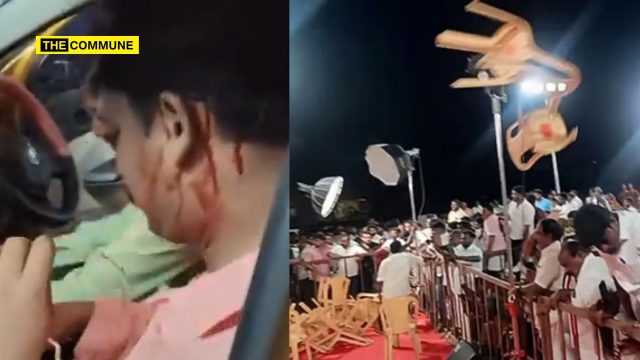
Tracking Anti-Hindu Crimes In Muhammad Yunus’s Bangladesh: A Timeline Of Events From December 2025 To January 2026

Between 1 December 2025 and 14 January 2026, Bangladesh witnessed a spate of serious crimes targeting members of the Hindu minority, including killings, mob lynchings, sexual violence, arson, vandalism, and arrests linked to alleged blasphemy.

Based on police reports and contemporaneous media coverage, the following is a chronological, factual account of 18 major incidents during this period. The cases span multiple districts and reflect a pattern of targeted violence, intimidation, and communal hostility, with investigations and judicial proceedings at various stages.

#1 Hindu Auto-Rickshaw Driver Samir Das Killed in Feni – 11 January 2026  

On 11 January 2026, 28-year-old Samir Das, a Hindu auto-rickshaw driver, was found beaten and stabbed to death in a field in Jagatpur village under Daganbhuiyan upazila, Feni district. Police said his body bore multiple stab wounds, indicating a violent assault. After the killing, the perpetrators fled with his auto-rickshaw. Authorities recovered the body, sent it for post-mortem examination, and launched operations to identify suspects and recover the stolen vehicle. The case was registered as murder linked with robbery.

#2 Hindu Youth Mithun Sarkar Drowns While Fleeing Mob In Naugaon – 5 January 2026 

On 5 January 2026, 25-year-old Mithun Sarkar drowned in a canal in Bhandarpur village, Mahadevpur upazila, after fleeing a mob that had accused him of theft. Eyewitnesses reported that Mithun was chased by local extremists and, in panic, jumped into the canal near Chakgauri Bazaar. Unable to swim, he cried for help while people stood by on the banks without intervening. Police later recovered his body.

The incident was registered as a death following mob intimidation based on unverified allegations.

#3 Hindu Grocery Shop Owner Mani Chakraborty Killed – 6 January 2026 – Narsingdi

On 6 January 2026, 40-year-old Mani Chakraborty, a Hindu grocery shop owner, was attacked with sharp weapons at Charsindur Bazar in Palash upazila, Narsingdi district. He was rushed to hospital but succumbed to his injuries. Police said the killing marked one of several fatal attacks on Hindus reported within weeks across Bangladesh. A case was registered, and investigations were initiated to identify those involved.

#4 Hindu Widow Assaulted and Gang-Raped in Kaliganj – 3 January 2026 – Jhenaidah

On 3 January 2026, a 40-year-old Hindu widow in Kaliganj, Jhenaidah district, was gang-raped and tortured by men identified as Shaheen and Hasan. According to police complaints, the attackers broke into her house, raped her, demanded money, and later dragged her outside, tied her to a tree, cut her hair, and filmed the abuse.

The dispute reportedly stemmed from a property transaction. A case was registered after the video circulated, and authorities began search operations for the accused.

#5 Threats Against Hindu District Commissioner Annapurna Debnath – 5 January 2026 – Kurigram

On 5 January 2026, District Commissioner Annapurna Debnath faced threats and communal abuse after cancelling the nomination of a Jamaat-e-Islami candidate due to dual citizenship. Supporters of the party reportedly stormed her office, hurled slurs, and demanded her resignation, alleging religious bias. Police provided security after slogans were raised questioning her right to hold office. The administration termed the incident an attempt to intimidate a constitutional authority performing statutory duties.

#6 Hindu Editor Rana Pratap Bairagi Shot Dead – 5 January 2026 – Jessore

In January 2026, Hindu businessman and newspaper editor Rana Pratap Bairagi was shot dead in the Keshabpur area of Jessore. Police said he was lured from his workplace before being attacked, indicating a targeted killing. The assailants escaped after the shooting. A murder case was registered, and investigations were launched. Media organisations and minority groups expressed concern over the killing of a journalist belonging to a minority community.

#7 Hindu Businessman Khokan Das Attacked and Set on Fire – 31 December 2025 – Chandpur

On the night of 31 December 2025, Khokan Das, a 50-year-old Hindu businessman, was attacked by a mob while returning home after closing his medicine shop. Police reports stated that he was beaten, stabbed, doused with petrol, and set on fire near Keurbhanga Bazaar. Khokan jumped into a pond to extinguish the flames but sustained severe injuries. A case was registered, and police began searching for the attackers.

#8 Hindu Man Bajendra Biswas Shot Inside Factory – 29 December 2025 – Mymensingh

On 29 December 2025, Bajendra Biswas (42) was shot dead inside a garment factory in Bhaluka, Mymensingh district. Police said the accused fired a shotgun during a confrontation inside the factory premises. The suspect was arrested along with the weapon. Authorities registered the case as murder following a workplace dispute, though local reports noted Bajendra’s role in community protection efforts.

#9 Hindu Youth Joy Sarkar Arrested Over Social Media Post – 27 December 2025 – Faridpur

On 27 December 2025, police in Faridpur arrested 22-year-old Joy Sarkar after a complaint alleged blasphemy over his social media comment stating that Sanatan Dharma is the world’s oldest religion. Following public pressure and fears of unrest, police detained him and produced him before a court, which sent him to jail.

#10 Gobinda Biswas Assaulted for Wearing Sacred Thread – 26 December 2025 – Khulna Division

On 26 December 2025, Hindu rickshaw puller Gobinda Biswas was assaulted by a mob near the Jhenaidah Municipality Gate after being accused of espionage due to a sacred red thread on his wrist. Witnesses said rumours spread rapidly, leading to a crowd attacking him.

He sustained serious injuries and was hospitalised. Police registered a case after the incident.

#11 Madhur Canteen Vandalised – 24 December 2025 – Dhaka

On 24 December 2025, Madhur Canteen at Dhaka University was vandalised by a man chanting slogans and damaging property. University authorities and police confirmed the incident after videos circulated online.

The accused identified himself during questioning. A case was registered for vandalism and public disorder.

#12 Hindu Youth Amrit Mandal Lynched – 24 December 2025 – Rajbari

On 24 December 2025, Amrit Mandal (29) was beaten to death by a mob in Rajbari district after being accused of extortion. Police said the mob assaulted him with sticks and rods, leading to fatal injuries. A murder case was registered, and investigations were initiated.

#13 Two Hindu Houses Burnt in Chittagong – 22 December 2025 – Chittagong

In the early hours of 22 December 2025, two Hindu houses in West Sultanpur village were set on fire. The families escaped, but property and livestock were destroyed. Police registered an arson case and began inquiries.

#14 Gobinda Biswas Assaulted Again in Jhenaidah – 20 December 2025 – Jhenaidah

On 20 December 2025, Gobinda Biswas was assaulted in Jhenaidah after rumours accused him of being an Indian agent due to a sacred thread. Police confirmed the assault and registered a case.

#15 House of Hindu Journalist Vandalised – 19 December 2025 – Dhaka

On 19 December 2025, the house of Hindu journalist Sushant Dasgupta was vandalised by a mob in Habiganj following protests linked to an unrelated incident.

Family members escaped unharmed. Police registered a case and investigated.

#16 Hindu Youth Dipu Chandra Das Lynched – 19 December 2025 – Mymensingh

On 19 December 2025, Dipu Chandra Das was lynched in Bhaluka after allegations of blasphemy. His body was later set on fire. Police opened a murder investigation.

#17 Freedom Fighter Jogesh Chandra Roy and Wife Killed – 6 December 2025 – Rangpur

On 6 December 2025, Jogesh Chandra Roy (75), a Liberation War veteran, and his wife were found murdered in their home in Rangpur district. Police registered a double murder case.

#18 Hindu Trader Utpal Sarkar Murdered – 5 December 2025 – Faridpur

On December 5, 2025, fish trader Utpal Sarkar was stabbed to death during a robbery near Kalitala Bridge, Faridpur. Police registered a homicide case and searched for the attackers.

Subscribe to our channels on TelegramWhatsApp, and Instagram and get the best stories of the day delivered to you personally. 
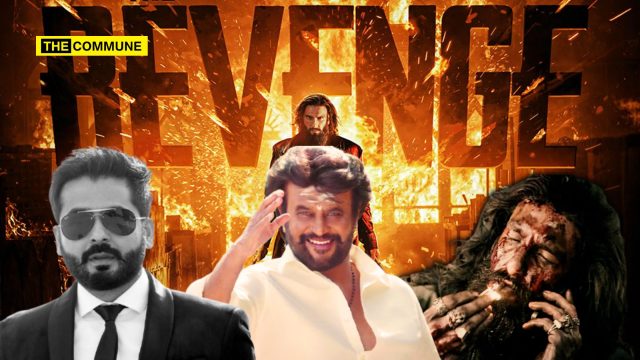
How Uddhav Thackeray Dismantled Balasaheb’s Legacy And Turned His Party Into An Anti-Hindu Dungeon

Uddhav Thackeray, the prodigious son of Hindu Hriday Samrat Bal Thackeray, has been making derogatory statements, using ‘gaumutra’ jibes against Hindus and taking the party his father so painstakingly created to newer lows by the day.

Between 2020 and 2026, multiple statements and actions by former Maharashtra Chief Minister Uddhav Thackeray and leaders of the Shiv Sena (Uddhav Balasaheb Thackeray faction) have sparked controversy and reek of hostility toward Hindu beliefs, practices, and symbols. In this report, we look at 11 such instances involving Uddhav Thackeray and leaders of the UBT-SS.

#1 Makes Gaumutra Jibe Against BJP Workers – 11 January 2026

Speaking at an election rally just before the BMC elections in January 2026, Uddhav Thackeray spewed venom against BJP workers with the ‘gaumutra’ jibe. He said, “Whenever there is a crisis in Mumbai, whether a natural disaster or a terrorist attack, the first people who rush to help, without asking about caste, religion, or identity, are Shiv Sena workers inspired by the Shiv Sena founder. They are the first to stand in line to donate blood. That line is never formed by BJP workers. BJP workers will stand in line for cow urine, but not for blood donation. They will line up to drink cow urine. People are dying there, but BJP supporters won’t line up to donate blood. They believe drinking cow urine will save lives. But this is your Hindutva? Even while donating blood, a Shiv Sainik never asks who will receive it.”

#2 Ramayana Remark by Muslim Leader, Thackeray Remains Silent -7 January 2026

During the 2025–26 Maharashtra civic elections campaign, a video went viral showing a Muslim woman leader from Shiv Sena (UBT) questioning the telecast of the Ramayana on television, stating that the Constitution should be shown instead. The remark was made from the stage in the presence of Uddhav Thackeray, who did not intervene or respond. Critics pointed out that the silence was significant, arguing that a senior leader known for once championing Hindu causes chose not to counter a remark perceived as dismissive of a major Hindu epic.

#3 ‘Jai Maharashtra, Not Jai Shri Ram’ – Sanjay Raut – 31 December 2025

Ahead of the Brihanmumbai Municipal Corporation elections, Shiv Sena (UBT) leader Sanjay Raut stated that slogans like “Jai Shri Ram” would not dominate Mumbai and that only “Jai Maharashtra” would prevail. The comment was framed as a rebuttal to BJP’s campaign rhetoric but was widely interpreted as dismissive of a popular Hindu religious slogan. Critics argued that opposing “Jai Shri Ram” amounted to rejecting a cultural expression deeply rooted in Hindu faith.

#4 Hindu Organisations Compared to Taliban – 17 March 2025

In another controversy the same day, Sanjay Raut, through editorials and commentary linked to Saamana, compared Hindu organisations and Hindutva activists to the Taliban. The analogy was condemned across political lines, with critics calling it an extreme and inflammatory comparison that equated Hindu religious groups with a globally recognised terror organisation. Detractors said the comparison trivialised terrorism while demonising Hindu civil society groups.

#5 ‘Why Should I Read the Bhagavad Gita?’ – Uddhav Thackeray 19 November 2024 

A video circulated on social media showed Uddhav Thackeray stating that he did not find it appropriate to read “thick books” like the Bhagavad Gita, questioning why he should read it at all. In the same address, he mentioned that he had received a copy of the Quran from Muslims who loved him and the country, and said he was reading it. Critics accused Thackeray of double standards, arguing that dismissing a foundational Hindu scripture while expressing openness toward another religious text sent a politically loaded signal.

#6 ‘Hindu Hriday Samrat’ Removed From Balasaheb’s Name – 19 November 2024  

Maharashtra Navnirman Sena chief Raj Thackeray publicly accused Uddhav Thackeray of removing the title “Hindu Hriday Samrat” from banners featuring Balasaheb Thackeray to appeal to Muslim voters. He also alleged that some hoardings referred to Balasaheb as “Janab Balasaheb Thackeray” in Urdu. The accusation intensified internal Thackeray-family political rivalry but also fuelled claims that Shiv Sena (UBT) was consciously rebranding itself away from overt Hindu identity.

#7 Questioning Lord Ram’s Birthplace – Sushma Andhare 11 October 2024 

Shiv Sena (UBT) spokesperson Sushma Andhare was recorded questioning whether there was proof that Lord Ram was born in Ayodhya and making a sarcastic reference to kar sevaks. The remark came shortly after the Ram Mandir consecration debate and was seen as directly challenging a core Hindu belief upheld by a Supreme Court verdict. Critics argued that such statements not only hurt religious sentiments but also contradicted the ideological foundations laid by Balasaheb Thackeray.

#8 ‘Gaumutradhari Hindutva’ – Uddhav Thackeray – 17 April 2023

Addressing a rally in Nagpur in April 2023, Thackeray questioned what he called the BJP’s “Gaumutra-dhari Hindutva,” asking whether reading the Hanuman Chalisa while attending Qawwali programmes amounted to Hindutva. He said, “On one hand they read Hanuman Chalisa and on other hand, they go to mosques & listen Qawali, is this their Hindutva? They go and have ‘Mann ki Baat in Urdu in UP, is this their Hindutva? Our Hindutva is about sacrificing life for the country”.

He rejected claims that aligning with the Congress meant abandoning Hindu identity, asserting that Hindus exist across parties. Thackeray also criticised Chief Minister Eknath Shinde for visiting Ayodhya while farmers suffered losses due to unseasonal rains.

#9 ‘Did We Gain Independence By Sprinkling Gaumutra?’ – Uddhav Thackeray – 5 March 2023

Thackeray launched an attack on the Bharatiya Janata Party and the Rashtriya Swayamsevak Sangh at a public meeting in Ratnagiri’s Khed in March 2023, mocking the use of cow urine and questioning whether India attained independence by “sprinkling gaumutra.” He said freedom came through sacrifices by freedom fighters, not rituals. Thackeray also targeted the Election Commission of India over its decision to allot the Shiv Sena name and symbol to the Eknath Shinde faction, calling it unacceptable. He alleged democracy was under threat and accused the BJP of rising to power using Balasaheb Thackeray’s legacy, claims critics noted contrasted with his own 2019 alliance with the BJP before joining Congress and the NCP.

#10 Hanuman Chalisa Readers Called ‘Ghantadhari Hindus’ – 25 April 2022 

During the controversy surrounding MP Navneet Rana’s announcement to recite the Hanuman Chalisa outside Thackeray’s residence, Uddhav Thackeray referred to those insisting on public recitation as “ghantadhari Hindus.” He suggested that those wishing to recite the Chalisa should do so privately at home and remarked that his party did not need lessons in Hindutva from such individuals. He said, “We follow gada-dhaari hindutva and not ghanta-dhari hindutva,” and and added, “If you want to recite Hanuman Chalisa, do it by coming home. But there is a way. Don’t do dadagiri. If you do that, Balasaheb has taught us how to deal with dadagiri.”

#11 ‘Gomutra-Gobar’ Remark Against Critics – 25 October 2020 

In a Dussehra address, Uddhav Thackeray used terms like “gomutra” and “gobar” to describe critics questioning his government, alleging their mouths were filled with these substances. Given the sacred status of cow-related elements in Hindu tradition and their mention in Ayurveda, the remark was criticised as echoing left-wing and anti-Hindu tropes often used to ridicule Hindu practices.

Subscribe to our channels on TelegramWhatsApp, and Instagram and get the best stories of the day delivered to you personally.
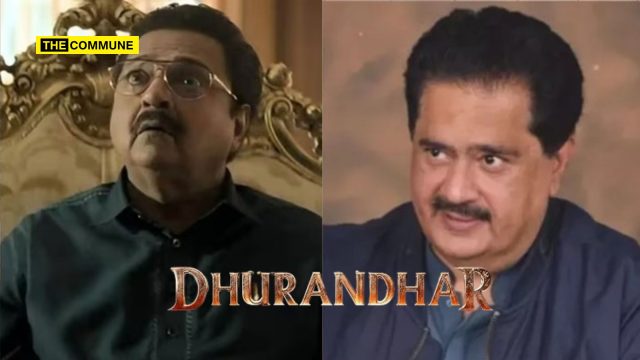
From Missiles To Madrassas: How China Is Expanding Its Footprint In Bangladesh

Between October 2024 and January 2026, Bangladesh witnessed a rapid deepening of engagement with China across political, economic, cultural, and military domains.

Following the change of power in Dhaka, a series of high-level meetings, defence procurements, infrastructure projects, cultural initiatives, and political interactions signalled a marked expansion of the China–Bangladesh relationship.

In this report, we take a look at 19 significant incidents that collectively illustrate the breadth and pace of this evolving nexus, based on official statements and media reports.

#1 Chinese Ambassador Meets Jamaat-e-Islami Chief – 12 January 2026  

On 12 January 2026, Chinese Ambassador Yao Wen paid a courtesy call on Jamaat-e-Islami Ameer Dr. Shafiqur Rahman at the party’s office in Dhaka’s Bashundhara area. The meeting focused on strengthening party-to-party relations, expanding political exchanges, and enhancing overall China–Bangladesh ties. Accompanied by senior embassy officials, the Ambassador discussed cooperation under the Comprehensive Strategic Cooperative Partnership framework. Both sides reportedly agreed to deepen engagement across multiple sectors, presenting the interaction as cordial and constructive, and signalling Beijing’s growing outreach to influential Islamist political actors in Bangladesh.

#2 Chinese Literature Readers Club Launched in Dhaka – 26 December 

On 26 December 2025, the Chinese Literature Readers Club was inaugurated at the Apon Friendship Exchange Center in Baridhara, Dhaka, coinciding with the 50th anniversary of India–Bangladesh diplomatic relations. Officials from the Chinese Embassy and China Media Group jointly launched the initiative to promote Chinese literature in Bangla translation. Writers and publishers highlighted cultural exchange as a tool for long-term influence, with speakers stressing translation, folk narratives, and publishing collaborations as entry points for strengthening people-to-people and cultural ties between China and Bangladesh.

#3 CEAB–BCCCI Dialogue on Trade Disputes – 25 November 2025

A high-level meeting between the Bangladesh China Chamber of Commerce and Industry (BCCCI) and the Chinese Enterprise Association in Bangladesh (CEAB) took place on November 25, 2025. Discussions focused on removing trade barriers, reviving struggling industrial units through joint ventures, and resolving disputes via a proposed Joint Working Group. Bangladeshi representatives emphasised textiles as a priority sector, while both sides underlined legal and institutional mechanisms to smooth Chinese investment operations, reflecting growing economic interdependence.

#4 Bangladesh Approves Purchase of SY-400 Missile System – 2 November 2025

On 2 November 2025, Bangladesh’s Ministry of Defence approved the procurement of China’s SY-400 surface-to-surface missile system under the Forces Goal 2030 programme. The decision marked a significant upgrade in Bangladesh’s strike capability, with the system featuring long-range precision, rapid mobility, and high-speed strike potential. Defence analysts noted that the acquisition underscored Dhaka’s increasing reliance on Chinese military hardware and deepening defence cooperation with Beijing.

#5 China Pledges Support Against U.S. Tariffs – 29 July 2025

Speaking at a discussion organised by the Diplomatic Correspondents Association in Dhaka, Chinese Ambassador Yao Wen stated that China would assist Bangladesh in addressing the impact of U.S. tariffs. He described the tariffs as coercive and contrary to WTO principles. The Ambassador also proposed trilateral cooperation involving China, Bangladesh, and Pakistan to safeguard regional sovereignty and economic development, positioning Beijing as a strategic counterweight to Western trade pressure.

#6 Chinese Investments Create 550,000 Jobs – 4 June 2025 

On 4 June 2025, the President of the Chinese Enterprise Association in Bangladesh stated that Chinese firms had invested over $11 billion in Bangladesh since 2016, generating approximately 550,000 jobs. Investments spanned power, transport, water, and digital sectors, with Chinese companies accounting for a majority share of private power generation capacity. The statement reinforced China’s role as Bangladesh’s largest foreign investor and a central driver of its infrastructure-led growth.

#7 Muhammad Yunus Calls China Partnership a ‘Strategic Moment’ – 1 June 2025 

At the China–Bangladesh Investment and Trade Conference in Dhaka, Chief Advisor Muhammad Yunus urged Chinese investors to participate in Bangladesh’s transformation at what he termed a strategic moment. He said he had personally requested President Xi Jinping to encourage Chinese investment. Chinese officials reaffirmed support for enhancing export capacity and integrated trade, highlighting the convergence of Bangladesh’s development agenda with Chinese economic outreach.

#8 New MoU Strengthens Textile Cooperation – 1 June 2025 

On the same day as the above event, an MoU was signed between Chinese and Bangladeshi textile industry bodies to deepen cooperation in apparel and textile manufacturing. The agreement focused on joint exhibitions, trade promotion, and sustainable innovation. Signed during a high-level Chinese delegation’s visit, the MoU reflected China’s growing role in Bangladesh’s export-oriented textile sector and its efforts to integrate Bangladeshi manufacturing into Chinese-linked supply chains.

#9 Bangladesh Begins Mango Exports to China – 28 May 2025 

Bangladesh announced its first-ever mango exports to China, with 50 tons scheduled for shipment in 2025. Officials said discussions with Chinese authorities were finalised to open the market. The initiative was presented as part of a broader push to diversify agricultural exports, with China emerging as a key destination. The move highlighted expanding trade ties beyond infrastructure and industry into agriculture.

#10 Missile and Air Defence Talks With China – 13 May 2025 

Senior Bangladeshi army officials met representatives of China Vanguard Co. Ltd to discuss acquiring advanced air defence systems, including HQ-17AE and FK-3 missiles and radar platforms. The talks aimed to modernise Bangladesh’s air defence network, with additional discussions on portable missile systems for naval use. The engagement pointed to deepening military-technical cooperation with China.

#11 Chinese Envoy Promotes Beijing’s Development Model – 11 May 2025 

At a readers’ forum on “Xi Jinping: The Governance of China,” Ambassador Yao Wen suggested Bangladesh could draw lessons from China’s modernization model. He argued that modernization need not follow Western pathways and highlighted similarities between Chinese governance ideas and Bangladesh’s development vision. Political leaders from multiple parties attended, reflecting China’s outreach across Bangladesh’s political spectrum.

#12 Reaffirmation of 50-Year Water Management Plan – 20 April 2025 

During a meeting at the state guest house Jamuna, Bangladesh and China reaffirmed plans for a long-term water management master plan, including work on the Teesta River. Proposals also included Chinese-backed healthcare projects. The meeting highlighted strategic infrastructure and resource cooperation, positioning China as a long-term development partner.

#13 $2.1 Billion Investment Deal Signed in Beijing – 28 March 2025 

Bangladesh secured $2.1 billion in Chinese investment, loans, and grants during an official visit to Beijing. The funds were allocated primarily for infrastructure, energy, and digital projects, with a mix of low-interest loans and direct investment. The agreement provided a significant boost to bilateral economic ties and supported Bangladesh’s foreign exchange position.

#14 China Calls Itself Bangladesh’s ‘Most Trustworthy Partner’ – 10 March 2025 

At a dinner hosted by a senior Bangladeshi political leader, Ambassador Yao Wen described China as Bangladesh’s most reliable partner. The event followed a multi-party Bangladeshi delegation’s visit to China. Participants shared experiences of Chinese hospitality, underscoring Beijing’s efforts to build goodwill across political, academic, and media circles.

#15 China Pledges 1,000-Bed Friendship Hospital – 20-24 January 2025 

During an official visit to China, Bangladesh’s foreign affairs adviser requested medical cooperation for Bangladeshi patients. China agreed to designate hospitals for Bangladeshi nationals and pledged support for a 1,000-bed Bangladesh–China Friendship Hospital in Dhaka. The commitment marked a significant expansion of bilateral cooperation in healthcare.

#16 China Agrees to Ease BRI Loan Terms – 21 January 2025  

China verbally agreed to ease the terms of Belt and Road Initiative loans to Bangladesh by reducing interest rates and extending repayment periods. The assurance came amid discussions on infrastructure financing, healthcare cooperation, and data sharing. Analysts viewed the move as an effort to sustain Chinese projects while addressing debt sustainability concerns.

#17 China-Funded Padma Bridge Rail Link Inaugurated – 24 December 2024 

Bangladesh inaugurated the China-funded Padma Bridge Rail Link, the country’s largest railway project. Built under the Belt and Road Initiative, the 170-kilometre line significantly reduced travel time between Dhaka and southwestern regions. The project symbolised China’s central role in Bangladesh’s transport infrastructure development.

#18 Chinese Naval Ships Visit Bangladesh – 12 October 2024 

Two Chinese naval vessels arrived at Chattogram port on a goodwill visit, marking the first such visit in four years and the first by a foreign fleet after the interim government assumed power. The visit underscored growing maritime and defence ties between the two countries.

#19 China Backs Bangladesh’s Political Shift – 10 October 2024

China publicly welcomed the student-led protests in Bangladesh that resulted in the collapse of the previous government, signalling its support for the country’s political transition. During a meeting with representatives of the protest movement, Chinese Ambassador to Bangladesh Yao Wen praised the “courage and wisdom” shown by students who spearheaded the unrest. Some of these representatives have since assumed roles in the interim administration headed by Nobel laureate Muhammad Yunus. Beijing’s remarks were viewed as an endorsement of the transitional process in Bangladesh.

Subscribe to our channels on TelegramWhatsApp, and Instagram and get the best stories of the day delivered to you personally.