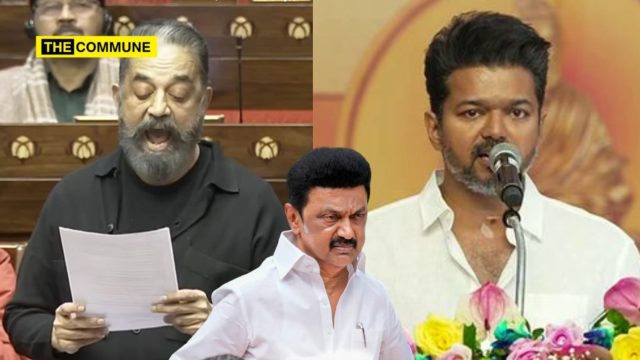
Fresh developments in the Karur stampede case indicate that actor-politician Vijay may be named in the charge sheet, based on the findings of the ongoing Central Bureau of Investigation probe. While Vijay’s name does not figure in the original FIR, reports say the CBI is actively considering his inclusion following detailed questioning and a comparison of his statements with those of other witnesses.
During the latest round of interrogation, CBI officials reportedly confronted Vijay with a series of pointed questions that go to the heart of responsibility and decision-making on the day of the tragedy. Investigators asked why he arrived late at the venue, whether he was aware that disturbances and crowding were already unfolding below, and what concrete steps he took to avert danger. He was also questioned on why his vehicle was driven into the venue despite an overwhelming crowd, when he first realised there was a stampede risk, whether he knew trouble was brewing below the stage, and why he proceeded inside despite police advising against it.
Reports said the agency made it clear that Vijay’s answers to these questions would be crucial in determining whether his name is included in the charge sheet. The CBI is reportedly cross verifying his responses with statements earlier recorded from other party functionaries, looking for contradictions and inconsistencies.
Vijay was earlier questioned last week for nearly seven hours at the CBI headquarters in New Delhi as part of the investigation. During that session, he was reportedly given around 100 questions, initially in a checklist format, followed by a detailed cross-examination conducted in English. After a break for meals, the cross-examination resumed, with Vijay continuing to respond in English throughout.
Among the key questions put to him were why he continued speaking despite the crowd swelling beyond control, whether he followed police instructions at the venue, whether he rejected certain inputs given by the police, the time period for which he was permitted to speak, and the actual duration of his speech. According to reports, Vijay repeatedly sought to place the blame on the Tamil Nadu government, alleging that adequate security was not provided, the crowd was not controlled, and sufficient police protection was not ensured for the public.
The agency is said to be following strict and confidential investigation protocols in the case. A small team of trusted senior officers has reportedly been assigned, with access to files and internal deliberations tightly restricted to prevent leaks. Physical files are sealed and stored securely, while digital records are kept on isolated computer systems. All evidence including documents, call records, financial data, and CCTV footage is being analysed together to identify links and discrepancies. Witnesses are being examined in a planned sequence to ensure earlier statements are not influenced by later testimonies.
Reports also said that Vijay is being questioned alone in a secure room, as part of the CBI’s standard confidential interrogation method. The stated objectives of this approach include preventing destruction of evidence, protecting witnesses, avoiding political or media pressure, and building a strong, court-proof case.
Contrary to claims by some that the case would lose momentum after being handed over to the CBI, political sources say the agency has adopted an unusually firm approach. The investigation, they said, is being pursued with the same seriousness seen in high-profile cases that have shaken the country.
This has reportedly unsettled Vijay’s camp. Reports claim that Vijay has privately complained to close relatives and friends that the Tamil Nadu government could have continued the Karur probe on its own, that the Delhi-based investigation is proceeding in a very different manner, and that he has been unnecessarily dragged into the case.
The CBI is investigating the September 27 stampede at Velusamipuram in Karur, which occurred during a campaign meeting of Vijay’s party, Tamilaga Vettri Kazhagam, and claimed 41 lives, including women and children. In the first phase, the agency questioned over 200 people, including party functionaries, police officers, ambulance drivers, and vehicle owners. Subsequently, key TVK functionaries N Anand, Nirmal Kumar, and Aadhav Arjuna, along with senior police officials, were summoned to Delhi for questioning.
Vijay appeared before the CBI for the first round of questioning on 12 January 2026, where he was examined for over six hours. After seeking time citing the Pongal festival, he was summoned again for a second round.
Reports now indicate that the CBI is preparing to file the charge sheet in the first or second week of February, and that Vijay’s inclusion in the case is increasingly likely as the probe intensifies.
In the aftermath of the September 27 Karur stampede at actor-politician Vijay’s rally, the ruling Dravida Munnetra Kazhagam scrambled to control the narrative as news of children being killed and injured began to spread late into the night. Senior DMK leaders rushed to Karur, including Education Minister Anbil Mahesh Poyyamozhi, who visited the Karur Government Medical College and Hospital.
Videos from the hospital quickly went viral, showing the minister allegedly breaking down in tears before the bodies of deceased children. The minister was heard saying that organisers had been repeatedly told to follow the conditions, a statement that critics say appeared to shift responsibility away from the administration and onto unnamed organisers, even as families mourned their dead. He had said, “They repeatedly told them to follow the conditions” (Padichu padichu sonnanga conditions ah follow pannunga da nu). Hope it stops at 36.”
This clip of DMK Minister Anbil Mahesh crying became viral and meme-worthy content as his behaviour was being called out by netizens as ‘drama’ and ‘good acting’.
Against this backdrop of performative grief and unanswered questions, the trailer of the film Thalaivar Thambi Thalaimayil starring actor Jiiva had featured this dialogue in a comical way.
Now in a separate video actor Jiiva from the launch of his film Thalaivar Thambi Thalaimaiyil has gone viral. In the clip, Jiiva is heard delivering a dialogue that says, “Naan thirumba thirumba sonnene conditions ah follow pannunga nu. Kettangala?” (“Didn’t I repeatedly tell you to follow the conditions? Did you listen?”).
கொஞ்சம் கூட மனிதாபிமானமற்ற ஜீவா.
TTT படத்தில் இந்த வசனத்தை பார்க்கும்போது சரியாக புரியவில்லை. படம் முடிந்துவிட்டது என்ற எண்ணி எந்திரித்து வரும் பொழுது வந்து வசனம்.
While officially a dialogue from the film, the resemblance to Education Minister Anbil Mahesh Poyyamozhi’s now-infamous remark at the Karur hospital was impossible to miss. Netizens were quick to draw parallels, interpreting the dialogue as an unintentional or perhaps perfectly timed trolling of the DMK’s blame-shifting emotional theatrics.
Subscribe to our channels on Telegram, WhatsApp, and Instagram and get the best stories of the day delivered to you personally.
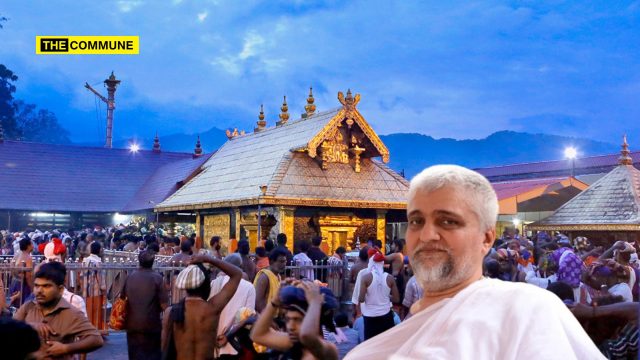
Rameswaram witnessed tension on 16 January 2026 after local residents protested against a group of Christian preachers who were allegedly proselytising near a temple linked to the Ramanathaswamy Temple.
According to reports, around ten Christian preachers were distributing pamphlets and preaching near the Bhadrakali Amman temple, which falls under the Ramanathaswamy Temple administration, in Rameswaram of Ramanathapuram. Local residents objected to the activity and staged a protest at the spot.
Following the protest, the preachers reportedly moved a short distance away. However, they resumed preaching and continued distributing leaflets, including to Ayyappa devotees in the area, leading to a fresh argument with local people.
Town police arrived at the scene, held talks with both sides, and pacified the situation. The police subsequently asked the preachers to leave the area, restoring normalcy.
Let’s protect the dignity of the holy site!
More than 50 people from Chennai, who were engaged in religious conversion propaganda using loudspeakers near the Rameswaram temple, were stopped by Vishva Hindu Parishad (VHP) members.
Bharathi Kannan, administrator of the Bharatiya Janata Party Tiruppur South District Youth Wing’s social media division, was reportedly arrested by the Tamil Nadu police in Tiruppur without following due legal procedure. His brother, Lingeshwaran Maruthi, who was with him at the time of the arrest, was assaulted, had his shirt torn, and was subjected to physical intimidation during the police action.
பா.ஜ.க இளைஞரணி சமூக ஊடகப் பிரிவு மாநில குழு உறுப்பினர் திரு.பாரதி கண்ணன் அவர்களை திமுக அரசின் காவல்துறை அத்துமீறி கைது செய்திருப்பதை வன்மையாக கண்டிக்கிறோம்.
இச்சம்பவத்தின் போது காவல்துறையினரால் தாக்கப்பட்டு, தாராபுரம் அரசு மருத்துவமனையில் சிகிச்சை பெற்று வரும் அவரது சகோதரர்… pic.twitter.com/4CnAMmdNdT
கருத்தைக் கருத்தியலால் எதிர்கொள்ளத் திராணியற்ற விடியா தி.மு.க. அரசின் அடக்குமுறை அரங்கேறியுள்ளது!
திருப்பூர் தெற்கு மாவட்ட பா.ஜ.க. இளைஞரணி சமூக ஊடகப் பிரிவு நிர்வாகி தம்பி பாரதி கண்ணனை, எவ்வித சட்ட நடைமுறைகளையும் பின்பற்றாமல் காவல்துறையினர் கைது செய்துள்ளனர். உடன் சென்ற அவரது… pic.twitter.com/XYhmfFvSgX
On 17 January 2026, at around 12:30 PM, Bharathi Kannan was taken away in Mulanur, Dharapuram Taluk, Tiruppur district, after a group of eight men in civilian clothes, travelling in a Hyundai Verna, deliberately caused an accident while he was riding a two-wheeler with his brother Lingesh near the Aavin Milk Society. Bharathi Kannan was forcibly apprehended without any arrest memo being shown, without any reason being cited, and without the men identifying themselves as police personnel. Since then, his whereabouts have not been disclosed to his family. His brother Lingesh sustained injuries during the incident and is undergoing treatment at a nearby government hospital. Bharathi Kannan’s parents, Ramasadasivam and Logamani, later approached the Mulanur Police Station to lodge a complaint, but the inspector, Vivekanandan, refused to register it, stating that confirmation from superiors was required. Repeated attempts to contact the Superintendent of Police, Tiruppur (Rural), and the Inspector General of Police, Coimbatore Range, reportedly went unanswered.
The incident has triggered a sharp political reaction from the BJP, which accused the police of acting as enforcers for the ruling Dravida Munnetra Kazhagam government. The party demanded immediate action against the policemen involved, stating that the law had been openly violated.
Placing the arrest in a broader context, the BJP said the action against Bharathi Kannan was part of a sustained crackdown on its youth wing across Tamil Nadu. The party recalled an earlier incident in which BJP youth wing functionaries were attacked inside a private television office located just metres away from the Police Commissioner’s office in central Chennai. According to the BJP, no cases were registered against the attackers, while police instead booked cases against the BJP workers who were assaulted.
The BJP stated that these cases were later used to justify arrests. Lal Prasad, a state executive committee member of the BJP Youth Wing, was earlier taken into custody and imprisoned during the Pongal court holidays, without due process, the party said.
Subsequently, the Madras High Court granted interim protection to BJP youth wing members and directed that no arrests be made. The BJP said the arrest of Bharathi Kannan amounted to a direct violation of this court order. The party further claimed that Bharathi Kannan and his brother were assaulted during the arrest and that the police have so far refused to disclose his whereabouts since he was taken into custody.
Former Tamil Nadu BJP state president K Annamalai has written to the National Human Rights Commission, seeking intervention in what the party described as an illegal arrest and custodial excess.
தமிழக அரசியலில் கடந்த 75 ஆண்டுகளில் கண்டிராத அடக்குமுறையை ஆளும் தி.மு.க அரசு பாரதிய ஜனதா கட்சி இளைஞரணியின் மீது ஏவியுள்ளது. சென்னையின் மையப்பகுதியில், காவல் ஆணையர் அலுவலகத்தில் இருந்து சில மீட்டர்களே உள்ள தனியார் தொலைகாட்சி அலுவலகத்தில் புகுந்து பா.ஜ.க இளைஞரணி நிர்வாகிகளை… pic.twitter.com/xzZOUIj7RU
In its statement, the BJP accused the police of targeting opposition party workers across the state instead of focusing on criminals and antisocial elements, and said the developments reflected a breakdown of governance under Chief Minister M. K. Stalin. There was no immediate response from the state government or the police at the time of publication.
Subscribe to our channels on Telegram, WhatsApp, and Instagram and get the best stories of the day delivered to you personally.
The Central Bureau of Investigation is expected to issue a summons to John Arokiyasamy, adviser and chief strategist of Tamilaga Vettri Kazhagam (TVK) leader Vijay, to appear for questioning, sources said.
The development comes in connection with the Karur tragedy that occurred on September 27 last year, when severe overcrowding at a public meeting attended by Vijay led to the deaths of 41 people. The CBI is investigating the incident, with the probe being monitored by a Supreme Court-appointed committee comprising retired Justice Ajay Rastogi and senior IPS officers Sumit Sharan and Sonal Mishra. According to officials, the investigation has now reached its final stages.
On 12 January 2026, CBI officials questioned Vijay at the agency’s headquarters in New Delhi for about seven hours. Senior Tamil Nadu police officers Davidson Devasirvatham and Joshi Nirmal Kumar were also examined during the same session.
As further questioning of Vijay is required, the CBI has issued a summons asking him to appear again on 19 January 2026. He is expected to comply and present himself for continued interrogation.
Following this, CBI sources said a decision has been taken to summon John Arokiyasamy as well. As reported in Dinamalar, Arokiyasamy played a key role in planning Vijay’s campaign tours and public meetings across several districts in Tamil Nadu, based on a strategy he designed.
The sources further stated that, during the Karur event, instructions were allegedly given to party functionaries and the vehicle driver to move beyond the location permitted by the police and park the vehicle at a distance before Vijay addressed the crowd. The reasoning cited was that if Vijay spoke from the police-approved spot, opposition from protesters gathered at the venue could escalate into stone-throwing towards the vehicle.
CBI officials are now seeking to ascertain how John Arokiyasamy received information suggesting the possibility of stone-pelting, who provided him with such information, and the credibility of that input. Statements made earlier by TVK members who were questioned as part of the probe reportedly indicated that the decision to move and park the vehicle away from the permitted location was taken on Arokiyasamy’s instructions.
Based on these aspects, the CBI has decided to call John Arokiyasamy for questioning and is expected to issue a summons to him shortly, the sources added.
On 18 January 2026, a social media exchange laid bare the DMK’s entrenched hostility towards Brahmins, when a ruling party legislator reduced an entire community to “mosquitoes” in a public post while also reportedly calling for their elimination.
Political commentator Sumanth Raman posted on X mocking the Dravida Munnetra Kazhagam’s record of poll promise keeping in office. Writing from his handle, he said: “The committee preparing the manifesto for @arivalayam has an easy task. Take their 2021 manifesto, change the date to 2026 and remove the handful of promises fulfilled. Add some more freebies and it is done. Should not take more than an hour”
The committee preparing the manifesto for @arivalayam has an easy task. Take their 2021 manifesto, change the date to 2026 and remove the handful of promises fulfilled. Add some more freebies and it is done. Should not take more than an hour. 😂😂😂
The post criticised the Dravida Munnetra Kazhagam government for what he described as unfulfilled promises during its term.
In response, Thousand Lights constituency MLA Dr. Ezhilan quoted Raman’s post and wrote: “One of the many requests from the people to eliminate certain species of mosquitos …”
The remark immediately drew backlash on social media, with netizens alleging that the language amounted to dehumanisation and a veiled call for genocide, with some interpreting the “mosquitos” reference as being aimed at Brahmins.
The controversy intensified when a DMK ally, Indian National Congress State Working Chairman (OBC) Dhivya Marunthiah, added a laughing emoji while sharing Ezhilan’s post.
It is noteworthy that Marunthiah had earlier circulated an older clip of Islamist extremist Ahmed Ali aka Palani Baba, in response to Vedic scholar Dushyanth Sridhar’s post about Thirupparankundram. In the video, Ali is heard saying, “I’m giving you a final warning, stay inside your house or else, I’ll turn into an extremist.”
Let us take a look at genocide calls against Brahmins by DMK functionaries.
In June 2022, the party’s spokesperson Rajiv Gandhi posted on his Twitter advocating genocide against the community.
Political commentator Sumanth Raman had shared a snippet of EV Ramaswamy Naicker (EVR)’s speech in which the anti-Hindu hate mongerer calls for killing Tamil Brahmins.
“They are celebrating festival it seems.. He (Tamil Brahmin) is celebrating Soora Samharam (a festival commemorating Lord Murugan’s victory over demon king Soora Padman). He (Soora Padman) was someone who said there is no God. They (Tamil Brahmins) killed him. So, now we can kill those buggers.” EVR, who is hailed as ‘Periyar’ by his followers says in that speech.
EVR also goes on to say “That won’t be wrong. Maybe legally it will be wrong. That legal offence and all is humbug. We can’t be bothered that it is legally wrong. We have to come to this conclusion. Wherever we see a temple, we must go inside and break all the idols inside. Wherever we find a Paapaan (a derogatory way of calling Tamil Brahmins), we must kill and destroy him. He has done like this to us. He has come to this good position by doing these kinds of things only. We must also do such things to him (Tamil Brahmin). A few of us (non-Brahmins) would have to die for the cause. If one Tamilan (non-Brahmin) dies for one Tamil Brahmin, only 3 of us will die out of every hundred. Balance 84%, sorry.. 100-3 equals 97, 97-3 equals 94. 94% of us will still remain but he (Tamil Brahmin) will be completely eliminated. We will definitely go this level. We can only go step by step.”
This brazen call for genocide was given by ‘Periyar’ EV Ramaswamy Naicker in 1973 at Karikudi, Tamil Nadu.
Sharing this speech snippet on his X handle, Sumanth Raman drew the attention of the people living in the rest of India to understand the hate peddled against Tamil Brahmins in Tamil Nadu. He also added that the genocide did not happen thanks to Indira Gandhi, and AIADMK supremos MG Ramachandran and J Jayalalithaa.
Responding to this tweet, DMK spokesperson Rajiv Gandhi wrote “Had only the Shudras carried out Periyar’s instructions, they wouldn’t have to fight with people like you today to get justice, employment, rights, education, employment and equality. At 3% you are still encroaching a lot of the space.”
Now let us take a look at the anti-Hindu comments made by Ezhilan.
In March 2025, the Thousand Lights MLA propagated divisive views and ridiculed the highly revered spiritual text, the Bhagavad Gita. The incident took place at a book launch event for Dravidian Stock’s translation of Kalaignar’s Thirukkural, where he mocked Hindu spiritual texts like the Gita and Upanishads.
Speaking at the event DMK MLA Ezhilan said, “Have you noticed that even today, Kamba Ramayana festivals are being conducted in palatial five-star hotels under the guise of Bhagavad Gita oration? They declare it as ‘elite,’ delivering narrations in English, and then you have Englishmen’s narration, exclaiming, ‘Wow! awesome! The Bhagavad Gita is a perceptional change!’ That (Gita) itself an extra fitting. The Mahabharata unfolds on one side, and it is evident that this (Gita) was cleverly inserted in the middle. Suddenly, at the peak of the war, Krishna begins advising Arjuna—this is what they call the Gita.”
He laughed and said, “Dei, there’s a war happening, people are killing each other, and now you’re giving advice? Comrades, we have studied many war stories from around the world—have you ever read anything like this? We’ve read the Iliad and the Odyssey. We have the Puranaanooru, which even depicts elephants. That’s fine. We’ve also spoken of Kalingathu Parani. But tell me—have you ever seen a moment in the middle of a war where, as arrows fly, someone says, “Wait, I’m advising him!”? Do you understand any of the logic behind this? They inserted it into the Bhagavad Gita and used it to influence/killing us (Vachu Seiran), but there is no originality in it, comrades.’”
Then DMK MLA Ezhilan argues that the Bhagavad Gita and Upanishads were deliberately crafted as a strategic response to counter Buddhist influence. Furthermore, Ezhilan continues, stating that the tradition (without directly naming Hinduism) contains mantras primarily for destruction—mantras for jaundice and diseases, for urination, and even for constipation. He remarks, “If you study them, you’ll find it laughable; it’s an extensive content.”
This is not the first time DMK MLA Ezhilan has been accused of offending Hindu sentiments. On 3 June 2021, in a controversial move, DMK cadres set up a stage in front of Chennai’s Perumal Temple to mark Karunanidhi’s 98th birth anniversary, distributing chicken and mutton biryani despite COVID restrictions. The event, attended by leaders including DMK MP Dayanidhi Maran and MLA Ezhilan Naganathan, drew backlash for obstructing the temple entrance and serving non-vegetarian food. Hindu organizations strongly condemned the act, leading to widespread public outrage.
ஆயிரம் விளக்கு பகுதி 118வது கிழக்கு வார்டில் அமைந்துள்ள சீனிவாச பெருமாள் சன்னதி தெருவில் அமைந்துள்ள பெருமாள் கோவில் வாசலில் 3 – 5-2021 மாலை 12 மணி அளவில் கருணாநிதி பிறந்தநாளை முன்னிட்டு கோவில் வாசலில் சிக்கன் மற்றும் மட்டன் பிரியாணி போடப்பட்டது , தயாநிதி மாறன் எம் பி pic.twitter.com/Yl1F2qQ1DT
In another old video, the DMK leader can be seen spewing venom against Hindu Gods much like what was done by the rabid anti-Hindu YouTube channel Karuppar Koottam.
In the video, Ezhilan Naganathan can be heard saying, “Narada is a known face in Hindu mythology. But, did you know that all he wanted was to be sexually involved with a lot of women?”
He then went on to say how Lord Vishnu had acted like a ‘pimp’ and had asked Narada to go around to the houses on Earth and take every beautiful girl who was present there for himself.
“When Narada had entered any house on Earth, Lord Vishnu was found to be sprawling on the laps of these women. When Narada had questioned this, Lord Vishnu had merely laughed. This caused Narada to proceed to transform himself into a woman, just so he could sleep with Lord Vishnu”, Naganathan can be heard saying in the video.
Another time, the DMK leader called those smearing sacred ash and thiruman as fools. He also insults Hindu worship by saying that women go in front of a stone and pray to fix their husbands.
Subscribe to our channels on Telegram, WhatsApp, and Instagram and get the best stories of the day delivered to you personally.
The disaster of a film called Parasakthi, directed by Sudha Kongara, have reignited debates around Tamil identity, anti-Hindi politics, and the ideological legacy of the Dravidian movement. While the film positions itself as a politically conscious narrative engaging with the Hindi imposition question, it selectively presents history, omitting crucial aspects of EV Ramasamy (EVR/Periyar)’s own documented positions during the 1965 anti-Hindi agitation.
The omission does not seem to be accidental, but that of politically convenience.
What EVR Said In 1965 – And What The Film Avoids
During the second anti-Hindi agitation in January-February 1965, student-led protests swept Tamil Nadu, eventually escalating into statewide unrest. While present-day Dravidian narratives often portray EVR as an unambiguous ideological force behind the agitation, contemporaneous records indicate a more complicated and controversial stance.
EVR Supported Hindi
EVR is on record questioning the logic of opposing Hindi when other states had accepted it. In responses published at the time, he reportedly asked: “What harm will Hindi cause? When thirteen states have accepted it, how can you alone oppose it?” These statements drew sharp criticism from Tamil scholars and activists who were at the forefront of linguistic resistance.
The Tamil journal Thenmozhi, edited by Devaneya Pavanar and Perunchithiranar, published sustained rebuttals to EVR’s position. Scholar Pulavar VP Palanivelan, writing in the same period, reportedly dismissed claims that EVR could be considered a Tamil nationalist leader, calling such portrayals misleading.
Students As “Rowdies”: EVR’s Characterisation Of The Agitation
In a 1965 Pongal special issue of Kurinji, edited by Nedumaran, EVR was asked about the reasons behind student unrest. According to K.P. Neelamani’s book Thanthai Periyar, EVR attributed the agitation not to Hindi imposition but to what he described as governmental weakness and the spread of indiscipline and “rowdyism” among students.
While Congress leader K Kamaraj is reported to have cautiously suggested that northern leaders viewed the agitation as politically motivated, EVR went further, openly describing the protests as a “movement of rowdies” and criticising the Congress government for failing to suppress them effectively.
Archives of DK’s own mouthpiece Viduthalai from the period show that it was EV Ramasamy (hailed as ‘Periyar’ by his followers) who openly criticised the protesting students, referring to them as hooligans and questioning the political motives behind the agitation.
இன்றும் மாணவர்கள் காலித் தனம். பஸ்ஸை கொளுத்தினர். பச்சையப்பன் கல்லூரி மாணவர் ள் (விடுதலை, 26.01.1965).
“Today also students indulged in hooliganism. They burnt buses. Pachaiyappan College students” (Viduthalai, 26 January 1965)
திருச்சியில் மாணவர்கள் காலித்தனம் பஸ்க்கு தீ. தபால் நிலையம் கொள்ளை. (விடுதலை, 10.02.1965).
“In Trichy, students indulge in hooliganism. Bus set on fire. Post office looted.” (Viduthalai, 10 February 1965)
EVR, through his ‘Viduthalai’ newspaper, supported the brutal repression carried out by the police against the protestors.
He even went to the extent of instigating violence against the protestors saying “The hooliganism has increased. Comrades! Keep kerosene in your hands ready. Keep a matchbox. When I point, you light the fire.”
Source: Keetru
This position stands in stark contrast to the moral framing of student resistance that later Dravidian narratives and now Sudha Kongara’s Parasakthi, appear to endorse.
Clash With Rajaji And Escalation Of Rhetoric
The period also witnessed a public exchange between EVR and C. Rajagopalachari (Rajaji), who argued that English, not Hindi, was the most practical link language for India and warned that developments in Tamil Nadu risked deepening internal divisions.
EVR responded sharply in Viduthalai, criticising the DMK and Tamil movement supporters and accusing them of political opportunism. Thenmozhi countered by accusing EVR of effectively aligning with North Indian dominance while attacking Tamil voices within the state. The exchanges reportedly intensified EVR’s hostility toward the agitation.
Calls For Suppression And Extraordinary Measures
According to Thenmozhi and R. Muthukkumar’s History of the Dravidian Movement, EVR went on to advocate extreme measures, including banning political parties such as the Swatantra Party and the DMK, shutting down newspapers, and imposing gag orders to prevent discussion of the anti-Hindi agitation.
As the protests spiralled into violence marked by police action, arson, firing on students, and suicides – DMK leader CN Annadurai issued a statement distancing the party from student violence and calling for restraint.
EVR’s response, however, proved even more controversial. In a 1965 issue of Viduthalai, he reportedly claimed that the agitation subsided only after he instructed party cadres to take up incendiary materials, knives, and fire implements to intimidate and suppress protesters.
In the book “Kilarchiku Thayaaraavom! (Let’s Prepare For The Uprising)”, EVR wrote “The vandalism carried out in the name of anti-Hindi! Where is Hindi in Tamil Nadu? Which school mandated any student to study in Hindi? The newspaper scoundrels and crazy politicians who are peddling about ‘mandatory Hindi’, you people without thinking are being scared about imaginary ‘Hindi’ which doesn’t even exist!”
He further went on to say “If four hooligans had been shot in the beginning itself, all this vandalism and so much loss of life and property would not have occurred. Why is there a law? Why does police have lathis? Why do they have guns? Have they been given to kiss? What kind of a government is this!”
Source: Keetru
Bhaktavatsalam’s government, officially treated the protests as a law-and-order issue. His administration repeatedly warned against violence, threatened “stern action,” and deployed police and paramilitary forces, while blaming opposition parties like the DMK and Left groups for large-scale destruction of public property.
There are no official documents to prove that at any point Bhaktavatsalam publicly used the language attributed to him in the trailer. Transferring EVR’s words onto a Congress leader is a clear attempt to sanitise and distort EVR’s actual position.
Rejection Of Tamil Sentiment Itself
Beyond the Hindi question, EVR repeatedly criticised Tamil emotionalism. In a 1967 Viduthalai article dated 16 March, he warned the public against those who, in his words, sought to “survive by exploiting Tamil sentiment,” dismissing slogans about protecting Tamil or sacrificing one’s life for the language as deceptive tactics aimed at misleading ordinary people.
Cinematic Convenience
Sudha Kongara’s Parasakthi engages with the symbolism of anti-Hindi resistance while excluding EVR’s own scepticism, denunciations, and calls for suppression during the 1965 agitation. By doing so, the film seems to reinforce a streamlined political narrative rather than engaging with the historical record in its entirety.
This form of cinematic storytelling – selective, sanitised, and ideologically aligned that serves present-day Dravidian politics by preserving a morally consistent lineage, even if that consistency requires erasing inconvenient facts.
Tamil Nadu’s debt crisis is usually hidden behind crore-and-lakh figures that sound distant and technical. But break it down to the most basic unit of the Dravidian welfare state, the ration card, and the picture becomes brutally clear.
As per the 2025-26 Budget, Tamil Nadu’s outstanding liabilities are projected to touch about ₹9.30 lakh crore by 31 March 2026. With around 2.24 crore active ration cards in the state, this translates to over ₹4 lakh of debt per ration-card–holding household.
This is the real cost of the “Dravidian model”.
Every family that stands in line for subsidised rice is also, unknowingly, being handed a ₹4-lakh debt note, issued in its name, to be serviced through future taxes, reduced public spending, and shrinking fiscal space.
Welfare Branding, Borrowing Reality
The Dravida Munnetra Kazhagam government sells itself as the guardian of the poor, but its fiscal behaviour tells a different story. Instead of tightening finances after COVID-era shocks, the state has doubled down on borrowing as a governing strategy.
Interest payments, salaries, and pensions already consume a majority of revenue receipts. Yet the borrowing spree continues, less to build long-term productive assets, and more to sustain an expensive political ecosystem built around subsidies, cash transfers, and administrative expansion.
The result is not empowerment, but quiet fiscal mortgaging.
Debt That The Poor Did Not Choose
Schemes like the Tamil Nadu Assured Pension Scheme (TAPS) add massive, open-ended liabilities to the state’s balance sheet, primarily benefiting a relatively small, organised government-employee class. These commitments run into tens of thousands of crores over time.
The irony is stark. The ration-card holder does not gain from these pension guarantees. Yet it is precisely this household that absorbs the long-term cost through debt accumulation.
The poor get the optics. The bill goes elsewhere.
A Generational IOU Dressed Up As Welfare
Debt is not morally neutral. Every additional rupee borrowed today becomes a claim on tomorrow’s children – on their schools, hospitals, transport systems, and job opportunities.
By accelerating borrowing rather than correcting course, the current regime is effectively issuing an inter-generational IOU without public consent. Social justice rhetoric cannot disguise the fact that rising interest payments crowd out future developmental spending.
Seen through the ration-card lens, the numbers are unambiguous:
Total debt: ~₹9.3 lakh crore
Active ration cards: ~2.24 crore
Debt per household: ~₹4.1 lakh
That is the DMK’s most consequential welfare delivery – an invisible family card stamped not with free rice or cash, but with a long-term debt obligation that ordinary Tamil households will keep servicing for decades.
The question is no longer whether Tamil Nadu is borrowing.
It is who pays and who benefits.
Subscribe to our channels on WhatsApp, Telegram,Instagram and YouTube to get the best stories of the day delivered to you personally.
The recent happenings in Tamil Nadu seem to have unnerved the Dravidianist ecosystem. On the one hand, we have the Thirupparankundram judgement given by Justice GR Swaminathan and on the other, we have NTK Chief Seeman who praised Bharathiyar at a VIGIL event.
Both these instances have left the Dravidianists fuming and the aftermath of this is seen as meltdowns. One such meltdown was suffered by Dravidianist ‘anti-methane’ professor Jayaraman. Add to this, the perennial fear of the BJP-RSS.
Here is the transcript of the speech given at a recent event.
He began by claiming that Hindu organisations are intentionally trying to create a communal situation. He said, “There is so much fear and tension. We all ran and took shelter inside a gate—20 or 30 people together. We did not know whether they were Muslim or Hindu. Creating tension among people who live together like this, provoking violence, inciting unrest—this is something some people have been doing for a very long time.”
He added, “They have an agenda behind it. Just like that, many people would have seen with their own eyes what I am about to say. In 1990, there was a riot. In the name of a Vinayagar procession, drums were beaten in front of a mosque and provocation was carried out. All this happened. There was police firing, and two people were killed. I want to point this out here.”
He further said, “I say this because those are bitter memories of the past—things that should never happen again. If we all believe that such things should never happen on this land, then look at what they are saying today. H. Raja is saying, “We will turn Thirupparankundram into Ayodhya.” H. Raja is saying this openly. That gang’s intention is exactly that. “
Speaking further, he said, “But fundamentally, we must understand some things. Whether they are Muslims or Hindus, they are all people of this land, sons of this soil. Even if Muslims may have come from outside at some point in history, today their way of life and their language is Tamil. Urdu-speaking Muslims will also be there. But they are Tamilians, they belong to the Tamil national community, because their life language is Tamil.”
Speaking on ‘racism’, he said, “About 700 years ago-when it was 14th century, Telugus came here during the Vijayanagara Empire. If they have been living here for 700 years, is it right to say, “You are Telugu, I will not accept you as Tamil, you don’t deserve equality”? Aren’t all of them Tamils? We all speak Tamil. We all live in Tamil. Does it mean that only you are Tamil, and your ancestors must also have been Tamils for generations? This is called racism. Hitler said the same thing: that one must be racially pure Aryan for three generations. He was a fascist. If someone says your ancestors for three generations must be natives of Tamil Nadu, saying, “Tell me your caste, then I will decide whether you are Tamil or not” – that person is mentally sick, a fanatic, someone who must be rejected by society. That is the situation today.”
He further said, “There is no such thing as Muslims here and Hindus there. This is their religion, that is their method of worship. Using this to divide people is a crime. We will never allow this—not now, not ever. They raise slogans like “We will reclaim Tamil virtue.” For Tamils, from the very beginning, the first lesson itself is about virtue, isn’t it – Aram Seyya Virumbu (Have the desire to do good / righteous deeds)? “Aaruvadhu Sinam – Anger must subside/one must restrain anger”—that is what our school lessons teach us. We are taught “pirappokkum ellaa uyirkkum sirappovvaa seydhozhil vetrumai yaan” meaning “Birth is the same for all living beings / all people are equal by birth.” We were also taught, “Yaadhum oorey yaavarum kelir” meaning “Every place is my town/homeland, all people are my kin.” That is our value system. Tamils have always had a distinct ethical way of life. That must be protected forever.”
Linking the Thirupparankundram to the RSS, he said, “Why are we talking about Thirupparankundram today? Because according to their calculations, they are trying hard to see if they can create a Hindu–Muslim riot using Thirupparankundram. The case is ongoing. Advocate Vanchinathan—our beloved advocate—is directly arguing in that case. He has presented excellent, accurate information with precise data. That is something that gives everyone clarity and usefulness, and we must thank him for that. Friends, Thirupparankundram does not need much explanation. But think carefully. In every department, they have filled positions with RSS people. IAS officers—most of them today are RSS. Senior police officers—RSS. Senior Army officers are RSS. Not just the executive, even the judiciary now has many RSS sympathisers. Academics are RSS. Archaeology department—RSS. Journalists, media persons—mostly RSS. In all North Indian parties, including the Congress, RSS cadres are present. RSS is what rules. BJP is merely the political wing of RSS.”
He added, “Rajagopalachari once said Tamil Nadu is a separate island—because this land does not accept religious fanaticism. Along with natural Tamil ethics, Periyar’s contribution in the past stands today as a fortress guarding this land. Having said this, I must say one more thing. They have now taken up the project of isolating Muslims. They want to separate Muslims from those atheists and believers who stand with them as family, as mother and child. RSS has taken this up as a mission.”
Pointing to the latest speech given by NTK chief Seeman on a VIGIL platform, he said, “An RSS organisation called “Vigil” is holding meetings. They invite leaders who shout “Tamil, Tamil.” They put them on stage and ask them to abuse Periyar. They abuse the word “Dravidianism.” What is Dravidian? It means opposition to Aryan dominance, opposition to Brahminism, opposition to the Vedas, opposition to Puranas, opposition to epics, opposition to Sanskrit, opposition to Hindi, opposition to the political face of Brahminism operating under Indian nationalism. They know that without destroying Dravidianism, they cannot create a Hindu Rashtra. So they call anyone willing to beat drums for money, put them on stage, and make them abuse Periyar and Dravidianism. That abuse doesn’t matter—we know it. But the crucial point is this: Periyar and Dravidianism have stood as a protective shield for Muslims. They treat them as relatives—uncles, nephews—live with them as family. Hindus pull the chariot at the Sandhanakoodu Dargah festival. Muslims serve jigarthanda, at the Kallazhagar festival. You cannot tell who is Muslim and who is Hindu unless there is a skullcap or beard—otherwise everyone is the same. In such a situation, RSS puts up stages and not only abuses Dravidianism and Periyar but also brings Muslim women and makes them abuse Periyar and Dravidianism in filthy language. Today they may not feel resentment, but tomorrow, when Muslim women are made to publicly insult Periyar and Dravidianism, what guarantee is there that bitterness will not arise? I believe this is a calculated attempt to remove the protective shield Muslims have and isolate them. Look at North India. Muslims cannot walk freely in Uttar Pradesh, Madhya Pradesh, Uttarakhand. Christians cannot celebrate Christmas in Assam, Uttarakhand, Madhya Pradesh, Odisha. Attacks happen during Christmas. Santa Claus capsellers are beaten. All this is happening. This cannot be done in Tamil Nadu. So the strategy is to attack the shield protecting minorities by making Muslim women abuse Periyar and Dravidianism. Friends—Muslim friends, comrades from other organisations—must understand this conspiracy before it is too late.”
Taking aim at Justice GR Swaminathan, he said, “They speak about Justice G.R. Swaminathan. Advocate Vanchinathan explained clearly his mindset, approach, and the case. We have serious doubts. Does a judge have the authority to order CISF—a force meant to protect courts—to escort someone with 67 personnel and two trucks to light a lamp? Can a judge become both adjudicator and executor? Is this not a violation of law? Is this not blatant misconduct? Because the judgement is wrong we go for an appeal. So if he makes a wrong judgement, executes it with paramilitary forces and our state police forces are stopping them, what is this game? Can we not file a case against GR Swaminathan? What GR Swaminathan did is a blatant mistake. It is a violation of the law, violation of the constitution. If anyone else did this, we would call it criminal. Why should it be different because it is a judge? Everyone knows that there is no judgment anywhere that says the pillar near the Dargah is the Deepathoon. Even the petitioner Rama Ravikumar did not use that word. The judge invented it. He is trying to implement their schemes.”
He added, “There is a 2021 judgment stating courts should not interfere in ritual practices. When I myself know it, won’t Swaminathan know about it? How can it be justified when he does it knowingly. He has been doing a lot of mischief. Survey stones exist everywhere. The hills are like this. Just like how we name places as Ice House, Triplicane, similarly they have identified the hill where Sikandar dargah exists as Sikandar Hill. They then create a problem saying we must not call it Sikandar Hill. These people have a list – to destroy 3000 mosques across India. There are some 100+ such places from TN. In that list, Sikandar Dargah is there, there is Madurai Kasiyar Mosque, Arcot Mosque. They are creating a list to destroy everything. In such a situation, it is our duty to prevent this from happening. Vanchinathan told us. That stone is a survey marker from the Great Trigonometrical Survey initiated in 1802 by the British under William Lambton and later George Everest. All this is documented. But ignoring facts and provoking conflict is the problem.”
Taking aim again at the RSS, he said, “They have a plan. RSS was founded in 1925. This is its 100th year. Their goal is to establish a Hindu Rashtra. Hindu Rashtra means Brahmins live in power, everyone else lives as Shudras. There is no Vaishya or Kshatriya, all are shudras. Muslims and Christians have no place—they must convert and become a Shudra – no you cannot become a Brahmin or leave the country. They have kept people in TN to do that, to speak on their behalf. This is why they say “return to your mother religion.” Muslims are Satan’s children. We understand their language very clearly and also their roots. We also know whose voice this is. This must be understood by Muslims. This is the time to stand united. You cannot survive alone. Citizenship stripping is their next step. Then there will be nothing. My name is Jayaraman, I will be spared. But if your name is Abdul kadar, they will ask the certificates of your father, grandfather, ancestors. If you cant show them that, they will say you have come from outside and ask you to leave. See what a great act of wickedness this is. Till the tsunami came, no one knew what it was. Only after it came, we knew that we will be pushed into the sea. That is their plan. He says he will change it to Ayodhya. What does that mean? It means that with the judiciary in their grasp, they will snatch everything. That is what happened.”
Speaking about the Ayodhya issue, he said, “In 1528, Babar, his commander Mir Baqi built that mosque. Read the Babarnama. Babur ruled only five years. He preached religious tolerance to Humayun. A very great man. He did not have even a shred of religious intolerance. His commander built it. There is no proof that a temple was demolished to build the mosque. People lived in the 12th century. There is proof that Jain monastries existed there. But the mosque was built on that. Only that evidence was found. There is no archaeological evidence to prove a temple existed. They locked the Babar Masjid after creating a problem in 1948. In 1949, they brought some idols and kept it inside. They claimed Lord Rama appeared, he burst open and came? They said that and only then you will understand what the judiciary is. Faizabad judge KK Nair was the GR Swaminathan of that day and age. When Jawaharlal Nehru said we must remove it, Nair said there will be communal riots and the idols must not be touched. KK Nair was Faizabad magistrate. Then at one point, they closed it. They opened it and allowed people to worship. They instructed Muslims to worship on the other side. In 1986, the order to open the temple was also a judge, Justice Pandey. Even that was done by a judge. In 1992, the mosque was demolished. After that the Allahabad court asks the archaeological survey to be conducted. There was no evidence for the existence of a temple during the survey. When an archaeologist went to survey and asked for the details, they refused to give it to him. ASI refused to give it to him, DN Jha.”
Speaking about RSS Sarsanghchalak, he said, “Now RSS chief Mohan Bhagwat came to Trichy and said the Thirupparankundram verdict must favour Hindus. When Bhagwat speaks, they will obey. If he speaks, demolition follows sooner or later. There’s also the question of what we are going to do to prevent that, isn’t there? Mohan Bhagwat himself has said that a Hindu nation will be established. Friends, the term ‘Hindu nation’ is a bad word, a dangerous word. Ambedkar warned us: if Hindu Rashtra ever comes, it must be stopped at any cost. He knows what a Hindu kingdom means; it’s the same thing, a Hindu kingdom is a Hindu nation. He has said that 100 years have passed and we haven’t done it yet, but we will in another 15 years. He says that a Hindu nation is needed and they will establish it at all costs. Mohan Bhagwat says, “Our vehicle has started; don’t get in the way. Our vehicle only has an accelerator, no brakes. You will be destroyed.” Mohan Bhagwat is a powerful man today. His henchmen are forming and running political parties in Tamil Nadu, aren’t they? Auditor Gurumurthy has formed a party and obtained political party status for it, hasn’t he? You can search for it online. Read D. Balasubramanian Adithan’s article. Please understand what is happening. In this situation, we cannot remain silent with our hands tied. Everyone must be vigilant. Everyone must stand together hand in hand. Islam is their religion; worshipping Jesus is the way of worship for Christians; worshipping local deities and other gods is the worship of Hindus. Friends, we cannot stay silent. Everyone must awaken. Everyone must stand together.“
Subscribe to our channels on WhatsApp, Telegram,Instagram and YouTube to get the best stories of the day delivered to you personally.
When society does not speak the language of the Dravidianists, but that of nationalism and Dharma, the Dravidianists panic. They abuse the Brahmins in their anxiety. That is what happened when Dravidianist Prof Jayaraman made a speech recently in the aftermath of NTK Chief Seeman giving a speech about Mahakavi Subramaniya Bharathiyar.
Here is a transcript of the speech:
Attacking Seeman without naming him, he said, “If someone cannot distinguish between Tamil nationalism and livelihood-based opportunist politics, then that person should not run a party. That party should be dissolved. Otherwise, it is nothing but deception. In the evening, a man buys four kilos of jaggery. The next day, he stuffs it into an old asafoetida tin and sells it as medicine. That is called fraud. That is a crime. If you don’t know what Tamil nationalism is, you should learn it. You should not stand on a stage and say, “Tamil nationalism” without understanding it.”
He continued, “This nation has fought for its liberation from the past. Didn’t Periyar ask for Tamil Nadu’s liberation? When he said, “Tamil Nadu for Tamils,” what did that mean? Everyone thought he meant a state. Periyar meant an independent nation. A long struggle happened. It has continued till today. Periyar, Pavalar Perunchithiranar stood firm. Fighters like Thozhar Thamizharasan, Pulavar Kaliyaperumal stood in the field. Their organisation functioned until 2002. Even today, that spirit exists. If people can be cheated by falsely defining Tamil nationalism, whose fault is that? Where is the mistake? We do not know.”
Explaining what nationalism was, he said, “Just remember this: the word “nationalism” appears only in 1772. Nations existed before that. When nationalism was born, it had a meaning. That is why today we speak of French nationalism, Scottish nationalism, Tamil nationalism. Nationalism is the liberation ideology of a nation. Tamil nationalism is the liberation ideology of the Tamil national people. The foundational slogan of Tamil nationalism is liberation. It cannot have any other meaning. Does a dog have another name? A dog is a dog. A tiger is a tiger. Can we all sit together and decide to call a street dog a tiger? No. Tamil nationalism is extremely fundamental. These youngsters must become clear. Don’t lecture me too much. There is a word “nation.” Nation does not mean land. It does not mean map. Nation refers to a people — a national people. So, what is nationalism? Nationalism means nation becoming a nation-state. That is the definition.”
He continued, “So what is Tamil nationalism? What is nationalism? Nationalism means a nation becoming a nation state. This is the definition. Tamil nationalism means the Tamil national people creating a sovereign Tamil nation. That alone is Tamil nationalism. Don’t twist it and say something else. Speak with some sense of responsibility. Such tricks cannot be ideology. Mobilising a people, awakening their historical unity, and guiding them towards creating a sovereign nation — that is Tamil nationalism.”
Bringing EV Ramasamy into the topic, he said, “From 1938 onwards, what Periyar spoke and practised was Tamil nationalism. That essence is what later came to be called Dravidianism. Now people deliberately confuse by inserting Dravidianism. I won’t speak much about the word Dravidian. First, Dravidian refers to South Indian geography. Second, it refers to a language in South India. Thayumanavar in the 18th century said, “If someone fluent in Sanskrit comes, I will speak in Dravidian.” If a scholar of Tamil comes, he says he will speak some things in Sanskrit. If you say there was a language called Dravidian, it is Tamil. Telugu is not called Dravidian, and Telugu people are not called Dravidians. We must be very, very clear about this. The name Dravidian belongs only to the Tamil language. “Ava” (indicating Brahmins) said the language they speak was Dravidian and we, in the lower strata, called Tamil as Tamil.”
He continued, “In 1899, Tamil scholar Sabapathi Navalar published a book titled History of the Tamil Language. Its name was Dravida Prakasikai. One thing having two names – like food is called soru and saadham. Some people used “Dravidian” as a prestige term and “Tamil” as inferior. Robert Caldwell in 1856 scientifically proved that South Indian languages belong to one family. He had to name the family of Dravidian languages. He said he couldn’t find a better term than “Dravidian.” Tamil speakers are Tamils; speakers of the Dravidian language family are Dravidians. So, a person who speaks Tamil,
when it comes to the language family, is a Dravidian, and when speaking Tamil, he is also a Tamilian.”
Further, he said, “Then anthropology came. Sir William Jones classified Sanskrit, Greek and Latin as Aryan languages. Similarly, Thomas Huxley in 1865 classified South Indian people anthropologically as Dravidians. Now the problem is over. The term referred to the land, and the language referred to Tamil and its linguistic sphere. The term ‘Dravidian language’ refers to all of them together: Tamil, Telugu, Malayalam, and Kannada. Besides this, another meaning emerges, and that’s what the Dravidian movement adopts. If you ask how, it’s based on the idea that Aryans are in the northern part of India, Dravidians in the southern part, and Mongolians in the northeastern region, including Manipur; all these groups are present there. Regarding the people in South India—that is, the Dravidians—Robert Caldwell writes that they are a distinct race, that they were made Shudras, and that the Aryan Brahmins came to South India and made them Shudras. Robert Caldwell, in his 1856 comparative grammar of the Dravidian languages, writes about this, and that’s when they get intensely angry. They understood that it was these Aryans who had called them Shudras and subjected them to such humiliation; this didn’t happen naturally, nor did God create them that way. After that, as you well know, it comes up in Manonmaniam Sundaranar’s poem, where he praises Tamil, the southern language that will not perish and be destroyed like the Aryan language. That’s how it comes about.”
Pushing the Aryan-Dravidian theory, he continued, “Then, who takes this up? Ayothidasa Pandithar takes this up. It was Ayothidasa Pandithar who identified himself as Dravidian and brought this identity to the forefront. I must tell you that what I’m saying now is a very important point, because it was Ayothidasa Pandithar who did this for the first time. How did he do it? Look here, we all call ourselves Dravidians and Tamils now, but in the 18th century, there was no such name as Tamils, nor was there a name like Dravidians. There were only castes; people were identified only by their castes. Many people think that we were born wearing pants and shirts, and with pullingo hairstyles. That’s not the case. The word that identifies all Dravidians did not exist then. The word ‘Tamils’ existed, but it didn’t include all Tamils. This is a very important point, please understand. So, what happened was, Ayothidasa Pandithar took up that word. In 1885, Ayothidasa Pandithar and Reverend John Rathinam together established an organization called the Dravidar Kazhagam. The Dravidar Kazhagam was established in 1885 by Ayothidasa Pandithar. The word ‘Dravidian’ appealed to everyone. Did you read Robert Caldwell? Yes, I did. We are all Dravidians, not Aryans. Tamil did not originate from Sanskrit, he clearly stated. Not only that, he said that the Aryan Brahmins had insulted us by calling us Shudras, and he wrote that we are the sons of this soil. Caldwell and other scholars discussed this among themselves. See how that change comes about.”
He continued, “The important point in that, comrades, is that Robert Caldwell, after examining comparative grammar, didn’t say, “What’s in this? What’s in that? Everything originated from one language, from the Dravidian language, from Tamil.” In his time, even Tolkappiyam wasn’t available in print. The Indus Valley Civilization excavations and research hadn’t taken place then. Based solely on Nannool, which was the only text available to him, he conducted his research. I am amazed by Robert Caldwell’s contribution. We haven’t discussed his extensive work. People might think, “Couldn’t he have simply said it’s a South Indian language family?” Ellis did refer to it as the South Indian language family. But he didn’t stop there. He searched in North India, even in present-day Pakistan, where the Brahui language, a Tamil language, exists. So, the term “South Indian language family” wasn’t sufficient. He says that he wandered around in places like Siberia in Russia, where it’s covered in ice, where wolves roam and tear apart and devour their prey, searching among the people of those regions to see if any roots of this South Indian, this Dravidian language family, were evident. It was very easy for me to get lost, he says. It was with such effort that he wrote “A Comparative Grammar of the Dravidian Languages.”
He continued, “If it took the Tamil University three years just to translate it, then such a magnificent work might have its flaws, but dismissing it so casually is wrong. However, what I wanted to say was from a different perspective. When the second edition came out in 1875, that’s when he did something significant. He wrote that there are people called Paraiyars here, and these Paraiyars are ostracized and treated like some other race. He said that he has written about the Dravidian race, and that the Paraiyars are also Dravidians, belonging to the same race. People would ask, “He is very dark-skinned,” and he addresses that too. If someone works in the sun all day, day after day, they will naturally be dark-skinned. If he stays in the shade, he will become fair. Who is saying this? Caldwell. The anger stemming from that hasn’t subsided yet. For Brahminism, there needs to be a reason for every resentment, right? You say that you can forgive someone for saying that these Paraiyars, these lower castes, belong to the same family. Robert Caldwell had already said this. Comrade Pozhilan also mentioned something. Comrades, understand this clearly: the Tamil Lexicon was created by the University of Madras. The work was completed in 1937. In that 1937 edition, if you look up what is written about Tamils, it gives three meanings: one, two, three. One of the meanings is “Tamil castes excluding the Paraiyars.” Paraiyars are not Tamils. So, understand, they didn’t include the Paraiyars in the definition of Tamil. That’s how it was. Today, thinking that people don’t know, understand how much work has been done. This generation doesn’t know, and we haven’t taught them either. So what happened? I started talking about Ayothidasa Pandithar. From there, Ayothidasa Pandithar, other scholars, and Periyar, all said that they were Dravidians, and that Dravidians are non-Aryans, and that non-Brahmins are Dravidians. And in that context, Rettamalai Srinivasan coined the term ‘Adi Dravidar’ in 1892. In 1891, Ayothidasa Pandithar and Rettamalai Srinivasan created the Adi Dravida Mahajana Sabha. There was a person called Thanthai Periyar, and from 1928 onwards… Between 1938 and the following 10 years, he conducted 25 Adi Dravidar conferences. Take that list and understand from it that the credit for uniting and bringing everyone together under the single word ‘Tamils’ belongs to Periyar and other leaders whom we respect. Today, everyone is a Tamil. Even back then, Tamil Nadu had already come into existence, hadn’t it? We are all Tamils, aren’t we? Then why, when someone says ‘Dravidian’, do some people take off their shirts, put on sacred ash all over their bodies, wear a garland, and stand submissively before Brahmins, begging for sacred ash and applying it? He might be a Tamil then. But when he defiantly twirls his mustache, his name is Dravidian. When a Tamil stands tall with self-respect, he is called a Dravidian, that’s all. When he was speaking at a place that day, Comrade Minor and others were also present. I think it was during that time that I asked a simple arithmetic question. I asked, “What is four minus two?” Comrades would easily say six. “What is five minus two?” They would say three. There’s no doubt about that. Tamils minus Brahmins equals what? This was the question. Tamils minus Brahmins equals Dravidians. That’s what Periyar said. What? How can you call me a Dravidian? That’s the only way I can explain it. Whether you like it or not, if you have the sacred thread, you are a Dravidian.
He added, “There was a magazine called Dravida Abhimani in 1884, a journal called Dravida Varthamani, also in 1884, Dravida Pandiyan, run by John Rathinam in 1885, Dravidar Kazhagam in 1885 by Ayothidasa Pandithar and John Rathinam, Dravida Nesan, a Saivite journal in 1891, Dravida Manthiri weekly in 1893, Dravida Bhanu in 1895, Dravida Pandiyan weekly in 1896, Dravida Kokilam in 1899, Dravida Mahajana Sabha by Ayothidasa in 1891. The term Dravidian is the name given to the anti-Aryan ideology established by Tamils. There is no need to be confused about this. So, these Dravidians, Dravidians mean non-Aryans. How to identify Aryans? They wear the sacred thread. Those who don’t wear it… I saw a video clip this morning, a small clip. A Brahmin religious preacher was saying, “My grandfather was there, there were grave diggers and village watchmen. A Nadar boy came into the street. They tied him upside down and skinned him alive,” he says. They tied a Nadar boy upside down and skinned him alive for coming into the street. A Brahmin is giving this testimony today, right? Do you see how much things have changed from that time to today? Who brought about this change? You think, “What did Periyar do?” You haven’t lived in a world without Periyar.”
Rubbishing the temple entry movements led by Brahmins, he said, “They say that in 1936 and 1939, Vaidyanatha Iyer was the one who took people inside the temple. All that came much later. In 1926, Periyar’s Self-Respect Movement, in 1925, they entered the Suchindram temple. Temple entry happened in 1927. I’m from Mayiladuthurai. In Mayiladuthurai, the Self-Respect Movement members entered the temple. Many temples followed suit. In 1929, in Periyar’s hometown, Erode, under the leadership of Kuthusi Gurusamy, the oppressed people entered the Kottai Eswaran temple. The doors were locked from the outside. They stayed inside for two days. Periyar, who was out of town, came and released them. Understand what all happened. We need to understand that we were under a massive system of caste-based oppression. So, who brought the word ‘Dravidian’ into the field? It was Ayothidasa Pandithar. After that, almost 59 years later, the Dravidar Kazhagam was formed in 1944. You can’t oppose the word Dravidian in the name of opposing Periyar.”
Once again, taking aim at Seeman, he said, “To be precise, I’ll tell you why this ‘Brahmin crowbar’ term came about. The ‘Brahmin crowbar’ didn’t come to oppose Periyar; it came to oppose Ayothidasa Pandithar. He couldn’t tolerate that oppressed caste. The anti-Dravidian campaign they are conducting today is a campaign against the downtrodden people, against the Dalits. That’s how it has been happening. See how subtly the Brahmins are doing it today. Because in 1924, Periyar marched in Vaikom. In Vaikom, he marched for the right of people to walk on the roads. The oppressed people did not have that right. But what happened after that? The Dravidian movement continued to fight little by little. Then what happened? They entered the temples. After that, Dr. Ambedkar guaranteed some rights in the constitution. But in 1925, the RSS started. Today it’s been 100 years. What they want is to create a Hindu nation in 100 years. They don’t want a Hindu nation for everyone. The Shudras here should only do Shudra work. They can wear pants, they can study, but they should only do Shudra work. They should only do their caste-based occupations. That’s why they say, “Wear pants, do you want to study?” If you keep saying that, they’ll quickly take away everything. Do you know the salary? Why are you only sending your child to a big international school? Will they study in an international school in English medium? Don’t the children of ordinary people need education? Periyar considered everyone as his own children.”
Winding up, he said, “Two people stood there challenging. Brahminism stood there challenging. They asked, “What is your name?” RSS, Rashtriya Swayamsevak Sangh, they asked, “What is your name?” He said, “My name is E.V. Ramasamy, some affectionately call me Thanthai Periyar.”
He continued, “Both of them started their work at the same time. In 1924, he was dragging everyone onto the streets, and he was jailed twice. At the same time, the RSS started its work there. In 1970, Periyar said, “This is a thorn in my heart. They are going everywhere, but we, the Shudras and Panchamas, cannot enter the sanctum sanctorum. I am going to conduct a protest,” said Periyar. Kalaignar Karunanidhi was the Chief Minister at that time. He said, “No, no, I will enact a law that people from all castes can become priests,” and he enacted the law. But they stopped that law using the court. After that, they gave training to everyone. Then in 2006, they made it a law. In 2015, they said that if they are qualified, they can be appointed. However, they have stopped it in the Supreme Court. This government came to power in 2021. What they have done is, since women are more oppressed than men, they appointed three women – Ranjitha, Ramya, and Krishnaveni – as assistant priests. What’s more, Ranjitha is a Dalit girl, Ramya is from the MBC community, and Krishnaveni is a girl from the Valluvar community. They have appointed 90 women as temple singers (Othuvars). They have stayed this using the Supreme Court by filing a case. That bearded man is looking and smiling. Hey RSS, you and I started our work at the same time. Now do you see? He’s saying, what is he saying? You said that no one could climb Mount Everest except Tenzing Norgay, but so many people have climbed it. You said that no one could set foot on the moon, but Armstrong and Aldrin set foot on the moon; Collins was the only one who remained in the rocket. What did you say? You can set foot on Mount Everest. You can set foot on the moon. You said that we couldn’t put our foot inside the garbagruha? Look at our children, he says, and the bearded man is stroking his beard, and he sends a man from there, giving him a crowbar. I’m coming with a crowbar, a Brahmin’s crowbar. When these crowbars come here, they don’t just get dented, they get shattered, they get crushed. A great war is going on. He says, the leader of this party says it’s a Dravidian-Tamil war. How can there be a Dravidian-Tamil war? It’s an Aryan-Dravidian war that’s happening, it’s an Aryan-Tamil war that’s happening. You’re saying that Brahmins are taking up crowbars, but we are removing the Brahmins from among the Tamils, and we, as Dravidians, are standing in the battlefield. No matter who you are, if you come as a mercenary for the Brahmins, you will be crushed. You will have no place; you will be disgraced in history. You go back to selling your herbal remedies as usual. There’s a crowd that will believe anything you say.
He added, “I only talk about principles, that’s all I talk about. Instead of expecting him to understand by listening to that, someone commented below the writing, which I thought was very well-written, “Oopi 200.” I didn’t know what Oopi 200 meant. For a long time, I thought it meant Uttar Pradesh, because in history, isn’t UP Uttar Pradesh and MP Madhya Pradesh? I didn’t know the meaning of 200. Then they said it means “comrade,” that you’re writing this after taking 200 rupees. Is that what it means? They don’t understand one thing: there are people who cannot be bought even with 200 crores, who will stand on the battlefield. They don’t know that. But my language is not understandable to them. My language is not understandable to them. Now, in computers, there are Java, JavaScript, Ruby, and all sorts of languages. I don’t know all that. Who knows? Only the computer knows. And then the computer people know. So, my language is not understandable to them. But there are two people who know how to speak in a language that is understandable: Comrade Manoj and Comrade Minor. I think they understand now. We need to be a little clearer about political history and these ideological concepts. We need to train the next generation.”
Read The Commune’s counter to Prof. Jeyaraman here.
Subscribe to our channels on WhatsApp, Telegram,Instagram and YouTube to get the best stories of the day delivered to you personally.