Serious concerns have been raised over the handling of centuries-old artefacts at the Government Museum in Egmore, Chennai, as renovation and modernization works continue across the historic museum complex.
The Government Museum, one of India’s oldest museums and home to a vast collection of archaeological treasures, is currently undergoing extensive restoration and infrastructure upgrades. As of 2026, several galleries remain closed to visitors due to renovation work, including the Zoology, Botany, Geology, Anthropology, Contemporary Art and Children’s sections. Official notices indicate that only select galleries such as Archaeology, Bronze, Numismatics and National Art remain accessible to the public while restoration activities continue.
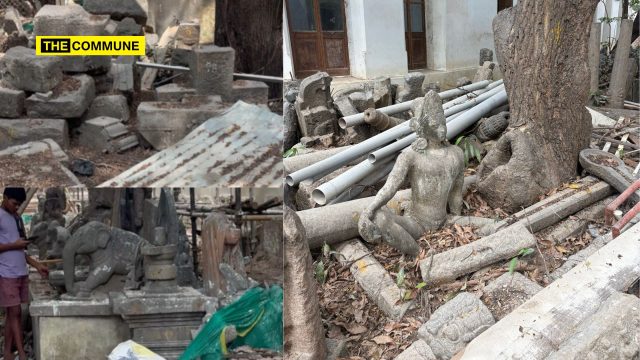
However, images and videos emerging from the museum premises have sparked alarm among heritage enthusiasts and observers. Visuals show ancient stone sculptures and artefacts, some dating back to the 3rd century CE and earlier, lying exposed in areas where active construction work is underway.
The visuals show historical sculptures surrounded by construction materials, pipes, rubble and heavy machinery. In several instances, the artefacts appear to be placed directly within work zones, raising concerns about their preservation and protection during the renovation process.
⚠️ DISASTER AT MADRAS MUSEUM! ⚠️
Priceless ancient artifacts dating back to the 3rd century & earlier are being treated like worthless junk. Rushed renovation work is happening directly on top of & around these irreplaceable treasures, leaving beautiful historical sculptures… pic.twitter.com/OXOwmSdXwn
— thirdmainroad (@thirdmainroad) June 8, 2026
One wonders whether adequate safeguards have been put in place to protect these irreplaceable relics while modernization efforts are being carried out. Artefacts representing centuries of Tamil and Indian history deserve the highest standards of conservation and should not be exposed to conditions that could potentially damage them.
The Government Museum complex houses some of the most significant archaeological collections in South India, including rare stone sculptures, inscriptions, bronzes and antiquities that serve as important records of the region’s cultural and civilizational heritage.
With renovation work continuing across the sprawling heritage campus, concerns are mounting over whether sufficient care is being taken to ensure that restoration of museum infrastructure does not come at the cost of preserving the priceless artefacts the institution was established to protect.
Subscribe to our channels on WhatsApp, Telegram, Instagram and YouTube to get the best stories of the day delivered to you personally.