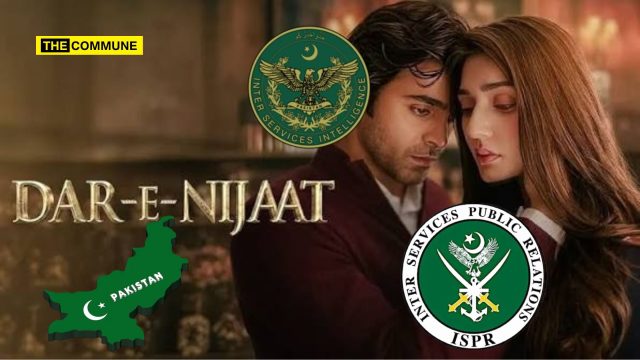
Pakistani television drama Dar-e-Nijaat has found a surprisingly enthusiastic audience in India. Instagram reels featuring its lead actor Sheheryar Munawar Siddiqui, who plays Abu Bakar, have gone viral, with Indian viewers, particularly young women, praising his character as the ultimate “green flag”. However, the show’s growing popularity has now extended beyond social media, with paid screenings and organised gatherings being held in Indian cities.
1/ First, look at what’s happening in India.
Dar-e-Nijaat reels are everywhere. Girls are calling Abu Bakar the ultimate “green flag”, and the show is getting massive Indian attention.
But this isn’t limited to Instagram anymore. Indians are now attending paid screenings of a Pakistani drama.
— Ojas Bhandari (@ojasbhandarii) November 23, 2026
What appears to be an ordinary cultural exchange has also drawn attention to the backgrounds of individuals associated with the production, their connections to Pakistan’s military-media establishment and the circumstances surrounding the screenings.
On November 21, an event organised by Tales of City and Hamza Khan near Delhi Gate reportedly screened Dar-e-Nijaat, with tickets priced between ₹800 and ₹900, including food. Hyderabad has also witnessed gatherings organised by Sana Farheen Circle, alongside weekly screenings reportedly hosted by Ataraa Stays.
2/ On 21 November, Tales of City and Hamza Khan organised a screening near Delhi Gate. Tickets were around ₹800–900, including food. Meanwhile, Hyderabad had gatherings by Sana Farheen Circle and weekly screenings by Ataraa Stays.
Pakistani media even covered these Indian events. The event vox pops are massively being covered by international / independent media channels
— Ojas Bhandari (@ojasbhandarii) November 23, 2026
These events have attracted attention from Pakistani media outlets, which have covered Indian viewers’ reactions through interviews and event footage. The screenings have consequently become more than an online fandom phenomenon, facilitating direct interactions between Indian audiences and Pakistani entertainment personalities.
One particularly noteworthy interaction took place during the Delhi screening, where Pakistani director Saqib Khan joined the gathering through a video call.
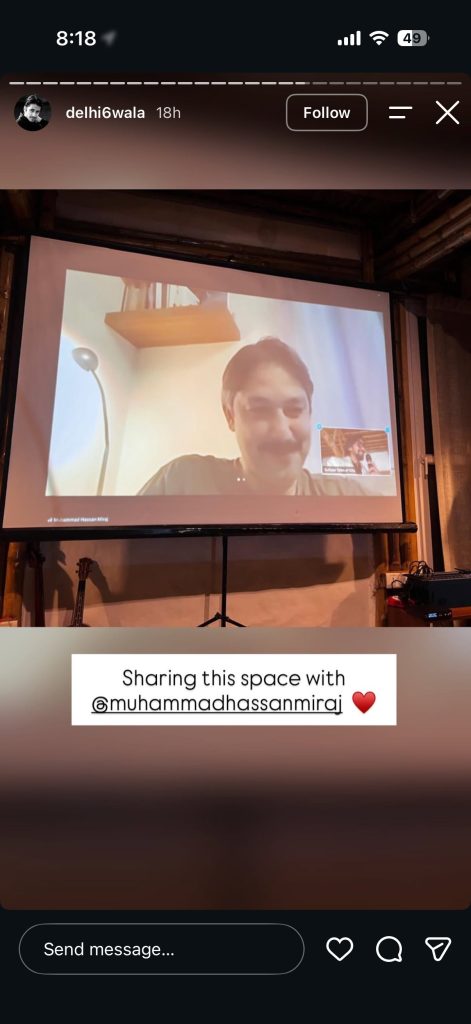
The interaction reportedly lasted nearly 40 minutes. Former Pakistan Army officer Muhammad Hasan Miraj, who has served with the Inter-Services Public Relations (ISPR), the Pakistani military’s media wing, also participated.
3/ At the Delhi screening, Pakistani director Saqib Khan joined Indian fans over video call. The interaction lasted nearly 40 minutes.
Muhammad Hasan Miraj, a former Pakistan Army officer associated with ISPR, also joined.
How were these calls arranged? How are Indians in touch with them?
— Ojas Bhandari (@ojasbhandarii) November 23, 2026
This raises questions about how these cross-border interactions are being organised, who is facilitating them and what networks connect the Indian organisers with Pakistani entertainment personalities.
The Military-Media Connections
Muhammad Hassan Miraj reportedly served approximately 17 years in the Pakistan Army, including three years with ISPR. He has also publicly expressed support for journalist Rana Ayyub following criticism of an article concerning Prime Minister Narendra Modi and allegations of anti-Muslim sentiment in India.
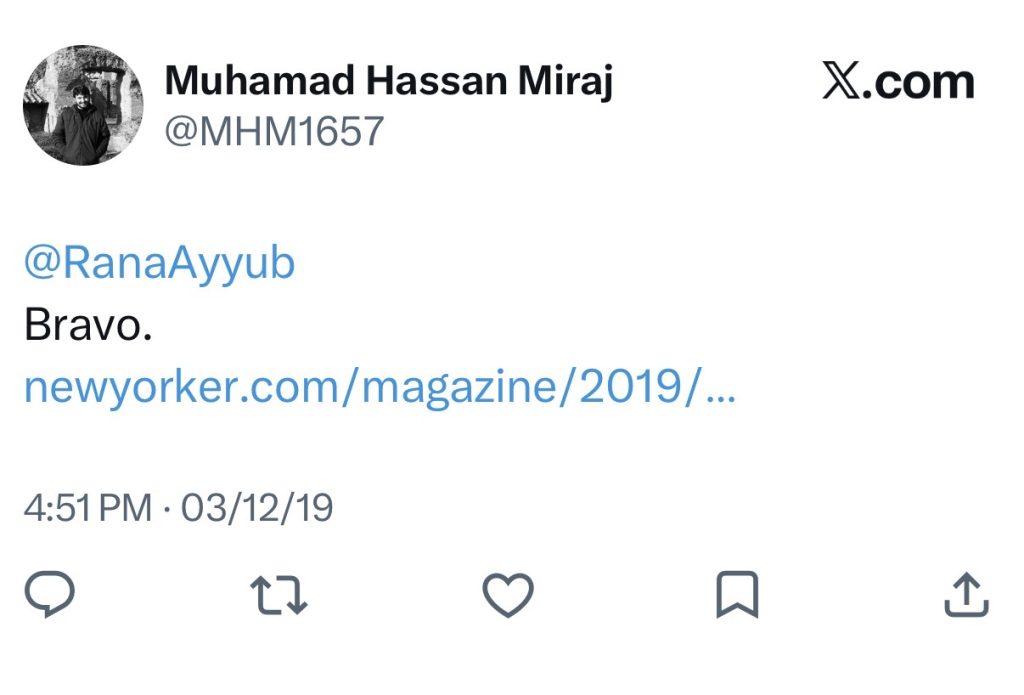
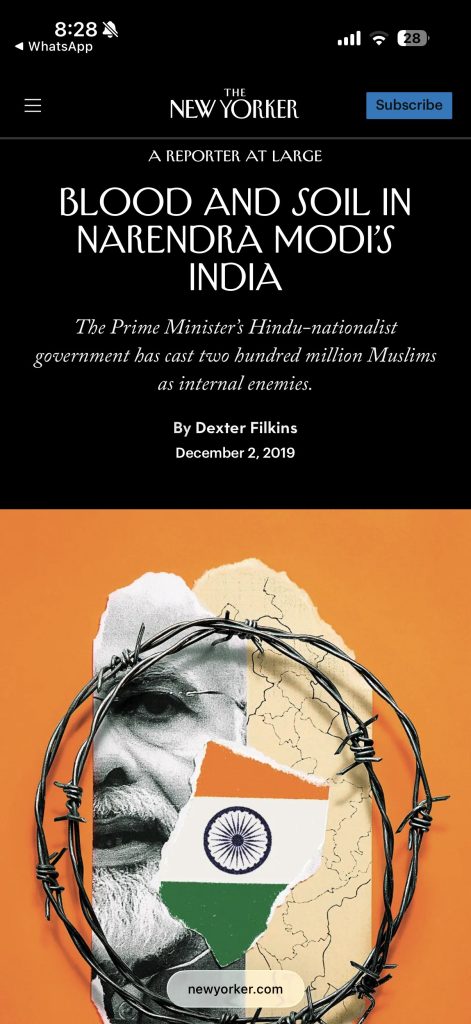
His participation in an Indian screening of a Pakistani television drama is significant given his previous association with the military’s media establishment. However, his appearance alone does not establish that the screening was organised or directed by Pakistan’s military or intelligence agencies.
The lead actor’s family background also merits examination.
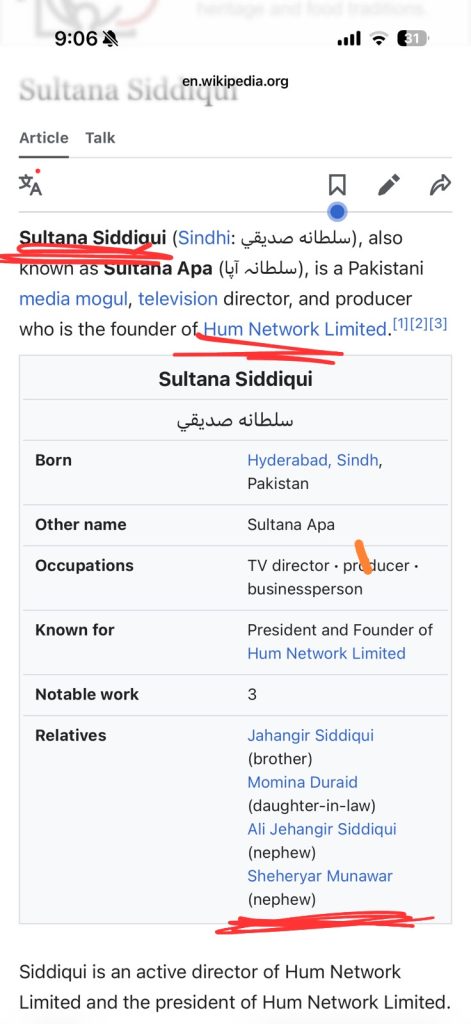
Sheheryar Munawar Siddiqui, who plays Abu Bakar, is the nephew of Sultana Siddiqui, founder of HUM Network, one of Pakistan’s major television broadcasting networks.
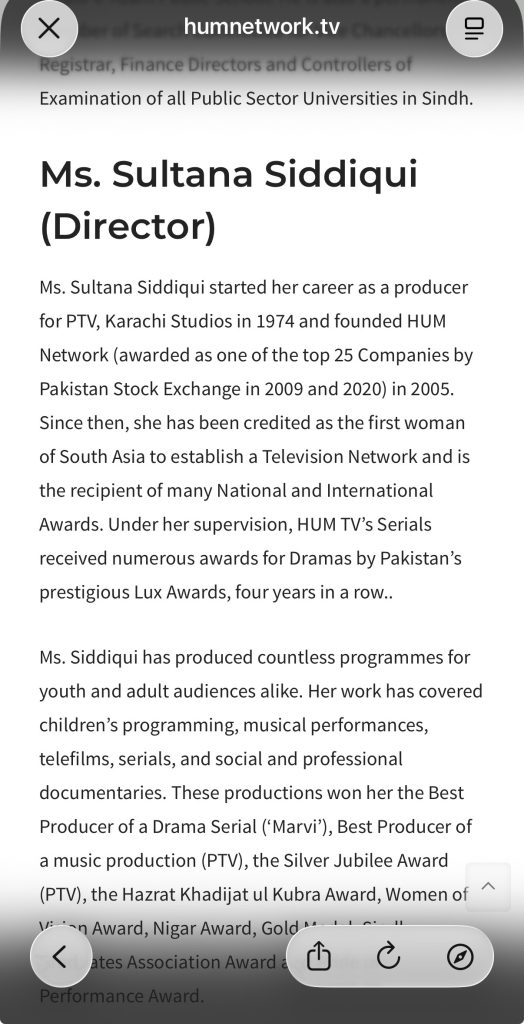
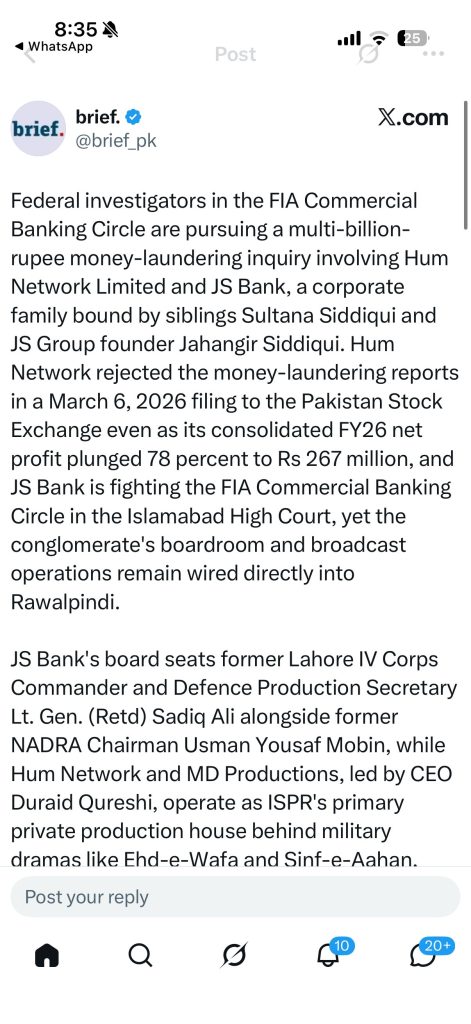
The wider Siddiqui family has significant business interests. Sultana Siddiqui’s brother, Jahangir Siddiqui, founded JS Group, which is associated with JS Bank. HUM Network and entities associated with the wider business ecosystem have faced financial scrutiny, including reported money-laundering allegations.
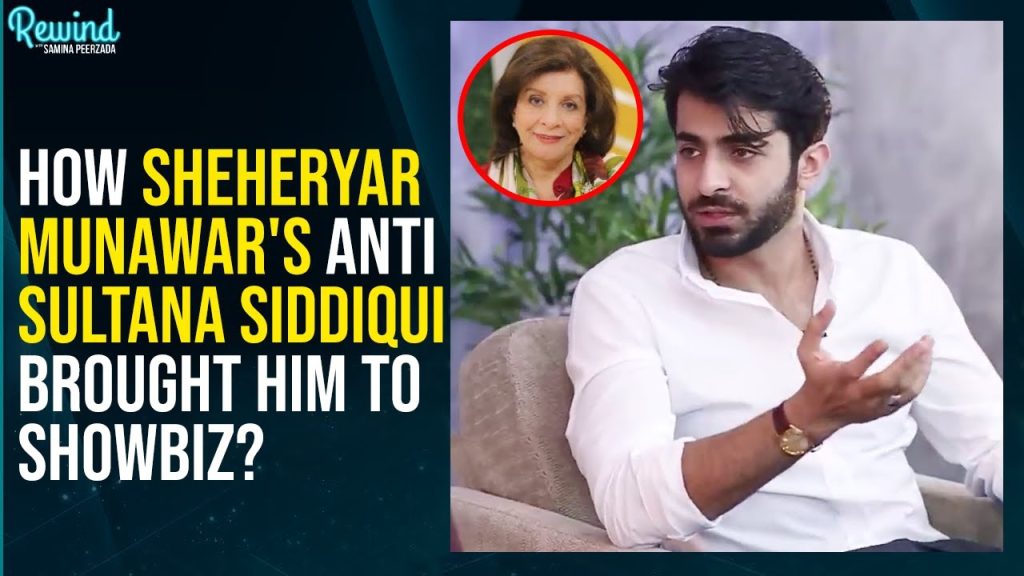
His father was a retired Pakistan Air Force Air Commodore and also served on HUM Network’s board.
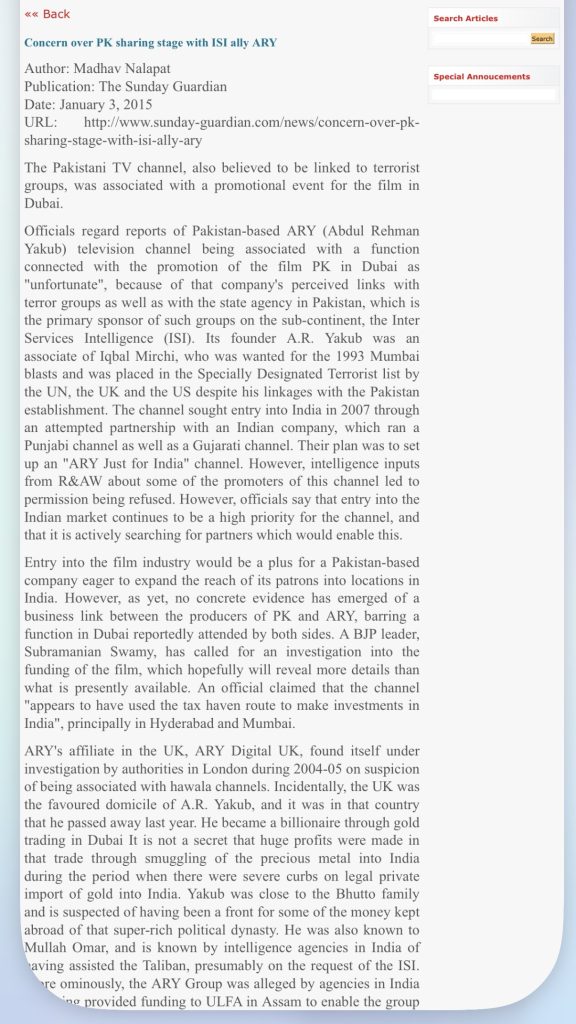
There is another distinction worth noting: Dar-e-Nijaat is not a HUM Network production. It airs on ARY Digital, part of the ARY Group founded by Abdul Rahman Yakub.
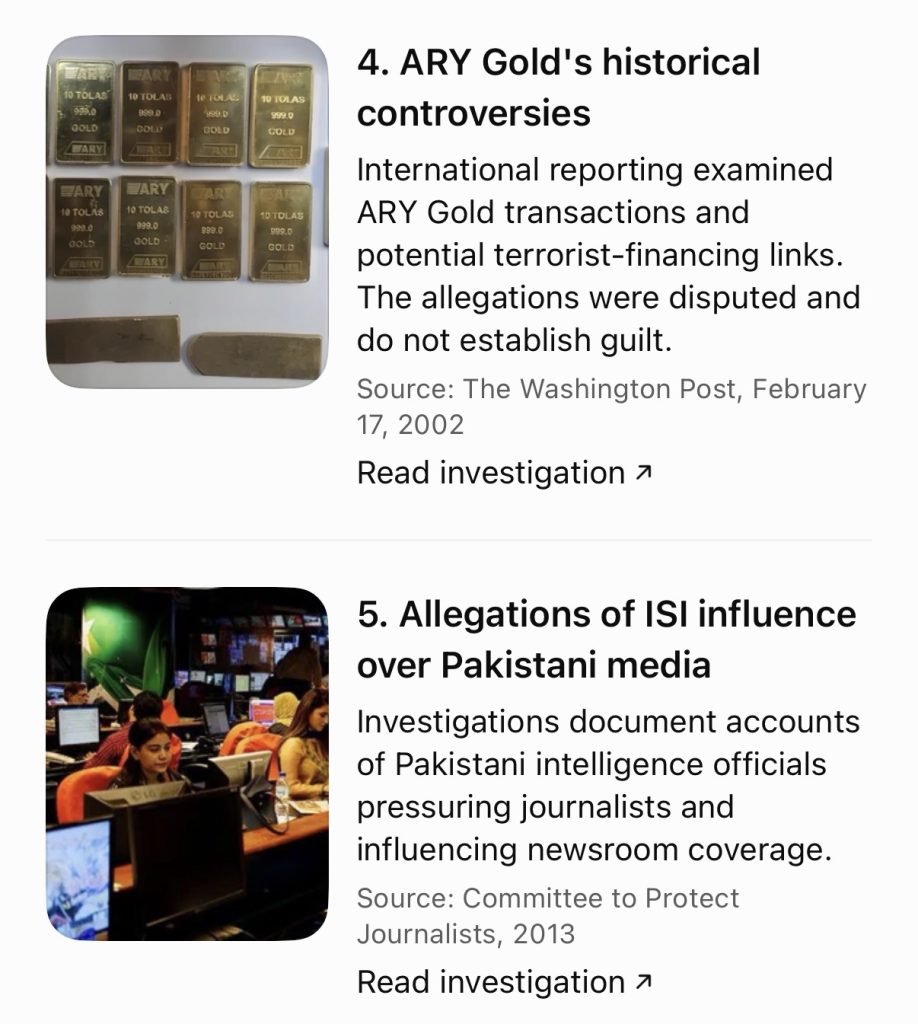
The ARY ecosystem has featured in several controversial international investigations and reports concerning alleged hawala transactions in London, gold-import business interests and claims of links between commercial operations and Pakistan’s intelligence establishment.
Separately, former Pakistani military insiders have alleged that the ISI exercises influence over media narratives and major Pakistani media organisations.
Umera Ahmed’s Earlier Association with ISPR
Another important figure in this story is Dar-e-Nijaat writer Umera Ahmed.
Ahmed is not new to India-Pakistan themed storytelling. In 2021, she wrote Dhoop Ki Deewar, a series released on India’s ZEE5 platform. The drama portrayed an Indian Hindu boy and a Pakistani Muslim girl who lose their fathers, both military personnel, in the conflict between the two countries.
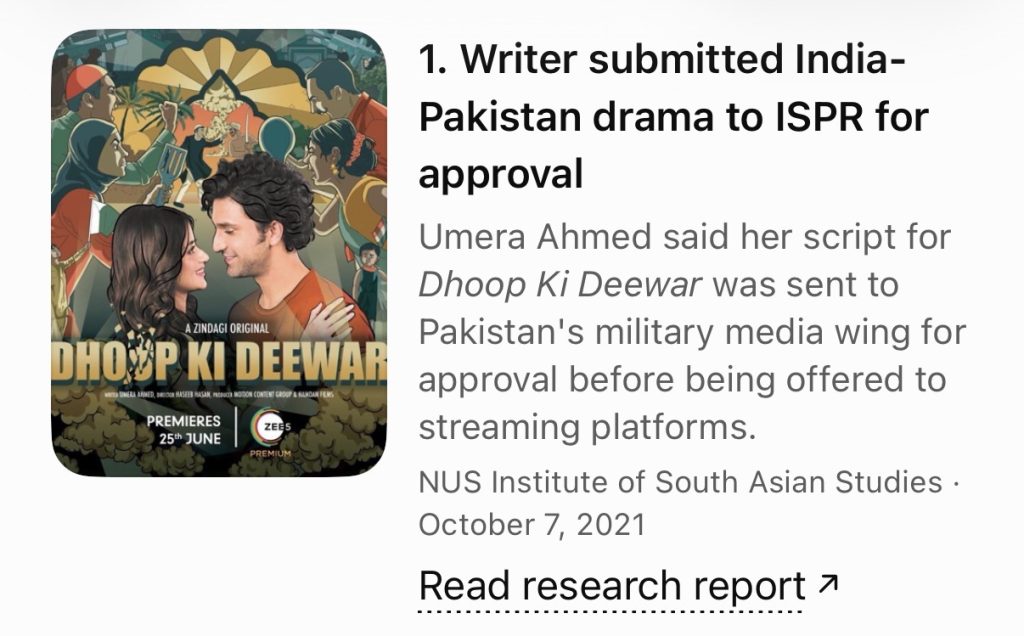
What makes this earlier production particularly relevant is Ahmed’s own public acknowledgement that she submitted the story to ISPR in 2019. She stated that Pakistan’s military media wing evaluated and approved the concept.
This establishes a documented connection between one of her earlier entertainment projects and Pakistan’s military media establishment.
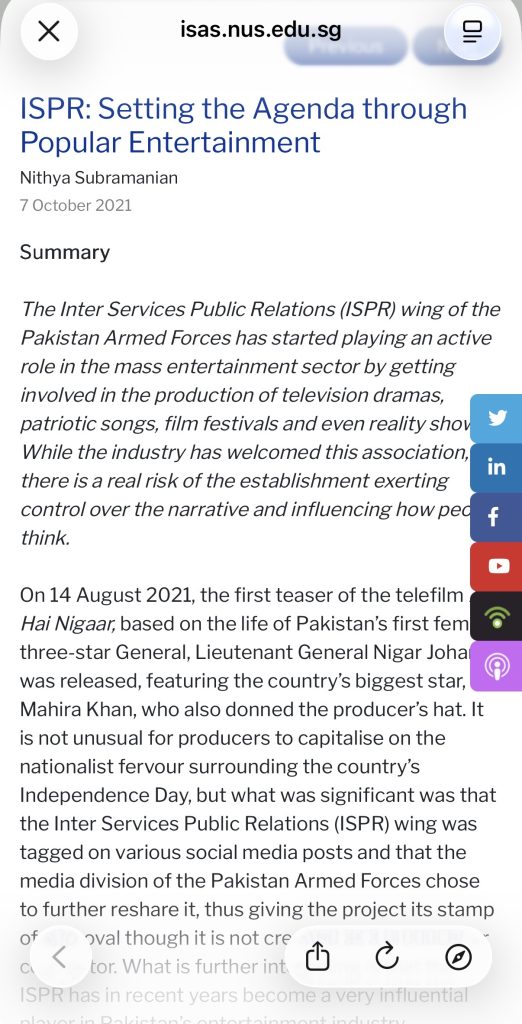
The series premiered on 25 June 2021. Its release came amid a period of continuing security challenges for India. On June 12, terrorists killed two police personnel and two civilians in Sopore.
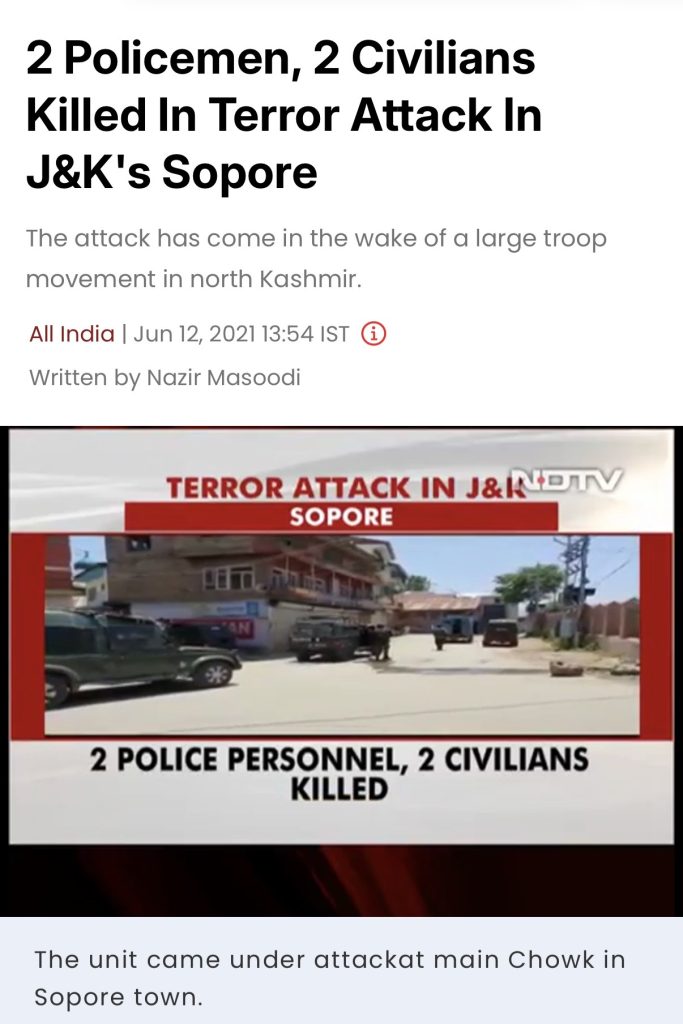
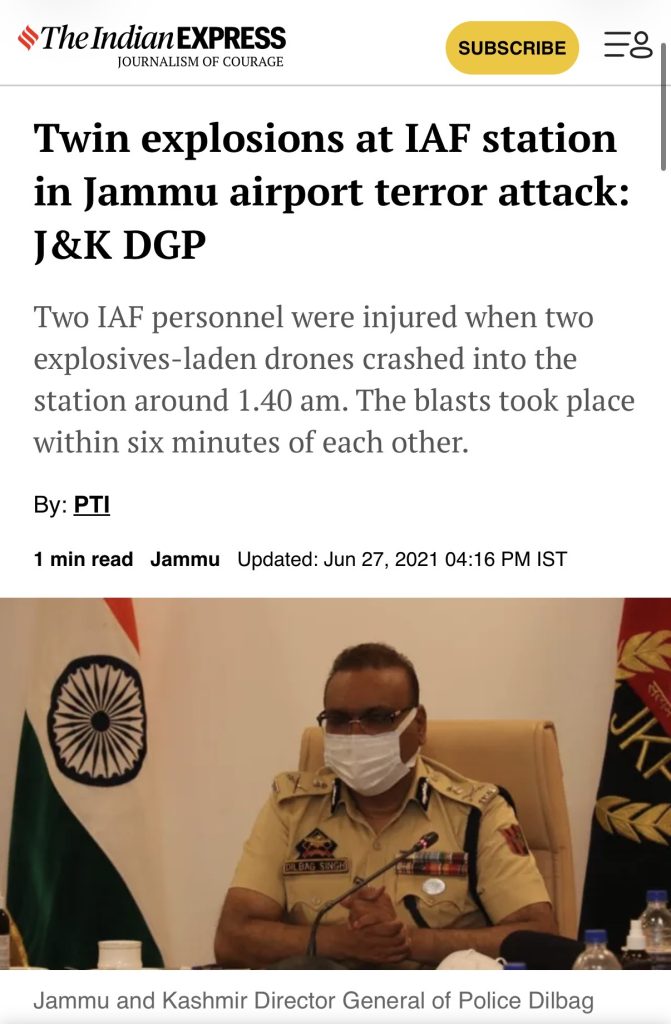
On 27 June, drones were used in an attack on the Jammu Air Force Station.
The relevant question is how Pakistan’s military-media establishment participates in shaping entertainment narratives and whether such involvement deserves greater scrutiny when these productions are subsequently marketed to Indian audiences.
Pakistani Entertainment Personalities and Their Political Narratives
There are also questions surrounding the political positions of some personalities associated with Pakistan’s television industry.
Pakistani presenter Nadia Khan, previously associated with ARY, has claimed that India staged the Pahalgam terrorist attack.
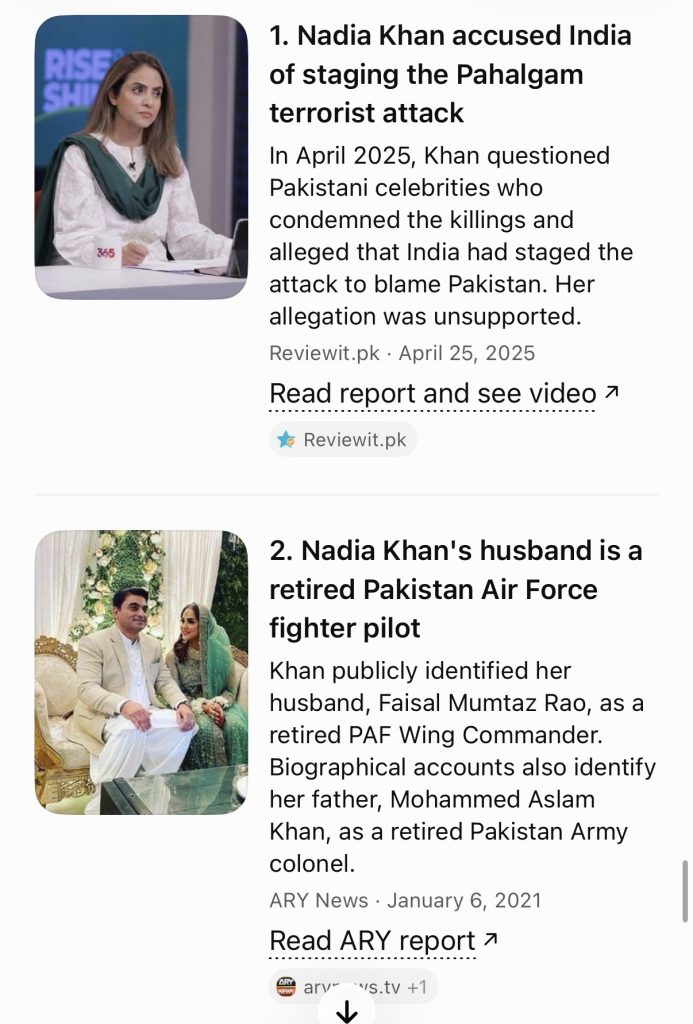
Her father reportedly served in the Pakistan Army, while her husband has served in the Pakistan Air Force.
Another Pakistani television personality, Faysal Quraishi, has criticised Bollywood’s portrayal of Pakistan and has appeared in ARY programming.
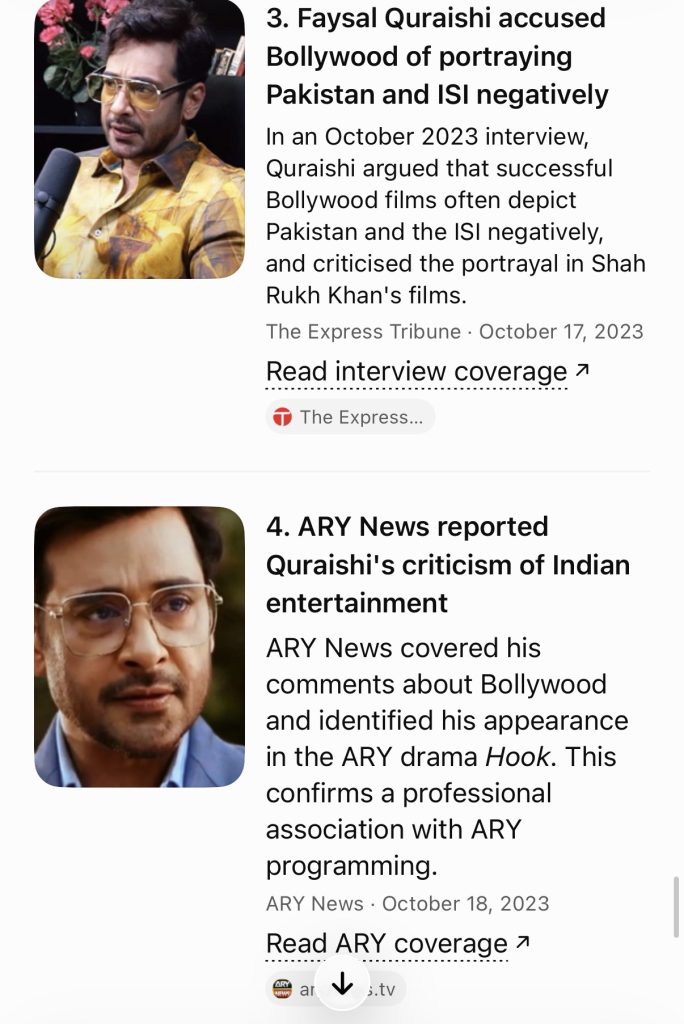
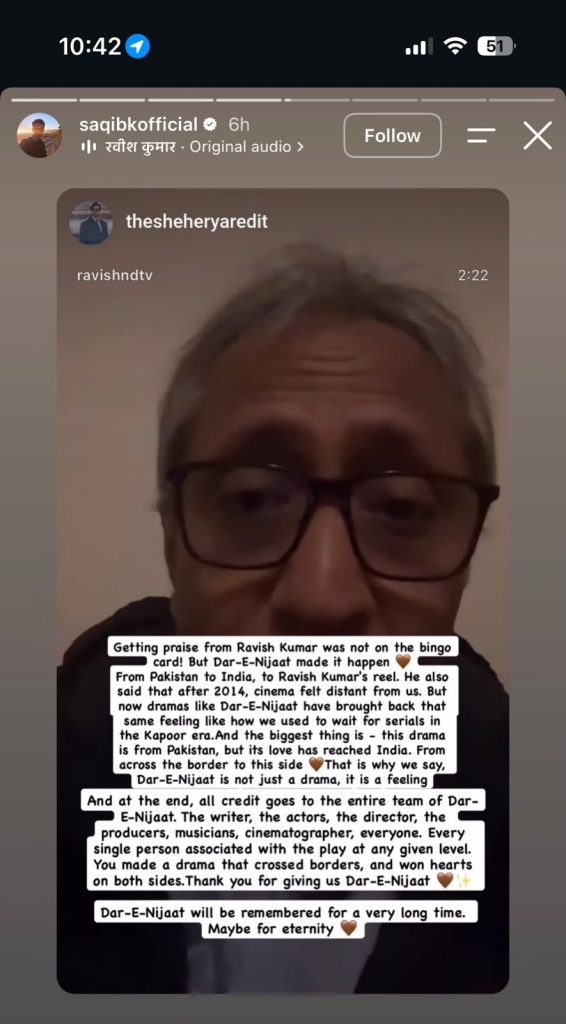
Separately, screenshots circulating online appear to show Dar-e-Nijaat director Saqib Khan resharing a fan edit featuring Indian journalist Ravish Kumar.
9/ Coming back to Dar-e-Nijaat, there’s another angle.
Screenshots appear to show director Saqib Khan resharing a fan edit featuring Ravishv Kumar
Screenshots appear to show director Saqib Khan resharing a fan edit featuring Ravish Kumar promoted by the pakistani director!!! https://t.co/tVdtHCotmP
— Ojas Bhandari (@ojasbhandarii) November 23, 2026
 These instances are relevant to understanding the political and ideological environment surrounding some of the personalities whose work is gaining traction in India.
The Wider ISI Influence Question
The concerns surrounding Pakistani entertainment and media cannot be examined without considering the documented role of ISPR and allegations of ISI influence over information operations.
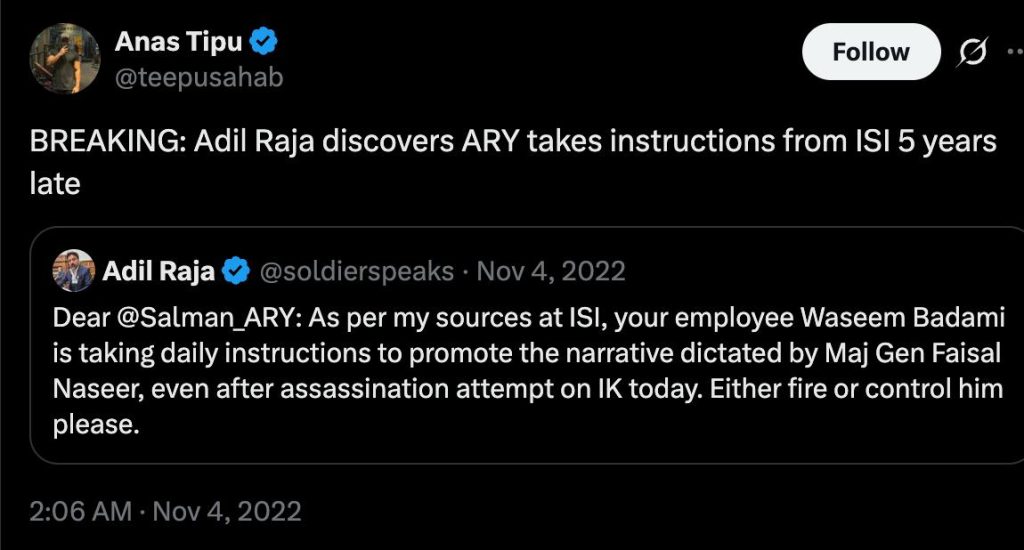
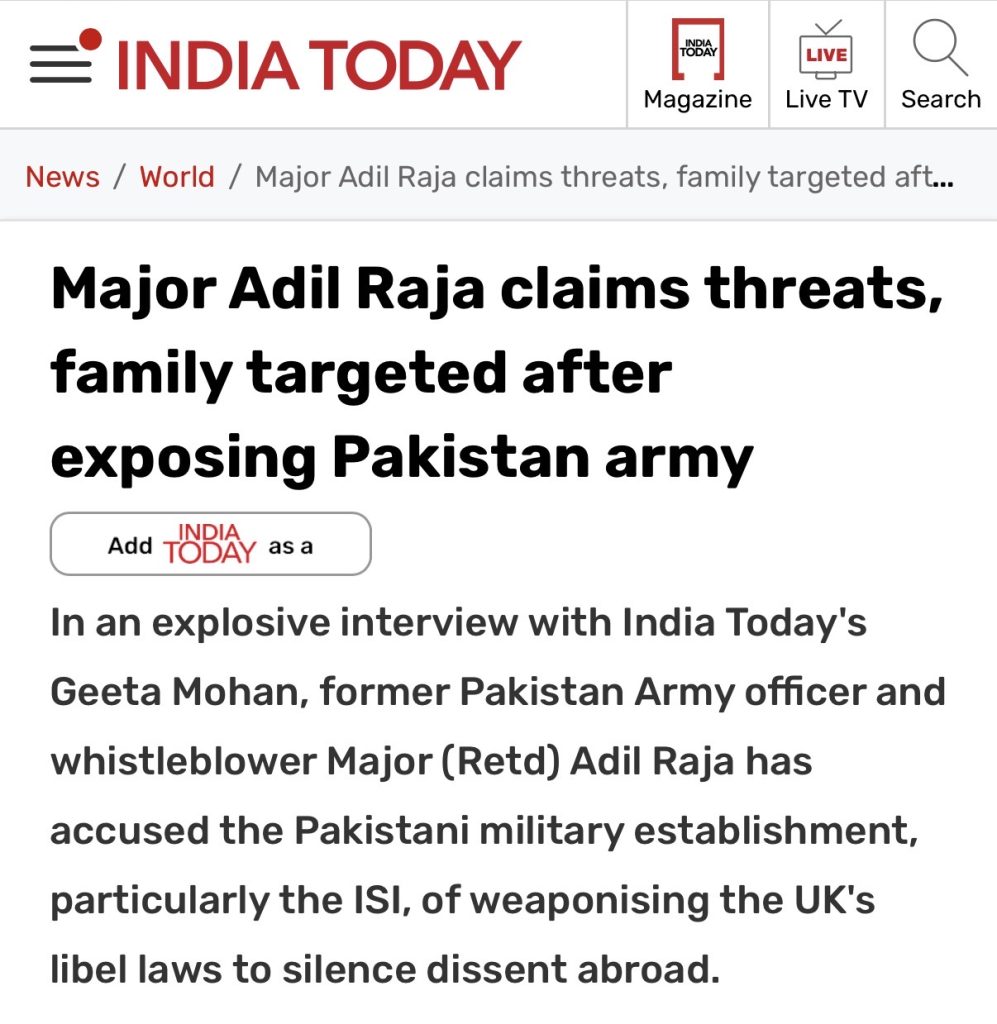
Former Pakistan Army officer Adil Raja has repeatedly alleged that Pakistan’s intelligence establishment influences media narratives and uses different platforms to advance its interests.
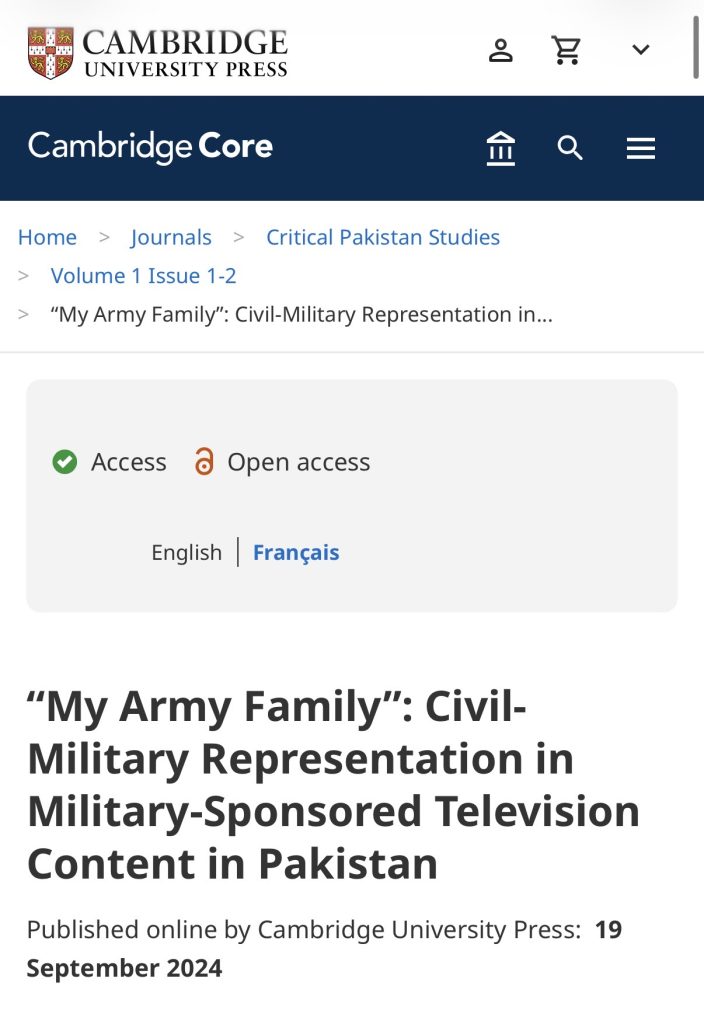
Researchers have also documented ISPR’s involvement in Pakistan’s entertainment and media ecosystem.
Meanwhile, Indian security agencies have separately raised concerns about Pakistan-linked social-media accounts impersonating Indians and attempts to recruit local content creators to circulate particular narratives. Reports have also highlighted attempts to infiltrate sensitive defence-related WhatsApp groups using spoofed Indian telephone numbers.
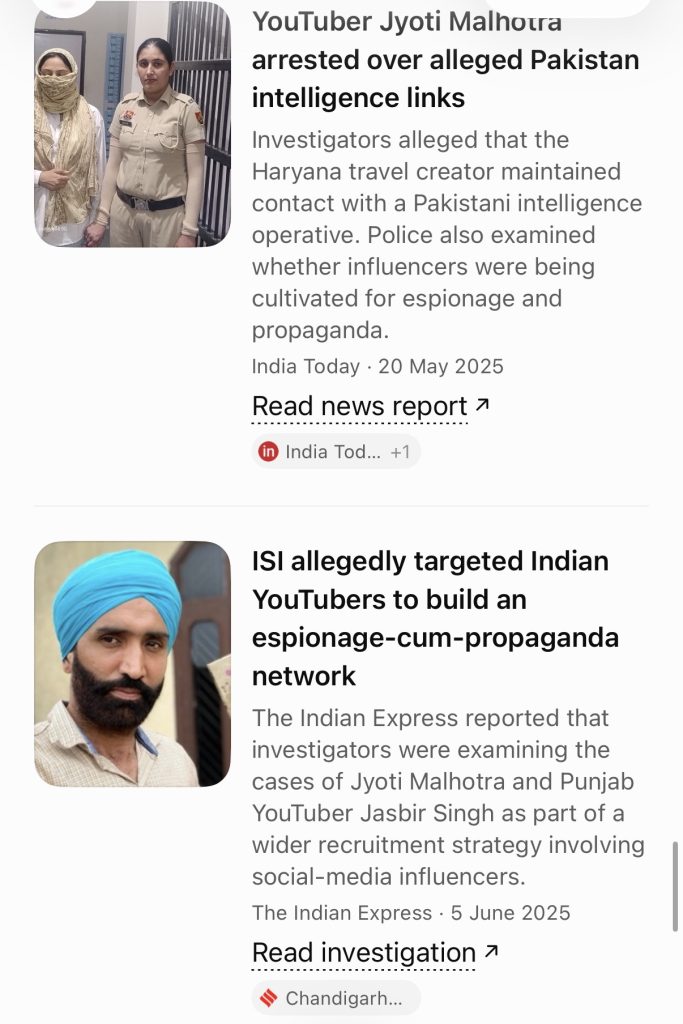
These developments underline the importance of examining cross-border digital networks, particularly where they involve organised outreach, undisclosed funding or attempts to influence Indian audiences.
12/ Now connect what i found
– Viral reels in India
– Paid gatherings in Delhi and Hyderabad
– Direct interactions with Pakistani viral faces.
– Actors with influential military-media family connections.
– A writer whose earlier drama received ISPR approval. Indian commentary being recirculated by Pakistani creators.Why are certain people in India promoting a Pakistani media ecosystem with alleged ISI links to our YOUTH? Who is arranging these cross-border interactions, who’s funding them, and who benefits?
Have we forgotten Pahalgam? Have we forgotten Pulwama? Have we forgotten our 2 SPOs?
A fictional green flag cannot erase the blood of our own people. National security comes before your “art has no borders” gyaan.
— Ojas Bhandari (@ojasbhandarii) November 23, 2026
Cultural Exchange or An Avenue for Influence?
The issue about Pakistani dramas is who is facilitating, funding and benefiting from their growing popularity in India. Paid screenings, direct interactions with Pakistani media personalities, military-linked family connections and a writer whose earlier work received ISPR approval raise questions that cannot be brushed aside as harmless entertainment.
Who is cultivating these connections with Indian youth? Are these merely fan initiatives, or is there a larger network at work?
After 26/11, Pulwama and Pahalgam, India cannot afford to be naïve. A fictional Abu Bakar may be your green flag. Pakistan’s terror record is India’s red flag.
This article is based on an X thread by Ojas Bhandari.
Subscribe to our channels on WhatsApp, Telegram, Instagram and YouTube to get the best stories of the day delivered to you personally.