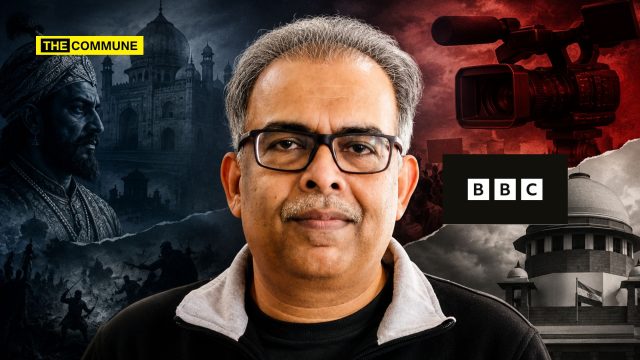
Soutik Biswas, the BBC’s India correspondent, has been exposed as a peddler of selective history and anti-Hindu propaganda, masquerading as a neutral journalist.
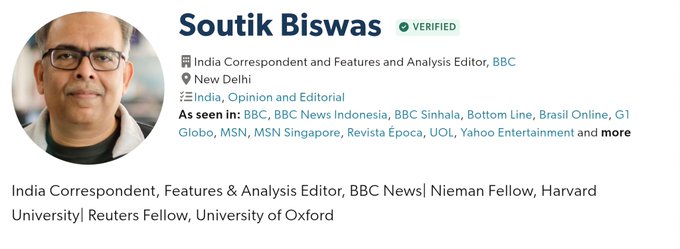
From whitewashing Mughal tyrants to defending convicted fabricators, Biswas has built a career on narratives that systematically demonize Hindus and absolve Islamist extremism.
The Mughal Whitewash
In an article titled “What news reports from the 1600s tell us about life in Mughal India,” Biswas cited a California professor’s reading of Mughal newsletters to suggest that Aurangzeb “wasn’t really that cruel,” concluding there was “little evidence of widespread forced conversions.”
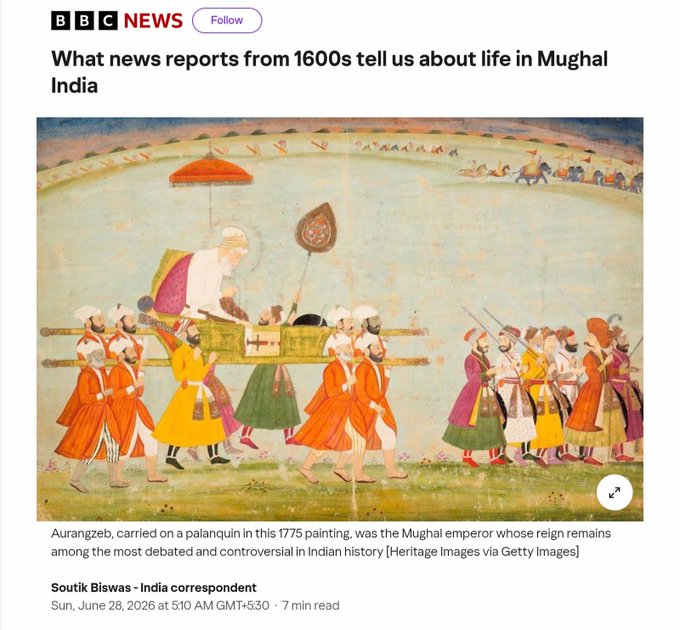
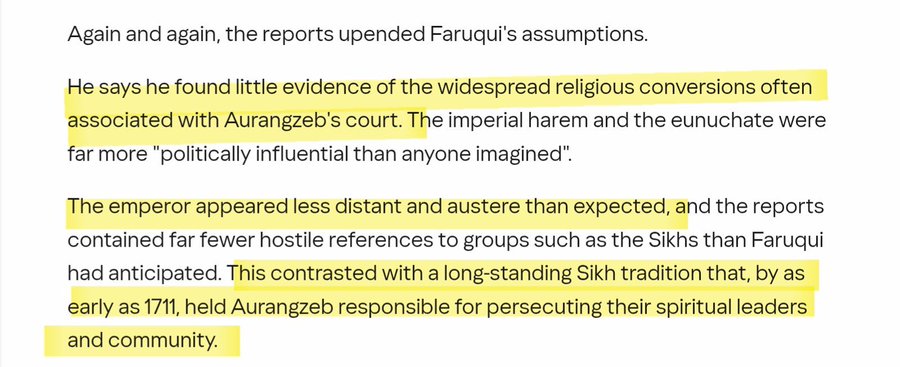
This is historical revisionism at its most brazen. One set of court newsletters commissioned by Aurangzeb’s own administration, reviewed by one professor and that’s the sourcing for a BBC piece that effectively rehabilitates history’s most destructive Mughal emperor. No cross-checking with Sikh, Hindu or Persian archives. No mention of the documented record.
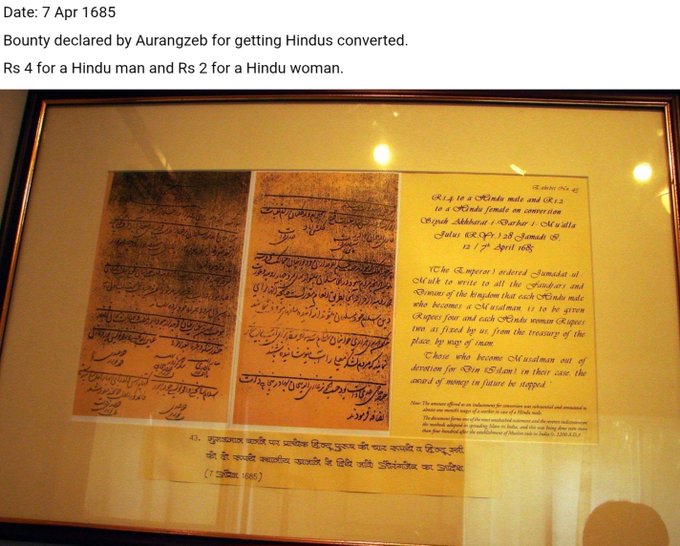
The documented record is inconvenient for Biswas: Aurangzeb ordered Kashmiri Pandits to convert to Islam or face death. Guru Tegh Bahadur went to Delhi to defend them. Given the choice to convert or be executed, he refused. Aurangzeb had him publicly beheaded at Chandni Chowk in 1675.
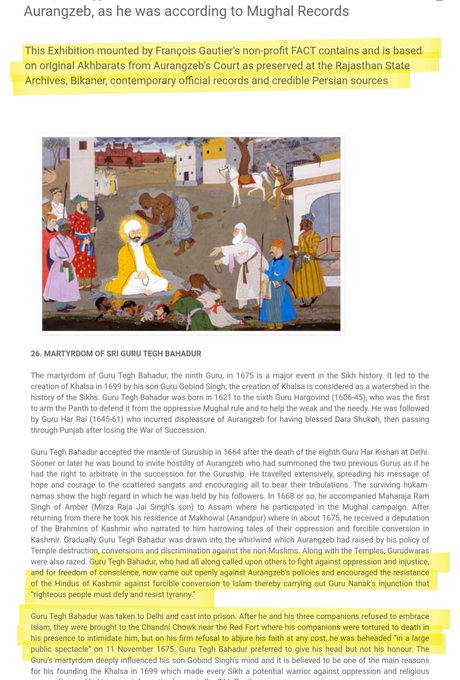
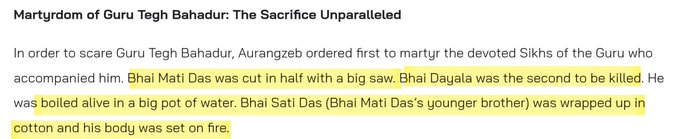
Three of the Guru’s companions were tortured to death before him – one sawn in two, one boiled alive, one cut to pieces. Aurangzeb reinstated jizya on non-Muslims, demolished thousands of temples and forcibly converted lakhs.
But Biswas called him “less austere than expected.”
The Dalit Narrative: Cherry-Picked Grievances
In an article asking “Why are Dalits in Narendra Modi’s India angry?”, the framing is in the headline. Biswas doesn’t want answers, he wants a narrative.
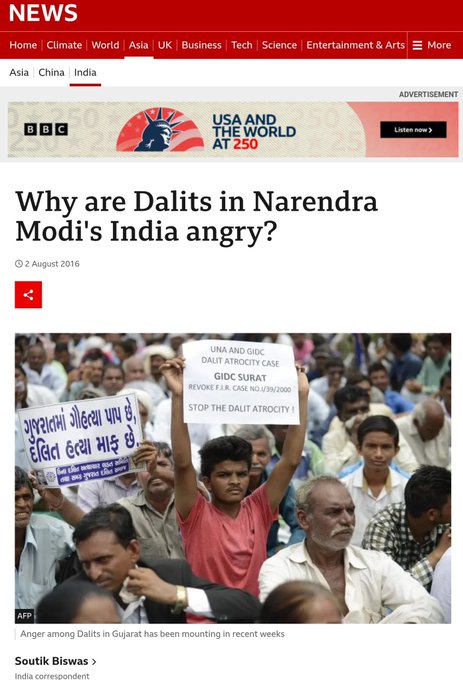
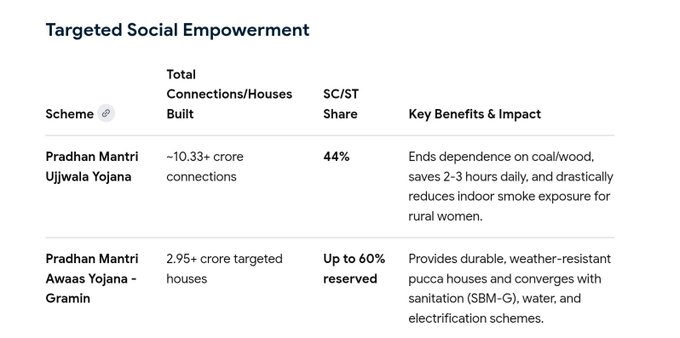
What Biswas conveniently omitted: Under Ujjwala Yojana, 44% of 9.6 crore LPG connections went to SC/ST families, reducing dependence on coal and firewood. Under PMAY-G, 60% of 2.95 crore houses were allotted to SC/ST beneficiaries. Biswas’s article mentioned neither.
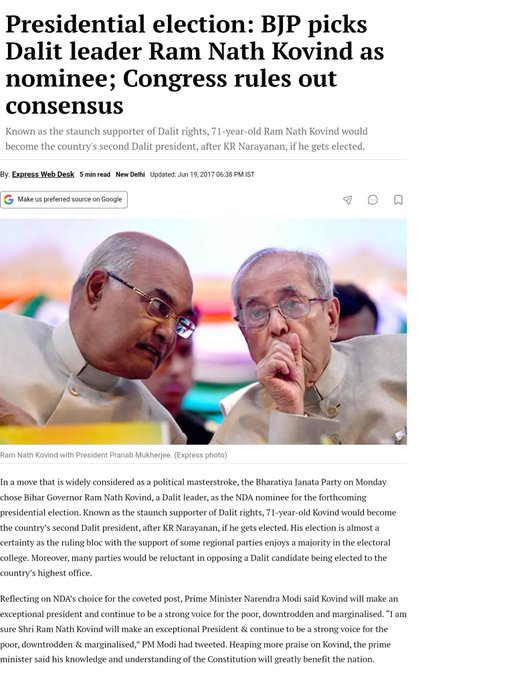
Nor did he mention that Modi’s government made Ram Nath Kovind, from the Kori community, President of India. He was succeeded by Droupadi Murmu, a tribal woman. Two consecutive Dalit/tribal presidents under Modi – an unprecedented achievement Biswas cannot bring himself to acknowledge.
The Fradulent Activist as Victim
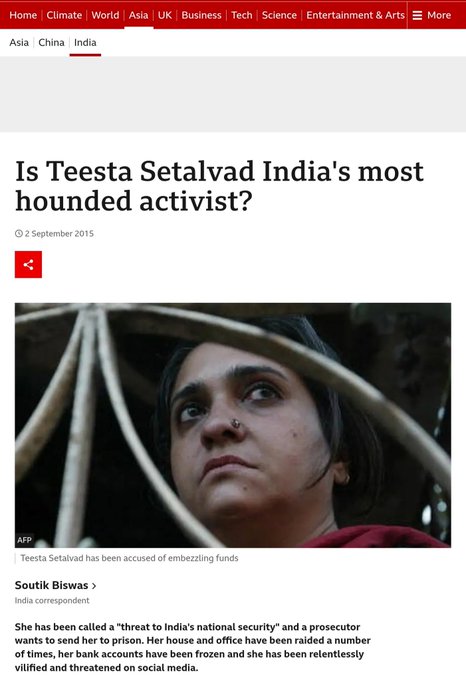
In an article titled “Is Teesta Setalvad India’s most hounded activist?”, Biswas sings praises, he claims she was hounded and positions her as a victim of political persecution.
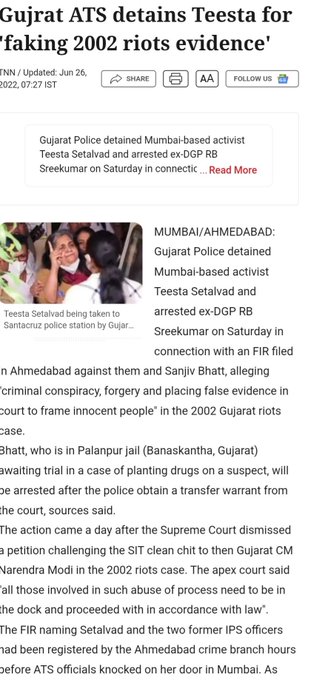
But here’s what he didn’t tell his readers: Setalvad was arrested by the Gujarat ATS over allegations of fabricating evidence, coaching witnesses and falsely implicating people in the 2002 riots. BBC’s coverage did not include the Supreme Court’s observation that some had kept the case “boiling for ulterior design.”
The Cow as Communal Weapon
In an article titled “Why the humble cow is India’s most polarising animal,” the framing is transparent: Hindus protect cows, Muslims eat beef, BJP exploits the tension. The cow becomes a symbol of Hindu aggression against Muslim food culture.
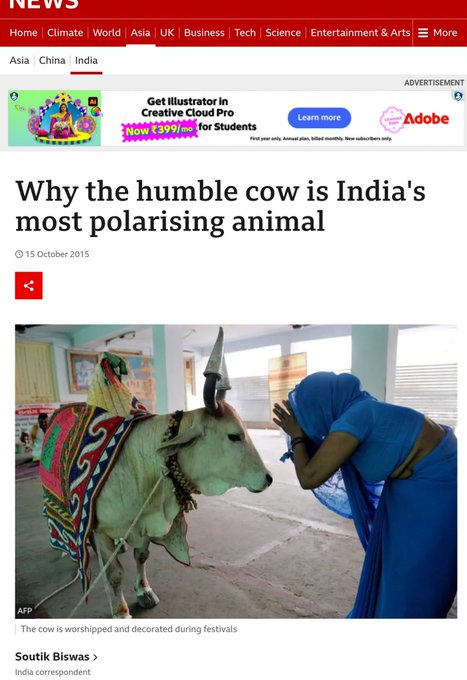
What Biswas omits: Gandhi called for cow protection, and he called it “the central fact of Hinduism.” Article 48 of the Constitution enshrines it.
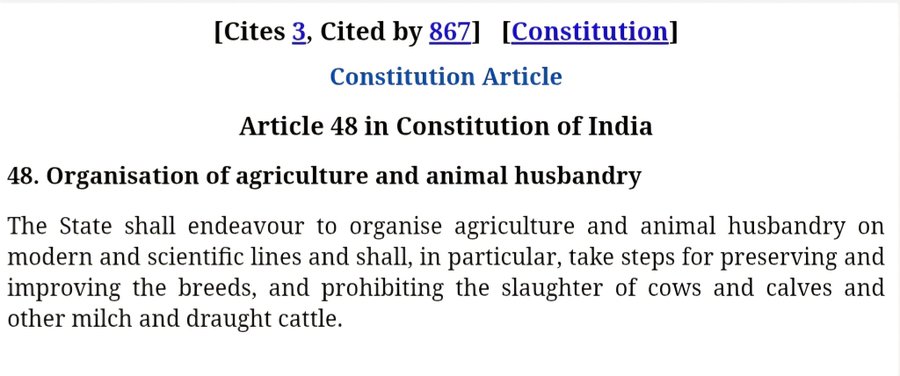
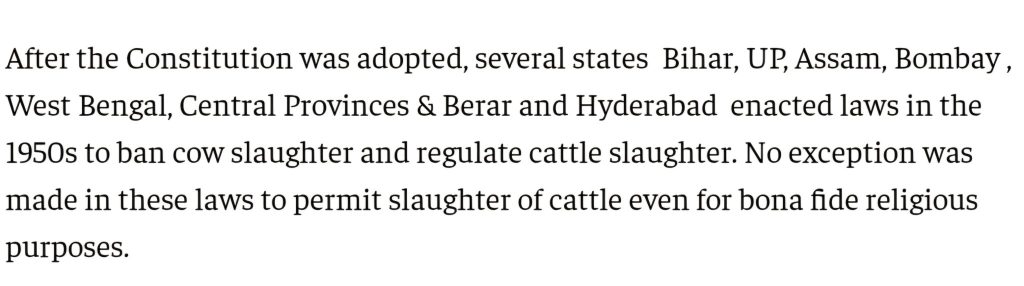
Many Congress-led states banned cow slaughter in the 1950s, and today it is banned in 20 states. But Biswas framed it as Modi’s polarisation toolkit – ignoring six decades of cross-party consensus.
Selective Outrage on West Bengal
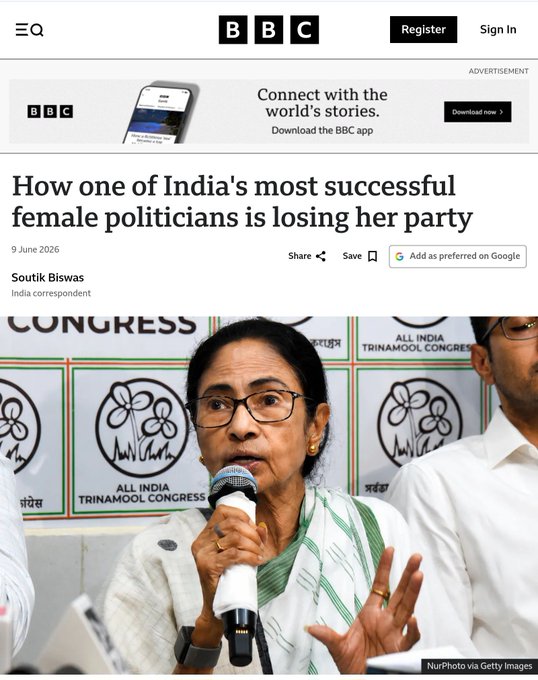
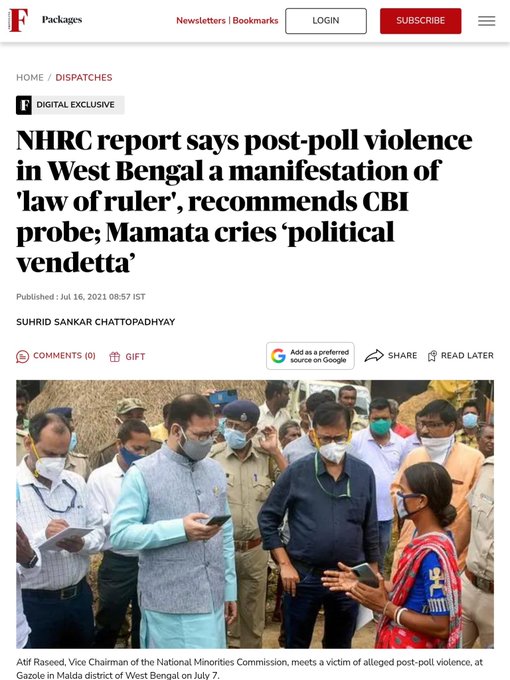
Biswas portrayed Mamata Banerjee as “one of India’s most successful female politicians.” This, while omitting post-poll violence, TMC scams, extortion allegations, fake vote claims and comments targeting Hindus that have shaped her government’s record. The Hindu-baiting TMC gets a pass – the BJP gets a target.
The ‘Foot Soldier’ Framing
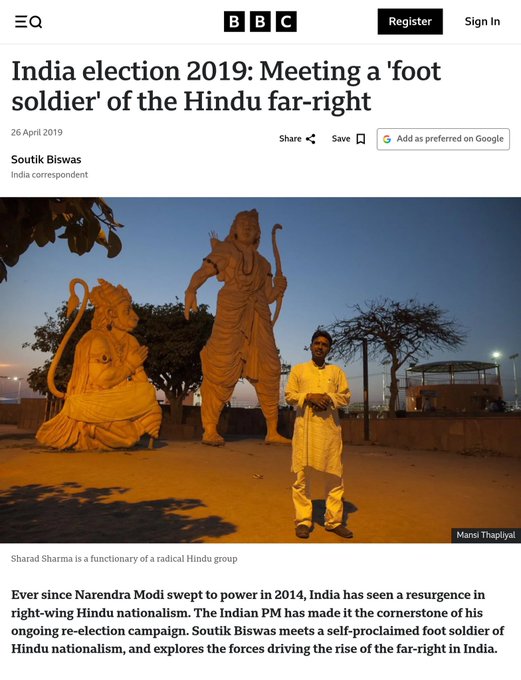
In “Meeting a ‘foot soldier’ of the Hindu far-right,” the framing is set before reporting begins. One wonder if the BBC would describe Islamist mobilisers as “foot soldiers of the Muslim far-right”? If we search its archive, we will never come across this phrase. It is always only one religion, Hinduism, which gets that label. The only one community to be pathologized.
The Hunger Strike Narrative
Just recently, Biswas published yet another piece dripping with the characteristic framing that defines his career. The headline asks: “One man’s hunger strike changed India’s map. Can it still change politics?”
The framing is unmistakable – a lone protester against the system, a romanticized struggle against the Indian state. What Biswas doesn’t tell his readers is the context of violence, separatism, and external funding that has historically accompanied such movements. For Biswas, every protest is noble, every protester is a hero, and every government action is suspect; unless, of course, the protesters are Hindus defending their faith or their cattle.
This is the same formula Biswas applies relentlessly: elevate the individual, demonize the state, ignore the violence that often accompanies such movements, and present the government as the oppressor. The hunger striker becomes a symbol; the state becomes a villain. Nuance is sacrificed for narrative.
The BBC’s Agenda
BBC calls itself the world’s most trusted broadcaster. Its India documentary on Modi was criticised by Indian and international commentators for cherry-picked sourcing and one-sided framing. It rarely covers Islamic extremism and never mentions Hindu grievances. Biswas is its faithful instrument.
With millions of readers globally, Biswas shapes how hundreds of millions understand India. When he frames Hindu traditions as threats, rewrites Mughal atrocities, and presents court-accused activists as victims, the damage isn’t just editorial. It lands in parliaments, NGOs, and UN reports.
The Question
Biswas has spent decades on the beat. He covers politics, minorities and civil liberties. But every article on India tells one story: minorities threatened, institutions eroding, Modi government to blame.
Is this journalism – or is this propaganda wearing a press card?
This article is based on an X thread by Brown Sepoys.
Subscribe to our channels on WhatsApp, Telegram, Instagram and YouTube to get the best stories of the day delivered to you personally.