Home Blog Page 936

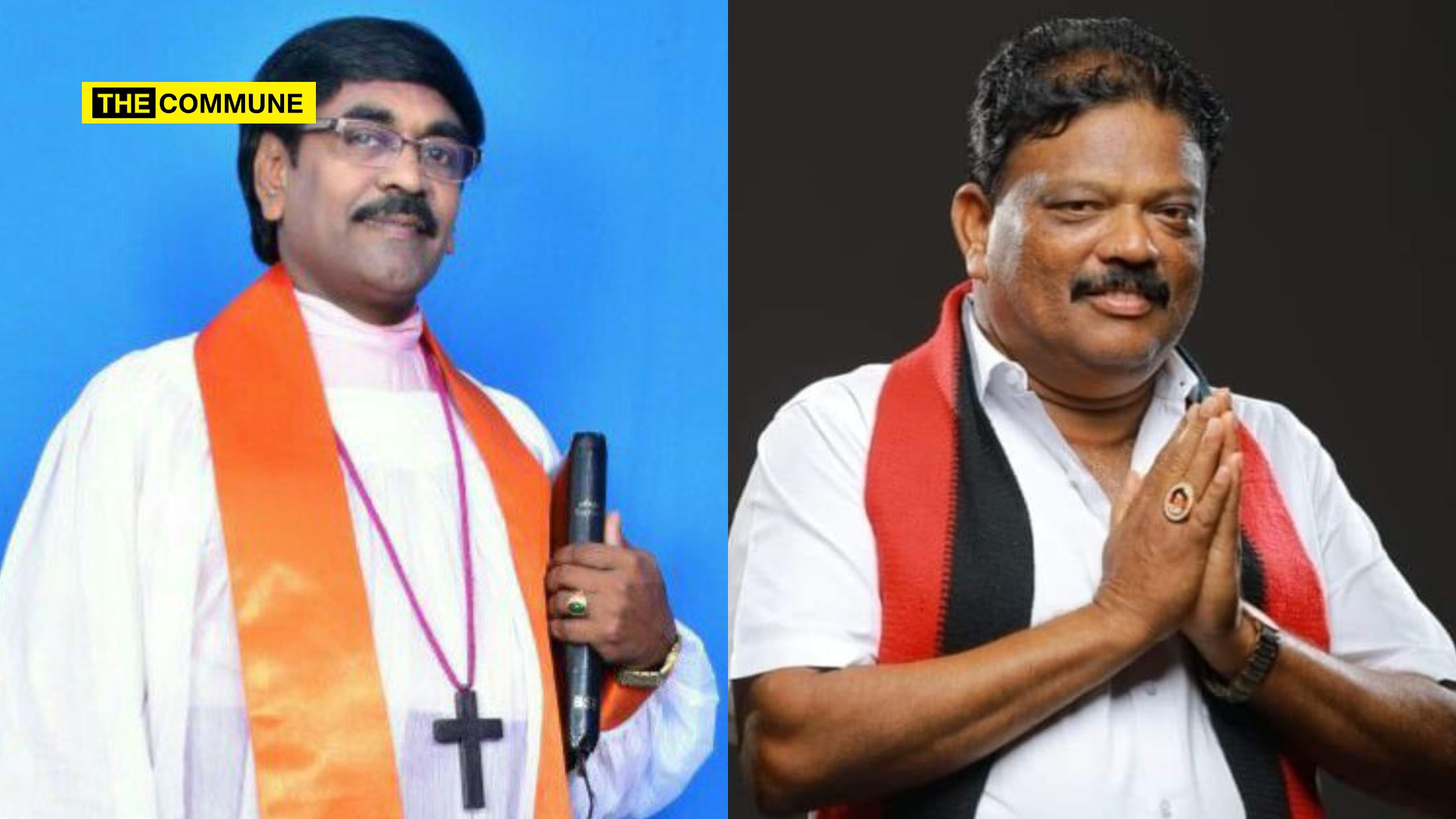
DMK MP Booked After His Henchmen Attack Christian Pastor Over Church Appointments

A dispute between two factions within the Tirunelveli Diocese of Church of South India (CSI) ended up in a clash with supporters of Tirunelveli DMK MP Gnana Thiraviyam attacking and hitting a Christian pastor who was opposing them.

The CSI – Tirunelveli Parish oversees several schools and colleges, and elections are held to select correspondents for these educational institutions. Previously, DMK MP Gnanathiraviyam was chosen as the correspondent for Palayangottai St John’s College.

In the administration of the Tirunelveli CSI Diocese, there has been a conflict between Bishop Rev. A.R.G.S.T. Barnabas and Lay Secretary Jayasingh, who lead opposing factions. DMK MP Gnana Thiaraviyam is a supporter of Lay Secretary Jayasingh.

The DMK MP who was a member of the Governing Body of the Tirunelveli Diocese and was also functioning as the correspondent of St. John’s school that comes under the diocese was removed from the posts. He was replaced by one Arul Manickam.

The decision upset the supporters of the DMK MP, leading to a confrontation between the two sides at the college premises on Friday (23 June 2023).

In the midst of this rivalry, Mr. Godfrey Noble, a supporter of Bishop Barnabas, visited the CSI Diocesan Office on North High Ground Road on Monday (26 June 2023) in an attempt to resolve the dispute with the DMK MP. However, he was reportedly chased and attacked by a few individuals when he attempted to enter the office. In the visuals, the Christian pastor Noble can be seen being slapped and kicked by supporters of the DMK MP.

Noble later filed a complaint with the Tirunelveli Police and Bishop Barnabas complained to the DMK high command about the DMK MP’s behaviour. DMK General Secretary Duraimurugan has issued a notice demanding an explanation for the incident within seven days and also warned that disciplinary action will be taken if he fails to give proper explanation.

A case has also been registered against the DMK MP and Jay Singh, Moonradaippu John and Michael associated with a church group. The sections of the Indian Penal Code (IPC) pertaining to rioting, intentionally causing harm, making criminal threats, and aiding and abetting have been slapped against the DMK MP by the state police.

According to latest reports, DMK MP has applied an anticipatory bail to avoid arrest.

More About Godfrey Noble

Christian pastor and a self-proclaimed ‘Bishop’ named Godfrey Noble, runs a party called ‘All India Democracy Protection Kazhagam’ (AIJPK/AIDPK).

In the run up to the 2021 Assembly elections, Godfrey Noble threatened that MK Stalin’s dream of becoming Chief Minister would remain a dream if his party’s demands are not me. He demanded that 7% of the 234 seats (16 seats) be given to his party and Christians. He also demanded that they be given appropriate representation in the Cabinet with the Department of Minority Affairs exclusively allocated for his party.

He also went on to state that Christian population in Tamil Nadu is much higher than what is in the official records. He said that government records won’t give the actual Christian population and emphasized that 35% of the population (2.75 crore voters) are Christians.

He also warned that those (parties) who don’t respect Christians would be taught a lesson.
He also quipped that DMK MLAs would do nothing except pat the bench in the Assembly if Christians were to face problems.

Click here to subscribe to The Commune on Telegram and get the best stories of the day delivered to you personally.

NH In The Country Increased By 59% In The Last 9 Years: Union Road Min Nitin Gadkari

Union Road Transport and Highways Minister Nitin Gadkari announced that the total length of National Highways in India has grown by approximately 59% in the past nine years. This expansion has resulted in India now possessing the second largest road network globally, second only to the United States. During a Press Conference held in New Delhi, Minister Gadkari stated that the National Highways’ length increased from 91,287 km in 2013-14 to 1,45,240 km in 2022-23, representing a growth of more than 59% over this period.

Furthermore, he highlighted the significant rise in the length of four-lane National Highways, which has doubled in the past nine years. In 2013-14, the four-lane NH measured 18,371 km, and it has now reached 44,654 km. Secretary MoRTH Anurag Jain and NHAI Chairman Santosh Kumar Yadav were also present at the Press Conference.

Nitin Gadkari emphasized the positive impact of FASTag in enhancing toll collection, informing that toll revenues have increased from ₹4,770 crore in 2013-14 to ₹41,342 crore in 2022-23. The Government aims to further boost toll revenue to ₹1,30,000 crore by 2030. The introduction of FASTag has also resulted in reduced waiting times at toll plazas. In 2014, the average waiting time was 734 seconds, which has now been reduced to 47 seconds. The Minister expressed optimism about bringing it down to 30 seconds in the near future.

Minister Gadkari commended the transformative impact of FASTag on travel experiences in India, eliminating the need for cash transactions and revolutionizing toll payments. According to research, this breakthrough has saved approximately ₹70,000 crore in wasted fuel expenses caused by waiting at toll plazas.

He highlighted the focus on expanding the road highway network in the North East region, with projects worth over ₹2 lakh crore currently underway. Additionally, 670 road-side facilities are being developed to provide a pleasant experience along the National Highways.

The Minister informed about the successful launch of NHAI’s INVIT (Infrastructure Investment Trust) model, which witnessed overwhelming response with seven times oversubscription within the first day of availability on the Mumbai Stock Exchange. Minister Nitin Gadkari urged investors to consider investing in NHAI INVIT, offering an attractive interest rate of 8.05%, surpassing traditional bank rates.

Moreover, Minister Gadkari highlighted NHAI’s achievement of seven world records, demonstrating their commitment to technological advancements and ambition to position India as the second-largest road network globally, after the USA.

Regarding green initiatives, Minister Gadkari stated that NHAI transplanted over 68,000 trees and planted 3.86 crore trees in the past nine years. Additionally, NHAI has developed more than 15,000 Amrit Sarovars (holy ponds) along National Highways, contributing to water rejuvenation initiatives.

The Minister emphasized the Ministry’s proactive approach to waste management and sustainable infrastructure development, citing the utilization of 30 lakh tons of garbage in road construction for the Delhi Ring Road project. Furthermore, he highlighted the introduction of bamboo crash barriers, which provide strength, durability, employment opportunities, and environmental sustainability.

Aligning with the Government’s commitment to a sustainable future, Minister Nitin Gadkari unveiled a vision for increased Electric Vehicle adoption over the next five years, promoting clean energy and reducing carbon emissions.

(With inputs from PIB)

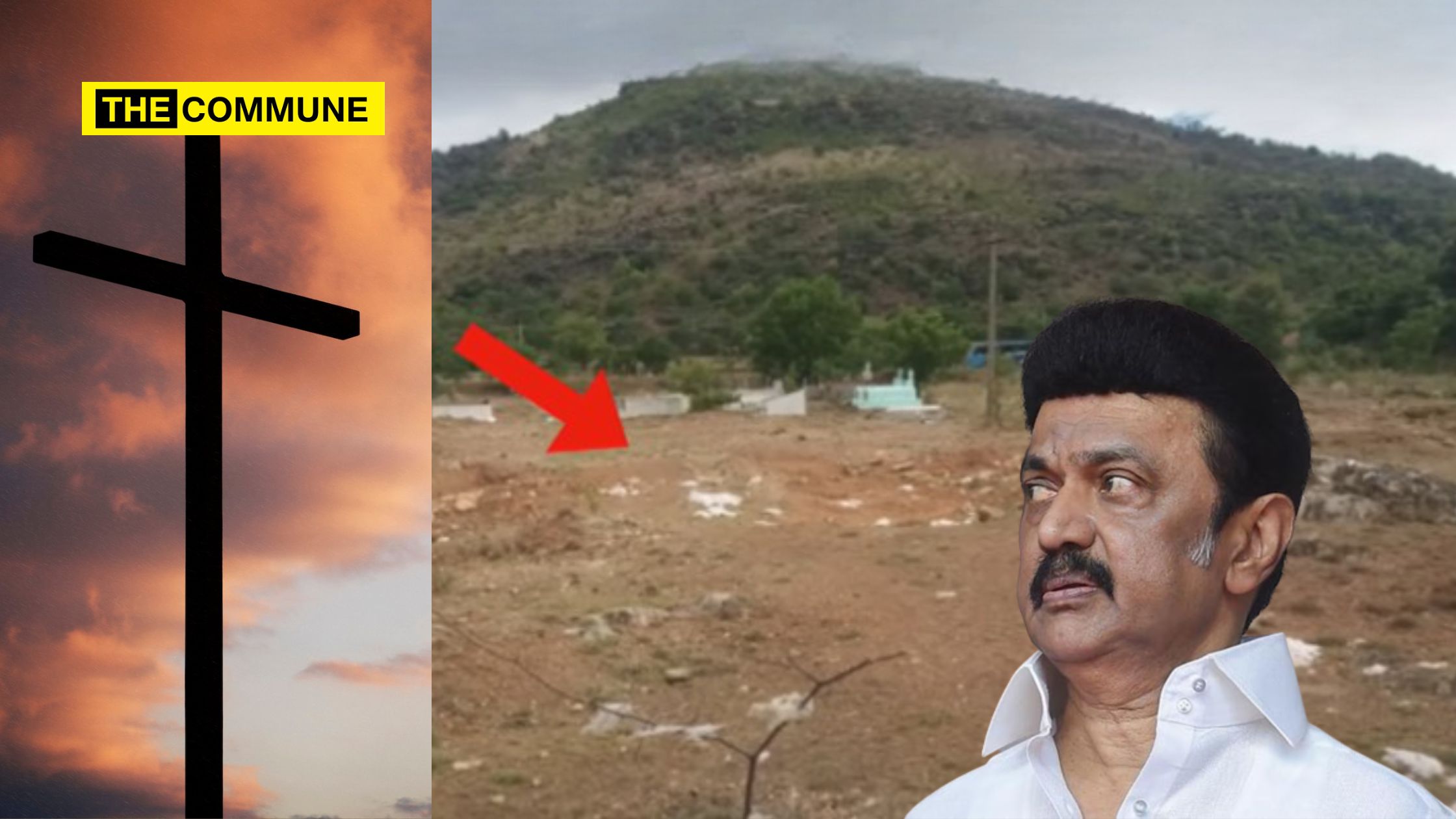
Villagers Petition Govt To Remove Cemetery Encroaching Pond, DMK Govt Dismisses Petition Despite Producing Evidence

In a recent development, a contentious issue has emerged in Madhampalayam village, Erode District, Satyamangalam Taluk, involving the alleged encroachment of a pond area and the construction of a cemetery. Local residents have expressed their concerns by sending a memorandum to the Chief Minister, demanding the removal of the encroachment in their village. It is important to note that their objection was not against Christianity but against the encroachment on the pond itself.

Unfortunately, their plea has been met with rejection, as the petition has been denied on the grounds that there is no encroachment and no pond in the specified location. This denial comes at odds with the actions of the DMK government, which has undertaken the dismantling of over 500 temples in Tamil Nadu, citing encroachment issues since it came to power. Despite the community’s efforts to bring this matter to the attention of the Chief Minister, their claims have been outright dismissed.

The response received by the petitioner who complained about the encroachment in the Jallikuttai (pond) states, “Erode District, Sathyamangalam Taluk, Madhampalayam Village, Field No 235 and the extent is 3.58.50 hect is also known as named Kallankuthu in the village account. There is no PWD canal in the above field. The map only has record of the water way. There is no encroachment in the water way. So the petitioner representing the Crpc 1973 u/s 40 – no need to take action. Petition can be dismissed.”

However, questions arise concerning the existence of a bridge on Puliyampatti Road and the presence of a sluice gate. Further investigation into past activities in the area has revealed the construction of a small-scale dam in 2012-13, costing approximately ₹ 1, 69,000, under the Rural Infrastructure Project. This information, obtained from the Department of Water Resources, supports the existence of a bridge on the site.

Additional information was gathered through a Right to Information (RTI) request to the Highway Department, which confirmed the cost of constructing the bridge over the waterway as ₹6,61,577. The same department also verified that excess rainwater from the area reaches the Jallikuttai pond via a bridge constructed by the administration at a cost of six lakhs. However, a petition to the government sidetracked the issue to mark the area as “disputed land”, suggesting an attempt to avoid accountability.

To gain further clarity on the issue, an analysis of documents possessed by the neighbouring landowners is necessary. This analysis reveals the existence of a pond in the area. Additionally, a petition document from February 1970, presented to the then MP Subbaiah, provides evidence of the pond’s presence in the region. However, the state government is reportedly attempting to establish that Christians have been burying their dead in this place for the past 40-50 years. Despite substantial evidence being presented, the government categorically denies the encroachment claims and refuses to take appropriate action.

This is not an isolated incident limited to a remote village in Satyamangalam; similar occurrences involving Christian groups and cemeteries encroaching on farmland and wastelands have been reported across Tamil Nadu. The establishment of cemeteries is believed to play a significant role in religious conversion, with the Church advocating for a cemetery to accompany every church. In cases where sufficient land is unavailable, it is alleged that issues are raised to capture land, taking advantage of the support from the DMK government.

These cemetery-related issues are prevalent throughout Tamil Nadu, yet they have received minimal attention from the media. Reports suggest that substantial funds, ranging from ₹250 to 300 crores, are being allocated for cemetery establishment in the state.

These circumstances raise concerns regarding potential bias and favoritism in the government’s decision-making process, favouring specific communities.

(With inputs from Maridhas)

Click here to subscribe to The Commune on Telegram and get the best stories of the day delivered to you personally.

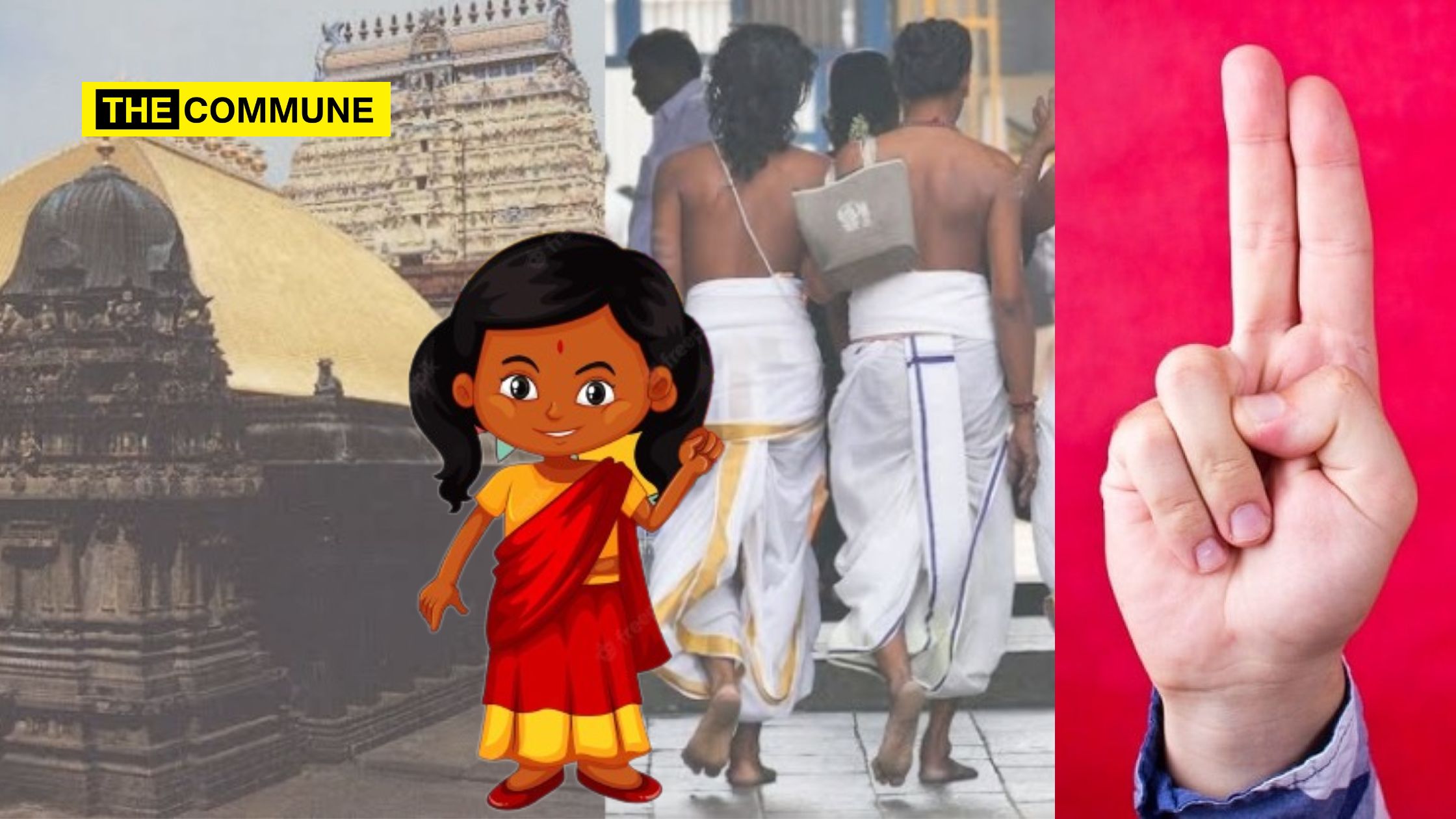
Truth Behind Chidambaram Dikshitars Issue

In a longstanding conflict spanning over 70 years, the government of Tamil Nadu has been engaged in a legal battle with the Chidambaram Dikshitars, the priestly class responsible for administering the Chidambaram Nataraja Temple. The temple, known for its ancient rituals and prayers passed down through generations, has become the center of a heated dispute. Recent months have seen a surge in allegations, including child marriage and invasive medical tests conducted on minor girls belonging to the Chidambaram Dikshitar families.

The controversy reached new heights when the HR and CE personnel entered the temple premises, leading to a confrontation. The temple was preparing for its annual festival, a significant event that attracts thousands of devotees. The Chidambaram Nataraja, the main deity, was scheduled to be taken out from the sanctum for the procession. However, tensions escalated due to the placement of the deity and the limited space available in the Kanakasabai. Additionally, the influx of devotees, which increased after the COVID-19 pandemic, created challenges in managing the crowd.

The Dikshitars have not imposed any restrictions or special darshan tickets, allowing devotees to have quick access to the deity within a few minutes. This practice differed from other renowned temples like Meenakshi or Tiruchendur, where long queues are common. However, with the rise in visitors, the temple faced overcrowding issues in its narrow premises.

Amidst these circumstances, the Tamil Nadu government, without consulting the Dikshitars, passed a government order (G.O.) to assume administration of the temple. The Supreme Court’s previous judgments had affirmed that the administration of the Chidambaram temple should remain with the Dikshitars, a denominational community, and any objections raised by devotees should be addressed through inquiries. The Dikshitars argued that the G.O. disregarded these legal provisions.

As the situation unfolded, several criminal cases were filed against the Dikshitars. One case alleged child marriage, leading to arrests and accusations of conducting two-finger tests on minor girls. These actions sparked outrage and condemnation, with demands for a thorough investigation into the alleged violations of child rights. While the legal cases are still under investigation, it is essential to protect the rights of the children involved. Leaked photographs and videos of the alleged minors have caused concerns about the privacy and dignity of the victims. The National Commission for Protection of Child Rights (NCPCR) conducted an inquiry into the matter, and various stakeholders, including the Dikshitars and their legal representatives, cooperated with the investigation.

According to G Chandrasekhar, an advocate for the Dikshitars, the codified law states that only married Dikshitars are allowed to perform the Chandramouleeshwarar pooja at the temple. Since the legal age for marriage is 21, there should be no room for child marriages. He provides an example of a child marriage that occurred in Cuddalore district.

In this case, instead of making arrests or conducting clinical examinations, the social welfare department provided counseling to the parents. However, in the case of the Dikshitars, the state government conducted tests even though the Supreme Court did not mandate such actions. Interestingly, in the child marriage case, the Protection of Children from Sexual Offenses (POCSO) Act was invoked to enable arrests.

However, in an attempt to mitigate the damage caused by the controversy, the Dikshitars expressed their willingness to abide by the law and respect child rights. However, there remains a call for the Supreme Court to intervene and initiate a suo motu inquiry into the alleged violations. Such an inquiry would ensure a fair assessment of the situation and uphold the principles of justice and protection for the rights of the child. The series of incidents have caused severe trauma to the Dikshitars and their families over the past months.

As the legal proceedings continue, the resolution of this contentious issue will require a balanced and thorough examination of all the facts, keeping in mind the best interests of the children involved.

Click here to subscribe to The Commune on Telegram and get the best stories of the day delivered to you personally.

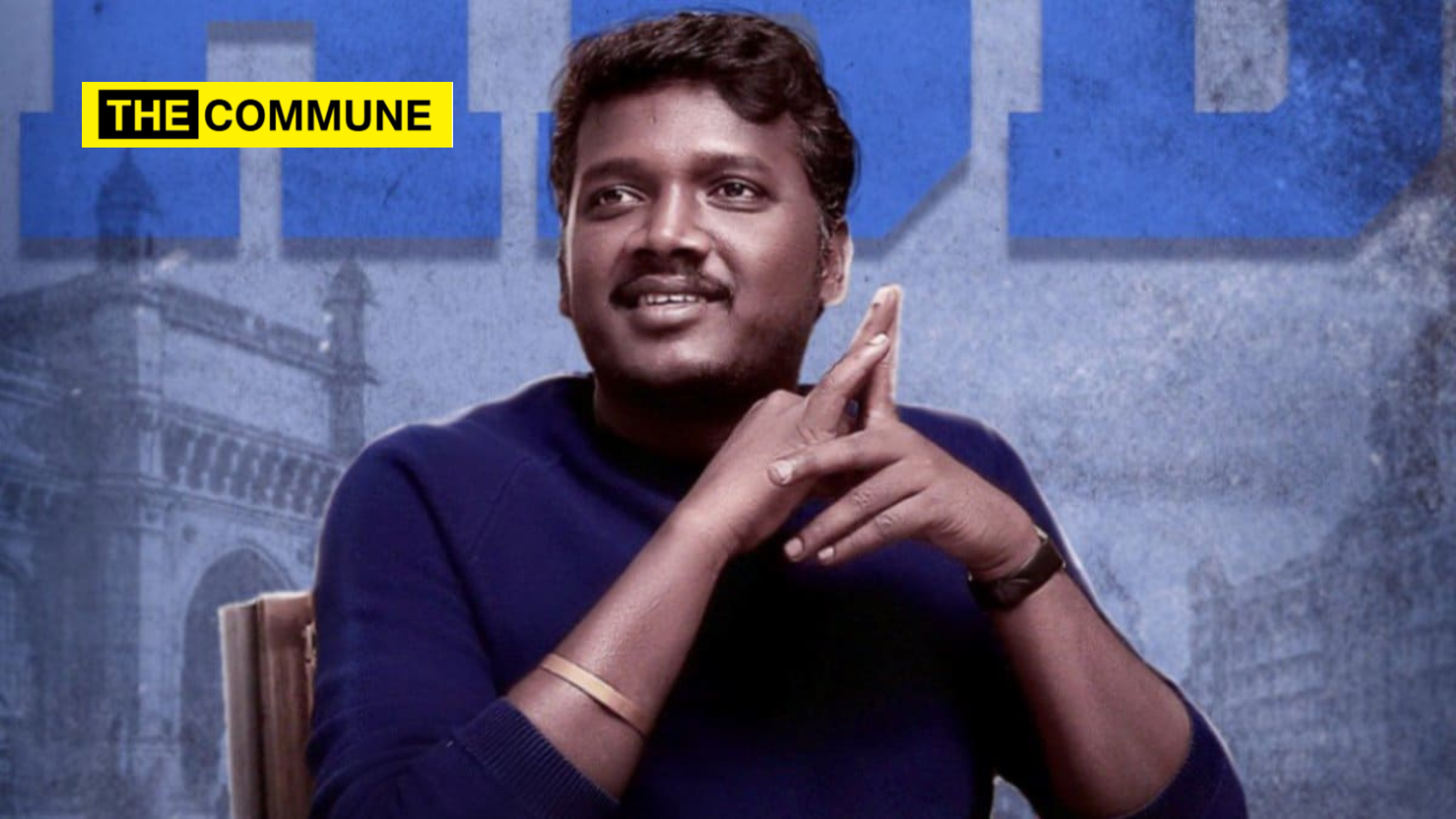
Is Mari Selvaraj A Hypocrite?

Social media platforms are currently inundated with memes and trolls targeting filmmaker Mari Selvaraj for his recent remarks, branding the acclaimed movie “Thevar Magan” as a casteist film.

The director of the upcoming Tamil-language political thriller “Maamannan” has been facing severe criticism for what many perceive as hypocrisy in his definition of caste and his actions in reality.

During the audio launch of his film, Mari Selvaraj made a controversial statement, describing Kamal Haasan’s “Thevar Magan” as a movie that propagates caste discrimination. However, his remarks were met with swift backlash from Kamal Haasan fans who argued that “Thevar Magan” primarily revolves around an internal dispute within a family of the same caste, without any derogatory references to other castes.

Adding fuel to the fire, old videos of Mari Selvaraj defining caste have resurfaced and are going viral on social media. In one particular interview from three years ago, the director provided his own interpretation of caste, stating, “If I show my authority over my wife, that is caste. The authority one possesses that allows one to suppress another person, knowing that the person cannot retaliate, is what I consider caste. For example, if I beat my assistant knowing he cannot hit me back, that is caste.”

These very words of Mari Selvaraj has now come back to haunt him, as netizens highlight instances of Mari Selvaraj allegedly practicing the very “caste oppression” he denounces.

Several actors who have worked with the director have come forward in interviews, revealing instances of physical abuse on set. Thangarasu, known for his role as Pariyan’s father in “Pariyerum Perumal,” disclosed in an interview that Mari Selvaraj slapped him for missing a dialogue.

Actor Marimuthu also shared his experience, recounting how Mari Selvaraj made Kathir run barefoot through a thorn-filled forest for a movie scene, causing him to bleed. Marimuthu further revealed that the director instructed co-actors to beat Kathir in reality for a scene, and those who refused to comply were beaten by Mari Selvaraj himself.

Even Udhayanithi Stalin, who has worked with Mari Selvaraj, acknowledged in an interview that the director had physically assaulted his assistant directors.

The circulation of these interviews on social media has led to widespread questioning of Mari Selvaraj’s hypocrisy, as his own actions appear to contradict his professed beliefs about caste. Critics argue that the director’s behavior aligns with his definition of caste, as he physically abuses his assistants and actors while wielding his authority over them.

Additionally, a YouTube channel known as Poli Talks, which specializes in debunking falsehoods and exposing hypocrisies related to Dravidian ideology, criticized Mari Selvaraj by compiling and sharing the aforementioned videos. However, the channel’s videos critiquing the director were subsequently taken down for unknown reasons, though they had already been downloaded and circulated by social media users.

With the release of “Maamannan” just three days away, social media users continue to highlight the alleged hypocrisy of director Mari Selvaraj, shedding light on the disparities between his statements and actions. The controversy surrounding him has intensified, generating fervent discussions online.

Click here to subscribe to The Commune on Telegram and get the best stories of the day delivered to you personally.


Controversy Surrounds Pudukkotai Collector Mercy Ramya Again, Allegations of Ignoring Union Minister Event In Her District

Pudukkotai Collector Mercy Ramya has once again found herself embroiled in a controversy, this time for failing to attend and allegedly ignoring the function of a Union Minister in her district. Just a few days ago, Ramya faced backlash for reportedly moving a Ganesha idol from the government collector’s bungalow, as she is a Christian. These incidents have sparked outrage and raised concerns about religious insensitivity.

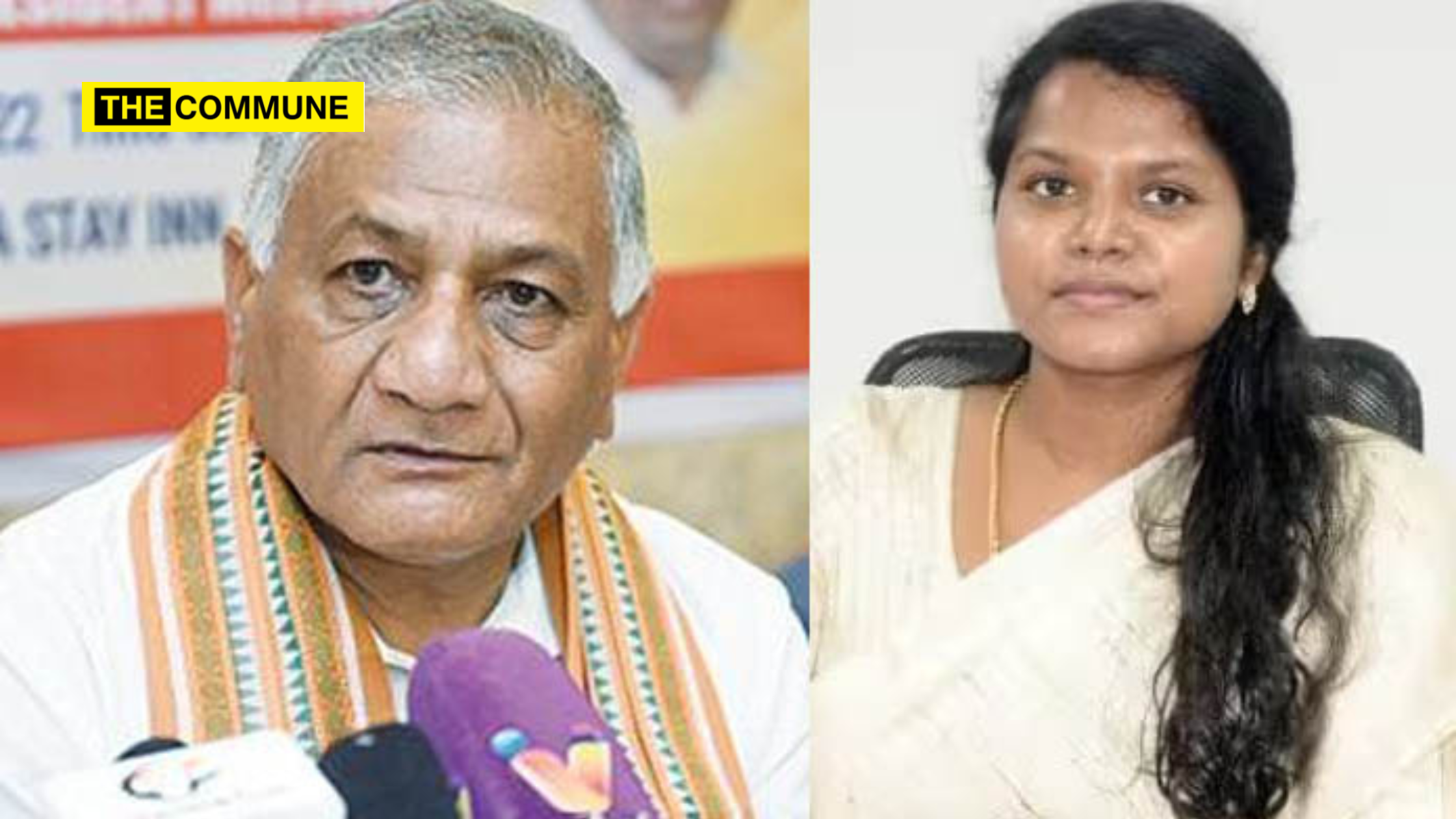
The recent incident unfolded when Union Minister of State for Road Transport and Highways, VK Singh, visited Pudukottai district for a three-day tour. During his visit, Singh participated in the foundation stone laying ceremony for new houses under the Prime Minister Awas Yojana scheme in Ochampatti near Tirumayam. He also inspected the excavation work at Porpanaikottai. However, to the surprise of many, District Collector Mercy Ramya and other officials were notably absent from these events.

This absence did not go unnoticed, and social media quickly became abuzz with criticism directed at the Pudukkotai Collector. People questioned her disregard for the Union Minister’s visit and inauguration of an event within her district. The incident mirrors a similar controversy that unfolded a few months ago when the then Collector of Pudukottai, Kavitha Ramu, attended an event of Union Minister Kapil Moreshwar Patel in the Aranthangi constituency, drawing widespread attention.

Selvam Alagappan, the President of the Pudukottai East District BJP, expressed his disappointment, stating, “The collector or her representative should have attended the program in which Minister of State VK Singh participated in Pudukottai district. But, no one attended the program and ignored it. The reason for their neglect is not known.”

Earlier, on June 3rd, in a development that sparked outrage among the local community and Hindu organizations, an idol of Lord Vinayaka was reportedly removed from the residence of the Pudukottai District Collector after the newly appointed IAS officer Mercy Ramya took charge. The decision to remove the idol was allegedly made by the District Collector, who follows the Christian faith, leading to accusations of religious insensitivity. Hindu organizations have criticized the removal of the Lord Ganesha statue, viewing it as a manifestation of deep-rooted animosity towards the Hindu religion. They argue that this incident highlights a lack of understanding and respect for religious sentiments.

(with inputs from Mediyaan)

Click here to subscribe to The Commune on Telegram and get the best stories of the day delivered to you personally.

Pinarayi’s Cuba Visit: A Ridiculous Wastage Of Public Money Amidst Leftist Hypocrisy

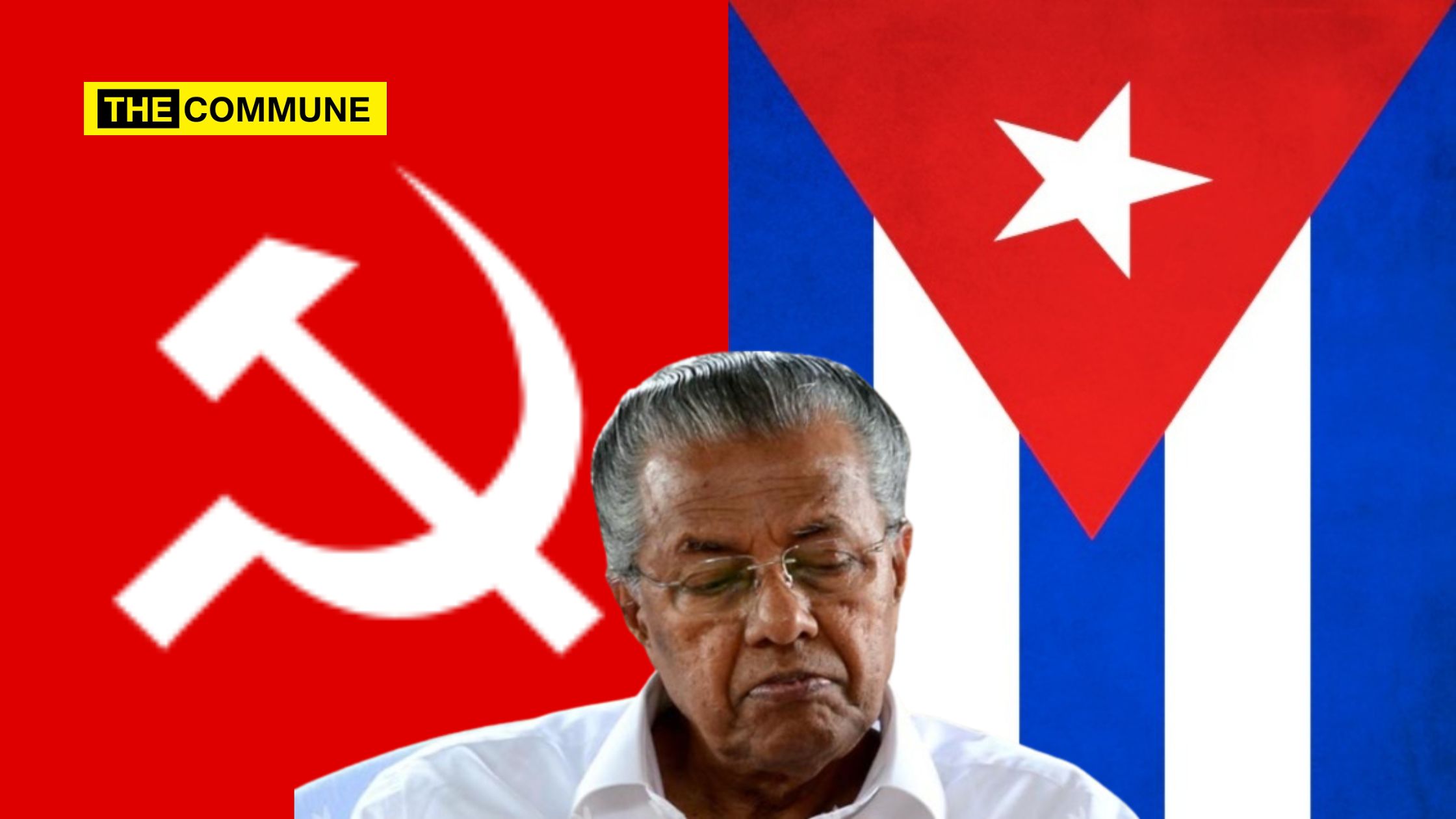
Kerala Governor Arif Mohammad Khan recently criticised CM Pinarayi Vijayan for his overseas visit to Cuba. The Governor referred to Pinarayi’s trip to Cuba as a ‘political pilgrimage.’ Criticising a news report that Pinarayi Vijayan met with Cuban officials about a partnership in the health sector, the Governor stated that the CM is discussing health with a country known for its tobacco industry. Arif Mohammad Khan stated that the chief minister was squandering public funds in this manner. Following his trip to the USA, Kerala Chief Minister Pinarayi Vijayan paid a visit for two days to Cuba. Coincidence or not, both Cuba and Kerala are becoming passengers of the same boat. Cuba’s development is stifled due to generations of communist rule and Kerala is going through 2nd term of the ‘Left-Pinarayi’ government and Kerala’s development is being stifled by bad policy measures and price rises. In light of this, let us examine why Pinarayi’s visit to Cuba is a ridiculous waste of public money and why it is riddled with Left hypocrisy.

A Visit To Showcase Left Hypocrisy

The Communist Party of India is well-known for its support of China and Cuba. It is worth noting that the Kerala Chief minister earlier hailed Cuba for its socialistic ideas and its opposition to the US. Previously, the Kerala Chief Minister lauded North Korea for its staunch opposition to the United States. It is also worth noting that during the Doklam standoff, Kerala’s Chief Minister slammed India, claiming that “our country has now taken a pro-America stance, and our foreign policy is shaped accordingly. India has developed a foreign strategy that is consistent with US foreign policy and is completely opposed to China.” At least the Left is not colour-blind in this development as we can see clearly how much the Kerala CM loves his brotherly Red-Communist dictatorships

Cuba’s socialist regime has had a significant role in the country’s misery. The regime’s mishandling of the economy and repressive practises have exacerbated the country’s issues. The same is true of North Korea, a renegade Leftist state that ruthlessly subjugates its own people. China, on the other hand, may have a large economy, but the authoritarian government of the Party has deprived its population of all chances of democracy or liberty. The Left-Pinarayi government’s affection for Cuba is thus unsurprising, given that Kerala’s elected ruler has comparable preferences to other ruthless communist governments.

In fact, the Pinarayi government is slowly and surely morphing into a communist dictatorship. To understand this, we must first understand how Pinarayi has tightened the grip of power in Kerala. When Pinarayi Vijayan came to power the second time, He had stated that no ministers from the previous cabinet will find a berth in the second-term cabinet. And who was the only exception? Of course, the CM himself! In his quest for power, he even evicted acclaimed health minister KK Shailaja from the post she had handled successfully. Instead, the Kerala people got cronies of Pinarayi as their ministers including his own son-in-law.

In his 2nd term, Pinarayi has also started to stifle criticism and free press much like his communist counterparts in Cuba, China, and North Korea. According to reports, the Kerala government is even considering changing the rules of conduct of government employees in order to sanction staff who attack the administration online. The Pinarayi government’s intolerant attitude is on display for the public to witness; it is claimed that Pinarayi Vijayan is entitled to be referred to as “Mao of the South” owing to the intolerant administration and usage of police apparatus. Instead of holding press conferences after Cabinet meetings, Vijayan stopped dealing with media outlets and started issuing press releases in 2016. In 2017, as the media arrived to cover a “meeting” at a hotel in Thiruvananthapuram, the chief minister screamed, “kadakku purath” (Get out!). The Chief Minister’s amendment to the Kerala Police Act in 2020, which sought to protect women from cyberattacks, was perceived as an effort to restrict media freedom. It sought to adopt a new provision criminalising defamatory material, but it was dropped in response to opposition and public uproar. These events are in addition to earlier limitations on the press covering assembly processes. The incident clearly reveals that Kerala’s chief minister has regularly used Maoist techniques in dealing with the media. The Vijayan administration is not receiving good press coverage; two high-profile accusations involving the CM’s personal secretaries are making the rounds in journalistic circles, eroding the governing Left’s trust. The CM has struck out at the media in desperation; disagreement is the foundation of a society that is democratic, therefore the CM, as a legitimately elected leader, must welcome it. Pinarayi Vijayan has yet again demonstrated that he is a real Communist by enabling his thugs to seize the media by the neck! 

Wastage Of Public Money

Pinarayi Vijayan has conducted 19 international visits since taking office as Chief Minister and will continue to do so till 2023. However, only details on five of them are known. According to reports, he spent ₹32.58 lakh on official travels to the UAE in 2016, the United States in 2018, Japan in 2019, and the United States again in 2022 for medical treatment. The cost of the remaining 14 trips has not yet been disclosed. Over the past 6.5 years of LDF rule, the Chief Minister and Ministers of Kerala have undertaken 85 international travels. It is not his professional travels that have raised eyebrows, but rather his personal visits and covering the tab in public. A writ petition is currently underway in the High Court, which has brought these journeys under scrutiny. In his writ case, the petitioner claimed that Vijayan had taken ‘personal’ visits to the United States and the United Arab Emirates at separate times. The CM’s excursions had also drawn criticism since his family members accompanied him, using public cash. Pinarayi travelled to various European nations with his wife, daughter, and grandchild last year. There were also accusations about going on a foreign vacation during the state’s severe financial crisis. However, Pinarayi Vijayan’s foreign travel fiasco is simply the tip of the iceberg in terms of public money waste by the CM and his entourage. The government purchased a dozen new automobiles for the CM and other ministers last year. Despite a general restriction on the purchase of new automobiles due to the financial crisis, the exchequer has already spent 4 crores on these purchases. CM ranks first in the acquisition of new autos. The public is harmed not just by the purchases, but also by the increased security. It is unclear why the CM is so afraid of the people that he increased his security. The increased protection is equivalent to that provided by India to visiting heads of state. Kerala is in a desperate financial predicament. Kerala’s government debt has risen to about 4,000 crores, and the little state has eclipsed the majority of Indian states in this regard. Kerala’s current budget also highlights the state’s poor and perilous financial status. The substantial increase in taxes, particularly those on fuel, diesel, and alcoholic beverages, has hit the average man where he hurts the most. Kerala and its reigning communist regime appear to be right out of a black mirror episode. In an Orwellian fashion, the government operates an ‘animal farm,’ gorging on the ordinary man’s resources. Kerala has dismal days ahead owing to its perilous financial status, and the CM’s spending binge in the middle of this only testifies to an immoral type of administration that is destructive to society.

As it approaches the second year of its five-year term, the present government looks to be stuck in a never-ending loop of issues. From a conflict with the governor’s office to the appointment of party leaders to cabinet positions, the left administration has courted controversy. Although viewed as an outstanding model of human development and education, Kerala is hampered by comprehensive misgovernance and ignorance of critical issues. Even when espousing pluralism as well as free speech, the communist regime publicly introduces laws or circulars to stifle free expression, and even when they talk about growth and jobs, Kerala remains one of the country’s worst states in terms of employment and development. Because of its abundant natural resources, Kerala is a top achiever in education and human development. However, the state’s prospects are damaged by the ruling party’s ongoing disrespect for standards and misplaced priorities. As a result, the state’s financial situation is likewise bad. But the ruling class continues to ignore reality and pour money into its coffers. For instance, during the fiscal year 2019-20, the government allocated ₹34.79 crores towards remunerations and travel expenditures for personal staff members of ministers. Pensions and gratuity for retiring employees cost a total of ₹7.13 crores. Spending on ministers’ personal staff wages and travel expenditures grew by 25.30% in six years, compared to 2013-14. The CM’s personal staffers’ salaries and perks jumped by a whopping 190.61%. Pension expenses have more than doubled, going from ₹3.53 billion in 2013-14 to ₹7.13 billion in 2019-20. This load is likely to expand considerably in the coming years due to long-term life expectancy and periodic wage and pension modifications. The unexpected spike in these expenses comes against the backdrop of the state’s dismal financial situation and mounting debt. The sustainable debt level is predicted to be 23% of GSDP per Kerala’s Fiscal Responsibility Act of 2011. Kerala spent 75.6% of borrowed cash on revenue spending and 20.13% on debt repayment in 2019-20. Only 3.85% of the loaned cash was used on capital projects. According to Crisil’s 2019 States of Growth report, Kerala, along with Punjab and Rajasthan, was classified as a “state characterized by a significantly high debt ratio.”These were the only states with debt-to-GDP ratios over 30%. 

How the Pinarayi government governs the state raises the issue of whether Mr. Pinarayi intends to turn Kerala into a real communist state in the mould of Cuba or North Korea. The communist Kerala model, riddled with corruption and intolerance, is dragging the state to the edge of economic and social stagnation. When the next election rolls around, citizens must understand that each vote opposing the Vijayan administration is a vote for democracy.

(Anand Krishna is a lawyer from Kerala and a columnist)

Click here to subscribe to The Commune on Telegram and get the best stories of the day delivered to you personally.

A Practical Approach To Same-Sex Marriage Rights

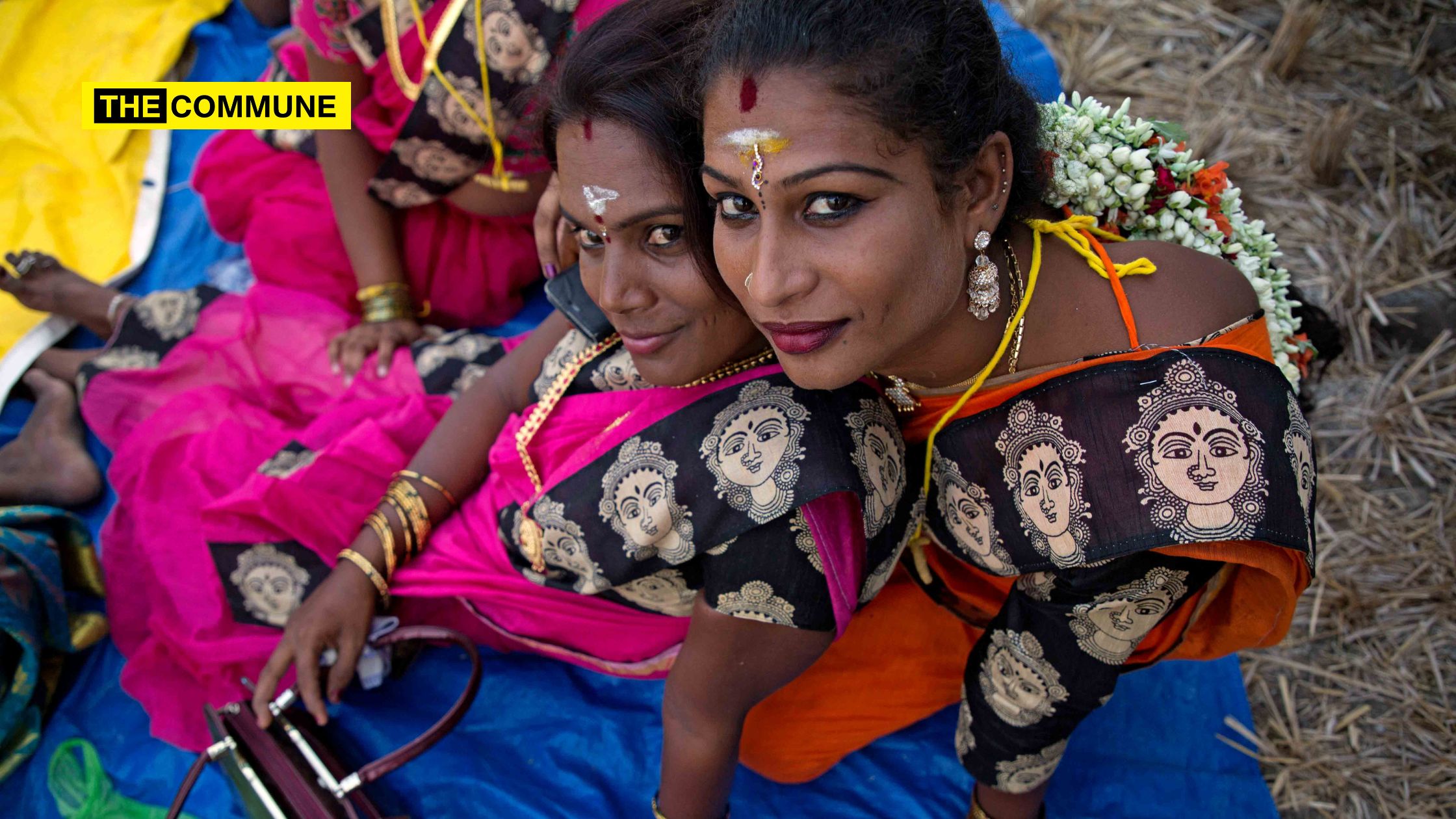
Feature Image Credits: Sahapedia

The ongoing petition in the Supreme Court on recognising “same-sex marriage” reflects the lack of conceptual understanding and difference between “sex /sex identity” and “gender /gender identity”.

The recognition of the existence of transgender or any other gender apart from binary gender as “third gender” was made in the famous decision of NALSA v. Union of India.

Following the same approach, if the Supreme Court recognises “same-sex marriage”, it will only be limiting the civil rights of marriage to cis-lesbians and cis-gays, leaving out people with diverse sex characteristics, including intersex persons, and gender variant identities.

While understanding GIESC (Gender Identity and Expressions, and Sex Characteristics), it is pertinent to note that sex characteristics and gender identity are different concepts and cannot be used interchangeably.

Being Intersex is a ‘sex characteristic’ and not a gender identity. Intersex people are are individuals who are born with sex characteristics that does not fit the binary definitions of male and female anatomy. These variations in sex characteristics could be variations in genitals, chromosomes, gonads or sex hormones. A person with intersex variations can be a ‘transgender person’ too, but Transgender may not be Intersex.

It is imperative that the Supreme Court and the Government of India recognise the existence of people with intersex traits (including intersex infants and gender non-conforming children), because it is not objectively possible to uphold the civil rights of persons with diverse sex characteristics without recognizing them (making them visible).

Till now, there is no specific data on the intersex population (including intersex infants and gender non-conforming children) available in India. The last Census of India (2011), only recorded the “Transgender persons” population, and that too under the ‘sex’ column. Unless and until we have clear data on a population of persons with diverse sex characteristics which is non-heterogeneous, it is not possible to frame or adopt effective policies for them. The current Census Schedule provides an option for “transgender” in the “sex” column for persons who do not fall under the binary male and female.

The primary understanding of persons with diverse sex characteristics is uprooted with the underlying meaning of male and female. There are no legal aspects to detail what constitutes a male and a female. The Registration of Births and Deaths Act, 1969 does not outline what is male and female. The Constitution of India mentions the term “sex” in Article 15, but there is no use of the term “gender”.

The term “sex” in the Constitution of India needs to be interpreted recognising the existence of persons with diverse sex characteristics. The biggest paradox here is that even without any legal parameter for what constitutes male and female, the Court and the Government of India went on to define the definition of “third gender” and “transgender persons” respectively.

Furthermore, there are no medical protocols to regulate the performance of a medical surgery to normalise the sex identity of intersex infants and gender non-conforming children. In 2019, the Madras High Court in the case of Arunkumar and Ors. v. IG of Registration, inspired by the advocacy of Srishti Madurai on the rights of intersex infants, imposed a ban on unnecessary medical intervention with intersex infants in the State of Tamil Nadu and directed the Tamil Nadu government to pass a legal order. Subsequently, the State of Tamil Nadu became the first state which provided a legal regime banning sex-selective surgeries with intersex infants. Now,  a nation-wide ban on unnecessary medical intervention with intersex infants is the need of the hour.

This judgment not only recognizes the plight of intersex infants but also upholds the inter-caste marriage of transgender persons. It highlights the existence of the marriage rights of gender variant persons in Hindu traditions, such as the Koothandavar Temple in Tamil Nadu, which represents the marriage of Aravan and Krishna. Also, gender-specific sacred spaces are respected in Hindu civilization which acknowledges the existence of persons with diverse sex characteristics.

The established jurisprudence by the Apex court on “third gender” has led to fallacies to further recognition of persons with intersex variations. For instance, in Nangai v. The Superintendent of Police, the Madras High Court relied on the NALSA judgment to treat an intersex person as “transgender person” and granted rights. This reflects ignorance of the existence of persons with intersex variations. Some High Courts have tried to uphold the rights of intersex persons. The Delhi High Court in Faizan Siddique v. Sashastra Seema Bal invalidated the decision of Sashastra Seema Bal denying the candidature of Faizan Siddique as Constable (GD) female on the ground of intersex traits.

But this does not mean that the Government of India or the Supreme Court recognizes the existence of intersex persons as individuals. Santhi Soundarajan, a female athlete with intersex traits, and the first Tamil Indian to win a silver medal in the Doha Asian Games (total 11 international medals), was devastated when suddenly told she does not pass the gender test. Her silver medal was taken back and the Government of India didn’t even defend her on the international circuit. She was compelled for a time to work as a daily wager for survival.

The absence of Government support and recognition of the rights of a female international athlete with an intersex variation, who had made India proud, pushed her into a corner; she even attempted to end her life. There are several other athletes with intersex variations who have suffered unheard; their bodily existence is itself in question. These intersex persons are living with a question mark over their recognition and existence and the same is impacting their day-to-day activities. It is the duty of the Government of India to recognise the existence of persons with intersex variations and to protect them.

The lack of recognition of the intersex population, including intersex infants and gender non-conforming children, leads to irregularities in laws. For instance, the Government of India adopted the Transgender Persons (Protection of Rights) Act, 2019. The definition of “transgender person” as provided in Section 2 (k) of the Act, traces its roots to NALSA v. Union of India, and defines gender identity and expressions and sex characteristics as “transgender persons”. This definition is not scientifically correct and intersex persons cannot be included under the umbrella of “transgender persons”.

Even the Central Adoption and Resource Authority (CARA) under the Ministry of Women and Child Development does not recognise the existence of intersex infants and gender non-conforming children. The CARA records the adoption of gender non-conforming children as the ‘hijra child’.

Not every subject of the state needs to reach the court for recognition. The tribes living in Andaman and Nicobar, like Sentinelese, are not even aware of their rights or status, but these are recognised by the Constitution. The point we want to make here is that the existence and recognition of intersex infants and gender non-conforming children should come from the Court or the Government as a suo motu action; they should give recognition and agency to this voiceless group.

Considering the present issues of same-sex marriage, the Government of India’s proposal to form a committee to address the issues of the community is not sufficient. India is a nation with myriad indigenous traditions and diversity. As a host of G20, India must make the nation more inclusive and closer to its traditional/indigenous roots.

We propose that India’s current National Council for Transgender Persons (NCTP) formed under the Transgender Persons (Protection of Rights) Act, 2019, having representatives from across the nation, should be re-constituted as National SOGIESC (Sexual Orientation, Gender Identity and Expressions, and Sex Characteristics) Commission with a broader framework and powers to address grievances.

The Government should establish an independent body such as a Centre for SOGIESC Studies to offer regulatory, advisory and policy-making functions in matters related to Sexual Orientation, Gender Identity and Expressions and Sex Characteristics. The civil rights of marriage of people with diverse sex characteristics can be routed via this independent body. In fact, the Government can pass separate legislation specifically to provide the civil right of marriage to persons with diverse sex characteristics under Hindu traditions without intervening in the right of marriage of heterogeneous populations under the Hindu Marriage Act, 1955.

Even the instances of performing the customary rites of Hindu marriage for gender non-conforming couples by the Hindu priests is a not a new phenomenon. For instance, a Hindu priest by the name of Raja Gopal Bhattar has officiated more than 20 marriages of gender non-conforming people via Hindu marriage rites and ceremonies. On being asked about the ceremonies and acceptance, the priest clarified that the Hindu traditions accepts and recognise the gender non-conforming couples and the hence the marriage is right and just.

If the Supreme Court moots recognition of the right of marriage, it should recognise this right for non-heterogeneous marriage (not excluding people with diverse sex characteristics) and accept the same under Hindu Personal Laws. Hindu traditions are the valid proofs and reasons for the acceptance of non-heterogeneous marriage rights for people with diverse sex characteristics and sexual orientation.

Gopi Shankar Madurai is the first openly intersex statutory authority with the Government of India. Inputs from advocate Vijay Mishra, human rights researcher and Coordinator of the Intersex India project. 

Did MK Stalin Really Get Arrested Under MISA During The Emergency?

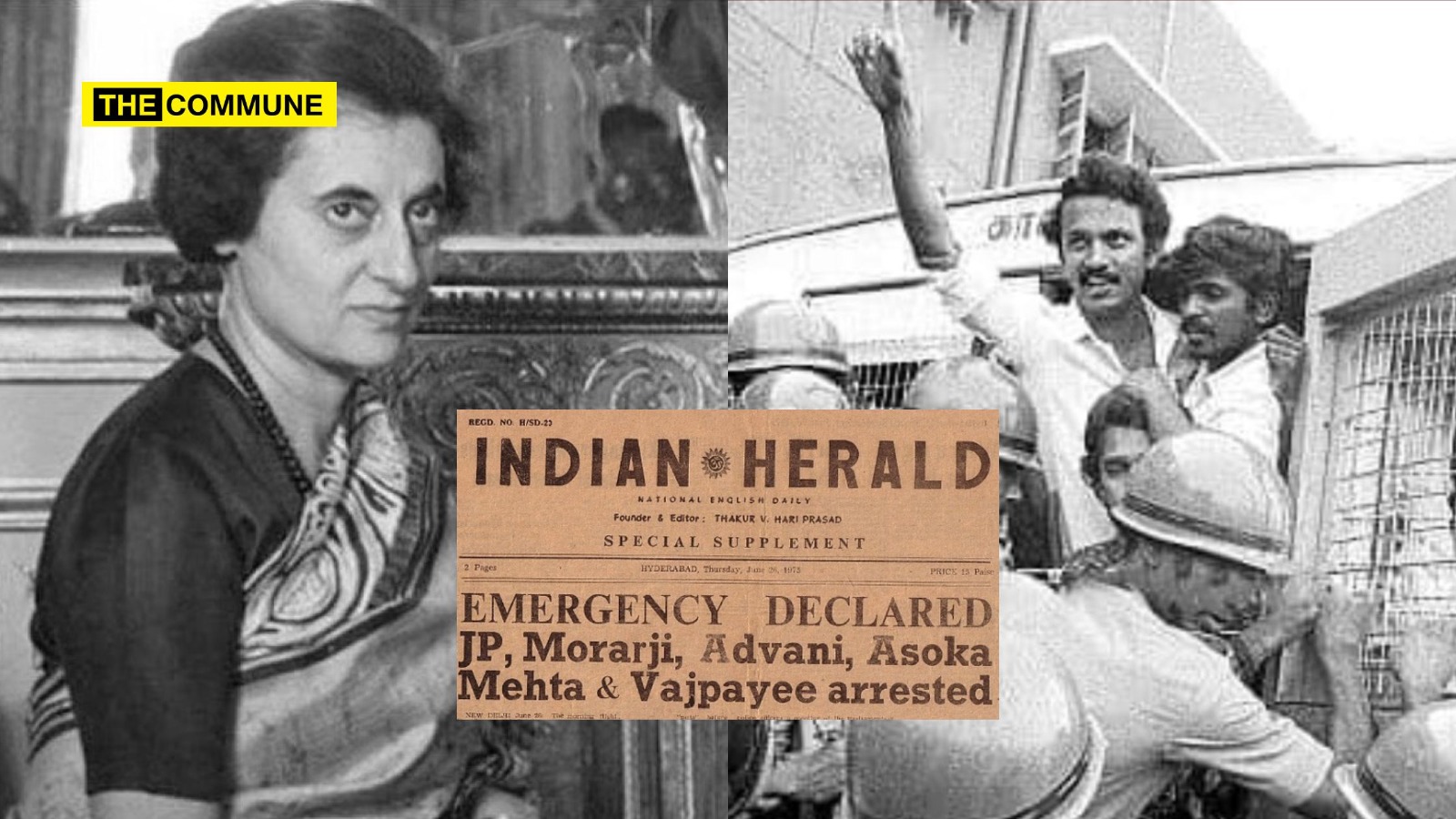
It is a well-known fact that the ruling Dravida Munnetra Kazhagam (DMK) government in Tamil Nadu leaves no opportunity in claiming that MK Stalin was arrested under MISA during the Emergency.

The DMK often thumps its chest on how they fought Indira Gandhi’s draconian anti-democratic move.

The party had even held an exhibition in 2023 in which an exhibit showed a cop kicking MK Stalin on the chest claiming it to be the torture endured by Stalin in prison when he was incarcerated under Maintenance of Internal Security Act (MISA).

Credits: Times Of India

However, the question of whether Tamil Nadu Chief Minister MK Stalin was truly arrested under the MISA during the Emergency period has been a mystery. Despite Stalin’s claims of being a detainee during that time, recent efforts to obtain records through Right to Information (RTI) requests have revealed a lack of evidence.

Selva Kumar, the Vice President of the Tamil Nadu Bharatiya Janata Party’s (BJP) Industrial cell, took the initiative and filed an RTI to obtain the list of individuals arrested under MISA.

However, the responses to the requests from various central jails in Tamil Nadu presented a puzzling scenario. The Chennai Central Jail response stated that the records had been destroyed during the jail riots that took place on 17 November 1999. Similarly, the Coimbatore Central Jail could only provide data for the last 12 years, citing the RTI Act of 2005 and the limited record-keeping period specified in the Tamil Nadu Prison Manual Rules – 1983. The admission records of MISA prisoners during the 1975-1977 period were deemed untraceable and thus could not be furnished.

Further RTI requests to Vellore Prison and Cuddalore Jail met with similar obstacles. The Vellore Prison response indicated that due to the passage of 47 years, the requested information could not be provided as the records were in a state of disrepair.

The Cuddalore Prison cited the Thane cyclone, which struck on December 30, 2011, destroying old records, making it impossible to retrieve the information sought.

Unfolding Of Events

The timeline of the emergency is articulated well in this tweet:

Shah Commission Report

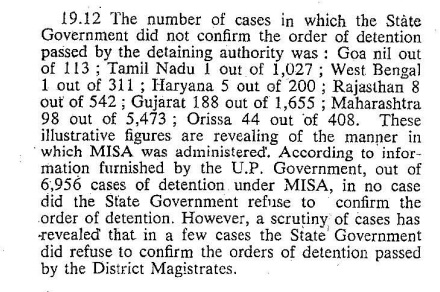
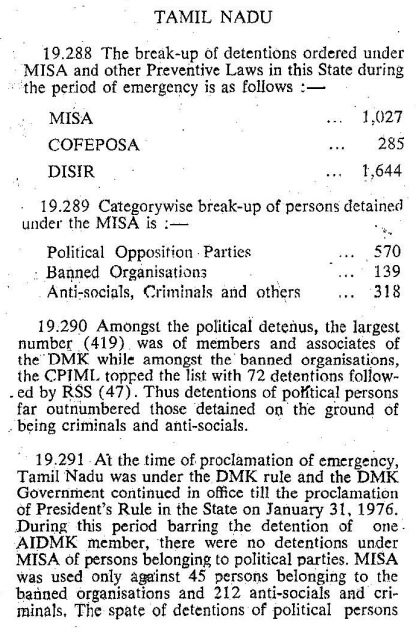
The Shah Commission Report detailed the excesses done during the Emergency period noted that in Tamil Nadu 1027 people were arrested and except for 1, everyone else was given the detention copy and an acknowledgement was available. A total of 570 people mostly politicians were arrested in Tamil Nadu and out of that number 419 were from the DMK. Here are some screenshots from the Shah Commission Report:

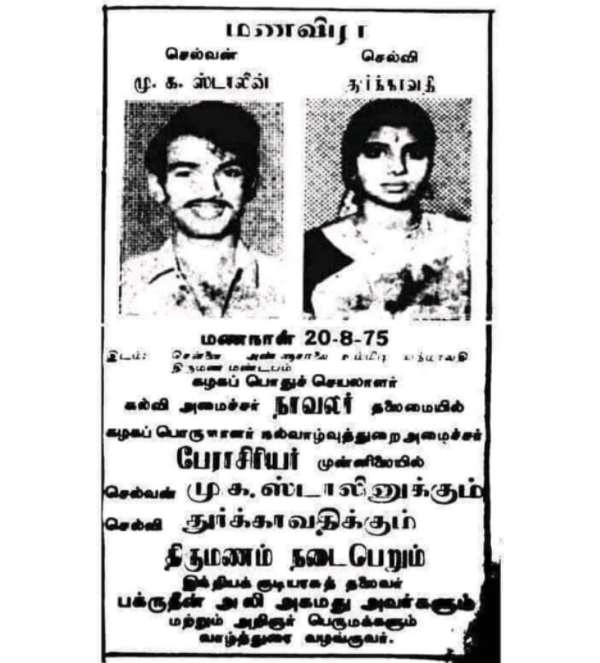
During the 21 months of Emergency from 1975-1977, 34,988 people were arrested under MISA and 75,818 people were arrested under DISIR (Defence of India Act). It is said that there was not much of a repercussion in Tamil Nadu under the DMK regime after the Emergency was declared in June 1975. MK Stalin even had his wedding in August of that year, right amid the Emergency. There are contradictory reports that the then President Fakhruddin Ali Ahmed had himself blessed the newlyweds in person while some other reports suggest that he was not present at the wedding ceremony but sent his best wishes. 

However, things are said to have changed after the DMK government was dissolved on 31 January 1976, two months before the next elections could have been held. However, since the country was in an Emergency, elections could not be held in a free and fair manner, President Fakhruddin Ali Ahmed called for the government’s dissolution, and subsequently, President’s rule was implemented. 

Now, were MK Stalin and other DMK members arrested for protesting this dissolution, or were they arrested under MISA for opposing the Emergency is indeed a big mystery. 

Here is a break-up of the detentions under MISA in Tamil Nadu:

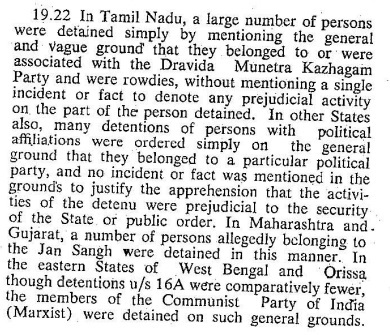
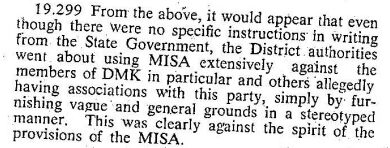
Now as we scroll through the Shah Commission Report, we also come across this:

This point indicates that there were arrests under MISA but not necessarily for violating the terms and conditions of the Act.

Not only do RTIs turn up with no evidence, but the Report also does not mention Stalin’s name anywhere. While Stalin has and continues to make use of every opportunity to highlight his arrest, until the time he furnishes his detention copy, questions will continue to be raised about whether he was detained for protesting the Emergency or for an altogether different reason that lends credence to the rumours on the streets and the infamous Wikileaks cable (Para 5)

Click here to subscribe to The Commune on Telegram and get the best stories of the day delivered to you personally.

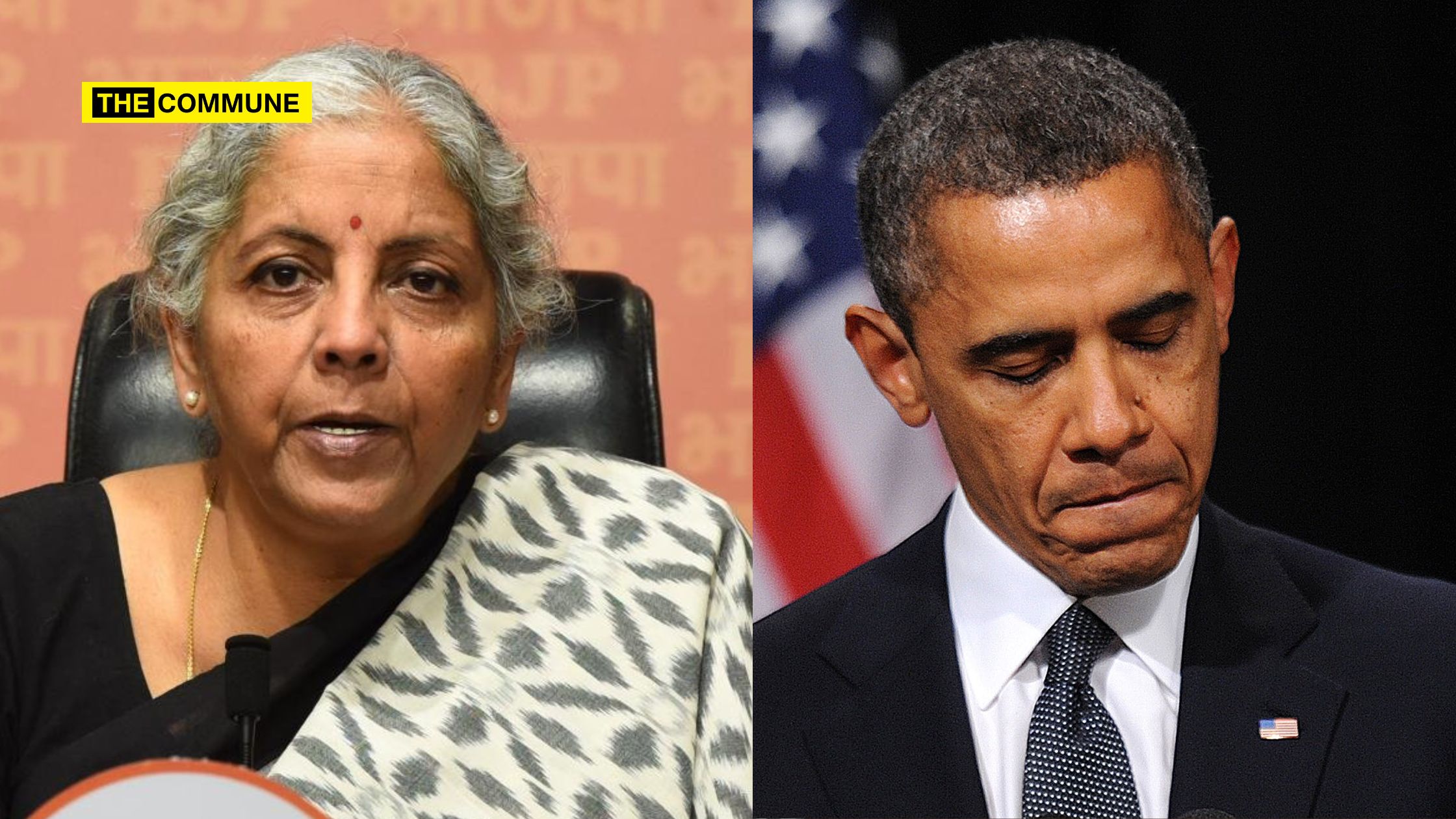
“Bombed 6 Muslim Countries”: FM Nirmala Sitharaman Hits Back At Barack Hussain Obama

Union Finance Minister Nirmala Sitharaman lashed out former US President Barack Hussain Obama over his incendiary remarks about the treatment of minorities in India.

Obama had said ““The protection of Muslim minorities in a majority Hindu India … “Part of my argument would be that if you do not protect the rights of ethnic minorities in India, then there is a strong possibility India at some point starts pulling apart. And we’ve seen what happens when you start getting those kinds of large internal conflicts,”.

However, Indians including senior Ministers of the Government of India did not take Barack Hussain Obama’s comments lying down and have been vocally calling out the former US President calling it unwarranted and have been pointing out his hypocrisy at the same time.

Union Finance Minister Nirmala Sitharaman questioned former US President Barack Obama’s comments on Indian Muslims, pointing out the bombings carried out in six Muslim-majority nations during his presidency.

“I was shocked. When PM Modi was campaigning in the US – and by campaigning I mean speaking about India – a former President of the US is speaking about Indian Muslims. And I am saying this with restraint because it involves another country. We want friendship with the US but there too we get comments about religious tolerance in India from USCIRF, the President says something. A former President – under whose rule six Muslim-majority countries were bombed. From Syria to Yemen to Saudi, to Iraq – didn’t they bomb? War-like situation developed in more than 7 countries. More than 26,000 bombs were dropped. How will people trust his allegations?” she said.

She highlighted the recognition received by PM Modi from countries with Muslim-majority populations and the Prime Minister recently received the Order of the Nile (Egypt’s highest honour).

Earlier, Assam Chief Minister Himanta Biswa Sarma, criticized Barack Hussain Obama for his comments, while responding to a journalist saying “There are many Hussain Obama in India itself. We should prioritize taking care of them before considering going to Washington. The Assam police will act according to our own priorities.

Click here to subscribe to The Commune on Telegram and get the best stories of the day delivered to you personally.