Home Blog Page 694

Wayanad Landslides: Territorial Army’s Madras Regiment Goes Above & Beyond To Rescue Victims
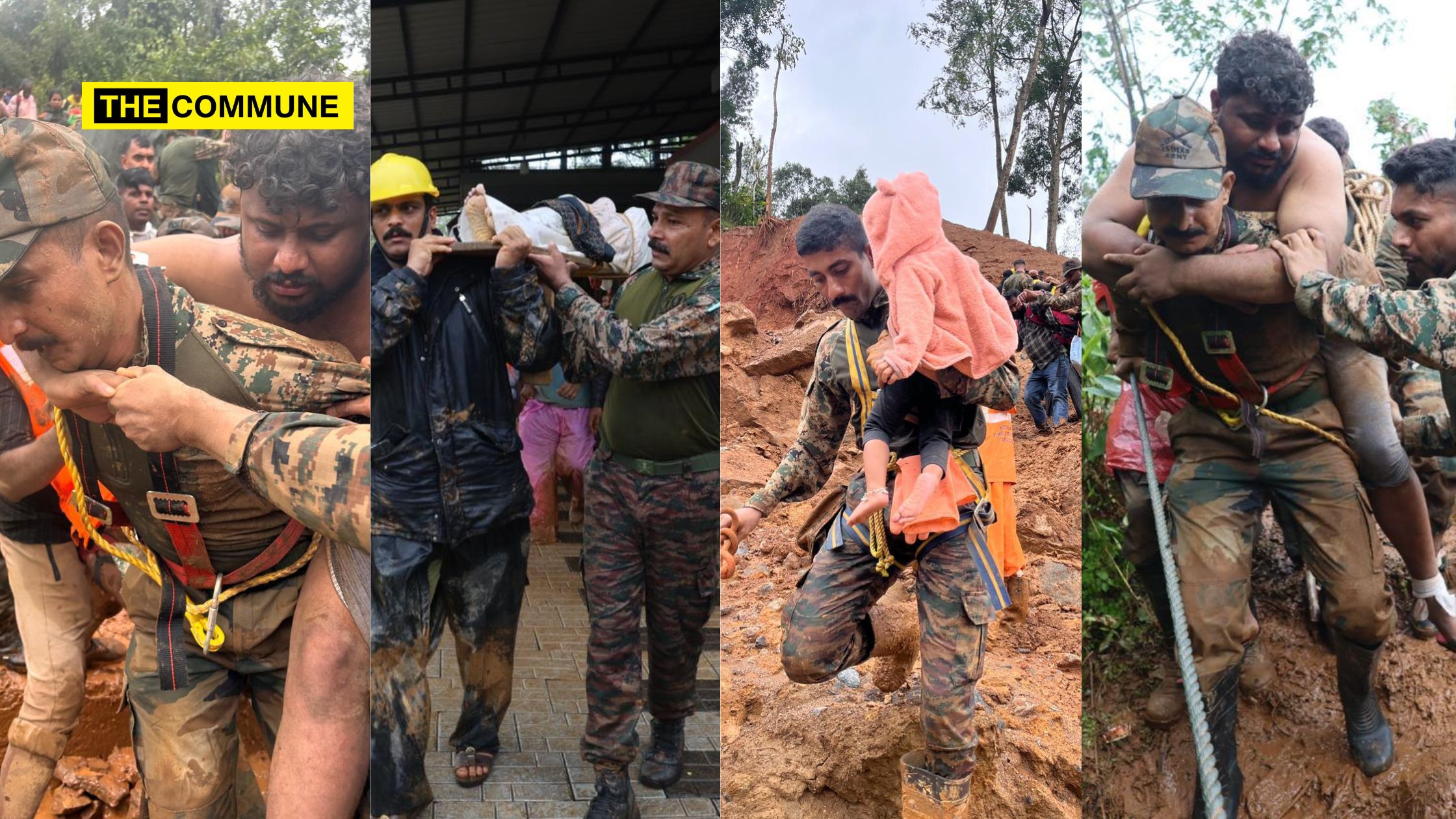
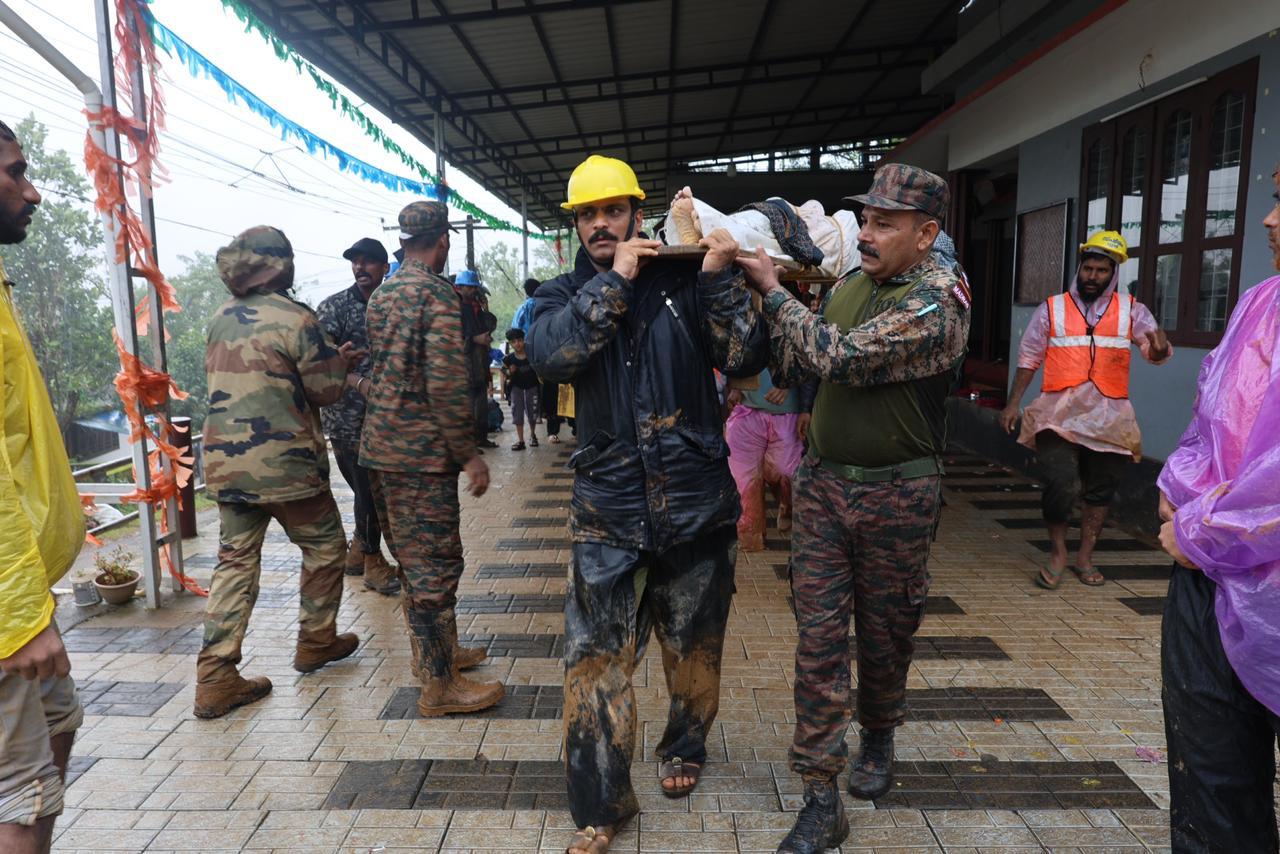
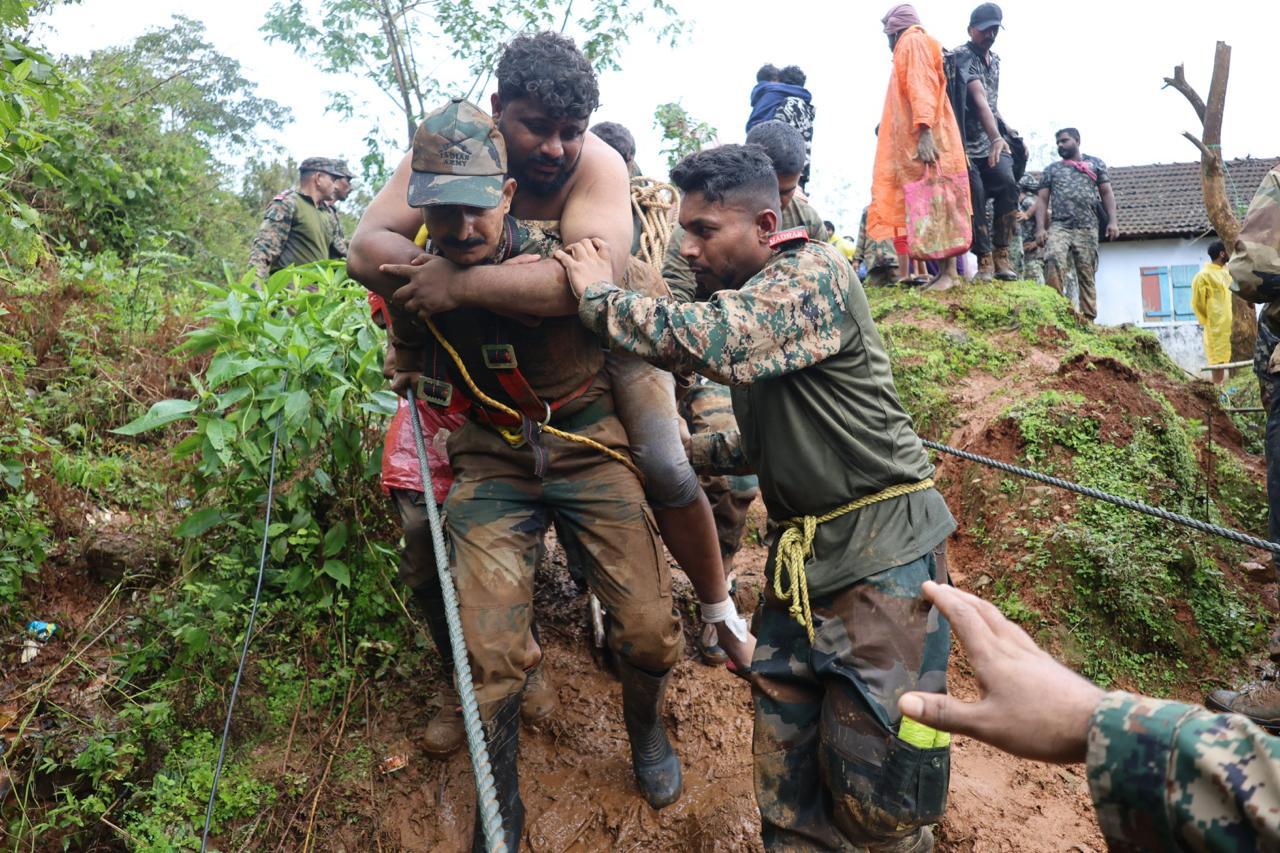
The Madras Regiment demonstrated unparalleled bravery and selflessness in rescue operations following the catastrophic landslides at Chooralmala and Mundakkai in Wayanad, Kerala. From forging makeshift ropeways to navigating hazardous terrains, their unwavering dedication illustrates the regiment’s time-tested heroism and resilience.

As of 2 August 2024, the death toll from the landslides at Chooralmala and Mundakkai has reached 333, with ongoing search efforts by the army, NDRF, and navy uncovering additional bodies. Officials are concerned that the number may increase, as 281 people remain missing.

Search operations halted prematurely on the evening of 1 August 2024 and resumed the next morning. Ground reports indicated that a thermal scanner detected a heat source under the debris in Mundakkai. However, the NDRF suspended the search after finding no signs of life, though a shop was located at the signal’s origin, raising concerns that a person or animal might be trapped.

The search area has been divided into six zones in Wayanad:

  1. Punchirimattom
  2. Mundakkai
  3. School area
  4. Chooralmala town
  5. Village area
  6. Downstream

The Indian Army is responsible for search and rescue in Zones 1, 2, 3, 5, and 6. On 30 July 2024, the 122 Territorial Army (TA) MADRAS, led by Lt Col Vishwanathan, was deployed for the rescue operation. By 8 a.m., the team, including 2 officers, 2 Junior Commissioned Officers (JCOs), and 40 Other Ranks (ORs) with a Regimental Medical Officer (RMO), was on-site by noon.
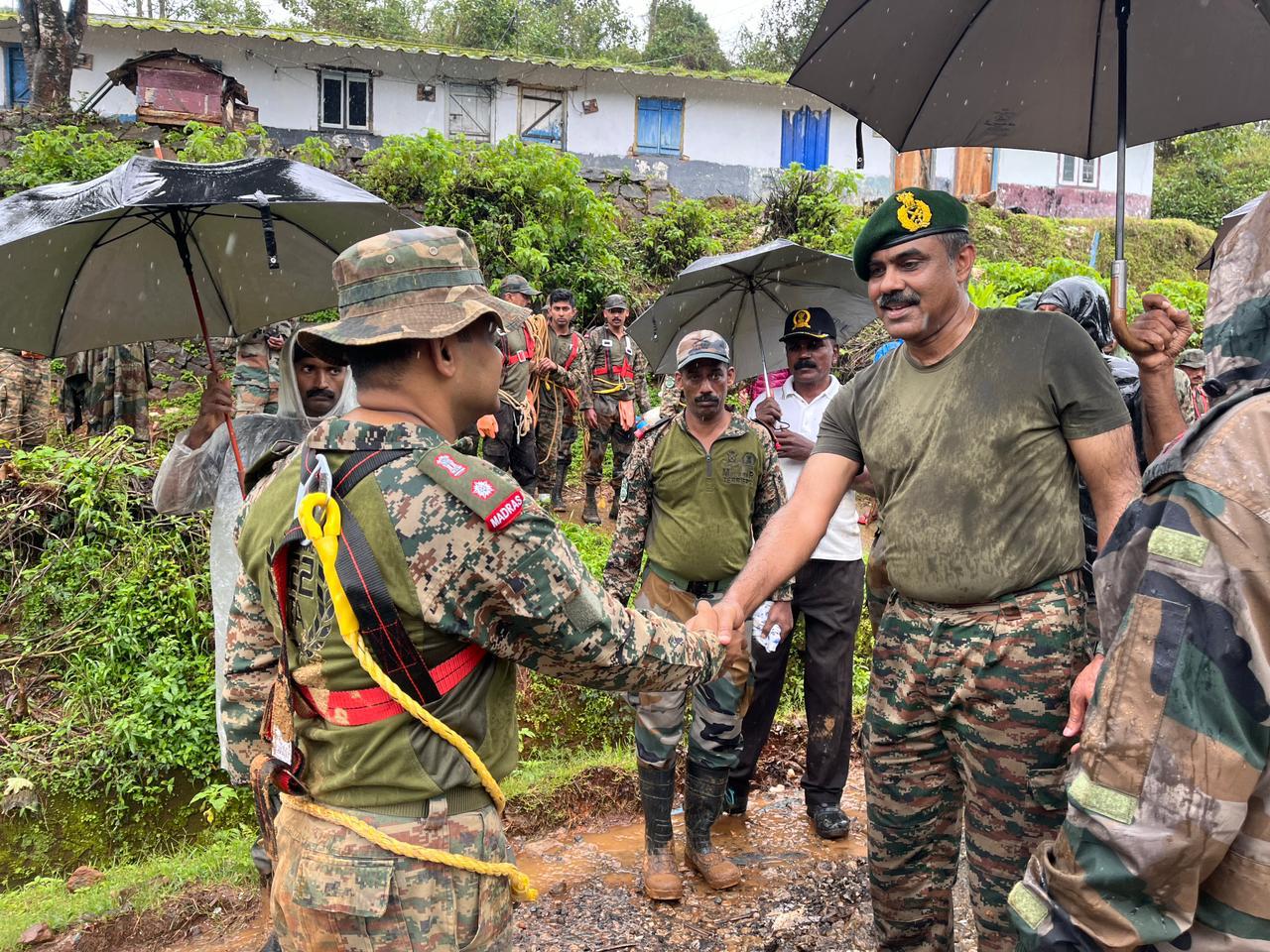
The Madras Regiment unit team was split into two groups for efficiency:

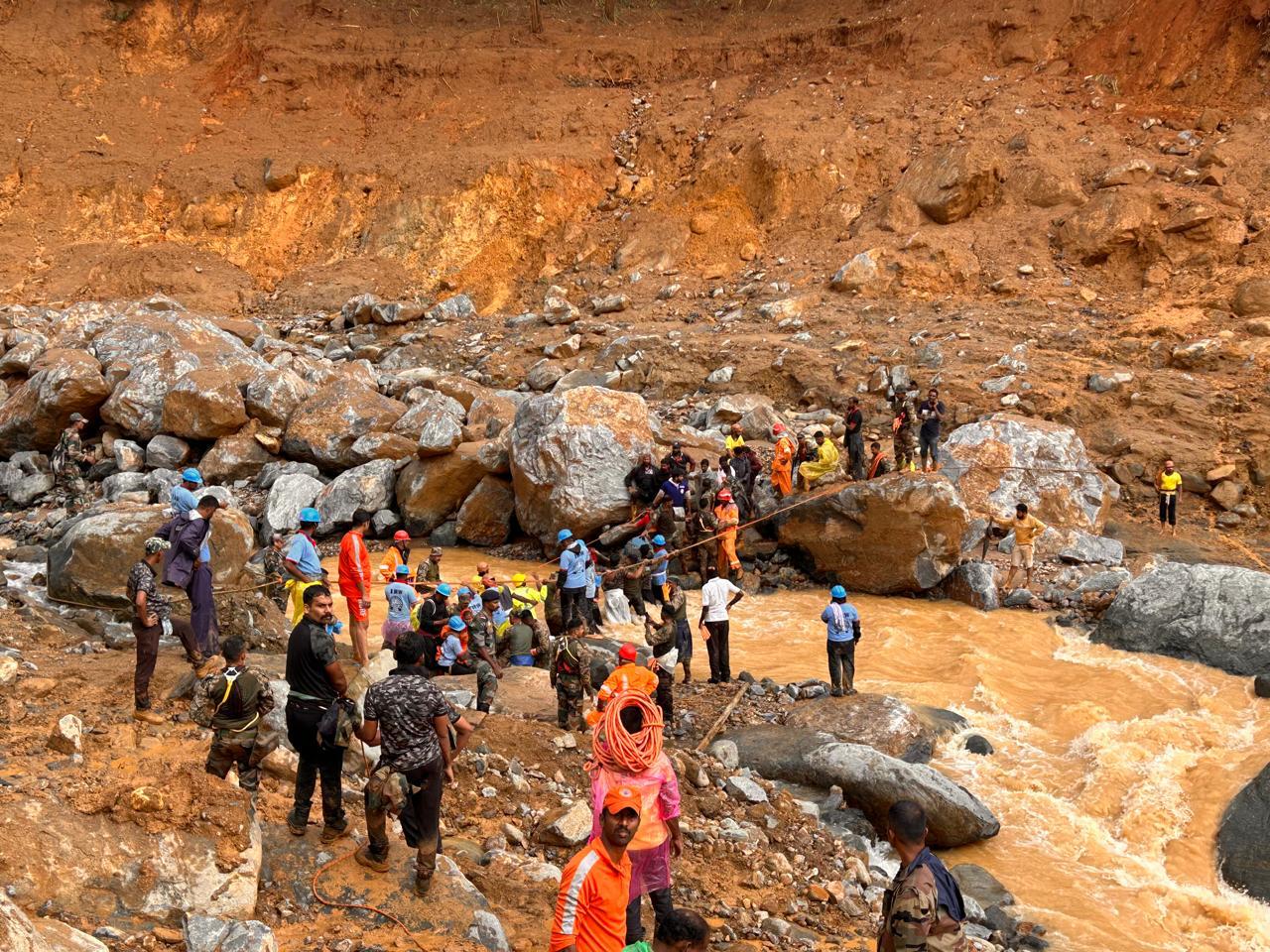
Team led by Subedar Gijil: This team created makeshift ropeways across the Iruvanipuzha River, which had lost its bridge in the landslide. They transported essential supplies and bodies to the other side of the river for ambulance transport and provided critical aid to stranded civilians in Mundakkai.

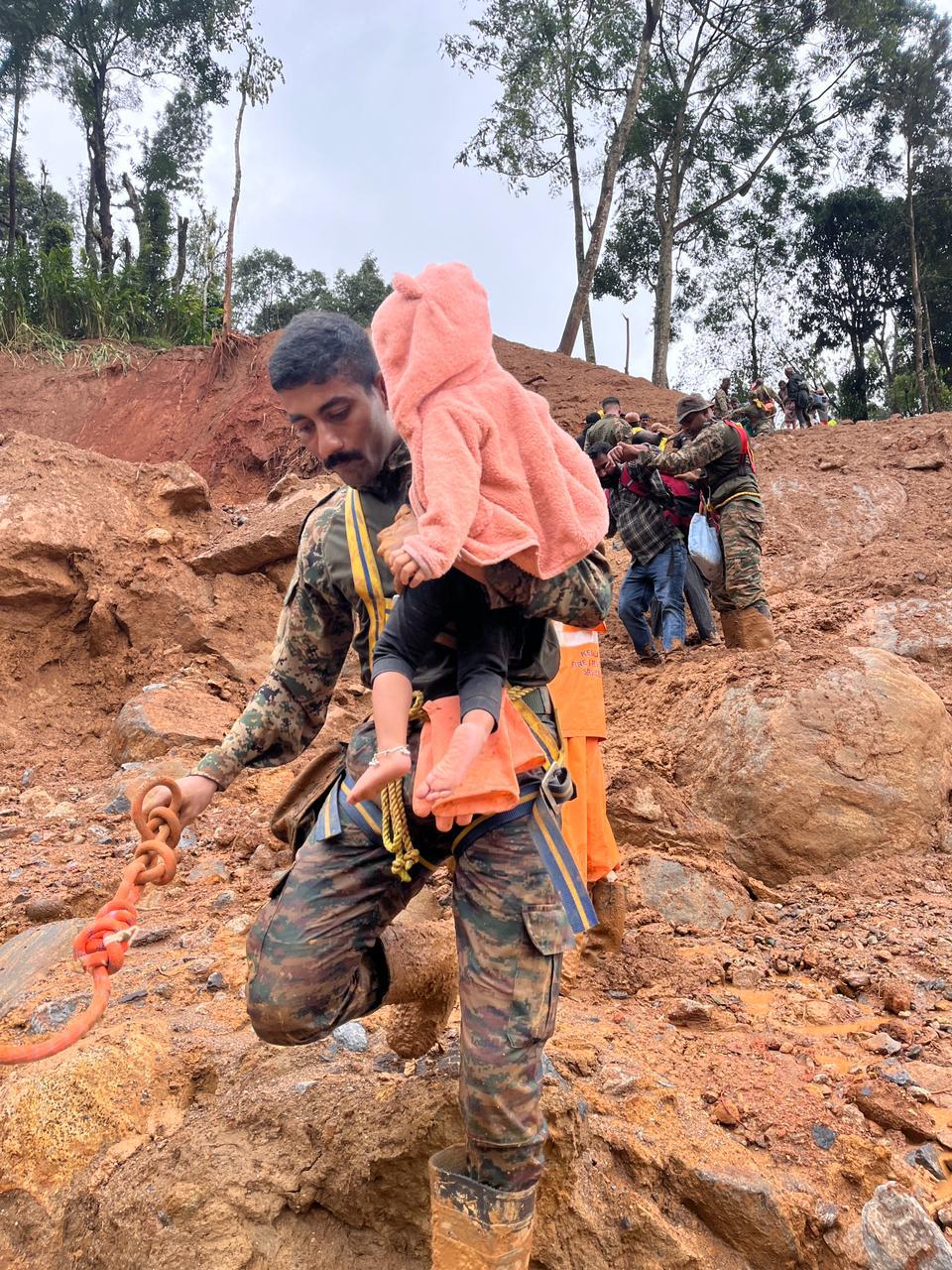
Team led by Naib Subedar Anil Kumar: This team navigated a hazardous four-kilometre detour to reach a cut-off section of Mundakkai. They coordinated with Sub Gijil’s team in Mundakkai, rescuing around 200 survivors, including injured individuals, elderly, and young children.

By 31 July 2024, 122 Infantry Battalion (TA) MADRAS had recovered over 20 bodies and continued operations in isolated areas like Eala Resort and Vana Rani Resort, where they rescued 19 additional civilians using makeshift bridges and human chains.
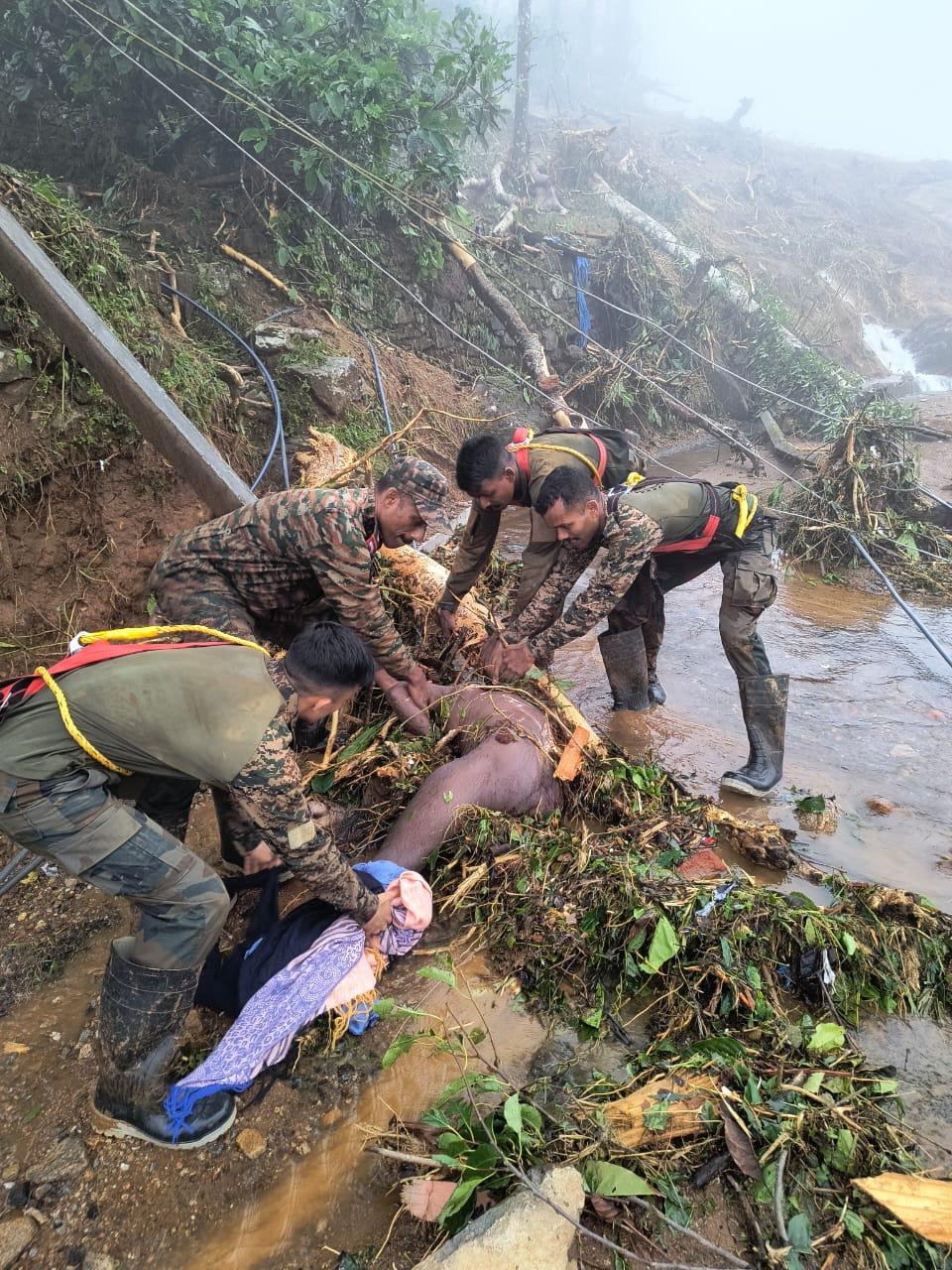
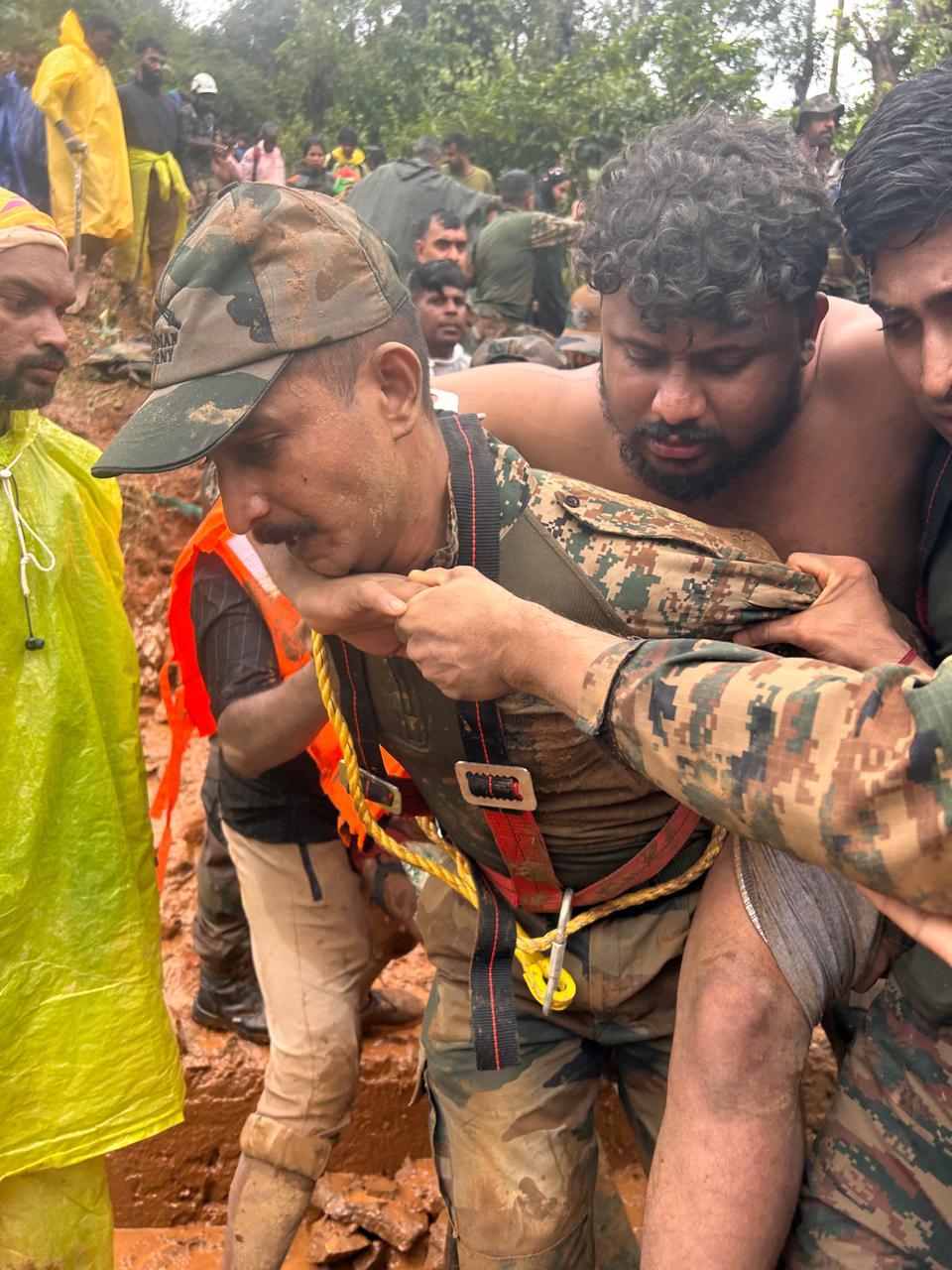
As of 1 August 2024, the 122 Infantry Battalion (TA) MADRAS has a team of 3 officers, 5 JCOs, and 60 ORs, including the Commanding Officer (CO), actively engaged in search and rescue efforts. Their swift response, strategic execution, and dedication underscore the crucial role of the armed forces in disaster relief and humanitarian aid.

The motto of the Madras Regiment is Swadharme Nidhanam Shreyaha (It is glorious to die doing one’s duty)

Subscribe to our channels on TelegramWhatsApp, and Instagram and get the best stories of the day delivered to you personally.
Chennai Preacher Moses Chelladurai Accused Of Serial Exploitation By Daughter

Chennai Preacher Moses Chelladurai in Sexual Exploitation case
Chennai Preacher Moses Chelladurai Accused Of Serial Exploitation By Daughter

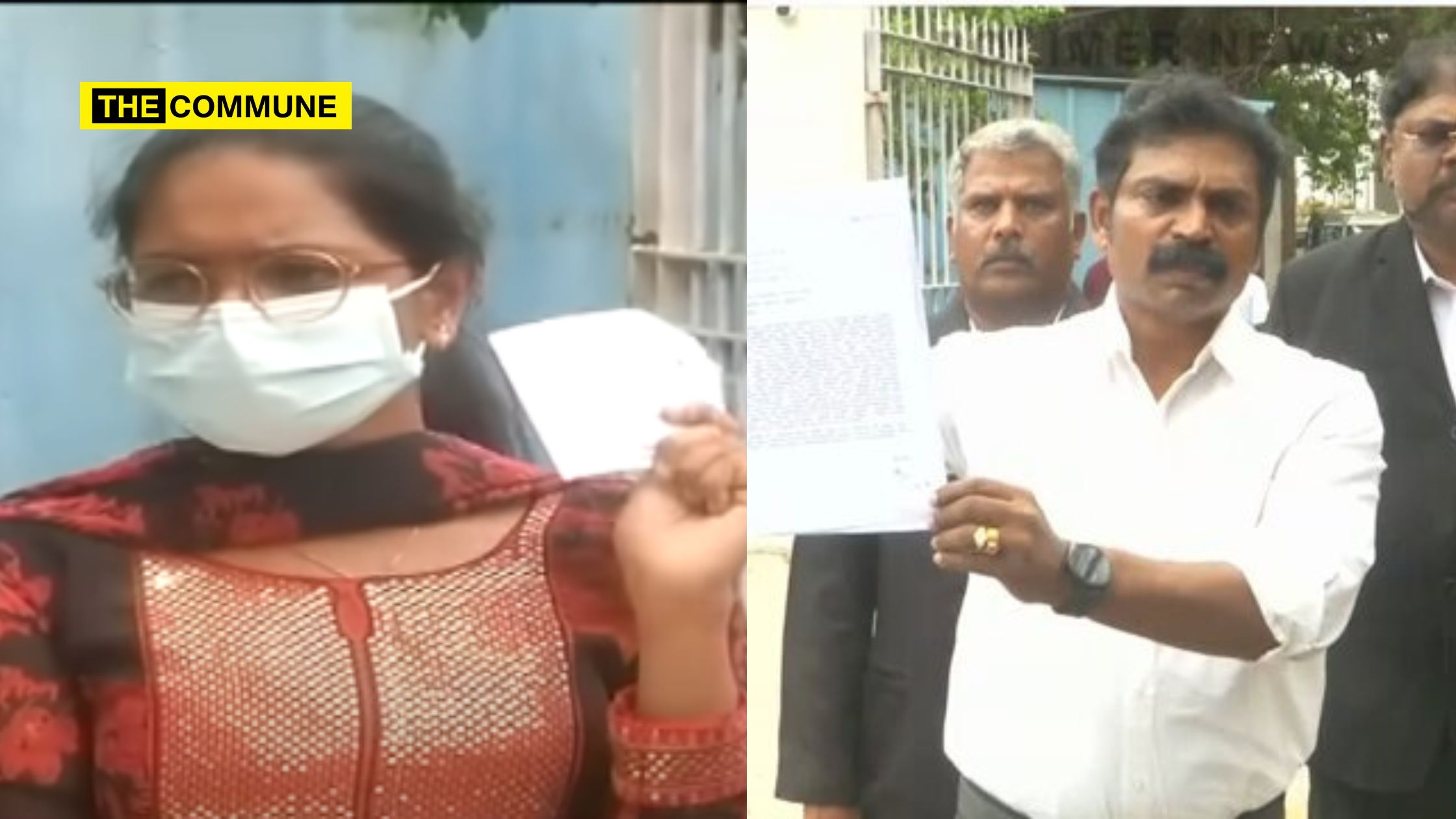
Moses Chelladurai, a lawyer and self-proclaimed preacher, has been accused of deceiving numerous women under the guise of religious piety and impregnating them. His 20-year-old daughter disclosed these charges in a complaint against him in Annanagar, Chennai.

The young woman’s complaint details a troubling family history. According to her, her parents, who were married out of love, experienced significant problems throughout their marriage. Her father, Moses Chelladurai, operates his organisation while posing as a preacher. He has exploited his position to deceive and have illicit relationships with several women. Despite numerous instances of infidelity, the family had forgiven him multiple times.

The situation worsened when her father married another nun while taking a pastorship course, leading to her mother leaving him. However, the separation wasn’t formalised.

The complainant reveals that her father, taking advantage of his legal profession, was approached by her friend’s family for legal assistance. She claims that her father used his authority to exploit the situation further. He took advantage of one of her friends, a 24-year-old woman, resulting in more illicit relationships and children with her, too.

The daughter asserts that Moses Chelladurai has manipulated his status as a pastor, buying a fake pastor’s certificate for 30,000 rupees. Since her mother’s departure, he has continued his affairs, taking advantage of the women’s fear of coming forward. The daughter, determined to seek justice, has now taken the bold step of filing a complaint, demanding that her father be arrested to prevent further exploitation of other women.

In response, Moses Chelladurai denies the allegations, accusing his daughter of filing the complaint to extort 25 lakhs from him.

(With inputs from Thanthi TV)

Subscribe to our channels on TelegramWhatsApp, and Instagram and get the best stories of the day delivered to you personally.
“There Was No Caste System In Primitive India,” Says SC Judge Justice Mithal, Calls For First Generation Limit In Reservation

Justice Mithal Calls for Policy Re-evaluation for First generation beneficiaries
Reservation limits to the first generation. If they got benefits, the second generation shouldn't receive them, the court observed.

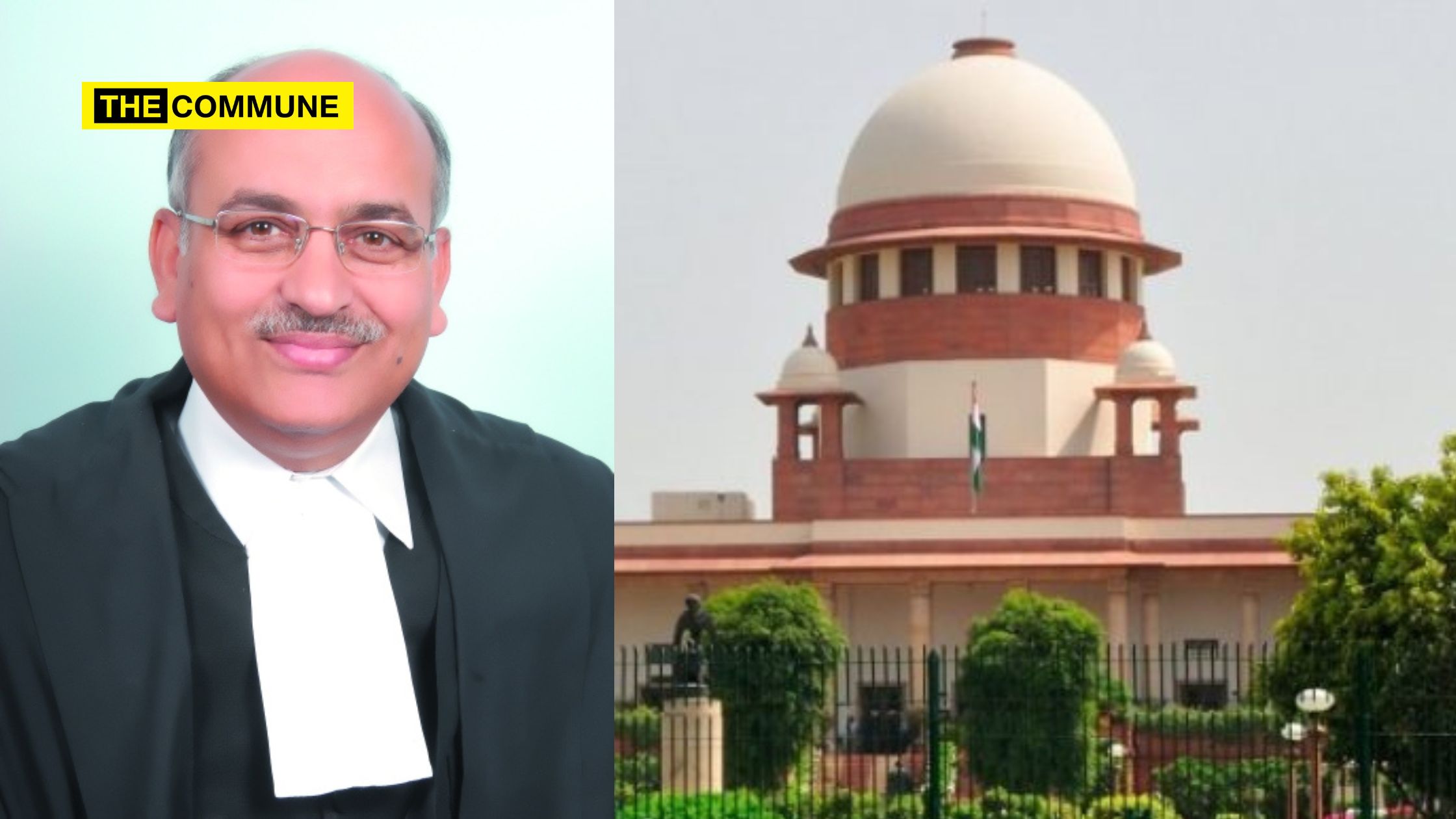
On 1 August 2024, the Supreme Court ruled that it is permissible to sub-classify within the Scheduled Castes (SC) and Scheduled Tribes (ST). Justice Pankaj Mithal emphasized that reservations should ideally benefit only the first generation within these categories, and a periodic review should assess whether the second generation has integrated with the general category.

The 7-judge constitution bench, with a 6:1 majority, determined that sub-classifying reserved category groups is lawful. Justices N Santosh Hegde, SN Variava, BP Singh, HK Sema, and SB Sinha, who had previously ruled in the EV Chinnaiah case that castes listed in the Presidential Order under Article 341(1) formed a homogeneous group and could not be further divided, have been overruled by this decision.

Justice Pankaj Mithal noted that both pro-reservation and anti-reservation protests have frequently become violent, disrupting national peace and stability. However, he clarified, “In mentioning these disturbances, violence, litigation, and issues, I am not suggesting that the effort to uplift the downtrodden should cease or that the reservation policy should be abandoned. Instead, the focus should be on how to effectively implement measures for equality and development, how to identify the truly disadvantaged classes, and what actions should be taken for their upliftment.”

Justice Mithal highlighted that statistical evidence shows the benefits of reservation are not reaching the most disadvantaged. For instance, about 50% of students from the most backward classes drop out before completing Class V, and 75% before completing Class VIII, with the dropout rate rising to 95% at the high school level. Consequently, only the children of more affluent or urbanized castes benefit from higher education and reservation policies. He observed, “The better-off among the backward classes often occupy most of the reserved seats, leaving the most disadvantaged with little access to these benefits.”

Justice Mithal remarked that ancient India did not have a caste system but instead had a system based on people’s professions, talents, qualities, and nature. He said, “I am not a religious scholar, nor do I claim deep knowledge of scriptures, although I have read the Bhagavad Gita and Ramcharit Manas. From my understanding, there was no caste system in primitive India; rather, there was categorization based on profession, talent, and characteristics

Over time, the varna system was misconstrued as a caste system. This social defect emerged as varnas became associated with birth rather than individual qualities, contradicting the teachings of the Gita.

He wrote, “There was no caste system in ancient India. The varna system was misconstrued over time as a caste system. With the adoption of the Constitution, we aimed to create a casteless society, but in our efforts to uplift the depressed and backward classes, we inadvertently perpetuated the caste system.

Justice Mithal argued that while reservation aims to uplift the downtrodden, its implementation often reinforces casteism. He said, “Reservation is intended to help improve the status of OBCs, SCs, and STs. However, suggesting alternative methods of support for these groups often results in accusations of being ‘Anti-Dalit.”

He cited a passage from Nani Palkhivala’s autobiography, which critiques caste-based reservations for perpetuating caste divisions, noting, “At the risk of being labelled ‘Anti-Dalit,’ I reference Palkhivala’s criticism, which aligns with my view that reservation policies may perpetuate casteism.

He summarized that,

  1. The reservation policy, as established by the Constitution and its amendments, needs a re-evaluation. New methods should be developed to assist and uplift SC/ST/OBC communities. Until such methods are in place, the current reservation system can continue, including the possibility of sub-classification.
  2. The Constitution does not support a caste system, and society has largely moved toward being casteless. However, reservations are provided for SC/ST/OBC groups for specific purposes. Any support should be based on economic status, living conditions, or vocation rather than caste.
  3. Reservation benefits should be limited to the first generation. If a family member has already benefited and improved their status, the second generation should not receive these benefits.
  4. There should be periodic reviews to ensure that those who have benefited from reservations and achieved parity with the general category are no longer included in the reservation system.

Chief Justice of India DY Chandrachud highlighted that historical evidence shows the SCs are a heterogeneous group, not a homogeneous one. Article 14 permits sub-classification if it is supported by rational and empirical data, especially given the systemic discrimination faced by SCs and STs.

The court’s majority decision now permits sub-classification within reserved categories, overturning the EV Chinnaiah case ruling. SCs and STs are acknowledged as heterogeneous rather than homogeneous groups, so sub-classification must be backed by solid data. The Centre and States are authorised to identify and designate the most backward classes within the SC/ST categories.

(With inputs from Live Law)

Subscribe to our channels on TelegramWhatsApp, and Instagram and get the best stories of the day delivered to you personally.
Kerala Reverses Gag Order on Scientists Visiting Wayanad Following Backlash

Kerala Reverses Gag Order on Scientists Visiting Wayanad Landslide Zone.
Kerala Reverses Gag Order on Scientists Visiting Wayanad Landslide Zone Following Backlash

Shortly after the Kerala government imposed a gag order prohibiting the scientific community from visiting the landslide zone in Wayanad and sharing their findings with the media, the Pinarayi Vijayan-led Communist administration reversed the decision with “immediate effect.”

The government clarified that the intent behind the original gag order notification was not to prevent scientific institutions from conducting research or sharing their insights. Initially, the order requested that all Science and Technology institutions in Kerala refrain from field visits to Meppadi Panchayath in Wayanad, an area declared disaster-affected, and from communicating their observations or reports to the media.

Officials later explained that the notification’s purpose was to prevent potentially alarmist or misinterpreted statements from scientific institutions that could cause panic and confusion among the public. In the aftermath of such a severe disaster, the government emphasised the importance of focusing on rescue, recovery, and rehabilitation efforts without letting misinformation exacerbate the situation.

They acknowledged that the original notification failed to communicate this message, prompting its immediate withdrawal. Rescue operations continue in Wayanad, where the landslide has claimed over 300 lives.

-

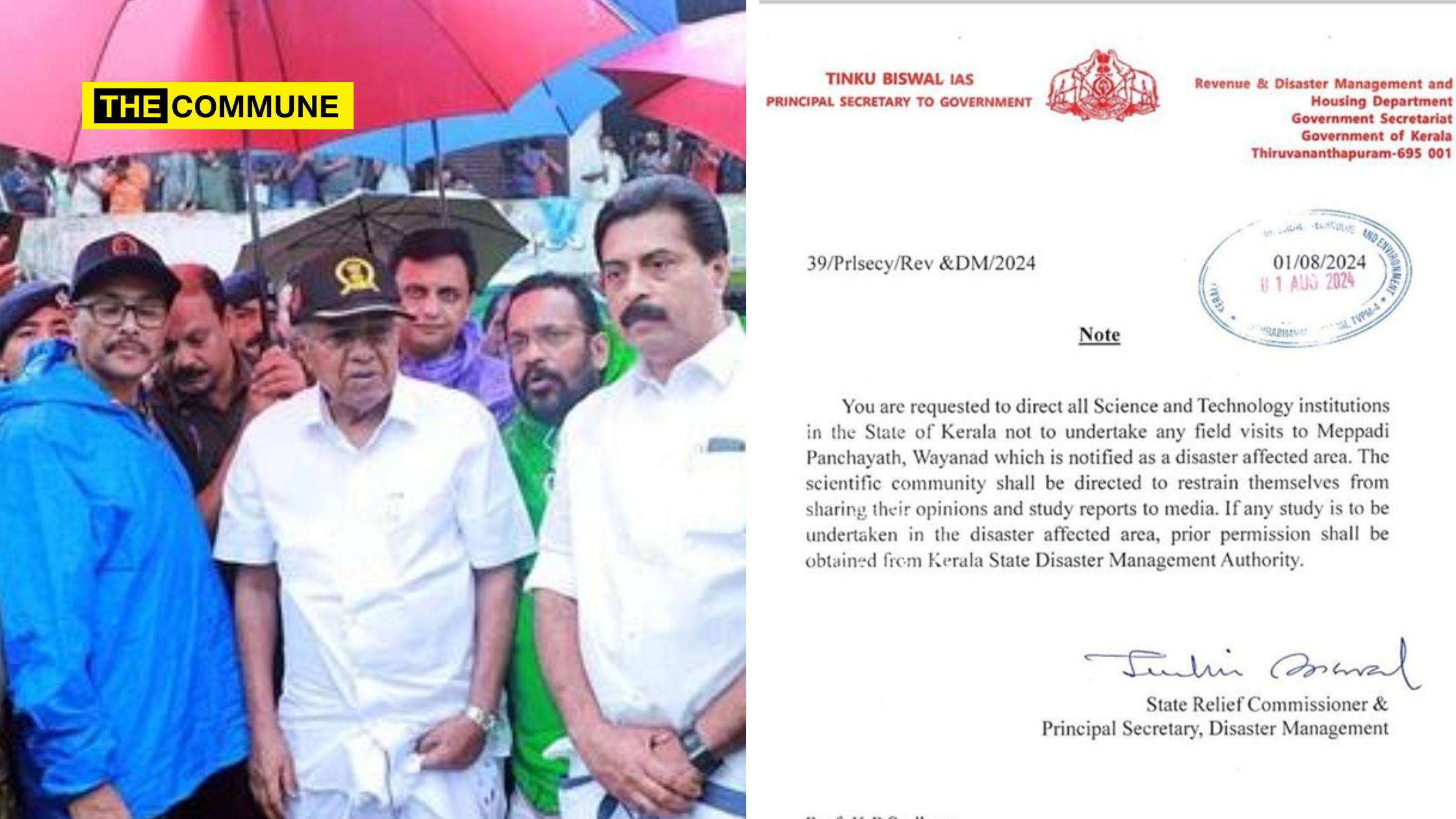
Previously, the Communist government in Kerala issued an order on 1st August 2024 by Tinku Biswal, the state relief commissioner and principal secretary of Kerala State Disaster Management. The Principal Secretary of the Department of Science and Technology has been instructed to ensure that no scientific institutions undertake field visits to Meppadi Panchayat in Wayanad, which is designated as a disaster zone.

The order also mandates that the scientific community refrain from sharing their opinions or study reports with the media. Any research in the disaster area must receive prior approval from the Kerala State Disaster Management Authority. The order stated, “You are requested to direct all science and technology institutions in the State of Kerala not to undertake any field visits to Meppadi panchayat, Wayanad, which is notified as a disaster-affected area. The scientific community shall be directed to restrain themselves from sharing their opinions and study reports with the media. If any study is to be undertaken in the disaster-affected area, prior permission shall be obtained from Kerala Disaster Management Authority.”

The landslides have resulted in at least 296 deaths and over 200 injuries, and approximately 240 people remain missing.

(With Inputs From TOI)

Subscribe to our channels on TelegramWhatsApp, and Instagram and get the best stories of the day delivered to you personally.
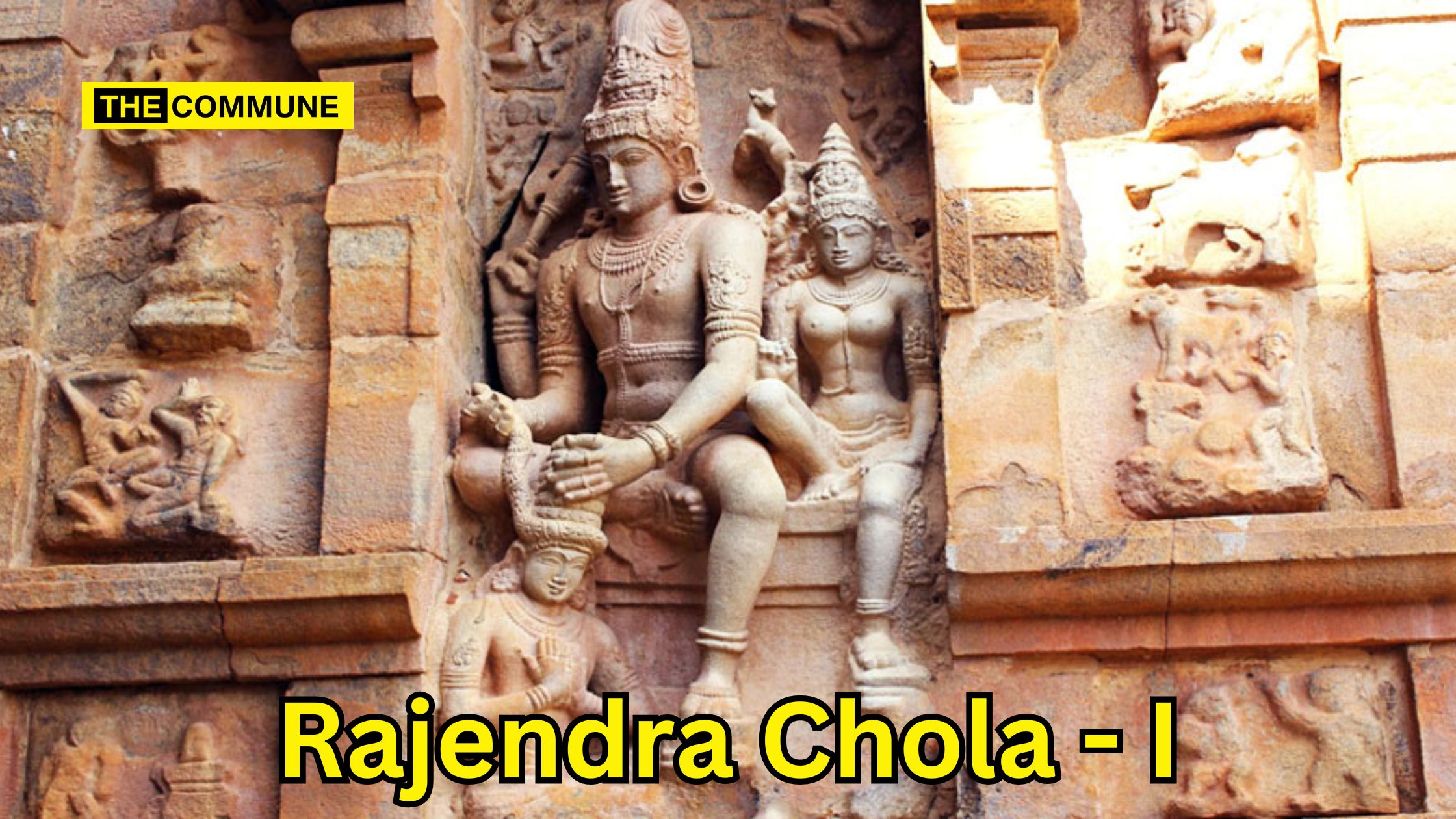
Celebrating Rajendra Chola: The Indian King Who Advanced Hindu Dharma Eastward & Reached The Zenith Of Imperial Cholas

Celebrating Rajendra Chola: The King Who Advanced Hindu Dharma Eastward
Celebrating Rajendra Chola: The Indian King Who Advanced Hindu Dharma Eastward & Reached The Zenith Of Imperial Cholas

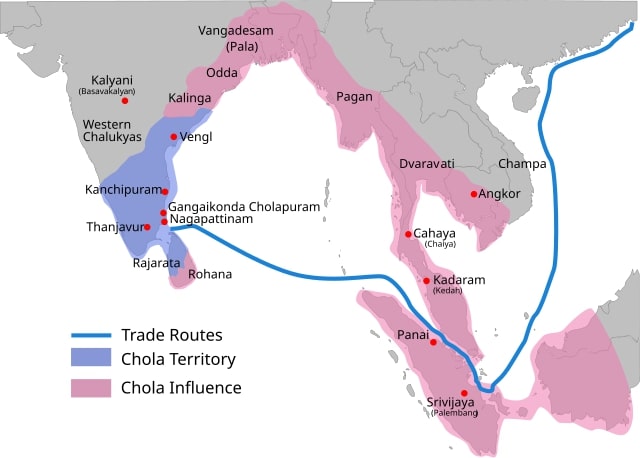
When we hear “Imperial Cholas,” we immediately envision the Chola dynasty that dominated South India from the 9th to the 13th centuries. This era is vividly remembered for its architectural wonders, from intricate bronze sculptures to the striking Dravidian-style multi-storeyed towers with towering gopurams, pillared assembly halls, and grand mandapas. This golden age left an indelible mark on the Indian subcontinent, with the Chola empire reaching its zenith, extending from the southern tip of India to distant territories in Southeast Asia. The Chola empire was a beacon of cultural richness and military might, combining flourishing trade with a formidable naval presence. Their legacy, a blend of soft and hard power, continues to inspire awe and connect us to India’s illustrious past.

Founded by Vijayalaya Chola I in the late 9th century, the Chola dynasty came into its own under the visionary leadership of Rajaraja Chola I (reigned 985-1014 CE) and his son, Rajendra Chola I (reigned 1014-1044 CE). Rajaraja Chola I laid the foundation for a powerful empire, expanding its territory and fortifying its administrative structures. His son, Rajendra Chola I, then propelled the Chola dynasty to unprecedented heights, extending its reach to the northern reaches of India and even launching naval expeditions that reached the coasts of present-day Indonesia and Malaysia.

The Cholas are celebrated for their innovative governance, military prowess, and remarkable contributions to art and architecture. They implemented an efficient bureaucratic system and fostered economic prosperity through an extensive trade network. Their architectural legacy, exemplified by the magnificent Brihadeeswarar Temple and other grand structures, inspires awe. The Imperial Cholas’ reign was a period of cultural renaissance, marked by advancements in literature, art, and religious scholarship. Their influence extended well beyond their empire, leaving an enduring legacy that shaped the historical and cultural landscape of South Asia and Southeast Asia.

To ensure that this rich cultural heritage is passed on to future generations, the festival of “Aadi Thiruvadhirai” is celebrated annually during Aadi month. This festival, held in honour of the birth star of Lord Shiva, marks Rajendra Chola’s birth anniversary and pays tribute to his legendary contributions.

During the festival, the idol of King Rajendra Chola is dressed in vibrant silk robes and adorned with fragrant flower garlands. Talented performers from nearby villages are invited to showcase their skills at the Arulmigu Peruvudaiyar Temple. The celebrations feature Carnatic music and theru koothu, a traditional storytelling performance highlighting Rajendra Chola’s notable achievements. Each year, thousands of spectators gather to celebrate and honour the remarkable legacy of King Rajendra Chola, marvelling at his enduring impact.

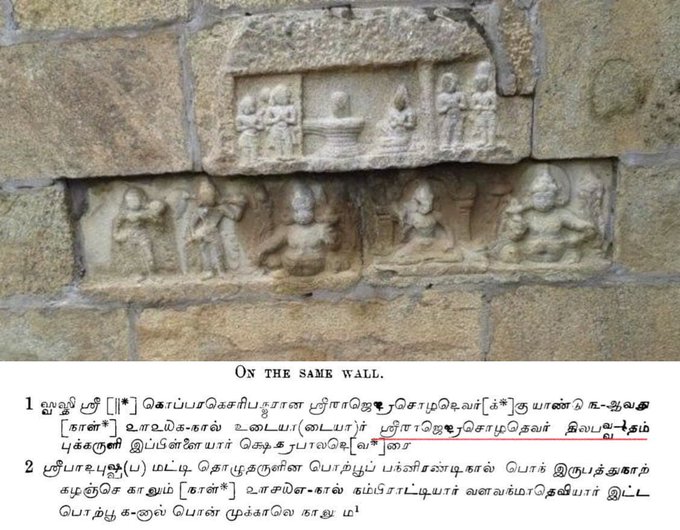
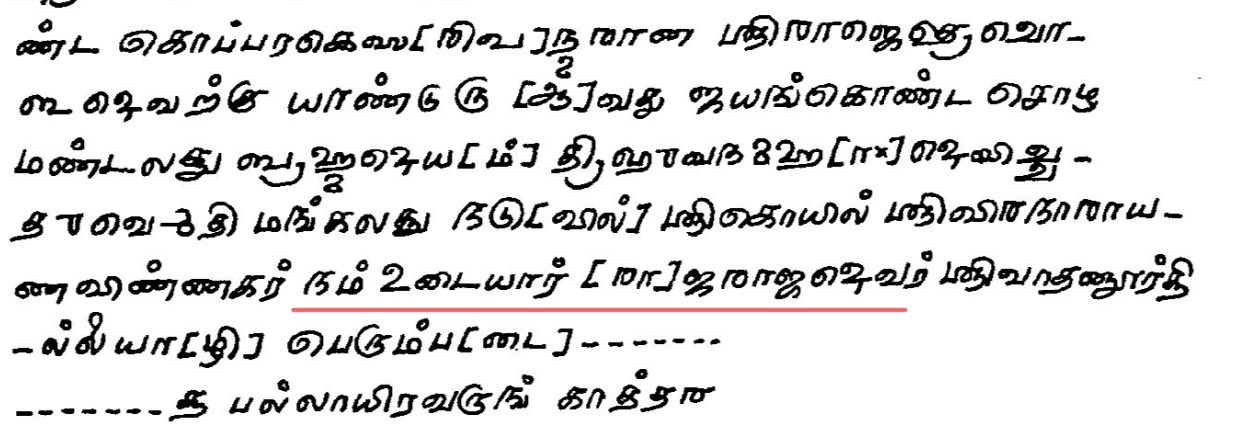
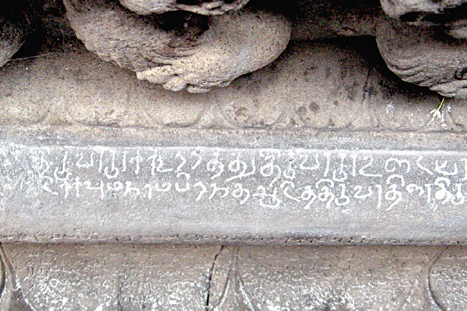
Sceptics might question whether Rajendra Chola personally confirmed his birth details. However, historical evidence is provided by an inscription at the Thiagarajaswamy Temple in Tiruvarur, where Rajendra Chola I (reigned 1012-1044) documented his birth star, Aadi Thiruvathirai (Ardra Nakshatra). The inscription outlines three key points: first, that Margazhi Tiruvathirai should be celebrated as a festival for Lord Shiva; second, that Iyppasi Sathayam, the birthday of his father Rajaraja Chola I, should also be celebrated; and third, that Aadi Thiruvathirai, Rajendra’s birth star day, should be observed as a distinct festival.

(Image Credit: TNIE)

Originally named Madhurantaka, Rajendra adopted the name Rajendra Chola at his coronation. At a young age, he was entrusted with military duties against the Western Chalukyas and was known as ‘Panchavan Marayan’. Rajaraja Chola made him co-regent in 1012, and following Rajaraja’s death, Rajendra ascended to the kingship.

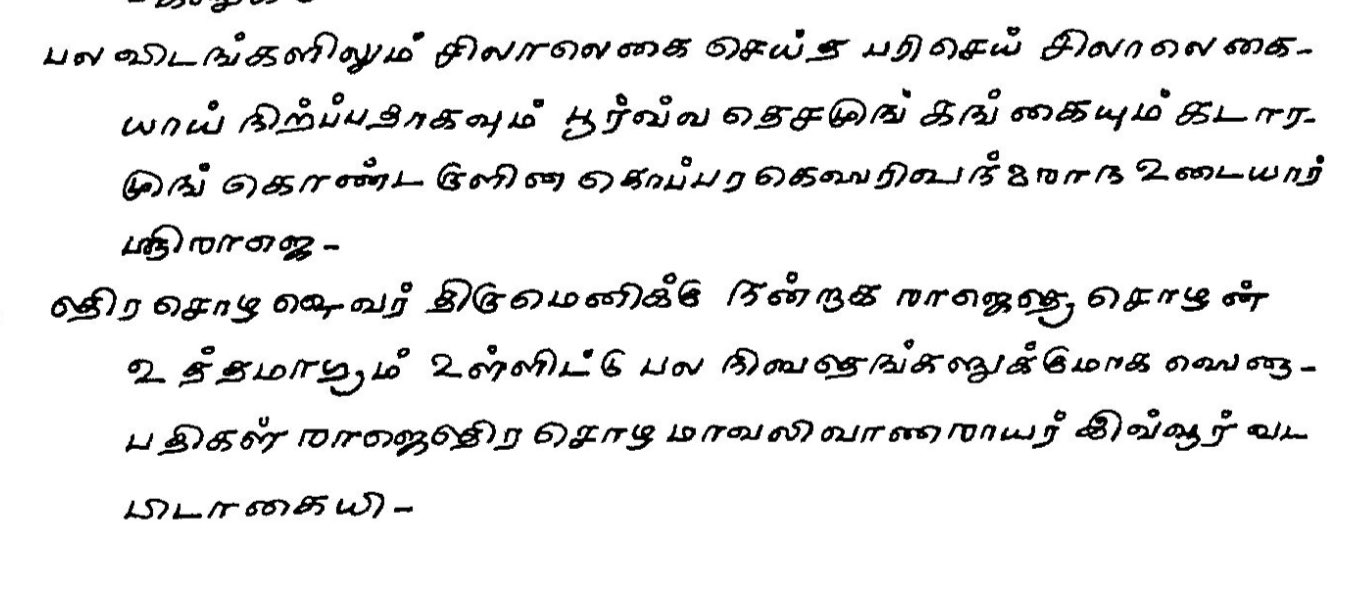
Rajendra Chola’s military achievements are legendary. His northern expeditions to bring Ganga water earned him the title ‘Gangai Kondan’. His naval prowess was demonstrated in his successful campaigns across Southeast Asia, the Maldives, and the Lakshadives. He also conquered Lanka, defeating the Sinhala king and bringing the Pandya Crown and ‘Rathna Malai’ back to India. Later, he coronated his son with these treasures and named him ‘Sundara Chola Pandiyan’. The path taken by the Chola army during the Ganges expedition is well-documented.

Rajendra’s inscriptions declare: “Rajad-Rajanya Makuta sreni-ratneshu sasanam Etad Rajendra Cholasya parakesari varmanah,” meaning this order of Parakesari Rajendra Chola is akin to a gem among the crowns of illustrious kings.

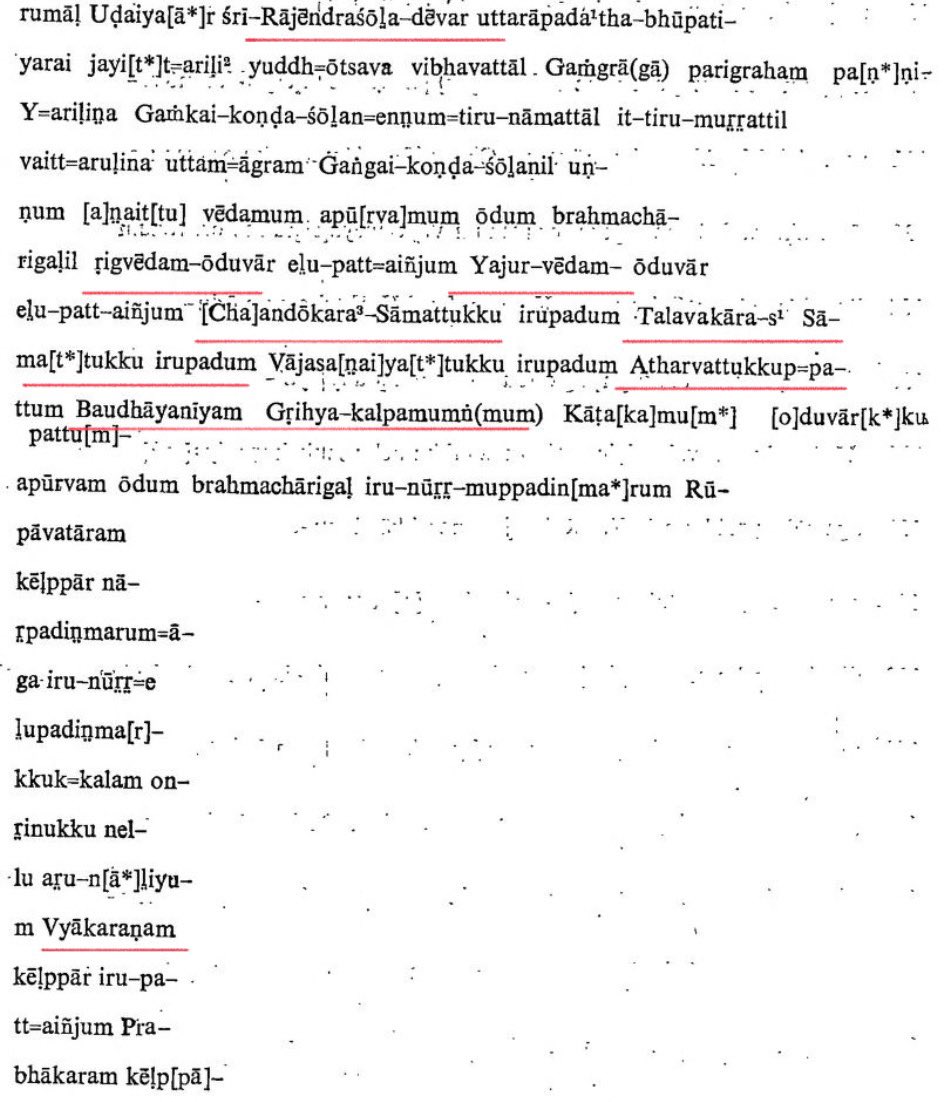
Rajendra’s guru was Sarvasiva Pandita from Gauda Desam, a member of the Pasupatha Sect of Saivas. Rajendra built the Thiuvirameswara Udayar Temple at Esalam in Tamil Nadu and followed dharmic principles closely. His dedication to Vedic studies was evident in his establishment of the Vedic Patasala at Ennayiram, which taught Rig Veda, Yajur Veda, Sama Vedas, and Atharva Veda to 270 students, with 32 teachers instructing them in various texts.

His subjects held him in high esteem, as reflected in numerous inscriptions that include prayers for his well-being. Rajendra deeply revered his father, Rajaraja, referring to him as ‘Nam Udayar’ (our leader) in inscriptions from Tirubhuvani.

Rajendra Chola’s legacy continued through his illustrious sons—Rajadhiraja, Rajendra II, and Vira Rajendra—who each ruled in succession and furthered the glory of the Chola dynasty.

(With inputs from TS Krishnan)

Subscribe to our channels on TelegramWhatsApp, and Instagram and get the best stories of the day delivered to you personally.

“Rail Jihadi” YouTuber Arrested For Endangering Rail Safety For Social Media Fame

"Rail Jihadi" YouTuber Gulzar Sheikh arrested in UP.
YouTuber Gulzar Sheikh Arrested for Endangering Rail Safety with Dangerous Stunts for Social Media Fame

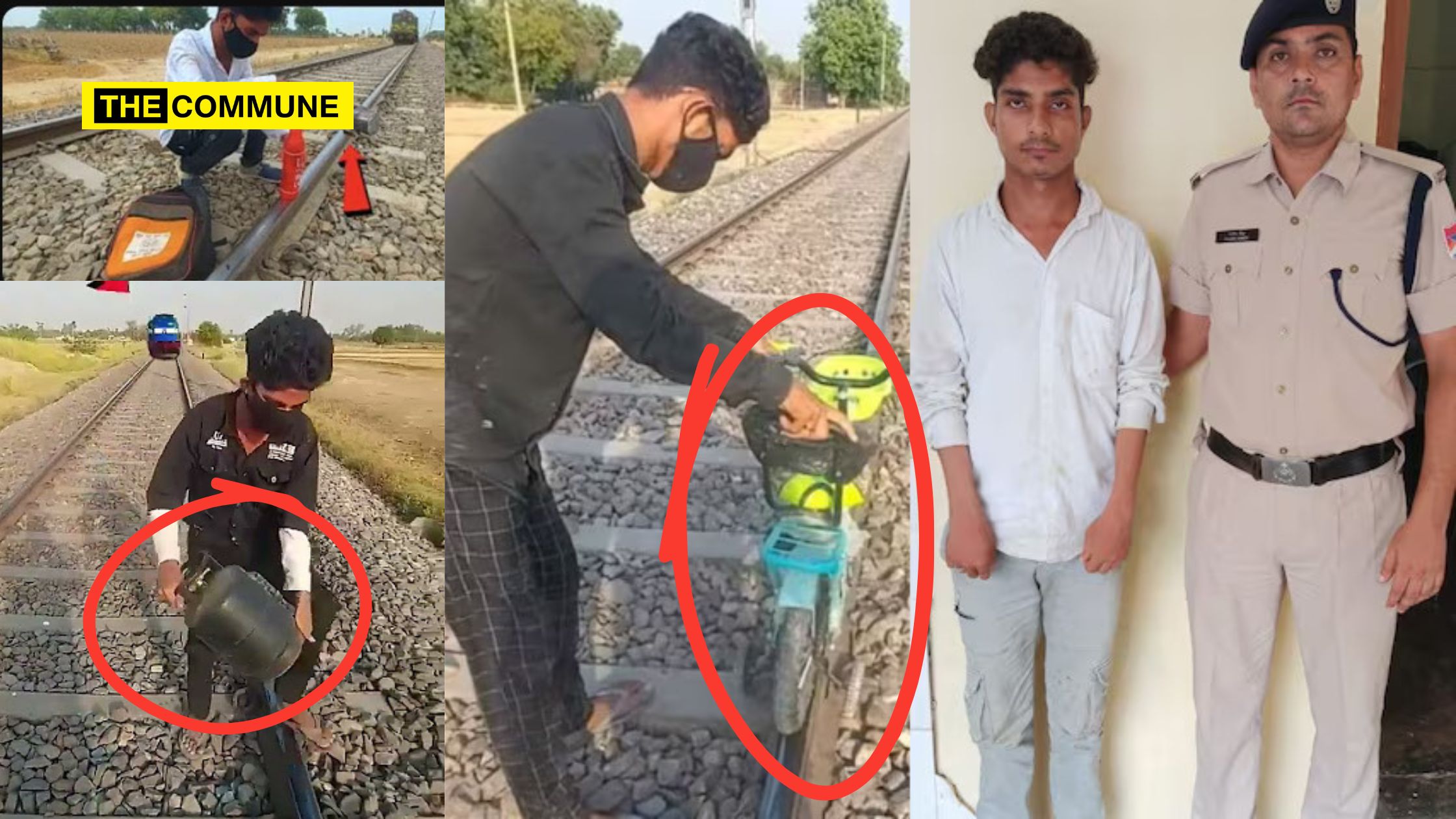
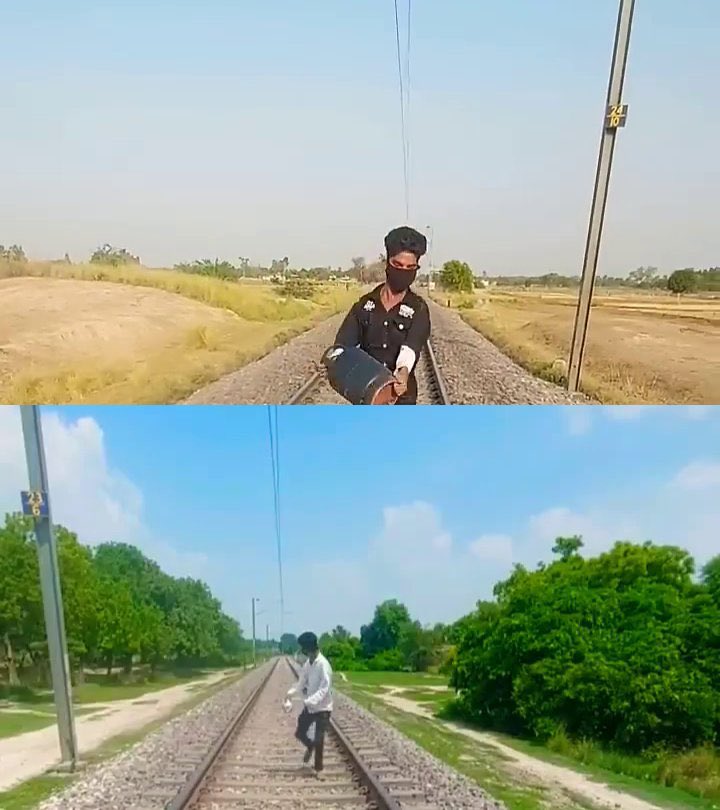
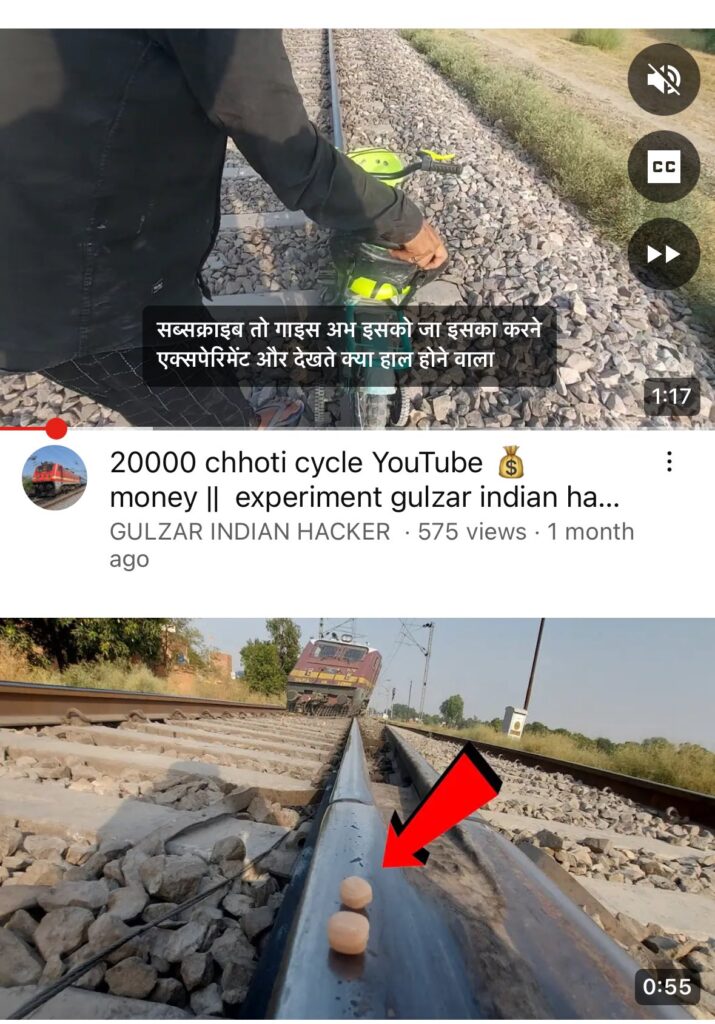
Uttar Pradesh (UP) Police have apprehended an Islamist YouTuber who was gaining notoriety by placing various random items, such as bicycles, soap bars, and stones, on railway tracks in a bid for social media fame. BJP national spokesperson Shehzad Poonawalla called him a “Rail Jihadi”.

This comes in the wake of several tragic train accidents in the country.

Sheikh’s disturbing videos, which aim to generate revenue on YouTube, were widely circulated recently, leading to a social media furore. The arrest followed a formal complaint filed by the Legal Hindu Defence, as reported by Poonawalla on social media platform X.

Poonawalla complained to the UP Police and the Railway Ministry, highlighting the threat posed to the country’s infrastructure by the YouTuber’s disruptive actions, stating, “Identify these anti-nationals who create railway accidents. There have been several instances of sabotage/signals being covered with paper/ deliberate obstacles being put on tracks. Look at Gulzar Sheikh.. putting stones, cycles, and obstacles on rail tracks. God knows who all and how many such elements are doing it to cause train accidents. I urge for urgent action @AshwiniVaishnaw ji @RailMinIndia @Uppolice @dgpup @myogiadityanath @MrityunjayUP.”

Promptly responding to the post, the Youtuber was arrested by UP Police. Poonawalla confirmed the arrest of Gulzar Sheikh, the YouTuber in question, and expressed gratitude to Uttar Pradesh Chief Minister Yogi Adityanath, the UP Police, and Railways Minister Ashwani Vaishnaw for their prompt action. “Rail Jihadi Gulzar has been arrested,” Poonawalla stated, emphasising that Sheikh would face consequences for his actions.

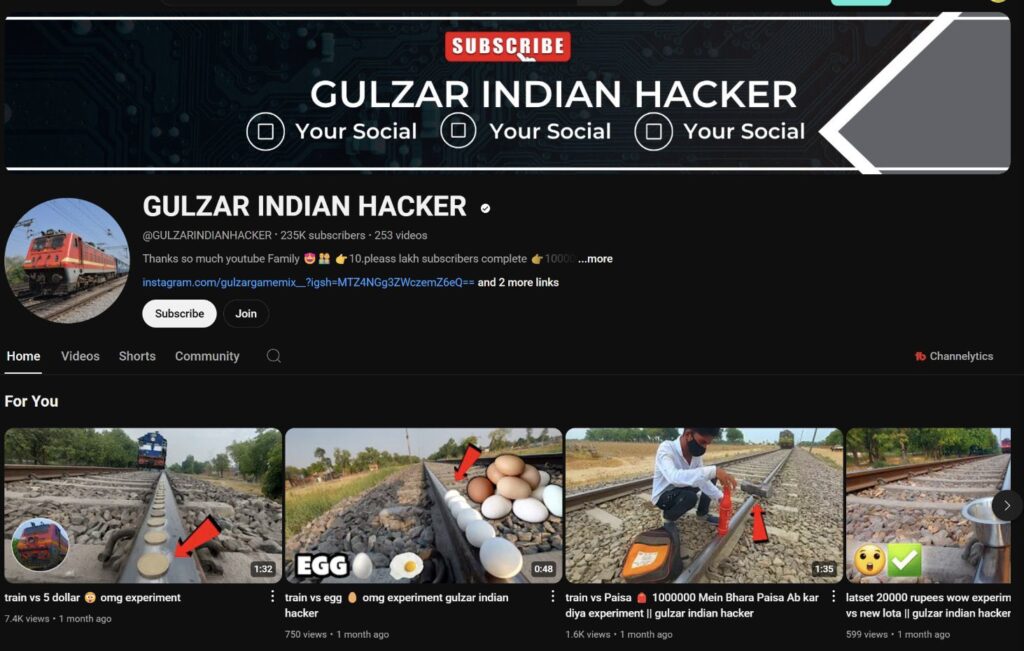
Sheikh’s YouTube channel, “Gulzar Indian Hacker,” features a troubling collection of videos and shorts where he places objects on railway tracks that could have caused derailment.

Although he occasionally includes disclaimers warning viewers against mimicking these dangerous acts, his content persistently showcases such risky behaviour. The channel boasts over 243 videos, with one short garnering 99 million views. It has over 235,000 subscribers and a total view count surpassing 137 million.

The earliest recorded instance of this hazardous conduct occurred in January 2024, when Sheikh placed earbuds on the tracks. Subsequent videos depict him putting a 500-gram weight and an axe on the tracks, underscoring his blatant disregard for safety.

(With Inputs From OpIndia)

Subscribe to our channels on TelegramWhatsApp, and Instagram and get the best stories of the day delivered to you personally.
Maharashtra Instagram Influencer’s Cheerful Reel Gets Hate And Casteist Attacks 

Mansi Kulkarni received casteist hate for a video on Brahmin habits.
Many casteist insults on Brahmin women in comments.

A Marathi influencer named Mansi Kulkarni faced casteist backlash online after sharing a light-hearted video on Instagram that celebrated Brahmin customs and traditions. This incident is just one of many anti-Brahmin hostilities emerging on social media in Maharashtra.

Hatred towards Brahmins in Maharashtra has deep historical and sociopolitical origins, shaped by a range of events and movements. Factors such as the caste hierarchy, the rise of the Dalit movement, and reservation policies have intensified this animosity.

Why The Anti-Brahmin Sentiment in Maharashtra?

In Maharashtra’s political landscape, there has often been a conflict between Brahminical influences and the more dominant Maratha and OBC communities. Political parties and leaders have sometimes exploited anti-Brahmin sentiments to strengthen their support among non-Brahmin groups.

Although overt hate seems to be reducing as people live together more harmoniously, new forms of casteist hostility are emerging through social media. Members of non-Brahmin communities are increasingly using these platforms to target Brahmins, questioning their actions or attempting to restore their social standing.

For example, in February this year, Marathi actress Ketaki Chitale, a Brahmin, was charged by state police for calling for a fair review of all SC/ST Act cases from the past five years. She alleged that misuse of the SC/ST Act had become a racket and demanded an investigation into these cases. Additionally, she was arrested in May 2022 for a Facebook post that contained a verse criticizing Sharad Pawar, accusing him of harbouring anti-Brahmin sentiments.

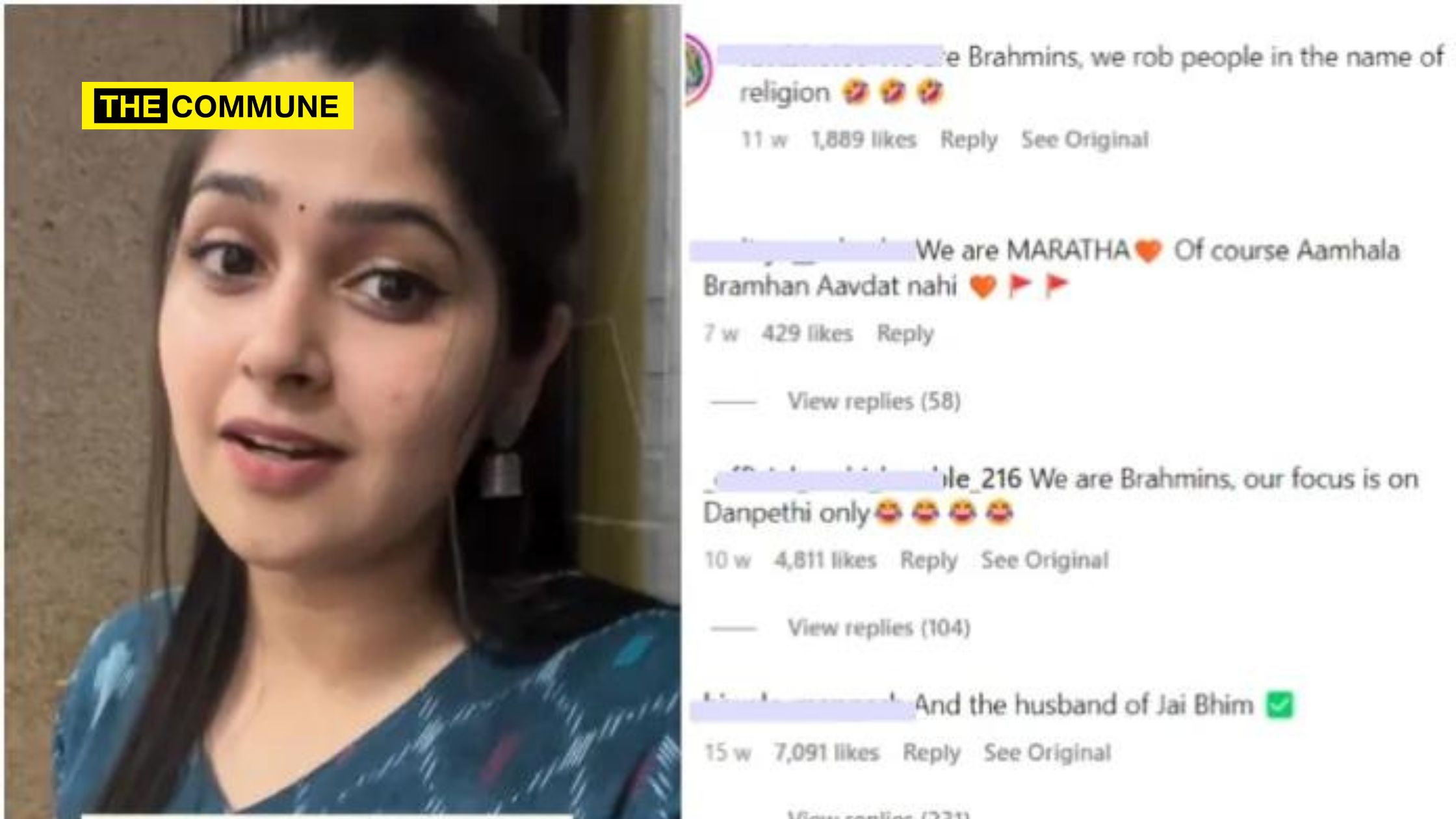
Similarly, a Marathi influencer named Mansi Kulkarni faced backlash after sharing a light-hearted video on Instagram that celebrated Brahmin customs and traditions. In the video, Kulkarni discussed various aspects of Brahmin life, including diets, the Marathi alphabet, and wedding rituals. Despite her intent to celebrate her community, the video attracted derogatory comments and casteist abuse from members of non-Brahmin communities, mainly targeting the women of the Brahmin community.


View this post on Instagram


A post shared by ~Mansi (@mansi.kulkarni12)

The video has gone viral on social media, with users expressing astonishment over the backlash Mansi Kulkarni is receiving. Many are surprised by the abuse and targeting she faces simply for participating in a social media trend that involves discussing one’s community.

A netizen stated, “The amount of hate this Marathi Brahmin girl is getting is beyond sickening. She just made a simple video about her culture. What’s wrong with it? Third-class people are showing their third-grade mentality in comments.”

https://twitter.com/patilmb91/status/1816688414684774874

Another netizen wrote, “I am just shocked at the amount of abuse this innocent is being subjected to. Brahmins are less than 2%, so why is this hate against them? Is it hate against Hinduism because Brahmins are the upholders of Hindu religion and traditions.”

The video, initially shared by Mansi Kulkarni, was posted on Instagram on 10th April 2024. In her caption, she clarified that she did not intend to offend any religious community. She explained that the video aimed to highlight the everyday practices and habits of Brahmins. “This reel is intended solely to showcase typical Brahmin behaviours and customs. I have no intention of hurting anyone’s religious feelings, creating discrimination, or causing offence. My focus was primarily on our food habits and some of our rituals,” she stated.

The video has amassed over 6 million views and received 8900+ comments, many of which are casteist and hatred-filled. One user states, “Brahmins are thieves, deceivers, and swindlers.” Another comment accuses Brahmins of being discriminatory. Another person remarks, “We belong to the Mahar community, and we marry Brahmin girls.”


For the past 200 years, Maharashtra has been a prominent region in India’s social renaissance, championing significant reforms. Figures such as Jyotirao Phule, Chhatrapati Shahu Maharaj, and Dr B.R. Ambedkar worked hard to combat caste and gender discrimination.

Brahmins were traditionally responsible for preserving Dharmik knowledge. Despite their role in supporting progressive movements, they faced unwarranted public hostility.

Anti-Brahmin riots of 1948

The casteist animosity towards Brahmins has historical roots. In 1948, following the assassination of MK Gandhi by Nathuram Godse—a Chitpavan Brahmin—a state-wide pogrom killed many Chitpavan Brahmins. Many accounts suggest that Congress leaders participated in this violence to consolidate their political positions.

Subsequently, Maharashtra’s political narrative has often emphasized a vision of a ‘progressive Maharashtra’ driven by the principles of Shahu, Phule, and Ambedkar, leaving little room for Brahmin leaders. During the 1960s, threats led many Brahmin families to migrate to urban areas, diminishing their presence in Marathi social discourse.

This shift led to the marginalization of Brahmin reformers and thinkers. People have forgotten Lok Hitwadi Gopal Hari Deshmukh’s contributions. Similarly, Gopal Ganesh Agarkar, known for his influential writing on social reform, is often overlooked. Even Lokmanya Tilak, once a symbol of resistance against British rule and a leader across caste lines, risks being remembered merely as a Brahmin figure. Veer Savarkar, too, has faced defamation in Maharashtra’s political landscape.

Leftist Influences Worsen the Hatred

Contemporary left-leaning and secular narratives sometimes intentionally portray these Marathi heroes as limited by their Brahmin identity, aiming to portray Hinduism as the root of social issues, with Brahmins depicted as its representatives. This view often neglects the contributions of other communities and portrays intra-Hindu conflicts as internal battles.

Today, Maharashtrian Brahmins, as a minority group, hold minimal political influence in a state where Marathas and Kunbis dominate. They continue to face discrimination in various spheres, including politics, education, and social standards. A comprehensive approach involving education, open debate, legislative reform, and active community engagement is essential to address and eliminate this prejudice. Despite the state’s caste-based benefits and reservations aimed at uplifting lower-income populations, Brahmins often face disregard and hostility due to their caste identity, which is inseparable from Hinduism.

(With Inputs From OpIndia)

Subscribe to our TelegramWhatsApp, and Instagram channels and get the best stories of the day.

SC Permits Subclassification Of SCs/STs for Targeted Quotas In A Landmark 6:1 Ruling

"Let The Past Not Haunt The Future": Supreme Court To Hear Challenges To Places Of Worship Act supreme court allahabad high court panchayat recount vantara waqf amendment posh babri masjid facebook post

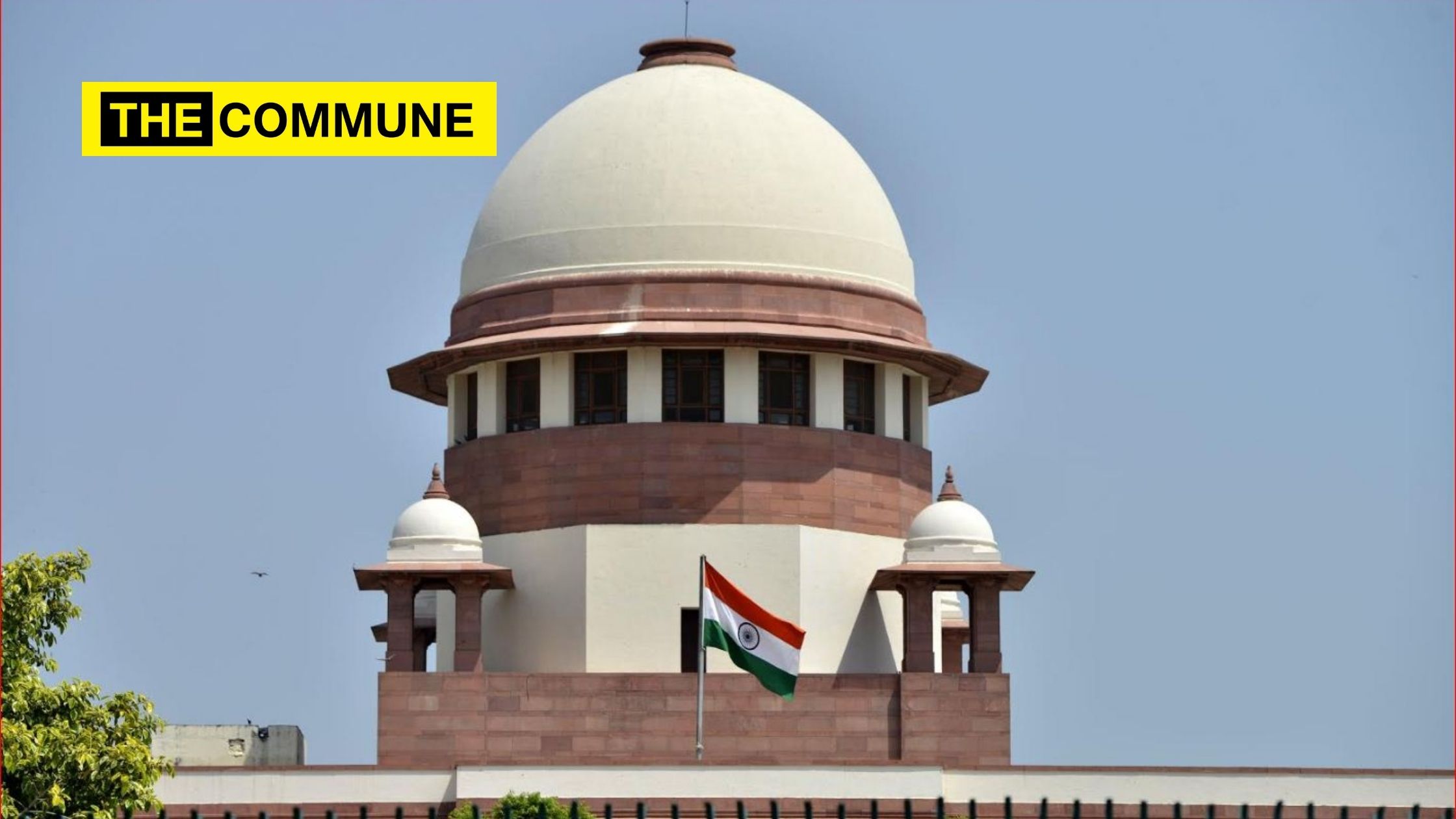
In a significant 6:1 ruling, the Supreme Court announced on 1st August 2024 that subclassification of Scheduled Castes (SCs) and Scheduled Tribes (STs) is permissible, allowing for separate quotas for the most marginalised within these communities.

The Constitution bench, headed by Chief Justice of India DY Chandrachud, overturned a 2005 decision that determined state governments could not create subcategories of SCs for reservation purposes. This ruling upholds the Punjab Scheduled Caste and Backward Classes Act of 2006 and the Tamil Nadu Arundathiyars Act.

CJI Chandrachud stated that having a quota within a quota does not compromise quality, emphasizing that SCs and STs often struggle to progress due to systemic discrimination. The court asserted that subclassification does not violate the equality principle outlined in Article 14 of the Constitution.

However, the Supreme Court stipulated that states must justify their basis for subclassification with quantifiable and demonstrable data. CJI Chandrachud emphasized that “States cannot act according to their whims or political expediency, and their decisions are subject to judicial review.” 

Emphasis On Need For Policy To Identify Creamy Layer Among SC/ST

Justice BR Gavai, aligning with the majority, stressed the state’s responsibility to provide preferential treatment to the most disadvantaged communities. He noted that only a small number within the SC/ST categories benefit from reservations and acknowledged the historical oppression faced by specific groups.

Justice Gavai called for a policy to identify the creamy layer among SCs and STs before allowing subclassification, stating, “This is the only way to achieve true equality.” Justice Vikram Nath concurred, indicating that the creamy layer principle should apply to SCs as to Other Backward Classes (OBCs). The ruling emphasized the need to exclude the ‘creamy layer’ within SCs from the reservation benefits, which currently apply only to OBCs.

The judgment was delivered by a bench comprising CJI DY Chandrachud and Justices BR Gavai, Vikram Nath, Bela Trivedi, Manoj Misra, Pankaj Mithal and Satish Chandra Sharma. Six judges supported subclassification, while Justice Trivedi dissented. Four judges who favoured subclassification explicitly stated, “Creamy layer exclusions should also apply to SCs.”

Justice Gavai remarked, “The state must develop a policy to identify the creamy layer among SCs and STs to exclude them from affirmative action benefits. This is essential for achieving genuine equality as defined by the Constitution.”

He argued the children of SC individuals who have benefited from reservations, should not be equated with those whose families have not received such advantages. Justice Gavai emphasized that the criteria for identifying creamy layers among SCs and STs must differ from those used for OBCs.

In support, Justice Vikram Nath said the creamy layer principle for OBCs also applies to SCs. Justice Pankaj Mithal stated that reservations should only be available for the first generation, indicating that if a first-generation individual attains a higher status through reservations, their descendants should not qualify for further benefits.

Justice Satish Chandra Sharma agreed with Justice Gavai, suggesting that identifying the creamy layer among SC/STs should be a constitutional priority for the state. In a previous 2018 ruling, the Supreme Court acknowledged that creamy layer exclusions could be applied to SCs and STs, emphasizing that the purpose of reservations is to enable backward classes to advance and compete equally with other citizens.

In her dissent, Justice Bela Trivedi argued that states subclassifying SCs/STs violates Article 341 of the Constitution, which grants the President the authority to compile the SC/ST list. She contended that Article 341 was designed to prevent political influence in classifying SCs/STs.

Justice Trivedi stated, “Castes can only be added or removed from the Presidential list through a law enacted by Parliament. Subclassification amounts to altering the Presidential list.” She further cautioned that granting preferential treatment to a subclass within the Presidential list could deprive other groups within the same category of their rightful benefits.

(With inputs from Live Law)

Subscribe to our channels on TelegramWhatsApp, and Instagram and get the best stories of the day delivered to you personally.
Krishna Janmabhoomi Case: Allahabad High Court Validates Hindu Lawsuits Seeking Removal Of Shahi Eidgah Mosque, Dismisses Muslim Petition

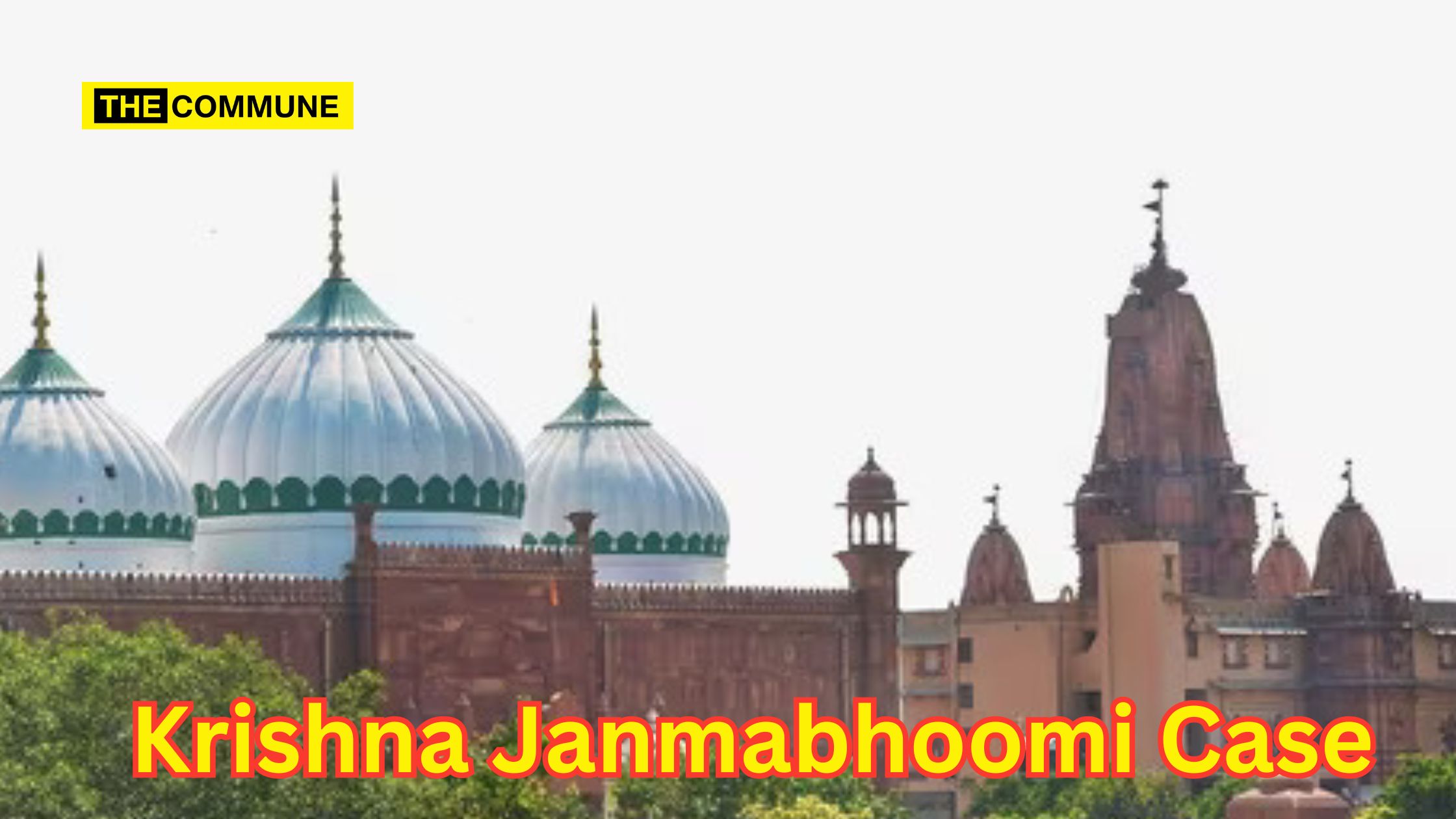
In a significant ruling on Krishna Janmabhoomi case, the Allahabad High Court dismissed a petition from the Muslim community on 1 August 2024 that challenged the validity of 18 lawsuits filed by Hindus seeking the removal of a mosque located within a 13.37-acre complex shared with the Katra Keshav Dev temple.

The court ruled that all 18 lawsuits were valid, allowing them to proceed based on their merits. These lawsuits were not barred by the Limitation Act or the Places of Worship Act, among others, the court said.

This ruling counters the main argument of the Committee of Management Trust Shahi Masjid Idgah (Mathura). The argument said the ongoing lawsuits were prohibited under the Places of Worship Act of 1991, the Limitation Act of 1963, and the Specific Relief Act of 1963.

Waqf Board provisions

Taslima Aziz Ahmadi, representing the Muslim side, argued that the provisions of the Waqf Board should apply and that the Waqf tribunal has jurisdiction over the matter.

In response, the Hindu plaintiffs contended that no property registered as Shah Idgah was in government records. They further argued if it were a Waqf property, the Waqf Board should reveal the identity of the property’s donor.

Justice Mayank Kumar Jain announced the ruling about two months after the bench reserved its decision on 6 June 2024. The next hearing is on 12 August 2024.

Dispute Background

The controversy centres around the Shahi Eidgah mosque in Mathura. Mughal emperor Aurangzeb reportedly constructed it after he demolished a temple at the birthplace of Lord Krishna there.

In 1968, Shri Krishna Janmasthan Seva Sansthan, which manages the temple, and the Trust Shahi Masjid Eidgah, reached a ‘compromise agreement’ permitting both places of worship to coexist. However, at least a dozen parties went to court in the last 5 years, questioning this agreement.

The litigants argue that the compromise agreement is fraudulent and legally invalid. Many assert their right to worship at the contested site and are demanding the removal of the Shahi Eidgah mosque.

In May of last year, the Allahabad High Court assumed jurisdiction over all pending cases in the Mathura court related to the Krishna Janmabhoomi-Shahi Eidgah Mosque dispute, granting the transfer application submitted by Bhagwan Shrikrishna Virajman and seven others.

(With inputs from Live Law)

Subscribe to our TelegramWhatsApp, and Instagram channels and get the best stories of the day.

Organised Gangs Hijack Chennai Beach Spaces: Illegal Stalls And Parallel Governance Thrives

Organized gangs are setting up rows of makeshift stalls that serve unhygienic snacks and clutter the Besant Nagar beach.

Organised gangs freely encroach on public spaces managed by the Greater Chennai Corporation (GCC), setting up rows of makeshift stalls on Chennai’s beaches. These organised gangs generate substantial revenue through their sales while operating a parallel governance system in Tamil Nadu’s capital.

The rows of makeshift stalls marring Besant Nagar beach serve unhygienic snacks and clutter the area. A well-organized network of encroachers sets them up. Anti-social elements from Urur, Olcott Kuppam, and Besant Nagar Kuppams support these gangs. These stalls pay daily ‘rent’ of up to ₹5,000, depending on their size and location.

The situation regarding the beach encroachment by organised gangs has become increasingly brazen. On 31 July 2024, a large crane relocated these stalls onto the beach. After footage of the moving tin-sheet stalls went viral at 8 a.m., the GCC removed five stalls by 12:30 p.m. However, both officials and councillors expressed their frustration and helplessness, particularly due to the lack of police support in clearing the beachfront.

According to R. Durairaj, GCC zonal chairman for Adyar and ward 172 councillors, “One household in the lower-income areas can have up to five stalls on the beach. During Gagandeep Singh Bedi’s term as corporation commissioner, discussions were held with the villagers, including former Deputy Commissioner (revenue) Vishu Mahajan. Still, the locals insisted that the beach belonged to them. Taking harsh action is challenging because the villagers unite in their resistance. Using earthmovers to clear multiple stalls at once seems inhumane, so we continue to negotiate for now.”

Local criminals lease stalls to residents, who then sublet them to non-local workers. Durairaj explained, “In 2013, there were only 130 stalls, but by 2022, the number increased to 620. We issued licenses to all existing vendors then, but now there are nearly 1,000 stalls. Locals hope the new town vending committee will regularize these stalls, but we do not plan to do so.” He said a new survey would identify legitimate beneficiaries. Then, the officials would remove excess stalls after dealing with local strongmen.

Reportedly, each stall pays up to 5,000 rupees daily in bribes to local strongmen. These amounts vary depending on the type of stall.

Regarding Wednesday’s beach grab by organized gangs, regional deputy commissioner (south) M. P. Amith stated that they removed the new stalls within hours of their setup after receiving complaints. He said, “There is usually resistance from locals, but we continue to remove the stalls. By Thursday, all shops within 25 meters of the shoreline will be cleared.” The area near Annai Velankanni Church has nearly 200 meters of beach crowded with stalls. Each stall has up to 20 chairs on both sides, perpendicular to the beach. Some hawkers ignore the wooden barricades installed by the corporation to prevent encroachment. Elliot’s Beach and promenade remain overwhelmed with hawkers, even though it is a non-vending zone.

Besant Nagar resident T. D. Babu called for stringent enforcement on the beach, stating, “The beach has disappeared, replaced by food carts, cylinders, stoves, and uncertified food. It’s a daily catastrophe.” Civic activist David Manohar from Arappor Iyakkam suggested establishing a dedicated police unit to protect the beaches. He said, “This would provide the corporation with a ready force to assist in clearing encroachments.”

GCC commissioner J. Kumaragurubaran announced plans for night-time encroachment removal drives. He stated, “We are organizing systematic beach clean-ups and removing encroachments during the night. We are currently counting vendor numbers and will remove the stalls soon.”

(With inputs from TOI)

Subscribe to our channels on TelegramWhatsApp, and Instagram and get the best stories of the day delivered to you personally.