Home Blog Page 692

How Leftists In India Justified The Bangladesh Turmoil & Wished For Similar Situation Here
Leftists Justify Bangladesh Turmoil

While the Indian government mulls ways to restore peace in Bangladesh, leftists and anarchists have been shamelessly celebrating the chaos that includes violence against minority Hindus there. They posted their anarchist ideas on social media and also tried to call for similar violence in India against PM Narendra Modi.

Riots in Bangladesh as Sheikh Hasina flees for life to India

Thousands of protesters in Bangladesh stormed and looted the official residence of Prime Minister Sheikh Hasina in Dhaka. This pillaging followed weeks of demonstrations against a controversial government job quota system and her 15-year rule.

The violence on 5 August 2024 saw demonstrators ransacking the official residence, Ganabhaban. Looters took items such as TV sets, furniture, fish, live cattle, and personal belongings. Viral images showed the mob parading with undergarments like bras and blouses.

Sheikh Hasina, 76, is said to have resigned as Prime Minister and fled to India, landing at the Hindon Air Base in Ghaziabad. The military assumed control of Bangladesh after her resignation, with plans to form an interim government announced by army chief General Waker-Uz-Zaman. The protests, which have been ongoing for over a month, have resulted in at least 300 deaths.

The unrest persisted despite the partial rollback of the job quota scheme by Bangladesh’s top court. Reports estimated that around 400,000 protesters were on the streets of Dhaka, defying curfew and breaching security barriers. Additionally, protesters vandalized a statue of Sheikh Hasina’s father, former President Sheikh Mujibur Rahman, and caused significant damage to the Bangabandhu Memorial Museum.

Further violence included the vandalism of the Indira Gandhi Cultural Centre and minor damage to four Hindu temples.

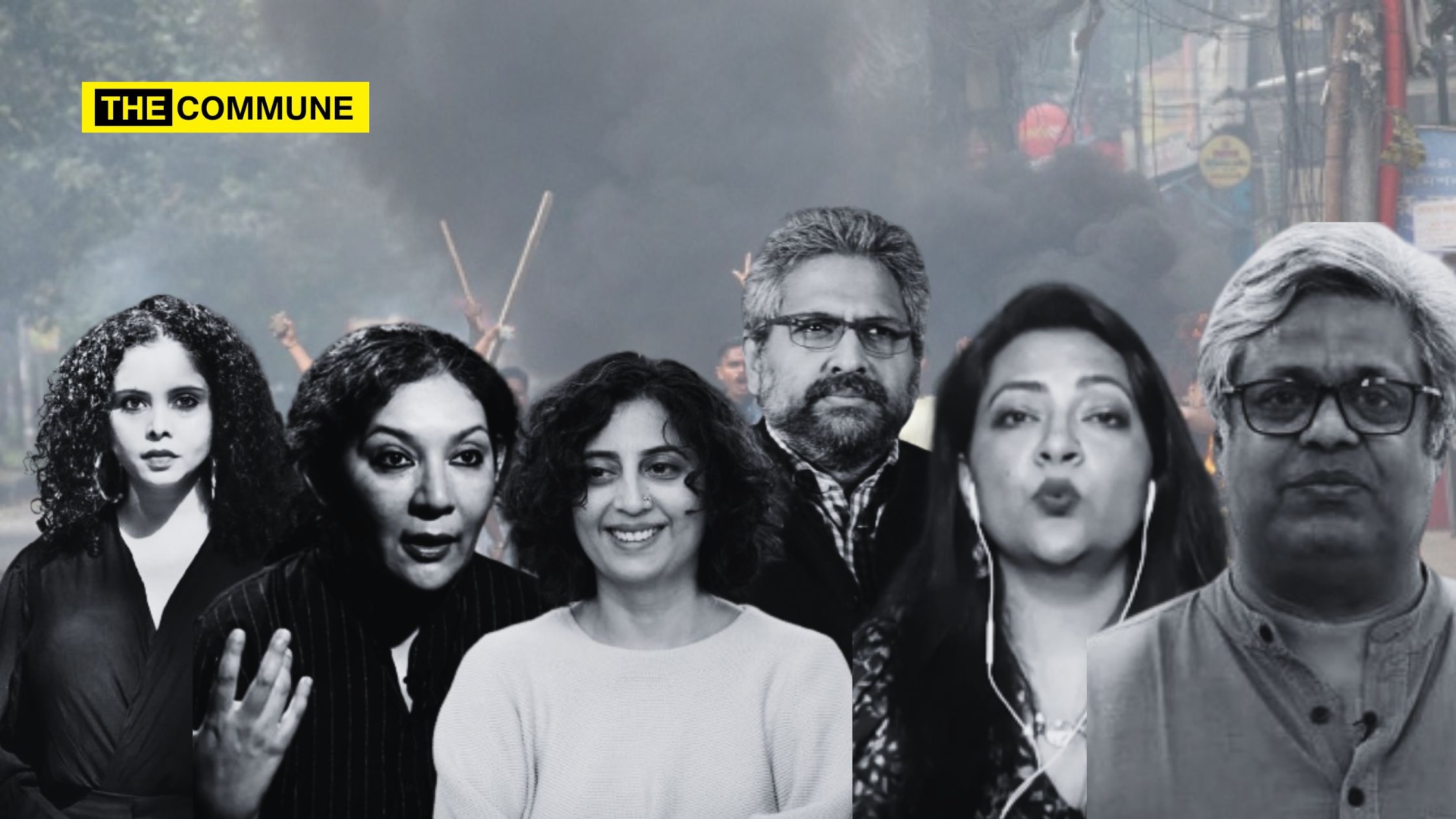
Leftists & Anti-nationals Justify Unrest & Call ForSimilar SituationIn India

As expected, anti-nationals and leftists in the garb ofjournalistsjustified the coup and the anarchy that followed stating that adictator(Sheikh Hasina) who had allegedlyriggedelections would see this fate. This was a blatant attempt to incite violence in India and justify the violent protests led by Islamists in Bangladesh.

Former Pakistani cricketer Danish Kaneria warned Indians to be cautious as some people in India were hoping for a Bangladesh-like scenario. He added, Guard against those trying to incite unrest for their own agendas.”

Upon hearing the news of the coup in Bangladesh, so-called science journalist Vidya Krishnan, who spread lies and misinformation during the Covid pandemic, wished for a similar situation in India. She wrote, “Upar wala aise din humein bhi dikhaye”

https://twitter.com/ictgreatfan/status/1820518290030211577

An alleged writer and a mouthpiece of the leftists and Islamists, Saba Naqvi, wrote, Sheikh Hasina reportedly rigged an election and hence this tragic unravelling in #Bangladesh is happening. There’s a message in here for all democracies and institutions meant to guard people’s mandate. Jai Hind.”

Leftist portal, The Wire’s founder Siddharth Varadarajan wrote, People wondering at the fury should remember the backstory: the rigged election earlier this year which allowed Hasina to stay in power. A leader rigs an election when they know they’re beat. She deprived the people of the chance of ousting her through the ballot box. So they’re now finding other means.”

He also alleged that India’s inability to say something, anything, about today’s developments in Bangladesh, is testimony to the utter mess the Modi government has made of its Bangladesh policy. It has been one of the strongest backers of Sheikh Hasina’s authoritarian rule and India may well pay a price for this.”

The Wire’sfounding editorMK Venu also peddled the same propaganda. He wrote, Bangladesh anarchy is caused by brazen manipulation of elections, treating opposition as enemies and destroying them, stifling free press and dissent. All this accompanied by 40% plus unemployment among age 15 to 24 youth!”

Alleged writer and journalist Rana Ayyub wrote, Hubris has been the undoing of the most powerful leaders in the world. South Asian leaders like Rajapaksa, Sheikh Hasina and others are testimony

She justified the anarchy and shared a picture, Defining image from Bangladesh today

Alleged historian, Irfan Habib also justified the developments. He wrote, Sheikh Hasina had been a great disappointment. She had an opportunity to take the progressive politics forward but over the years she turned authoritarian. In the name of keeping her political rivals at bay she crushed democratic rights. What has now happened was inevitable.

The Wire “journalist”, Arfa Khanum Sherwani, called the act of calling out the violence and anarchy as “demonising”. She wrote, “The new Sanghi playbook is now demonizing the Bangladeshi protestors. They didn’t have a problem with the dictator Hasina but they are hating on the democratic takeover. The reality is that they hate democracy and any democratic expression, at home and abroad.”


Some other leftists who wanted a similar situation in India include the below:

Iltija Mufti, the daughter of Mehbooba Mufti, wanted to knowfor a friendif, Does Lok Kalyan Marg have a swimming pool as well? Asking for a friend

Sr. Asst editor at Lallan Top wrote, “History is witness that dictators are either killed or run away! The youth power of Bangladesh won.”

https://twitter.com/Abhinav_Pan/status/1820413204922540525

RJ Sayema who was nominated as an ambassador by the US embassy in India wrote, The End of a Dictator.#SheikhHasina”

“Journalistand TV anchor Vir Sanghvi called it a very Bengali revolt …”

By calling the elections rigged and addressing Bangladesh’s PM (former) as a dictator, the leftist mouthpieces in India are justifying that the coup and the subsequent violence and anarchy are correct and that it would be good to have such protests and developments in India as well.

(With inputs from OpIndia)

Subscribe to our channels on TelegramWhatsApp, and Instagram and get the best stories of the day delivered to you personally.
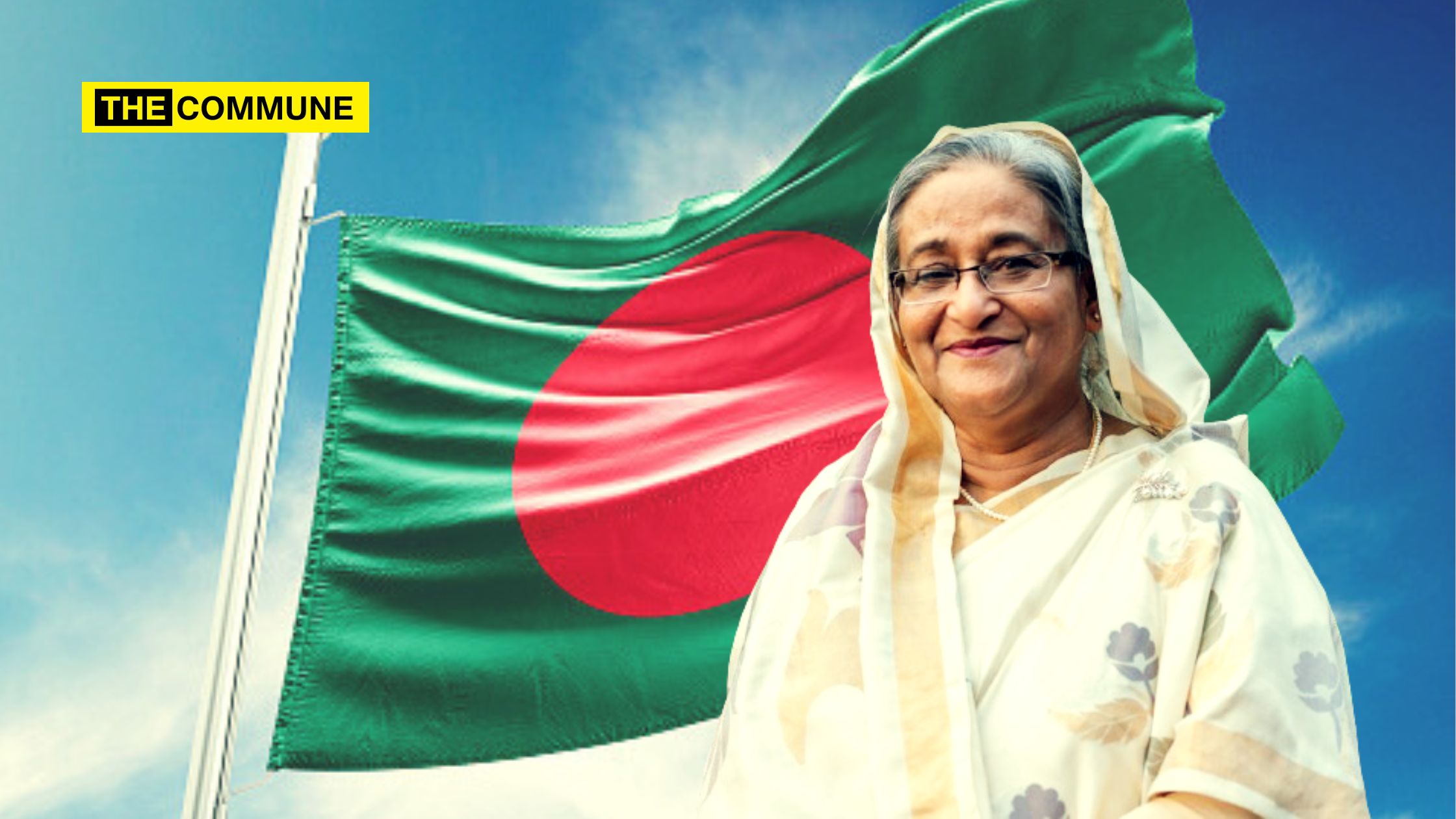
Sheikh Hasina’s Legacy – A Tenure Of Growth, Development, And Diplomacy In Bangladesh

Sheikh Hasina achievements in Bangladesh

Bangladesh’s Prime Minister Sheikh Hasina resigned amidst escalating protests and arrived at Ghaziabad’s Hindon Air Base near New Delhi aboard a C-130 Hercules aircraft.

Following Sheikh Hasina’s resignation and departure from Bangladesh amid widespread protests, the Modi-led Indian government convened an all-party meeting on 6 August 2024 to discuss the country’s current political turmoil.

Key Union ministers, including Home Minister Amit Shah, Defence Minister Rajnath Singh, External Affairs Minister S Jaishankar, and Parliamentary Affairs Minister Kiren Rijiju, attended the 10 AM meeting.

On 5 August 2024, Bangladesh reported that clashes between demonstrators and members of the Awami League resulted in the deaths of at least 96 people due to police gunfire.

According to Dhaka Tribune, unrest on Monday claimed the lives of at least 135 people in Bangladesh, involving police shootings, mob attacks, and arson incidents across the nation.

Following clashes between police and troublemakers on Monday, at least 18 people were killed on the outskirts of the capital, specifically in the Savar and Dhamrai areas.

Prothom Alo, citing sources from Dhaka Medical College Hospital, reported that 500 individuals were admitted with injuries, including gunshot wounds, with 70 of them remaining hospitalized.

After Sheikh Hasina departed from Bangladesh, reports from local media indicated that individuals entered the Ganabhaban, the Prime Minister’s residence, and were seen leaving with various items. There were also reports of people entering the Parliament building and taking items from within.

What Are Sheikh Hasina’s Contributions To Bangladesh?

While leftist voices echo Western sentiments, the reality presents a different narrative. Notable achievements in several critical areas have marked Sheikh Hasina’s tenure:

Economic Growth

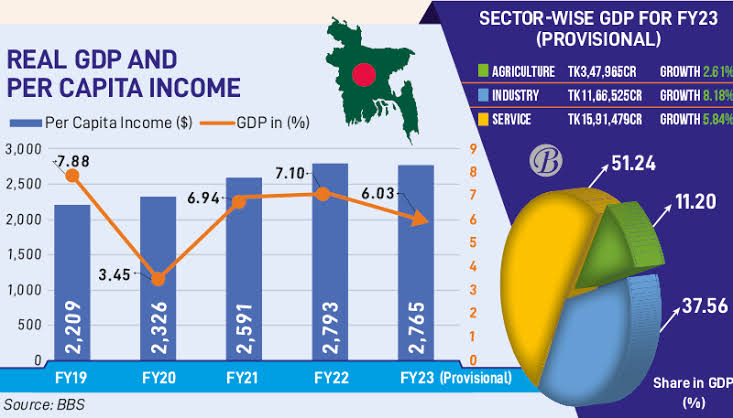
Under Sheikh Hasina’s leadership, Bangladesh has consistently maintained a robust GDP growth rate, exceeding 6% and reaching over 8% in recent years. This growth trajectory has positioned Bangladesh to become a middle-income country.

Infrastructure Development

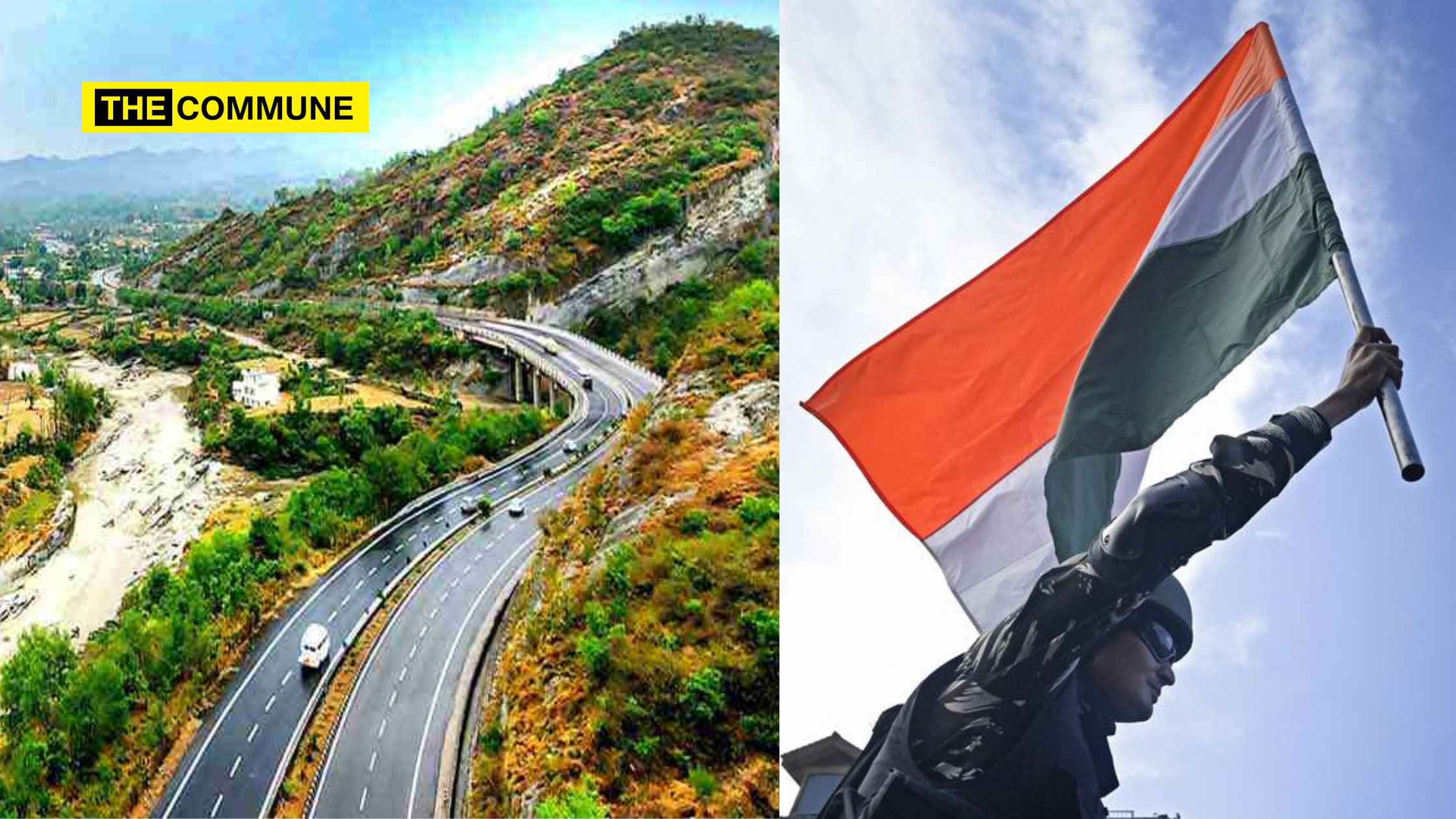
Infrastructure projects like the Padma Bridge, Dhaka Metro Rail, highways, and power plants have significantly bolstered connectivity and economic activities nationwide.

Poverty Reduction & Social Development

The government’s initiatives in social safety nets, poverty alleviation programs, and digital literacy through the Digital Bangladesh program have notably reduced poverty rates and empowered communities.

Industrial Growth and Export Expansion

The Ready-Made Garments (RMG) sector has flourished, making Bangladesh the second-largest exporter globally. Government policies supporting industrial growth, export diversification, and economic zones have attracted substantial foreign investment.

Women Empowerment

Efforts to enhance women’s access to education, microfinance, and employment opportunities have not only advanced gender equality but also contributed to economic growth by integrating more women into the workforce.

Handling the Rohingya Crisis

Humanitarian Response

In 2017, Bangladesh opened its borders to Rohingya refugees fleeing violence in Myanmar, demonstrating a solid commitment to human rights and earning international acclaim for its compassion.

International Advocacy

Sheikh Hasina has been a prominent advocate for Rohingya rights in international forums, urging global action for their safe return to Myanmar.

Resource Mobilization

Collaborating with international organizations and NGOs, Bangladesh has mobilized resources to provide essential aid, including food, shelter, healthcare, and education to Rohingya refugees despite resource constraints.

Diplomatic Efforts

Sheikh Hasina’s administration has actively engaged in diplomatic efforts to pressure Myanmar for the safe repatriation of Rohingya refugees and sought international sanctions against Myanmar for their human rights violations.

Countering Extremism & Ensuring Security

Security Measures

The government has implemented rigorous counter-terrorism measures, enhancing security forces, intelligence capabilities, and legal frameworks to combat radical groups like JMB and Ansarullah Bangla Team.

Community Engagement And De-radicalization

Programs promoting moderate Islamic teachings, community engagement, and socio-economic development have been pivotal in mitigating radicalization and promoting societal harmony.

International Cooperation And Judicial Actions

Bangladesh has collaborated closely with international partners, including India, the United States, and regional organizations, to combat terrorism through strengthened laws and judicial actions.

Efficient Check On China’s Influence

Sheikh Hasina’s administration has navigated China’s diplomacy strategically and pragmatically. She maximized mutual benefits from bilateral engagements while protecting Bangladesh’s interests.

In summary, despite facing various challenges and criticisms, Sheikh Hasina’s tenure has substantial achievements across economic development, humanitarian efforts, security enhancements, and diplomatic engagements.

(This article is based on an X post by Saikiran Kannan)

Subscribe to our TelegramWhatsApp, and Instagram channels and receive the best stories of the day delivered personally.

“Stop Being Shills To Divisive Political Groups”: Ranjani & Gayatri Interview With The Commune On Music, Caste, Gender, Politics

Ranjani and Gayathri

In the spellbinding world of Carnatic music, where notes dance like celestial beings, Ranjani and Gayatri emerge as twin stars, whose voices intertwine in sublime harmony. These Mumbai-born, Chennai-nurtured sisters have, for over two decades, painted the canvas of Indian classical music with strokes of familial love and artistic brilliance. Their journey, a melodious weave woven with threads of shared values and guru-given wisdom, exemplifies the magical synergy born of sisterhood.

Like the intricate patterns in a Kanjivaram silk, their partnership balances the warp of individual expression with the weft of collaborative resonance. Through the bhava-laden aalaps and lightning-fast brigas of Carnatic music, Ranjani and Gayatri navigate the delicate ragas of their relationship, their mutual respect and trust creating a symphony as beautiful as their music. Theirs is a tale not just of vocal prowess but of a harmonious dance between two souls, united by blood and divine music, in the grand concert hall of life.

The Commune caught up with Ranjani and Gayatri through this email interview. Read on…

The Commune: How did you two become an inseparable duo? What is the one thing that holds you both together?

Ranjani, Gayatri (RaGa): It seems natural that being sisters would be the best way to be artistic partners, nurtured with the same values from birth, learning from the same guru. Being together all through the formative years will create such a bond and sync in understanding and ideation. However, this is also challenged by the reality of ‘familiarity breeds contempt. Between the kinship of sisterhood and the highly individualistic pursuit and expression that music inherently is, there is a lot of middle ground to negotiate. What makes it work is that we respect the same musical and ethical values, respect, trust, and support each other, and agree to disagree after each argument.

The Commune: Mumbai or Chennai?

RaGa: That is a difficult one to answer. Vada Pav or Sambar Idly? Mumbai is our janma bhoomi, Chennai our karma bhoomi. Mumbai has given us broad exposure to many genres of music, different languages and their sounds, a drive, and an aspirational attitude. Chennai audiences have the ability to spot and nurture worthy talent early on, and their discerning support has been valuable in our professional journey.

The Commune: Do you still practice playing the Violin, or do you just take it out during Saraswati Pooja and Vijayadasami?

RaGa: Unfortunately, the latter these days. The violin is an immensely demanding instrument that requires constant arduous practice, which we cannot commit to right now. It is fascinating that destiny keeps throwing up unexpected opportunities to return to our first love. Once, we were compelled to cancel a concert because of one of us being down with a severe throat infection, and the organizers pleaded with us not to cancel. So, with barely a 12-hour notice, we had to brush up our violin skills and prepare for a three-hour violin concert. We were surprised that those 12 hours cleared up years of rust, revealing underneath the strength of 12+ years of violin performance in the earlier part of life. Here is a clip from that concert, which turned out to be a memorable one for us!

The Commune: You’ve accompanied legends like DK Pattamal and Dr. M. Balamuralikrishna. Tell us about that experience. What do you admire about them? What did you learn from them?

Ra-Ga: We have learned different things from each artist we have accompanied. We were very young when we shared performance space with legends like Smt Pattammal and Sri Balamuralikrishna. It was more like a blessing to play the violin alongside them. Smt Pattammal was so gracious, loving, and warm, as she generously appreciated our music.

We recall the sincerity, earnestness, and shraddha with which she sang at 80! Balamuralikrishna ji gently tested me (Gayatri, then 13) in the first few minutes of the concert, gauging and then amplifying the complexity when he felt I could handle the challenge. He radiated a positivity, happiness, and playful yet intense demeanour that was uniquely his. The way these legends happily made space for us and allowed us to soar was a huge inspiration.

The Commune: What language gels well with Carnatic music—Tamil, Telugu, or Sanskrit?

RaGa: The more you internalise a language, learn songs in it, and become familiar with its nuances, the more you grow to love it. Tamizh being our mother tongue, becomes intuitive to emote and express, especially when we sing viruthams. Sanskrit, a classical language, is a natural fit for Indian classical music. Muthuswamy Dikshitar’s compositions exemplify the ideal combination of Sanskrit and classical music. However, Telugu is one of the most pleasing and musical of languages, hence a major part of the mainstream Carnatic compositions is in this language. Tyagaraja, Shyama Sastry, and many others have composed such timeless gems in Telugu that bring together language, poetry, music, and emotion, and hence to us, Telugu is music to our ears in more ways than one!

The Commune: From your social media posts, we see that you’re a big fan of PM Modi, Annamalai, and the BJP. When did RaGa become political? What triggered you?

Ra-Ga: It is incorrect to brand our candid appreciation of some leaders as becoming ‘political‘. If that is so, then 80 crore Indians or whatever the number is, all voters are political. And, yes, we reiterate our respect and support for our PM and Annamalaiji. As Indians, we feel inspired and motivated by their vision, integrity, and hard work.

The Commune: What’s the worst thing that ever happened to you, and how did you overcome it?

Ra-Ga: We can’t really term it as a “worst thing”, but something that we see as a part of the real, though unfair world. And we haven’t overcome that. It is the opportunity costs we pay for not doing any active ‘PR work’. There are losses in terms of ‘positioning’ and ‘opinion making’. We have more than once heard about editorial powers watering down articles when superlatives were written or cover stories were proposed. They block it out, saying, “What is the hurry (to print superlatives)? Let some more time go” (before giving any spotlight). That extends to other institutional recognitions, too. Sangeet Natak Academy announced Yuva Puraskar for us when we were almost 40, and we learned it from their Press release! (Ranjani Gayatri declined the award in 2014, requesting that the Sangeet Natak Academy consider upcoming young artists for the same).

We were oblivious to the need and value of such active work, which helped our single-minded focus on music. At this point, we believe working in this direction of PR is unnecessary and in conflict with our artistic pursuits. But social media’s emergence and its democratic power help us. Another truth we can’t overcome is gender. Our best concerts used to be appreciated with comments, “Aha, how classical! AambaLa paaTTu” (meaning man’s music). It implies that only men can deliver certain standards of cerebrally engaging performance. It has faded from the audible zone, but we can still hear it!

The Commune: Do you follow Gen-Z pop culture? Favourite movies/series?

Ra-Ga: Interestingly, you mention Gen-Z. While we aren’t tuned fully to Gen Z, we find a good lot of them have tuned to our music. We meet a lot of youngsters from this generation at our concerts and interact with quite a few of them post-concert. A good number of the audience in our concerts is between the ages of 6 and 25, and how they immerse themselves fully into the concert experience is somethingWe look forward to their engaging post-concert notes, reels, and what they share as their favourite snippets. Gen Z is a forthright and expressive generation.

The Commune: There is always this criticism that the Brahmins created Carnatic music for the Brahmins. Even today, the Sabhas and the performers are dominated by Brahmins. What are your thoughts?

Ra-Ga: Shouldn’t the question be, “How is it that Brahmins are still managing to protect and nurture this art that pays so little and takes a long and arduous journey to achieve decent success?” It is reverse casteism to raise such questions repeatedly. These charges are triggered by agenda-driven activists and amplified by lazy writers who perhaps unwittingly become tools in the hands of hate-mongering political groups. Has any caste-based group opposed, insulted, or prevented any artistic pursuit of people from other communities? Has any organized group of musicians refused to teach and share their knowledge based on caste? This field has a minuscule base of followers. Carnatic music does not offer financial success comparable to popular arts. Carnatic musicians are regularly caricatured as jokers singing “tha dha rina” in popular movies.

With all this, who would aspire to be a Carnatic musician? All serious artists, including those in Carnatic music, focus intensely on their art. It is absurd to expect them to be loud activists. Accusing them of being casteists and opponents of change is fundamentally dishonest and a perversion of truth. Loud activism achieves smart manipulation of the media narratives. The only transformation that is evident is in the fortunes of so-called activists. They also partially succeed in distorting reality and damaging the art-oriented focus of unsuspecting artists. Most journalists do not research before buying into such narratives. Perhaps this helps them feel good about contributing to “Instant Social Justice”. If you observe the film world, despite the blatant nepotism, real talents win big. The number of winners is proportional to the number of aspirants. Success in art can only be democratic.

The Carnatic music world celebrates all greats, from Madurai Somu to Chinna Moulana, from Mandolin Srinivas to TN Rajaratnam Pillai, and from Ilaiyaraja to Rashid Khan. Not just the Semmangudis and GNBs. Nandanar Charitram has been most celebrated on the Carnatic music stage for decades. In summary, we say, “Change your glass. Do some honest homework. Stop being shills to divisive political groups”.

The Commune: You’ve many fans. Who are you a fan of?

Ranjani, Gayatri: N Rajam, KV Narayanaswamy, Kapil Dev, the Williams Sisters, PG Wodehouse to name a few.

The Commune: Biggest critic?

Ranjani, Gayatri: Ourselves, our family.

Subscribe to our channels on TelegramWhatsApp, and Instagram and get the best stories of the day delivered to you personally.
Assam CM Himanta Biswa Sarma Announces Sweeping Legislative Measures: Life Imprisonment For Love Jihad, Domicile Policy, And Land Protection Laws

Assam Chief Minister Himanta Biswa Sarma announced on 4 August 2024 that his government will introduce a stringent law against Love Jihad, with lifetime imprisonment as the punishment. Speaking at a BJP state executive meeting in Guwahati, he also revealed plans for a domicile policy restricting government jobs to those born in Assam and imposing restrictions on land sales to Muslims.

Addressing the audience at Srimanta Sankardev Kalakshetra, CM Sarma stated, “We will bring a new law in the next few days to convert the punishment for love jihad to life imprisonment,” receiving applause from the crowd.

He further announced a new law to protect land owned by Indigenous people in Assam. This law will require the Chief Minister’s permission for inter-religious land sales, emphasising that a Muslim wishing to buy land from a Hindu or vice versa will need the CM’s approval. “The land transfer can happen only after permission from the CM,” he stressed.

In areas of the undivided Goalpara district, a special provision will be enacted to prevent land sales to people from a specific community. This will aim to protect the land owned by Indigenous people, who have become a minority in these regions.

CM Sarma also revealed plans for a law to safeguard the land rights of tribal communities. This law will create micro-tribal belts and blocks in areas inhabited by tribals and other backward communities.

Fulfilling an election promise, CM Sarma announced a domicile law reserving government jobs for those born in Assam. He explained that this move addresses the state’s changing demography, describing it as a “huge concern” and a “matter of life and death.” He assured that the new domicile policy would be implemented within the next two months.

Additionally, the Chief Minister announced a law to protect land owned by religiously significant sites in Barpeta, Bordowa, and Majuli. Only residents can purchase land in these areas, and people from other parts of Assam are even restricted from settling there. He mentioned that,re locations could be added to this provision based on public suggestions, mo.

“We can’t push anyone to Bangladesh, but we will take every step within our power to protect our future,” CM Sarma concluded.


(With inputs from OpIndia)

Subscribe to our channels on TelegramWhatsApp, and Instagram and get the best stories of the day delivered to you personally.

17 Firsts In J&K, Ladakh: Milestones Since Article 370 Abrogation on August 5

17 Firsts In J&K, Ladakh: Milestones Since Article 370 Abrogation on August 5

August 5 is a landmark day in India, especially since several historic decisions and steps were taken on this day over the years in the Modi era. Article 370 was abrogated on 5 August 2019.

While there is a debate on whether the move was good for the country and Kashmir as such, we take a look at 17firststhat were possible because of the abrogation.

Tribals Of J&K Got Equal Rights

The abrogation of Article 370 ended decades-long discrimination against tribal communities like the Gujjar-Bakerwal and Gaddi-Sippi in Jammu and Kashmir, granting them equal rights for the first time since Independence. This change empowered these communities, protected their land, improved education, and uplifted their socio-economic status.

Following the abrogation, the central government implemented key initiatives, including implementing the Forest Rights Act, establishing milk villages, developing transit accommodations, and creating seasonal schools and hostels. The government also supported tribal women and established Tribal Chairs in educational institutes.

Double-Lane Bridge In Ladakh

In August 2020, the Union Territory of Ladakh got its first double-lane motorable bridge at Choglamsar.

Electricity Supply In Ladakh

In November 2020, Photoksar village in Leh district, Ladakh, received electricity for the first time since India’s Independence, bringing immense joy to its residents. The power grid line was attributed to initiatives like the Deen Dayal Upadhyaya Gram Jyoti Yojana led by Prime Minister Narendra Modi. The electrification enhanced children’s education and overall living conditions.

Industrial Development Scheme

In January 2021, the administration of Jammu and Kashmir announced a new Industrial Developmental Scheme (IDS), with a substantial outlay of ₹28,400 crore aimed at promoting investment and fostering industrial growth at the block level for the first time in history. The initiative would transform the industrial landscape, bringing significant socio-economic benefits to the area.

Domicile Certificate

In July 2021, the Jammu and Kashmir administration announced a significant amendment to the Domicile Act, allowing non-state subject spouses of native women to obtain domicile certificates. Previously ineligible, spouses can secure domicile based on their partner’s status. The new policy ensures gender equality, addressing a long-standing issue where women who married outside the UT faced discrimination. It happened because Article 37o was abrogated.

Investments Pour Into J&K

For the first time in India’s history post-independence, the UAE became a significant investor in Jammu and Kashmir’s development in January 2022. In October 2021, both governments signed an MoU to develop real estate, industrial parks, and super-speciality hospitals. In January 2022, an agreement with the LuLu Group aimed to establish a food processing and logistics hub in Srinagar, facilitating the reach of J&K products to LuLu Hypermarkets across the Gulf.

Women Empowerment

For the first time since Independence, abrogation of Article 370 led to women being given 15% reservation in non-gazetted cadre in J&K Police on 27 January 2022.

Lieutenant Governor Manoj Sinha made this announcement on National Girl Child Day. This move aims to empower women and increase their representation. It also addresses long-standing inequalities and enhances the handling of gender-based crimes.

Data Connectivity In Ladakh

In June 2022, Reliance Jio launched 4G voice and data services in Spangmik village near Pangong Lake, becoming the first operator to provide 4G connectivity. This was a long-standing local demand and enhanced connectivity for tourists and troops. In May 2022, Jio started services in Kanji, Urbis, Hanupatta, and Chunglungkha villages. This project wouldn’t have been executed so well if the Centre hadn’t abrogated Article 370.

National Rowing Championship

In June 2022, the first-ever National Rowing Championship in J&K UT at SKICC was inaugurated. This event follows the historicFirst Chess Olympiad Torch Relay.The Nehru Park Water Sports Center, offering world-class facilities, trains 400 children daily and has contributed to 100 national-level medals in the last three years. Another water sports centre is being developed in Basohli, Jammu.

GI Tag For Ladakh Apricot

In December 2022, the LadakhRaksey Karpoapricot received its first geographical identification (GI) tag.

J&K Tourism

For the first time in the history of J&K, 1.88 crore tourists visited the UT in the previous year, 2022

Electricity Supply In Kashmir

In January 2023, residents of Tethan in Dooru block, Anantnag district, received electricity for the first time in 75 years under the centrally sponsored PM Development Package scheme. The village, with a population of 200, had relied on traditional wood and candlelight until now. The electrification brought immense joy, with residents celebrating and expressing gratitude to the government and power department. The project included installing a 63 KV transformer, 38 High-Tension lines, and 57 LT poles, providing electricity to 60 houses.

Jammu Tourism

The first Tulip Garden in the Jammu division was inaugurated at Sanasar in April 2023. The garden is spread over 40 Kanals. It has 2.75 lakh tulip bulbs of 25 varieties situated amid lush green woods in the Ramban district.

Kupwara Tourism

In May 2023, J&K Road Transport Corporation started tourist bus services for the first time to Teetwal near the Line of Control in Kupwara to promote border and religious tourism. This followed the inauguration of Maa Sharda Devi Temple.

Poonch To Srinagar Tourism

In May 2023, the first-ever J&K Road Transport Corporation (JKSRTC) deluxe bus service from Poonch to Srinagar via Mughal Road was flagged off. Mughal Road, an alternate route connecting Jammu and Kashmir divisions, recently reopened for one-way traffic after delays due to inclement weather conditions.

Cinema Halls In Baramulla & Handwara

In July 2023, two 100-seater Multipurpose Cinema halls were inaugurated in Baramulla and Handwara, marking the return of cinema to Baramulla after over three decades. These halls, established under a Public-Private Partnership, offer recreational facilities, a café, VR, and seminar spaces.

Mobile Tower In Kupwara

In August 2023, on the fourth anniversary of Article 370’s abrogation, Machil village in Kashmir celebrated receiving its first mobile tower, an Airtel installation. This marked a significant advancement in the village’s communication infrastructure, which had long lacked mobile connectivity.

Subscribe to our channels on TelegramWhatsApp, and Instagram and get the best stories of the day delivered to you personally.

Unsung Heroes Of Wayanad Landslide: RSS Swayamsevaks Sarath Babu & Prajeesh’s Selfless Sacrifice Media Ignores Their RSS Ties

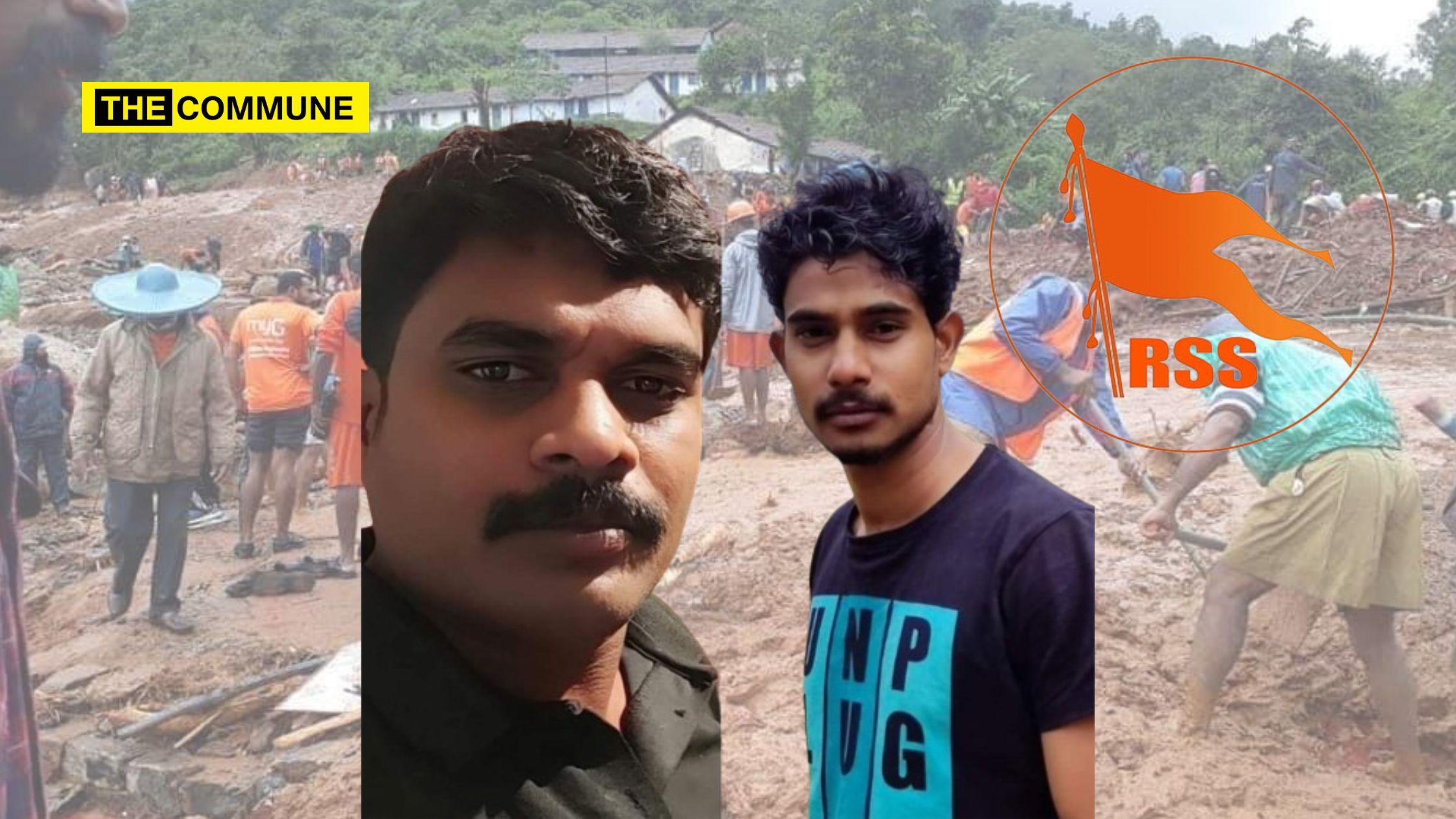
In a tragic tale of heroism, two young men from Churalmala, Wayanad, lost their lives while saving others during a devastating mudslide in Mepadi. Sarath Babu and his friend Prajeesh emerged as local heroes in the face of disaster.

Sarath Babu, son of Murugan and Subbalakshmi, ensured his family’s safety before plunging into rescue operations. He managed to save 15 people from the mudslide before mysteriously disappearing. His last words to his family were, “Come now, you must sit here.”

Prajeesh, a respected social worker in Churalmala, was known for always being ready to help those in need. He made two successful rescue trips up the hill, saving several lives, including his family. Despite friends’ attempts to stop him, Prajeesh insisted on a third rescue mission.

On their final attempt, Sarath and Prajeesh drove a jeep up the hill but couldn’t reach Churalmala Bridge. The surging soil and water swept away the vehicle and both men. Prajeesh’s body was later recovered and cremated. Sarath’s mortal remains are missing.

The once-beautiful villages of Wayanad Mundakkai and Churalmala lie buried under mud and debris. As the community mourns, Sarath Babu and Prajeesh’s selfless actions serve as a poignant reminder of human courage in the face of natural disasters.

Friends of the duo are left in disbelief, their eyes filling with tears as they recount the bravery of these local heroes. As the community grapples with the loss, Sarath Babu and Prajeesh’s selfless actions stand as a testament to the human spirit in times of crisis.

Media Overlooks Their RSS/Seva Bharati Ties 

News media nationwide have been reporting about Prajeesh and Sarath’s heroic tale. However, they conveniently skip mentioning that both were RSS swayamsevaks/Seva Bharati volunteers and also said to be BJP karyakarthas.

The so-called “Hindutvawadis” that Sarath and Prajeesh allegedly were (according to the leftists and Islamists in our country) had staked their lives to save their friends and neighbours from radical Islamists in Wayanad. They did not selectively rescue people in the eye of danger.

Alleged fact-checkers like YouTurn and AltNews attempted several times to discredit Seva Bharati and RSS for their yeoman service in Wayanad.

Subscribe to our TelegramWhatsApp, and Instagram channels and get the best stories of the day delivered to you personally.

Illegal Burials In Porur Lake Threaten Chennai’s Water Supply

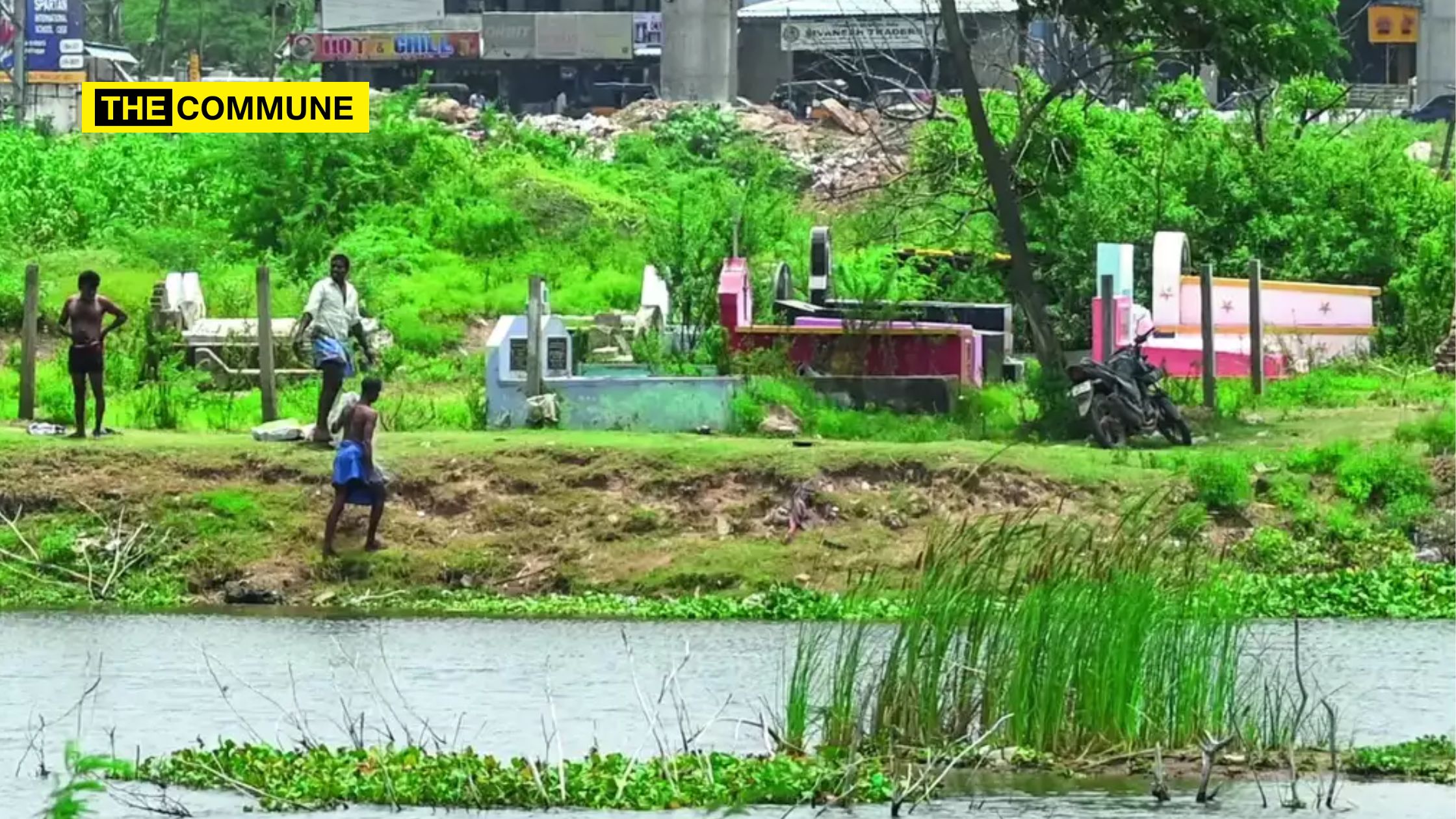
Illegal Burials In Porur Lake Threaten Chennai's Water Supply
(Image Source: TOI)

Chennai’s Porur Lake, a vital 200-acre drinking water source for the city, faces a unique and alarming form of encroachment. At least a dozen graves have been discovered on the lakebed, raising serious health concerns for residents.

The lake, which provides 6 million litres of water daily to areas including Kodambakkam, Alandur, and Valsaravakkam, has become a makeshift burial ground. While the number of interred bodies remains unknown, the visible tombs represent a significant threat to water quality.

Swaminathan T, a former scientist at the National Environmental Engineering Research Institute, warns that burying bodies in lake beds can lead to groundwater contamination through decomposition. Although a gradual process, the potential for pollution is real and concerning.

The issue spans political jurisdictions. T M Anbarasan, minister for MSME and Tamil Nadu Urban Habitation Development Board, acknowledged that Iyappanthangal residents have been using the area for Christian burials. He stated that alternative land has been provided near Oil Mill Road, and plans are underway to cordon off the existing burial site and restore the lake.

Maduravoyal MLA K Ganapathy told TOI that the Chennai Metropolitan Development Authority (CMDA) was preparing a ₹20 crore restoration project. This comprehensive plan includes constructing side walls and bunds, deepening the Porur Lake, planting trees, and creating recreational spaces.

The lake’s vulnerability to encroachment is partly due to the absence of proper bunds in many areas. Besides the graves, about 30 houses still occupy the lake-land despite efforts to remove illegal structures. A water resources department official, speaking anonymously to TOI, mentioned that over 100 houses had been cleared, but addressing the burial sites has met with local resistance.

Civic activist V Pughalventhan called on the Iyappanthangal panchayat to establish more official burial grounds and crematoriums to prevent further lake encroachment.

(With inputs from Times Of India)

Subscribe to our channels on TelegramWhatsApp, and Instagram and get the best stories of the day delivered to you personally.
Alt News & YouTurn Try To Discredit RSS & Seva Bharati Relief Efforts In Kerala Landslides

Alt News & YouTurn Try To Discredit RSS & Seva Bharati Relief Efforts In Kerala Landslides

Alt News and YouTurn stooped to a new low in opportunism today as they tried to milk the Wayanad Landslide tragedy to malign the relief works of Rashtriya Swayamsevak Sangh (RSS) and Rashtriya Seva Bharati in affected areas. This misinformation campaign continued even as two RSS workers lost their lives heroically while trying to save landslide victims.

Propaganda during crisis

Fake narrative peddlers continue to surprise us with their relentless pursuit of undermining opposition efforts, even when those efforts come from non-political organizations or community-focused NGOs. They seize every opportunity to attack their targets, eager to demonstrate loyalty to their political masters.

This includes individuals masquerading as fact-checkers, such as Congress supporters and Dravidian sympathisers. These so-called fact-checkers often act as toolkits for their political agendas, tweaking and distorting facts to align with their ideological interests.

A prime example is Mohammed Zubair and his organisation, Alt News, which shows a clear bias towards the Congress party. Similarly, the YouTurn fact-checking team, formerly led by Iyan Karthikeyan, who now holds a government position for previously peddling narratives for the Dravidian ideology, has strongly supported the ruling DMK government in Tamil Nadu.

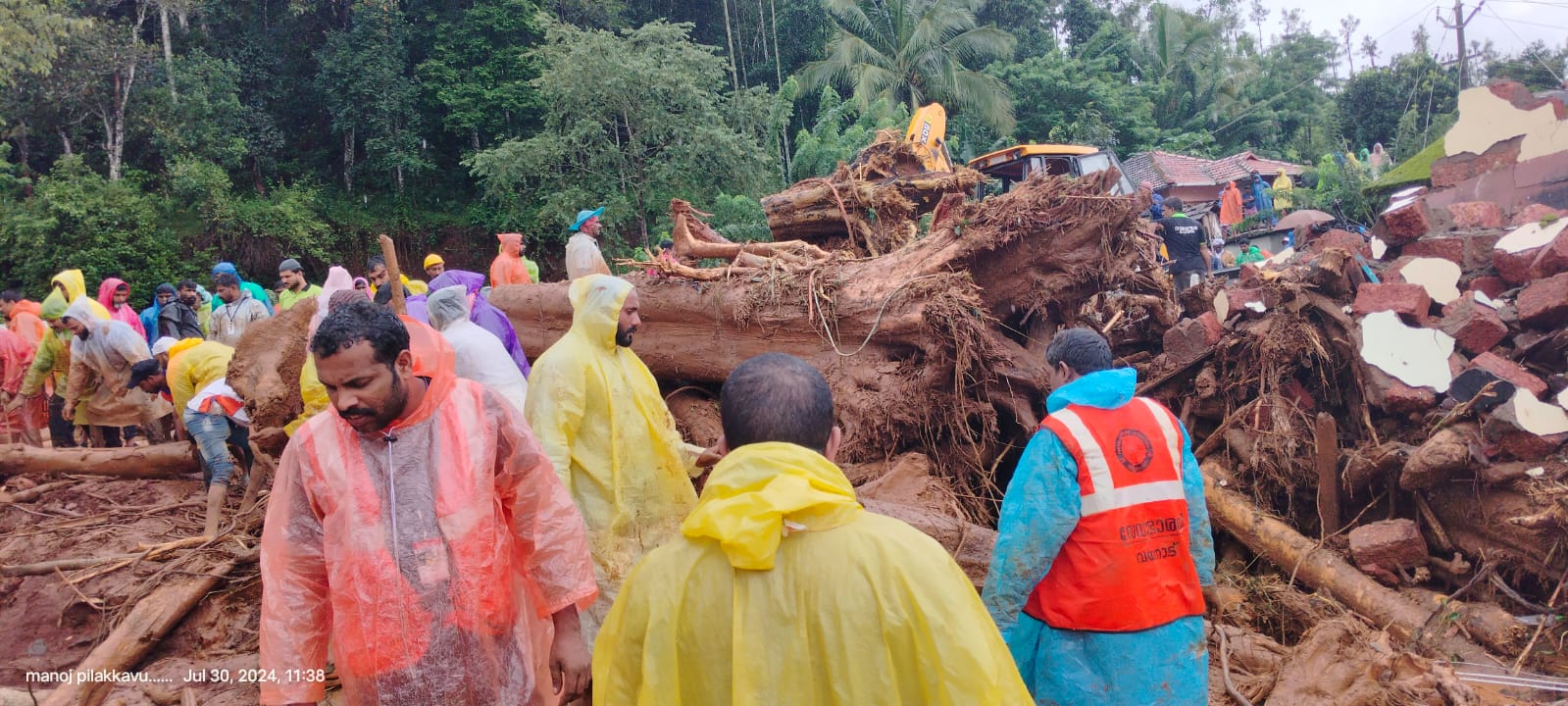
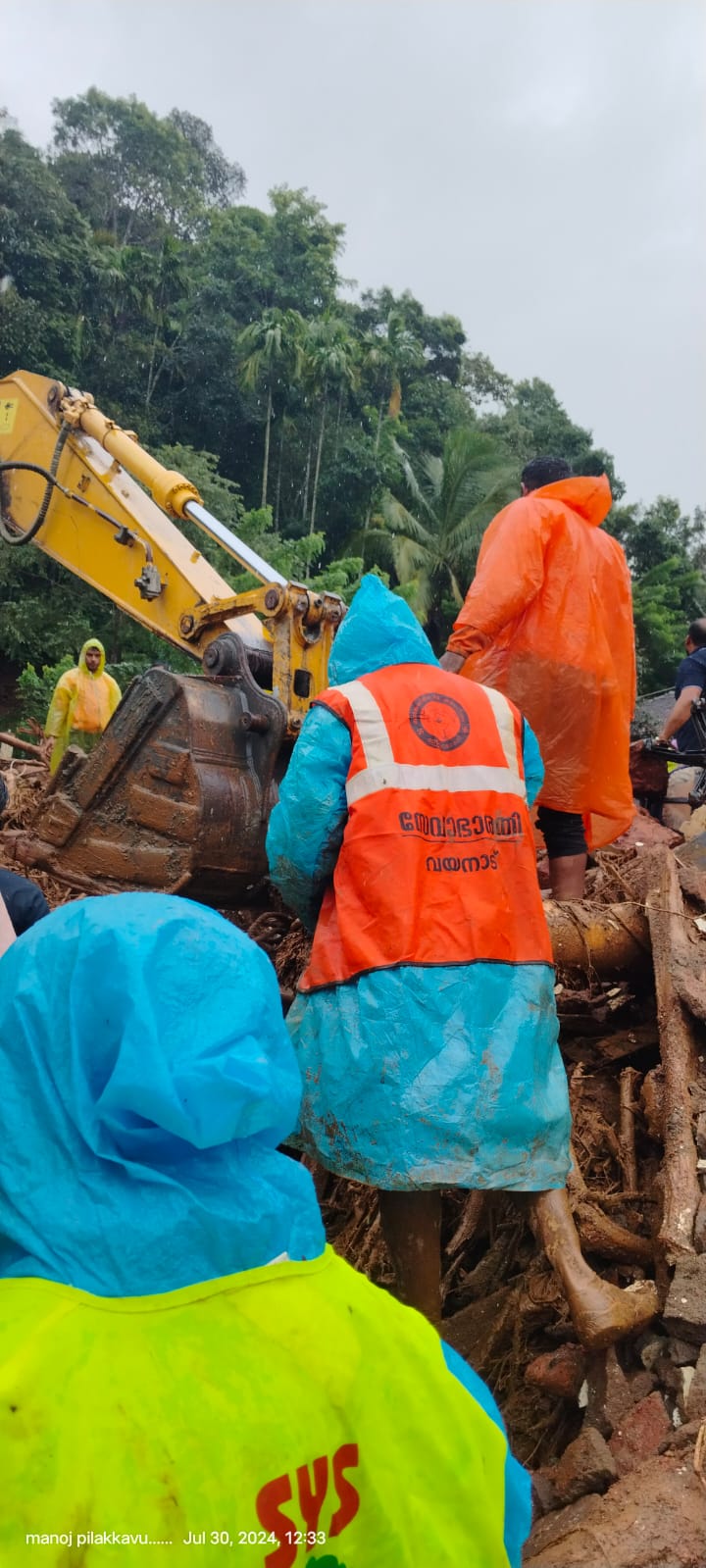
Now, the problem with these people is that they have all been activated to seemingly peddle a certain narrative against the relief works of RSS and Seva Bharati in the recent Wayanad landslides in Kerala. In this regard, the service rendered by the volunteers was commended and shared gracefully in social media spaces.

Still, among them, some of the photos were depicting RSS volunteers in their official Khaki trousers attire and helping the people in distress in the 2018 Kerala floods. Immediately, like an opportunist waiting for a perfect opportunity, alleged fact-checkers Alt News and YouTurn started to peddle propaganda that the photos shared were from the past and tried to discredit the organisation Seva Bharati and RSS volunteers of their service in the current Wayanad relief operations to get brownie points from their masters and followers allegedly.

The issue with these individuals is that they have been mobilized to spread negative narratives about the relief efforts by Hindu organisations in response to the recent Wayanad landslides in Kerala. While the contributions of these volunteers were praised and shared positively on social media, some of the photos used unknowingly highlighting their work included RSS volunteers in their distinctive khaki uniforms, helping during the 2018 Kerala floods.

Seizing this “opportunity”, Alt News and YouTurn began falsely claiming that Seva Bharati and RSS volunteers were not involved in the current Wayanad relief efforts, attempting to undermine their contributions. 

A Reality Check

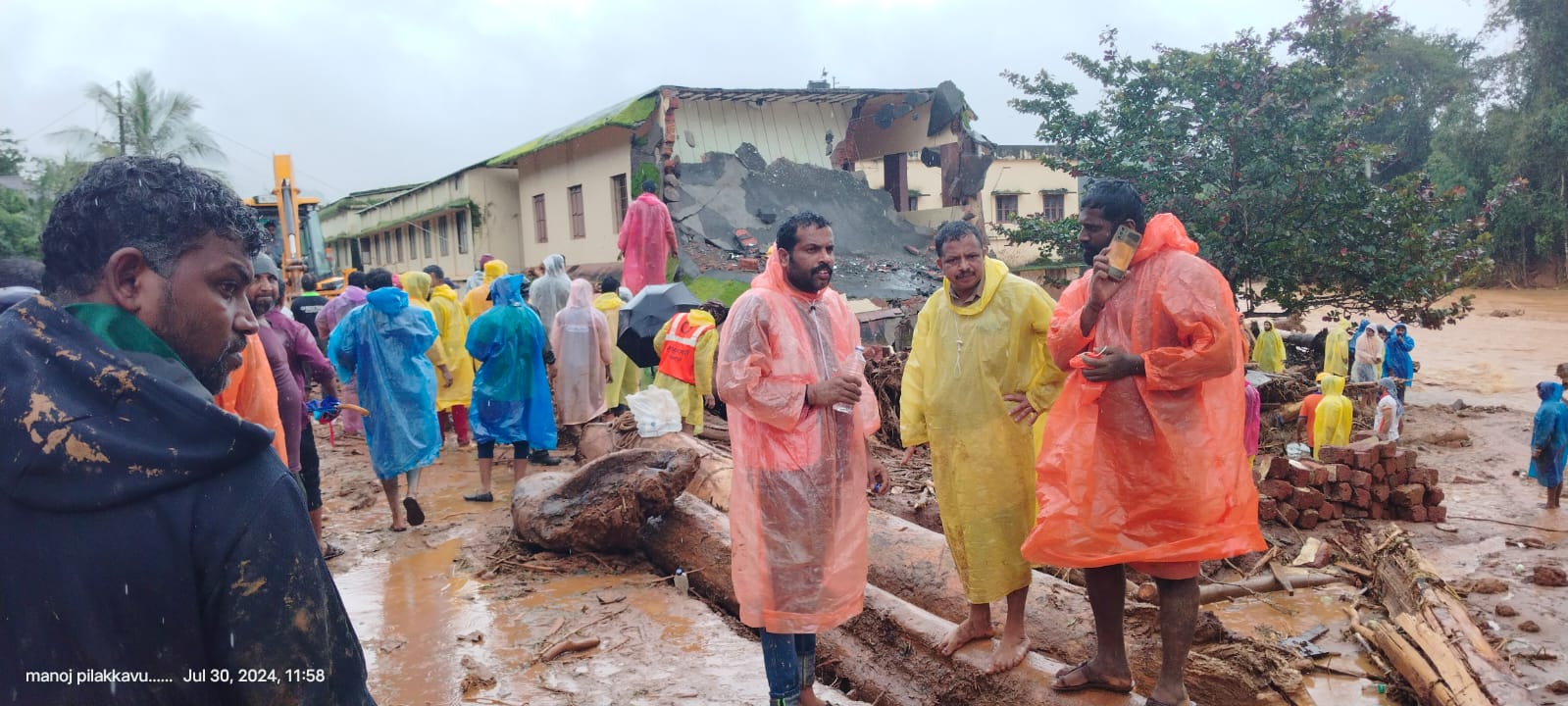
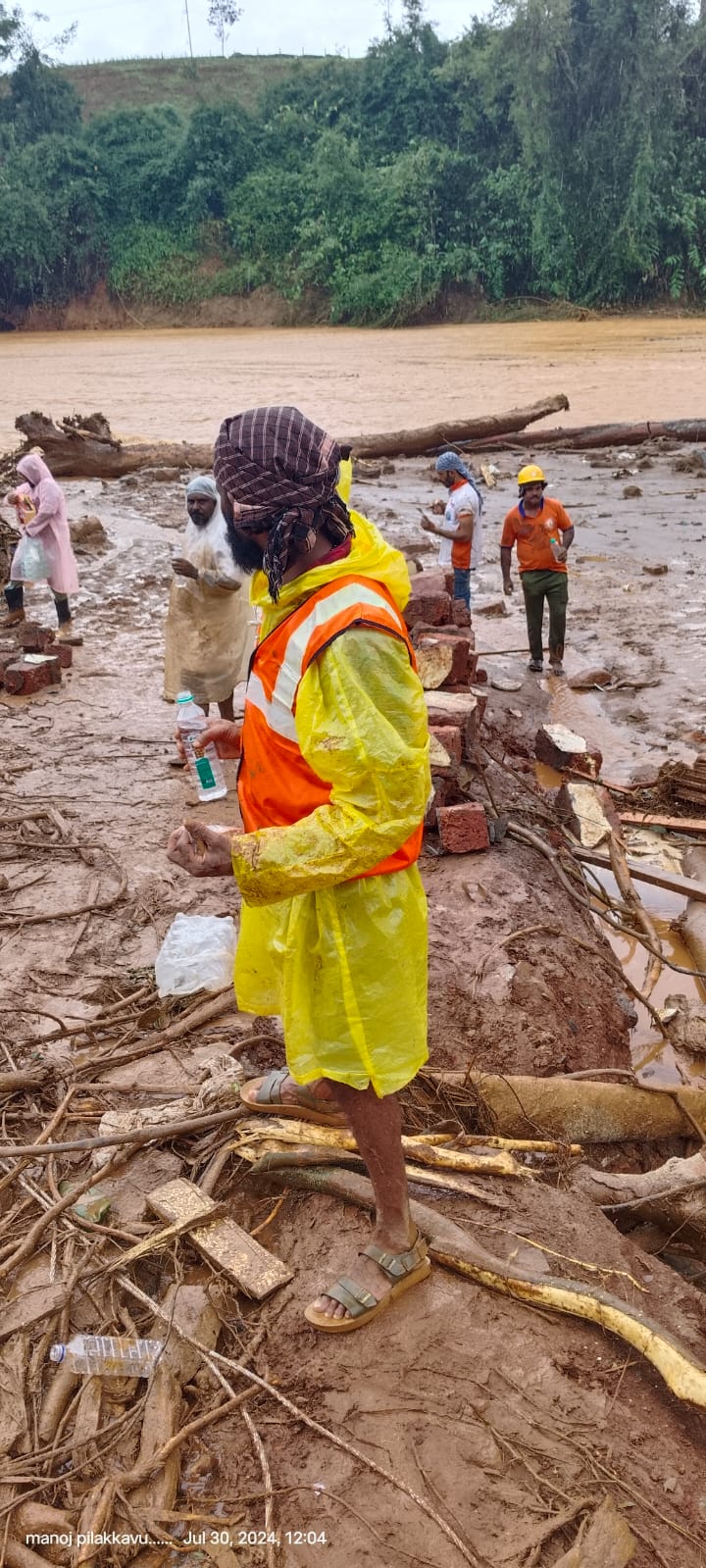
On 31 July 2024, the Vishwa Samvad Kendra media centre highlighted the active involvement of RSS and Seva Bharati volunteers in the relief operations for the flood-affected areas of Mundakkai following the landslide on 29 July 2024. The latest photos and updates confirmed their ongoing efforts.

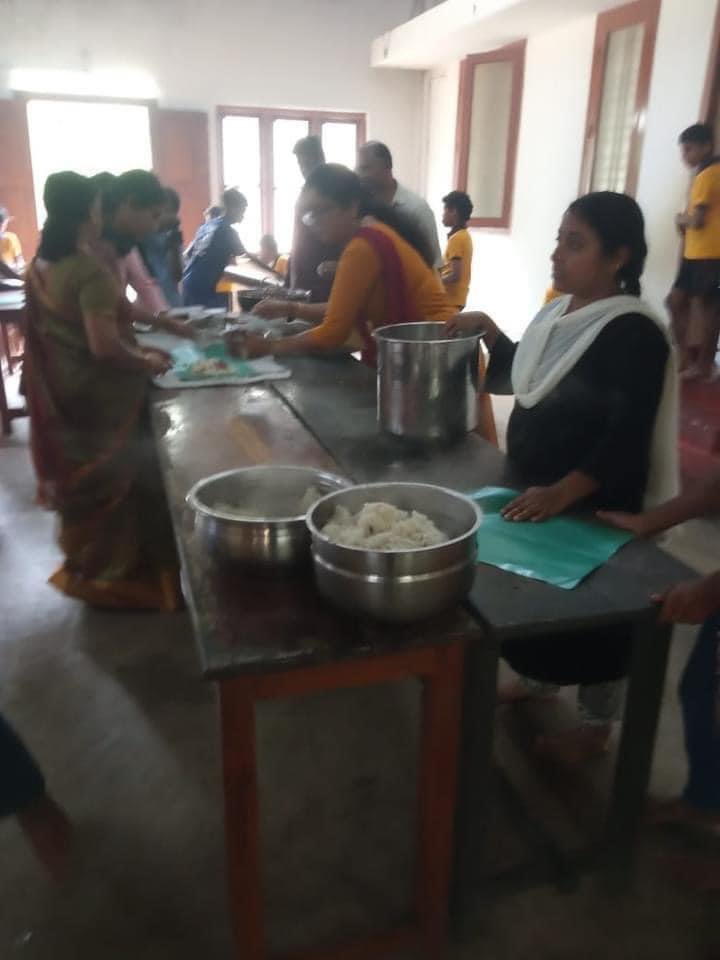
Vishwa Samvad Kendra reported, “RSS and Seva Bharati swayamsevaks are actively engaged in relief operations in Mundakkai, which was hit by a landslide on 29 July. Volunteers from the state, district, and local levels of RSS, along with Seva Bharati members, have been providing aid. By 8 a.m. on the landslide day, swayamsevaks were already on site, starting their relief work. A help desk was established in Meppadi to coordinate efforts. Two ambulances from Seva Bharati and Peepil are offering services. Many bodies have been recovered, and numerous lives have been saved from the debris.”

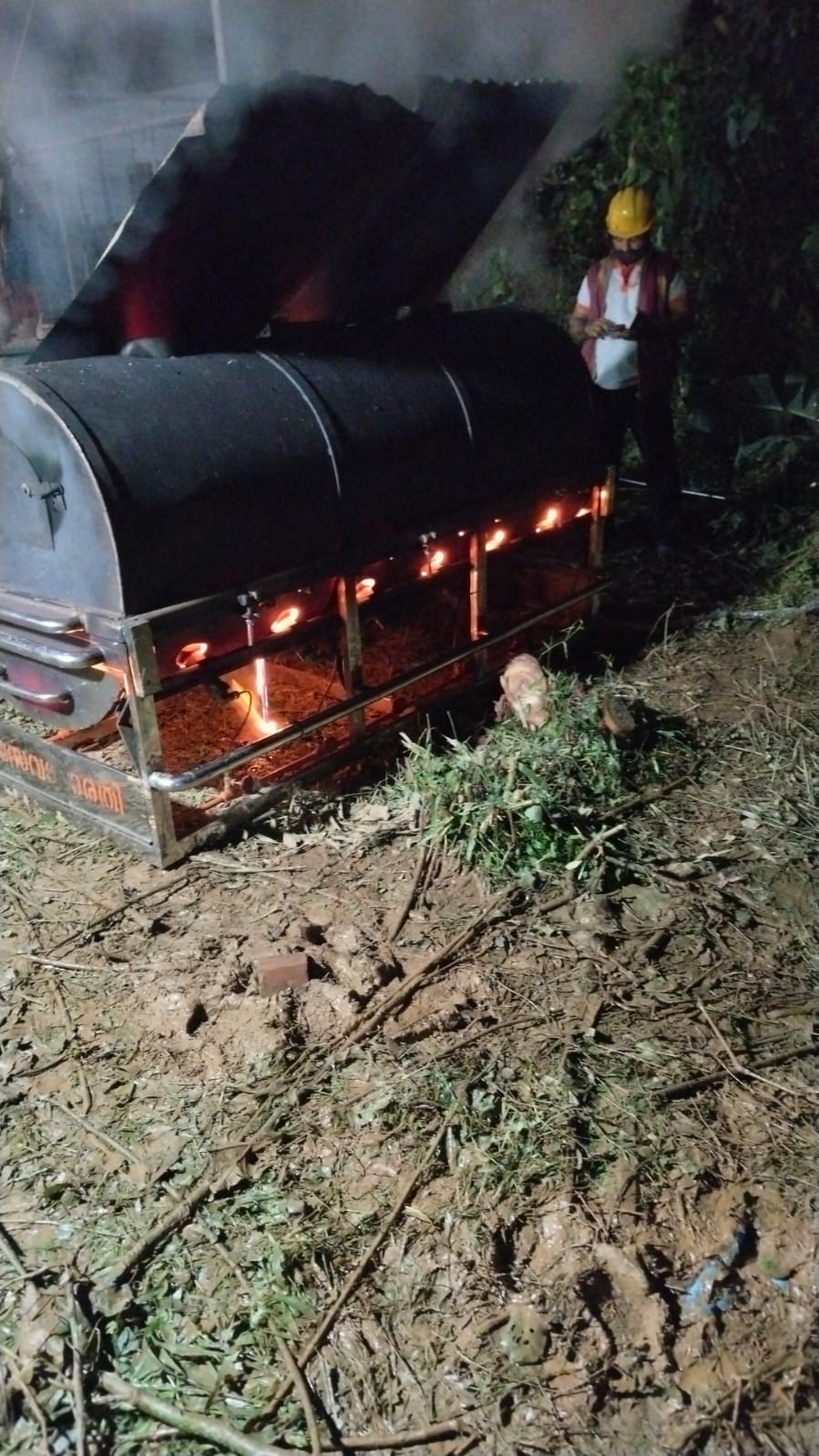
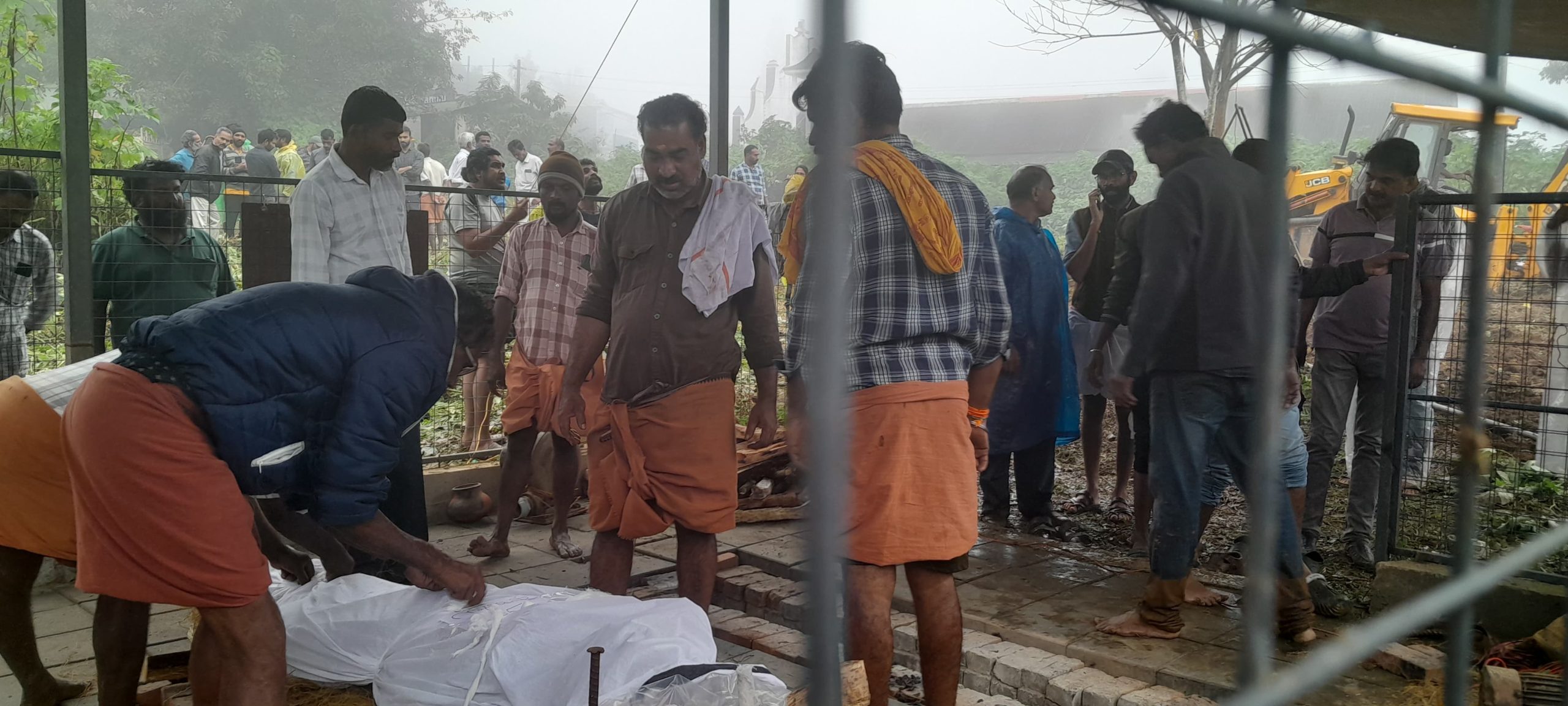
“Food for hundreds was prepared at Pazhassi Balmandir of Vishwa Hindu Parishad in Mananthavady and transported to the affected areas. Seva Bharati’s Chitagni unit in Wayanad is conducting cremations around the clock, and another unit, Ivar Math, is also assisting. Key RSS figures, including Uttar Kerala Prant Pracharak A. Vinod, Prant Sah Karyavah P.P. Suresh Babu, and Kozhikode Vibhag Karyavah N.P. Rupesh visited the site to provide guidance. They also reached out to the injured in hospitals and those staying in relief camps. Volunteers from Tamil Nadu’s Nilgiri district brought food supplies at night. Many RSS and Seva Bharati karyakartas are actively engaged in these relief efforts,” the report said.

(Image Credit: Vishwa Samvad Kendra)

On 2 August 2024, “The Hindu” also reported that Seva Bharati volunteers had established collection points at various locations. Throughout the night of 31st July, people donated essential items such as bottled water, biscuits, and sanitary products. Vijayan D, State Vice-President of Seva Bharati, stated that collected items would be sent to their Kozhikode office for distribution to relief camps. Collection counters have been set up in Neyyattinkara, Attingal, near Pazhavangadi Ganapathi temple and SP Fort Hospital. He mentioned that their goal is to assist with the rehabilitation of camp residents and help them relocate to safer areas.

Unsung Heroes

Two young men from Churalmala, Wayanad, lost their lives while saving others during a devastating mudslide in Mepadi. Sarath Babu and his friend Prajeesh emerged as local heroes in the face of disaster. Both were RSS swayamsevaks/Seva Bharati volunteers and also said to be BJP karyakarthas.

Sarath Babu, son of Murugan and Subbalakshmi, ensured his family’s safety before plunging into rescue operations. He managed to save 15 people from the mudslide before mysteriously disappearing. His last words to his family were, “Come now, you must sit here.”

Prajeesh, a respected social worker in Churalmala, was known for always being ready to help those in need. He made two successful rescue trips up the hill, saving several lives, including his family. Despite friends’ attempts to stop him, Prajeesh insisted on a third rescue mission.

On their final attempt, Sarath and Prajeesh drove a jeep up the hill but couldn’t reach Churalmala Bridge. The surging soil and water swept away the vehicle and both men. Prajeesh’s body was later recovered and cremated. Sarath’s mortal remains are still said to be missing.

RSS and Seva Bharti Workers in Wayanad

Meanwhile, Mediyaan News has been continuously updating its official X account on the relief efforts of RSS volunteers.

Additionally, BL Santhosh, the BJP’s National General Secretary, shared the contributions of RSS karyakartas on his official account.

Kerala BJP and Yuvamorcha Karyakartas work tirelessly to save lives and support relief operations.

Alt News and YouTurn might next argue that the BJP, RSS, Yuvamorcha, and Seva Bharati are separate organizations with distinct “agendas” or demand the identification of RSS volunteers based on their khaki uniforms. This reasoning is perplexing, as it ignores the evident continuity of RSS involvement. The RSS was active during the 2018 Kerala floods and the Wayanad landslides.

These “fact-checkers” will never admit to the fact that RSS and Seva Bharti volunteers are the first to show up for rescue operations during any mass disaster.

Subscribe to our channels on TelegramWhatsApp, and Instagram and get the best stories of the day delivered to you personally.
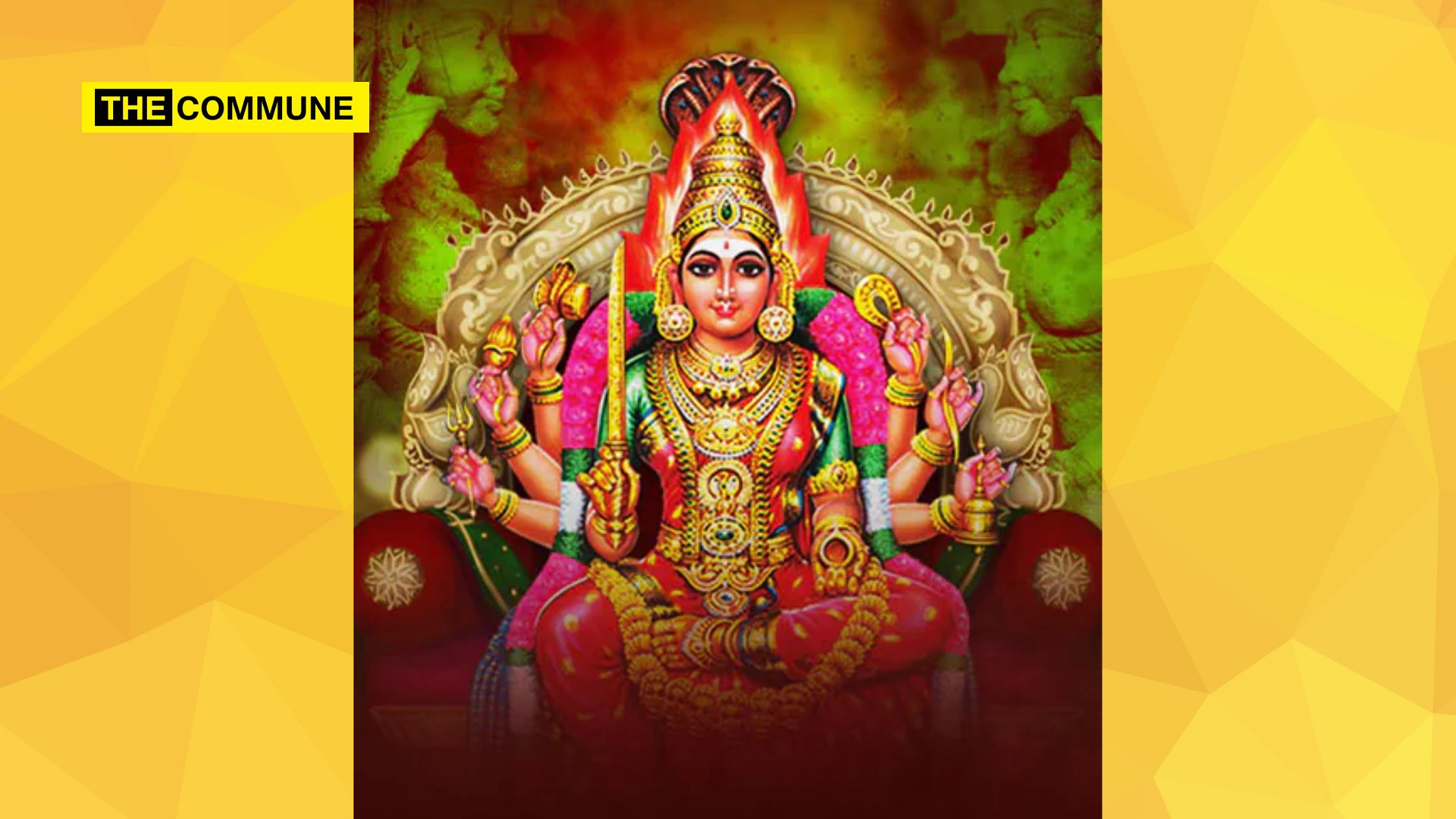
Aadi – The Month When Devi Reigns Supreme

The first time I got curious about the Tamil month of Aadi was when I heard an Illayaraja song that never made it to the movie it was recorded for! The tea shop in Tirunelveli Town at the junction of Amman Sannidhi Street and East Car Street used to play this every morning, of course, after a round of Seerkazhi Govindarajan, TMS, and LR Eshwari.

Adippattam Thedi ChenNel Vidhai Pottu (“ஆடிப்பட்டம் தேடி செந்நெல் விதைபோட்டு”) was the song. I asked my grandfather, a retired Headmaster, the million-dollar question: Why do they sow in Aadi month? Because that is what the song says: “Wait for Aadi to sow your paddy.” My grandfather explained that Aadi is the month that signals the start of the rains, the monsoon. Therefore, what is sown in Aadi gets ready for harvest in time for Thai, the first day of which is Makara Sankranti or Thai Pongal.

Then came my second question: I understand why we sow during Aadi month. Why is it significant for all Amman temples?

On a lighter note, in those days, down south, Aadi was also called the LR Eshwari month because we invariably woke up every morning to her beautifully rendered Amman songs played on the loudspeaker in one nearby temple or the other.

Here is what I understood from my grandfather and a bit more.

Why Is Aadi Significant To Devi?

The Hindu calendar is divided into two Ayanas based on the movement of the Sun: Dakshinayana, the period when the sun begins to move southward in the earth’s sky, is also called the summer solstice, and Uttarayana when the sun moves northward, is also called the winter solstice.

Aadi signals the start of the Dakshinayana period when Surya’s chariot moves from the North to the South. During this period, days are shorter, and nights are longer. During this period, Surya enters Kataka (Cancer) rashi, the rashi of Chandra, the Moon. Surya is the Amsa or manifestation of Ishwara, and Chandra is the Shakti Amsa. As this is the month when the Ishwaramsa enters Shaktiamsa, this month assumes a greater significance when worshipping the Mother, Shakti.

Aadi – A Month Full Of Festivals

Aadi is a month full of action, starting with Adipperukku when the farmers worship the water bodies/ rivers. It is also when freshwater flows in after the season’s first rains. Married women pray to the Devi to bless them as Deerga Sumangais, leading a happy and prosperous married life with their husbands.

Then comes the Aadi Ammavasya – the day every significant for the Pitrus or forefathers. We also have Aadi Pooram, Naga Panchami, Varalakshmi Vratam, Aadi Thapasu (a very famous festival in Sankarankovil, Tamilnadu), Maha Sankatahara Chaturthi, Hayagriva Jayanti and Aadi Kirtigai. Andal of Srivilliputtur and Bhoomadevi were born in Aadi. Women worship the Tulsi plant at their houses on Suklapaksha Dwadasi for health and prosperity in their families.

All the Tuesdays and Fridays of this month are considered to be the most auspicious. Women in Tamil Nadu gather at temples to perform Thiruvilakku Poojai or worship the lamp. During the month of Aadi, people propitiate village gods, Kuladeivam (family gods) and Kavaldeivam (protectors of our villages, towns, and cities).

Weddings In Aadi

In Tamil Nadu, weddings are not conducted during the Aadi month. During Aadi, the bride is sent to her mother’s home while the groom remains at his place. So why do we not marry or consummate in Aadi?

What is a year for us human beings is a day in Devaloka. Aadi typically falls in the Sandhi or twilight. Sandhya Kalam is the time for penance and introspection. It is said to be the best time to meditate. Therefore, we avoid getting married while the Gods meditate to not disturb them by calling them to bless the married couple.

Another reason we don’t get married in Aadi is because a union in Aadi (July-August) may result in a birth in Chittirai (April-May). Chittirai is peak summer, which would be trouble for both the mother and the infant.

Aadi In Kerala

In Kerala, Aadi (Kaṟkkaṭakam in Malayalam) is called Ramayana Maasam or the month of Ramayana. This is the month the Keralites read Adhyatma Ramayana by Thunchaththu Ezhuthachan, the father of modern Malayalam literature. The temples in Kerala also do a paarayana (devotional reading) of Adhyatma Ramayana every morning of the Kaṟkkaṭakam month.

How Did Aadi Become A “Discount” Month In TN?

For today’s consumer, Aadi is a dream month. It is the month of discounts when everything from a paperclip to a diamond necklace is on sale. There is a history to this. Our economy has traditionally been agrarian. We saw earlier that this is the month when the seeds are sown. Therefore, the farmer would have spent all his resources preparing his field and buying and sowing the seeds required. Hence, our ancestors thought it was prudent not to charge full price for anything that the farmer might need till his situation stabilises, and they gave things at a discount to the farmers. Today’s consumer economy has continued the ‘discount’ albeit on a larger scale, making it a month of discounts.

Thiruvalluvar says,

தென்புலத்தார் தெய்வம் விருந்தொக்கல் தானென்றாங்கு
ஐம்புலத்தாறு ஓம்பல் தலை.

Thenpulathaar Deivam Virundhokkal Thaanendraangu
Aimpulathaaru Ombal Thalai

Five are the householder’s duties: offering oblations to the dead, performing sacrifices to the Gods, offering hospitality, rendering help unto relations, and looking after oneself.

The Kural or The Maxims of Thiruvalluvar by VVS Iyer

What better month than Aadi to action what Tiruvalluvar wants us to do?

PS: Adippattam Thedi ChenNel Vidhai Pottu (“ஆடிப்பட்டம் தேடி செந்நெல் விதைபோட்டு”) was recorded for Michael Madana Kama Rajan (1990). But this beautiful song was never used in the movie and only remained in the audio cassette.

Raja Baradwaj is a marketing communications professional who works with a leading technology multinational company. He is an avid reader, history buff, cricket player, writer, and Sanskrit and Dharma Sastra student.

Subscribe to our channels on TelegramWhatsApp, and Instagram and get the best stories of the day delivered to you personally.
Dark August: Uncovering Anti-Hindu Violence That Happened In This Month Over 100 years

Dark August: Uncovering Anti-Hindu Violence That Happened In This Month Over 100 years

In India, despite being the majority, Hindus have been subjected to slaughter and violence by Islamic extremists. Their struggles often remain unnoticed, overshadowed by political agendas and the focus on minority groups. It’s crucial to bear in mind that Hindus have a history of enduring violence on their land for choosing to stay within their Dharmic fold, a fact that should never be forgotten.

With this troubling context in mind, let’s explore the significant anti-Hindu massacres that have taken place in August over the last 100 years.

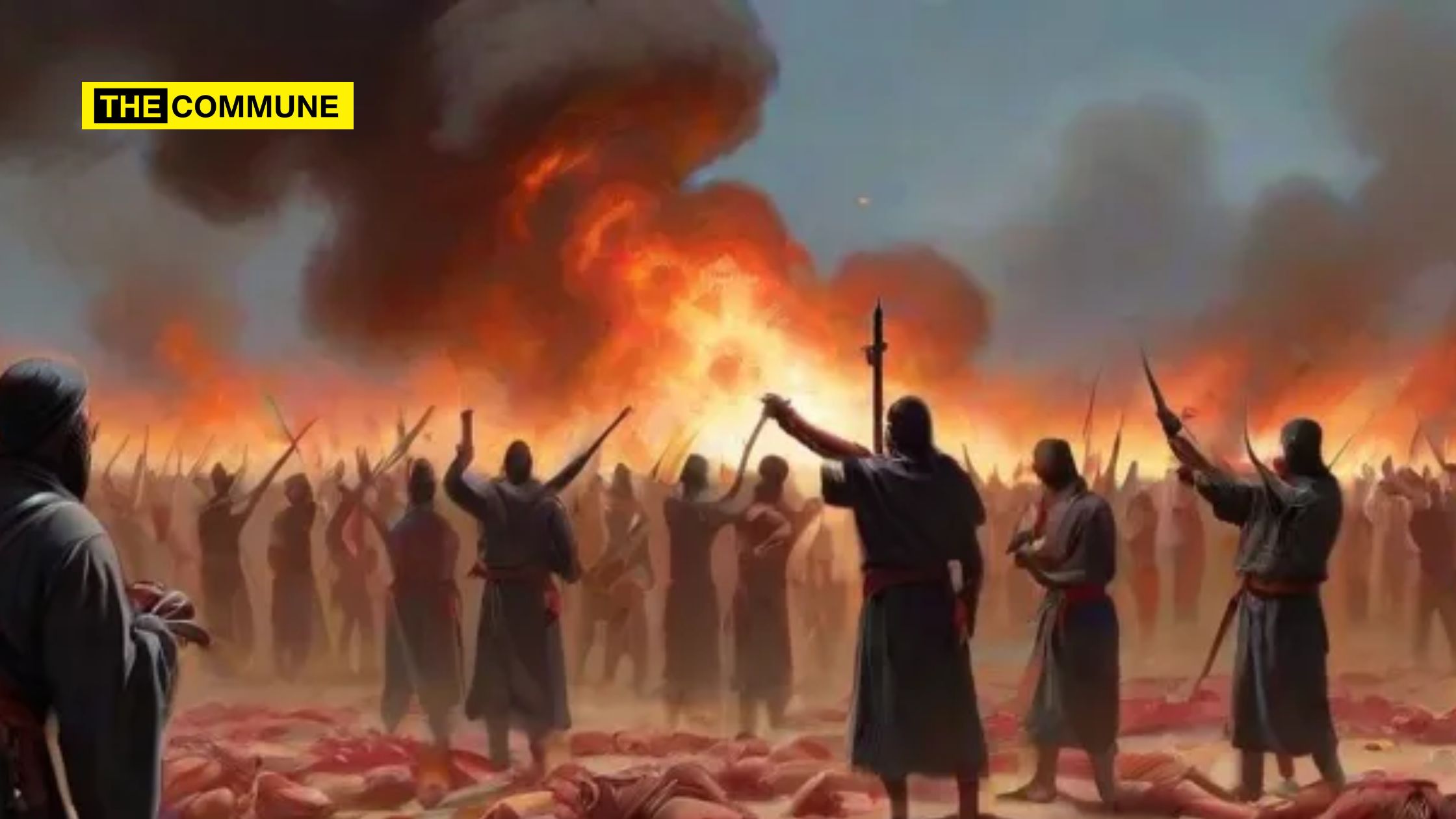
Moplah Massacre Of Hindus In Kerala – 20 August 1921

The Moplah Rebellion, which began on 20 August 1921, is often referred to as the first jihad against Hindus in India. This date is marked as a black day in the history of Kerala. The massacre, which initially started as an uprising against British rule after the fall of Caliphate, took on a communal dimension. During the unrest, Moplah Muslims killed thousands of Hindus, raped Hindu women, and forcibly converted many Hindus to Islam. The Moplah Massacre of Hindus remains a contentious topic in Kerala, particularly among political parties.

It coincided with the Khilafat Movement, which aimed to restore the Ottoman Caliphate after Turkey’s defeat in World War I. The British had deposed the Caliph, angering Muslims worldwide. The Khilafat Movement, supported by prominent figures like Abul Kalam Azad, Zafar Ali Khan, and Mohammad Ali, sought to reinstate the Caliphate. Mahatma Gandhi supported this movement, hoping to unite Hindus and Muslims against British rule.

In Kerala, Moplah Muslims, who were mainly small farmers and traders, were influenced by radical clerics. They worked as sharecroppers or tenants for upper-caste Hindu landlords who controlled land and businesses. Initially targeting the British, the rebellion shifted focus to the Hindu landlords. This, driven by grievances over low wages and poor working conditions, escalated into violence against upper-caste Hindus.

The Moplah Massacre of Hindus saw severe violence, including the burning of police stations and looting of government treasuries. The violence extended to attacking wealthy Hindus, resulting in numerous deaths and widespread suffering. Thousands of Hindus were killed, women were raped, and many were coerced into converting to Islam. In response, the Arya Samaj initiated a purification movement to reconvert these individuals back to Hinduism, and its leader, Swami Shraddhanand, was assassinated in December 1926.

Ultimately, the Moplah Massacre of Hindus failed due to its communal turn and the ensuing violence. The legacy of the rebellion continues to be a point of contention, with ongoing blame directed at the Muslim community for the events.

Calcutta Riots In West Bengal – 16 August 1946

The Calcutta Riots of 1946, often referred to as the “Great Calcutta Killing,” were a series of intense and violent confrontations between Hindus and Muslims in Calcutta (now Kolkata), Bengal, from 16 to 19 August, 1946. This tragic episode is among the most notorious massacres of the 1946-47 period, with estimates suggesting between 5,000 and 10,000 people were killed and around 15,000 were injured. The events remain deeply controversial, with various perspectives from Britain, India, Pakistan, and Bangladesh offering differing accounts and assigning blame.

These riots erupted amid growing tensions between the Congress Party, which primarily represented Hindus, and the Muslim League, which advocated for the interests of Muslims. As India approached independence, a transition announced by British Prime Minister Clement Attlee in March 1946, the two groups had divergent visions for the country’s future. The Muslim League, which had been pushing for the creation of Pakistan since 1940, rejected a British proposal for an interim government in May 1946 and declared 16 August as “Direct Action Day.” This decision led to widespread violence.

In Bengal, the situation was particularly complex. Muslims constituted a majority (54%) in the province, with a significant concentration in Eastern Bengal (now Bangladesh). The province was governed by a Muslim League administration led by Chief Minister Hussain Suhrawardy, a highly contentious figure. Calcutta, with its Hindu majority (73%) and a substantial Muslim minority (23%), became the epicentre of the violence. The Hindu Marwari community, which dominated the city’s economy, contrasted sharply with the largely impoverished Muslim population.

The question of who was responsible for the violence remains hotly debated. Accusations have been directed at the Muslim League, and particularly Suhrawardy, for allegedly inciting the violence. Controversy surrounds Suhrawardy’s role, including his presence in the Police Control Room and his supposed encouragement of the Muslim League crowds. Governor Burrows also faces criticism for his perceived failure to act decisively; however, he contends that any intervention might have triggered a broader political crisis and took action as soon as possible. The exact number of casualties remains uncertain, but the violence was exceptionally brutal, involving mutilation and rape. The majority of the victims were poor Muslims, underscoring the socio-economic disparities. Both communities suffered from the violence, which also included casualties from police and military actions.

Reliable accounts of the events are limited. An official inquiry led by Sir Patrick Spens was established but never published its findings. The Great Calcutta Killing remains a poignant memory for those who lived through it, yet it is notably absent from official historical narratives in India and Bangladesh. This omission is partially due to political considerations and a focus on nation-building after independence. While the event began to receive renewed scholarly attention in the 1990s, it continues to be a relatively marginal episode in the broader history of Bengal.

Jagdev Kalan massacre in Punjab – 06 August 1987

The 1987 Jagdev Kalan massacre took place amid the turmoil of the Khalistan separatist movement in Punjab, India. Sikh militants executed 12 individuals, coercing them to chant “Long Live the Sikh Nation.” This violent episode was part of a broader conflict that resulted in the loss of thousands of lives in the struggle for an independent Sikh state.

Kishtwar Massacre (1) In Jammu & Kashmir – 14 August 1993

The 1993 Kishtwar massacre occurred on 14 August 1993, when Muslim militants targeted 16 to 17 Hindu bus passengers in the Sarthal area of Kishtwar district, part of the former state of Jammu and Kashmir in India. This event marked the beginning of a series of communally driven attacks against Hindu civilians during the insurgency in the region.

On that day, three militants armed with AK-47s hijacked a local bus. After forcing women and children off the bus, they took the remaining male passengers to a meadow and separated them into two groups. The militants then opened fire, killing 14 individuals on the spot and two more later in a local hospital.

In the aftermath, the imam of a Kishtwar mosque condemned the killings and called for a strike to curb potential inter-community violence in a town with a mixed Hindu and Muslim population. The attack was denounced by groups such as the JKLF and Hizbul Mujahideen, and a curfew was imposed across the Jammu region. The massacre led to some Hindus fleeing the area and marked the spread of insurgent violence from the Kashmir Valley into the Jammu region. Political reactions included protests and rallies, and local militias known as Village Defence Committees (VDCs) were established to prevent further migrations similar to those of Kashmiri Hindus from the Kashmir Valley. Indian intelligence agencies have alleged that Pakistani militant Muhammad Sajjad Khan, also known as Sajjad Afghani, orchestrated the massacre. As of 2023, no one has been tried or convicted for this attack.

Chamba Massacre In Himachal Pradesh – 3 August 1998

The 1998 Chamba massacre occurred on 3 August 1998, when Hizbul Mujahideen militants killed 35 Hindus in the Chamba district of Himachal Pradesh, India. The attack was carried out by Pakistan-trained terrorists who targeted mainly labourers. The violence unfolded in two separate incidents: one in the Kalaban area, where 26 people were killed and eight were injured, and another in Satrundi, where five were killed and three were wounded.

The massacre came to light when two injured survivors from Kalaban, Dhian Singh and Beli Ram, managed to walk eight kilometres through dense forests to report the incident to the nearest Mansa police station. The killings led to tensions between Muslim Gujjars and Hindu Gaddis.

In the aftermath, top Hizbul Mujahideen operative Billu Gujjar was apprehended by Punjab Police in Pathankot a few days later in connection with the massacre.

Amarnath Pilgrimage Massacre In Jammu & Kashmir – 01 August 2000

The Amarnath pilgrimage attack, which occurred on 1st and 2nd August 2000, resulted in the deaths of at least 89 to 105 people and injuries to at least 62 others. This series of coordinated assaults by Islamist militants took place in Anantnag and Doda districts of Indian-administered Kashmir.

On 2 August, 32 people were killed in a massacre at the Nunwan base camp in Pahalgam. The victims included 21 Hindu pilgrims, 7 local Muslim shopkeepers, and 3 security personnel, with 7 others injured. The total number of fatalities across the attacks ranged from 89, according to official counts, to 105 as reported by PTI.

The attacks also targeted various locations on 2 August that year, including:

  • Mirbazar-Qazigund and Sandoo-Acchabal in Anantnag district, where at least 27 migrant laborers from Uttar Pradesh, Bihar, and Madhya Pradesh were killed.
  • A remote village in Doda district, where at least 11 unarmed civilians were killed in a pre-dawn attack.
  • A village in Kupwara, where terrorists killed 7 unarmed civilians, including members of a family related to a surrendered former militant.
  • Kayar village in Doda district, where 8 unarmed civilians were killed and 2 more were injured in an ambush on a Village Defence Committee patrol.

Following the attacks, then-Prime Minister Atal Bihari Vajpayee accused Pakistan of attempting to undermine democracy in Jammu and Kashmir.

Kishtwar Massacre (2) In Jammu & Kashmir – 3 August 2001

The 2001 Kishtwar massacre – 2 occurred on 3 August 2001, when Lashkar-e-Taiba militants killed 17 Hindu villagers in the village of Ladder, near Kishtwar in the Doda District of Jammu and Kashmir. A group of 10 militants targeted the village, forcibly removing 20 Hindu men from their homes. They were taken to a nearby rocky area where they were shot. Additionally, five villagers were injured in the assault.

The massacre was a major topic of discussion in the Indian parliament, with opposition parties criticizing the government’s response. Three days later, security forces killed Lashkar-e-Taiba terrorist Mujib-ur-Rahman, who had noted in his logbook, dated 3rd August, “The warriors of the Lashkar-e-Taiba have killed 19 unbelievers. This is our challenge to the Indian government.” In response to the killings, Jammu observed a complete bandh the following day. Protesters in Jammu, Kathua, and Udhampur burned Pakistani flags and effigies of General Pervez Musharraf as part of their demonstrations against the massacre.

Muzaffarnagar Riots In Uttar Pradesh – 27 August 2013

The Muzaffarnagar riots of 2013, which erupted in the Muzaffarnagar district of Uttar Pradesh, India, resulted in significant violence between the Jat and Muslim communities. The clashes led to the deaths of at least 93 people, displaced over 50,000 individuals, and injured more than 50 people. By 17 September, the curfew was lifted across the affected areas, and the army was withdrawn.

Described as “the worst violence in Uttar Pradesh in recent history,” these riots prompted the deployment of the army in the state for the first time in two decades. The Supreme Court of India, reviewing the situation, found the Akhilesh Yadav-led Samajwadi Party prima facie negligent in preventing the violence and instructed immediate arrests of all accused, regardless of their political affiliations. The Court also criticized the Central government for its failure to provide timely intelligence to the Samajwadi Party administration.

On 21 August 2013, communal clashes broke out in Muzaffarnagar, leading to police cases against 150 individuals and the arrest of 14. The conflict between the Jat and Muslim communities escalated by 27 August that year. The origins of the riots when Shahnawaz Qureshi sexually harassed a woman from the Jat community. In retaliation, the woman’s brothers, Sachin and Gaurav, murdered Shahnawaz on 27 August 2013. The next day, Shahnawaz’s brothers ensuing violence led to the deaths of two brothers, Sachin and Gaurav Singh, who were lynched by a Muslim mob. Following the killings, both communities began attacking each other. Despite the police’s intervention, the violence continued, leading to further clashes and numerous casualties.

On 7 September, the situation worsened with the Jauli Canal incident, where a large group of Hindus returning from a Panchayat meeting were ambushed by a Muslim mob, leading to numerous casualties. Reports suggested that many bodies were dumped into the canal, though the exact number of deaths remains unclear.

Despite a curfew and military deployment, violence continued for several days, with casualties rising to 43 by 12 September. The violence included cases of sexual assault, with 13 rape cases reported and 111 individuals named in these incidents by mid-November 2013, though no arrests had been made at that time.

A Mahapanchayat held in Sardhana on 29  September turned violent, leading to further unrest. On 30 October, additional clashes occurred, resulting in more casualties and prompting increased police and military presence.

Approximately 1,000 troops were deployed, with additional forces from the Provincial Armed Constabulary (PAC), Central Reserve Police Force (CRPF), and Rapid Action Force (RAF). The police made around 10,000 to 12,000 preventive arrests, seized 2,000 arms, and canceled 2,300 arms licenses.

By 31 August, five FIRs had been registered, and eleven individuals were arrested, including political leaders accused of inciting violence. The Uttar Pradesh government announced a judicial commission led by retired Justice Vishnu Sahay to investigate the violence, and several senior officials were removed for their inadequate handling of the situation.

Subscribe to our channels on TelegramWhatsApp, and Instagram and get the best stories of the day delivered to you personally.