Home Blog Page 624

“HR&CE Doing The Work Of Vasool Raja”: Madurai Bench Of Madras HC Slams TN HR&CE Department For Neglecting Temple Maintenance

HR&CE Doing The Work Of Vasool Raja: Madurai Bench Of Madras HC

The Madurai Bench of the Madras High Court has sharply criticized the Hindu Religious and Charitable Endowments (HR&CE) Department of the DMK government for failing to properly maintain temples under its control, particularly the historic Rameswaram Ramanatha Swamy Temple. The court likened the department’s functioning to that of “Vasool Raja MBBS jobs,” implying that the department is more focused on revenue collection than on temple upkeep and filling crucial vacancies.

The remarks were made during the hearing of a public interest litigation (PIL) filed by lawyer Yanai Rajendran, who sought to fill the vacant posts of priests and officers at the Rameswaram temple. Rajendran highlighted that, according to regulations, the temple should have 12 priests (Gurus) and 19 assistant priests. However, only 2 priests and 7 assistants are currently employed. Additionally, he noted that 42 other key positions, including that of Bhagavatars, remain unfilled.

Rajendran pointed out that despite the temple generating more than ₹90 crore annually, the HR&CE Department has neglected its responsibilities, particularly in maintaining temple operations and filling vacancies. He argued that the lack of adequate staff is affecting the conduct of daily rituals and pujas, which are vital to the temple’s spiritual and cultural activities.

The bench, comprising Justices Subramanian and Victoria, questioned the HR&CE Department about the sanctioned number of priests and staff for the Rameswaram temple and how many were actually employed. The court also sought details on the temple’s annual income and expenditure, ordering the department to submit a comprehensive report addressing these issues.

The Rameswaram Ramanatha Swamy Temple is one of the most revered and ancient temples in Tamil Nadu, attracting thousands of devotees daily, especially on auspicious days. The PIL has brought to light broader concerns about the HR&CE Department’s oversight and the overall condition of temple maintenance across the state.

The court’s directive is seen as a critical step toward ensuring that the necessary appointments are made to restore the temple’s operations to full capacity.

(With inputs from OneIndia Tamil)

Subscribe to our channels on TelegramWhatsApp, and Instagram and get the best stories of the day delivered to you personally.

Neither You Nor Your 3 Generations Can Restore J&K’s Statehood: Amit Shah On Rahul’s Claim

After Haryana Poll Win, Amit Shah Hits Out At Rahul Gandhi For Tarnishing India's Image Abroad

Senior BJP leader and Union Home Minister Amit Shah on Thursday rubbished claims of Congress leader Rahul Gandhi and National Conference leader Omar Abdullah of restoring Jammu and Kashmir’s statehood, saying that “neither you nor your three generations can do the same”.

Addressing a rally in Chenani in support of party candidate Balwant Singh Mankotia, Shah said that they (Congress-NC) claim that they will restore the statehood of Jammu and Kashmir, but it can be done only by Parliament.

Jammu and Kashmir’s statehood will be restored, but Prime Minister Narendra Modi will do it, he said. Hitting out at Gandhis, Abdullahs and Muftis, he said: “During the rule of three families (Congress, NC, PDP) in Jammu and Kashmir, 40,000 people were killed. In the past 35-40 years, curfews were imposed for 3,003 days. However, after Narendra Modi came to power and Article 370 was abrogated, there were no bomb explosions and no stone pelting.”

Slamming Omar Abdullah for advocating for Afzal Guru, Union Minister Shah asked the audience whether the Parliament attack convict should have been hanged or not, to which the public replied in affirmative.

He also promised to increase the limit of the golden card for free health treatments from ₹5 lakh to ₹10 lakh and assistance from ₹6,000 to ₹10,000. Citing that the former Union Home Minister Sushilkumar Shinde had revealed that he was afraid to visit Lal Chowk, Union Minister Shah, highlighting the changed security scenario in the state, said, now anybody can go there.

“Lal Chowk is now celebrating Muharram, Janmashtami with fervour and no untoward incident is being reported,” he said. He promised an international airport in Jammu, a water sports facility in Ranjit Sagar dam, ₹3,000 to college students as travel allowance, laptops and tablets to children up to higher secondary level. The Union Minister said: “Udhampur will become a pharmaceutical hub, we will form a hill development board for speedy development of hilly areas in Jammu division.”

–IANS

Subscribe to our channels on TelegramWhatsApp, and Instagram and get the best stories of the day delivered to you personally.
India Today Report Exposes Shocking Drug Abuse Near DMK’s Youth Wing Office In Chennai

India Today Report Exposes Shocking Drug Abuse Near DMK's Youth Wing Office In Chennai

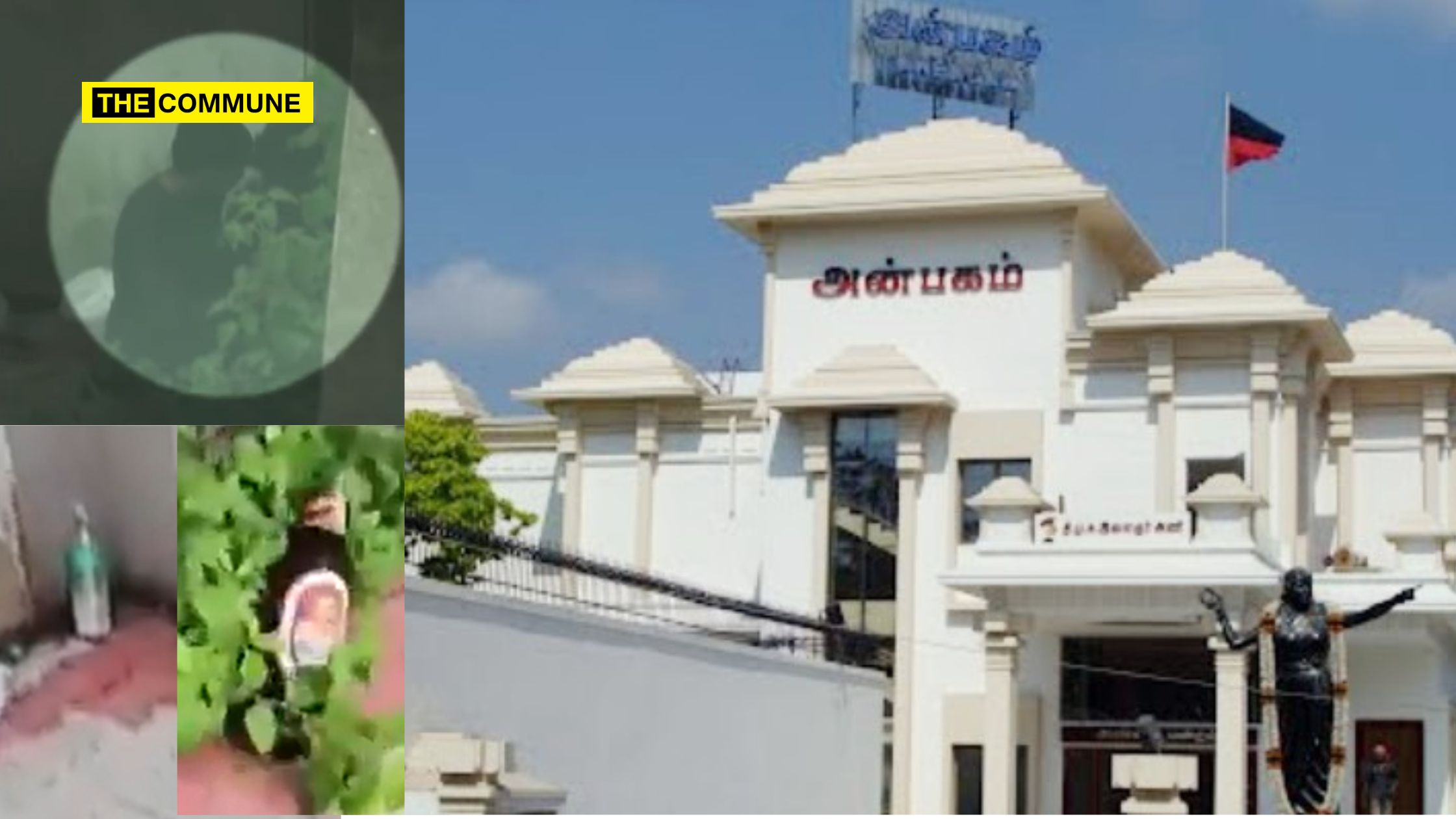
Alarming visuals have surfaced showing instances of drug abuse in a secluded area near the DMK party headquarters in Chennai, raising concerns about the effectiveness of the Tamil Nadu government’s efforts to curb drug-related activities. The footage, exclusively accessed by India Today, reveals individuals consuming alcohol and drugs in a space located next to prominent landmarks, including a central government office, a metro station, and the DMK’s Anbagam office on Anna Salai.

The location, despite being in the heart of the city, has reportedly been used by anti-social elements as a hub for substance abuse. The secluded nature of the spot has allowed these activities to continue unchecked despite the area’s proximity to key government buildings.

This revelation has cast a spotlight on the ongoing drug abuse challenge faced by the DMK government in controlling the growing drug menace in Tamil Nadu. Despite efforts to tackle the issue, this incident has sparked criticism, with opposition parties accusing the government of failing to address the problem effectively, even in high-profile areas under its jurisdiction.

Subscribe to our channels on TelegramWhatsApp, and Instagram and get the best stories of the day delivered to you personally.

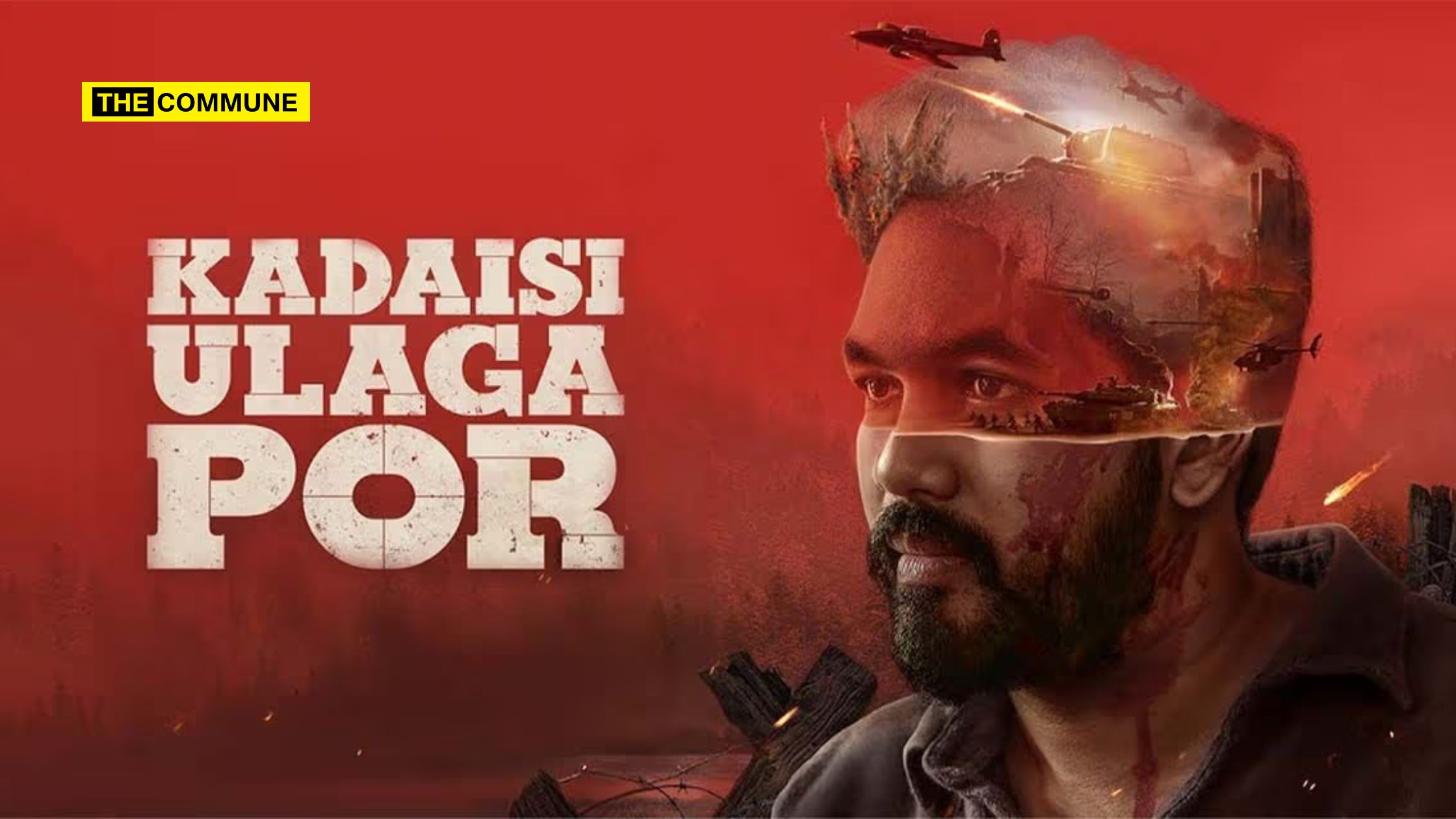
Kadaisi Ulaga Por: A Hip Hop Ode to Unity And Nationalism

Kadaisi Ulaga Por: A Hip Hop Ode to Unity And Nationalism

Hiphop Tamizha’s “Kadaisi Ulaga Por” (The Last World War), released in 2024, transcends the typical action-packed sci-fi war movie genre. It embeds a profound message about the importance of nationalism and unity within its thrilling narrative. The film’s dystopian backdrop serves as a unique canvas to paint a story that resonates with contemporary social and political realities, while also highlighting the courage and spirit of the Tamil Indian people.

In the dystopian year 2028, Tamil Nadu Chief Minister GNR’s (Nassar) illness triggers a power struggle. His cunning brother-in-law Natarajan (Natty) schemes to install GNR’s daughter Keerthana (Anagha) as his political puppet. But Keerthana defies her uncle and initiates bold reforms with the support of her partner Thamizh (Adhi). Their progress is abruptly halted when the expansionist Chinese Forces with the meek “One Nation, One Republic” agenda, replaces the UN (United Nations) by forming the Republic Alliance, and unleashes devastation on non-compliant nations. Chennai is decimated, and its citizens face genocide at the hands of Republic soldiers. Amidst the chaos, some manage to escape. In this shattered world, Thamizh and his band of patriots rise to fight for their homeland and reclaim their freedom.

The protagonist, Tamizh, played by Hiphop Tamizha himself, begins as an ordinary young man thrust into extraordinary circumstances. As the world crumbles around him, Tamil’s dormant leadership qualities emerge, revealing his deep-seated patriotism and ability to unite people in the face of adversity. The film’s clever political satire adds another layer, prompting laughter while also provoking thoughtful reflection on the current political climate. The message is clear: amidst forces that seek to divide us, unity is our greatest strength.

Natty, alias Nataraj, shines in his dual role as both the narrator and as the anti-hero. His character arc is a testament to the transformative power of challenging times. He begins as an antagonist, selfish and cruel, but evolves into a wise guide and pillar of support for Tamizh. Natty’s nuanced performance expertly captures this growth, making his character relatable and inspiring.

In “Kadaisi Ulaga Por,” the enigmatic Priyanka Pariera emerges as a chilling antagonist, a ruthless commander within the Republic’s forces. Representing the oppressive regime, he carries out the organisation’s genocidal agenda with chilling efficiency. His history with the massacre of Sri Lankan Tamils, though not spoken in depth adds an emotional appeal to the Tamil audience. Pariera’s cold demeanor and strategic brilliance make her a formidable adversary for Thamizh and his resistance fighters. He embodies the dehumanizing nature of conflict and the lengths some will go to achieve their ideological goals, even at the cost of countless lives.

The film’s technical aspects are equally commendable. Hiphop Tamizha’s signature music infuses the narrative with energy and emotion, while the action sequences and visual effects are commendable to have come from the young music director who has transformed into a director. “Kadaisi Ulaga Por” isn’t simply an entertaining spectacle; it’s a thought-provoking exploration of themes like nationalism, unity, and leadership. It is a timely film that inspires a sense of patriotism and underscores the importance of togetherness in today’s world. Hiphop Tamizha’s directorial vision, coupled with the stellar performances of the cast and crew, makes this film a remarkable achievement.

A notable aspect of “Kadaisi Ulaga Por” is its deliberate focus on the Tamil Nadu front, leaving the status of the war outside the state largely unexplored. While the film attributes this lack of information to wartime communication disruptions, it does leave a degree of ambiguity. However, considering the movie’s primary aim to ignite a sense of unity and patriotism, rather than provide a comprehensive war chronicle, this choice is understandable.

While “Kadaisi Ulaga Por” undeniably triumphs in its storytelling and powerful message, there are moments where Hiphop Tamizha’s relative inexperience in filmmaking and screenwriting becomes apparent. Certain parts, like the rushed and unconvincing love track, the government’s wartime response, and the backstory of Thamizh as an anti-poaching squad member, limited development on minor characters, etc., could have benefited from tighter execution and a more refined narrative flow. However, the sheer strength of the story and its underlying themes of unity and patriotism overshadow these flaws, ultimately contributing to the film’s success.

“Kadaisi Ulaga Por” goes beyond mere entertainment. It’s a call to action, particularly for the younger generation, to embrace their national identity and recognize the strength that lies in unity. For this to have come from a youth icon – the Coimbatore boy, adds the necessary influential element to the movie. The deliberate choice to name the film “The last world war”, instead the third, suggests the end of wars and the beginning for unity. In a world often marred by division, this film’s message of hope and solidarity is more crucial than ever. Kudos to the Coimbatore Singa Kutty!

(This article was originally published in The Verandah Club and has been republished here with permission.) 

Vigneshwaran is Senior Correspondent of TheVerandahClub.com

Subscribe to our channels on TelegramWhatsApp, and Instagram and get the best stories of the day delivered to you personally.

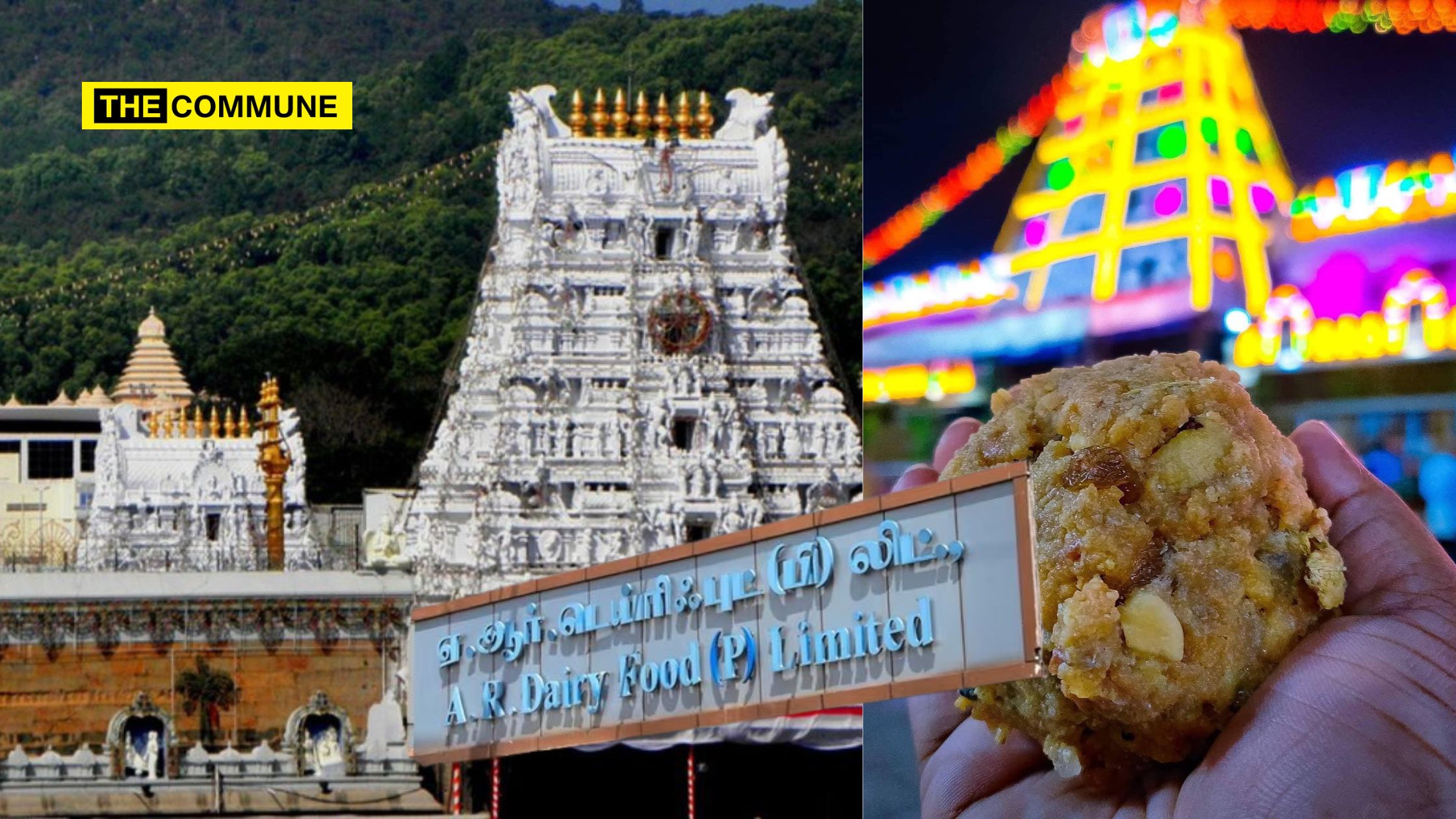
TTD Files Complaint Against AR Dairy For Allegedly Supplying Adulterated Ghee

TTD Files Complaint Against AR Dairy For Allegedly Supplying Adulterated Ghee

The Tirumala Tirupati Devasthanams (TTD), the governing body of the revered Lord Venkateswara temple in Tirumala, has lodged a formal complaint against Tamil Nadu-based AR Dairy Foods Pvt Ltd, accusing the company of supplying adulterated ghee used in temple rituals, including the preparation of the famous laddu prasadam. The complaint was filed by TTD’s procurement general manager, Murali Krishna, at the Tirupati East police station.

Tirupati district Superintendent of Police, L. Subbarayudu, confirmed the complaint, stating that AR Dairy is accused of violating TTD’s stringent quality standards. Initial lab tests reportedly found foreign fats, including animal fat and lard, in the ghee supplied by AR Dairy. The case has been registered under multiple legal provisions and may be handed over to the Special Investigation Team (SIT), formed by the Andhra Pradesh government to investigate similar cases.

Earlier, TTD Executive Officer, J. Shyamala Rao, revealed in a press briefing that lab tests conducted on samples of the ghee supplied by AR Dairy indicated the presence of foreign fats such as soybean, sunflower, palm kernel fat, or even lard and beef tallow. An S-value analysis of the ghee samples conducted by the NDDB CALF lab in Anand revealed significant deviations from the acceptable range for pure milk fat, which should be between 98.05 and 104.32. The tested samples showed values ranging from 23.22 to 116, indicating possible adulteration.

Despite these findings, AR Dairy Foods has denied the allegations, asserting that all their products have passed quality checks. The company stated that they supplied ghee to TTD only during June and July and maintained compliance with all required standards.

According to TTD, five companies—Premier Agri Foods, Kriparam Dairy, Vaishnavi, Sri Parag Milk, and AR Dairy—supplied ghee for temple use, with prices ranging from ₹320 to ₹411 per kilogram. Four ghee tankers from AR Dairy were found to be substandard.

The Chandrababu Naidu government established a Special Investigation Team (SIT), led by Guntur Range DIG Sarvasresta Tripathi, to investigate the case and provide a detailed report. TTD officials have warned of criminal proceedings if the allegations are proven.

In response to the ghee shortage caused by the rejection of AR Dairy’s supplies, the TTD placed an order for 10 lakh kilograms of ghee with the Karnataka Milk Federation (KMF). Tankers carrying Nandini ghee from KMF have already arrived at Tirumala to meet the temple’s ghee requirements.

The investigation continues, and TTD has reiterated its commitment to maintaining strict quality control for all products used in temple services and prasadam preparation.

(With inputs from ABPLive)

Subscribe to our channels on TelegramWhatsApp, and Instagram and get the best stories of the day delivered to you personally.

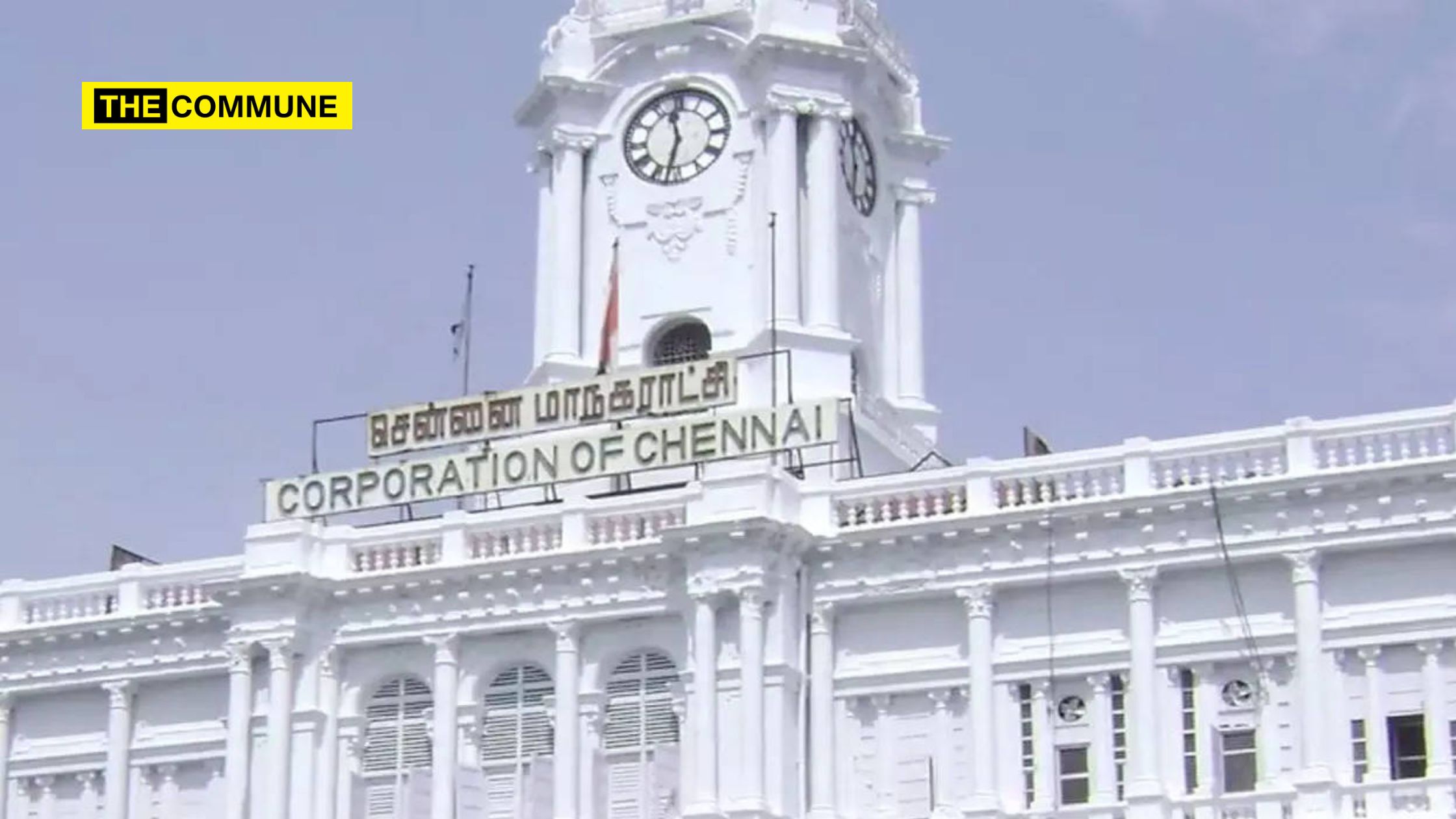
Dravidian Model: Chennai Corporation Diverts Sanitary Workers & Staff Nurses From PHCs To Work At IAS Officers’ Homes

Dravidian Model: Chennai Corporation Diverts Sanitary Workers & Staff Nurses From PHCs To Work At IAS Officers' Homes dump yard gcc sanitation workers waste

The Greater Chennai Corporation (GCC) recently instructed 29 sanitary workers and staff nurses from 13 understaffed Urban Primary Health Centres (UPHCs) to work at the homes of two senior IAS officers rather than perform their regular duties. The officers include a Principal Secretary, a former GCC Commissioner, and another senior official who has served in four state government departments.

The New Indian Express (TNIE) verified that at least one worker reported to the Principal Secretary’s residence in Anna Nagar, where workers and nurses were asked to provide care for an elderly woman. GCC officials prepared unsigned rosters for the staff, listing shifts until the end of October, which TNIE reviewed. A WhatsApp group was also created to coordinate the sanitary workers and staff nurses.

Several workers confirmed to TNIE that they had been instructed to care for the senior citizen, which involved bathing and washing clothes. However, they expressed concerns over safety, disapproval from family members, and extended hours, such as working from 8 PM to 8 AM. No additional pay was promised for this work.

Despite resistance from the staff, some were reportedly pressured to report for duty and were offered transportation. The absence of these workers from UPHCs, already short-staffed, would likely impact public health services.

Many workers were shocked by the assignment. One worker, a single woman, expressed fear over working overnight in an unfamiliar house, while others said performing personal duties at officers’ homes was not part of their job. Several also worried about how this would affect their family responsibilities.

When questioned, City Health Officer M Jagadeesan dismissed the rosters as unofficial due to the lack of signatures but later promised to investigate. Other senior GCC officials and the Principal Secretary did not respond to queries by news reporters, and Municipal Administration Minister KN Nehru, when contacted, declined to comment, citing illness.

Subscribe to our TelegramWhatsApp, and Instagram channels and get the best stories of the day delivered to you personally.
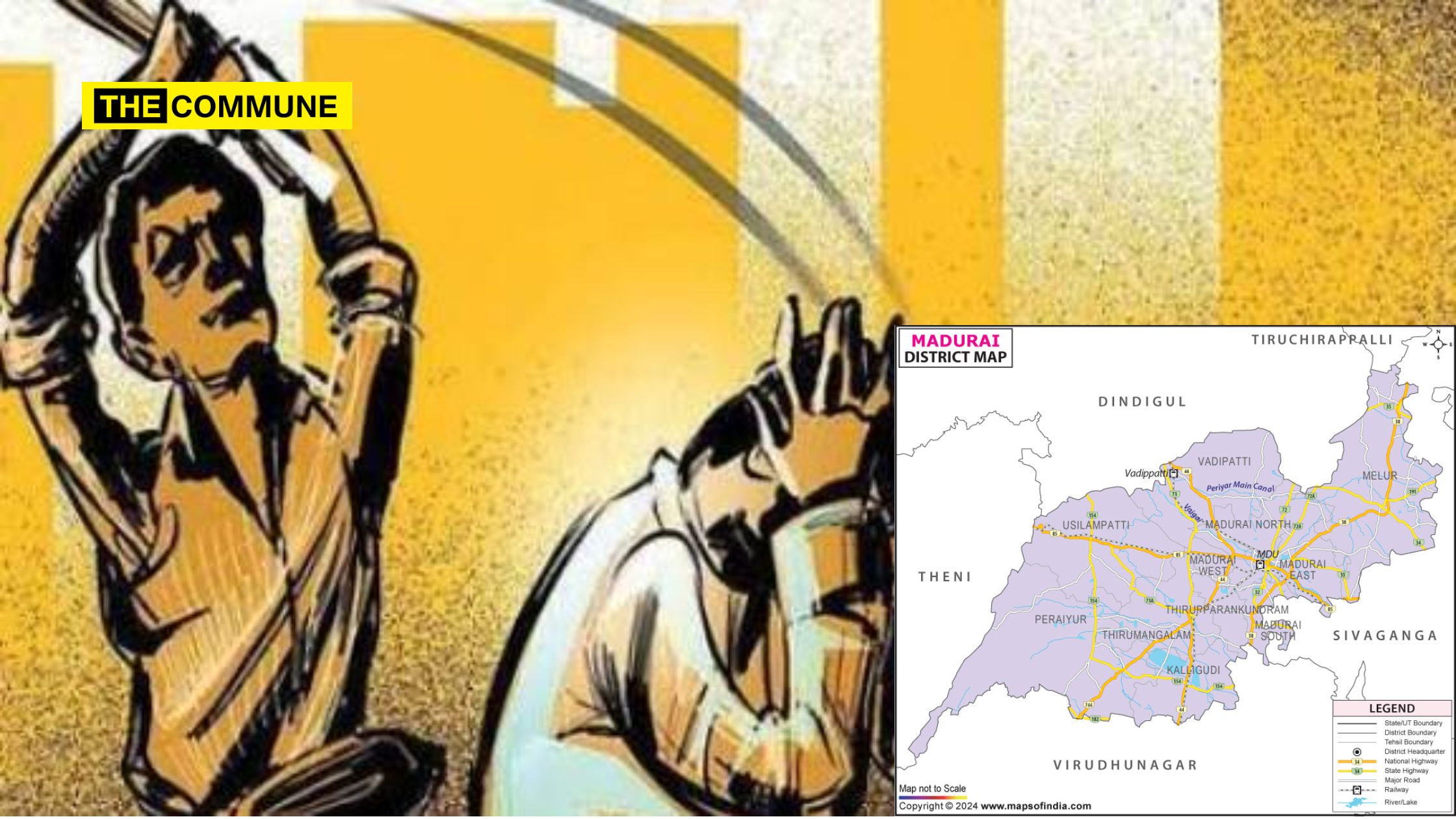
Madurai Tops List For Caste-Related Atrocities In Tamil Nadu

Madurai has emerged as the leading district in Tamil Nadu for caste-related atrocities, ranking first among the top 10 districts where such incidents are most common, according to the Police Social Justice Human Rights Division. Of the 394 villages across Tamil Nadu identified as prone to caste-based violence, 171 are located in the southern districts.

A report by the Police Social Justice Human Rights Wing, updated until March this year, highlights that 394 villages in Tamil Nadu are vulnerable to caste-related atrocities.

Madurai tops the list with 45 villages, followed by Tirunelveli with 29 villages, Trichy with 24, Thanjavur with 22, and Theni with 20. Despite holding 335 awareness meetings in the affected districts, especially in Madurai, efforts to curb caste atrocities have not been fully successful.

Karthik, a social activist from Madurai, who accessed the data through the Right to Information (RTI) Act, told reporters that last year saw more awareness meetings than in the previous three years. However, he noted that transforming these villages into socially harmonious communities remains a significant challenge.

To address this issue, Karthik suggested that the Adi Dravidian Tribal Welfare Department, the Police Social Justice Human Rights Division, and the Social Welfare Department collaborate to conduct awareness campaigns in more villages where caste atrocities are prevalent. He also recommended creating ‘role model’ villages that promote reconciliation and offering incentives to encourage peaceful coexistence in the identified 394 villages.

(With inputs from Dinamalar)

Subscribe to our channels on TelegramWhatsApp, and Instagram and get the best stories of the day delivered to you personally.

Tiruchendur Temple Faces Backlash Over ₹1,000 Quick Darshan Fee For Kanda Shashti Festival, Some Reports Say Order Withdrawn

Tiruchendur Temple Faces Backlash Over ₹1,000 Quick Darshan Fee

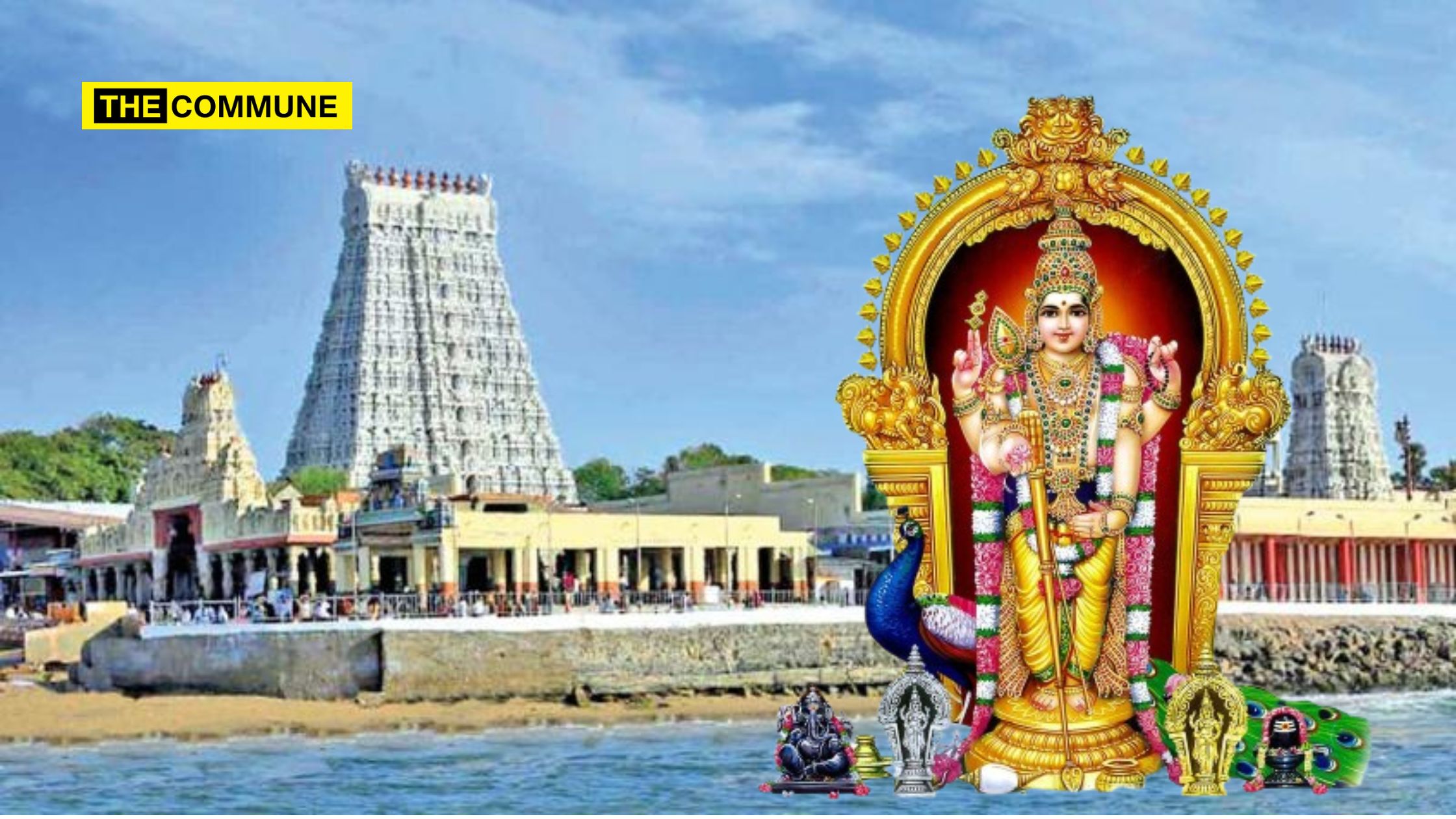
The Subramania Swamy Temple in Tiruchendur, one of the six sacred abodes (*Arupadai Veedu*) of Lord Murugan, is drawing criticism from devotees after the temple administration announced a ₹1,000 fee for quick darshan during the upcoming Kanda Shashti festival. This annual festival, one of the most significant for the temple, will be celebrated for eight days from 2 November to 9 November 2024, attracting thousands of devotees from Tamil Nadu, other states, and even abroad.

The Kanda Shashti festival commemorates Lord Murugan’s victory over the demon Surapadman, with the highlight being the Surasamharam, a dramatic reenactment held on the beach, which will take place on 7 November 2024. Devotees typically observe fasts and stay at the temple for the entire six days of the festival.

Quick Darshan Fee Controversy

In anticipation of large crowds and long queues, the temple administration announced that a ₹1,000 fee for quick darshan would be charged, similar to last year’s arrangement. This fee would apply for the full eight days of the festival. The decision aimed to ease the congestion in the fee-free and ₹100 darshan queues, particularly for those fasting for Kanda Shashti.

However, devotees met the move with outrage, who accused the temple of undermining the principle that all are equal before God. Critics pointed out that, despite the temple’s significant income, basic facilities for worshippers remain lacking. One devotee remarked, The temple earns Rs.3 crore per month, yet less than 10% is spent on improving temple facilities. The introduction of these fees only serves to prevent larger numbers of devotees from attending.”

In response to the public outcry, ETV Bharat reported that the temple administration swiftly withdrew the ₹1,000 quick darshan fee, stating that they would accept suggestions and objections from the public before making a final decision.

The Tiruchendur Murugan Temple is the second of Lord Murugan’s six sacred abodes, located on the coast of Thoothukudi district. Apart from Kanda Shashti, the temple also celebrates major festivals like Thaipusam, Panguni Uttaram, and Vaikasi Visagam, drawing devotees from across India and abroad.

Kanda Shashti, the most prominent festival, takes place every year starting from the day after the new moon in the Tamil month of Aippasi. Lakhs of devotees attend the festival, which includes special rituals and Yagasala Pujas beginning on 2 November 2024.

In 2023, there were media reports on steep increases in darshan fees, with Abhishekam Darshan rising from ₹500 to ₹3000 and Vishwarupa Darshan from ₹100 to ₹2000. Quick Darshan fees also surged from ₹100 to ₹1000. However, HR&CE officials clarified that a 2017 government order authorized these increases during Kanda Sashti.

The controversy over the quick darshan fee has cast a shadow over this year’s Kanda Shashti festival. As the temple management continues to handle objections, many devotees are awaiting clarity on the administration’s final stance regarding the darshan fees.

Subscribe to our channels on TelegramWhatsApp, and Instagram and get the best stories of the day delivered to you personally.

Dravidian Model Egg Procurement Scandal: ₹301 Crore Embezzled Over Three Years

Dravidian Model Egg Procurement Scandal:

A massive egg procurement scam involving ₹301 crores has surfaced in Tamil Nadu, where allegations of corruption, underweight, and rotten eggs supplied to government and government-aided schools have raised serious concerns. This scandal, which has lasted over three years, stems from the nutritional egg program initiated by the Tamil Nadu Department of School Education, which supplies one boiled egg daily to students from Class 1 to Class 10. The Social Welfare Department manages the programme, which has come under scrutiny due to irregularities in the procurement process.

Egg Procurement Tender Worth ₹700 Crores

The supply of eggs to Tamil Nadu schools is conducted through an annual tender issued by the Social Welfare Department. The tender, valued at approximately ₹700 crores, has reportedly been monopolized by a few companies over the years, leading to severe allegations of malpractice. According to sources, the tender for 2024, floated in November 2023, was valued at ₹732 crores and involved the procurement of 126.2 crore eggs—32.24 crore more than the actual requirement, resulting in a loss of 187 crore rupees to the government.

Weight Loss And Rotten Eggs

Concerns about the quality of the eggs provided under this scheme are widespread. Eggs provided to students weigh less than 45 grams, fall below the market standard of 45-55 grams, and are purchased at prices higher than the market rate. Additionally, there have been instances of rotten eggs being supplied to schools. For instance, in December 2023, Erode Thamaraipallam Anganwadi Center reported receiving rotten eggs, and similar complaints have been filed in other districts such as Sivagangai and Virudhunagar.

Despite these complaints, no decisive action has been taken against the Social Welfare Department or the suppliers involved, leading to suspicions of rampant corruption within the procurement process.

RTI Revelations And Price Discrepancies

Yuvraj, an activist from Pollachi, obtained critical information regarding the egg procurement process through the Right to Information (RTI) Act. He pointed out significant price discrepancies between the market rate and the prices at which the government procured the eggs. For the 2022 tender, the government purchased eggs at ₹5.24 per egg in Zone 1, ₹5.23 in Zones 2 and 3, and ₹5.26 in Zone 4, despite the retail price being ₹4.38. This resulted in a loss of ₹96.80 crores over 220 working days.

For the 2023 tender, the government purchased eggs at ₹4.76 per egg while the market rate was ₹4.10, causing a further loss of ₹72.60 crores rupees. The 2024 tender, finalized in October 2023, saw eggs being purchased at ₹5.80 per egg, despite the market price being ₹4.60, leading to another ₹132 crores being embezzled.

Monopoly And Alleged Corruption

The companies responsible for the procurement, including Natural Food Commercials Pvt Ltd, Kisan Economics Pvt Ltd, and Gayathri Poultry Farm, have repeatedly won tenders. These firms are reportedly linked to Christie & Co., a company accused of corruption during the previous ADMK regime. Allegations suggest that despite promises made by Chief Minister M.K. Stalin during the 2021 assembly elections to investigate the egg procurement scandal, no substantial action has been taken.

Social activist Chandran from Namakkal Rasipuram criticized the role of the National Egg Coordination Committee (NEC), which sets the egg prices. He argued that this process has allowed for manipulation in the pricing and procurement process. In 2017, the Competition Commission of India intervened, acknowledging issues in the egg price-fixing process, but efforts to bring the case to the Supreme Court were unsuccessful.

Claims of Transparency from the Social Welfare Department

In response to the growing outcry, Social Welfare Minister Geetha Jeevan defended the department’s actions, claiming that all tenders were conducted transparently and that efforts were made to avoid monopolies. She also noted that companies supplying underweight eggs would be barred from future tenders. However, critics argue that Christie & Co.’s subsidiaries continue to win major contracts, leading to concerns about continued corruption.

Minister Jeevan further claimed that procuring additional eggs was based on previous requirements and that measures were taken to diversify the companies involved in the tender process. However, these explanations have done little to assuage public concerns about the scale of the fraud.

Escalating Prices As Tender Approaches

As the 2025 tender is set to open, the price of eggs has already begun rising. In September 2023, the price of eggs increased from ₹4.70 to ₹5.05 in anticipation of the upcoming tender. Activists warn that the price could go up to ₹6 per egg as the tender date approaches, further exacerbating the financial burden on the government and raising the spectre of additional corruption.

The Tamil Nadu egg procurement scandal has highlighted widespread corruption, with over ₹301 crore rupees embezzled over the last three years. Allegations of underweight and rotten eggs being supplied to schools have raised serious concerns about the welfare of children dependent on this nutrition program. As activists call for greater accountability, all eyes are on the government to see whether Chief Minister Stalin will take decisive action to investigate and address these deep-rooted issues in the procurement process.

Subscribe to our TelegramWhatsApp, and Instagram channels and get the best stories of the day delivered to you personally.
Villagers Of Yadgarpally Successfully Halt Illegal Church Construction After Three-Year Struggle

Villagers Of Yadgarpally Successfully Halt Illegal Church Construction After Three-Year Struggle

In a significant victory for the residents of Yadgarpally village, located in Telangana’s Rangareddy district, a three-year battle against the unauthorized establishment of a church has come to a successful conclusion. The conflict began in 2021 when Pastor Isreal Naik, a non-local, purchased land in the village with no Christian residents and erected a small shed for church-related activities. Despite the villagers’ repeated objections over noise pollution and the absence of local Christian communities, Naik continued his operations, forcing the locals to seek police intervention. The authorities advised the pastor to secure official permission for the construction of a permanent church.

In response, Pastor Naik applied to the Gram Panchayat for approval. The villagers, alarmed by this, submitted a petition signed by all residents, opposing the construction on the grounds that it would not serve the village’s population. In October 2021, a special Gram Sabha convened and unanimously passed a resolution against the church’s establishment, leading the Gram Panchayat to halt the application process.

Pastor Naik escalated the issue to the District Collector and later filed a writ petition in the High Court, seeking a directive to compel district authorities to approve the construction. Surprisingly, reports submitted to the District Collector by the Panchayat, Revenue, and Intelligence departments recommended approval, overlooking the villagers’ strong opposition.

In 2023, unaware of the ongoing resistance, the High Court directed the District Collector to expedite the decision based on existing regulations. Concerned about potential administrative bias, the villagers intensified their efforts, resubmitting copies of the Gram Sabha resolution and other relevant objections to the District Collector. They also signaled their readiness to pursue legal action if necessary.

Faced with the prospect of a legal challenge, the officials eventually rejected Pastor Naik’s application, citing the lack of a No Objection Certificate (NOC) from the villagers. The Legal Rights Protection Forum (LRPF), a legal advocacy group that supported the villagers, praised the community’s perseverance and legal acumen in preventing the unauthorized construction. LRPF hailed the outcome as a triumph for local governance and the preservation of the village’s cultural integrity.

A.S. Santosh, working president of LRPF, commented on the broader implications of the case, noting that illegal church constructions often exploit rural communities. The Yadgarpally victory demonstrates the importance of Gram Sabha resolutions in protecting village interests against external forces, he said to Organiser. LRPF encouraged other villages facing similar challenges to follow Yadgarpally’s example.

The Yadgarpally case highlights a larger issue in rural India, where external religious organizations, sometimes with foreign backing, attempt to bypass local governance and impose their presence. The residents’ success serves as a powerful reminder that informed local governance and community unity can protect rural areas’ cultural identity and integrity.

(With inputs from AriseBharat)

Subscribe to our channels on TelegramWhatsApp, and Instagram and get the best stories of the day delivered to you personally.