Home Blog Page 539

Karnataka Minister Zameer Khan Stirs Row With ‘Kaala Kumaraswamy’ Remark, Draws Flak

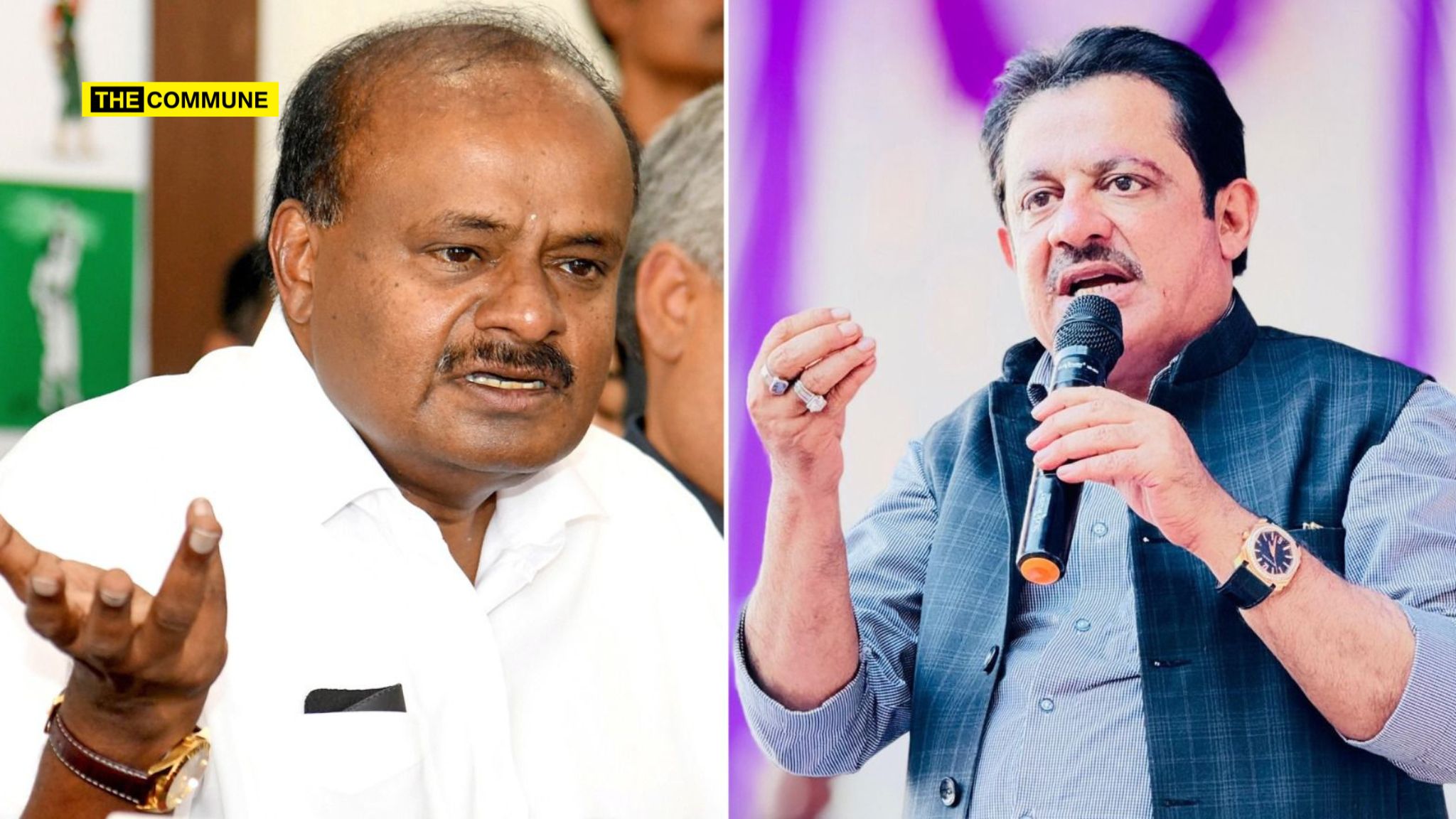
Karnataka Tourism and Waqf minister Zameer Ahmad Khan stirred a major controversy on Monday as he addressed HD Kumaraswamy, the Union Minister for Heavy Industries and Steel as ‘Kaala Kumaraswamy’. The racist remarks were condemned by Janata Dal (S) and leaders of other parties, with the former even calling for his axing from the job. Zameer made the controversial statement during an election campaign in the high-profile Channapatna assembly constituency on Sunday night.

He made the references while delivering his speech in Urdu language and urging voters to support the Congress candidate CP Yogeshwara. “Yogeshwara had started his political career from our party (Congress). However, due to differences, he joined the BJP. He was contemplating joining the JD (S) party then. However, considering that ‘Kaala Kumaraswamy’ is more dangerous than BJP, he did not join the JD (S) party,” Zameer stated. He further slammed the Union Minister HD Kumaraswamy, accusing him of wooing the Muslim community in election season while betraying them on other occasions. “You had stated earlier that hijab is not required and now you want the votes of Muslims? It seems Kumaraswamy, after joining hands with the BJP, will purchase the votes of Muslims. Mr. Kumaraswamy quote your price, people of the Muslim community will each put in a single paisa and purchase your whole family,” he stated.

Union Parliamentary Affairs and Minister for Minority Affairs Kiren Rijiju reacted sternly to the racist jibe and stated, “I strongly deplore Congress Minister Zameer Ahmed calling Union Minister and former CM of Karnataka Kumaraswamy as ‘Kaalia Kumaraswamy’. “This is a racist remark, same as Rahul Gandhi’s adviser calling South Indians look like Africans, North East as Chinese, North Indians as Arabs,” he further said. For the unversed, Zameer Ahmad is a close confidante of Chief Minister Siddaramaiah and is currently facing the heat from his own party leaders over the Waqf row.

His no-holds-barred attack on Kumaraswamy hogs the limelight but it was under his father and him that he made foray into politics. He won his first assembly election from Chamrajpet constituency on a JD (S) ticket. Days ago, he also shared a close bond with Kumaraswamy. Later, Zameer joined the Congress party along with a group of prominent leaders from JD (S) and now identifies with CM Siddaramaiah.

–IANS

Subscribe to our TelegramWhatsApp, and Instagram channels and get the best stories of the day delivered instantly.

Salem Court Begins Trial In 2012 Murder Of TPDK Administrator Palani; Thalli CPI MLA Ramachandran Among 22 Who Appeared

Salem Court Begins Trial In 2012 Murder Of TPDK Administrator Palani; Thalli CPI MLA Ramachandran Among 22 Who Appeared.

In a significant development, 22 individuals, including Thalli MLA Ramachandran, appeared in the Salem District Principal Court on Monday in connection with the 2012 murder case of Palani alias Palaniswami, an administrator for Thanthai Periyar Dravida Kazhagam (TPDK) from Krishnagiri district.

Palani, who served as a Thanthai Periyar Dravida Kazhagam organizer for the Communist Party of India (CPI) in Krishnagiri district, was reportedly shot and later beheaded by a man identified as Kumba Lal.

Following the incident, the Uthanapalli police registered a case, leading to the arrests of 26 individuals, including MLA Ramachandran, his brother R Varadarajan, and his father-in-law, L Maiya.

The case was initially set for trial in the Krishnagiri District Sessions Court. However, Palani’s family petitioned the Supreme Court for a transfer, alleging witness intimidation in Krishnagiri. The Supreme Court subsequently ordered that the trial be moved to the Salem District Principal Court.

The trial for Palani assassination commenced in Salem yesterday, with MLA Ramachandran and 21 others appearing before Principal District Judge Sumathi. Four of the original accused have reportedly passed away. Palani’s son, Vanchinathan, provided testimony during the session.

Judge Sumathi adjourned the hearing to 21 November 2024, allowing for further proceedings in the case.

(With inputs from Hindu Tamil)

Subscribe to our TelegramWhatsApp, and Instagram channels and get the best stories of the day delivered to you personally.

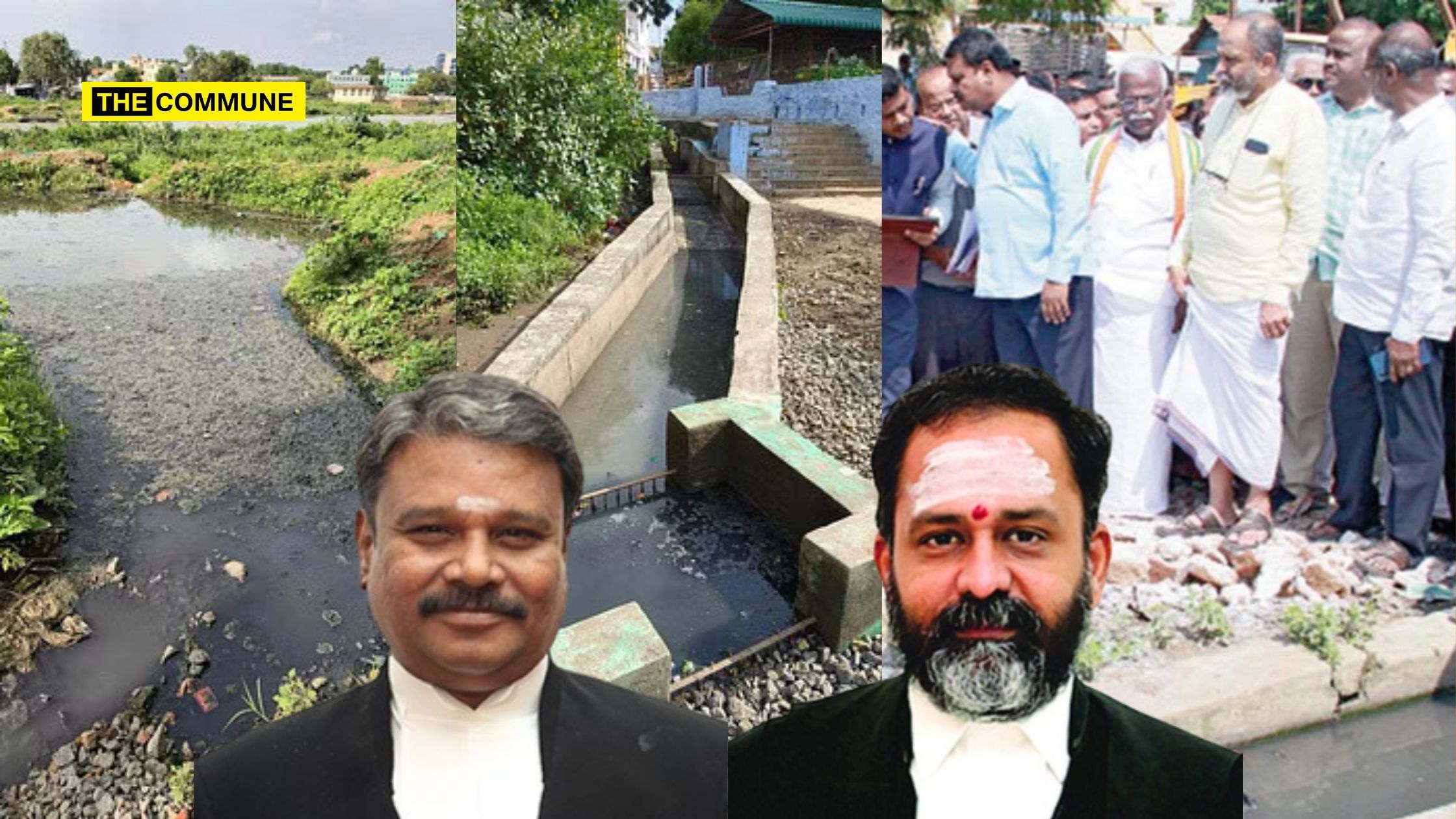
“Who Are We Cheating Sir?” Madras HC Judges Slam Tirunelveli Corporation For Wasting Public Money On Shoddy Thamirabarani River Cleanup Project

"Who Are We Cheating Sir?" Madras HC Judges Slam Tirunelveli Corporation For Wasting Public Money On Shoddy Thamirabarani River Cleanup Project

On 10 November 2024, Justices GR Swaminathan and B Pugalenthi of the Madras High Court, after conducting an on-site inspection of the Thamirabarani river, expressed their dissatisfaction with the Tirunelveli Corporation’s slow pace of cleaning the river within the city limits. The judges were particularly critical of the proposed two-year timeline for the completion of the cleanup and raised concerns about the delay.

This inspection was prompted by a 2018 petition filed by K. Kamarasu, a resident of Muthalangurichi in Thoothukudi, who sought judicial intervention to prevent further sewage contamination of the Thamirabarani river. The river is a vital water source for several districts in southern Tamil Nadu, including Tirunelveli and Thoothukudi. However, it has been severely polluted due to the unchecked discharge of untreated wastewater from residential, commercial, and industrial sources.

During their visit to the Meenakshipuram area of Tirunelveli, the judges assessed the efforts made by the city corporation to address sewage contamination. They expressed dissatisfaction over the absence of key officials and questioned the effectiveness of the current measures to prevent sewage from flowing into the river. The judges pressed for immediate action to manage the sewage issue until the completion of the underground drainage system, which is expected to take another two years.

In response to a court order earlier this year, the Tirunelveli Corporation had begun cleaning the riverbanks in anticipation of the judges’ visit. However, local residents expressed frustration that the cleanup only began shortly before the inspection. Residents of Anna Velankanni Nagar, during the inspection, filed a formal complaint regarding a nearby sewage treatment plant, which they claimed had failed to eliminate the foul odor that had been affecting their community for years.

The judges also visited a sewage treatment plant in Ramayanpatti, where they found that wastewater was not being properly treated before being discharged into the river. Despite the last-minute cleanup efforts, both activists and local residents criticized the authorities for their delayed response, arguing that the real action was only taken after the court intervened.

Several residents submitted petitions during the inspection, citing serious health concerns, especially among children, due to the polluted water and the persistent stench caused by untreated sewage. In response, the judges assured the public that further steps would be taken to resolve the issue and improve the situation in the affected areas. Tirunelveli Corporation Commissioner N.O. Sukhaputra was also present during the inspection.

During the visit, Amicus Curiae T. Arul pointed out that the Decentralized Wastewater Treatment Systems (DEWATS) installed along the river were a waste of public funds. The judges expressed their dissatisfaction with the current treatment systems, which had failed to prevent sewage from polluting the river.

In a last-minute effort ahead of the judges’ inspection, the Tirunelveli Corporation initiated a cleanup operation on 8 November, hastily addressing the sewage contamination along the riverbanks. The cleaning efforts were carried out at various locations identified as sources of pollution.

(With inputs from TOI)

Subscribe to our TelegramWhatsApp, and Instagram channels and get the best stories of the day delivered to you personally.

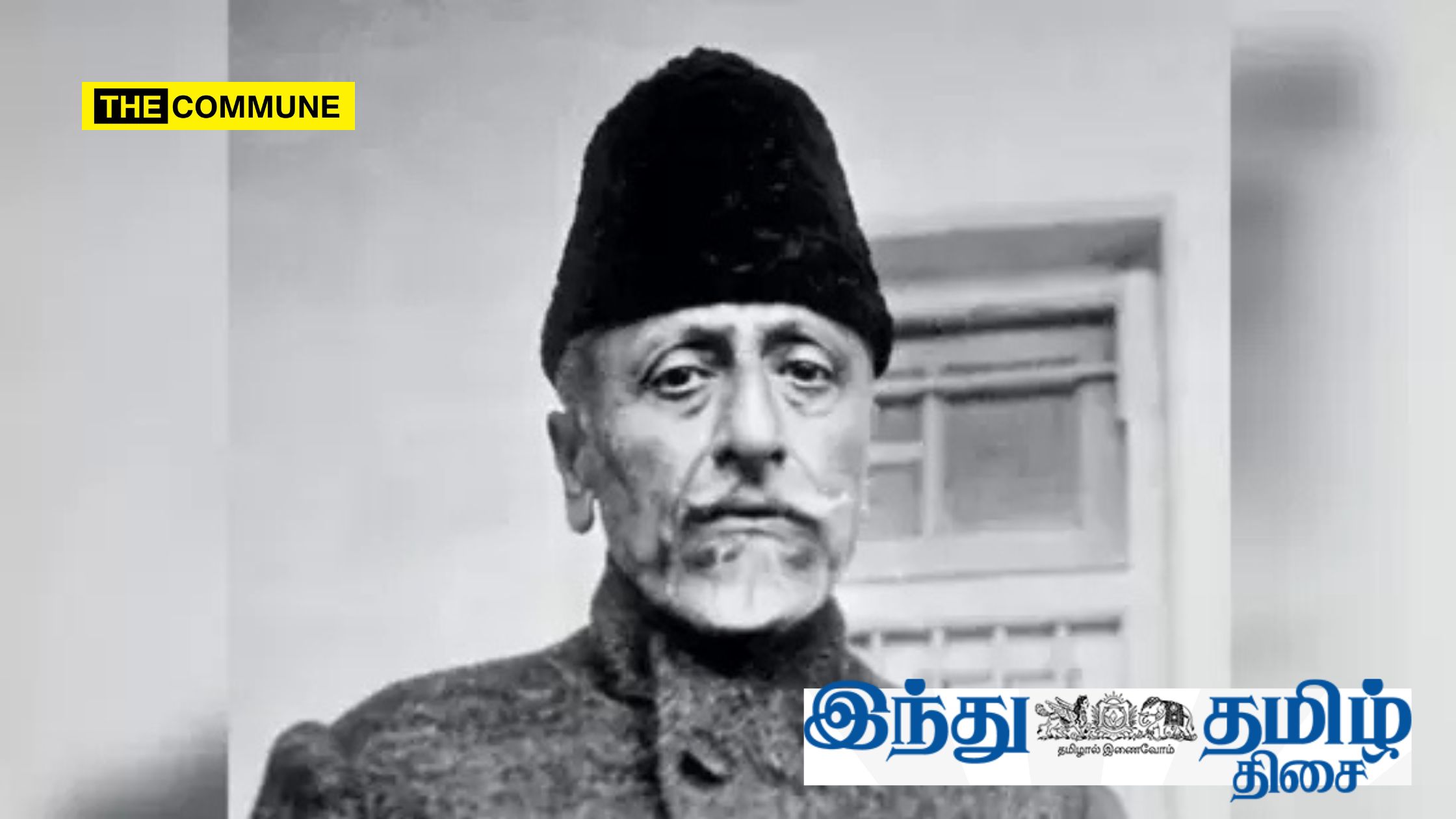
The Hindu Tamil Glorifies Maulana Abul Kalam Azad As India’s Father Of Education Who Whitewashed Islamic Invasions And Distorted History Teaching In India

While numerous leaders made significant contributions to education during India’s struggle for independence, the Congress party has chosen to celebrate the birthday of Maulana Abul Kalam Azad, India’s first Education Minister, as National Education Day since 2008. This move, some argue, was more about appeasing the Muslim community at a time when the Congress feared it might lose its grip on power. However, this decision raises an important question: aside from being a founding member of Jamia Millia Islamia University, which has since been associated with radical elements and anti-India, anti-Hindu activities—such as disrupting Hindu festivals and supporting terrorism and Palestine—what lasting impact did Azad have on India’s education system?

Did Maulana Azad’s contributions to education truly stand out in the same way as these other figures who left a deeper and more lasting legacy in the field of education?

Since 2008, the day 11 November has been marked as National Education Day in honor of Maulana Abul Kalam Azad, India’s first Education Minister. While much is made of his role in shaping the country’s education system post-independence, there is little discussion about his contribution to the distortion of Indian history, particularly regarding the Muslim invasions and their violent impact on Indian society.

Azad served as Education Minister for over 11 years, during which time he appointed individuals aligned with his ideological leanings, many of whom shared his community affiliations or adhered to leftist ideologies. Notable among these were Humayun Kabir, M.C. Chagla, and Fakhruddin Ali Ahmed, all of whom helped craft a version of Indian history that presented Mughal rulers as “benevolent” or even as “saviors of the oppressed Hindu masses.” This version of history, often referred to as “negationist,” downplayed or completely obscured the violence and atrocities committed by Muslim invaders — including looting, temple destruction, forced conversions, the imposition of the Jizya tax, and the selling of captured children in slave markets.

Azad’s efforts during his tenure as Education Minister have drawn criticism for systematically whitewashing the historical misdeeds of Islamic rulers. His approach, supported by Jawaharlal Nehru, was to focus on portraying Islamic invaders in a positive light while vilifying Hindu culture and traditions. History textbooks revised under his leadership downplayed the destructive invasions and the oppression of Hindus, thereby shaping generations of Indians to overlook the true consequences of their history.

Whitewashing Islamic Invasions

A 2014 report by Freedomfirst.in highlights how Azad, during his tenure as Education Minister, oversaw a significant shift in how Indian history was taught, particularly concerning the Mughal Empire. The atrocities committed by Mughal emperors like Alauddin Khilji and Tipu Sultan, which included forced conversions, temple demolitions, and other forms of religious persecution, were either ignored or downplayed in the history textbooks. Instead, figures like Akbar were celebrated as benevolent rulers, despite the empire’s violent expansionism and coercive policies. This narrative significantly distorted the realities of India’s medieval history, which included long periods of suffering under Islamic rule.

Abul Kalam Azad

In 2020, M. Nageswara Rao, a senior IPS officer, criticized this whitewashing of history under Azad’s leadership. He argued that there was a concerted effort to diminish the contributions and civilization of Hindus by promoting a narrative that celebrated Islamic rule at the expense of India’s ancient cultural heritage. Rao noted that during Azad’s tenure, history was rewritten to serve a political agenda — one that sidelined the rich traditions of Hindu civilization while simultaneously glorifying the medieval Muslim invaders.

Azad’s Legacy In Education System

Maulana Azad’s legacy as the Education Minister has been widely debated. His policies shaped the education system for decades, but they also entrenched a narrative that minimized the hardships faced by Hindus during Islamic rule. The deliberate omission of historical facts and the glorification of the Mughal period under Azad’s watch left many wondering about his true motivations. Was Azad truly working in the best interests of Indian education, or was his tenure part of a larger effort to appease the Muslim community and reinforce Islamic solidarity in the country?

Furthermore, his leadership in crafting a curriculum that ignored the atrocities committed by the Mughal rulers has been criticized for promoting a form of historical amnesia. Many argue that his bias toward Islam was influenced by his own religious background. Born into a prominent Islamic family, Azad’s upbringing and education were rooted in traditional Islamic teachings. His father, Maulana Khairuddin, was a well-respected scholar and a strong proponent of preserving Islamic traditions, which perhaps influenced Azad’s worldview as he rose to power.

The Historical Blind Spot: Mughal Tyranny

Azad’s personal history and familial background reveal why he may have been reluctant to portray the Mughal Empire in a negative light. Raised in Mecca and Medina, Azad’s education was deeply influenced by Islamic teachings. His father, who was committed to Islam, did not prioritize English or modern education for his children. Instead, Azad was immersed in religious studies, focusing on the Quran, Hadith, and other Islamic texts.

Given this, it’s not surprising that Azad, upon becoming India’s Education Minister, made efforts to downplay the violent and tyrannical actions of historical Islamic rulers. Under his leadership, the narratives of rulers like Akbar were polished, while the history of Tipu Sultan and Alauddin Khilji, who were responsible for significant atrocities against Hindus, was either softened or omitted altogether.

This skewed portrayal of history has led to debates about the educational system’s integrity, as it failed to educate students about the true nature of Islamic conquests. The focus on Ganga-Jamuni tehzeeb (the idea of Hindu-Muslim unity) has often masked the brutal realities of the past. While it’s crucial to acknowledge the diversity and pluralism of India, glossing over the violent aspects of history does a disservice to the country’s students, who deserve to learn the full truth about their history.

The Question Of Azad’s Appointment

Despite his background and ideological leanings, Maulana Abul Kalam Azad was appointed as India’s Education Minister, a position in which he held significant influence over the country’s educational policies for over two decades. The question arises: On what basis was he chosen for this critical role? Was it because of his educational expertise or due to his ability to serve as a symbol of Muslim leadership in a newly independent, secular India? Azad’s tenure, which saw the whitewashing of India’s history, raises important questions about the motivations behind his appointment and the legacy he left in Indian education.

Today, Maulana Abul Kalam Azad is hailed by some as a secular icon and a champion of Indian nationalism. However, his contributions to the education system have been far from neutral. By promoting a version of history that overlooked the atrocities committed by Mughal emperors and other Islamic invaders, Azad’s legacy has been questioned. The glorification of Islamic rulers and the erasure of their crimes from history textbooks may have been part of an effort to appease a certain section of society, but it has left a lasting impact on the way history is taught in India.

(With inputs from OpIndia)

Subscribe to our TelegramWhatsApp, and Instagram channels and get the best stories of the day delivered to you personally.

From Lying About Gujarat Riots To Other Anti-Hindu Rants: A Look At Gems Of Statements Made By Hate-Mongering ‘Journo’ Rana Ayyub

A Look At Gems Of Statements Made By Alleged Journalist Rana Ayyub.

Alleged journalist Rana Ayyub recently experienced “heightened surveillance” and alleged harassment during a reporting trip in Manipur. It is reported that security personnel frequently questioned Ayyub at checkpoints about her activities and reported that they followed her “for her safety” under orders from a “higher office.”

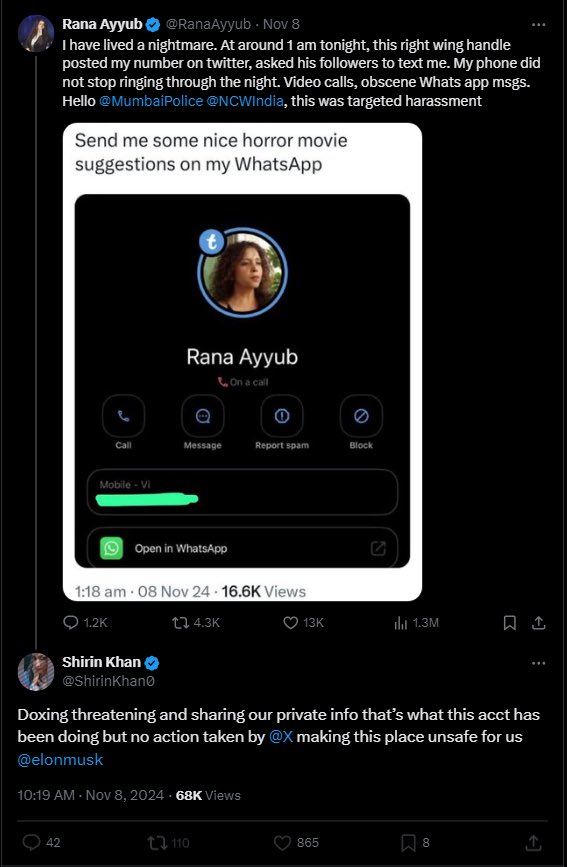
Separately, a social media activist account allegedly leaked her phone number, leading to over 200 harassment calls, explicit messages, and disruptive requests for one-time passwords. Ayyub is said to have filed a cybercrime complaint with Mumbai police.

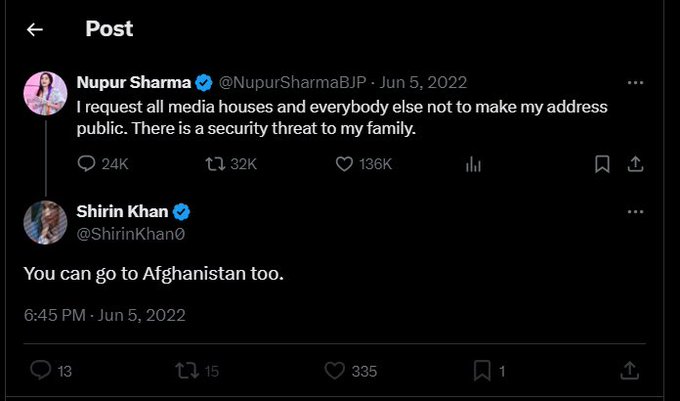
When her details were allegedly leaked out, her supporters like her cried foul. But the same people were happy when Nupur Sharma was doxxed.

She was very “upset” when Nupur Sharma spoke the truth about her religion. But she and her community had to flash the victim card. Here’s what she wrote.

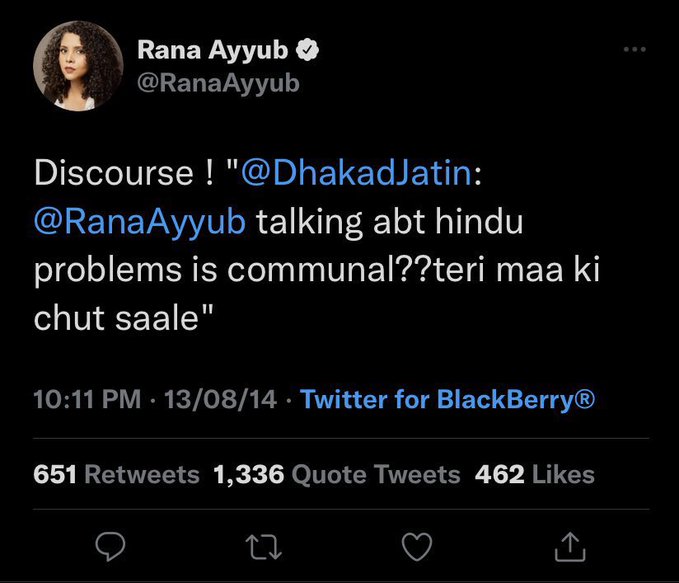
If you thought she was naive and never abused anyone, here’s a sample.

We all have a fair idea as to who Rana Ayyub is. But did you know that she has made Hinduphobic and antinational statements over the years apart from defrauding the public during the COVID-19 pandemic? Let’s take a look at her “gems” of statements and some more from the past on her social media account.

Hinduphobic Statements

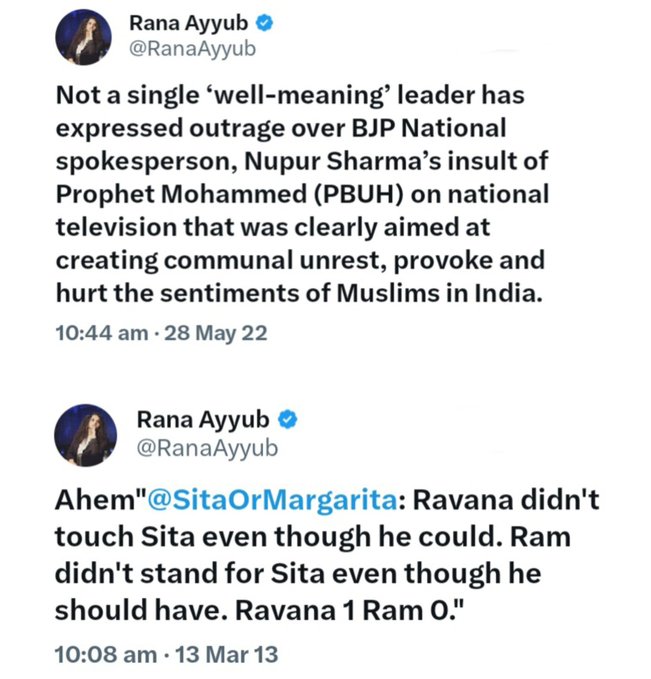
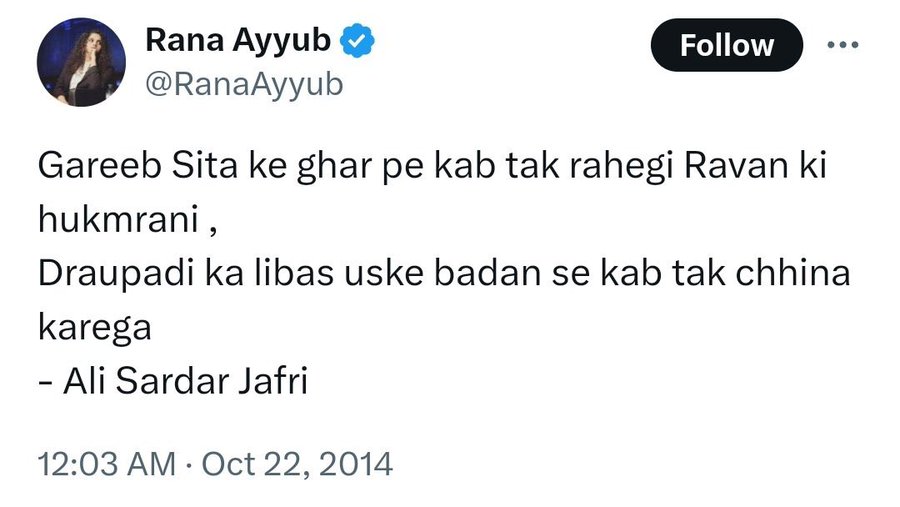
She made derogatory statements against Ma Sita.

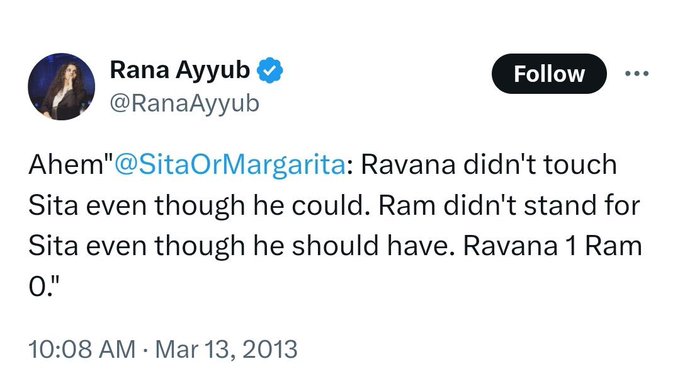
She praised Ravana and derogated Lord Rama.

Complaints were filed for this post back in 2022 but no action has been taken so far.

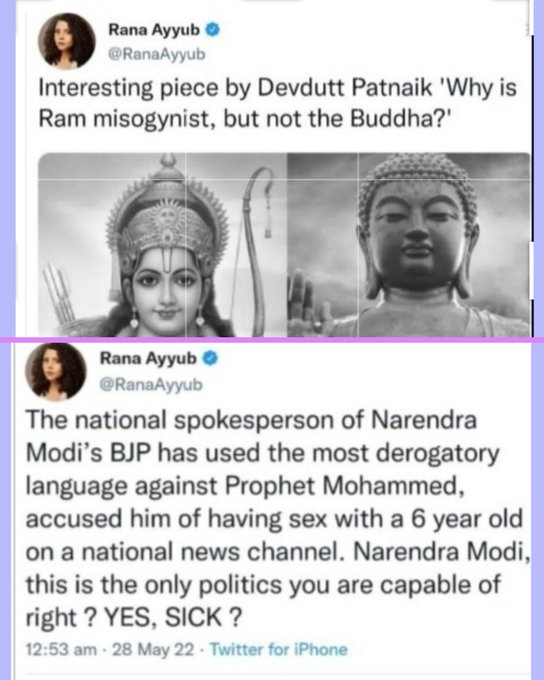
She called Lord Rama a “misogynist” and made derogatory statements about Hindu deities, but she found it problematic if someone spoke the truth about her religion.

Infiltrating Govt Offices & Lies On Gujarat Riots

In a video from 2022, Ayyub openly acknowledges that she spied on Gujarat government officials for 8 months in 2010. At the International Journalism Festival in Perugia, she said, “I went undercover as this Hindu American girl with a fake name, a fake identity, and a fake American accent with 8 cameras on my body. This was in 2010, and I infiltrated the rank and file of Mr Modi’s government. For 8 months, I did a sting operation on all the top guys in the Modi administration where they spoke the truth of the genocide of Muslims and the extra judicial murder of Muslims. When I came back to my organization, they refused to publish the story citing political pressure. I was only 26 then, it was a lot for a journalist to take.”

Ayyub claimed she possessed “tapes” that purportedly proved a conspiracy behind the Gujarat riots faced skepticism after fellow journalist Madhu Trehan revealed that Ayyub had declined an offer to publish them during a Newslaundry interview, despite Ayyub’s claims of being denied a platform. Many other journalists advised her to release them online. She however failed to do so leading one to question the existence of the tapes in the first place. Additionally, the Supreme Court also dismissed Ayyub’s book Gujarat Files as lacking evidentiary value, criticizing it as based on “surmises, conjectures, and suppositions” and noting political motivation behind her account.

She even compared Balasaheb Thackeray to terrorist Ajmal Kasab.

On Army

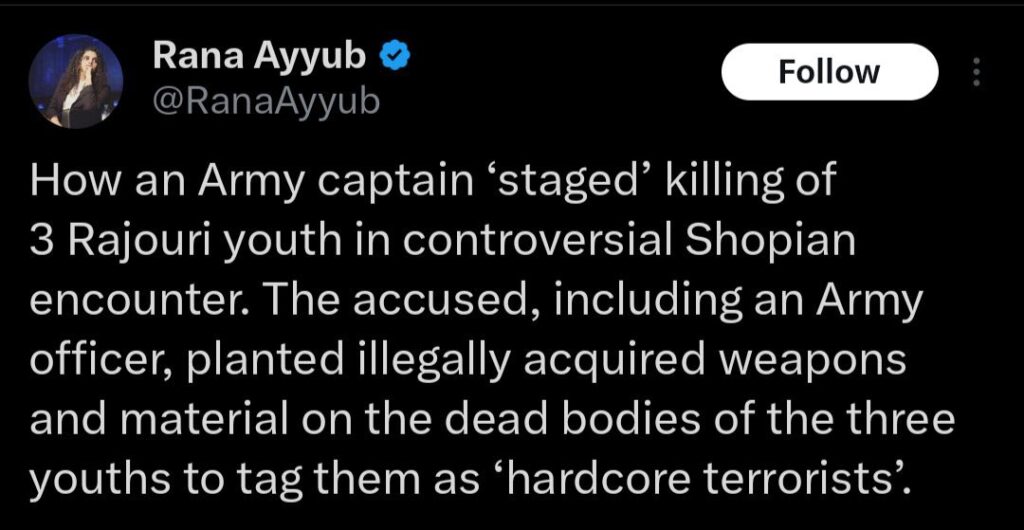
She made several anti-national statements about the Army. Along with leftist publicataions like The Print, she tried to peddle the propaganda that an Army officer was involved in “staging an encounter”. It is noteworthy that the said Captain accused of staging the encounter has been given relief – his life sentence was suspended, and bail was granted as well. 

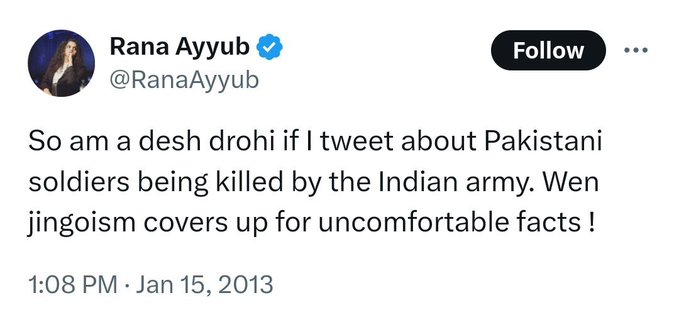
She claimed she will be called “deshdrohi” (traitor) if she spoke against the Army.She was presenting lies as “facts” and expected people to believe her every single time.

On Narendra Modi

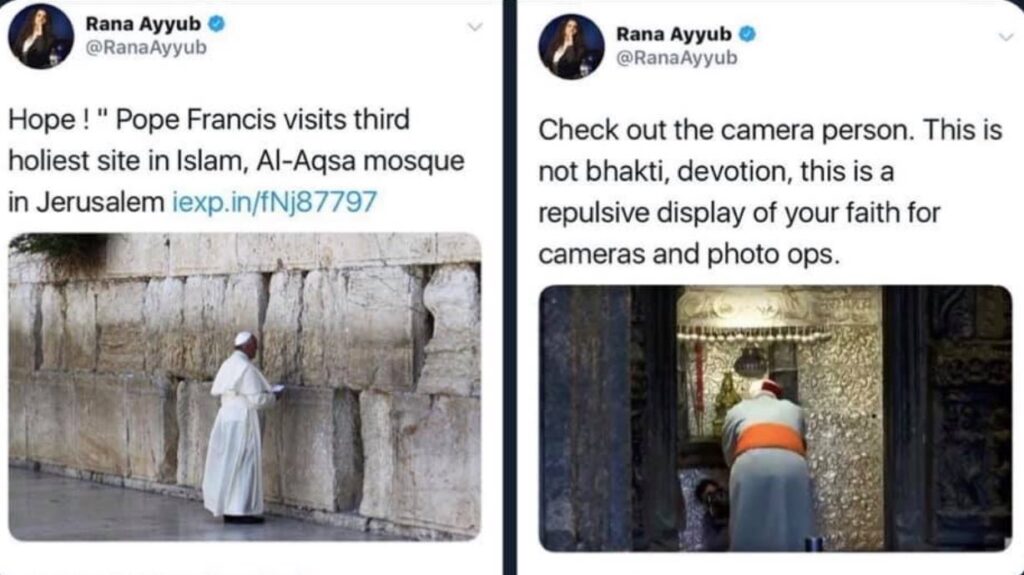
Her hypocrisy knows no bounds. While she praised Pope Francis for visiting the Al-Aqsa Mosque (with cameras), she had to make comments on our Prime Minister for going to Hindu religious sites and called him a “camera person”.

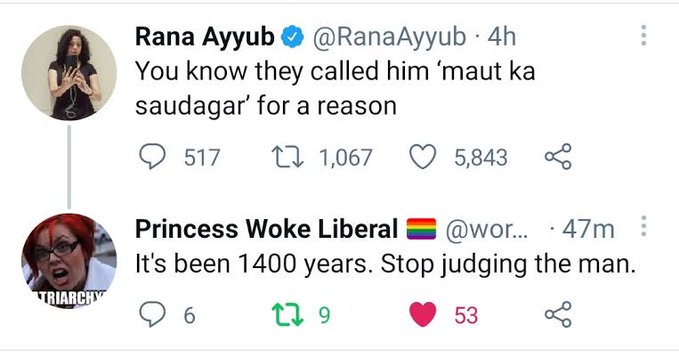
On another occasion, she called PM Modi as “Maut ka Saudagar” parroting the same label that former Congress President Sonia Gandhi used to address PM Modi.

She even compared Balasaheb Thackeray to terrorist Ajmal Kasab.

COVID-19 Pandemic

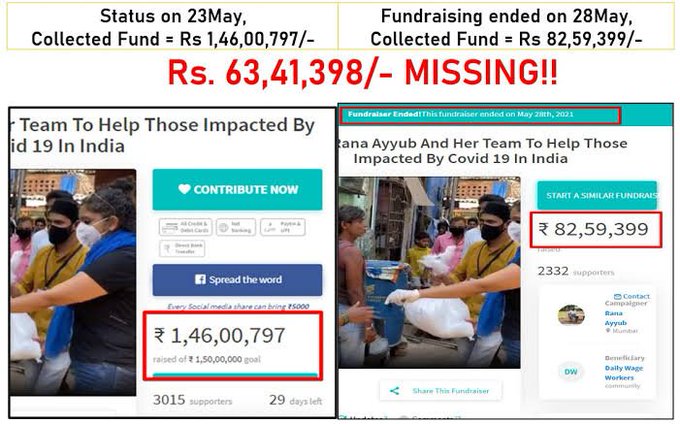
During the COVID-19 pandemic, she tried to raise funds for “slum dwellers, COVID relief etc. However, it turned out to be an alleged fraud. In 2023, the Enforcement Directorate (ED) presented allegations against her before the Supreme Court, stating she misused funds raised for COVID-19 relief, slum dwellers, and aid in Assam for personal luxuries. The ED stated that Ayyub collected over Rs 1 crore in donations, transferred Rs 50 lakh to a fixed deposit, and continued to receive funds after the campaign ended. The ED’s investigation also suggested that Ayyub used fake bills to justify expenses for luxury items. Ayyub’s counsel, Vrinda Grover, argued that the Ghaziabad court lacked jurisdiction, as her client resides in Navi Mumbai, and challenged the legality of the summons.

She was also arrested by UP Police but was let out on conditional bail.

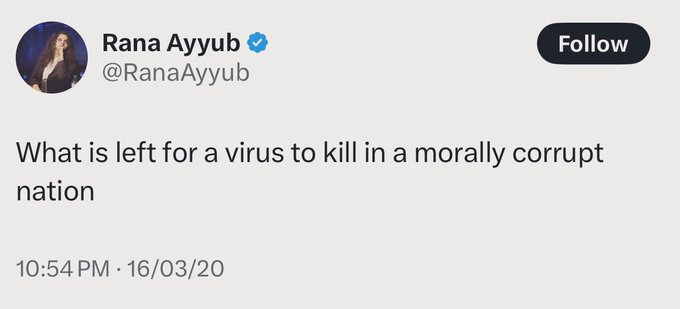
She also seemed very upset during the pandemic, so much so that she called India a morally corrupt nation, forgetting she was also a citizen of the country.


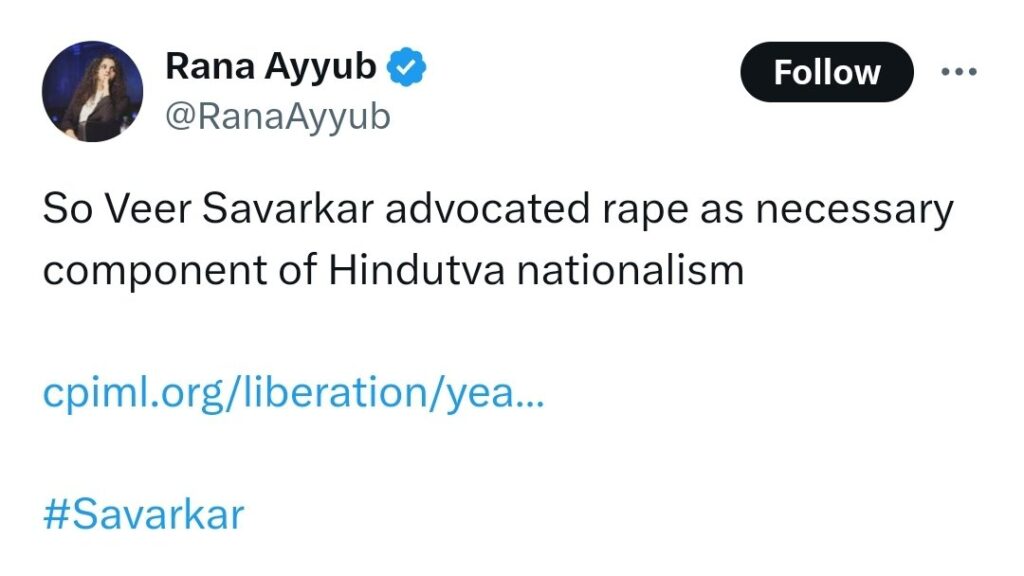
She had also made very derogatory statements on Swatantra Veer Savarkar.

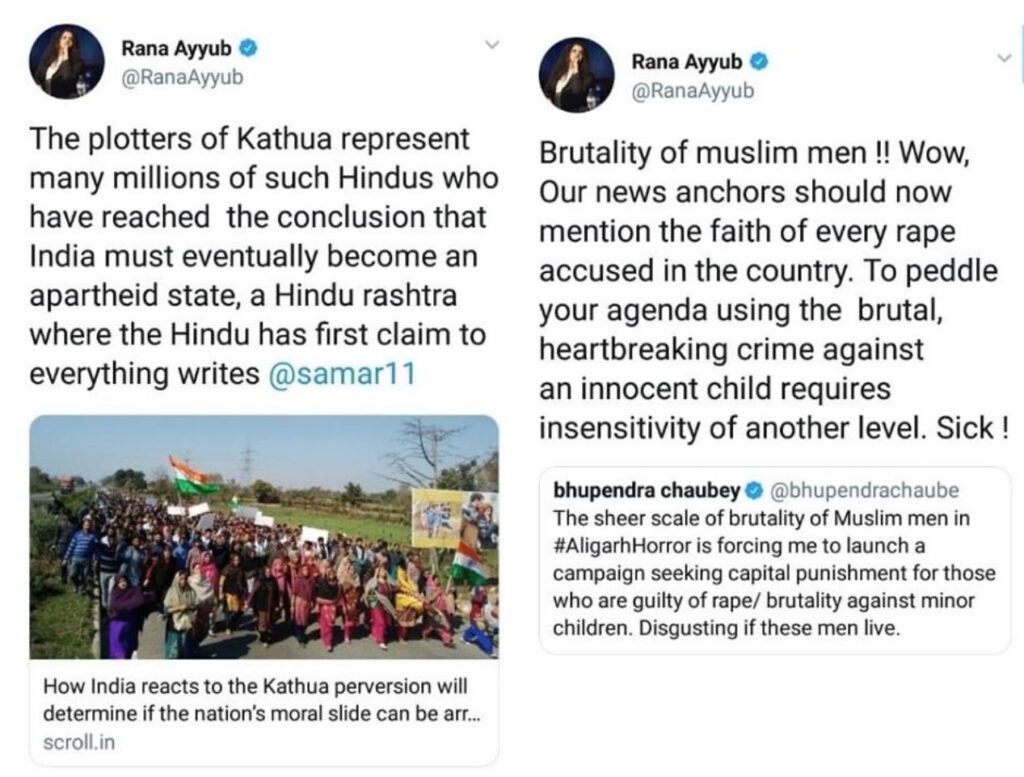
Some of her hypocritical statements are mindboggling, especially if it came to news on rapes. Her reactions would be diametrically opposite depending on who the victim and the perpetrators are. Here’s a sample.

Anti-national Statements

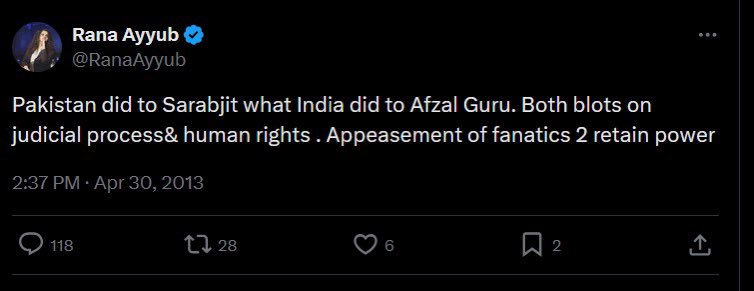
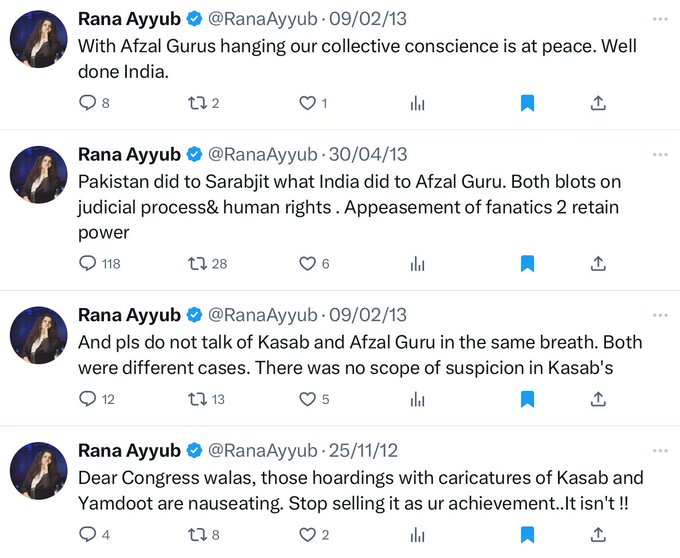
Here are some screenshots of her anti-national statements. She seemed to be convinced that what happened to Indian POW who languished in Pakistani jail for decades was right. She even compared the treatment meted out to Sarabjit with that of Afzal Guru!

Did you know she hosted terrorist Umar Khalid at her home? Also, that urban naxal Arundhati Roy is her close friend.

Love For Zakir Naik

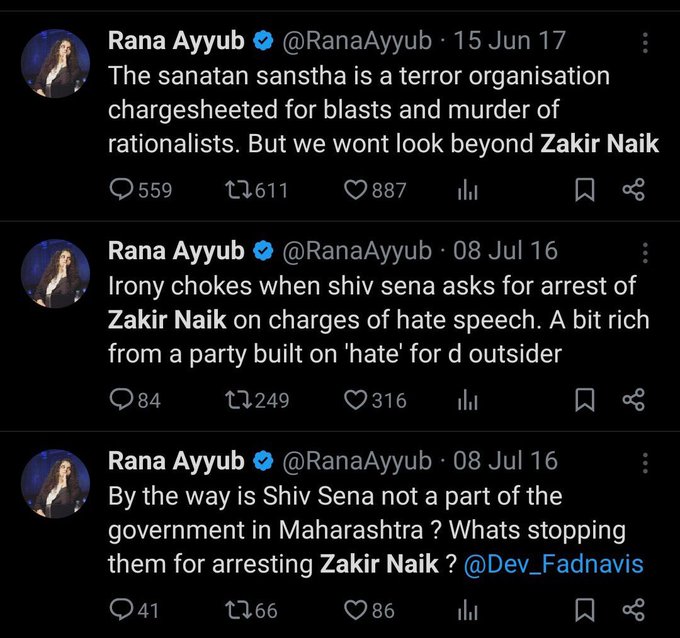
Like many from her community, she also spoke up for fugitive radical preacher Zakir Naik.

These are just a few gems we managed to dig up from Ayyub’s social media account. This comes at a time when #ArrestRanaAyyub was trending on social media platform X following her allegations of “doxxing”. Now that there is so much proof of her Hinduphobic statements, will action be taken against her?

Subscribe to our TelegramWhatsApp, and Instagram channels and get the best stories of the day delivered to you personally.
TN To Detect Land Encroachments Using AI, Pilot Study In Coimbatore

The Tamil Nadu government is set to launch an Artificial Intelligence (AI)-based application to detect land and property encroachments across the state, starting with a pilot programme in Coimbatore. Following the pilot study, the software will be customised for deployment across other urban local bodies to detect encroachments.

The state’s Town Planning Department has invited consultants to develop the AI-powered software and smartphone application. Consultants have been instructed to roll out the application within six months, after which it will operate for 12 months on a trial basis. Upon completion, the Department of Town Planning will take over the operation and maintenance of the platform.

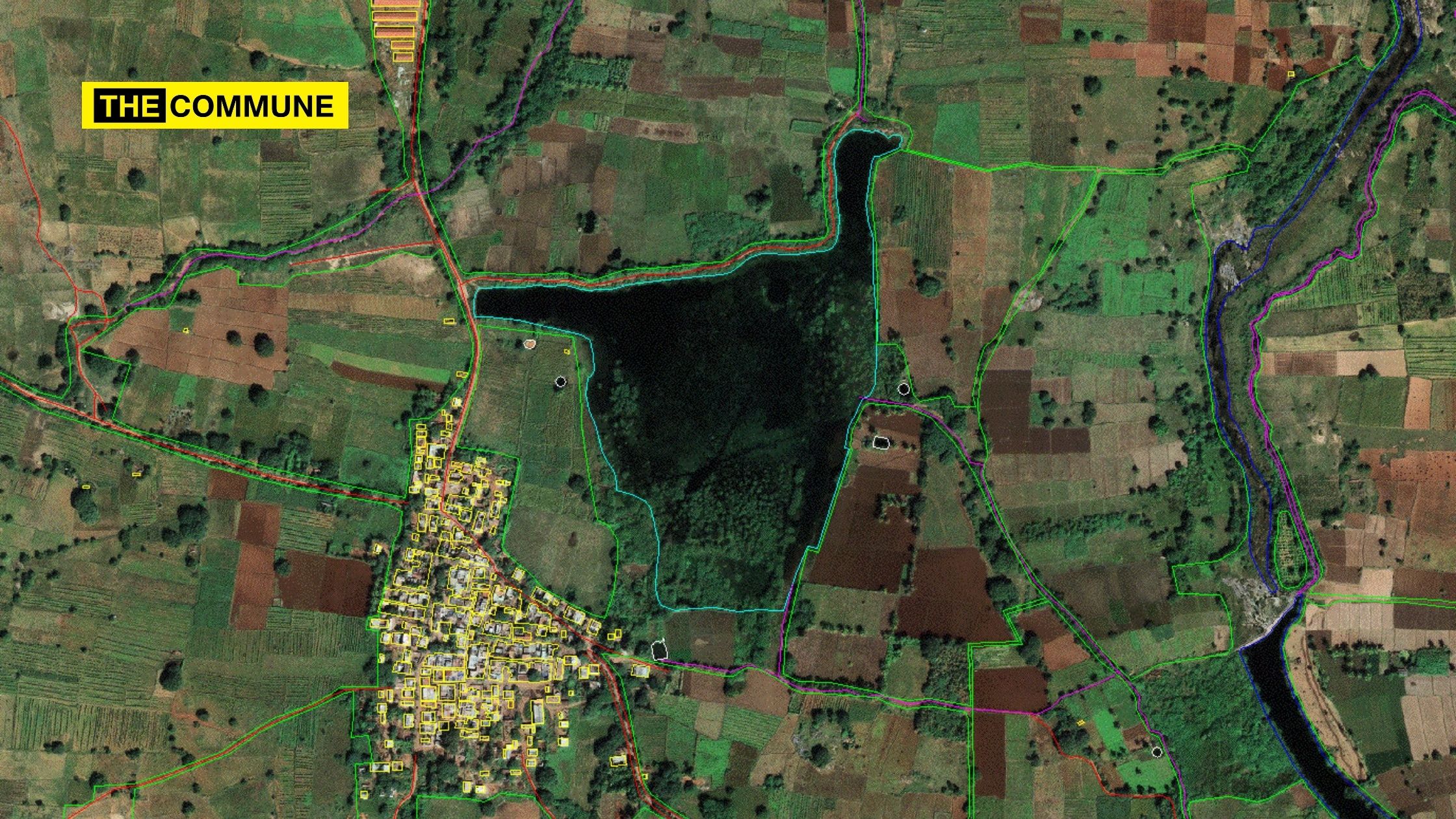
According to the Department of Town and Country Planning (DTCP), the software platform and database will be developed using advanced technologies, including satellite imagery, Geographic Information Systems (GIS), and data science.

This AI-based platform will facilitate the automatic detection of encroachments, supported by a database of plot boundaries, existing building footprints, and related information.

The platform will obtain data from city master plans, detailed development plans, and local body records of building and layout approvals for both planned and unplanned areas. Using this data, the AI system will track progressive changes in land use on both government and private properties, alerting officials to land-use changes, unauthorised constructions, and encroachments.

The application will also monitor green cover across different regions, aiding in the tracking of deforestation and urban expansion. A senior official of the Tamil Nadu town planning department while speaking to IANS on conditions of anonymity said, “The AI-driven study on encroachments is a huge move which will help detect all encroachments. The green cover will also be on an increase by this technology-driven detection of encroachments.”

–IANS

Subscribe to our TelegramWhatsApp, and Instagram channels and get the best stories of the day delivered to you personally.
Police Search For 20 Kerala Youth CPI-M Workers For Celebrating Birthday, Holding Up Traffic

Police Search For 20 Kerala Youth CPI-M Workers For Celebrating Birthday, Holding Up Traffic.

A day after youth wing members of Communist Party of India – Marxist (CPI-M) in Pathanamthitta took over the control of the main road near here on Saturday night to celebrate birthday, Kerala Police is on the lookout for 20 of them.

The police have already arrested Shiyas, the birthday boy who led the celebrations by taking over the St Peter’s Junction here. For an hour, the youths, all allegedly belonging to the Democratic Youth Federation of India who came in around 20 cars, celebrated the birthday of Shiyas by cutting a cake placed on the bonnet of a car in the middle of the road.

The celebrations began at 9.15 p.m. and lasted an hour and eyebrows were raised on the way the police acted when the celebrations were going on. The youth are members of the local club named Kammatipaddom and came in their cars to St Peter’s Junction.

Of late, there has been an increase of the youth members, especially those attached to CPI-M to take the law into their hands. While Shiyas has already been arrested, the police have begun a manhunt to take into custody around 20 more youths and reports indicate that many of them are now in hiding.

Incidentally, this is the second time the youth wing of CPI-M in the district is engaged in such a celebration causing widespread criticism from across the society. However, the district leadership of the DYFI has feigned ignorance of such an event taking place.

The Pathanamthitta district is a stronghold of the CPI-M-led Left and all five Assembly constituencies are with the ruling CPI-M-led Left Democratic Front. Journalist turned State Health Minister Vienna George hails from the district.

–IANS

Subscribe to our TelegramWhatsApp, and Instagram channels and get the best stories of the day delivered to you personally.
AIADMK Gen Secy EPS Greenlights Possibility Of Coalition With “Like-Minded” Parties Ahead Of 2026 Elections

AIADMK Gen Secy EPS Greenlights Possibility Of Coalition With "Like-Minded" Parties Ahead Of 2026 Elections

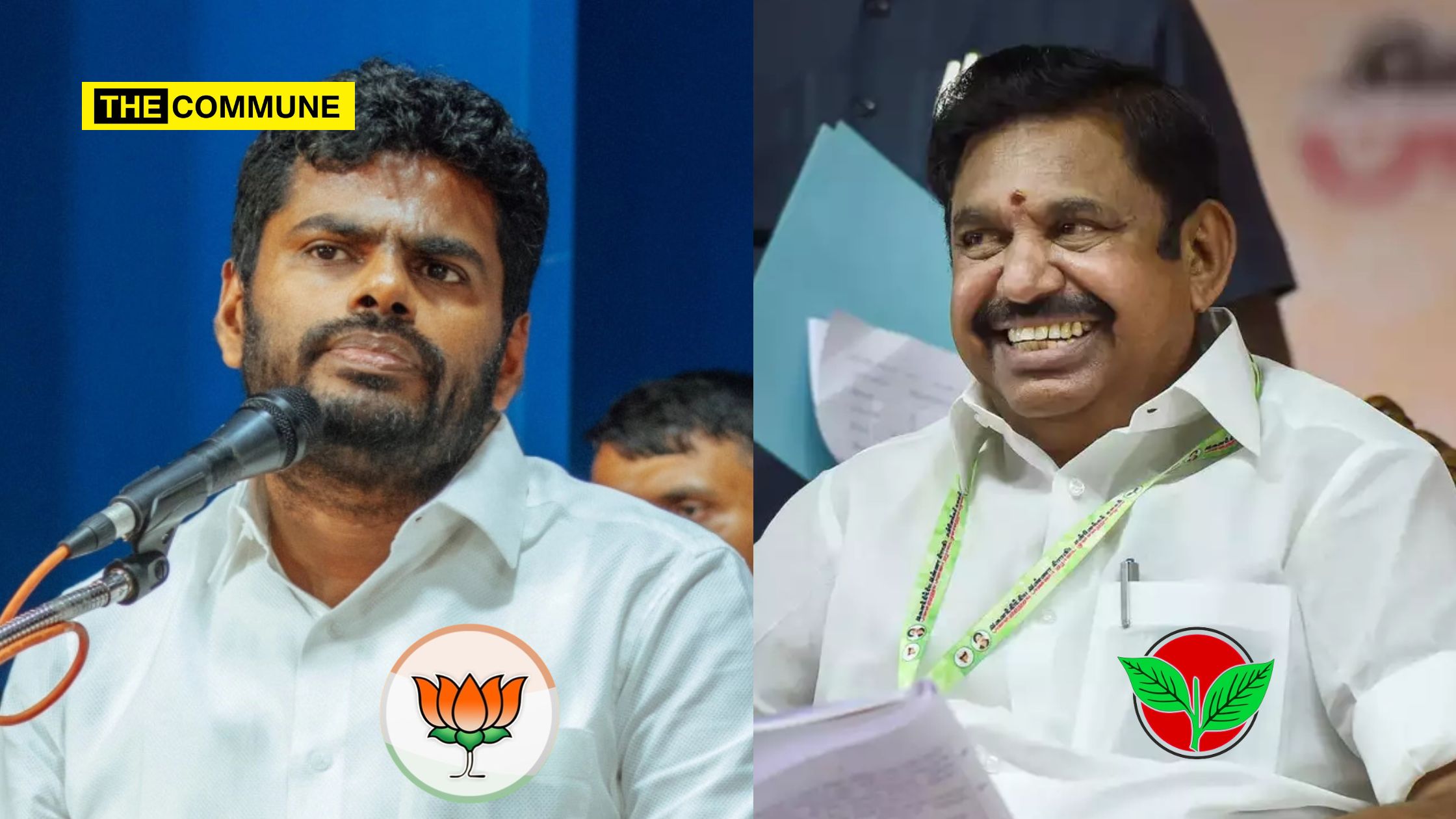
Previous reports have indicated that former senior ministers and current MLAs from the AIADMK have been pressuring General Secretary Edappadi Palaniswami (EPS) to adopt a more unified approach ahead of the 2026 Tamil Nadu Legislative Assembly elections. While EPS had previously rejected the idea of a coalition, have now hinted that an alliance, even with the BJP, could be a strategic option. This shift in stance comes after a two-year break in the coalition between the AIADMK and the BJP.

Edappadi Palaniswami, who had attended various events in Thanjavur and Trichy before flying back to Chennai, addressed the media at the airport. He responded to Chief Minister MK Stalin’s recent criticisms, where Stalin claimed that under EPS’s leadership, little was achieved during his tenure.

Palaniswami defended the AIADMK’s governance from 2011 to 2021, citing the successful completion of several major projects, including the establishment of 11 medical colleges and law colleges, as well as the ongoing development of institutions in Salem. He emphasized that the AIADMK’s leadership under Jayalalithaa had delivered what he called the “best governance,” contrasting it with the current DMK government’s inefficiency. He also criticized the cancellation of key welfare schemes like the Amma Mini Clinics and the fertiliser distribution program.

“The DMK government is failing on multiple fronts,” Palaniswami said, highlighting that the promises made by Stalin during the election campaign had largely gone unfulfilled. He pointed out that out of the 525 promises made by the DMK during the election, less than 10 percent had been implemented. He also drew attention to the growing drug problem in Tamil Nadu, which, according to him, the DMK government has failed to curb.

Palaniswami further claimed that while Stalin criticized his leadership, he himself had risen through the ranks of the AIADMK because of his talent, whereas Stalin’s political rise was attributed to his familial connection to the late Karunanidhi. He also took aim at Udhayanidhi Stalin, asserting that his appointment as Deputy Chief Minister was due to his lineage rather than his merit.

In response to questions about the potential for an alliance with the BJP, Palaniswami maintained that any coalition would depend on the political climate closer to the election. He reiterated that AIADMK was open to working with like-minded parties to challenge the DMK government but emphasized that no formal decision about an alliance had been made yet. He dismissed concerns about fractures within the AIADMK-BJP alliance, suggesting that such speculation was unfounded and that the opposition’s goal was to unite against the DMK.

“Coalition is not like opening or closing the door. I may like that in other parties, but according to AIADMK and my opinion is like minded parties should today join and defeat this anti people and corrupt government and whoever comes to the alliance they are considered like-minded parties. Based on our parties’ principles whoever wishes to join under our coalition is like minded parties”. Schooling the media about election coalition EPS said, “Parliamentary or assembly elections comes once in five years, the alliance is based on the politics only nearing the election we could come to know who has allied with whom before that whatever we say it won’t stand.”

EPS further stated, “A coalition isn’t something simply be opening or closing a door. While other parties may approach it like that, but in my view, and in the view of the AIADMK, like-minded parties should come together today to defeat this anti-people, corrupt government.” He further explained, “Anyone who joins the alliance is considered a like-minded party. Those who wish to align with us, based on the principles of our party are like-minded party.”

Addressing the media on the nature of electoral coalitions, EPS emphasized, “the parliamentary or assembly elections, happen once every five years. The formation of an alliance is based on the political fervor made closer to the election. Only then will we know who has allied with whom. Anything said before that doesn’t hold true.”

Palaniswami stated, adding that AIADMK’s primary focus was to unite with parties that were aligned in their opposition to the DMK and could accept AIADMK’s leadership in any future alliance.

Subscribe to our TelegramWhatsApp, and Instagram channels and get the best stories of the day delivered to you personally.
Vellore Villagers Allege Harassment By Missionaries Over Temple Construction On Govt-Allotted Land

Vellore Villagers Allege Harassment By Missionaries Over Temple Construction On Govt-Allotted Land

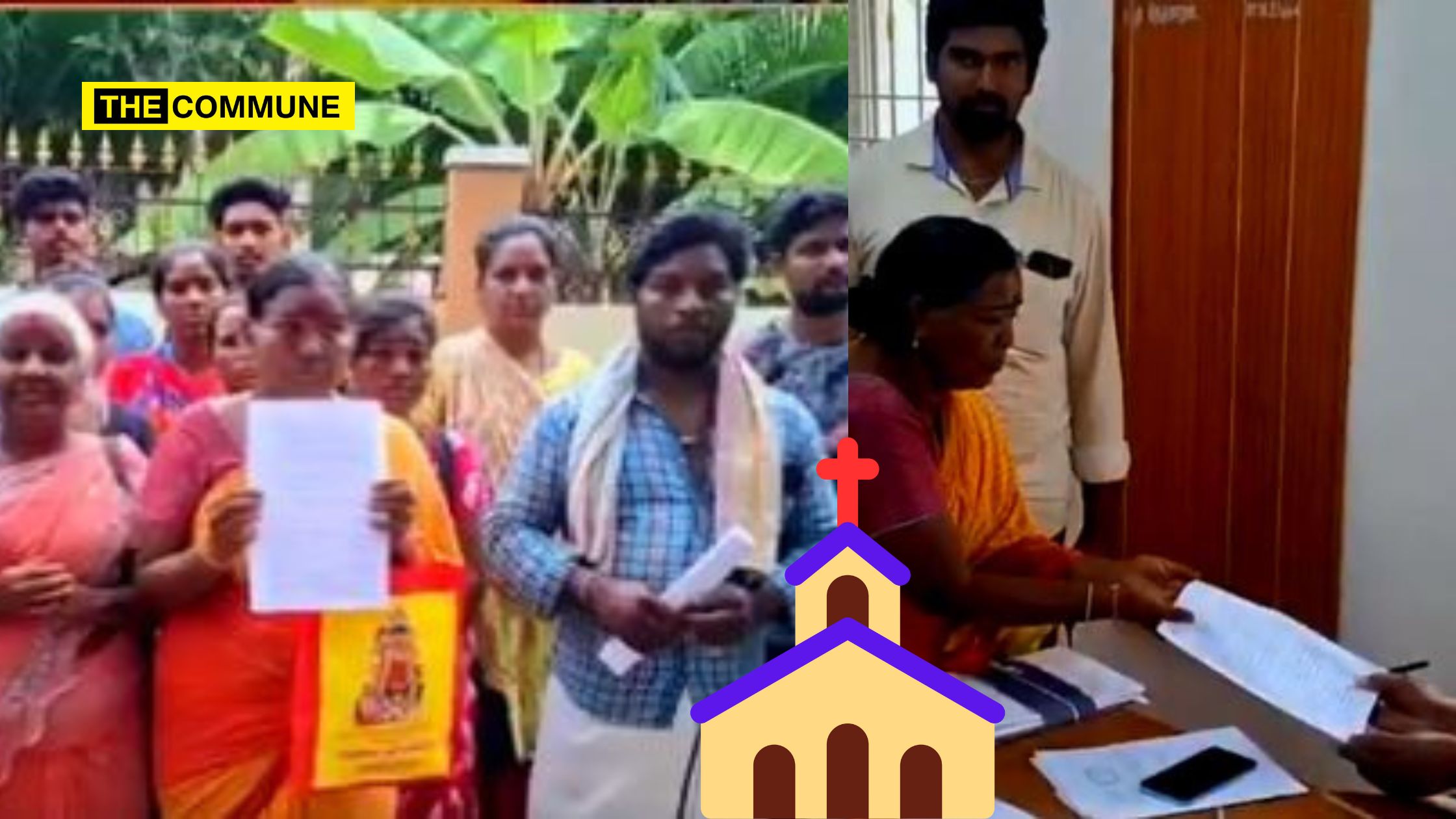
In a troubling incident in Vellore district, Christian missionaries have allegedly been threatening a group of poor, unsuspecting villagers, insisting that they cannot build a temple on government-allotted land.

The villagers, devout followers of the Goddess “Om Sakthi,” had secured the land and planned to construct a small temple. However, when they began the construction, it is claimed that local Christian missionaries initially warned them against building the temple. The situation escalated when the missionaries reportedly confronted the villagers with beef, further threatening them and insulting their religious beliefs. The villagers, many of whom are illiterate, expressed their distress, explaining that they revere the cow as sacred and were deeply offended by the actions of the missionaries.

One of the village leaders who spoke to the media said, “We have been living here for forty years, and the government has allocated separate land for us. We want to build an ‘Om Sakthi’ temple on this land, which is what we are fighting for. Two hundred fifty people are living here, and I am their leader. Recently, Christians have come to the area to take over the land. They have been bringing cow’s leg meat and showing it to us as a threat. We have always revered cows as sacred, but they are using this to intimidate us and drive us off the land. The people here have long dreamed of building this temple, but now they are coming to provoke a fight and threaten us. We ask for your help to protect our land and our right to build the temple.”

In response to these threats and intimidation by missionaries, the villagers have submitted a petition to the Deputy Collector of Vellore urging the government to intervene and allow them to build the temple on their land to continue their religious practices without fear or interference.

Subscribe to our TelegramWhatsApp, and Instagram channels and get the best stories of the day delivered instantly.

Copper Plate Reveals Historical Syncretism: Misappropriation Of Dargah Property Linked To Sin Of Cow Slaughter, Says Ancient Tamil Inscription

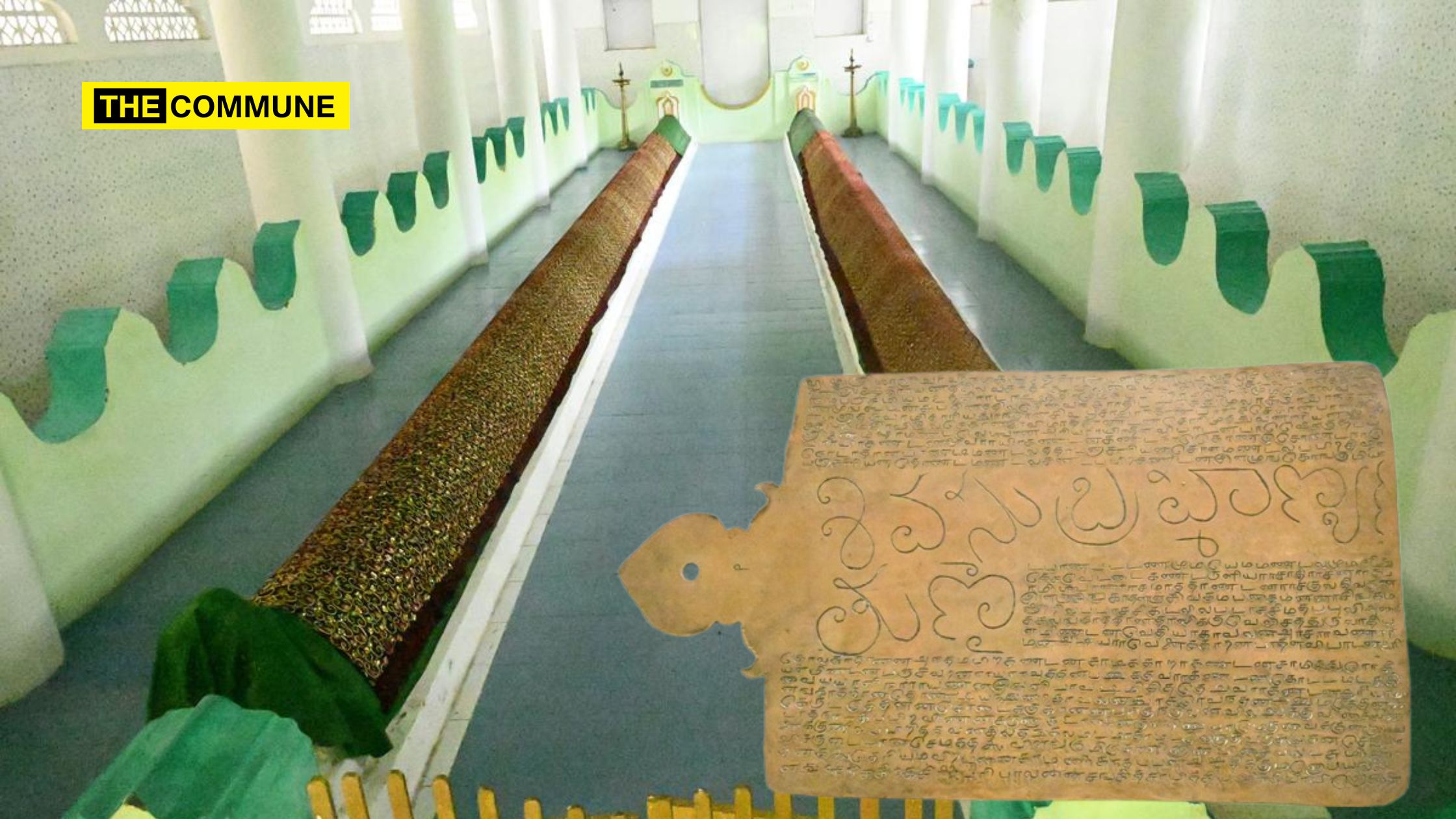
A recently rediscovered copper plate belonging to the Muthukumara Vijayaragunatha Sethupathi Kaathathevar sheds light on an age-old belief linking religious responsibility with moral consequences across faiths. The copper plate, held by the Habil and Qabil Dargah in Rameswaram, contains an inscription stating that any misappropriation of the proceeds from Pakkiri Puthukulam village, donated to the dargah, would incur the severe spiritual sin associated with cow slaughter. This sin, traditionally regarded as one of the most severe in Hinduism, would also extend to Muslims or anyone else guilty of such an act, according to the inscription.

The dargah, located close to the residence of the late Indian President Dr. A.P.J. Abdul Kalam, has a long history of attracting devotees across religious backgrounds. The copper plate, currently in the possession of Ahamed Jallaudin, son of Arulmozhi alias Asiammal, trustee of the dargah, links the religious site’s property with strict moral stipulations. According to historian S.M. Kamal’s modern translation of the text, “He who properly maintains the property will be blessed with the benefit of offering food (annadhanam) in Mecca, Madina, the Ganga, and the Sethu [Rameswaram].” However, anyone who misappropriates its proceeds “will incur the sin of killing his parents and a cow in Mecca, Madina, on the banks of the Ganga, and in the Sethu,” the inscription declares.

The Habil and Qabil Dargah believed to be a resting place for the Biblical Cain and Abel, or Habil and Qabil in Islamic tradition, sits within a lush campus surrounded by banyan and palm trees. The graves, each a striking 57 feet long, draw a steady stream of visitors, especially from Kerala, who come to offer prayers at the memorials. According to local tradition, the dargah’s unusually long graves reflect the belief that these ancient figures were of superhuman size.

The historical inscription also reveals deep ties between the Sethupathis of Ramanathapuram and the Muslim community. The grant of Pakkiri Puthukulam to the dargah underscores the bond of friendship and mutual respect, famously demonstrated by merchant prince Shaikh Abdul Qadir, also known as Seethakathi, a close associate of Vijaya Raghunatha Thevar, the Sethupathi ruler of Ramanathapuram.

Dr. A.P.J. Abdul Kalam, who grew up near the dargah, shared memories of his family’s close connection to local Hindu traditions in his memoir Wings of Fire. He recounted how his family, through generations, was honored during the annual Shri Sita Rama Kalyanam ceremony at the nearby Ramanathaswamy Temple. “My great-great-grandfather was treated like a hero,” he wrote, recalling a rare tradition where the temple awarded his family the first honor, or Mudhal Mariadhai, in recognition of their longstanding service.

(With inputs from The Hindu)

Subscribe to our TelegramWhatsApp, and Instagram channels and get the best stories of the day delivered instantly.